3. Human Mating Strategies
 Studied by 0 people
 Call with Kai
 Learn
Learn Practice Test
 Spaced Repetition
 Match
Match Flashcards
 Knowt Play
1/36

There's no tags or description
Looks like no tags are added yet.
Name | Mastery | Learn | Test | Matching | Spaced | Call with Kai |
|---|
No analytics yet
Send a link to your students to track their progress
37 Terms
Sexual vs natural selection
Sexual selection is a distinct evolutionary process.
Intersexual selection
Mate choice based on preferences.
Intrasexual selection
Competition among same-sex individuals.
Parental Investment Theory (Trivers)
Sex investing more is choosier.
Choosier sex outcome
Less-investing sex competes more.
Male mate preferences
Fertility cues and fidelity.
Female mate preferences
Resource acquisition and commitment.
Overlap in mate preferences
Intelligence, kindness, health valued by both sexes.
Male intrasexual competition
Drives cooperation and competition among males.
Female competition strategies
Indirect strategies like gossip and exclusion.
Sexual Strategies Theory
Humans evolved multiple mating strategies.
Commitment continuum
Mating strategies vary along degree of commitment.
Sociosexual orientation
Openness to uncommitted sexual relationships.
Restricted sociosexuality
Preference for sex within committed relationships.
Unrestricted sociosexuality
Preference for casual and short-term mating.
Mate value
Relative attractiveness in the mating market.
Mate value flexibility
Changes across contexts and life stages.
Adolescent short-term mating
Recalibrates mate value and market position.
Short-term mating benefit males
Increased reproductive opportunities.
Long-term mating benefit males
Paternity certainty.
Short-term mating benefit females
Genetic quality.
Long-term mating benefit females
Resources and parental investment.
Context-dependent preferences
Ecology and resources shape mate preferences.
Sociosexual orientation
Individual differences in openness to uncommitted sex
Restricted sociosexuality
Preference for sex within committed relationships
Unrestricted sociosexuality
Openness to casual and uncommitted sex
Why do adolescents show short-term mating?
To recalibrate mate value and learn the mating market
Are short- and long-term mating exclusive?
No, individuals can pursue both depending on context
Buss et al.
Men value looks more and women value resources across 37 cultures.
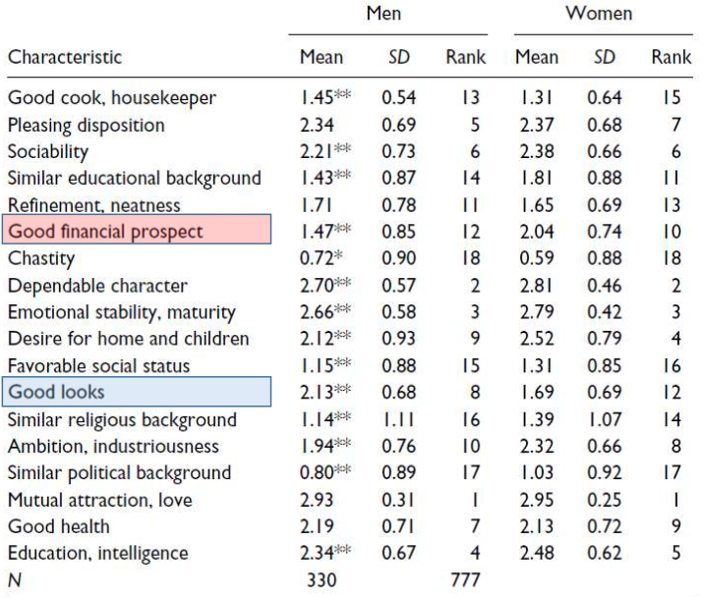
Boxer et al.
Confirmed that mate preferences are consistent globally.
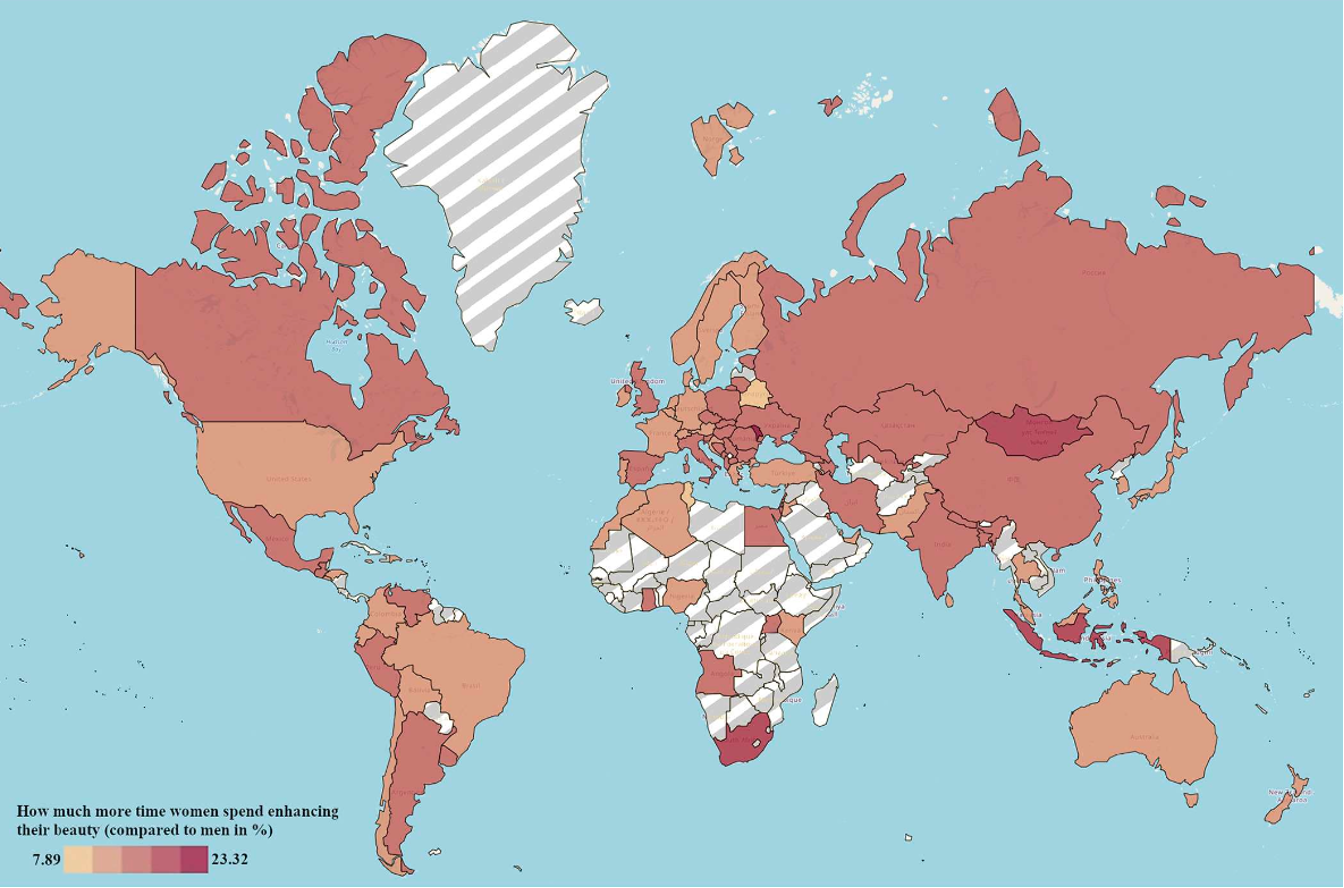
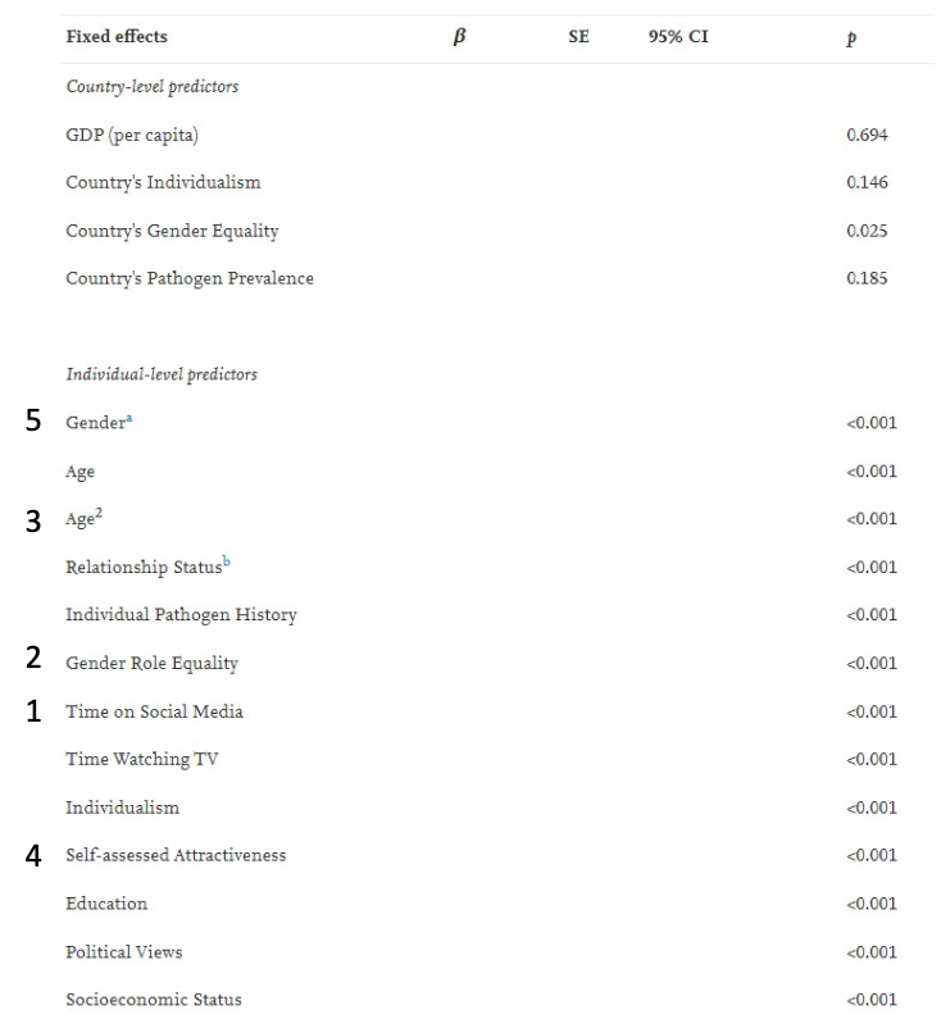
Kowal et al.
People enhance their looks more when mate competition is high.
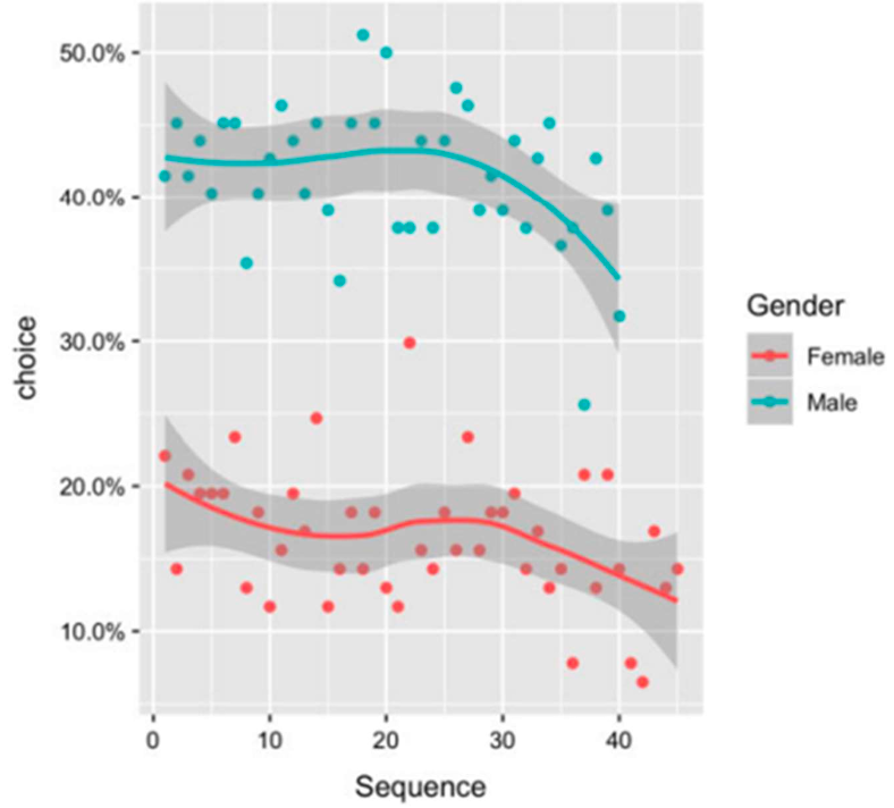
Pronk & Denissen
Choice overload of dating profiles reduces satisfaction and increases pickiness.
 Note
Note  Flashcards (40)