east asian art history final
 Studied by 7 people
 Call Kai
 Learn
Learn Practice Test
 Spaced Repetition
 Match
Match Flashcards
 Knowt Play
1/135

There's no tags or description
Looks like no tags are added yet.
Name | Mastery | Learn | Test | Matching | Spaced | Call with Kai |
|---|
No analytics yet
Send a link to your students to track their progress
136 Terms
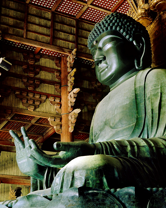
Nara Daibutsu (the Great Buddha)
8th century, Nara Period
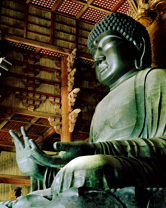
Significance of Nara Daibutsu
made from bronze, massive, shared religious community, cultural exchange
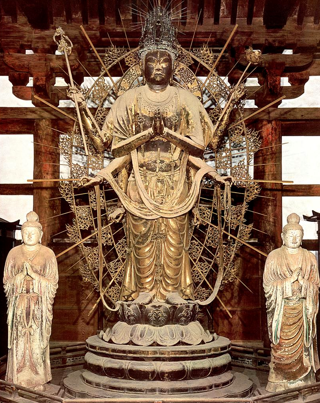
Fukukenjaku Kannon
Late 8th century, Nara Period
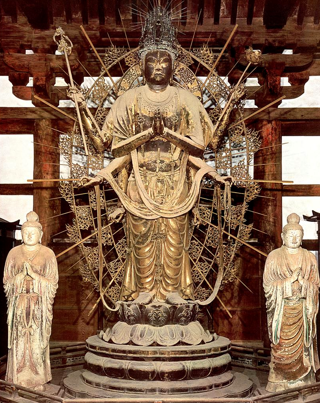
Significance of Fukukenjaku
divergence emerging, Kannon - buddha of compassion, tang style features
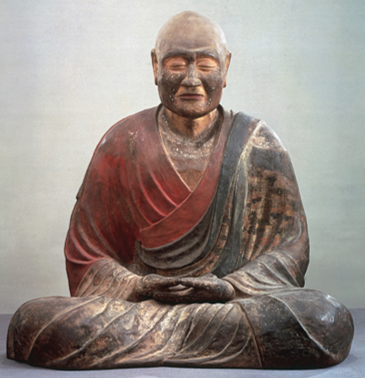
Priest Ganjin
8th c, Nara Period
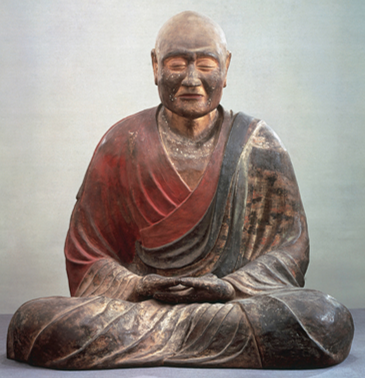
Significance of Priest Ganjin
Chinese monk living in japan, serves as buddhist order, reintention of buddhist order, reformer, moving away from tang international style,
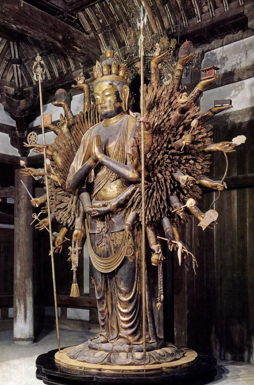
Thousand-Armed Kannon
Late 8th c. Nara Period
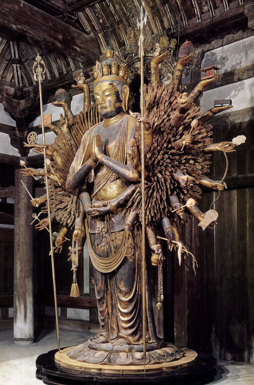
Significance of Thousand armed Kannon
arms meant to show power of kannon, shows different attributes of kannon, losing tang style
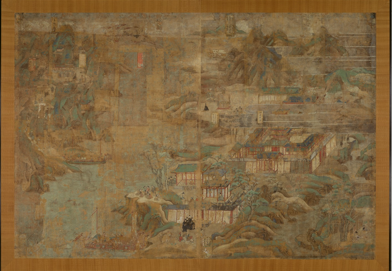
Prince Shotoku Crossing the Japanese Sea to China from Shotoku taishi eden
Hata no Chitei, 1069, Heian Period
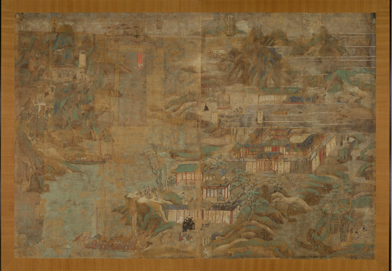
Significance of Prince Shotoku crossing
japanese and chinese influence, viewing into buildings, arrival of buddhism into japan,
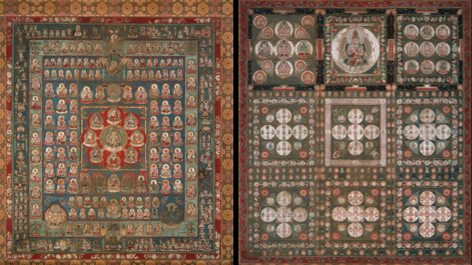
Womb World Mandala (Left) and Diamond World Mandala (Right)
late 9th c, Heian Period
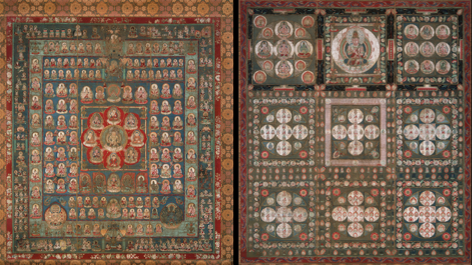
Significance of the two world Mandalas
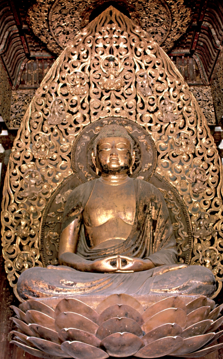
Amida Buddha
Jocho, 1053, Heian Period
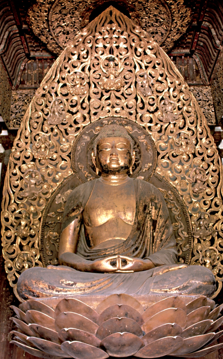
Signifiance of Amida Buddha
Key family school, Yosegi - wood pieced together then carved and covered in lacquer, buddha symbols
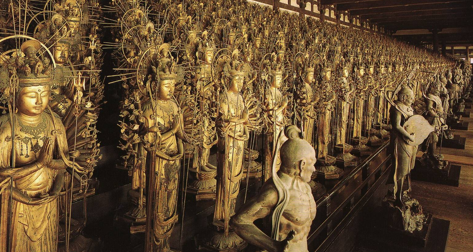
The Thousand Arm Kannons
orig. 1164 Heian Period
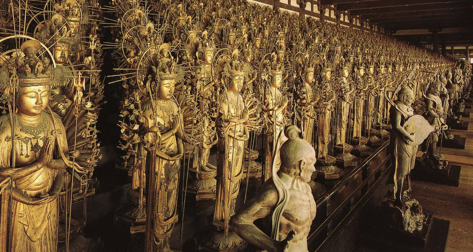
Significance of The Thousand arm kannons
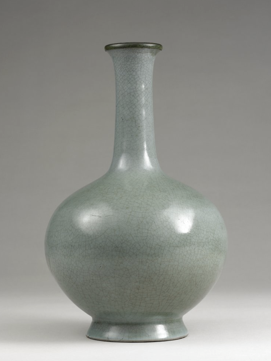
Bottle
1100 Northern Song Dynasty
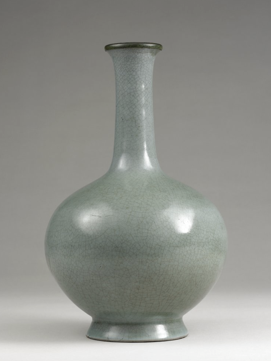
Significance of Bottle
“Porcelain” and stone ware, not as thin as true porcelain, Ru ware - blue green color, auspicious color, heavily associated with song dynasty, cracking affect
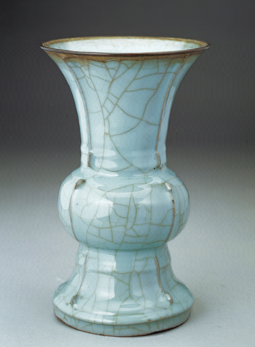
Celadon glazed zun vessel
13th c Southern Song Dynasty
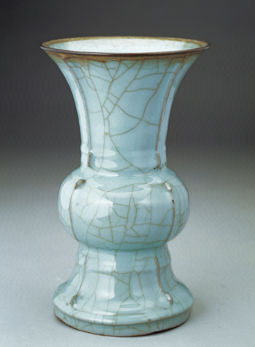
Significance of celadon glazed zun vessel
imperial production, 5 great wares, producers lose kiln availability, ru ware replacement, more blue, less skill for cracking, guan ware
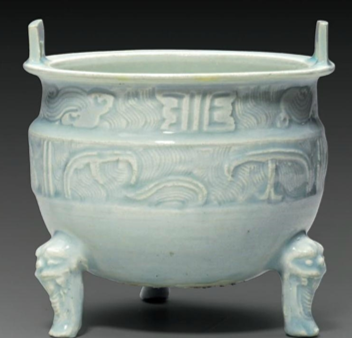
Tripod Censer
13th c, southern song dynasty
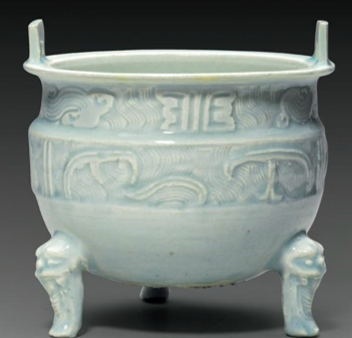
significance of tripod censer
qingbai, lesser quality glaze, interest in past history, copy of older ding from zhou period, ceramic not bronze, no toatie
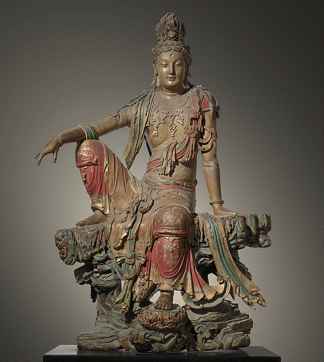
Guanyin of the southern sea
12th c, Jin dynasty
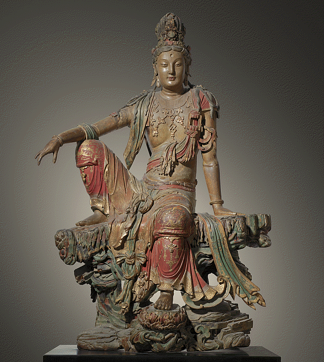
significance of Guanyin of the southern sea
lotus sutra - story where Guanyin helps sailors, bodhisattva of compassion, pose of relaxation
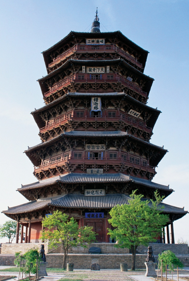
Foguang Si pagoda
1056 Liao dynasty
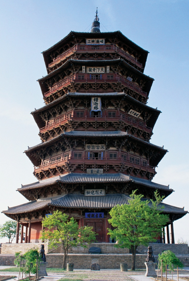
Significance of Foguang Si pagoda
place for worship, mediation, and rituals, not for entering
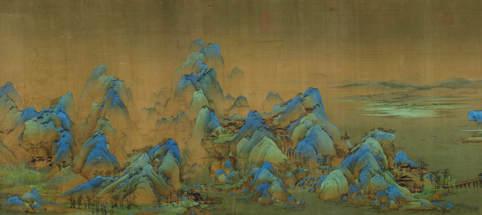
A thousand miles of rivers and mountains
Wang Ximeng, 1113 N.song
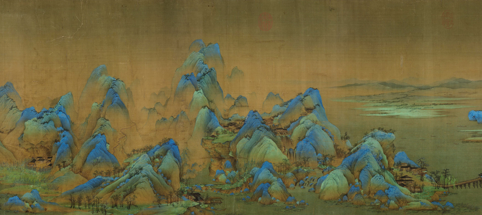
significance of a thousand miles of river and mountains
fusion of literati and court painting, landscape not about personal interaction, pigmented not monochrome
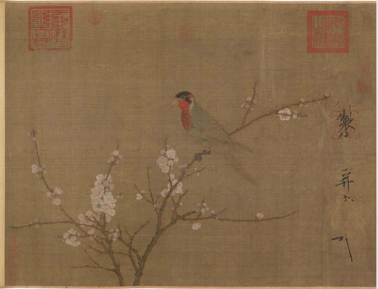
Five-colored parakeet on a blossoming apricot tree
Emperor Huizong, 1110, N. Song dynasty
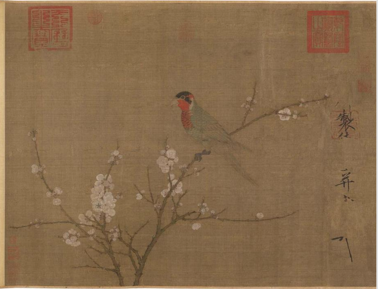
significance of Five-colored parakeet on a blossoming apricot tree
parekeet - auspicious omen, court artists sign as emperor, symbol of good things to come
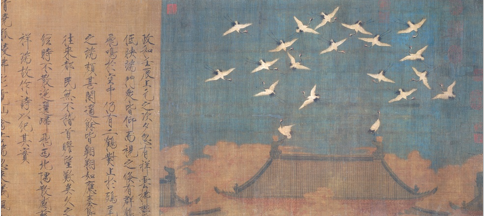
Auspicious Cranes
Attributed to Huizong, 1112, N. Song
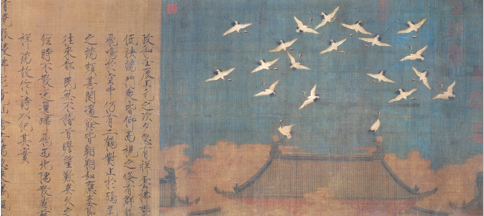
significance of Auspicious cranes
crane - good marker for emperor, Northern Song emperor Huizong held and captured by Gin dynasty
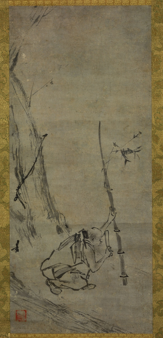
Sixth chan patriarch chopping bamboo
Liang Kai, 13th Southern Song Dynasty
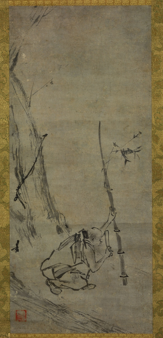
significance of sixth chang patriarch chopping bamboo
chan buddhism - school of thought, argues cannot control when enlightenment happens, personal path
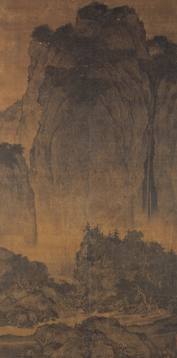
Travelers among mountains and streams
Fan Kuan, early 11th c, Northern Song Dynasty
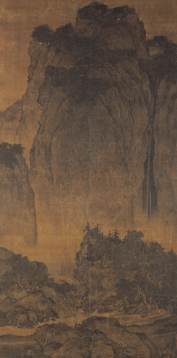
significance of travelers among mountains and streams
Confucism, daoism idea, very small intricate details, effort to convey Li - true knowing, perspective and ground levels due to fog, tiny travelers emphasize scale of mountains and life
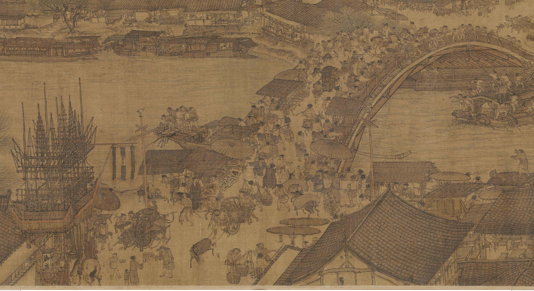
Along the river during the qingming festival
Zhang Zeduan, 1100 N. Song dynasty
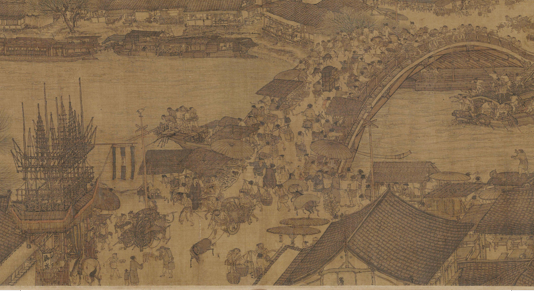
significance of Along the river during the qingming festival
dichotomy between human and natural environment, very detailed and complex, gives us idea of what song era would have looked like, authenticity, imperial stamp
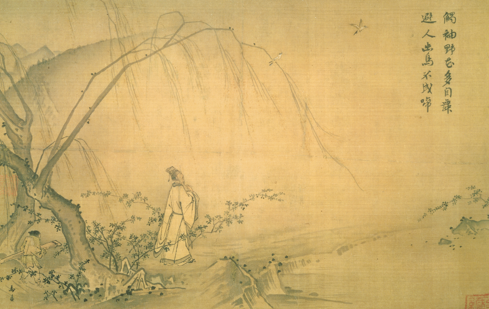
On a mountain path in spring
Ma Yuan, ea. 13th c, Southern Song Dynasty
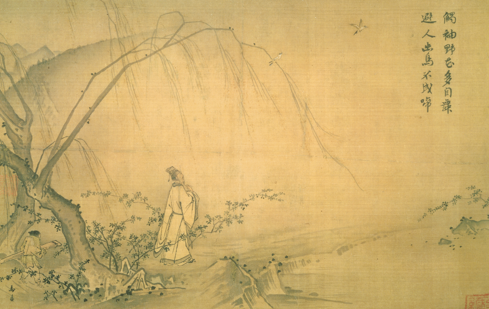
significance of On a mountain path in spring
different literati art, poetry and artistic expression overlap, Ma from family of artists
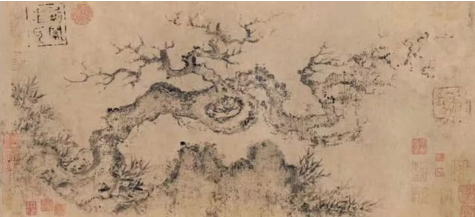
Tree, Bamboo, and Rock
att. Su Shi Dongpo, 13th c. Northern Song
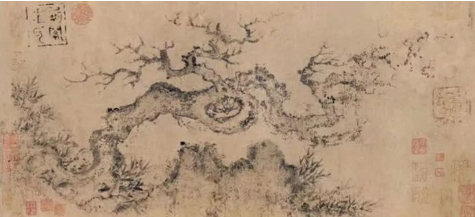
Significance of Tree, bamboo and rock
Su Shi Dongpo redifines lee as a form of art, focuded on personal creativity rather than the confucious idea of lee, which is knowing how to scribe nature, Dongpo was a prodigy and one of the youngest to pass the civil service test
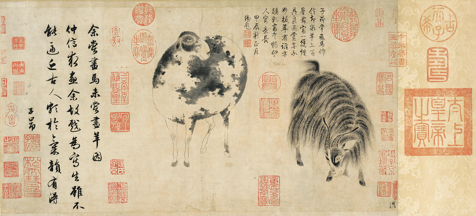
Sheep and goat
Zhao Mengfu, 1300, Yuan dynasty
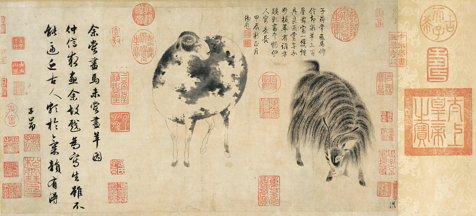
Significance of Sheep and goat
mix of abstraction and representation and realism
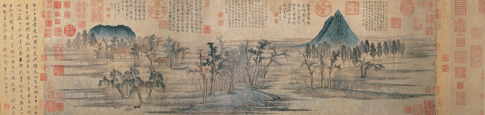
Autumn colors on the Qiao and Hua Mountains
Zhao Mengfu, 1295 Yuan dynasty
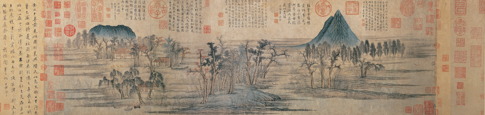
significance of autunm colors on the qiao and hua mountains
Lacks details, trees and mountains feel disconnected, pre song dynasty style
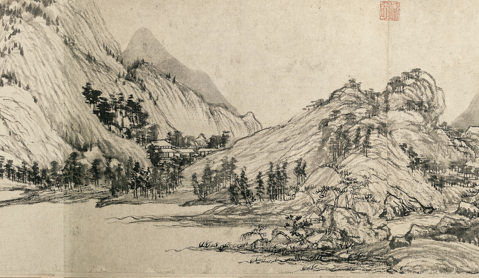
Living in the fuchun mountains
Huang Gongwang 1350 Yuan dynasty
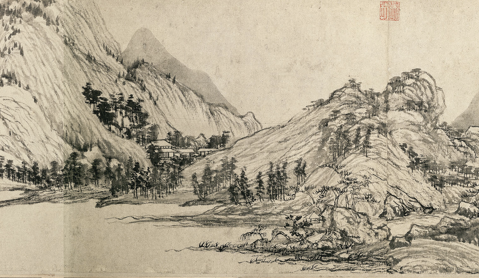
significance of living in the fuchun mountains
Important literati piece, leaves city to go live in the mountains, Literati refuses to work with the Mongols, concious strive for separation
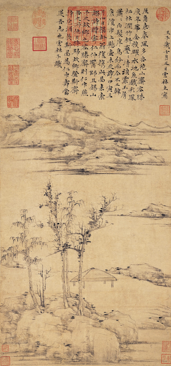
Rongxi Studio
Ni Zan, 1372 Yuan dynasty
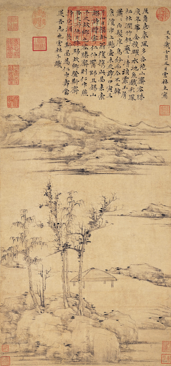
significance of Rongxi studio
Ni Zan is the son of a wealthy land owner, probably had undiagnosed OCD, seen as excentric, lives on house boat to separate himself from imperial influences, dedication to nature, uses “ink as precious as gold”
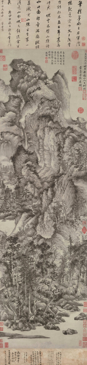
Dwelling in reclusion in the qingbian mountains
Wang Meng, 1366, Yuan dynasty
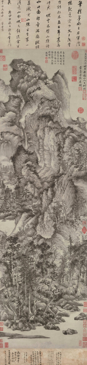
significance of Dwelling in reclusion in the qingbian mountains
great master,
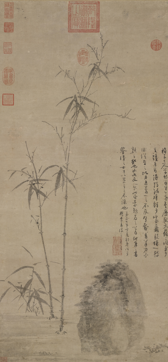
Stalks of bamboo by a rock
Wu Zhen, 1347, yuan dynasty
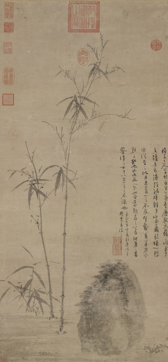
significance of stalks of bamboo by a rock
bamboo are symbols for the men, bend don’t break, strong and resilient
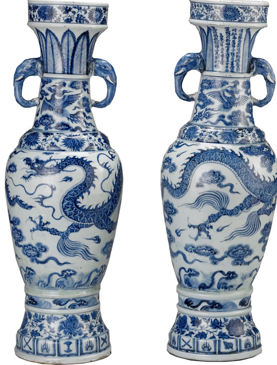
Temple Vases (David Vases)
1351, yuan dynasty
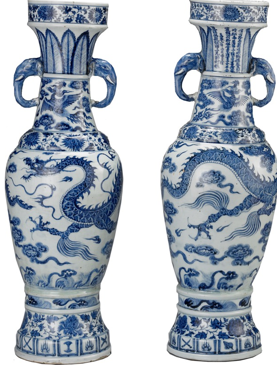
significance of Temple vases
very high quality porcelain, intricate design, crisp lines, controlled and precise, dragon - emperor, phoenix - empress
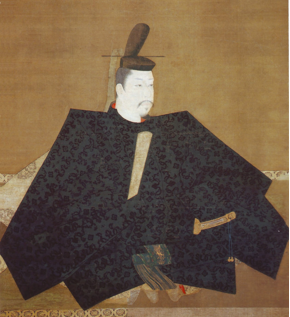
Portrait of Minamoto no Yoritomo
att. Fujiwara no Takanobu, orig. 1179, kamakura period
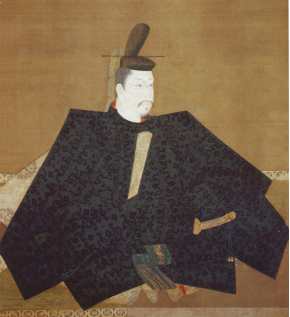
Significance of Minamoto no yotiomo portrait
Tate-eboshi - Shobun crown, kariginu - black robe, sword is symbol of nobel status
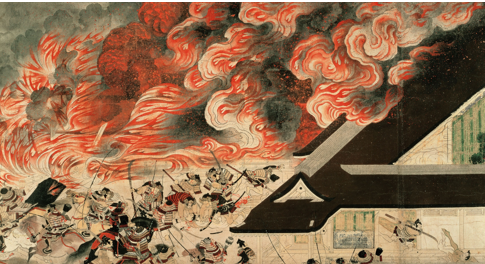
Night attack on the sanjo palace
13th, kamakura period
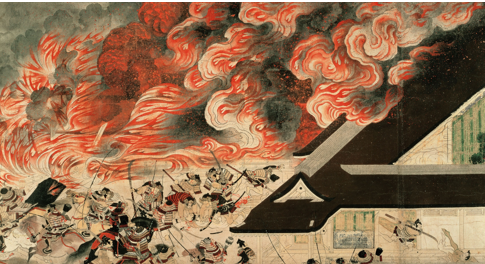
significance of Night attack on the sanjo palace
End of Heian period, emperor taken, palace burned, disorder, chaotic and tragic war
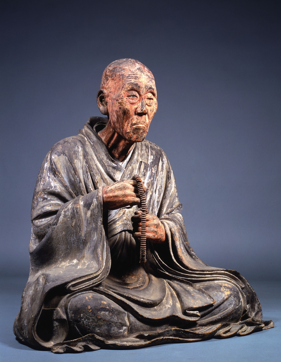
Portrait of priest Shunjobo Chogen
early 13th, Kamakura period
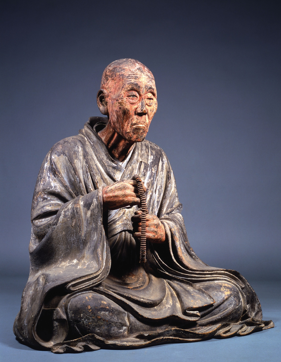
significance of the portrait of priest shunjobo chogen
Buddhist priest, period of reformation, Shunjobo rebuilds todai-ji and contructs great southern gate,
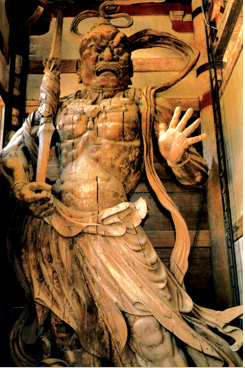
Agyo
Unkei and Kaikei, 1203, kamakura period
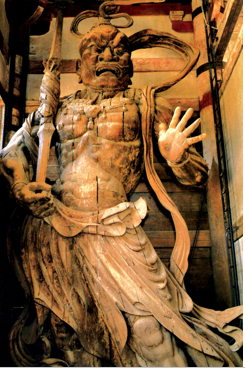
significance of agyo
Nio - pre-Buddhist gods, protector, natural but not humanistic, mutliple artists work on it - Kei family, Jocho descendants
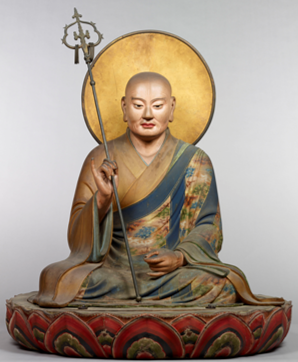
Hachiman in the Guise of Monk
Kaikei, 1201, Kamakura Period
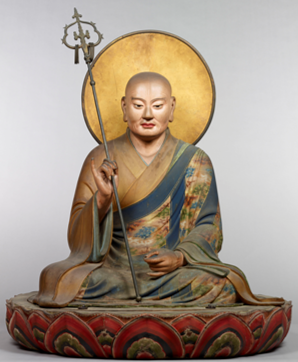
significance of Hachiman in guise on Monk
Kaikei was adopted into family, very naturalistic, God of war in pose of buddhist monk, goals of peace and stability
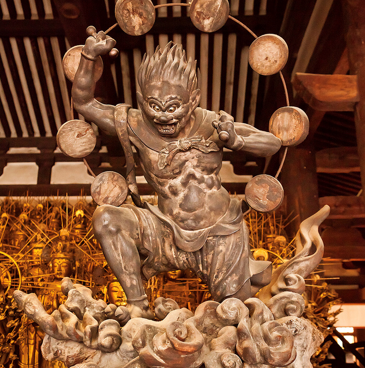
Raijin
Studio of Tankei, 13th c, kamakura period
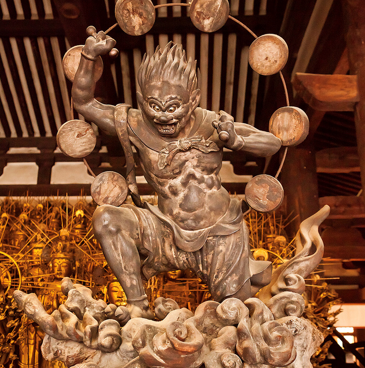
Significance of Raijin
god of thunder, hands sore because of pounding on drums that symbolize thunder, very hyper-natural sculpture, multiple artists
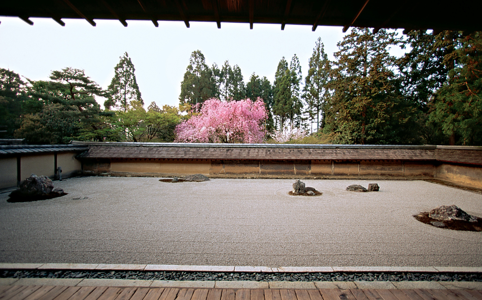
Karesansui (dry landscape) Garden
1488 Muromachi Period
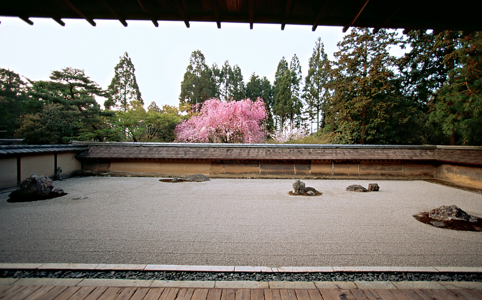
Significance of Karesansui Garden
Zen garden, focus on landscapes, scale of nature - cosmos, rake daily, rake away presence, recognition that oneself isn’t important
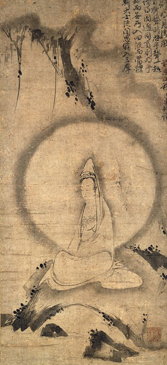
Kannon in white robe
Mincho, 1421, Muromachi
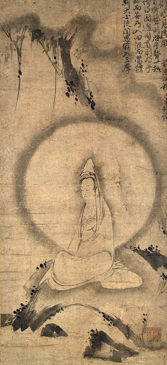
significance of Kannon in white robe
Zen ideas - natural and relaxed, Guanyin is now a woman, 1400s shift in depictions of Guanyin from male to female, bodhisattva of compassion specifically for women and children
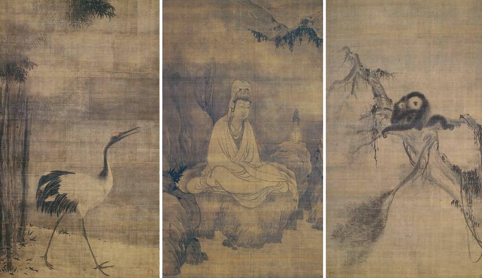
Guanyin, Monkeys, and crane
Mu Qu, early 13th c, Southern Song Dynasty
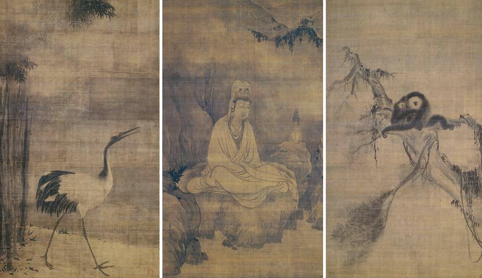
significance of Guanyin, monkeys, and crane
Mixed ideas of buddhism, doaism, and zen buddhism, monkey symbolizes letting go of wordly attachment, the path to enlightenment is hard
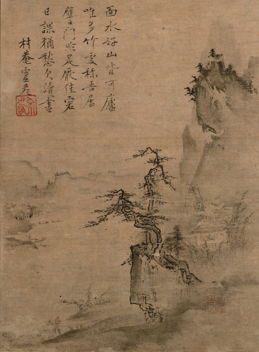
Reading the bamboo grove
att. to Tensho Shubun, 1446 Muromachi
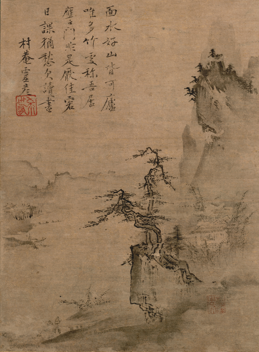
significance of reading the bamboo grove
Shubun is a monk, enlightment through simplicity of tasks,
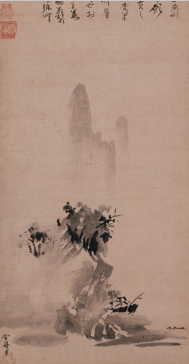
Splashed-ink landscape
Sesshu toyo, 1495, muromachi period
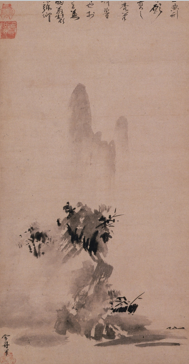
Significance of splashed-ink landscape
haboku - splashed ink technique
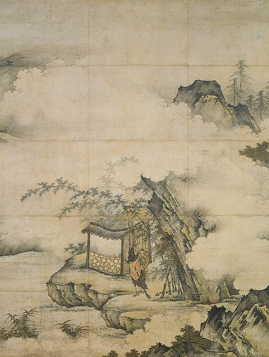
Zen Patriarch sweeping with a broom
Kano Motonobu, 1513, muromachi period
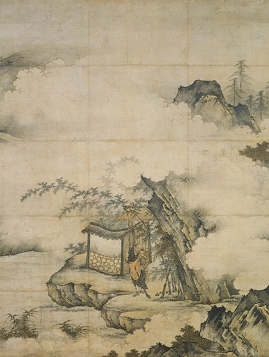
significance of zen patriarch sweeping with a broom
Patronage networks, Kano family school creates generation of artists, coming to enlightenment though simple repetitive task
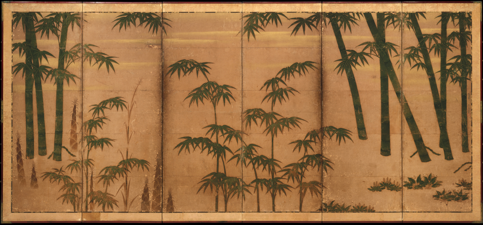
Bamboo in the four seasons
att. Tosa Mitsunobu, late 15th c, muromachi period
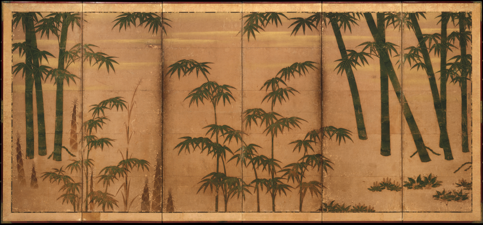
significance of Bamboo in the four seasons
Tosa family school - more japanese style, progression of japanese seasons shows the progression of life
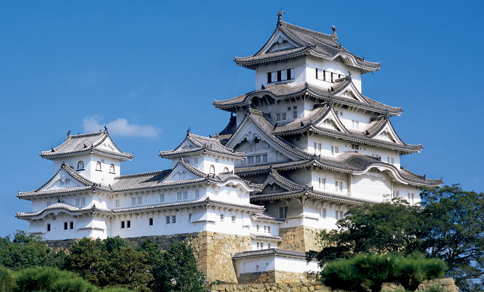
Himeji Castle
1581, Momoyama period
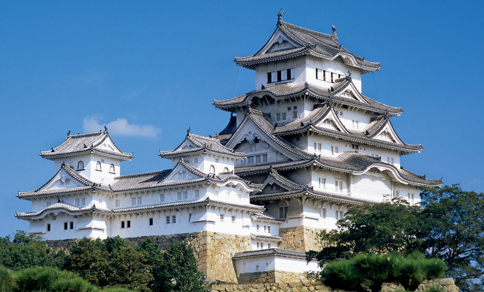
significance of Himeji castle
very few surviving castles, nicknamed the ‘white heron castle”, castle made for protection, fortified, maze-like, plaster fireproofs the structure
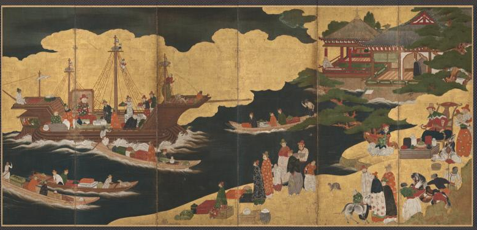
arrival of a portuguese ship
1620, momoyama period
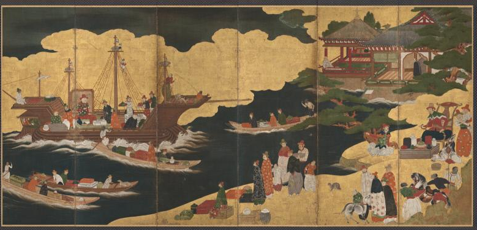
significance of arrival of a portuguese ship
Momoyama’s thought Portuguese were Southern Barbarians, ship comes from south - around the land, southern interactions
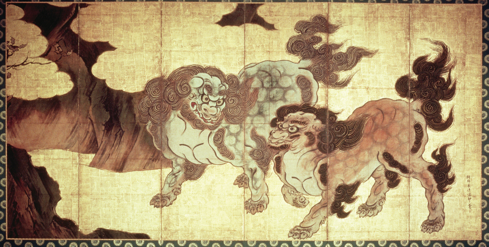
Chinese Lions
Kano Eitoku, late 16th c, momoyama period
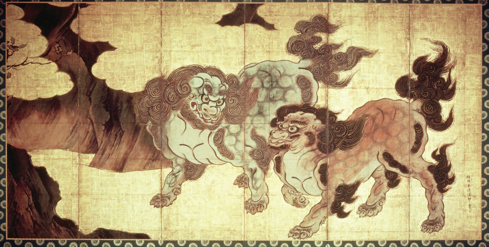
significance of chinese lions
Kano family school interested in other cultures, influence of china, commonly bought by warriors, expression of wealth and status
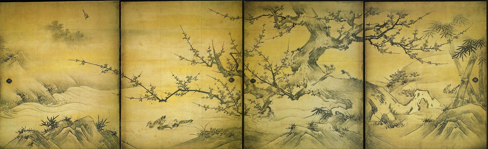
Plum tree and birds and flowers of the four seasons
Kano Eitoku, 1566, momoyama period
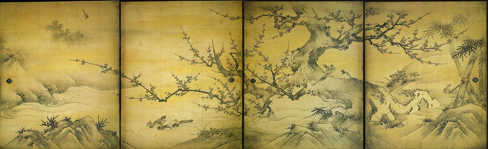
significance of Plum tree from birds and flowers of the four seasons
Painted for Zen temple, plum tree is associated with Japan, delicate balance of between realism and fake/creativity
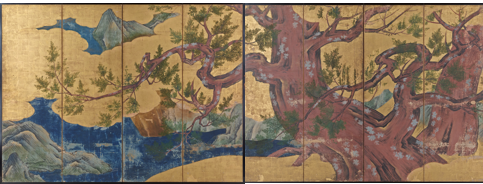
Cypress
Kano Eitoku, 1590, Momoyama period
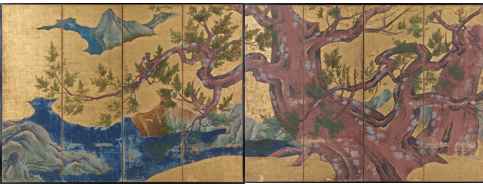
significance of Cypress
Later in Eitoku’s career, he focused on the balance of creativity rather than full realism, flat clouds rather than grey clouds from past chinese influence
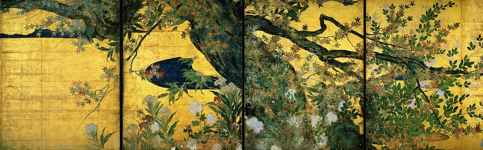
Maple Tree
Hasegawa Tohaku, 1592, momoyama period
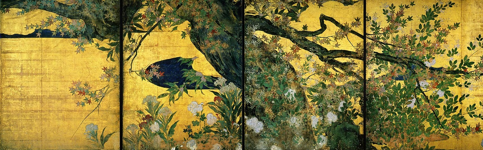
significance of Maple tree
Hasegawa came from the Kano family school, Tohaku sets up a rival school, focuses on personality creativity
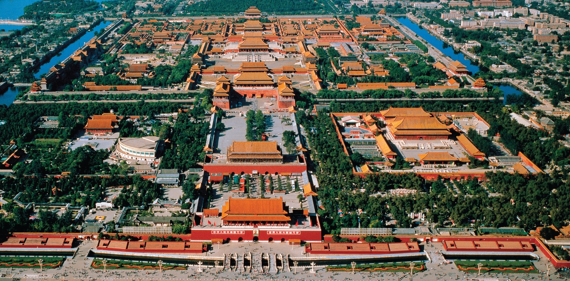
Plan of forbidden city
15th c, Ming Dynasty
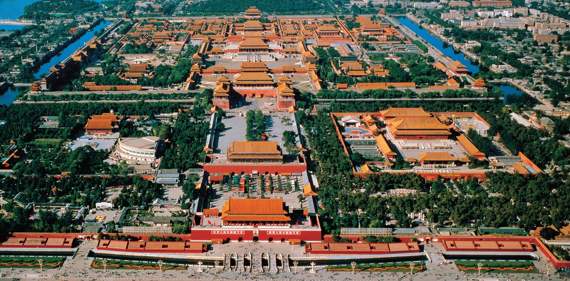
Significance of Plan of Forbidden city
Change of capitol after Mongols leave, Center of Beijing, control of access, 3 large gates
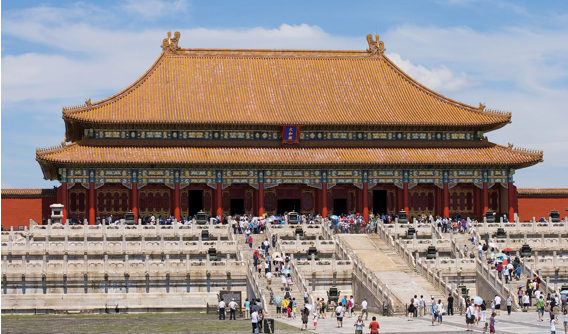
Hall of supreme harmony
15th c, Ming dynasty
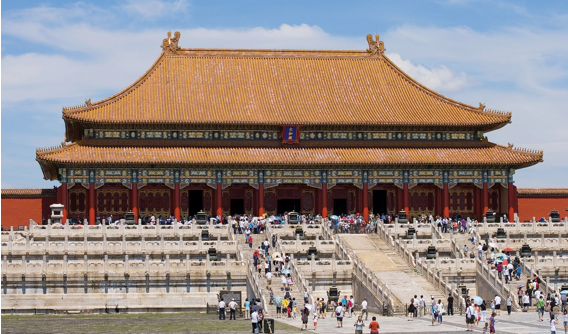
significance of hall of supreme harmony
raised platform, emperor carried down middle largest path
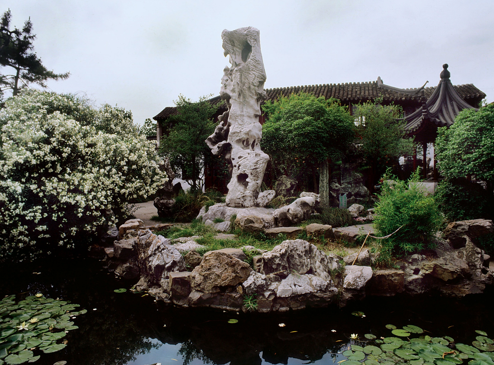
Lui Yuan (Lingering Garden)
16th c, Ming
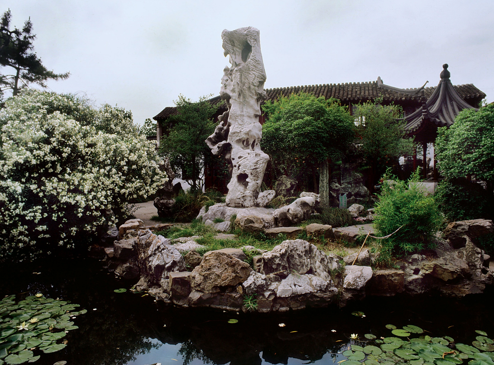
Significance of Liu Yuan
lingering garden, rock sculpture from lake Ti, weird acidity of lake erodes rock, natural but still man made
 Note
Note  Flashcards (47)