L2(3.4bchanges in dna)-Gene mutations
 Call Kai
 Learn
Learn Practice Test
 Spaced Repetition
 Match
Match Flashcards
 Knowt Play
1/13

There's no tags or description
Looks like no tags are added yet.
Name | Mastery | Learn | Test | Matching | Spaced | Call with Kai |
|---|
No analytics yet
Send a link to your students to track their progress
14 Terms
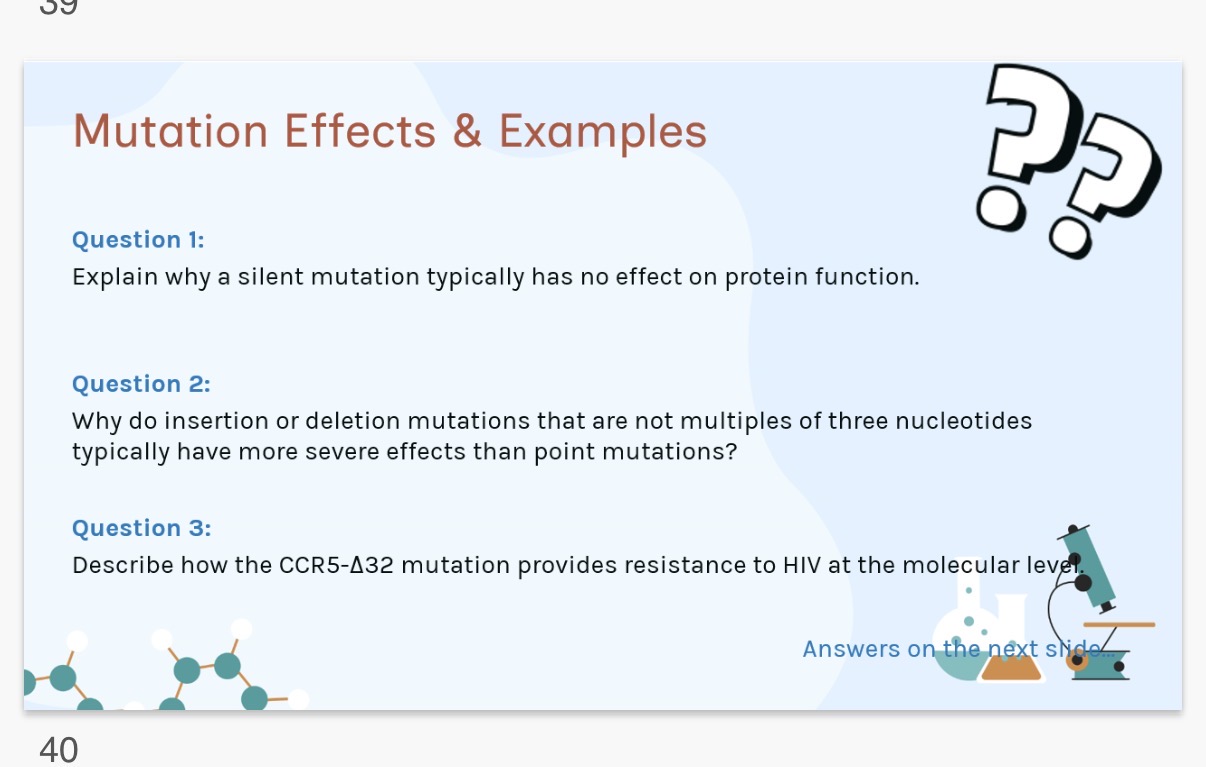
1.What is a mutation,codon,frameshift and an allele?
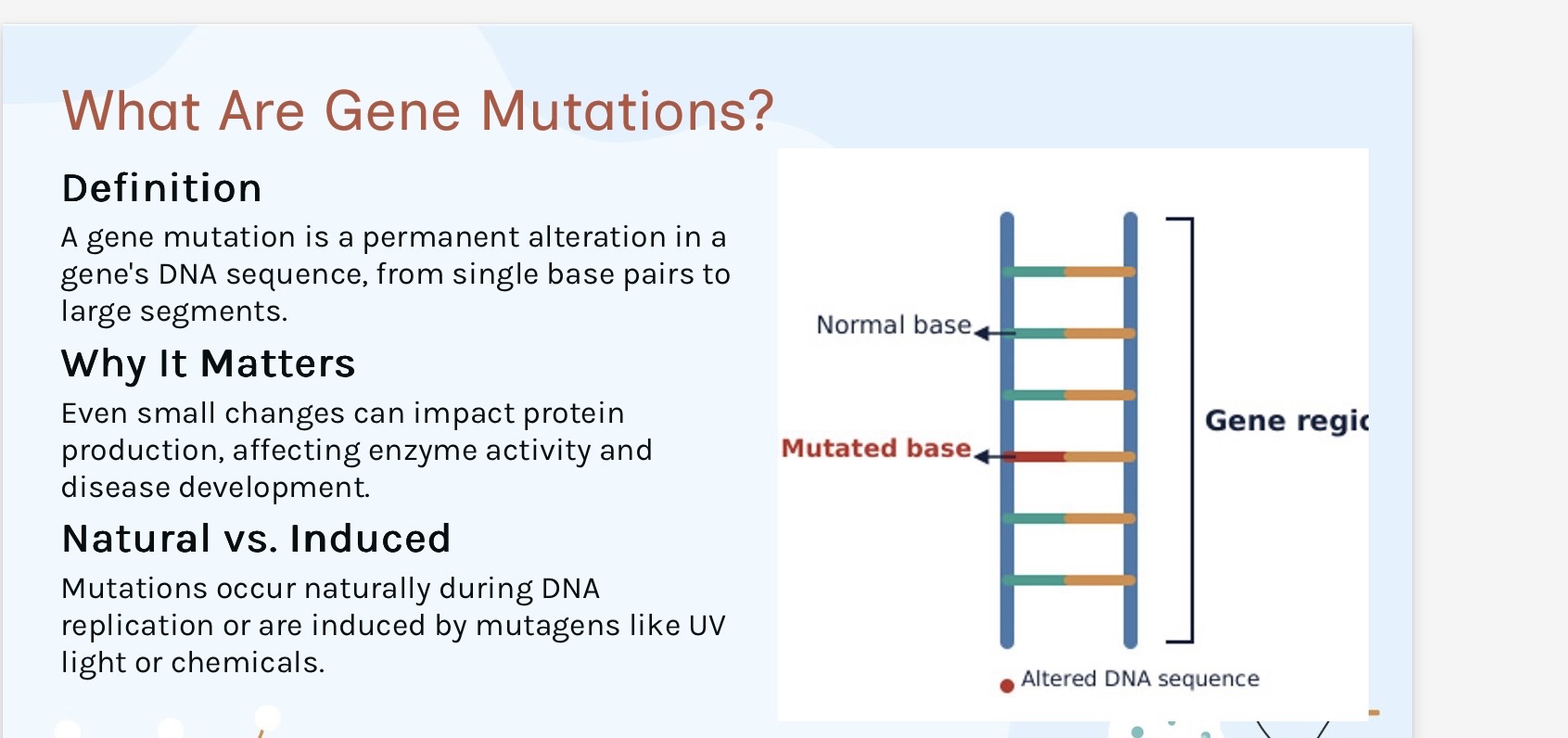
What are gene mutations?
Even small changes can impact protein …3?, affecting …4? activity and disease development.
Natural vs. Induced
Mutations occur naturally during DNA …5? or are induced by …6? like UV light or chemicals.
Mutation- A permanent and random change to the genetic material.(spontaneous or environmental)
*Codon- Triplet of bases in DNA/mRNA coding for an amino acid.
*Frameshift mutation- insertion/deletion alters reading frame.
*Allele- Variants of the same gene, (affects traits/disease).
a random and permanent change in a gene's DNA base sequence, from single base pairs to large segments.
production. 4. Enzyme. 5.replication. 6.mutagens(substances that cause mutations)
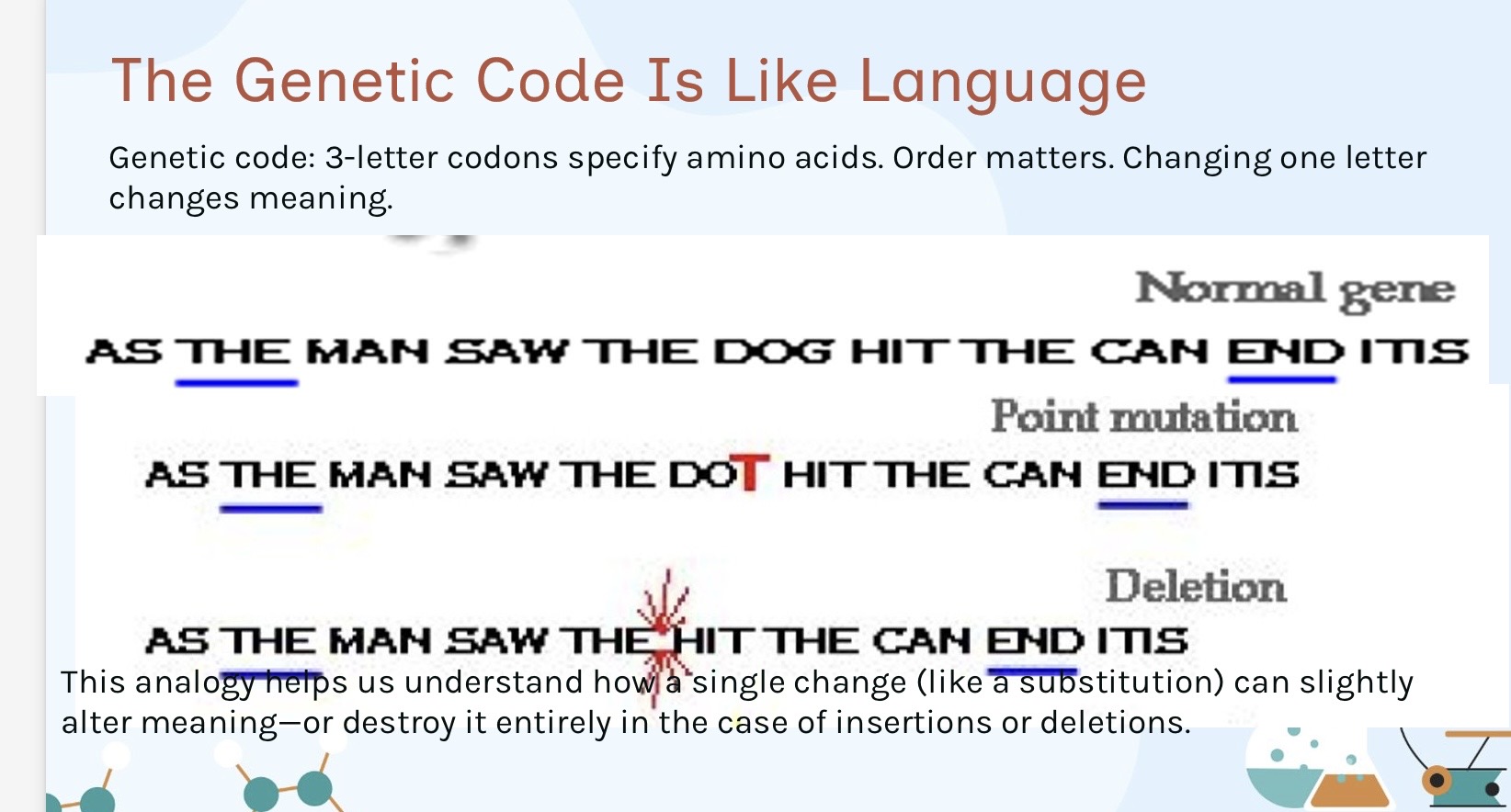
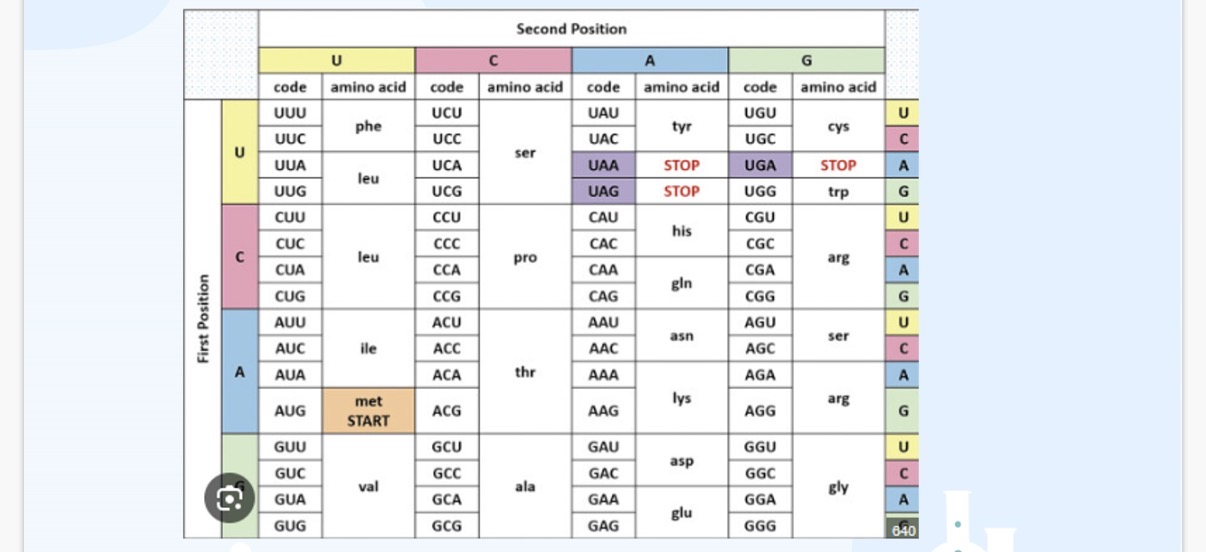
The Genetic Code Is Like Language:
Genetic code: 3-letter codons specify amino …1?. Order matters. Changing one letter changes meaning.
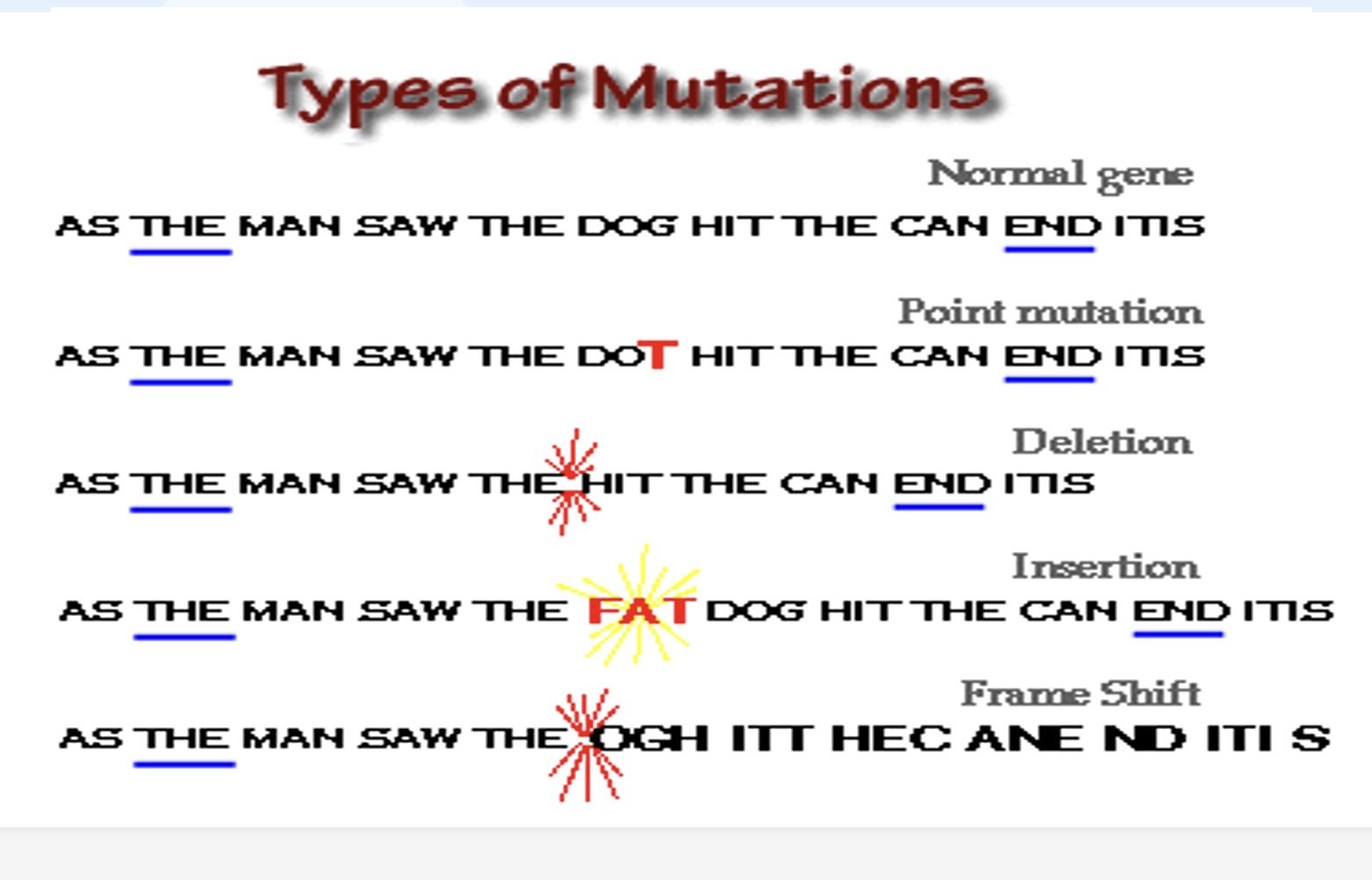
Name the 4 types of mutations?
Acids
Point mutation, deletion, insertion, frame shift
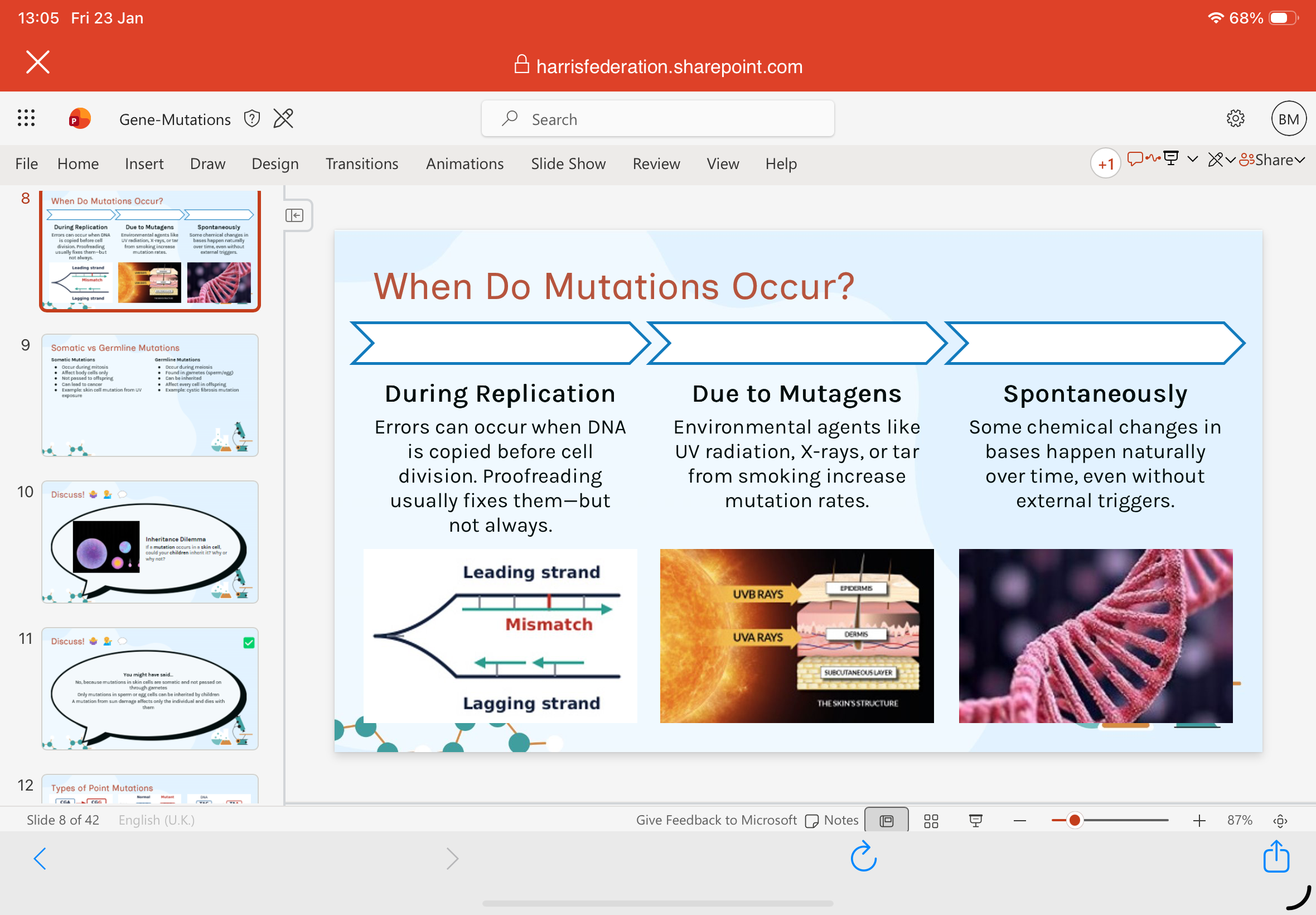
Name 3 reasons why mutations may occur?
During Replication:
Errors can occur when DNA is …2? before cell division. …3? usually fixes them-but not always.
Due to Mutagens:
Environmental agents like …4? radiation, X-rays, or …5? from smoking increase mutation rates.
Spontaneously:
Some chemical changes in bases happen …6? over time, even without external triggers.
During replication, Due to mutagens, Spontaneously
copied. 3. Proofreading. 4. UV. 5. Tar. 6. Naturally
Somatic vs Germline Mutations:
Somatic Mutations:
Occur during …1?
Affect …2? cells only
Not passed to …3?
Can lead to …4?
Example: skin cell mutation from UV
exposure
Germline Mutations:
Occur during …5?
Found in …6? (sperm/egg)Can be …7?
Affect every cell in …8?
Example: cystic fibrosis mutation
If a mutation occurs in a skin cell, could your children inherit it?
Mitosis. 2.body. 3. Offspring. 4.cancer 5.meiosis. 6.gametes. 7.inherited. 8. Offspring
No, because mutations in skin cells are somatic and not passed on through gametes
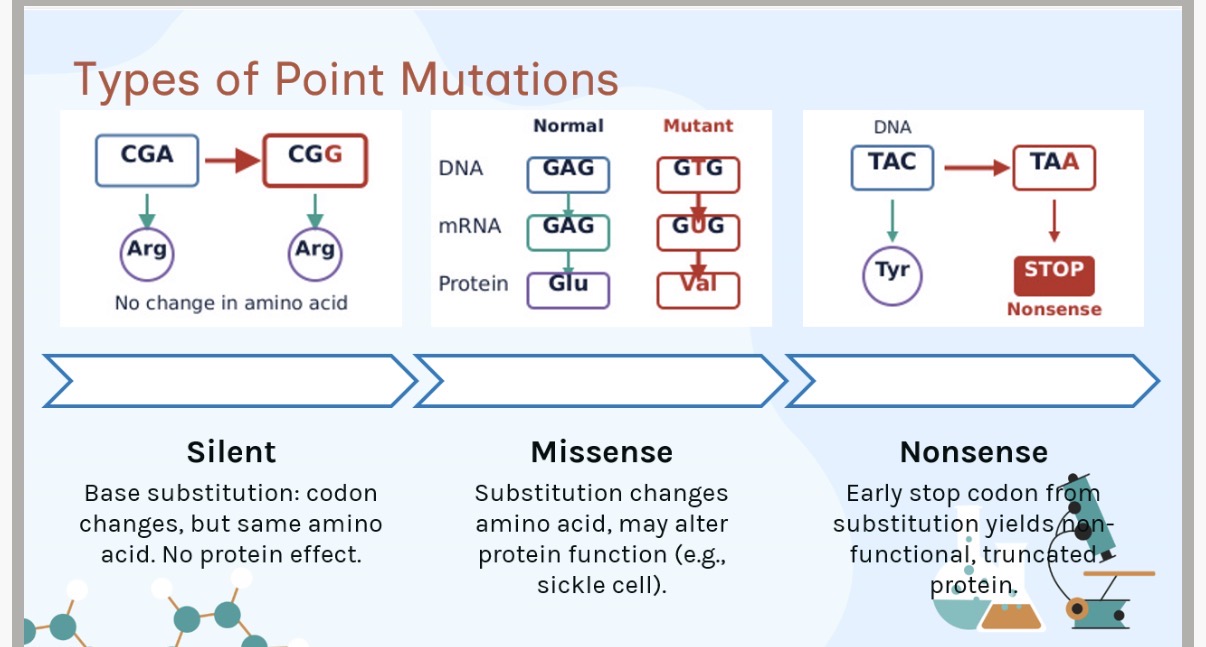
Types of point mutations:
Name the 3 point mutations?
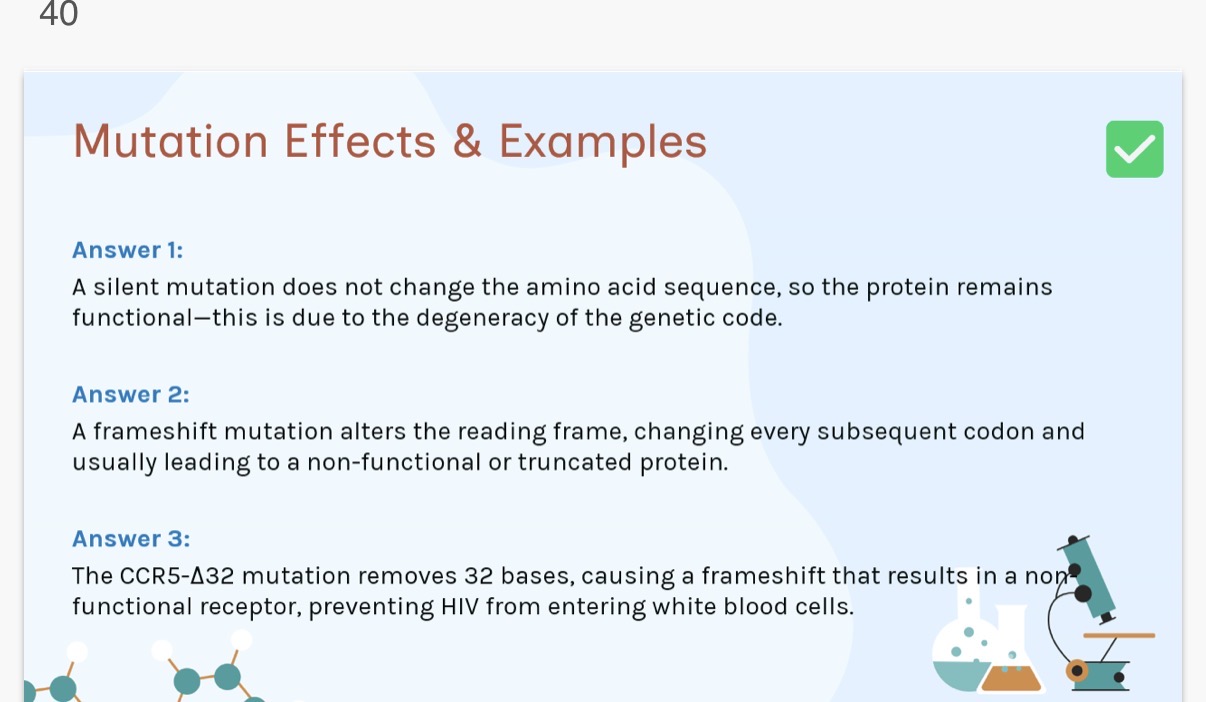
What is a silent mutation?
What is a missense mutation?
What is a nonsense mutation?
Silent,missense,nonsense
a base substitution where a codon changes but the same amino acid is formed so there is no protein effect.
Where a base substitution changes the amino acid formed which may alter protein function. (I.e. sickle cell)
Occurs when an early stop codon is formed from substitution and this forms a non-functional,truncated protein
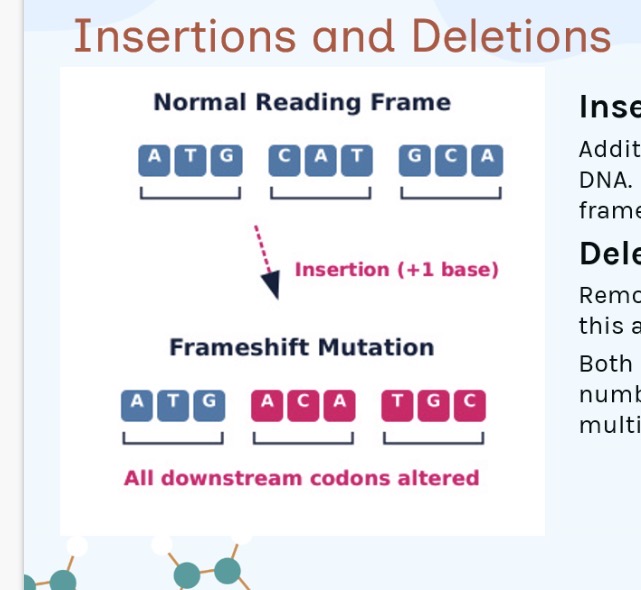
Insertions and deletions:
What is an insertion?
What is deletion?
Note: Both cause frameshift mutations, if the number of bases added/removed isn't a multiple of three.
The addition of one or more nucleotide bases into DNA which disrupts the grouping of codons.(Even one base can disrupt the reading frame)
Removal of one or more bases which alters the grouping of codons.
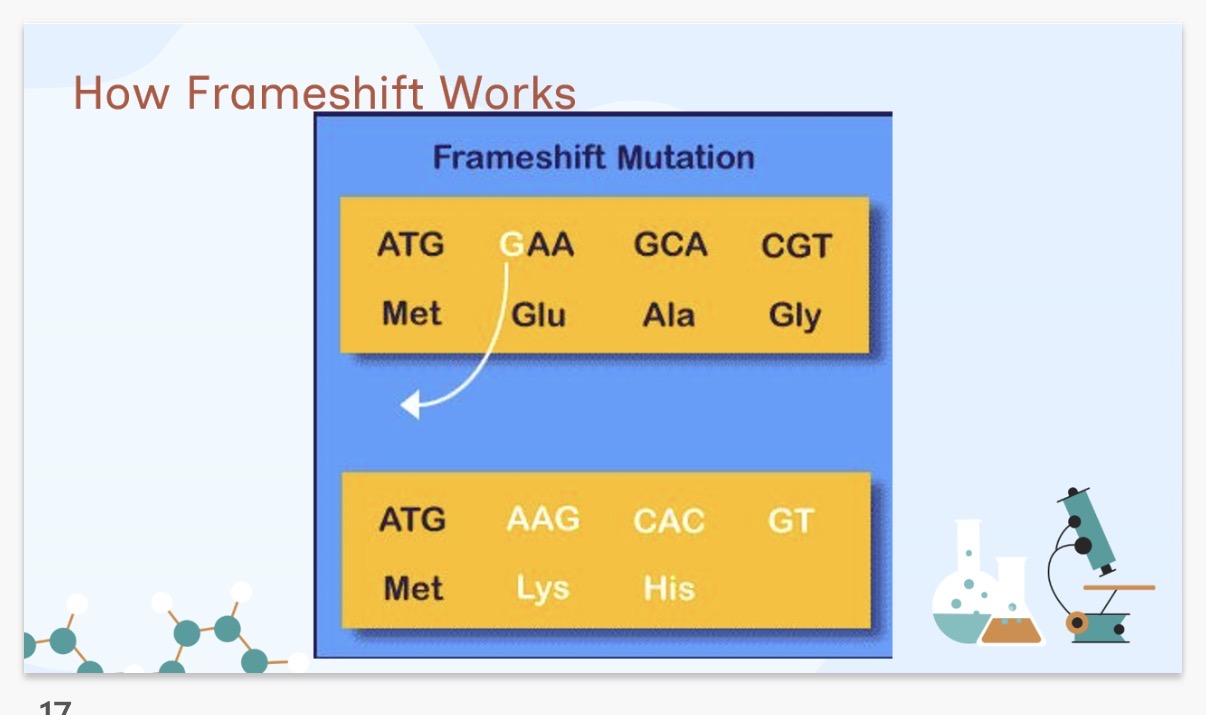
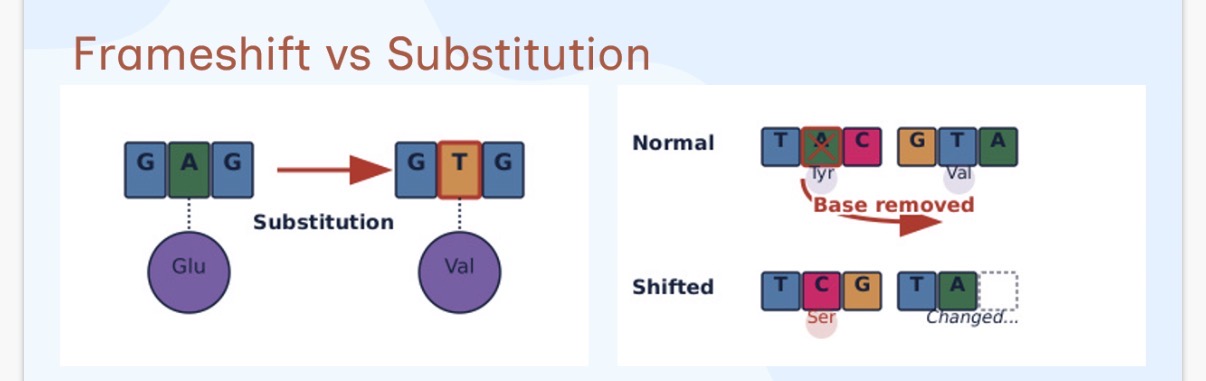
What is the difference between frameshift and substitution?
A(n) …2? mutation can shift the …3? frame, causing every subsequent …4? to be misread during …5?
•Substitution is where there is a change in one base which affects one codon and the effects of the protein may vary depending on the type of substitution(point,missense,nonsense)
• Frameshift occurs when there is insertion or deletion which alters the reading frame and every codon after mutation changes which usually yields non-functional/truncated proteins.
2.insertion 3.reading 4.codon 5.translation
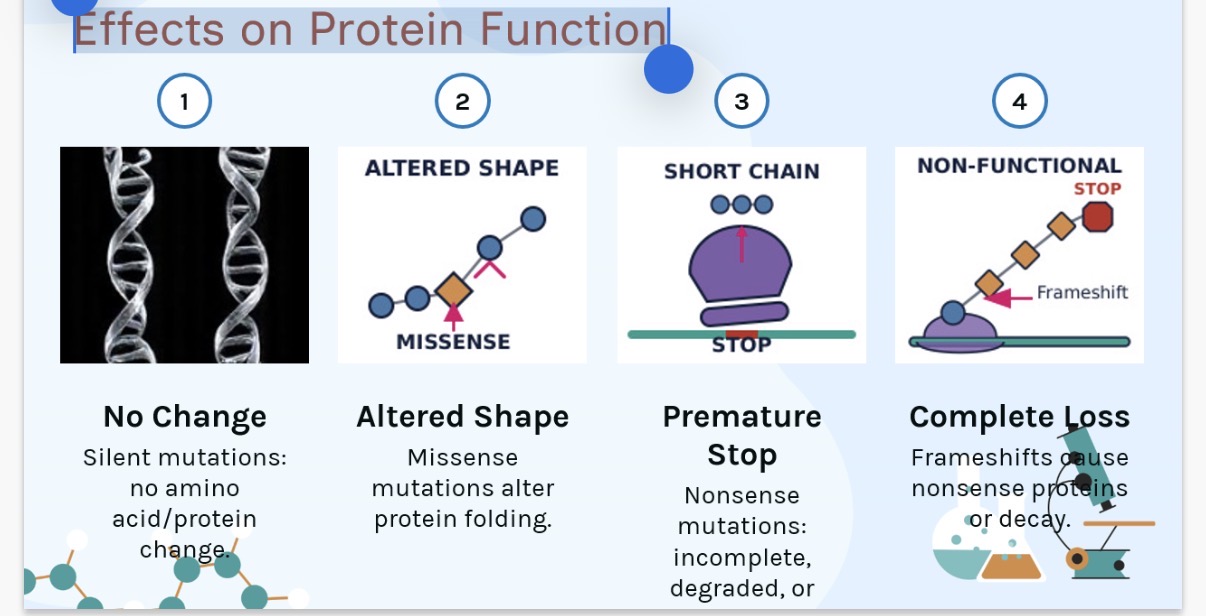
Effects on Protein Function:
The image illustrates the effects of different types of mutations on protein function.
1. No Change: …1? mutations do not change the amino acid sequence, so the protein function remains the …2?.
2. Altered Shape: …3? mutations change a single amino acid, which can …4? the protein's folding and …5?.(alters bonds in tertiary structure)
3. Short Chain: …6? mutations introduce a premature …7? codon, resulting in a …8?(shortened) and often non-functional protein.
4. Complete Loss: …9? mutations, caused by insertions or deletions, shift the …10? frame, leading to a completely …11? amino acid sequence and a non-functional protein.
Silent. 2.same. 3.missense. 4.alter. 5.function. 6.nonsense. 7.stop 8.truncated. 9.frameshift. 10. Reading. 11.different
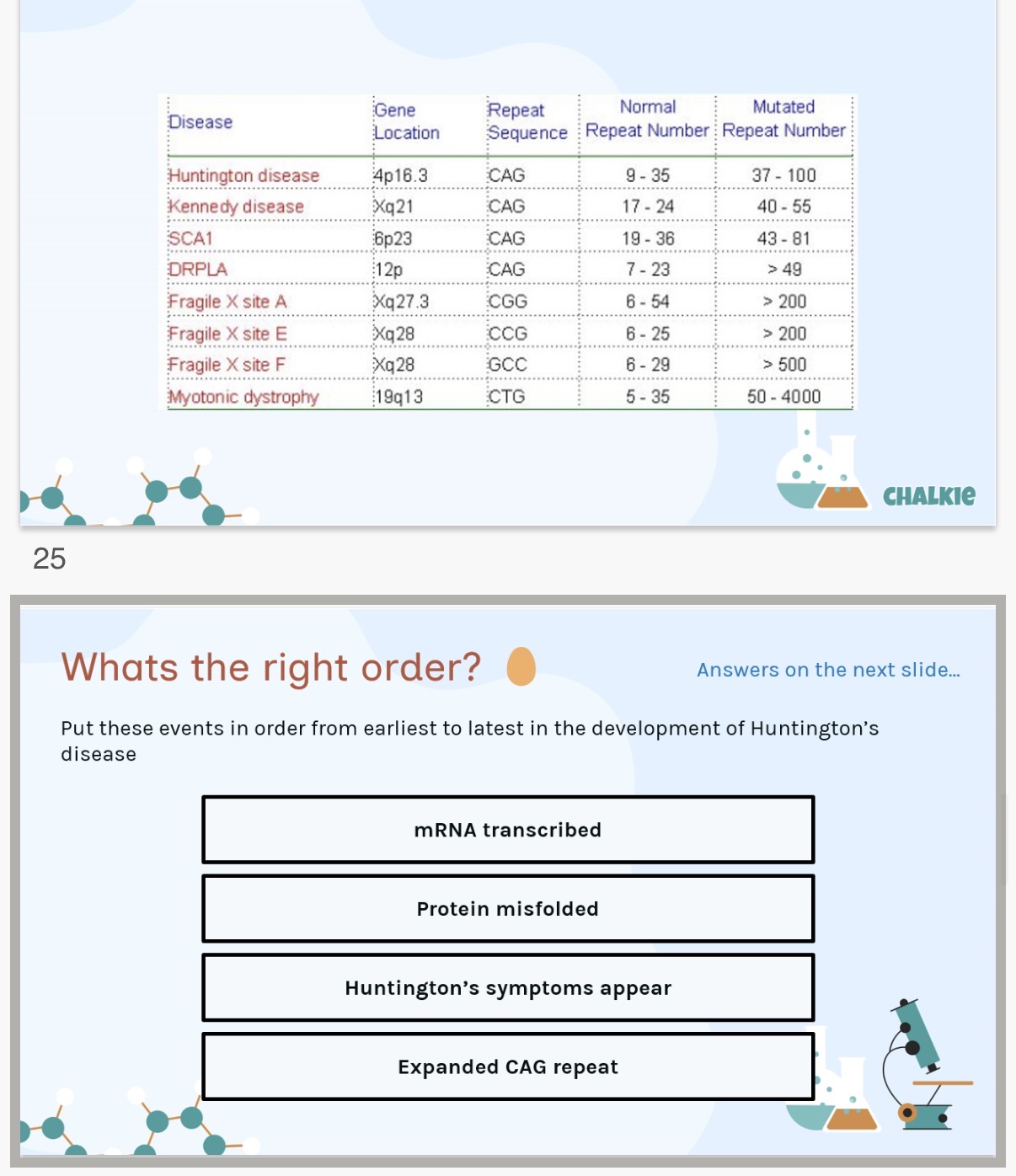
Expanding Repeats: Huntington's Disease:
Some genes contain repeating triplets like CAG. In …1? disease, the number of CAG repeats in the HTT gene …2? beyond normal.
• Normal: 10-35 repeats
• Disease-causing: >…3? repeats
More repeats = earlier onset and more …4? symptoms.
This is an example of a …5? mutation-one that can expand across generations.
The image contains info about other diseases. Also answer the image q?
Huntington’s. 2. Increases. 3. 40. 4.severe. 5.dynamic
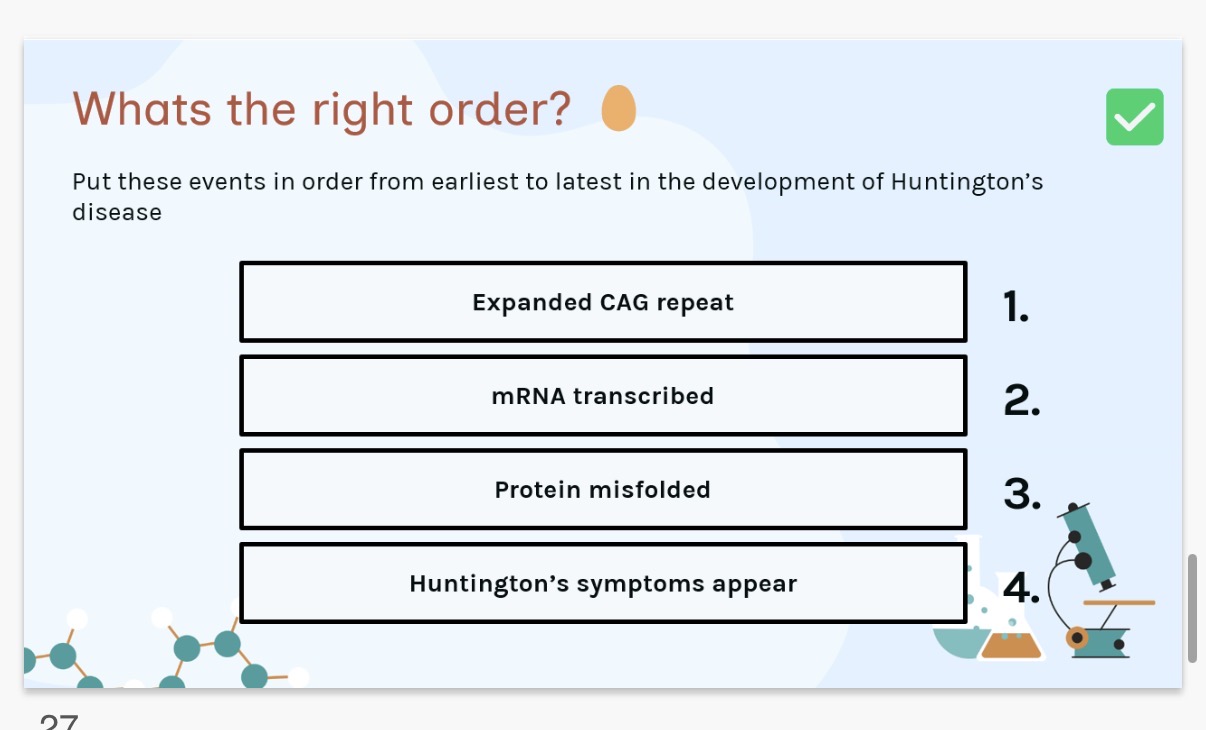
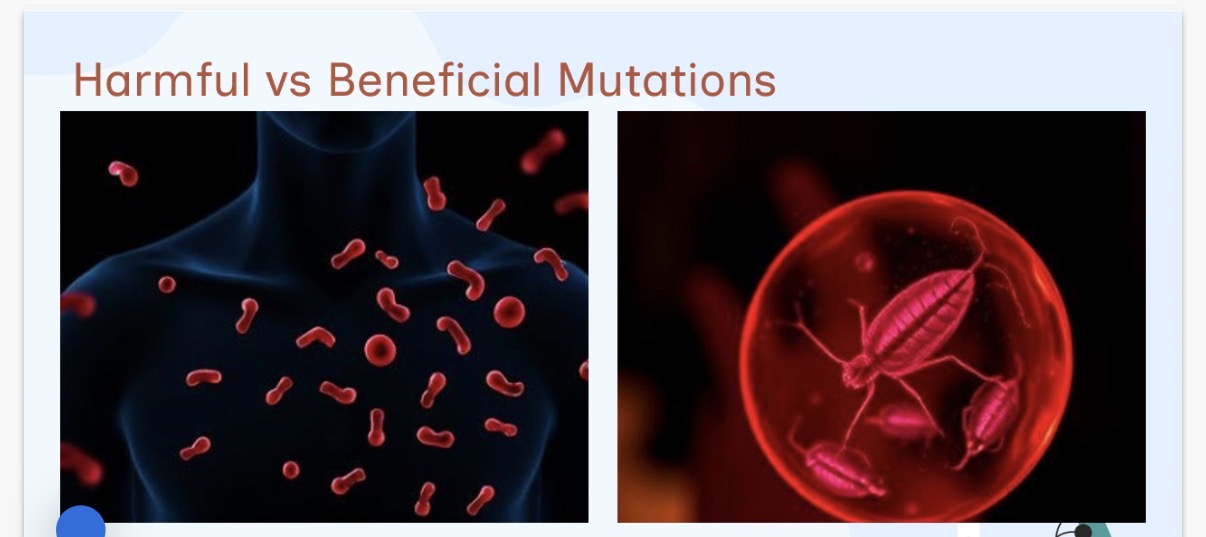
Harmful vs beneficial mutations:
Left image: Sickle cell mutation causing …1?.
Right image:Same mutation providing resistance to …2?.
Note-Image on the other side shows beneficial and harmful mutations.
3.Why might a mutation that causes a disease in one environment be advantageous in another? (Think about sickle cell and malaria)
Disease. 2.malaria
Sickle cell mutation alters haemoglobin, hindering malaria parasite growth so, In malaria-prone regions,it gives organisms more malaria resistance and surviving organisms may spread the sickle cell gene to future generations since the positives of having the sickle cell gene outweigh the risks of having the gene in malaria prone regions.
(This illustrates how environmental pressure can make a harmful mutation beneficial for population survival.)
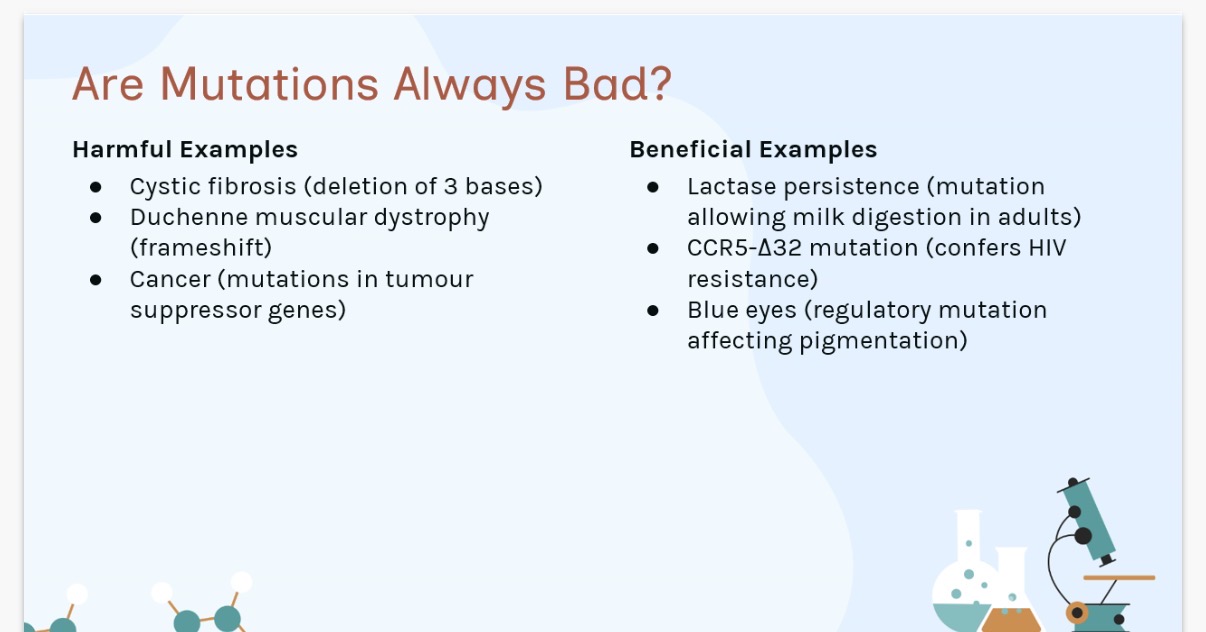
Neutral Mutations:
Many mutations have no observable effects and these are called…
They may:
• Occur in non-coding …2?
• Be silent …3?
• Produce functionally equivalent proteins
Though neutral now, they may become advantageous or …4? under future …5? pressures. They are crucial for building genetic …6?, the raw material for evolution
Mutations in evolution:
4 billion years ago:
First Mutations- Random changes in early …7? material allowed variation and natural …8? to begin
2 million years ago:
Brain Growth- Mutations in genes like …9? may have contributed to increased brain size in …10?.
10,000 years ago:
Lactase Persistence- Mutations allowed adults to …11? milk, spreading rapidly in …12? societies.
Present Day:
Ongoing Change- New mutations arise in every generation, contributing to human diversity and adaptation
Neutral mutations
DNA. 3. Substitutions 4.harmful. 5. Environmental. 6.variation
Genetic. 8. Selection. 9. HAR1. 10.humans. 11. Digest. 12.pastoral
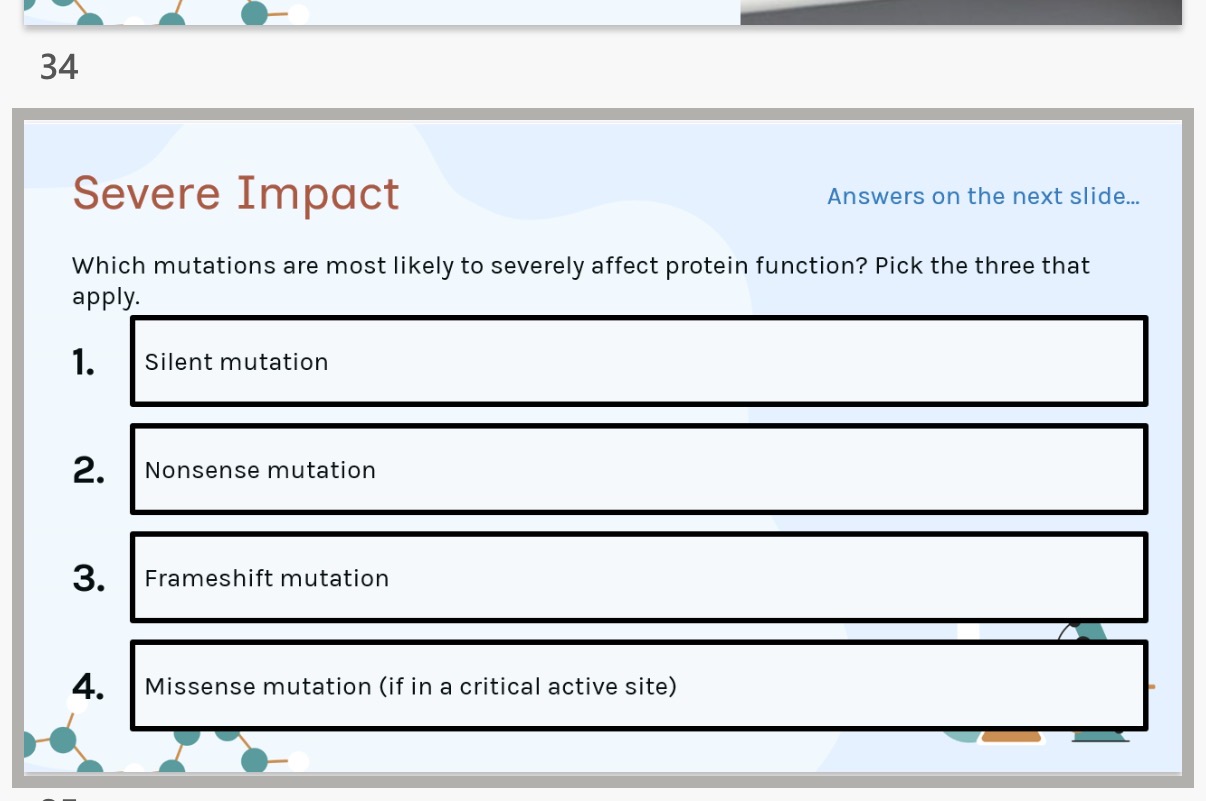
Mutations and Disease:
Mutations in structural or metabolic genes can cause …1? disorders.
Examples:
• CFTR gene mutation → cystic fibrosis
• F8 gene mutation → haemophilia
• BRCA1/2 → increased cancer risk
Some mutations disrupt …2? proteins, affecting entire gene networks. Defective DNA …3? systems (e.g., in xeroderma pigmentosum) greatly increase …4? risk
Answer image q?
Cancer and mutations:
proto-oncogenes(genes) and tumor suppressors(genes)
Proto-oncogenes normally promote …5? cell division, but mutations can turn them into …6?, leading to uncontrolled growth. An example of this is …7? gene mutations.
Tumor suppressors normally …8? uncontrolled division or trigger …9? (programmed cell death). Mutations can …10? them, and often …11? copies of the gene need to be damaged for the effect of uncontrollable cell growth and cancer to take place.
Inherited. 2.regulatory. 3. Repair
cancer. 5.controlled. 6.Oncogenes. 7. RAS. 8.Stop. 9.apoptosis. 10.inactivate. 11. Both
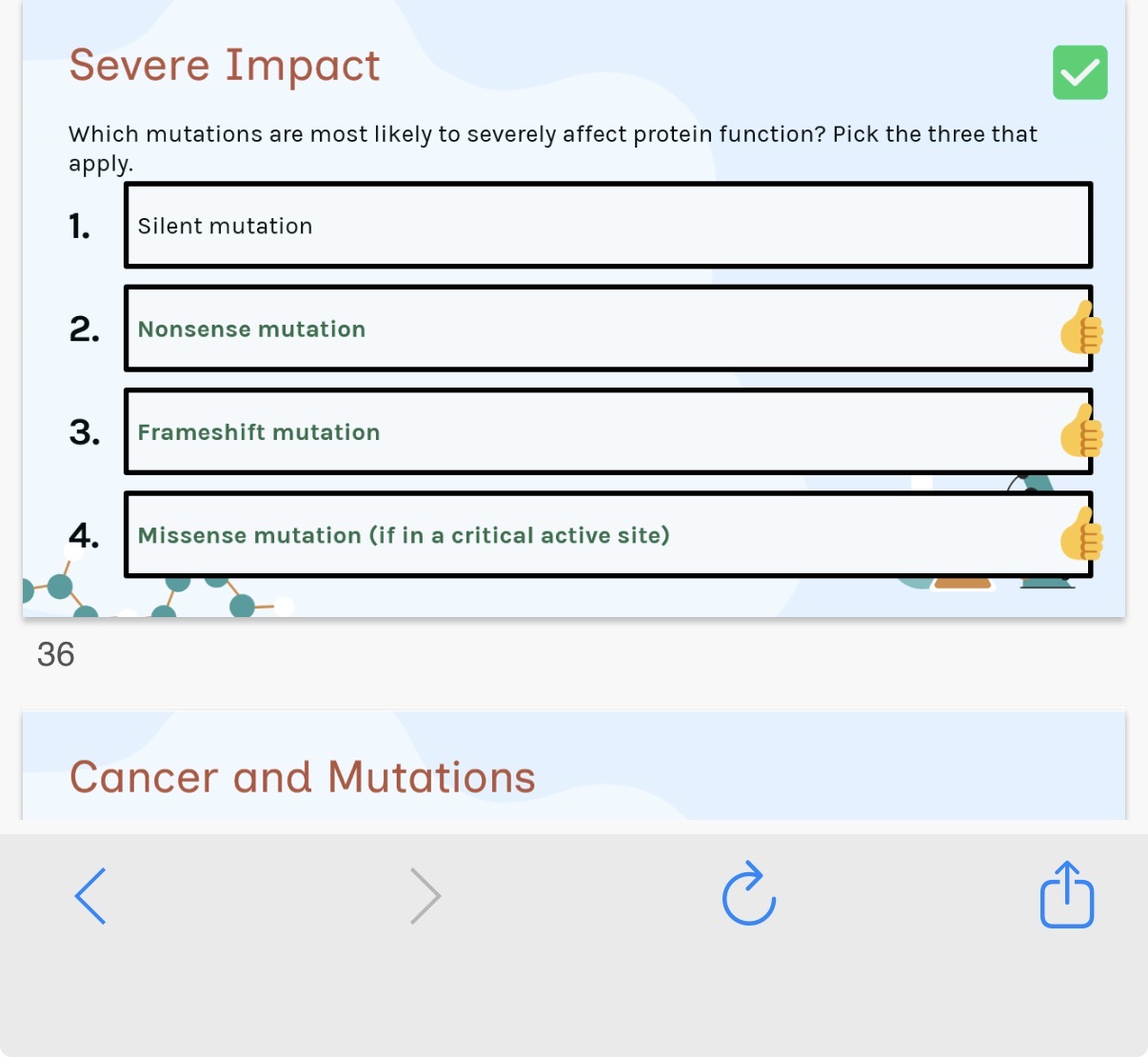
Mutation Detection and Biotechnology:
DNA sequencing, CISPR-Cas9 , and Gene therapy are techniques that scientists use. 1.Explain what they’re used for?
Ethical questions arise for the use of these techniques: “Should we edit human embryos even though they lead to designer babies” “Who gets access to treatment?”
Name a benefit for using these teachniques?
Answer image q?
•DNA sequencing: To identify mutations
•CRISPR-Cas9: To edit genes precisely
•Gene therapy: To correct harmful mutations
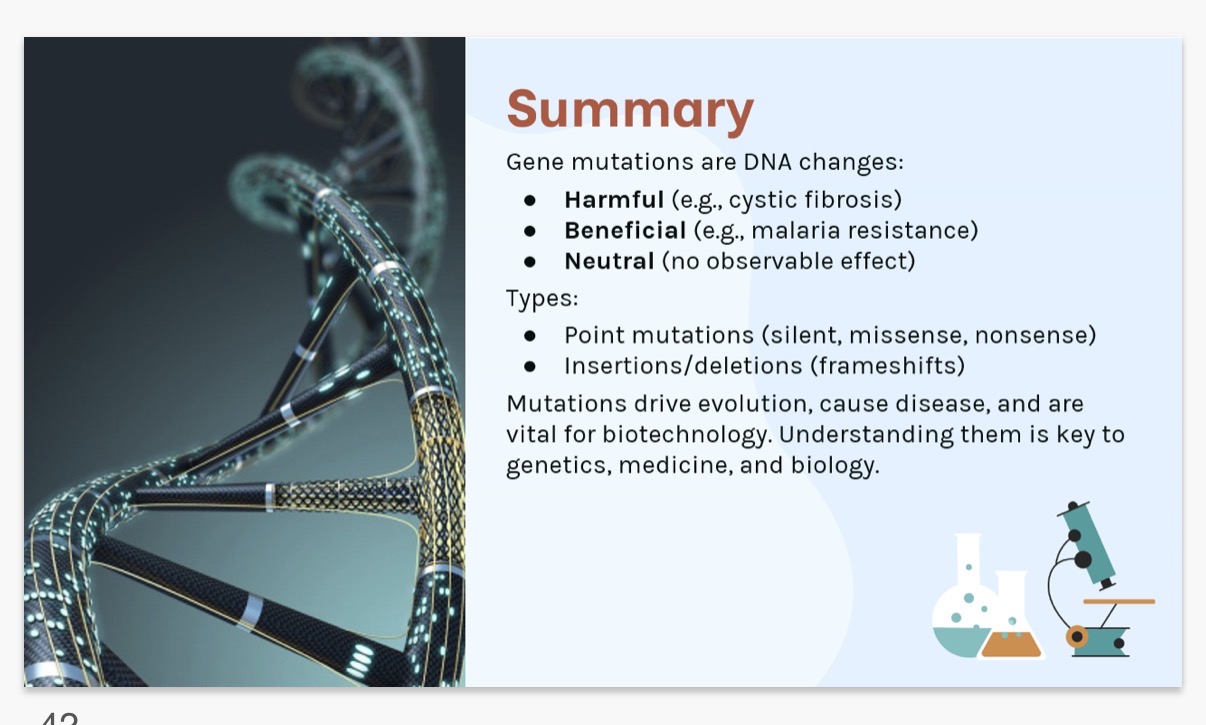
Understanding mutations helps to develop personalized medicine based on individual genomes.
Summary: