Church History (33-1517): Notable Artists and their Art and Architects and their Architecture (inc. Churches, Paintings, Sculptures, Icons, etc.)
 Call Kai
 Learn
Learn Practice Test
 Spaced Repetition
 Match
Match Flashcards
 Knowt Play
1/52

There's no tags or description
Looks like no tags are added yet.
Name | Mastery | Learn | Test | Matching | Spaced | Call with Kai | Chat |
|---|
No analytics yet
Send a link to your students to track their progress
53 Terms
Church Art (All Facts)
Most artists in Middle Ages Europe worked for the Church
Most artwork focused on religious themes
Religious artwork provided images to help illiterate serfs understand the Bible
225 - Main Events (All Facts)
Year in which the first Christian paintings appear in Rome, adorning the catacombs
324 - Archbasilica of St. John Lateran (All Facts)
Catholic Cathedral of the Diocese of Rome in the city of Rome
It serves as the seat of the Pope
It was consecrated as a church during the reign of Constantine the Great (date displayed)
It hosted the Council of Arles
St. Agnes Church “Outside the Walls” (All Facts)
Church constructed during the reign of Constantine the Great
St. Sebastian Church “Outside the Walls” (All Facts)
Church constructed during the reign of Constantine the Great
The church was built over the catacombs of the namesake saint
Papal Basilica of St. Paul “Outside the Walls” (All Facts)
Church constructed during the reign of Constantine the Great
The church was built over the burial place of of the namesake saint
330 - Church of the Holy Apostles (All Facts)
Constructed and consecrated during the reign of Constantine the Great
335 - Church of the Holy Sepulchre (All Facts)
Holiest site in Christianity
It has been an important pilgrimage site for Christians since the fourth century
Contains both the site where Jesus was crucified at Golgotha and the location of Jesus's empty tomb, where he was buried and resurrected
Christ’s tomb on Golgotha was discovered to be on the site of an old temple to Aphrodite
Constructed and consecrated during the reign of Constantine the Great
Christians from every corner of the Roman Empire were expected to flock to Jerusalem to see this shrine, the greatest in Christianity
Also contained an attached basilica with five aisles and a large atrium
360 - Old St. Peter’s Basilica (All Facts)
Located on the Vatican Hill
Church that was constructed during the reign of Constantine the Great
It was built over the site of the Circus of Nero
Completed on the date displayed
Demolished in 1505
Mar Saba (All Facts)
Holy Larva (Monastery) founded by St. Sabbas the Sanctified in the 400s
It is considered one of the world's oldest (almost) continuously inhabited monasteries, and it maintains many of its ancient traditions
548 - 565 - St. Catherine’s Monastery (All Facts)
Christian monastery located in the Sinai Peninsula of Egypt
It was built by Justinian of the Byzantine Empire
It enclosed what is claimed to be the area where Moses saw the Burning Bush
It is the world's oldest continuously inhabited Christian monastery
It was built nearly 5,000 feet above sea level at the foot of Mt. Sinai
It was fortified
It was decorated with mosaics of the Transfiguration and painted icons
Became an anchorage point of Christianity
360 - 1453 - Hagia Sophia (All Facts)
Reconstructed and consecrated by Justinian of the Byzantine Empire in 537
Designed by Anthemius of Tralles and Isidore of Miletus
Became the world's largest interior space and among the first to employ a fully pendentive dome
It is considered the epitome of Byzantine architecture and is said to have "changed the history of architecture"
Procopius, a Greek Historian under the Byzantine Emperor Justinian, once remarked that the effects of light and space inside the church made it an “ineffable beauty” and he said it seemed as if “radiance is generated within, so great an abundance of light bathes this shrine all around”
Basilica of San Vitale / Church of St. Vitalis (All Facts)
Church in Ravenna whose construction begun under Ostrogothic rule by a rich banker
Its interior was decorated with beautiful mosaics made from thousands of colored glass cubes, which reflected the light and bathed the church in their rich colors, mainly green and gold
Church which Justinian and Theodora of the Byzantine Empire had stared down from the chancel
Basilica of St. Apollinaris (All Facts)
Vivarium (All Facts)
Monastery founded by Cassiodorus in southern Italy around 544, which had a biblical studies center and library attached to it
It became a place where Roman scholars worked on preserving Greek and Latin classical literature
683 - Jarrow Library (All Facts)
685 - Monkwearmouth-Jarrow Abbey (All Facts)
Illuminated Manuscript (All Facts)
Formally prepared document where the text is decorated with flourishes such as borders and miniature illustrations
Were often used in the Roman Catholic Church for prayers and liturgical books such as psalters and courtly literature
Abbey of Echternach (All Facts)
Founded by St. Willibrord
Lindisfarne Monastery (All Facts)
Noirmoutier Abbey (All Facts)
Sacked by the Vikings in 842
Mandylion (All Facts)
Romanesque (All Facts)
Roman-inspired style of architecture that came to dominate Christian Europe by 1100
Style that was derived from the round Roman arch, which it repeats in series to divide church naves and abbey cloisters into bays and in which half-columns were built against flat wall surfaces, with capitals which no longer were in classical Roman styles
Style characterized by its carved capitals, which appeared on church columns and around the arches of churches throughout England and Europe
The carved capitals took the form of demons, dragons, and fabulous monsters such as centaurs (symbolizing drunken lechery, or the basilisk, a mixture of rooster and serpent
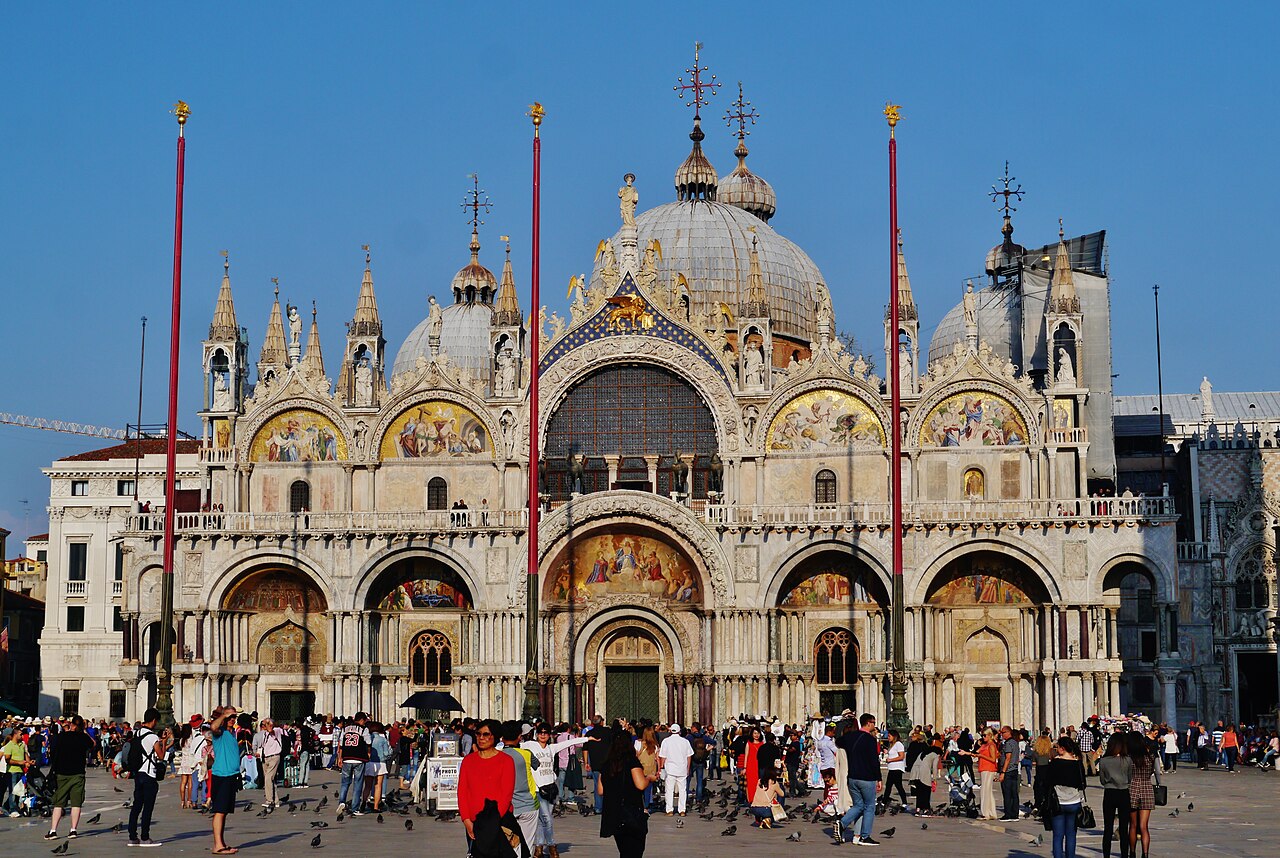
1094 - St. Mark’s Basilica (All Facts)
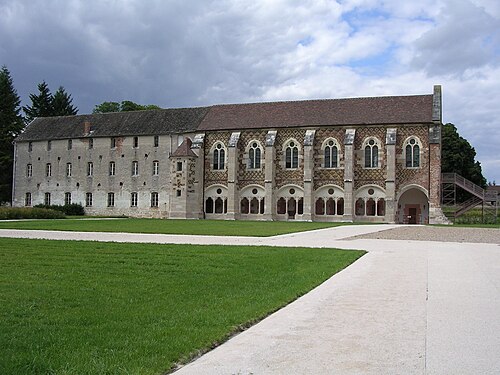
1098 - Citeaux Abbey (All Facts)
Abbey that was the original home of the Cistercian Order of Catholic monks and nuns in France
Abbey founded on the same day as the feast of St. Benedict, which was appropriate since the 21 monks that founded it saw themselves renewing the Benedictine Rule
It also happened to be Palm Sunday
It was founded in a desolate swamp some 14 miles from the town of Dijon
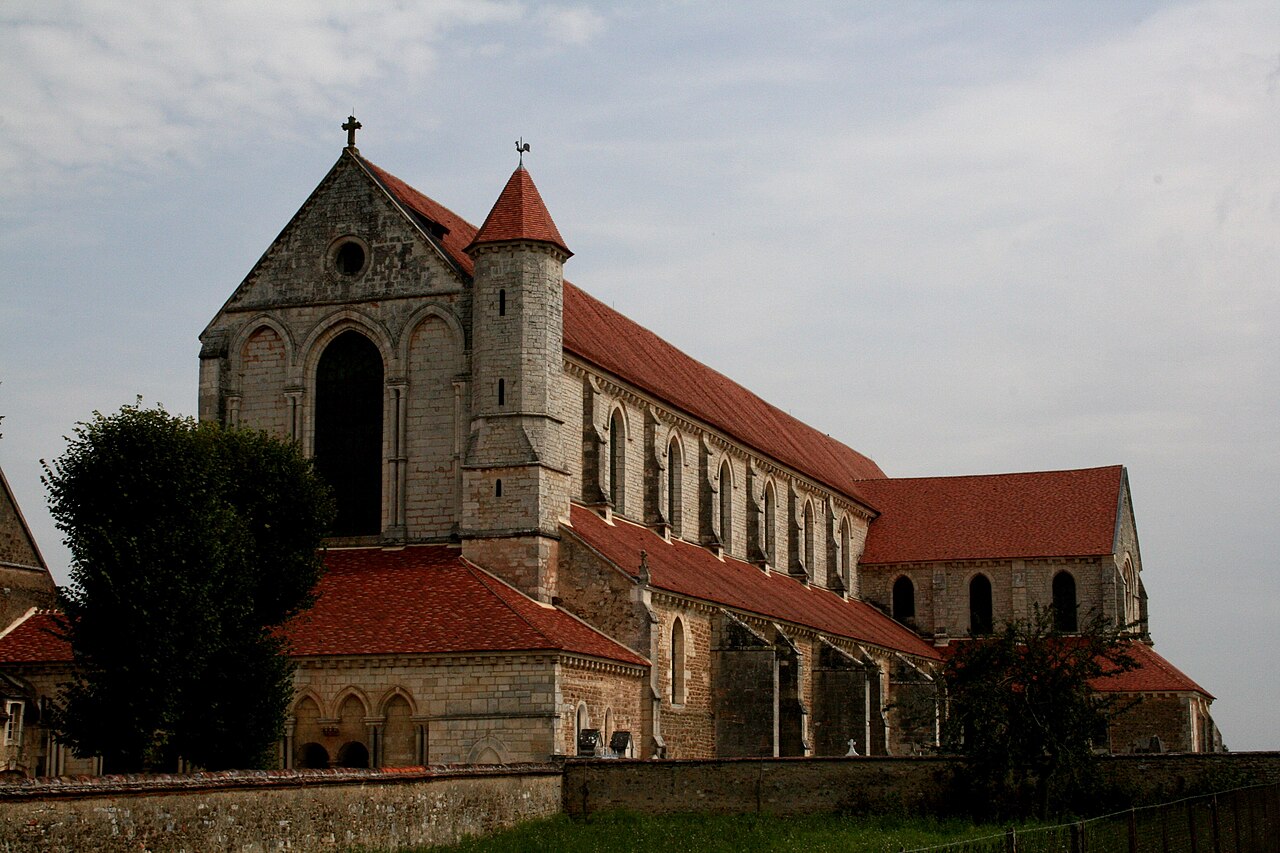
1114 - Pontigny Abbey (All Facts)
Cistercian Abbey in France
1116 - Clairvaux Abbey (All Facts)
Third daughter monastery of the Citeaux Abbey of the Cistercian Order of Catholic monks and nuns in France
Served as an archetype for Cistercian monasteries
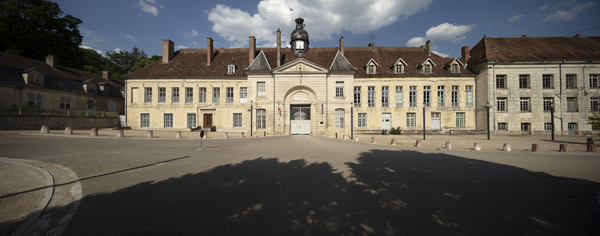
1118 - Abbey of Fontenay (All Facts)
Cistercian Abbey in France
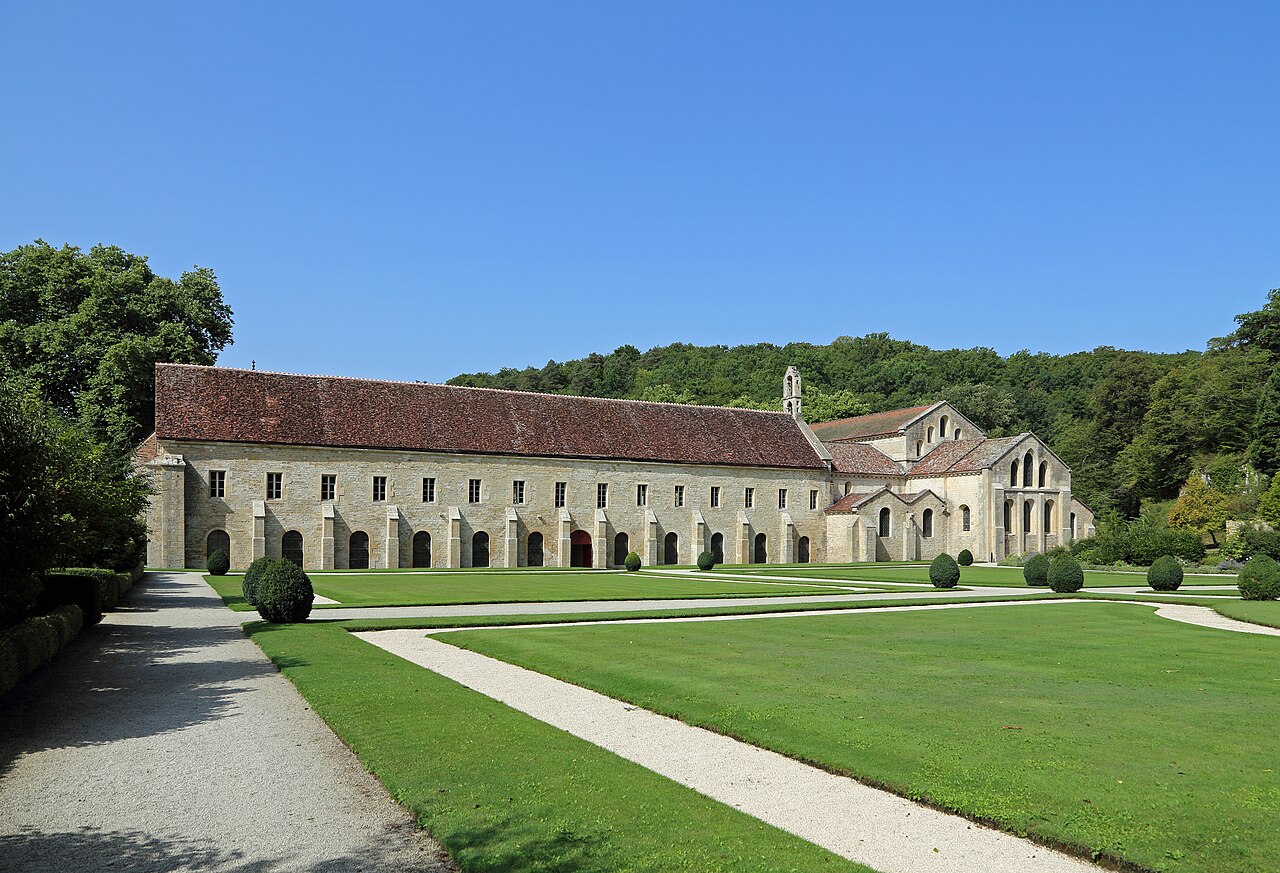
Stained-Glass Windows (All Facts)
By the 1100s, they demonstrated the high-level glass technology found throughout Europe
Their creation was made possible by the coloring of glass by the addition of particular metal salts including
Copper for Green
Copper or Gold Chloride for Red
Iron or Silver
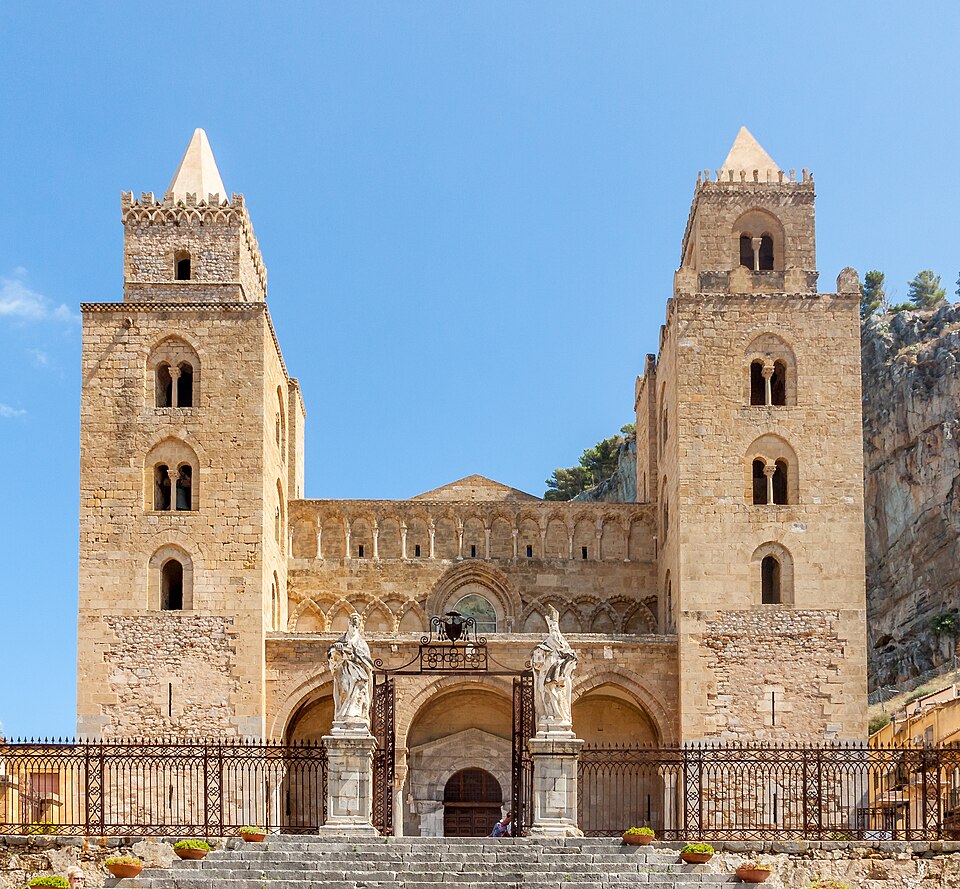
1131 / 1267 - Cefalu Cathedral (All Facts)
Built during the reign of King Roger II of Sicily
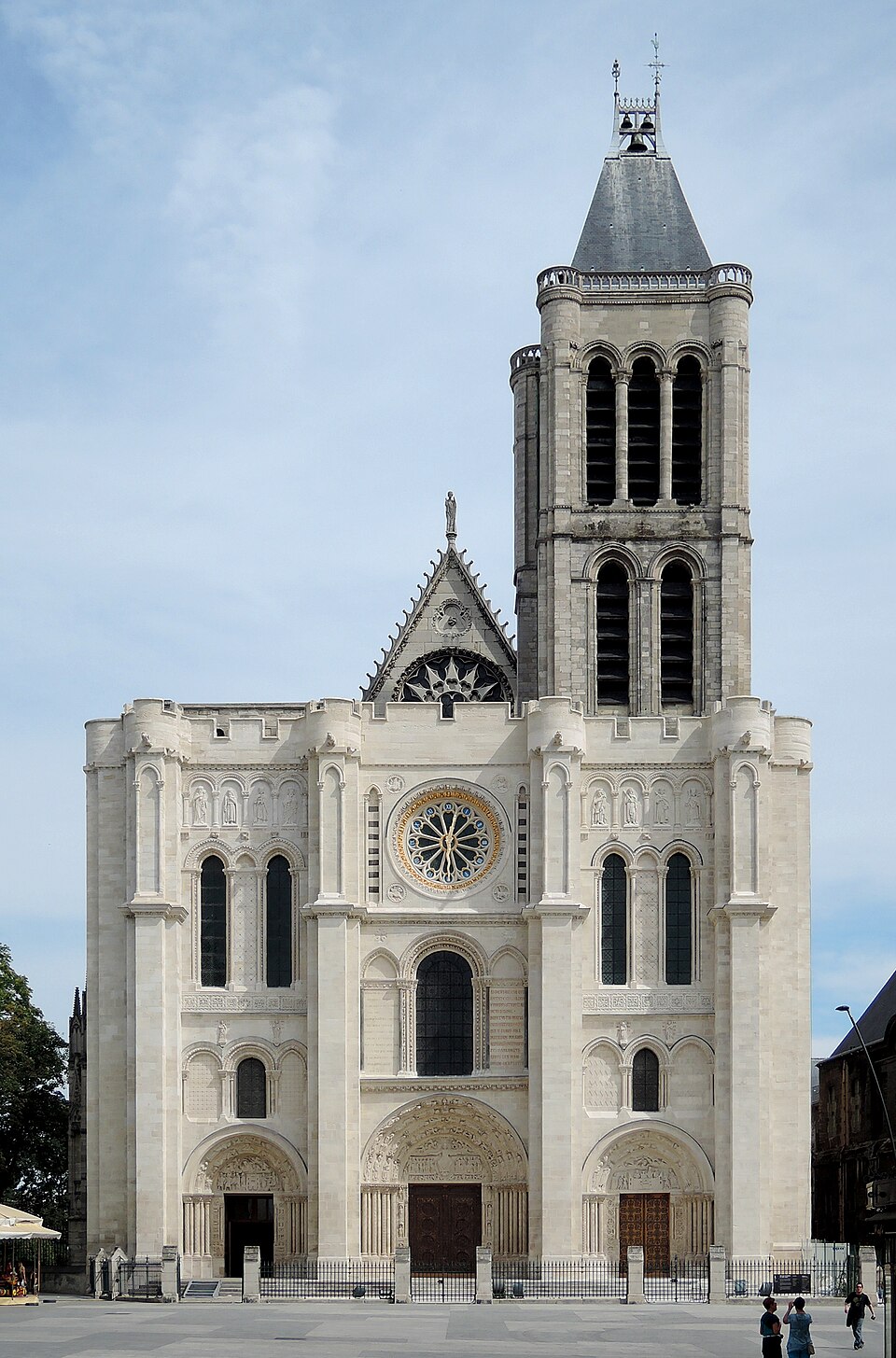
1135 - Basilica of Saint Denis (All Facts)
Built outside Paris by Abbot Suger
Its choir and westwork was rebuilt by Suger
It was the first example of mature Gothic, with it slender pillars and pointed arches which allowed big lancet windows with stained glass in the apse chapels, with statues having adorned the porch
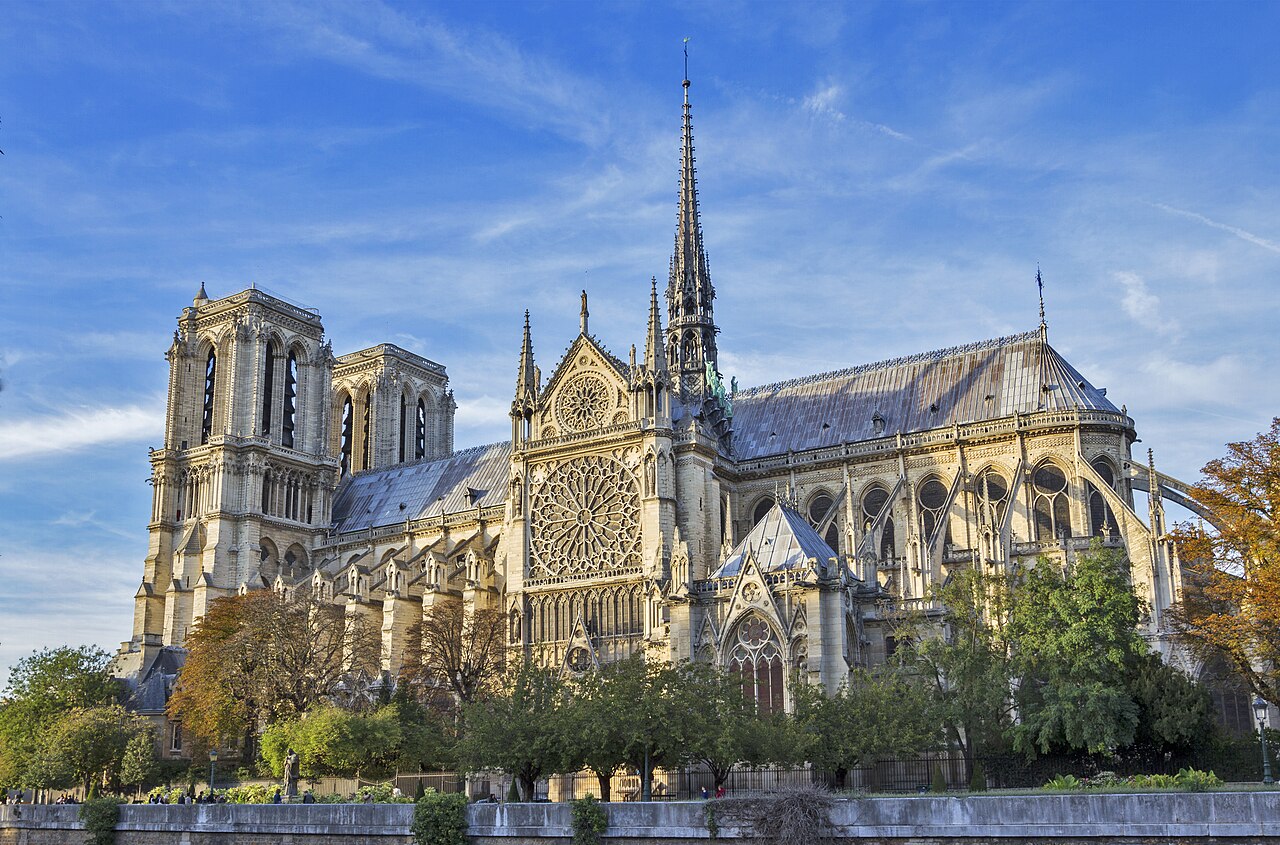
1163 - Notre Dame Cathedral (All Facts)
Catholic Cathedral in Paris
Its external flying buttresses enabled clerestory as well as ground floor windows to be treated as a frame, with a thin web of stone and glass between
It was known for its rose windows
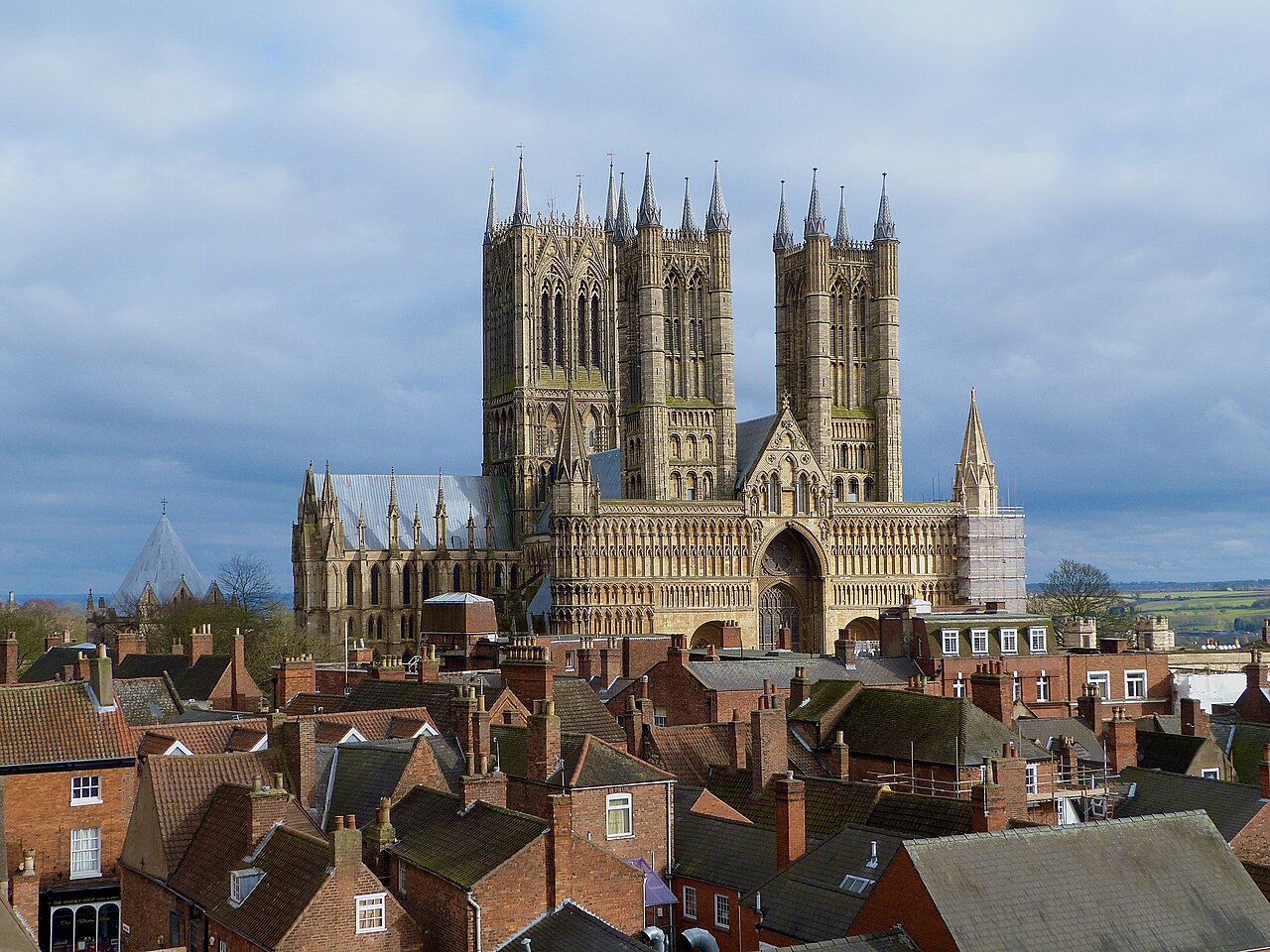
1185 - Lincoln Cathedral (All Facts)
Exemplary of High Gothic architecture, in which new construction techniques were used to varied aesthetic ends and structures themselves were made ornamental
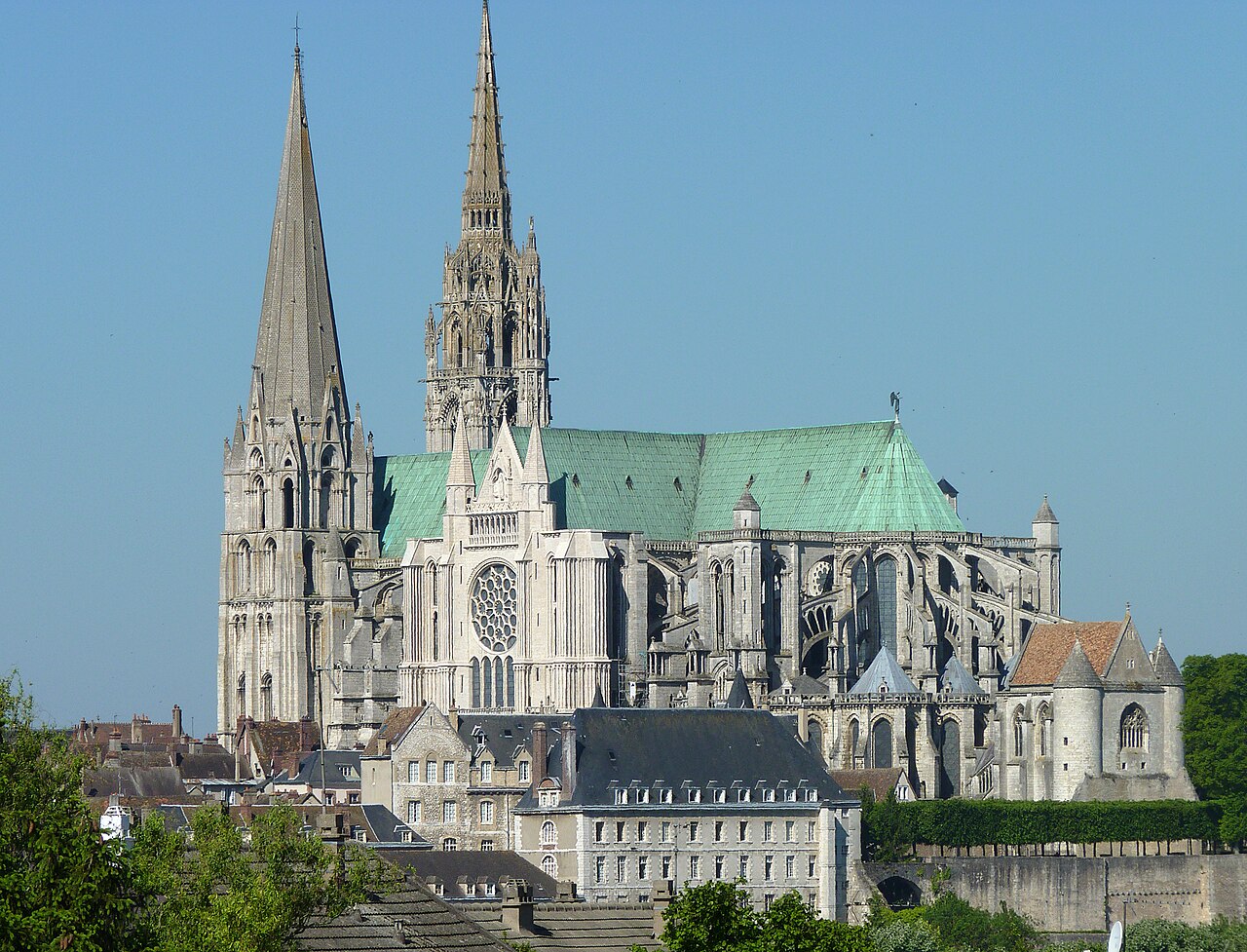
1196 - Chartres Cathedral (All Facts)
Exemplary of High Gothic architecture, in which new construction techniques were used to varied aesthetic ends and structures themselves were made ornamental
Its two great spires were raised by Bishop Regnault, and could be seen 20 miles in any direction
Its 160 windows were filled with stained glass, including its great rose window, which bathes its interior in blue light
Its portals were decorated with holy statues
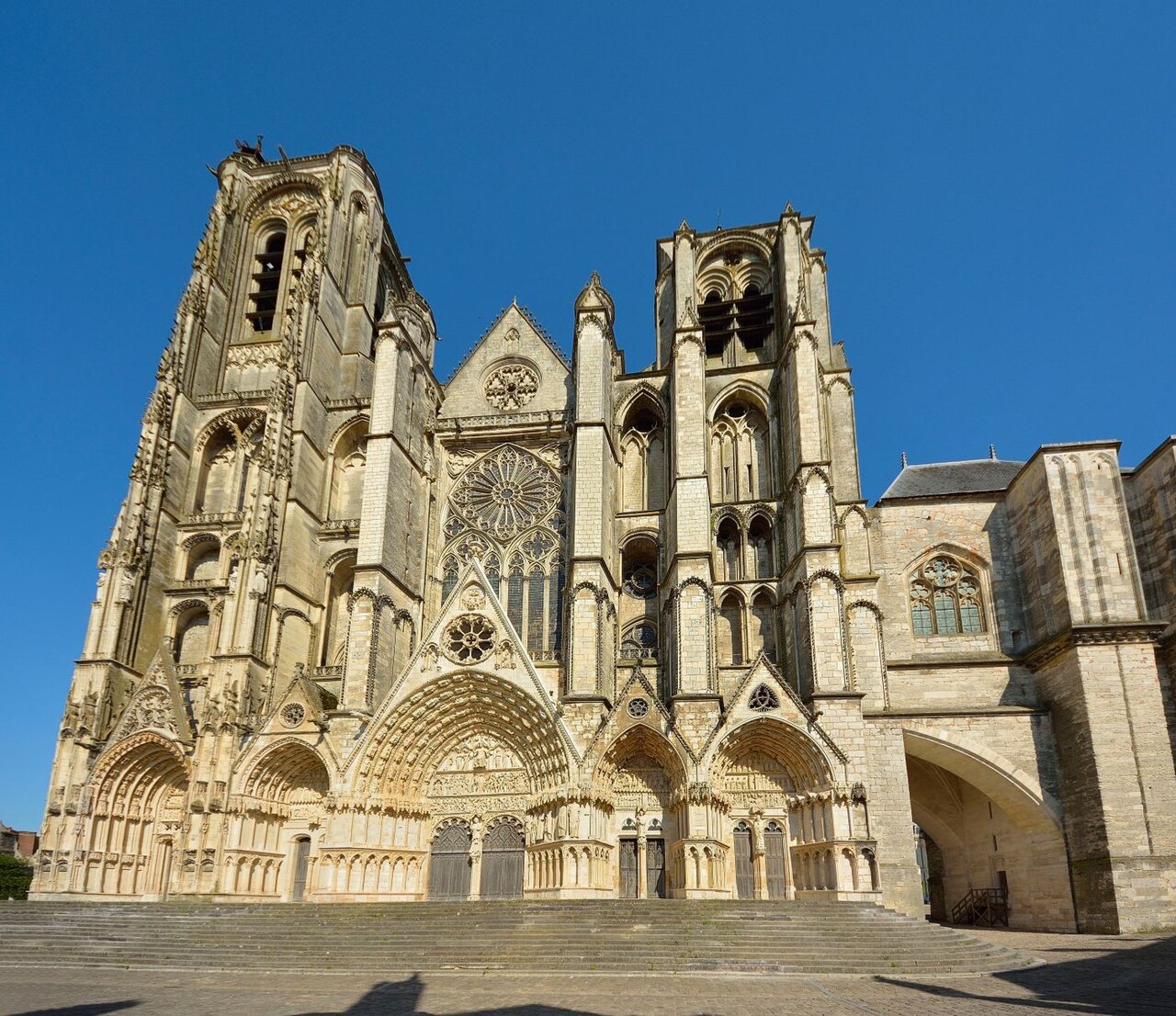
1196 - Bourges Cathedral (All Facts)
Exemplary of High Gothic architecture, in which new construction techniques were used to varied aesthetic ends and structures themselves were made ornamental
1211 - Reims Cathedral (All Facts)
Cathedral where French Kings were crowned
It was rebuilt with 550 statues known as “the smiling angels”
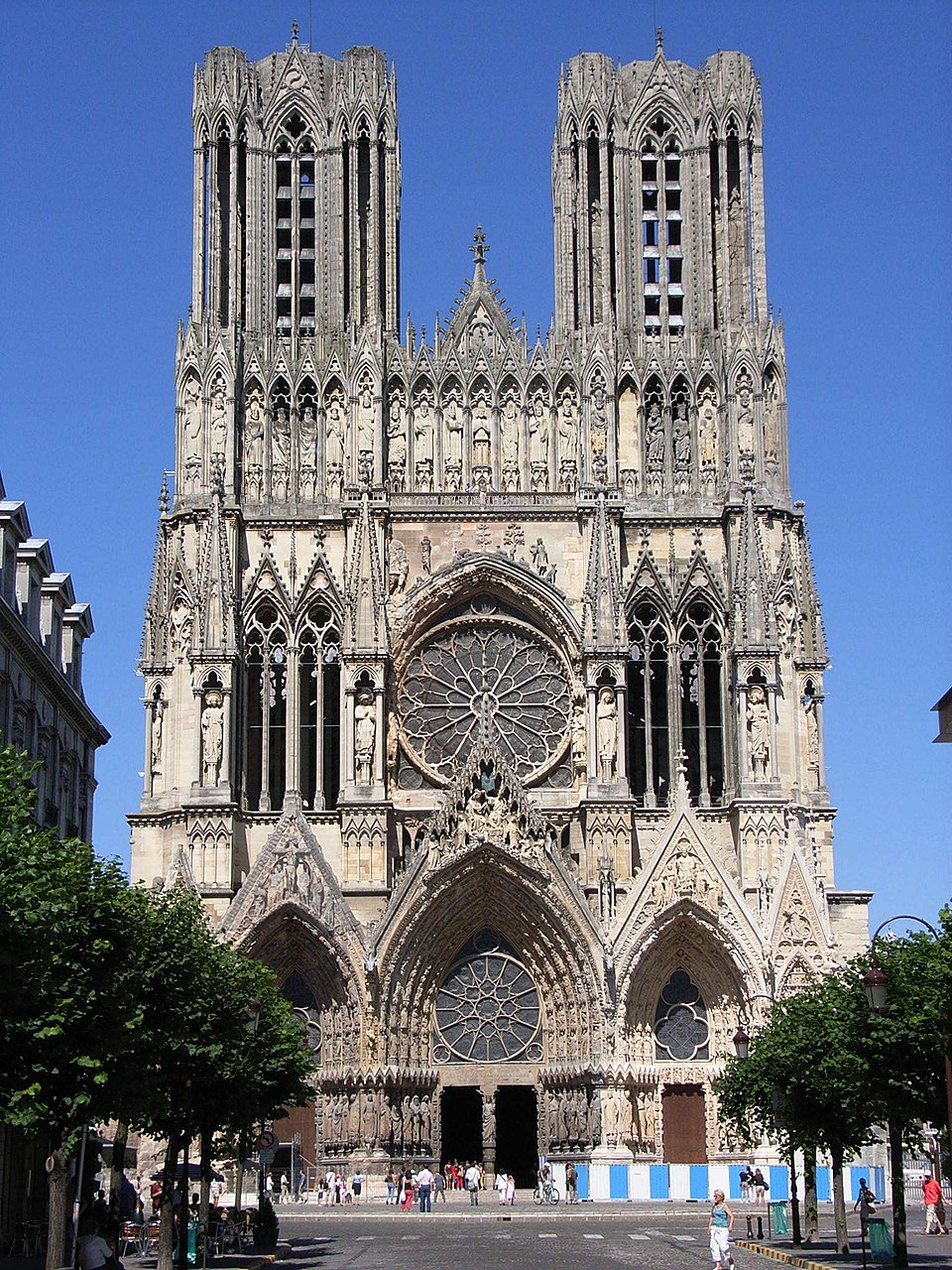
1220 - Amiens Cathedral (All Facts)
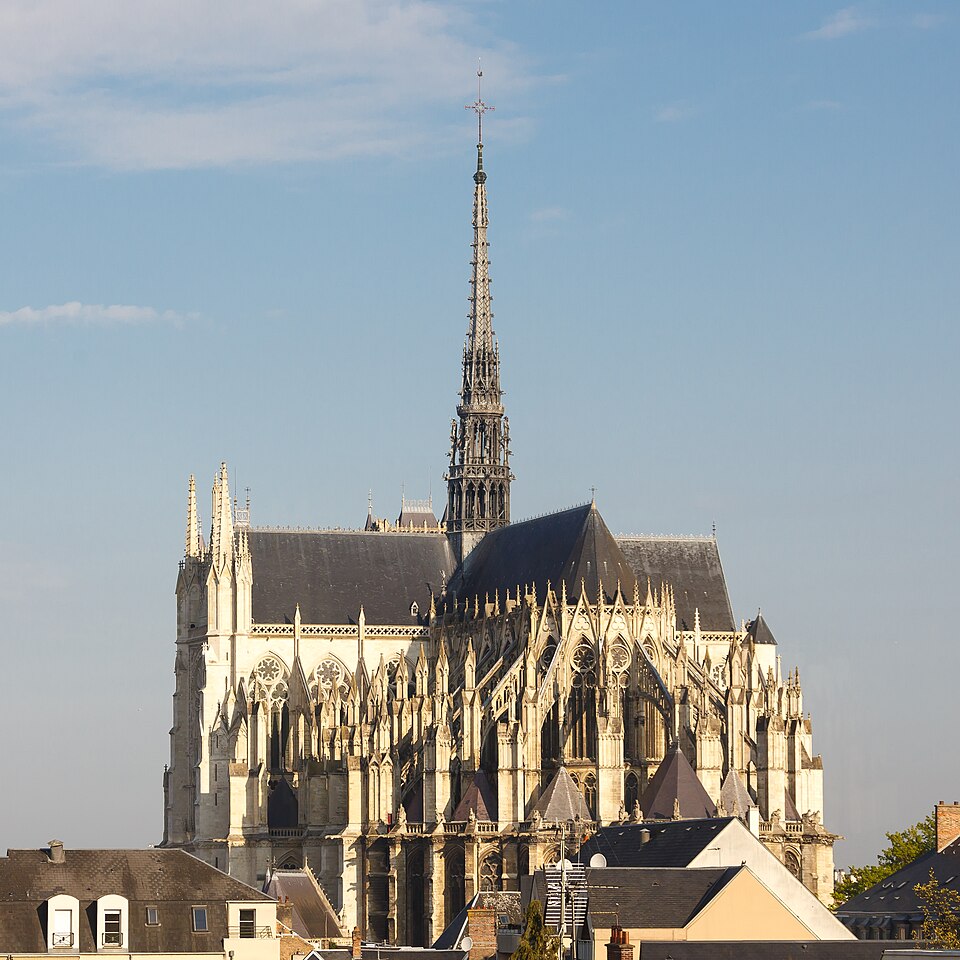
1220 - Salisbury Cathedral (All Facts)
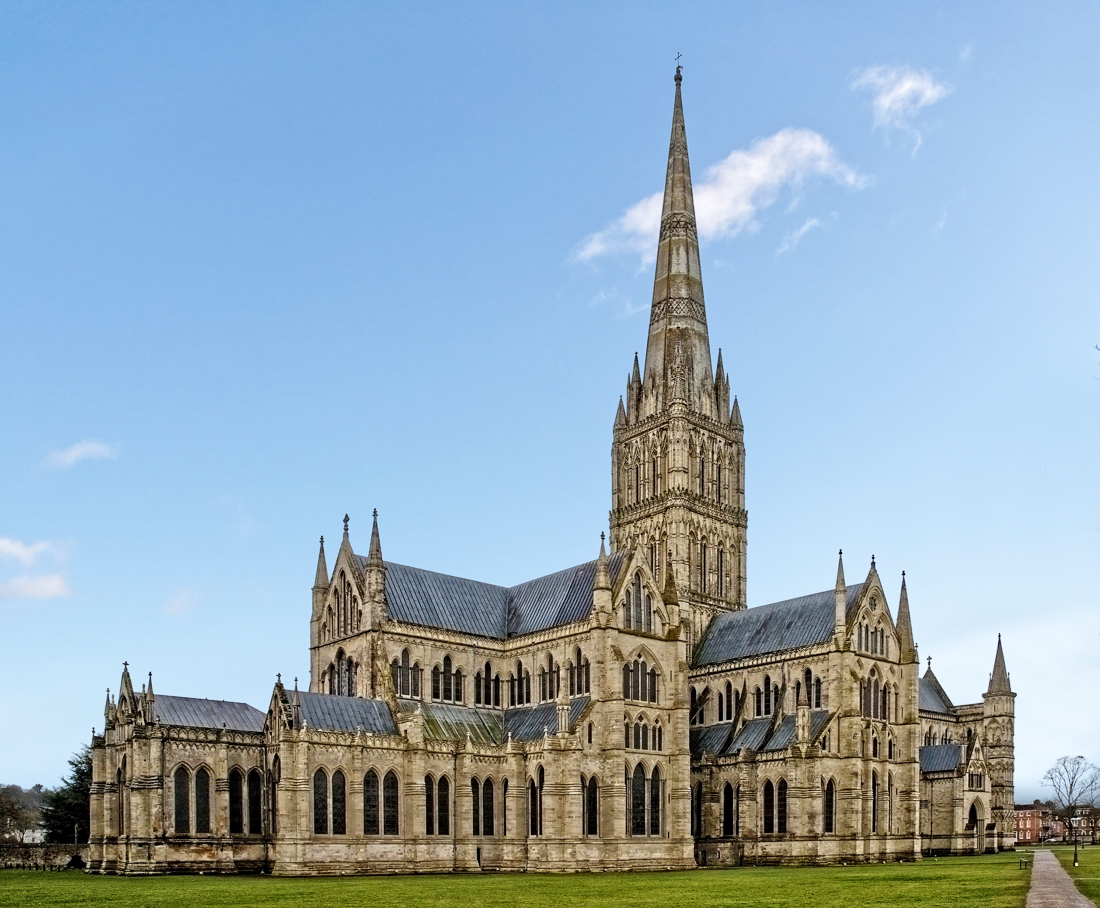
1239 - Wells Cathedral (All Facts)
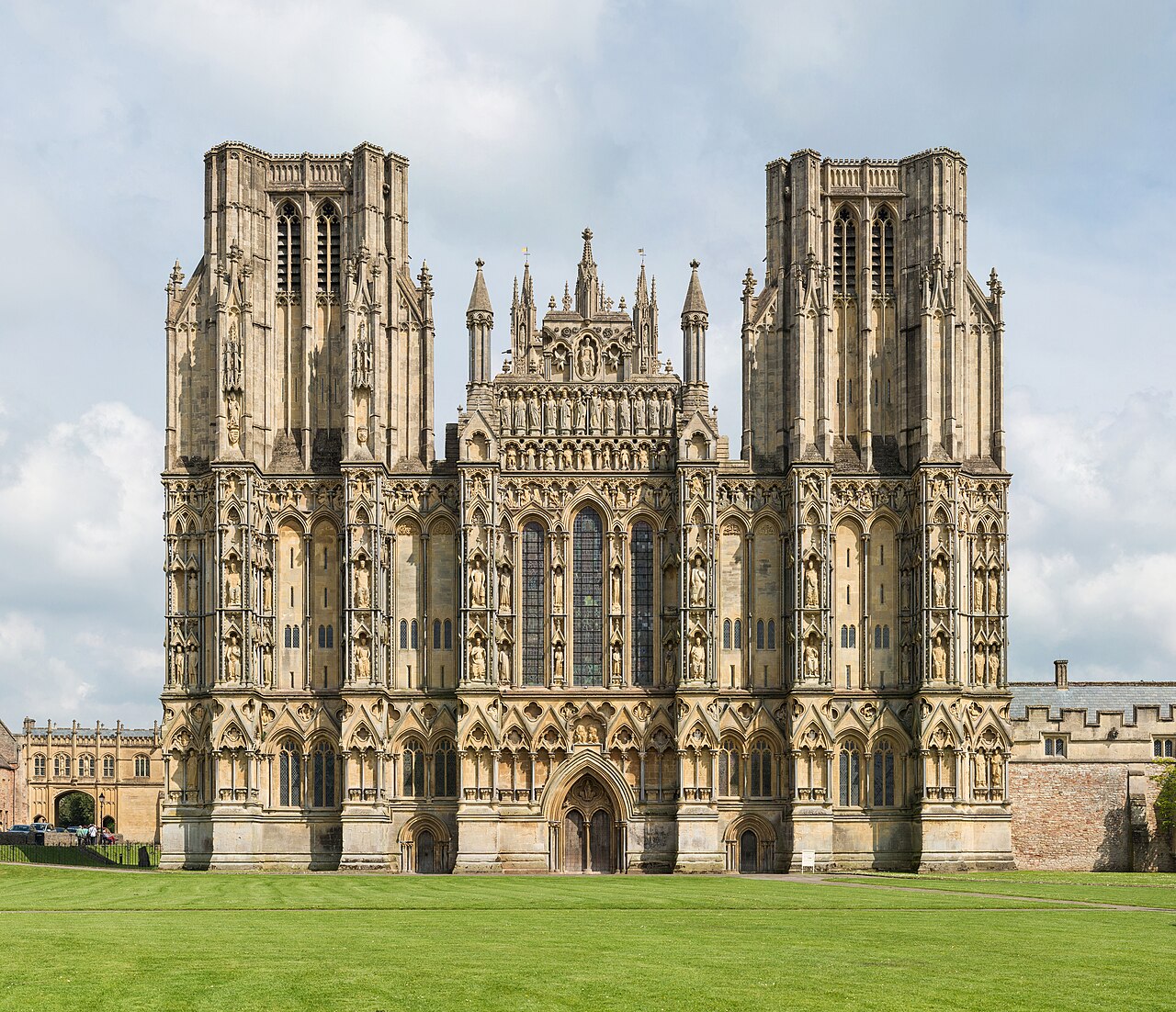
1290 - Basilica of St. Francis / Basilica of San Francesco (All Facts)
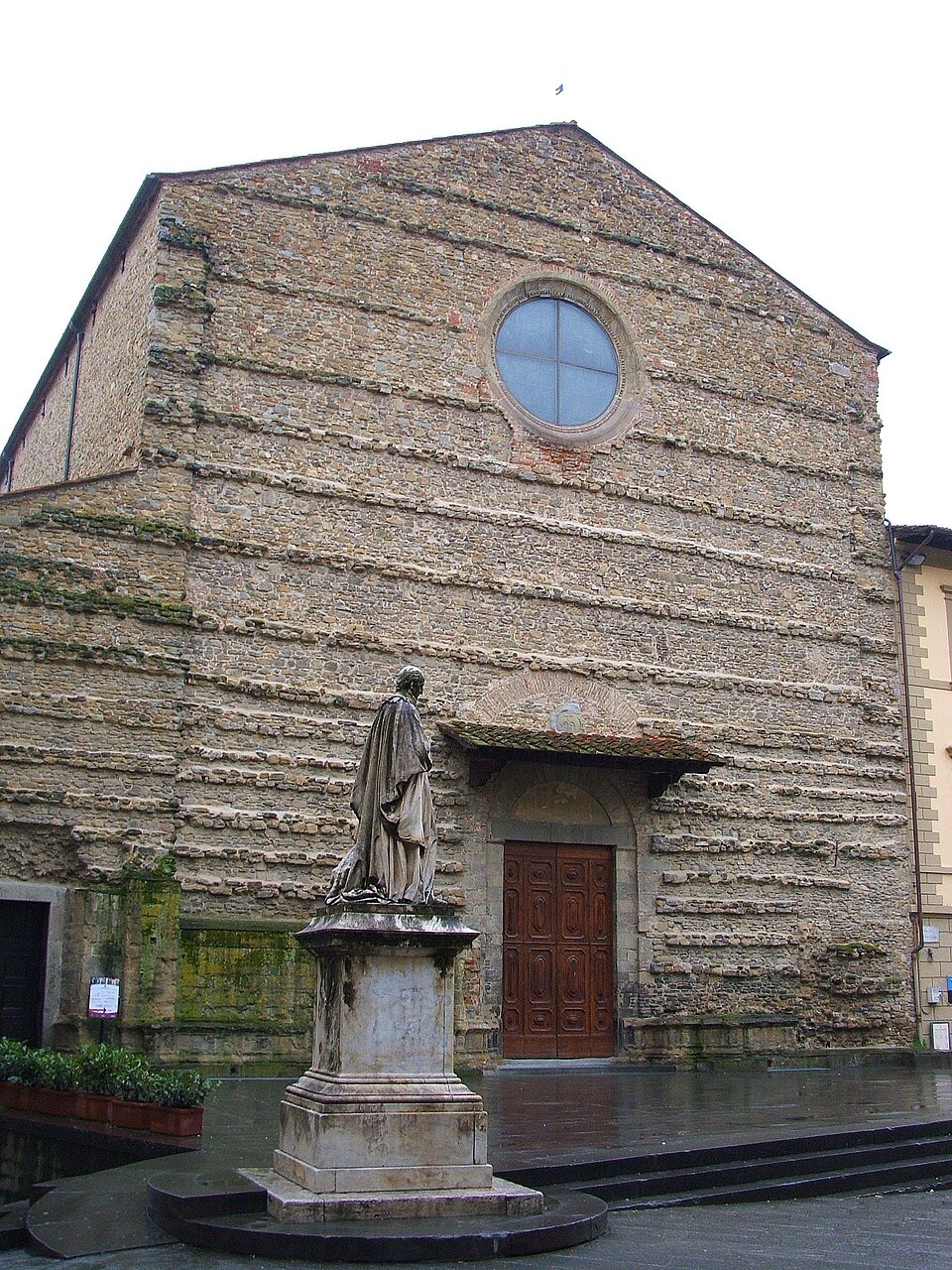
1342 - Palais des Papes (All Facts)
This is the Papal Palace at Avignon in France
It
was an imposing building, with four wings built around a cloister
had no extravagant sculptures
had an interior that carried an atmosphere of monastic simplicity, even austerity
was in marked contrast to the ornate palaces which many cardinals had built on the north bank of the Rhone River just outside the city
had a style that suggested that is papal occupant became sensitive to the critics of the papacy’s corruption
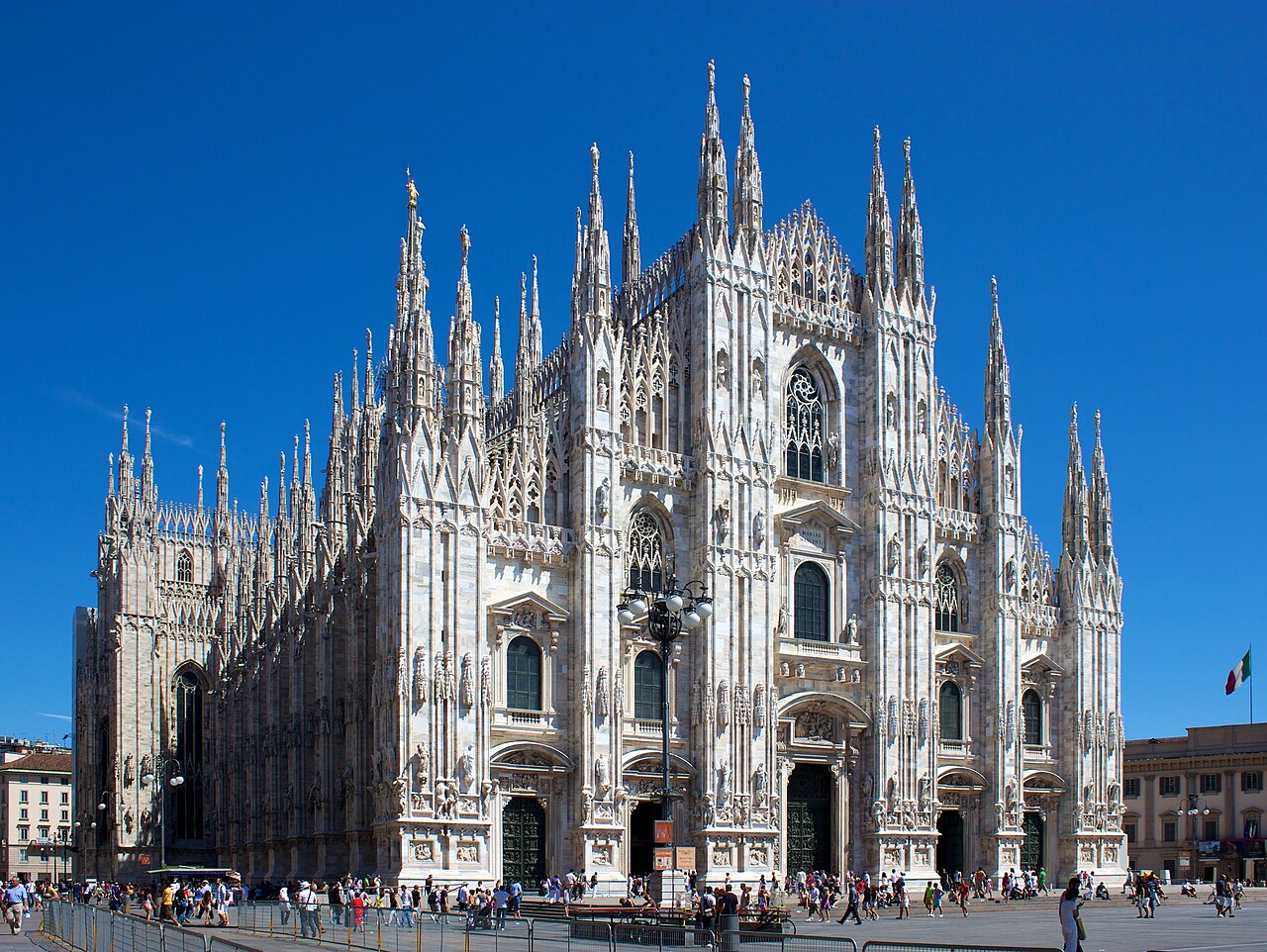
1387 - Milan Cathedral (All Facts)
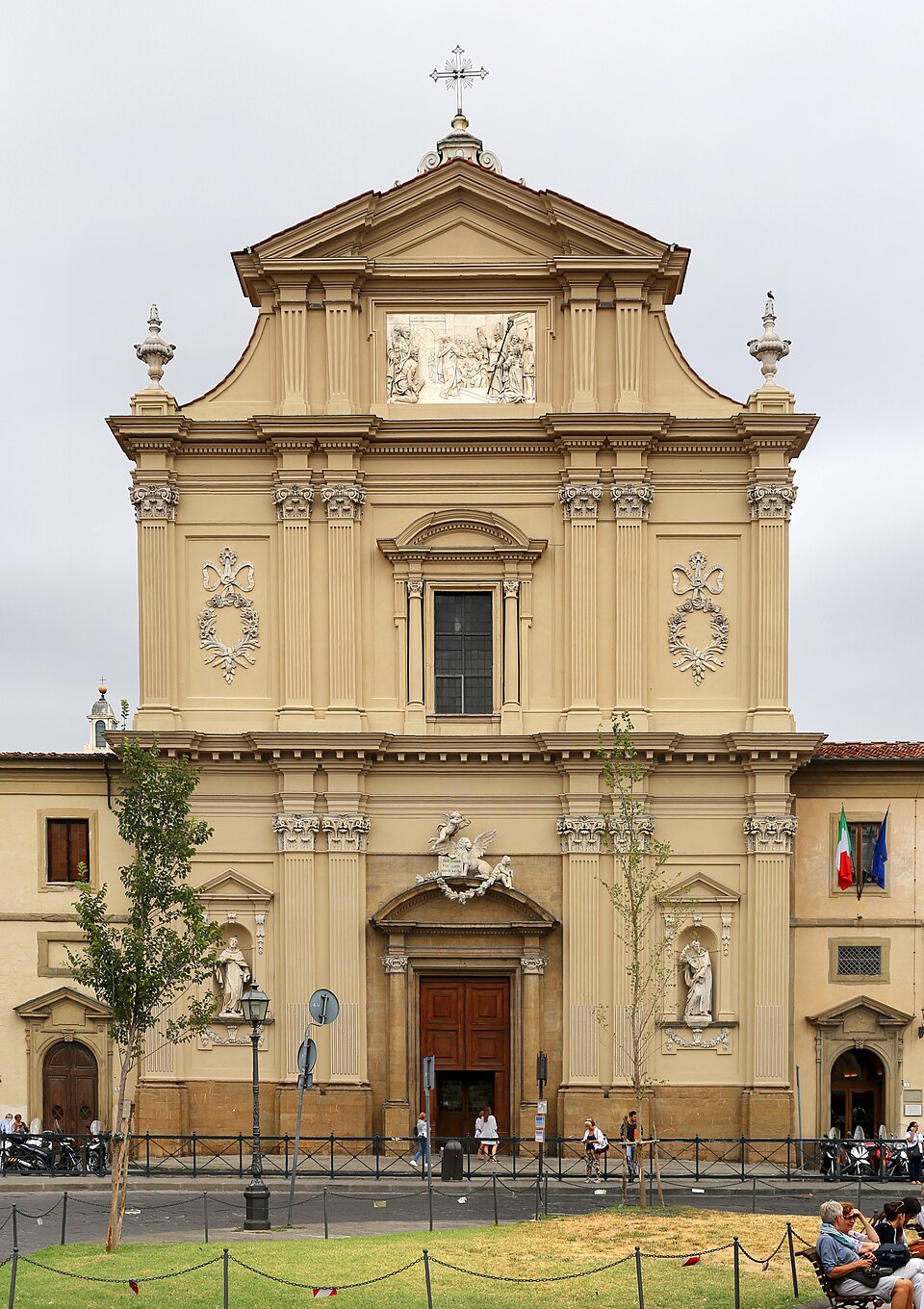
1400s - Basilica of St. Mark / Basilica of San Marco (All Facts)
It was home to two famous Italian Dominicans, the painter Fra Angelico and the preacher Girolamo Savonarola
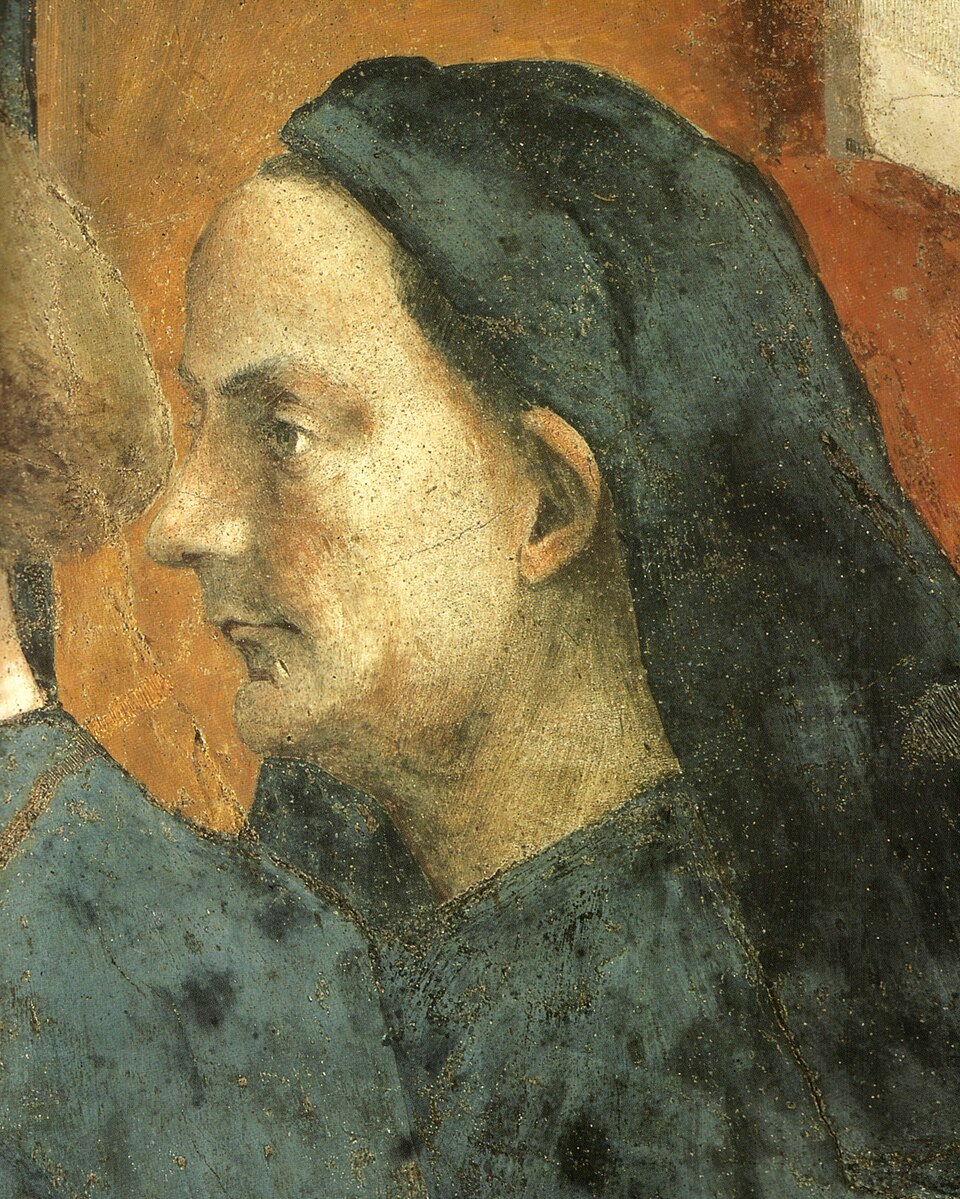
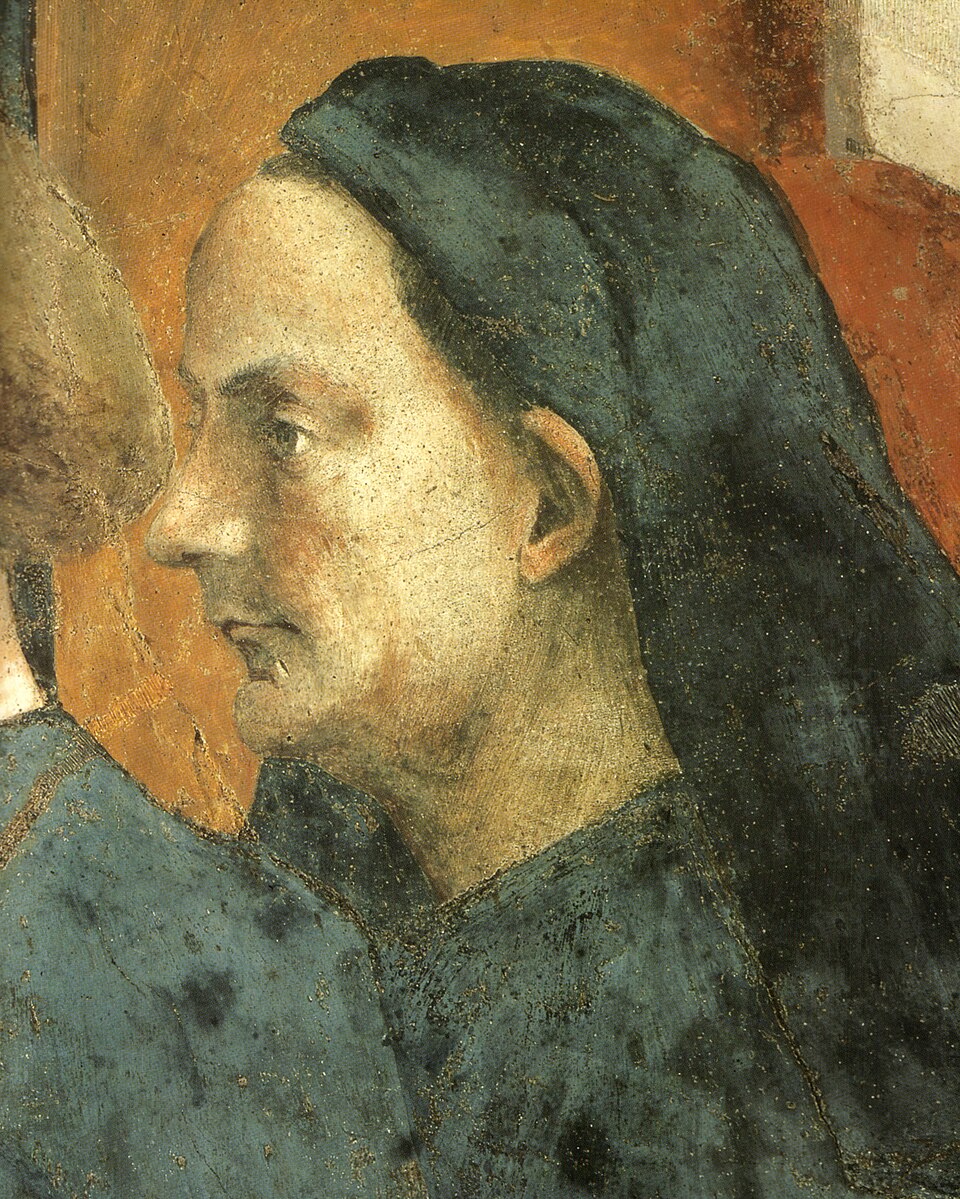
1377 - 1446 - Filippo Brunelleschi (All Facts)
Italian Renaissance Architect
He is considered the “Father of Italian Renaissance Architecture”
He is considered to have discovered and later used “Perspective” not just for the Italian Renaissance painters, but in his own architectural and scientific drawings of the (early) 1400s
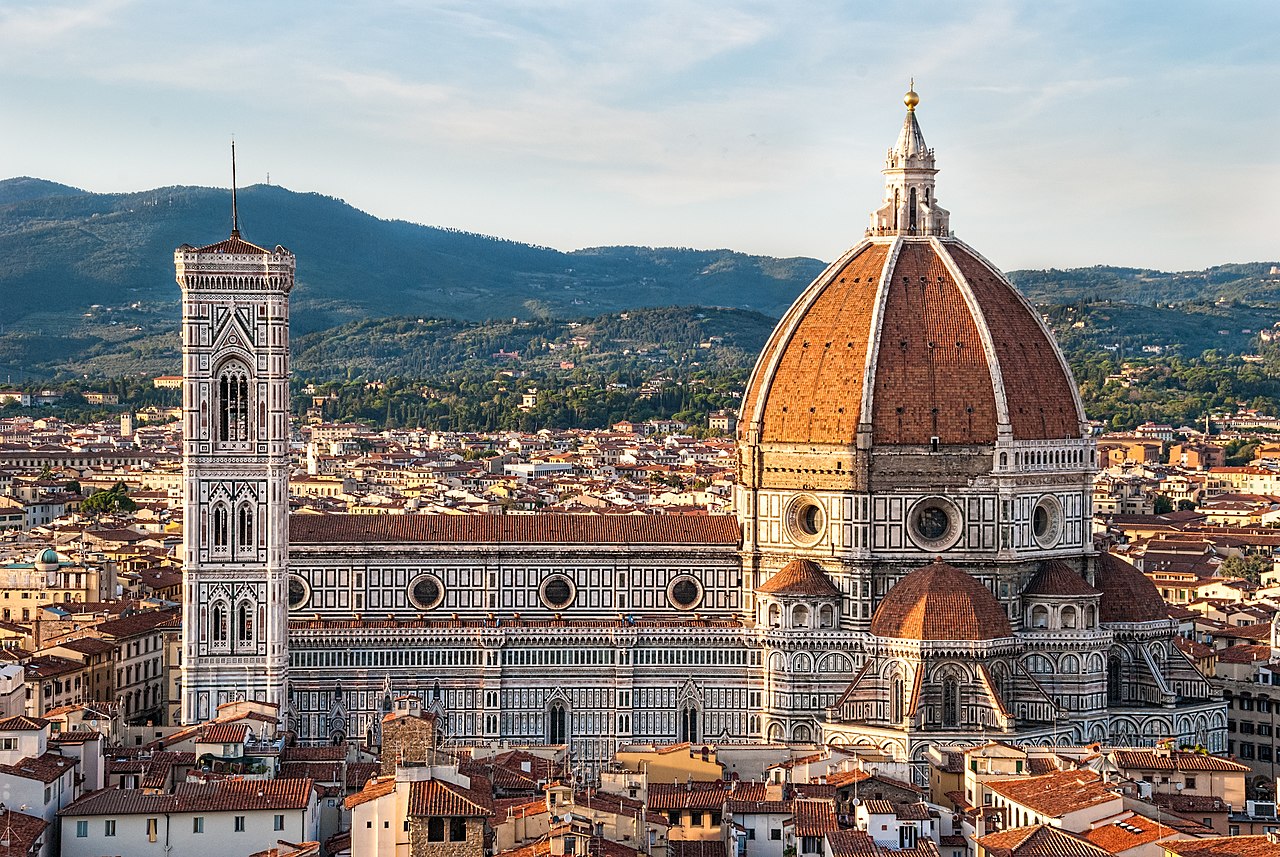
1436 - Filippo Brunelleschi: Florence Cathedral / Cathedral of St. Mary the Flower / Santa Maria dei Fiore (All Facts)
Known for its self-supporting octagonal dome designed by the namesake architect
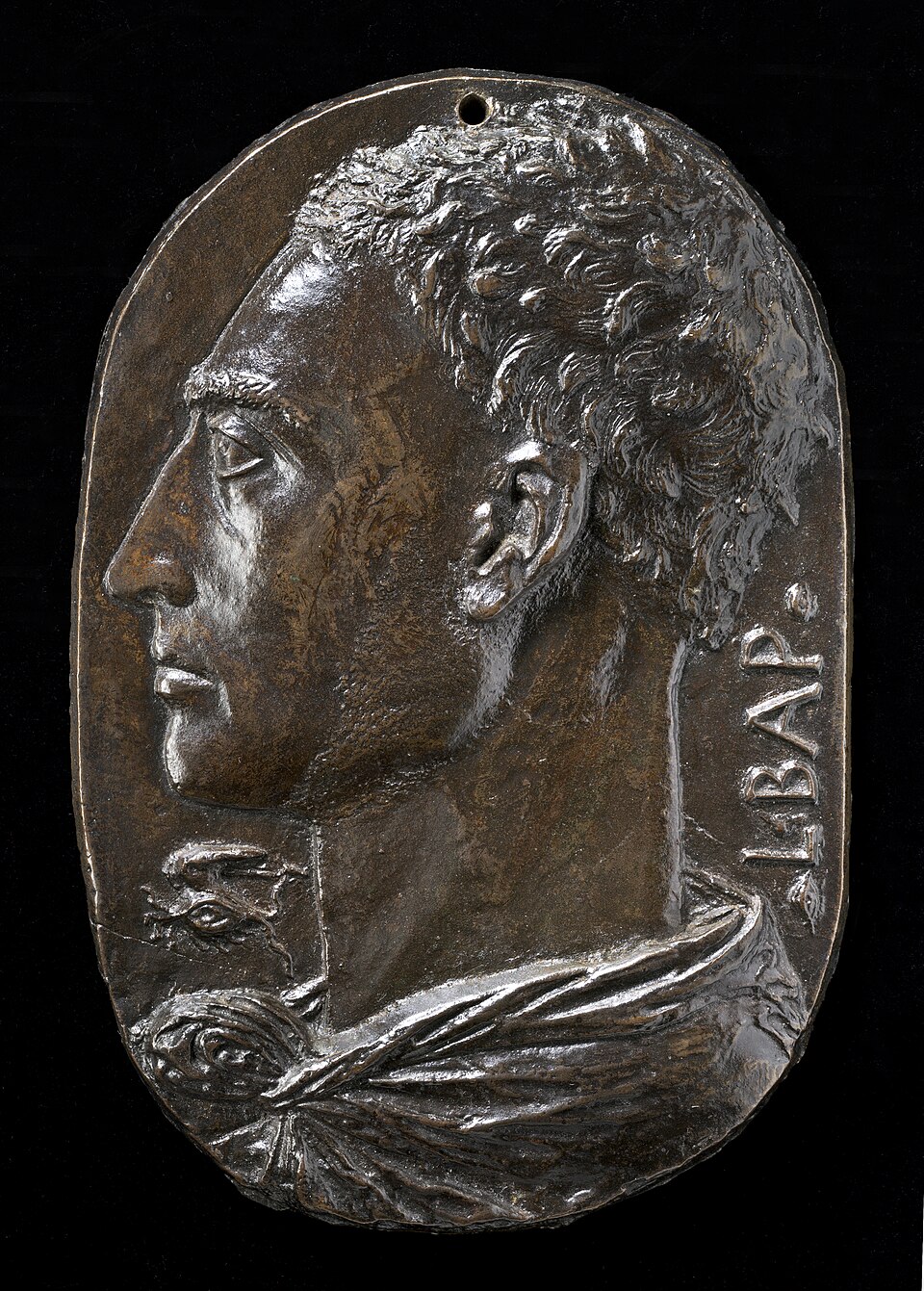
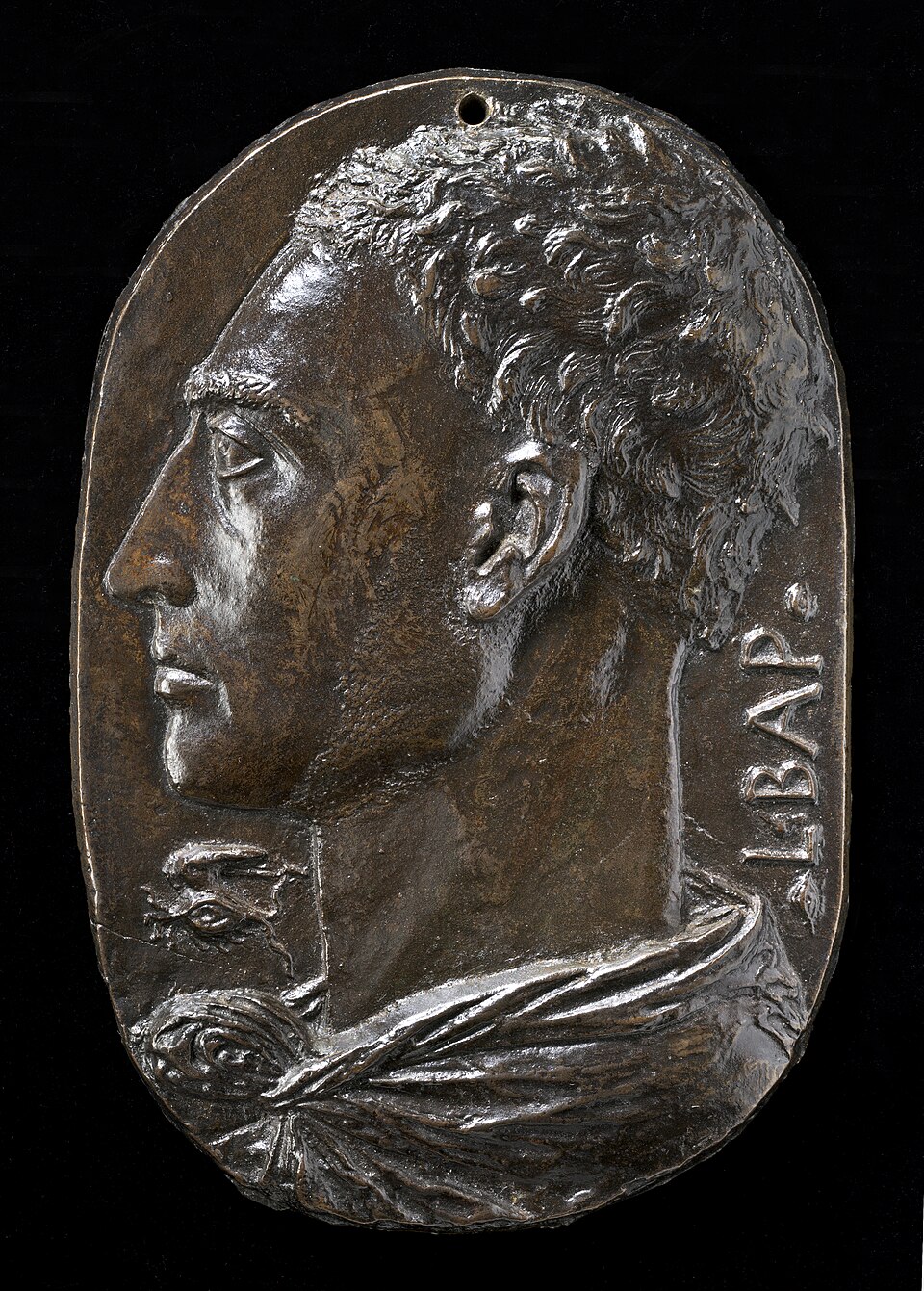
1404 - 1472 - Leon Battista Alberti (All Facts)
Italian Renaissance Architect
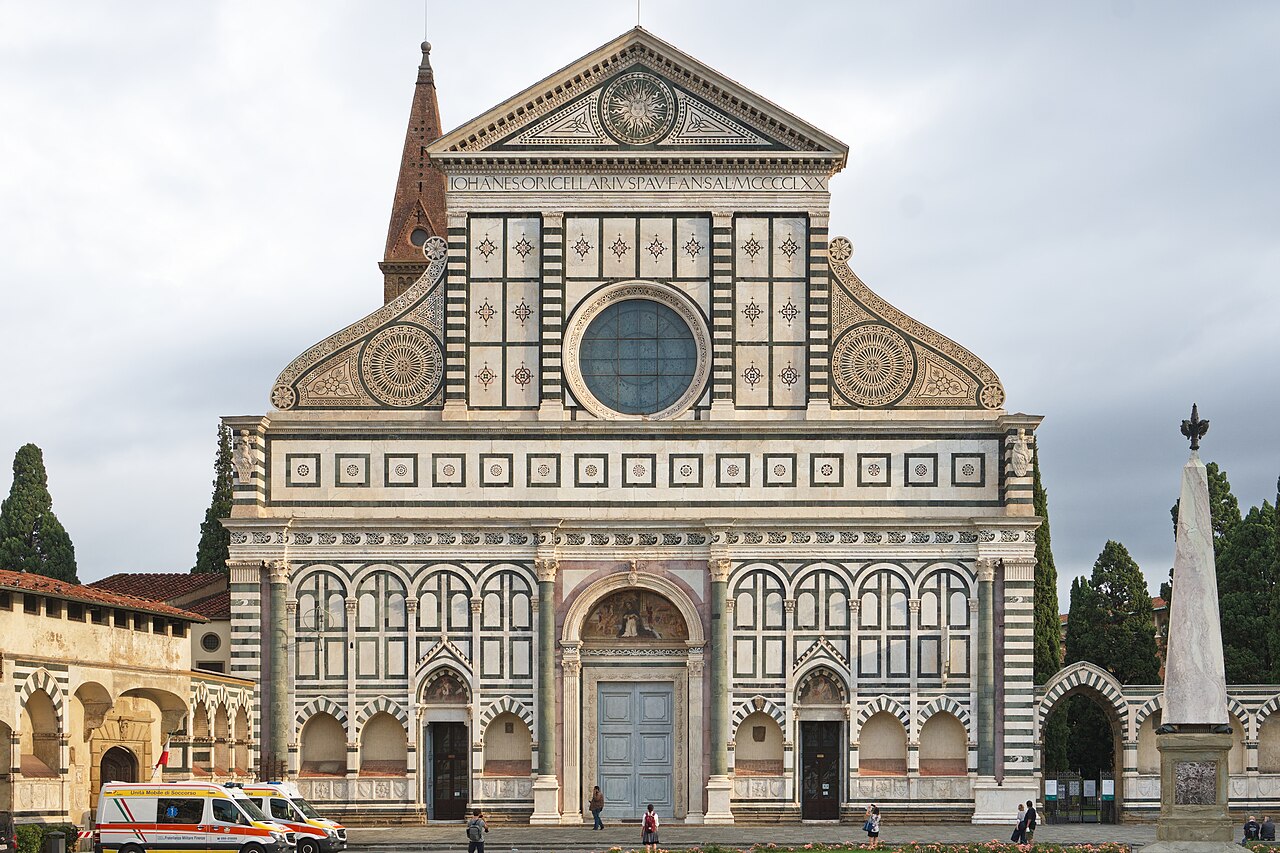
1420 - Leon Battista Alberti: Church of Santa Maria Novella (All Facts)
Decorated with paintings by Paolo Uccello
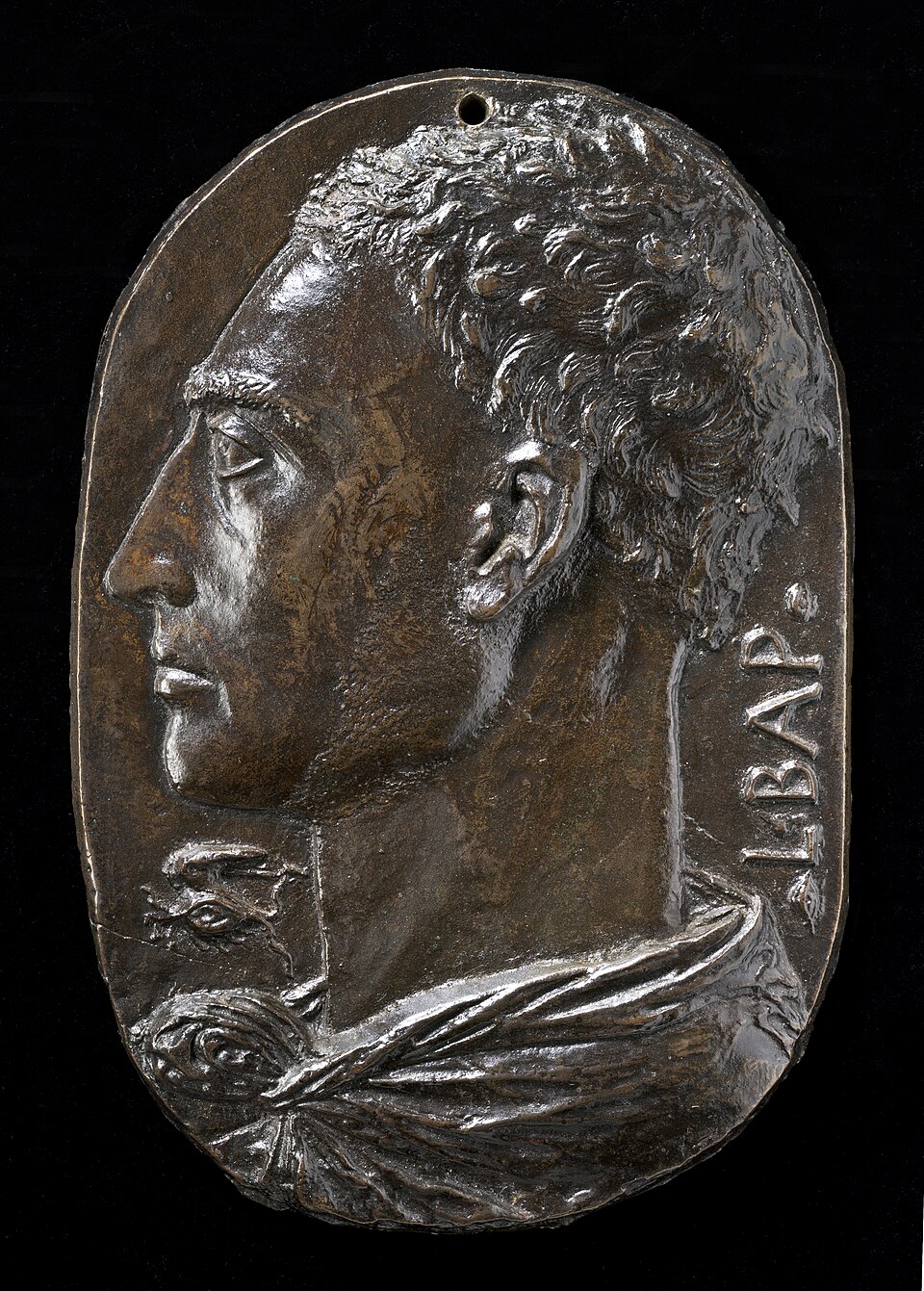
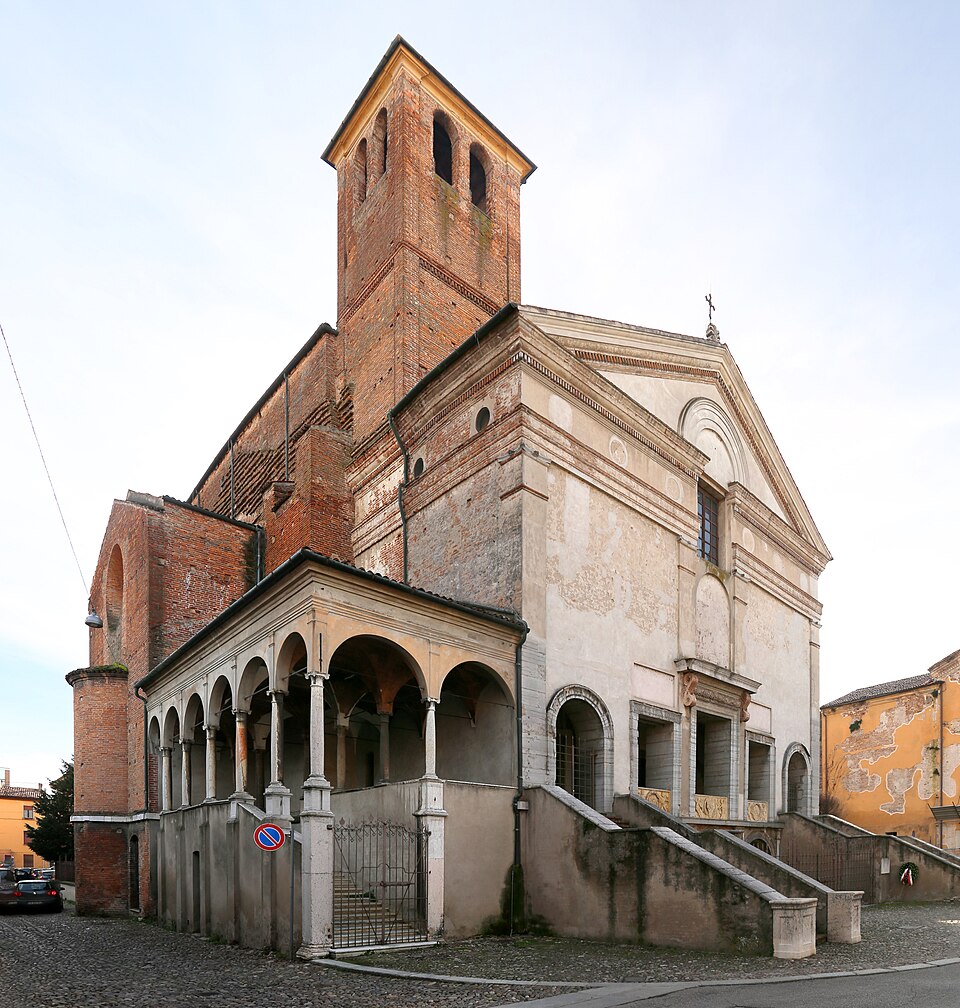
1470 - Leon Battista Alberti: Basilica of San Sebastiano / Church of St. Sebastian (All Facts)
Located in Mantua in Italy
He crystallized Italian Renaissance ideas on architectural proportions and harmonious design
His use of classical elements for the namesake church deprived it of an “ecclesiastical” flavor
1449 - 1494 - Baccio Pontelli (All Facts)
Italian Renaissance Architect
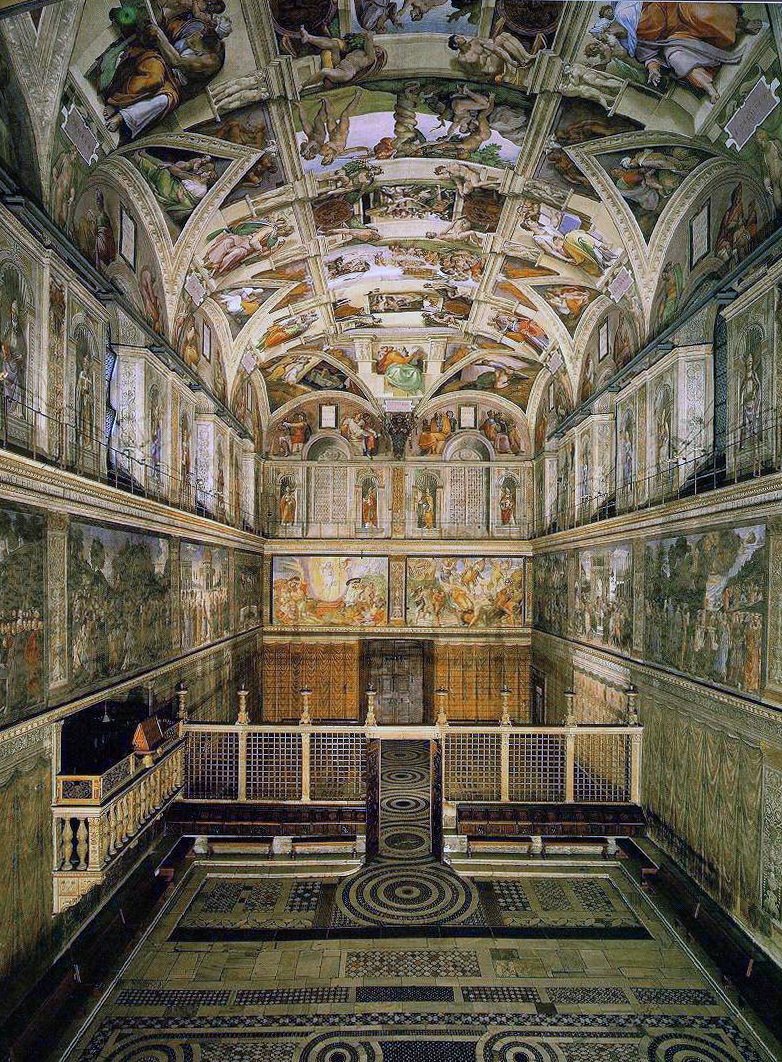
1483 / 1508 - Baccio Pontelli: Sistine Chapel (All Facts)
Named after Pope Sixtus IV
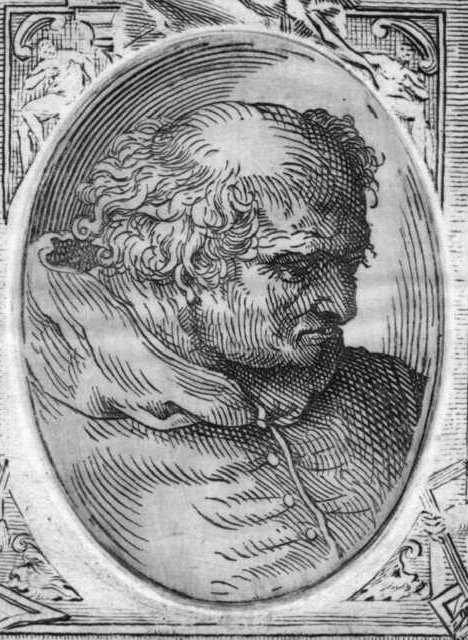
1444 - 1514 - Donato Bramante (All Facts)
Italian Renaissance Architect
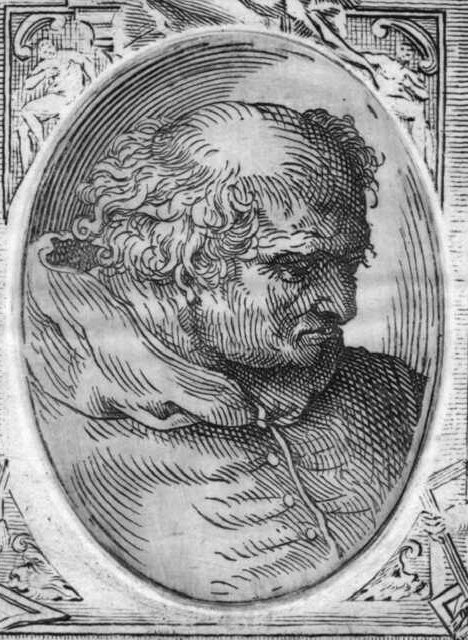
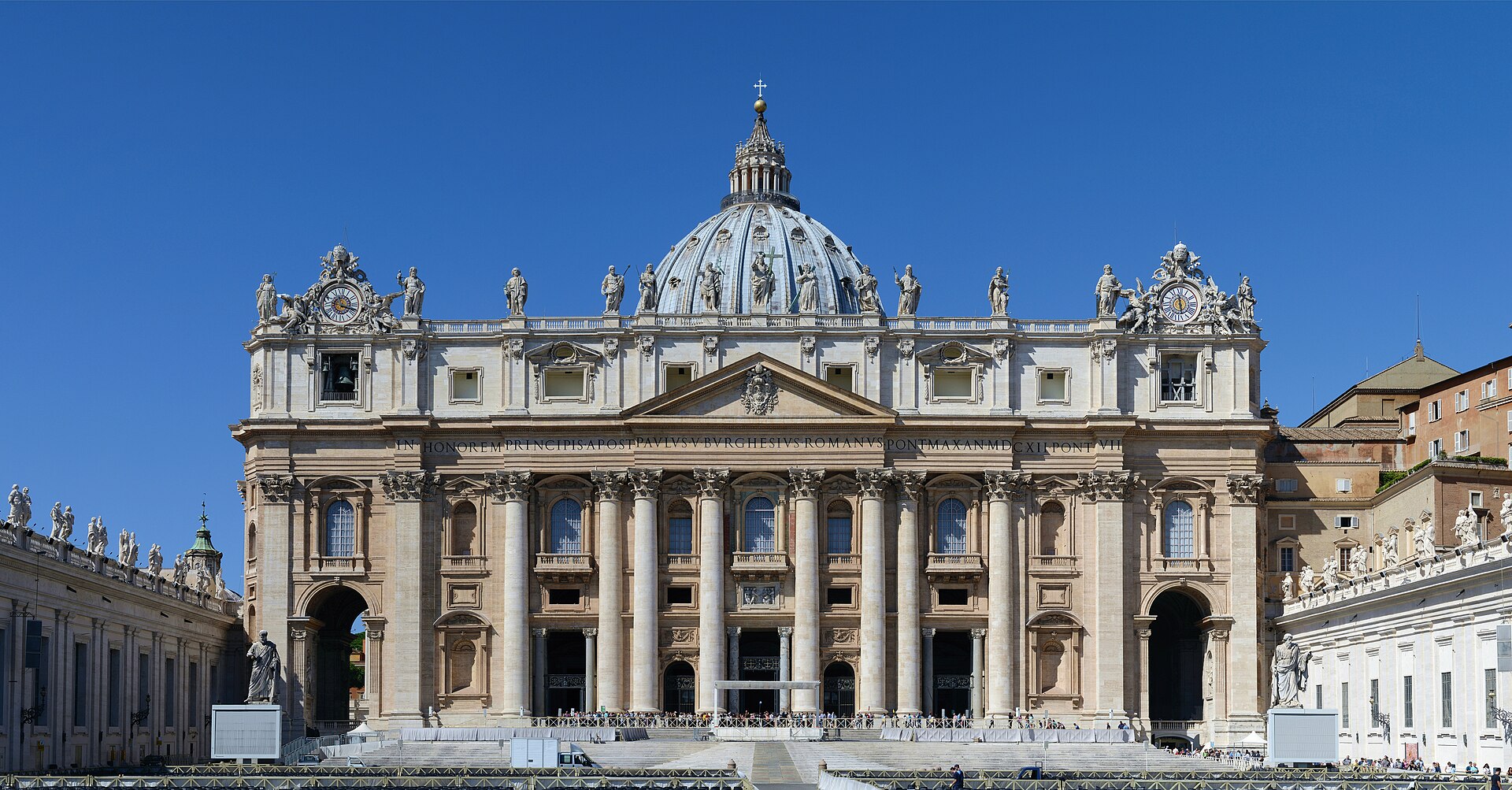
1506 - Donato Bramante: St. Peter’s Basilica (All Facts)
Its foundation stone was laid down by Pope Julius II, who entrusted the namesake architect to construct it
Work which was financed by the selling of indulgences for the remission of sins