early medival/romanesque/gothic vocab
 Call Kai
 Learn
Learn Practice Test
 Spaced Repetition
 Match
Match Flashcards
 Knowt Play
1/34

There's no tags or description
Looks like no tags are added yet.
Name | Mastery | Learn | Test | Matching | Spaced | Call with Kai |
|---|
No analytics yet
Send a link to your students to track their progress
35 Terms
animal interlace
decorative pattern where animals are woven, knotted, or braided into complex, looping designs. Common in manuscripts and metalwork.
animal style
A broad term for art that emphasizes stylized, often abstract animal forms used for decoration rather than realistic depiction.
zoomorphic
Designs or forms that are shaped like or resemble animals (for example, letters in manuscripts formed from animal bodies).
hiberno saxon
early medieval art style from Ireland and Anglo-Saxon England (7th–9th c.), known for intricate interlace patterns, animal/zoomorphic designs, and richly decorated illuminated manuscripts, tied to monastic Christian culture.
scriptorium
A room in a monastery where monks copied, wrote, and illuminated manuscripts by hand.
relic
physical object associated with a holy figure, such as a bone, clothing, or personal item of a saint.
reliquary
decorative container used to hold and display relics, often made of precious materials like gold, gems, and enamel.
William the Conqueror, Norman Conquest (1066)
William, Duke of Normandy, defeated the English king Harold II at the Battle of Hastings, leading to Norman rule in England and major cultural and architectural influence.
pilgrimage
religious journey to a sacred site. In the Romanesque period, churches were designed to accommodate large numbers of pilgrims.
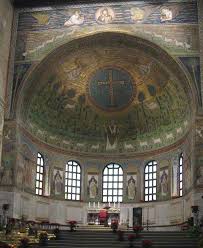
apsidall chapels
Small semi-circular chapels radiating from the apse, often
holding relics.
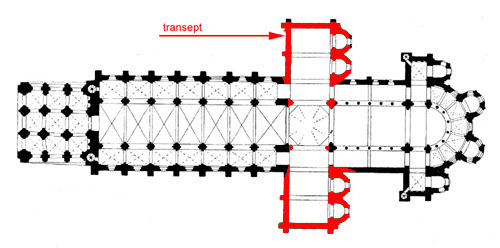
transept
The crossw
ise section of a church that forms the arms of the cross shape.
pier buttress
thick, vertical support attached to a wall or pier to help hold up heavy stone vaults and roofs.
barrel vault
A long, tunnel-like vault formed by a continuous arch.
rib vault
A vault supported by a framework of ribs.
ribbed groin
wo intersecting barrel vaults reinforced with ribs.
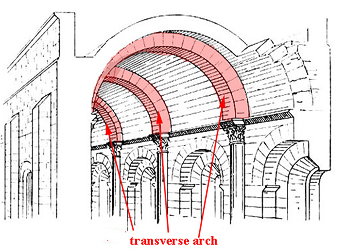
transverse arch
arch that runs across the nave, dividing it into sections an
d helping support the vault.
bay
A single vertical section of a church, defined by the space between piers or columns.
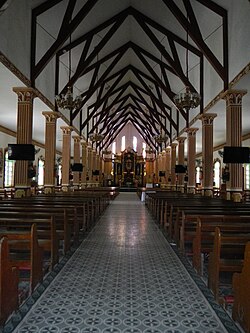
ambulatory
curved walkway that goes around the apse, allowing pilgrims to move through the church without disturbing services.
choir
area near the altar reserved for clergy and singers, usually between the nave and the apse.
crypt
stone chamber beneath the church, often used to house relics or tombs.
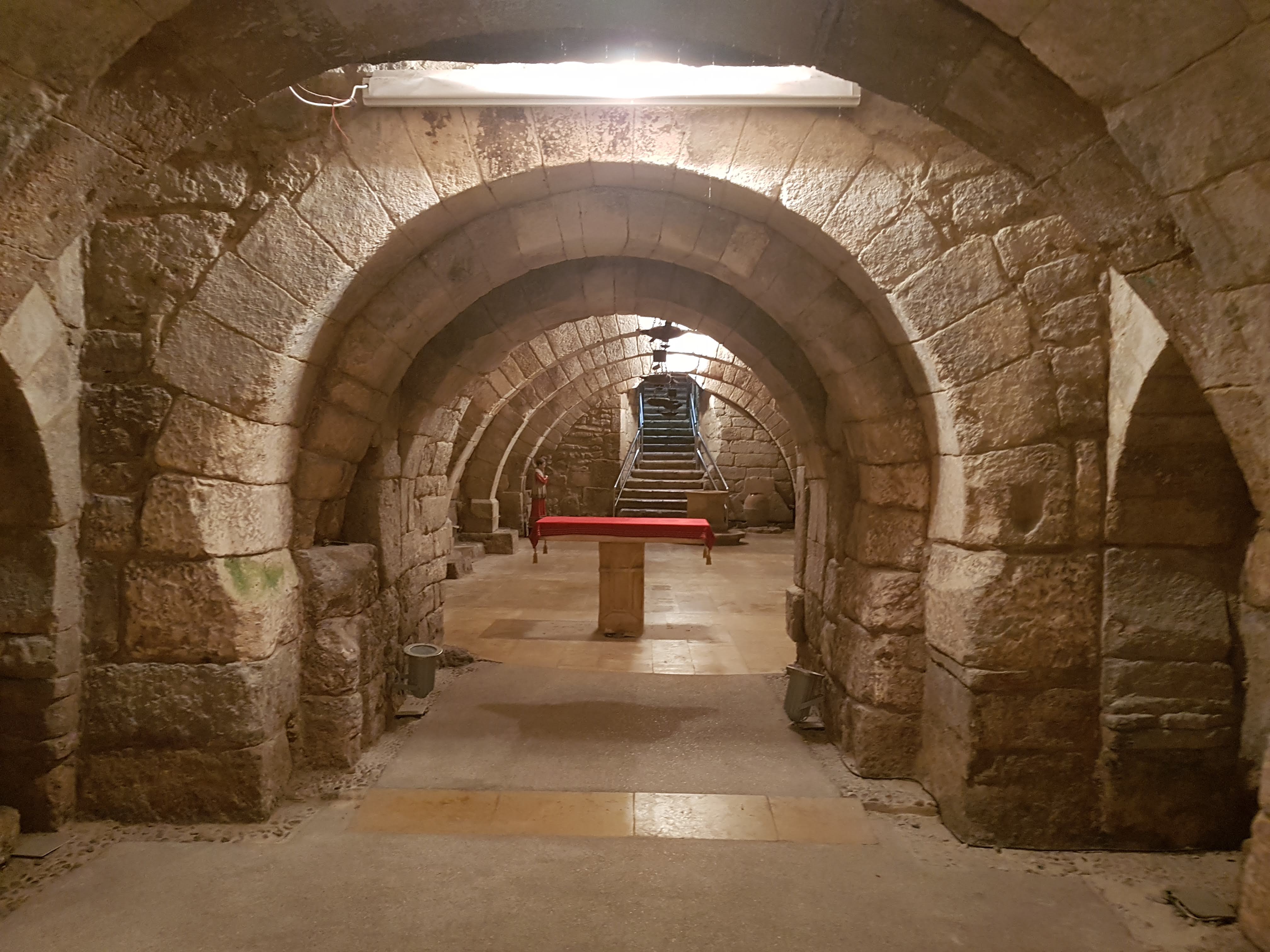
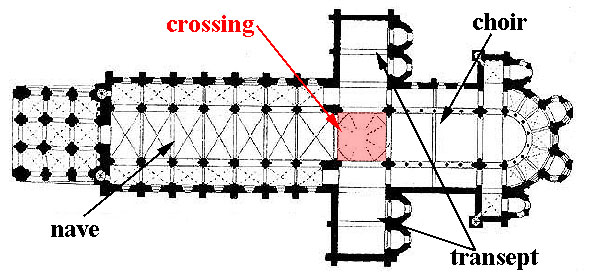
crossing
point where the nave and transept intersect.
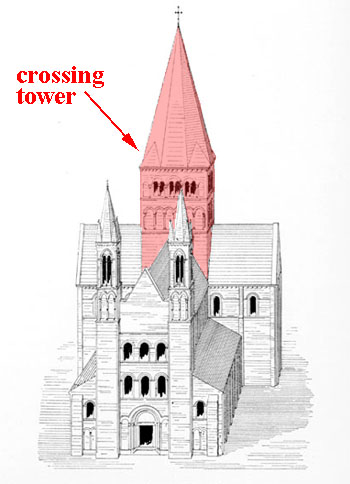
crossing tower
tower built above this intersect
ion.
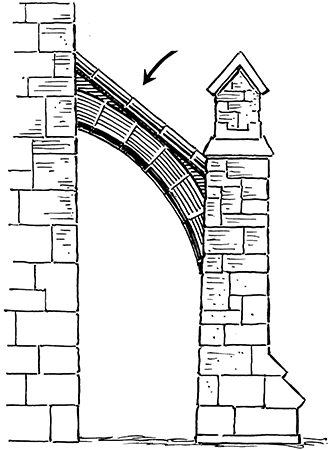
buttress
projecting support built against a wall to strengthen it.
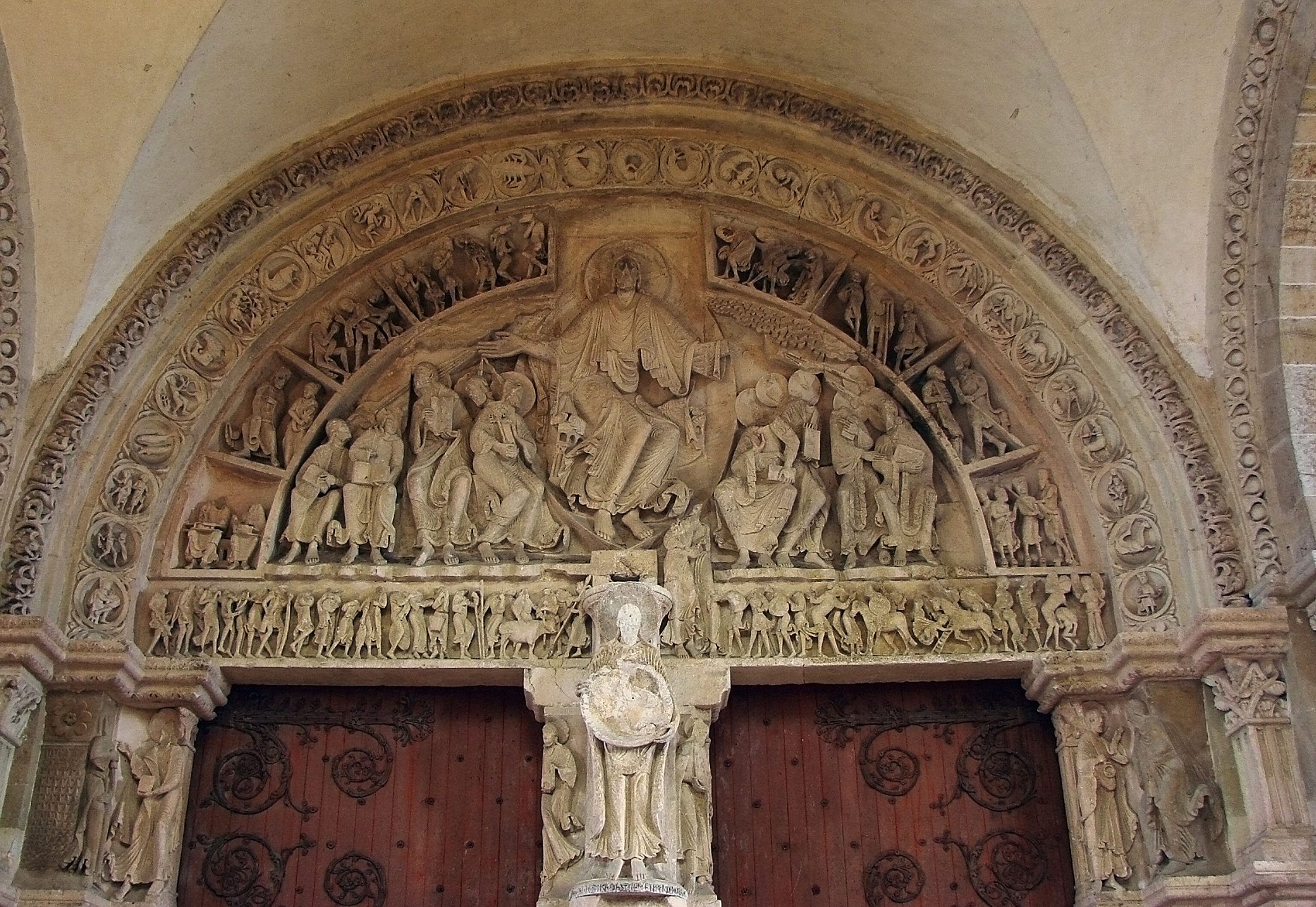
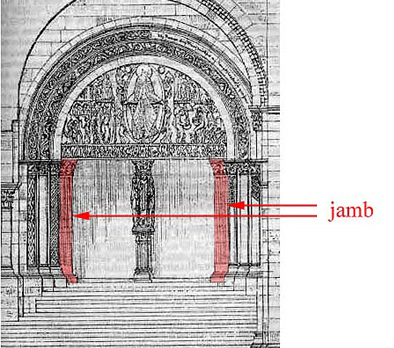
tympanum
semi-circular sculpted area above a church doorway.
archivolt
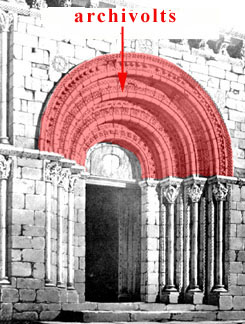
decorative molding or arch framing the tympanum.
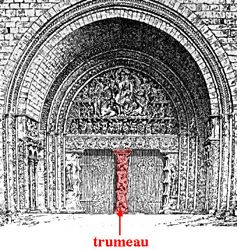
trumeau
central vertical pillar dividing a d
oorway.
jamb
side posts of a doorway.
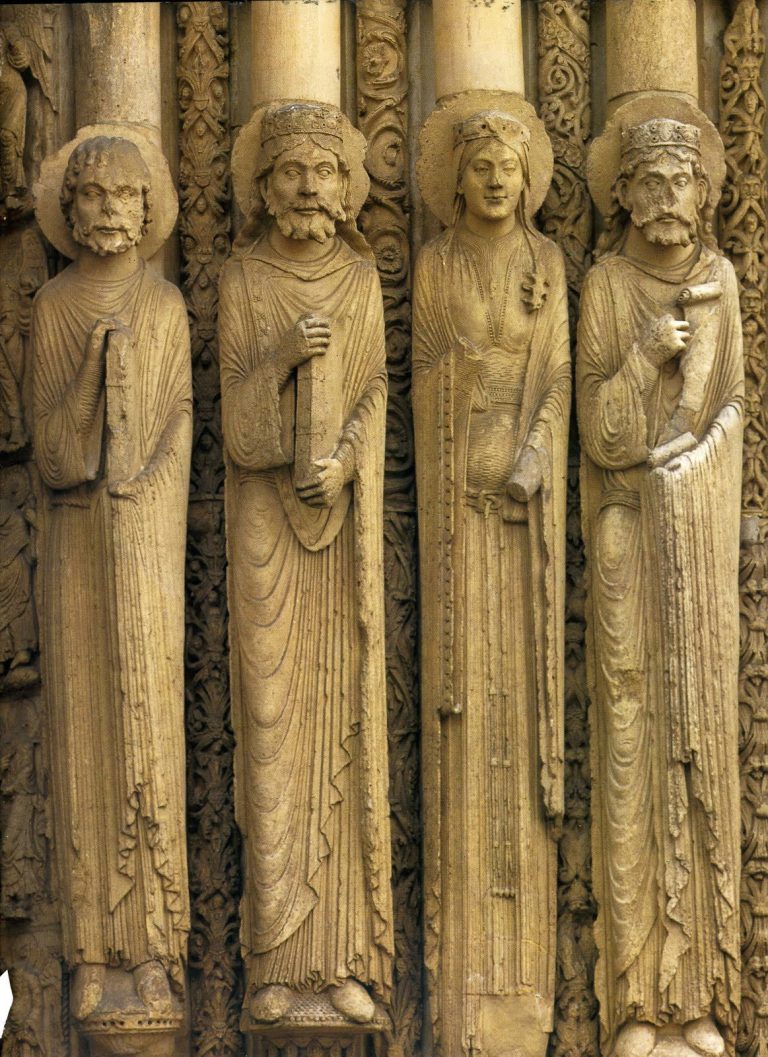
jamb statuary
Sculpted figures attached to the jambs, often saints or biblical figures.
romanesque
medieval European art and architecture style (c. 1000–1150 C.E.) characterized by thick stone walls, rounded arches, heavy piers, barrel and groin vaults, small windows, and sculpted church portals, often built to serve pilgrims and monastic communities
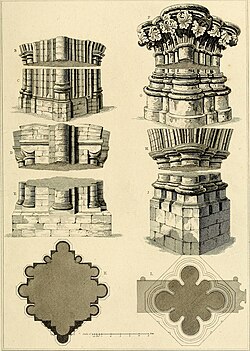
compound piers
Piers made of multiple bundled shafts that rise into the ribs of the vault, emphasizing verticality.
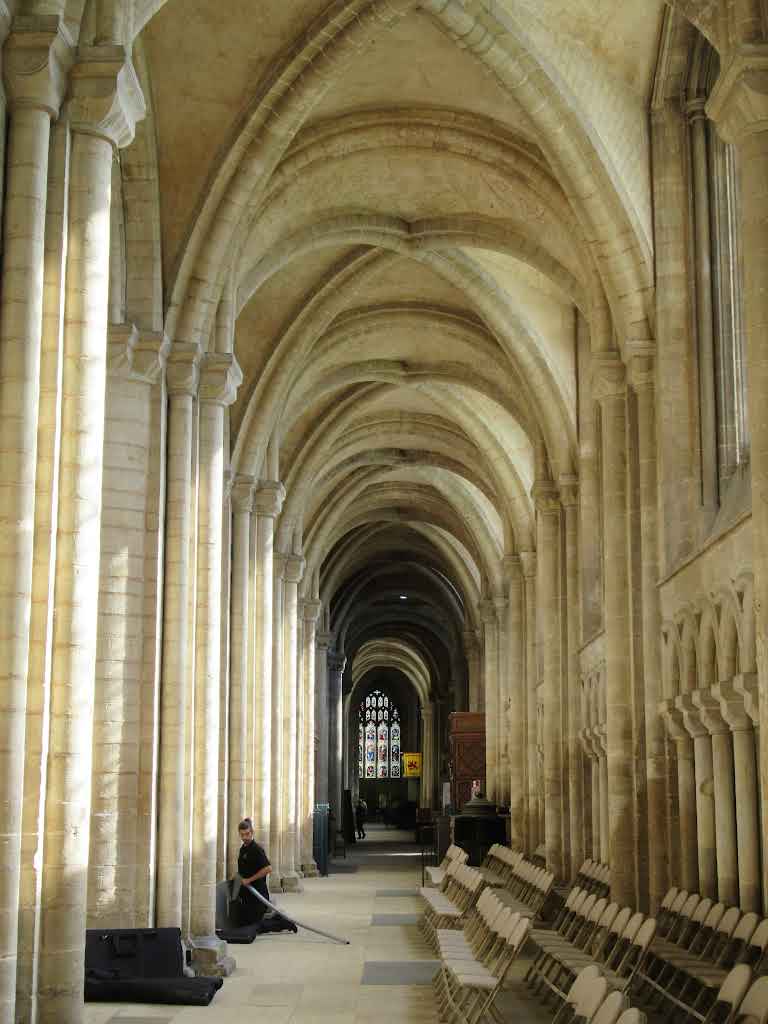
rib vault
A ceiling made of intersecting ribbed arches that support thin stone panels between them.
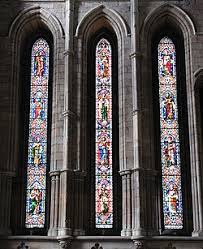
lancets
Tall, narrow, pointed windows.
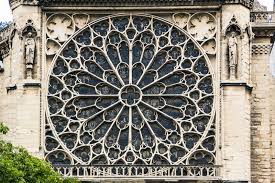
rose window
large, circular stained-glass window with radial tracery, usually on a church façade.
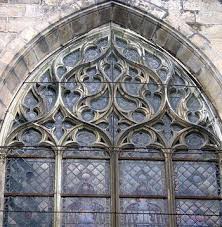
tracery
stone framework in Gothic windows that holds the stained glass in decorative patterns.
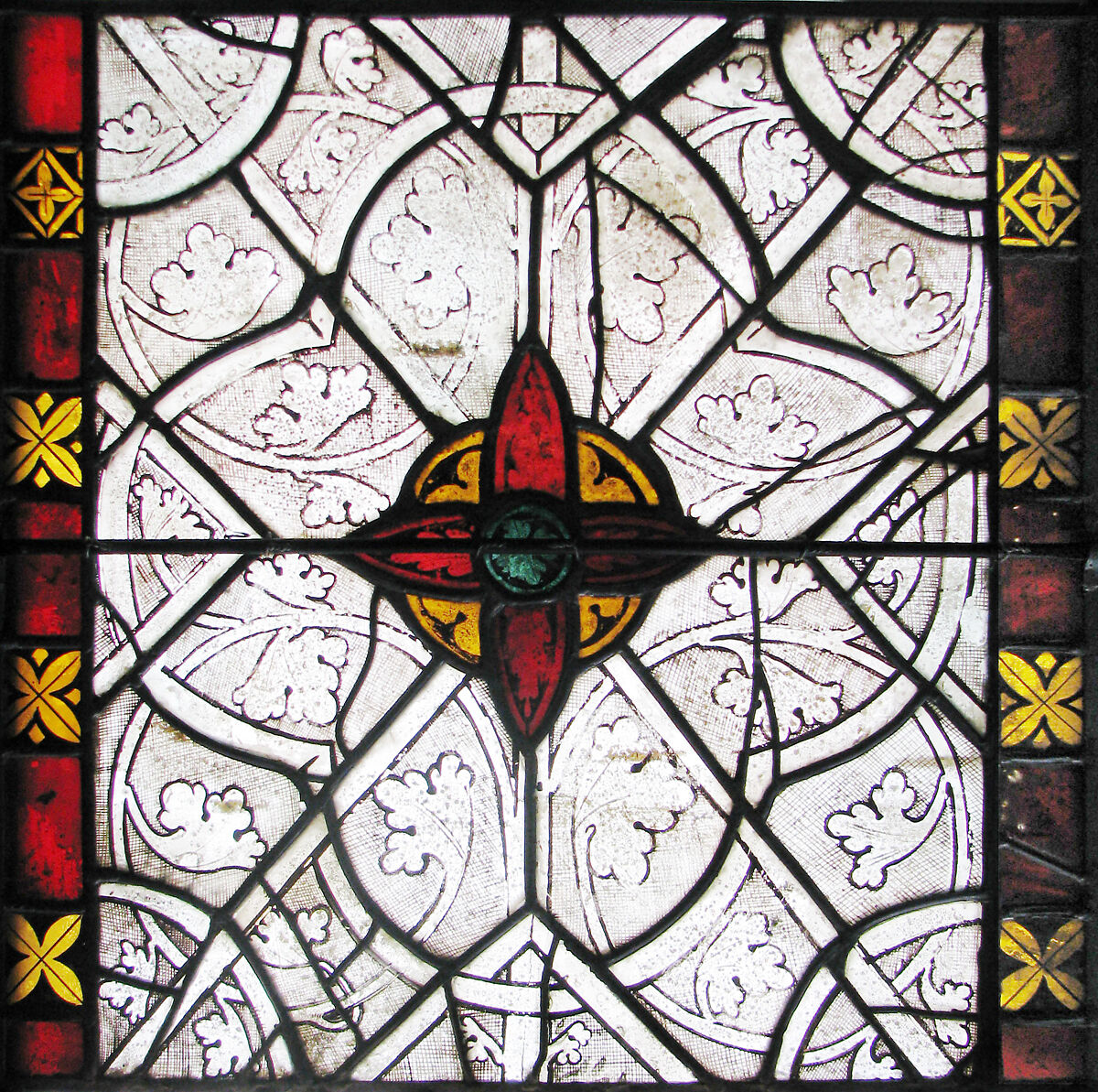
grisaille
style of stained glass using mostly gray and white tones, allowing more light into the church.