Mating & Breeding Systems
 Studied by 0 people
 Call with Kai
 Learn
Learn Practice Test
 Spaced Repetition
 Match
Match Flashcards
 Knowt Play
1/24

There's no tags or description
Looks like no tags are added yet.
Name | Mastery | Learn | Test | Matching | Spaced | Call with Kai |
|---|
No analytics yet
Send a link to your students to track their progress
25 Terms
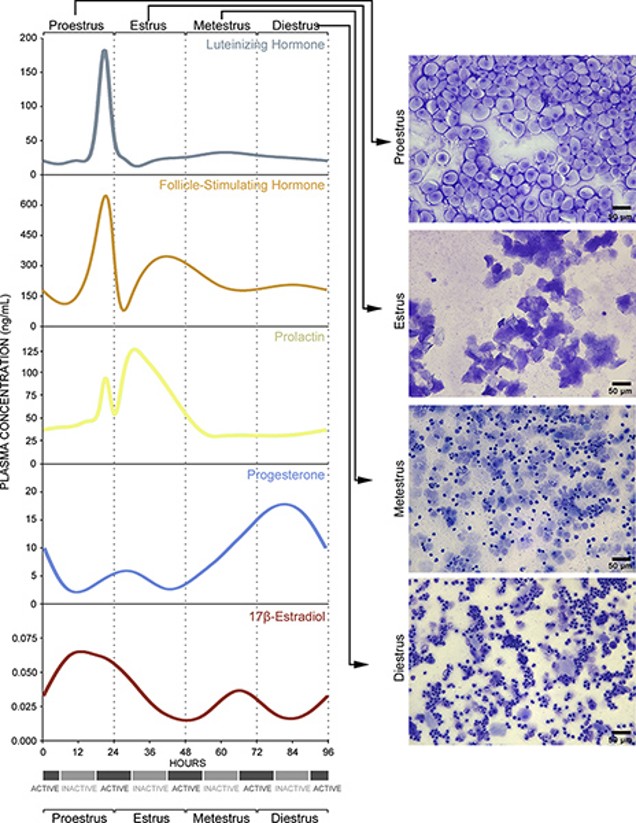
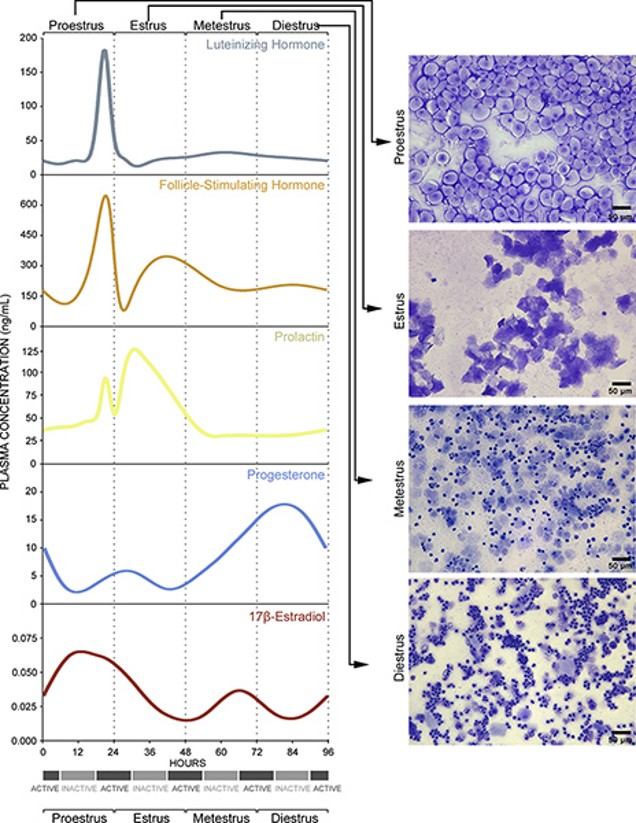
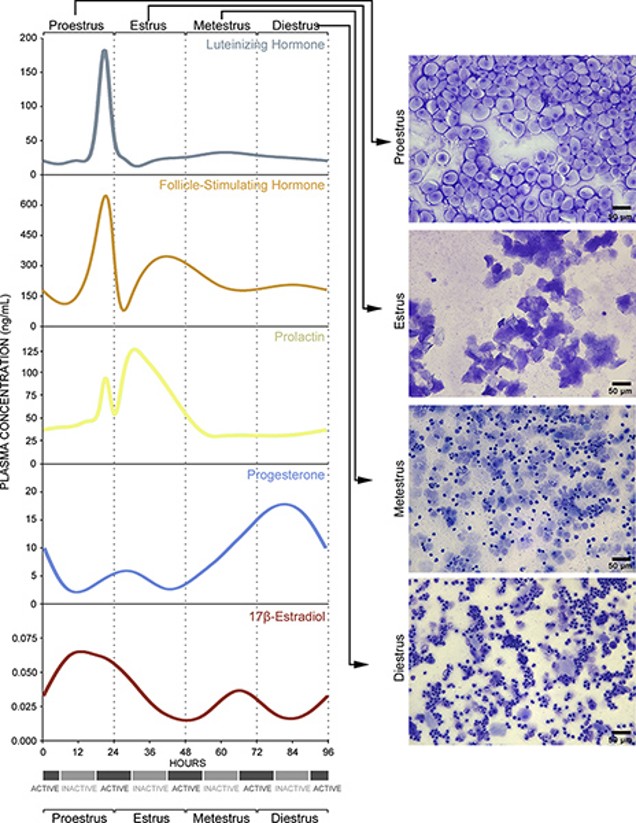
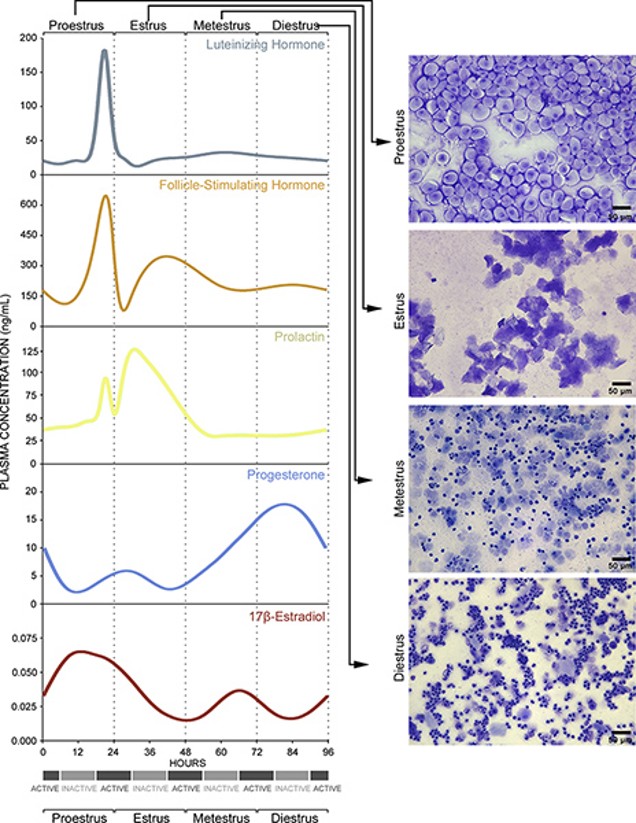
Estrous Cycle
Full cycle influenced by hormones to include heat and gestation
Four stages:
Proestrus - ova develops, non-receptive, aggression
Estrus - ovulation, receptive
Metestrus - non-receptive, preparation for pregnancy
Diestrus - pregnancy
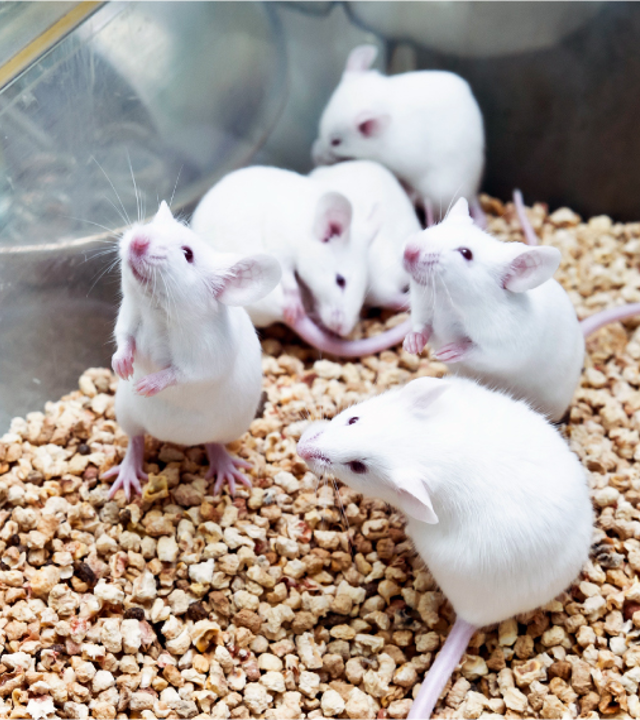
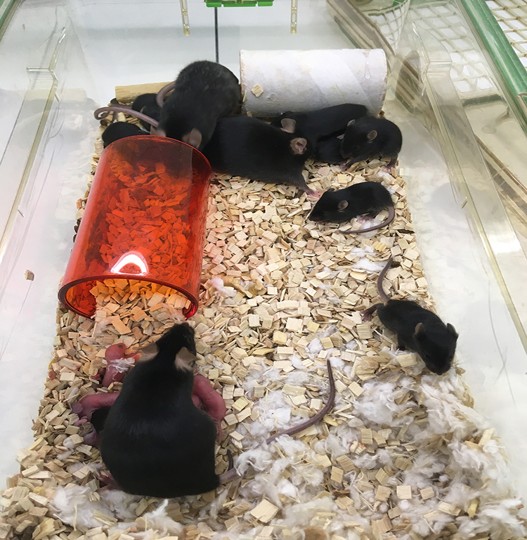
Monogamous mating
One female bred w/ One male
Long / Short term
Simple record keeping
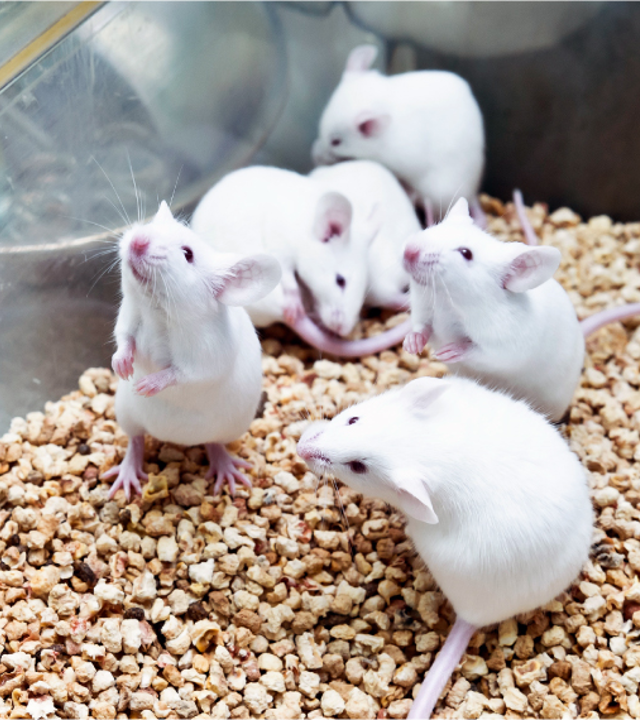
Polygamous & Harem mating
Multiple females bred w/ One male
Polygamous - females removed once pregnant
Harem - females kept with group
Housing female mice together will normally synchronize their estrous cycles (Whitten Effect)
Normally used w/ transgenic mice (lower reproductive efficiency)
Downfalls
Difficult record keeping
Unable to differentiate offspring
Cage size
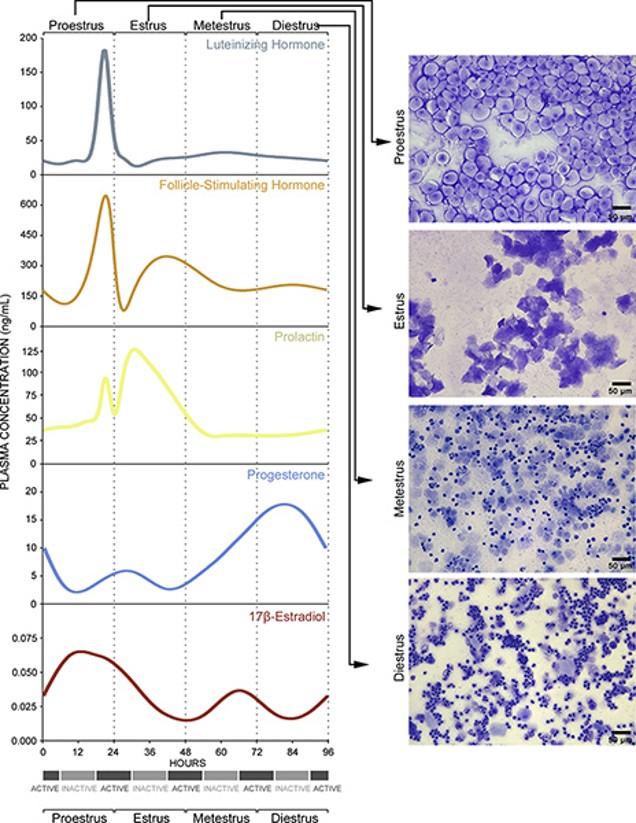
Proestrus
Estrous stage
Ova develop in the ovarian follicles
Females may present signs of being receptive to the male, however, she will still refuse
This stage can show aggression
Increasing estrogen
Estrus “Heat”
Estrous stage
Ovulation of the ova
Female is receptive to the male
Peak estrogen, LH surge triggers ovulation
Metestrus
Estrous stage
Female will refuse the male
Preparation for pregnancy
Increasing progesterone, decreasing estrogen
Diestrus
Estrous stage
Pregnancy
High progesterone; low estrogen
Whitten Effect
Housing more females together will normally synchronize their estrous cycles (mice only)
Spontaneous Ovulation
Ovulation occurs cyclically, triggered by hormonal changes regardless of mating
Rising estrogen → triggers LH surge → ovulation
examples: rodent, cow, horse, sheep
Induced Ovulation
Ovulation occurs in response to mating / copulatory stimuli
Stimulation → hormonal signal → LH surge → ovulation
examples: cat, rabbit, ferret, camel, llama
Monoestrous
One or few estrous cycles per year
examples: dog, wolf, fox, bear
Polyestrous
Multiple estrous cycles per year
examples: rodent, cow, pig, cat
Intensive Breeding
Breeding system
Male remains with the female and help raise the young
Advantages
Maximum litters per female
Postpartum estrus - females bred after parturition
Less fighting
Simple recordkeeping, less labor
Disadvantages
Older litter must be weaned before new litter is born
More cage space, males
Non-Intensive Breeding
Breeding system
Male and Females housed separately, only together for breeding — remain separated until young are weaned
Females should be brought to male's cage due to marking
Advantages
Less fighting amongst female
Newborns not killed by male
More control on timing
Disadvantages
No postpartum estrus
Difficult recordkeeping, more labor
Timed Mating
Used to provide young at specific times for experiments
Vaginal plug confirm mating, not pregnancy
Ex. female introduced late afternoon, next morning shes checked for vaginal plug
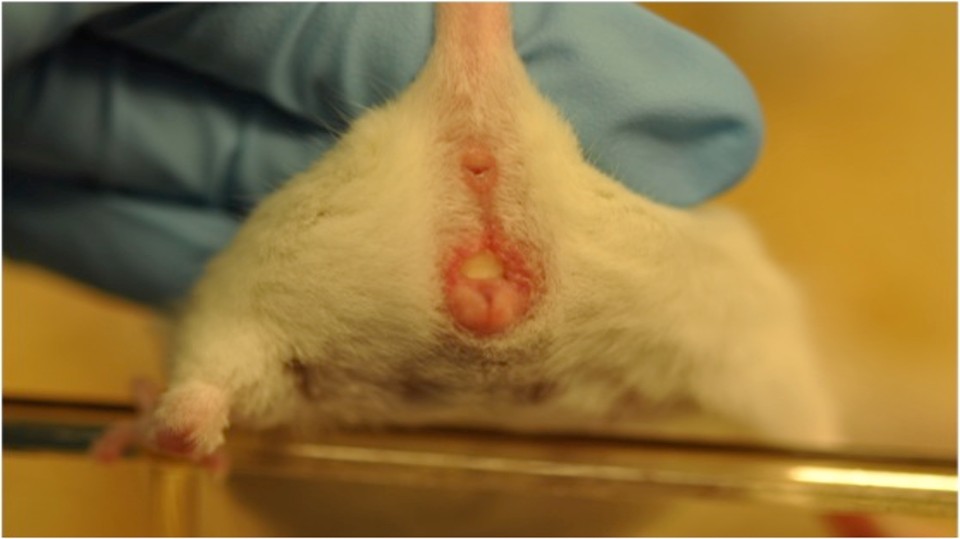
Vaginal plug
Check to confirm mating, not pregnancy
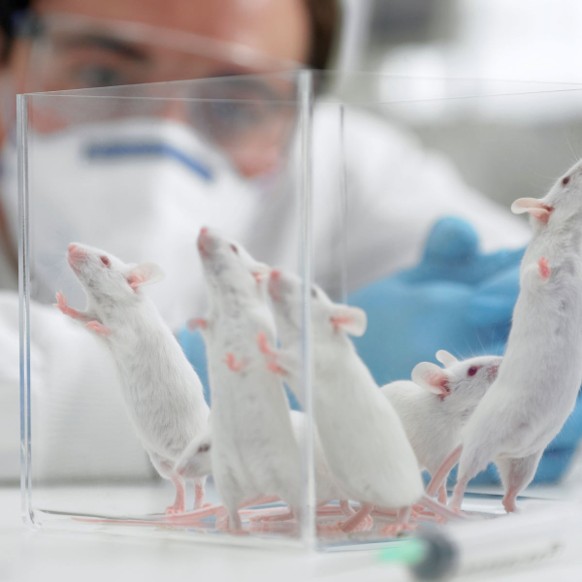
Breeding Schemes
Plan for producing a colony with a specific genetic makeup
Four types
Outbred
Inbred
Hybrid / Recombinant
Coisogenic / Congenic
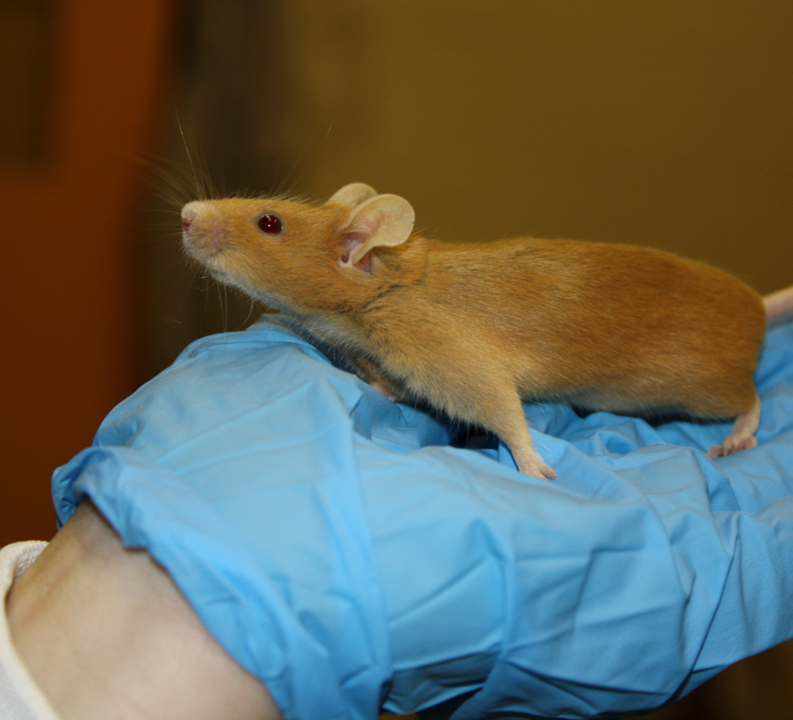
Outbred
Breeding animals are not related or are distantly related
Designed to maintain genetic diversity
Normally produces larger litter size and females are normally better mothers
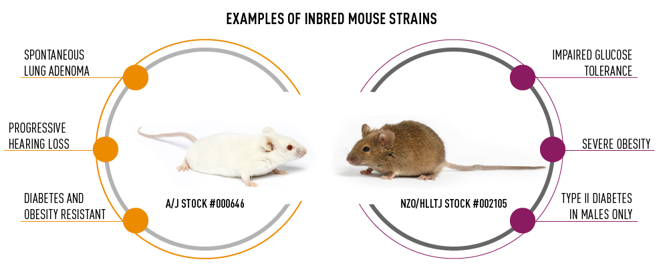
Inbred
Minimal genetic diversity
Minimum of 20 generations of brother-sister matings
Foundation colony: original animals w/ desired trait
Expansion colony: ensures the desired trait isn’t lost
Production colony: used for experiments
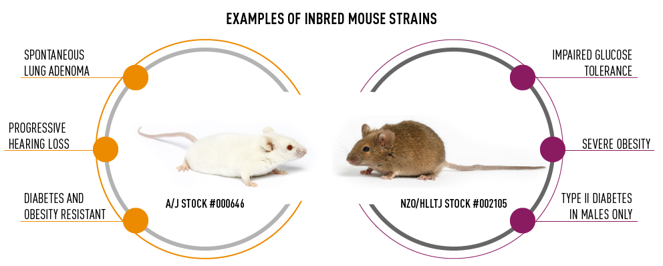
Foundation colony (founders)
Inbred colony of original animals with desired trait
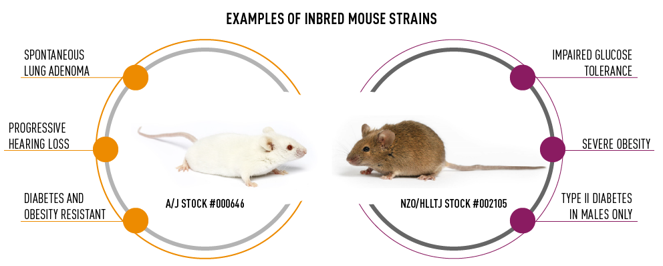
Expansion colony
Inbred colony that ensures the desired genetic trait will not be lost if something happens to the founders
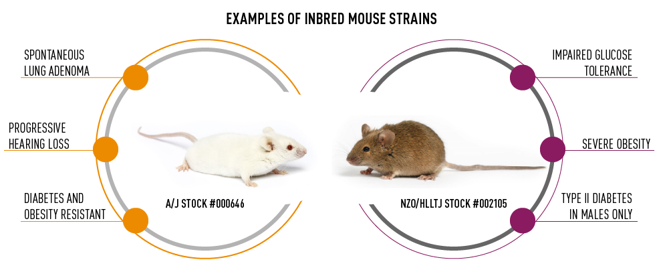
Production colony
Inbred colony of inbred animals used for experiments
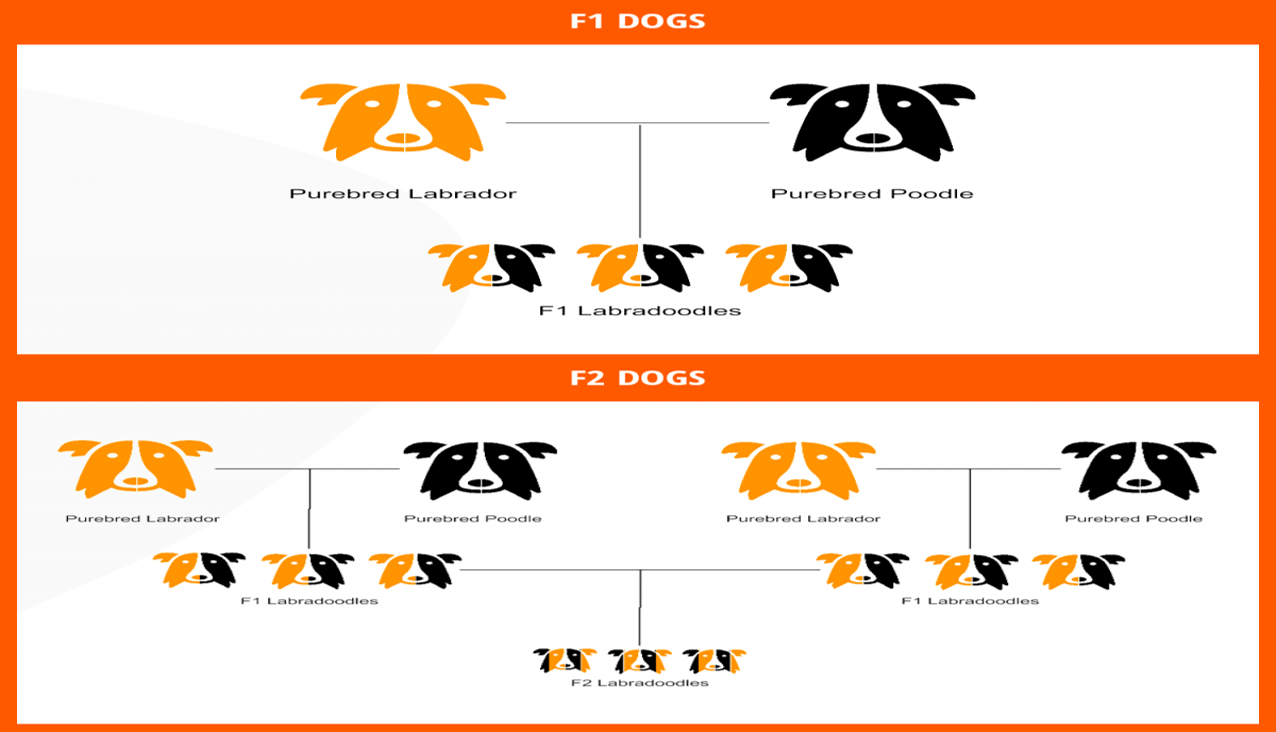
Hybrid
Breeding of two different inbred strains
Used to transfer desired mutation from one strain to another
The original strains must be crossed to produce each generation (cannot be mated with each other F1xF1=F2)
Nomenclature always notes the female strain first
C3D2F1: female (C3H/He), male (DBA/2)
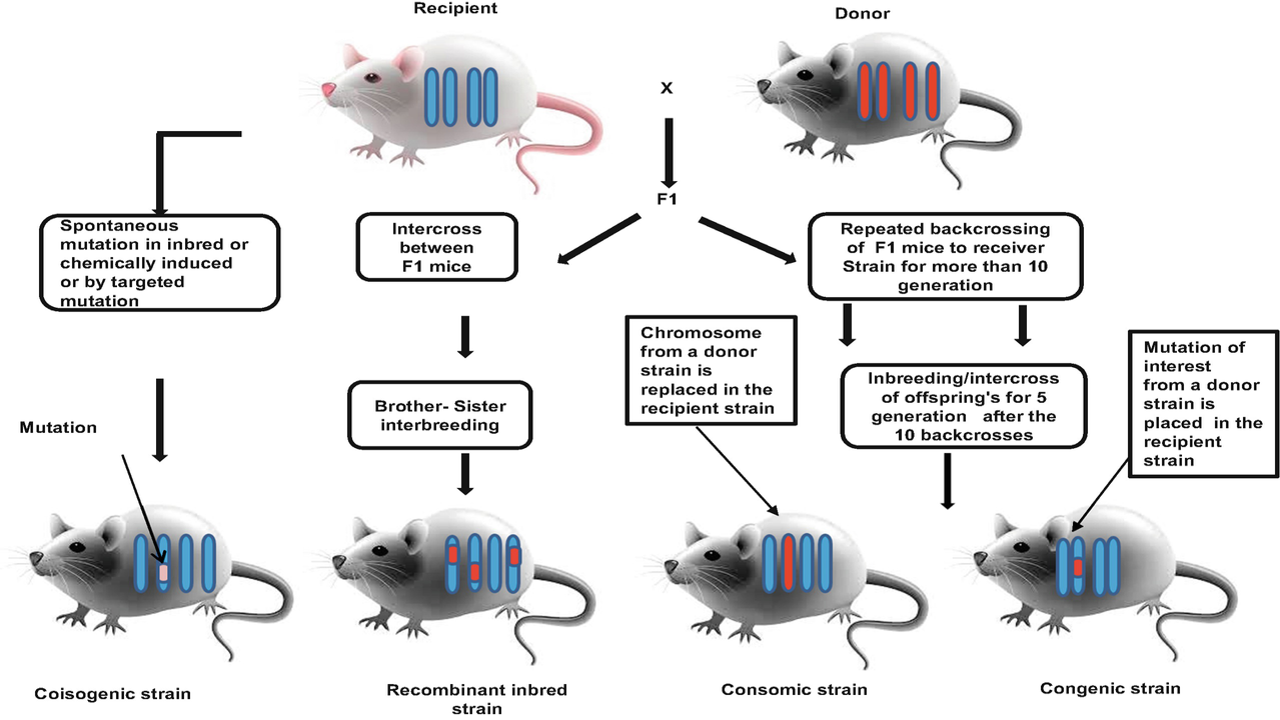
Coisogenic
Spontaneous mutation occurs (at single gene loci) within an inbred strain
Needs to be bred to the same strain to be maintained
Ideal for studying gene effects
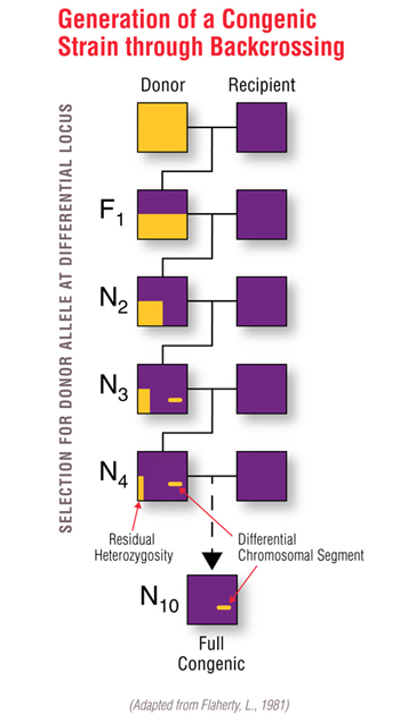
Congenic
Selectively mating an animal w/ specific mutation
F1 carriers are mated with the inbred strain for 10-12 cycles
Helpful to determine how genetics influences the expression of a gene
 Note
Note  Flashcards (40)