AP HUG - Unit 6 (Cities and Urban Land-Use)
 Call Kai
 Learn
Learn Practice Test
 Spaced Repetition
 Match
Match Flashcards
 Knowt Play
1/87

There's no tags or description
Looks like no tags are added yet.
Name | Mastery | Learn | Test | Matching | Spaced | Call with Kai |
|---|
No analytics yet
Send a link to your students to track their progress
88 Terms
City
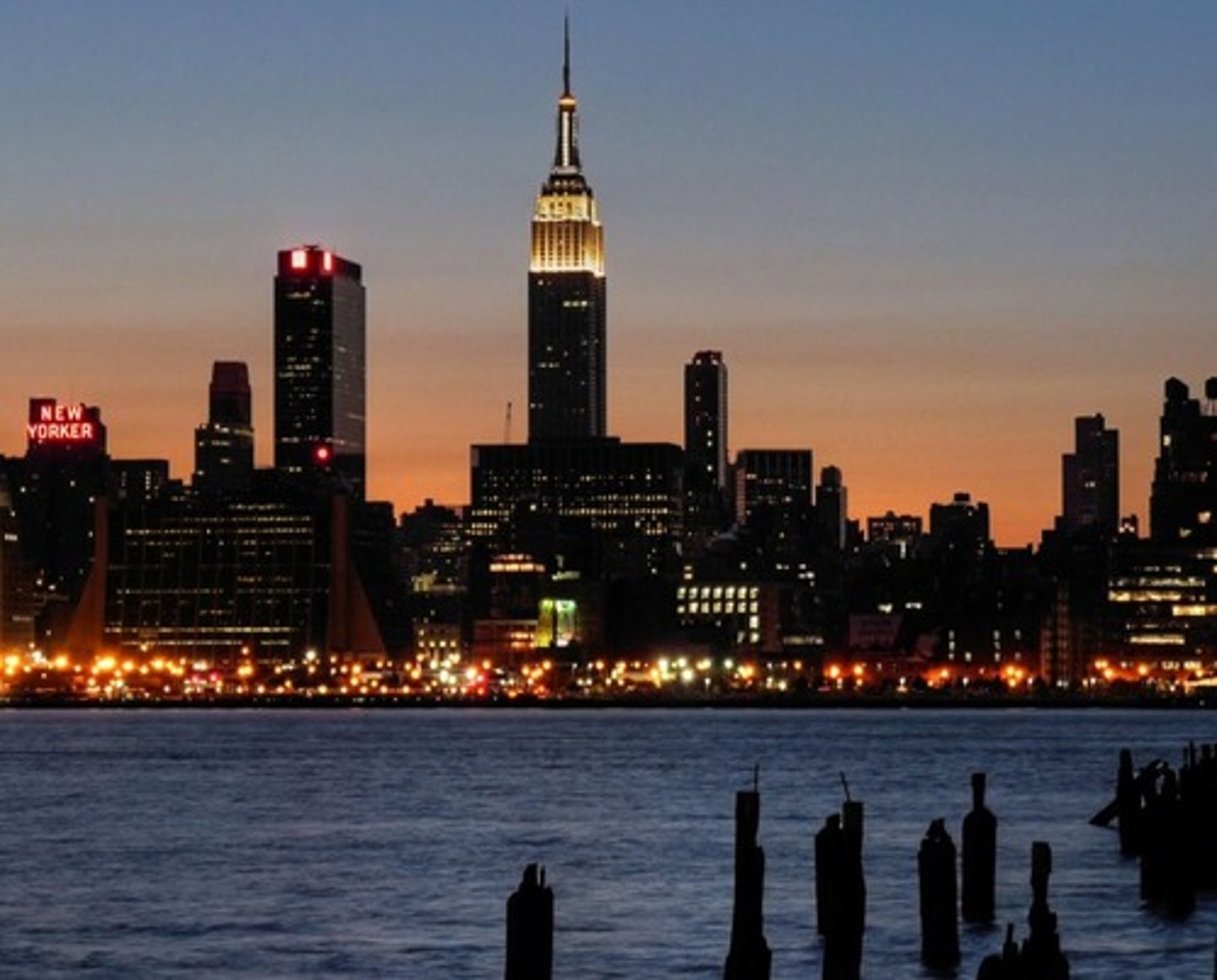
A densely populated settlement with a much larger population than rural towns or villages.
Urban
Relating to a city.
Urbanization
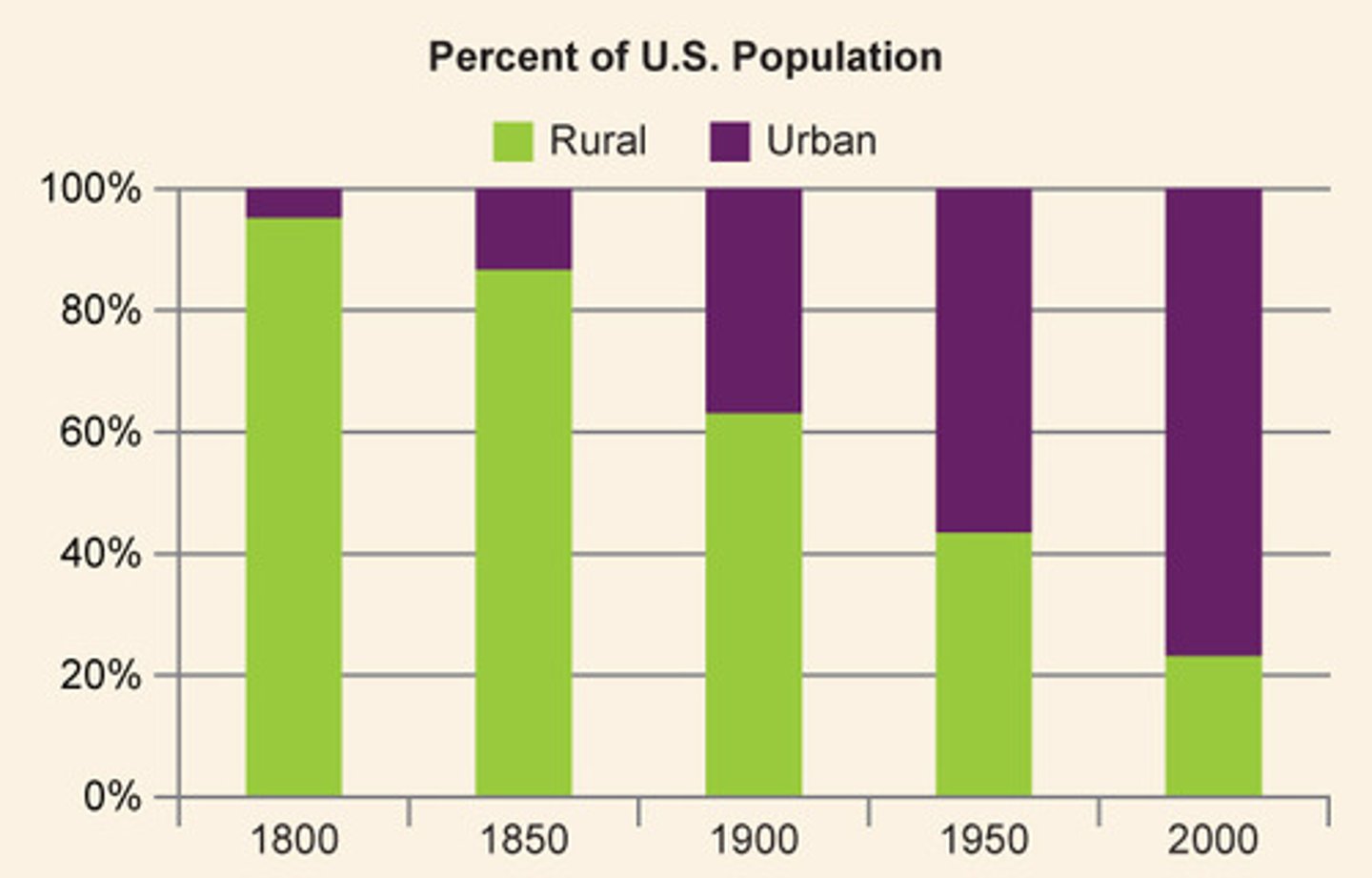
An increase in the number of people moving to cities from the countryside.
Megacity
Cities that have 10 million or more inhabitants.
Metacity
Cities with more than 20 million inhabitants.
Megapolis
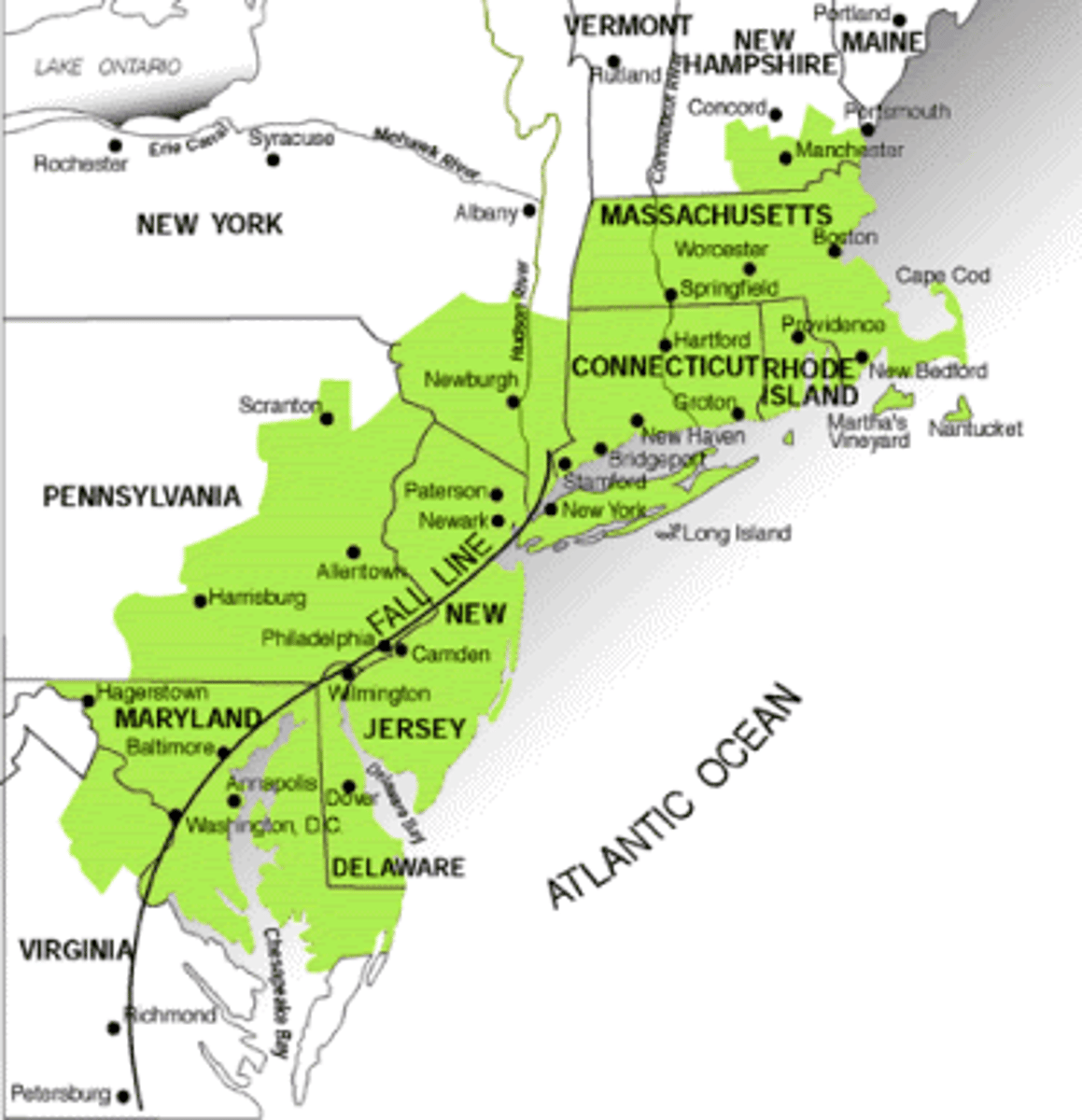
When one continuous urban corridor forms between cities that are connected through infrastructure such as communication networks and transportation networks.
-E.g., The Northeastern states in America: New York, Boston, Philadelphia, Baltimore, and Washington D.C. are all connected into one megapolis.
Globalization
The process whereby people and economies in different parts of the world become increasingly interconnected and interdependent.
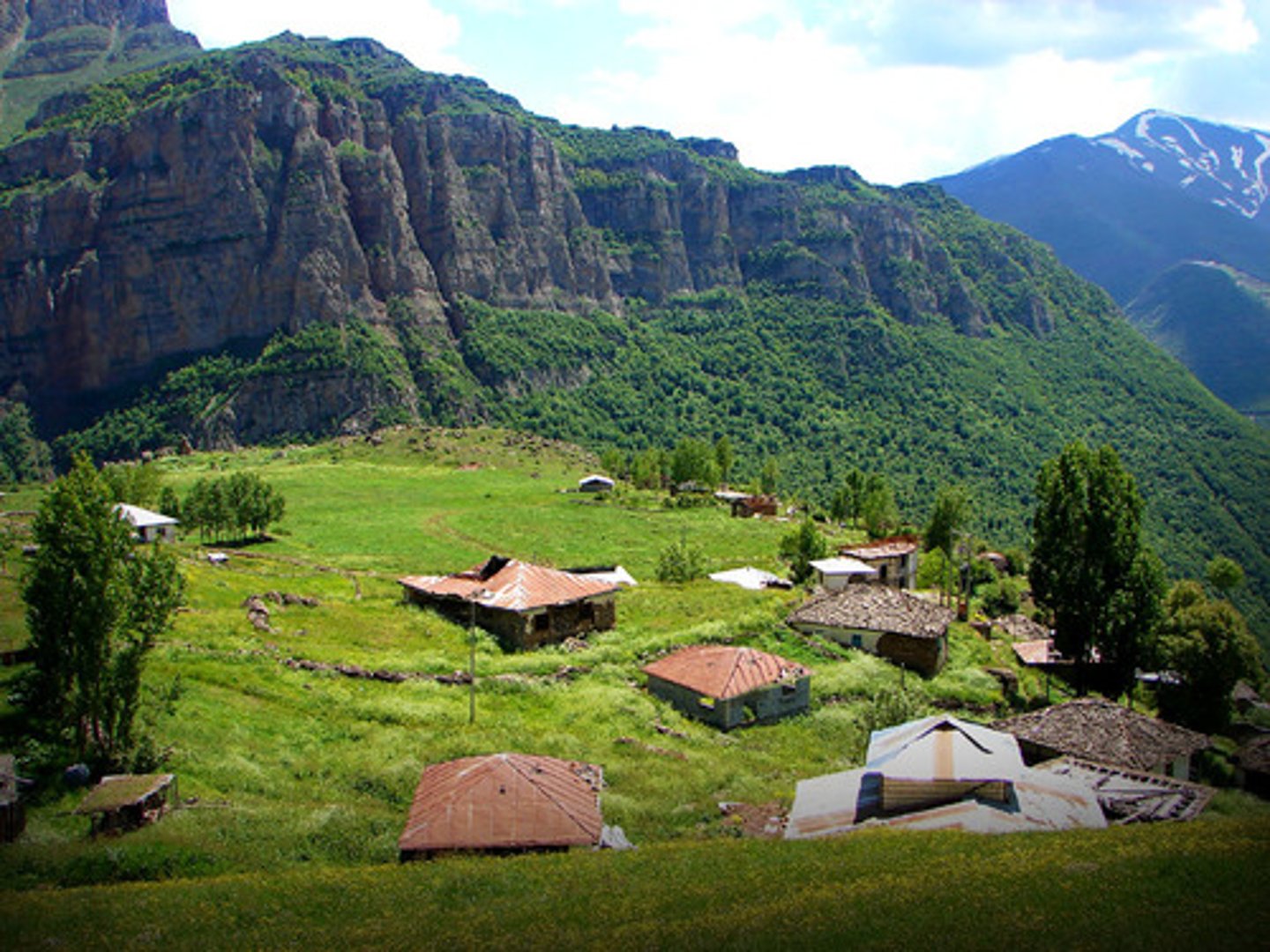
Hamlet
The smallest type of human settlement in the urban hierarchy. There are usually fewer than 100 people who live here!
Agricultural Surplus
The production of food and goods exceeding what is necessary for the subsistence of the farmer and their local community.
-This allowed populations to grow and freed some people to specialize in non-farming jobs, helping cities expand.
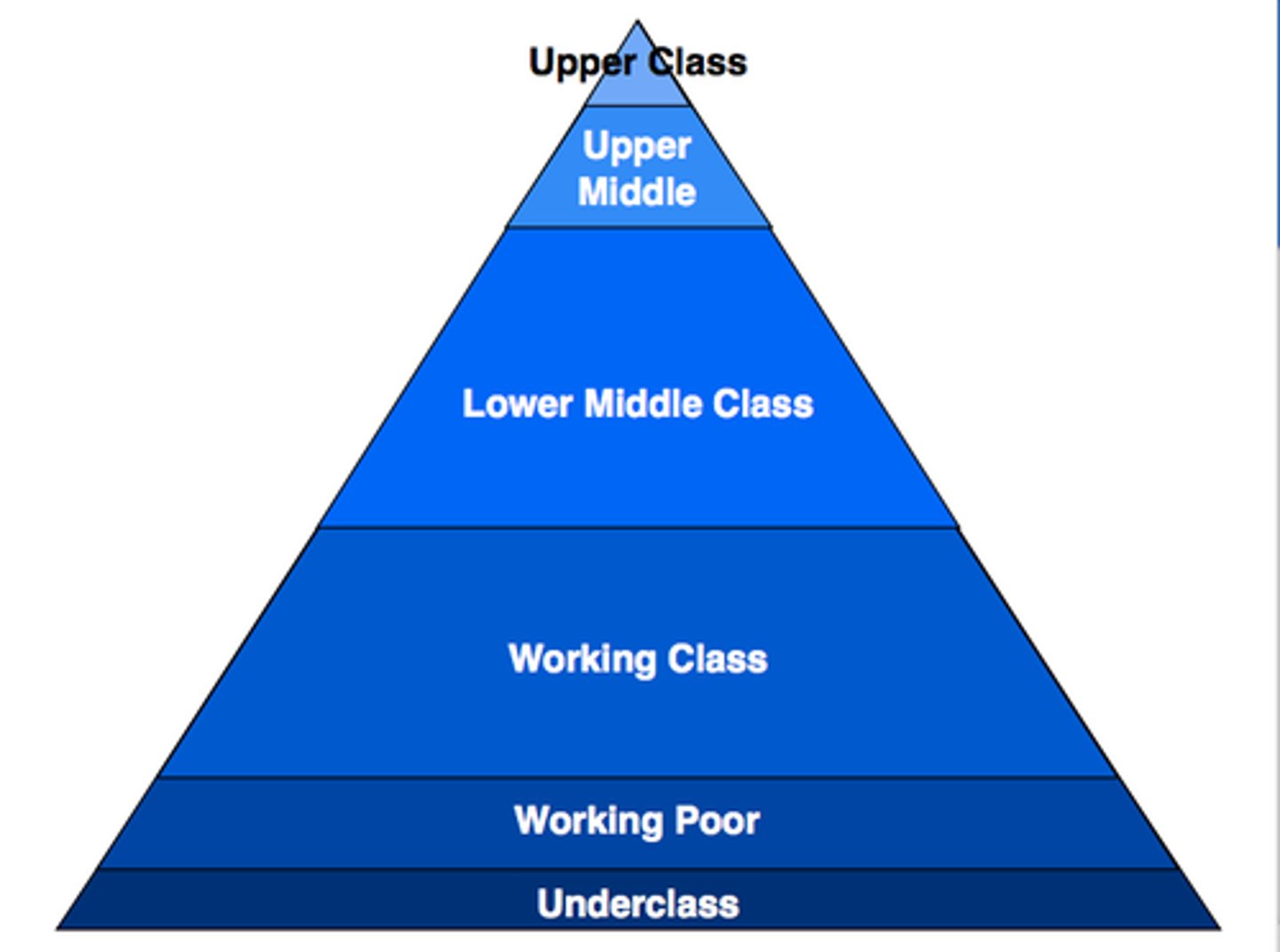
Socioeconomic Stratification
The hierarchical ranking of individuals or groups based on income, wealth, education, and occupation.
-This helped manage and sustain growing cities.
First Urban Revolution
A term that refers to the very first cities that came into existence due to permanent settlements, agricultural surplus, and socioeconomic stratification.
Site Factors
Factors that allowed for agriculture to be sustainable. / Characteristics, usually physical elements, of an absolute location.
-E.g., A mountain range, lake, or volcano.
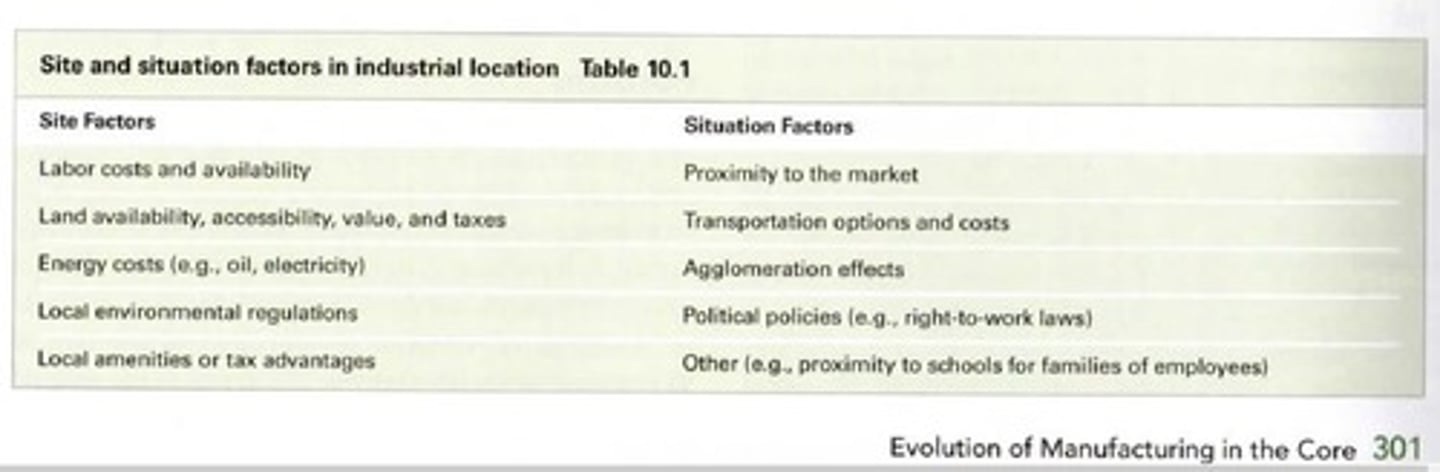
Situational Factors
Things that are going on around a place.
-E.g., War, a nearby trade route being established, industrialization, or even a university existing in that place.
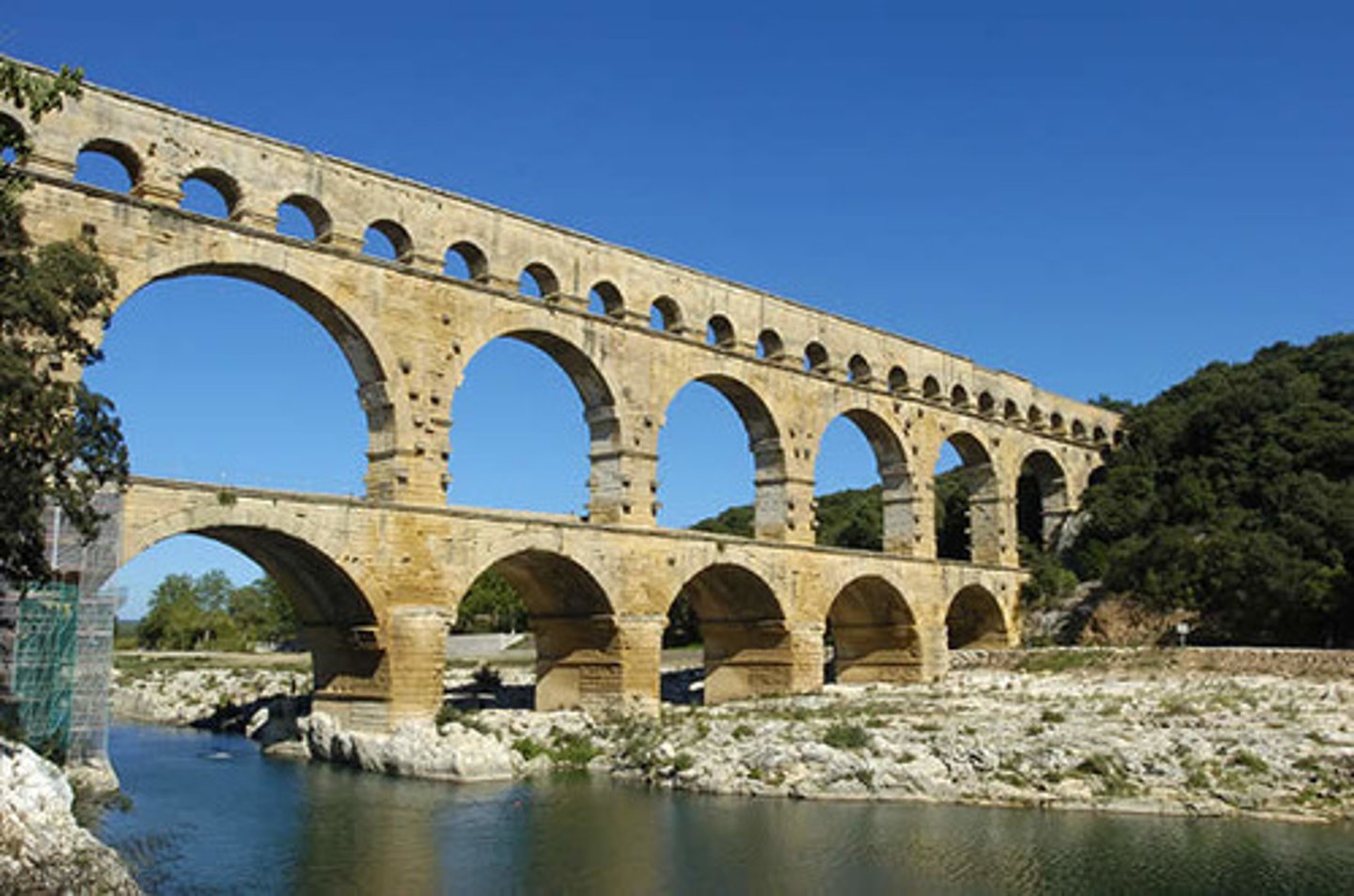
Aqueducts
Man-made structures that carry water throughout an area, providing fresh water all around the growing cities in the Roman Empire.
City Models
1. Concentric Zone Model
2. Hoyt Sector Model
3. Multiple Nuclei City Model
4. Galactic (Periphery) City Model
5. Latin American City Model
6. Southeast Asian City Model
7. Sub-Saharan Africa City Model
8. Middle Eastern (Islamic) City Model
Concentric Zone Model
An urban land-use theory depicting cities growing outward from a Central Business District (CBD) in five distinct, concentric rings.
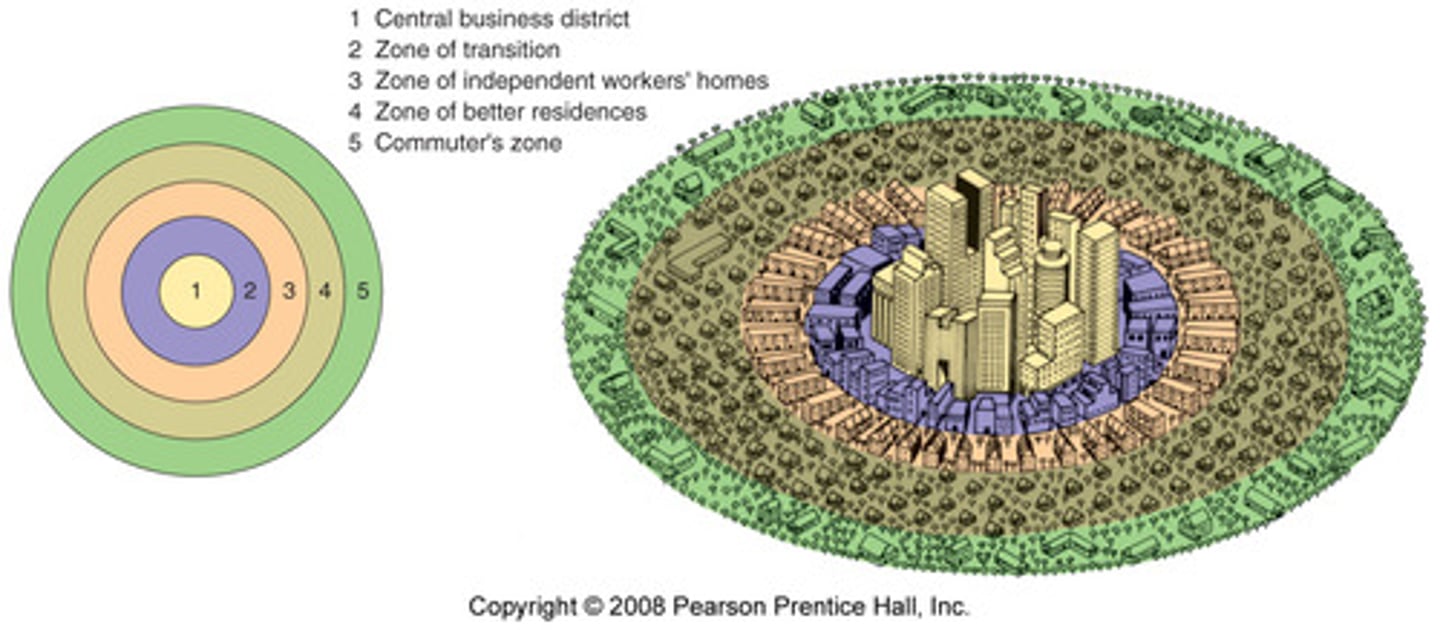
Hoyt City Model
An urban land use model (developed by economist Homer Hoyt in 1939) which suggests that cities develop in sectors or wedges radiating out from the CBD rather than in concentric circles.
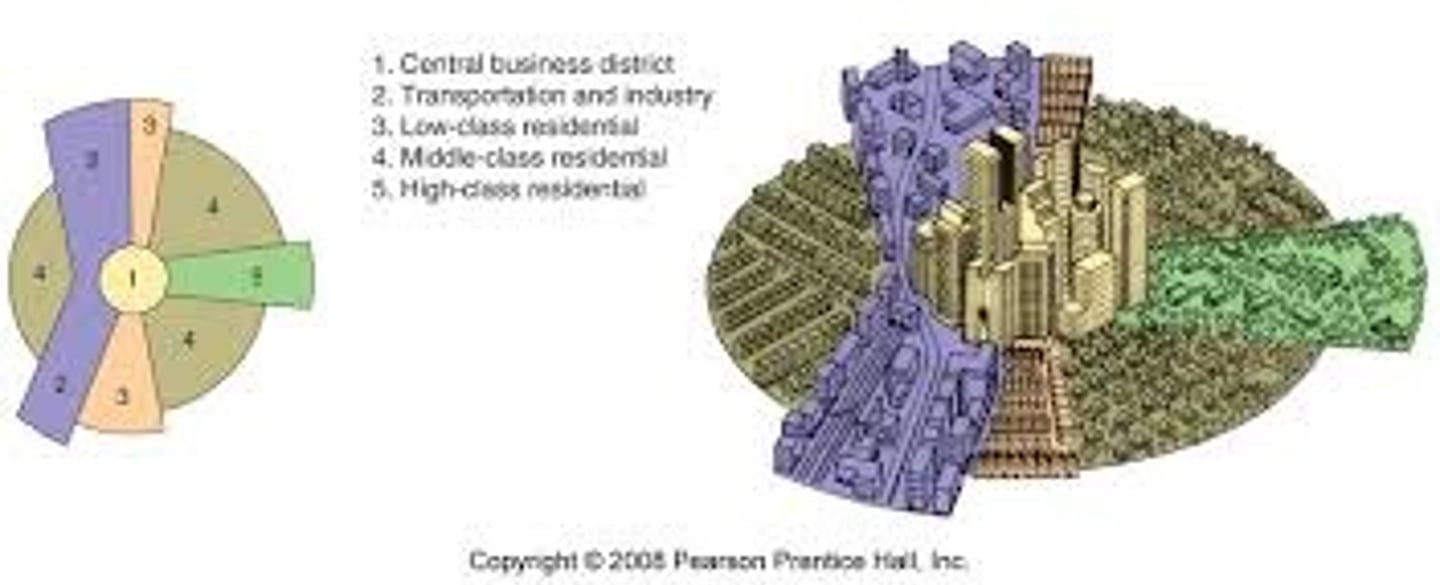
Multiple Nuclei City Model
An urban structure theory stating that cities lack a single CBD and instead develop around multiple, distinct nodes or "nuclei".
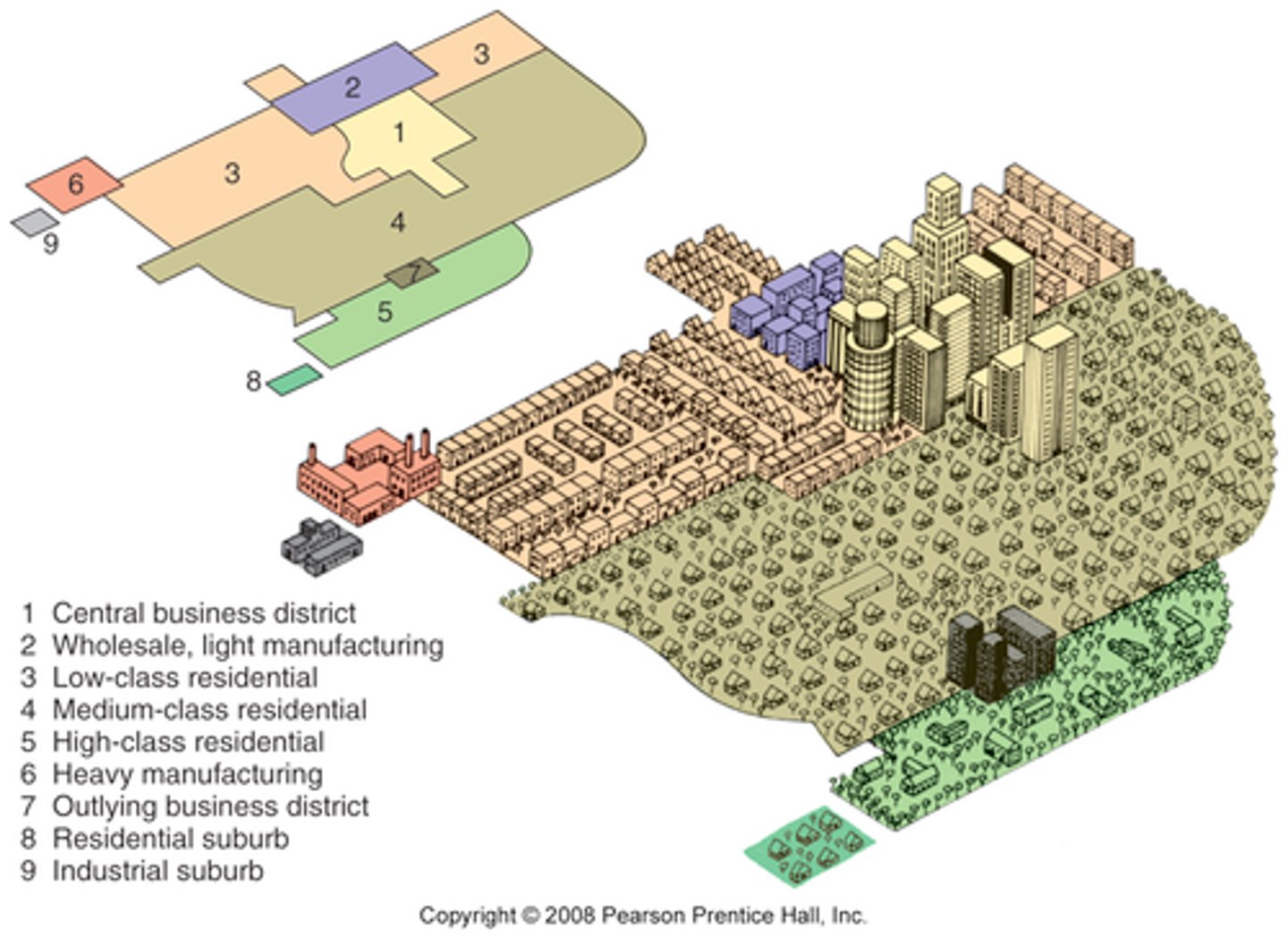
Galactic (Periphery) City Model
An urban structure theory that represents a post-industrial, automobile-dependent city where the traditional CBD has lost significance, replaced by a polycentric, decentralized network of edge cities, suburban office parks, and industrial hubs linked by beltways.
-Highlights urban sprawl.
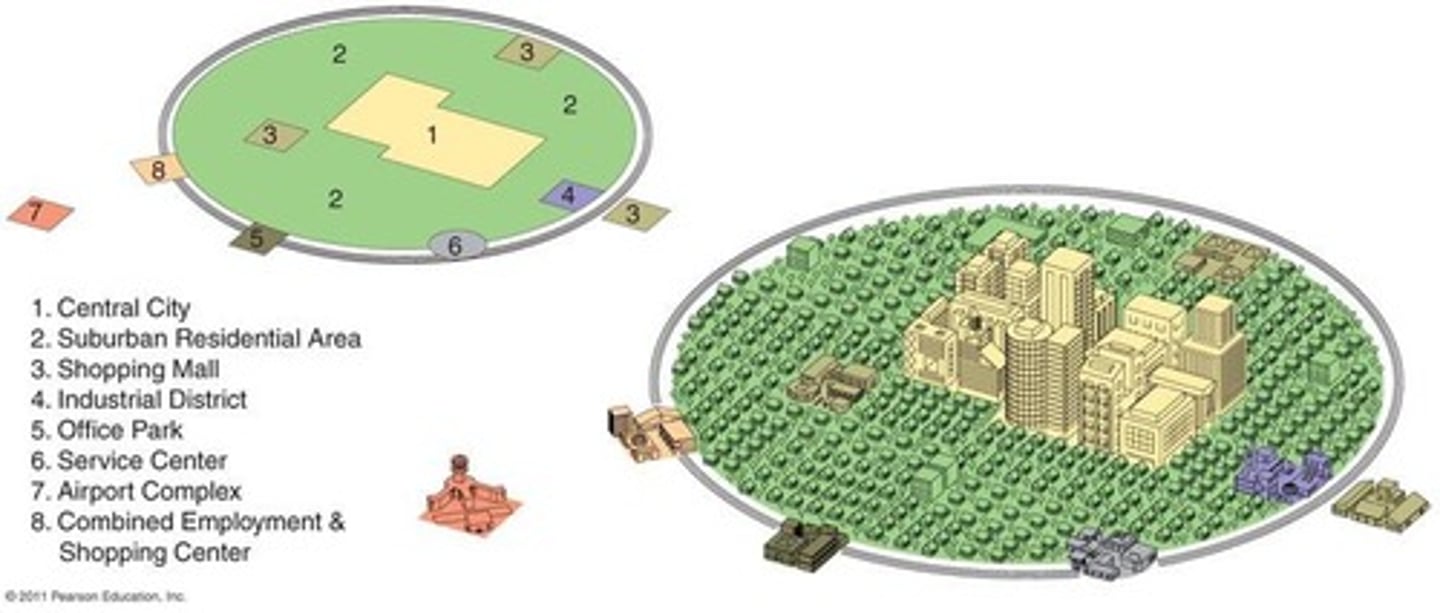
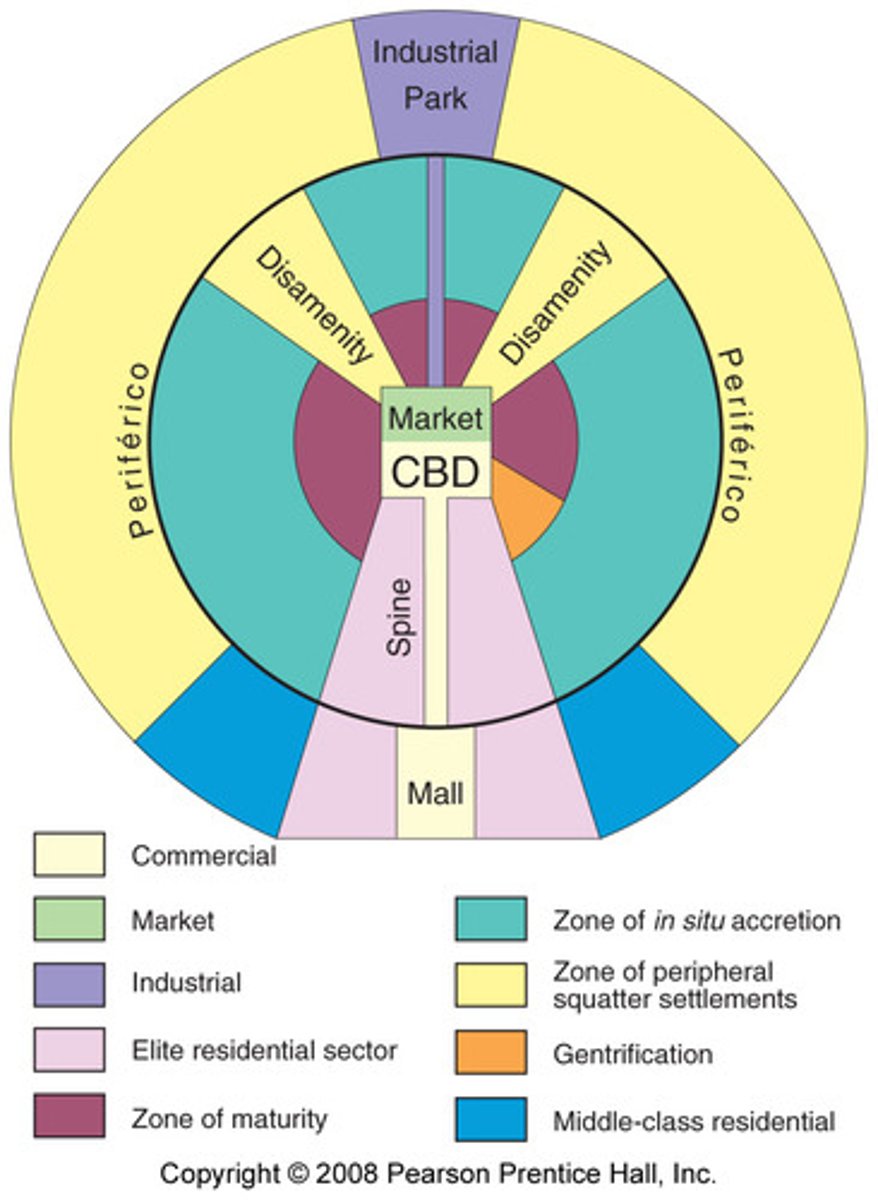
Latin American City Model
An urban structure theory that combines radial sectors and concentric zones, featuring a CBD connected to a high-end "spine" surrounded by elite housing.
-Reflects colonial influence, with a, central plaza, and a peripheral ring of squatter settlements (favelas or barrios).
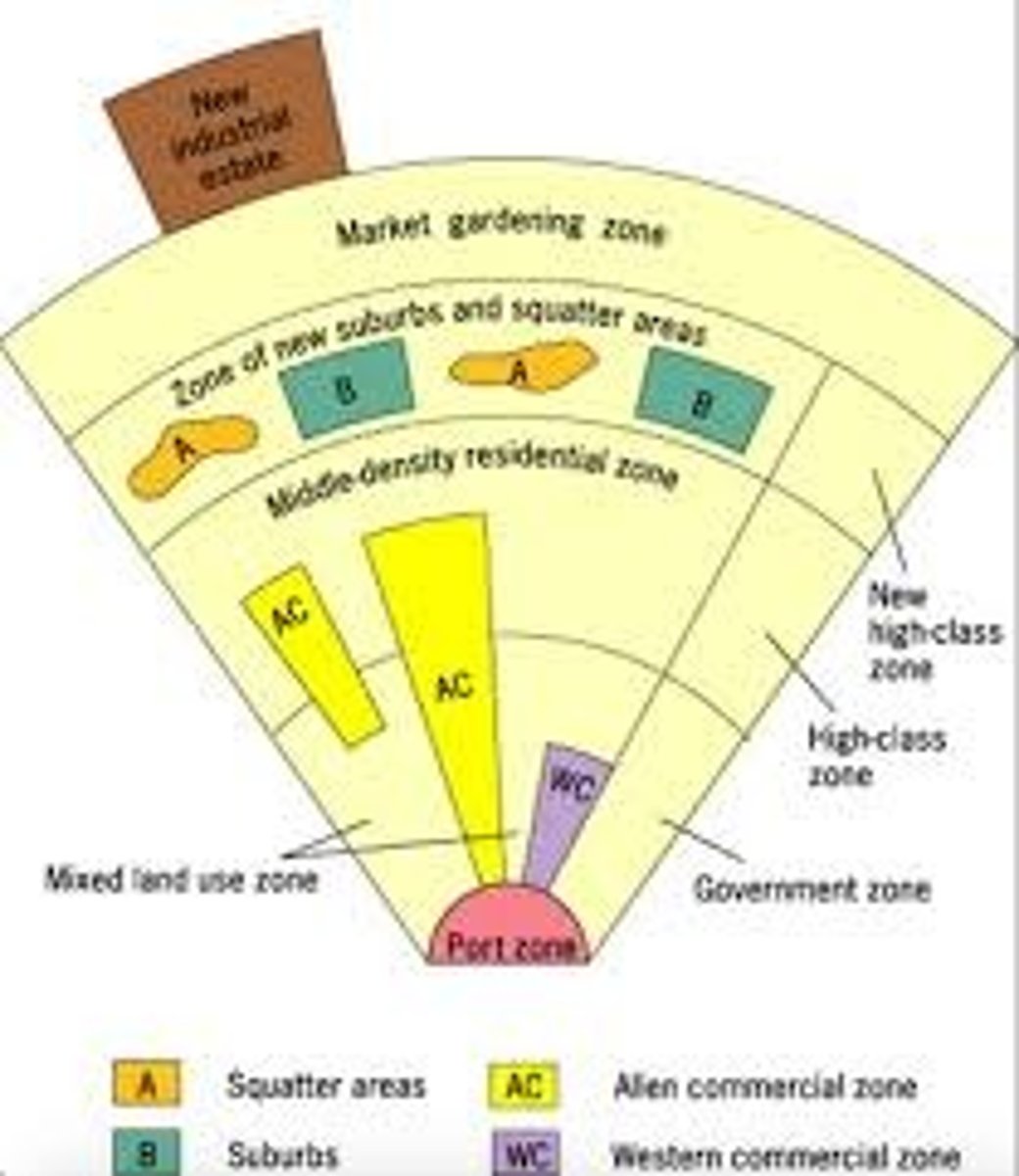
Southeast Asian City Model
An urban structure theory that describes medium-sized, post-colonial cities centered on a port rather than a formal CBD.
-Key zones include a colonial port zone, a mixed commercial zone, government zones, and peripheral, rapidly growing squatter/suburban areas.
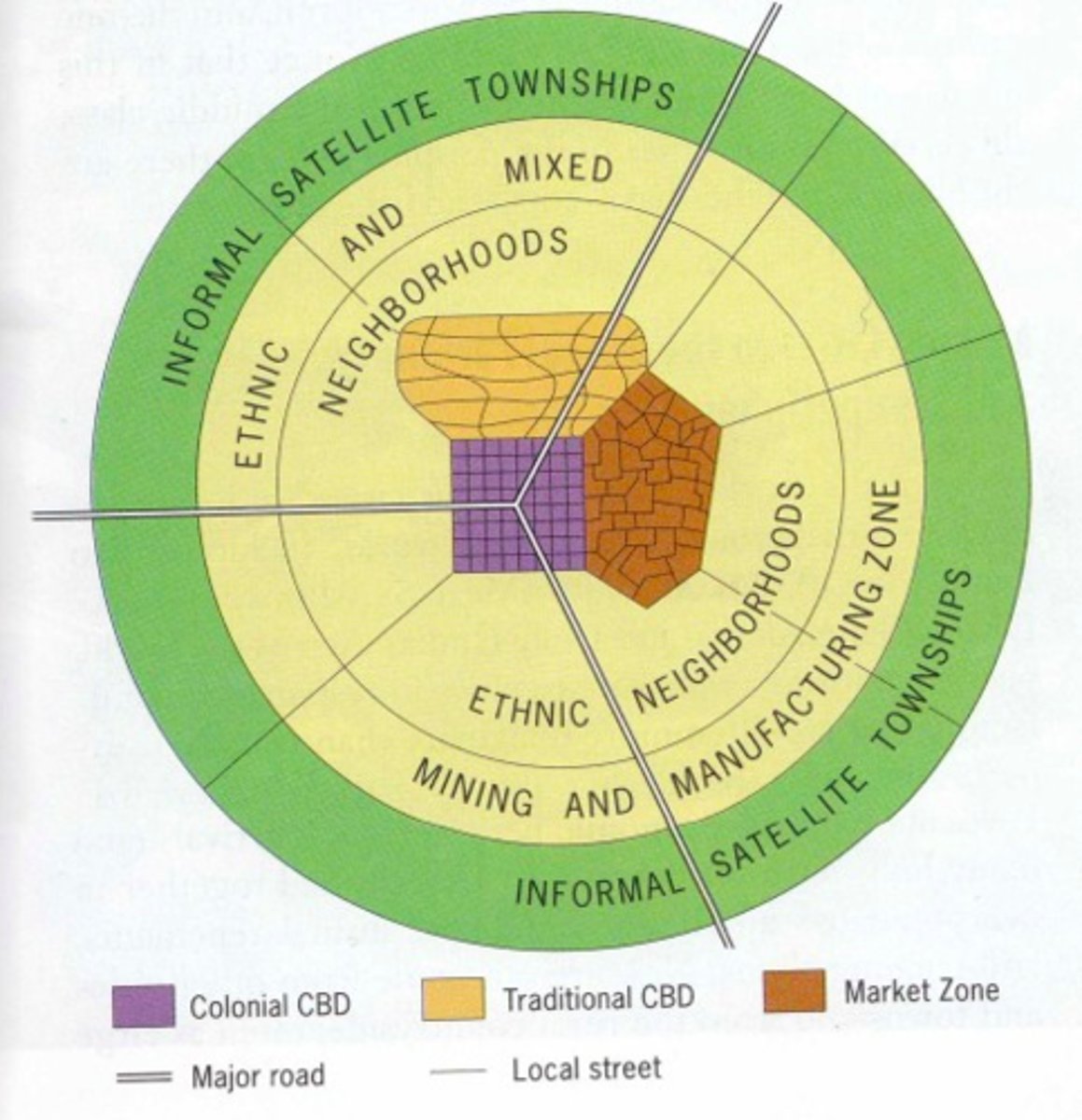
Sub-Saharan African City Model
An urban structure theory that features three CBDs—colonial, traditional, and market—surrounded by ethnically segregated neighborhoods, mining/manufacturing zones, and outer squatter settlements.
-Reflects a legacy of colonial planning, high socioeconomic disparity, and rapid, horizontal urban growth.
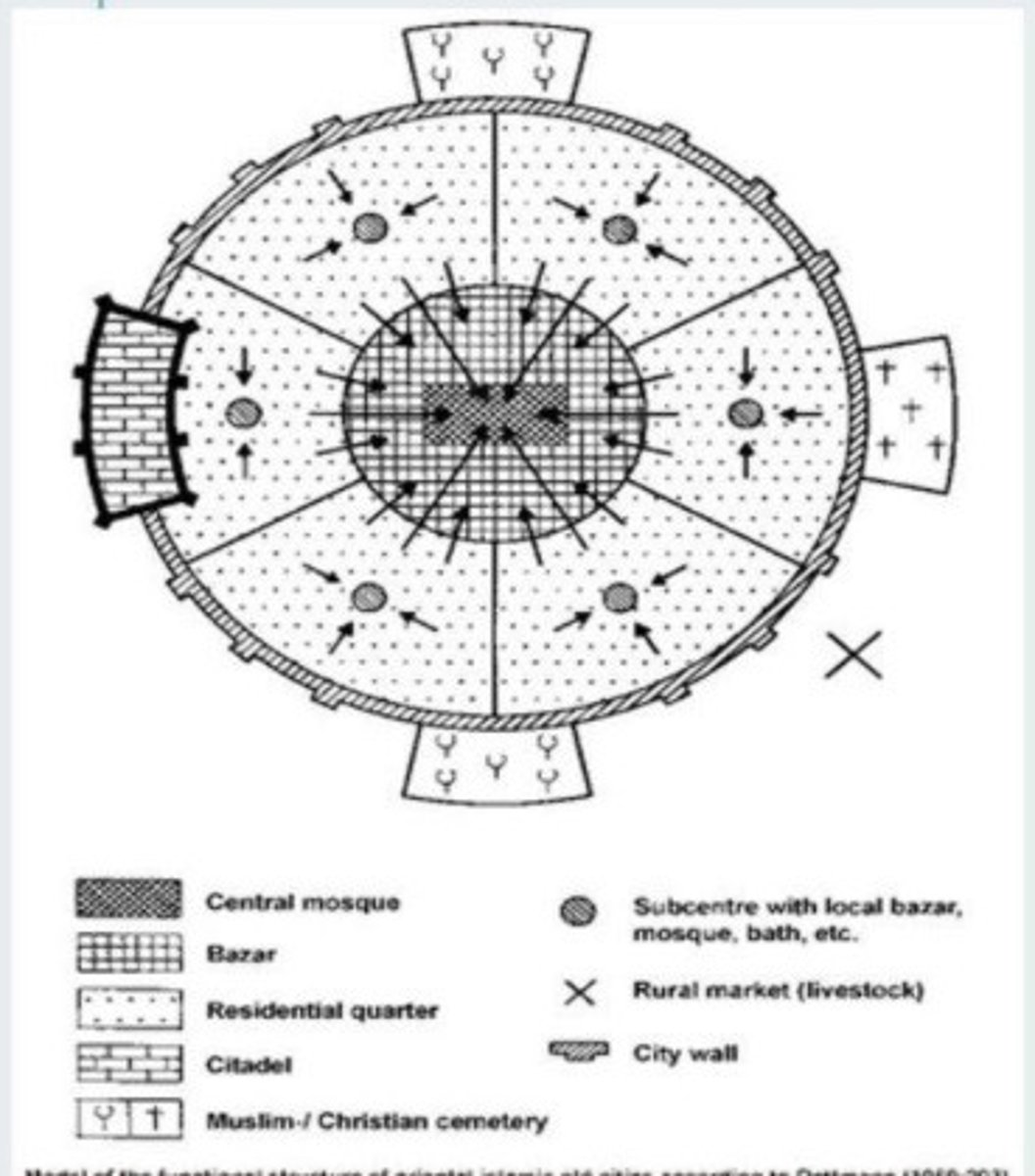
Middle Eastern (Islamic) City Model
An urban structure theory characterized by a central mosque and market (suq/bazaar), surrounded by high-density, irregularly planned residential quarters often defined by ethnicity or kin, shielded by defensive walls, and prioritizing privacy.
-Emphasizes religious law (Shari'a) in its structure, blending sacred and commercial spaces.
Gravity Model of Distribution
Illustrates that bigger cities pull in smaller towns and villages to their "orbit".
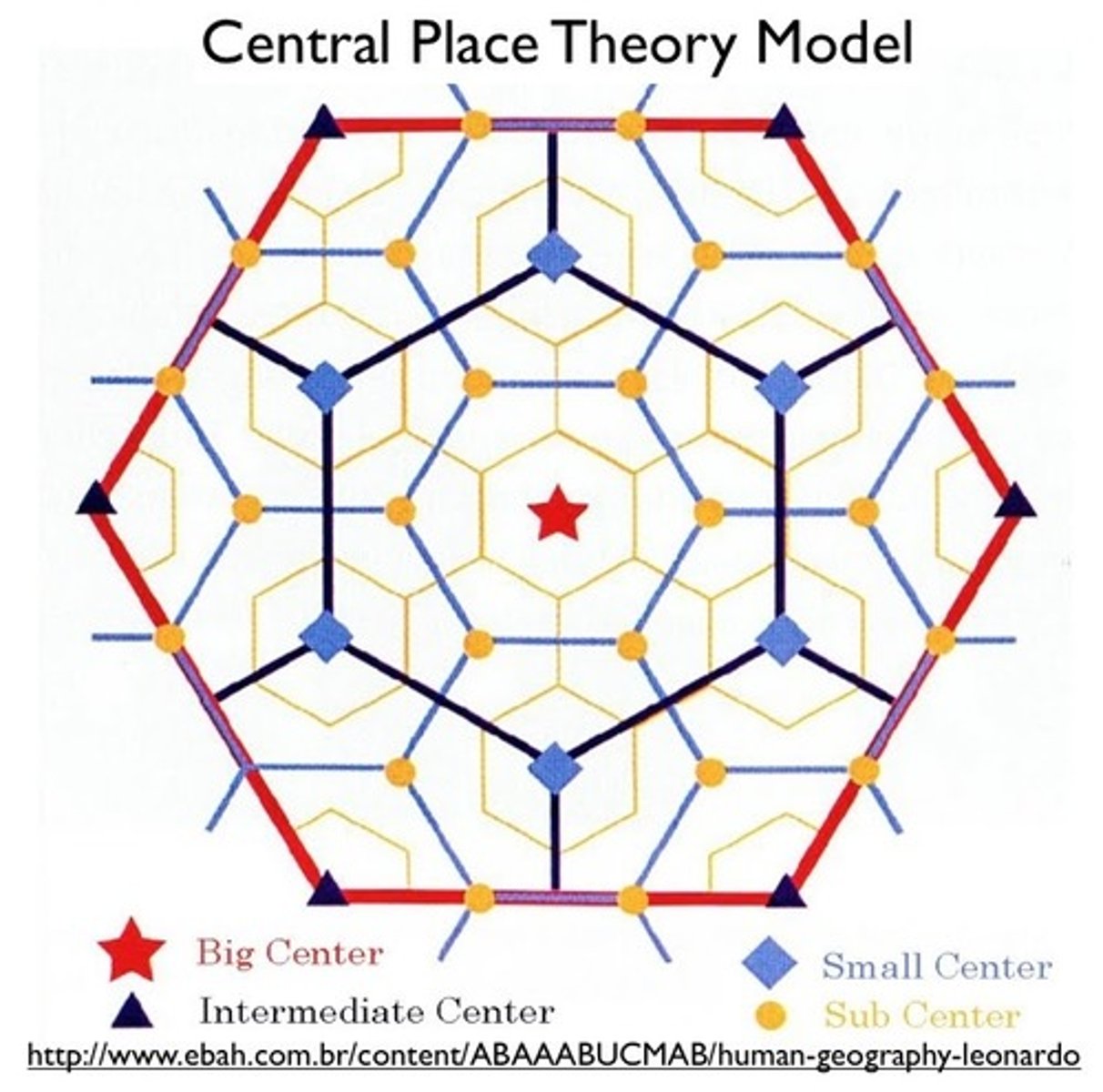
Christaller's Central Place Model
Theory explaining how cities are organized to provide goods and services to surrounding areas, based on range and threshold of services.
Central Business District (CBD)
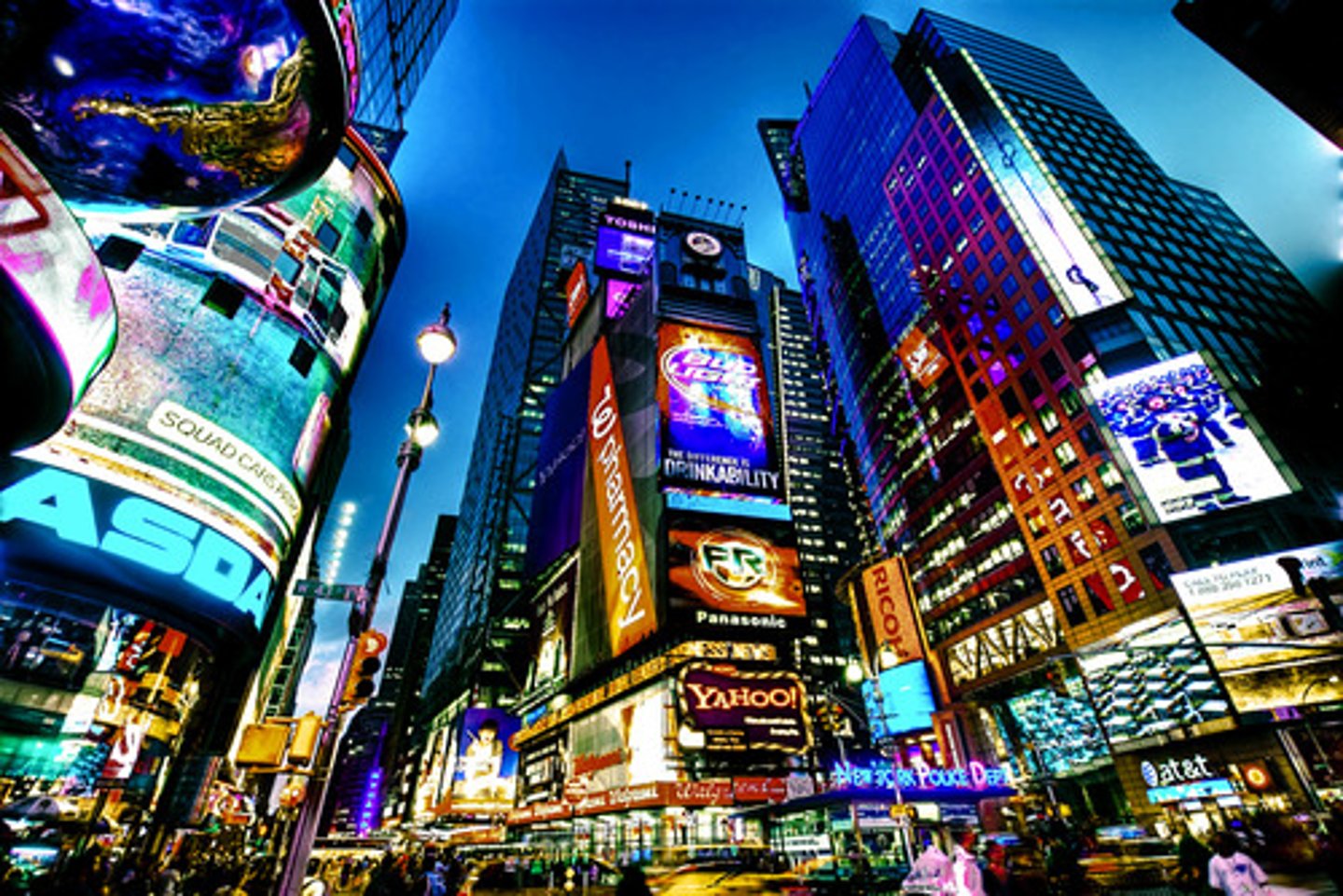
The area of a city where retail and office activities are clustered.
-It is often referred to as the "downtown" of a city and is typically characterized by a high concentration of commercial and business services, high land values due to competition for limited space, vertical development (e.g., skyscrapers) to maximize land use., limited residential population but high daytime population due to workers and visitors.
Capitalism
An economic system in which a country's factors of trade and industry are owned and controlled by private citizens rather than owned and controlled by the state.
-Citizens own factories and agricultural lands. There is incentive to own land, buy property, build factories, create businesses, and invent products to help those businesses.
Communism
A political and economic system in which the state owns all of the land and means of production (i.e. farms, factories, harbors, etc.).
Redevelopment
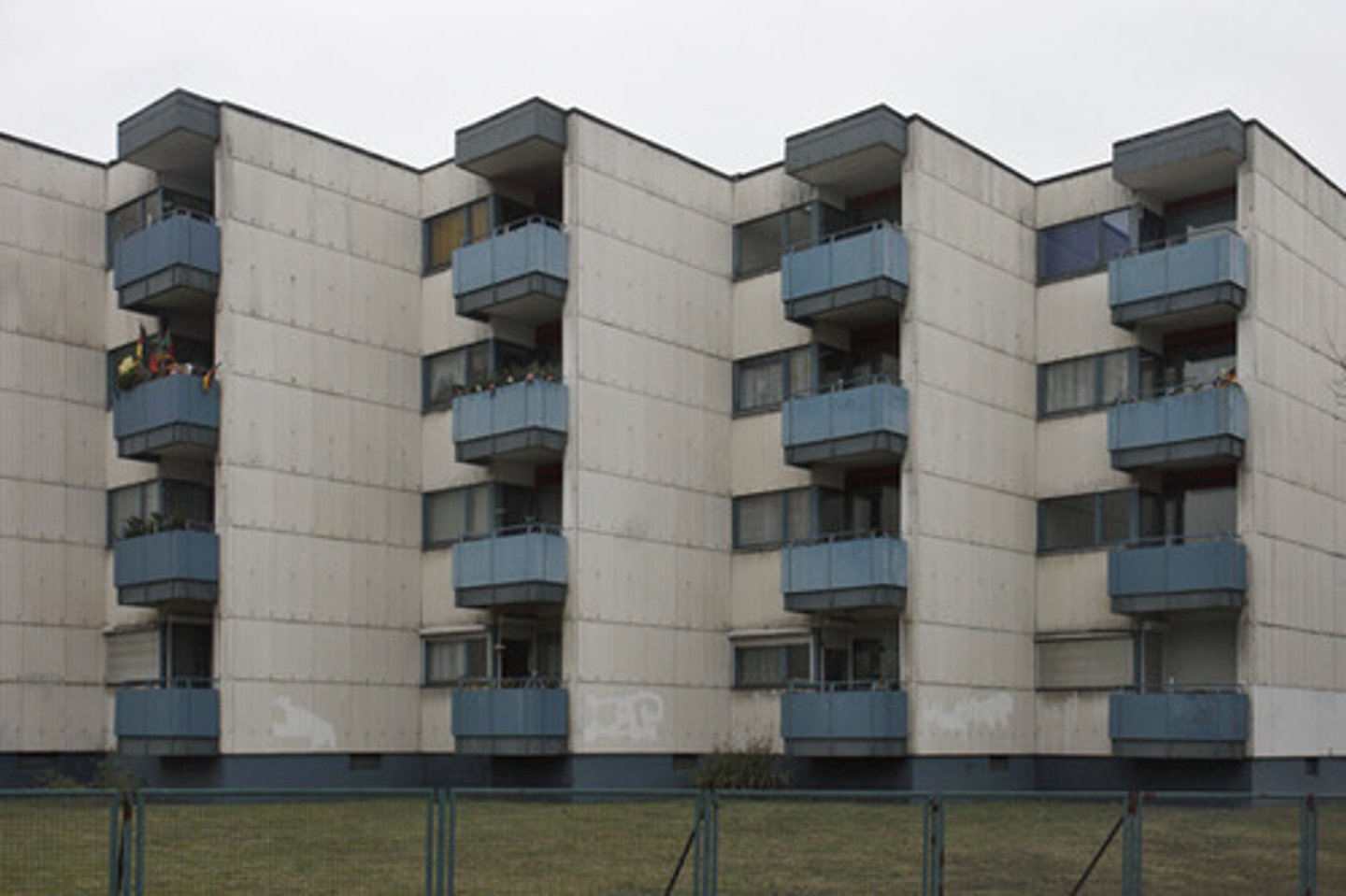
Refers to a set of activities and government policies intended to revitalize an area that has fallen on hard times.
Suburb/Suburbanization
An area on the outskirts of the city center that is residential (dedicated to housing). / The movement of people from the urban core areas to the surrounding outskirts where land is more plentiful, and prices are cheaper.
Edge City
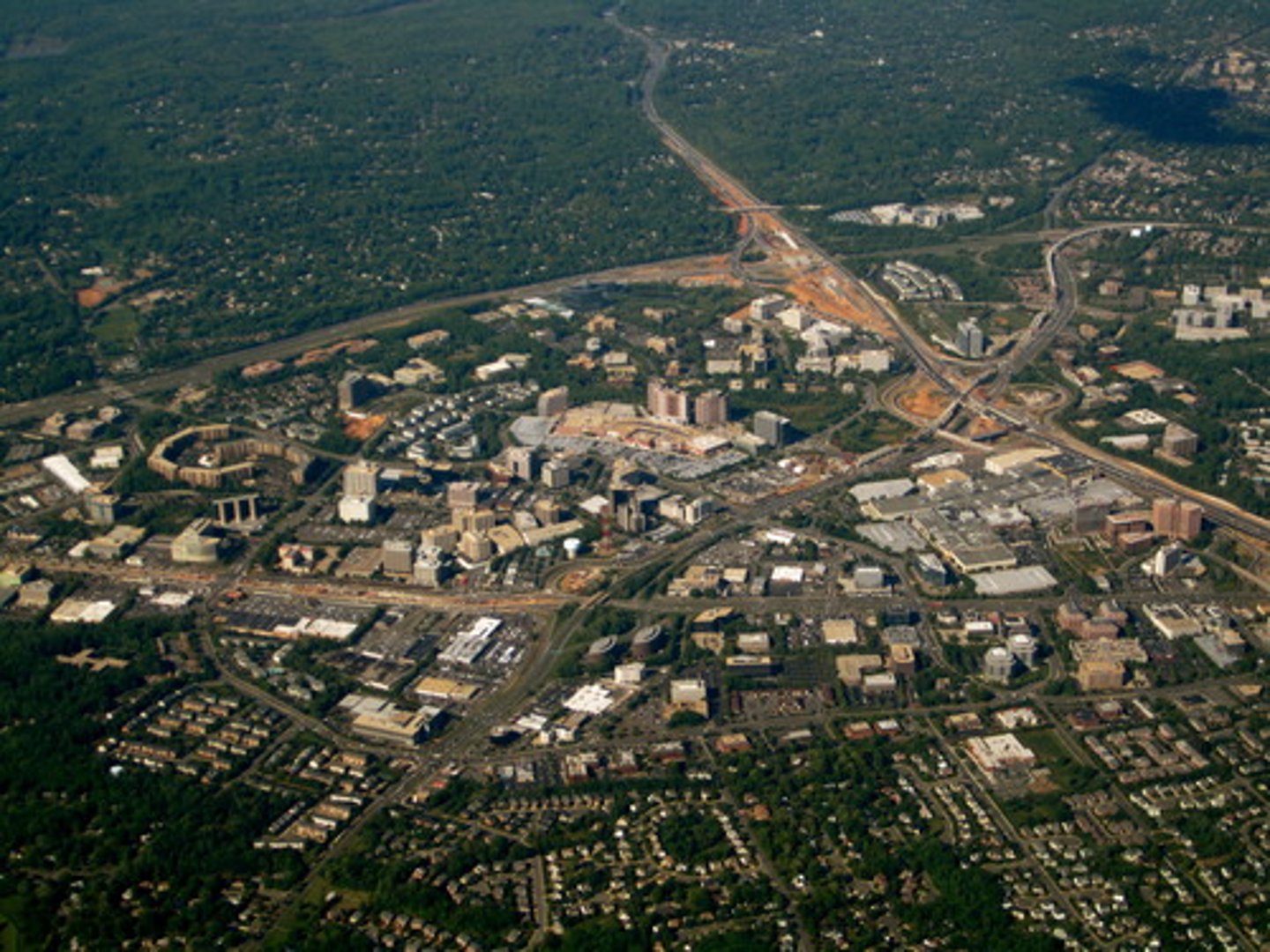
A suburb outside of the city center where people have moved to live. Includes built office buildings, shopping malls, restaurants, and other forms of entertainment, so people don't have to commute back into the CBD as often.
Boomburb
When the population of an edge city starts to rapidly increase, with a population of more than 100,000 residents and a population growth rate of 10% or more every year for at least a decade.
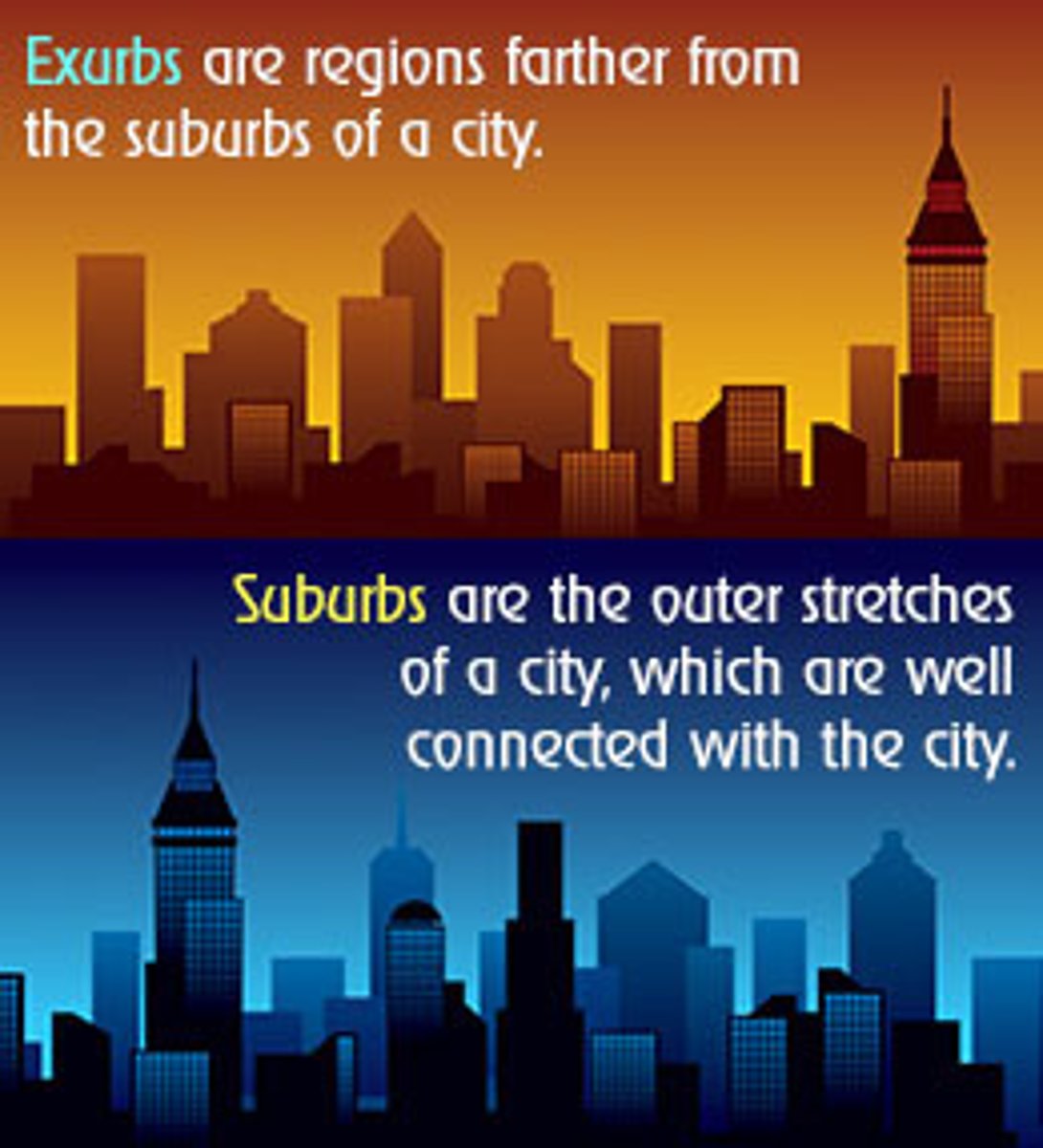
Exurb
Semi-rural communities that are usually inhabited by wealthier people (used as vacation homes due to their beautiful scenery and quiet atmosphere).
-Usually not as convenient to live in because they are the furthest settlements outside of the CBDs.
-E.g., Homes near a ski resort, or homes on a beach.
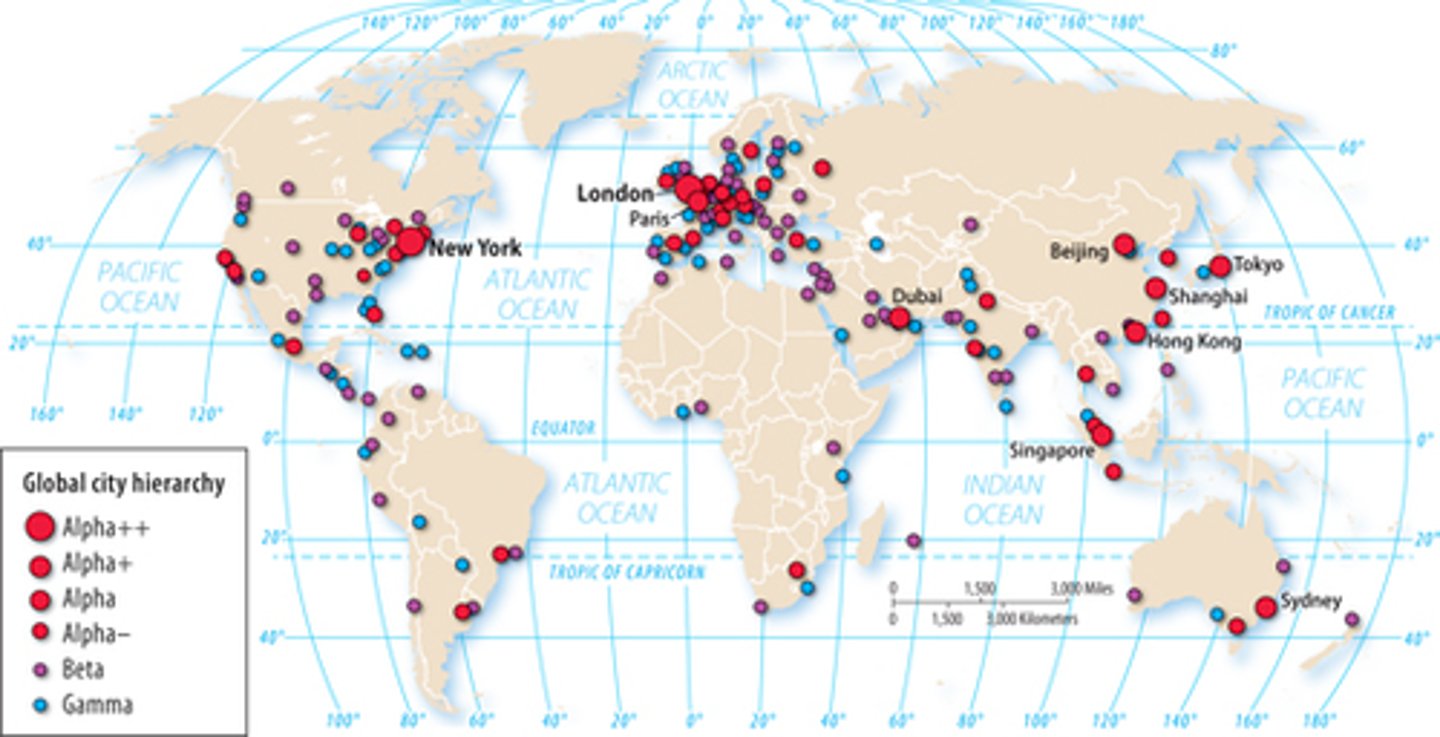
World Cities / Global Cities
Cities that are control centers for the global economy, in which major decisions are made about the world's commercial networks and financial markets.
-Centers of culture, home to the headquarters of multinational corporations and supranational political organizations, globally diverse in their populations.
-Examples: NYC, London, Tokyo, Paris, Dubai, Singapore
Gated Communities
Communities that protect the wealthiest people from the attention of the general public and media, surrounded by walls and security guards, and have their own pools, golf courses, and other amenities.
-These cities are home to world stock exchanges that control the world's currency markets. The wealthy center their businesses in these cities, film movies in these cities, and showcase their art (food, paintings, music, fashion, etc.) in these cities.
Urban Systems
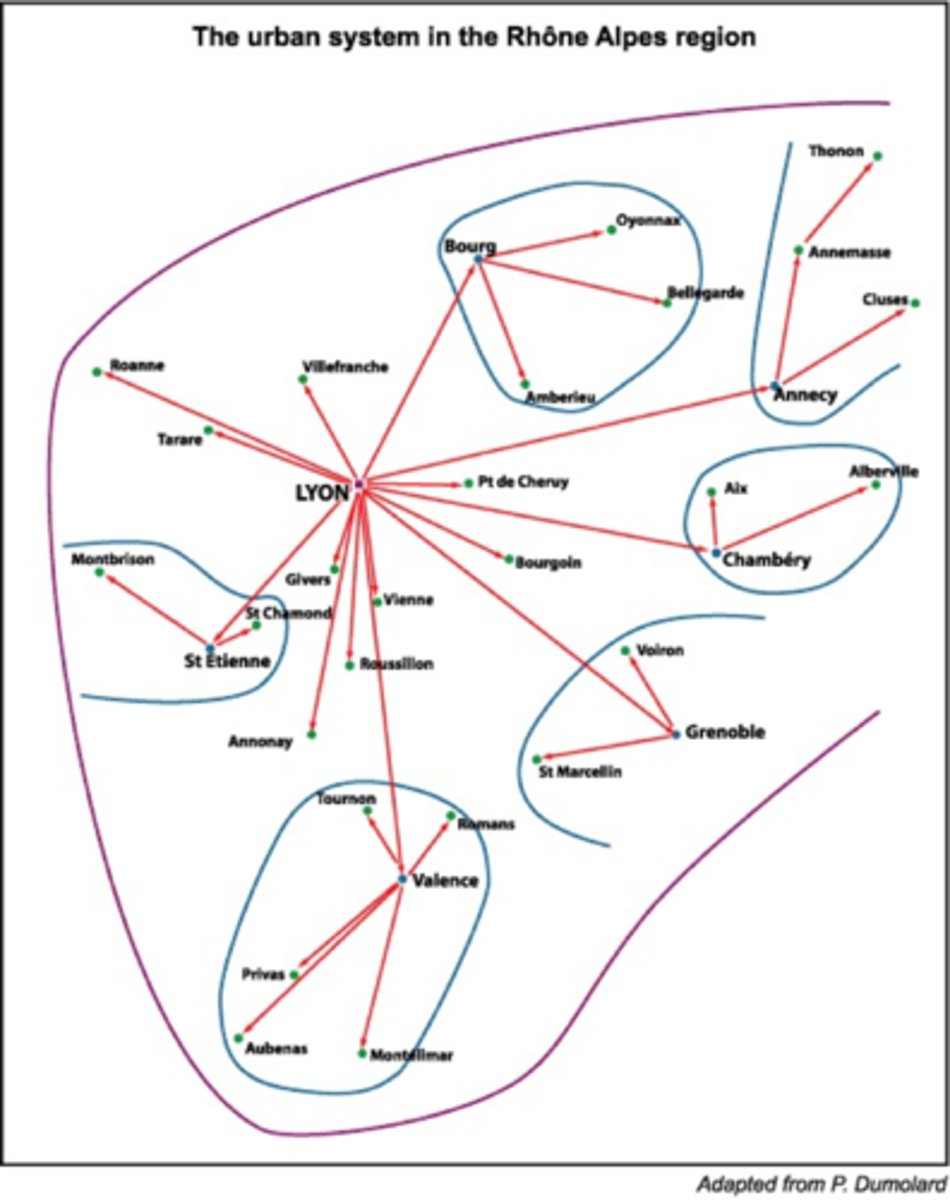
Systems that connect a state's major cities to each other through interstate highways, flight patterns, and railways.
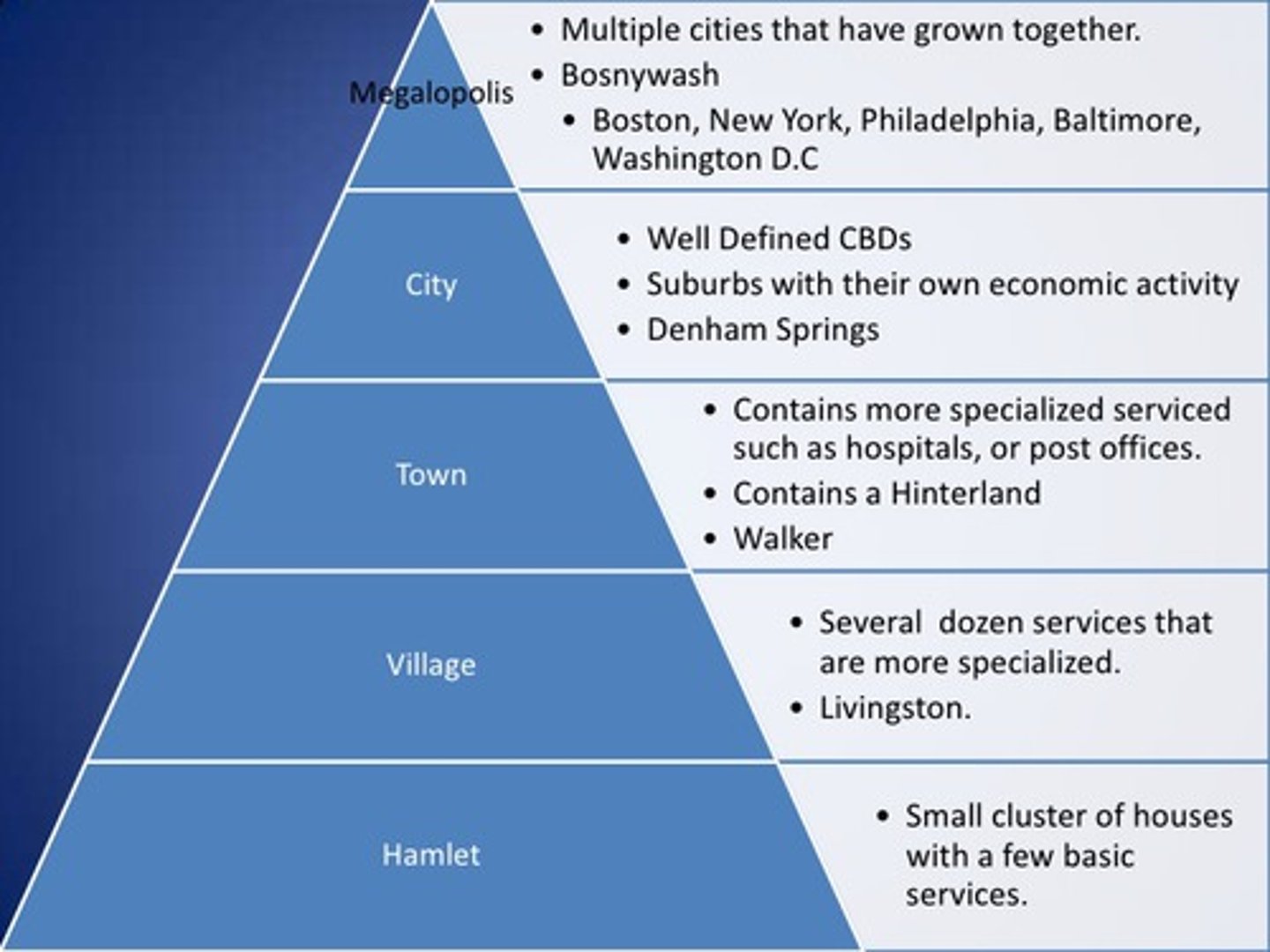
Urban Hierarchy
A ranking system of cities based on their populations.
Rank-Size Rule
A statistical relationship between the largest city and the next largest city based on population. This rule states that the second largest city should have half the population of the largest city; the third largest city should have a third of the population of the largest city; the fourth largest city should have a fourth of the population of the largest city, and so on.
-Countries that follow the rank-size rule have many different-sized cities that have their own suburbs and local governments to take care of local needs.
-E.g., The U.S.
Primate City Rule
A type of distribution in which one city is by far the most populous and carries the most weight politically and economically for the entire country. All other cities within the country follow the lead of the primate city.
-E.g., Cairo
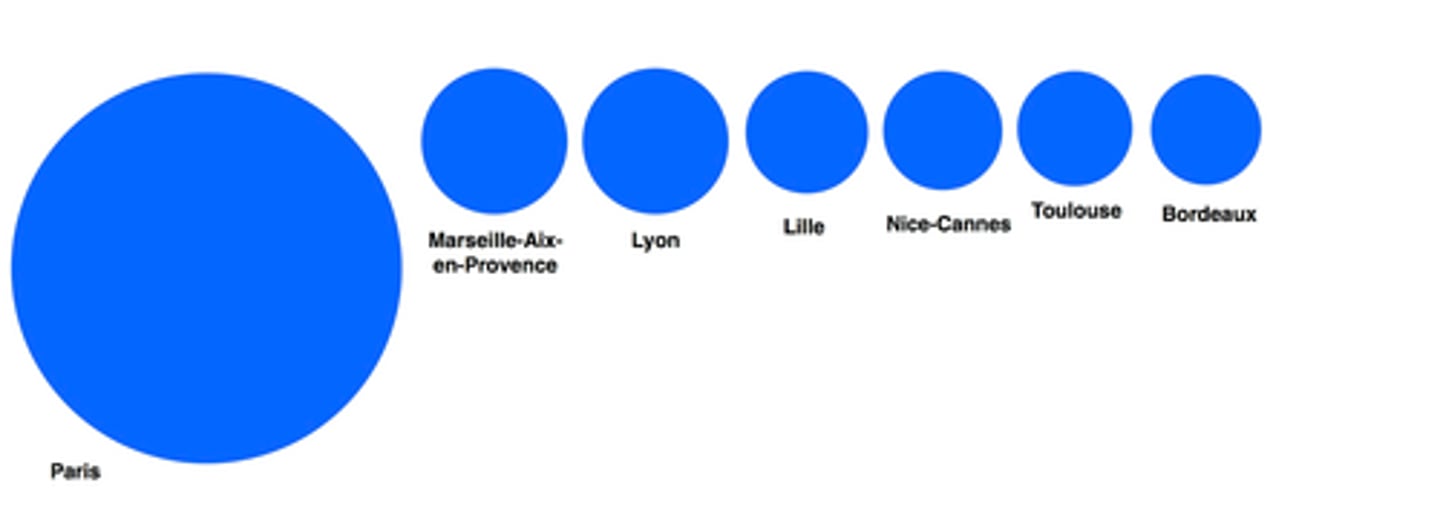
Examples of Primate Cities
-Paris, France
-London, UK
-Tokyo, Japan
-Cairo, Egypt
Walter Cristaller's Central Place Theory
A theory that helps us understand why cities and towns are located where they are and how they serve the people around them.
-The theory, created by geographer Walter Christaller, says larger cities offer more specialized services (like a university or airport), while smaller towns provide everyday needs (like grocery stores or gas stations).
Range
The maximum distance people are willing to travel to use or purchase a service.
-Examples of low-range products: Toothpaste, gas, school supplies...
-Examples of high-range products: Concert, beautiful beach...
Threshold
The number of customers needed to support the financial success of a store.
-E.g., An IKEA needs a large population to support it, so it will never be built in too small a town. Also, IKEA has a large range, so people in small towns or villages without one will drive long distances to get to one.
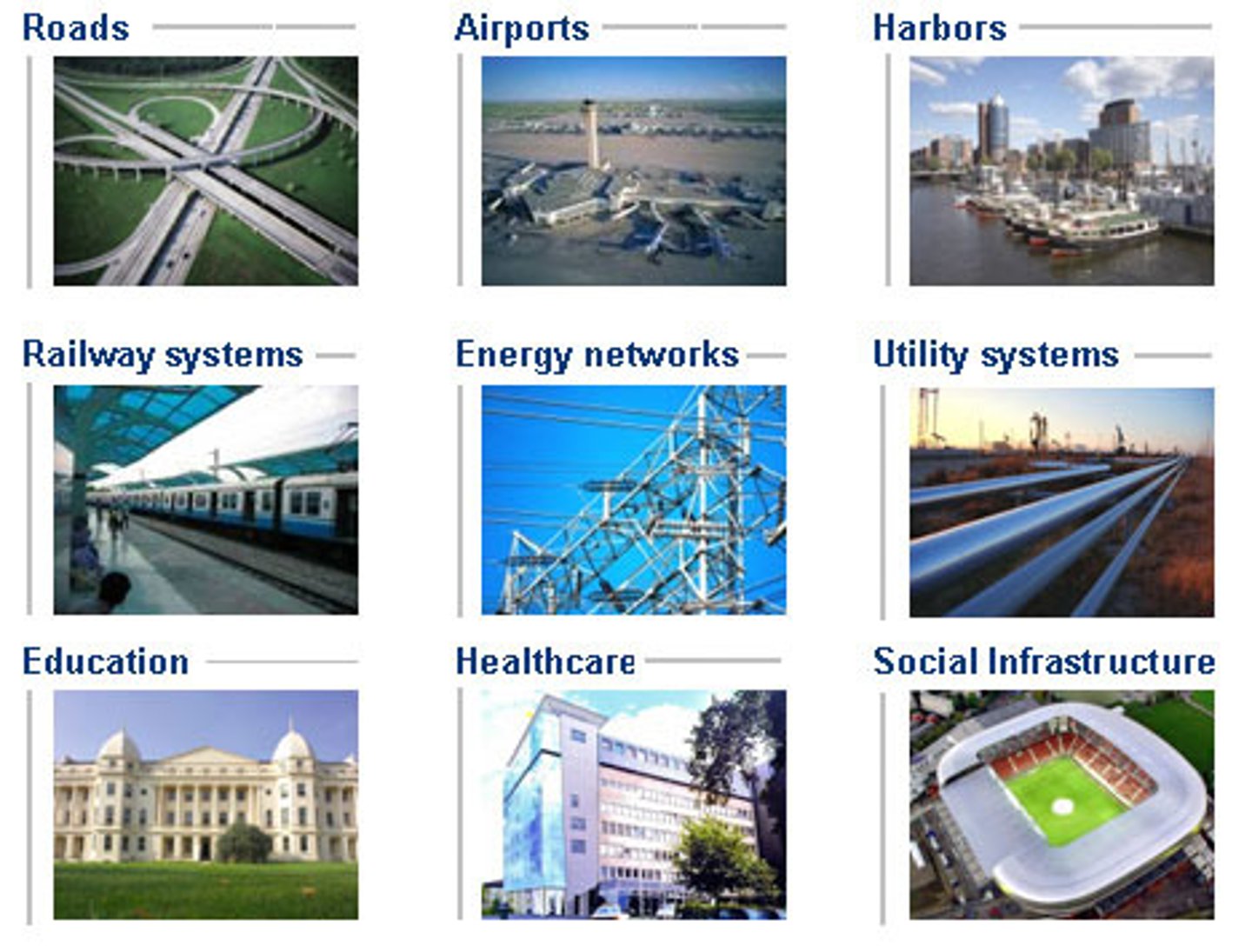
Infrastructure
The social and organizational structures and facilities that are needed for a society to function.
Fiscal Squeeze
Occurs when a city's expenses increase while its tax revenues decrease. This often occurs in inner cities as wealthier residents and businesses move to the suburbs (a process called suburbanization), leaving behind a population with lower income levels.
-Since city governments rely heavily on property taxes and local sales taxes, this shift leads to less money for city services like schools, infrastructure, sanitation, and policing.
Urban Decay
The process whereby a previously functioning city, or part of a city, falls into disrepair and abandonment due to deindustrialization, economic decline, and population loss (specifically white flight/suburbanization).
-It is characterized by crumbling infrastructure, high crime, and reduced tax revenue.
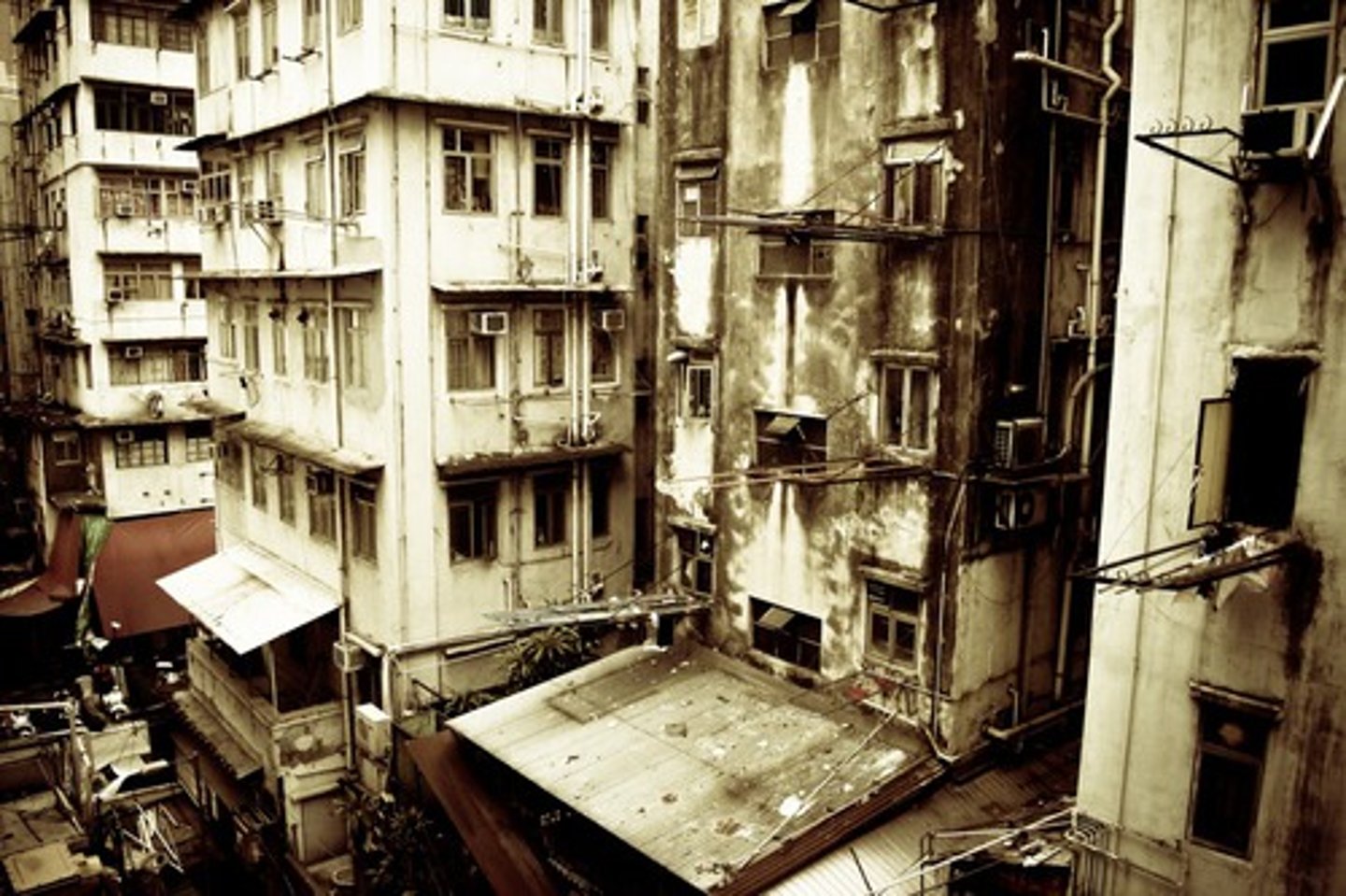
Zone of Abandonment
An area within a city, typically in the inner city, that has been largely deserted by residents and businesses due to economic decline, crime, poor living conditions, or environmental hazards.
-These zones are often marked by vacant buildings, abandoned lots, and a lack of public or private investment.
Ghettoization
The process by which certain groups—often defined by race, ethnicity, or income—become concentrated in zones of abandonment, surrounded by urban decay.
Gentrification
Occurs when wealthier individuals move into neglected neighborhoods, renovating homes and attracting new businesses.
-Pro: Increases property values and, in turn, raises the city's property tax revenue, which can help ease the fiscal squeeze by funding schools, infrastructure, and public services.
-Con: Can lead to the loss of cultural identity in historically marginalized communities.
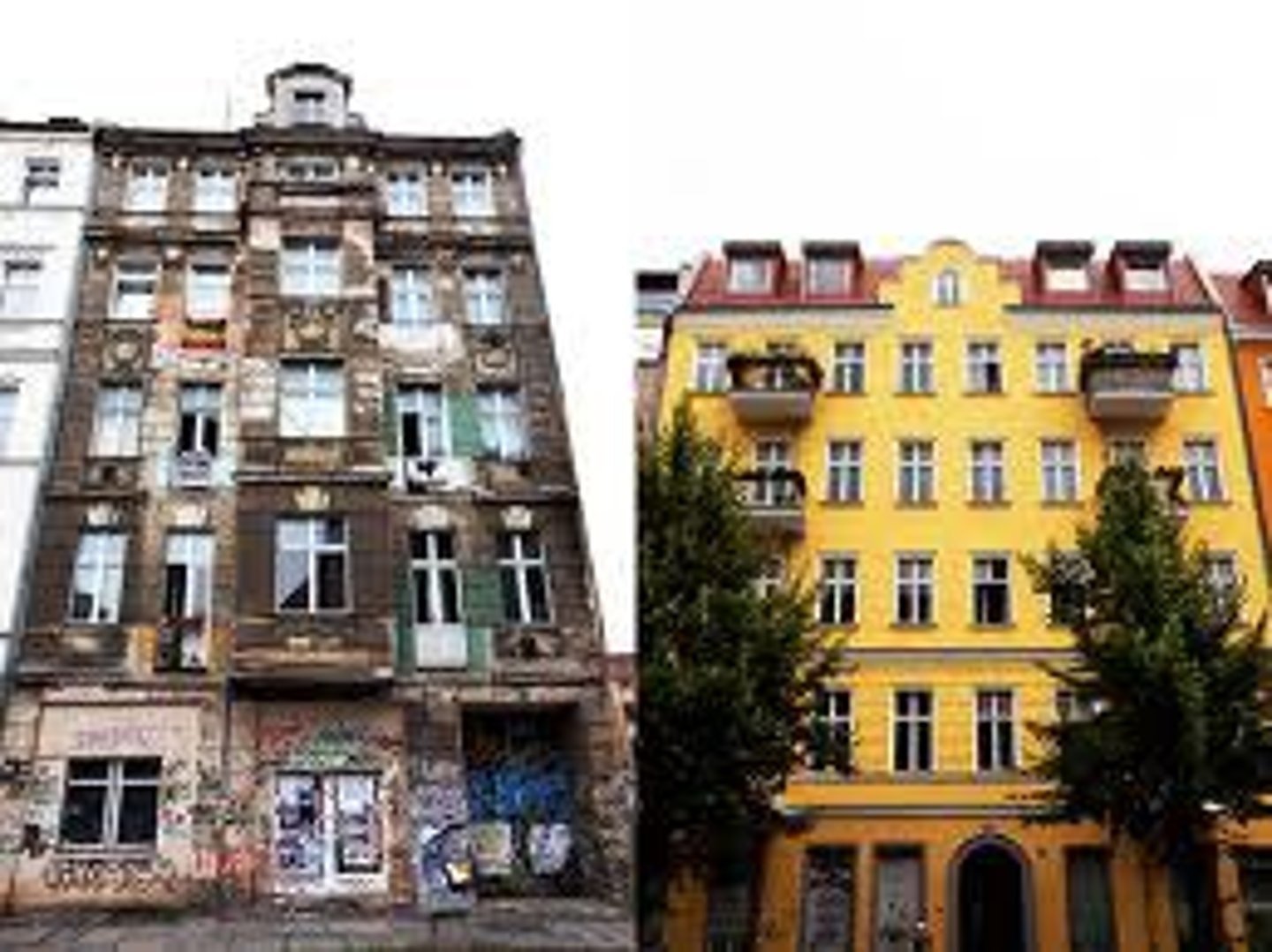
Who benefits/suffers from gentrified neighborhoods?
-Benefits: Wealthier residents, developers, and businesses.
-Suffers: Low-income residents who may be displaced by higher prices.
Zoning Ordinances/Regulations
Laws about how land can be used.
-E.g., What types of housing can be built in an area (office buildings, apartments, single-family houses, gated communities, etc.), or designating areas of land that must be used for farmland, national parks, or green spaces.
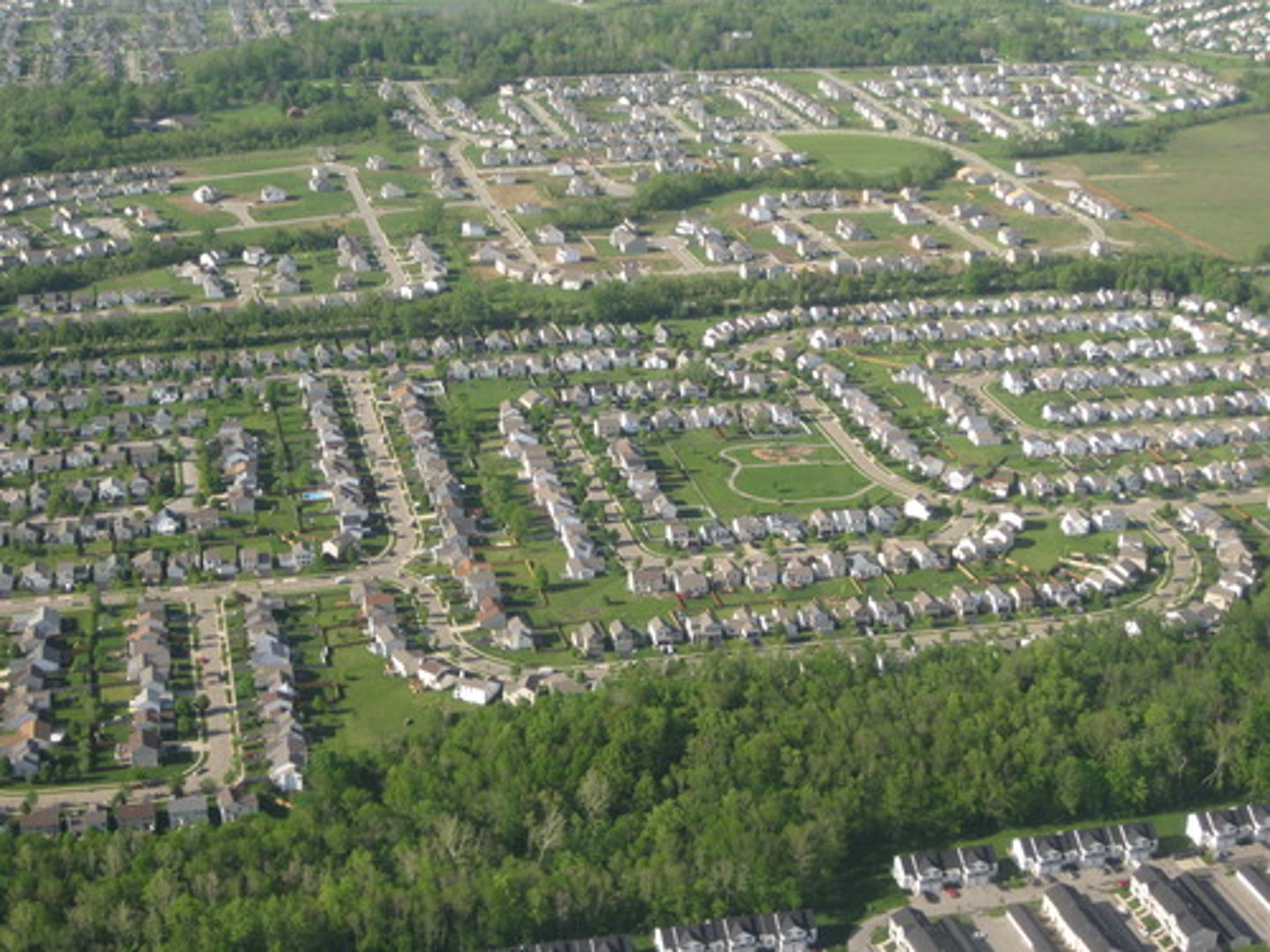
Urban Sprawl
When cities spread out and grow into the surrounding countryside.
-This often leads to more houses, shopping centers, and roads being built far apart, which makes people rely more on cars to get around.
Consequences of Urban Sprawl
Urban sprawl leads to environmental problems such as increased car use and air pollution, higher temperatures from the urban heat island effect, more water runoff because of pavement, and loss of greenspace and natural habitats. It also increases infrastructure costs and energy use.
Built Environment
Refers to all of the man-made structures that make up an area.
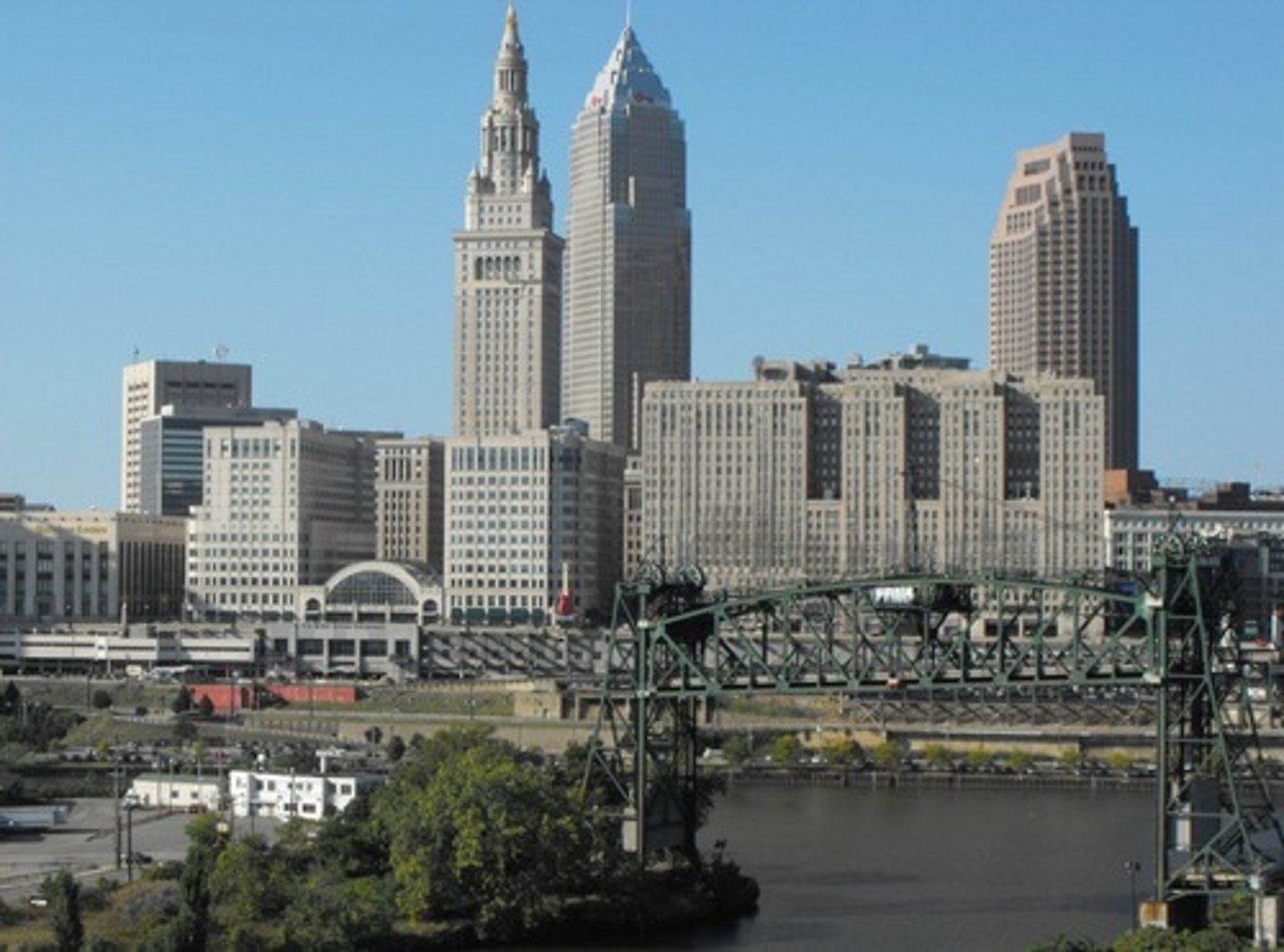
Smart Growth Policies
New policies that are currently in place to try to improve built environments to make them as sustainable as possible. -These policies are paving the way for a movement called New Urbanism.
-Examples: Mixed-use development (homes, shops, offices together), public transportation expansion (buses, trains, metros), greenbelts to limit city expansion, higher-density housing instead of sprawl, walkable neighborhoods and bike lanes.
New Urbanism
An approach to city planning that follows the European model of dense settlement, attractive architecture, and housing of different types and prices all within walking distance to shopping, restaurants, jobs, and public transportation.
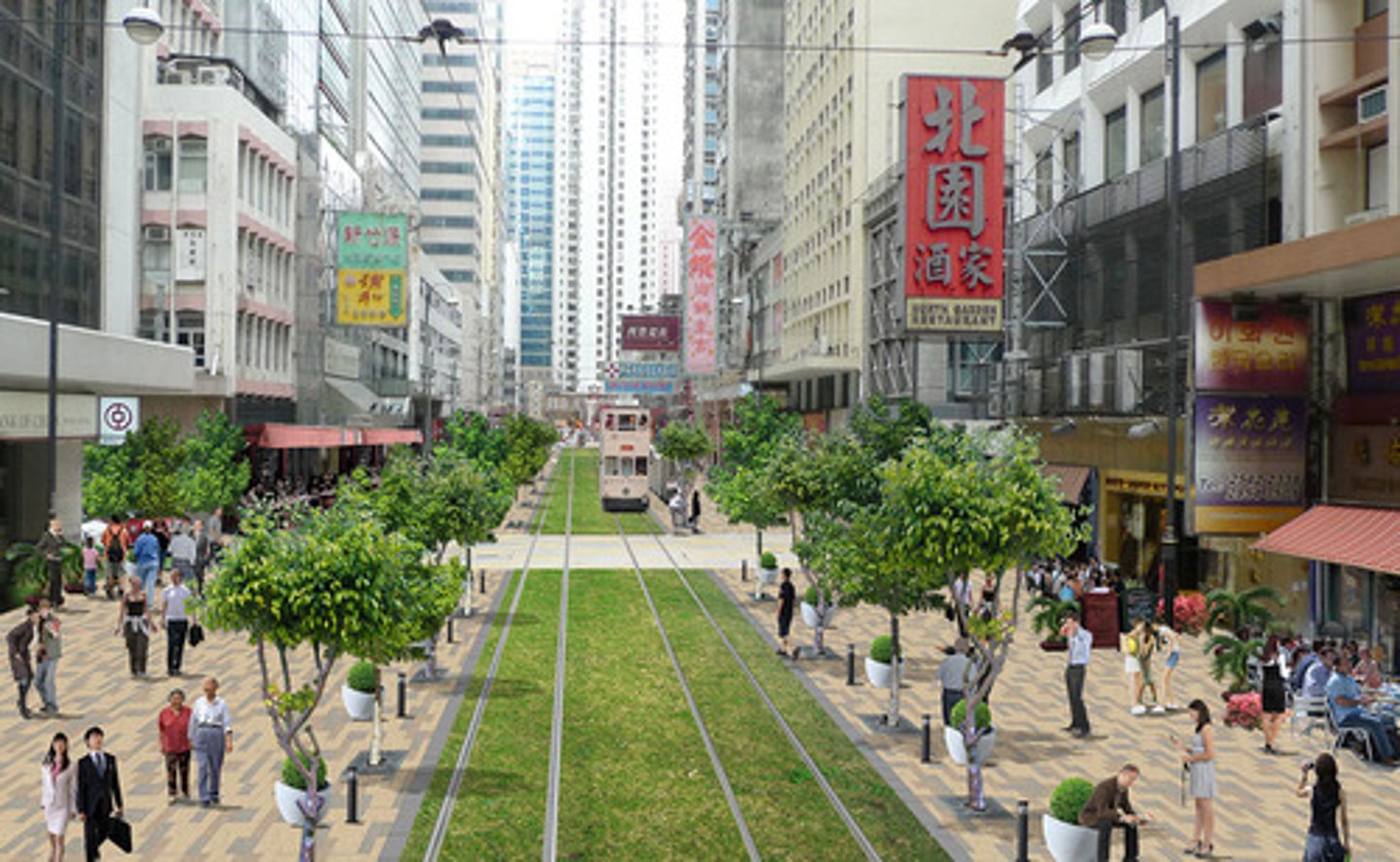
Greenbelt
A zone of grassy, forested, or agricultural land separating urban areas.
-WATCH OUT: Central Park in New York is NOT considered a greenbelt because it doesn't separate two or more cities.
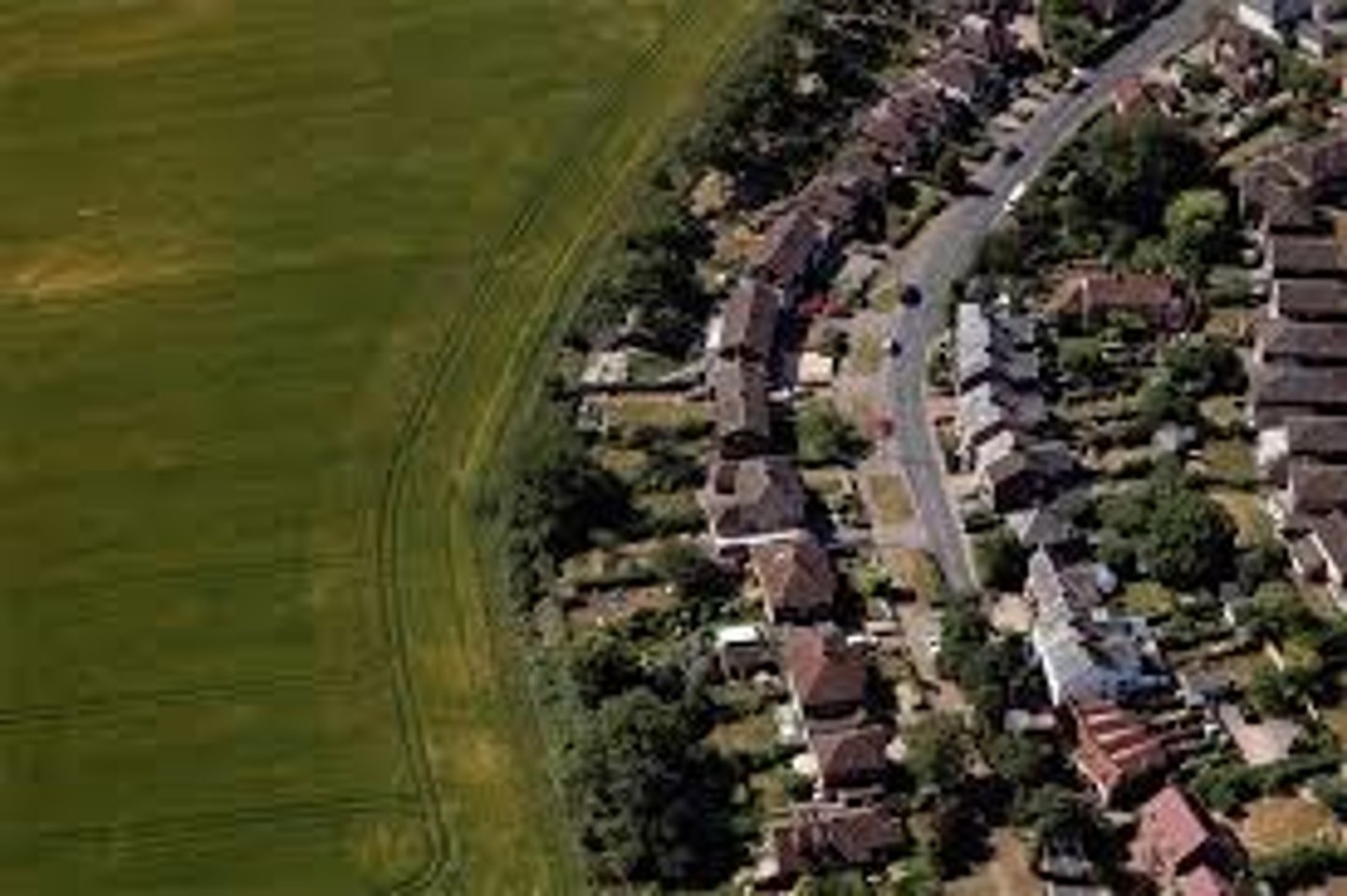
Mortgage
A loan that is taken out to purchase a home.
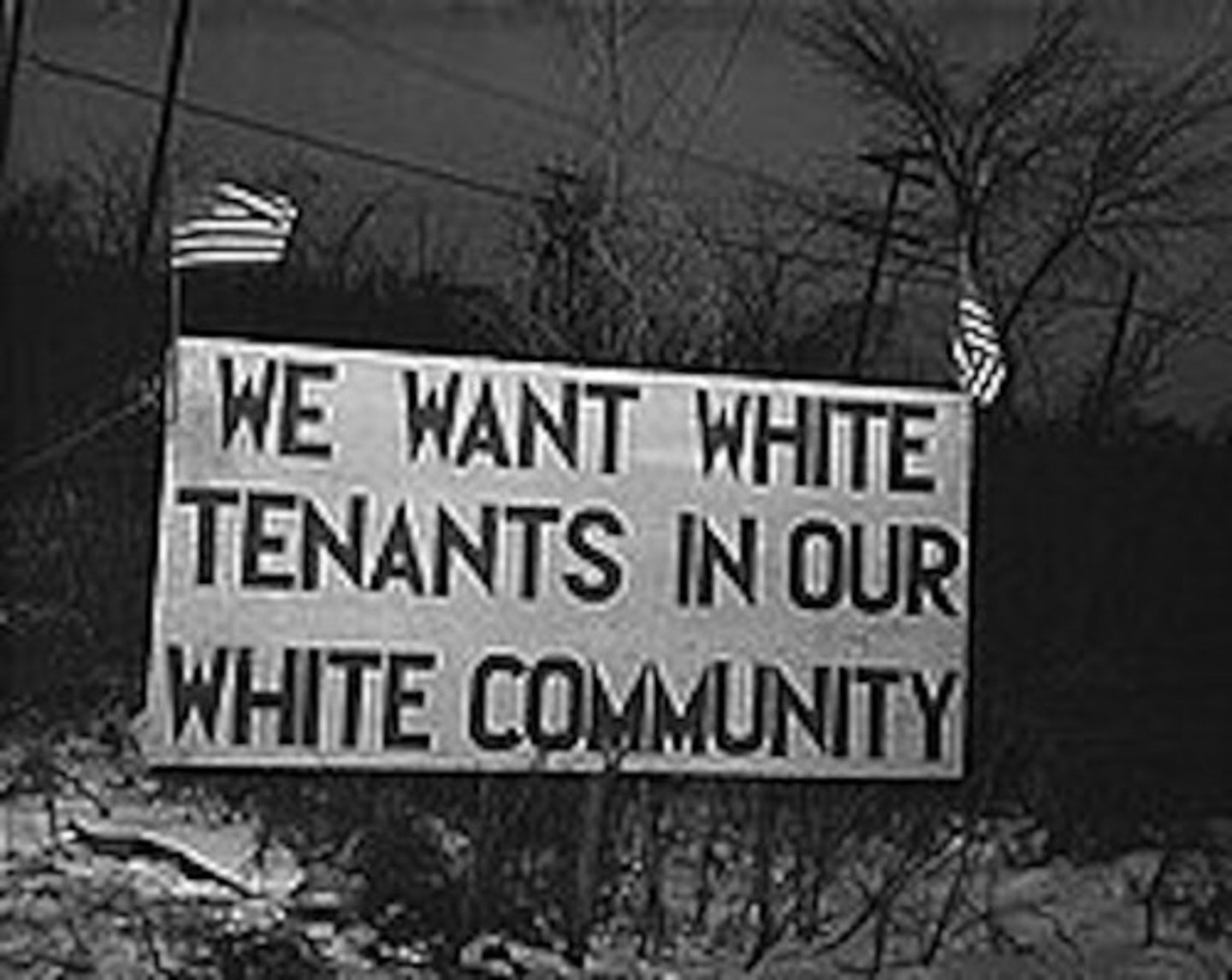
Housing Discrimination
The illegal, unfair treatment of individuals in renting, buying, or financing homes based on race, color, religion, sex, national origin, disability, or familial status.
-It perpetuates segregation and limits access to housing, shaping urban social disparities and neighborhood dynamics.
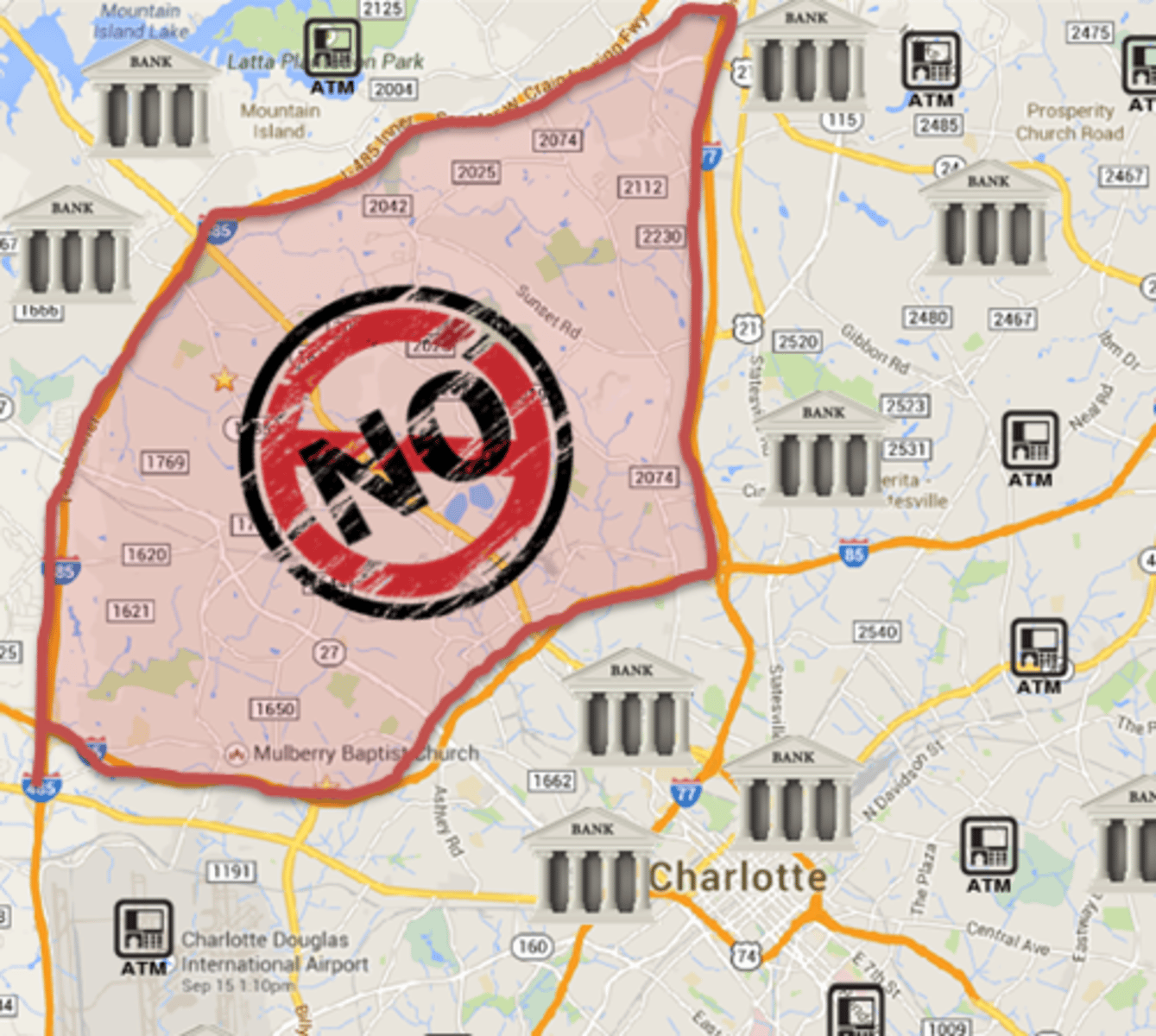
Redlining
The practice of identifying high-risk neighborhoods on a city map and refusing to lend money to people who wanted to buy property in those neighborhoods.
-Causes housing discrimination as banks deny loans in minority neighborhoods, making it harder for residents to buy homes or build wealth.
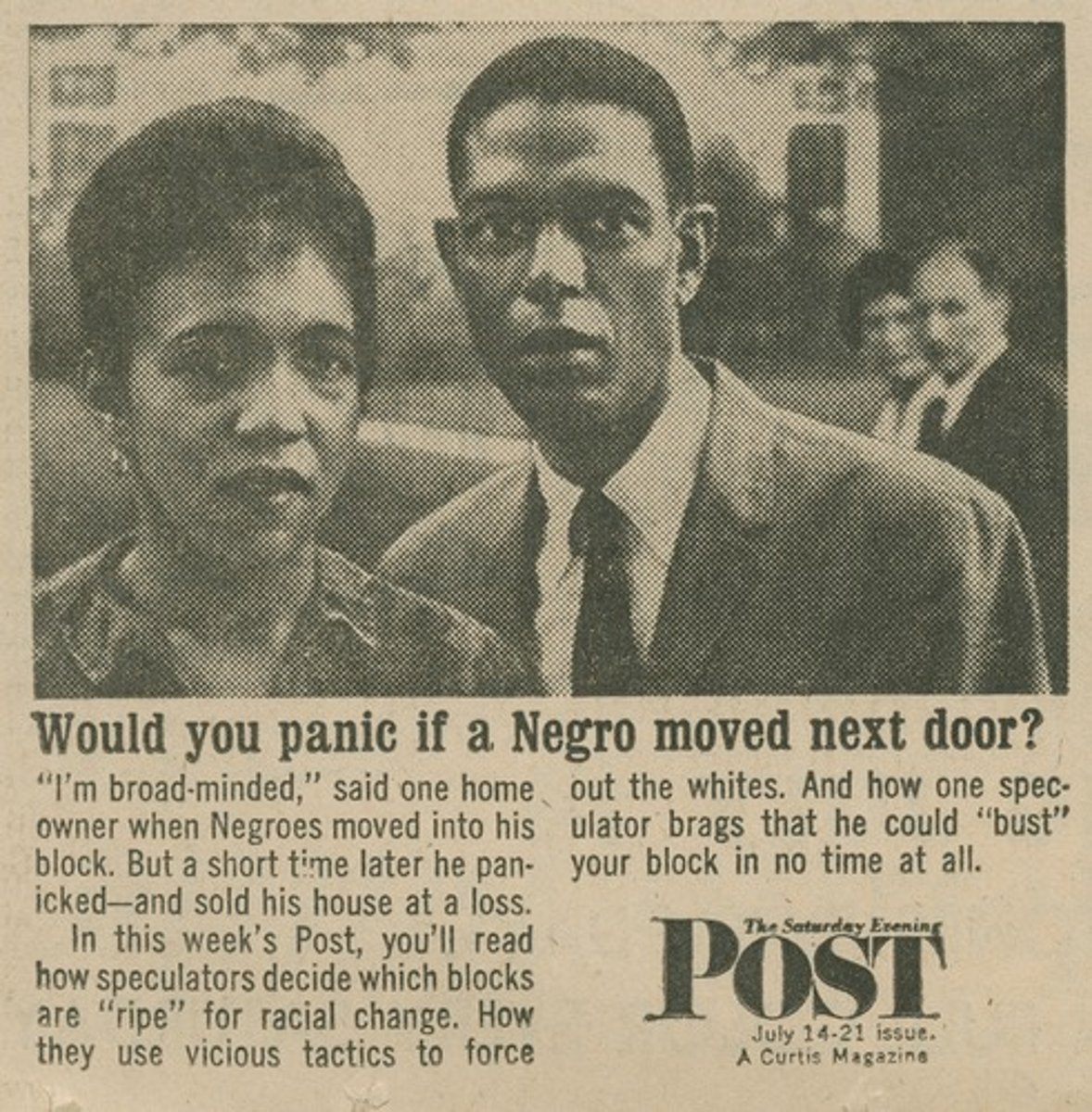
Blockbusting
A practice in which realtors persuade white homeowners in a neighborhood to sell their homes by convincing them that the neighborhood is declining due to black families moving in.
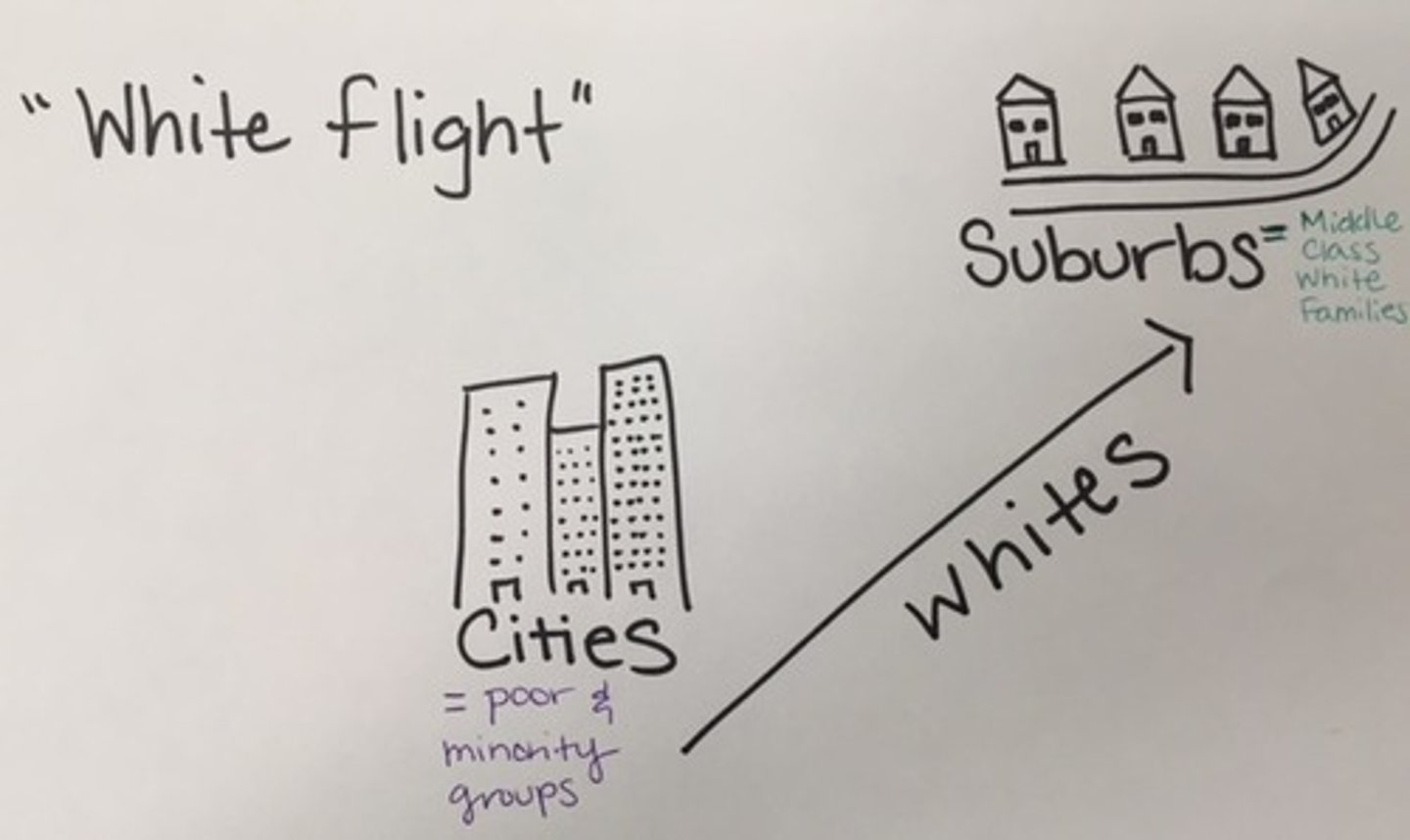
White Flight
The mass movement of whites to the outlying suburbs.
The Great Migration
When slavery ended in the United States in 1865, there was a massive wave of Black Americans who moved from the southern states, where slavery had been legal, to the northern states, where there were bigger cities and job opportunities.
Affordability
The maximum price that a buyer can afford to pay for a house or apartment.
Housing Choice Voucher Program
Program to assist very-low-income families, the elderly, and the disabled with affordable, decent, safe, and sanitary housing.
Social Controls
Rules that define the ways in which property rights to land are allocated, transferred, inherited, and managed in a particular society.
-Examples: Zoning laws, land ownership laws, inheritance laws, property taxes, land-use regulations
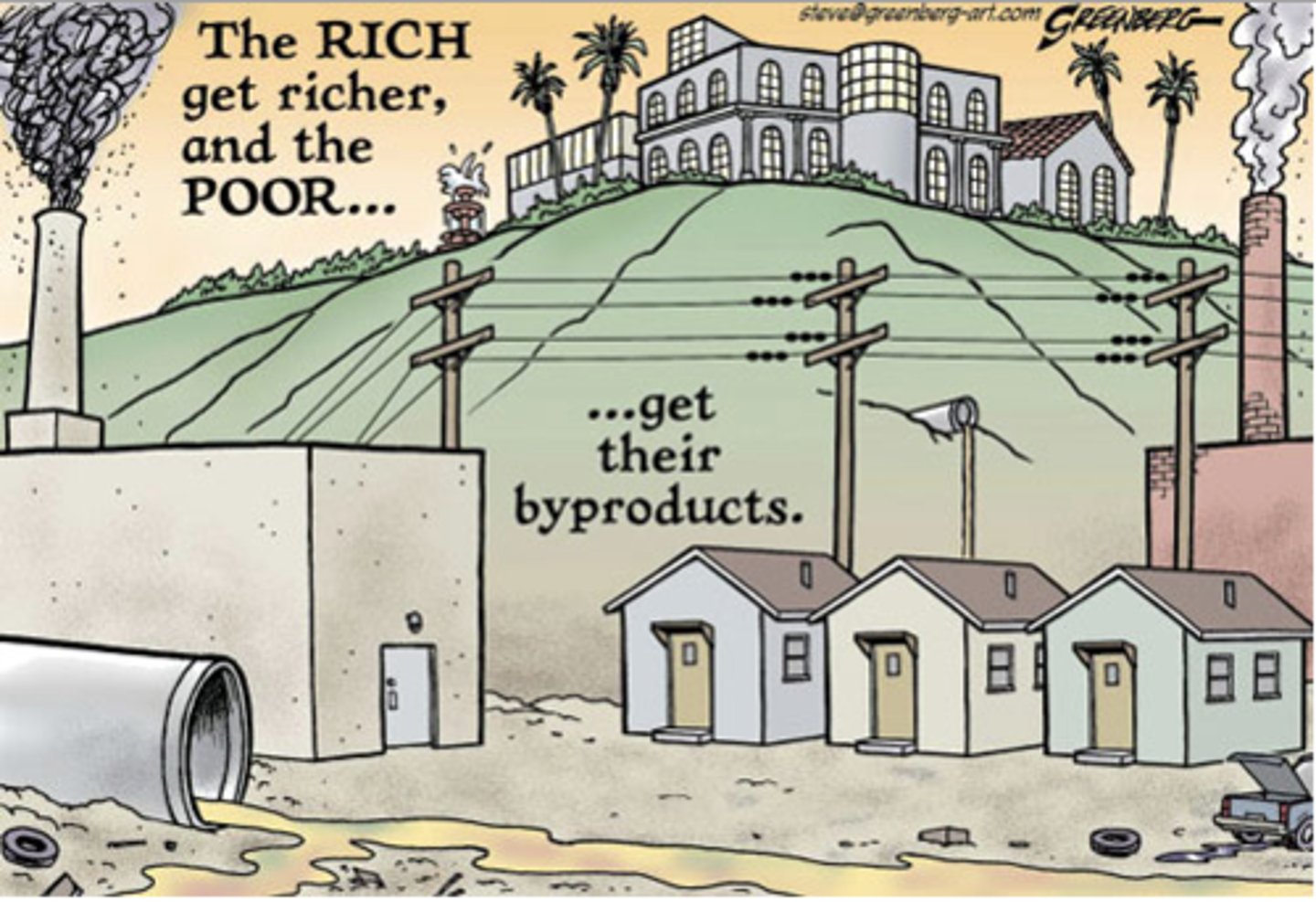
Environmental Injustice
Occurs when certain groups, usually poor or recent immigrants, carry a larger share of environmental risks and hazards than wealthy, long-established groups that have the power to influence decisions about the environment.
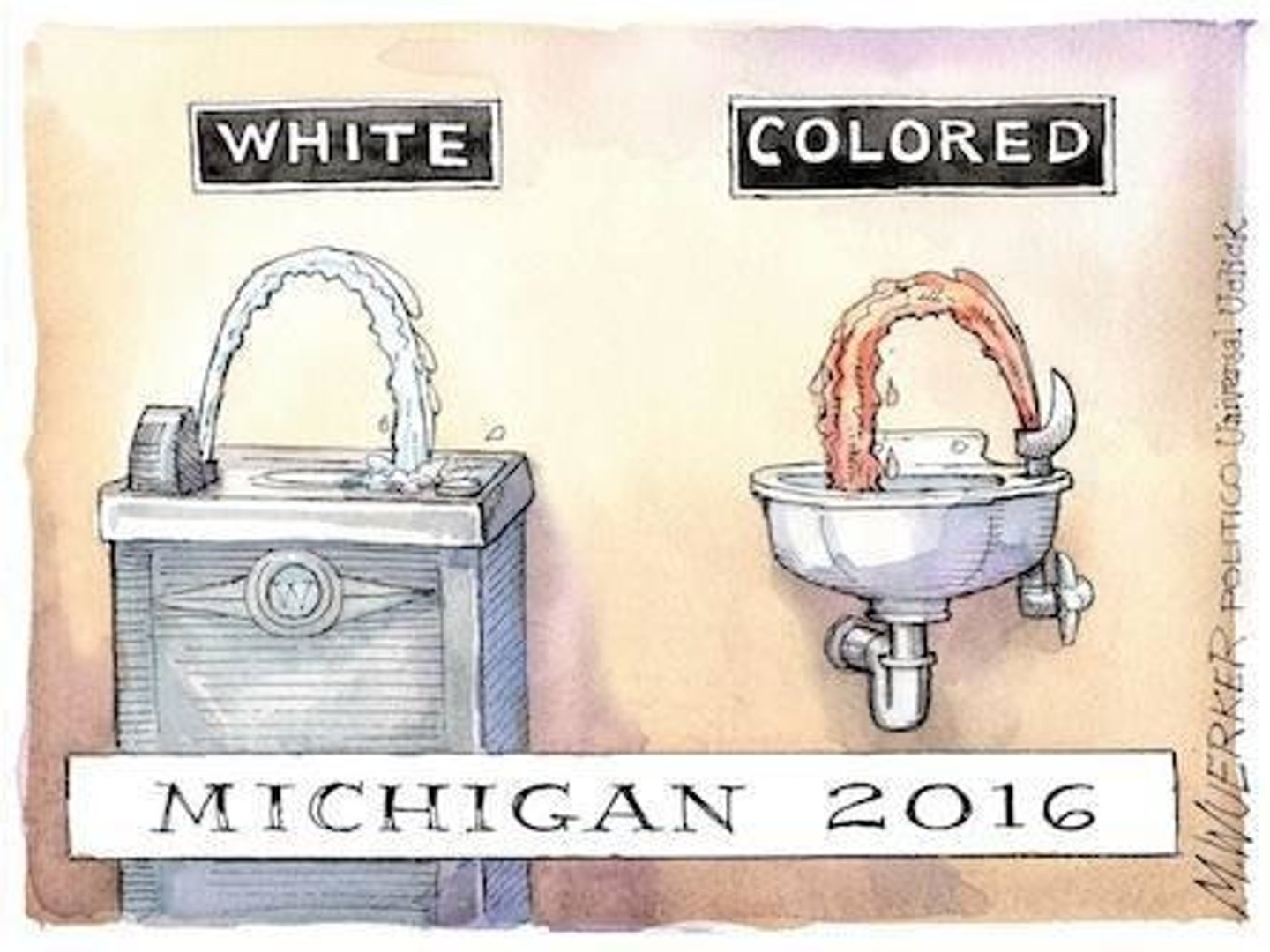
Environmental Racism
(Type of environmental injustice) Areas inhabited by low-income people of color are targeted for environmental contamination.
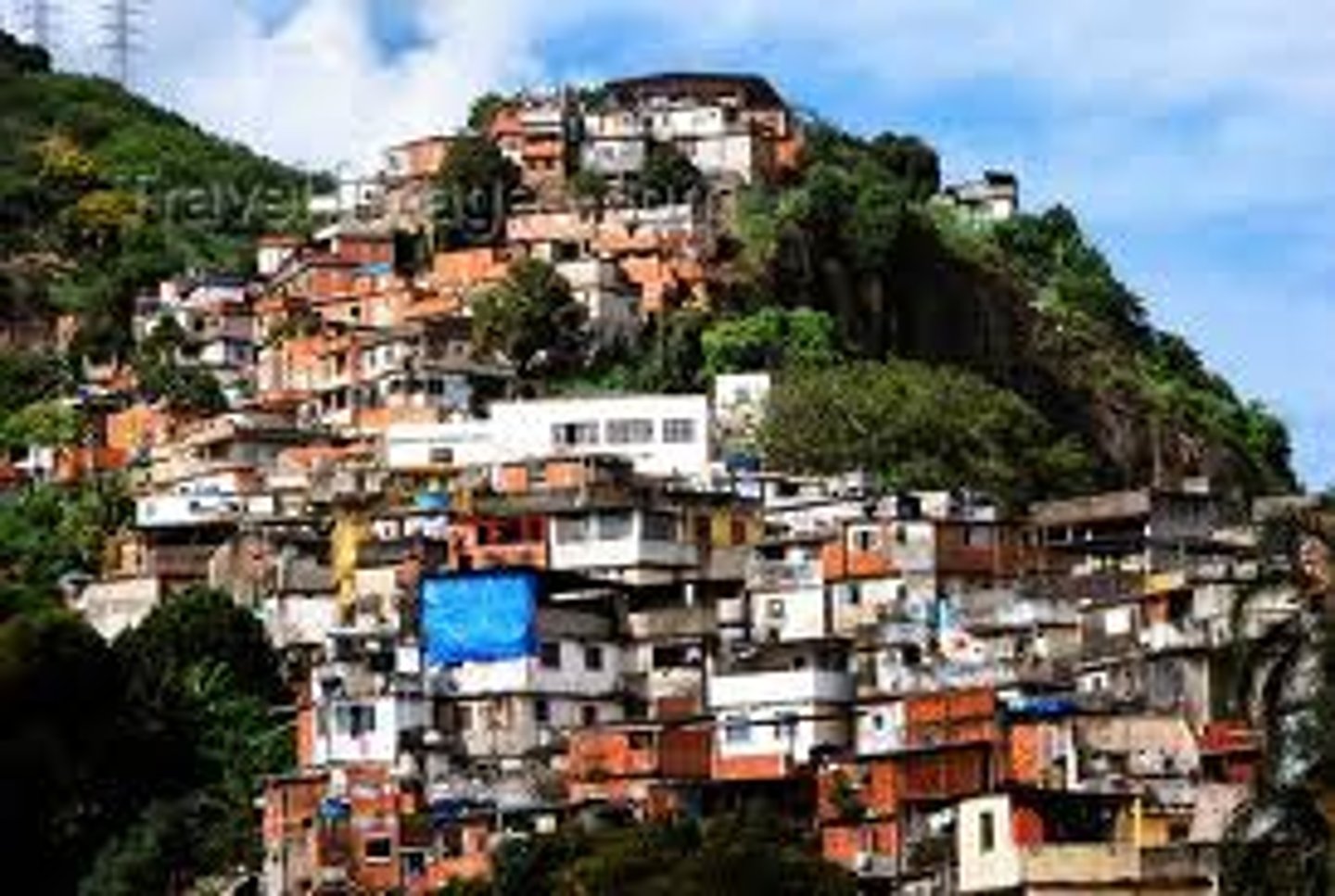
Squatter Settlements
Areas of degraded, seemingly temporary, inadequate, and often illegal housing.
-E.g., Favelas, barriadas, shantytowns, or simply slums.
Reasons for Shanty Towns/Squatter Settlements
Rapid urbanization, poverty, lack of affordable housing, and people moving from rural areas to cities for jobs.
Disamenity
The lack of a basic service, such as running water or a sewage system.
-Examples: Pollution, heavy traffic, noise, landfills, factories, crime, and poor air quality.
Land Tenure
The legal or customary systems defining who owns, manages, and uses land and its resources.
Inclusionary Zoning
An urban planning tool that requires a percentage of new residential developments to be affordable for low-to-moderate-income households.
-As a strategy for managing urban development, it aims to reduce economic segregation and increase housing supply in high-cost areas.
Exclusionary Zoning
A land-use policy, common in suburban areas, that regulates development to restrict certain housing types (like apartments) or impose high costs (large minimum lot sizes), effectively excluding lower-income and minority populations.
-Promotes socioeconomic segregation and limits affordable housing supply, often favoring wealthier residents.
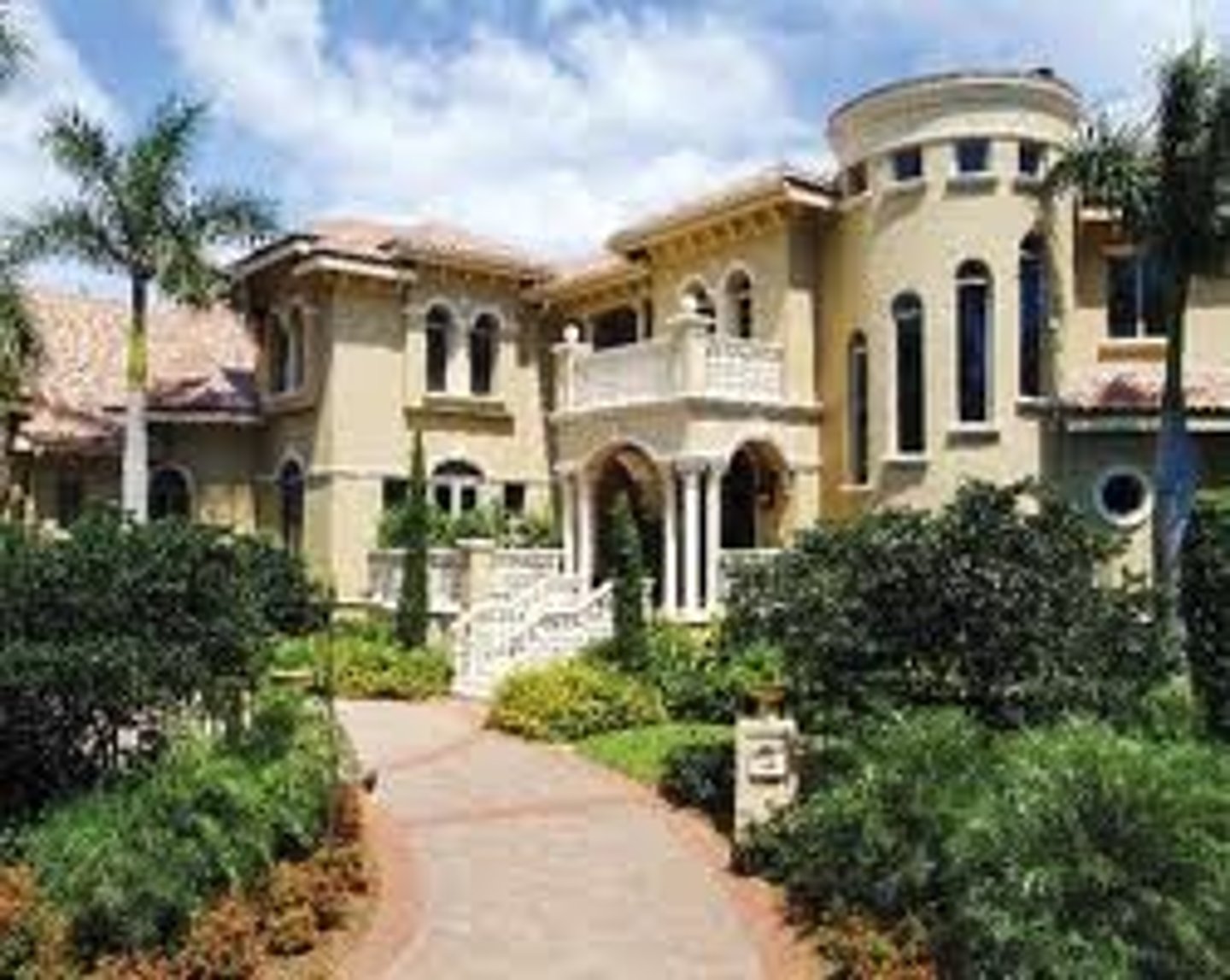
NIMBYs ("Not In My Backyard")
Refers to the localized resistance by residents to proposed land-use developments, infrastructure projects, or facilities in their immediate vicinity.
-E.g., While residents might agree that a project (like a new school, affordable housing, or power plant) is necessary for society, they oppose its construction near their homes due to perceived negative impacts.
Fiscal Imbalance
Occurs when a government must spend more than it receives in taxes.
Formula: Government spending − Government revenue
Fiscal Zoning
The practice of using local land-use regulation to preserve and possibly enhance the local property tax base.
Ecological Footprint
The total amount of natural resources a city uses and its impact on the environment.
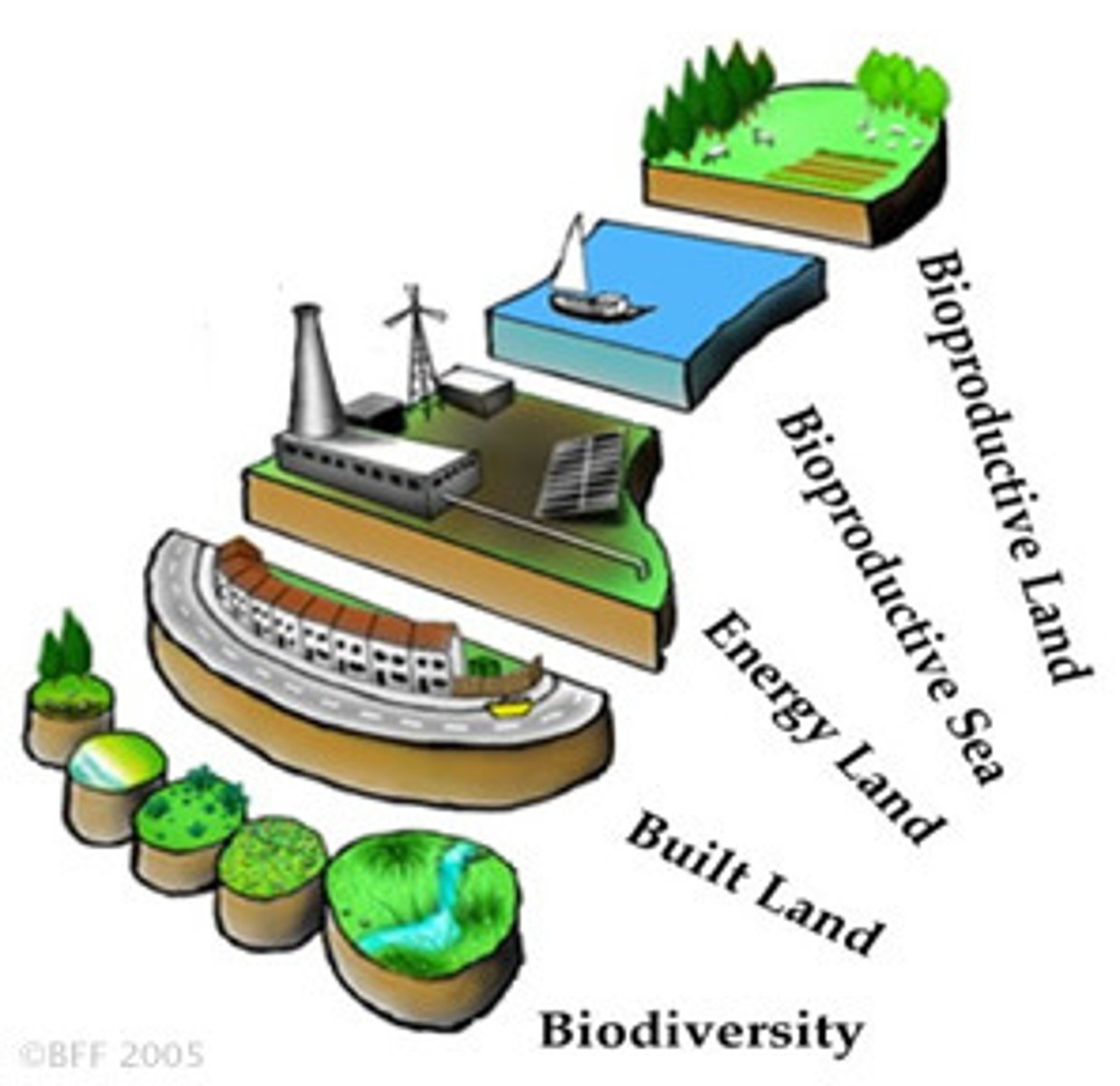
Urban Sustainability
Refers to a city's ability to use resources in a way that does not deplete them over the long term.
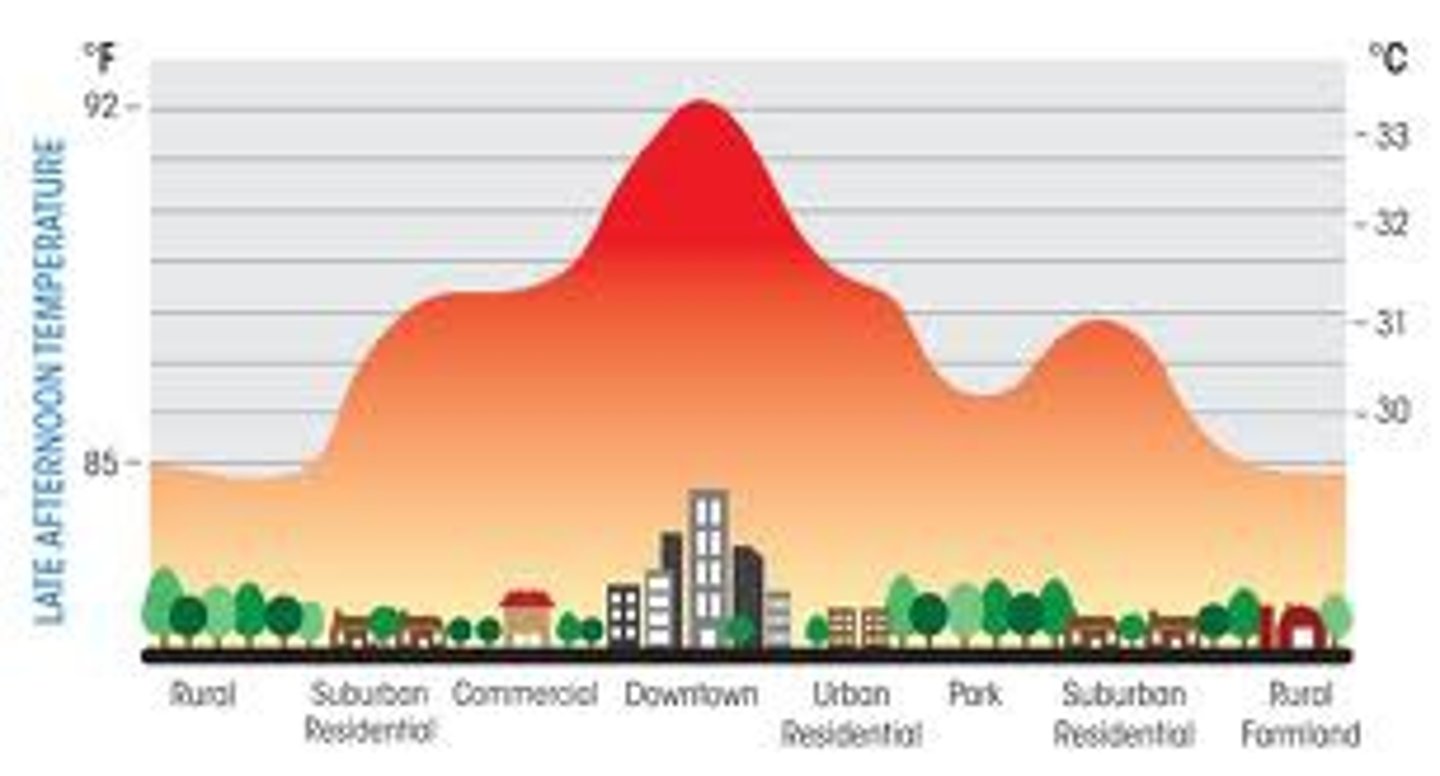
Urban Heat Island
A mass of warm air generated by urban building materials and human activities.
-Sits over the city and causes urban temperatures to be higher than those of the surrounding areas.
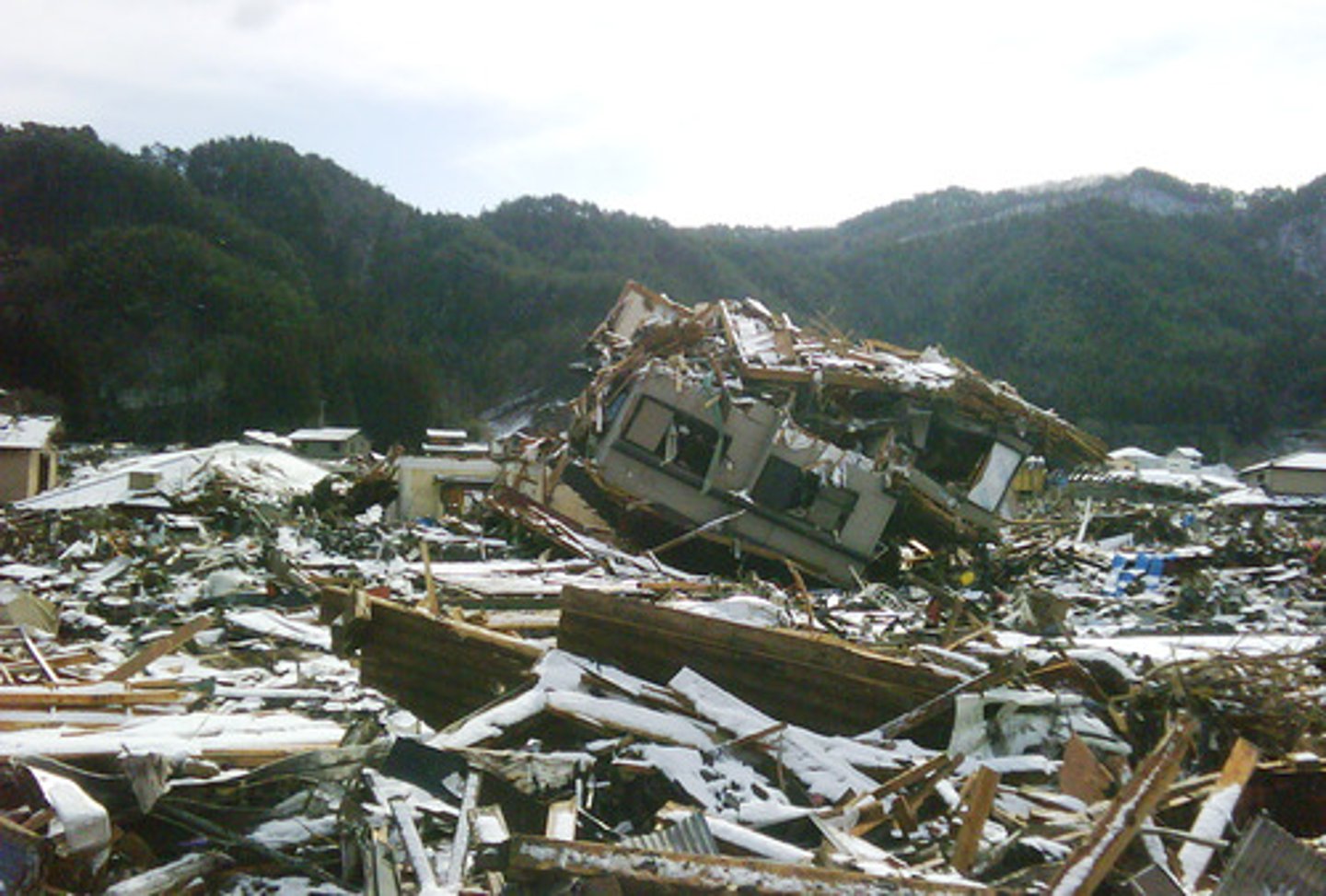
Urban Risk Divide
A term coined by the Red Cross/Red Crescent Societies to reflect the idea that disasters and disaster risk become urban phenomena as the world's population becomes increasingly concentrated in large cities.
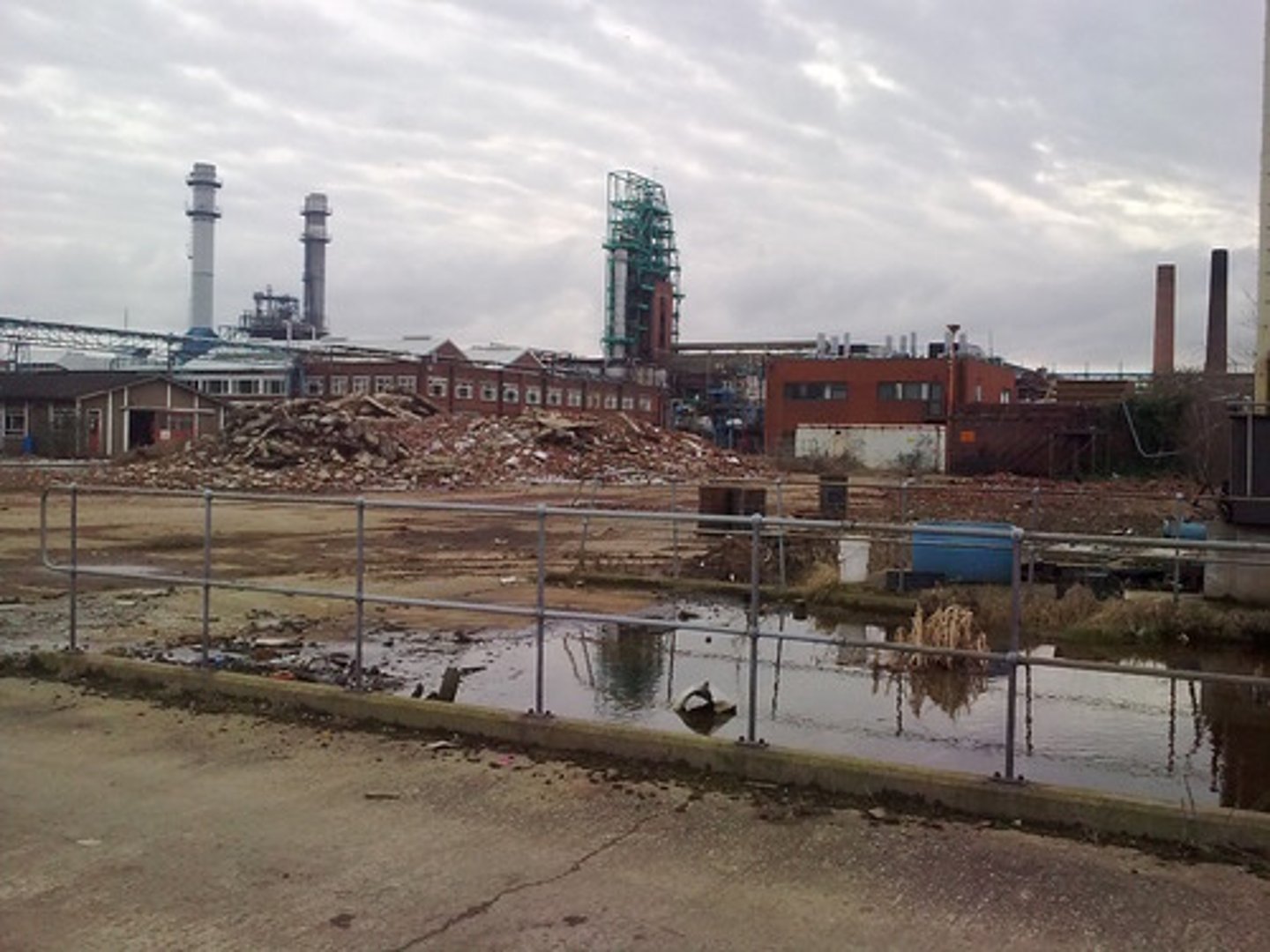
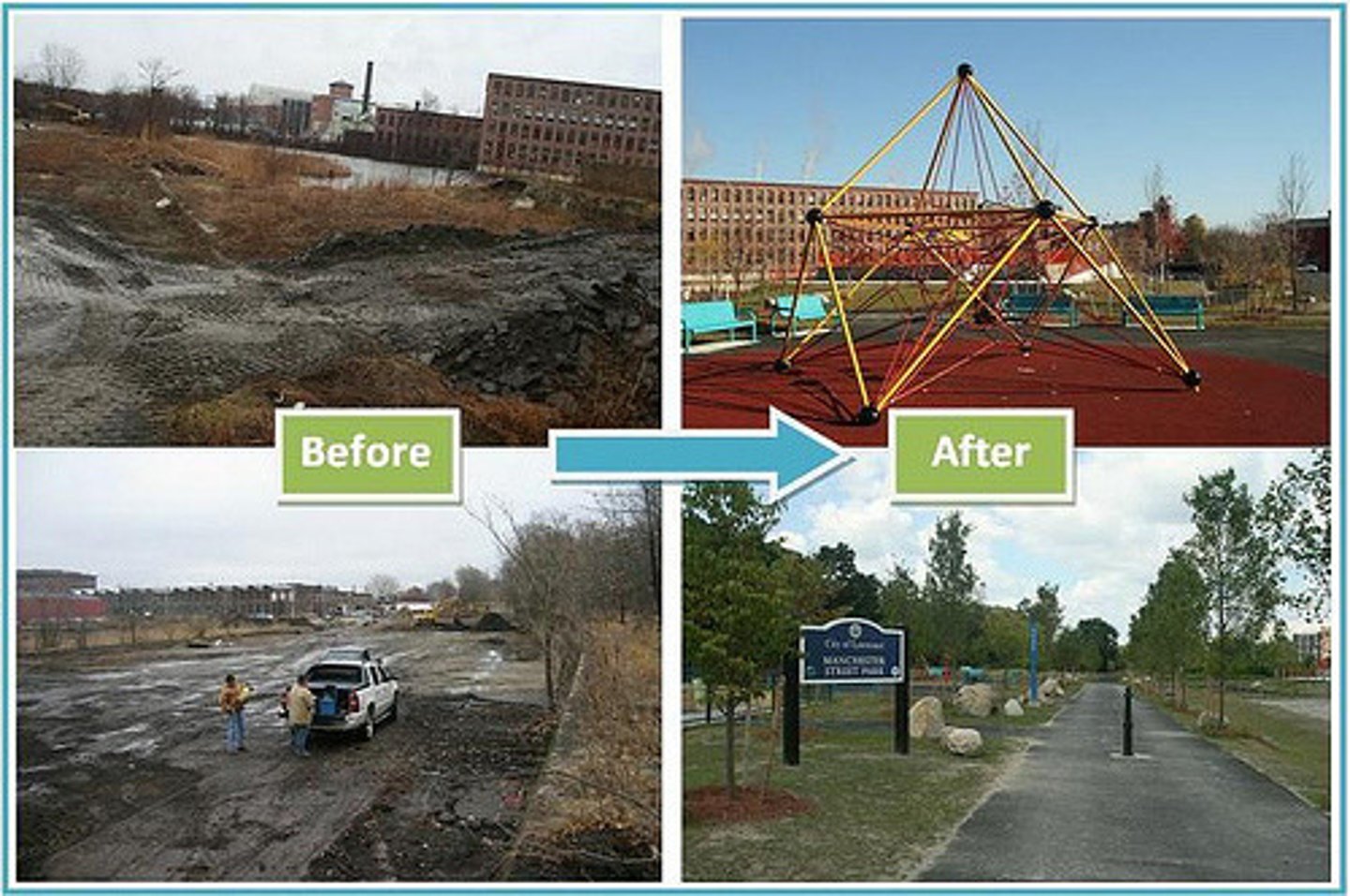
Brownfields
Abandoned properties that were previously used for industrial or commercial purposes and are contaminated with hazardous pollutants.
Brownfield Remediation
The idea of taking brownfields and cleaning them up so that they can be used again in a meaningful way.
Phytoremediation
A method employed to clean up a hazardous waste site that uses plants to absorb and accumulate toxic materials.
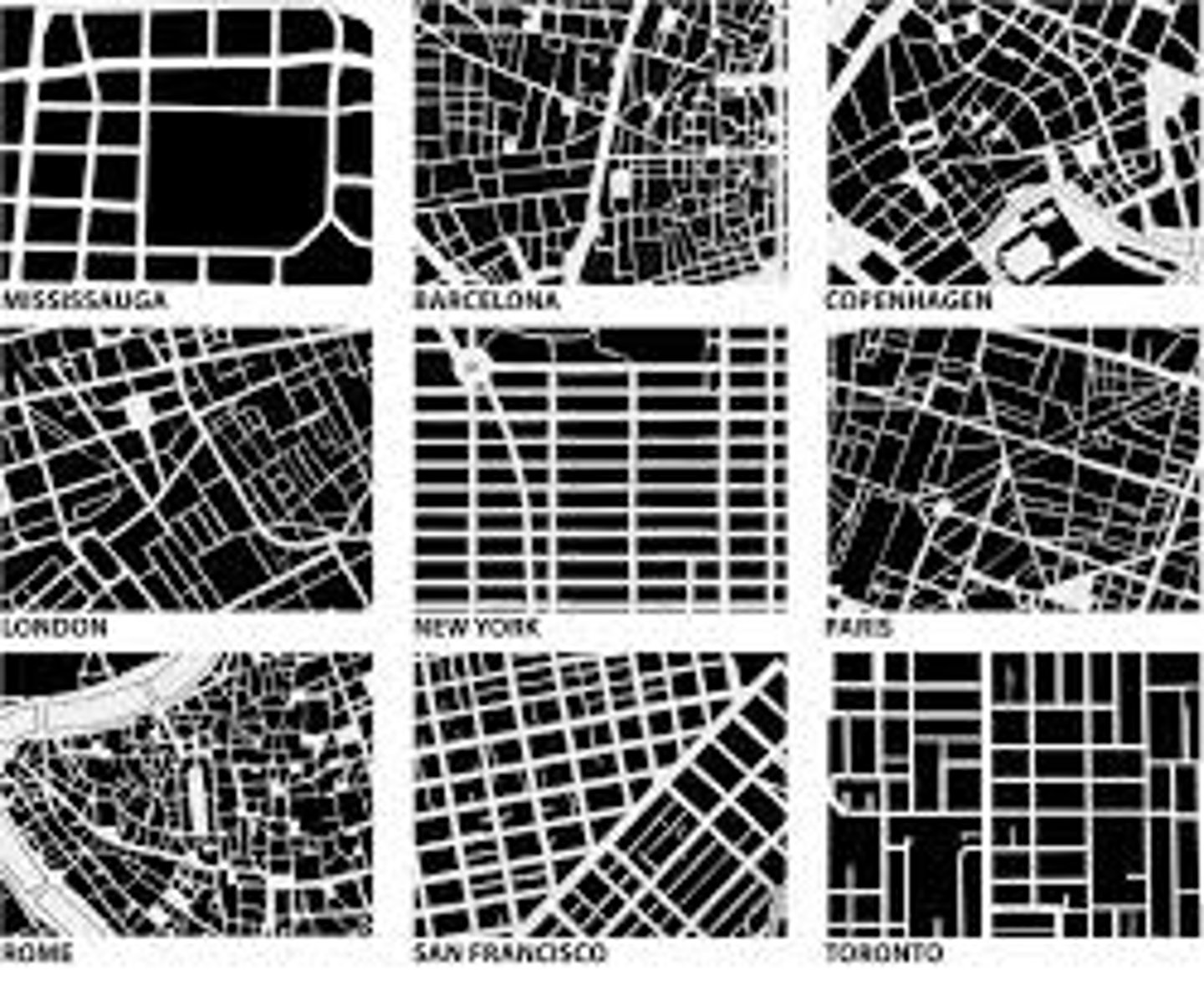
Urban Morphology
The study of urban layouts; where specific buildings are located, the pattern of streets, how land is used, and how the urban area has changed over time.
Low Order Services
Services that are obtained on a regular basis and require a small area to be profitable.
-E.g., Grocery stores, gas stations, barber shops, bakeries...
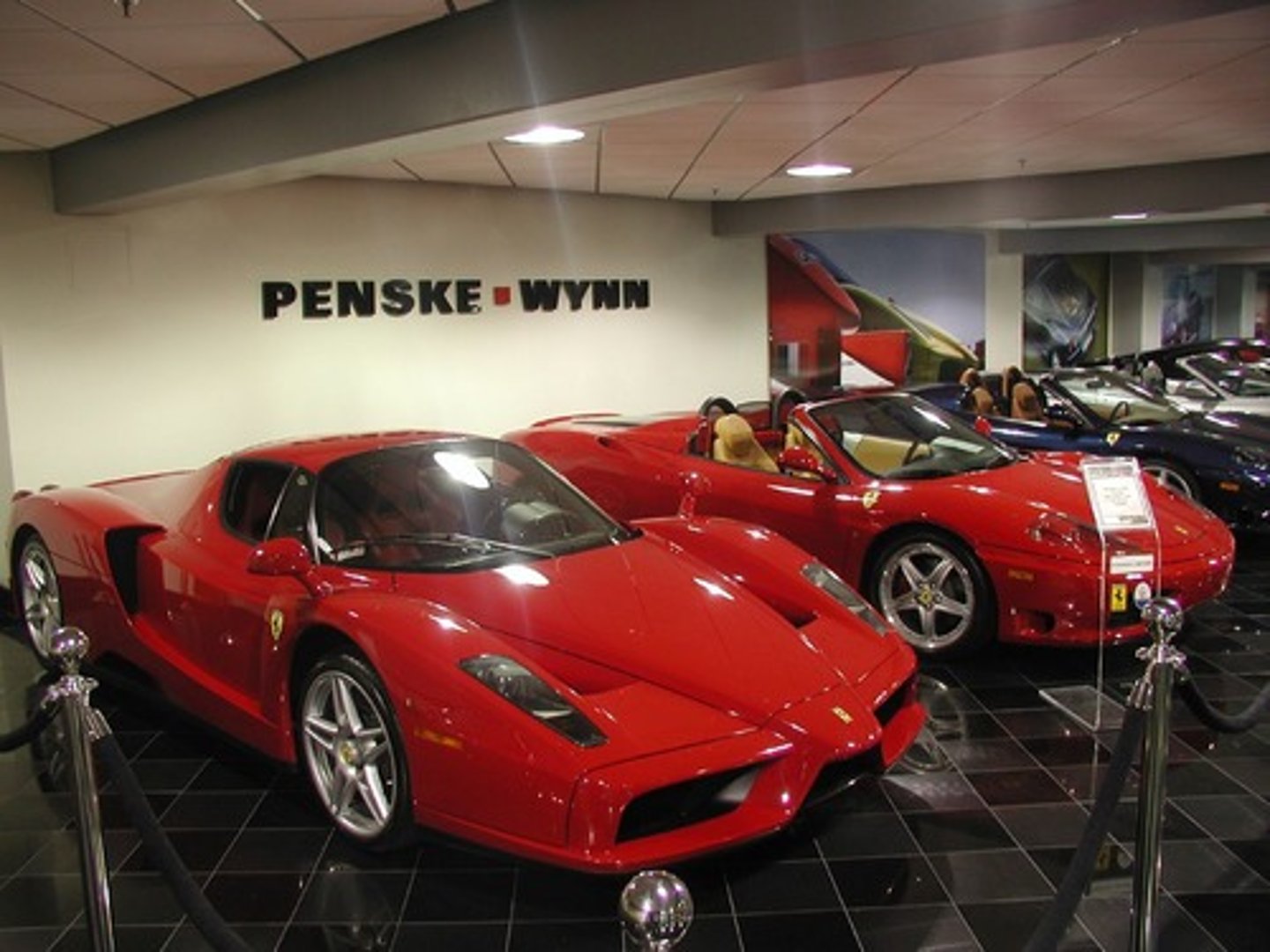
High Order Services
Service that is required less frequently and requires a large market area to remain profitable.
-E.g., Specialized hospitals, large department stores, universities, financial headquarters, luxury car dealerships...
Public Housing (AKA "Project Housing")
Housing that is created by and subsidized by the government so that people with low incomes can afford quality living conditions.