ATI TEAS 7 Genetics: Punnett Squares, Ratios, and Inheritance Patterns
 Studied by 0 people
 Call Kai
 Learn
Learn Practice Test
 Spaced Repetition
 Match
Match Flashcards
 Knowt Play
1/28

There's no tags or description
Looks like no tags are added yet.
Name | Mastery | Learn | Test | Matching | Spaced | Call with Kai |
|---|
No analytics yet
Send a link to your students to track their progress
29 Terms
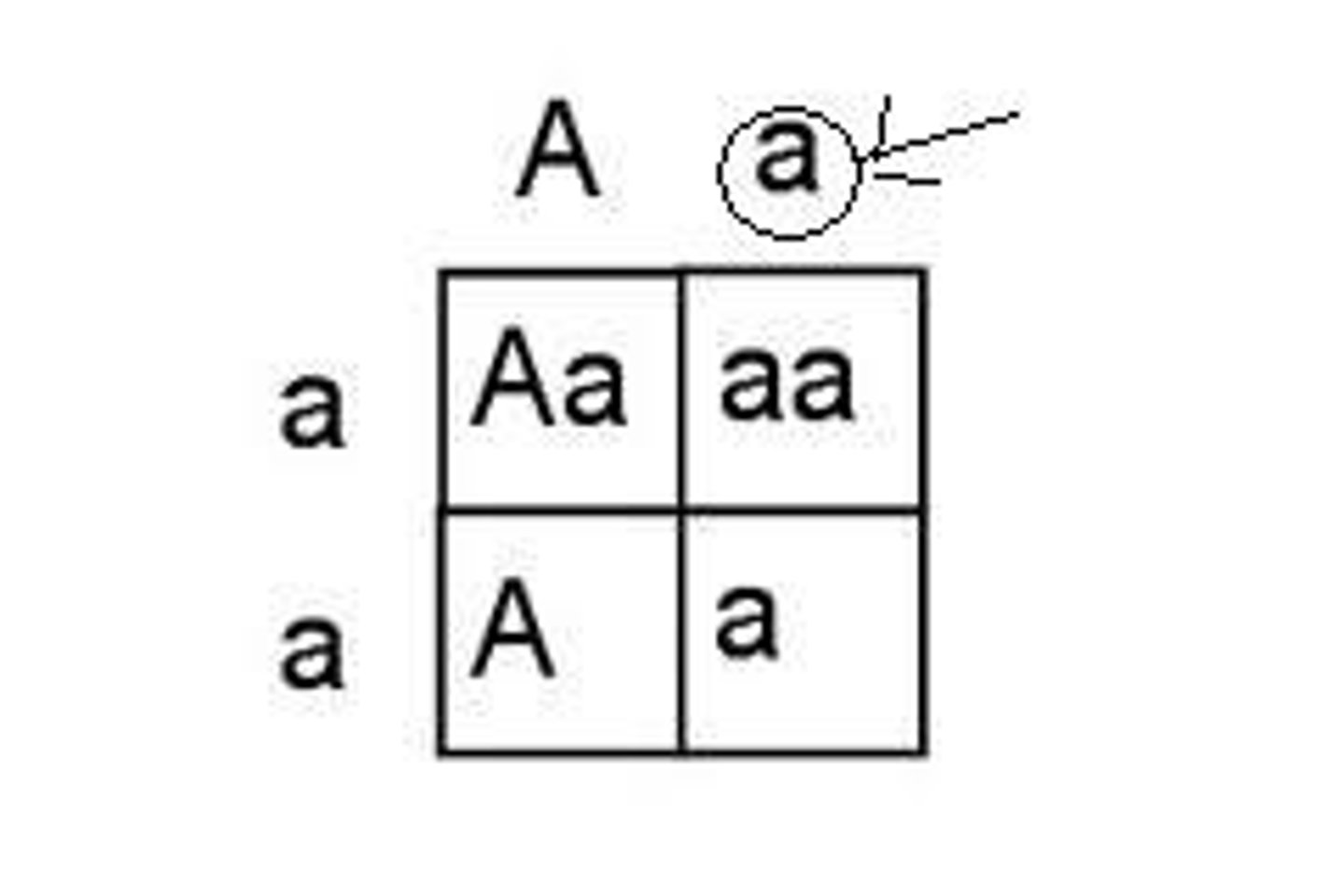
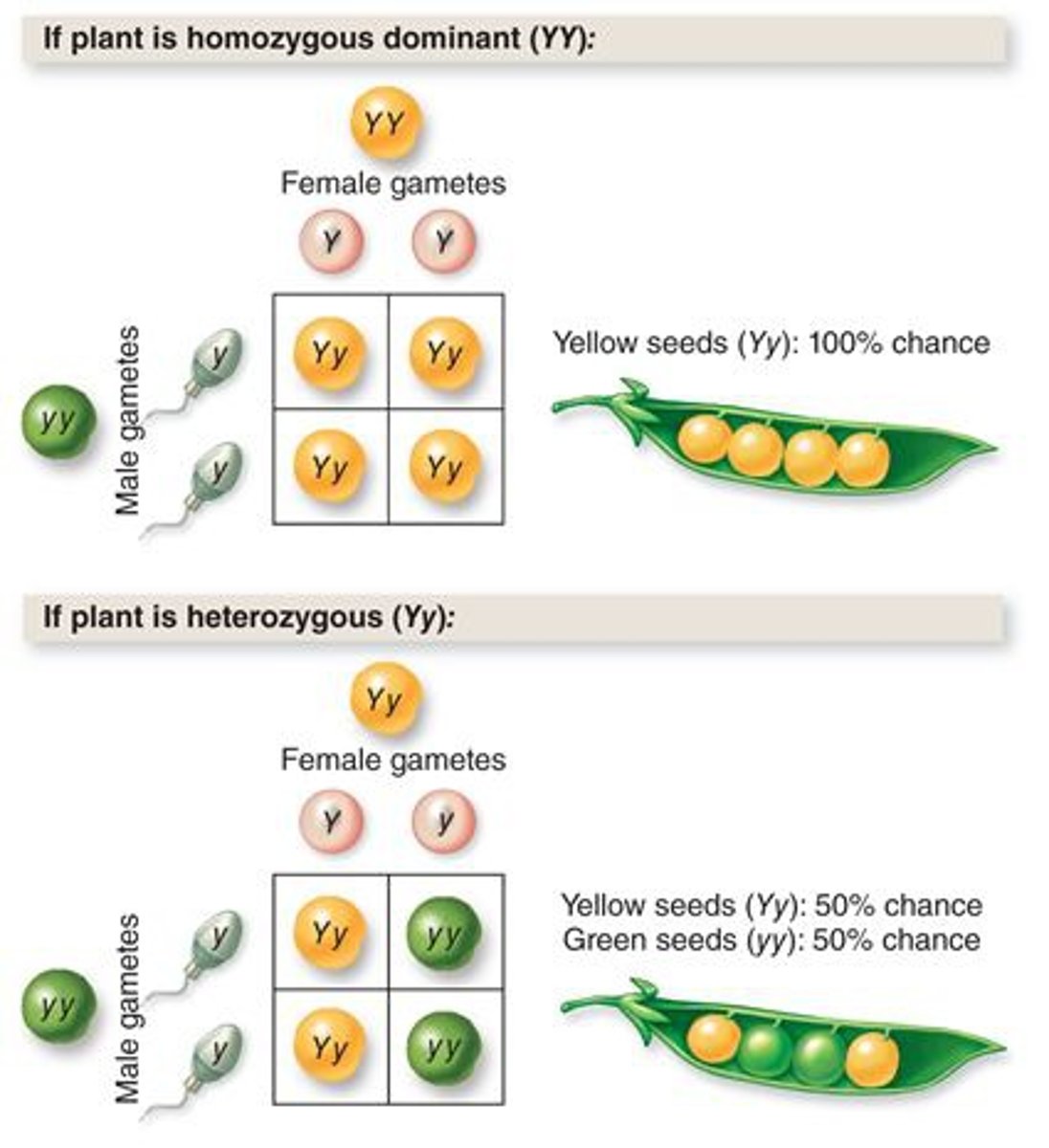
Heterozygous × recessive (diagram)
Aa × aa
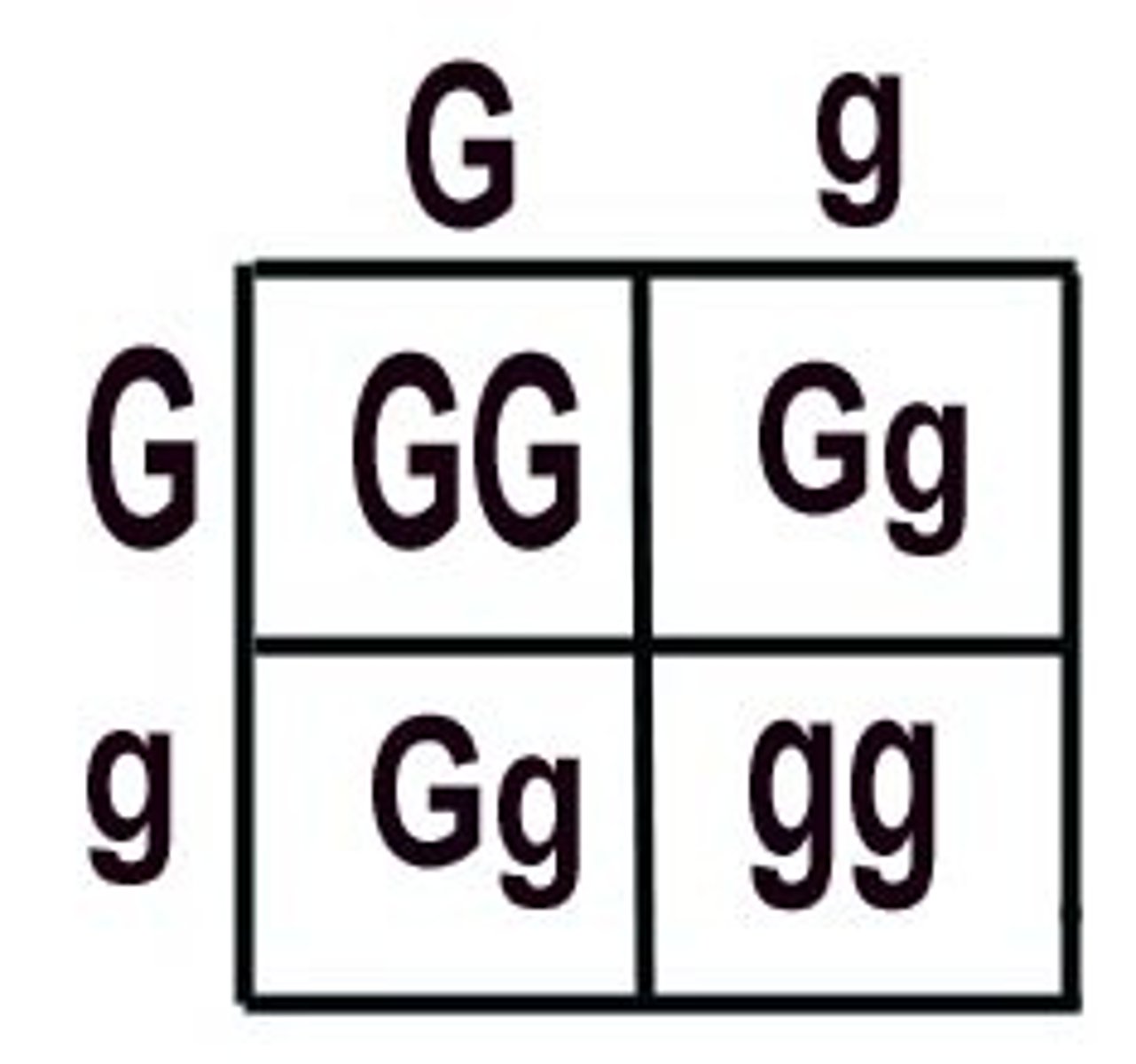
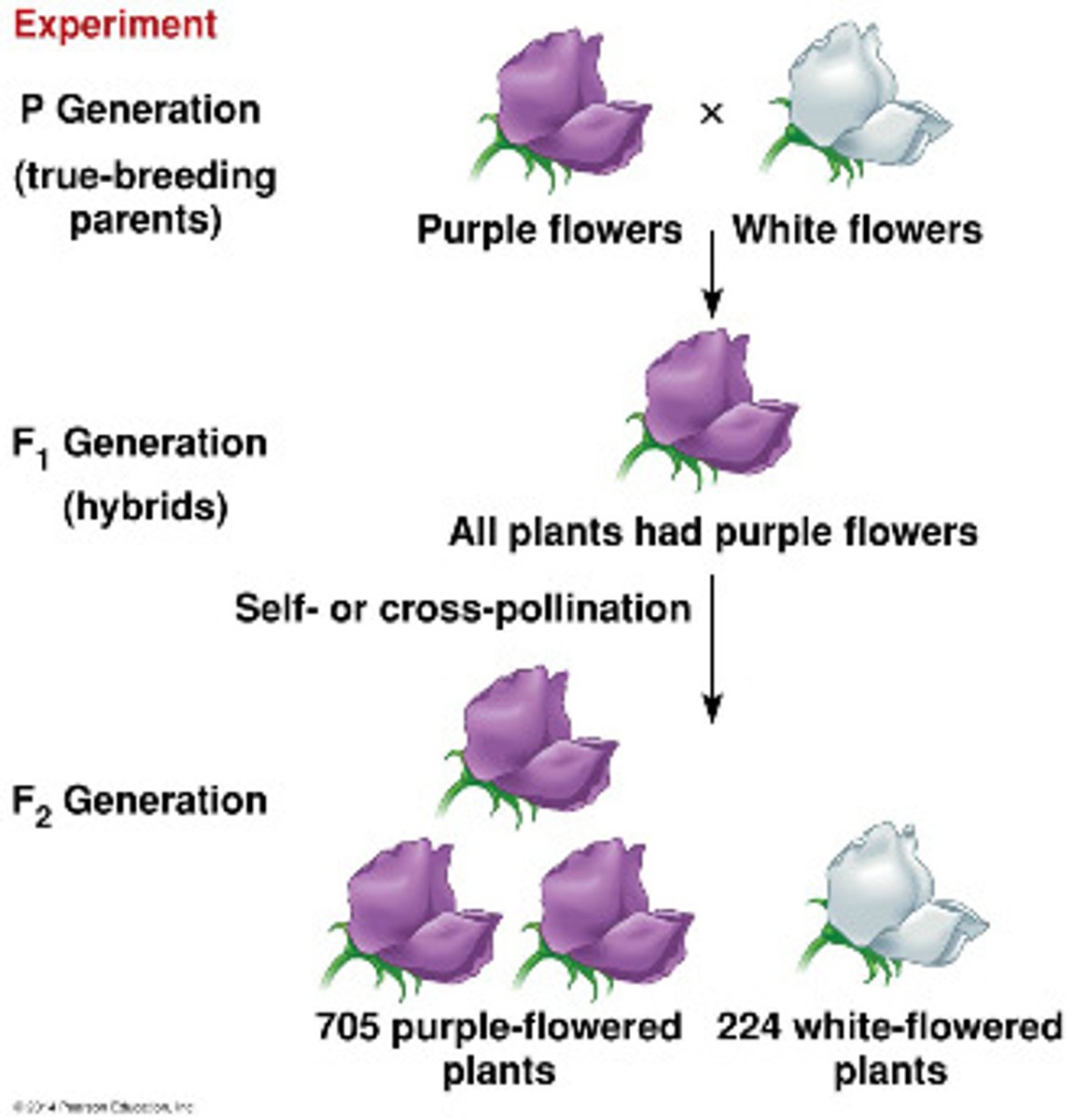
Monohybrid cross setup (diagram)
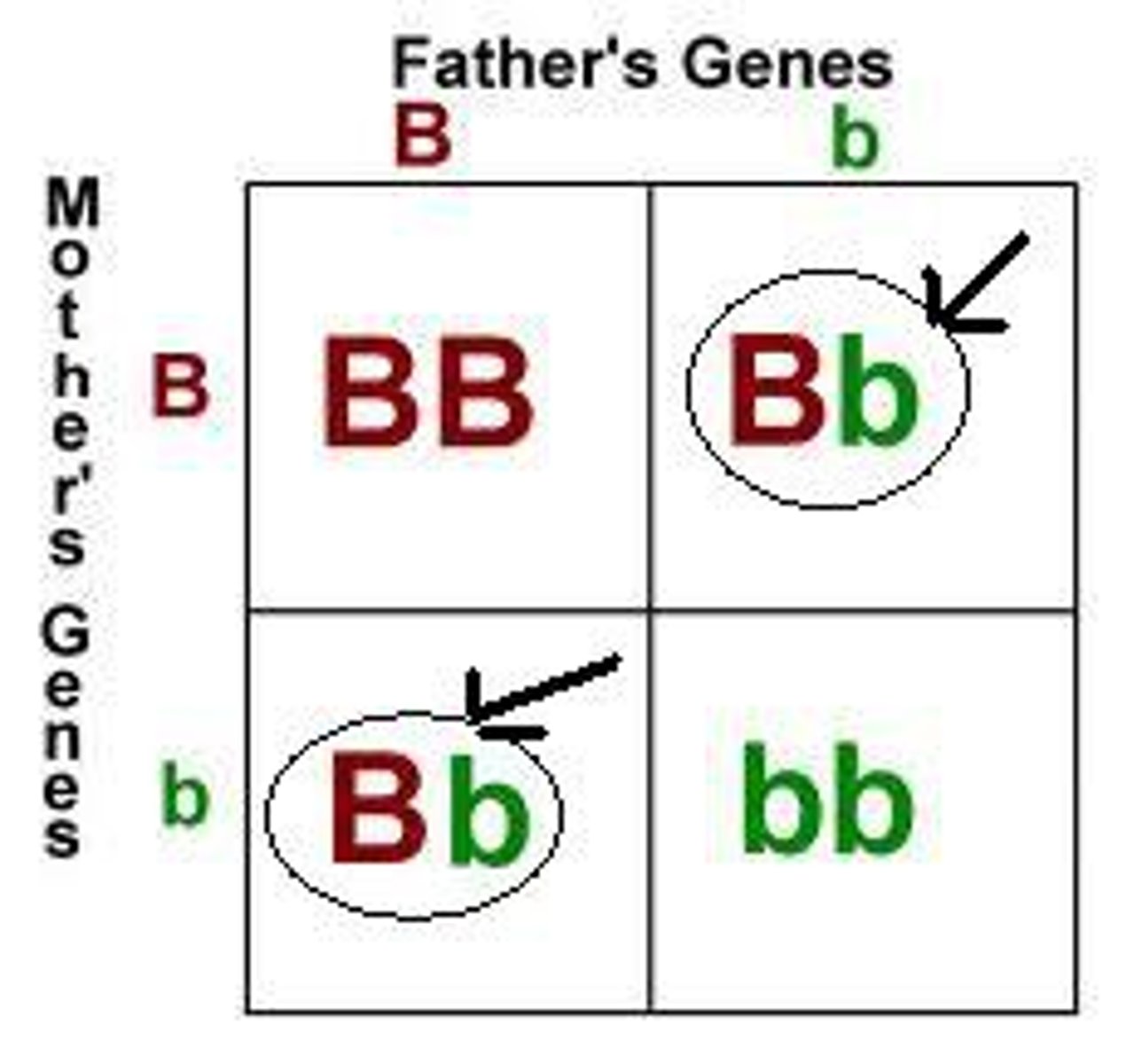
Parents: Aa × Aa
Monohybrid Punnett square (Aa × Aa)
A a
---------
A | AA Aa
a | Aa aa
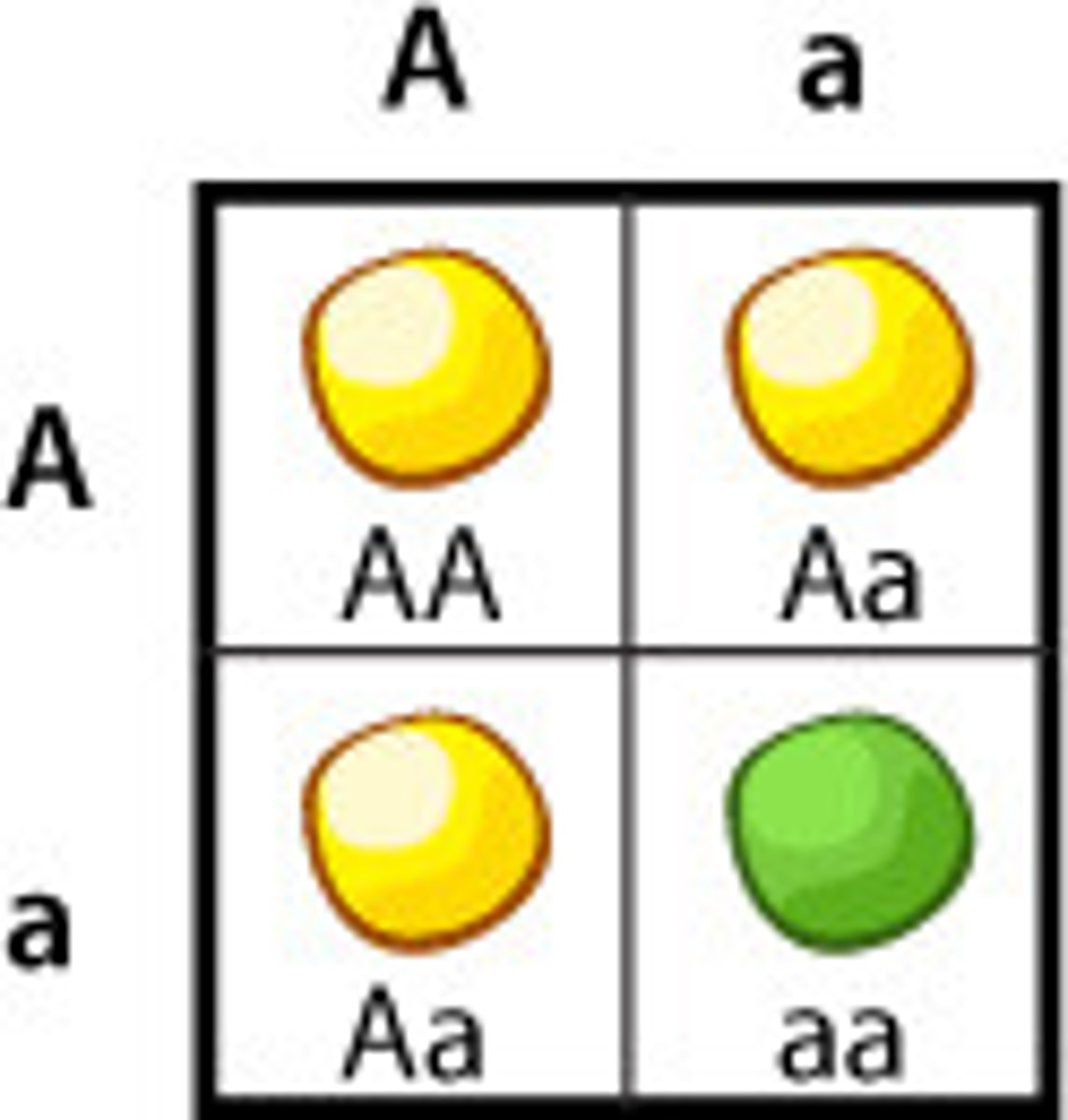
Genotype ratio from Aa × Aa
1 AA : 2 Aa : 1 aa
Homozygous dominant cross (diagram)
AA × aa
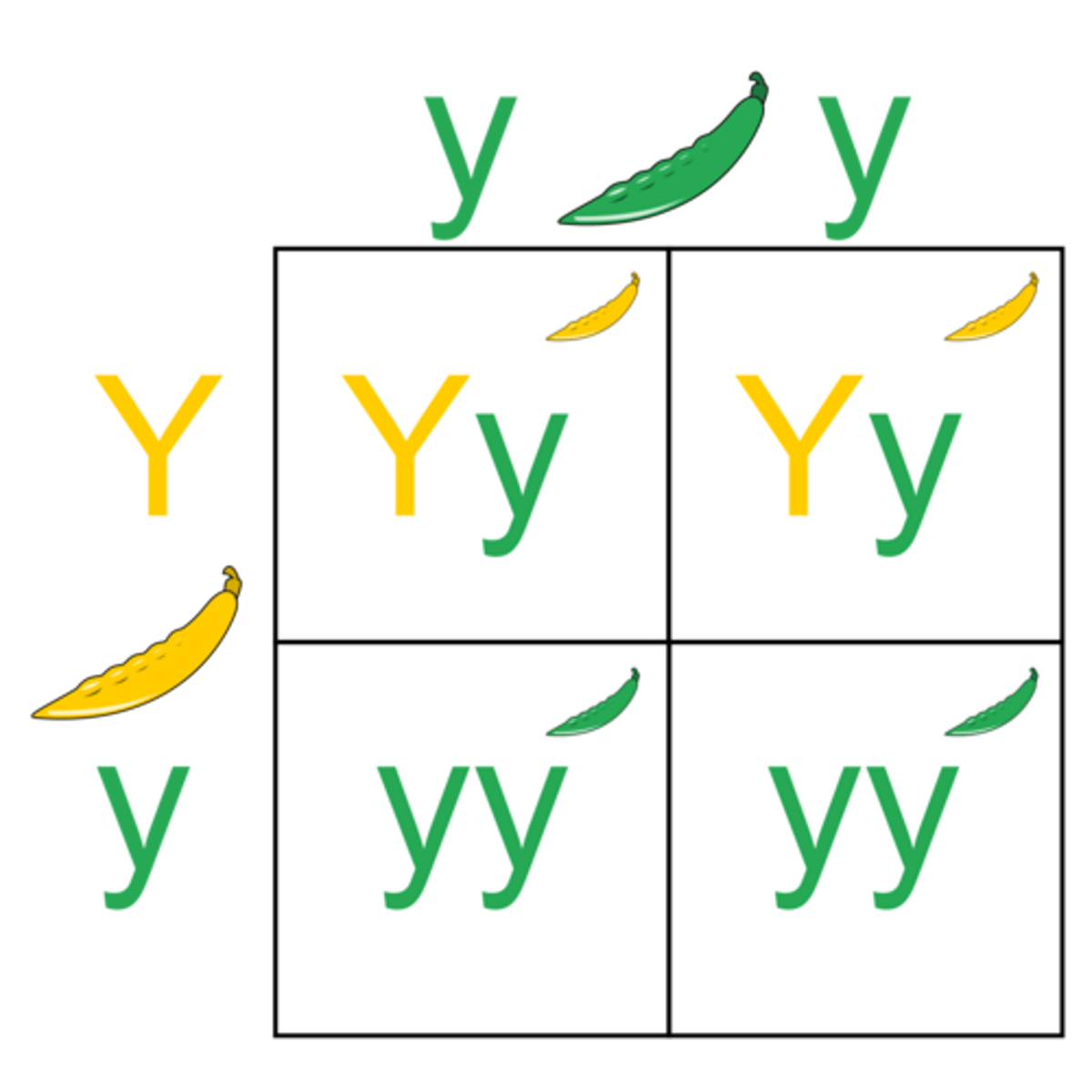
Punnett square (AA × aa)
a a
---------
A | Aa Aa
A | Aa Aa

Result of AA × aa
100% heterozygous, 100% dominant phenotype
Dihybrid cross concept (diagram)
Trait A → independent, Trait B → independent
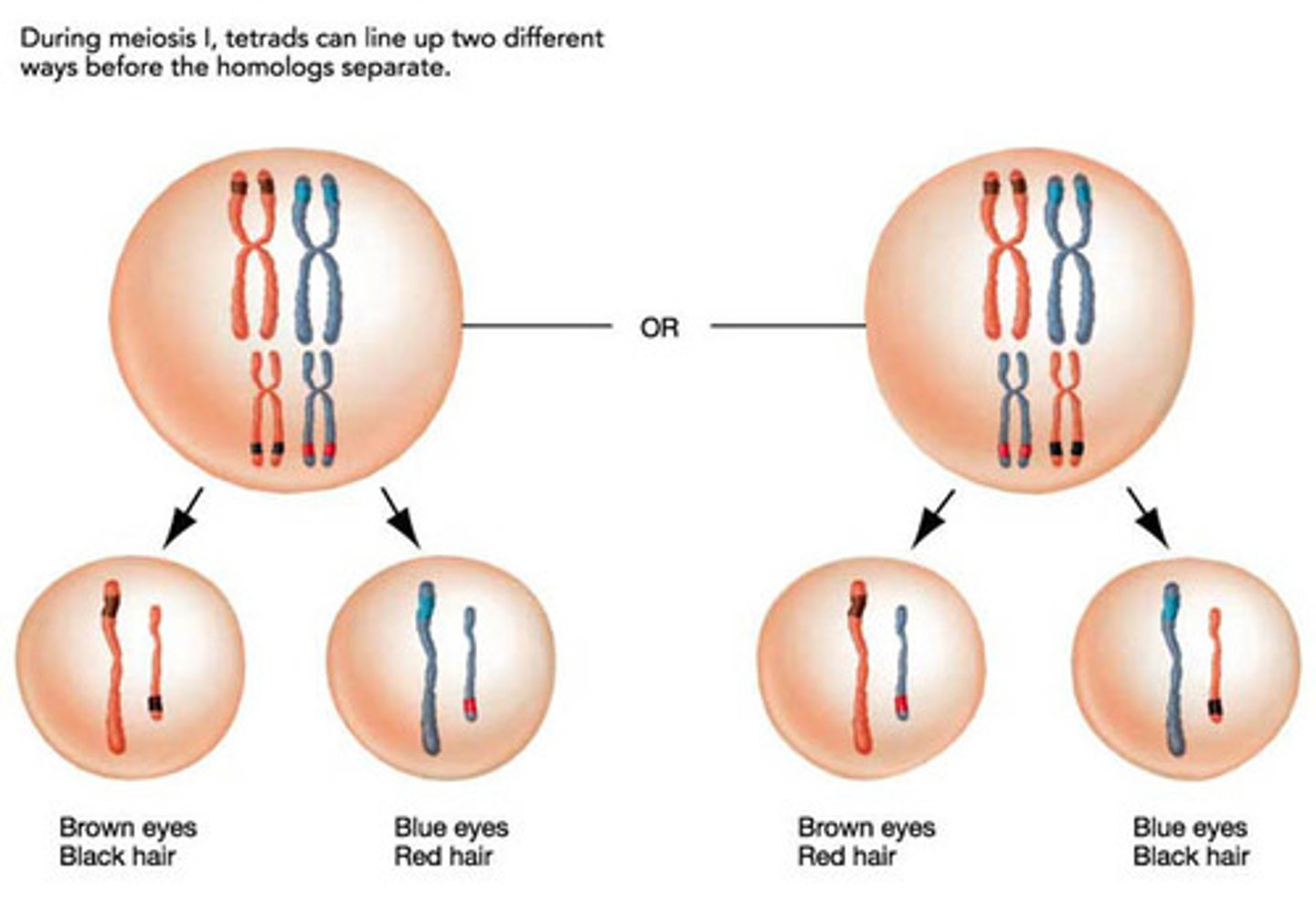
Dihybrid phenotype ratio (TEAS concept)
9 : 3 : 3 : 1
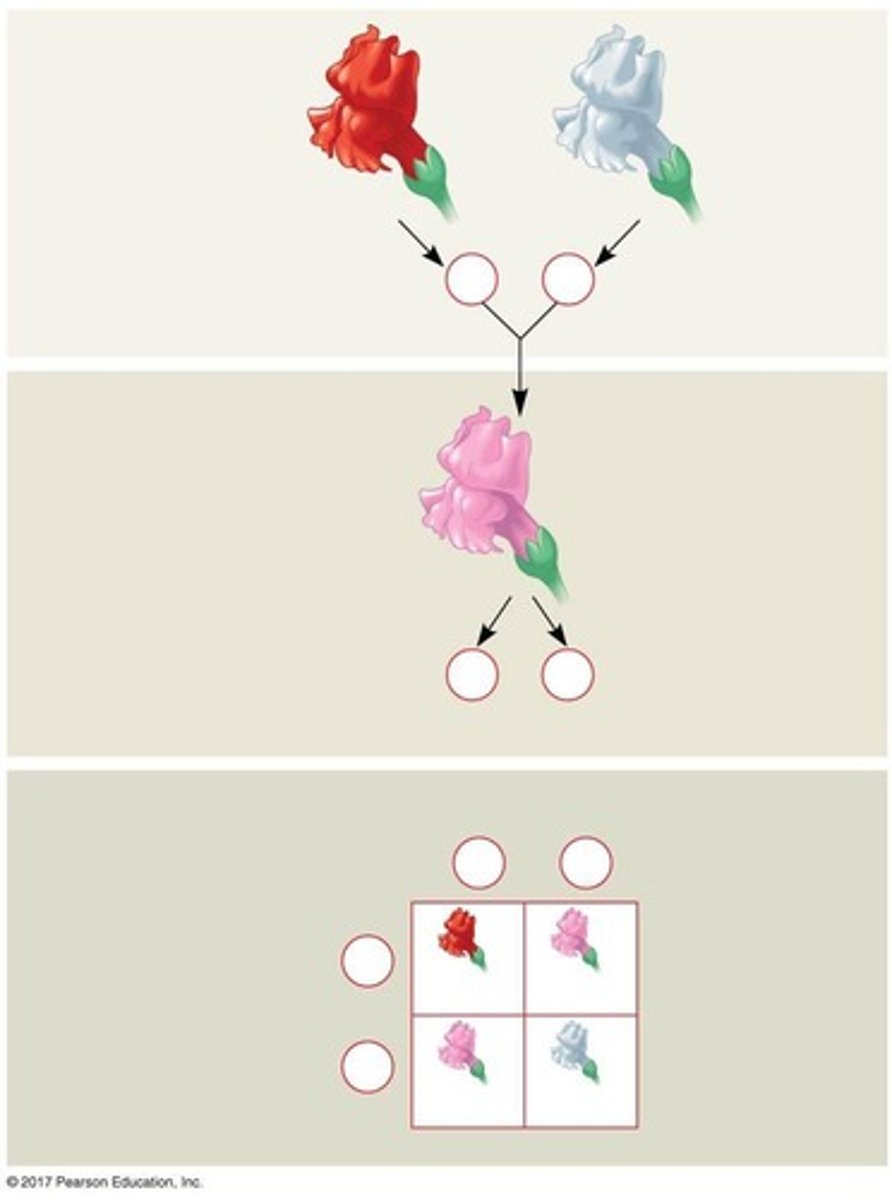
Incomplete dominance Punnett square (diagram)
R = red, W = white
R W
---------
R | RR RW
W | RW WW

Incomplete dominance result
RR = red, RW = pink, WW = white
Codominance example (diagram)
A + B → AB

Punnett square memory tip
Outside = parents, Inside = offspring
TEAS strategy tip
Count boxes, Convert to ratios
Punnett square purpose (diagram)
Used to predict offspring traits
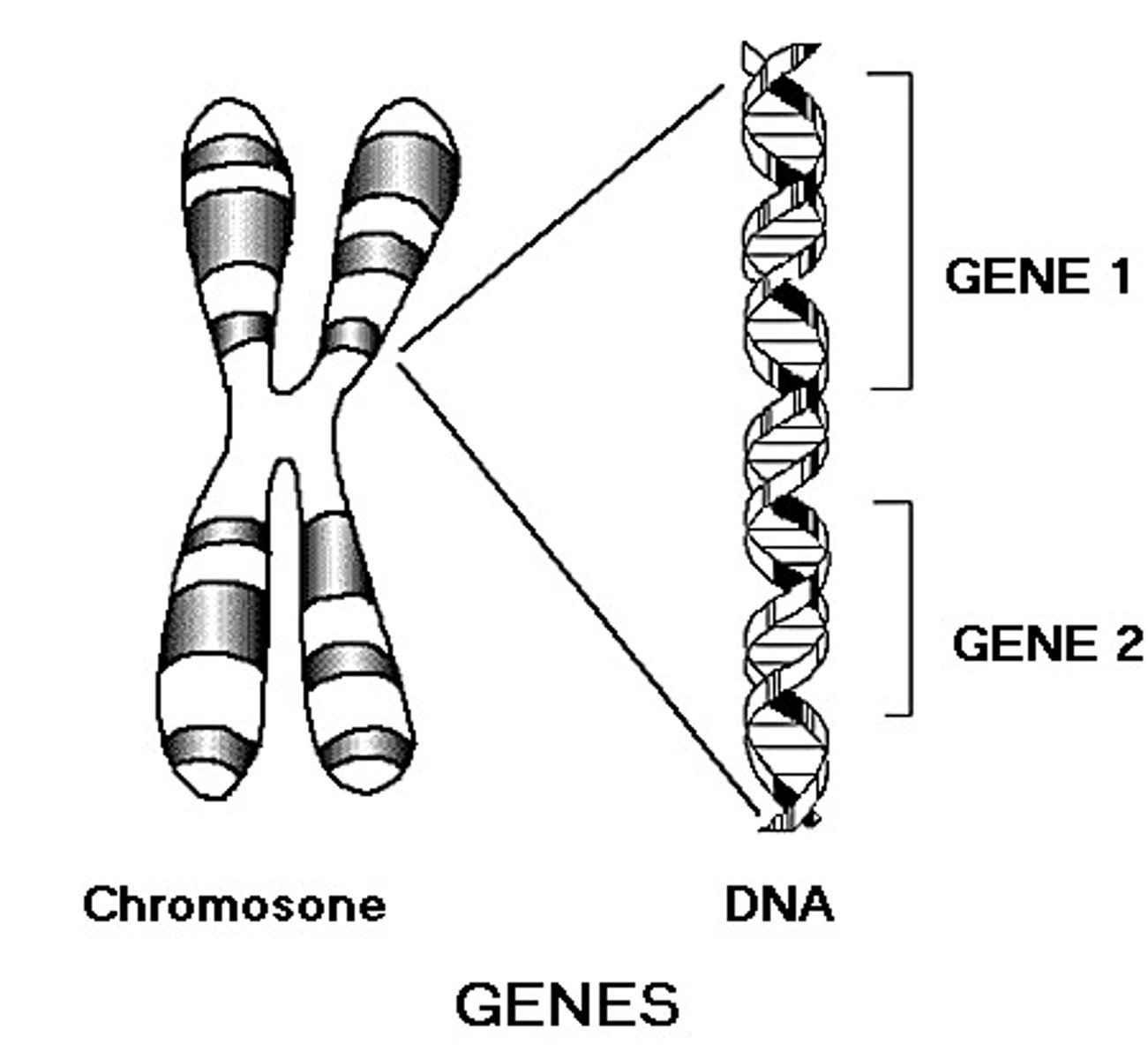
Allele inheritance (diagram)
One allele from mother, One allele from father
Phenotype ratio from Aa × Aa
3 dominant : 1 recessive
Dihybrid cross setup (diagram)
AaBb × AaBb
What is a Punnett square?
A Punnett square is a diagram used to predict the genetic makeup of offspring from two parents. It shows all possible combinations of alleles from the parents.
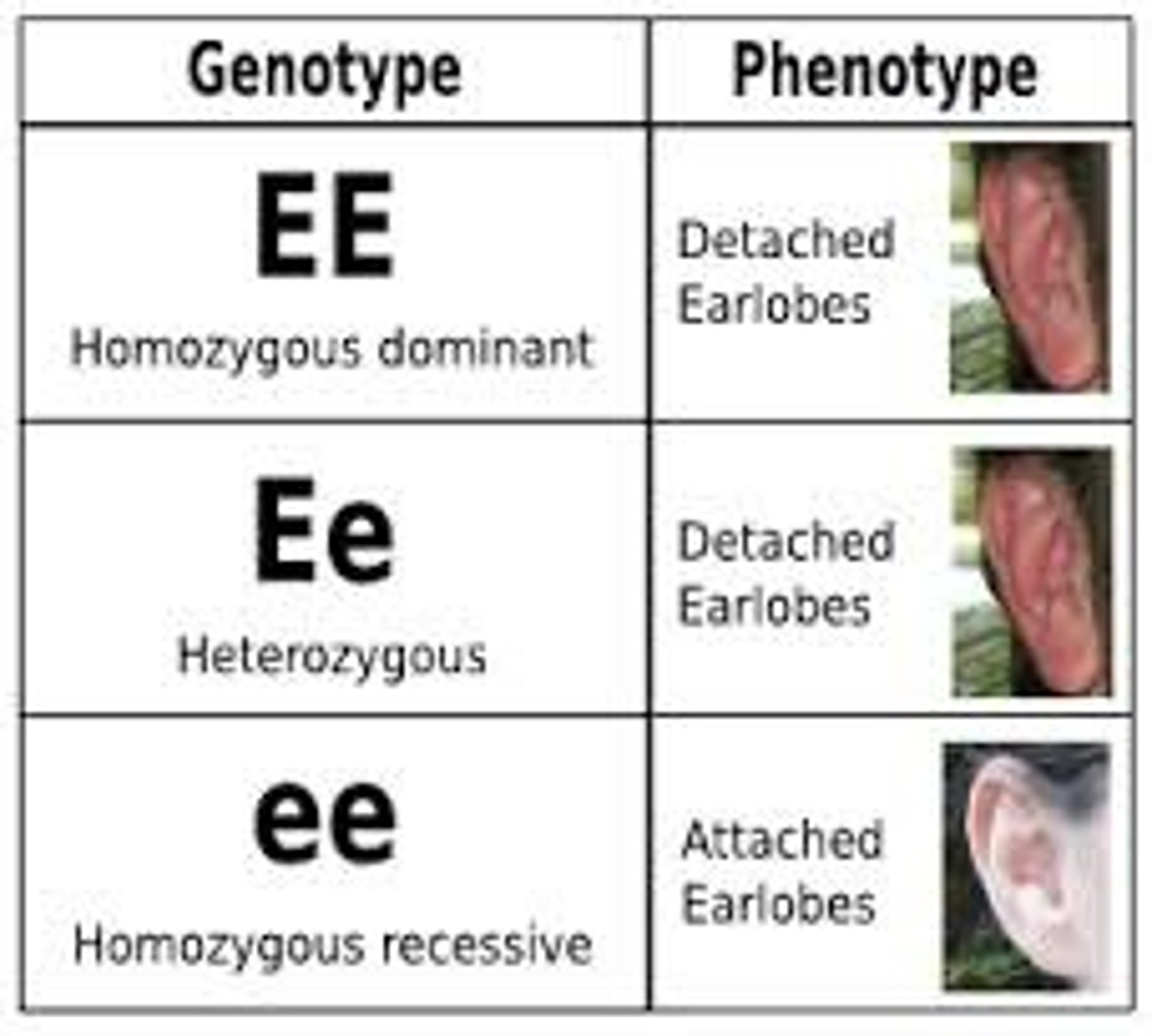
What does homozygous mean?
Homozygous refers to having two identical alleles for a particular gene, such as AA or aa.
What does heterozygous mean?
Heterozygous means having two different alleles for a gene, such as Aa.
What is a dominant allele?
A dominant allele is one that expresses its trait even when only one copy is present, masking the effect of a recessive allele.
What is a recessive allele?
A recessive allele is one that only expresses its trait when two copies are present, meaning it is masked by a dominant allele.
What is a monohybrid cross?
A monohybrid cross is a genetic cross between parents that differ in one trait, allowing the study of inheritance patterns for that trait.
What is a dihybrid cross?
A dihybrid cross is a genetic cross between parents that differ in two traits, used to study the inheritance of those traits together.
What is the phenotypic ratio in a monohybrid cross?
The phenotypic ratio in a monohybrid cross is typically 3:1, where three offspring display the dominant trait for every one that displays the recessive trait.
What is the genotypic ratio in a monohybrid cross?
The genotypic ratio in a monohybrid cross is typically 1:2:1, representing one homozygous dominant, two heterozygous, and one homozygous recessive offspring.
How do Punnett squares relate to real life?
Punnett squares help predict traits in offspring, such as eye color or genetic disorders, which can inform family planning and understanding of inherited conditions.
Still learning (14)
You've started learning these terms. Keep it up!
 Note
Note  Flashcards (31)