Unit 6 - US History Vocab
 Studied by 0 people
 Call with Kai
 Learn
Learn Practice Test
 Spaced Repetition
 Match
Match Flashcards
 Knowt Play
1/23

Earn XP
Name | Mastery | Learn | Test | Matching | Spaced | Call with Kai |
|---|
No study sessions yet.
24 Terms
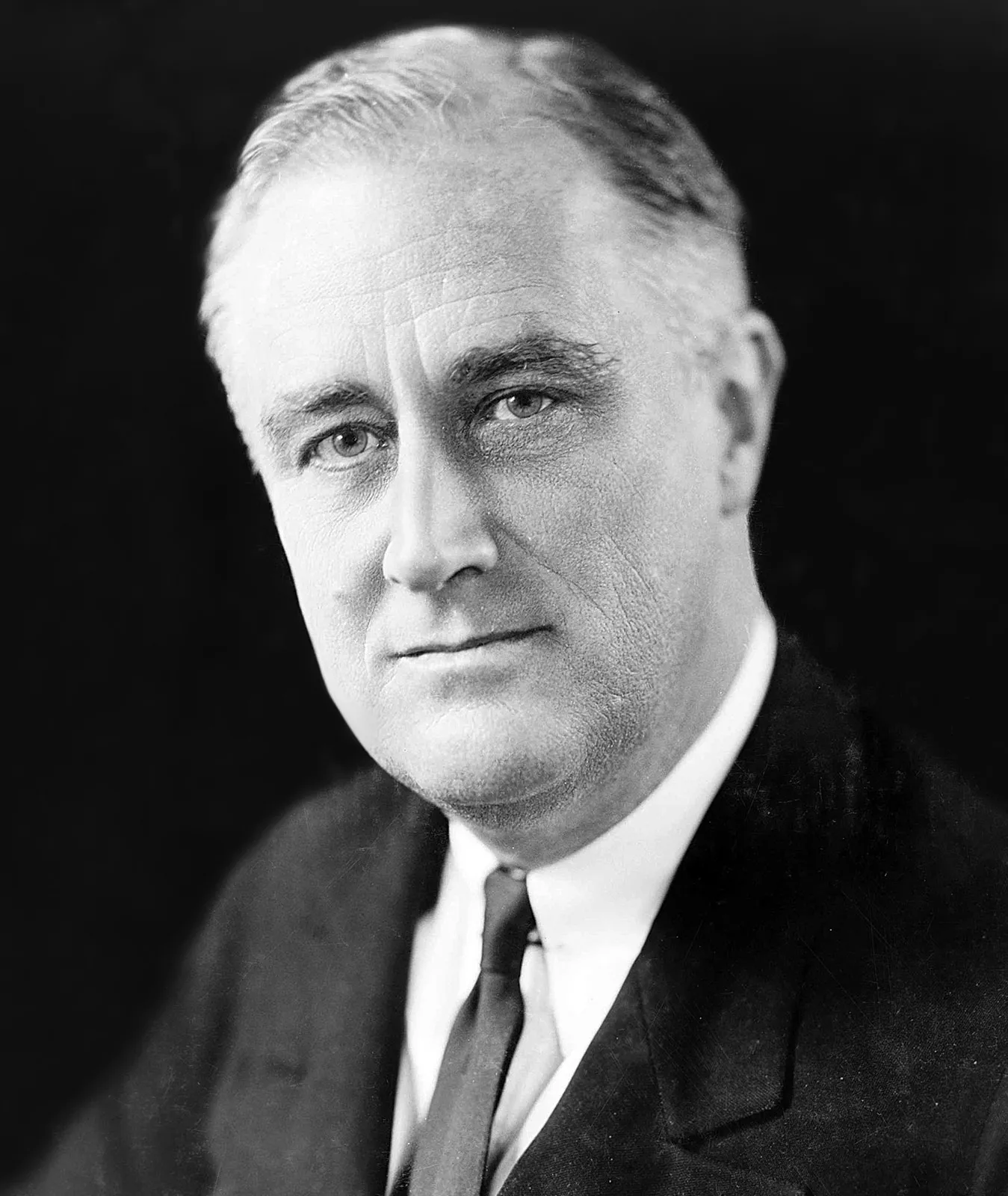
Franklin D. Roosevelt
was an American politician and statesman who served as the 32nd president of the United States from 1933 until his death in 1945. He was a member of the Democratic Party and is the only U.S. president to have served more than two terms in office.
Neutrality Acts
A series of acts passed by Congress in the late 1930’s in response to the growing threats and wars that lead to WWII. They sought to ensure that the US would not become entangled again in foreign conflicts.
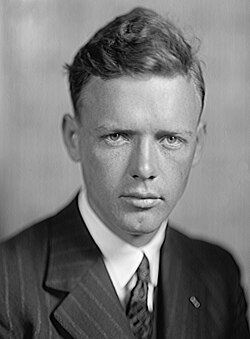
Charles Lindbergh
An American aviator and military officer who made the first nonstop flight from New York City to Paris on his plane the Spirit of St. Louis. This marked the first solo transatlantic flight and the longest at the time by nearly 2,000 miles.
Lend-Lease Act
This was a policy under which the US supplied the Allied Nations with food, oil, and war materials between 1941 and 1945. All was given free of charge on the basis that such help was essential for the defense of the United States.
Four Freedoms
These were four goals articulated by FDR in the 1941 State of the Union address.
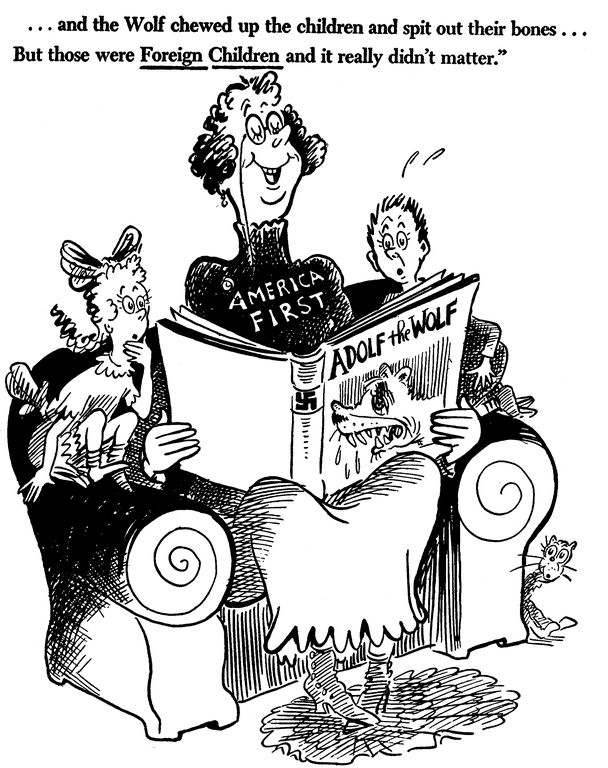
Dr. Seuss
An American children’s author and the cartoonist. During WWII he took a brief hiatus from literature to illustrate political cartoons, and he worked in the animation and film department of the US Army.
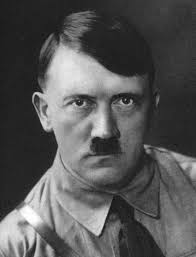
Adolf Hitler
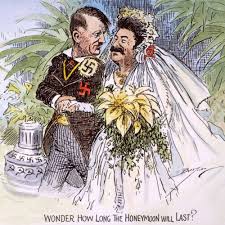
Austrian-born German politician who was the dictator of Germany as the leader of the Nazi Party becoming the chancellor in 1933 and then taking the title of Führer. (Funny mustache man).
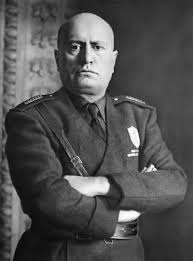
Benito Mussolini
An Italian dictator who founded and led the National Fascist Party. (Timmy Tough Knuckles over here).
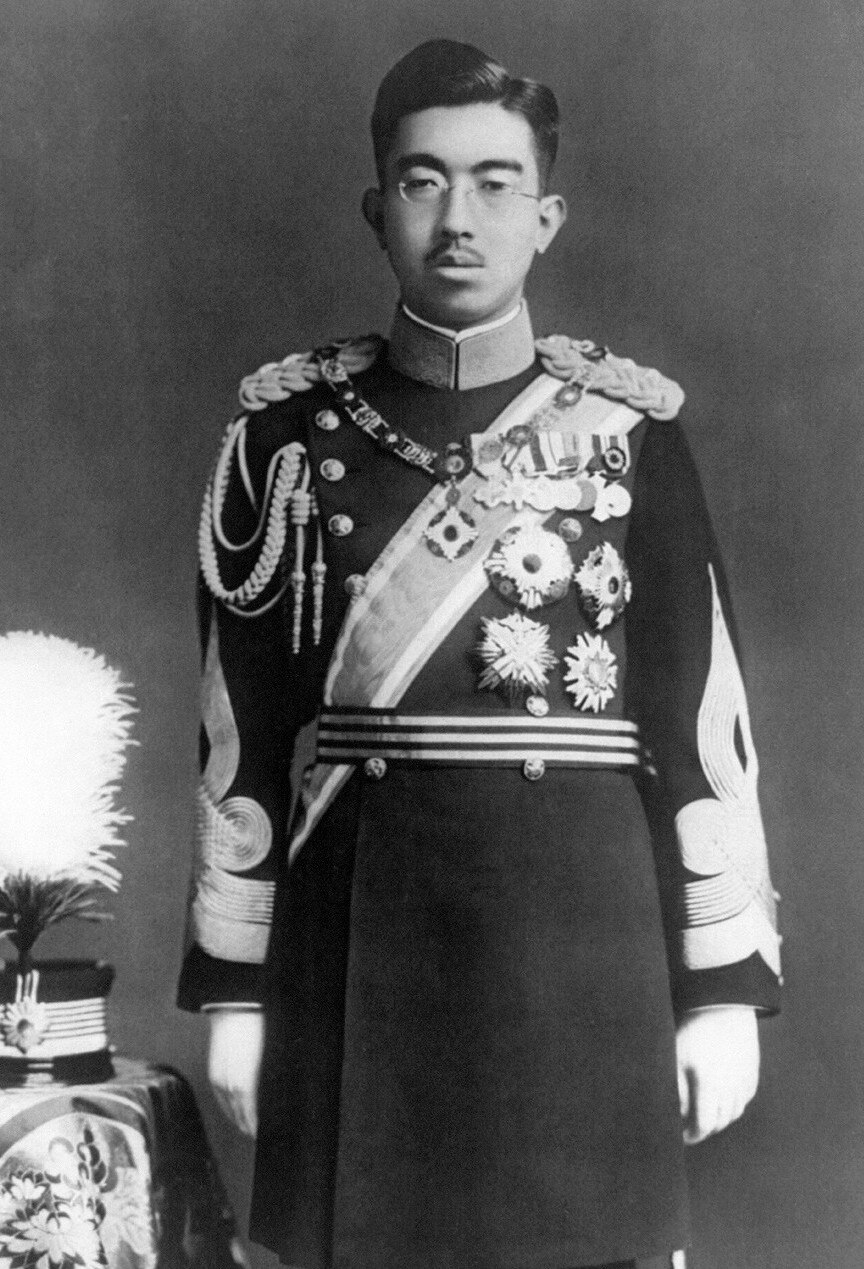
Emperor Hirohito
Emperor of Japan, reigning from 1926 to 1989. His reign of over 62 years is the longest of any historical Japanese emperor. He was the head of state under Japan’s imperial expansion and involvement in WWII. (Don’t have any jokes for this guy tbf).
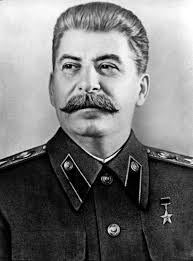
Joseph Stalin
A Soviet revolutionary and politician who was the leader of the Soviet Union from 1924 until his death in 1953. Initially governing the country as part of a collective leadership, he consolidated power to become a dictator in the 1930’s. (Hitler’s husband <3).
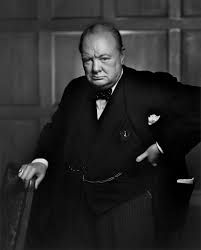
Winston Churchill
A British statesman, soldier, and writer who twice served as Prime Minister of the UK from 1940 to 1945 during the second World War and again from 1951 to 1955.
Bracero Program
A U.S. Government-sponsored program that imported Mexican farm and railroad workers into the US between the years 1942 and 1964. The program was designed to fill agriculture shortages during WWII.
Zoot Suit Riots
A series of riots that took place from June 3-8, 1942, in Los ANgeles, CA involving American soldiers stationed in Southern California and young Latina and Mexican America city residents. It was one of the dozen wartime industrial cities that suffered race-related riots in the summer of 1943.
Executive Order 9066
An executive order signed and issued during WWII by United States president FDR on February 19, 1942. "This order authorized the forced removal of all persons deemed a threat to national security from the West Coast to "relocation centers" further inland – resulting in the incarceration of Japanese Americans."
Pearl Harbor
A surprise military strike by Japan upon the US against the American Naval Base at Pearl Harbor in Hawaii on Sunday, December 7, 1941. The United States was a neutral country at the time; the attack led the U.S. to formally enter WWII.
D-Day
Codenamed Operation Neptune, it is the largest seaborne invasion in history. The operation started the liberation of France (and Western Europe) and laid the foundations of the Allied victory in June of 1944.
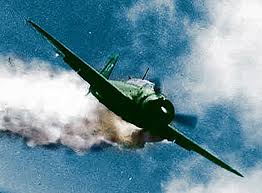
Kamikaze
During WWII, a Japanese suicide pilot whose mission was to crash into his target.
Manhattan Project
A program of research and development undertaken during WWII to produce the first nuclear weapons. It was led by the US in collaboration with the UK and with support from Canada from 1942 to 1946.
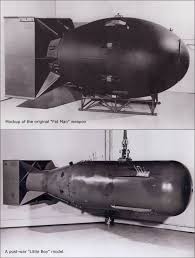
Fat Man & Little Boy
The codename for the type of nuclear weapon the United States detonated over Nagasaki August 9th 1945. It was the second of the only two nuclear weapons ever used in warfare.
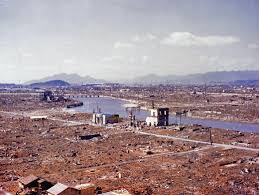
Hiroshima and Nagasaki
August 6th and 9th, 1945, the United States detonated two atomic bombs over two Japanese cities.
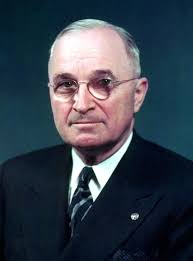
Harry Truman
The 33rd president of the US serving from 1945 to 1953. Assuming the presidency after Roosevelt's death, Truman implemented the Marshall Plan in the wake of WWII to rebuild the economy of Western Europe and established both the Truman Doctrine and NATO.
VJ Day
Victory over Japan Day is the day on which Japan surrendered in WWII, in effect bringing the war to an end. The announcement of Japan's surrender was made August 14th, 1945.
Issei
The first generation of Japanese immigrants born in Japan who later moved to other countries (the U.S.)
Nisei
Second generation Japanese immigrants in the Americas, born to Issei (first-generation) parents.
 Note
Note  Flashcards (116)