Physics - Light and Electromagnetic waves
 Call Kai
 Learn
Learn Practice Test
 Spaced Repetition
 Match
Match Flashcards
 Knowt Play
1/18

Earn XP
Description and Tags
Name | Mastery | Learn | Test | Matching | Spaced | Call with Kai |
|---|
No analytics yet
Send a link to your students to track their progress
19 Terms
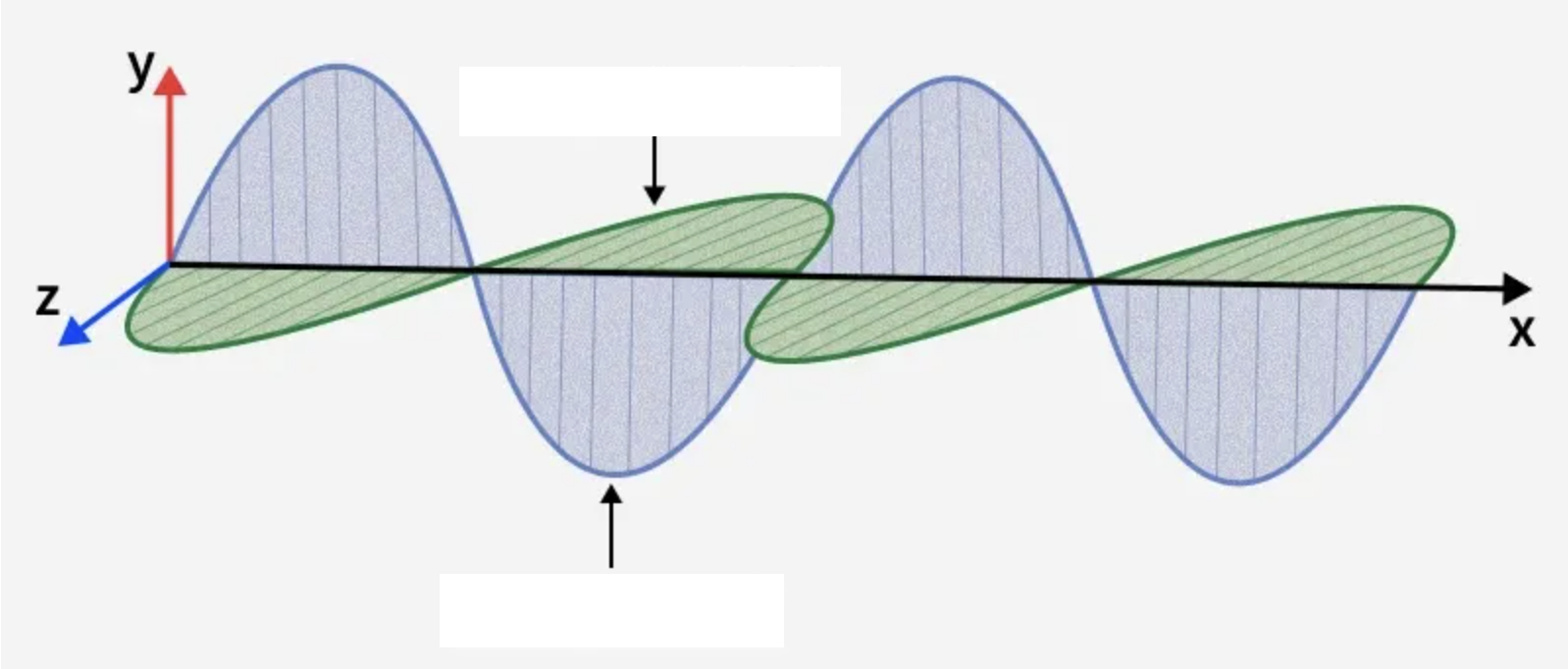
Label the electromagnetic wave diagram
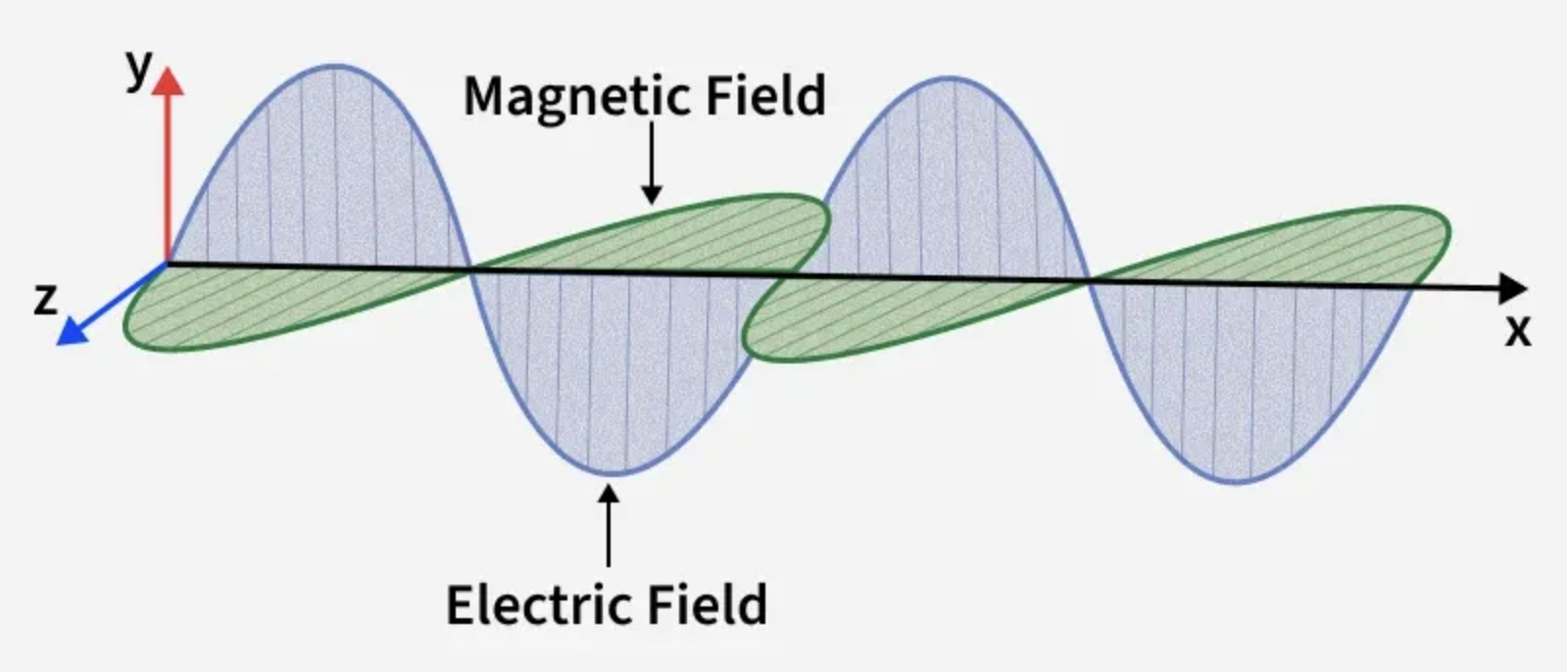
What is an electromagnetic wave?
Electromagnetic (EM) waves are transverse waves produced by oscillating electric and magnetic fields that are perpendicular to each other and to the direction of wave travel. They transfer energy through space without a medium, traveling at a constant speed of 3×10^8 m/s in a vacuum
What is a photon?
A photon is the fundamental, smallest discrete packet (or quantum) of light and electromagnetic energy.
Electromagnetic spectrum
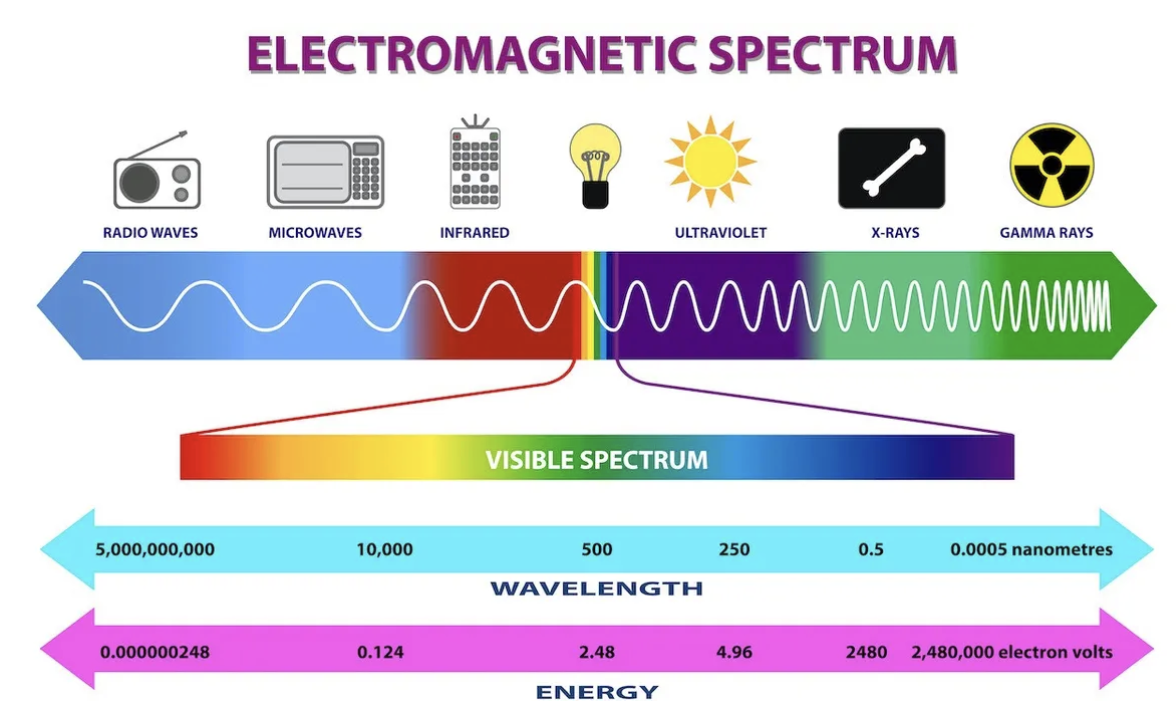
The electromagnetic (EM) spectrum is the entire range of all types of electromagnetic radiation, organized by frequency or wavelength, covering everything from radio waves to gamma rays.
Visible light
Visible Light: The only part of the spectrum visible to the human eye.
Radio waves
Radio Waves: Longest wavelengths; used for communication, TV, and radio.
Infrared
Infrared: Detected as heat (e.g., in night vision cameras).
Ultraviolet
Ultraviolet (UV): Emitted by the sun; used in sterilization.
X-rays
X-rays: High energy; used in medical imaging to see bones.
Gamma rays
Gamma Rays: Shortest wavelength, highest energy; used in cancer treatment.
Energy of waves
energy of a wave is defined as the capability of a wave to transport energy from one point to another through a medium (or vacuum) without the net transfer of matter.
Reflection
Reflection of light is the phenomenon where a light ray, after striking a surface, bounces back into the same medium. This process is what allows us to see objects that do not emit their own light.
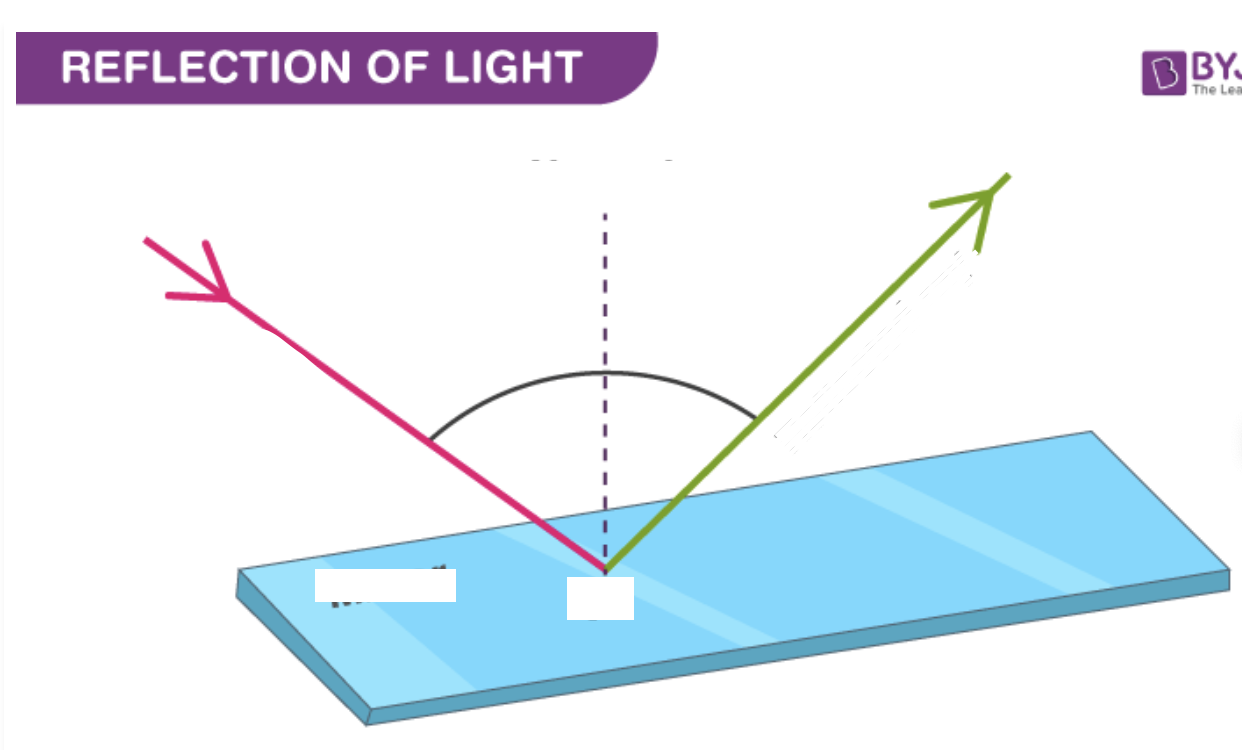
Label the Diagram of Reflection
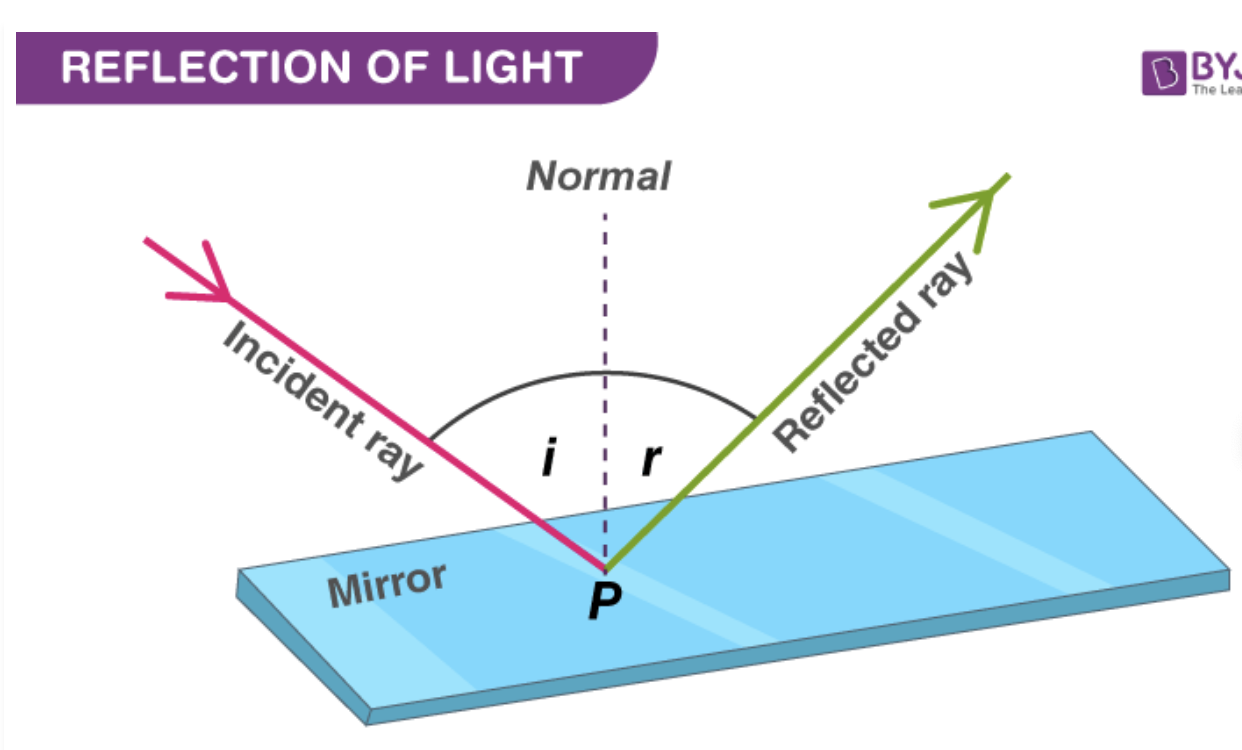
Refraction
Refraction is the bending of light as it passes from one transparent medium to another due to a change in its speed. When light travels between materials of different optical densities, it changes direction at the boundary.
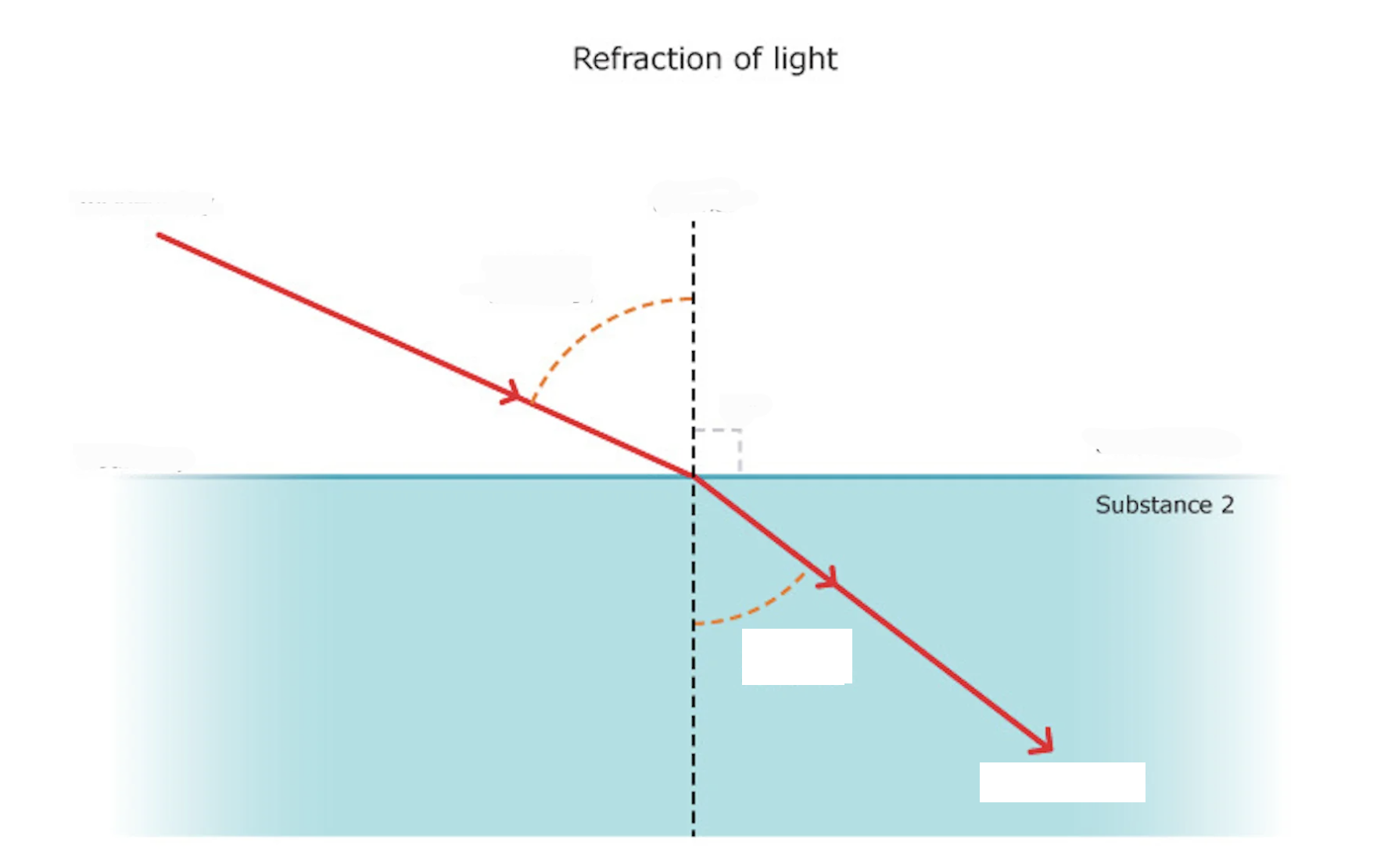
Label the Diagram of Refraction
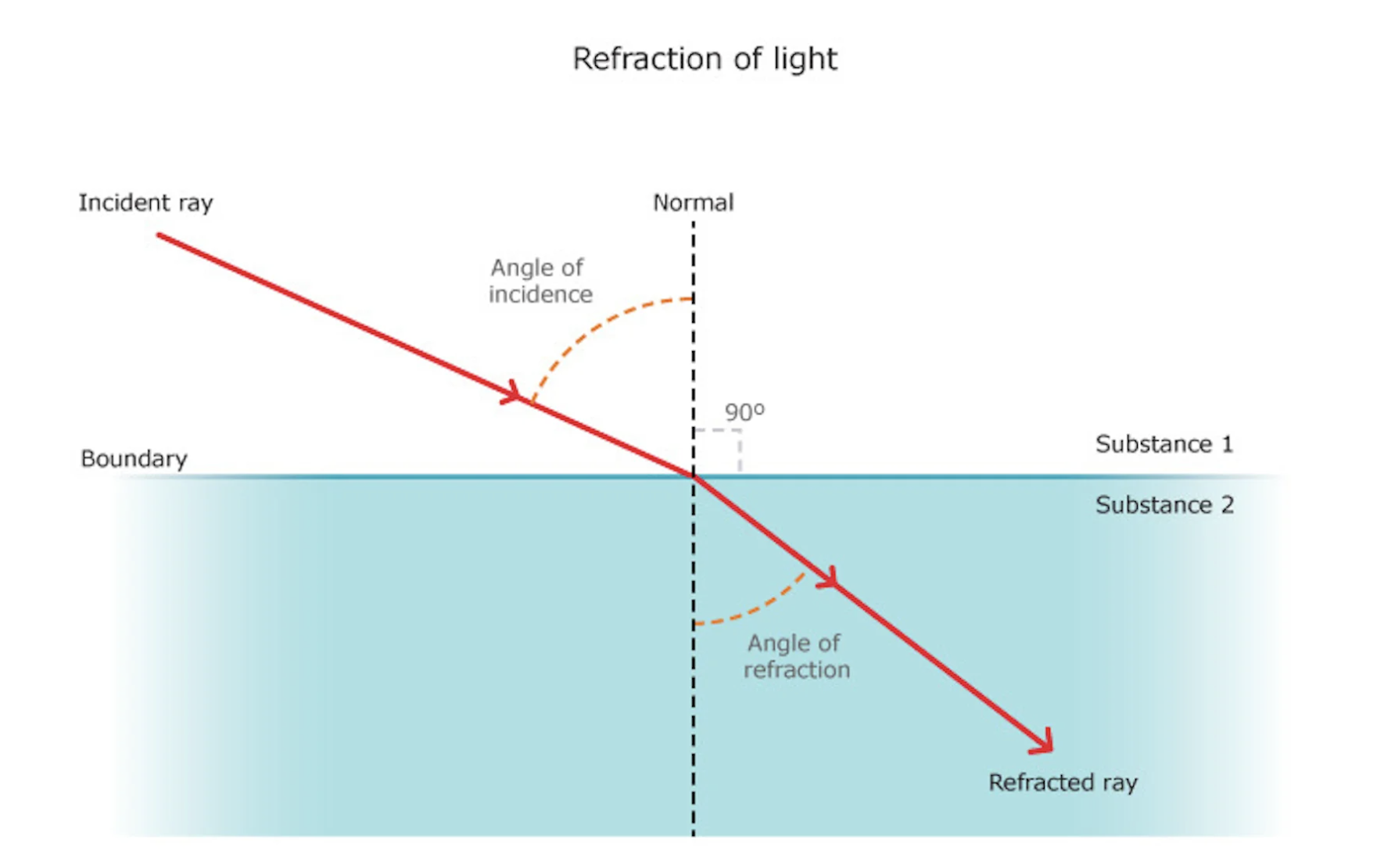
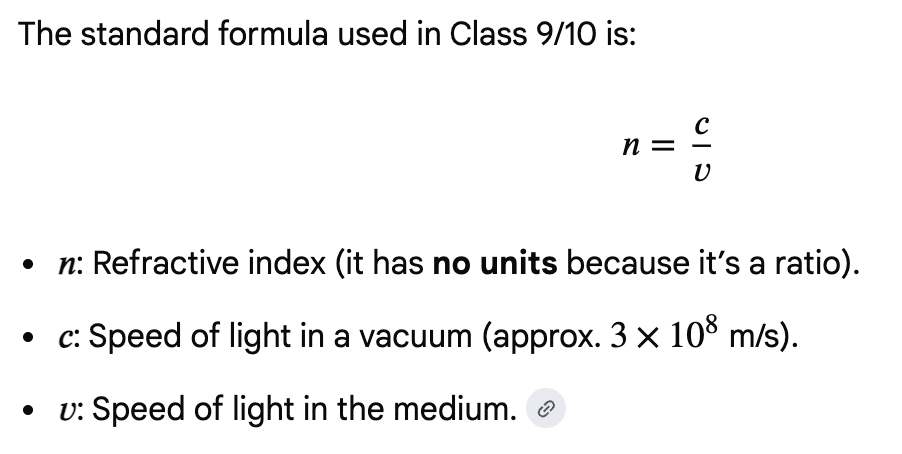
Refractive index
Light travels at different speeds in different materials. The refractive index is essentially a ratio comparing the speed of light in a vacuum to its speed in a specific material.
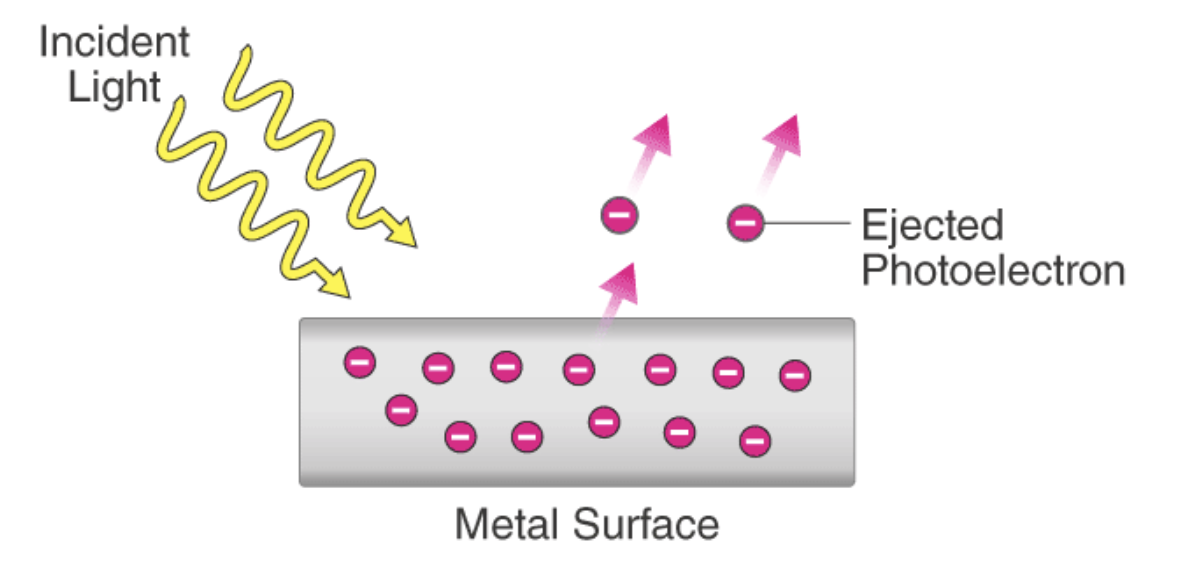
Photoelectric effect
The photoelectric effect is a phenomenon in physics where electrons are emitted from a metal surface when it is exposed to electromagnetic radiation (such as ultraviolet light or visible light) of a high enough frequency. The emitted electrons are called photoelectrons.
Diffraction
Diffraction of light is the bending, spreading, and scattering of light waves when they encounter an edge, obstacle, or pass through a narrow aperture comparable in size to their wavelength.
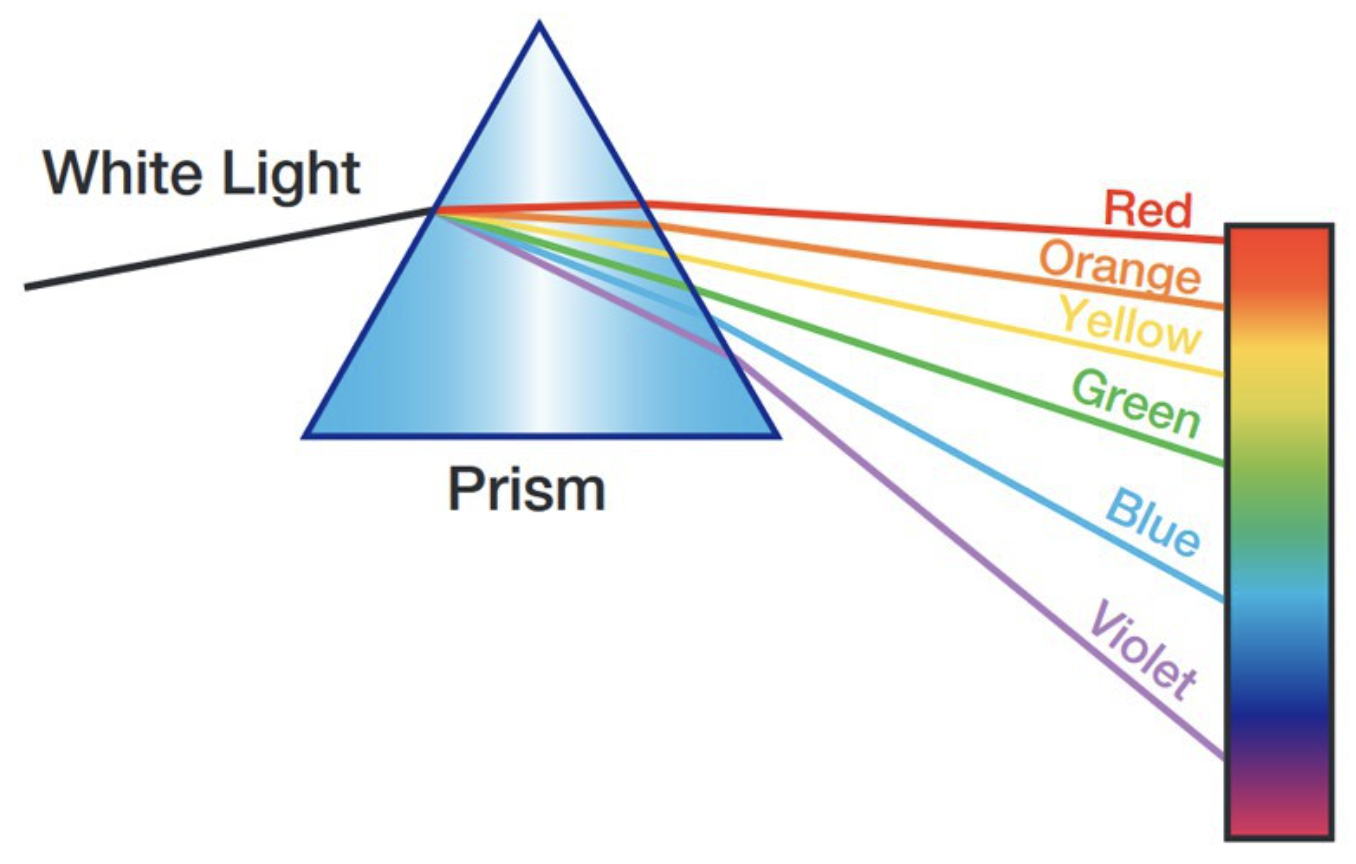
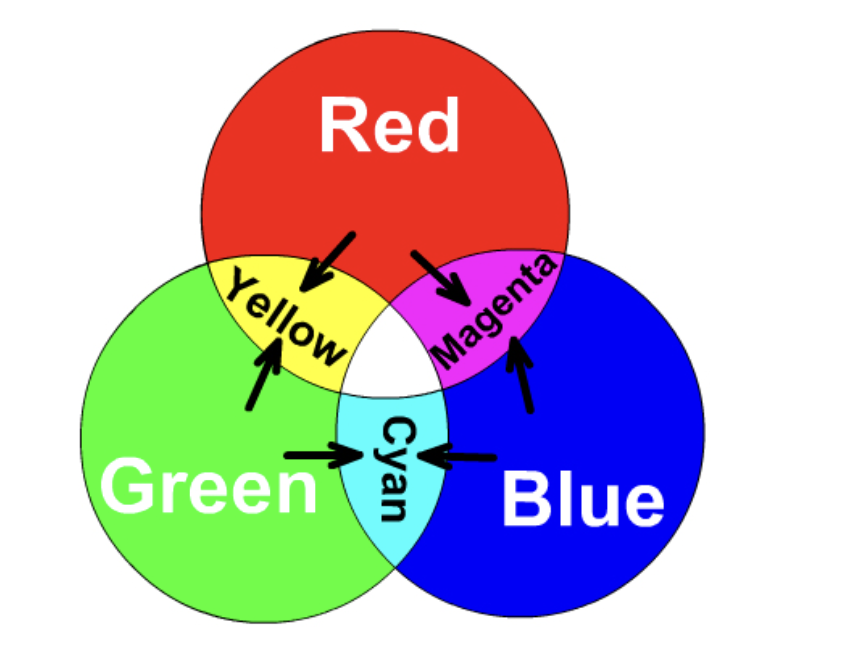
Colours of Light