ap bio unit 4 lock in
 Call Kai
 Learn
Learn Practice Test
 Spaced Repetition
 Match
Match Flashcards
 Knowt Play
1/40

There's no tags or description
Looks like no tags are added yet.
Name | Mastery | Learn | Test | Matching | Spaced | Call with Kai | Chat |
|---|
No analytics yet
Send a link to your students to track their progress
41 Terms
3 steps of cell communication
reception
transduction
response
intracellular receptors
found inside the cell
ligand enters the cell and binds to the receptor inside the cell
doesnt need secondary messangers
cell surface receptor
located outside of the cell
binds to hydrophillic ligands
why would aptosis happen
damaged or infected cells
removing unnessasary cells
reception
-ligand binds to receptor protein
-causes conformational shape change
why does reception cause conformational shape change
because when something binds to a protein it changes shape
ligand
-signaling protein
-can either be a steroid hormone or protein hormone
Steroid hormone
-goes through simple diffusion
-intracellular
-examples: testosterone, estrogen
Protein hormone
goes through exocytosis
extracellular
example: insulin
Transduction
signals are amplified and relayed from receptors to cell targets
steps of phosphorylation cascade and secondary messangers
secondary messangers
small molecules inside the cell(Ca2+ and cAMP) that carry the signal from a receptor to the inside of the cell
causes phosphorylation cascade
Phosphorylation cascade
domino effect where one protein activates another by adding a phosphate over and over again
uses enzymes called kinases to do this
can intracellular receptors skip the secondary messanger step of transduction
yes
Response
-the final outcome
cell growth
secretion
gene expression
aptosis
others
phases of the cell cycle
interphase
mitosis
cells are in interphase most of the time
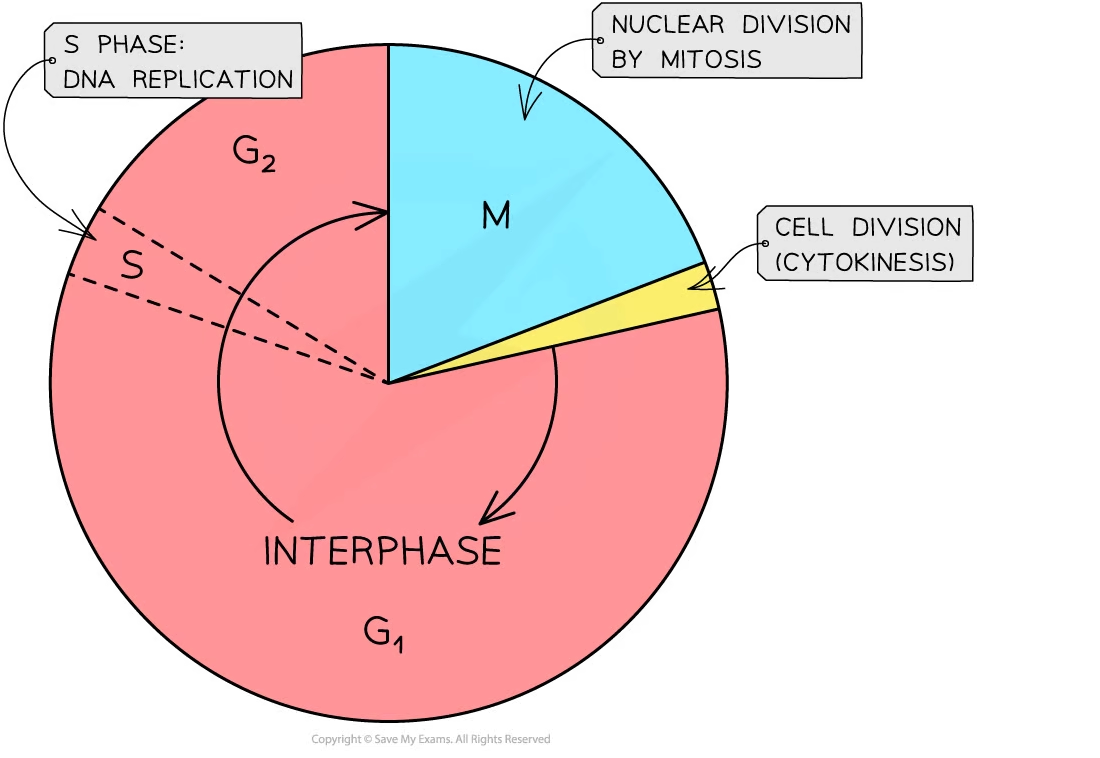
steps of interphase
G1 phase
cell grows and performs normal functions
ensures conditions are ok for DNA replication
S phase
DNA is replicated
G2 phase.
cell grows and prepares for division
ensures DNA replication is complete and free of error
steps of mitosis
prophase
metaphase
anaphase
telophase
cytokenesis
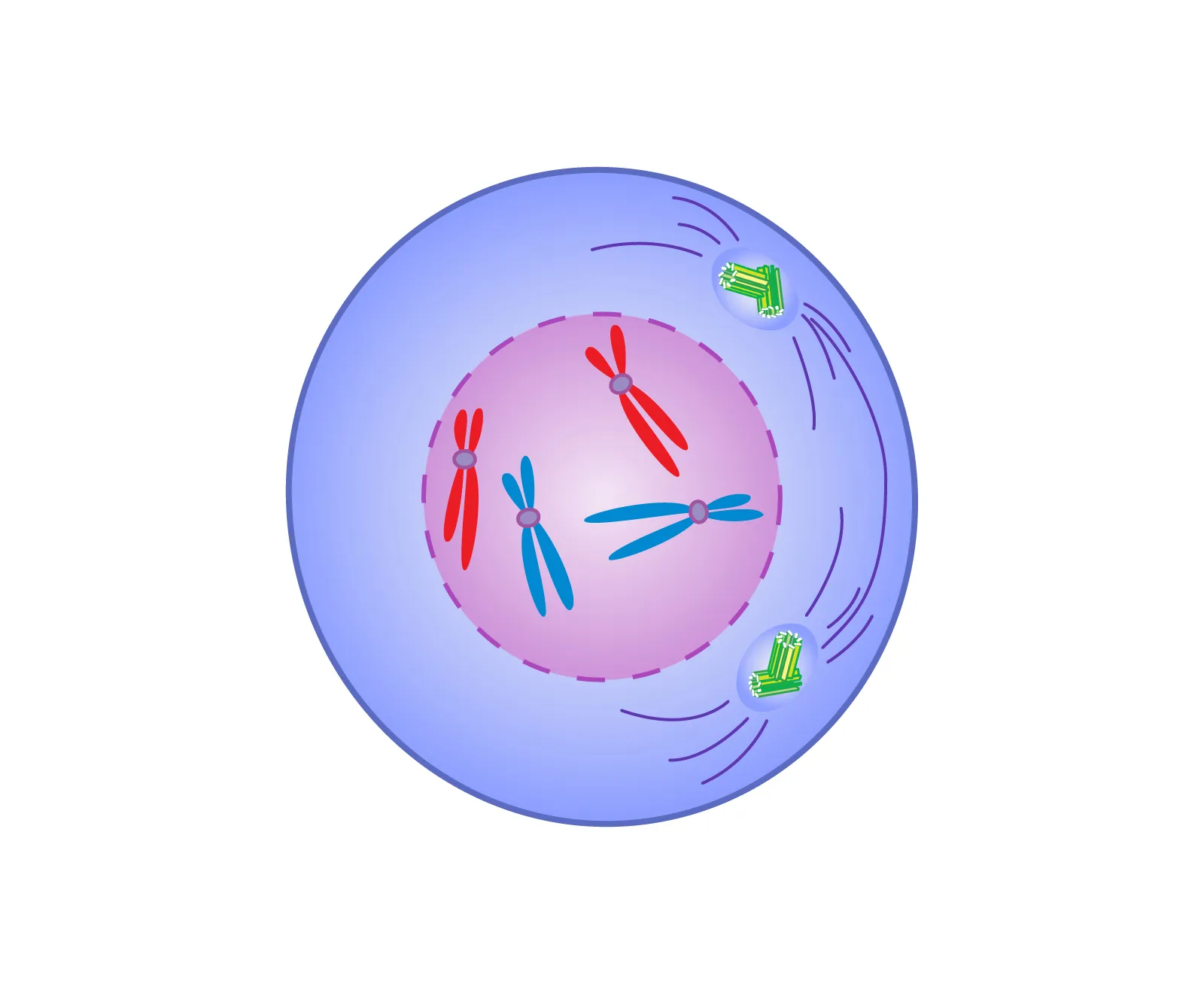
prophase
chromosones condense
spindle fibers form
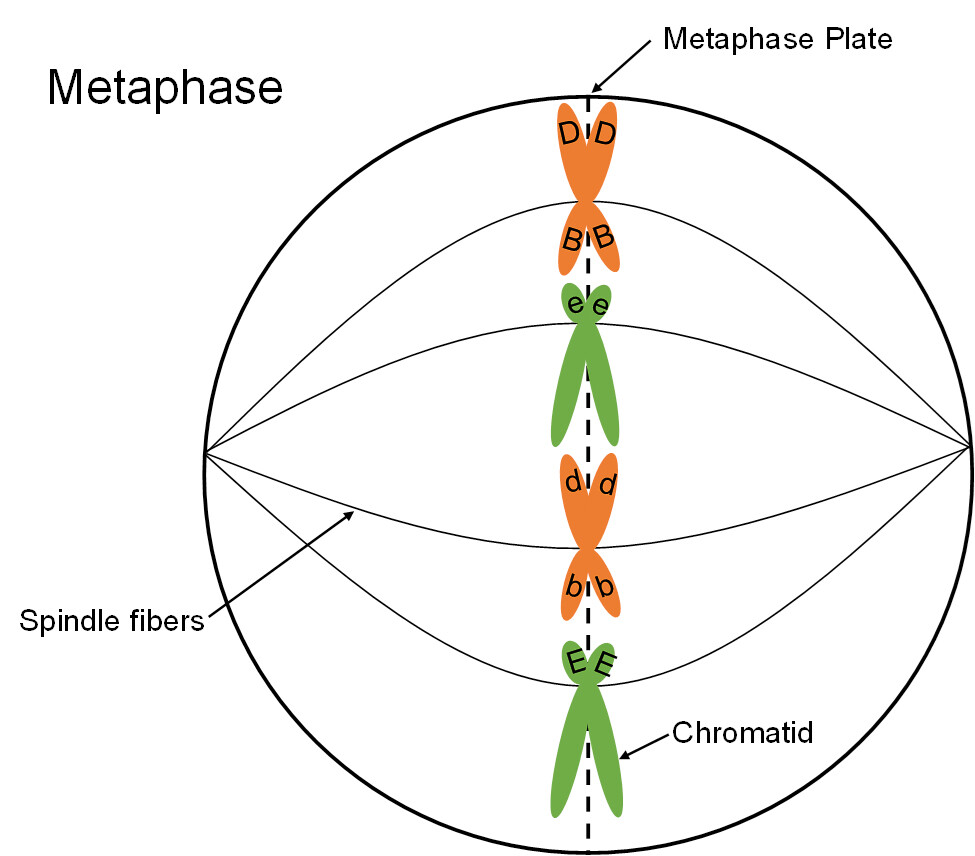
metaphase
chromosones align at the metaphase plate
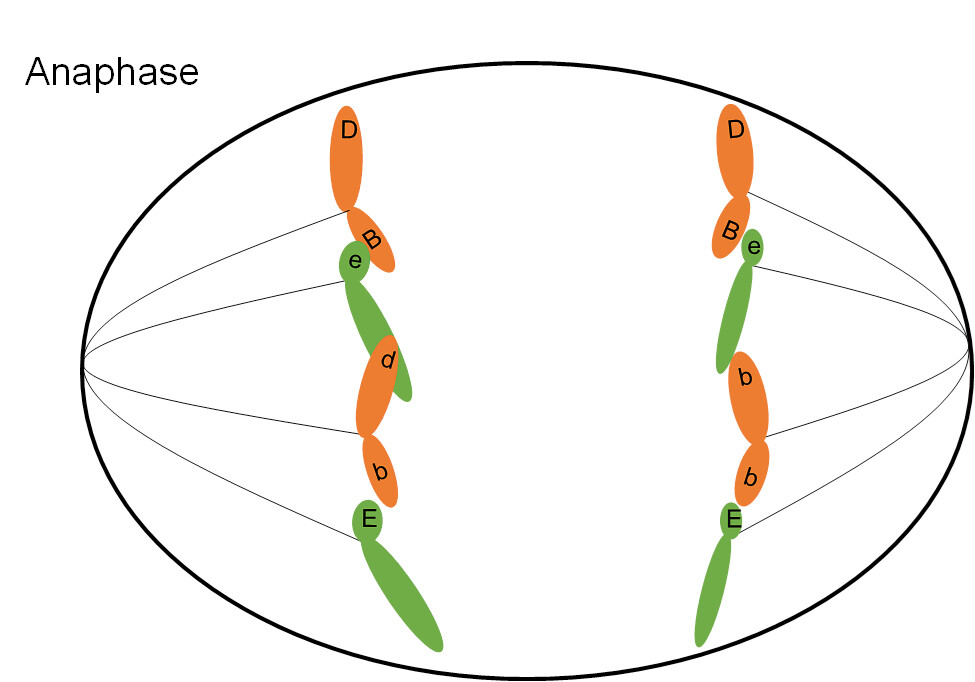
Anaphase
-chromosones are seperated and pulled to opposite poles of the cell.
telephase
nucleus reforms around chromosones
chromosones condense
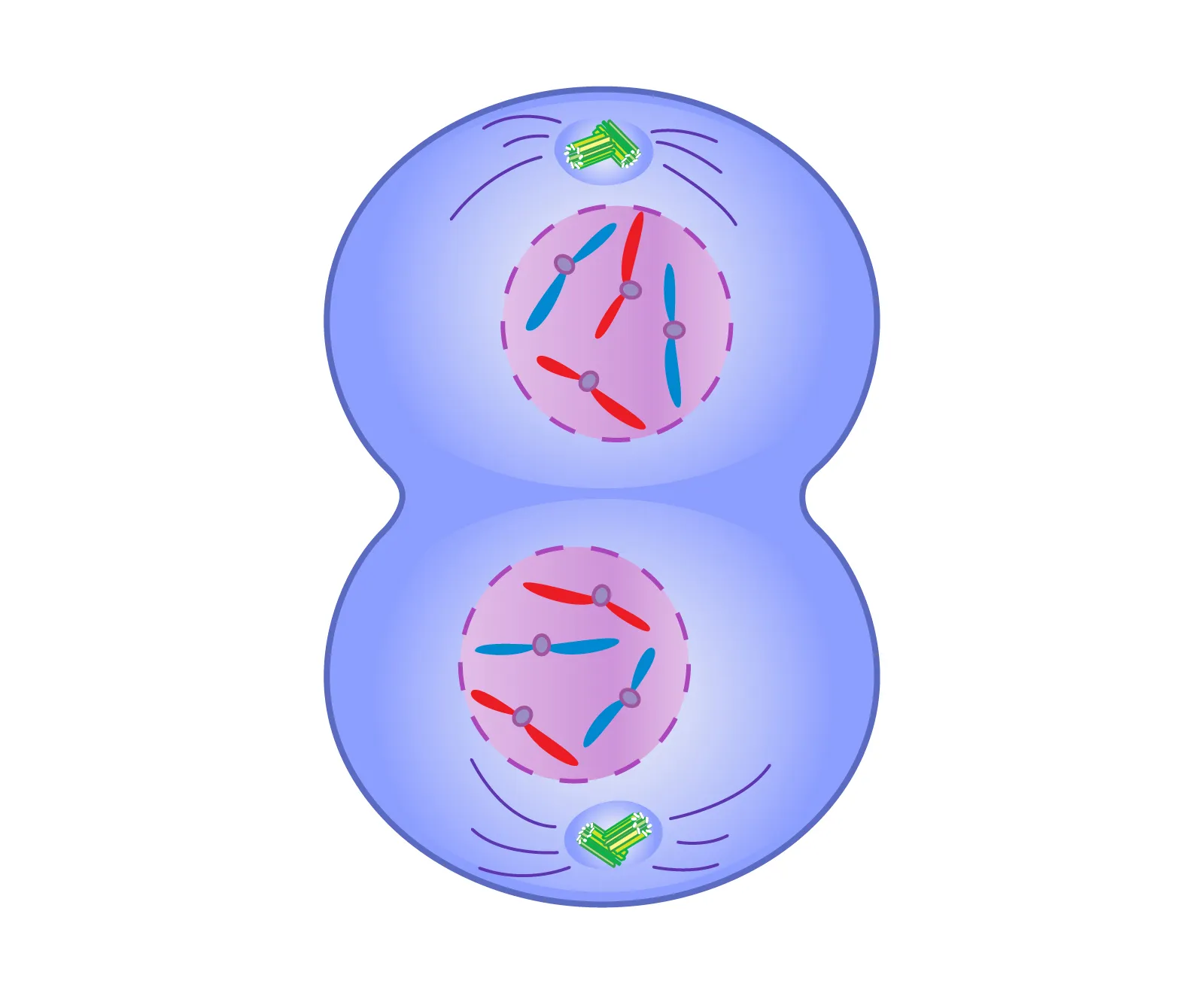
cytokenesis
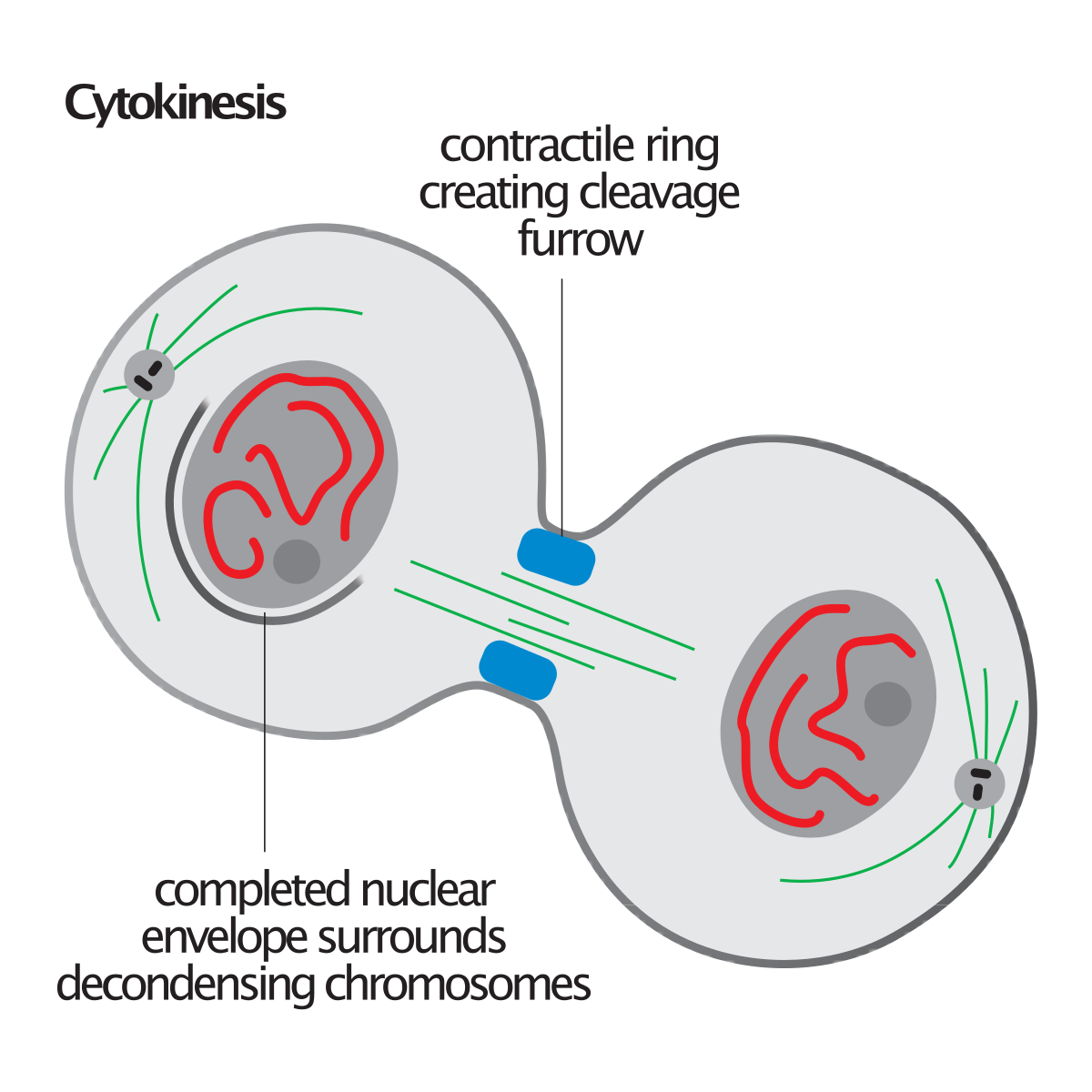
cytoplasm is divided
forms a cleavage furrow to divide into two indentical daughter cells
cleavage furrow
Chromatin
-loose unpacked DNA
-like 🍝 spaghetti
-turns into chromosones
-also contains histone proteins (help package the DNA)
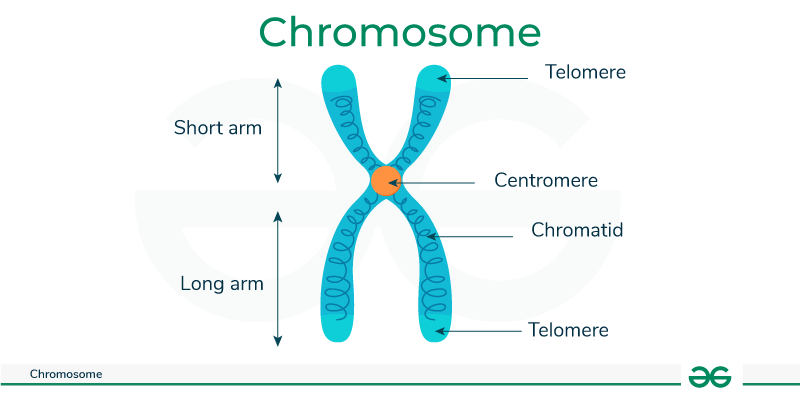
chromosone
-Tightly coiled DNA
-like a📦 packed box
sister chromatids
-Duplicated DNA strands
-like 👯 twins
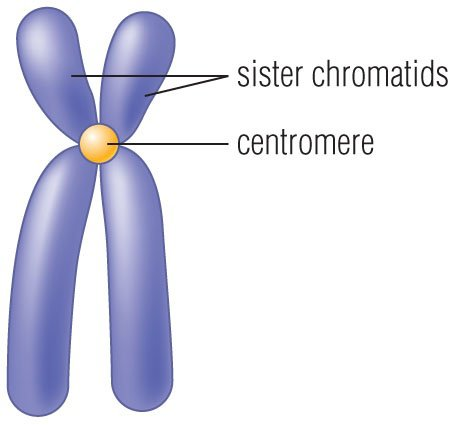
centromere
Holds chromatids together in center
like a 🎀 ribbon or belt
cyclins/ CDKs
proteins that regulate progression throught the cell cycle
kinase
enzymes that cause phosphorylation
what can cause cancer
mutations in oncogenes or tumor suppression genes
oncogenes
genes that promote cell division
tumor suppresion genes
genes that inhibit cell division
caspases
enzymes involved in aptosis
feedback mechanisms
used to maintain homeostasis
negative and positive feedback mechanisms
negative feedback
reverses change to return to a stable state
examples: Sweating, shivering, blood sugar
positive feedback
amplyfies a response to a change
example: blood clotting
3 types of signals
-autocrine
-paracrine
-endocrine
autocrine
signals effect the same cell that released them
paracrine
signals act on nearby cells
endocrine
signals act on distant target cells with hormones that travel through the bloodstream
🦠 What are antigens and how do they relate to cell communication?
Antigens are foreign molecules (like from viruses) that trigger an immune response.
They bind to receptors on immune cells and start cell communication, leading to a response like making antibodies or attacking the invader.
🔔 Antigen = Alarm → 🧬 Receptor hears it → 💥 Cell responds