EMT Emergency Care 14th Edition Chapter 6
 Studied by 1 person
 Call Kai
 Learn
Learn Practice Test
 Spaced Repetition
 Match
Match Flashcards
 Knowt Play
1/142

There's no tags or description
Looks like no tags are added yet.
Name | Mastery | Learn | Test | Matching | Spaced | Call with Kai |
|---|
No analytics yet
Send a link to your students to track their progress
143 Terms
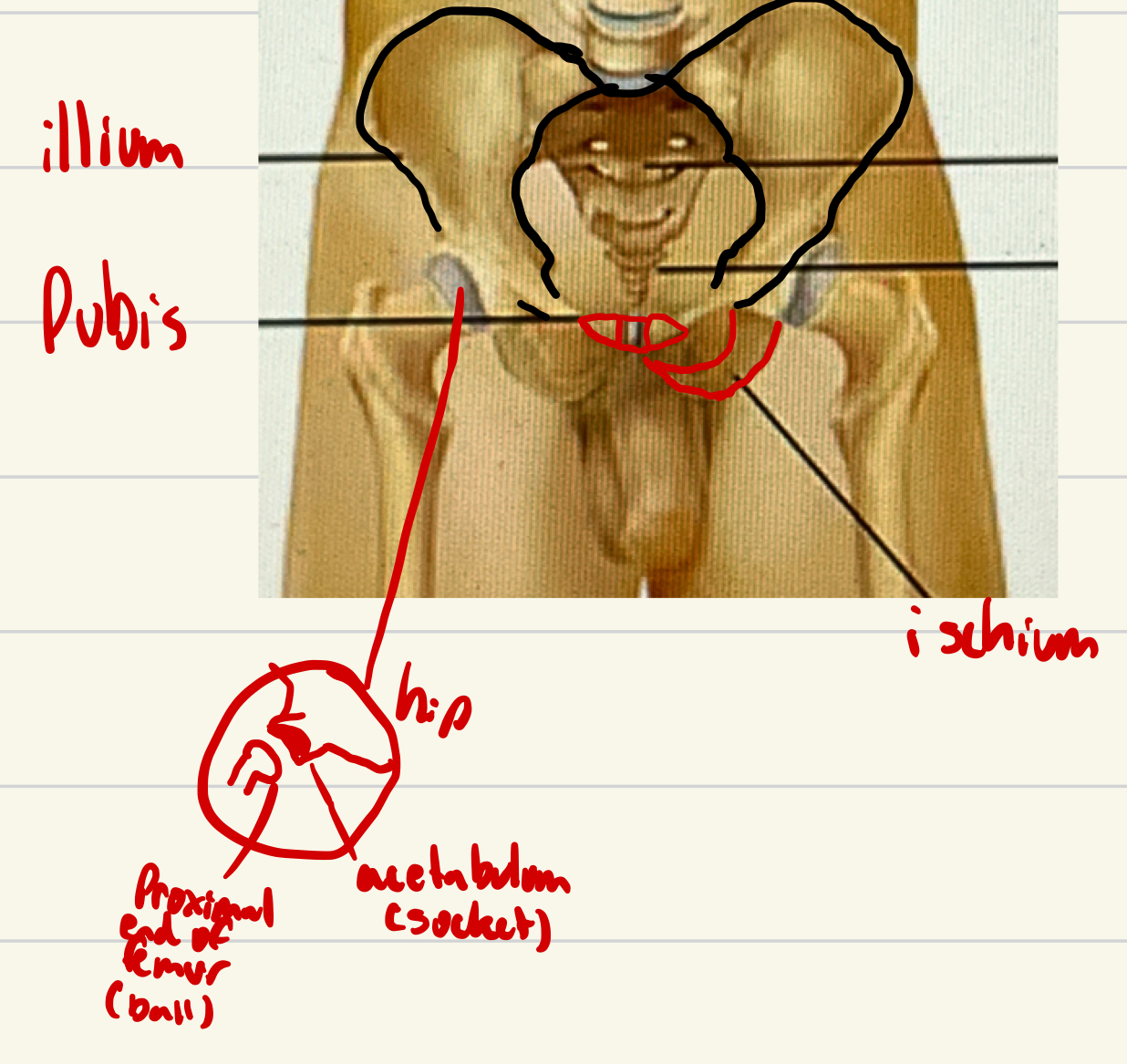
acetabulum
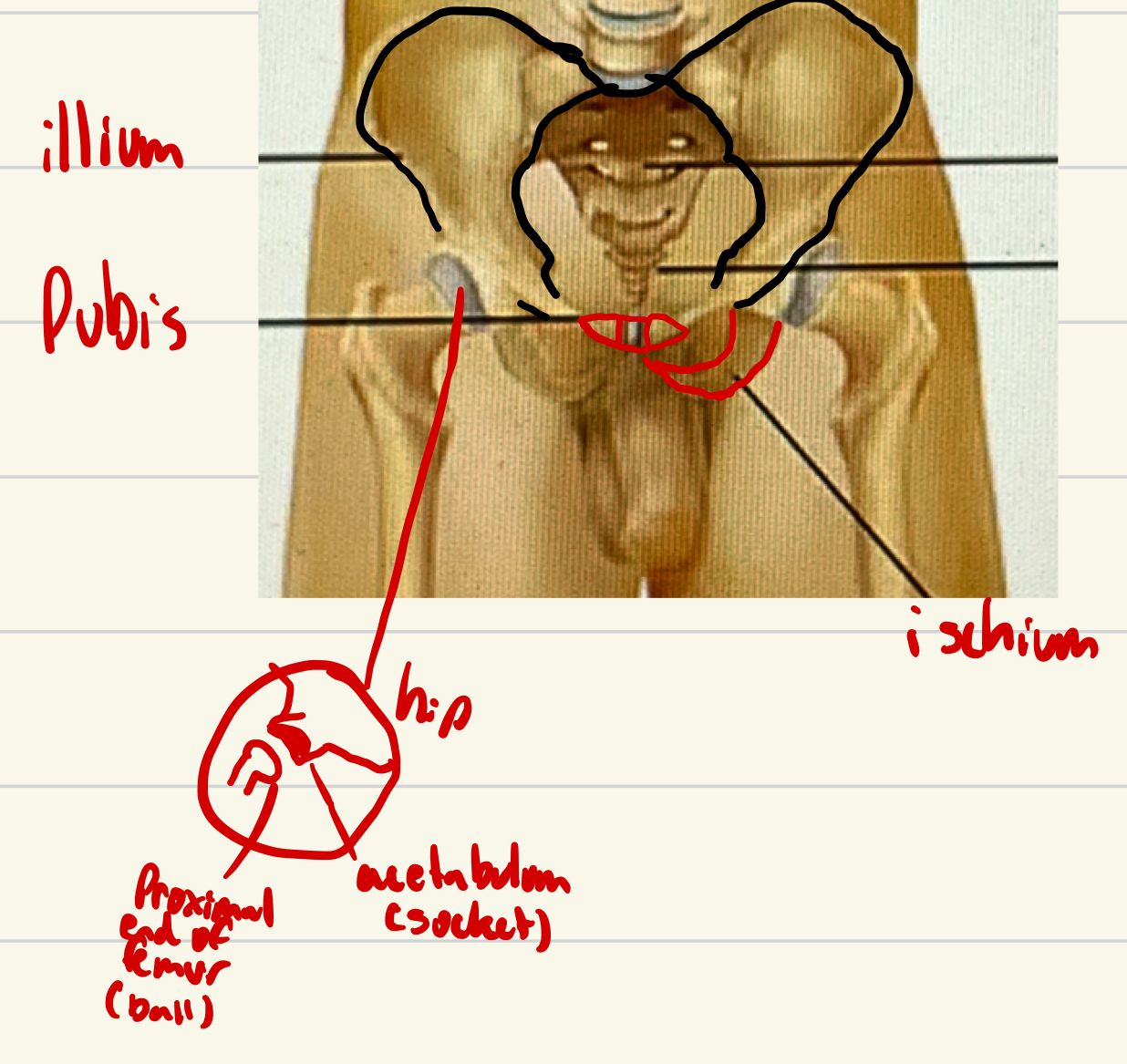
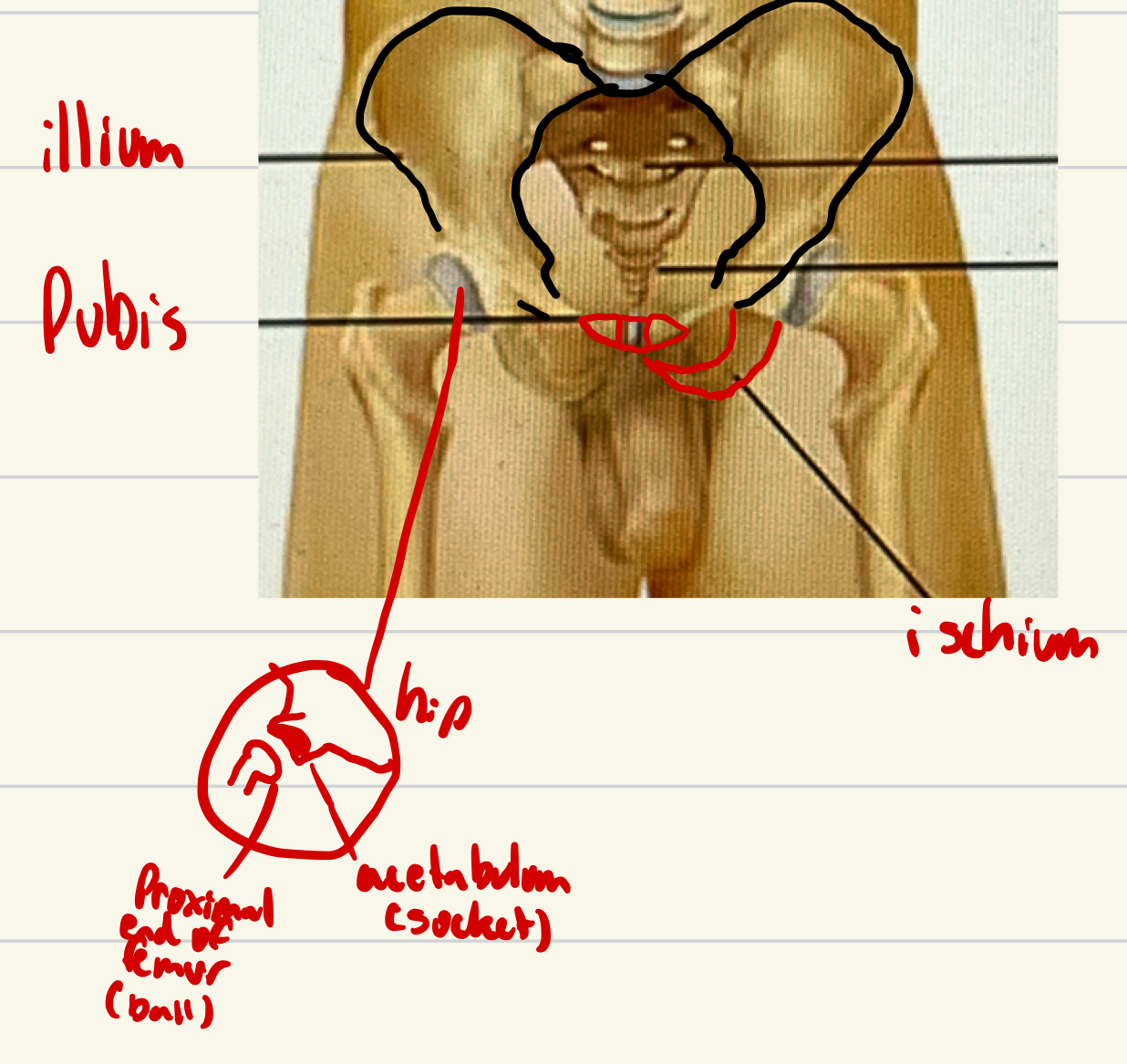
the pelvic socket into which the ball at the proximal end of the femur fits to form the hip joint
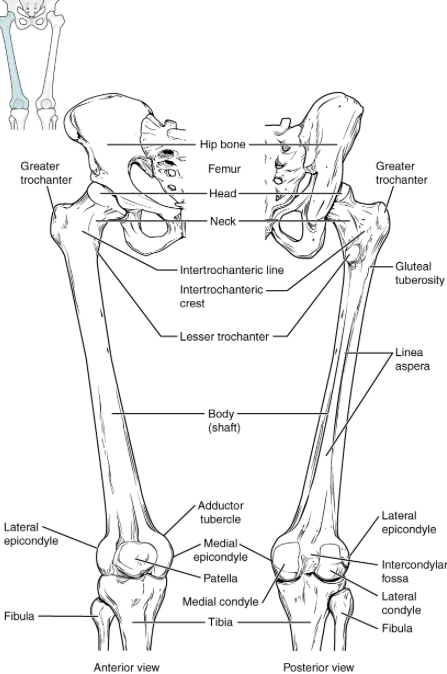
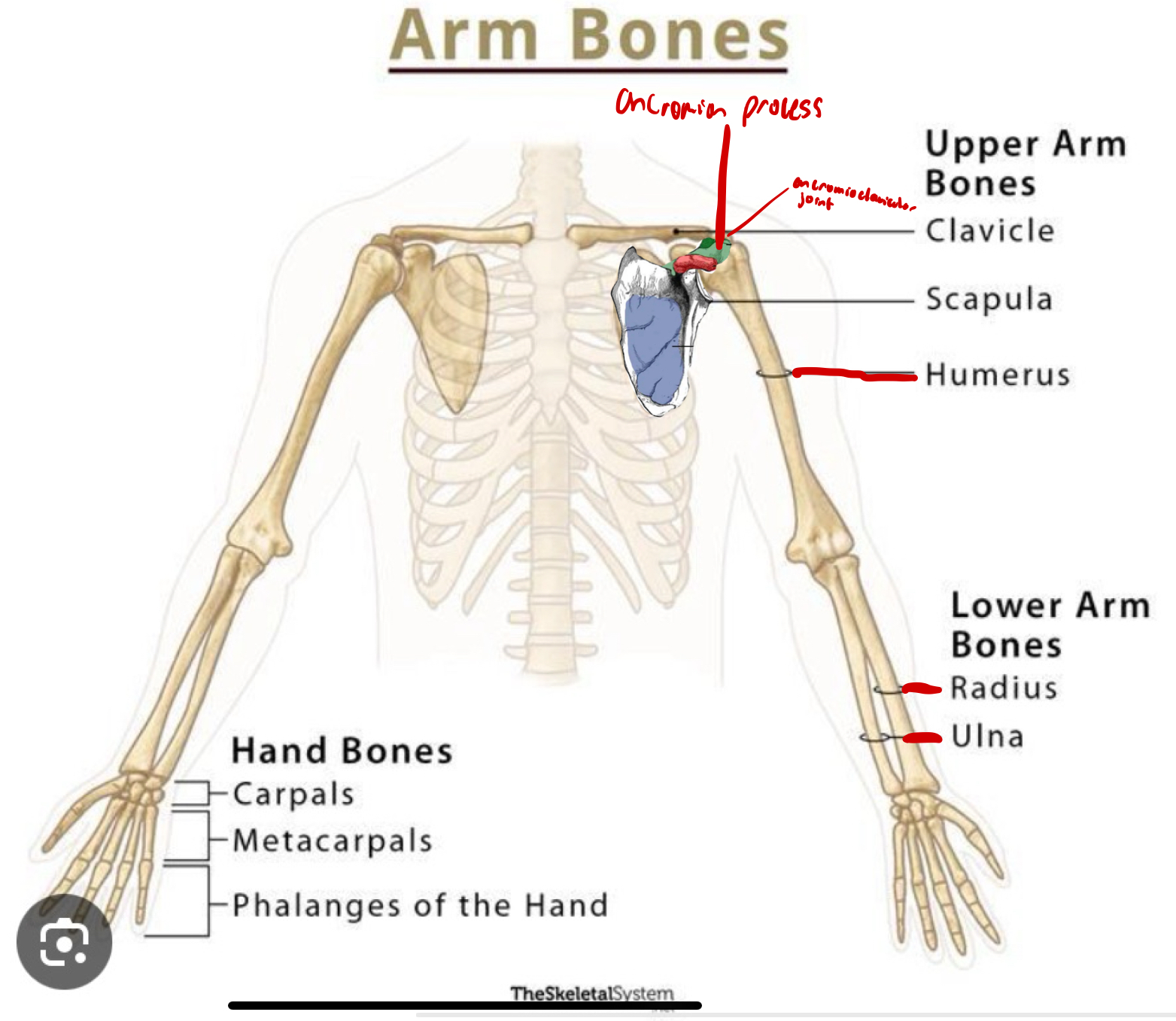
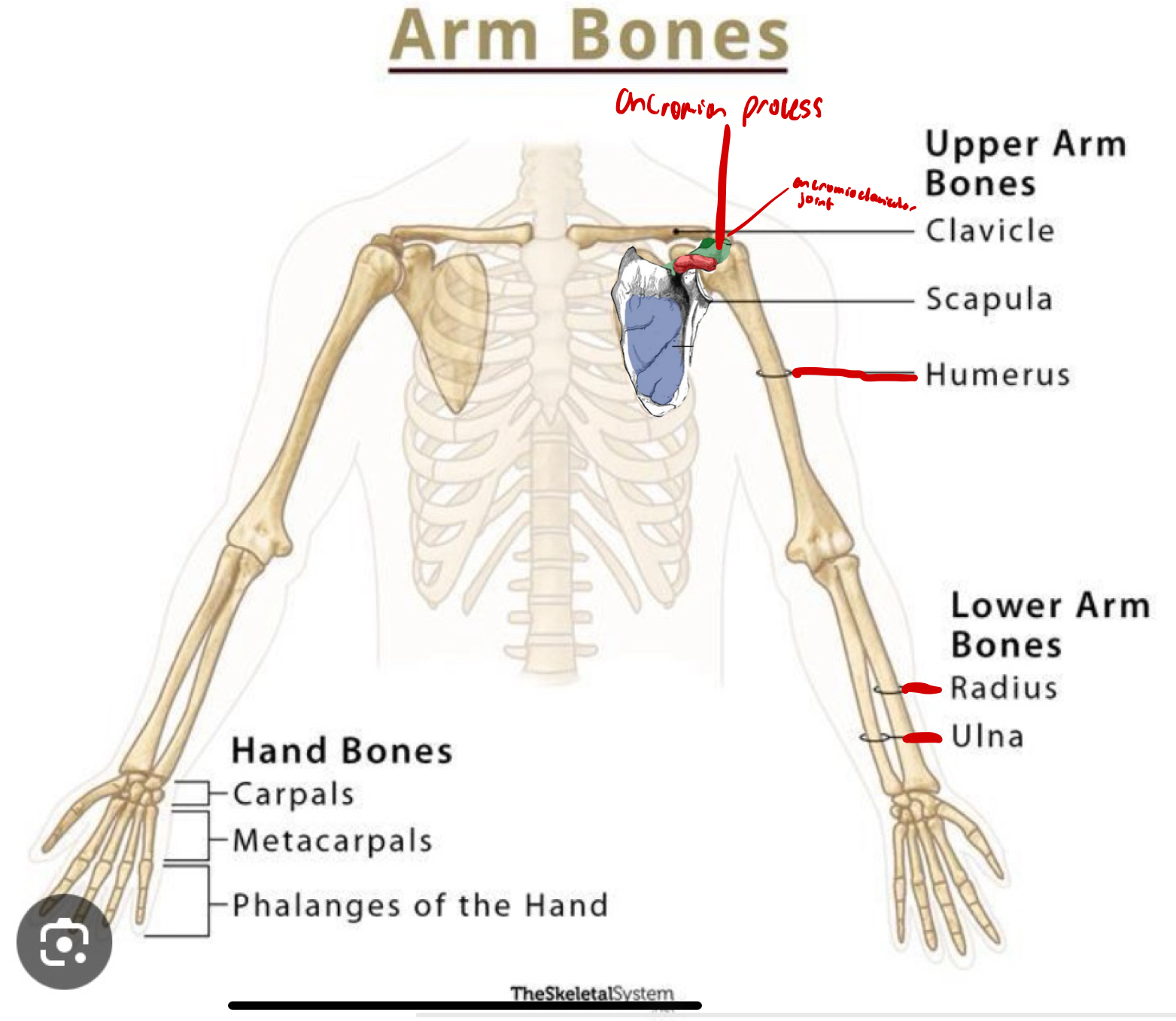
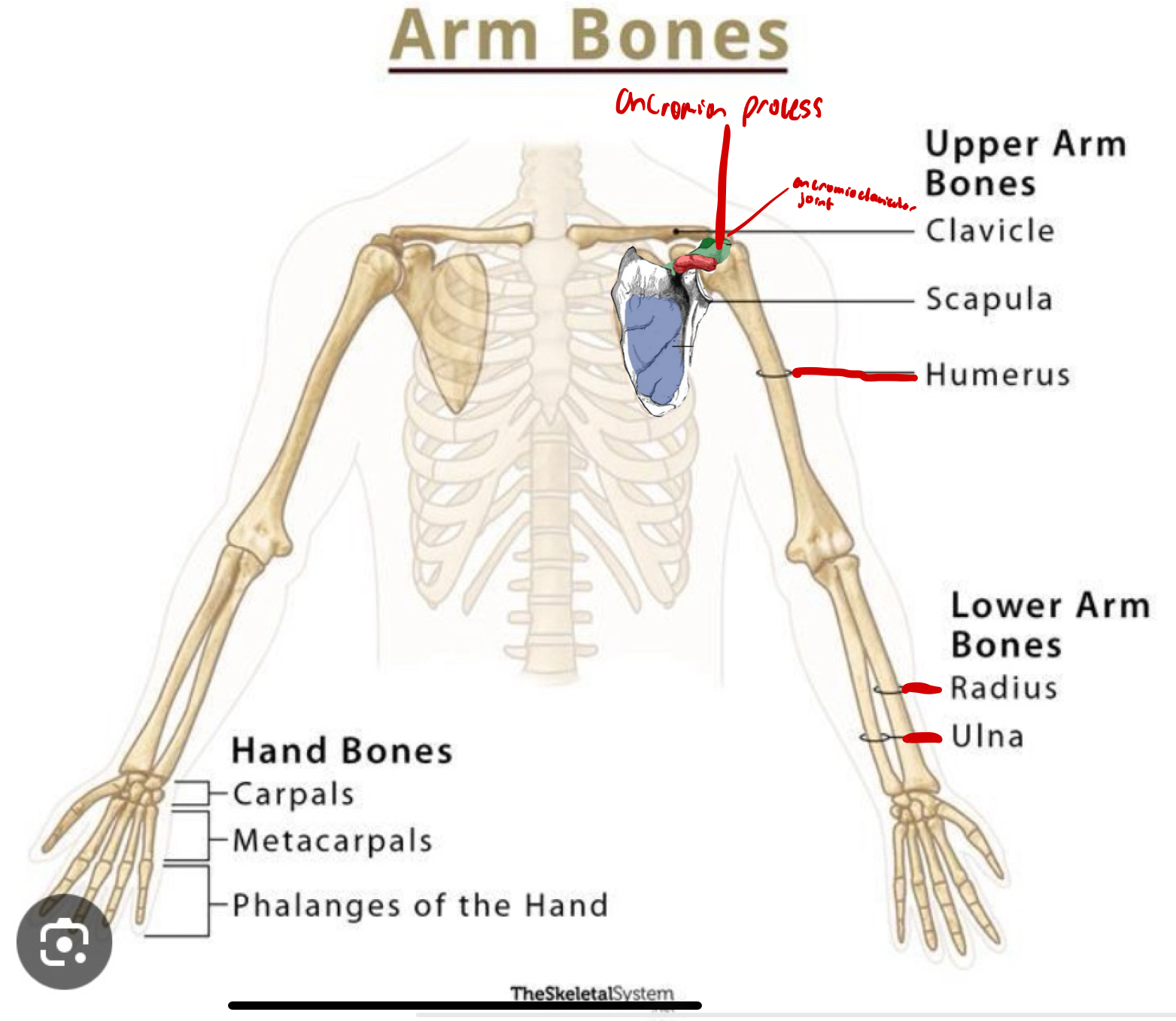
acromioclavicular joint
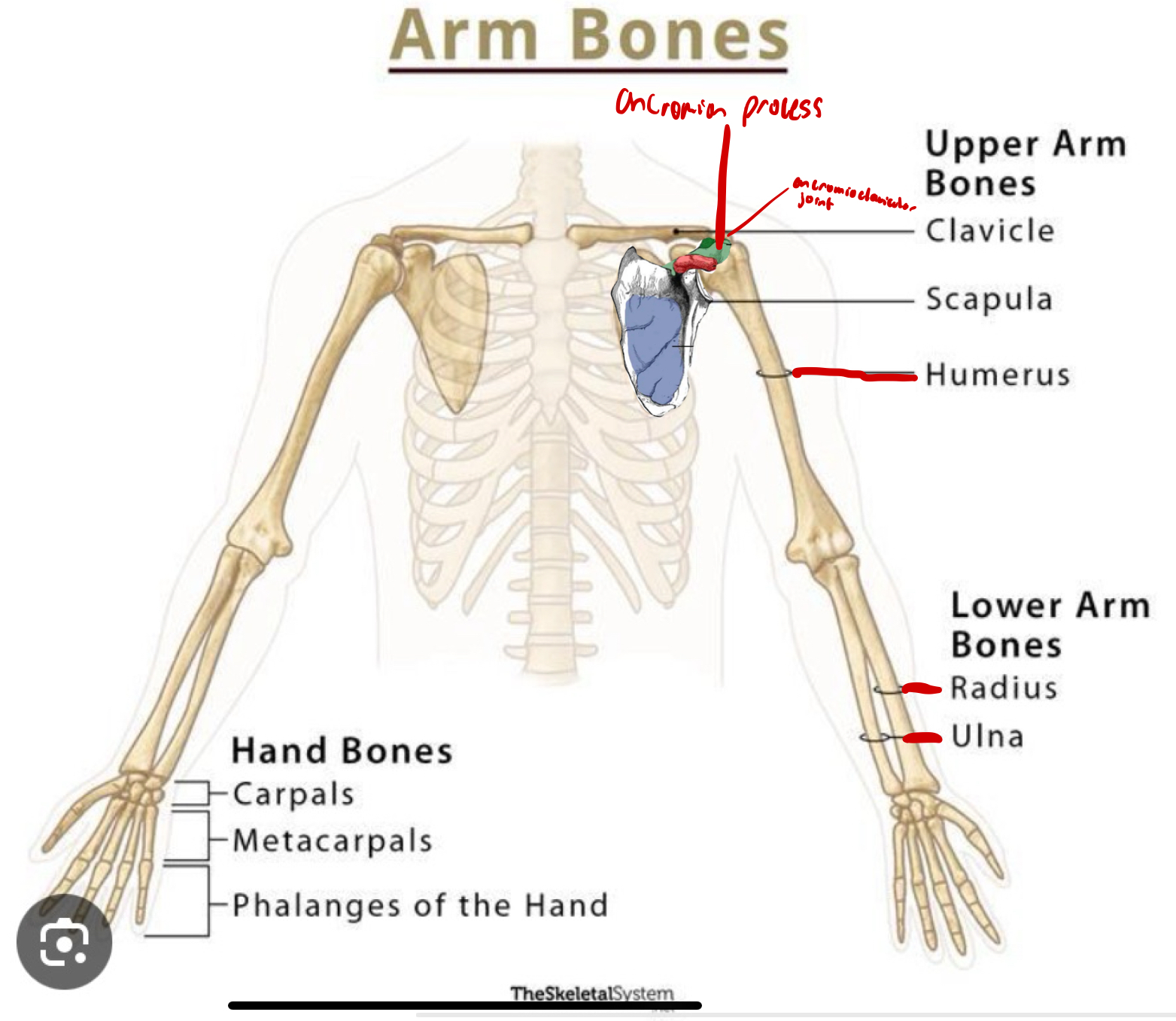
the joint where the acromion and the clavicle meet
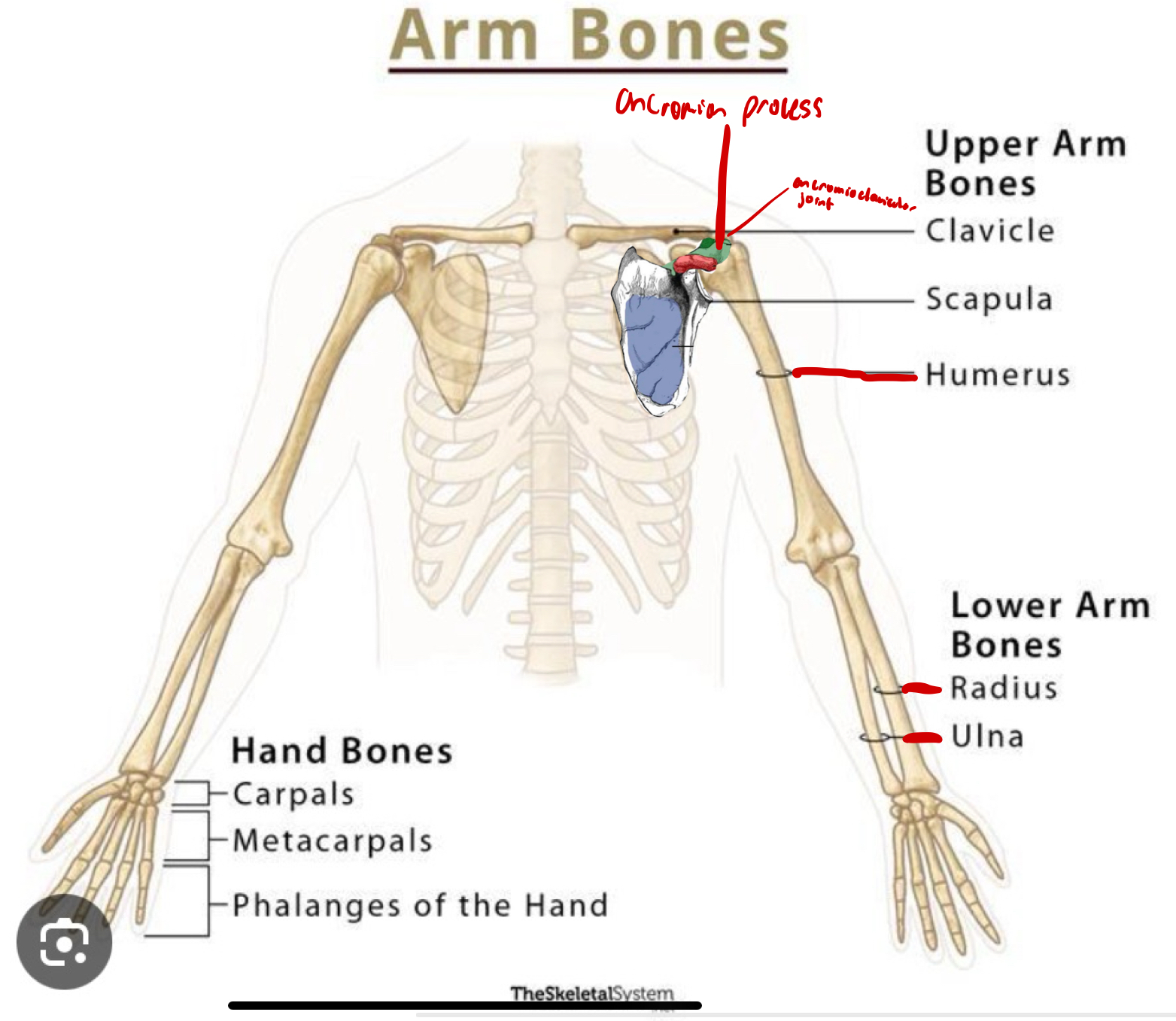
acromion process
the highest portion of the shoulder
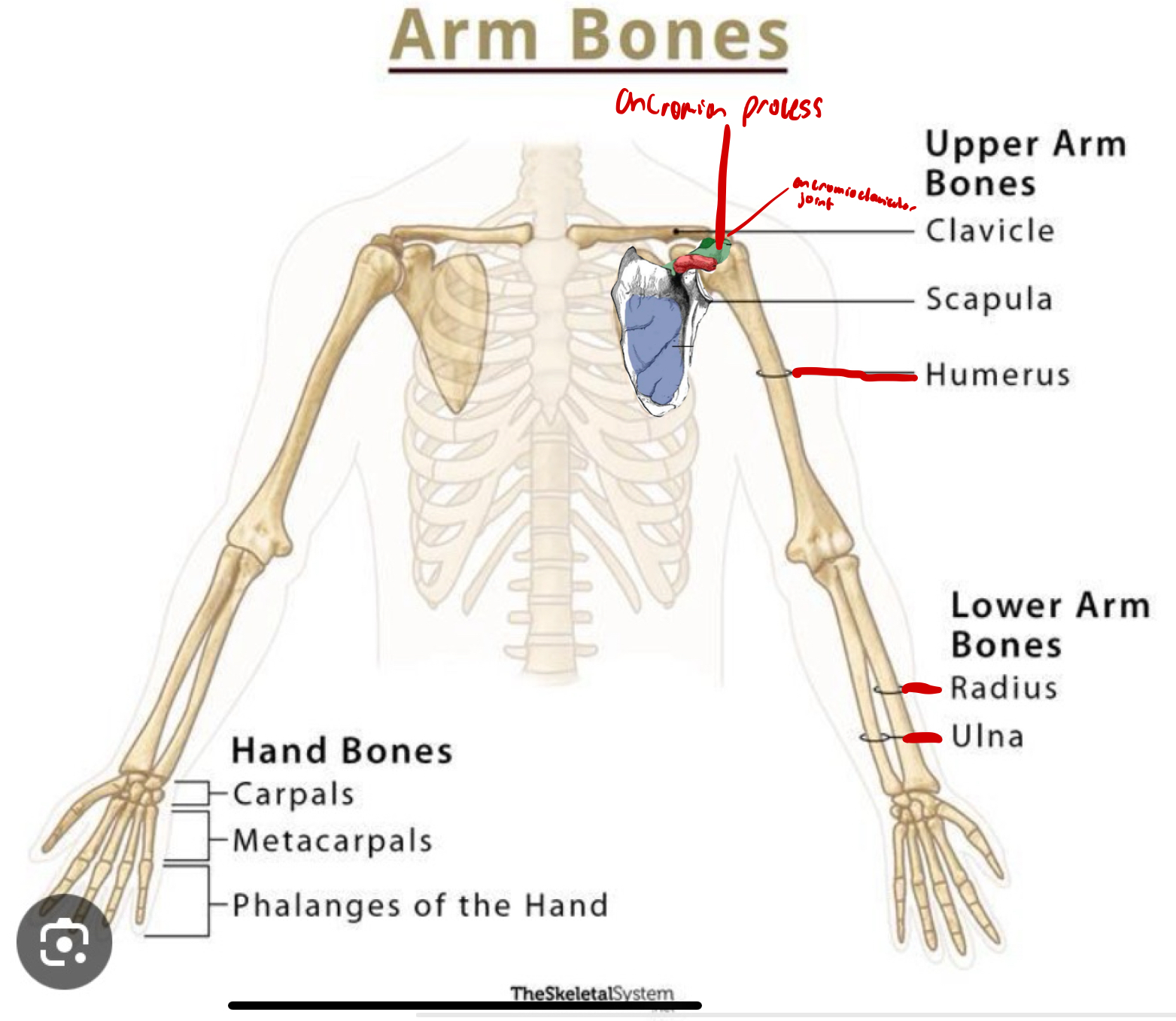
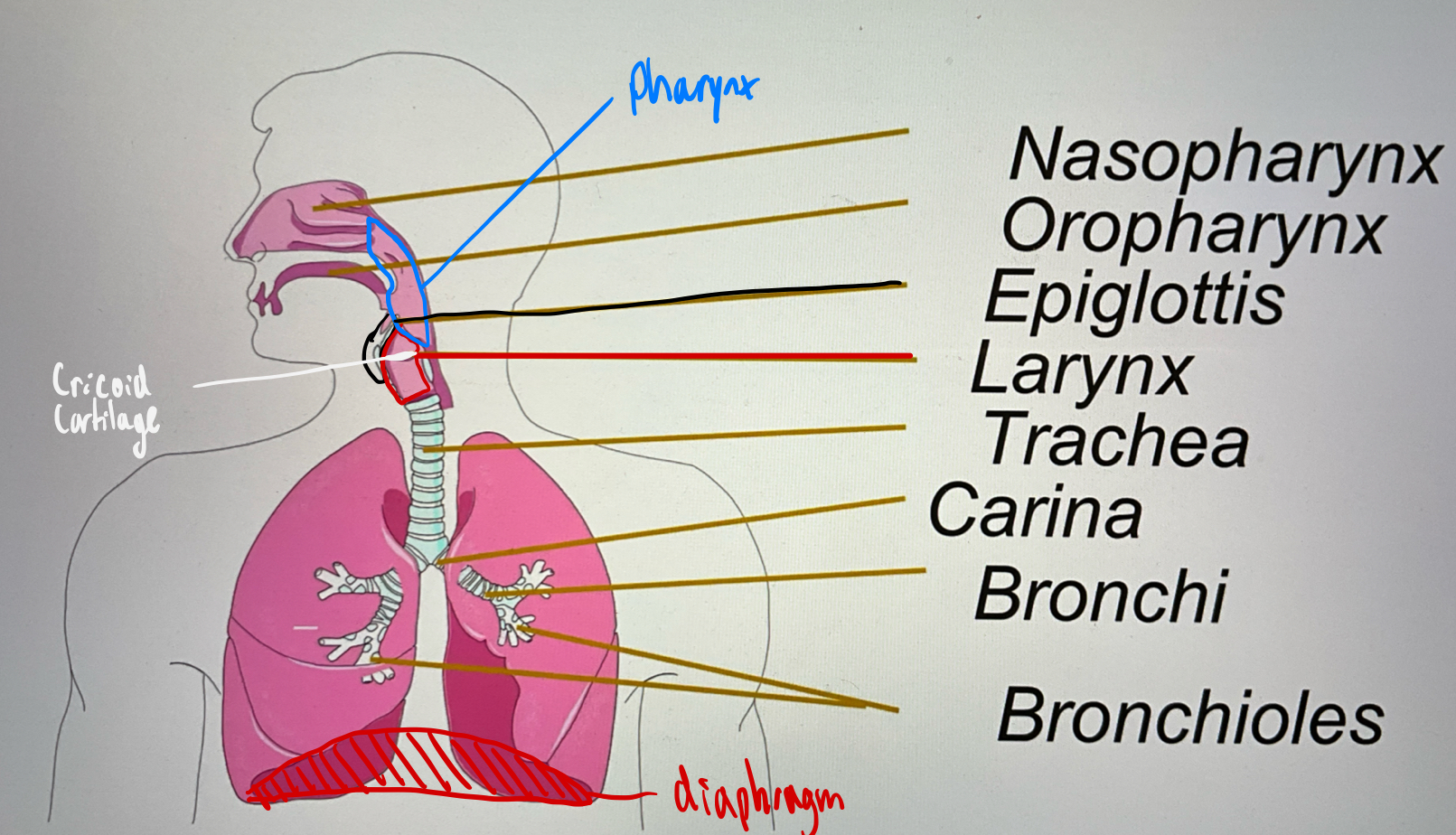
Glottis
Entry to trachea
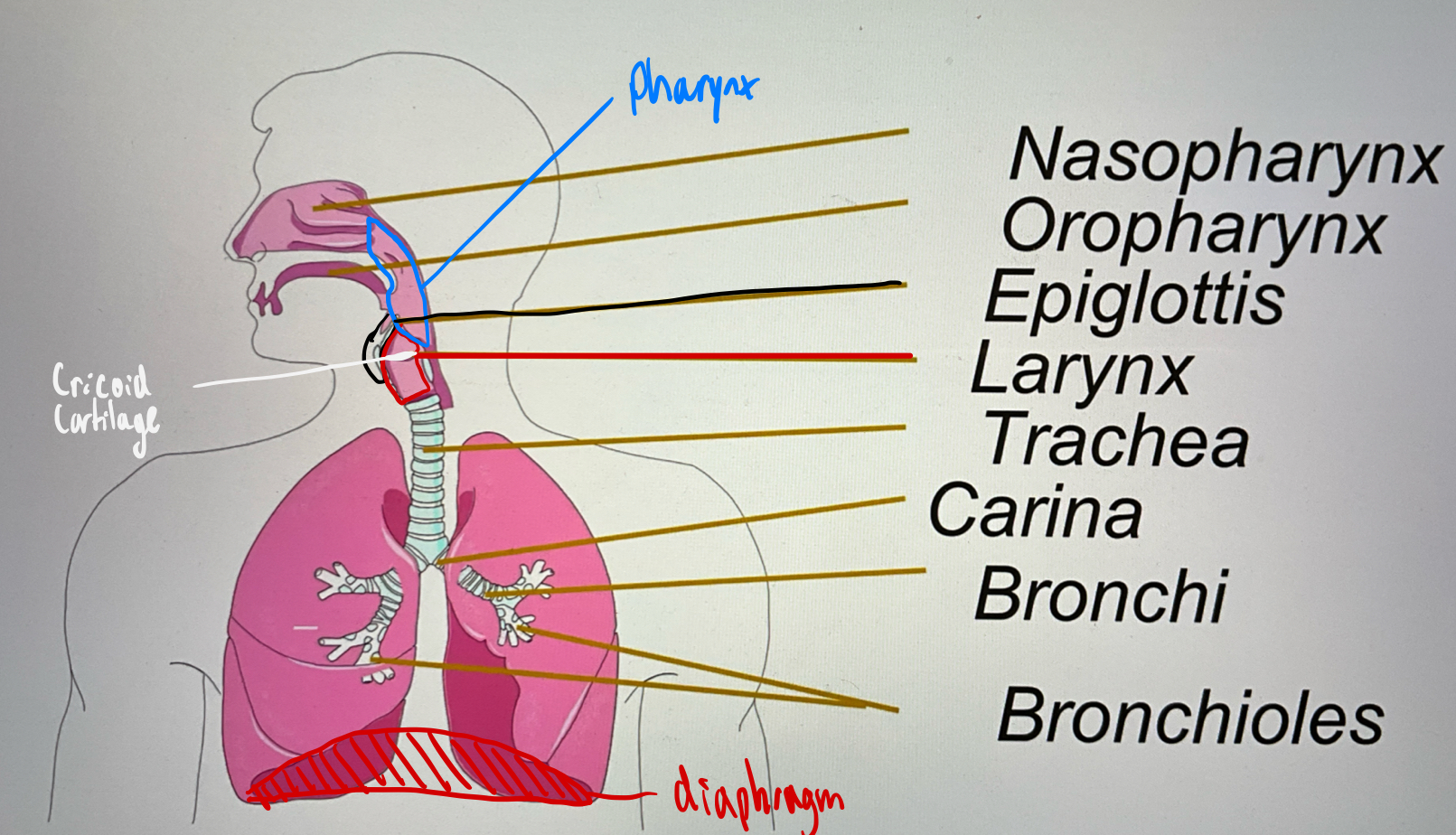
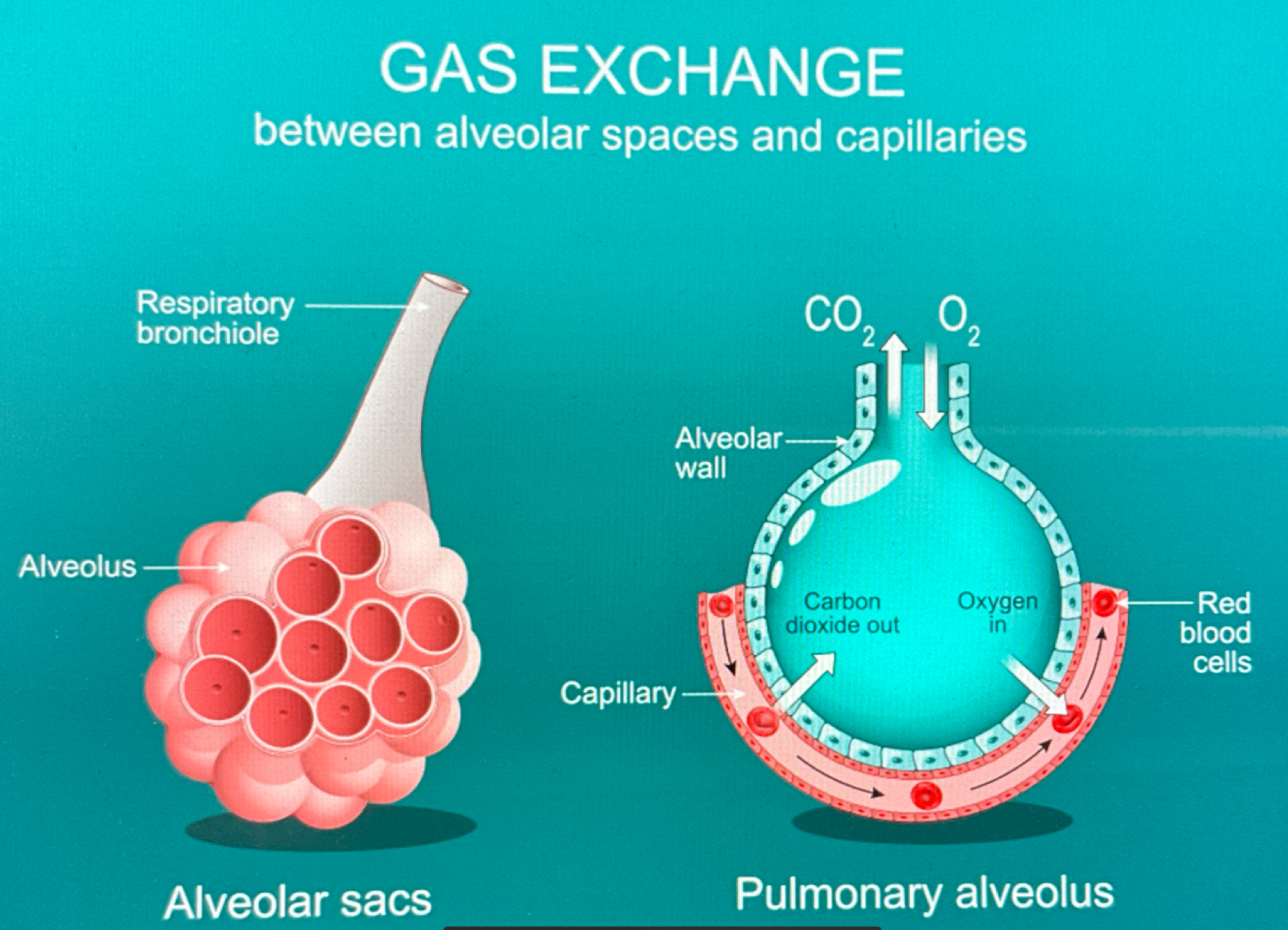
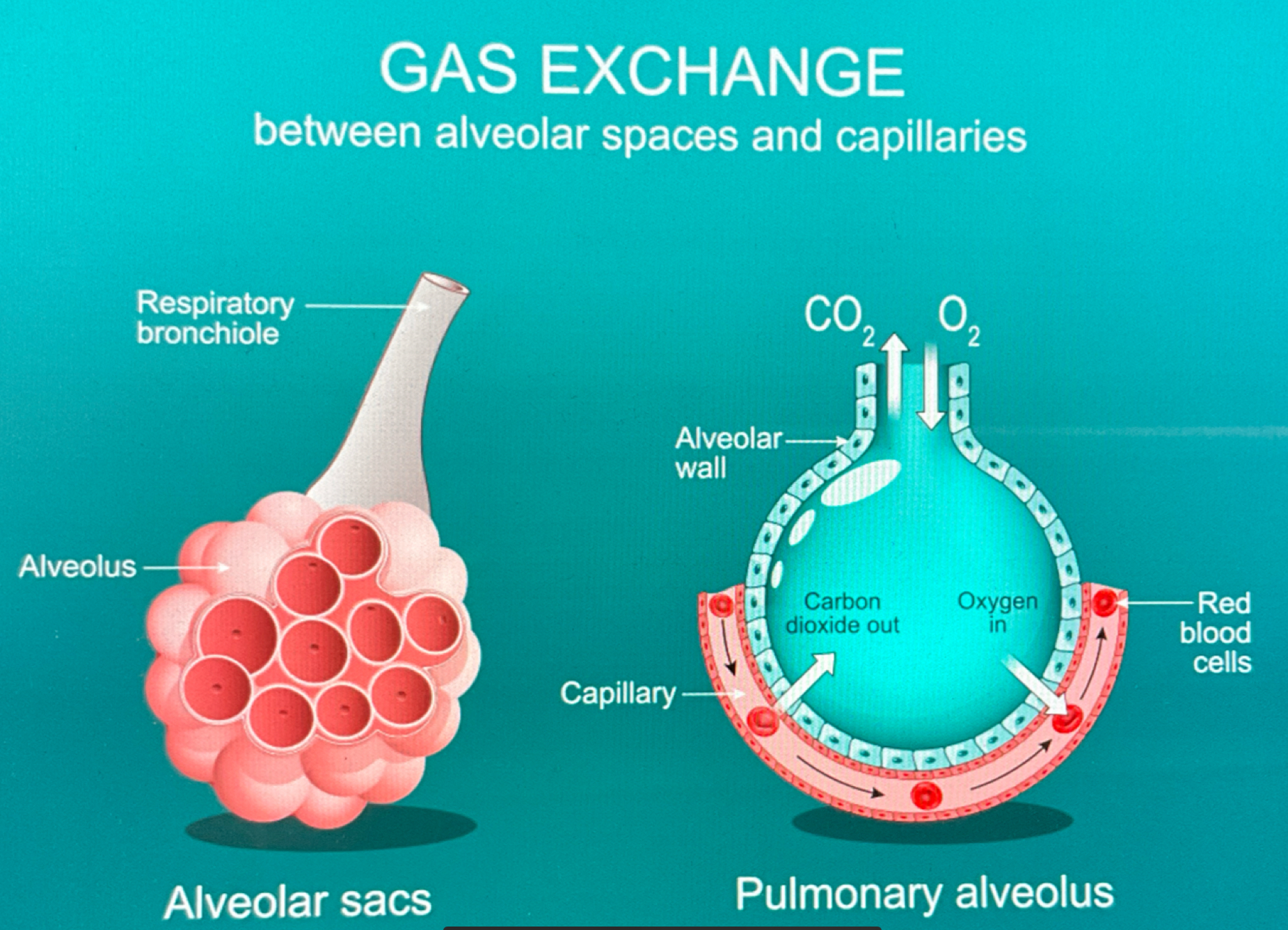
alveoli
the microscopic sacs of the lungs where gas exchange with the bloodstream takes place
anatomy
the study of body structure
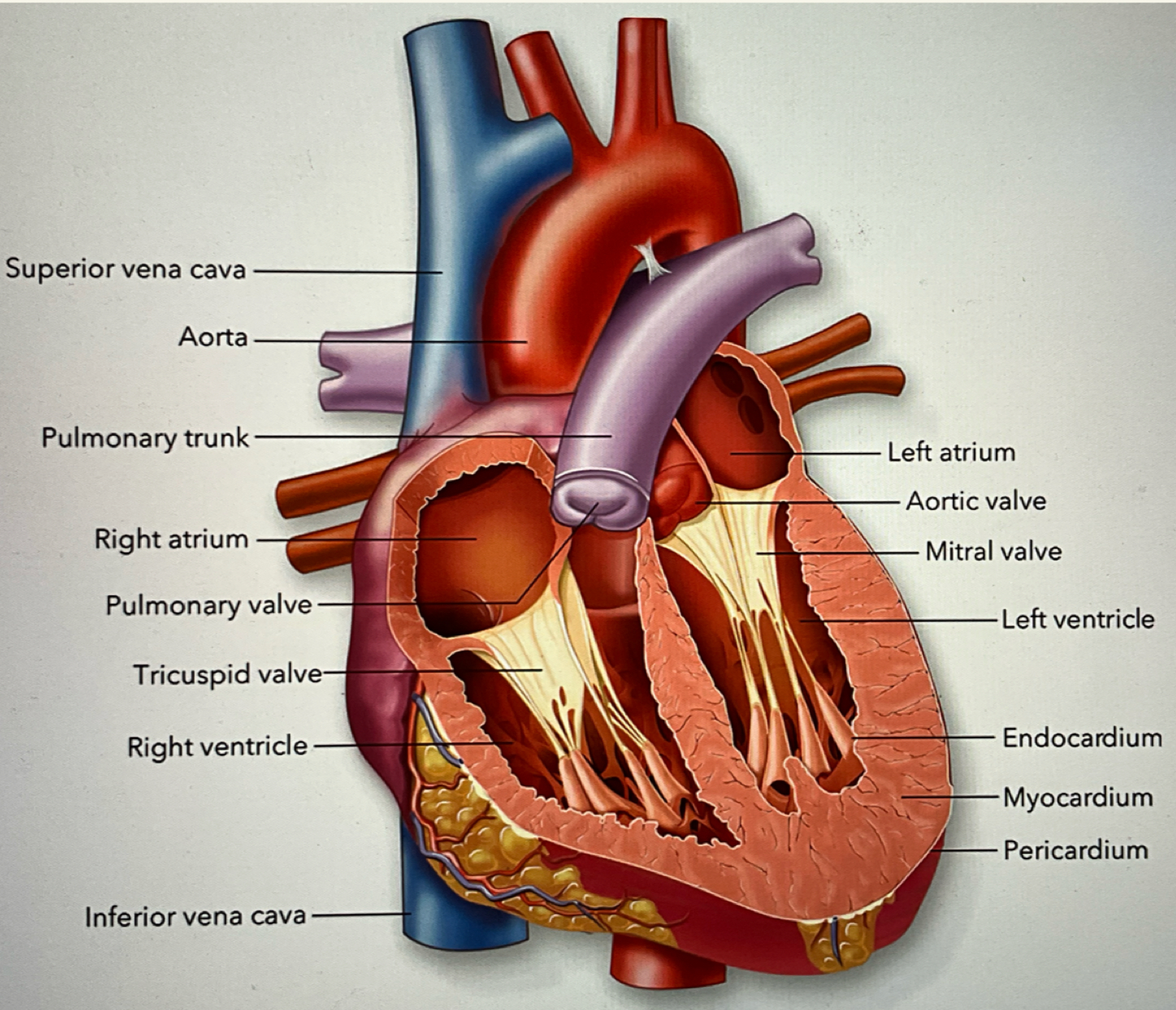
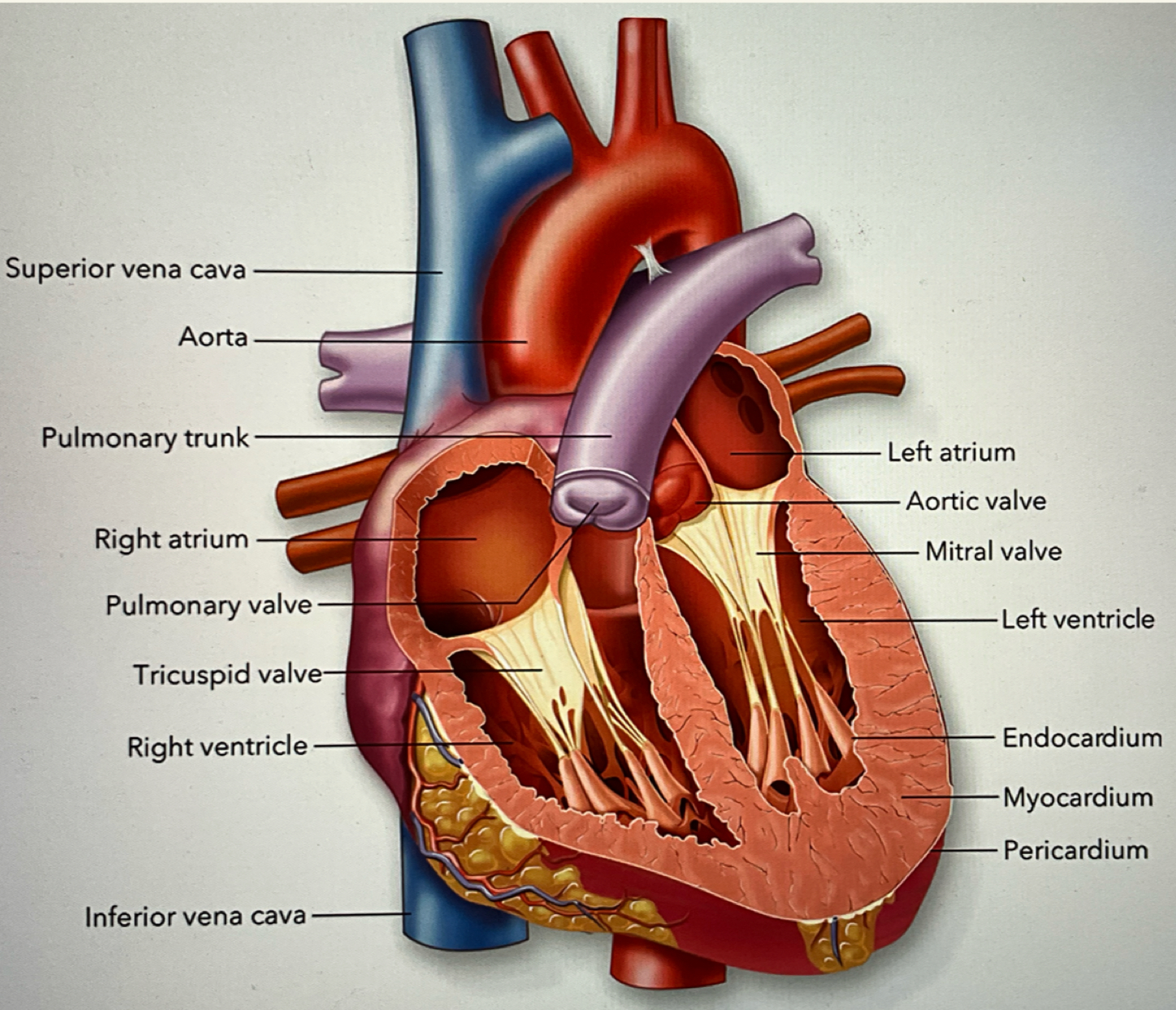
aorta
the largest artery in the body. It transports blood from the left ventricle to begin systemic circulation
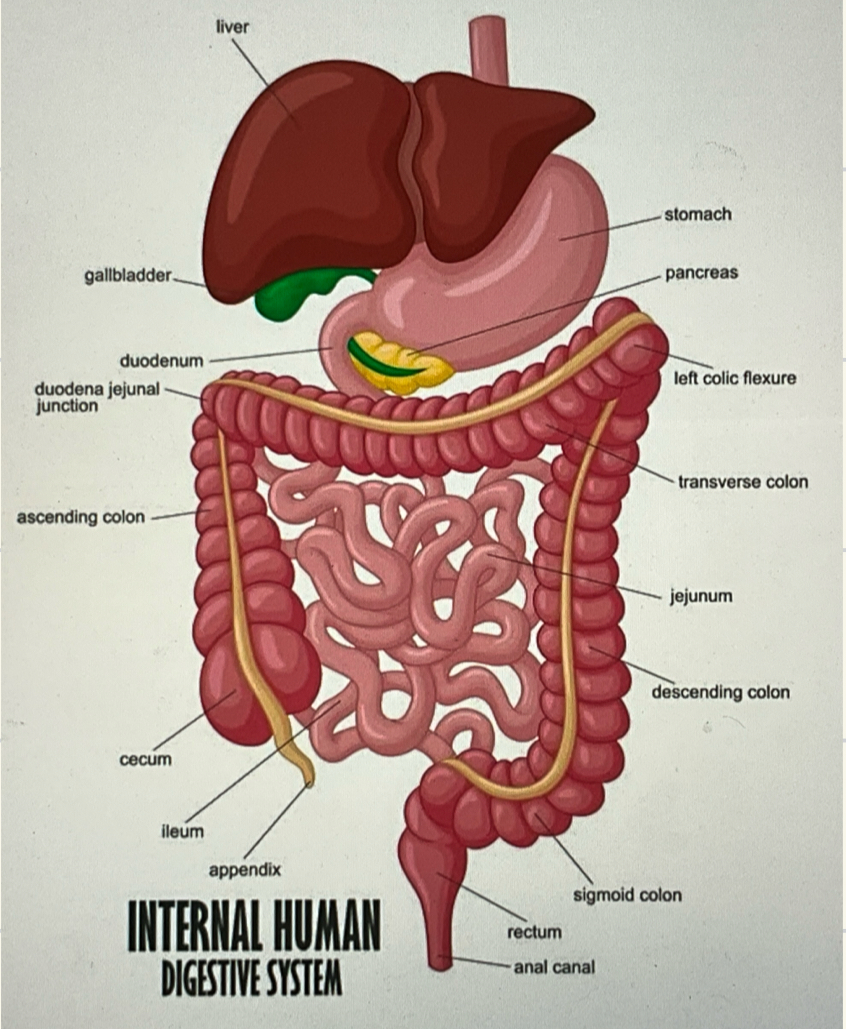
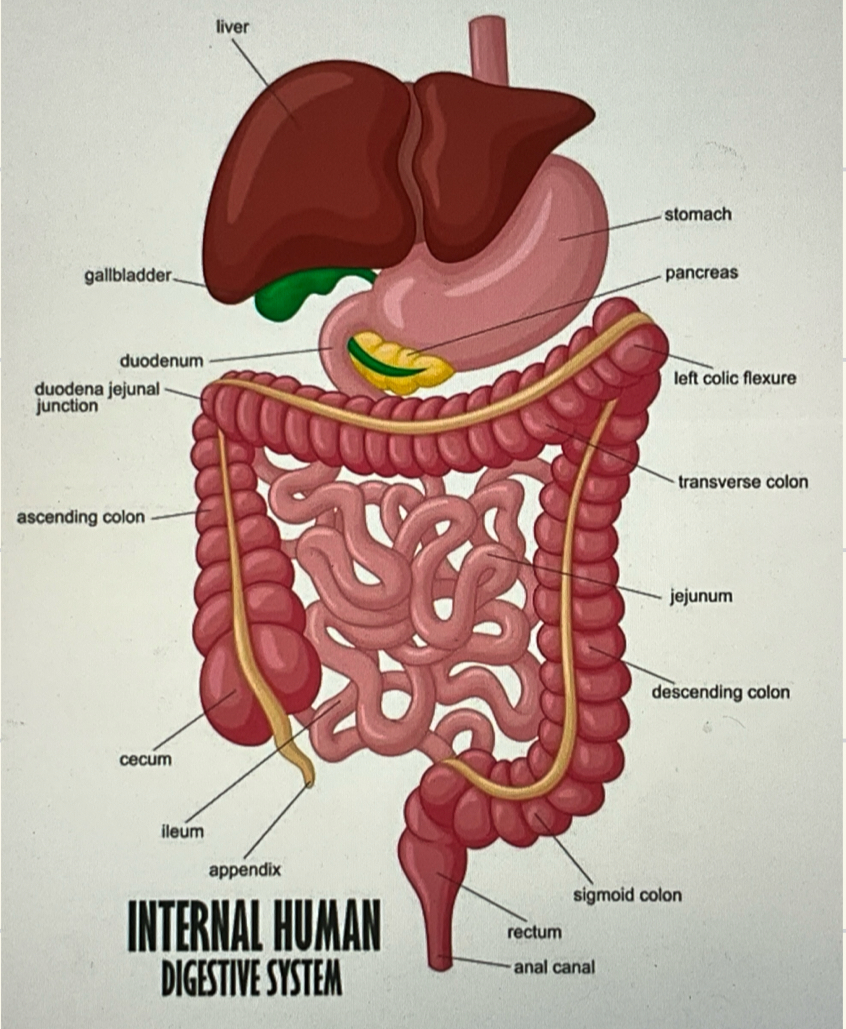
appendix
a small tube located near the junction of the small and large intestines in the right lower quadrant of the abdomen, the function of which is not well understood. Its inflammation, called appendicitis, is a common cause of abdominal pain.
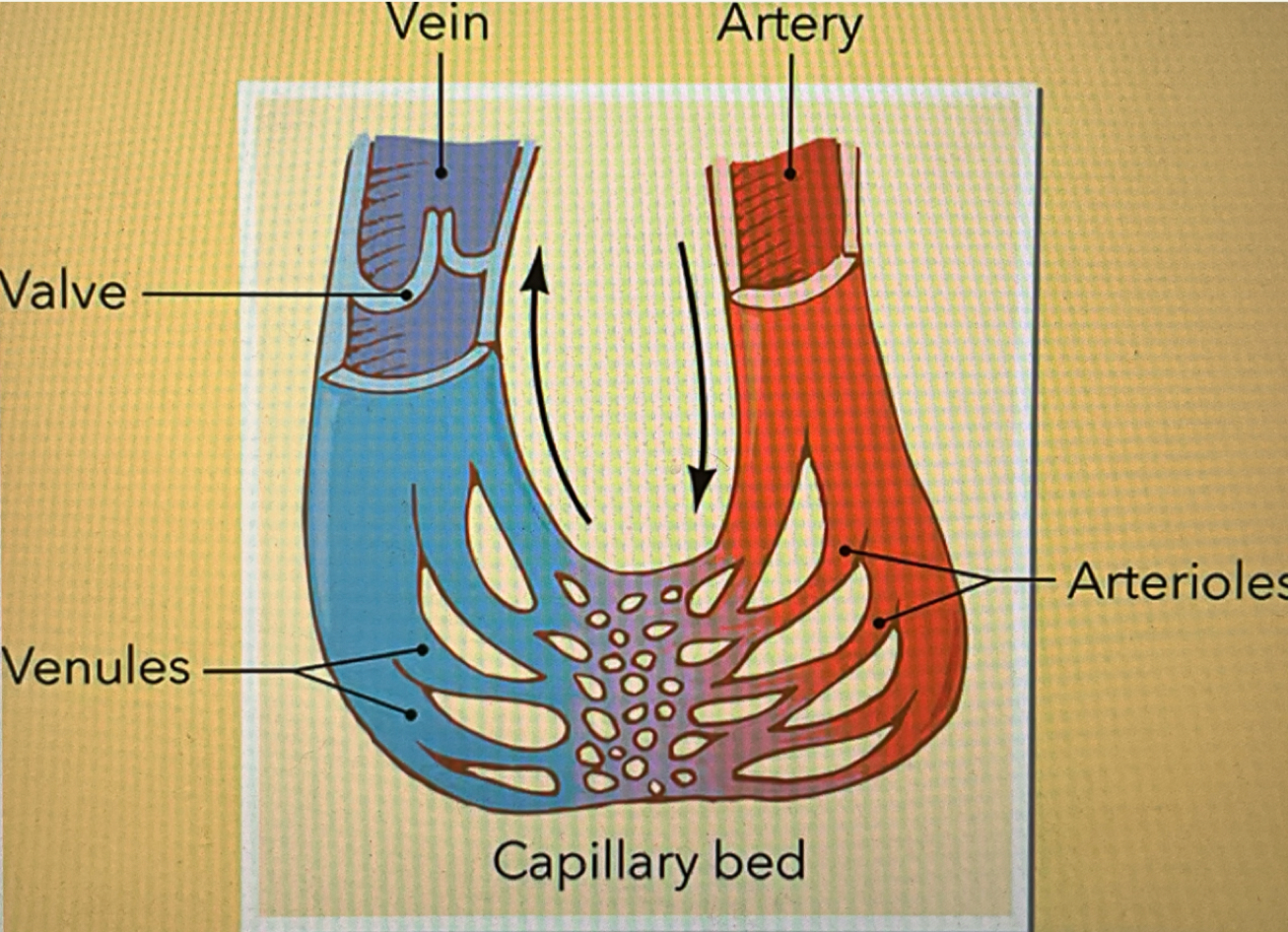
arteriole
the smallest kind of artery
artery
any blood vessel carrying blood away from the heart
atria
the two upper chambers of the heart (right and left)
automaticity
the ability of the heart to generate and conduct electrical impulses on its own
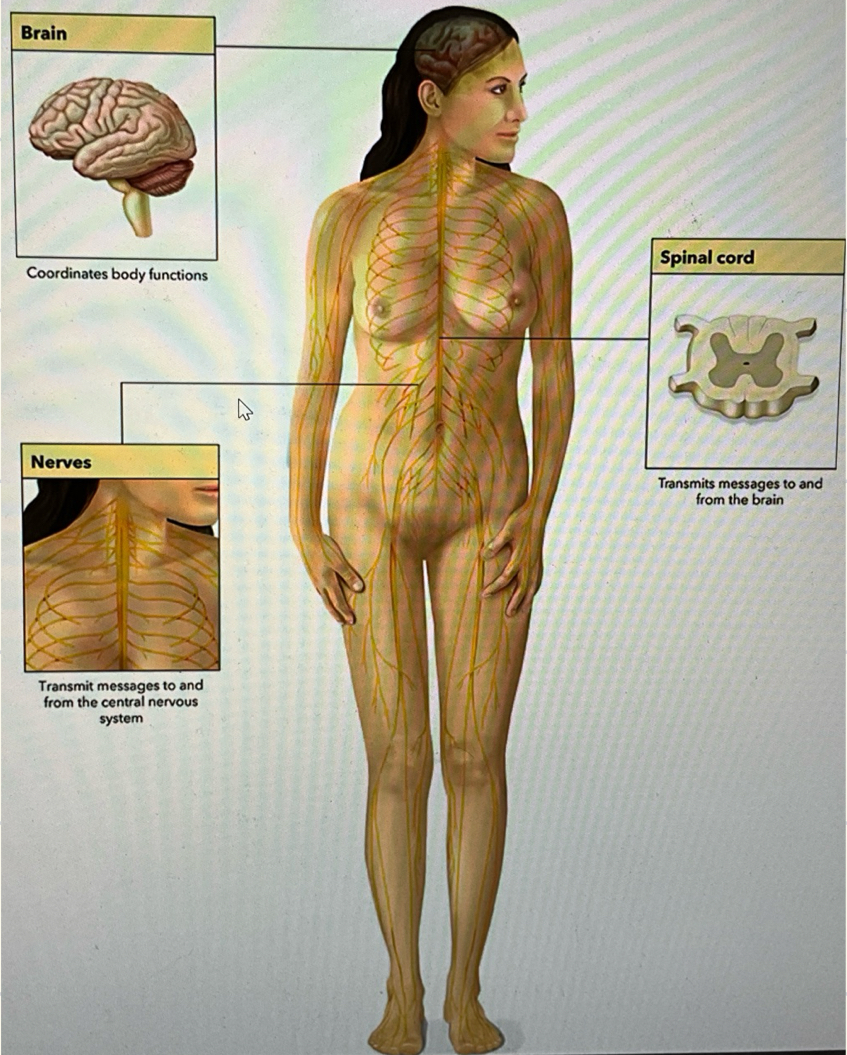
autonomic nervous system
the division of the peripheral nervous system that controls involuntary motor functions
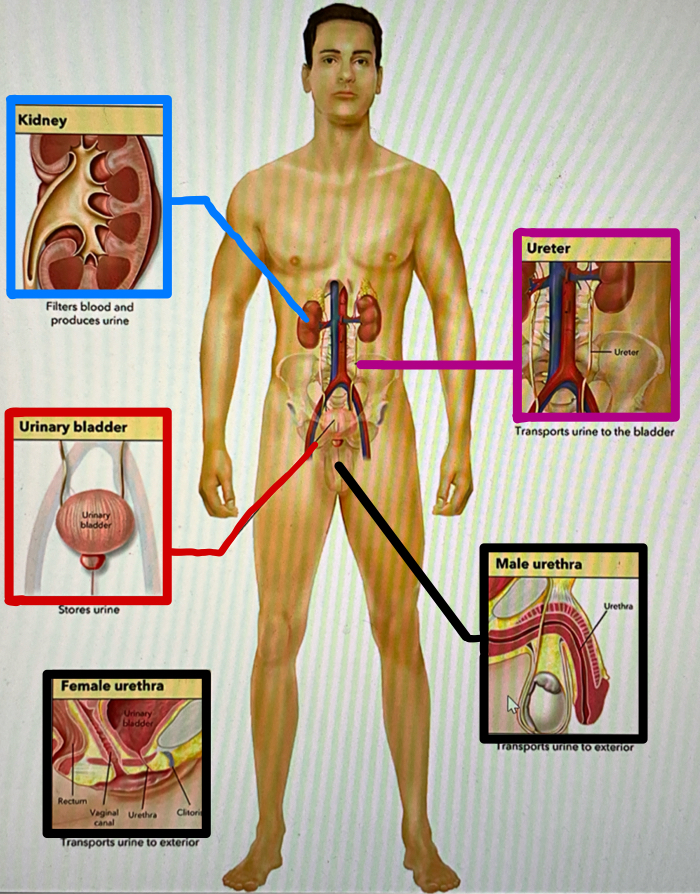
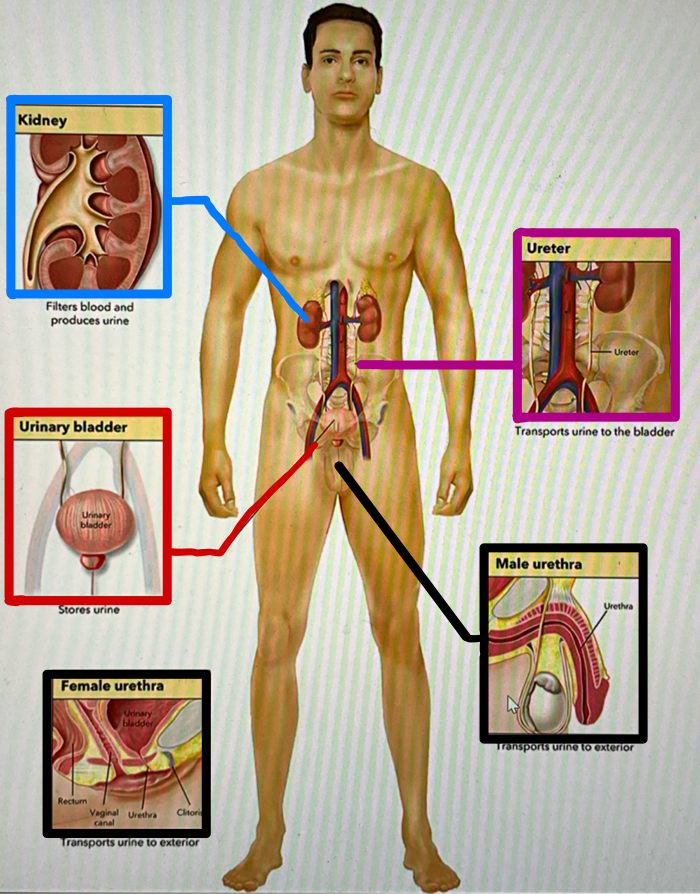
bladder
the round saclike organ or the renal system used as a reservoir for urine
blood pressure
the pressure that is exerted by the blood against the walls of blood vessels
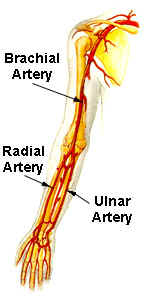
brachial artery
artery of the upper arm; the site of the pulse checked during infant CPR
mainstem bronchi
The two large sets of branches that come off the trachea and enter the lungs.
buffer system
a system that helps manage the pH of the body to maintain it at a normal level
calcaneous
the heel bone
capillary
a thin-walled, microscopic blood vessel where the oxygen/carbon dioxide and nutrient/waste exchange with the body's cells takes place
cardiac conduction system
a system of specialized muscle tissues that conducts electrical impulses that stimulate the heart to beat
cardiac muscle
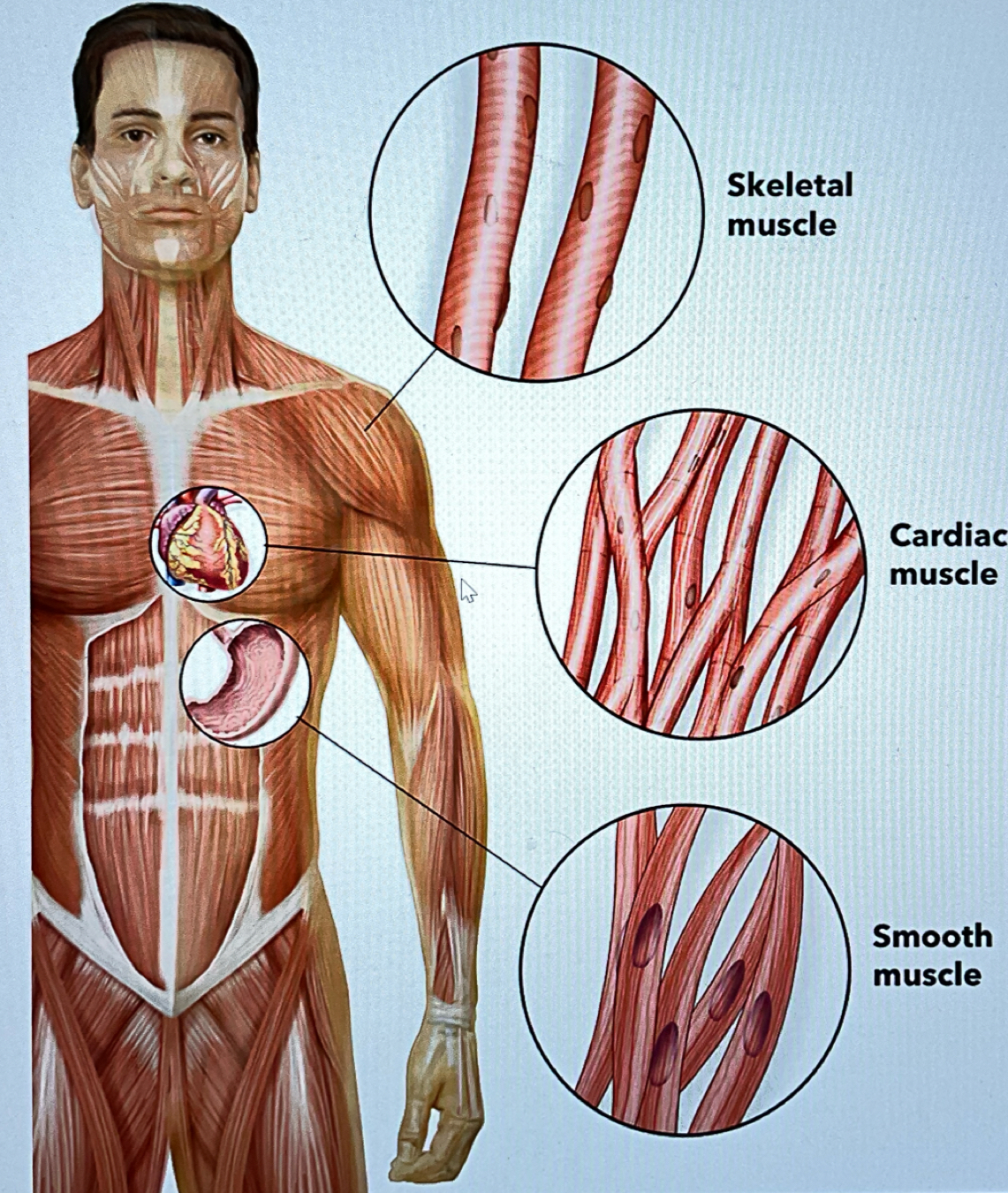
specialized involuntary muscle found only in the heart
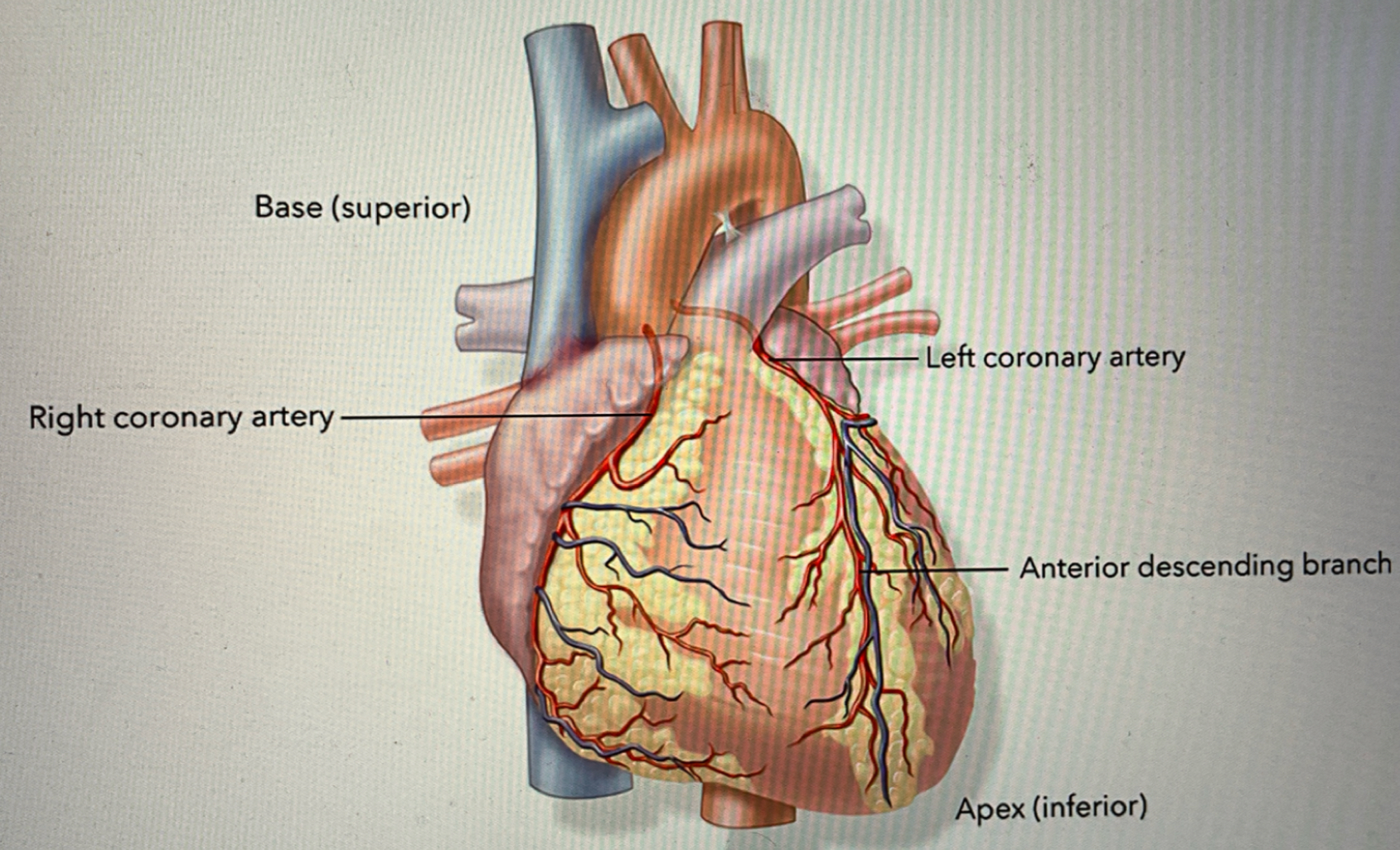
cardiovascular system
the system made up of the heart (cardio) and the blood vessels (vascular); the circulatory system
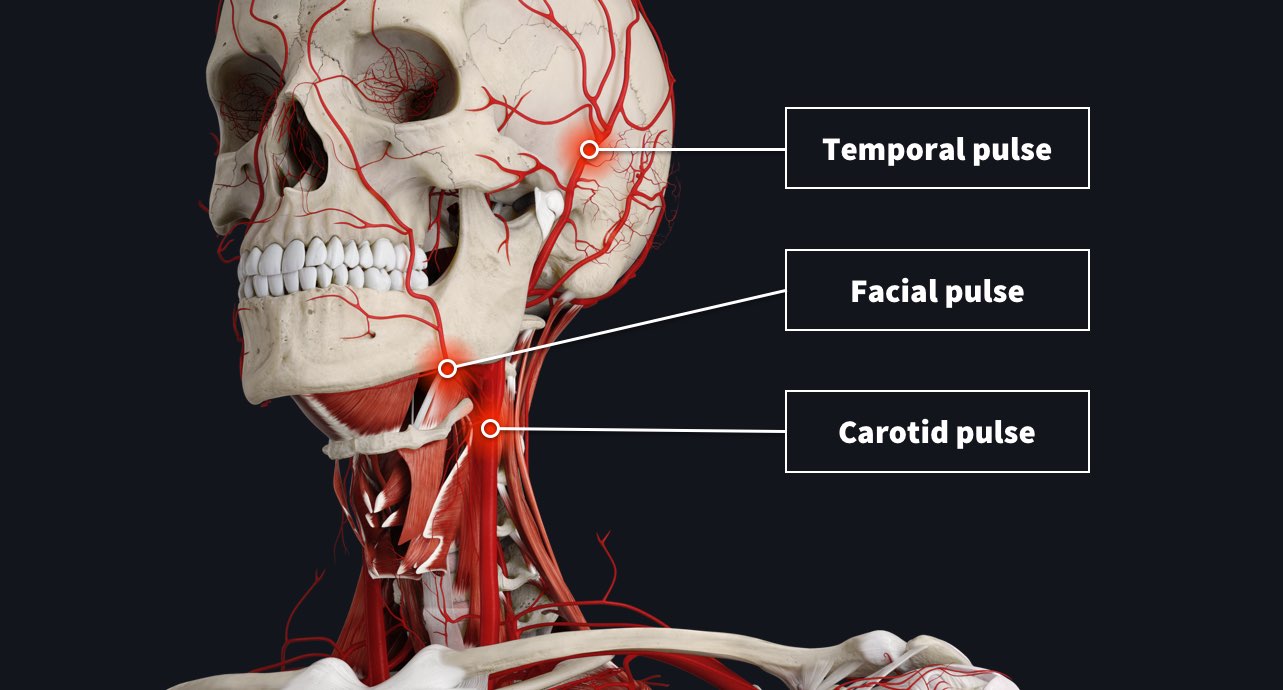
carotid arteries
the large neck arteries, one on each side of the neck, that carry blood from the heart to the head
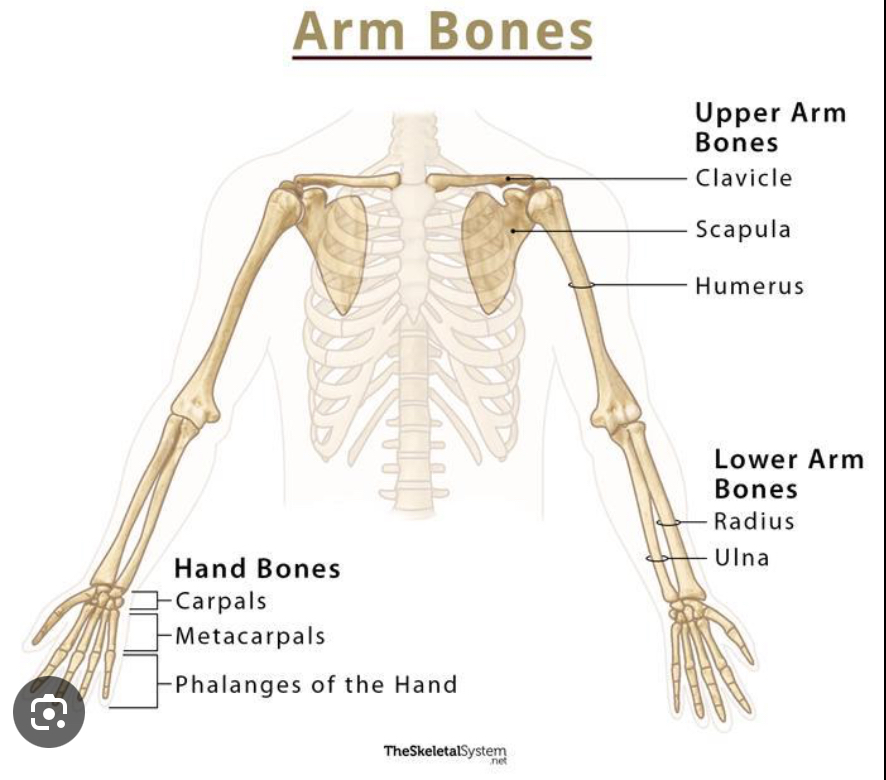
carpals
wrist bones
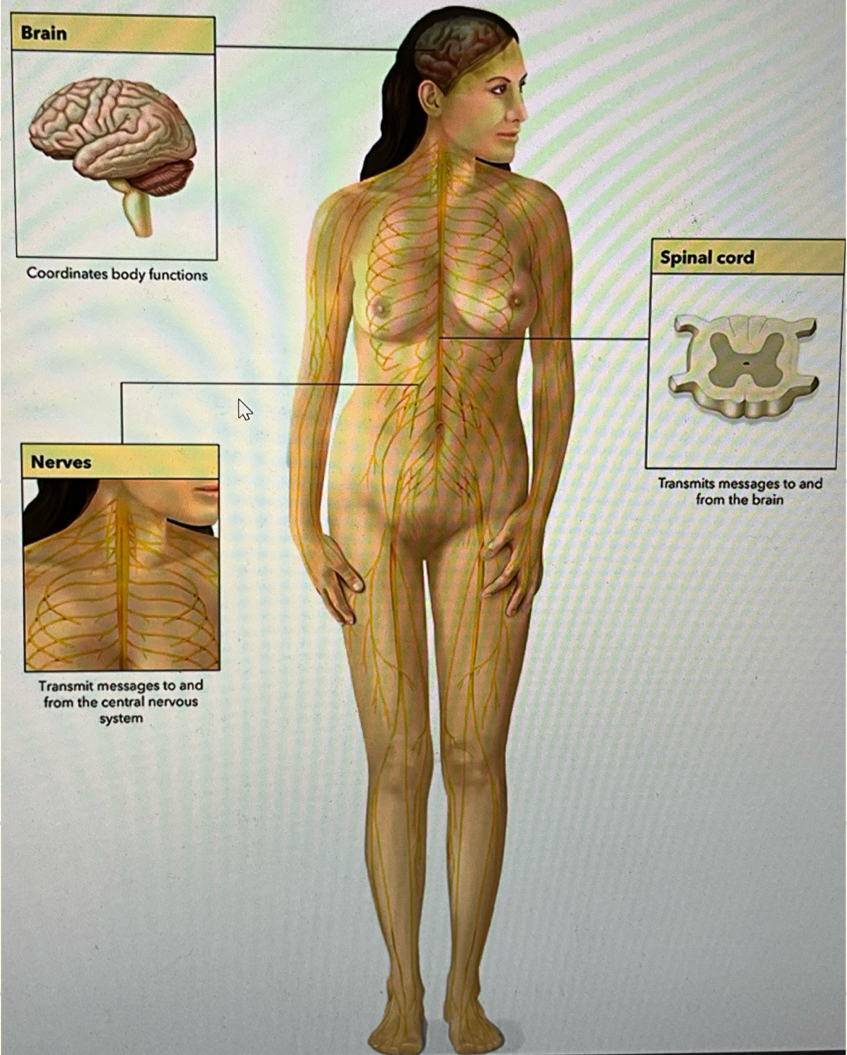
central nervous system (CNS)
brain and spinal cord
central pulses
the carotid and femoral pulses which can be felt in the central part of the body
clavicle
the collarbone
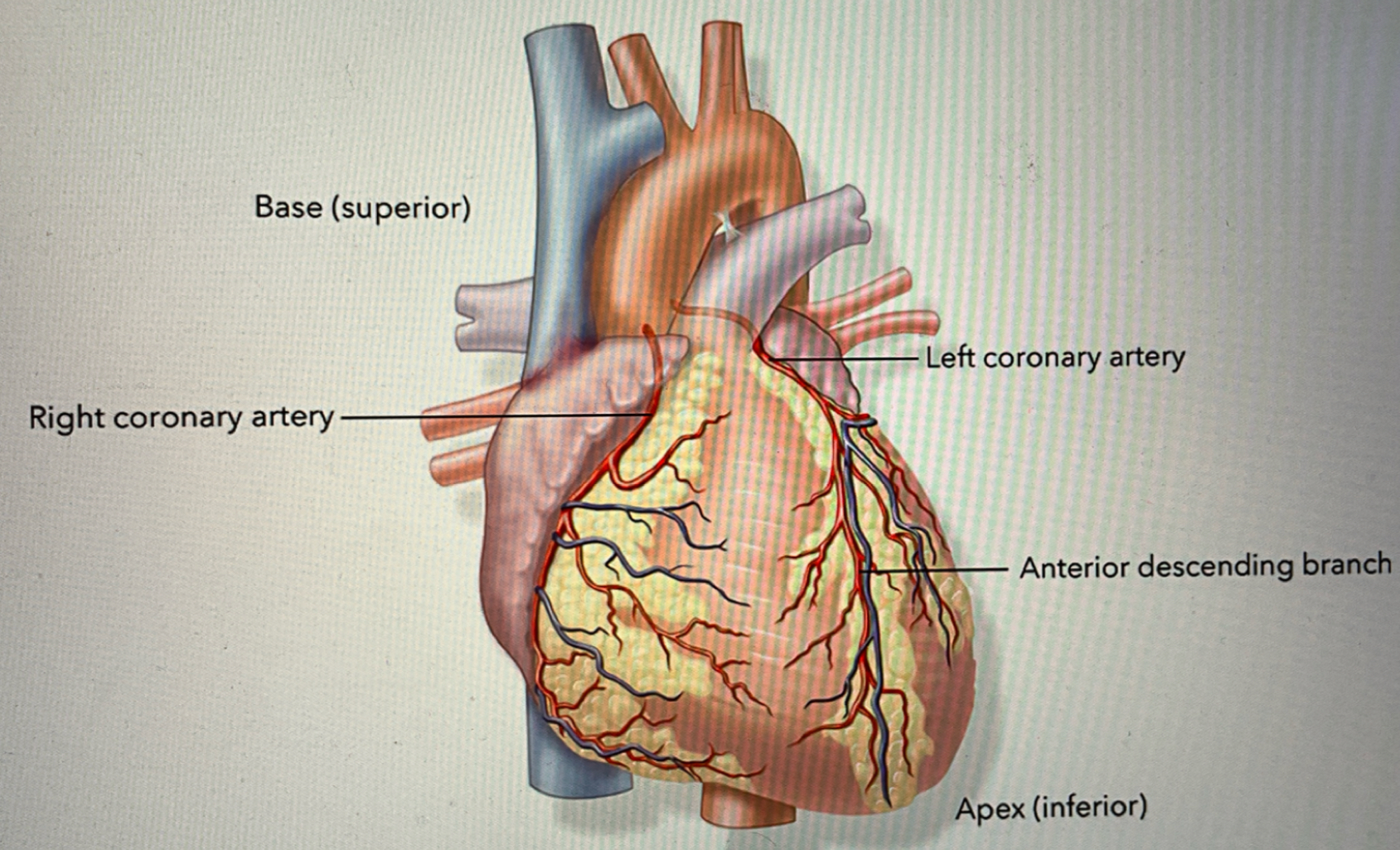
coronary arteries
blood vessels that branch from the aorta and carry oxygen-rich blood to the heart muscle
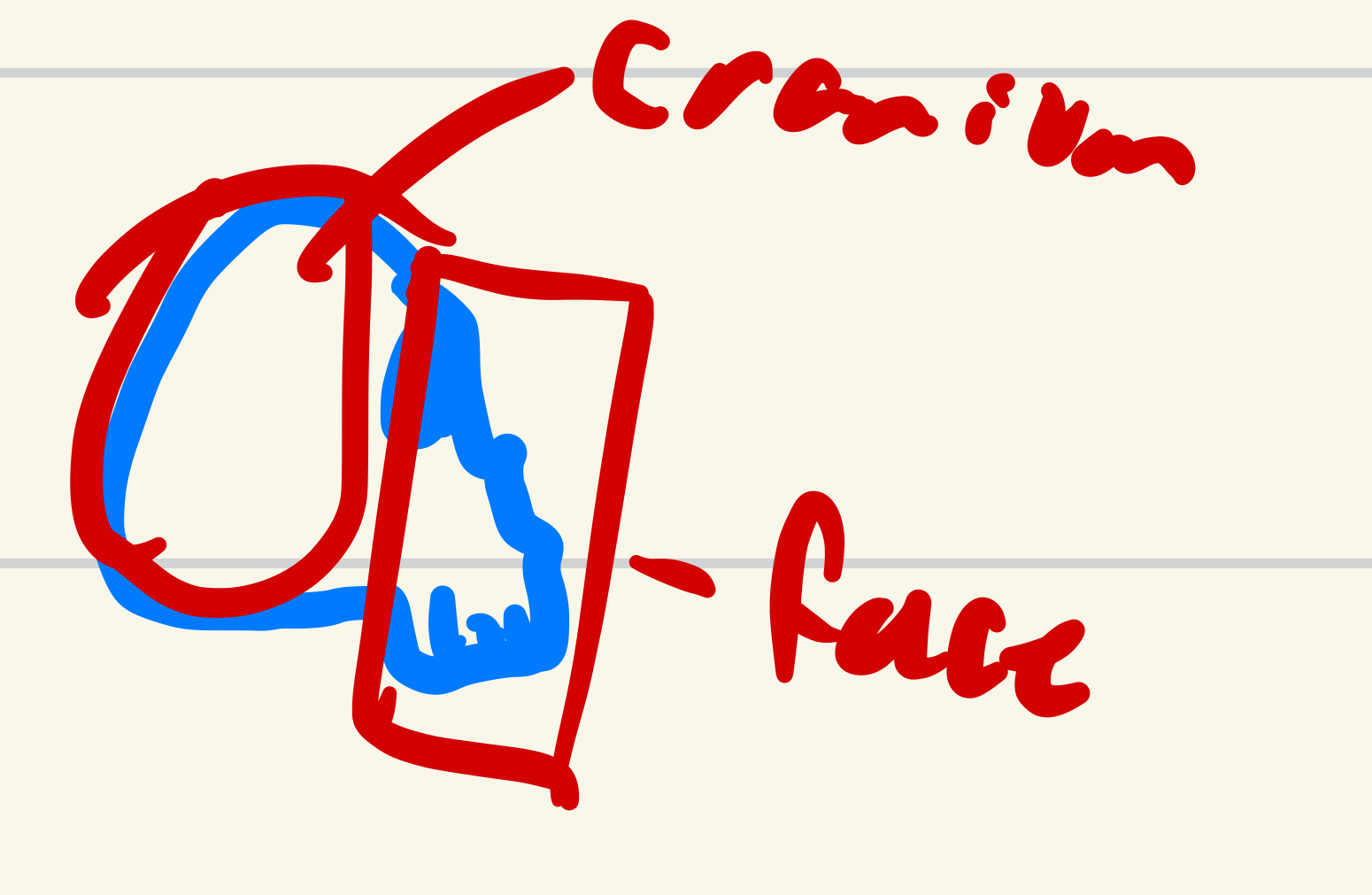
cranium
the top, back, and sides of the skull
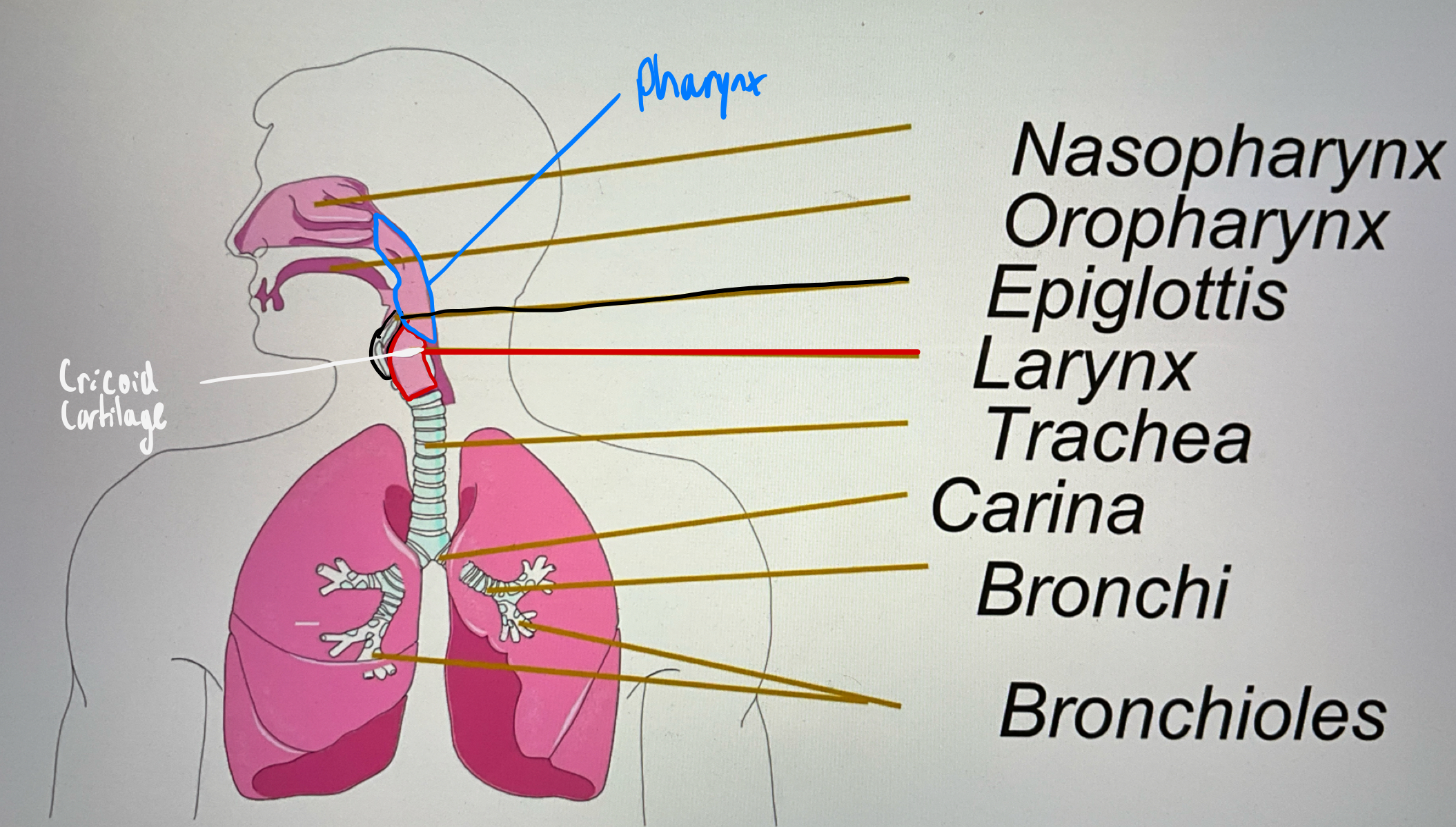
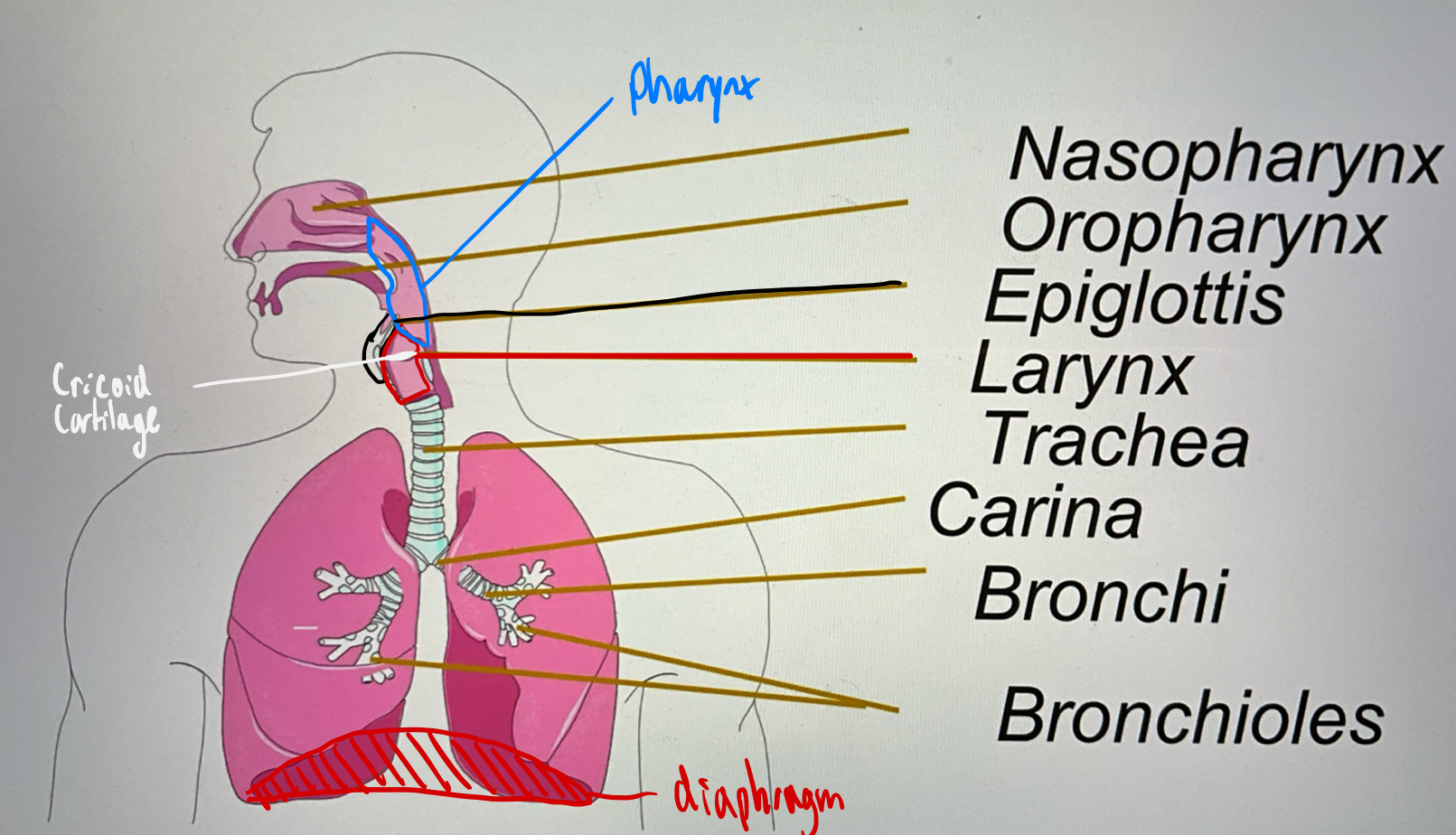
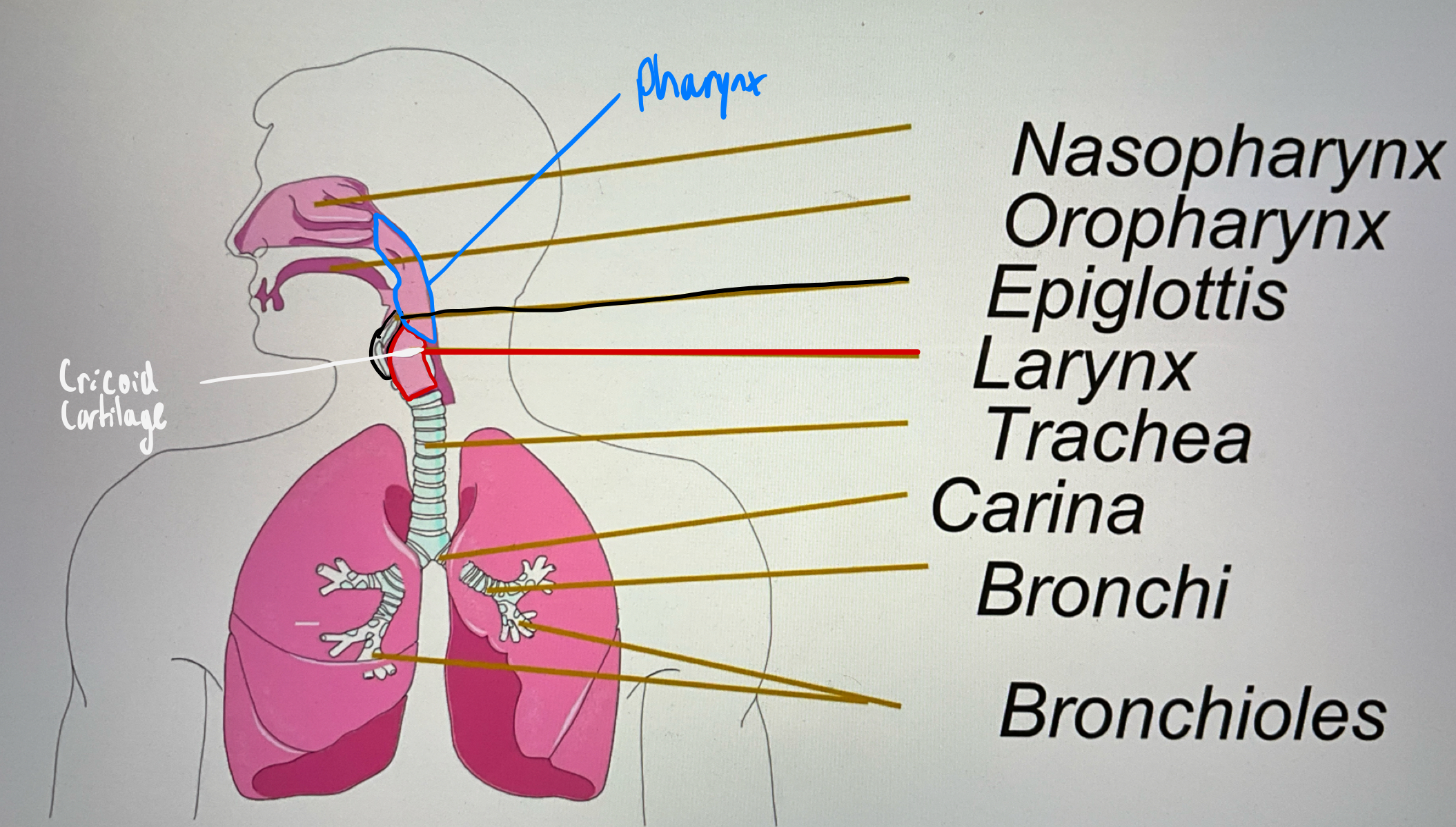
cricoid cartilage
the ring-shaped structure that forms the lower portion of the larynx
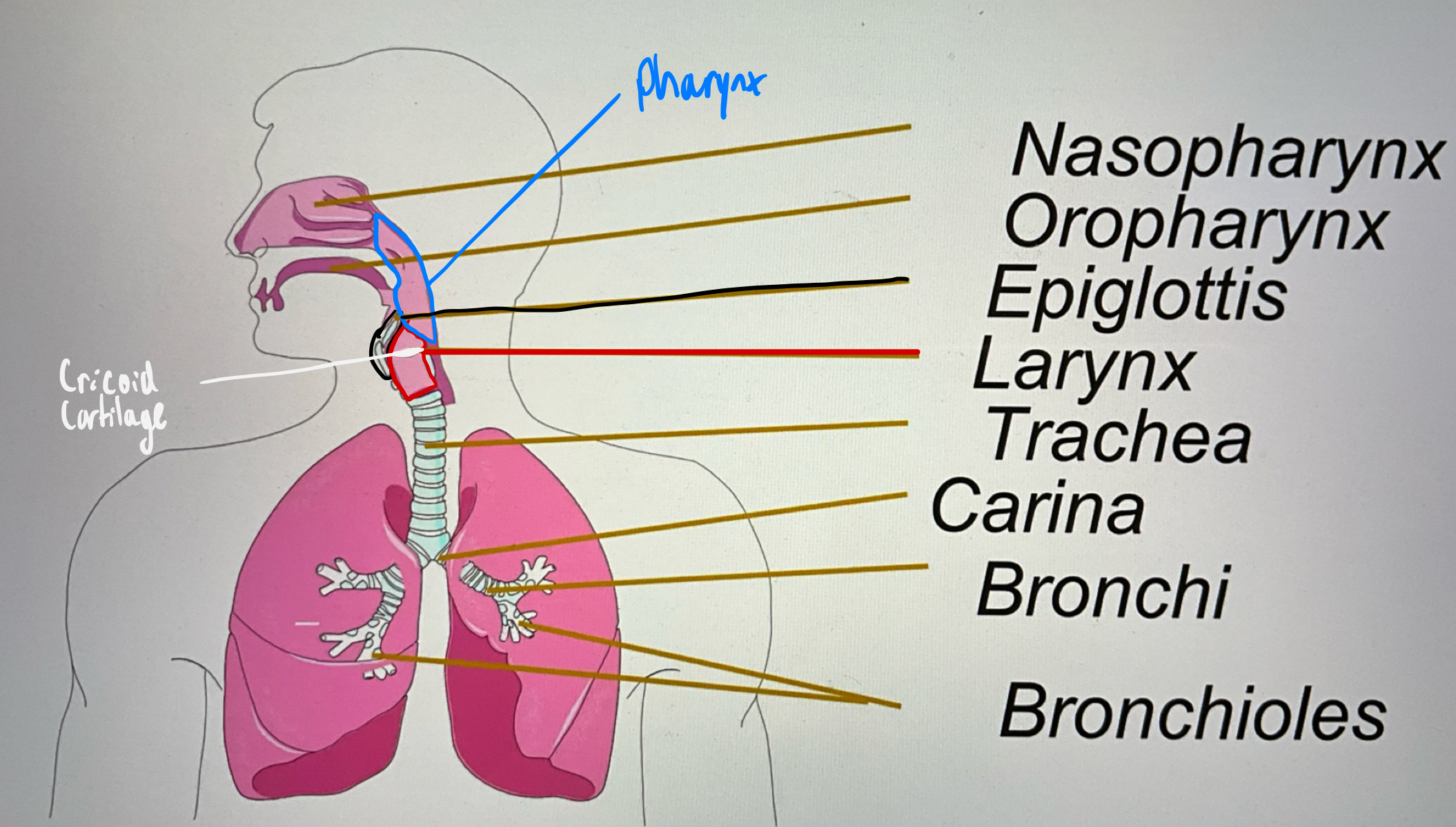
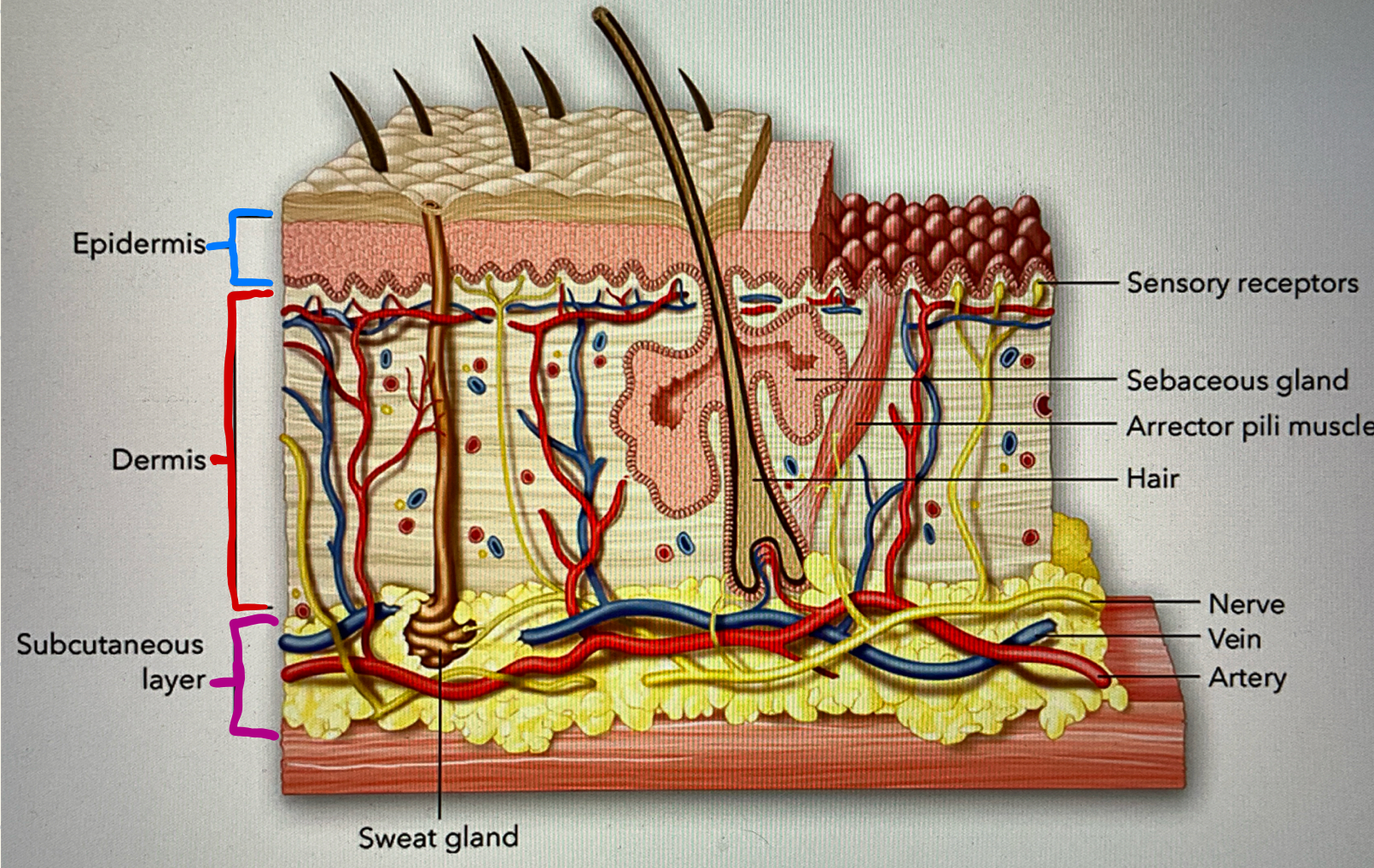
dermis
the inner layer of skin, rich in blood vessles and nerves, found beneath the epidermis
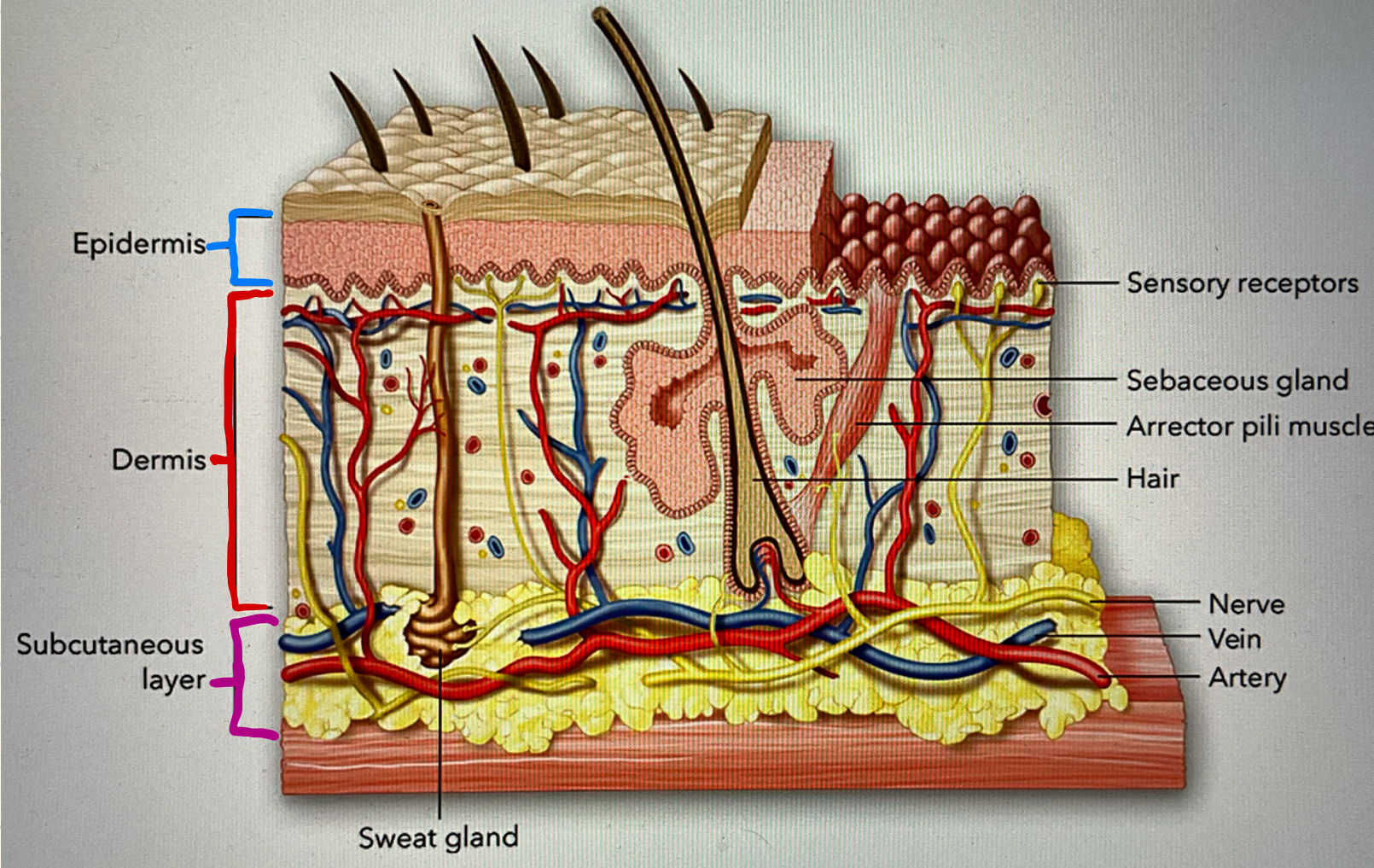
diaphragm
the muscular structure that divides the chest cavity from the abdominal cavity; a major muscle of respiration
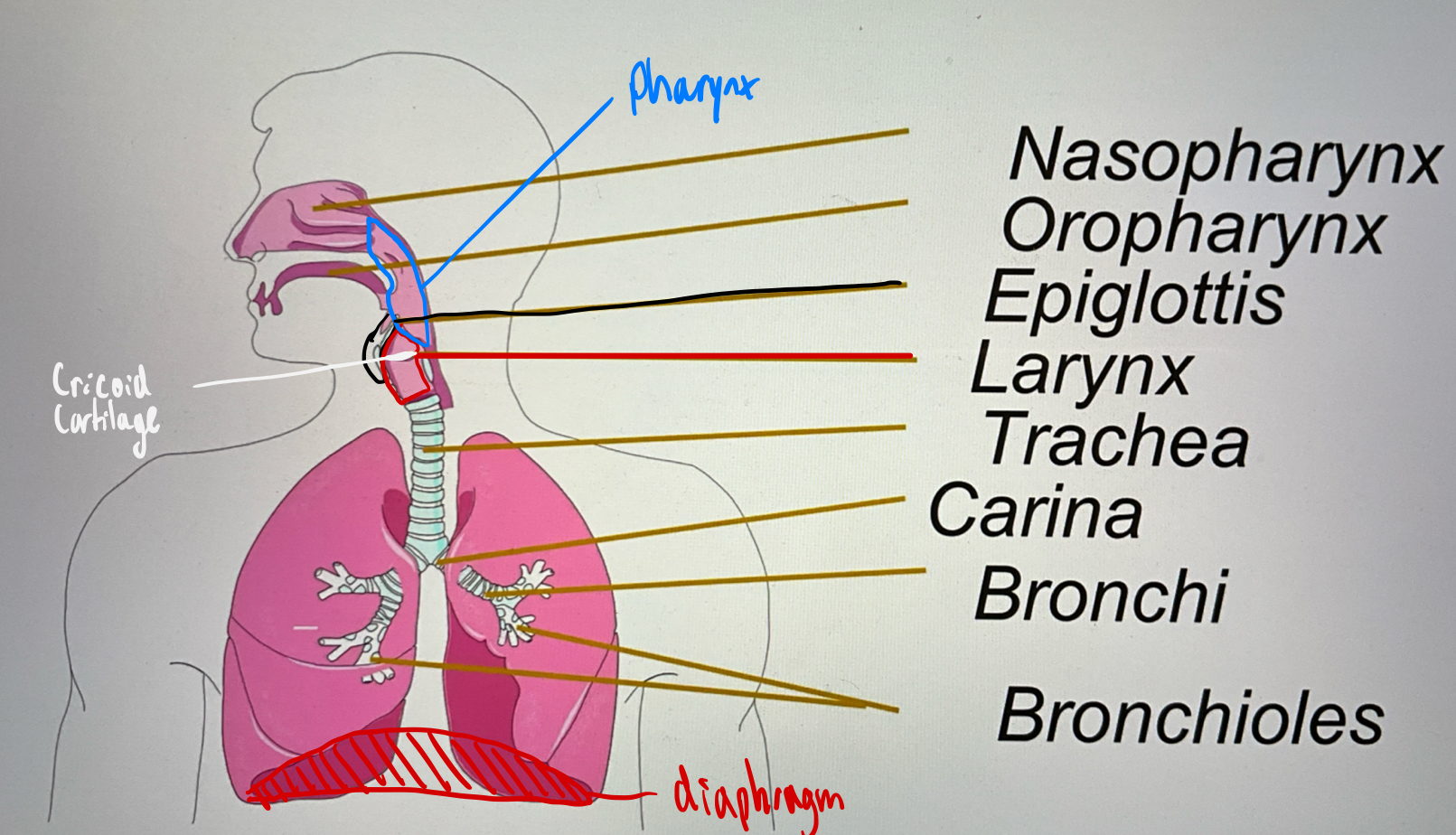
diastolic blood pressure
the pressure in the arteries when the left ventricle is refilling
digestive system
system by which food travels through the body and is digested, or broken down into absorbable forms
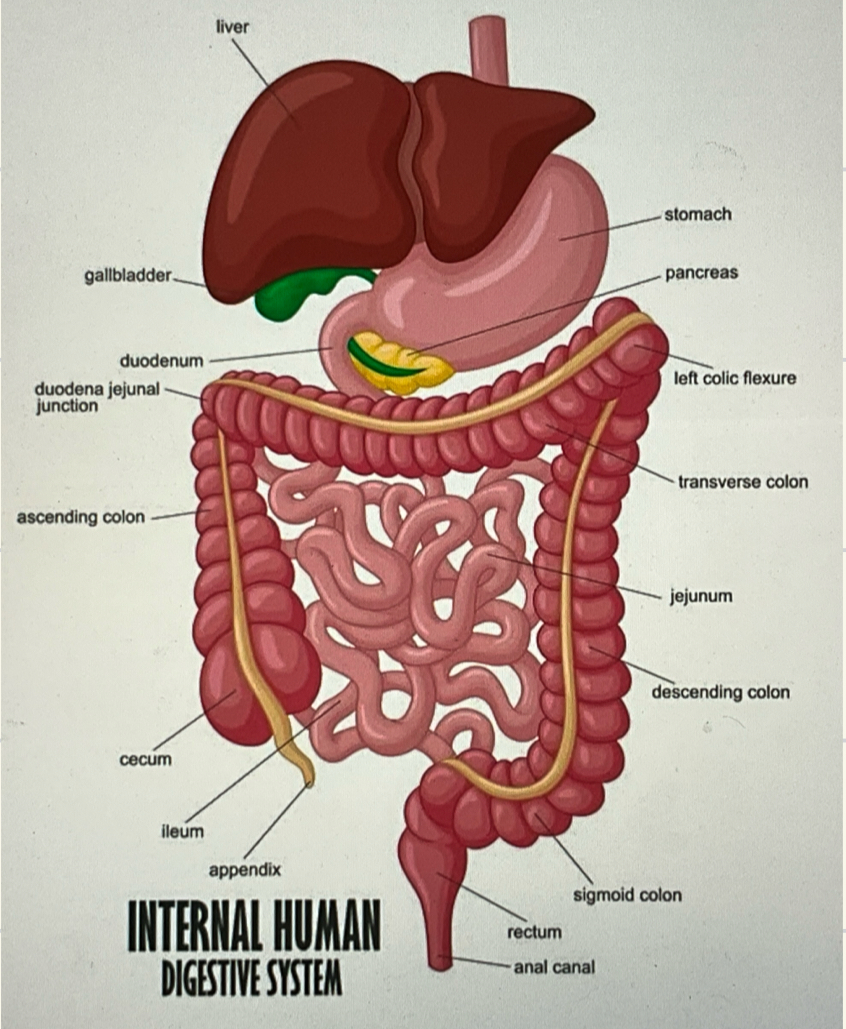
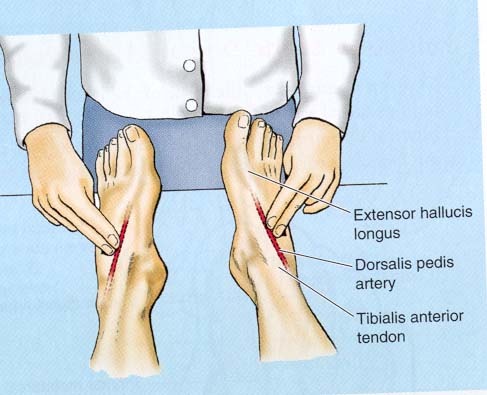
dorsalis pedis artery
artery supplying the foot, lateral to the large tendon of the big toe
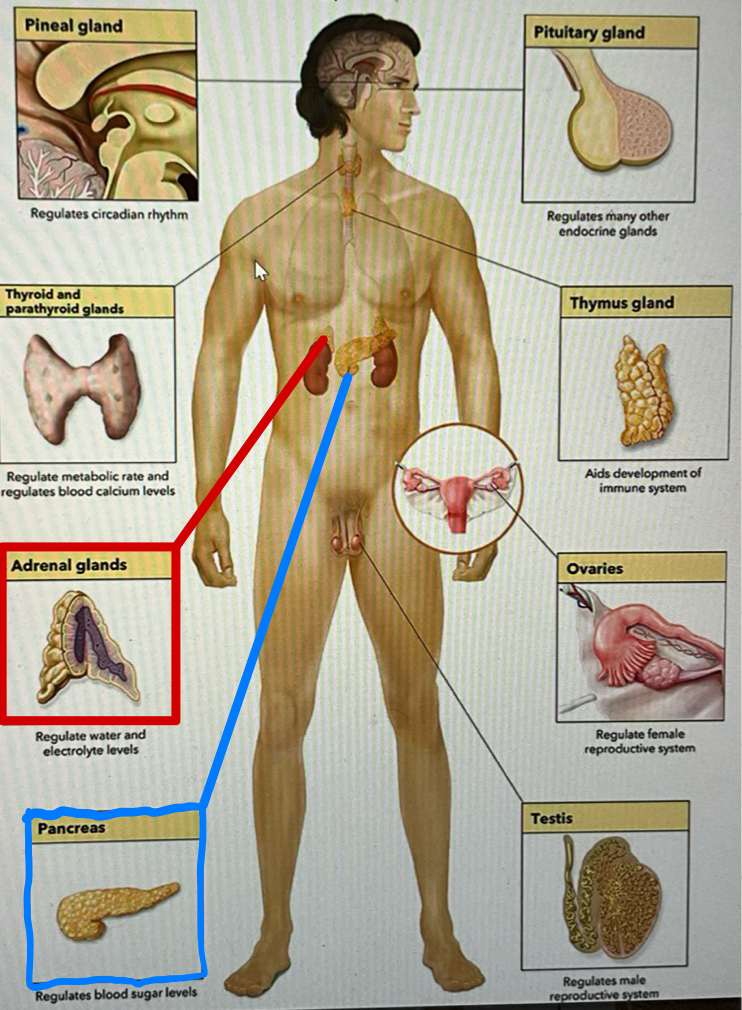
endocrine system
system of glands that produce chemicals called hormones that help to regulate many body activities and fuctions
epidermis
the outer layer of skin
epiglottis
a leaf shaped structure that
epinephrine
a hormone produced by the body. As a medication, it dilates respiratory passages and is used to relieve severe allergic reactions.
exhalation
a passive process in which the intercostal muscles and the diaphragm relax, causing the chest cavity to decrease in size and air to flow out of the lungs
femoral artery
the major artery supplying the leg
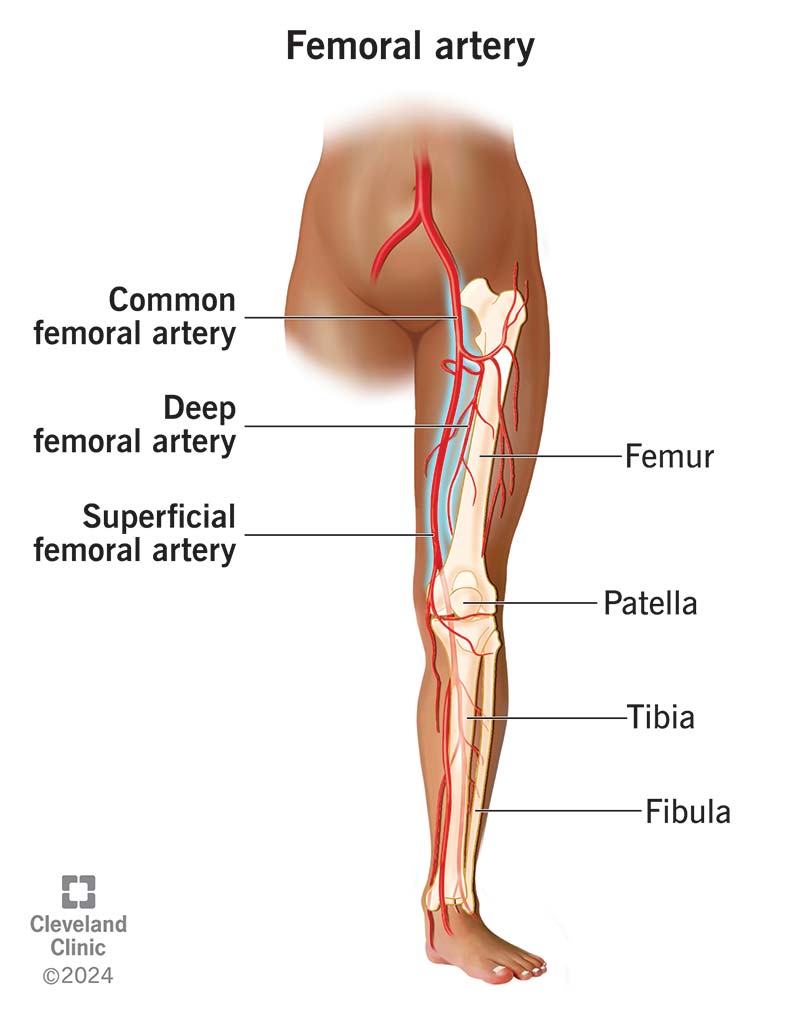
femur
the large bone of the thigh
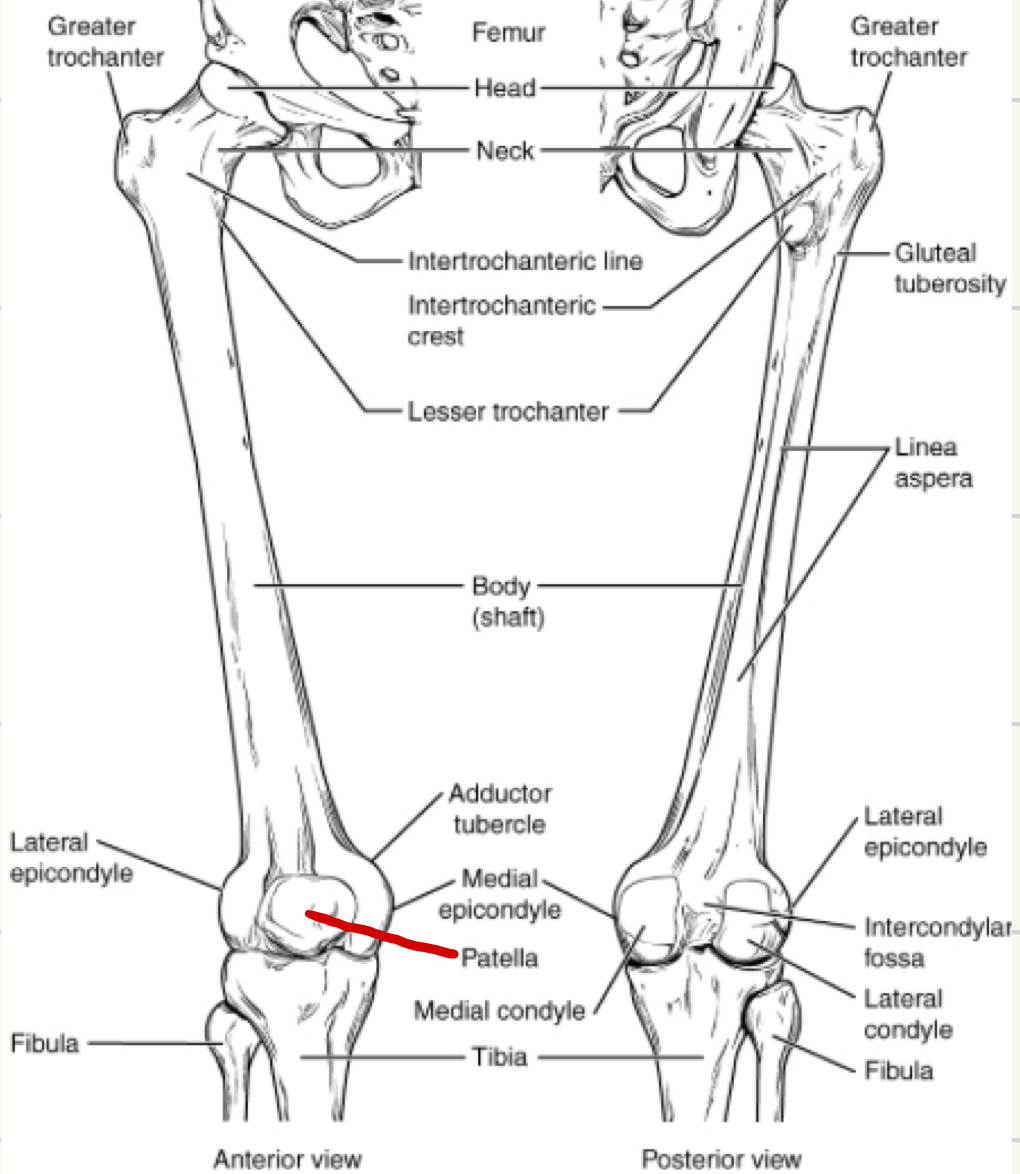
fibula
the lateral and smaller bone of the lower leg
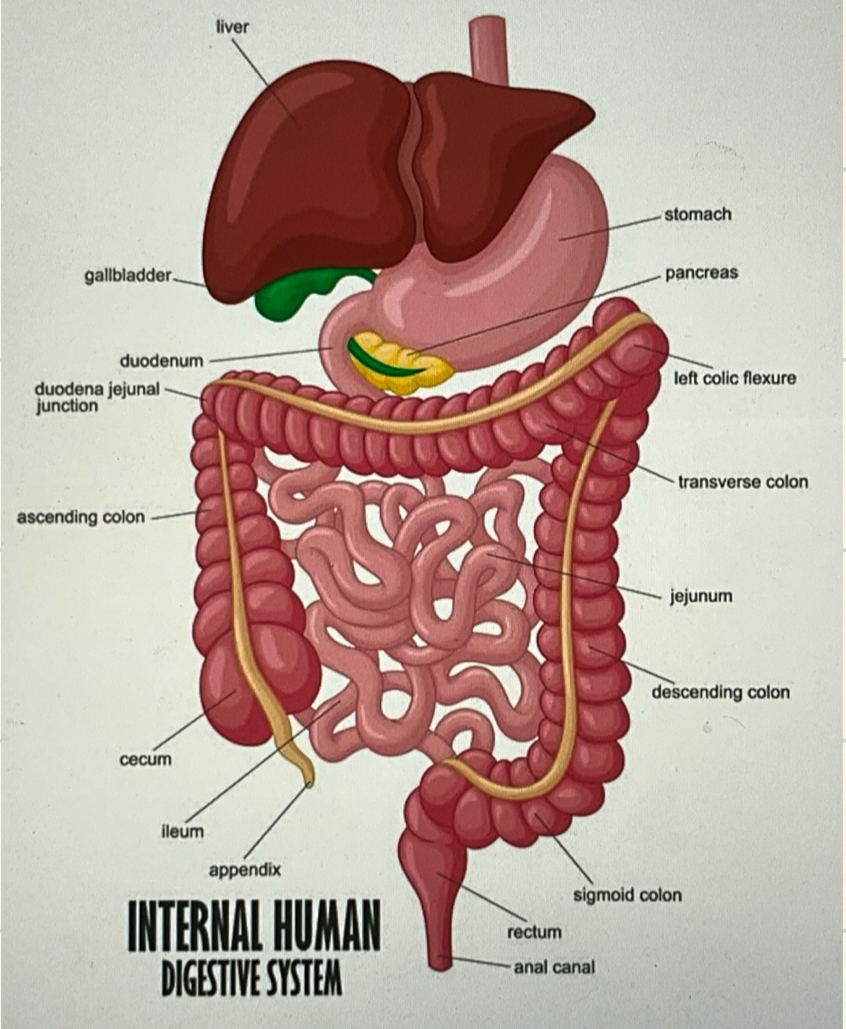
gallbladder
a sac on the underside of the liver that stores bile produced by the liver
humerus
the bone of the upper arm, between the shoulder and the elbow
hypoperfusion
the inability of the body to adequately circulate blood to the bodys cells to supply them with oxygen and nutrients; a life threatening condition also called shock
ilium
the superior and widest portion of the pelvis
insulin
a hormone produced by the pancreas or taken as a medication by diabetics
involuntary muscle
muscle that responds automatically to brain signals but cannot be consciously controlled.
ischium
the lower, posterior portions of the pelvis
joint
the point where two bones comes together
kidneys
organs of the renal system used to filter blood and regulate fluid levels in the body.
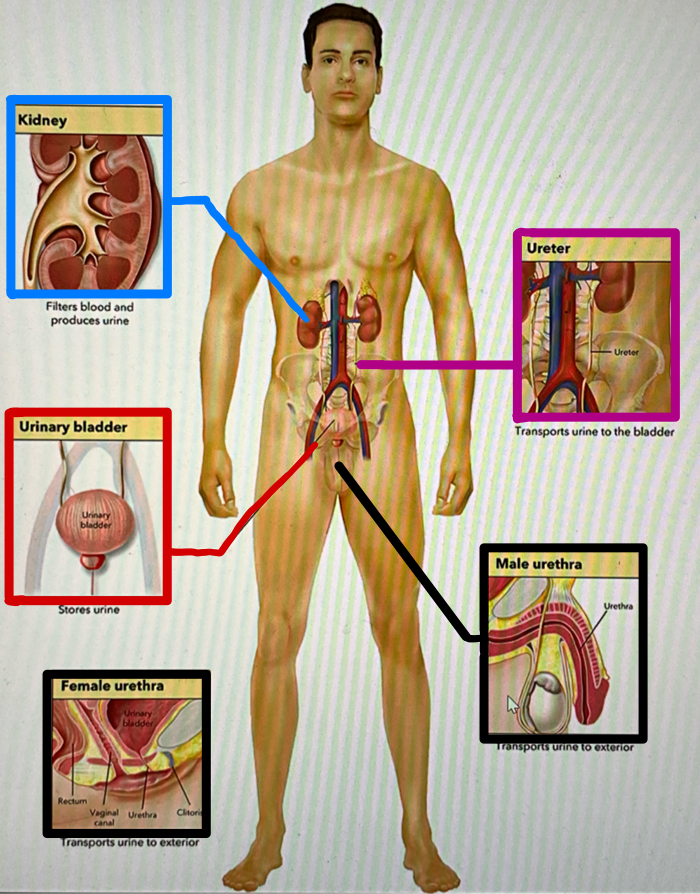
large intestine
the muscular tube that removes water from waste products received from the small intestine and moves anything not absorbed by the body toward excretion from the body
larynx
the voice box
ligament
tissue that connects bone to bone
liver
the largest organ of the body, which produces bile to assist in the breakdown of fats and assist in teh metabolism of various substances in the body
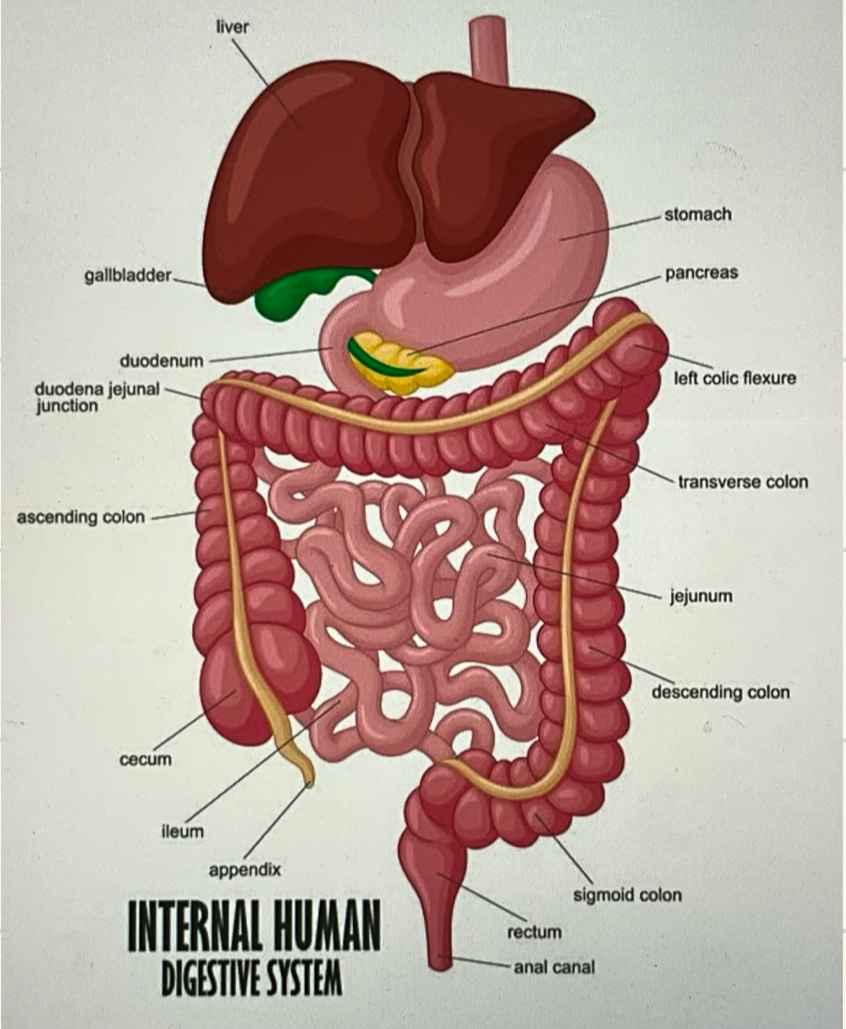
lungs
the organs where exchange of atmospheric oxygen and waste carbon dioxide take place
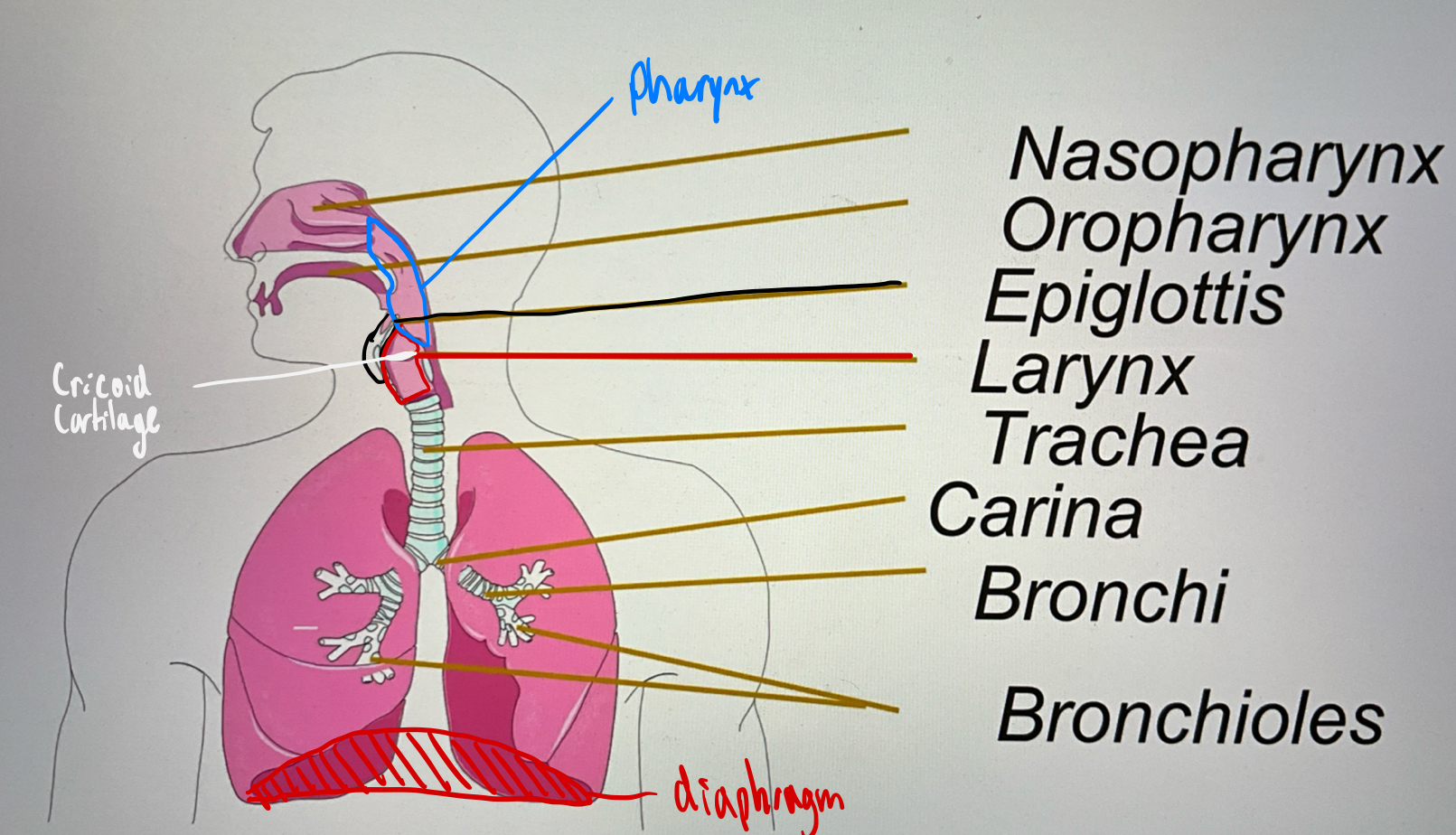
lymphatic system
The system composed of organs, tissues, and vessels that help to maintain the fluid balance of the body and contribute to the body's immune system.
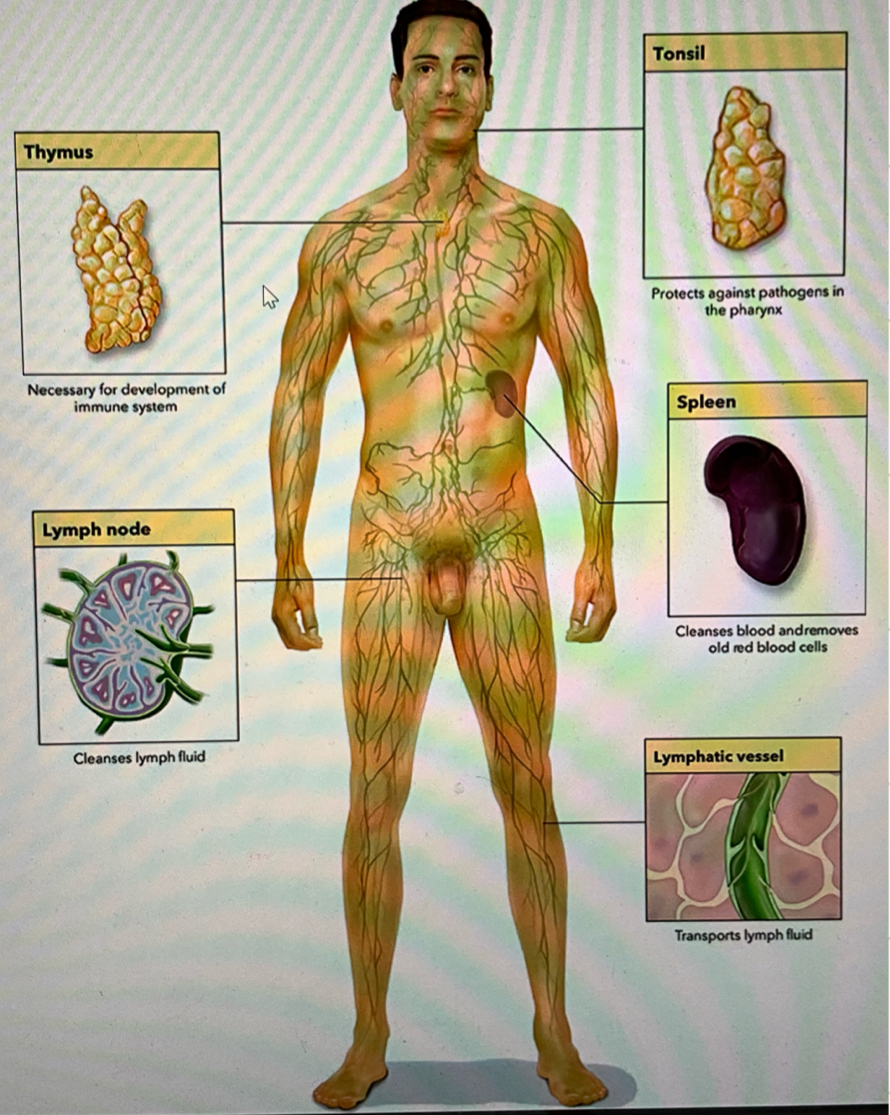
malleolus
protrusion on the side of the ankle
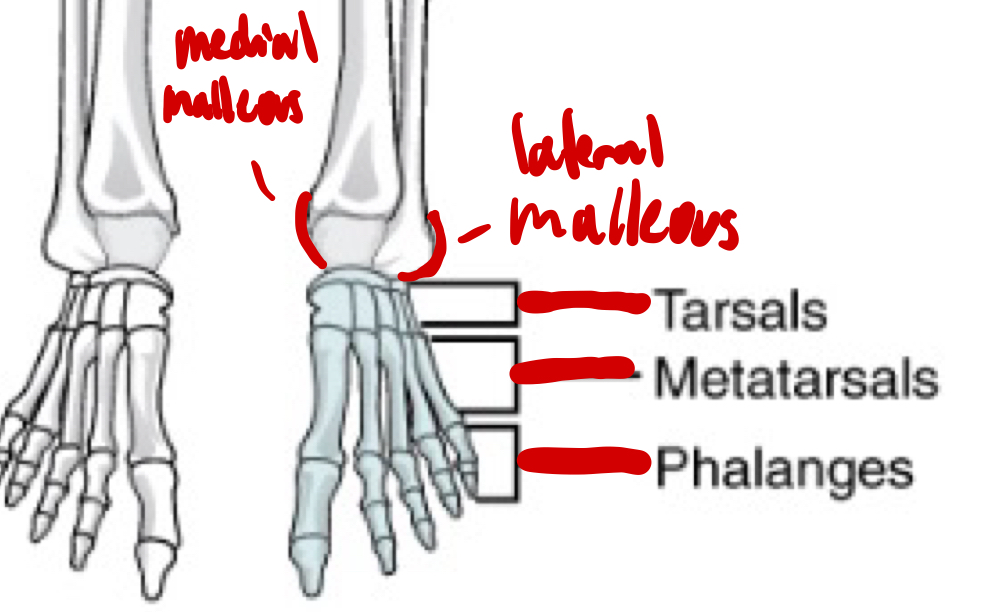
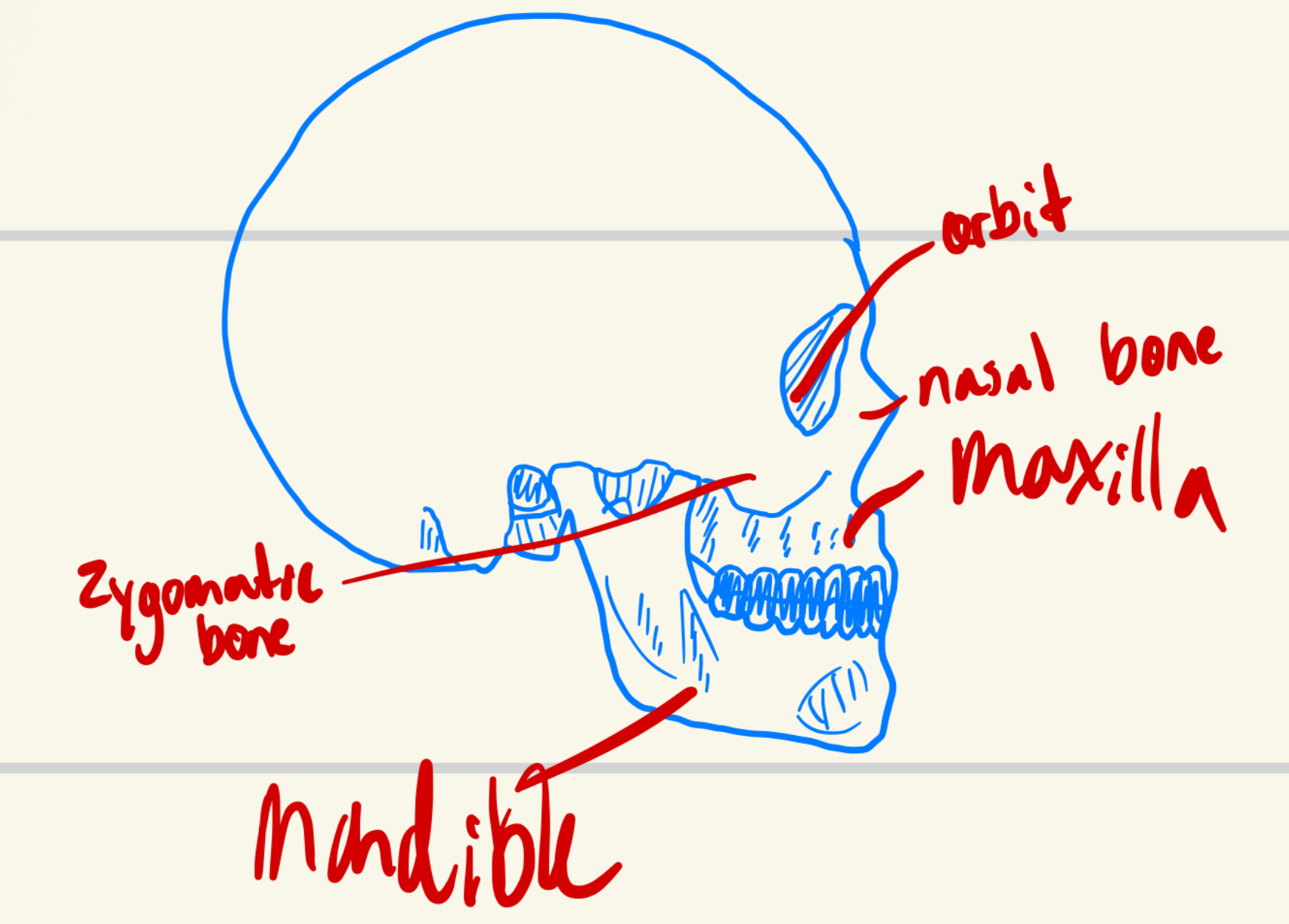
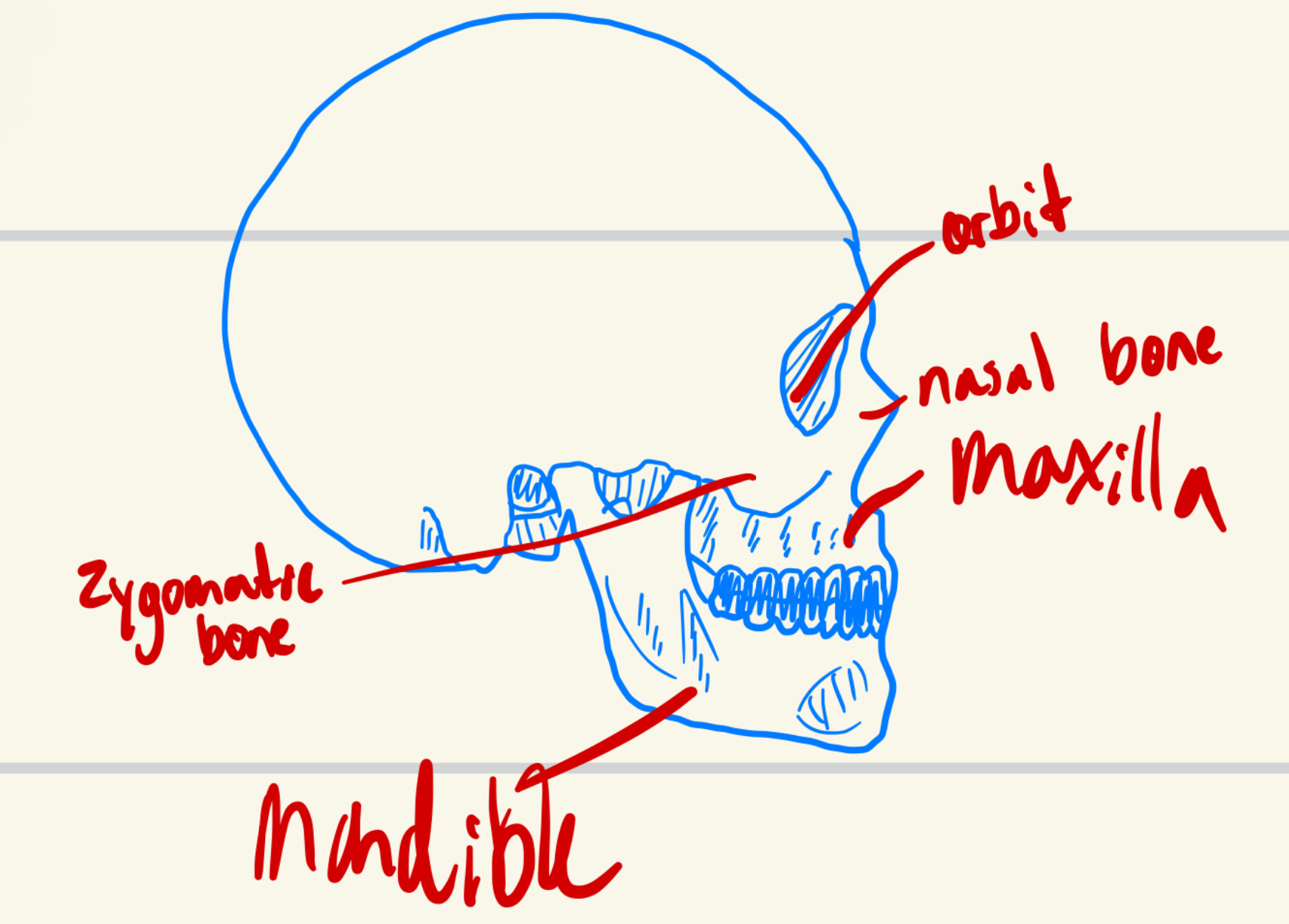
mandible
lower jaw bone
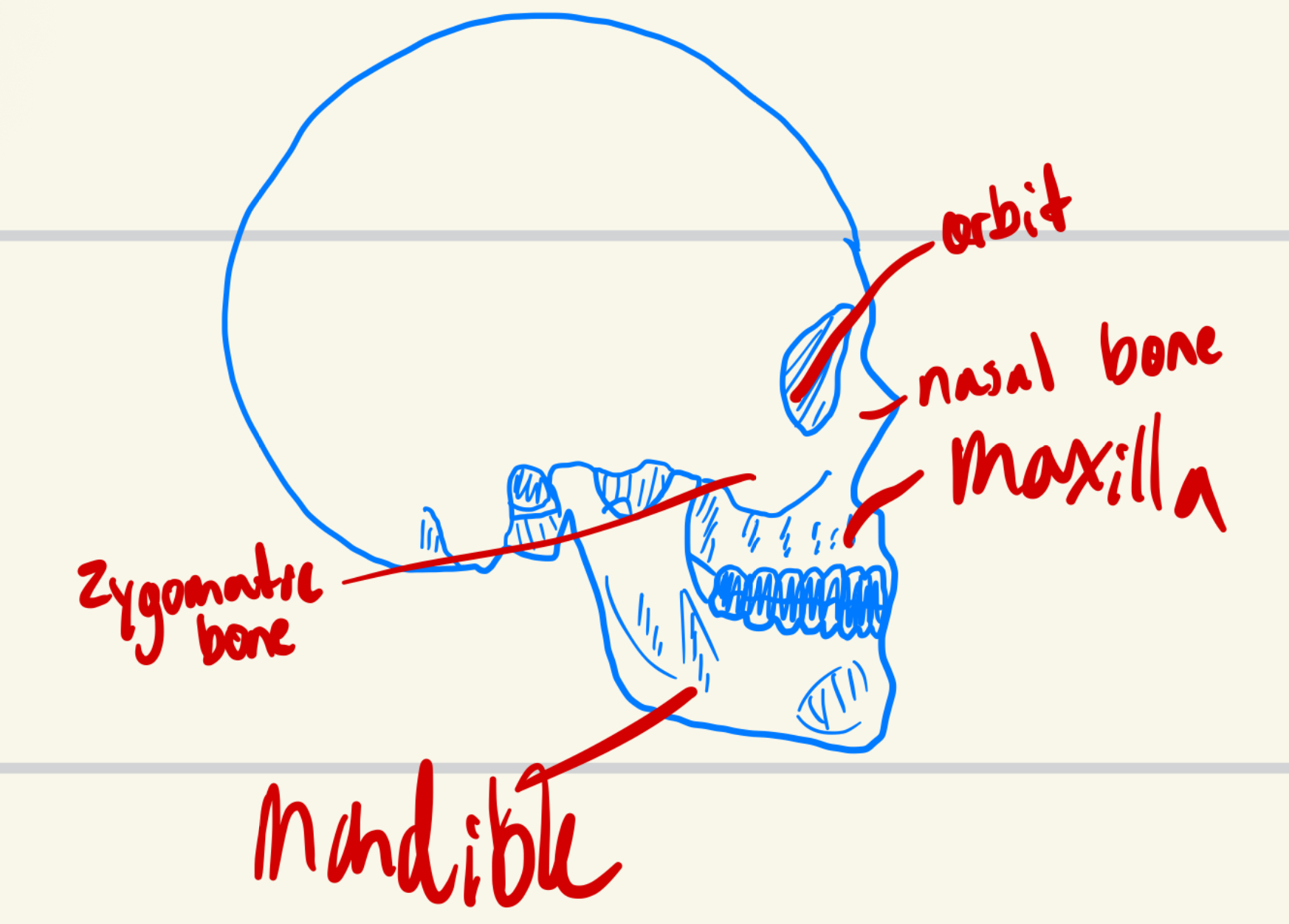
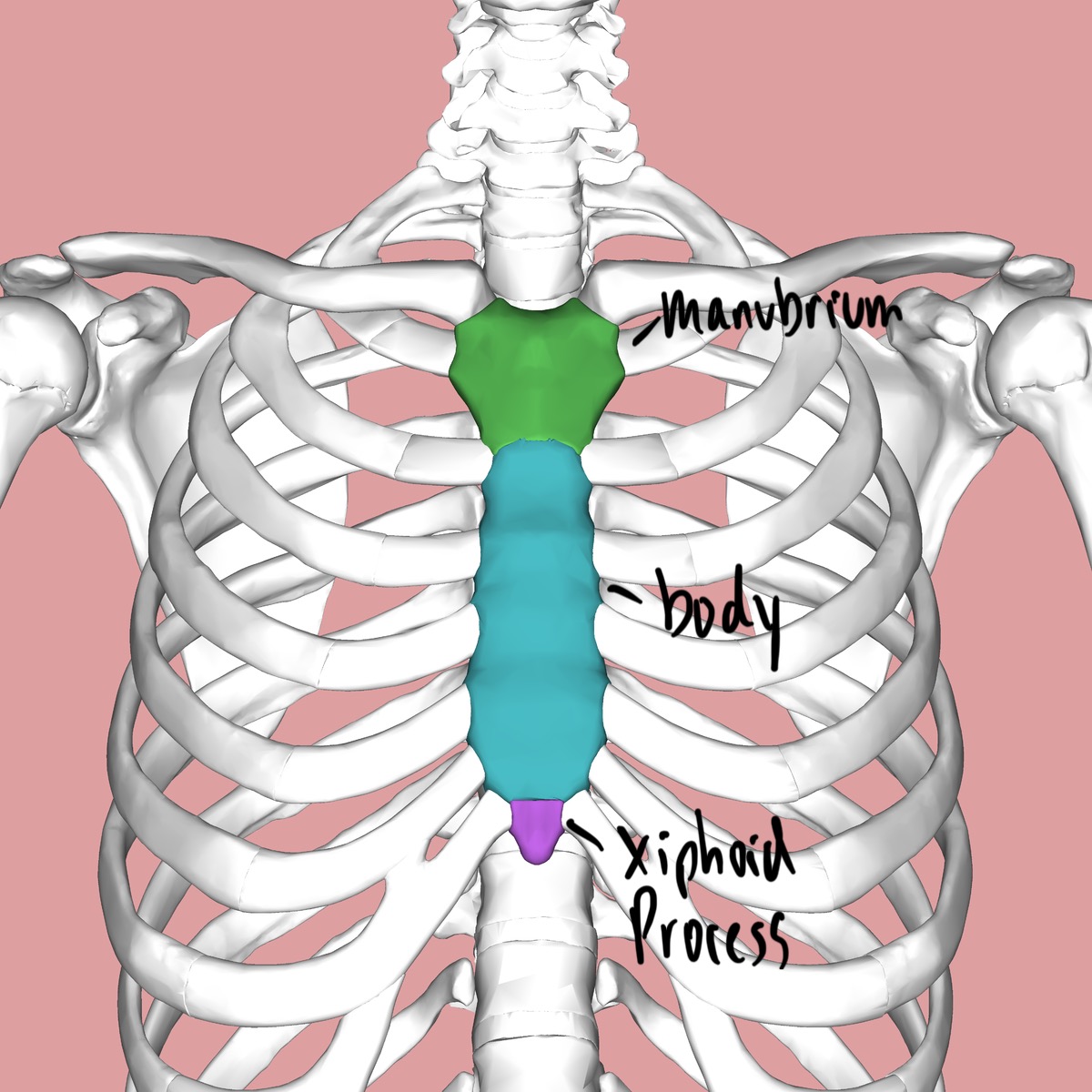
Manubrium
the superior portion of the sternum
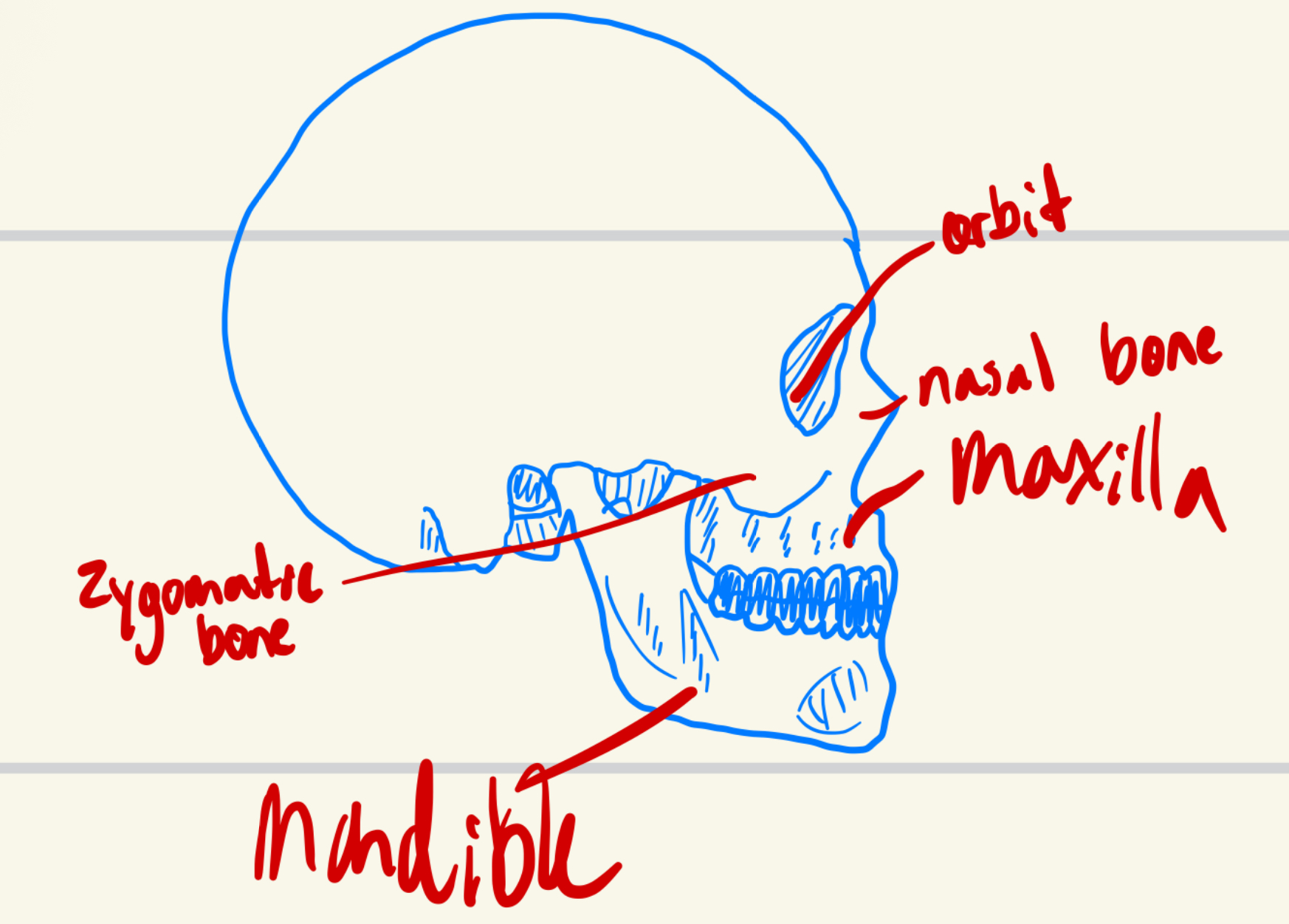
maxillae
the two fused bones forming the upper jaw
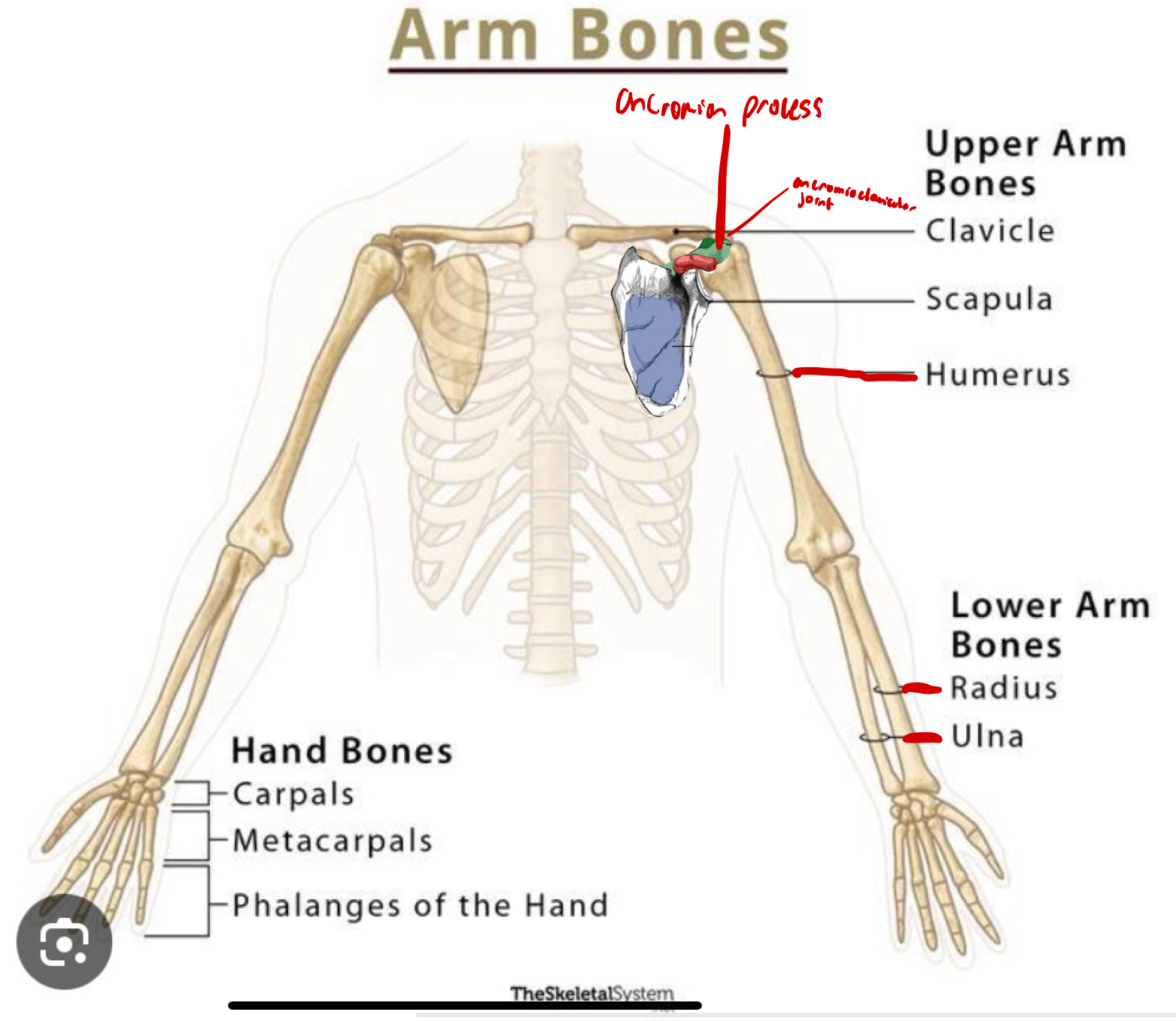
metacarpals
the hand bones
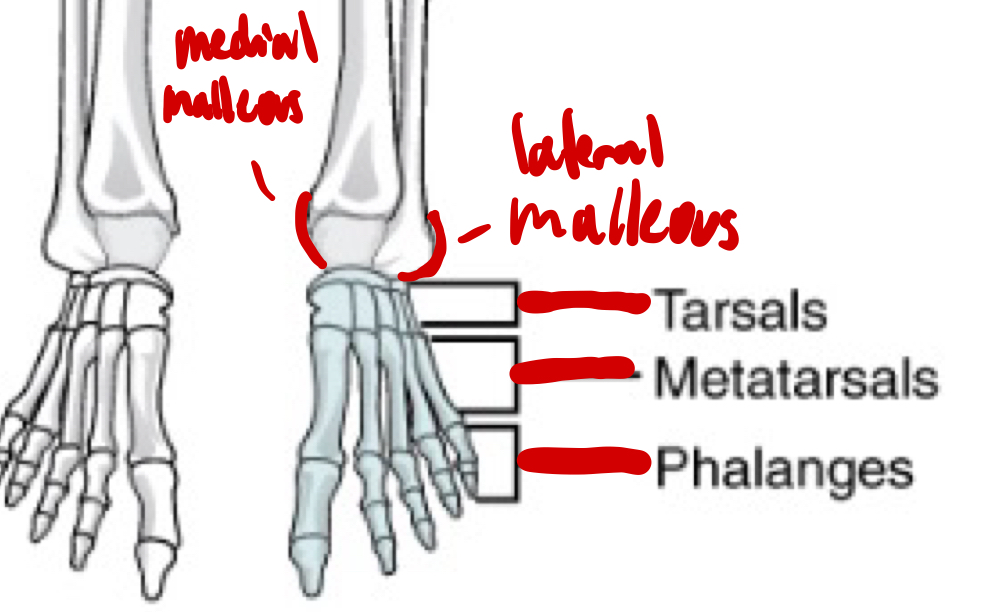
metatarsals
the foot bones
muscle
tissue that can contract to allow movement of a body part.
Musculoskeletal system
the system of bones and skeletal muscles that support and protect the body and permit movement
nasal bones
the nose bone
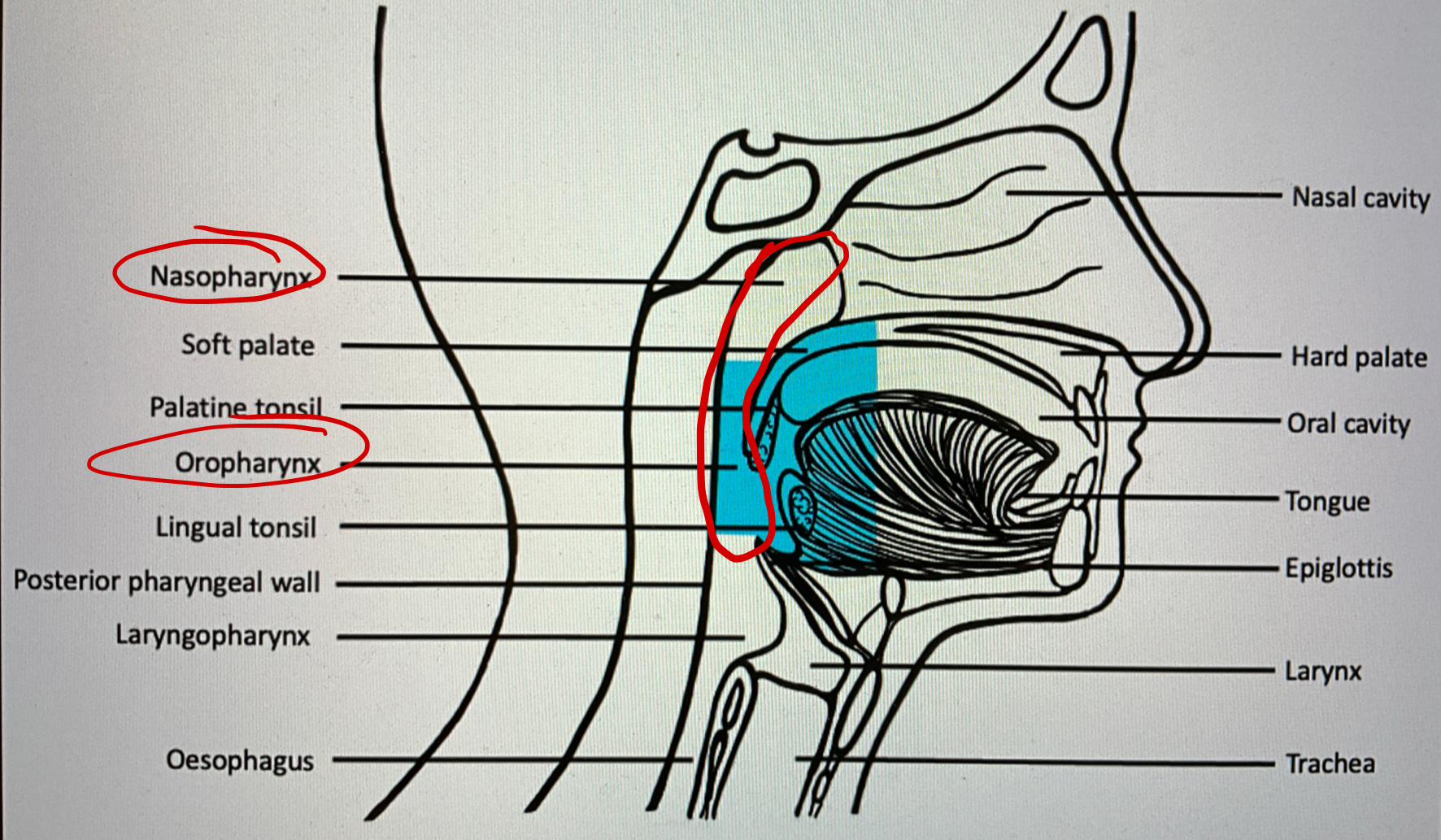
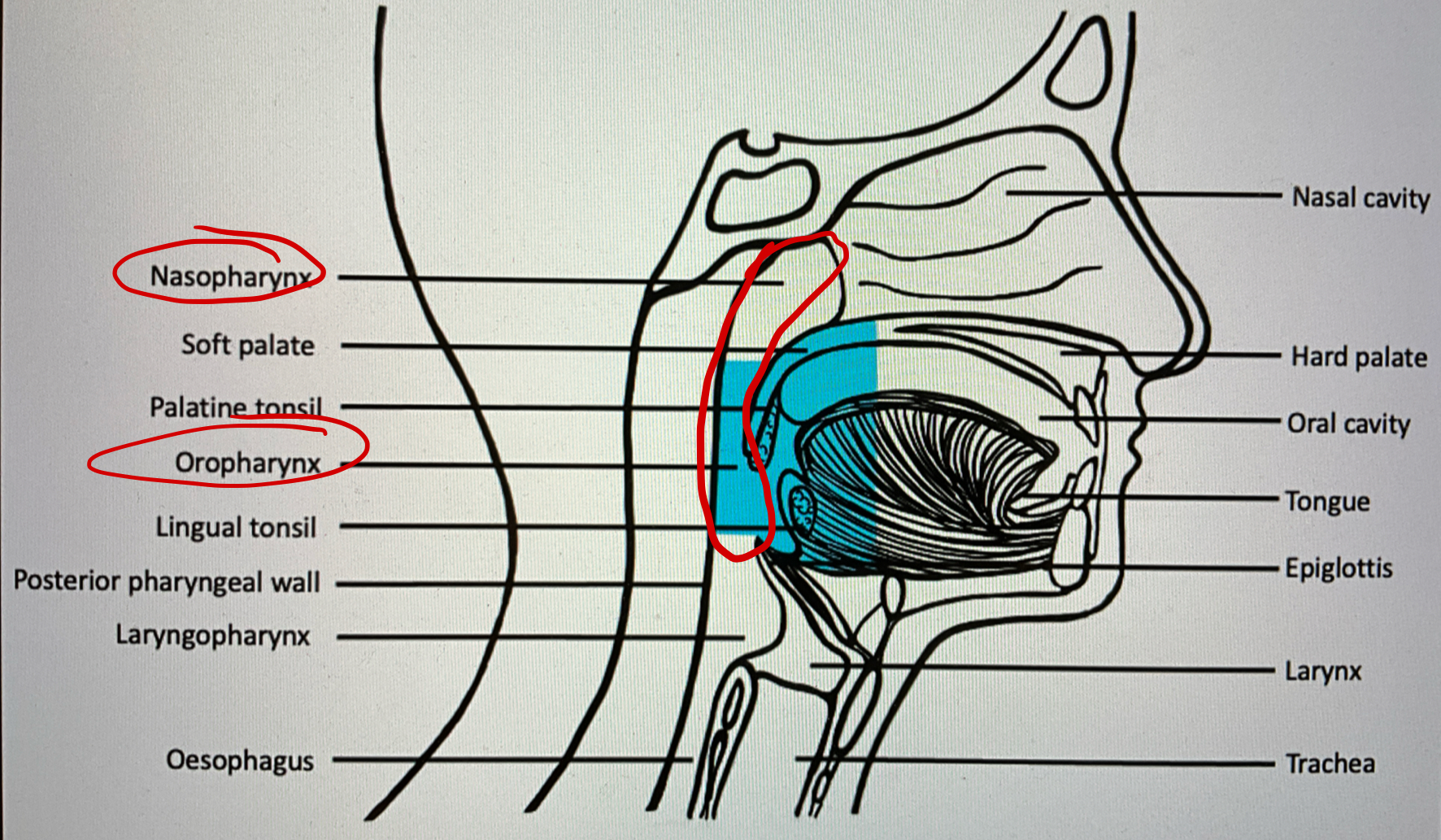
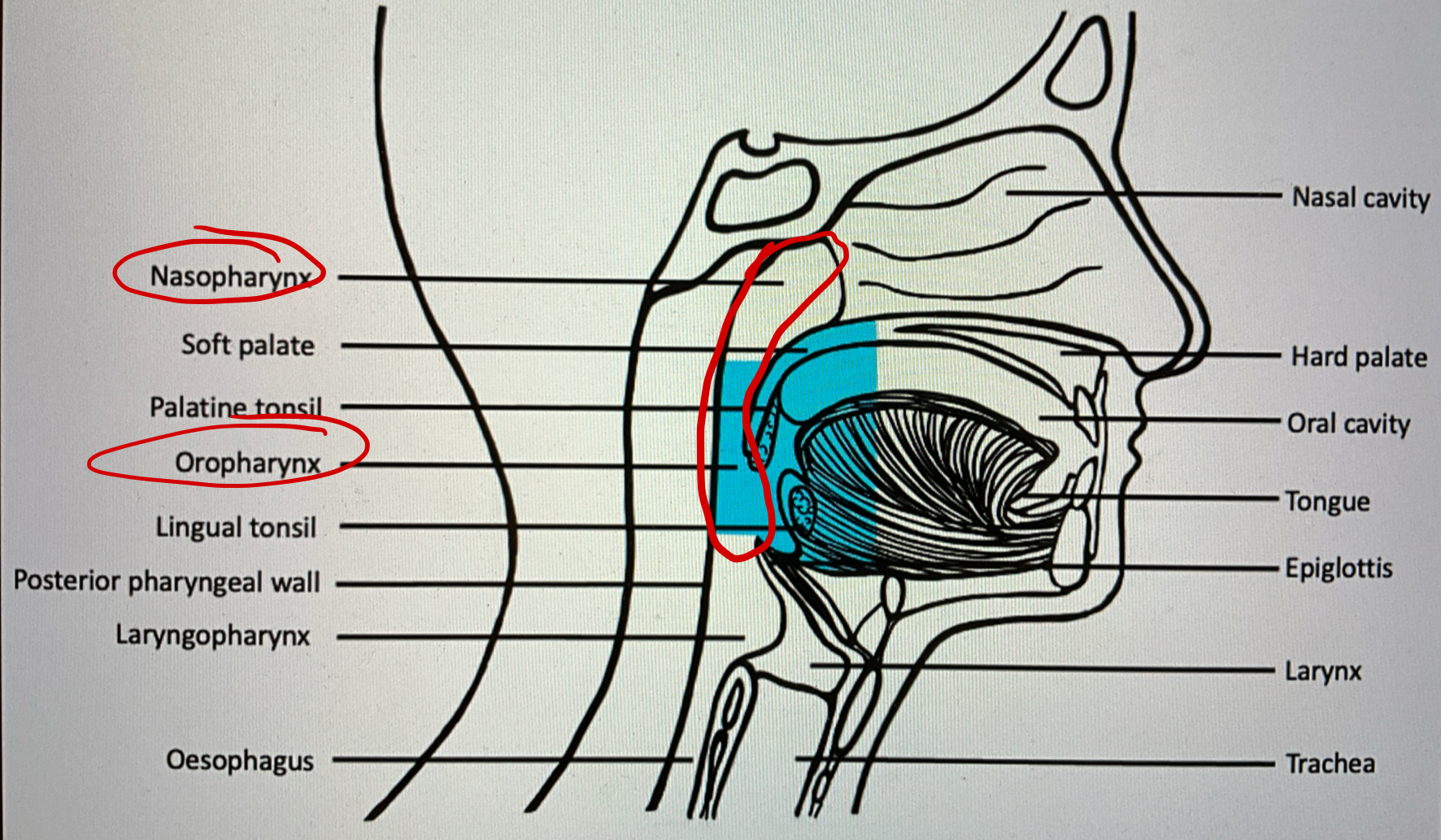
nasopharynx
the area directly posterior to the nose
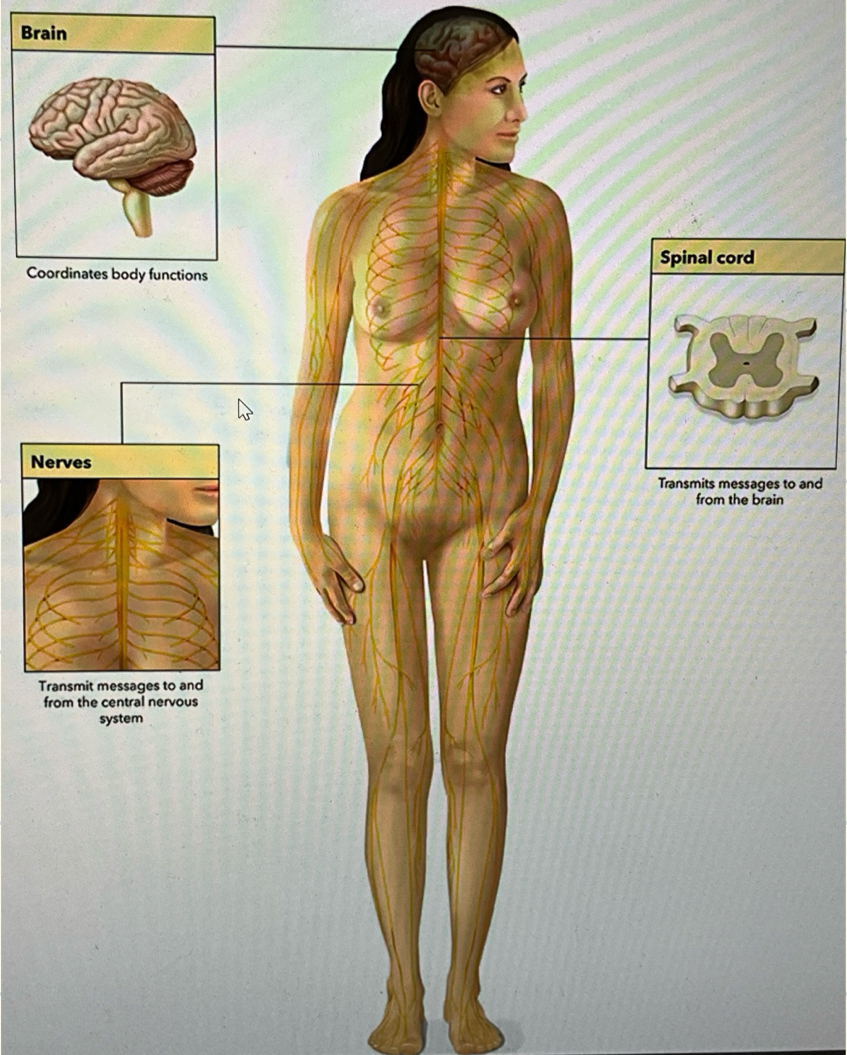
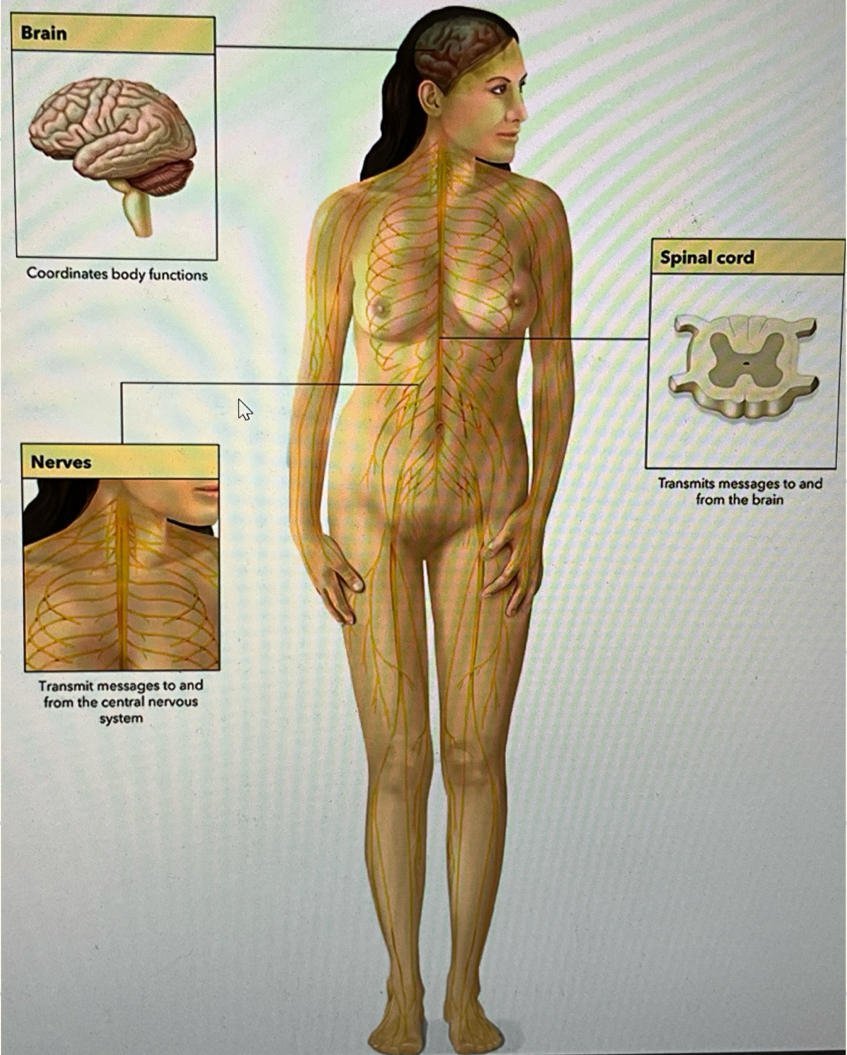
nervous system
the system of brain, spinal cord, and nerves that governs sensation, movement, and thought
orbits
the bony structures around the eyes; the eye sockets
oropharynx
the area directly posterior to the mouth
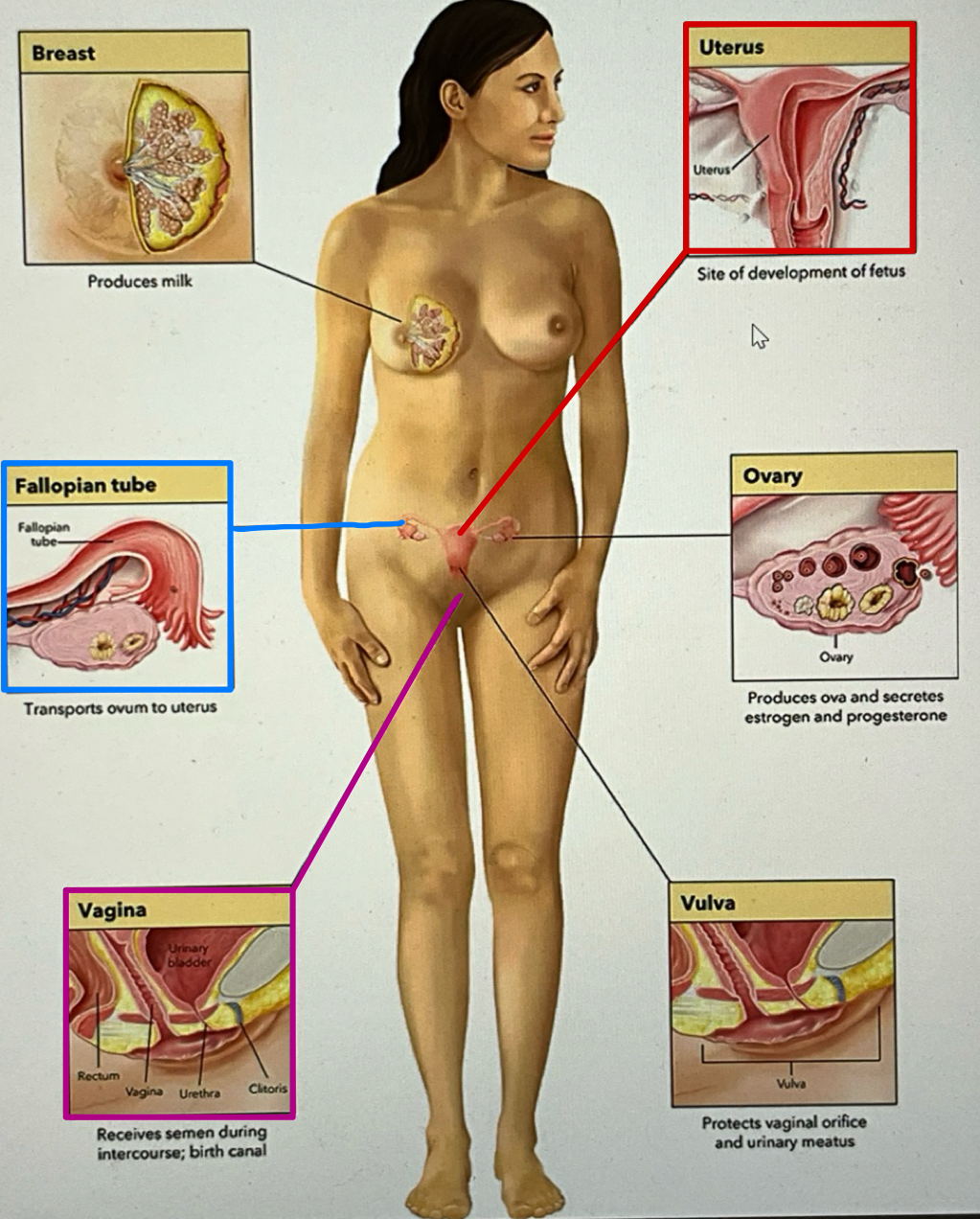
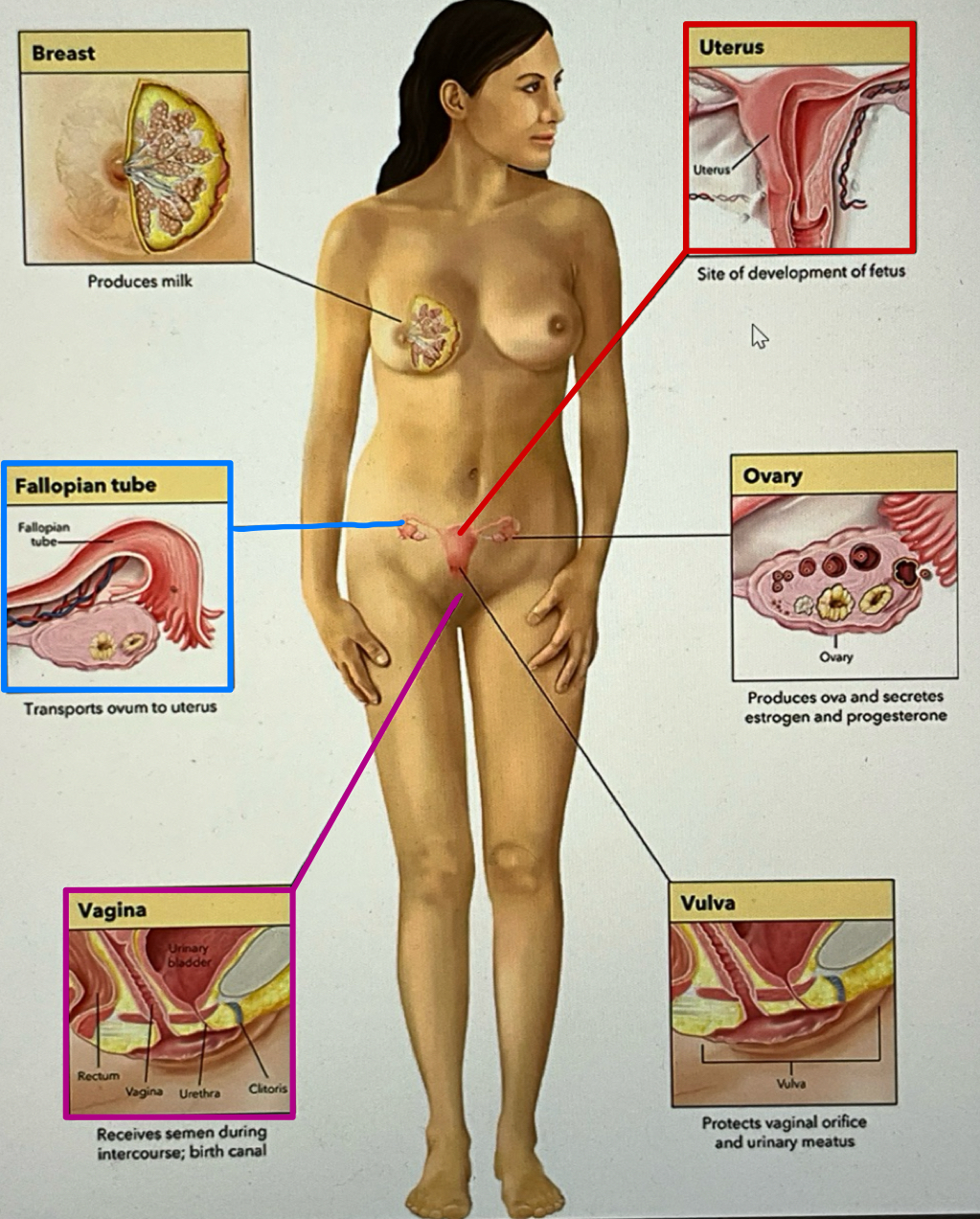
ovaries
Egg-producing organs within the female reproductive system.
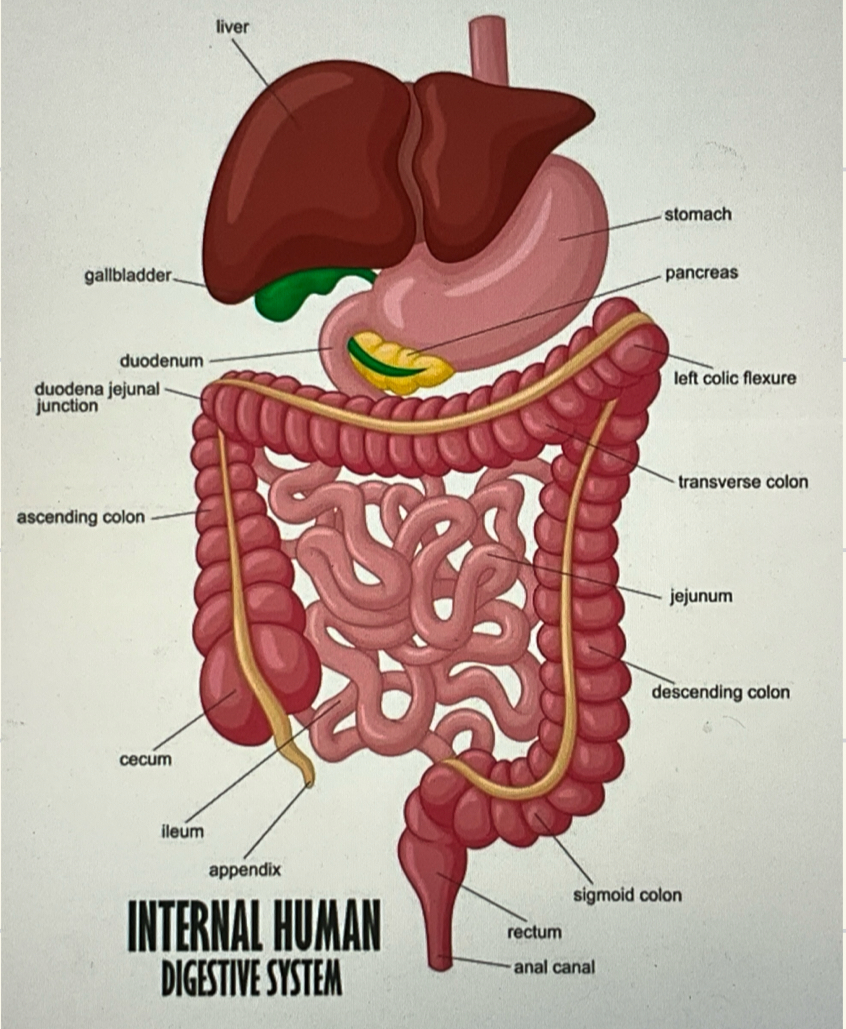
pancreas
a gland located behind the stomach that produces insulin and "juices" that assist in digestion of food in the duodenum of the small intestine
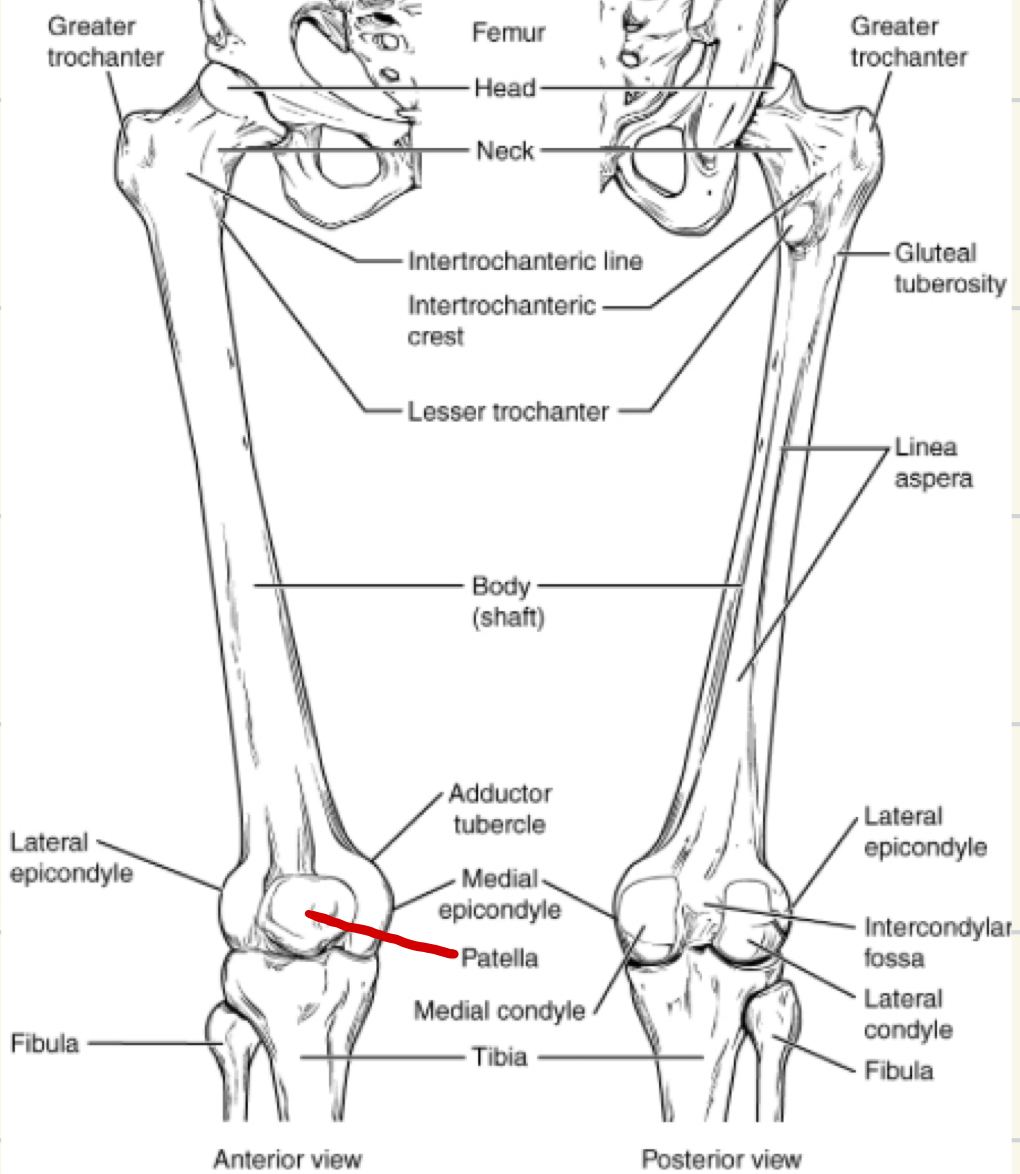
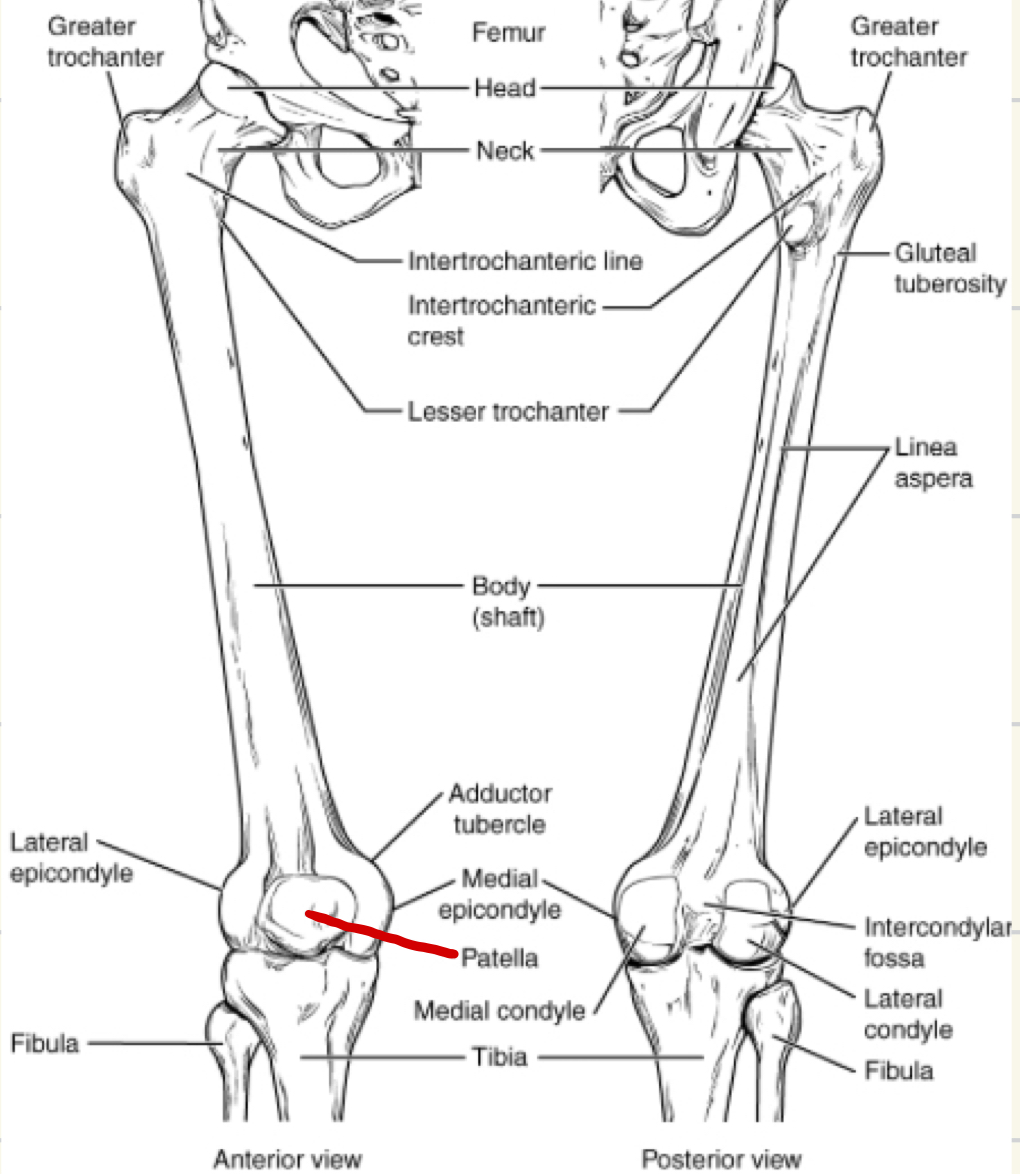
patella
the kneecap
pelvis
the basin shaped bony structure that supports the spine and is the point of proximal attachment for the lower extremities
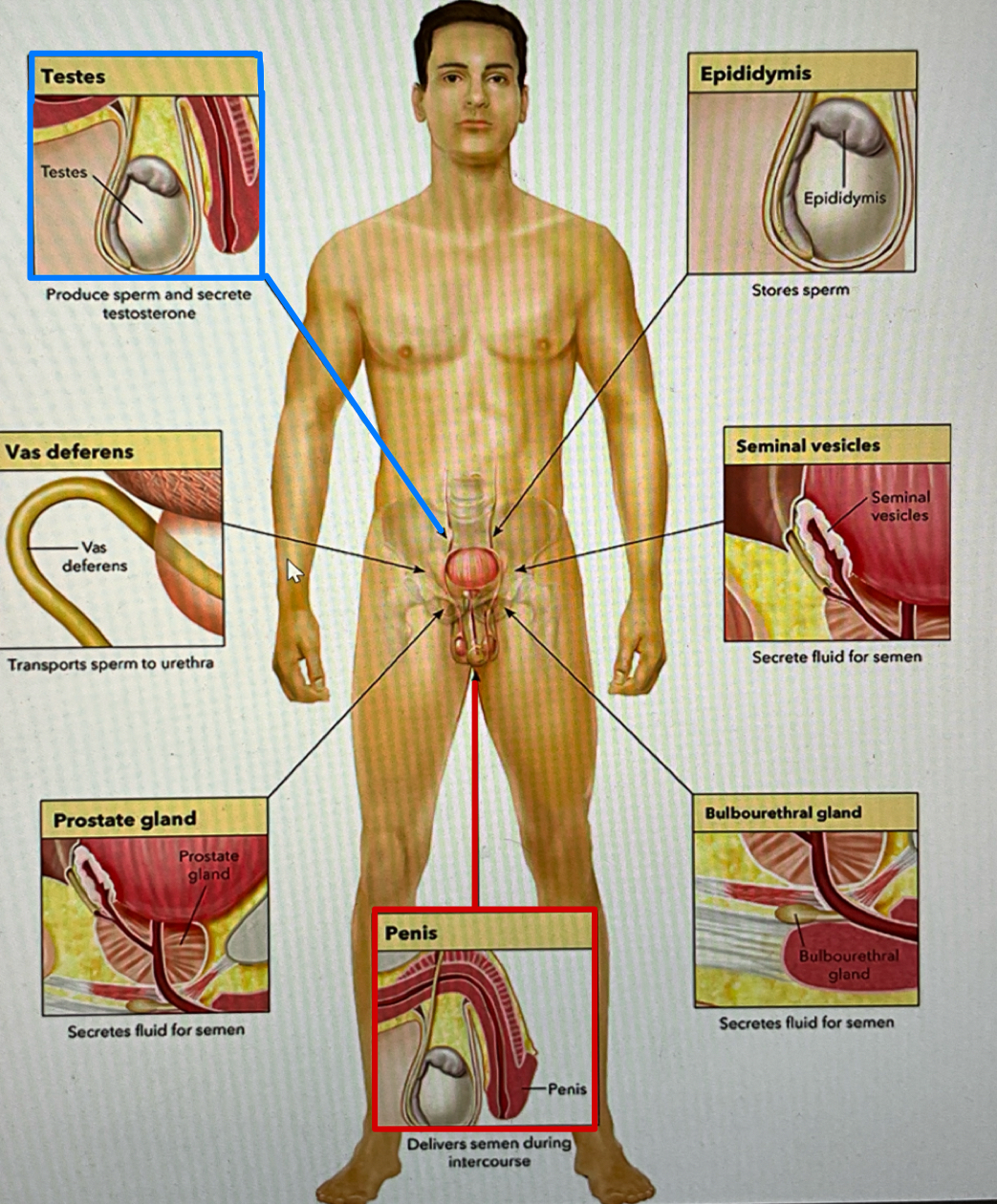
penis
the organ of male reproduction responsible for sexual intercourse and the transfer of sperm
perfusion
the supply of oxygen to and removal of waster from cells and tissues of the body as a result from blood flow
peripheral nervous system
the nerves that enter and leave the spinal chord and travel between the brain and organs without passing though the spinal cord.
peripheral pulses
the radial, brachial, posterior tibial, and dorsalis pedis pulses, which can be felt at peripheral (outlying) points of the body
phalanges
the toe and finger bones
pharynx
the area directly posterior to the mouth and nose. It is made up of the oropharynx and the nasopharynx
physiology
the study of body function
plasma
the fluid portion of the blood
platelets
components of the blood; membrane-enclosed fragments of specialized cells
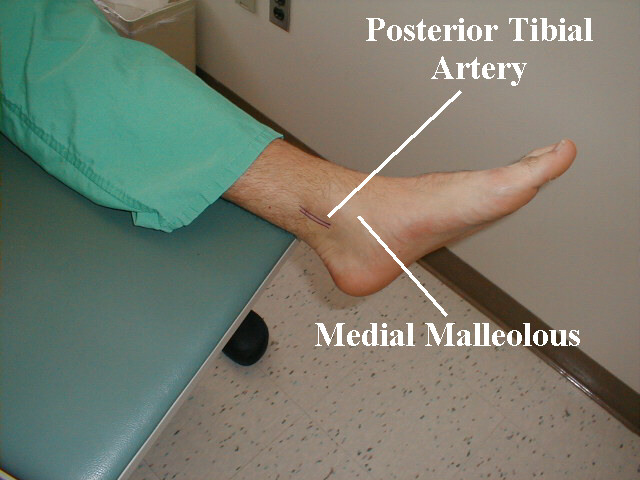
posterior tibial artery
artery supplying the foot, behind the medial ankle
pubis
the medial anterior portion of the pelvis

pulmonary arteries
the vessles that carry deoxygenated blood from the right ventricle of the heart to the lungs
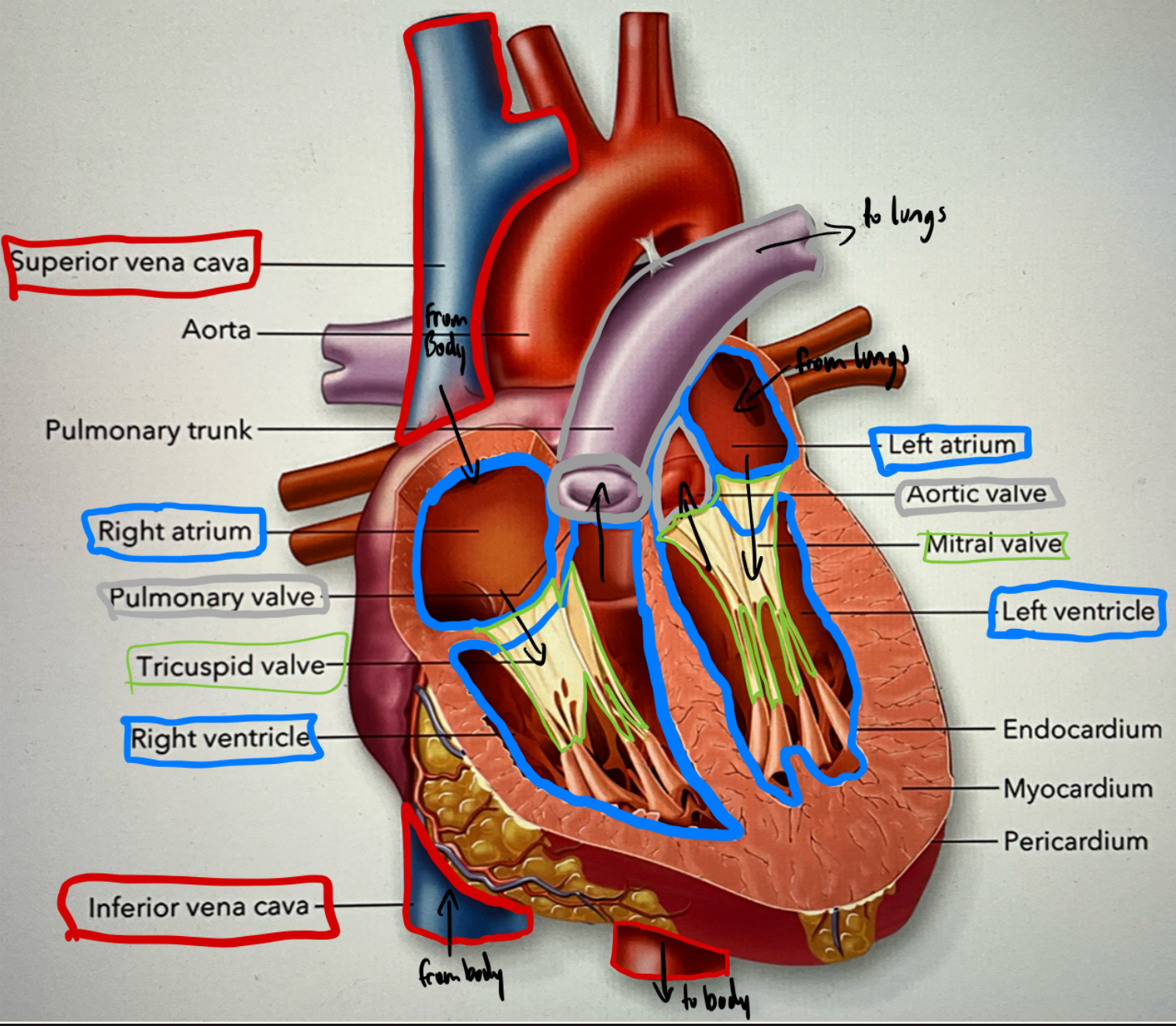
pulmonary veins
the vessels that carry oxygenated blood from the lungs to the left atrium of the heart.
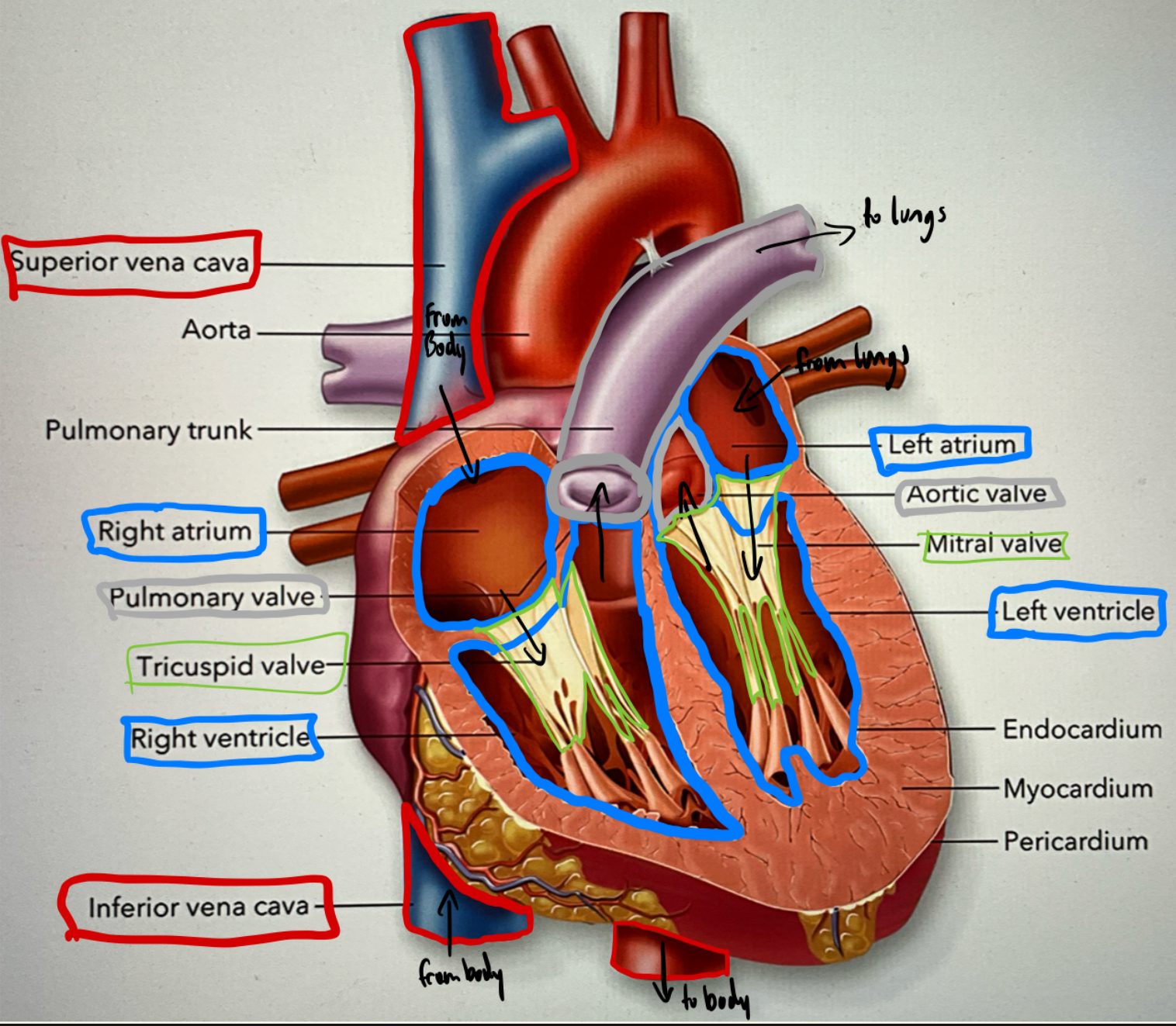
pulse
the rythmic beats caused as waves of blood move through and expand the arteries
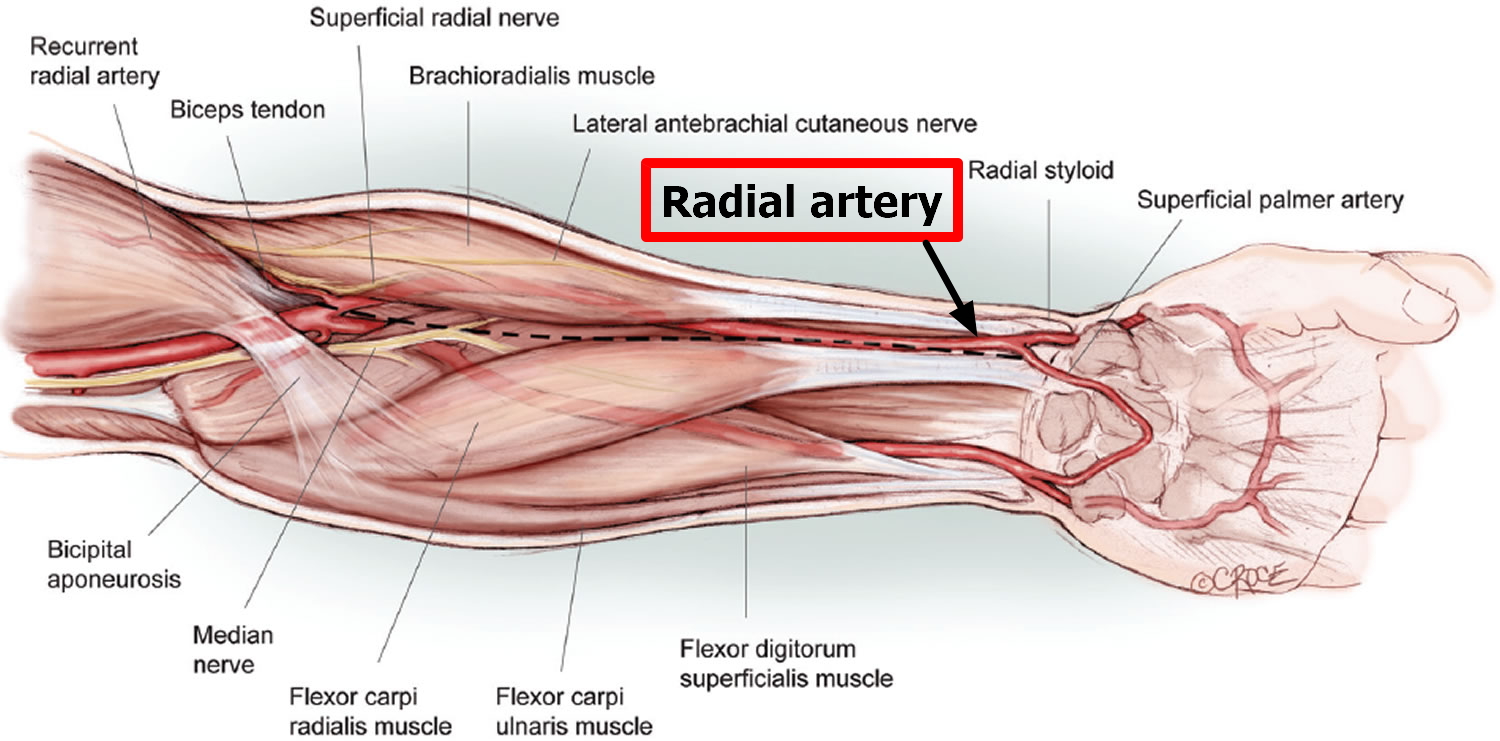
radial artery
artery of the lower arm, the artery felt when taking the pulse at the thumb side of the wrist
radius
lateral bone of the forearm
red blood cells
components of the blood that carry oxygen to and co2 away from the cells
renal system
The body system that regulates fluid balance and the filtration of blood. Also called the urinary system.
reproductive system
the body system that is responsible for human reproduction
respiration
the process of moving oxygen and carbon dioxide between circulating blood and the cells.
Respiratory system
the system of nose, mouth, throat, lungs, and muscles that brings oxygen into the body and expels carbon dioxide
scapula
the shoulder blade.
shock
A condition in which the circulatory system fails to provide sufficient circulation to enable every body part to perform its function; also called hypoperfusion.
skeleton
the bones of the body
 Note
Note  Flashcards (77)