Theme 10 - Architecture & Society
 Studied by 0 people
 Call Kai
 Learn
Learn Practice Test
 Spaced Repetition
 Match
Match Flashcards
 Knowt Play
1/23

There's no tags or description
Looks like no tags are added yet.
Name | Mastery | Learn | Test | Matching | Spaced |
|---|
No study sessions yet.
24 Terms
Psychological connotations of a cube, a sphere, and a tetrahedron
Cube - stability and strength
Sphere - movement and continuity
Tetrahedron, unsteadiness and aggressivity
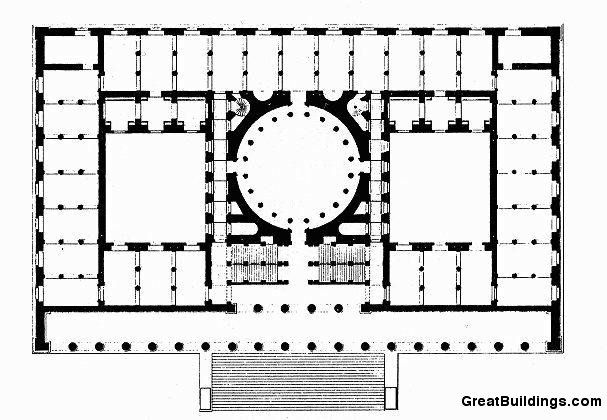
Name of building, architect, place, date
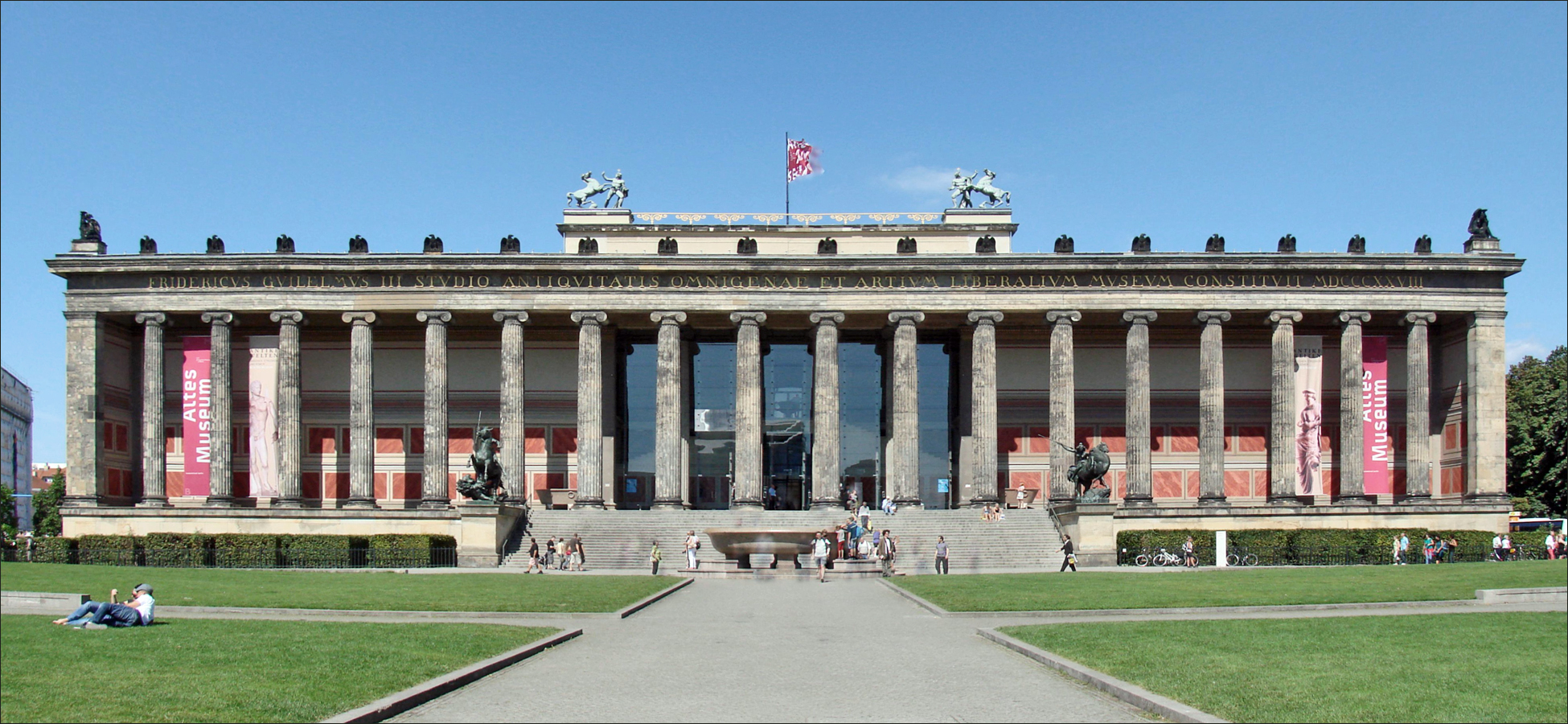
Altes Museum, Schinkel, Berlin, 1830
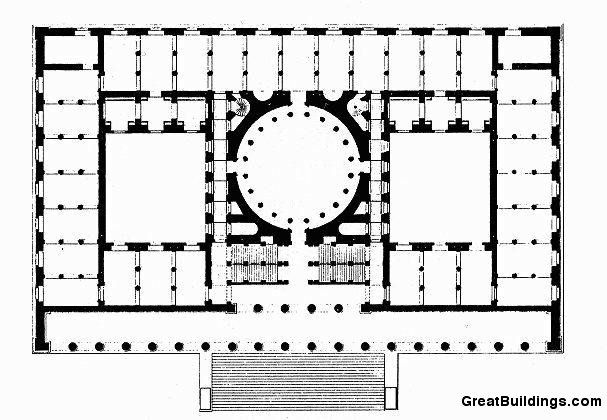
Main charactersitics of the Altes Museum by Schinkel
Neoclassical purity - simple shapes drawing from Ancient Greek forms
The building has a horizontal axis instead of a vertical axis like a cathedral - It is oriented towards an open space
Façade is a delicate filter of columns - symbol of permeability that invites people in
The columns are only on the main façade of the building - emphasises the frontal view and remarks the direction towards the exterior open space
Which building did the Altes Museum inspire?
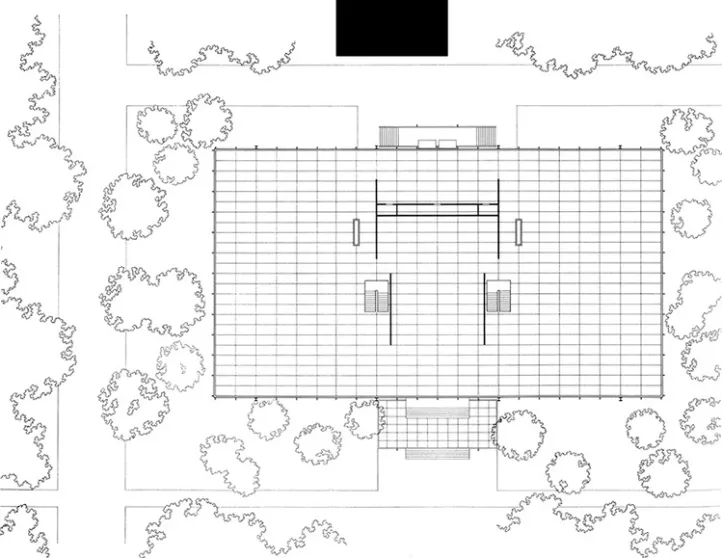
Crown Hall, Mies van der Rohe, 1940
Differences between the Crown Hall of Mies van der Rohe with the Altes Museum by Schinkel
Altes Museum:
Neoclassical style
symmetrical monumental, inspired by Greek temples
interior: central rotunda, galleries, light-filled spaces
public palace for art
Crown Hall:
modernist and international style
symetrical simple composition
open plan column-free interior with suspended roof and steel frame
the idea: allow students to see what they are all doing so they can learn from each other
radical departure from historical styles by showcasing modern engineering in a pure form
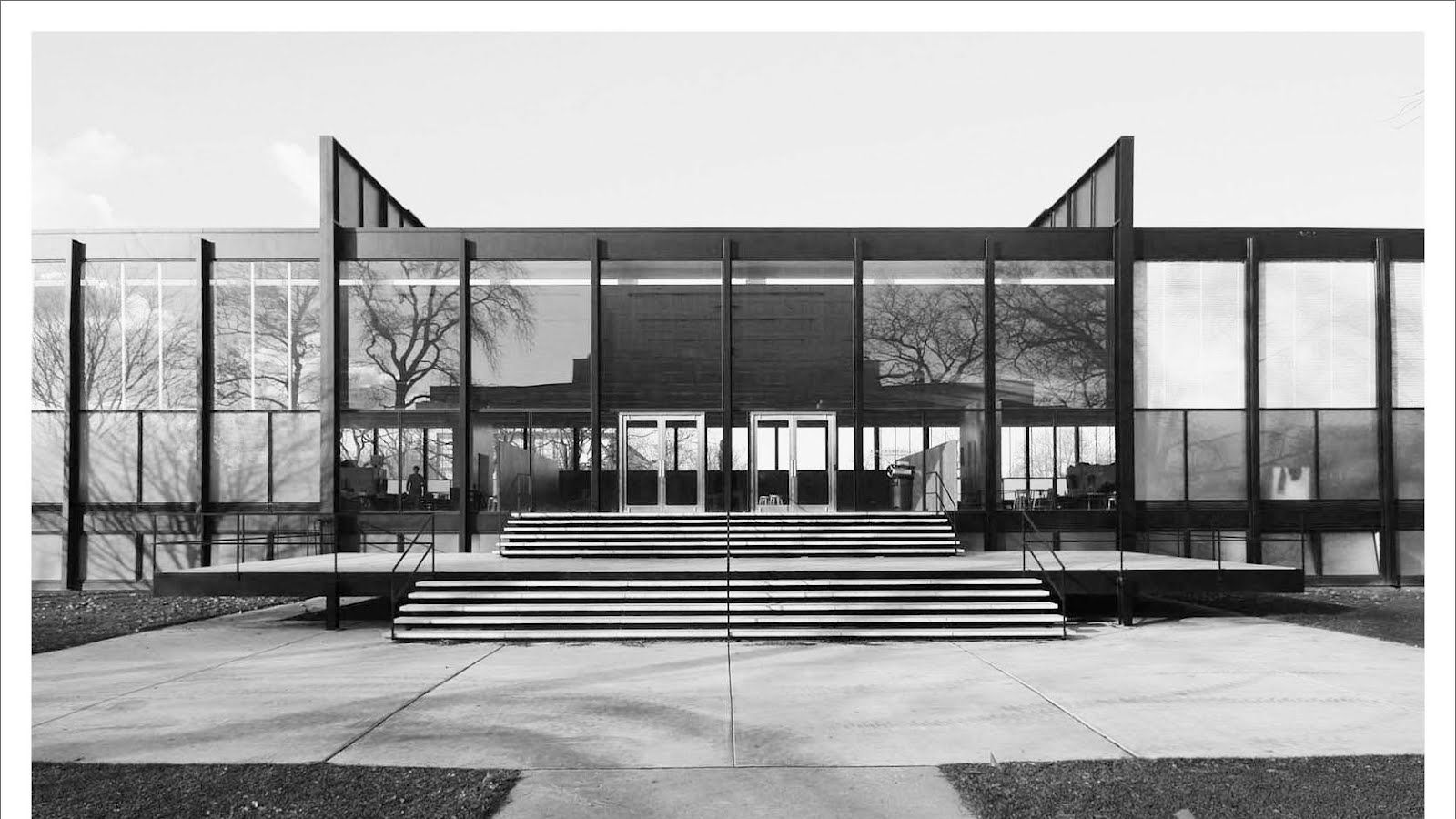
Comparisons between the Crown Hall of Mies van der Rohe with the Altes Museum by Schinkel
both have exterior columns - Crown Hall’s columns are made out of steel
they both have a plan made with the golden ratio
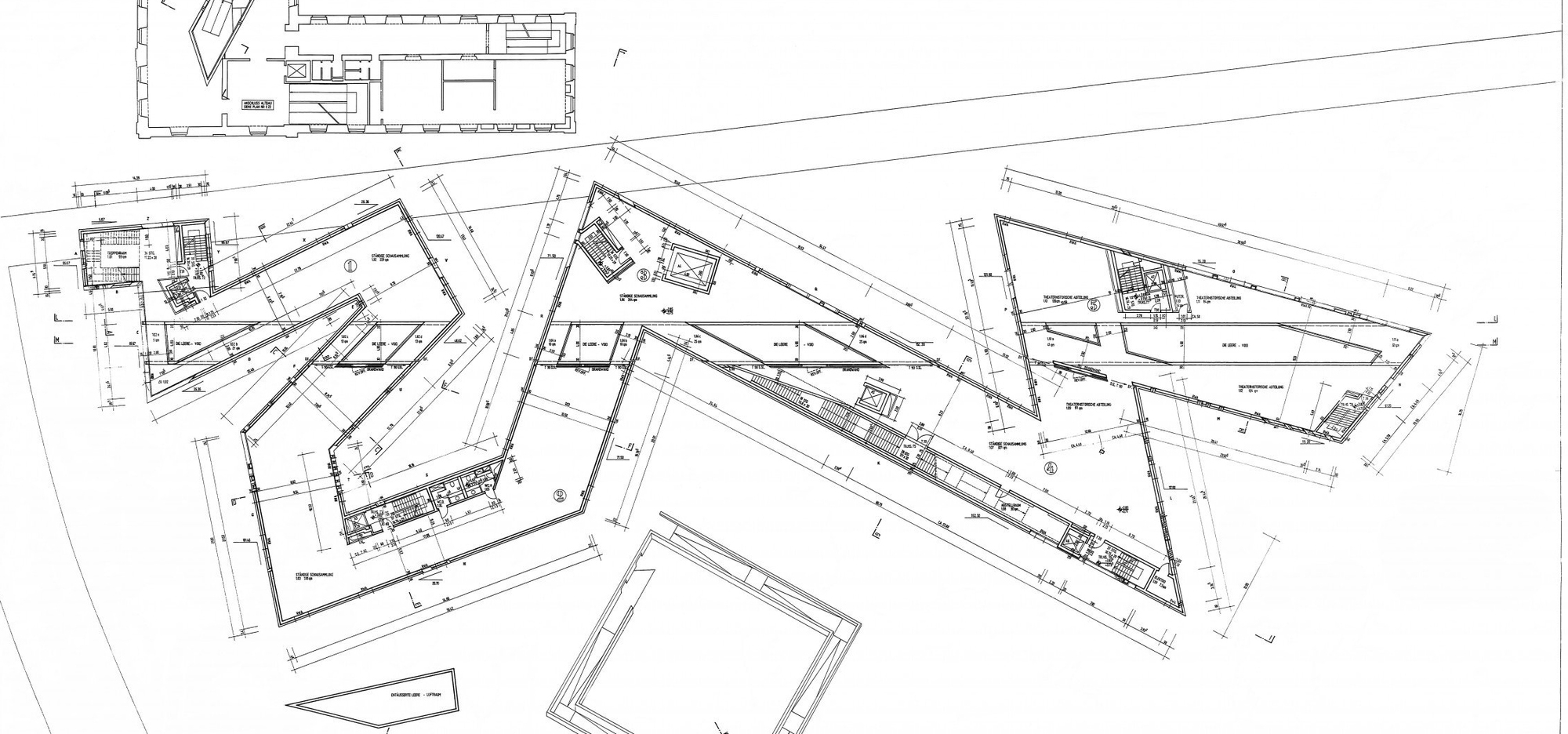
Name of building, architect, place, date
Jewish Musem, Libeskind, Berlin, 1999
Name the main elements that make up the Jewish Museum by Libeskind
Main building
Holocaust Tower
The Garden of Exile
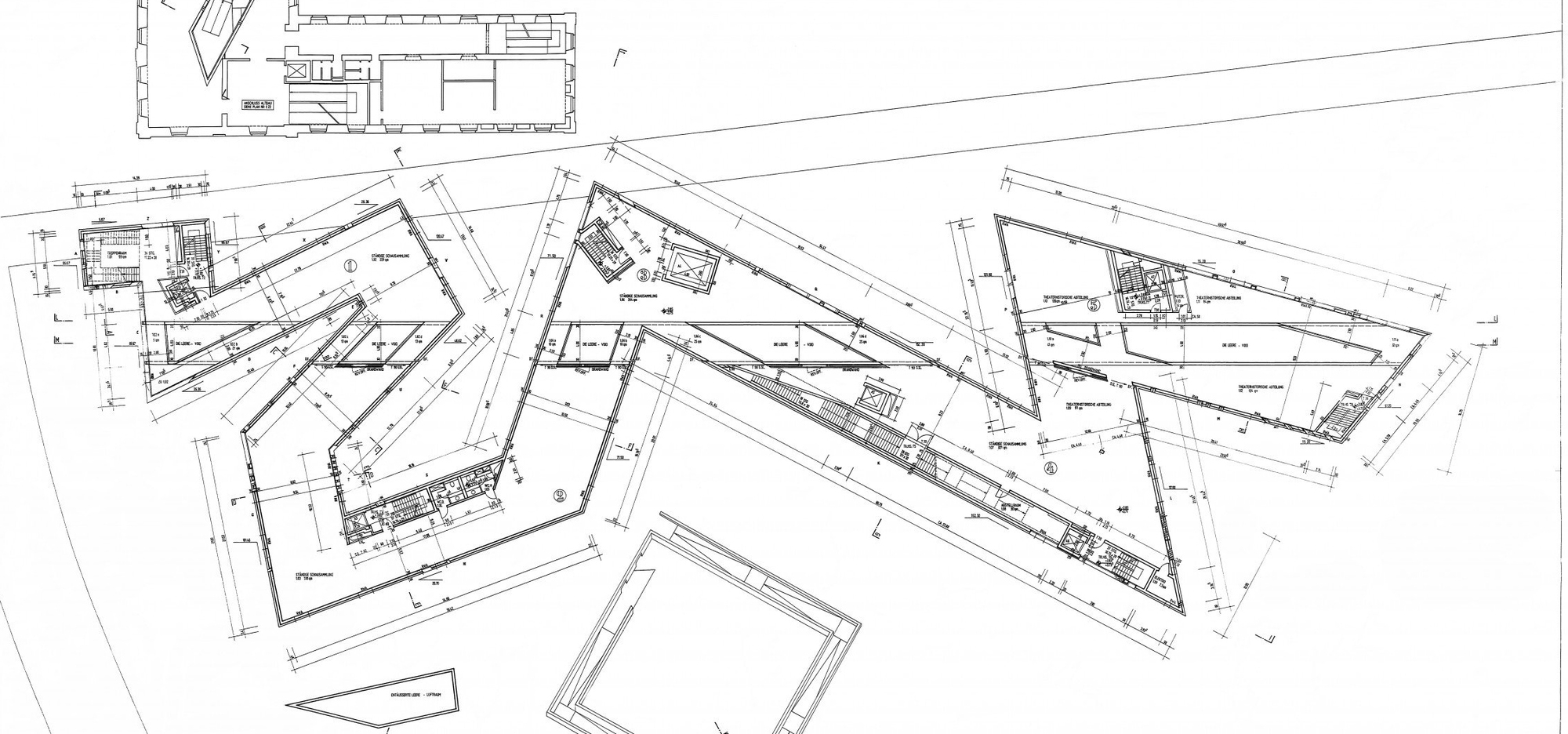
Main metaphors of the Jewish Museum building by Libeskind
zigzag plan - broken star of David (jewish star) symbolising fragmentation and upheaval in Jewish life
voids - the voids in the building create dark spaces that represent the absence and loss of Jewish life in Germany
angled narrow windows - created harsh dramatic light that shows fragmentation in the Jewish community
materials - raw concrete, zinc cladding, and exposed steel create an unsettling atmosphere
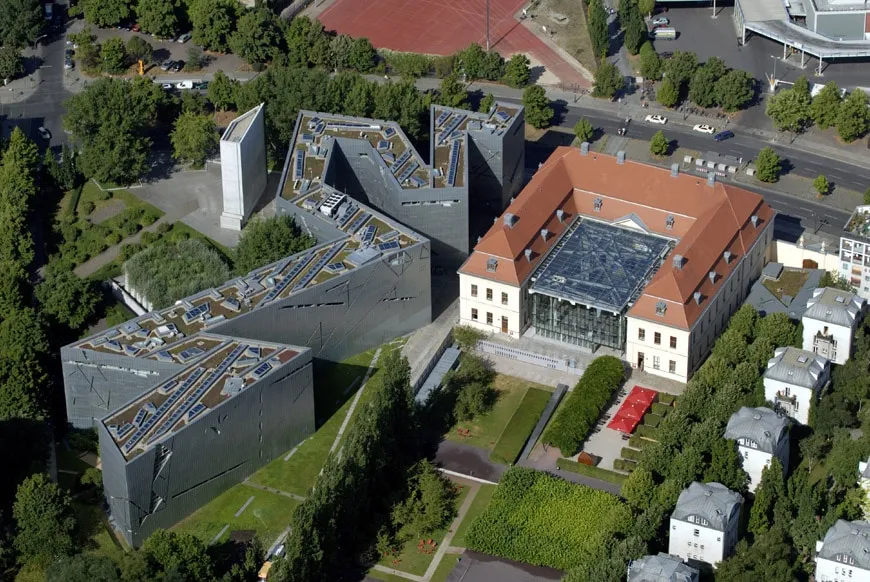
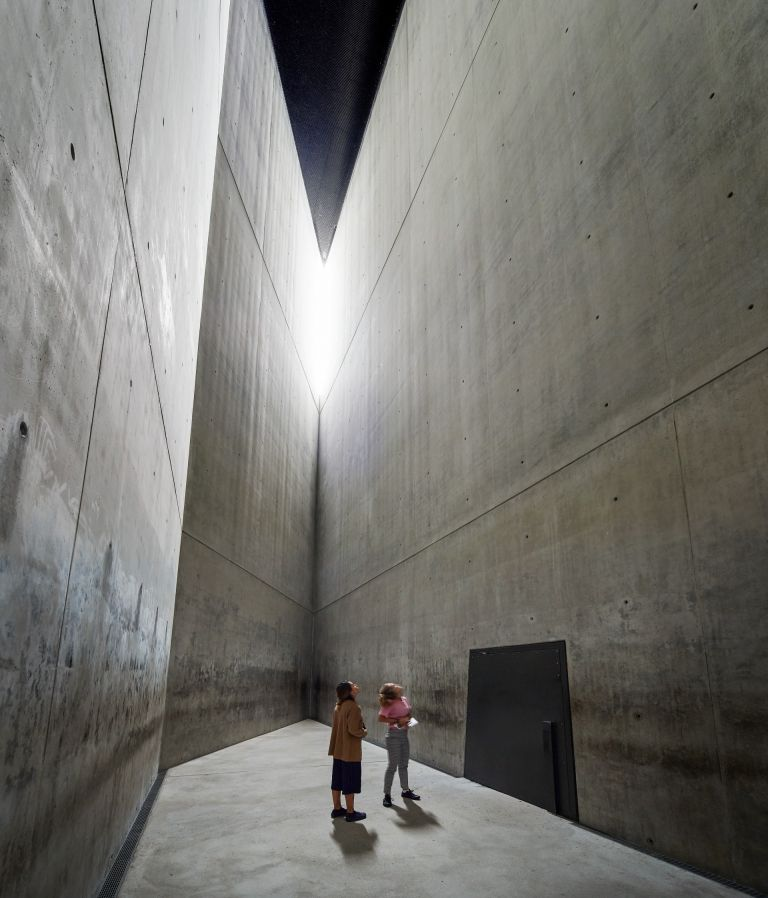
Main metaphors of the Jewish Museum Holocaust Tower by Libeskind
materials - concrete for a brutalist and cold feel
height and emptiness - narrow, unheated, completely empty vertical space
access - entered through a heavy steel door, making users feel trapped
emotional impact - designed to evoke feelings of distress, isolation, fear, and the profound absence of life
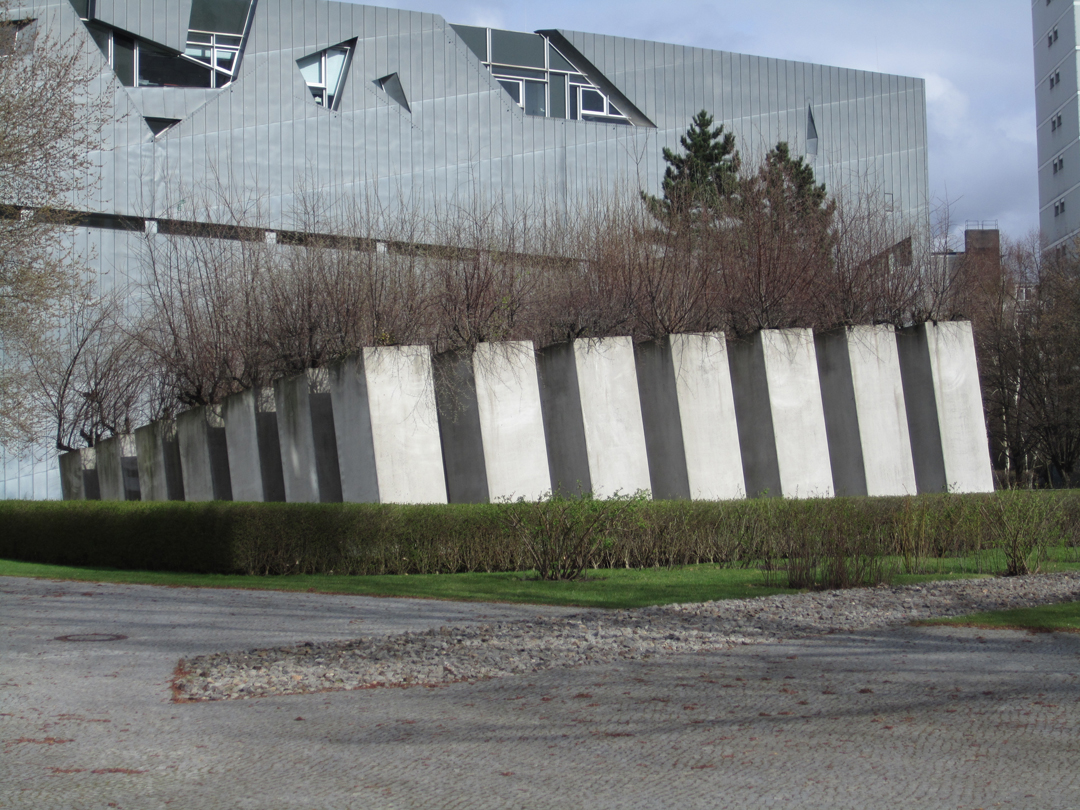
Main metaphors of the Jewish Museum Garden of Exile by Libeskind
49 concrete pillars - imposing, unevenly spaced columns represent instability and displacement of exile
slanted ground - it disrupts the user’s sense of balance, creating a sense of dizziness and disorientation, mirroring the loss of stability faced by those in exile
olive trees - these grow on top of the pillars, symbolising hope and peace
axis of exile - the graden is accessed through an underground path - connecting it to the broader narrative of forced migration
During which dates did Art Nouveau take place?
1880 to 1910
Where did Art Nouveau first emerge?
England
What does the name “Art Nouveau” suggest that the movement does?
“new art” means it moves away from historic styles
Name the 4 main characteristics of Art Nouveau (general movement)
organic shapes - clear inspiration from nature (not rigid structures like in the past)
undulating assymmetrical line - suggesting movement or energy
total art - coordination of architecture, furniture, decor, and everyday objects
decorative elements - stained glass, mosaics, ornate metalwork
art of the industrial bourgeoisie - new class wanted a new art movement to represent them
Name 6 main characteristics of Art Nouveau in architecture
linear accent
use of wrought iron + stone-brick walls
use of many materials such as stone, iron, wood, ceramic, glass
variety of colours
inside: stylistic unity / outside: merge arch + nature
naturalist themes - specifically flowers and the feminine figure
flowing curves - movement, organic sense capable of transmitting feelings of optimism, lightness, elasticity - leitmotiv
Name the 2 main trends in Art Nouveau architecture
concave-convex shapes
geometric shapes
Name 3 architects that use concave-convex shapes
Horta
Van de Velde
Gaudí
Name 3 architects that use geometric shapes
Wagner
Mackintosh
early works of Wright
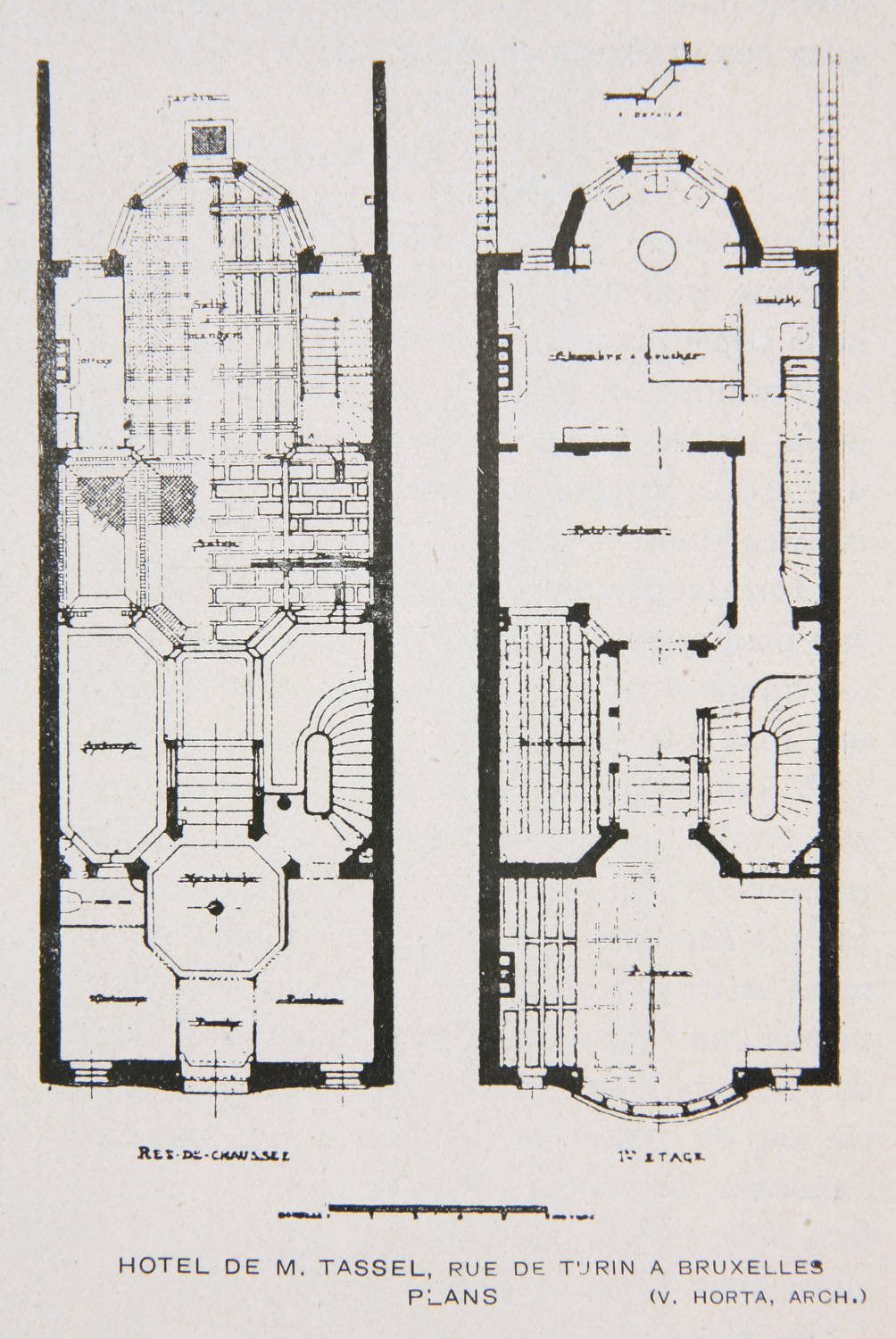
Name of building, architect, place, when built
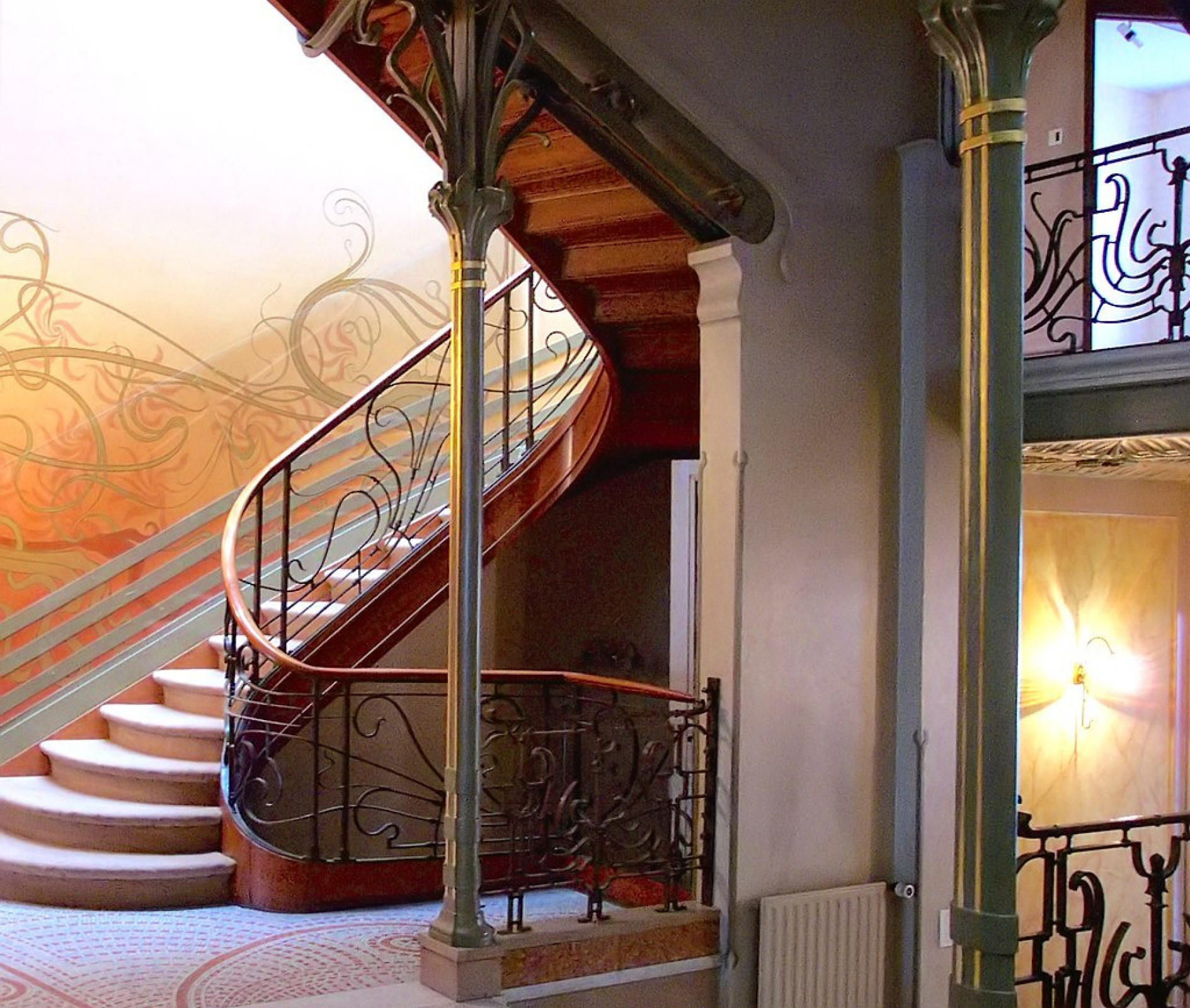
Tassel House, Horta, Brussels, 1893
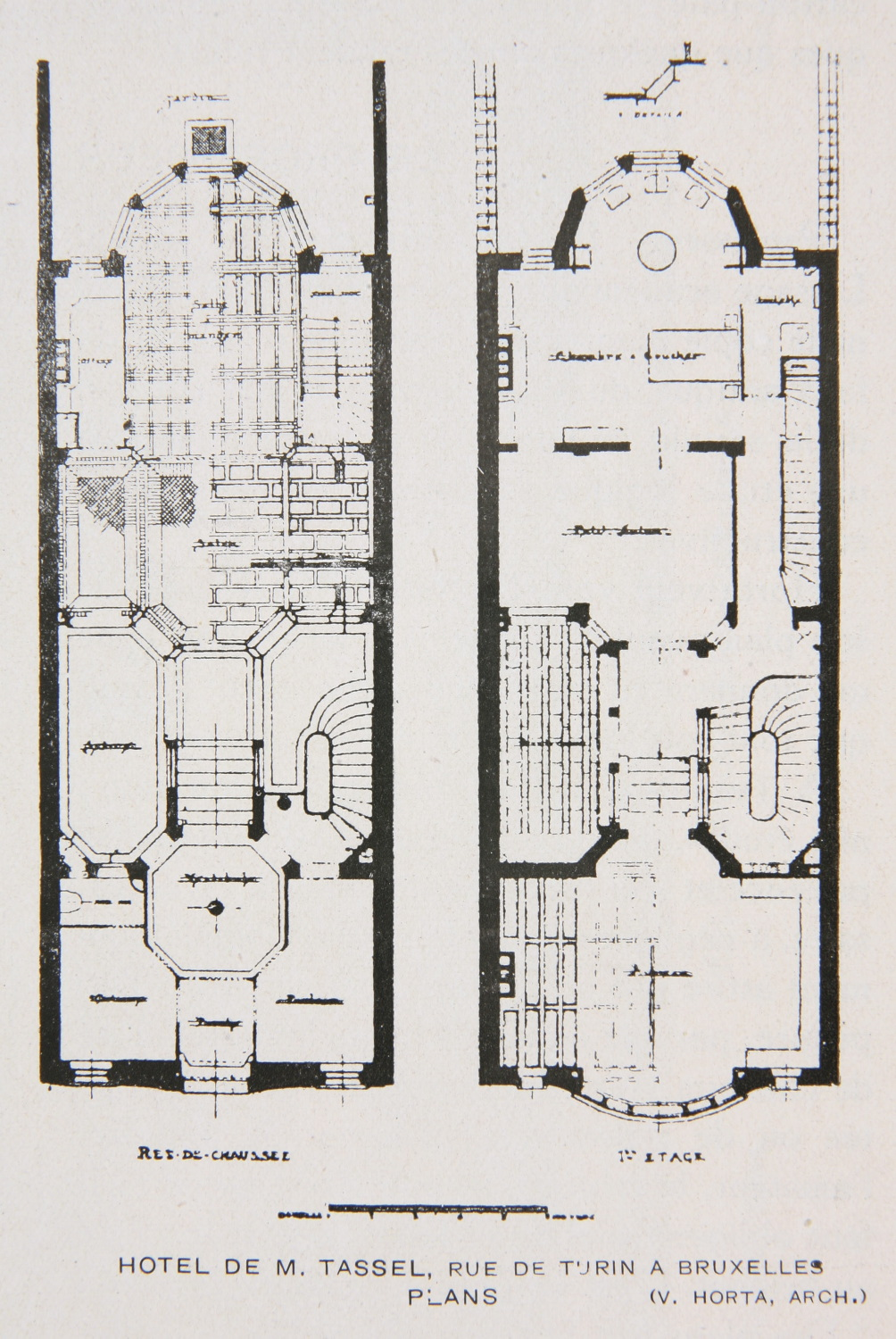
3 Main characteristics of the Tassel House
central light well brings light deep into the house
organic forms - nature-inspired, sinuous curves dominate the iron railings, mosaic floors, wall designs
open plan - allows rooms to flow into each other and maximises light
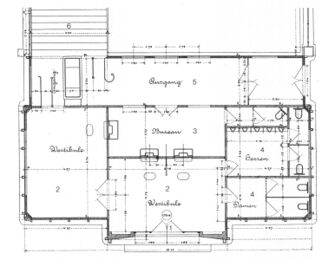
Name of building, architect, place, when built, fusion of two movements
Karlsplatz station, Wagner, Vienna, 1899, neoclassisicm + art nouveau
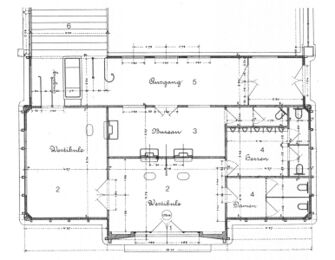
Main characteristics of the Karlsplatz station by Wagner
colours and materials - vibrant apple-green steel frameworks, white marble walls, gold leaf, and sunflower designs
fusion of practical transport needs with aesthetic appeal
neoclassical style and art nouveau - imperial waiting room yet pavillions with flowing lines and organic patterns of art nouveau

 Note
Note  Flashcards (38)