AQA GCSE History: Public Health in Medieval + C19th Towns
 Studied by 0 people
 Call Kai
 Learn
Learn Practice Test
 Spaced Repetition
 Match
Match Flashcards
 Knowt Play
1/42

There's no tags or description
Looks like no tags are added yet.
Name | Mastery | Learn | Test | Matching | Spaced | Call with Kai |
|---|
No study sessions yet.
43 Terms
"Self Help"
A book published by Jeremy Bentham and Samuel Smiles, which said it was upto the individual to look after their own conditions and work, NOT the government
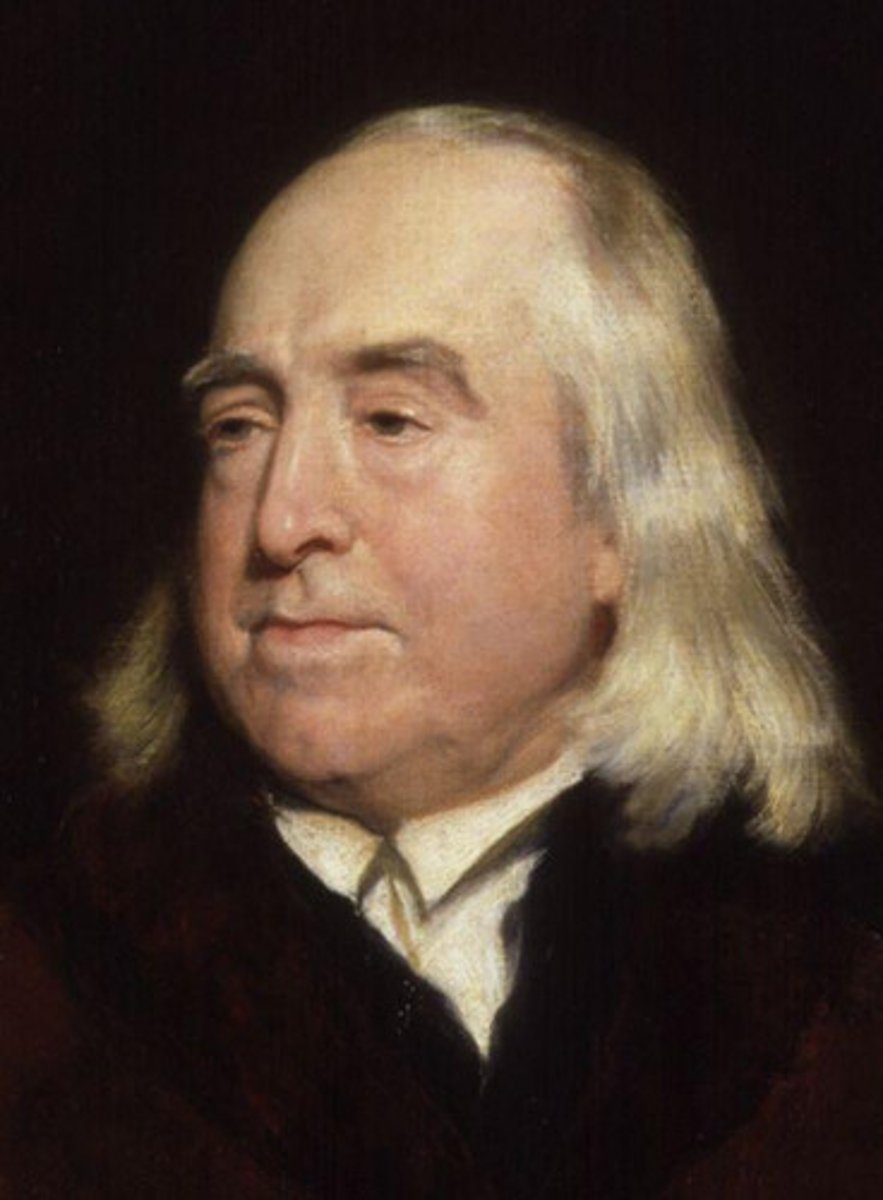
Life Expectancy
How long someone is expected to live, on average. In East London in 1842, rich people were expected to live until aged 45, whilst poor labourers were expected to live to the ripe old age of 16
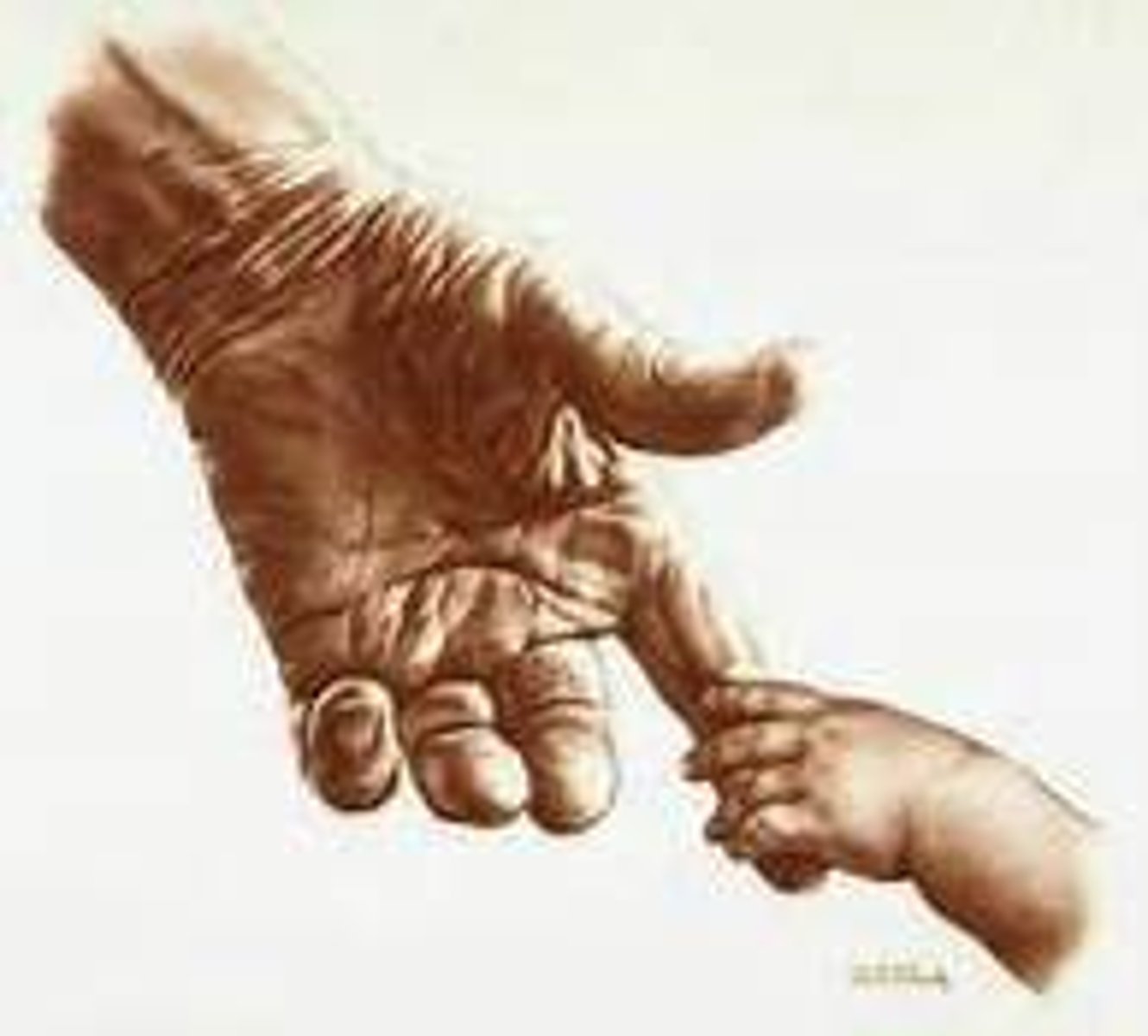
Child poverty
Young children would work, and be dressed in rags as they didn't make much money and they were poor. Many children did dangerous jobs for long hours and little pay and could not afford much food or clothing. This meant that they were under nourished and unhealthy making them more likely to catch diseases.
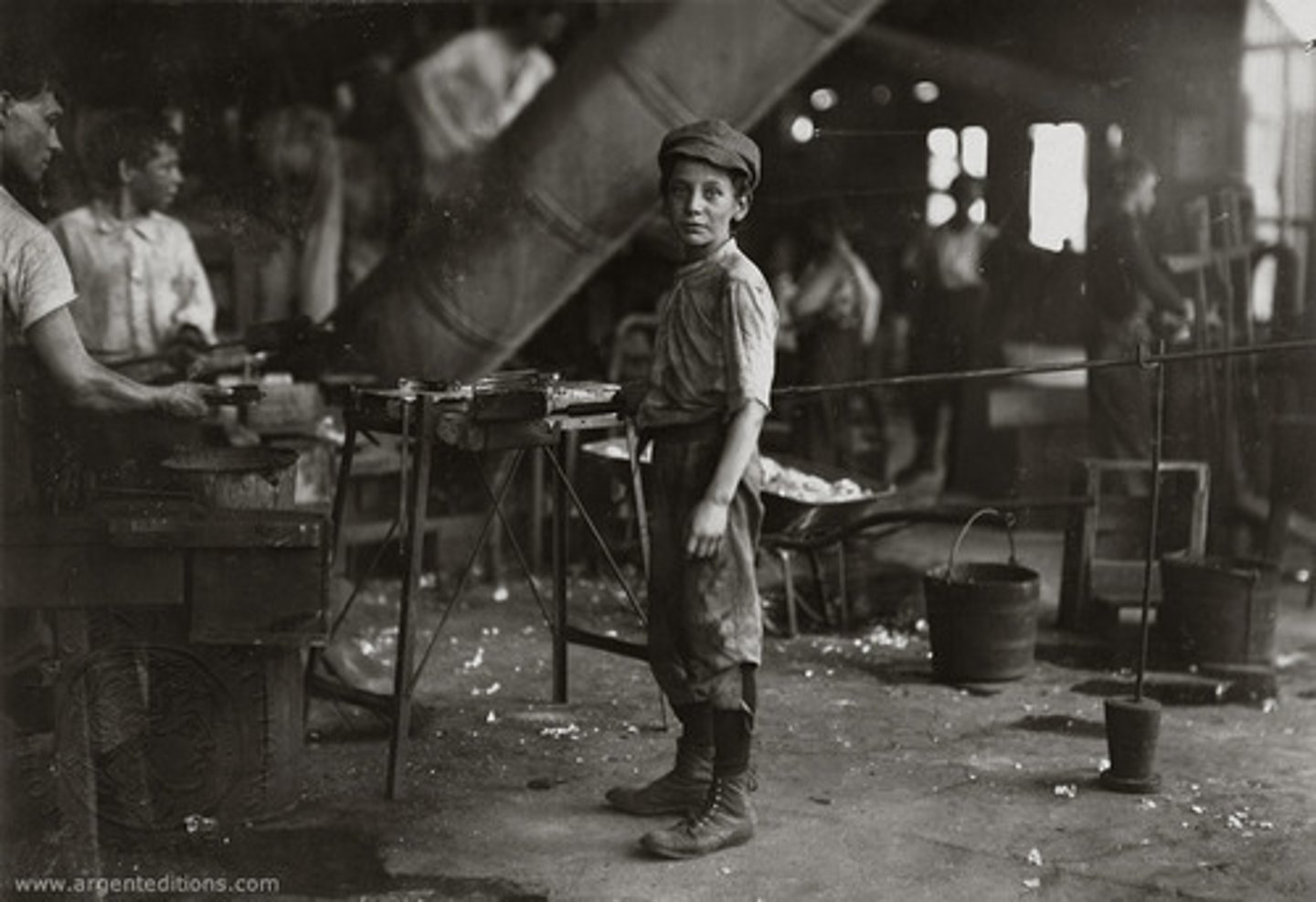
Chimney Sweeps
Often young boys because they could fit up chimneys. The air outside was full of soot/smong and chimney sweeps commonly got testicular cancer

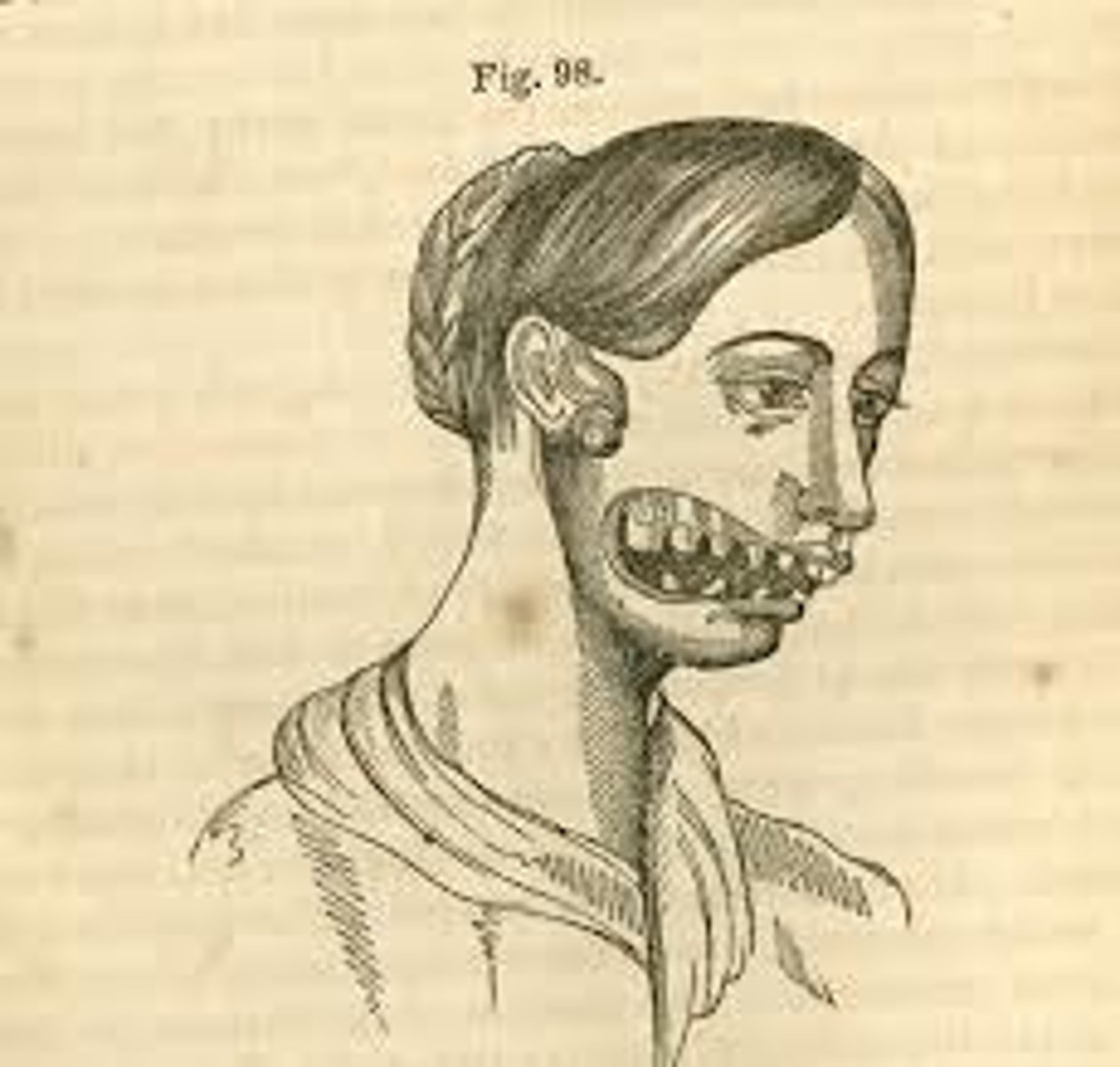
Phossy Jaw
A condition that girls working in the match factories got where the phospherous fumes rotted the flesh in the jaw
Food and Safety standards
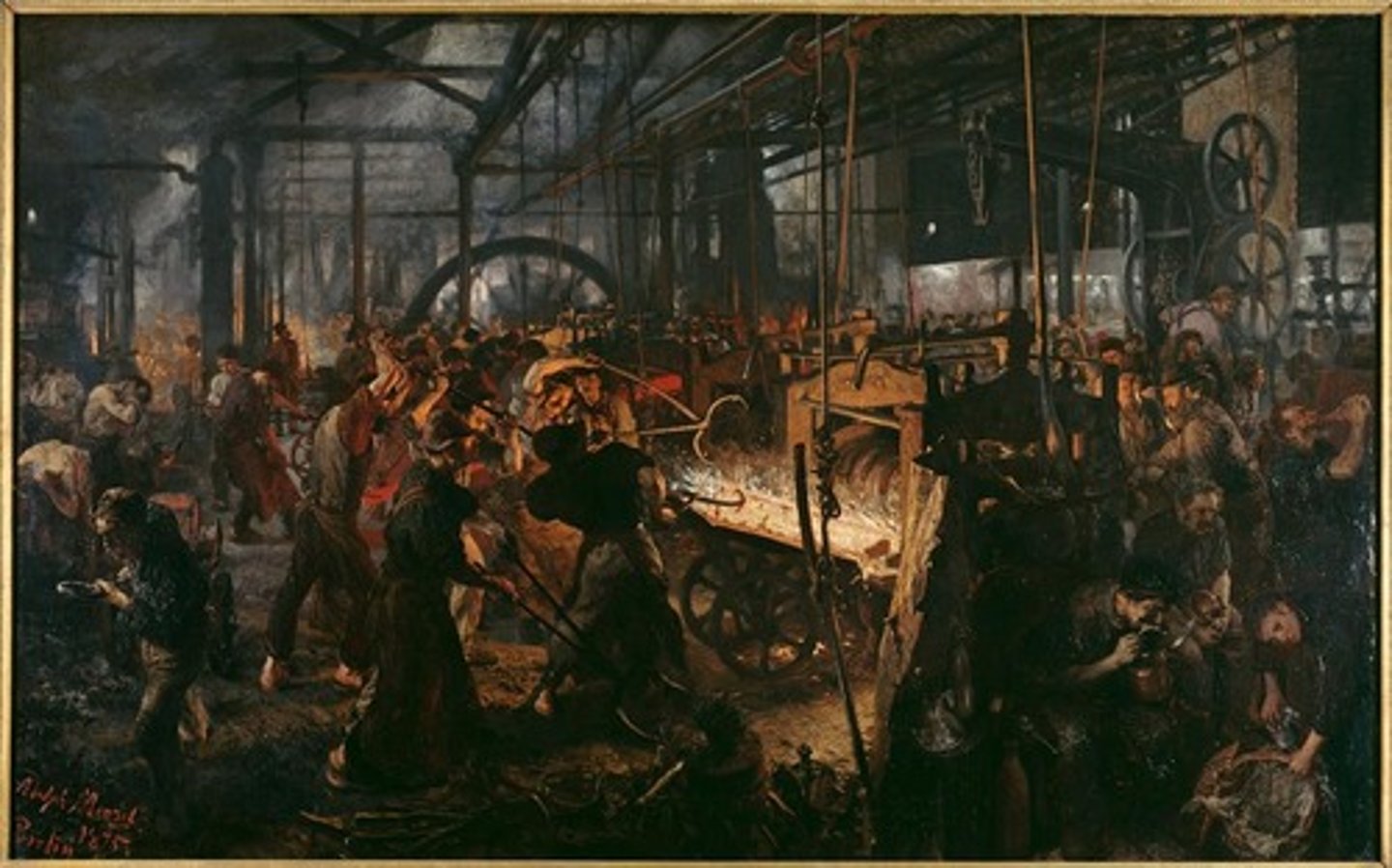
No standards existed. For example, food was packed out with sawdust and chalk and many factories had daily accidents resulting in mutilation or, even death.
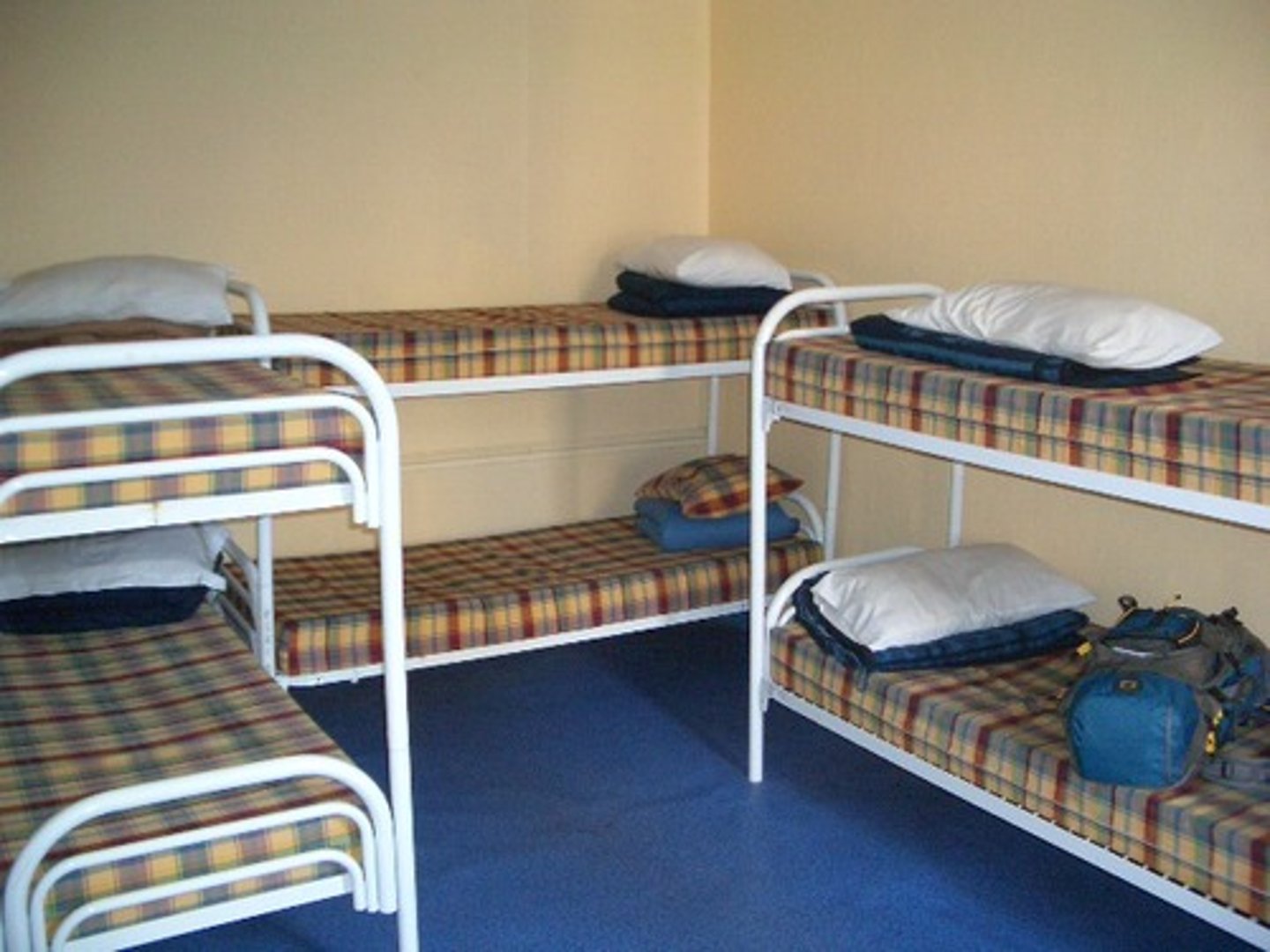
Public Lodging Houses
Many strangers would share dirty, cramped rooms meaning that diseases could spread quickly and as people moved around the country they would spread the disease further.
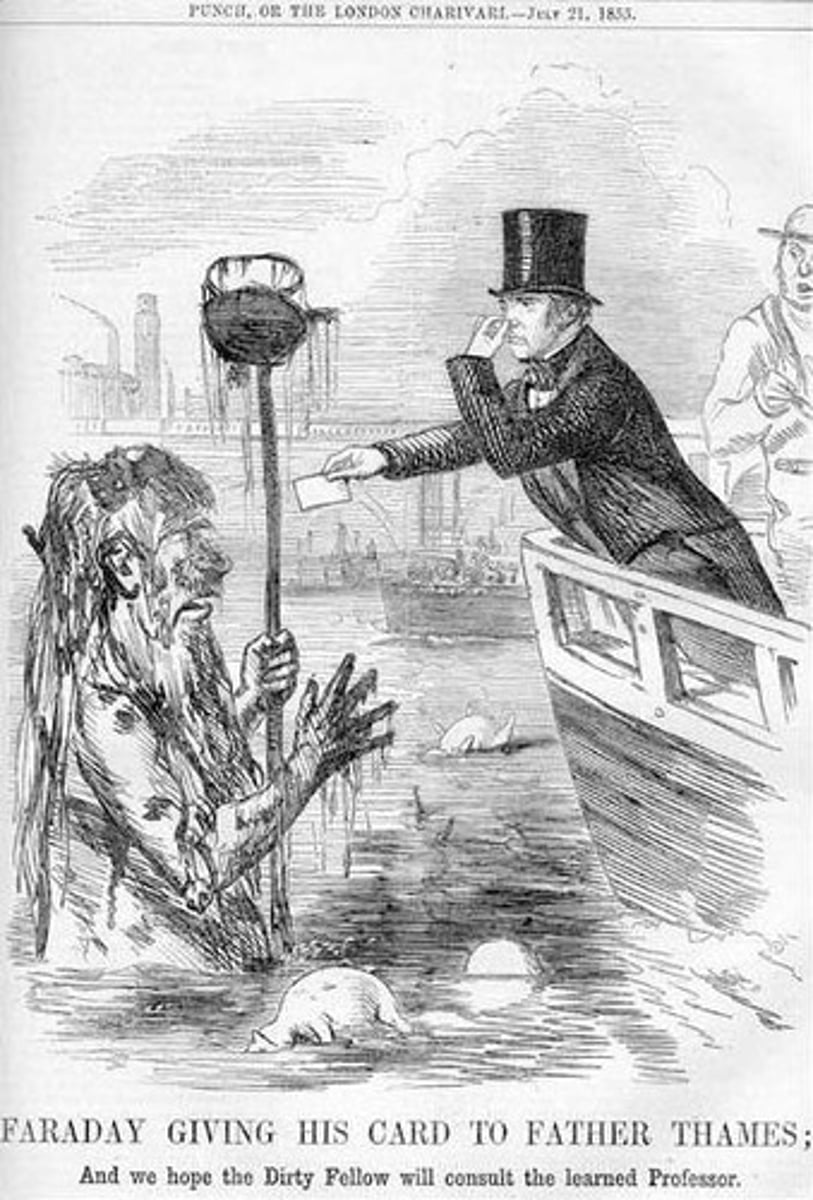
The Great Stink (1858)
The summer weather led to the River Thames drying up, exposing the effluent at the bottom and releasing a gut-wrenching smell. The rich and powerful left London for the summer and returned in winter supporting ideas about improving the sewage and waste disposal situation
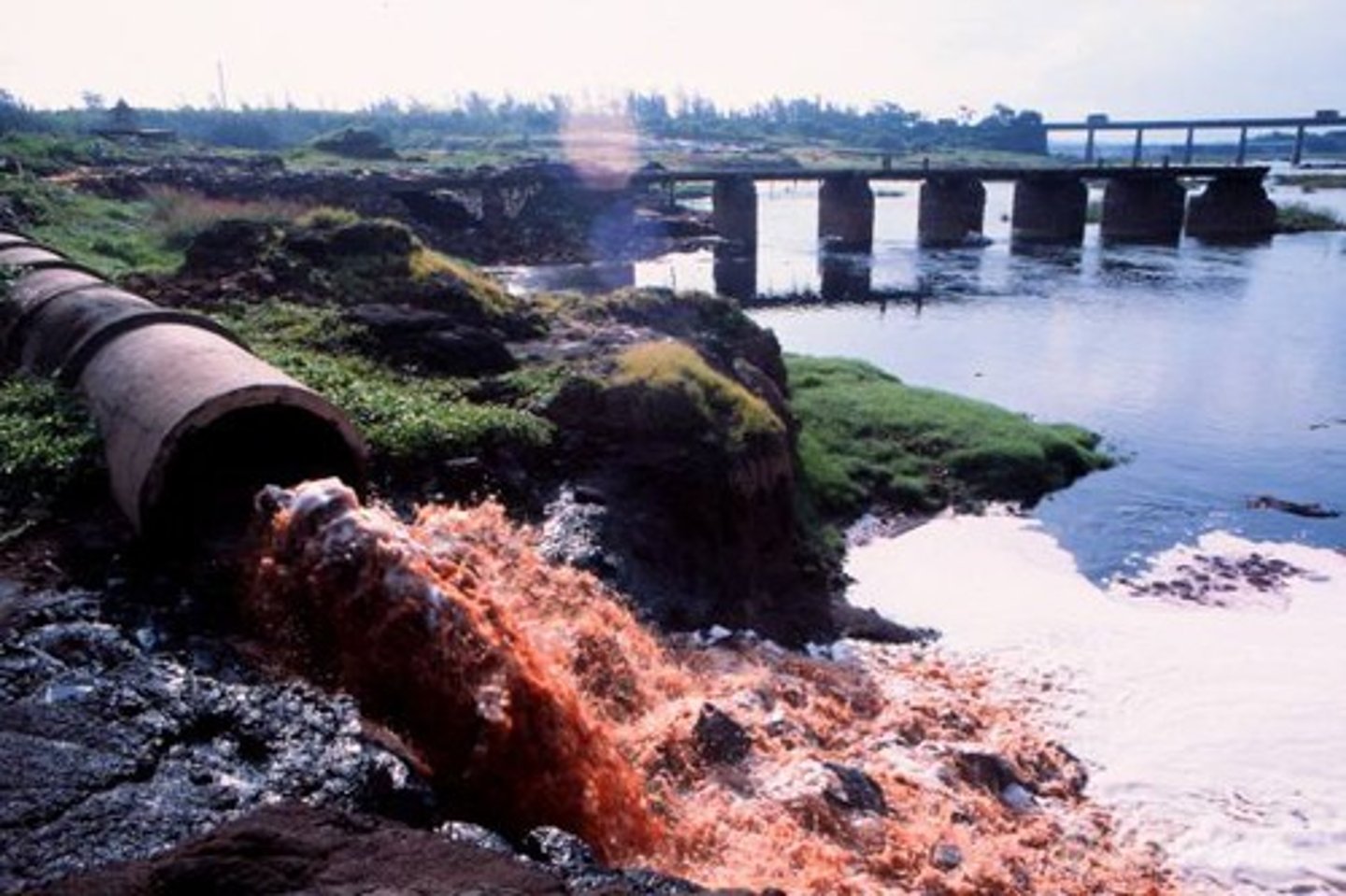
Effluent
A seperate flow of a sunstance within a river or stream. In the case of the Thames, sewage, industrial waste and litter
Miasma theory
The idea that bad smells carry disease - still wideley believed in the Industrial Era

Joseph Bazalgette
Employed to construct sewers in London. Completed by 1865. Still used in parts of London today.
Urbanisation
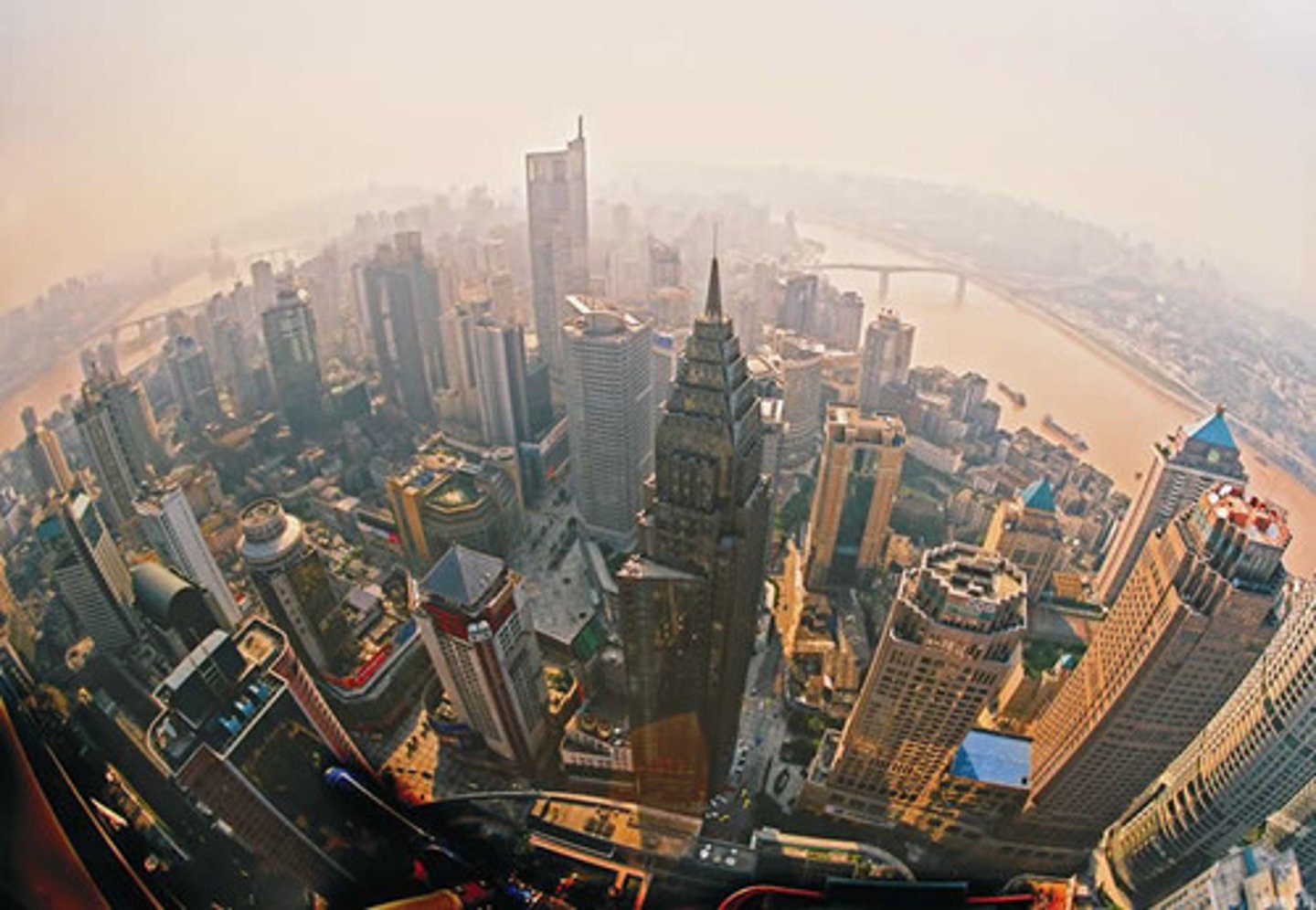
More people moved to towns during the industrial revolution in search of jobs. Small workshops in the countryside weren't competitive anymore.
The 'Big 6'
The 'Big 6' diseases of industrian towns; Tuberculosis, Influenza, Diphtheria, Typhoid, Typhus and Cholera
"The English Disease"
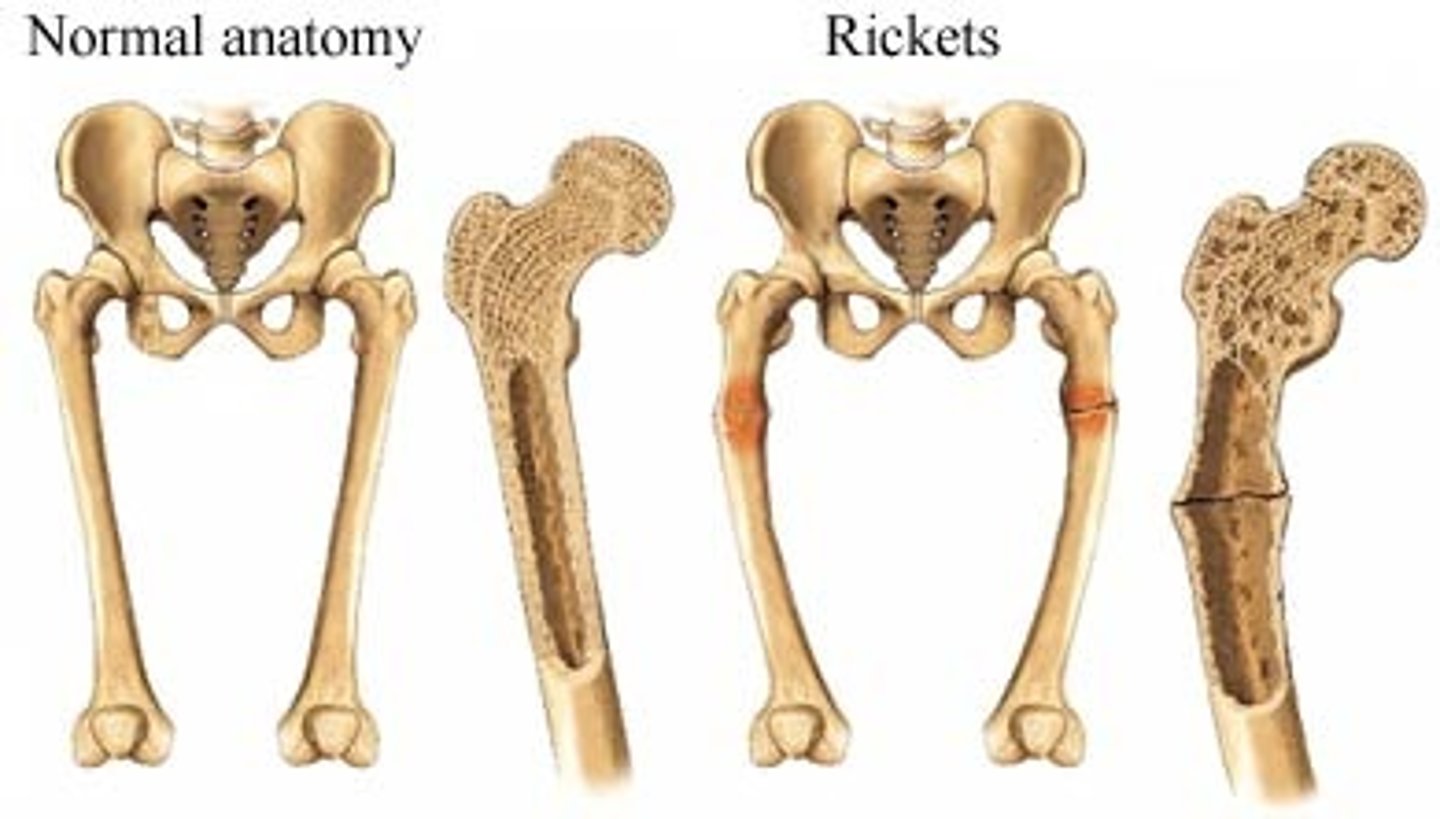
Rickets was a common bone disease, due to lack of calcium, found in English people. People abroad wrote of it.
Terraced housing
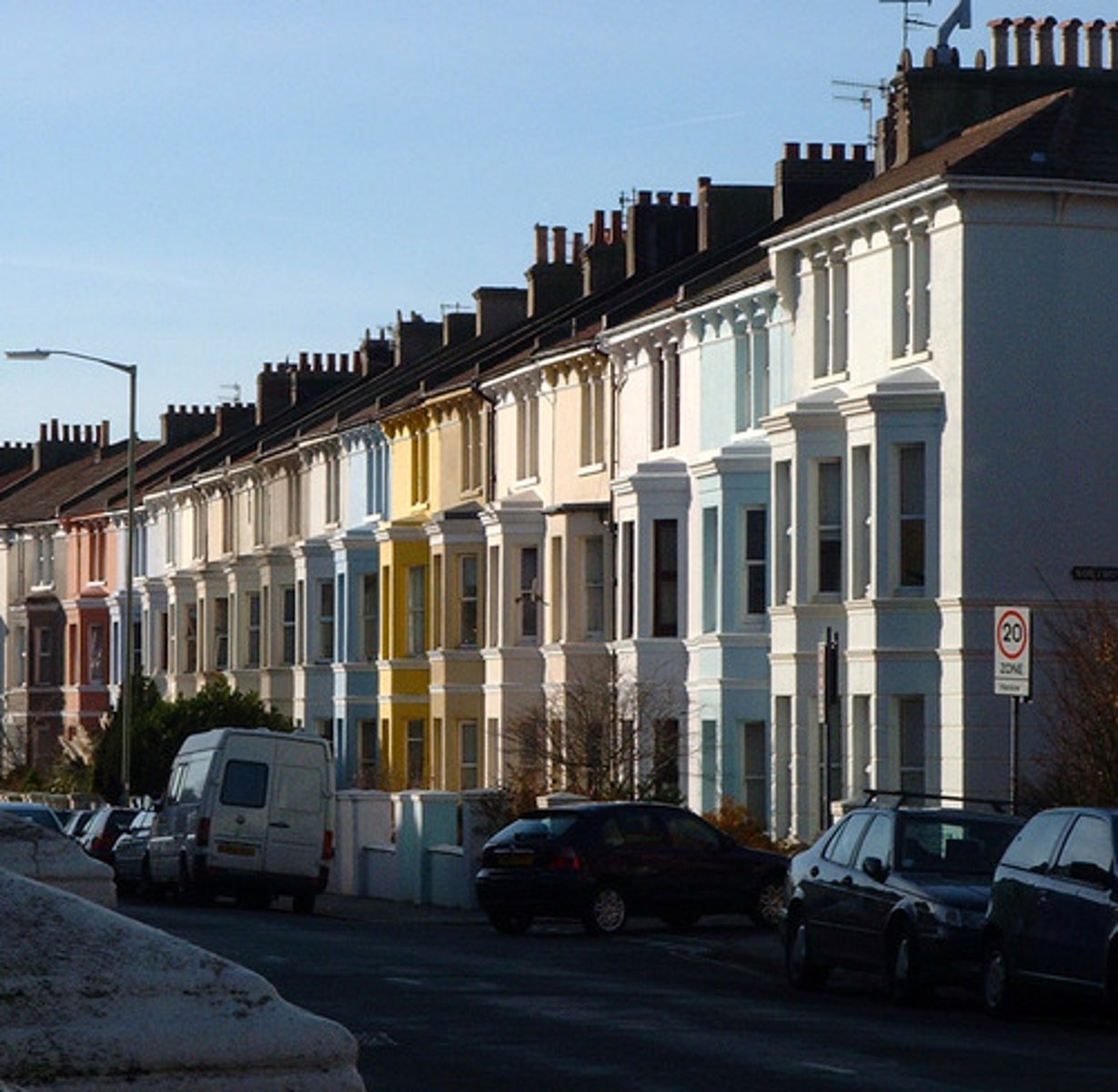
Many Londoners lived in shared housing with 1 privvy per 10 people. This meant diseases travelled fast in clusters of people.
Lassaiz-Faire
When a government has a hands-off approach. This was the case with public health in the early 1800s
Poverty taxes
Most rich people were not taxed enough for the government to actually make improvements to public health, as this hadn't been a concern in previous eras to the same extent.

Slum Clearances
Some slums such as those in Spitalfields, London, were cleared from 1891 onwards and replaced with a higher standard of housing.
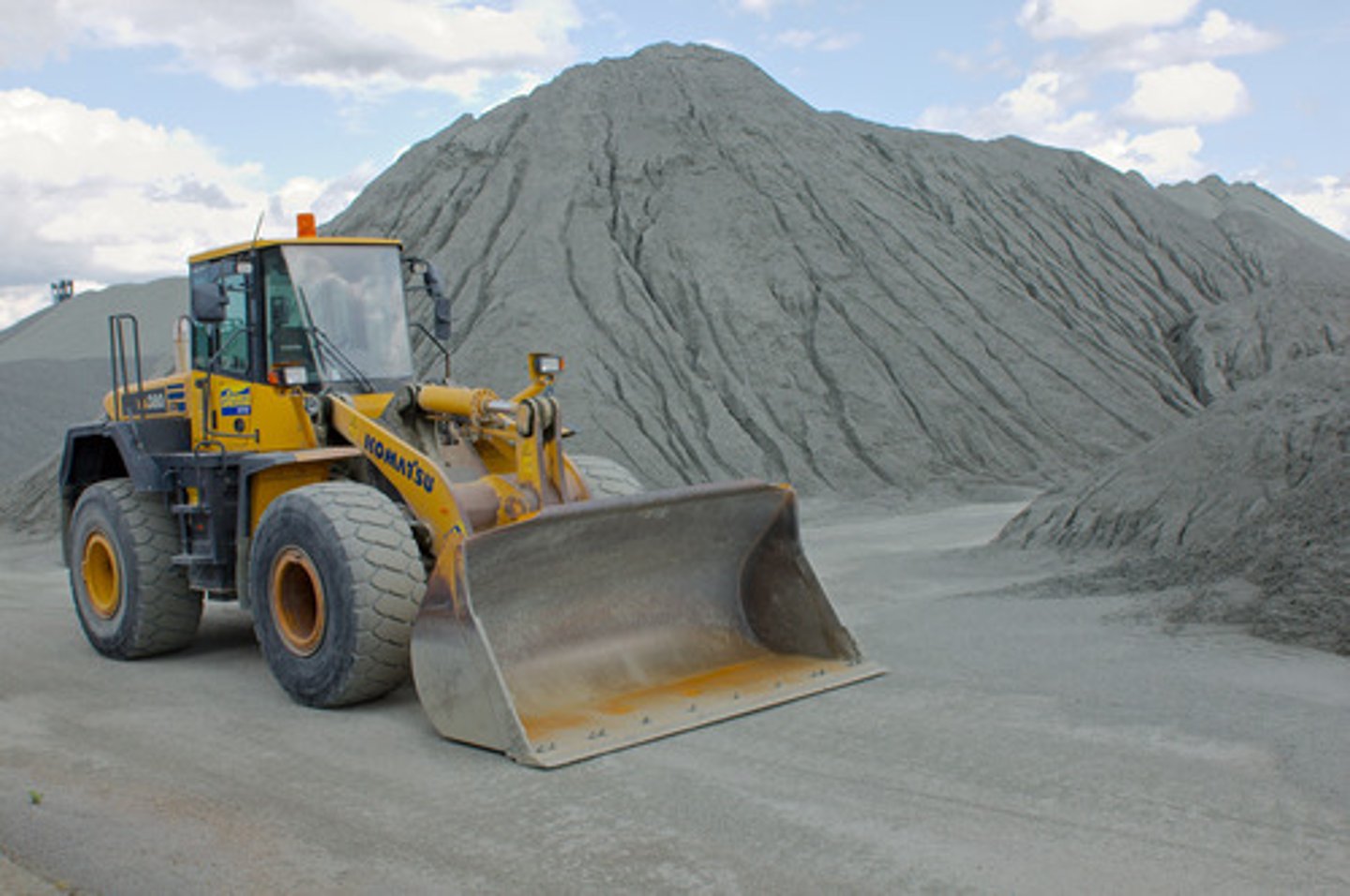
Miasma
A noxious or poisonous atmosphere. People believed this was created by putrid smells and/or sin.
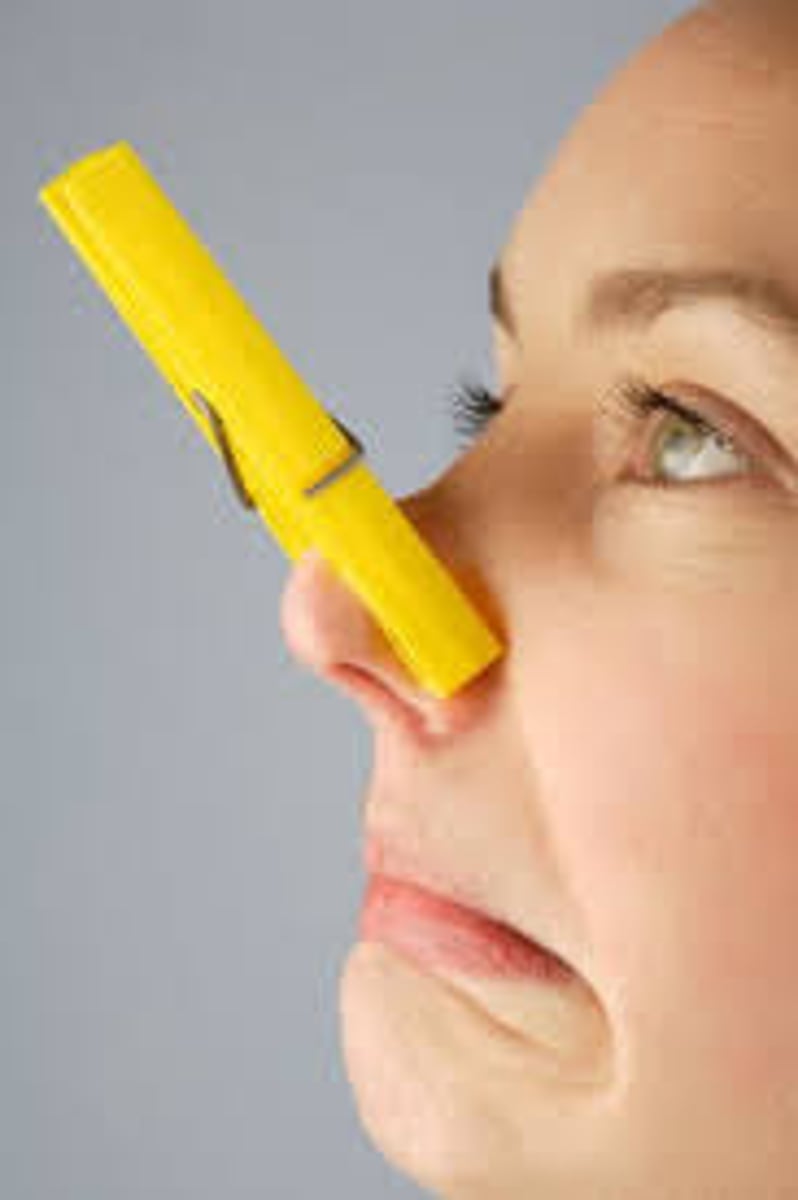
Privies / Latrines
Other words for toilets (non-flushing in the Medieval Era)
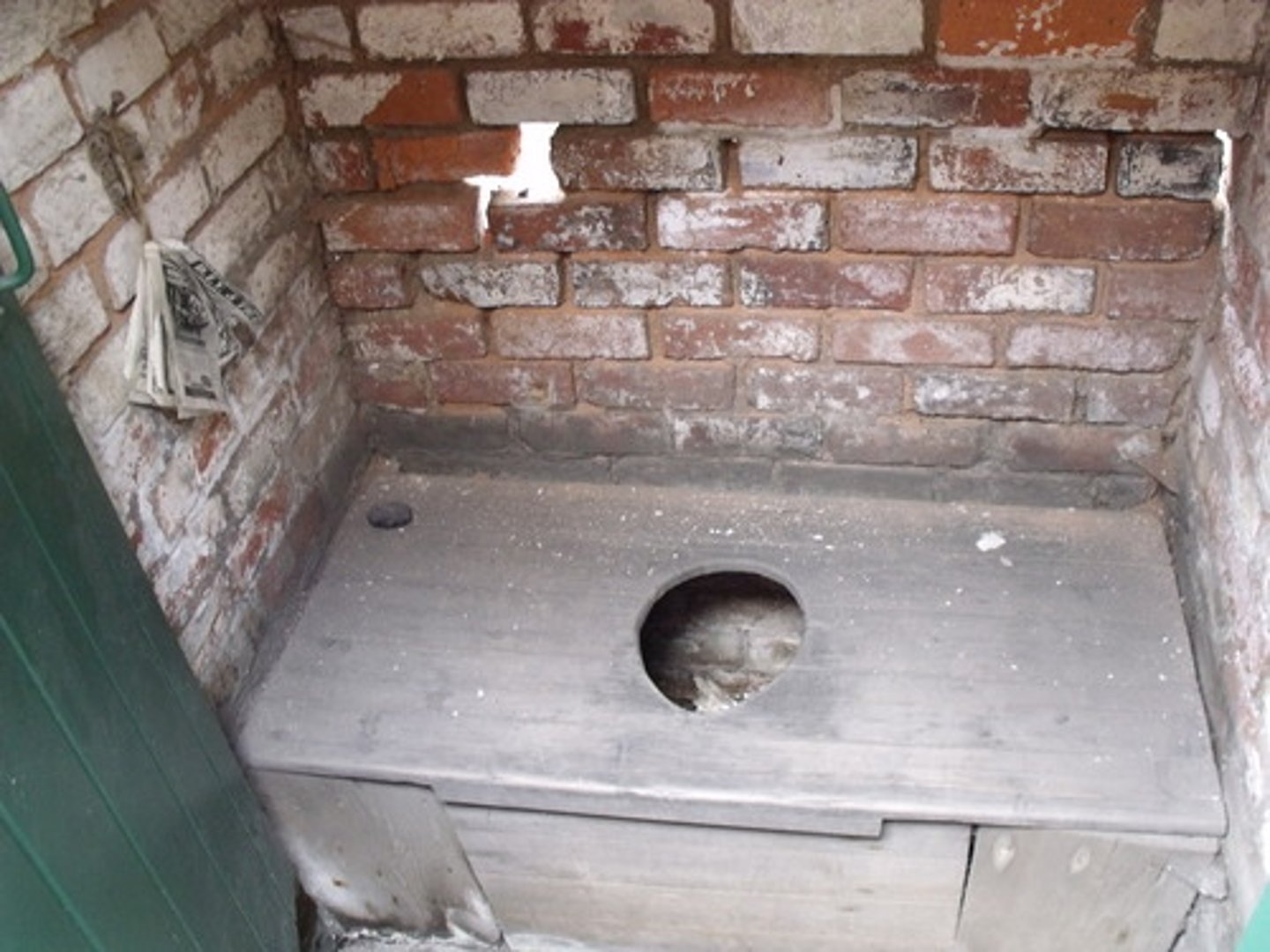
Guilds
Set and checked standards for traders. They would fine producers if their quality dropped.
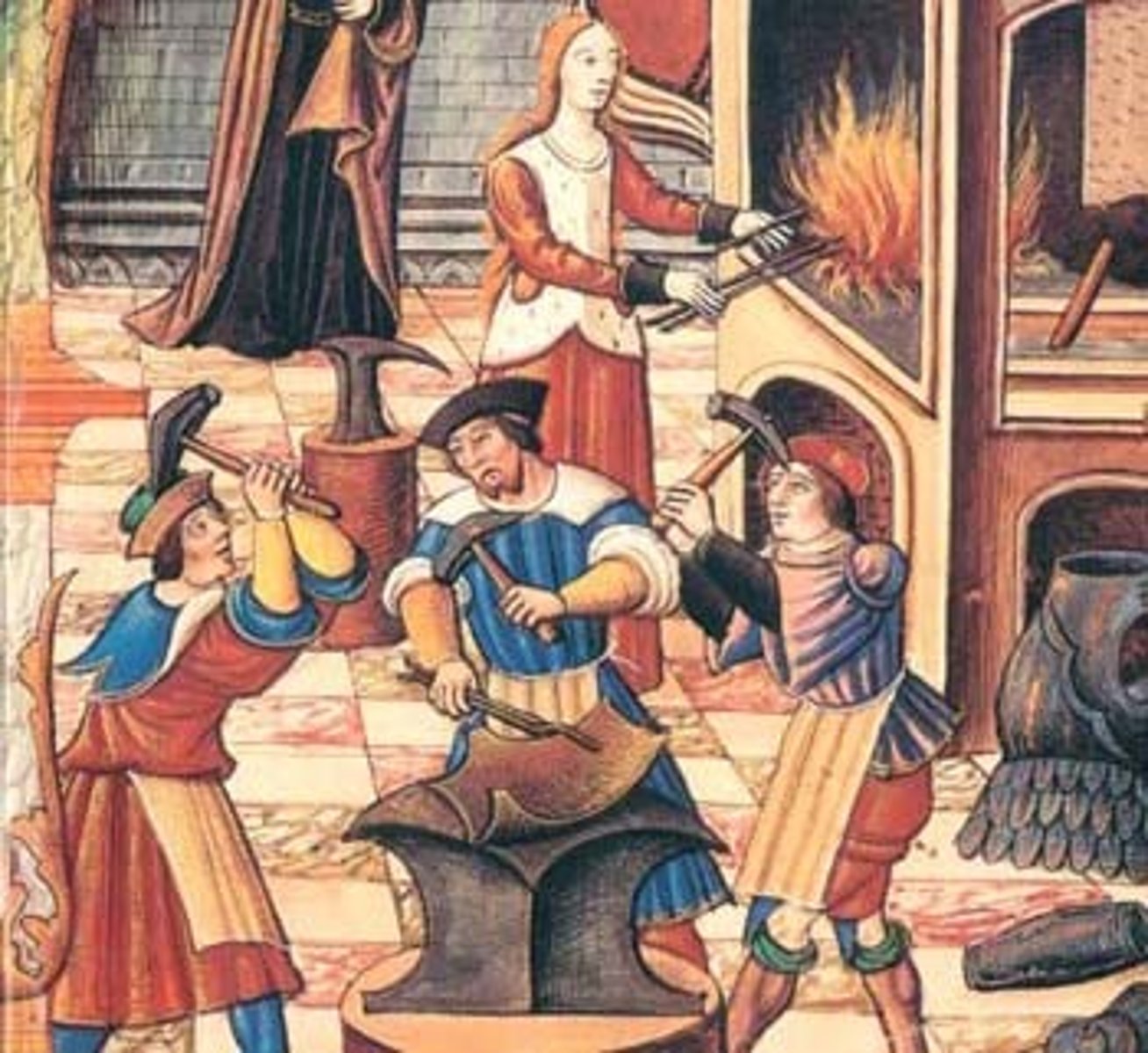
Cesspit
A place where many people emptied their human waste (feces), if they didn't empty it on the street.
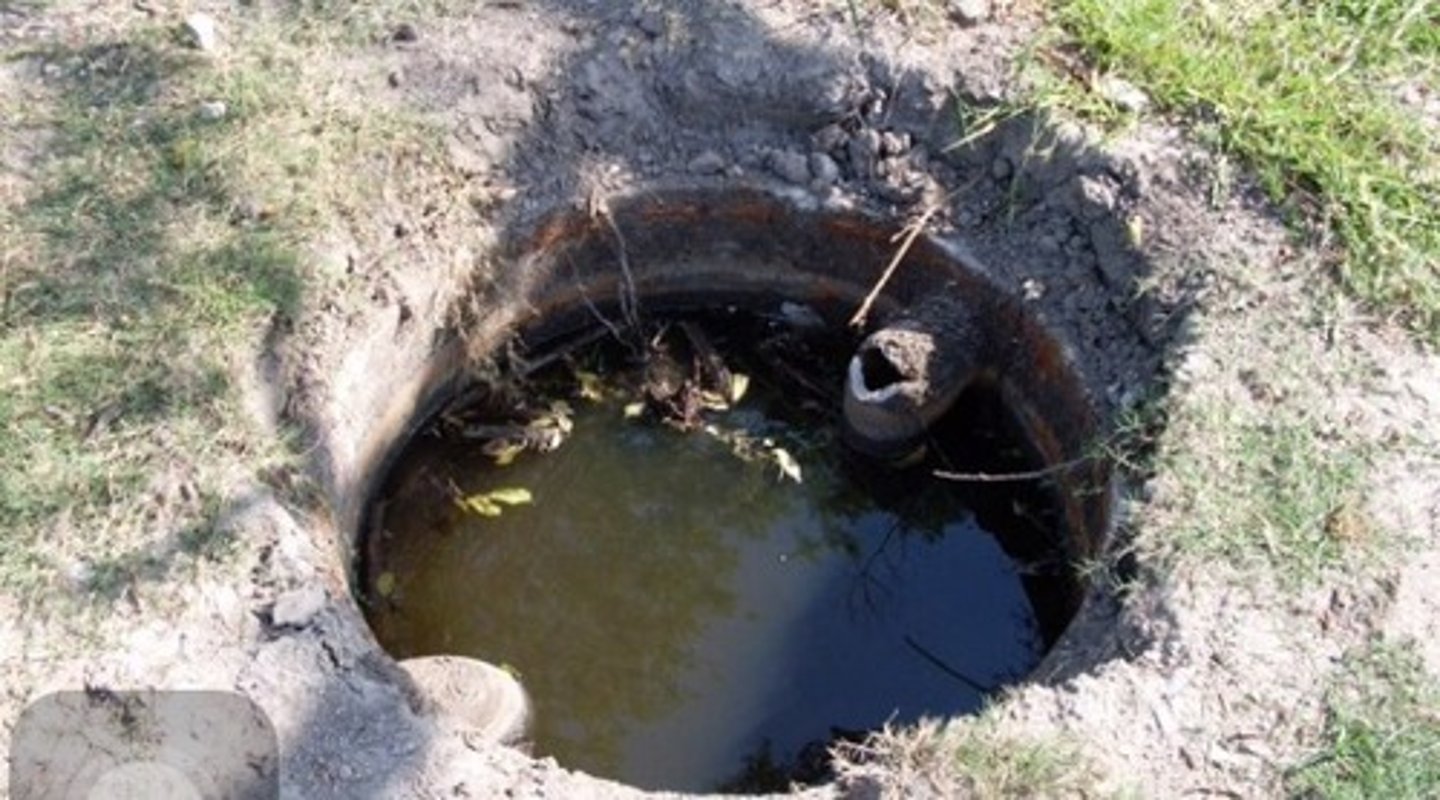
Gongfermers
Person who cleans out cesspits. They earned a good wage and formed their own guild.
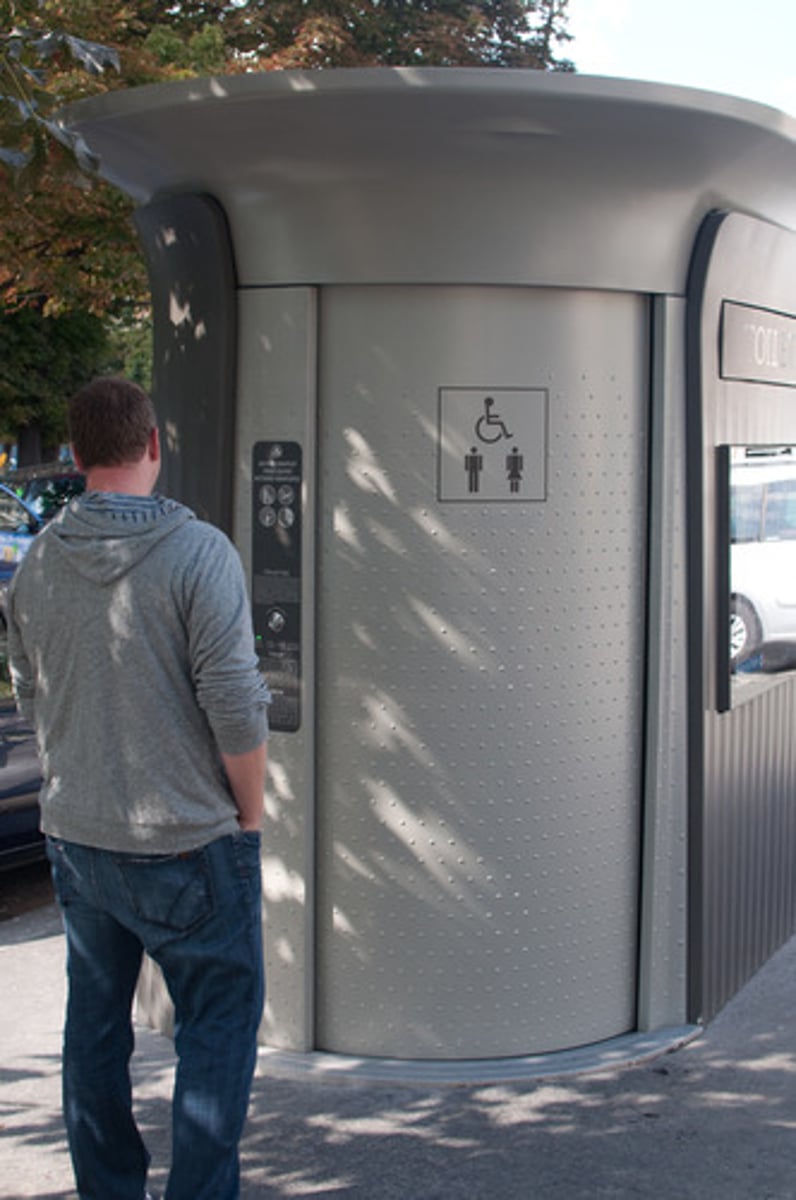
Public Latines
Public toilets built in many cities such as Hull, Winchester, London and Leicester
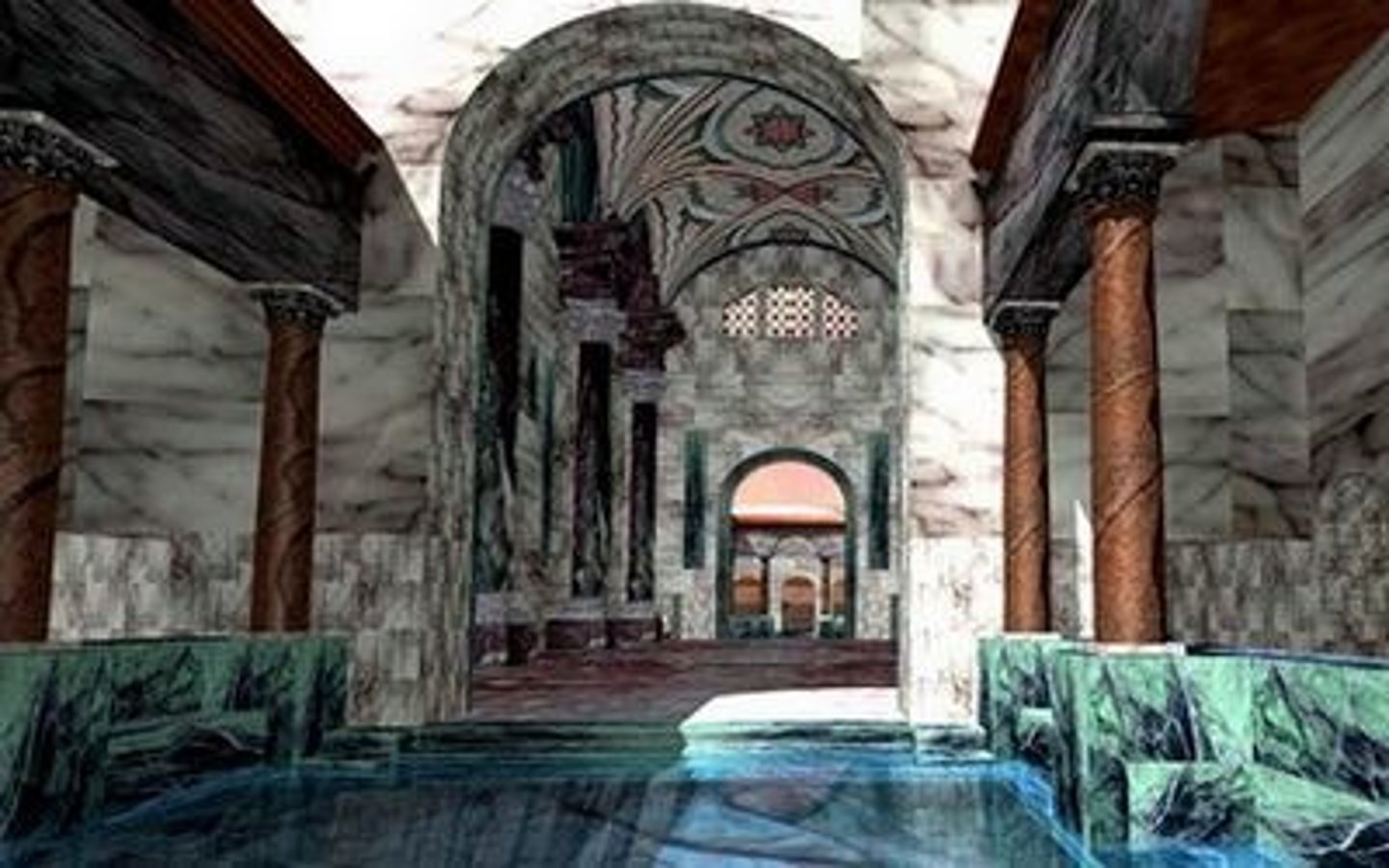
Stews
Public bathhouses where people could pay to have a bath. They also served as brothels. Were closed during plague years ie) London 1417
Lord Mayor
Head of the civic government of London. Usually a wealthy townsman and guild member.

Juries
Groups of cooks and food sellers that would judge and punish people selling 'putrid' or 'corrupt' food.
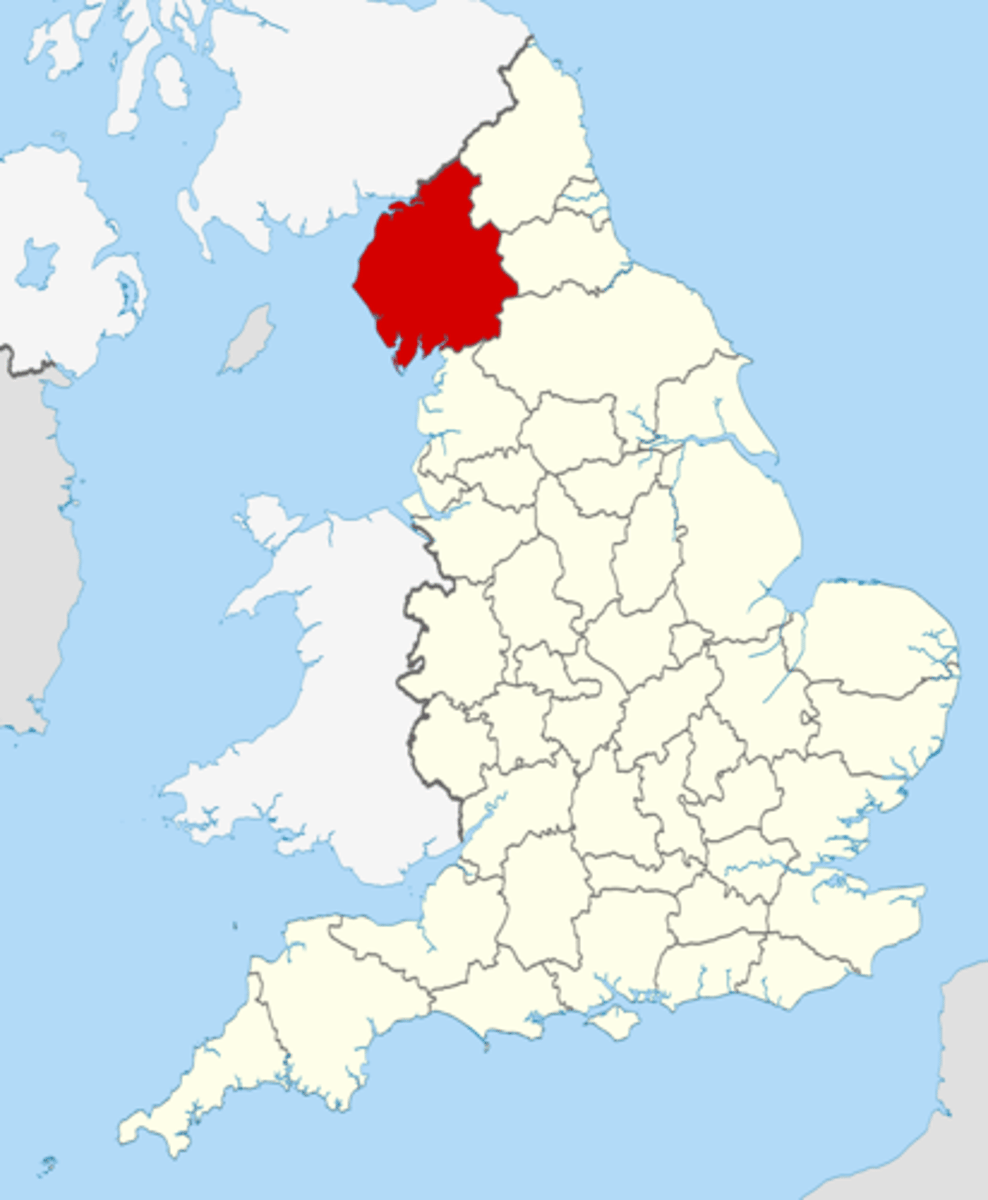
Carlisle
A town where money had to be spent on town defences against the Scottish, meaning Public Health was very poor
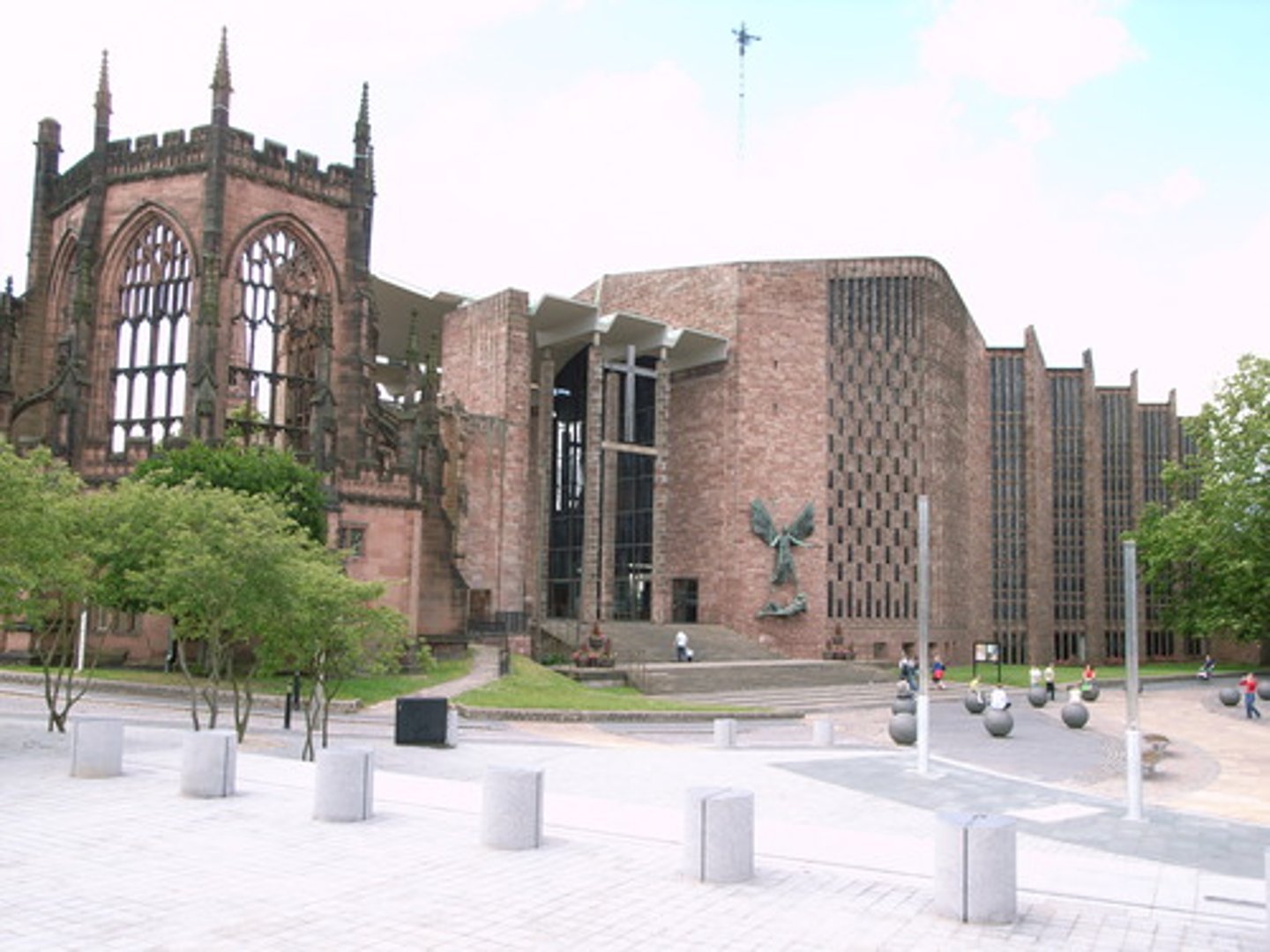
Coventry
Introduced 12p fines for those who didn't clean the street, waste dumps were set up at 4 locations on the outside of the town and waste (latrine and junk) dumping in the River Sherbourne was banned
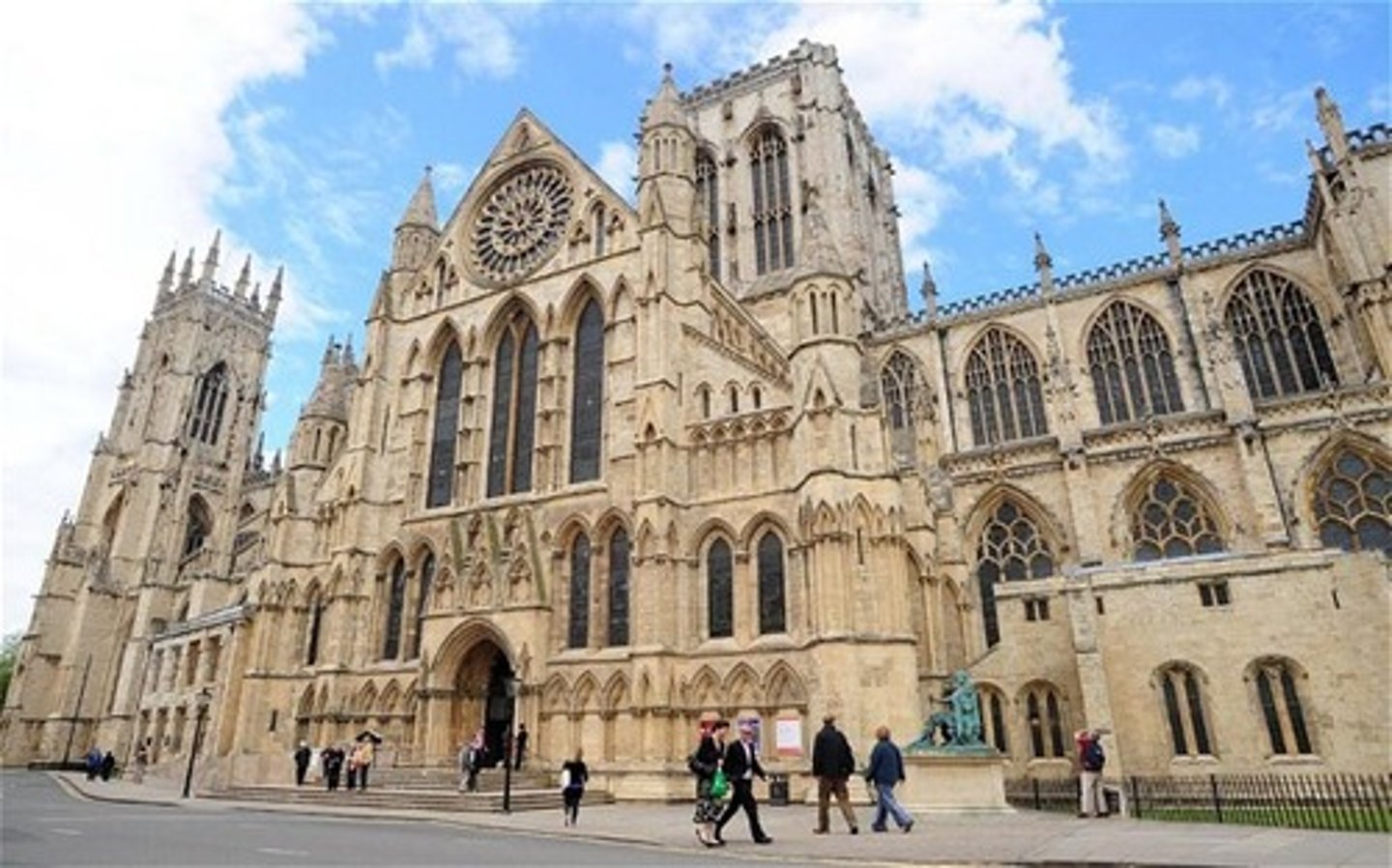
York
Given orders to clear filth from the streets by Edward I during his wars with the Scots.
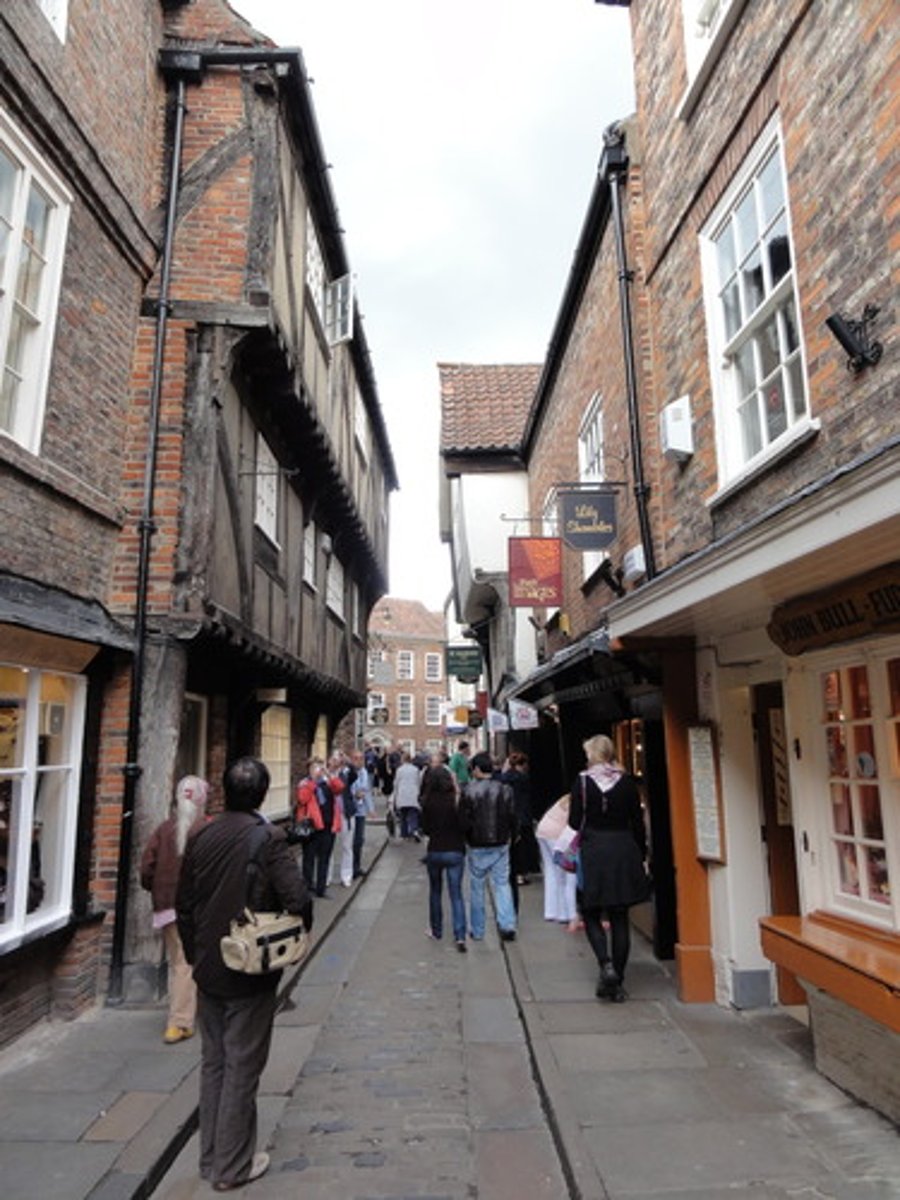
The Shambles
A narrow medieval street in York. The top floors overhang the street to make more indoor space. Lots of butchers, bakers etc. worked on streets like this. Not good in times of disease because they were cramped and full of food waste.
Bristol
Had many by-laws moving dungheaps, lepers and prostitutes to the outskirts of the town - similar to Coventry
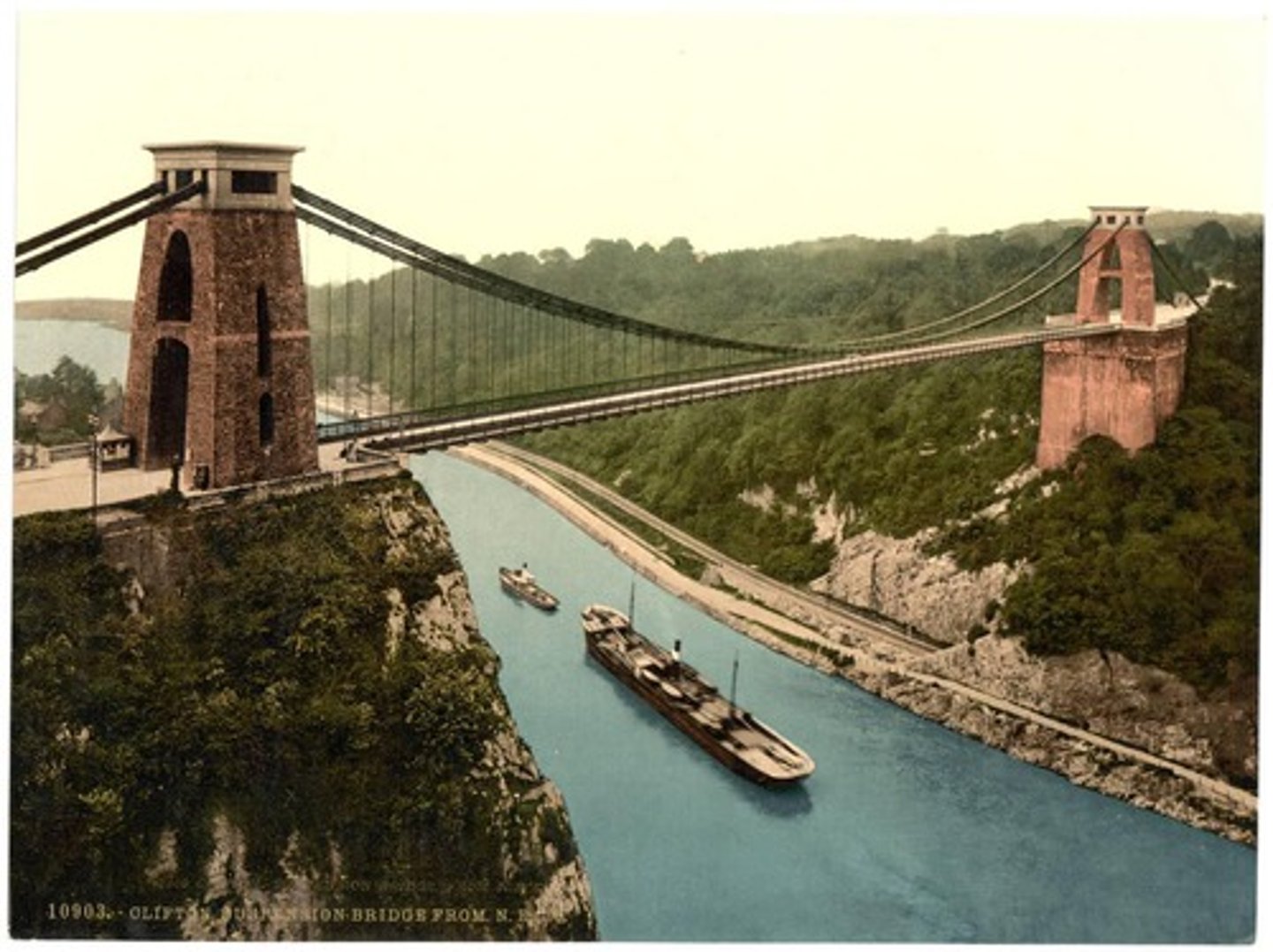
London
Edward III gave an order in 1349 that "faeces and other filth" should be removed from London and that the city should be "cleansed from all odour".
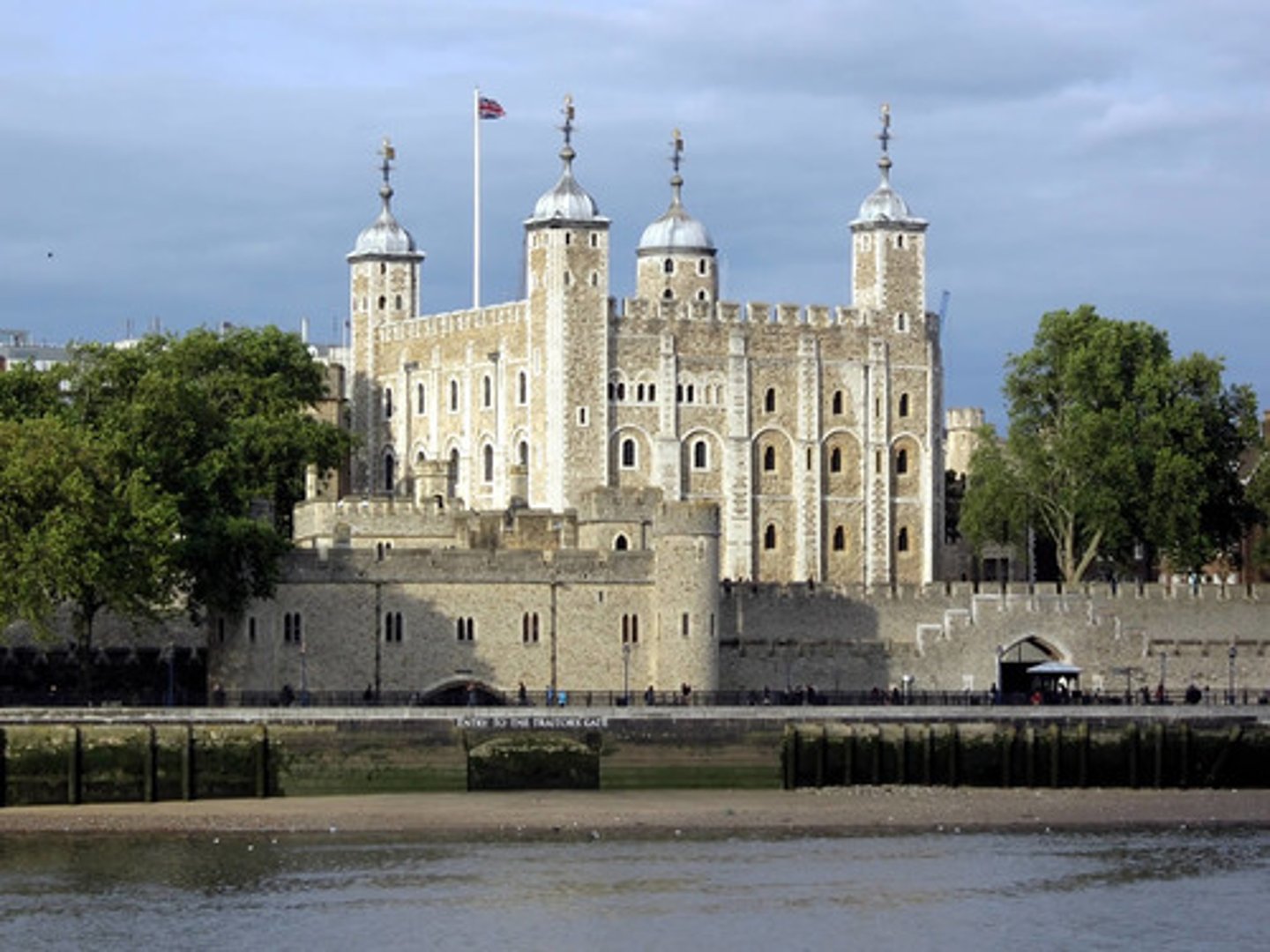
London Conduit (1247)
The first major water supply for a town in England since the Roman Era. A huge lead pipe brought 'clean' water from out of town. The River Thames was basically a cesspit
Dick Whittington
Lord Mayor of London in the 1390s and early 1400s. He gave money in his will for drainage systems and a public latrine seating 128.
White Book
A list of regulations about keeping people healthy in London. Written down in 1419 due to the death of many officials in a plague outbreak.
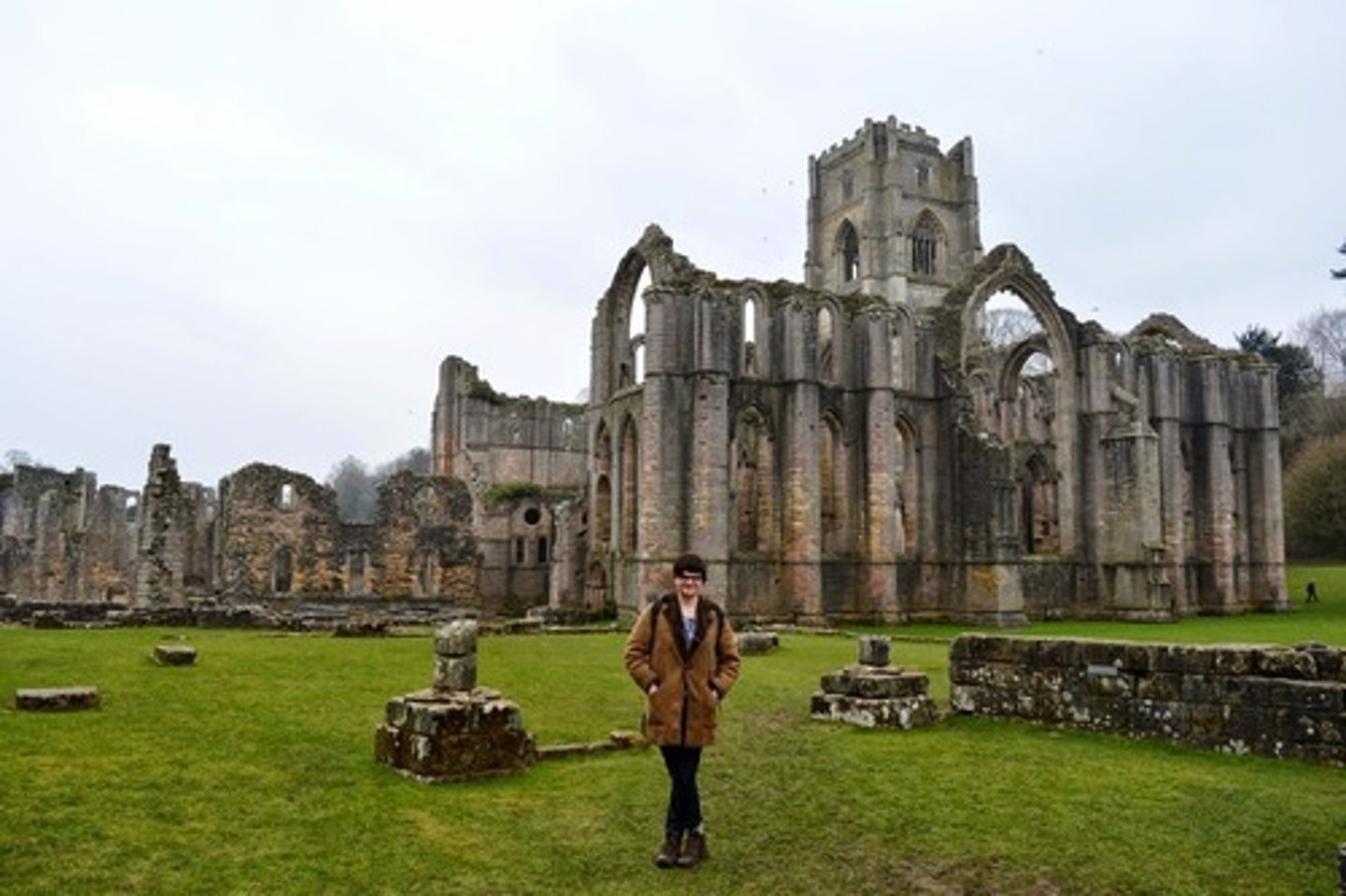
Fountains Abbey
Had an infirmary for the sick, blocks of latrines, and pure spring water carried in pipes.
Prestige
Wealthy citizens of towns received status and a good reputation for funding public health improvements. Many thought it was their Christian duty
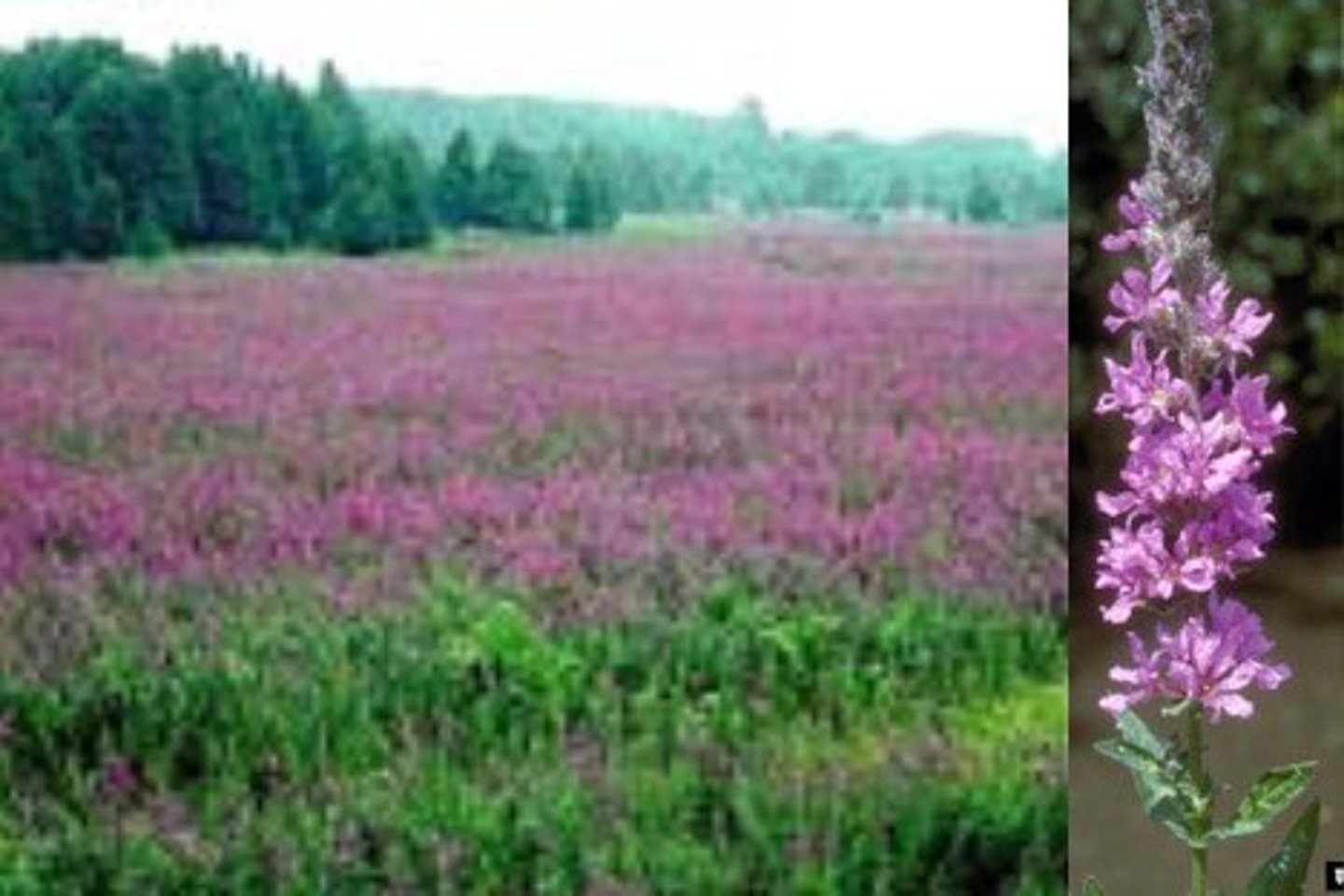
Physic Garden
A place in a monastery where plants were grown. Herbs would be sold in the towns and the money used to buy luxury goods like aniseen, wine, liquorice and olive oil. The monks lived well
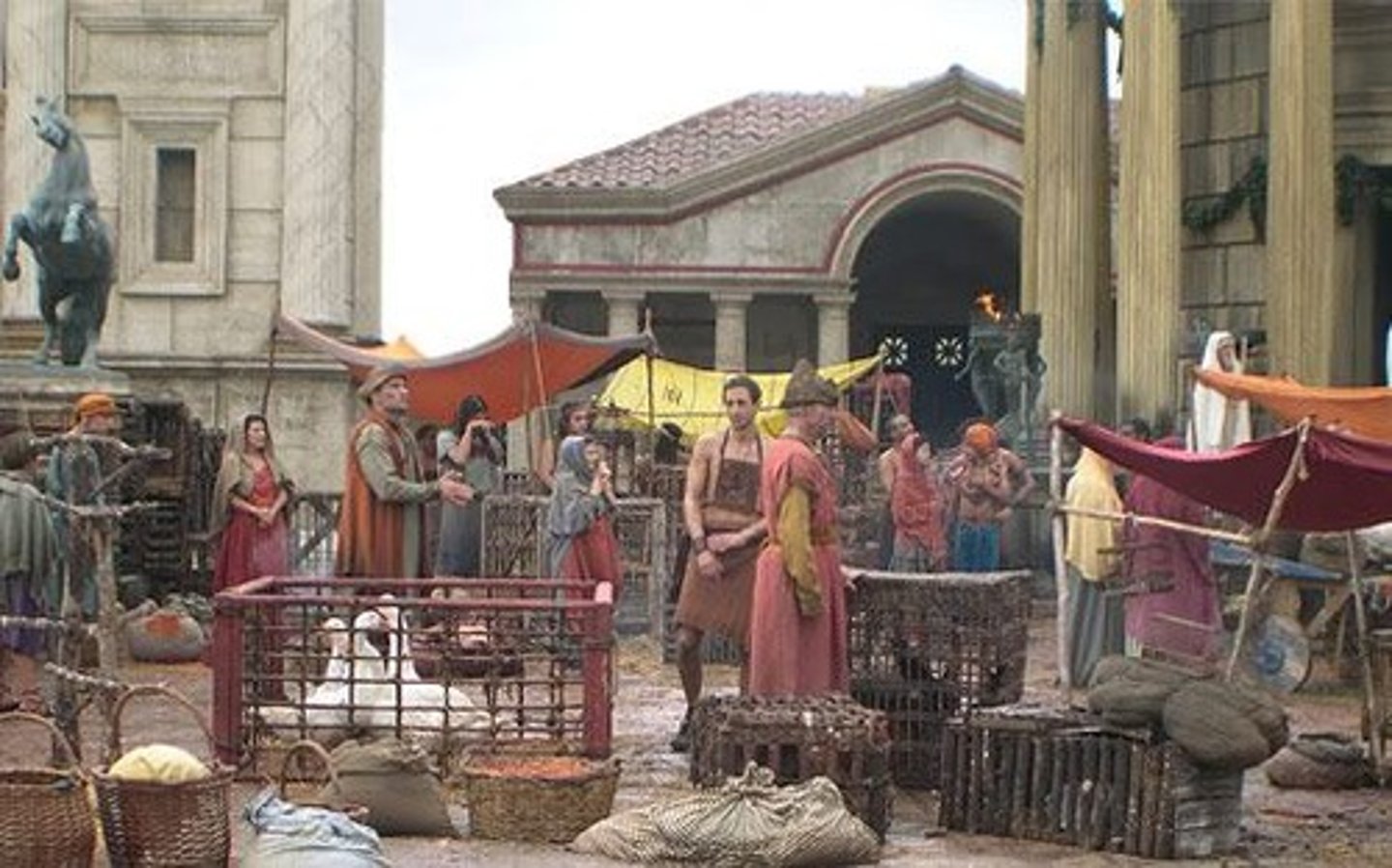
Market
Where goods and services were bought and sold in a town. Usually once or twice a week. Lots of animal carcasses and waste left behind.
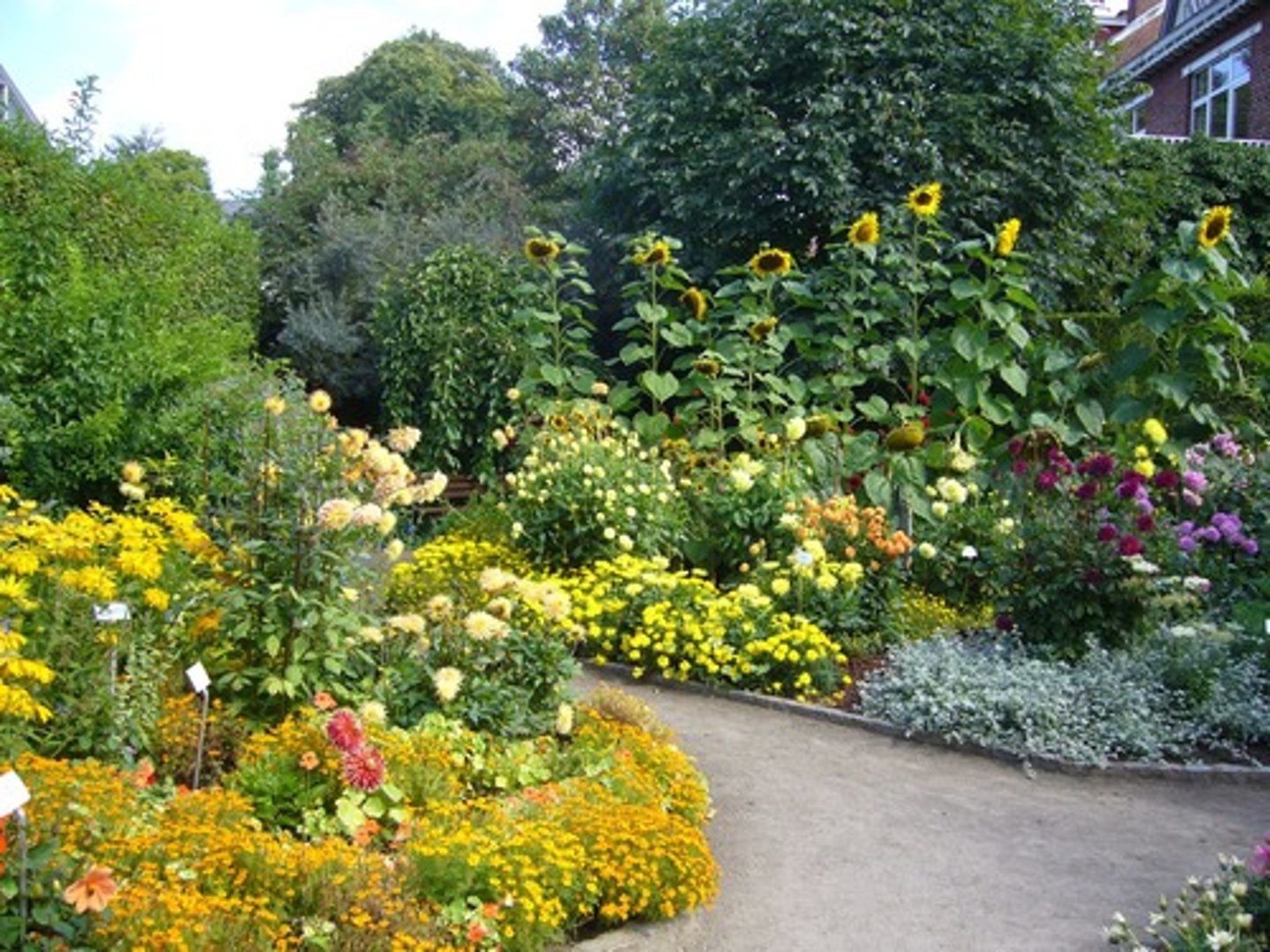
Fragrant gardens
In the towns people with gardens grew flowers to get rid of miasma, as they thought it caused diseases. These flowers were used in posies and pomanders
Posies and pomanders
Masks or objects full of fragrant flowers and herbs. The aim of carrying these was to ward off miasma

Thatched roofs
Roofs made of layers of thick straw or reeds. Rats made their nests in them. This was terrible in times of Plague

 Note
Note  Flashcards (25)