Stagecraft Sem 1
 Call Kai
 Learn
Learn Practice Test
 Spaced Repetition
 Match
Match Flashcards
 Knowt Play
1/104

Earn XP
Description and Tags
Scenery and lights
Name | Mastery | Learn | Test | Matching | Spaced | Call with Kai |
|---|
No analytics yet
Send a link to your students to track their progress
105 Terms
Wood Hardness
Soft, semi, hard
Defects in Wood x7
Checking, Cupping, twist, wane, warp, bow, bend
Dimensional Lumbar
H x W x L
Actual is always 1/2” less than Nominal
Ex. 1 ½ x 5 ½ x 12’ ——- 2 × 6 × 12
Surfaces of Wood x3
Ingrain, Face, Edge
Tangential wood
Has been cut through
Pilot Bit
Hole to guide the screw in
PLYWOOD
Sold in thickness
Structural wood (Def + Examples)
Doesnt need reinforcement
Plywood
OSB
Particle board
MDF
Nonstructural wood (def + Examples)
Needs reinforcement
MDF
Luan
Masonite
Soundboard
Homosote
Plywood Grades
A- No flaws, sanded
B- Sanded, filled
C- Unsanded, some flaws
D- Major flaws
OSB wood (characteristics)
Fragile type of wood
Structural
Less common, than plywood
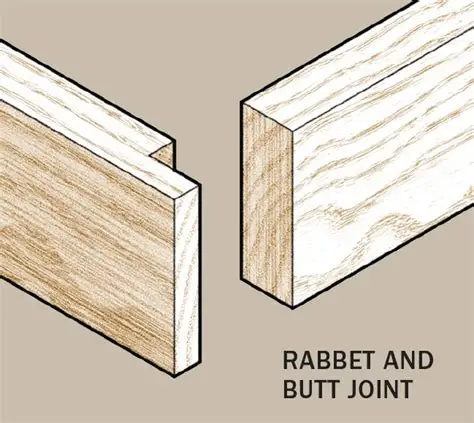
Rabbet Joint
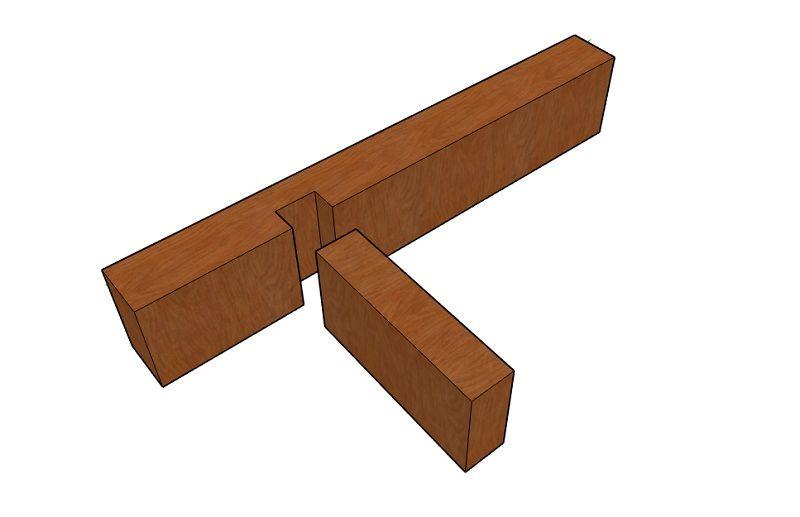
Dado Joint
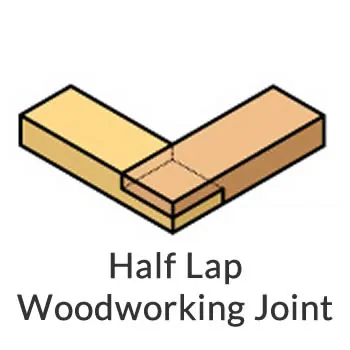
Half Lap Joint
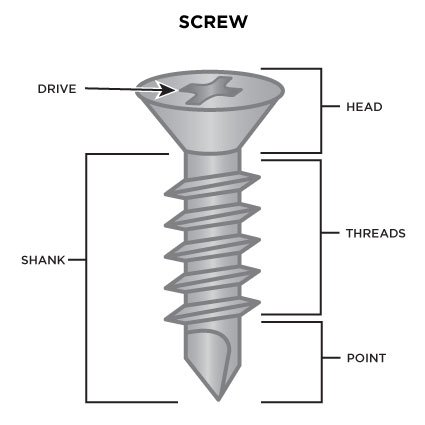
Screw
(what is it and draw/label it)
Fastener
Bigger shank = more force applicable
Types of Screws
Drywall (Most Common)
wood screw
concrete screw (x2 threads)
Tek Screw (steel)
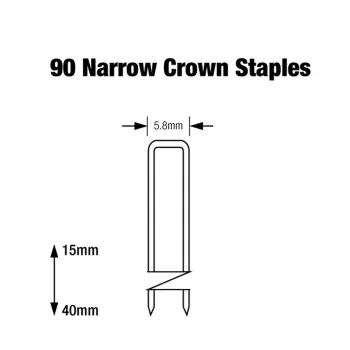
Types of staples
Crown & Legs
narrow crown
medium crown
Brad (T)
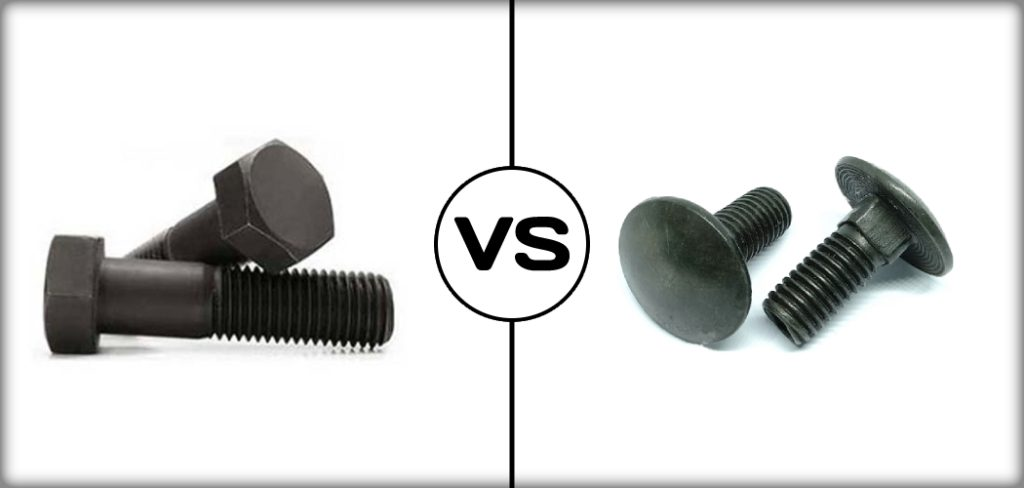
Bolts
(Needs what + types)
Needs nut and washer (dissipates force)
Hex head
Carriage head
Other types of Bolts
lag bolt
Machine screw
flat metal screw
Golden rule of Fasteners
Always 2x the thickness of material you are attaching
Screw vs Bolt
(when to use which)
-Lower than waist height = Screw
-Higher than waist height = Bolt
PVA (GLUE) Types:
Elmers
Wood glue
Elmers Vs Wood glue
Elmers: cheaper & mixes w water
Wood glue: Expensive & hydrophobic
Liquid Nails
(what material are they used with)
Used for foam
Epoxy
two part adhesive
Spray Adhesive
Fabric to steel
bad to breath in
‘Great Stuff’
to fill cracks & glueing foam
very sticky
Hot Glue
For props and small things
Tape
Duct tape - DONT USE
Gaf tape - spike tape
Contact Cement
Faux brick/tile
only adheres to itself
Lighting Designer
Unifies the production
Brings all elements together
Scenic Designer
Creates the World
Costume Designer
Communicates importance of each character
4 Functions of Lighting
Visibility
Directing Focus
Time of Day
Setting the Mood
Qualities of Light / Controllable Properties of Light
Distribution
Angle
Intensity
Quality
Color
Movement
General Illumination
Wash- multiple lights doing the same thing
Specific Illumination
Specials- Only does one specific thing
Candles (types):
Beeswax: Steady, burns nicely, smells nice
Tallow: smokey
Most common lighting instruments
Fresnel & ERS (Ellipsoidal Reflector Spotlight
All types of Lighting Instruments
Fresnel
ERS
PAR
Scoop
Beam Projector
Reflectors
Spherical - classic
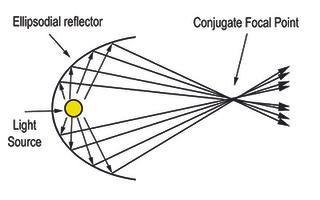
Ellipsoidal - has 2 focal points
Parabolic - Straight jut of light
Flood lighting
How wide the light spills
Barn Doors (In lighting)
Helps to shape the light (a lil)
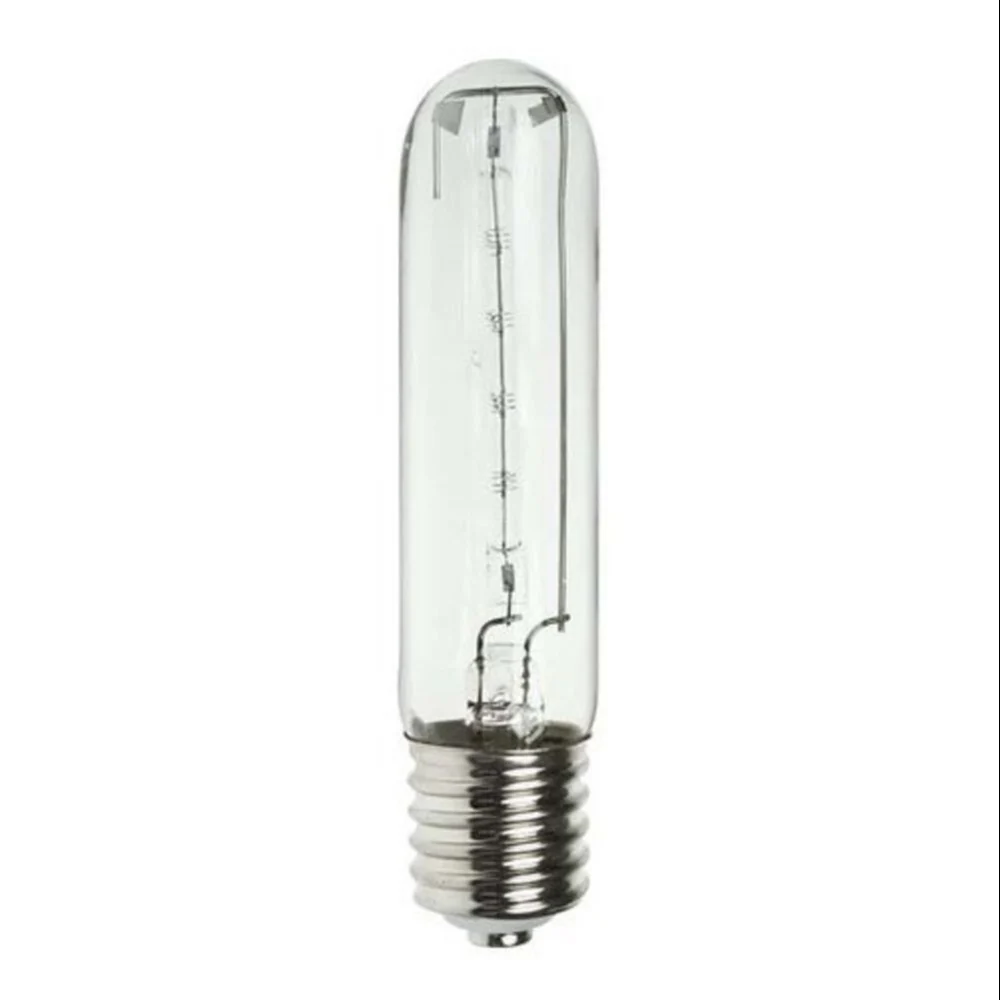
Tungsten Halogen Lamp
Envelope
Port?
Base
Filament
Gas
Combo Reflector
from ground to 40ft up is all lit evenly
HMI Lamp
Not dimmable
Ballast (on lamp)
means its not dimmable
LED Lamp
visible spectrum of light: 370-700 (blue to red)
Hard to make white
emits heat// needs to be cooled
Planoconvex Lense
Heavy
Can crack
Weird glass always has tension/ can explode
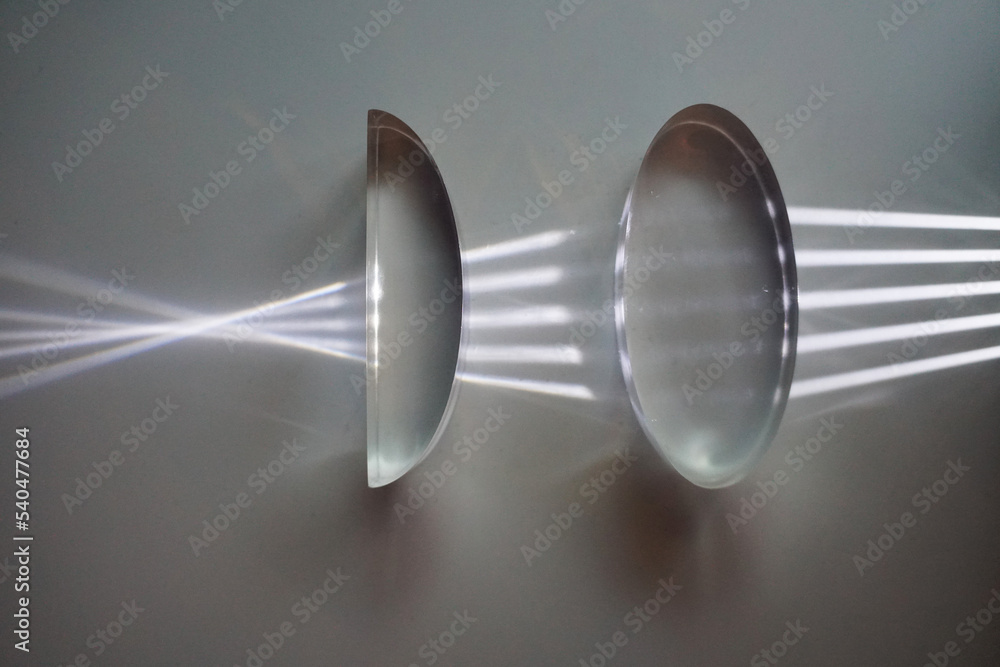
Power Lens
Oval shaped / concave
Wash
GEL for Lens
Color median
made from acetate
absorbs all wavelengths of light except ones its designed to show
Seachanger (Lighting)
dichroic filter
wide range of colors
Moving Lights (Types)
moving head
mirror
Moving head Light
Head moves anywhere
is very slow and loud
uses addresses
Mirror (moving light)
only mirror moves // object is static
limited range
quiet & fast
Volts
Difference in electrical potential
Amps
Amt of electrical charge per second
Watts
Power being used
Resistance
to which a material opposes an electrical force
conductor: low resistance
Insulator: High resistence
Conductor
Low resistance (to electrical charge)
Insulator
High resistance (to electrical charge)
Types of Electricity
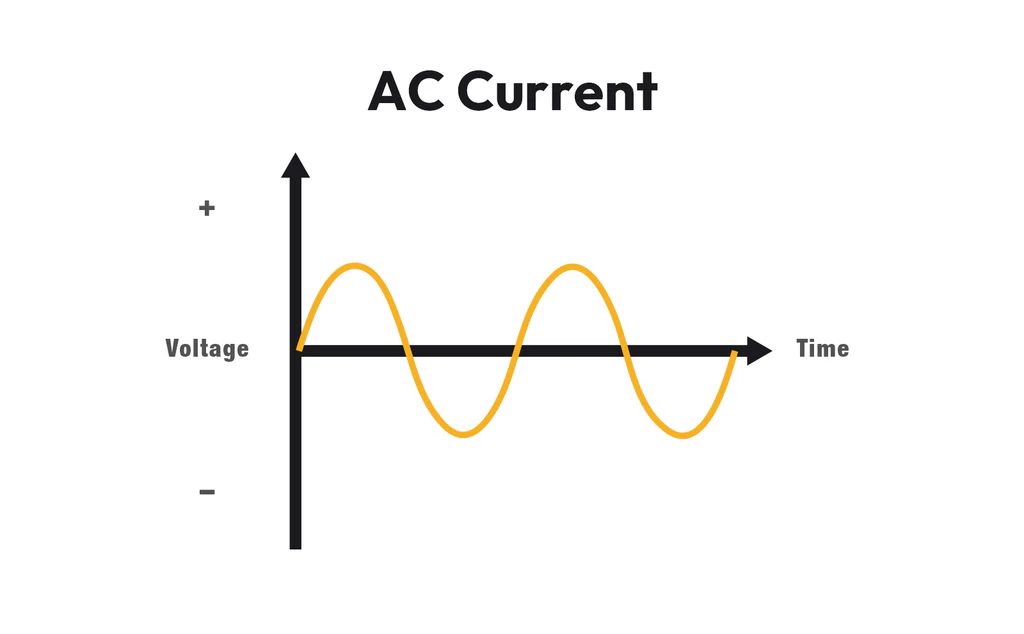
AC- alnternating over long distances, sin wave
DC -direct / short distance
“Dirty Power”
Power that can fluctuate in a theatre
lights should always be able to resist this
Amps
Amount of electrical charge per sec
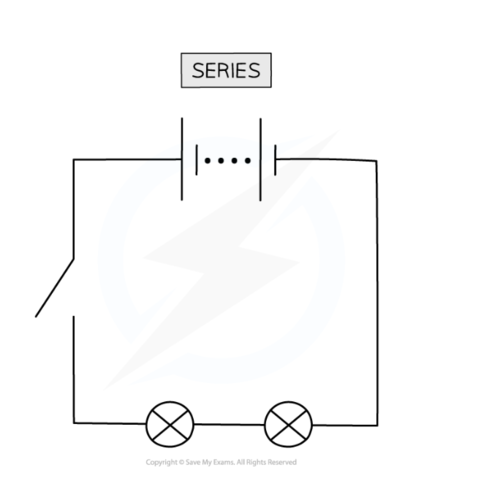
Series Circuit
Switch
H- hot
N - Neutral
Load
Source
Parallel circuit
H
N- neutral
Load
Source
Switch
West Virginia
W = V * A
How much a load can be on a circuit
Volts are forced // Amps are offered
Overheating Prevention
Circuit breaker
Thermal
Magnetic
Circuit fuse
GFCI
Matching V/W/A to the system
Polarity (matching to motor)
Mechanical Dimmer
Altered amt of light you got from source
(First ever used)
Saltwater Dimmer
used water evaporation
caused salt to build up (and rats ☹ )
not consistent or safe
Autotransformer (dimmer)
high heat
high resistance caused fires
SCR (dimmer)
Allows only some electricity through / controls flow of electricity
clicks on/off for Hz / min
Power Circuit
How power gets to the lighting instrument etc
Control Circuit
Low Voltage
Used to send data
Needs a language
DMX Language (Control Protocol)
Most common in theatre
512 addresses in one universe
Address
how to tell a lighting instrument what to do
lighting pieces are all connected to one anothe
Universe
Needed to tell software what universe an address is in
Hard Patch
plug one piece of hardware into another (to transfer power)
‘cpmputer hardware’ ~ the stuff you can touch
Soft Patch
Like hardware ~ computer software: the buttons you press to tell it to do smth
Channels (On sound board)
Things you manipulate
ex. assigned light 1 to channel 6t
more things assigned to one = less control over
ETC Net
Transport of lighting data(DMX etc)
ASCAN
Sends multiple data on multiple universes to the whole building
Cueing
ex. Light1 to 80% and light2 to 50%
types: split fade, Auto follow
Split Fade
cueing light1 on, adding light2, dimming light1
Auto Follow cue
Able to link a cue to immediately follow a previous cue automatically
Breaking Strength
Force smth can withstand before it breaks
Safety Factor
Ratio applied to a breaking screen
most common in theatre is 1:8
Working Load Limit (WLL)
Using the safety factor ratio 1:8
ex. 2000lbs / 8 = 250 lbs
Static Load
Load is stationary, not moving, hanging
ex. chandelier in natasha pierre
Working Load
Load is a system in motion
Shock Load
Sudden force applied to a load
ex. chandelier hitting ground
Compression
Force pressing down
Tension
Pulling force (you cant push a rope)
Ways to build a rope
Braided
Twist
Braided Sheath with core
Natural Fiber vs Synthetic Fiber
Natural: cheaper, weaker, short life, needs friction to keep in place
Synthetic: expensive, stronger, longer life, doesn’t need friction, longer
Types of Natural Fiber
Hemp
Sissal
Cotton T
Types of Synthetic Fiber
Polyurethane
Polystyrene
Nylon
Polyester
Rigging Hardware
Aircraft Cable
NICO
Crosby
Thimble
Shackle
Turnbuckle
Quick Link Hang
Hanging Hardware
Bottom Hanger
Top Hanger
D-Ring
Chain
Mechanical Advantage
MA = Distance traded for Power
ex. seesaw example

