APES Study Guide U5a - Land and Water Use
 Studied by 0 people
 Call Kai
 Learn
Learn Practice Test
 Spaced Repetition
 Match
Match Flashcards
 Knowt Play
1/84

There's no tags or description
Looks like no tags are added yet.
Name | Mastery | Learn | Test | Matching | Spaced | Call with Kai |
|---|
No analytics yet
Send a link to your students to track their progress
85 Terms
Module 24 - The Tragedy of the Commons
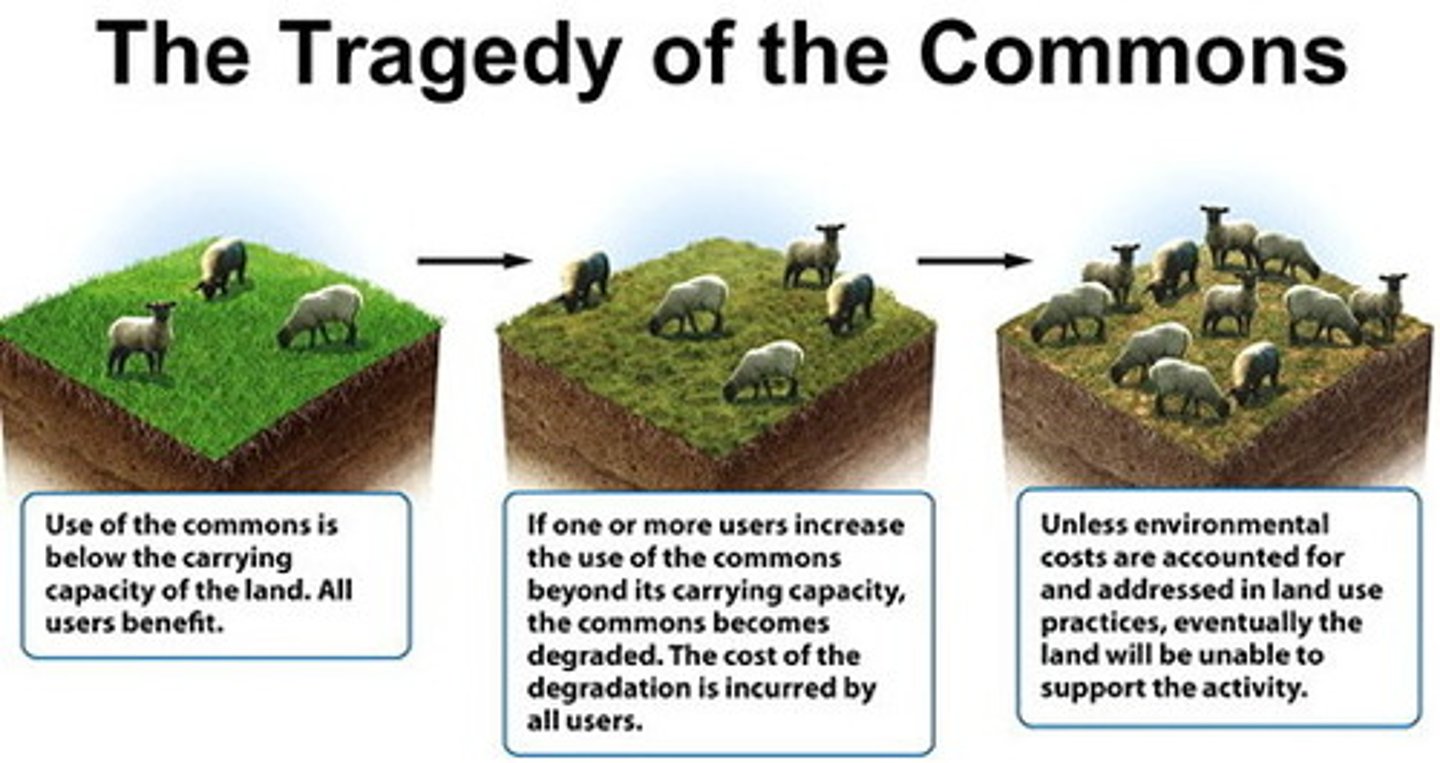
Use a specific example to explain the Tragedy of the Commons, including the concept of externality costs.
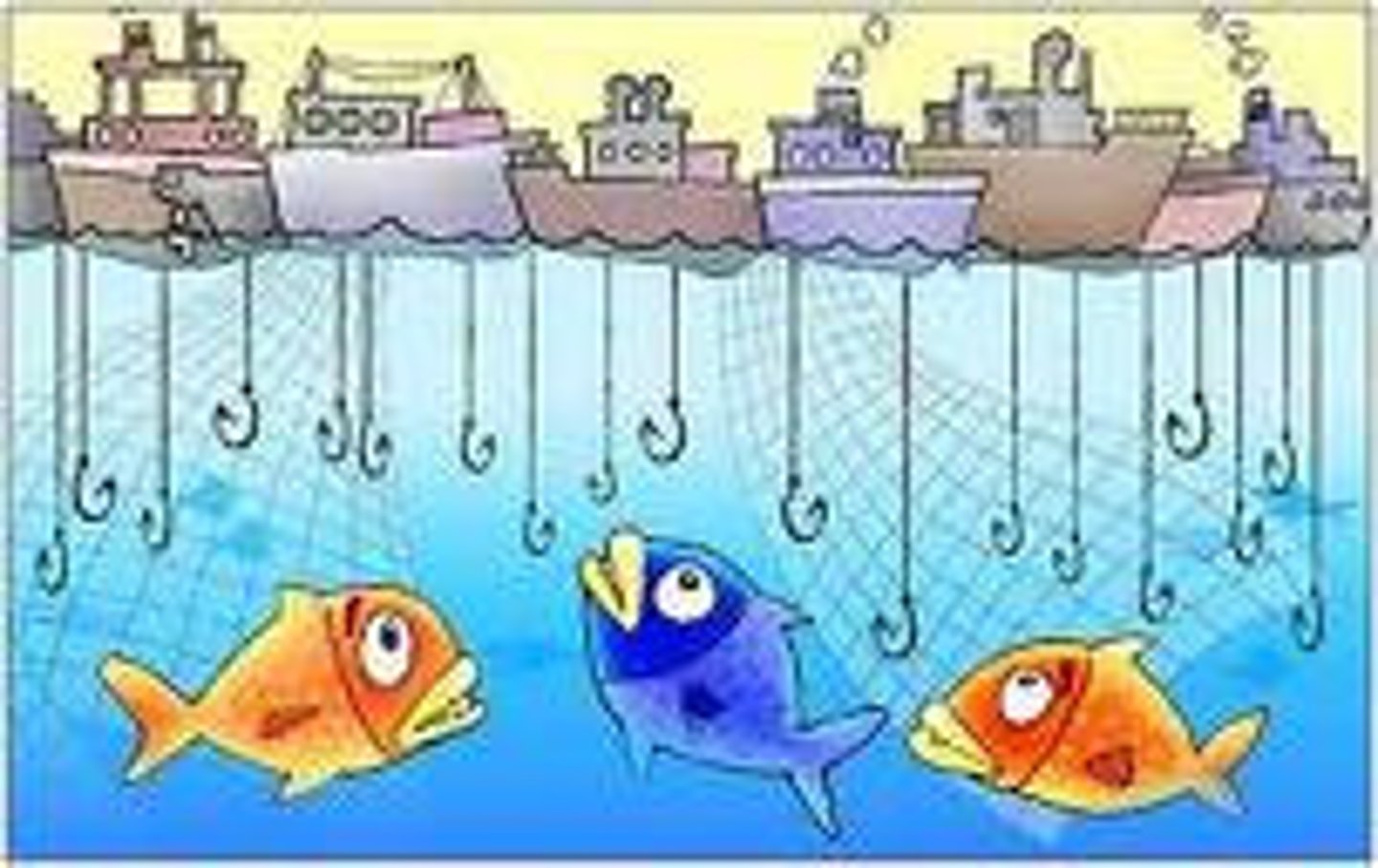
Externality Costs
are negative effects of an action that impact others, not the person making the decision, and are not reflected in the price or cost paid by that person.
Shared Resources
public lands, the ocean, etc
Resource/Commons: the Ocean
Explain how this can turn into a tragedy of the commons
- Each fishing company catches as many fish as possible for maximum short-term profit.
- When all companies do this, fish are harvested faster than they can reproduce.
- Fish populations decline or collapse (overfishing)
- Externality Costs → Environmental damage, loss of future fish stocks, and economic harm to coastal communities.
- Individual gain leads to collective loss because no single fisher bears the full cost of overuse.
Resource/Commons: Public Farming Land
Explain how this can turn into a tragedy of the commons
- Publicly owned farming or grazing land open to multiple farmers
- Each farmer adds more crops or more livestock to increase their own profit
- The farmer gains higher yields or more animals without paying extra for land use
- The land becomes overused (soil depletion, erosion, and overgrazing)
- Loss of soil fertility and land productivity, which affects all farmers and future users
- No single farmer bears the full cost of the damage, so everyone overuses the shared land until it is degraded.
How are the different types of public lands managed by the U.S. Government (e.g., BLM vs. NPS vs. Native American Reservations, etc.)?
BLM (Bureau of Land Management) lands
Grazing, mining, timber harvesting, and recreation.
Manages land for multiple uses
Goal: balance economic use with long-term sustainability
Ex. Red Rock Canyon (Nevada)
NPS (National Park Service) lands
Recreation and conservation
Manages national parks and monuments
Primary goal is preservation and protection of natural beauty, wildlife, and historic sites
Very limited resource extraction (no mining, drilling, or logging)
Ex. Yellowstone National Park (WY, MT, ID)
Native American Reservations
Managed by tribal governments, not federal land agencies
Tribes have sovereignty and make their own decisions about land use
The federal government (through the Bureau of Indian Affairs) has a trust responsibility but does not directly control daily management
Ex. Cherokee Nation (OK)
USFS (United States Forest Service)
Timber harvesting, grazing, and recreation
Manages national forests
Uses a multiple-use model like BLM
Emphasis on renewable resource management
Ex. Appalachian National Forest (multiple states)
What are the environmental impacts of clear-cutting a forest? Given these issues, why is this still the most common method of timber harvesting?
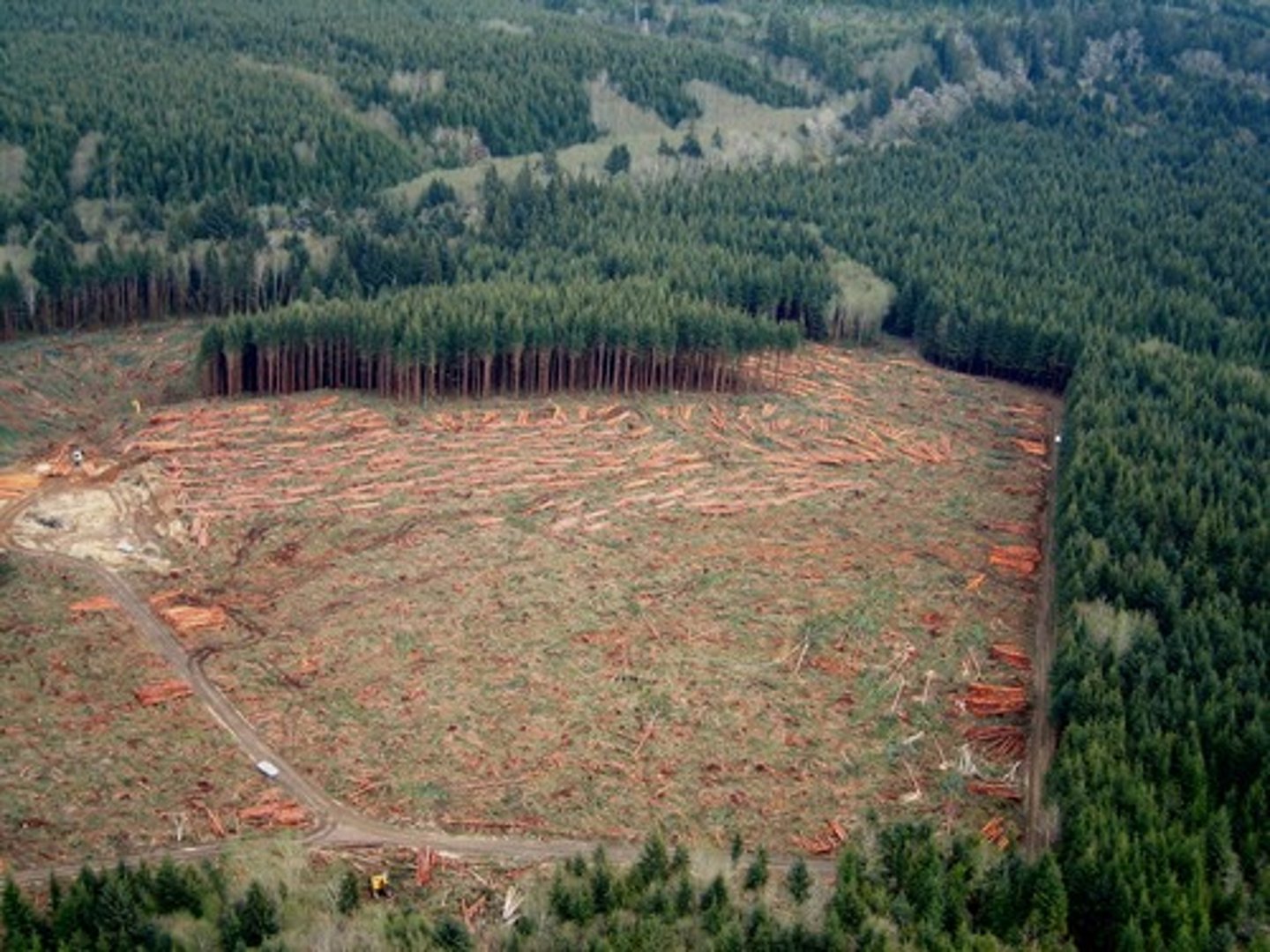
Clear-cutting
a method of harvesting trees that involves removing all or almost all of the trees within an area
Environmental Impacts of clear-cutting
Habitat loss
Soil erosion
Water quality problems
Carbon release
microclimate changes (more sunlight means drier conditions)
Benefits of Clear-cutting
Economically beneficial
Efficient timber extraction
Easier replanting
Module 25 - The Green Revolution
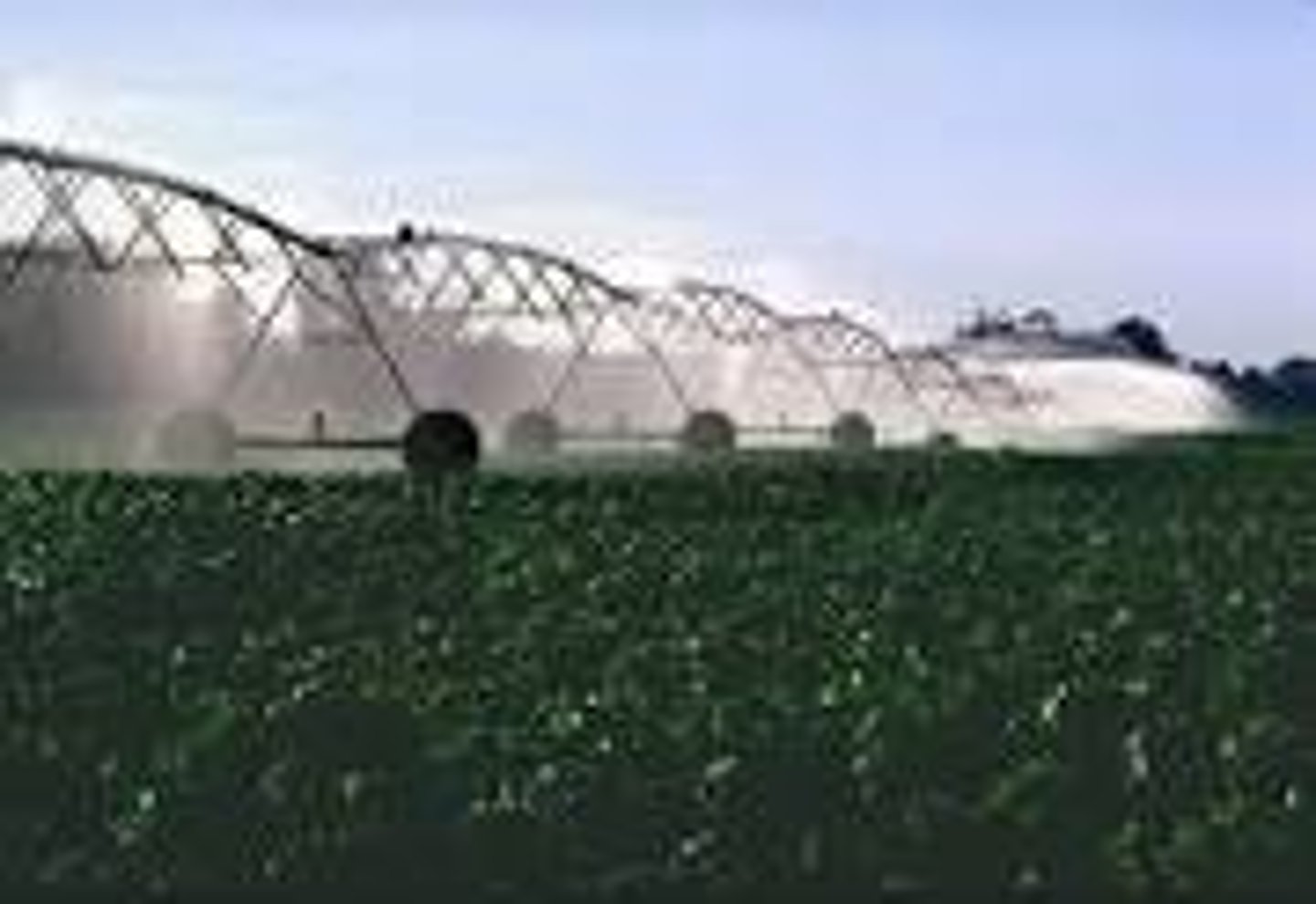
Describe the benefits and drawbacks associated with each of the following Green Revolution developments
Mechanization
Use of machines (tractors, harvesters) to replace human and animal labor.
Mechanization benefits
Decreased labor costs
More efficient
Mechanization drawbacks
Soil compaction
Increase fossil fuel use
Irrigation
Artificial watering of crops through canals, sprinklers, or drip systems.
Irrigation benefit
Consistent water supply
Control of water supply
Increased crop lands
Irrigation drawbacks
Increased electricity use
Depletion of aquifers/rivers
Fertilizers
Synthetic or natural substances added to soil to supply nutrients (N, P, K).
Synthetic fertilizers
Fertilizer produced commercially, normally with the use of fossil fuels
Natural fertilizers
Obtained from manure or compost to help make plants grow (Organic)
Fertilizer benefit
Increased crop yields
Fertilizer drawback
Increased runoff and eutrophication
Increased fossil fuel use
pesticides
Chemicals used to kill or control pests, weeds, or fungi.
pesticide benefits
Kill pests
Increase crop yields
pesticide drawbacks
Damage to pollinators (non-target species)
Human health (cancers)
Monocropping
Growing a single crop species over a large area, year after year.
Monocropping benefits
Increased efficiency
Increased crop yields
monocropping drawbacks
Decreased biodiversity = less adaptability (vulnerable to invasive species)
Genetically-Modified Organisms (GMOs)
Crops whose DNA has been altered to express desirable traits (e.g., pest resistance).
Genetically-Modified Organisms (GMOs) benefits
Increased crop sites
Increased climate tolerance
Allow farmers to grow goods in places they wouldn't otherwise be able to grow.
Genetically-Modified Organisms (GMOs) drawbacks
Decreased biodiversity
Health concerns
Ethical concerns
Module 26 - Impacts of Agriculture
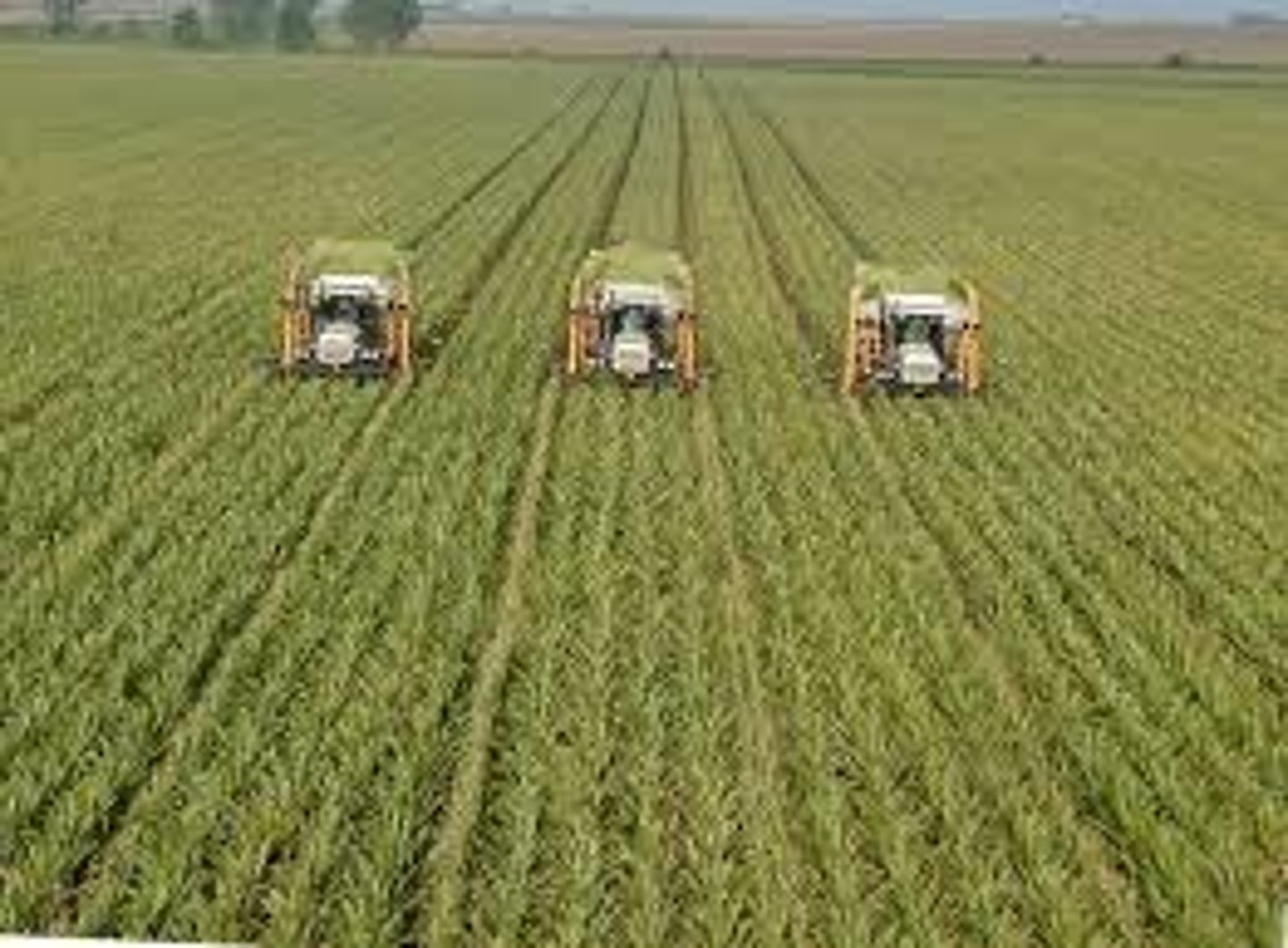
How do plowing and tilling disrupt ecological systems?
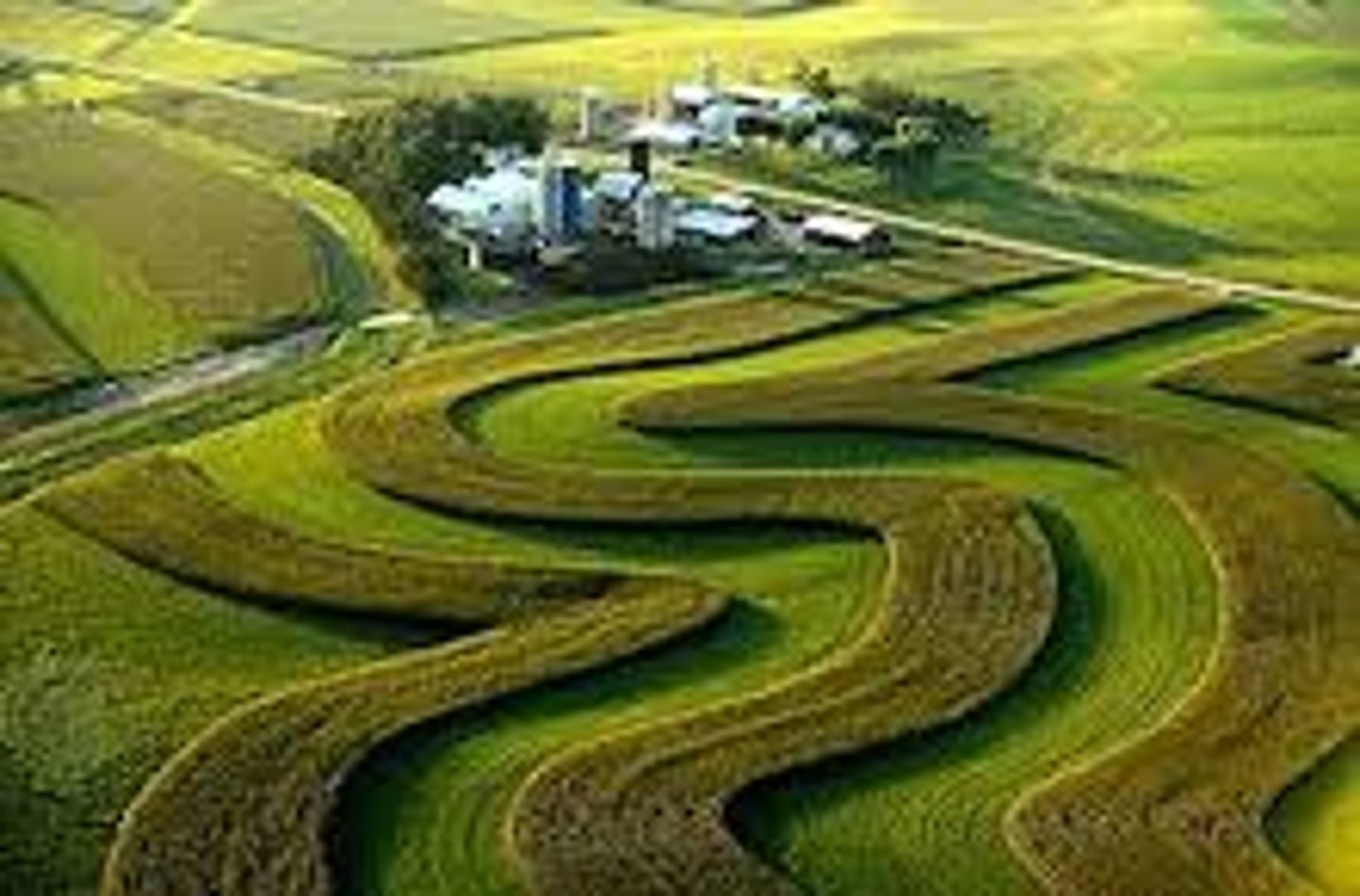
Plowing
the process of digging deep into the soil and turning it over
How does plowing disrupt ecological systems?
Soil erosion: Exposes soil to wind and water, causing loss of topsoil
Loss of soil structure: Destroys natural layers and microorganisms that support fertility
Disruption of habitats: Destroys burrows and habitats for insects, worms, and small animals
Tilling
the preparation of soil through a variety of activities including plowing but also including stirring, digging, and cultivating.
How does tilling disrupt ecological systems?
Increased erosion and runoff: Loose soil washes away more easily, carrying nutrients into waterways
Decreased soil fertility over time: Disturbs soil microbes and organic matter
Carbon release: Aerates soil, releasing stored carbon into the atmosphere, contributing to climate change
What are the consequences of slash-and-burn agriculture?
- Deforestation --> reducing biodiversity
- Soil degradation: Nutrients are quickly depleted; soil can become infertile after a few seasons → heavy machinery leads to compacted soils.
- Air pollution: Burning releases carbon dioxide and other greenhouse gases
- Increased erosion: Without trees, soil is more vulnerable to wind and water erosion
- Water cycle disruption: Less forest cover reduces rainfall retention and groundwater recharge
- Contributes to global warming due to CO₂ emissions
When rainforests that process CO2 are removed, more carbon dioxide is released into the atmosphere and less can be stored in the forest short-term and long-term → ex. The Everglades in California.
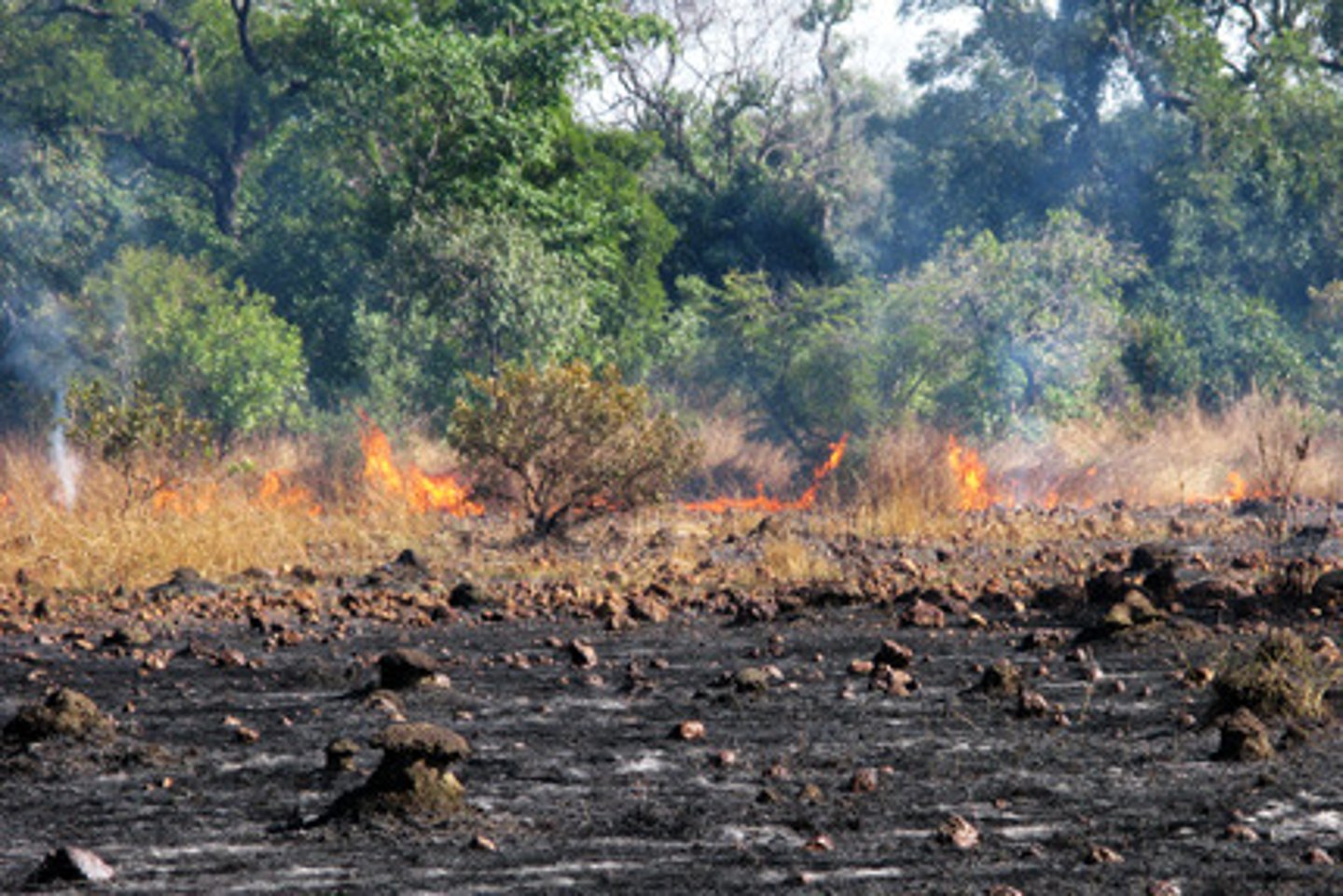
Slash and Burn Agriculture
method in which land is cleared and farmed for only a few years until the soil is depleted of nutrients.
Module 27 - Irrigation & Pest Control
Explain the benefits and drawbacks of the four major irrigation methods: furrow irrigation, flood irrigation, spray irrigation, and drip irrigation.
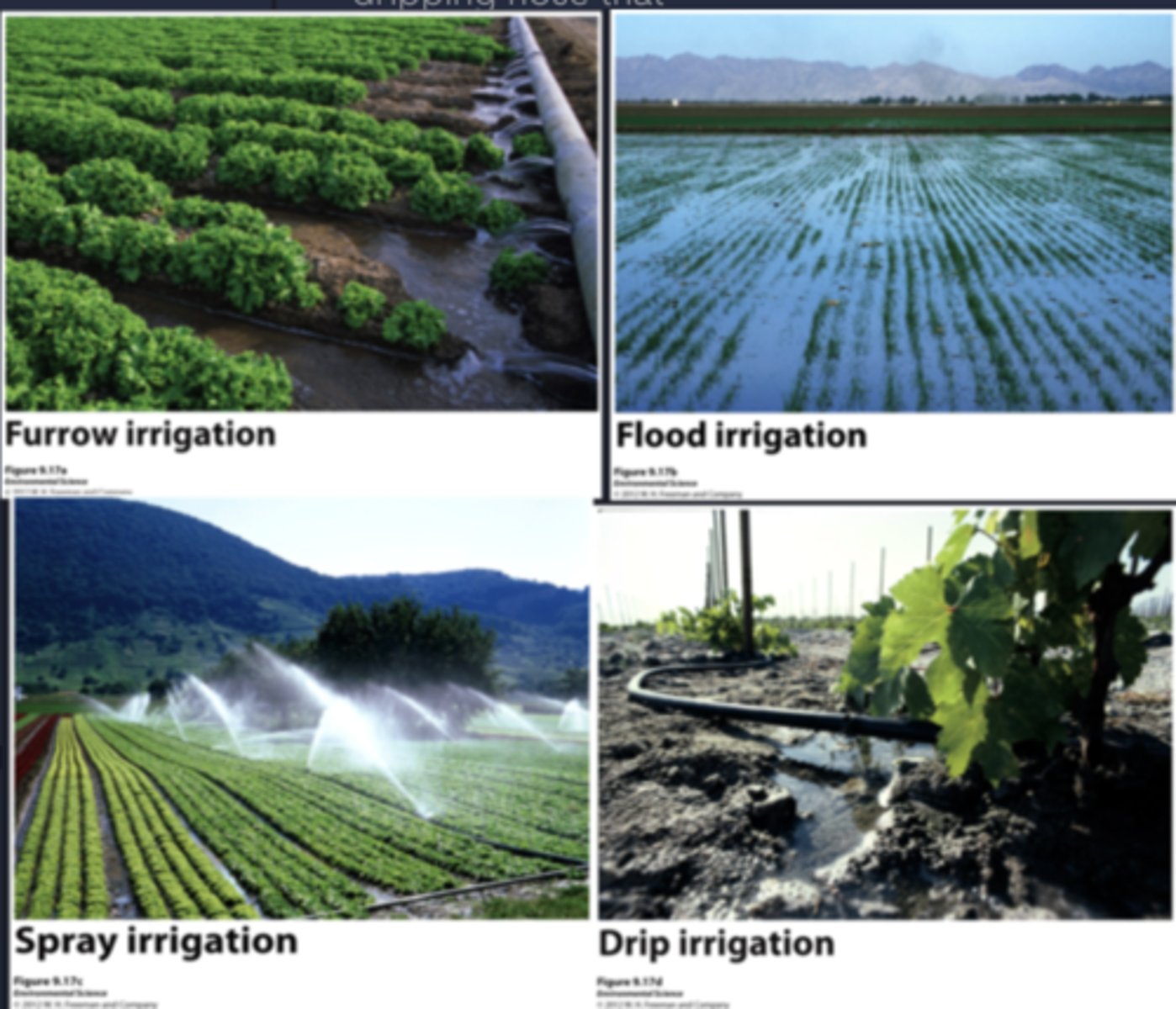
Furrow Irrigation
Trenches or furrows filled with water are next to the crops
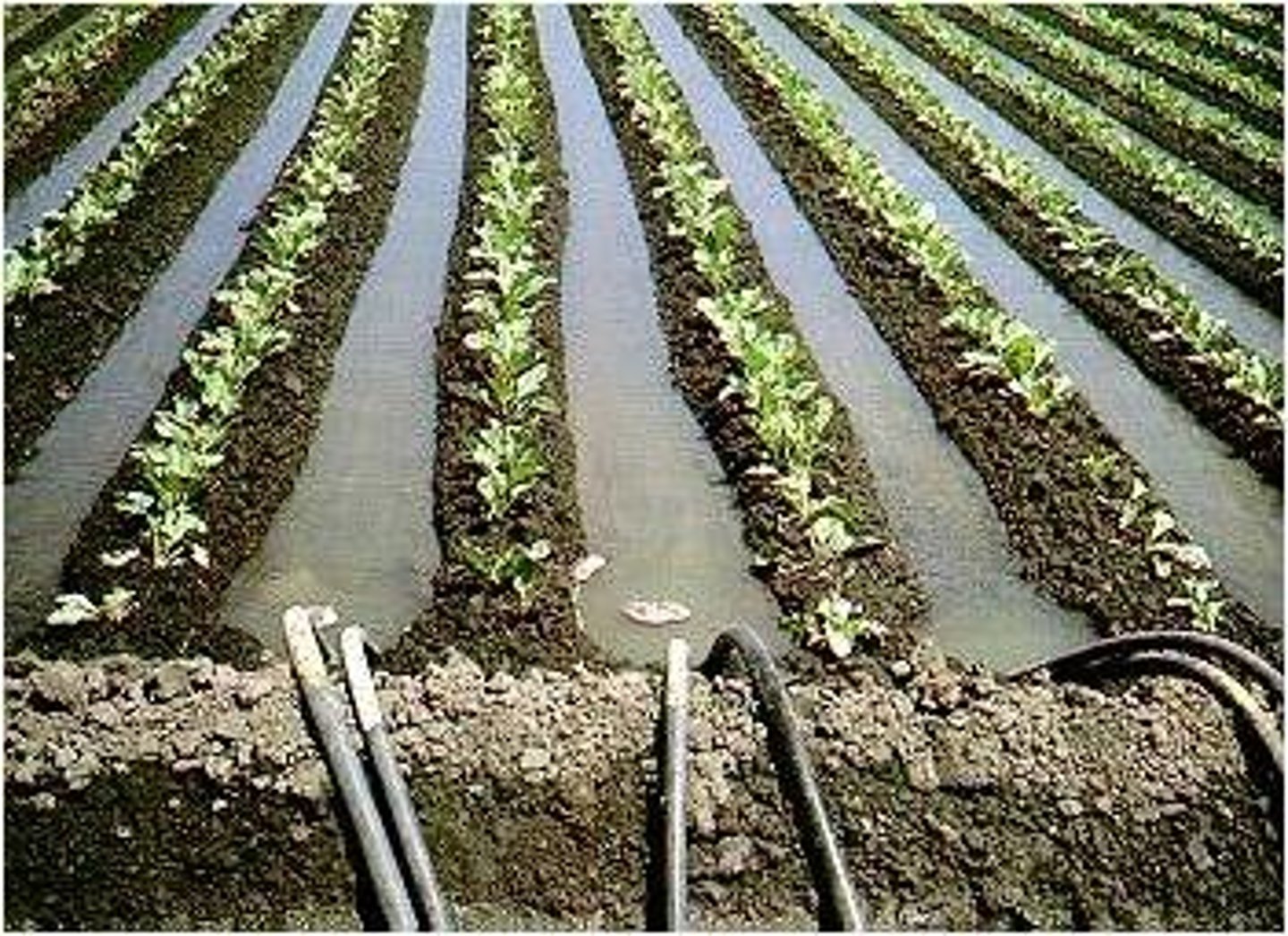
Furrow Irrigation benefits
Easy and inexpensive
Furrow Irrigation drawbacks
Lose water to evaporation
Uneven water distribution
Can cause soil erosion
33% water loss
67% efficient
Flood Irrigation
the entire field is flooded with water (can be achieved through diverting streams/pipes)
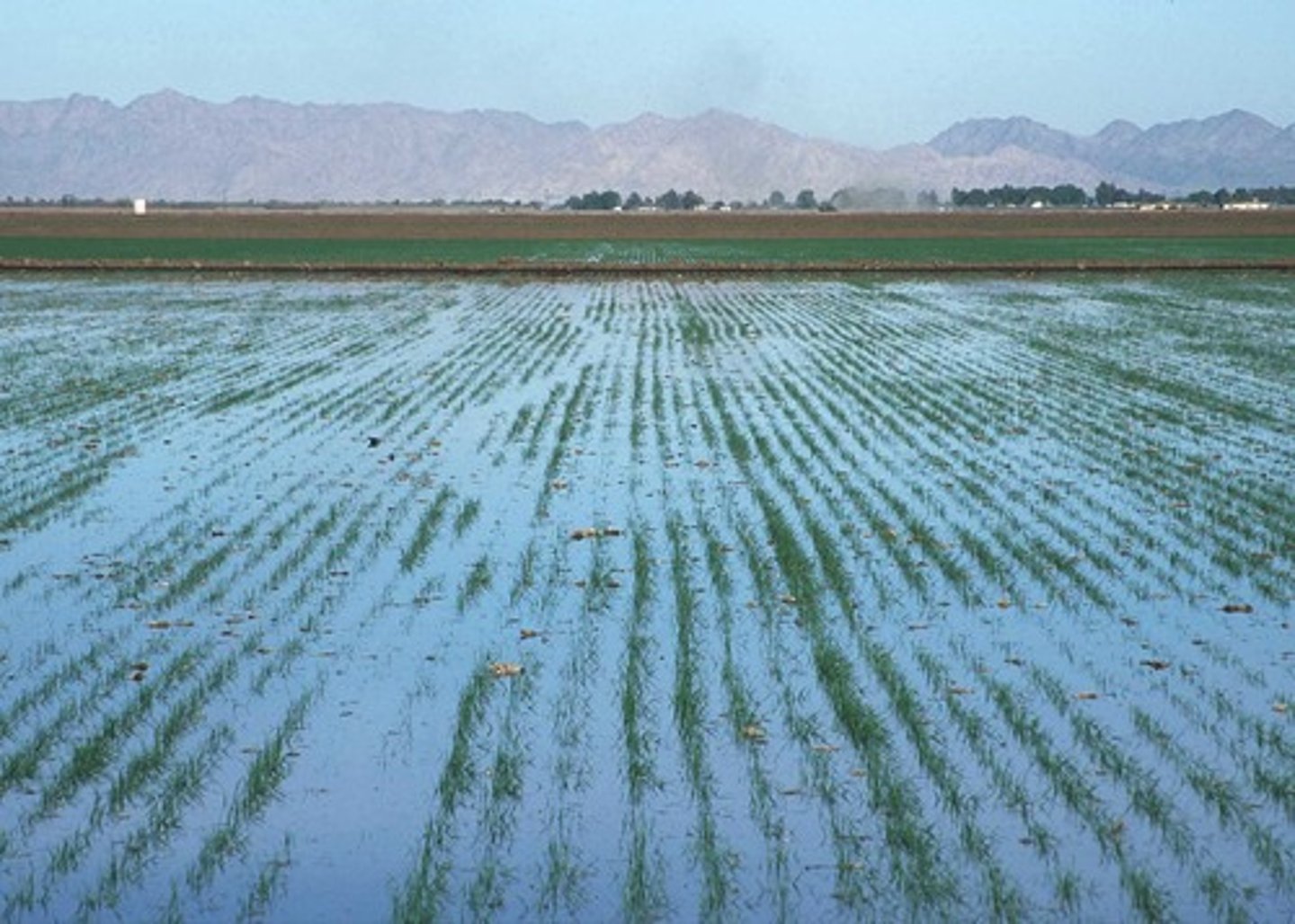
Flood Irrigation benefits
Can irrigate large areas all at once
Easy to implement
Slighly more efficient that furrow irrigation
66-80% efficient
Flood Irrigation drawbacks
High water waste to do evaporation - 20% water loss
More disruptive to plant growth than furrow irrigation.
Increased risk of waterlogging the soil.
Waterlogging
A form of soil degradation that occurs when soil remains under water for prolonged periods.
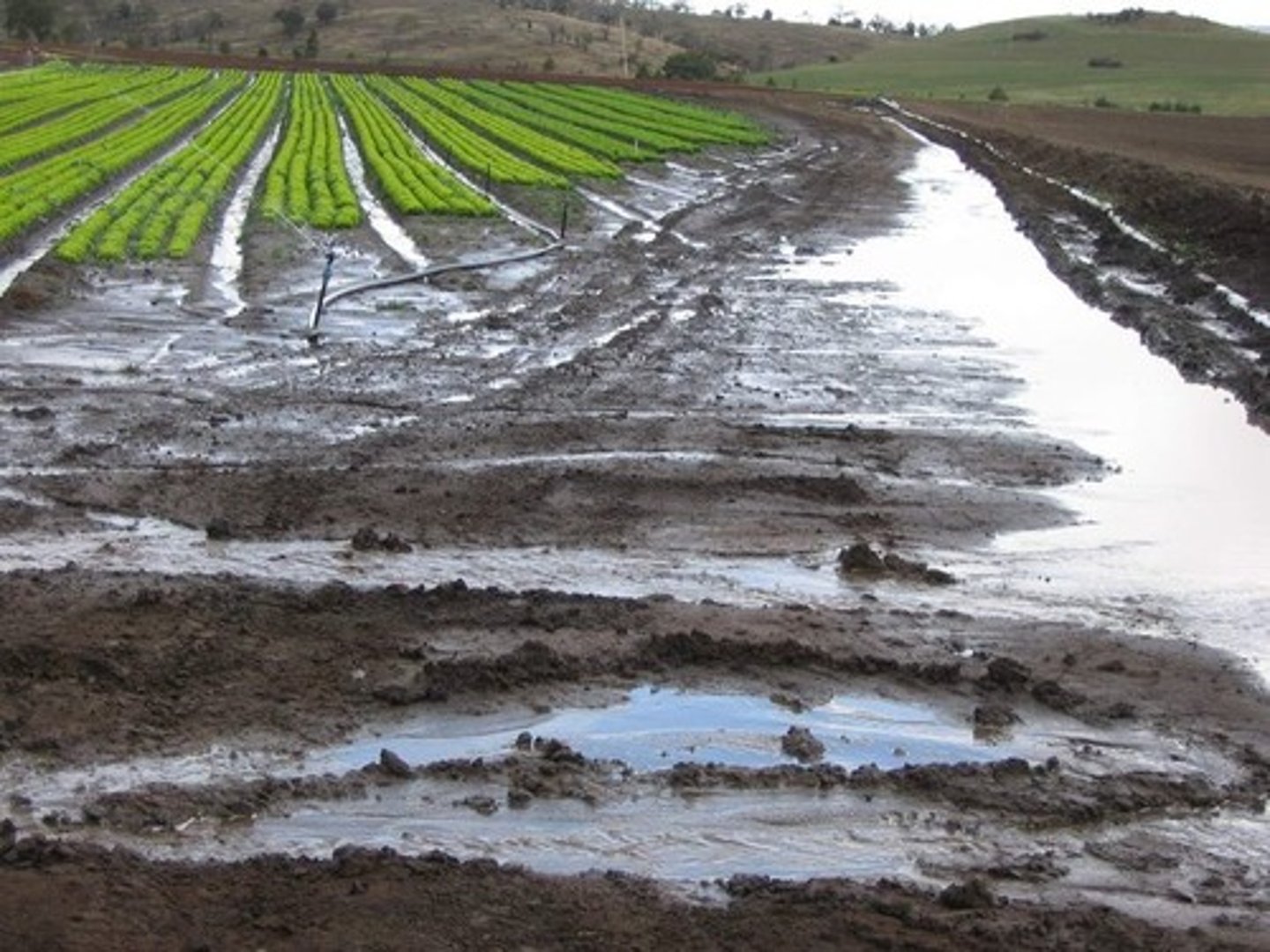
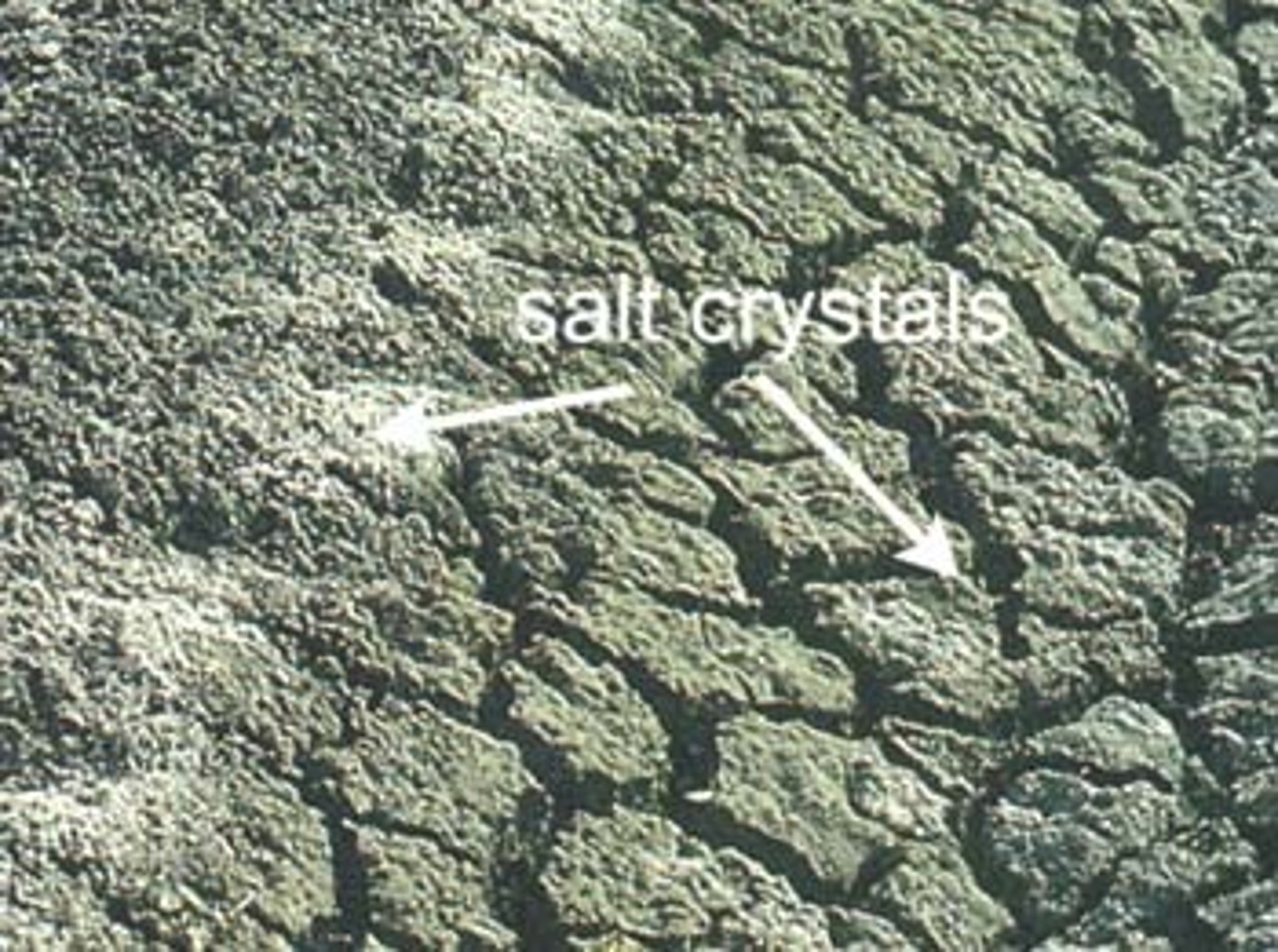
Salinization
Accumulation of salts in soil that can eventually make the soil unable to support plant growth.
Spray Irrigation
water is pumped and sprayed over crops through nozzles.
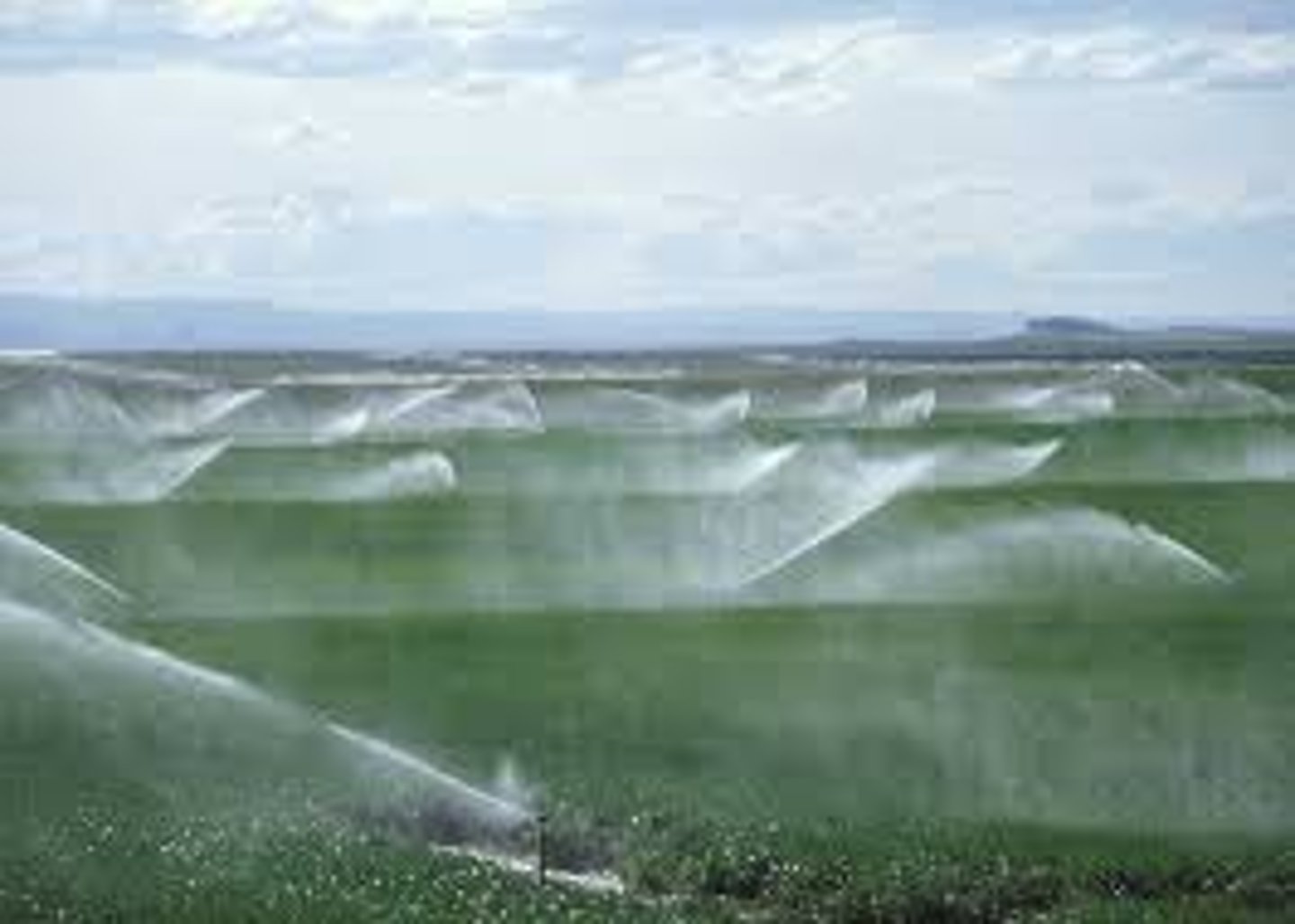
Spray Irrigation benefits
75-95% efficient
Better water distribution
Spray Irrigation drawbacks
25% water loss
More expensive → uses energy to pump/spray water
Drip Irrigation
slowly dripping water through hoses directly near a plants roots.
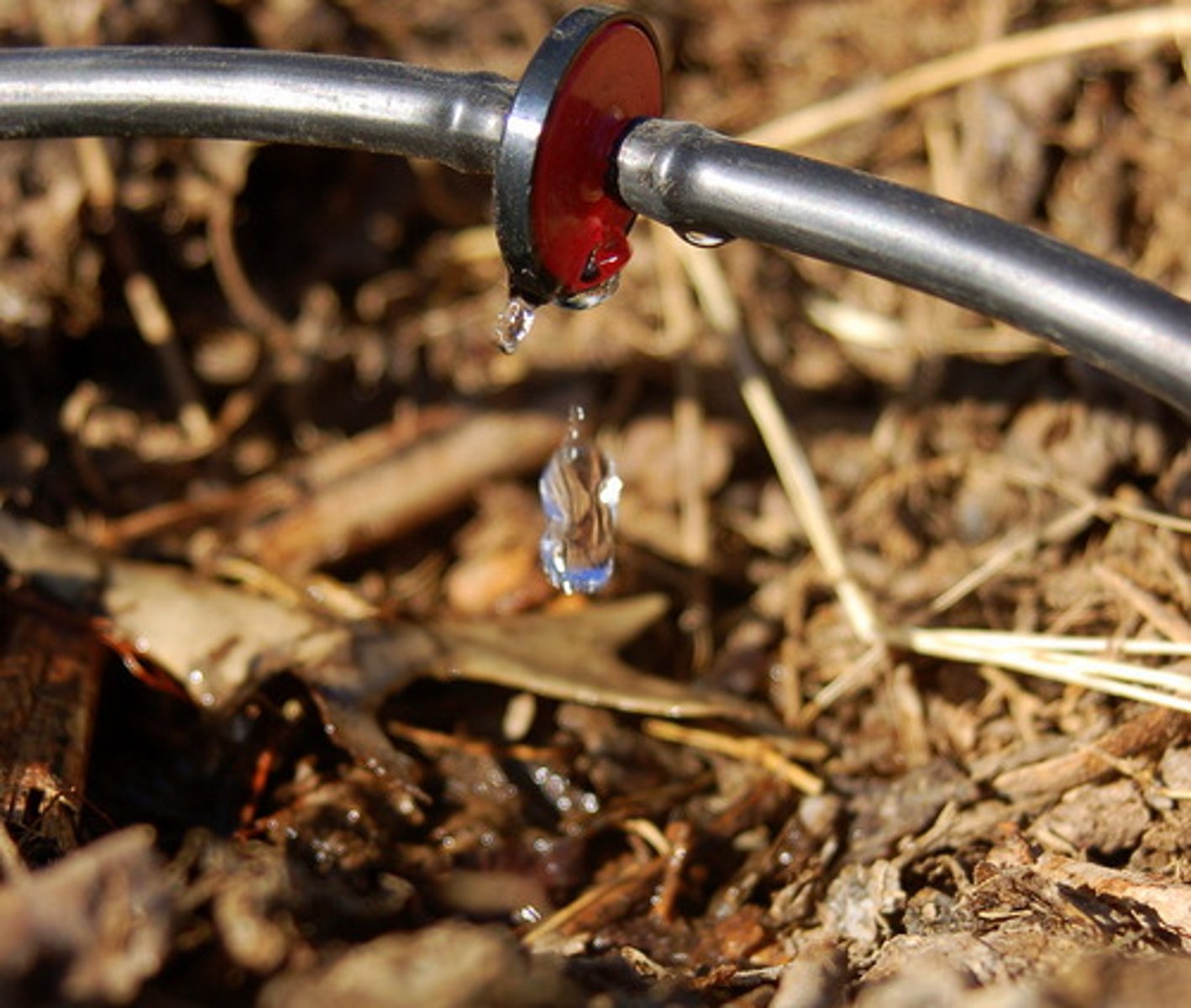
Drip Irrigation benefits
5% water loss
Most efficient form of irrigation (Over 95% efficient)
Reduces weeds
Drip Irrigation drawbacks
More expensive → limited use
Explain the types of aquifers and the role that they play in modern agriculture.
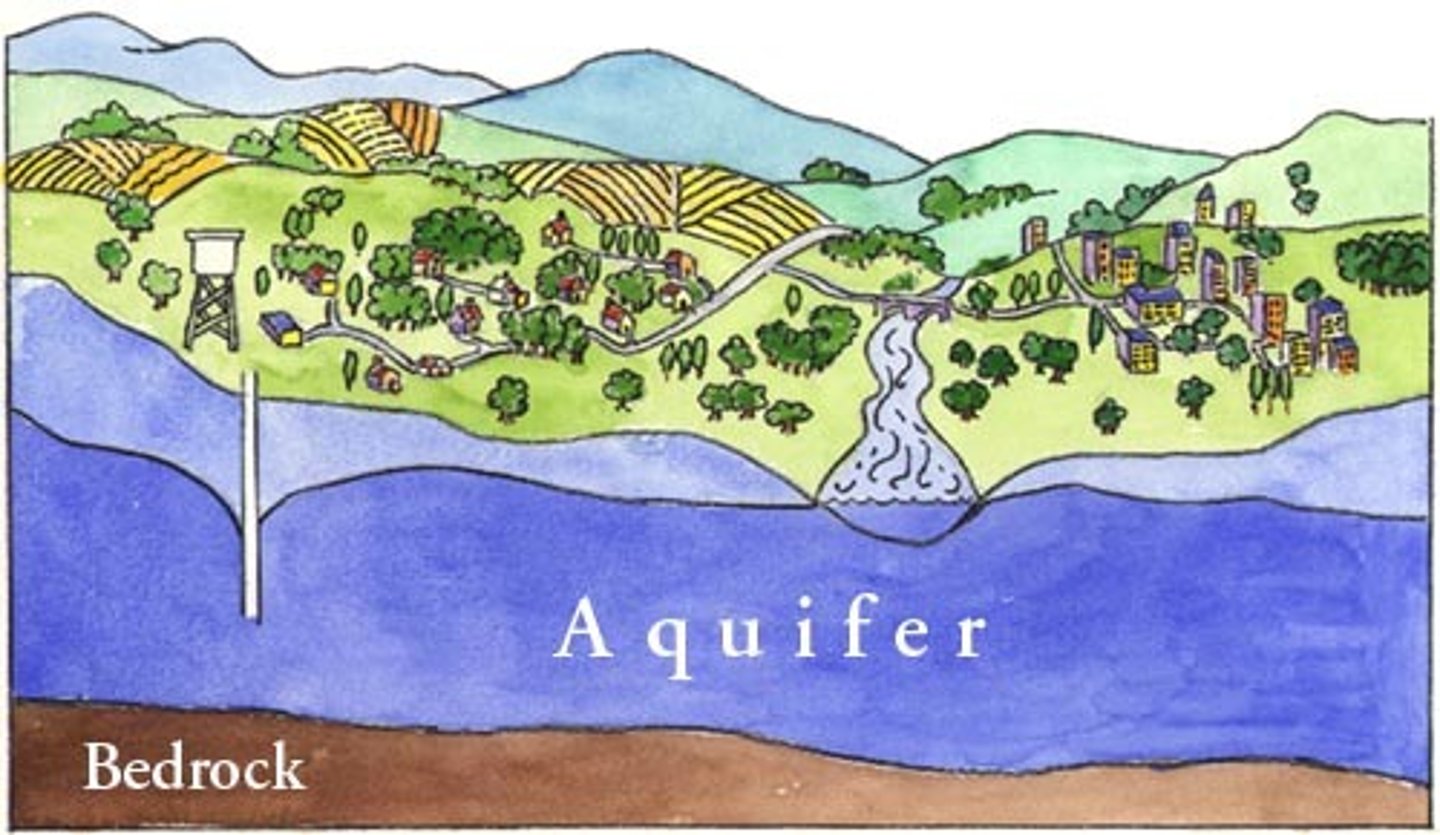
Unconfined Aquifer
An aquifer with water that is directly open to the surface, meaning it can be recharged by rainfall or surface water.
Water table rises and falls with precipitation; easier to access with wells.
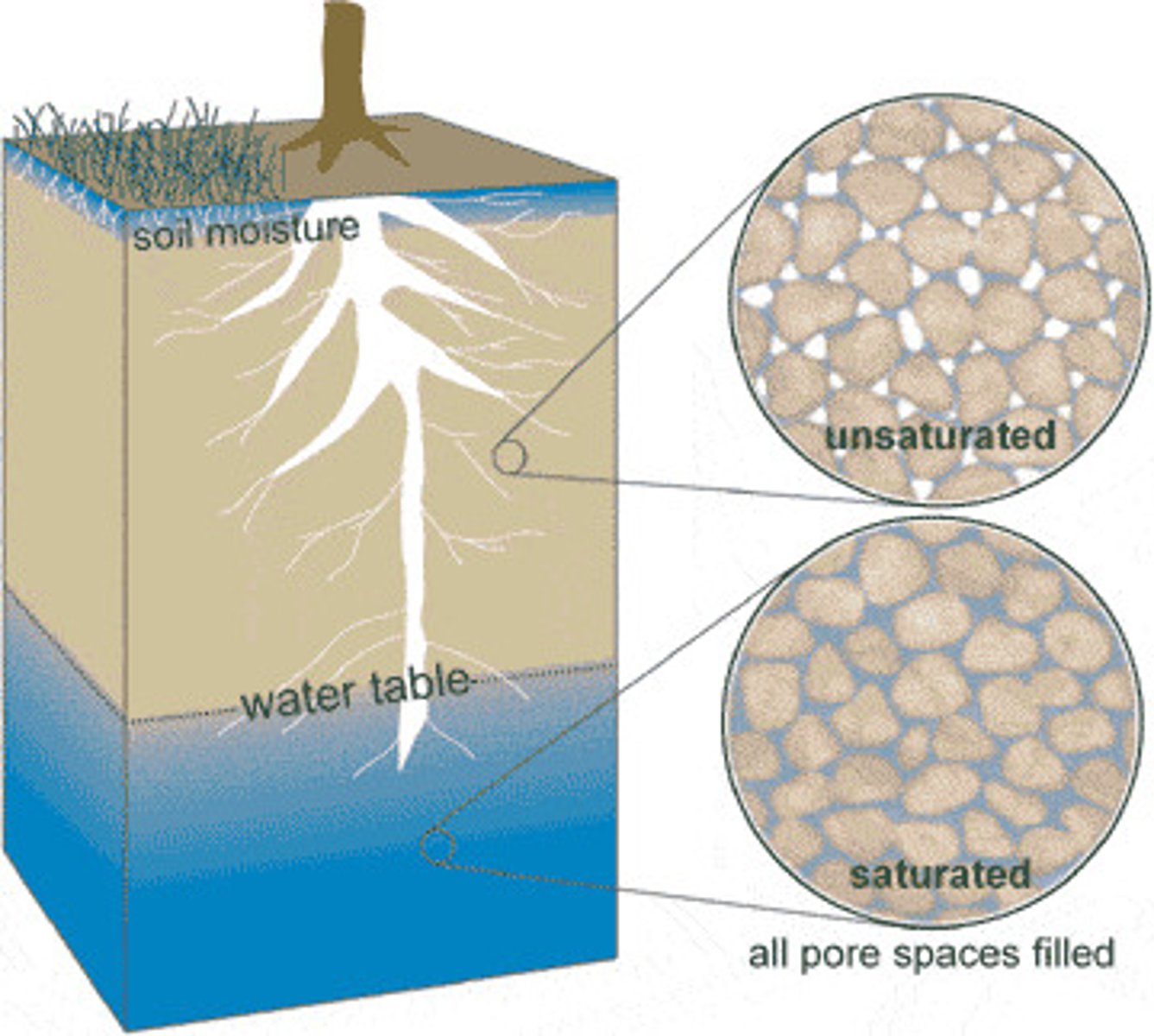
Water table
The water table is how far down you have to dig to find water in the ground.
The water table is the upper level of groundwater, where soil or rock is fully saturated with water. It separates the unsaturated zone above (where air and water fill pores) from the saturated zone below (where all pore spaces are filled with water).
Unconfined Aquifer Role in Modern Agriculture
→ Provide water that can be pumped relatively easily for irrigation
→ Recharge quickly from rainfall, making them useful for short-term, flexible water needs
→ Often used for crops that require frequent, shallow watering.
Confined Aquifer
An aquifer trapped between layers of impermeable rock or clay, which impedes water flow into the aquifer.
Characteristics: Water is often under pressure and may rise naturally in wells (artesian wells); slower to recharge.
Confined Aquifer Role in Modern Agriculture
→ Provide a stable, long-term water source, even during droughts, because water is under pressure and less affected by seasonal changes
→ Often tapped via artesian wells for large-scale or high-value crops
→ Useful in regions where surface water is scarce or unreliable
Explain the benefits and drawbacks of pesticides, including the importance of pesticide resistance.
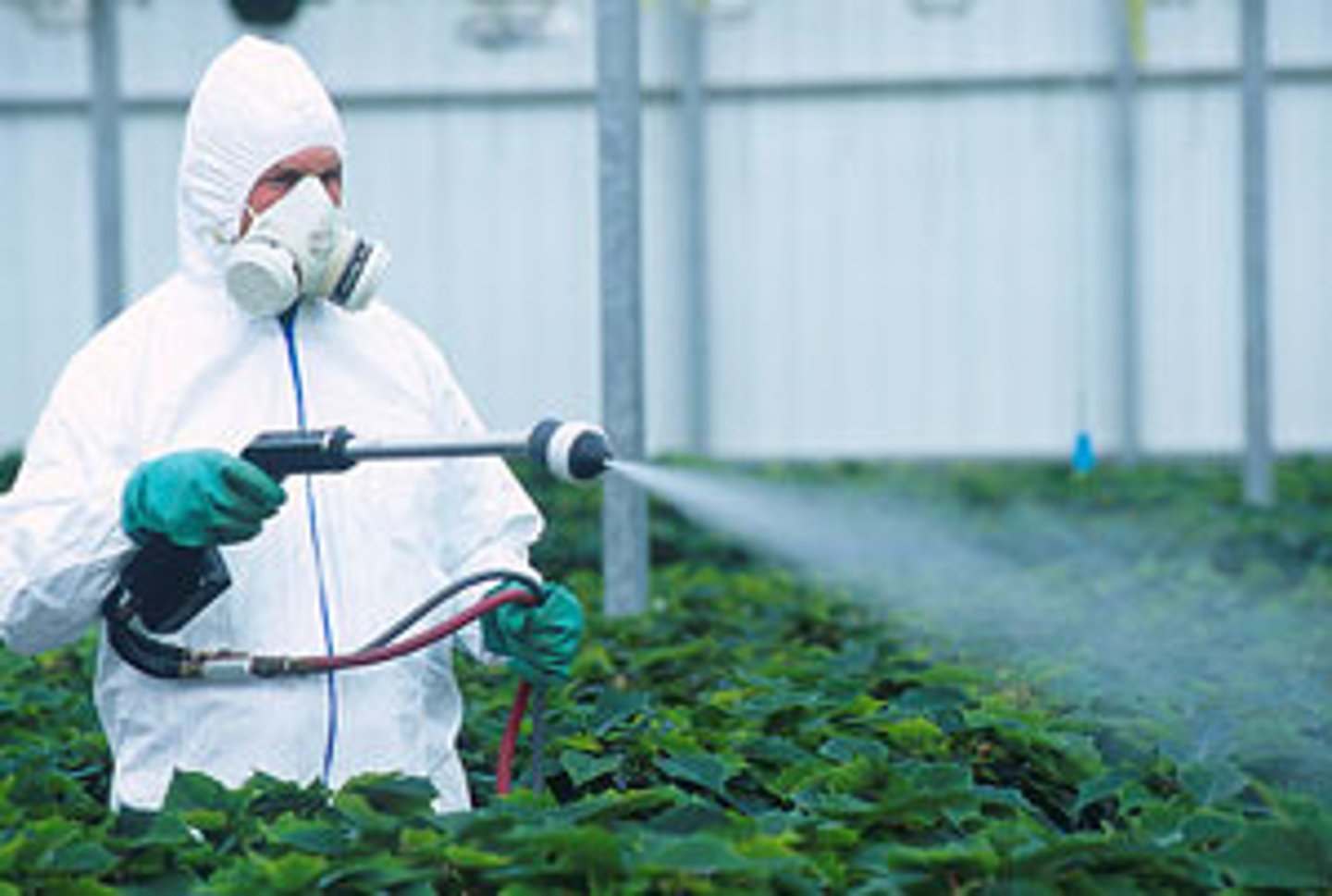
Pesticides
Chemicals or biological agents used to control pests, such as insects (insecticides), weeds (herbicides), fungi (fungicides), or other organisms that damage crops.
Benefits of Pesticides
- Increased Crop Yields
- Protection of Food Quality
- Economic Gains (ex. Farmers can harvest more and sell higher-quality crops, increasing profits).
- Control of Disease Factors (ex. Some pesticides like mosquito control chemicals help reduce the spread of diseases such as malaria and dengue.)
Drawbacks of Pesticides
- Can contaminate soil, water, and air.
- Harm non-target organisms like bees, birds, and aquatic life.
- Human Health Risks
- Development of Resistance --> This can lead to overuse of chemicals or the need for stronger, potentially more harmful pesticides.
Pesticide Resistance
Challenges crop protection → can increases costs → need to obtain diferent pesticides to challenge resistance.
Module 28 - Meat Production Methods & the Impact of Overfishing
What are the benefits and drawbacks of the CAFO system of meat production versus free-range meat production?
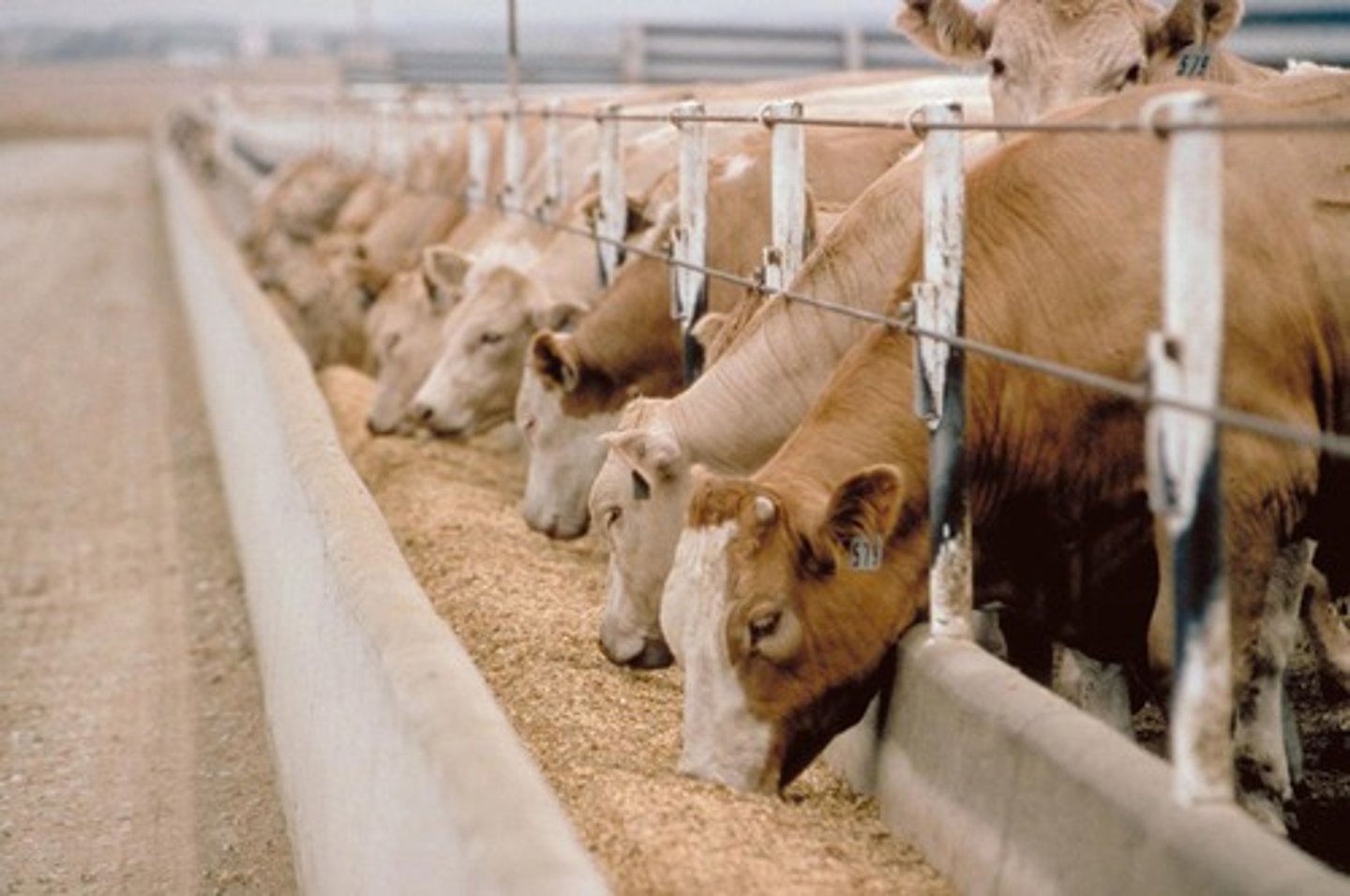
CAFOs (Concentrated Animal Feeding Operations)
Large-scale industrial farms where animals (cows, pigs, chickens) are kept in confined spaces and fed a controlled diet to maximize growth and production. AKA: Factory Farms
CAFO Benefits
Minimized Land costs
Imporved feeding efficiency
Increased food energy through higher animal body mass
CAFO Drawbacks
Ethical Concerns of confinement of animals
Animals fed grains, instead of natural grasses
High use of antibiotics and nutrient supplements
Hormone treatments provided to increase body mass
Manure Lagoons used
Manure Lagoons
Human-made pond lined with rubber built to handle large quantities of manure produced by livestock.
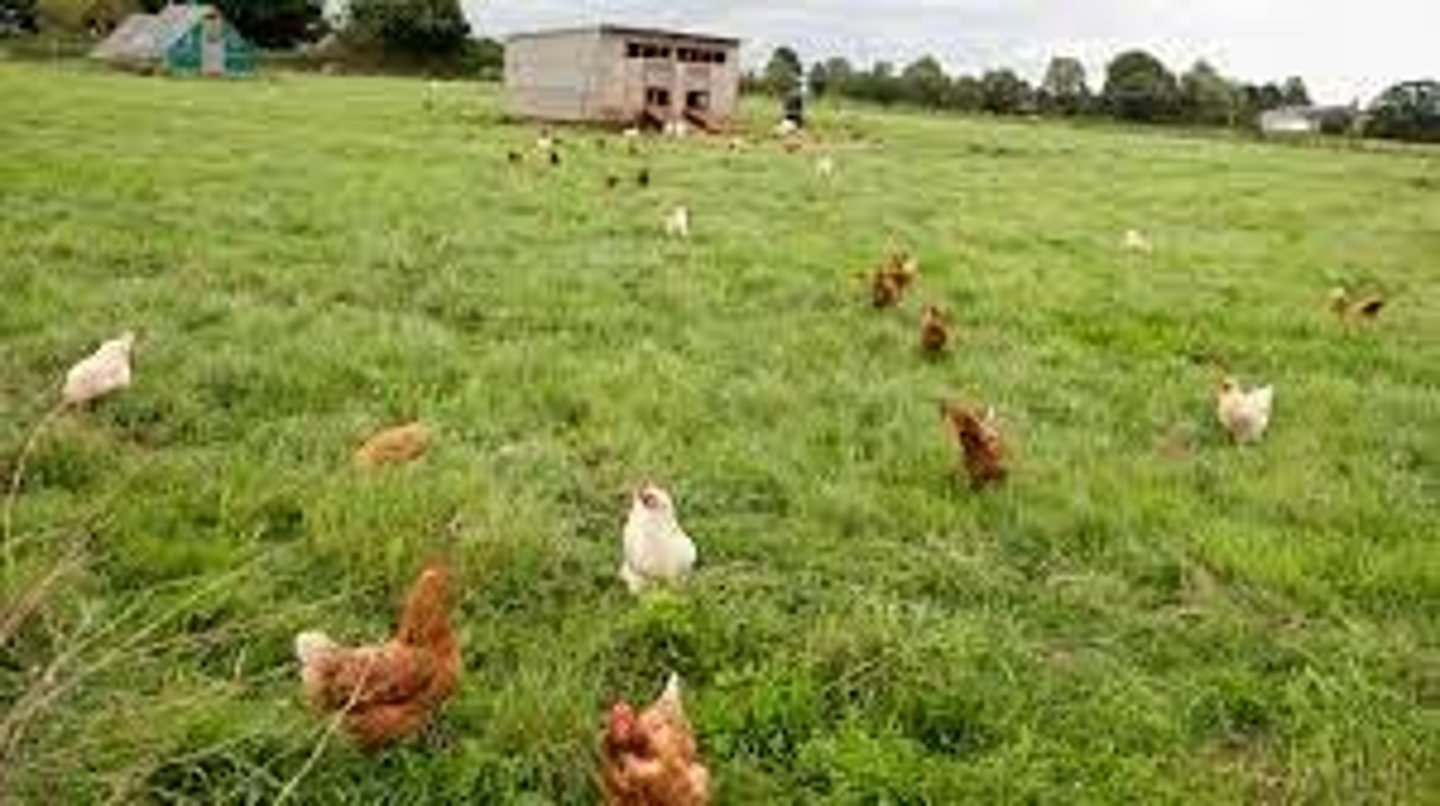
Free-Range Meat Production
Animals are raised with access to outdoor space and are often allowed to roam and graze naturally for most of all of their life cycles.
Nomadic grazing
the feeding of heards of animals by moving them to seasonally productive feeding grounds, often over long distances.
Benefits of Free-range grazing
Better Animal Welfare:
--> Animals have space to move, graze, and behave naturally, which reduces stress.
Environmental Benefits (sometimes):
--> Grazing can help maintain soil health and reduce dependence on concentrated feedlots.
Perceived Health Benefits
Drawbacks of Free-range grazing
Lower Efficiency
--> Animals grow more slowly and produce less meat per acre of land.
Higher Costs
--> More land and labor are needed, so meat is more expensive for consumers.
Environmental Trade-offs
--> Requires more land per animal, which can contribute to deforestation or habitat loss if not managed sustainably.
Overgrazing
--> Results in cattle grazing in one location for too long
-->Desertification
Desertification
The transformation of arable, productive, low-precipitation land to desert or unproductive land due to climate change or destructive land use such as overgrazing and logging is known as desertification.
What are some of the global impacts of overfishing on marine ecosystems?
Overharvesting of these fisheries can lead to a fishery collapse where 90% or more of the fish population declines.
Most methods of fishing (using nets) are designed to capture large amounts of fish very quickly → rapid decline in fish populations.
Bycatch
An effect of attempting to catch as much fish as possible that leads to the unintentional catch of nontarget species while fishing. Causes non-target species populations to be affected.
Ex. turtles, dolphins, whales, sharks
 Note
Note  Flashcards (94)