Comprehensive Overview of Personality Theories and Approaches
 Call Kai
 Learn
Learn Practice Test
 Spaced Repetition
 Match
Match Flashcards
 Knowt Play
1/48

There's no tags or description
Looks like no tags are added yet.
Name | Mastery | Learn | Test | Matching | Spaced | Call with Kai |
|---|
No analytics yet
Send a link to your students to track their progress
49 Terms
What is personality?
A person's typical thoughts, emotional responses, and behaviors that are relatively stable over time and across circumstances.
What are the main approaches to personality?
Psychodynamic theory, Humanistic approach, Social & cognitive approaches, Trait approaches.
What does the psychodynamic approach focus on?
Unconscious forces such as wishes, desires, and hidden memories that determine behavior and influence personality.
Who is the founder of psychodynamic theory?
Sigmund Freud.
What are the three levels of consciousness according to Freud?
Conscious level, Preconscious level, Unconscious level.
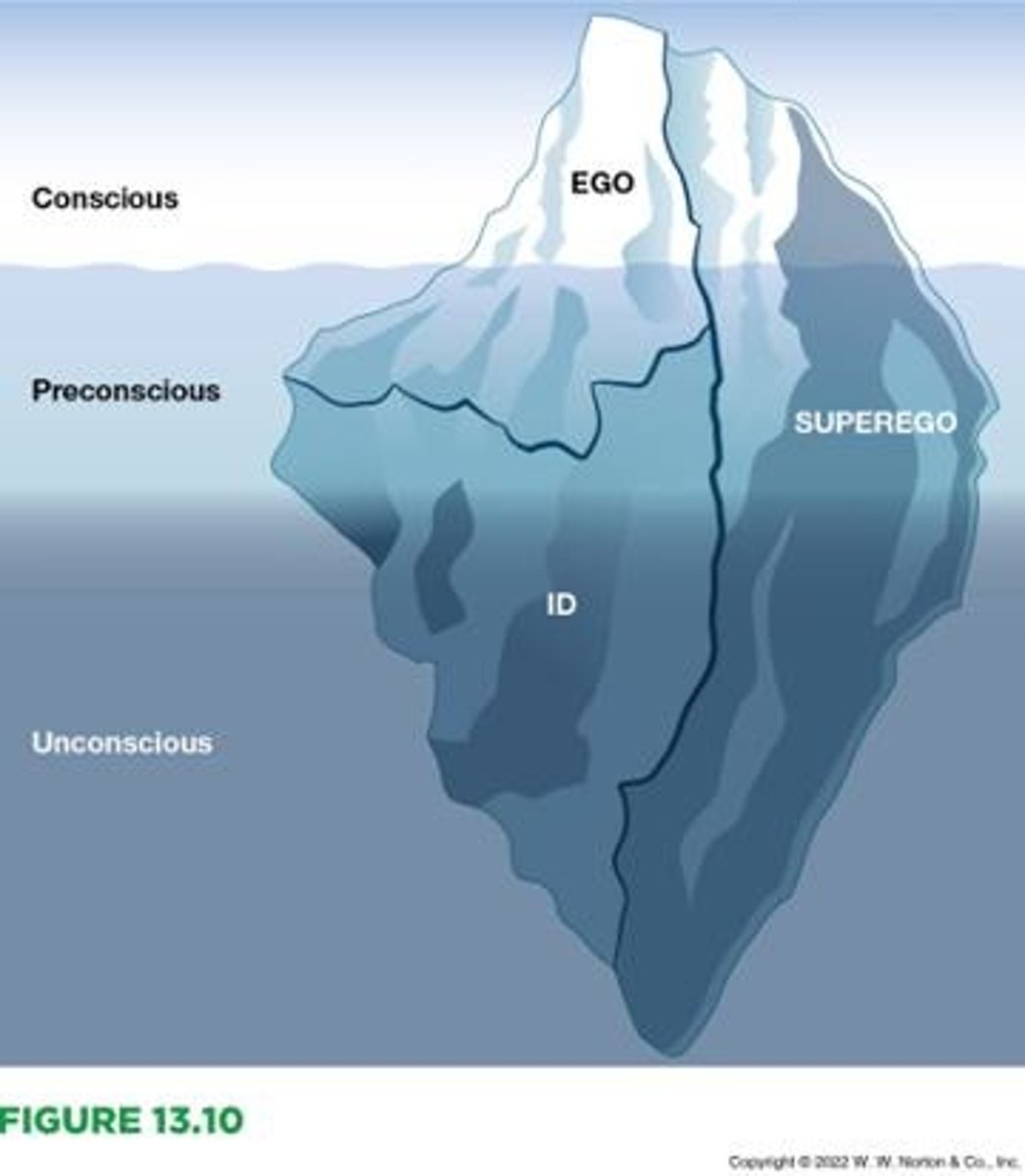
What is the id in Freud's theory?
The component of personality that is completely submerged in the unconscious and operates according to the pleasure principle.
What are the Four Fs of motivation according to Freud?
Fighting, Fleeing, Feeding, Reproducing.
What is the superego?
It reflects the internalization of societal and parental standards of conduct and is a rigid structure of morality or conscience.
What is the role of the ego in Freud's theory?
The ego tries to satisfy the wishes of the id while being responsive to the superego and operates according to the reality principle.
What are defense mechanisms?
Unconscious mental strategies that the mind uses to protect itself from distress.
What is denial as a defense mechanism?
Refusing to acknowledge the source of anxiety.
What is rationalization?
Creating a seemingly logical reason for behavior that might otherwise be shameful.
What is repression?
Excluding the source of anxiety from awareness.
What is displacement?
Shifting the attention of emotion from one object to another.
What is projection?
Attributing unacceptable qualities of the self to someone else.
What is sublimation?
Channeling socially unacceptable impulses into constructive or even admirable behavior.
What is reaction formation?
Warding off an uncomfortable thought by overemphasizing its opposite.
What is the humanistic approach to personality?
It emphasizes unique goodness, growth, and self-understanding as influences on personality.
What is the person-centered approach?
A theory by Carl Rogers that states personality develops as we try to align our experiences with our self-concept.
What is unconditional positive regard?
Acceptance and love without conditions, valuing someone for who they are, not what they do.
What are conditions of worth?
Expectations or rules we feel we must meet to gain approval or love, leading to incongruence.
What is expectancy theory?
A theory by Julien Rotter that states personality and behavior are shaped by learning experiences and expectations about outcomes.
What is reinforcement value?
The importance or desirability of an outcome.
How do repeated learning experiences shape personality?
Each time you act and get feedback, you form an expectancy about whether that behavior 'works.'
What do learned expectancies influence?
They influence how you interpret and respond to new situations, becoming consistent behavioral tendencies.
What are the three components of Reciprocal Determinism according to Albert Bandura?
Behavior, Personal Factors, and Environment.
What does the term 'Behavior' refer to in Reciprocal Determinism?
Actions we take and how we respond to situations.
What are 'Personal Factors' in the context of Reciprocal Determinism?
Thoughts, beliefs, emotions, and biological influences.
How does the environment affect behavior according to Reciprocal Determinism?
Your environment affects how you think and behave, and your behavior changes your environment.
What is Trait Theory as proposed by Hans Eysenck?
Personality can be explained by a few fundamental dimensions (traits) that are biologically based and measurable.
What are the three dimensions of Eysenck's Trait Theory?
Psychoticism, Extraversion, and Neuroticism.
Define Psychoticism in Eysenck's Trait Theory.
Impulsivity, aggression, creativity, and nonconformity.
What does Extraversion refer to in Eysenck's Trait Theory?
Sociability, activity, and assertiveness versus introversion, quietness, and reserve.
What is Neuroticism in Eysenck's Trait Theory?
Emotional instability, anxiety, and moodiness versus calmness and emotional control.
What is the Five-Factor Trait Theory by McCrae & Costa?
Personality can be described using five broad dimensions that capture major differences in thoughts, feelings, and behavior.
What does the 'O' in the Five-Factor Trait Theory stand for?
Openness to Experience.
What characteristics define high Openness to Experience?
Curious, imaginative, and creative.
What does the 'C' in the Five-Factor Trait Theory represent?
Conscientiousness.
What are the traits of high Conscientiousness?
Organized, responsible, and disciplined.
What does the 'E' in the Five-Factor Trait Theory stand for?
Extraversion.
What are the characteristics of high Extraversion?
Outgoing, energetic, and sociable.
What does the 'A' in the Five-Factor Trait Theory represent?
Agreeableness.
What traits define high Agreeableness?
Compassionate, cooperative, and trusting.
What does the 'N' in the Five-Factor Trait Theory stand for?
Neuroticism.
What are the traits of high Neuroticism?
Anxious, moody, and easily stressed.
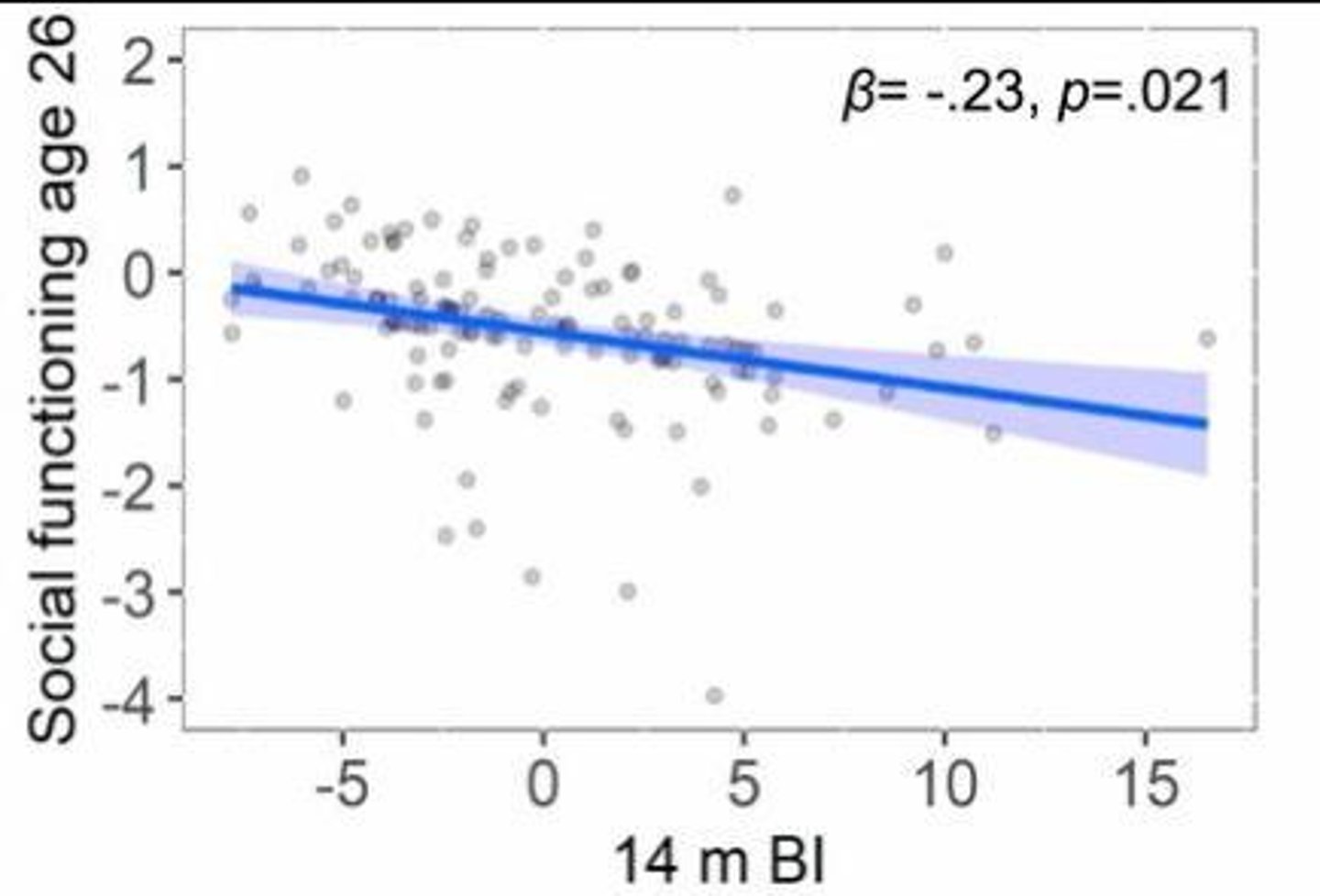
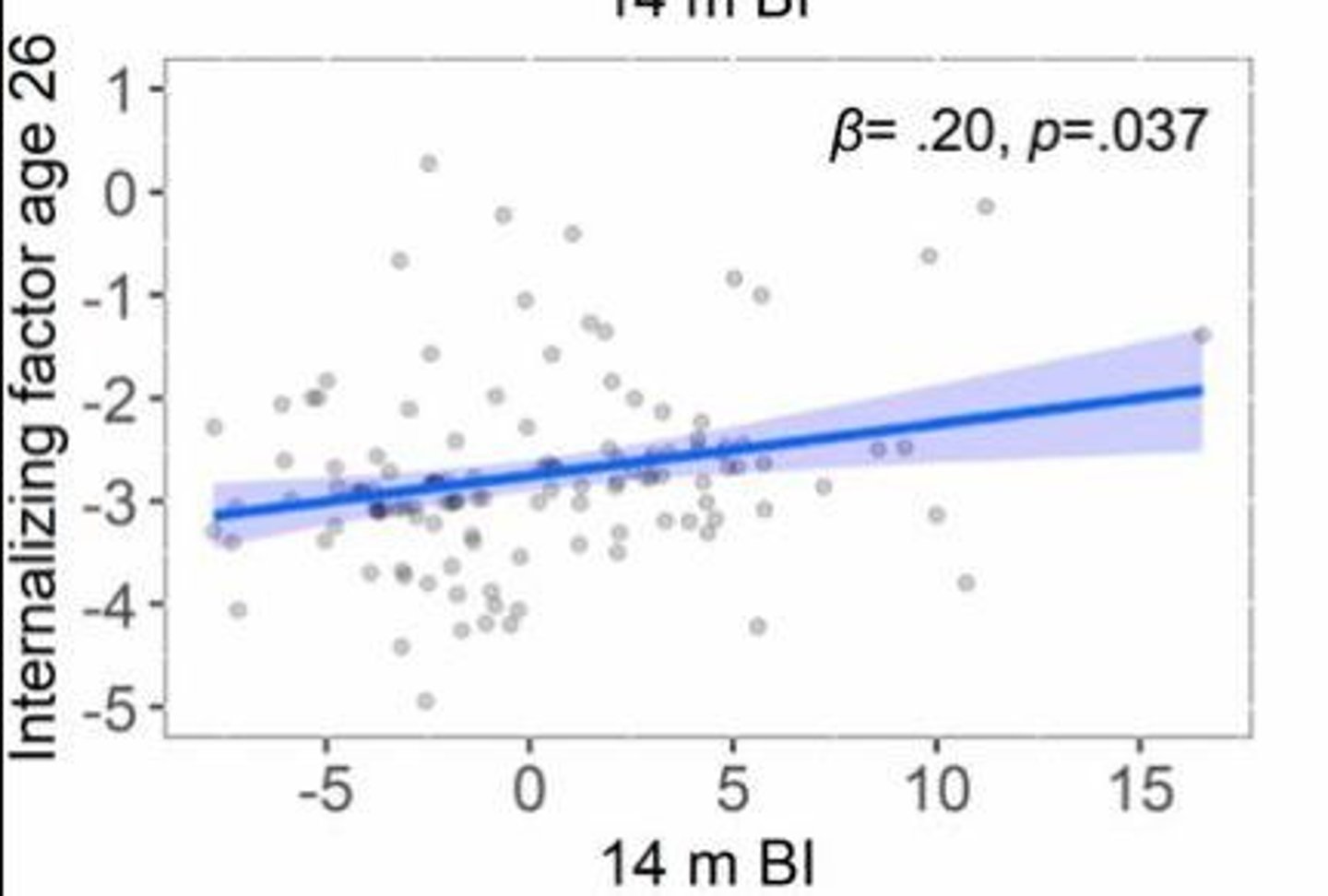
What was the focus of Tang et al.'s (2020) study on infant temperament?
The relationship between infant behavioral inhibition and adult personality outcomes.
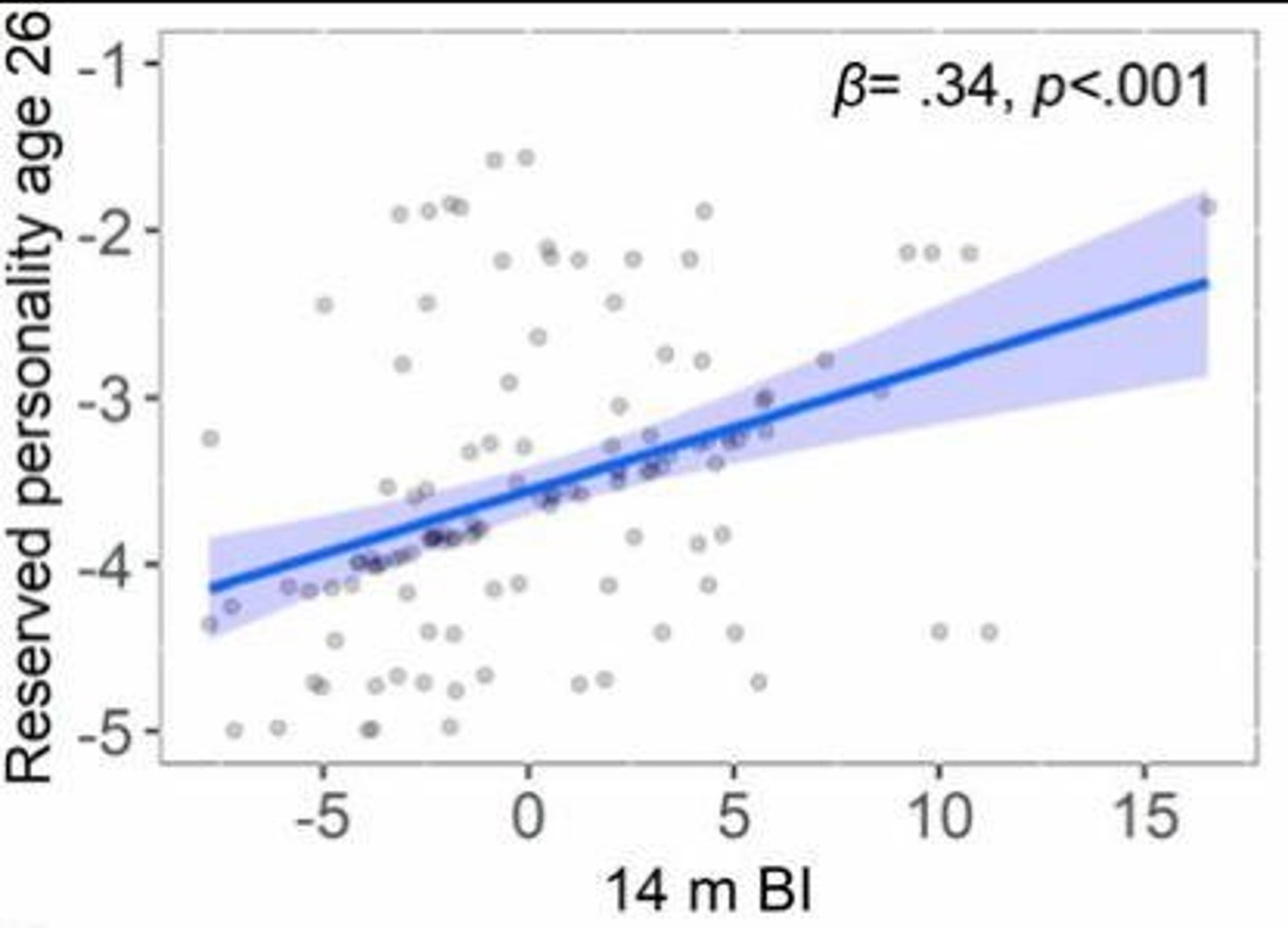
What does higher infant behavioral inhibition predict in adulthood?
A more reserved/introverted personality and lower social functioning.
How does infant behavioral inhibition relate to internalizing psychopathology?
It predicts increased anxiety and depression in adulthood, especially for those with heightened error monitoring.
What is the key debate regarding personality measurement?
Whether personality is fixed when measuring traits or malleable when measuring processes, goals, and identity.

