M&PII: Processes Quiz 4
 Studied by 0 people
 Call Kai
 Learn
Learn Practice Test
 Spaced Repetition
 Match
Match Flashcards
 Knowt Play
1/19

There's no tags or description
Looks like no tags are added yet.
Name | Mastery | Learn | Test | Matching | Spaced | Call with Kai |
|---|
No analytics yet
Send a link to your students to track their progress
20 Terms
Reaction Injection Molding Benefits
Large, Durable, lightweight parts at a low tooling cost.
Smooth paintable finishes straight from the mold.
Reaction Injection Molding Disadvantages
Not Ideal for high volume production
Non-recyclable and can release VOCs
Reaction Injection Molding Alternative Process
Injection molding is similar with a higher tooling cost but with tighter tolerances.
Reaction Injection Molding Tolerances
0.005" to 0.10"
Reaction Injection Molding Product
Airplane Overhead Bins

Selective Laser Sintering Benefits
Design freedom with no support structures required -Because the unsintered powder acts as a support medium, SLS allows for complex internal geometries, interlocking parts, undercuts and assemblies printed in one piece.
Strong functional end-use parts comparable to injection-moulded plastics SLS parts (typically nylon PA12/PA11) - offer good mechanical strength, impact and environmental resistance — making them viable for production parts, not just prototypes.
Selective Laser Sintering Disadvantages
Surface roughness and finish require post-processing ( matte, somewhat grainy, and may need media blasting, tumbling or coating to meet aesthetic or smoothness requirements.
Higher cost, limited material variety and dimensional challenges While no tooling is required, the machines, powder materials and preparation are more expensive compared to simpler 3D-printing or moulding methods. Also, parts may exhibit shrinkage, warping or dimensional offsets due to thermal effects.
Selective Laser Sintering Alternative Process
FDM instead:
When budget is the primary concern.
For large, low-stress prototypes where fine detail and surface finish are less important.
When material options (e.g. flexible or specialty filaments) are more critical than precision.
Selective Laser Sintering Tolerances
±0.010" (±0.25 mm) for the first inch
±0.002" (±0.05 mm) per additional inch
Dimensional accuracy: approximately ±0.3% overall
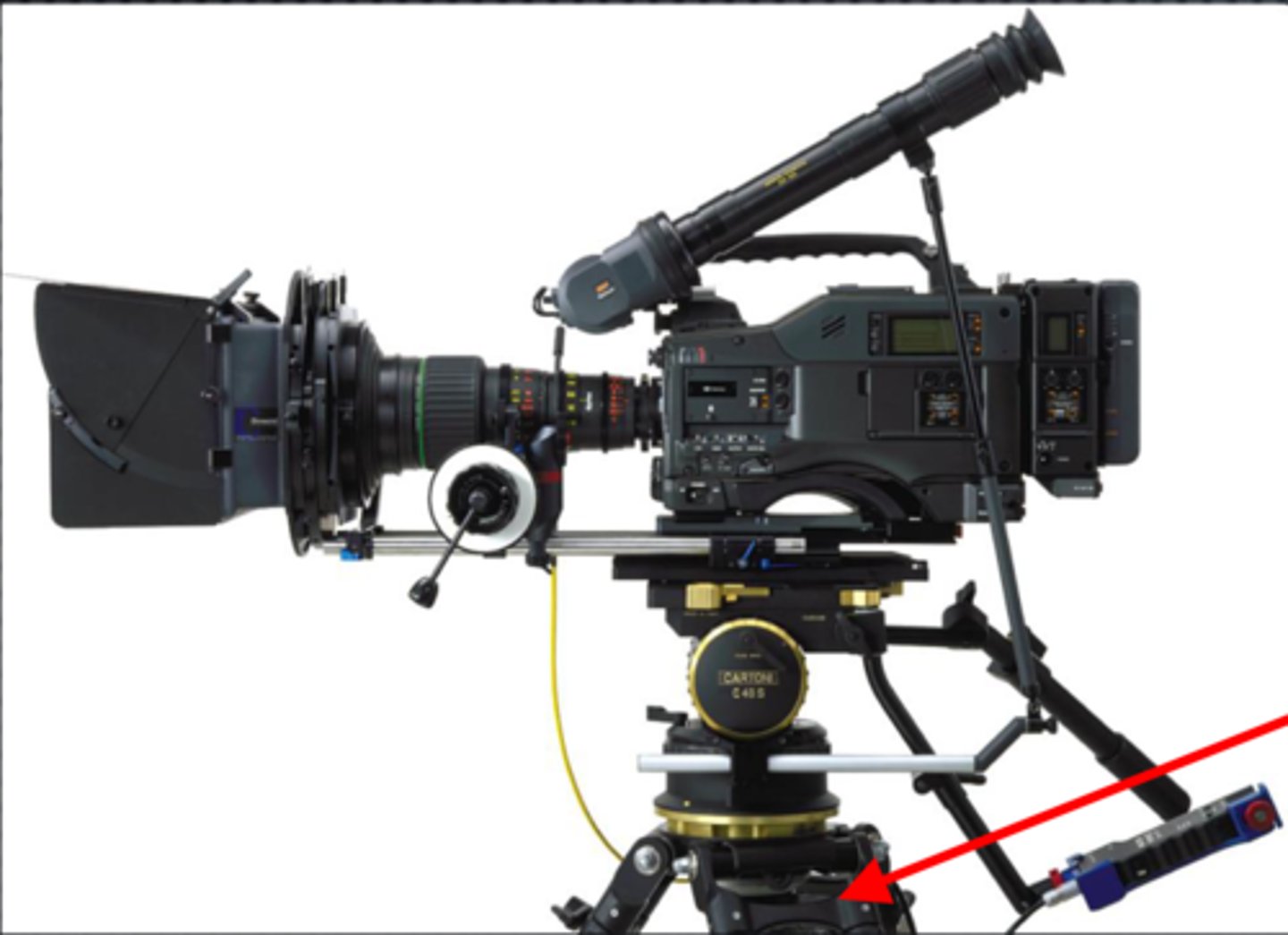
Selective Laser Sintering Product
Camera Tripod
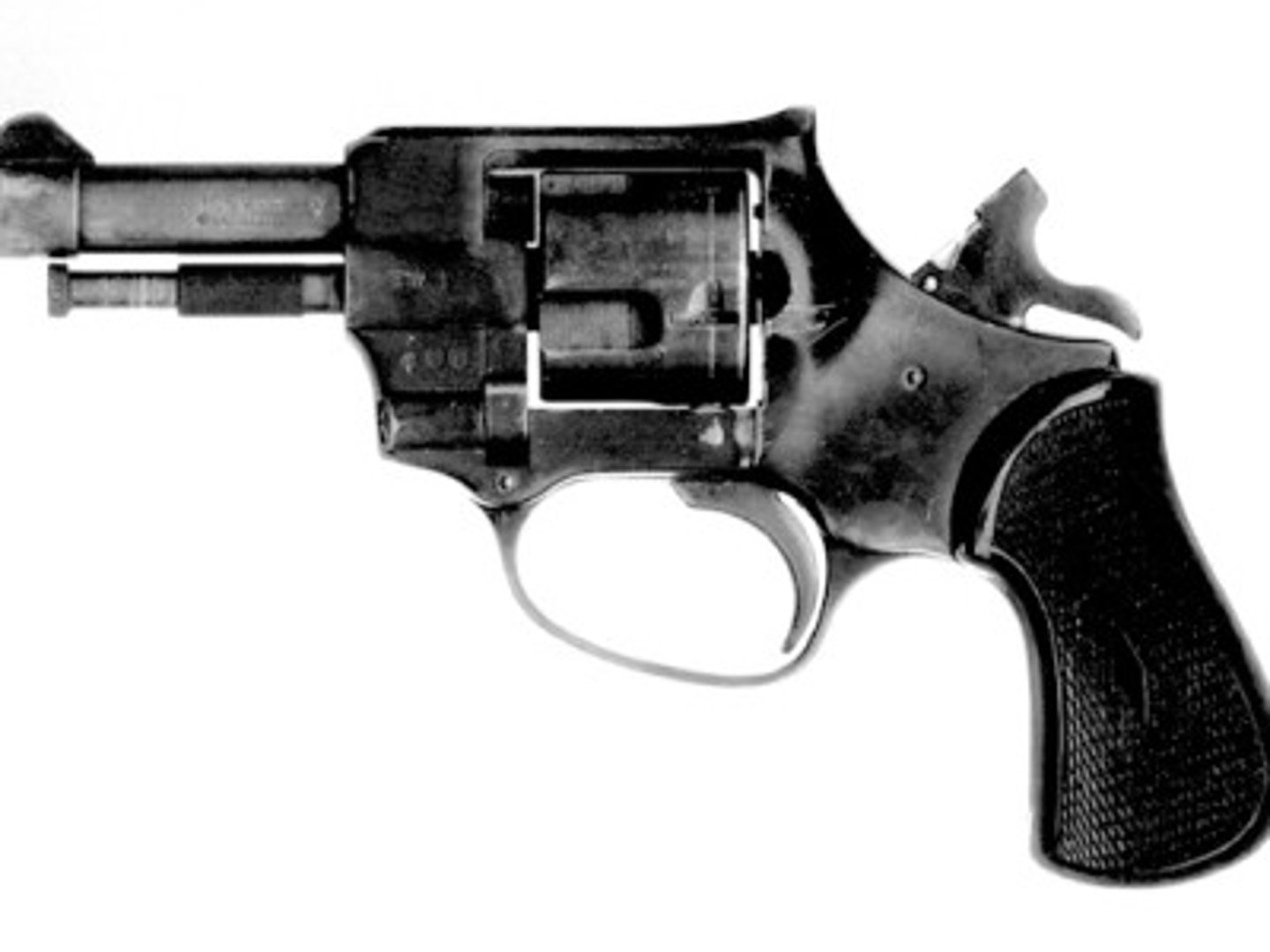
Metal Injection Molding Product
Pistol trigger
Metal Injection Molding Benefits
Can produce small, intricate metal parts with internal details that would be impossible or extremely costly to machine on a CNC.
Achieves near-wrought material strength and density while maintaining the high-volume, low-cost efficiency of plastic injection molding.
Metal Injection Molding Disadvantages
High upfront tooling and equipment costs make it too expensive for low production volumes (compared to machining or additive manufacturing).
Sintering shrinkage (~15-20%) puts a limit on part size, and can introduce distortion, reducing dimensional accuracy on larger components.
Metal Injection Molding Alternative Process
Die Casting or Powder Metallurgy (PM)
Metal Injection Molding Tolerances
+/-0.002in
Ceramic Injection Molding Benefits
Complex Geometries
(produces intricate shapes that are often difficult or impossible to machine through other processes
Supports thin walls, micro-features, and internal channels)
High Precision
Tight tolerances and excellent dimensional accuracy
Ceramic Injection Molding Disadvantages
High initial cost
Can have shrinkage and defects
Ceramic Injection Molding Alternative Process
Metal Injection Molding
CIM & MIM are nearly identical, with the key difference being
the use of ceramic powder versus metal powder
Ceramic Injection Molding Tolernaces
± 0.008 inches
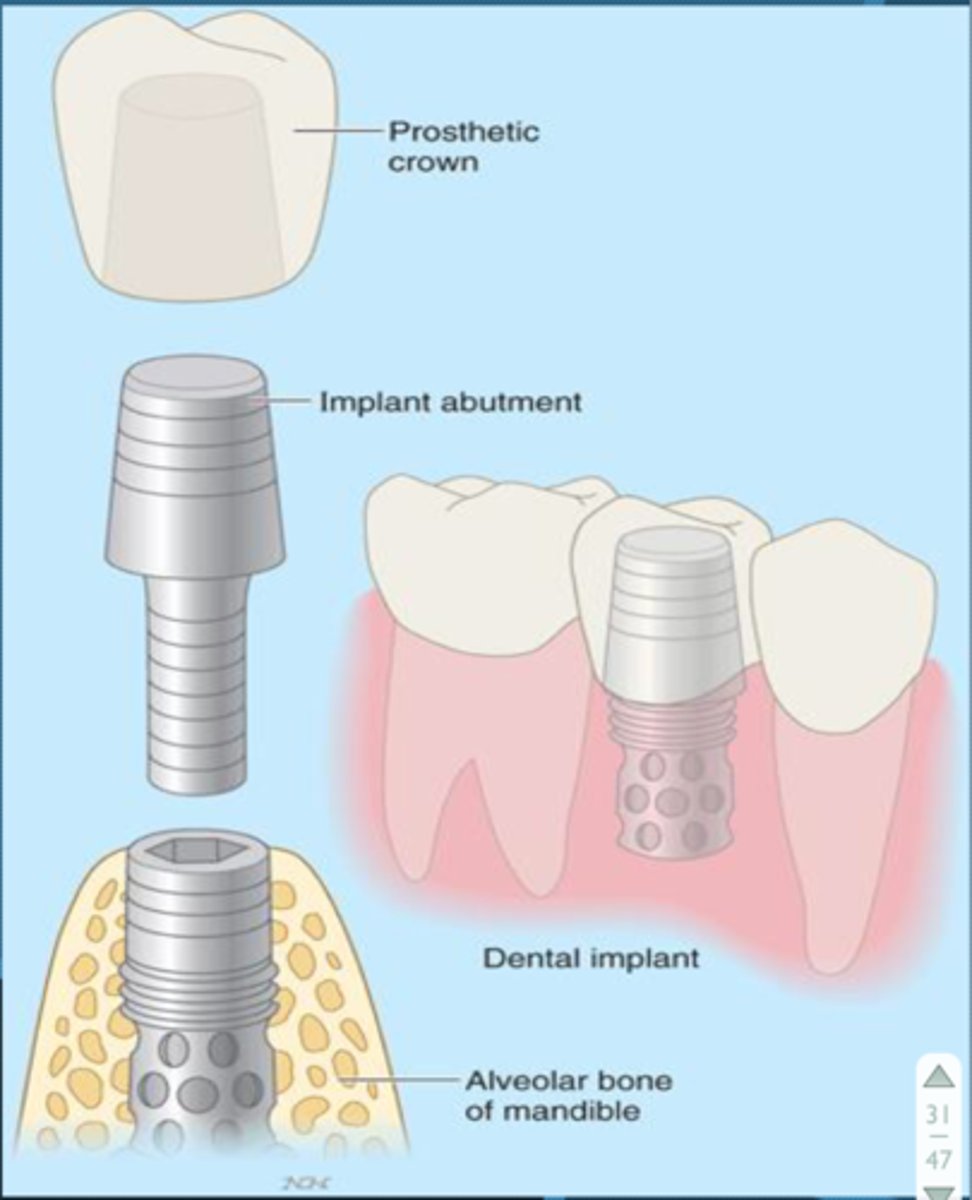
Ceramic Injection Molding Product
Dental Implants
Explore top notes
 Note
Note Explore top flashcards
 Flashcards (52)