Integrative Farm Studies (Mid-Semester)
 Studied by 0 people
 Call Kai
 Learn
Learn Practice Test
 Spaced Repetition
 Match
Match Flashcards
 Knowt Play
1/323

Earn XP
Description and Tags
Weeks 1 - 6 which may be in final
Name | Mastery | Learn | Test | Matching | Spaced | Call with Kai |
|---|
No analytics yet
Send a link to your students to track their progress
324 Terms
When should a paddock be grazed?
When it is at the 2-3 leafe stage with a pre-grazing cover of 2600-3200kgDM/ha
What is the target post-grazing residual cover?
1500-1600kg DM/ha
What are the 2 main goals of a pasture-based system?
1. Maximise quality and quantity of pasture grown and eaten per Ha
2. Enable the cows to meet their feed requirements each day
What are common crops fed to cattle that fall under the 'Brassica' category?
Turnips, Kale, Swedes, Rape
What are the pros to turnips in the diet for cattle?
Can be grown almost year round and can help with cleaning/contouring the soil of pests, weeds and disease
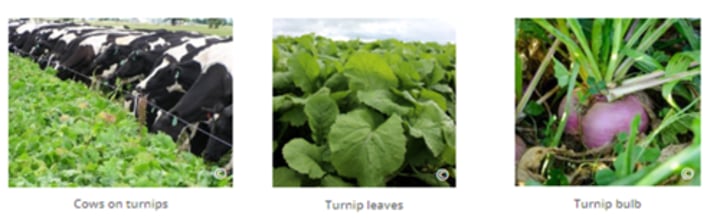
What are the cons to feeding cattle turnips?
Risk of oesophageal obstruction and photosensitisation
What are some advantages to feeding cattle kale?
Has good tolerance to drought and insects and provides a source of feed during winter
What are some disadvantages to feeding cattle kale?
SMCO, Nitrate, Acidosis and Bloat Risk
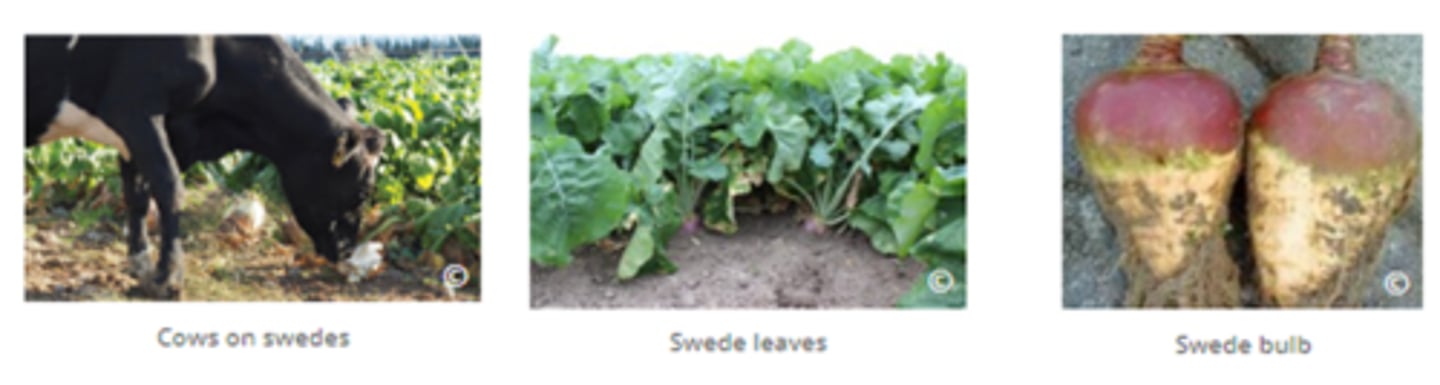
What are some advantages to feeding cattle swedes?
Used as a winter crop and has some resistance to drought
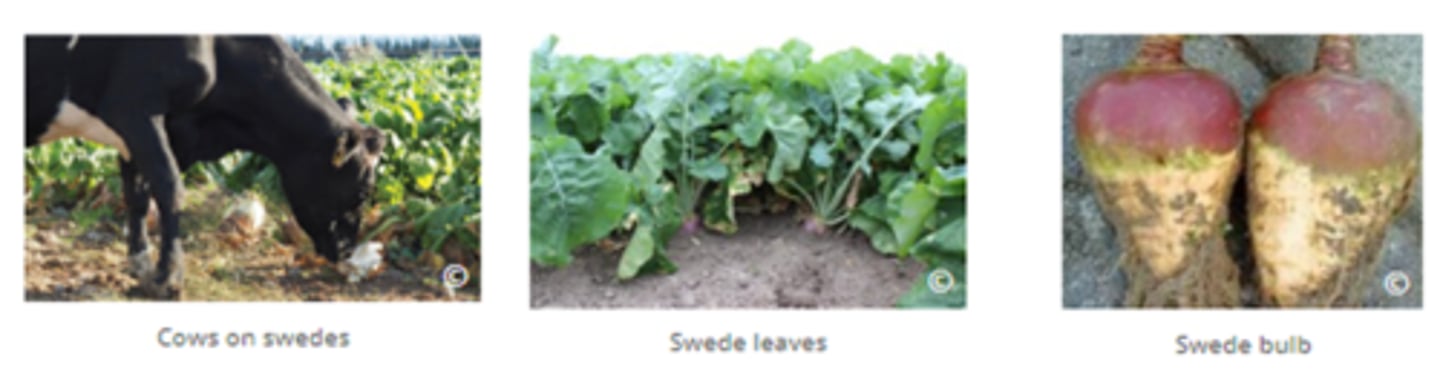
What are some disadvantages to feeding cattle swedes?
Susceptible to club root and dry rot (fungal disease) and can cause liver disease + photosensitisation
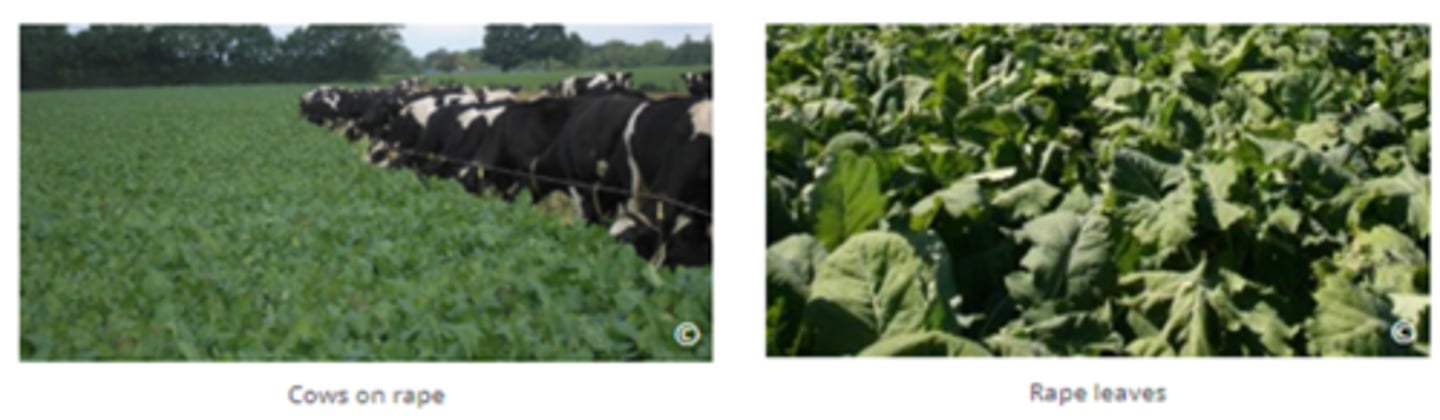
What are the pros to feeding cattle rape?
Can be grown in summer, autumn and early winter. Can provide a bulky good quality feed.
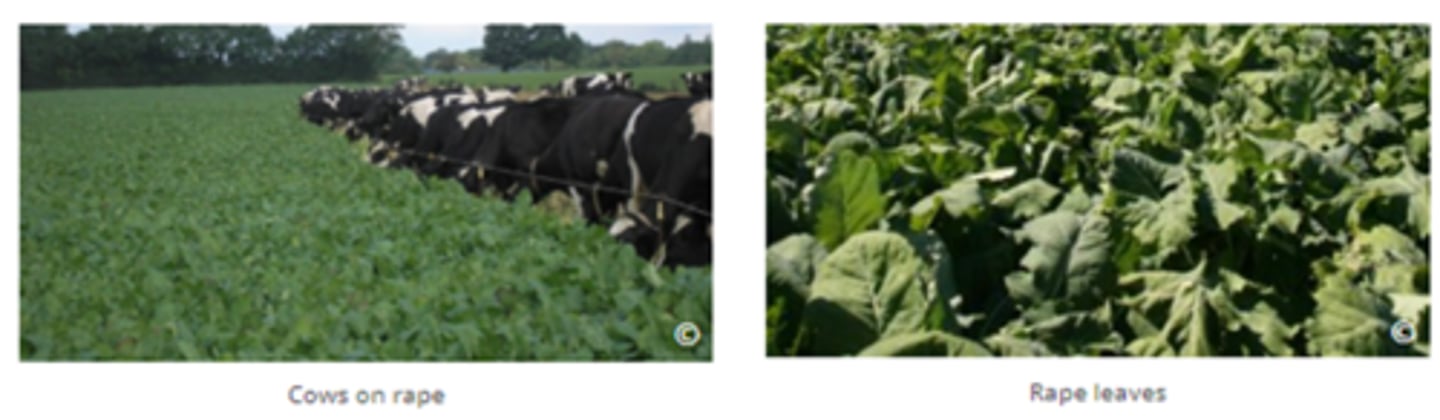
What are the cons to feeding cattle rape?
Photosensitisation causing rape scald
What are the pros to feeding cattle fodder beet/sugar beet?
Useful for BCS gains and to grow replacements. It is flexible in that it has a long shelf life and is a consistent and high quality feed.
What are the cons to feeding cattle fodder beet/sugar beet?
1. High energy means excessive BCS
2. Low to moderate crude protein
3. Low phosphorus
4. High sugar content
What are the most common herbs fed to cattle?
Chicory and Plantain
What are the pros to feeding chicory to cattle?
Appears to have no health issues and can tolerate dry conditions
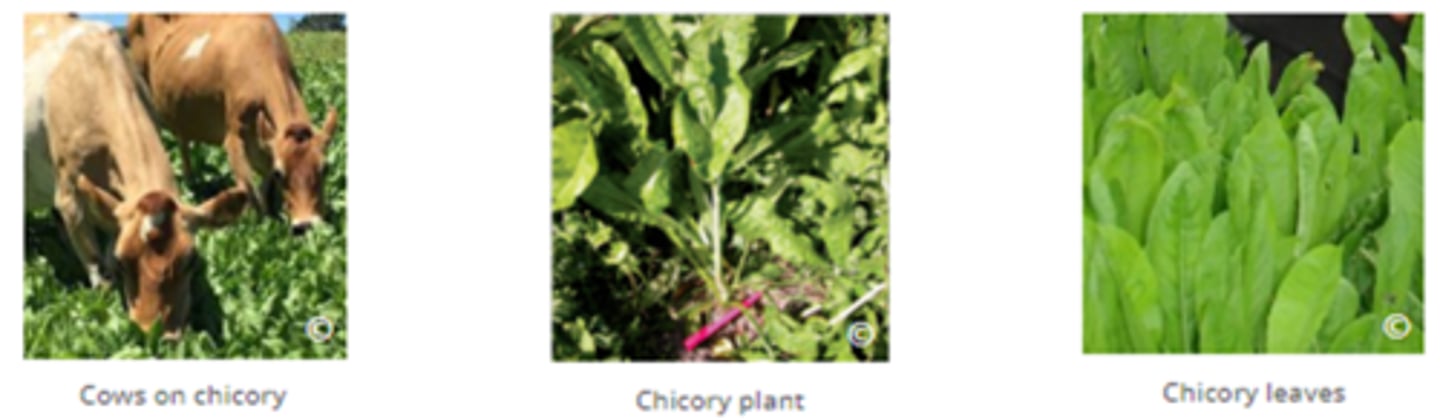
What are the cons to feeding chicory to cattle?
Breaks of feed need to be back fenced to prevent over-grazing. Accumulates trace elements including Cadmium (Cd)
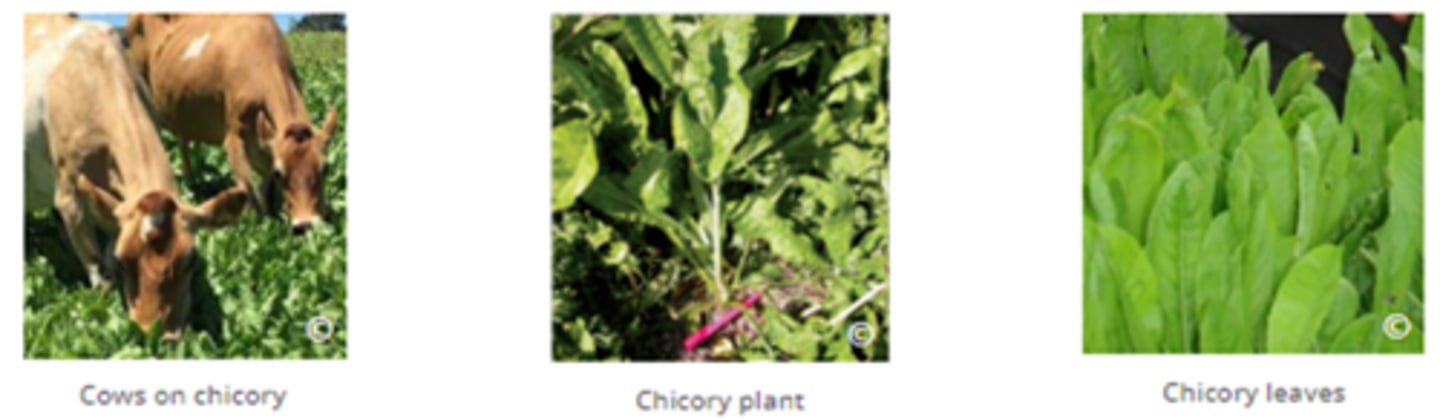
What are the pros to feeding plantain to cattle?
Popular as an autumn crop and may have reduced nitrate leaching for cows that eat it. Also has good drought tolerance.
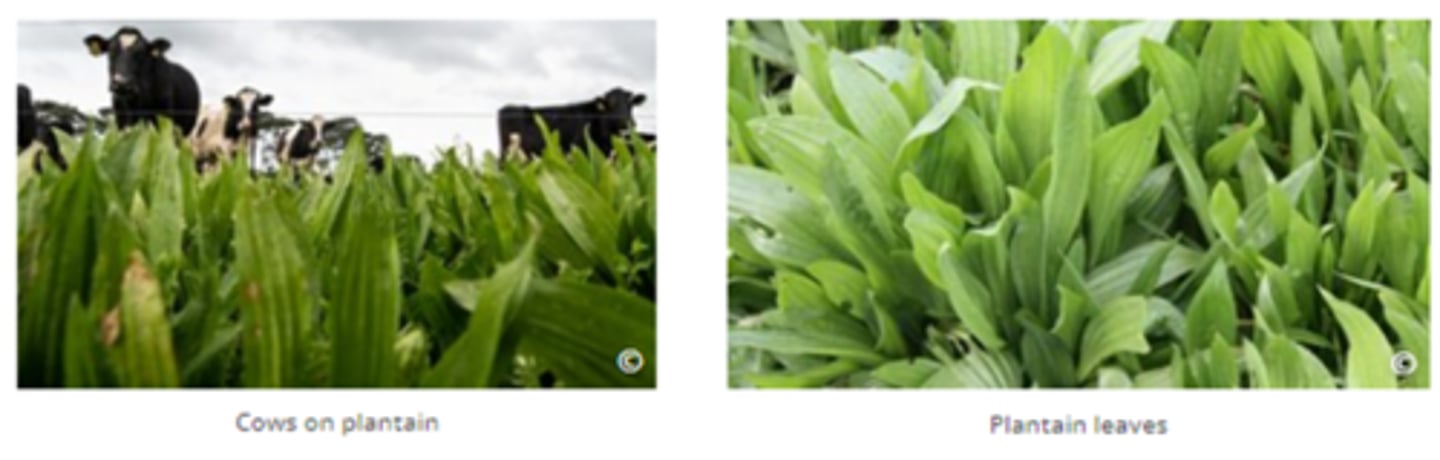
What are the cons to feeding plantain to cattle?
Bloat can be a risk when fast growing (or frosted)
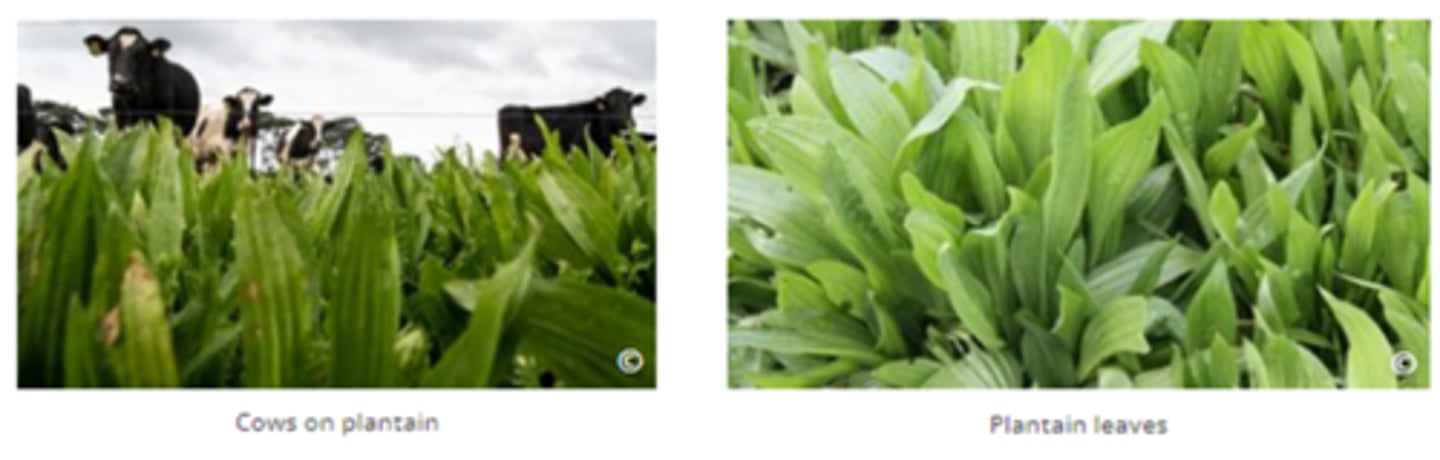
What are the pros to feeding cattle green oats?
Can be sown spring-autumn and is ideal for mixing with ryegrass or peas
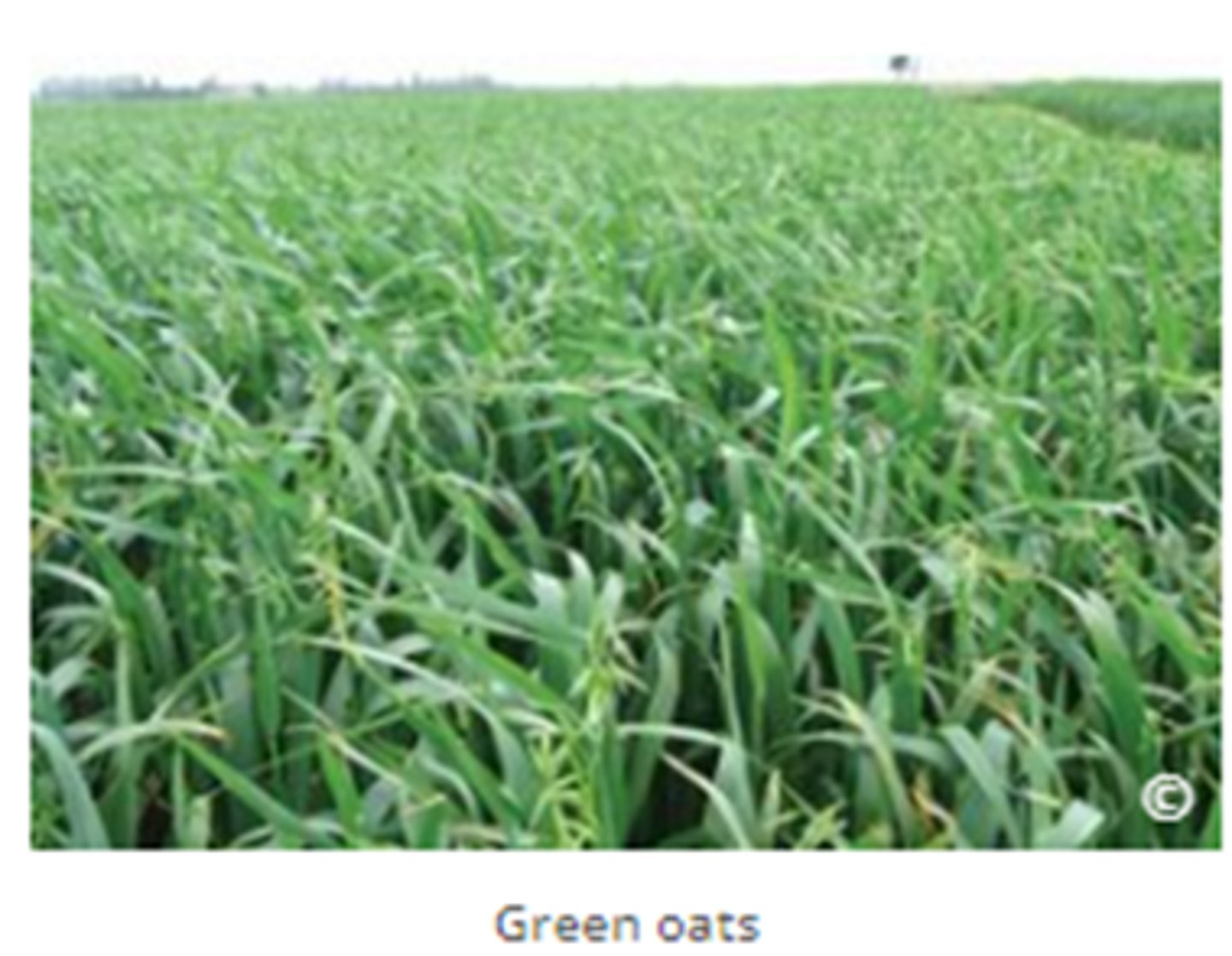
What are the cons to feeding cattle green oats?
Worst for nitrate toxicity and phosphorus concentrations are low leading to deficiency
What crop tends to cause rumen acidosis?
Fodder beet
Briefly describe the mechanism of rumen acidosis
Excess carbohydrate is ingested and fermented into lactic acid by Strep. Bovis and Lactobacilli which decreases rumen pH below 5.5, killing microbes and leading to toxins in the blood
What are some clinical signs of rumen acidosis? (5)
1. Ataxia
2. Depressed
3. Weak
4. Off Food
5. Bloated
Me during study week
Briefly highlight some treatment options for rumen acidosis in cattle
Remove from crop, give NSAIDS and B12. Severe cases may need IV bicarb, rumen lavage or rumenotomy.
What crop is photosensitisation typically associated with?
Brassicas
Describe the mechanism of photosensitisation brought on by brassicas
Glucosinolates in the plant break down bile ducts reducing excretion of phylloerythrin, which accumulates in white or thick skin and causes photosensitisation
What are some clinical signs of photosensitisation? (4)
1. Twitching
2. Irritability
3. Swelling around eyes, ears, udder and feet
4. Hair loss
How do you treat cattle w/ Photosensitisation?
1. Remove from crop
2. Use sun block
3. Give acces to shade
How do you prevent photosensation in cattle?
Introduce crop gradually and avoid stressed crops where possible
What is "choke" in cattle?
Obstruction of the oesophagus when fed turnips, apples, potatoes etc.
Why do cows with choke become dehydrated and acidotic?
They produce 100L of saliva and this is lost. Loss of buffers in saliva causes acidosis.
What are some acute clinical signs of choke?
Head extension while chewing and swallowing frequently. Gas accumulation may occur if completely obstructed.
What are some chronic clinical signs of choke?
After a few hours the only clinical sign that will be left is gas accumulation
What are some common sites for foreign bodies to lodge in?
1. Larynx
2. Thoracic Inlet
3. Heart Base
4. Diaphragmatic inlet into the rumen
How do you diagnose choke in cattle?
Blockages in anterior oesophagus can be palpated into the jugular groove area. Otherwise may be IDd by passing a tube down oesophagus.
Highlight some treatment options for choke in cattle?
Buscopan (smooth muslce relaxant) should be given and small amounts of oil put in the oesophagus. A probang may be used to send it into the rumen OR you may manipulate it up and out of the mouth.
What crops typically cause SMCO toxicity?
Brassicas and Onions - highest levels in Kale
What are some clinical signs of SMCO toxicity?
1. Haemolytic anaemia
2. Haemoglobinuria
3. Persistent ill-thrift if chronic
How do we treat SMCO toxicity?
1. Remove from crop
2. Blood transfusion
No other treatment
What crops tend to cause Phosphorus deficiency?
Fodder beet
What are some aute clinical signs of phosphorus deficiency in cattle?
1. Anorexia
2. Muscle Weakness
3. Pain
4. Rhabdomyolysis
5. Intravascular haemolysis
How do we treat phosphorus deficiency?
Supplement of Dicalcium 50g per cow per day
When is the transition period for a given cow?
3 weeks before calving until 3 weeks after calving when lactation is well established
What are the important objectives for transition cow feed management?
1. Ensure cows are at correct BCS at calving
2. Maintain appetite
3. Maintain adequate mineral intake
Describe how cattle mobs might be managed for feeding around the transition period
By splitting them into "fats" and "skinnies" to preferentially feed lighter cows to reach their target BCS at calving. They may also be done in the same way with "early" or "late" cows.
What soil factors can influence magnesium supplementation?
Use of potassic fertilisers and soil temperature - needs to be consistently above 12C to be safe
What does the quantity of magnesium supplementation depend on?
1. Whether cows are dry or lactating
2. Body weight and breed
3. Product and if it can be fed alone or with other feed
4. Amount of wastage
In general, when should Ca supplementation start?
Should start when the cow reaches the colostrum mob
What are the common methods of Ca supplementation?
Drench the cows or dust the pasture with lime flower - aim for 150g/cow/day feed
What cows are at greatest risk for hypocalcaemia?
1. Older cows
2. Higher milk yield cows
3. Jersey Genetics
4. Thin Cows (BCS
What are some issues with Dietary Cation Anion Difference formulated diets?
After 3 weeks the effect on calcium metabolism declines so should only be given to springer mob. The bitterness of the salts can also reduce feed intake.
How might you monitor a cattle herd for their macromineral intake?
Sample the "springer" pre-calving mob to check serum Mg levels AND check colostrum + milker mob to assess Ca and Mg levels
When are the optimal times to monitor trace element intake?
1. Drying Off
2. Pre-mating
How might you monitor trace elements at dry-off in cattle?
Test liver samples from 6 cows that were collected via liver biopsy or from cull cows - indicates reserves for next 6 months
How might you monitor trace elements at pre-mating in cattle?
Best taken shortly after cows are into the second grazing round - standard panels examine Se, Cu and Mg - B12 may need to be requested
How might nitrate concentration increase in plants?
Nitrate is the major plant nutrient form of nitrogen and is normally converted to amino acids, but when plant energy is low this may not happen.
How do we treat nitrate toxicity in cattle?
Methylene blue 2-6mg/kg
What are some clinical signs of frothy bloat? (5)
1. Discomfort
2. Kicking at belly
3. Distention of left paralumbar fossa
4. Respiratory distress
5. Recumbency
How do we treat frothy bloat in cattle?
Tube the cow and tube bloat oil to the rumen
How does polioencephalomalacia occur in cattle?
PEM involves thiamine produced by rumen microbes. Thiamine is a co-factor for transketolase and involved in ATP production for Na/K ATPase pump. When thiamine is low, this pump cannot get rid of sodium from neuronal cells, causing it to accumulate resulting in swelling
How do we treat polioencephalomalacia in cattle?
Treat with 10mg/kg IV thiamine followed by 5mg/kg IM thiamine
When designing an investigation and treatment plan for a herd level outbreak of disease related to crop, what can we advise farmers to do?
Ensure adequate quantities of high quality forages are available to accompany the crop. Transition cows onto any new crops according to recommendations and monitor stock and feed intakes - especially around time of diet change
When investigating disease caused by crops, what might we consider in terms of history?
What has been fed and recent conditions on the farm. Also consider:
1. Stocking Density
2. Break lines
3. Additional fibrous feed
4. Feed management
5. Transition feeding
Even if we don't know what crop may have caused a disease, what can we do initially for treatment?
Remove the affected animals from the paddock and offer supplemental fibrous feed. Supportive treatment is always useful - those with poor prognosis/presentation may require euthanasia
If a milking mob are to be fed a different carbohydrate as part of a transition in diet, how might we start this?
Transition the cows slowly through the period of change to what they will be fed post-calving - this should start with the springers
Describe the different effects of appetite on recently calved, well conditioned cows
A degree of appetite suppression at calving is normal, but is exaggerated in BCS >5.5 cows.
How can we counter the feed suppression of well conditioned, recently calved cows?
Allocate feed to avoid over-conditioned cows, but if they get into it, they can be managed and separated then provided a restricted intake (10% less)
How can reduced magnesium influence the likelihood of milk fever occurring?
Magnesium is vital for normal function of the parathyroid gland. Thus, often hypoMg is associated with high incidences of milk fever.
What is the optimal BCS range for sheep production in NZ?
3.0-3.5
Based on the Minimum Sandards, a BCS of what requires immediate remedial action or euthanasia?
1.0
What are some common differentials for poor BCS in adult sheep?
1. Undernutrition
2. Teeth Disorders
3. Liver Fluke
4. Johne's
5. Intestinal Adenocarcinoma
6. Lung Abscess (or other disease)
List the investigative approach used when investigating sheep death
1. Define the problem
2. Take a history
3. Environment and/or Distance Exam
4. Clinical and/or Necropsy Exam
5. Further Diagnostic Tests
6. Data analysis and decision making
7. Report back and further monitoring
When captive bolting a sheep, an effective shot will cause what effects in the sheep?
The sheep will collapse, the pupil will dilate and there will be loose jaw tone as well as no corneal reflex.
How long might the heart continue to beat following captive bolt shot?
For 2 minutes, sometimes up to 10 minutes
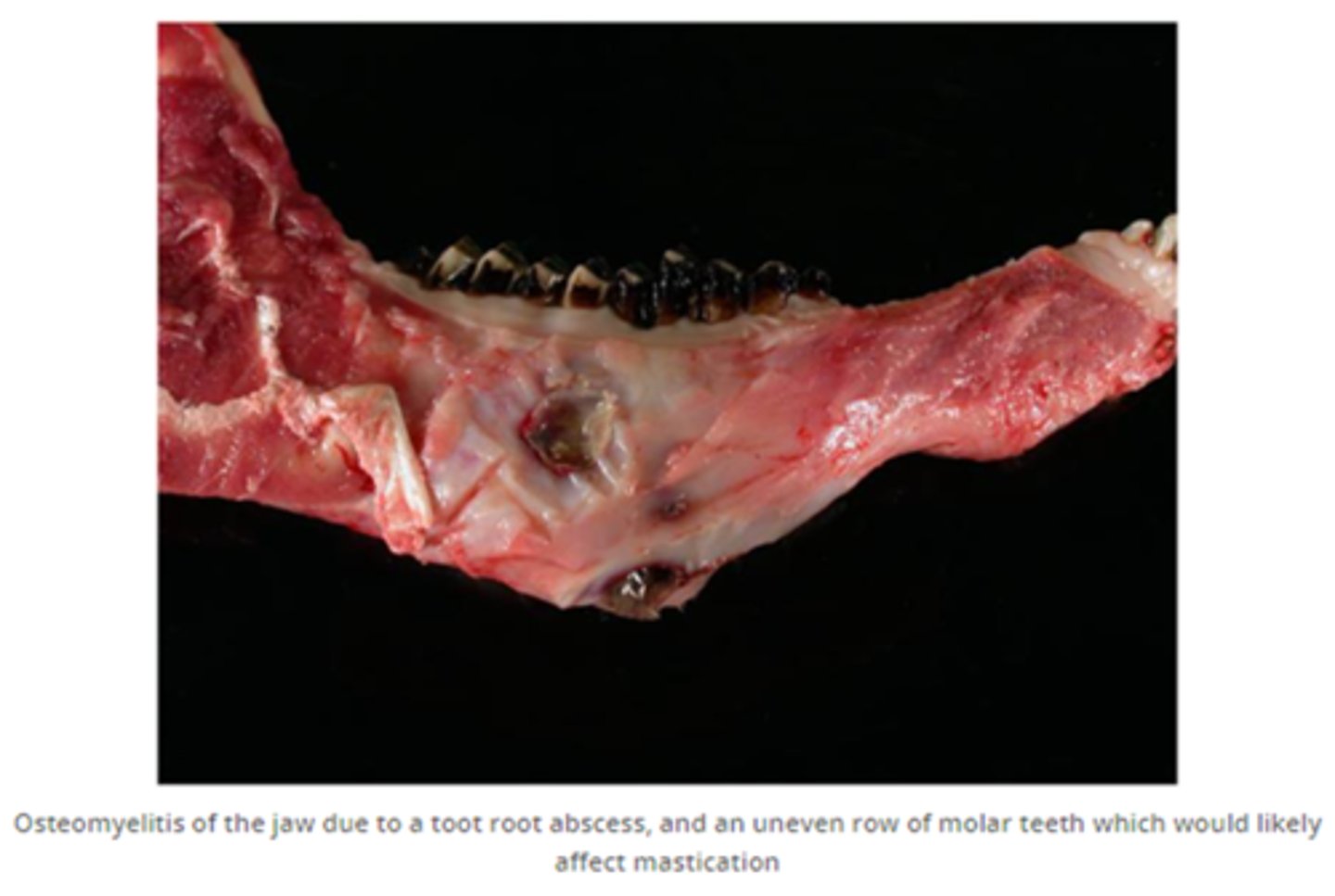
How might you examine sheep teeth for any tooth problems?
Difficult to examine molars as these are behind tight cheek muscles. Incisors can be examined easily. Palpate teeth and mandible to detect severe lesions.
How do you properly examine the molars of sheep?
During necropsy remove the cheek skin on both sides and check for unevenness, loose or missing teeth etc.
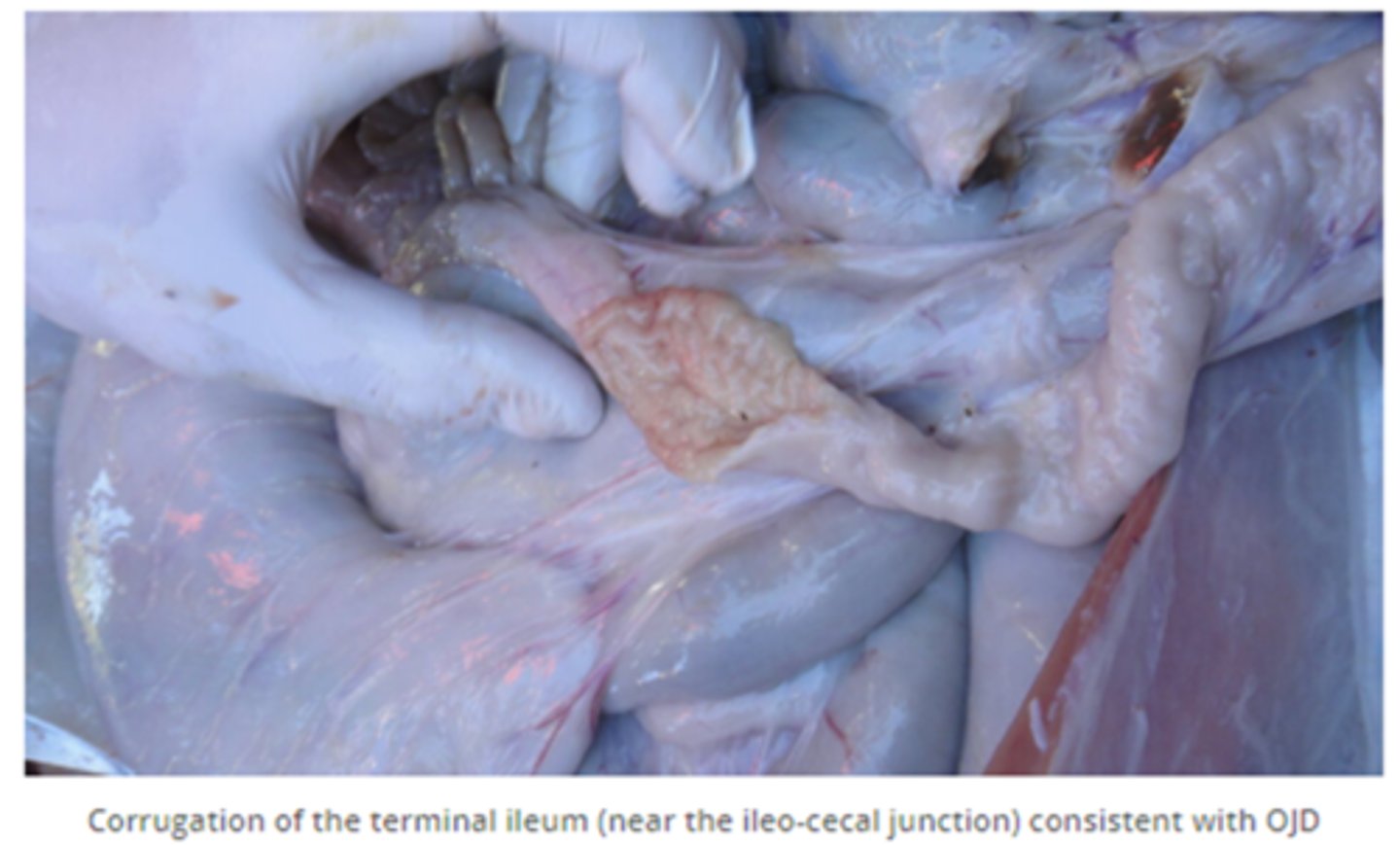
When are most clinical cases of Ovine Johne's disease seen?
Seen in sheep aged from around 18 months to 4 years.
Anecdotally, when do most ovine Johne's cases occur?
Over winter and spring, presumably due to poor nutrition and added stressors of pregnancy and lactation
Describe the appearance of the liver when dealing with liver fluke
The liver may be mis-shapen with lesions on the serosal surface. When the bile ducts are cut into, adult fluke are easy to identify.
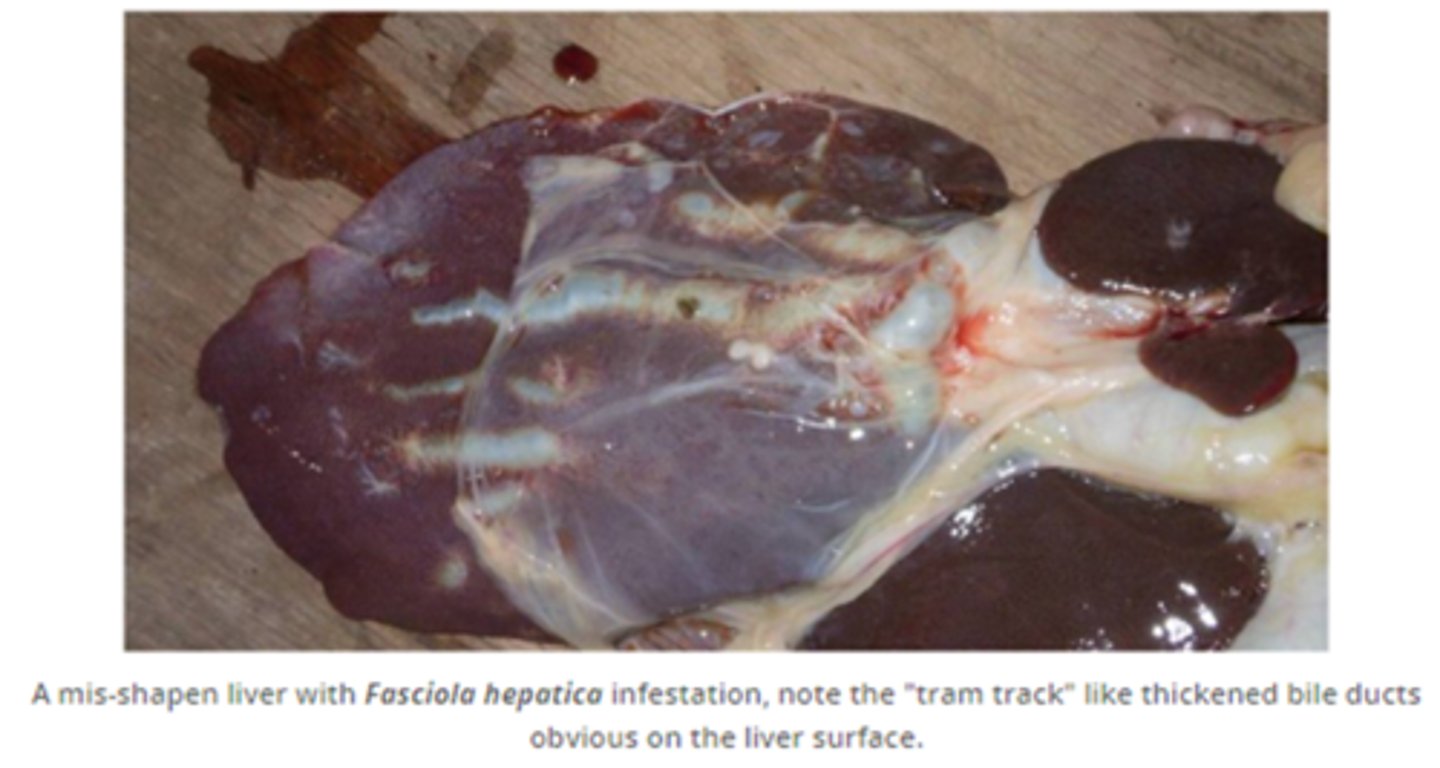
How do liver fluke affect BCS?
By clogging up the bile ducts and affecting liver function and excretion
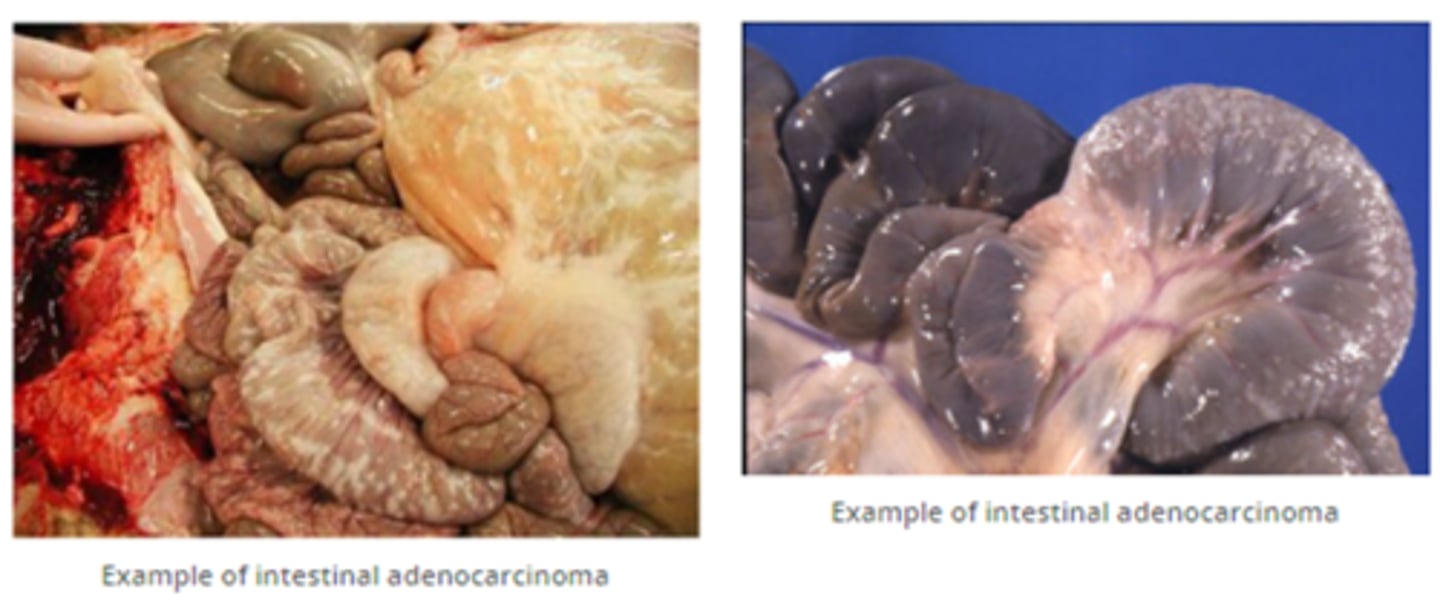
What region of the GIT is most commonly affected by intestinal adenocarcinomas in sheep?
The Jejunum, affected section and appearance does vary
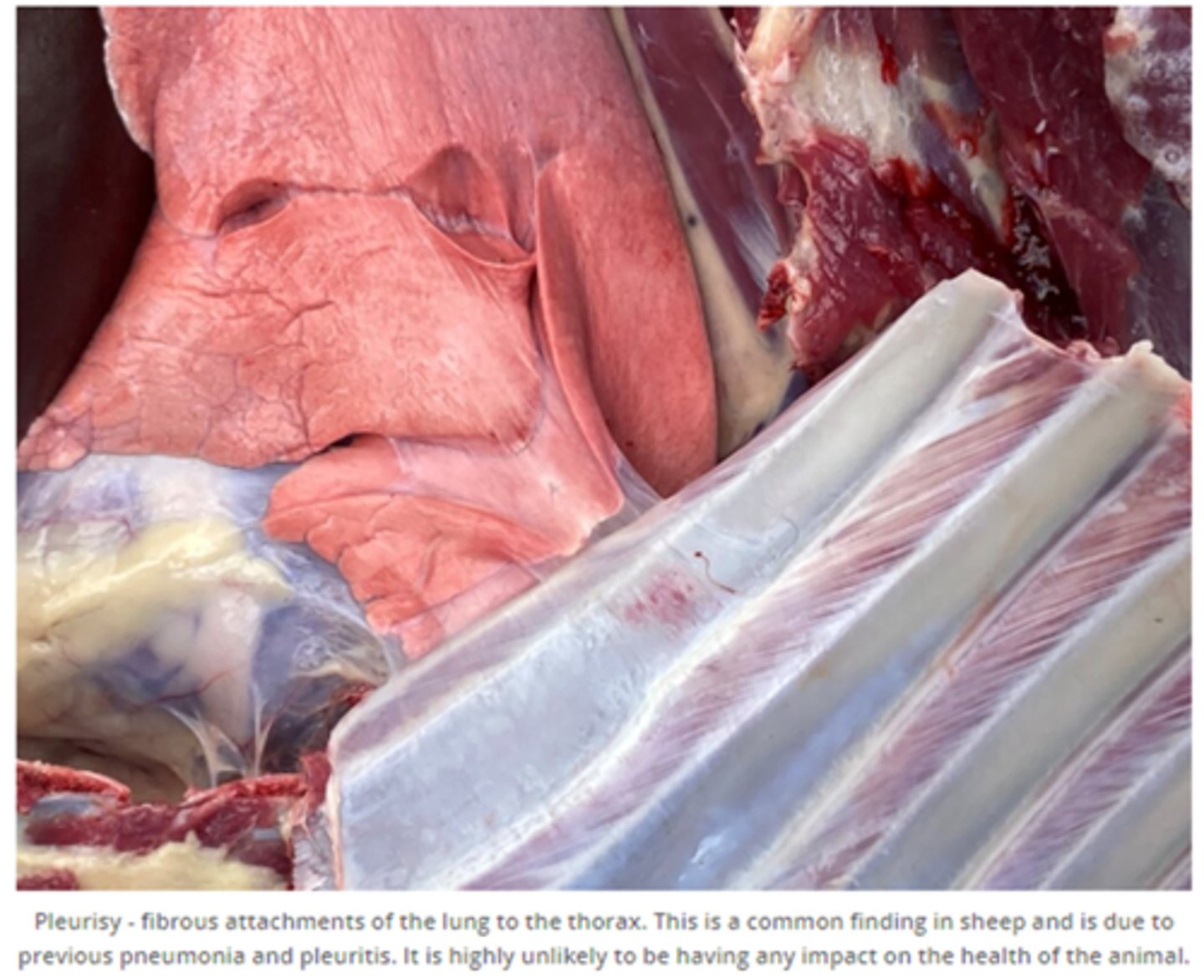
What lung diseases may reflect or be involved in a poor BCS for a sheep?
Lung abscesses or severe lung damage
Describe the relationship between GIT nematode parasites and poor BCS
Worms are often a consequence of the poor BCS, however, high worm burden will exacerbate it
In young growing animals, what trace element deficiencies may cause a low BCS?
Co, Se or Cu
In adult animals, what trace element deficiencies may cause a low BCS?
Cu deficiency in severe cases
During necropsy, what might we assess on external examination?
1. BCS
2. Skin and coat
3. Surroundings
4. Signs of Injury or Predation
5. Nares, Ears and Eyes for discharge
Why should we lay a sheep on it's left side when performing a necropsy?
Because of the rumen, doing this keeps the rumen on the bottom and the intestines on the top
What do knives work best under with regards to the necropsy?
Works best under the skin and under tension
Why should we be careful about the lungs with regards to the necropsy?
They often have a lot of PM changes, so be careful with interpretation
What are some methods of euthanasia of sheep?
1. IV Pentobarbitone
2. Throat-cutting without pre-stunning
3. Stunning with a mallet or heavy object followed by throat cut
4. Captive bolt gun
5. Shot with free bullet (rifle)
What does the captive bolt gun result in on sheep?
Immediate and irreversible concussion - most cases require pithing of the sheep
Where does the captive bolt need to go through for sheep?
It must be placed on the centre of the head or between the horns (if present). The bolt itself needs to go through the mid brain down to the pons.
For foetal malpresentation, what must a vet have on hand?
1. Equipment
2. Lube
3. Epidural
4. Tocolytic
For foetal malpresentation, what do we need from the farm?
1. Warm water in a bucket
2. Cows in yards
3. Good facilities
Why do oversized calves tend to have malpresentaton?
Because there has not been enough room for them to present themselves in a normal position
Why do dead calves often have malpresentation?
Because the calf is not able to be active during the birth process and move towards a normal presentation. They can also decompose, accumulating gas and increase their size.
What is meant by a 'breech' position in terms of foetal malpresentation?
Involves both hind limbs are flexed and held under the torso of the calf
What are the options for correction of foetal malpresentation?
1. Manipulate foetus into correct position (mutation)
2. Foetotomy
3. C-Section
4. Shoot Cow
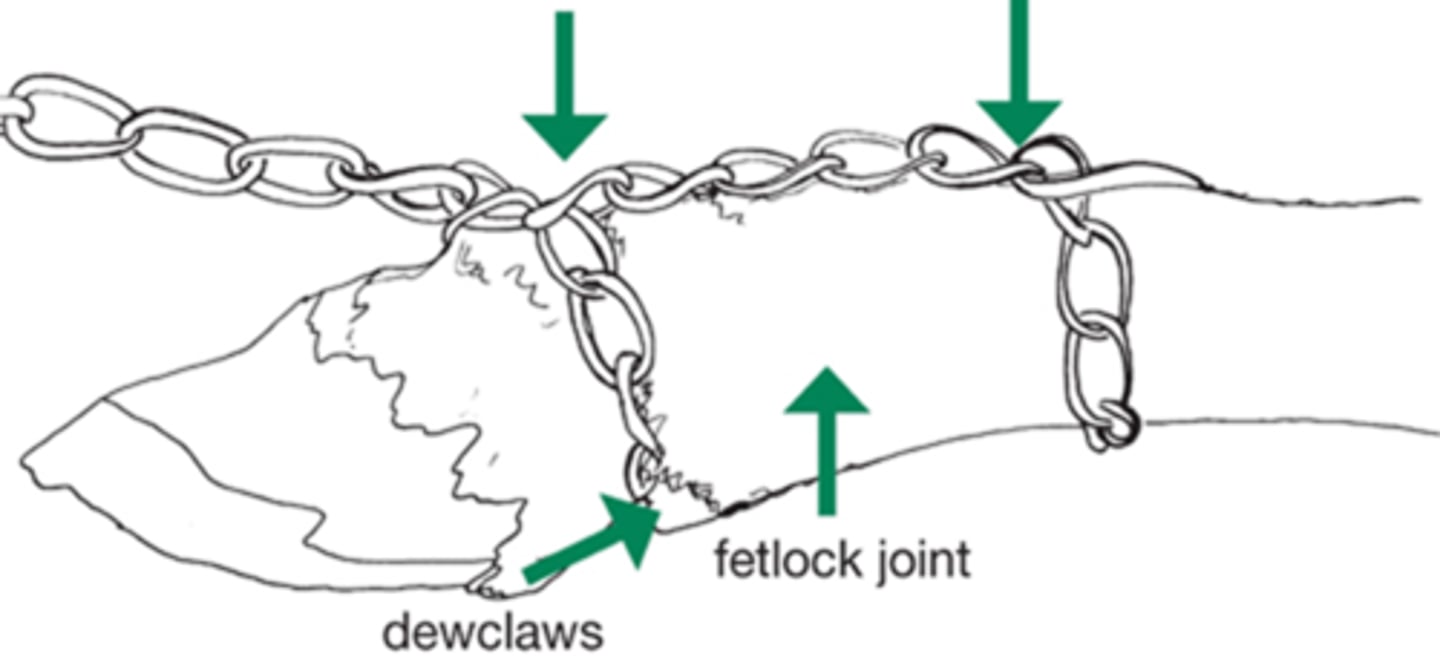
How should chains or ropes be applied for assisted calving?
Applied with a loop above the fetlock (first joint) and a half hitch below the fetlock
 Note
Note  Flashcards (47)