JUST THE DRUGS Anti-infective Drugs
 Call Kai
 Learn
Learn Practice Test
 Spaced Repetition
 Match
Match Flashcards
 Knowt Play
1/58

There's no tags or description
Looks like no tags are added yet.
Name | Mastery | Learn | Test | Matching | Spaced | Call with Kai |
|---|
No analytics yet
Send a link to your students to track their progress
59 Terms
Examples of Penicillins
Amoxicillin (tablets, drops)
Ampicillin (injectable, capsules)
Carbenicillin (antipseudomonal)
Cloxacillin (mastitis)
Dicloxacillin
Penicillin G (IM or SQ) always injectable
NARROW Ticarcillin
How do penicillins work?
They bind proteins involved in bacterial cell wall synthesis causing bacterial death. bactericidal
What suffix is commonly associated with penicillins?
-cillin
How are penicillins usually absorbed?
Through the small intestine.
How does food affect penicillin absorption?
Food decreases absorption - except for amoxicillin.
How are penicillins eliminated?
Through the kidneys.
What infections are penicillins commonly used for?
Skin infections, wounds, and urinary tract infections
What is a potentiated penicillin?
A penicillin combined with a beta-lactamase inhibitor.
Amoxicillin + clavulanic acid (Clavamox). used to treat Skin infections, wounds, UTIs, and upper respiratory infections in cats.
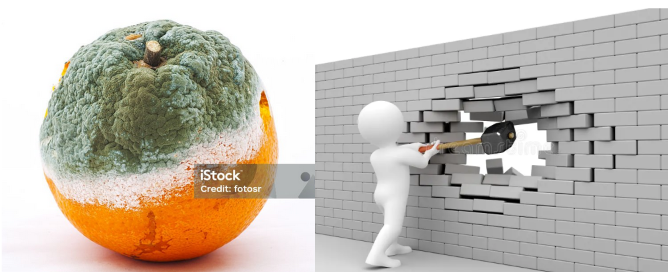
What are common penicillin side effects?
Allergic reactions, hives, fever, and anaphylaxis.
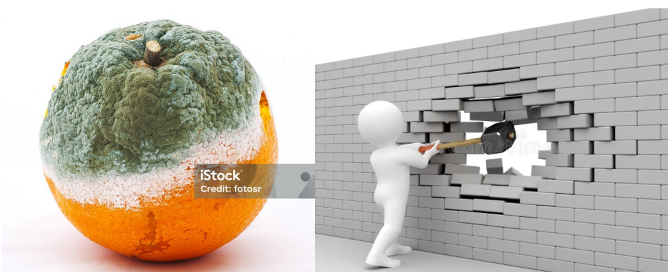

examples of Cephalosporins?
Cefazolin Ceftriaxone Cefixime Cephalexin Cefoxitin Cefaclor Cefotaxime Cefovecin Ceftiofur Cefpodoxime

How do cephalosporins work?
They inhibit bacterial cell wall synthesis similar to penicillins.Cephalosporins disrupt the production of peptidoglycan, leading to cell lysis and death. bactericidal

What prefixes indicate cephalosporins?
Cef- or Ceph-.

How many generations of cephalosporins exist?
Four generations.


What are common uses for cephalosporins?
Skin infections, cystitis, mastitis, and respiratory disease.


What are common cephalosporin side effects?
Fever, vomiting, diarrhea, and allergic reactions. If they have reactions to penicillin they have a higher chance of reaction to cephalosporin


What are carbapenems used for?
Severe multidrug-resistant infections.

examples of tetracyclines?
Doxycycline Minocycline Oxytetracycline Chlortetracycline
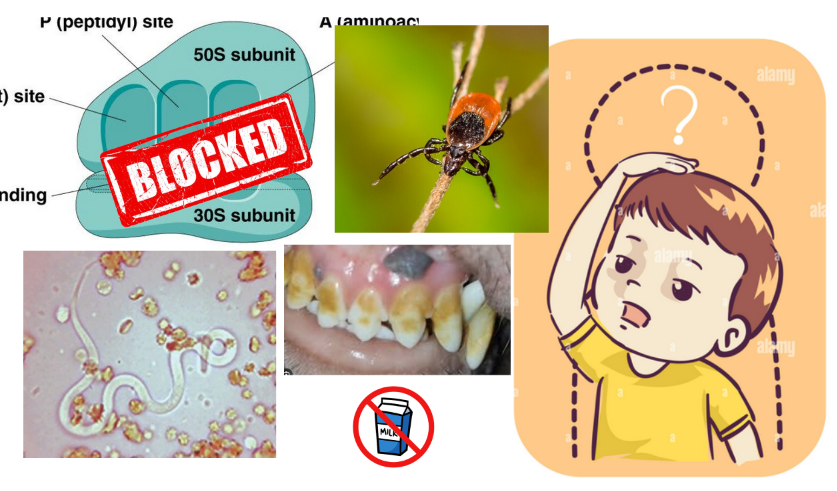
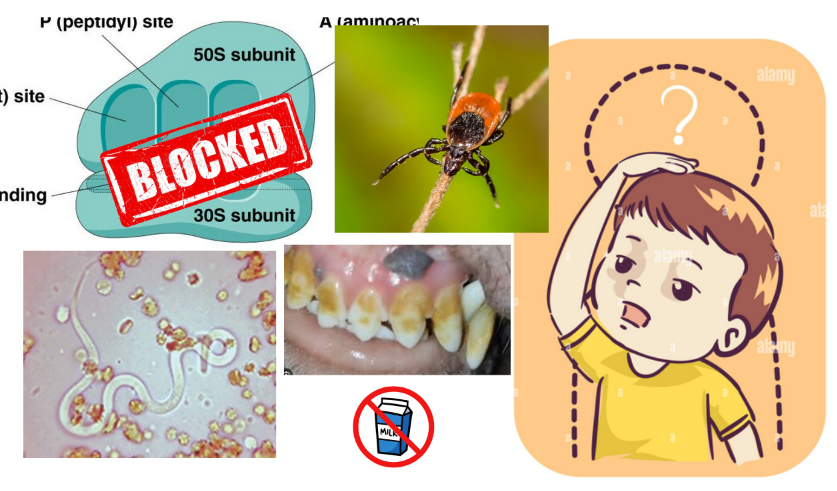
How do tetracyclines work?
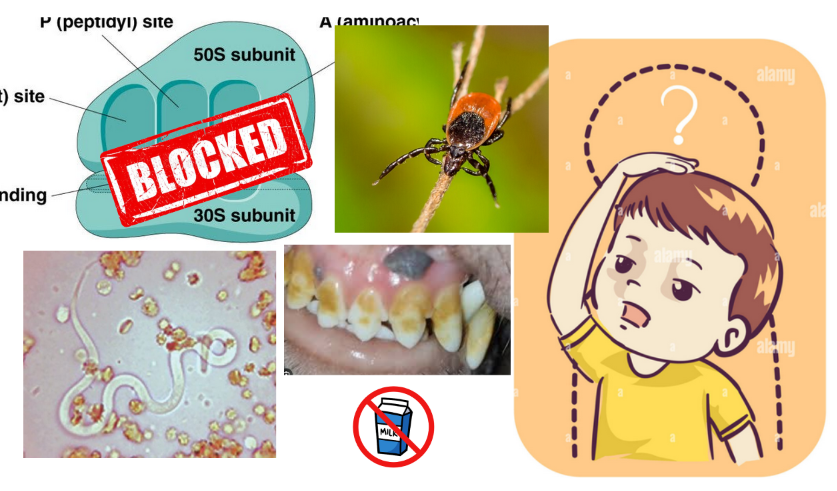
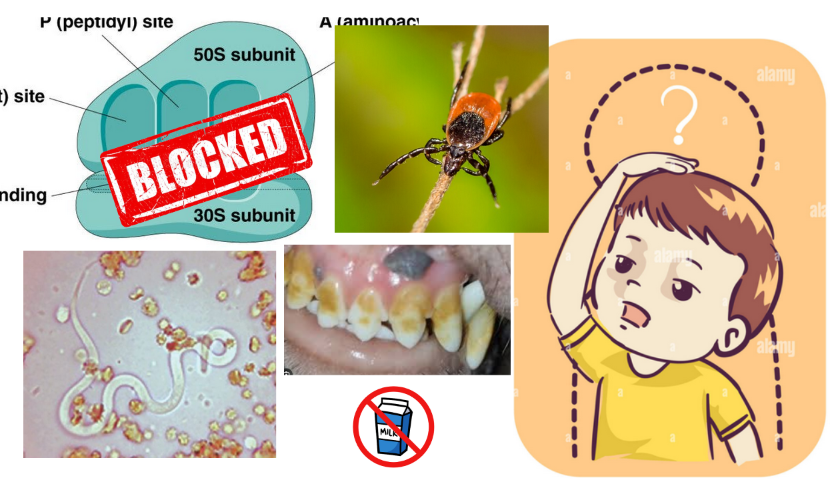
They inhibit protein synthesis by binding to bacterial ribosomes. This action prevents bacterial growth and replication, making them effective against a wide range of infections. Bacteriostatic
What suffix indicates tetracycline drugs?
cycline
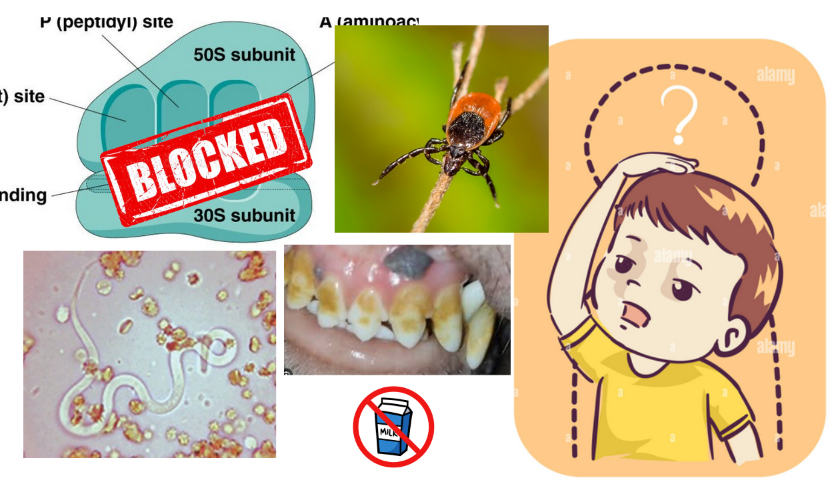
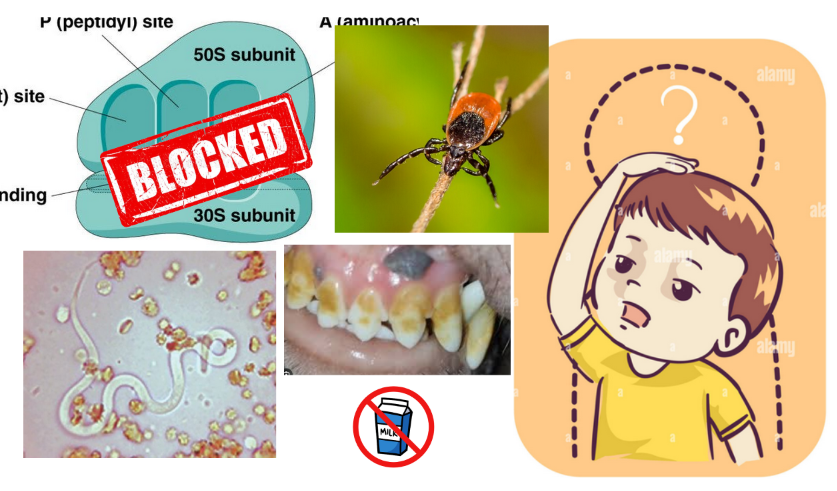
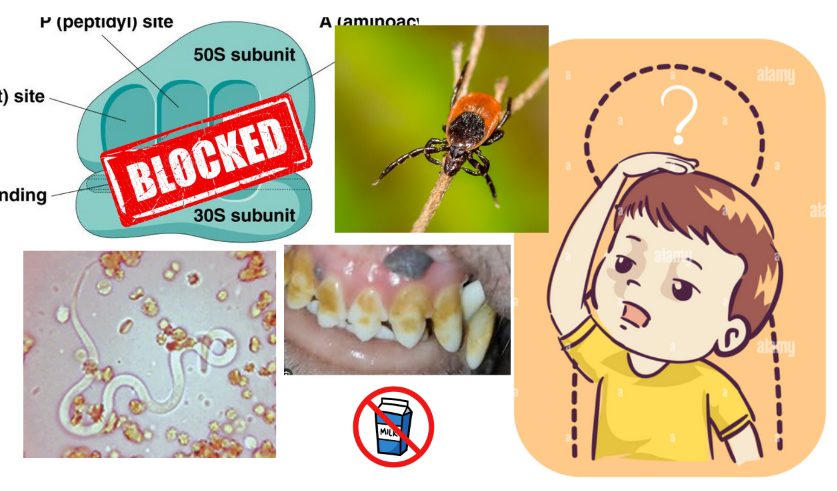
What infections are tetracyclines commonly used for?
Tick-borne diseases, rickettsial infections, and respiratory infections.
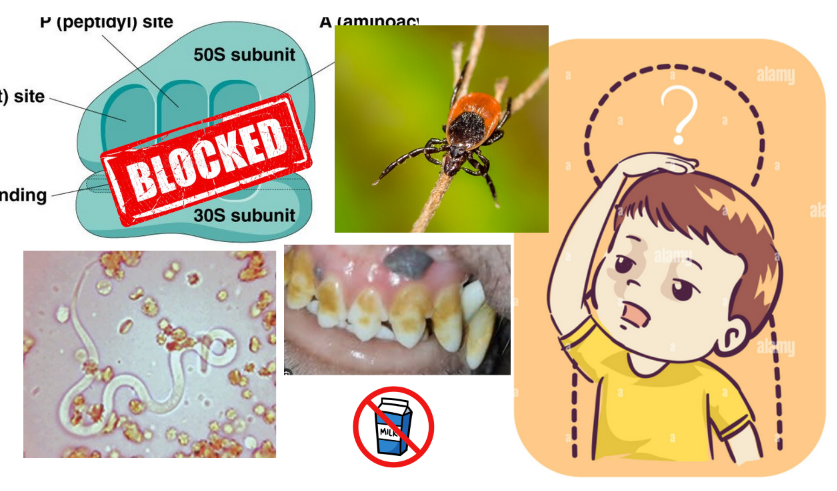
Why should tetracyclines not be given with dairy products or antiacids?
Calcium reduces drug absorption.
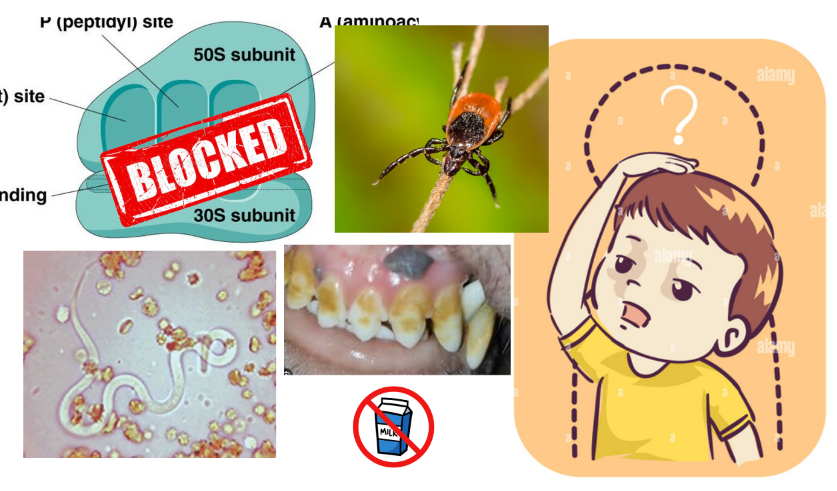
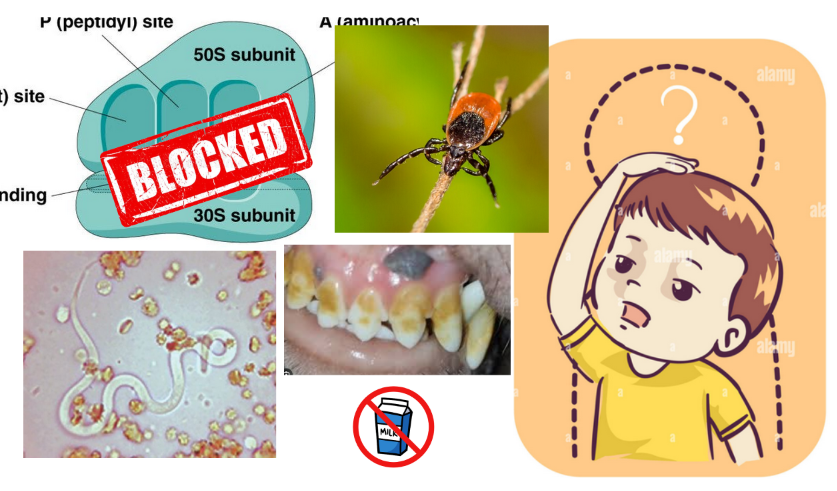
What are major tetracycline side effects?
Tooth discoloration, GI upset, hepatotoxicity, and bone growth interference.
Why should tetracycline tablets not be given to cats?
They can cause esophageal strictures.
examples of Aminoglycosides?
Amikacin (injectable form)
Gentamicin
Neomycin
Spectinomycin
Tobramycin
Apramycin
Kanamycin
How do aminoglycosides work?
They inhibit protein synthesis by acting on bacterial ribosomes. Aminoglycosides bind to the 30S subunit of bacterial ribosomes, causing misreading of mRNA and ultimately leading to cell death. Bactericidal
What bacteria are aminoglycosides most effective against?
Gram-negative bacteria.They are particularly effective against Pseudomonas aeruginosa and Enterobacteriaceae.
What major toxicity is associated with aminoglycosides?
Deafness (ototoxicity) and neurotoxicity. this is why kidney function must be monitored during aminoglycoside therapy
examples of Fluoroquinolones
Difloxacin (Dicural)
Enrofloxacin (Baytril)
Orbifloxacin (Orbax)
Marbofloxacin (Zenequin)
Ciprofloxacin (Cipro)
Norfloxacin (Noroxin)
Danofloxacin
Pradofloxacin
How do fluoroquinolones work?
They inhibit DNA gyrase preventing bacterial DNA replication.
What suffix is common for fluoroquinolones?
-floxacin.
What infections are fluoroquinolones used for?
Skin infections, UTIs, respiratory infections, and sepsis.
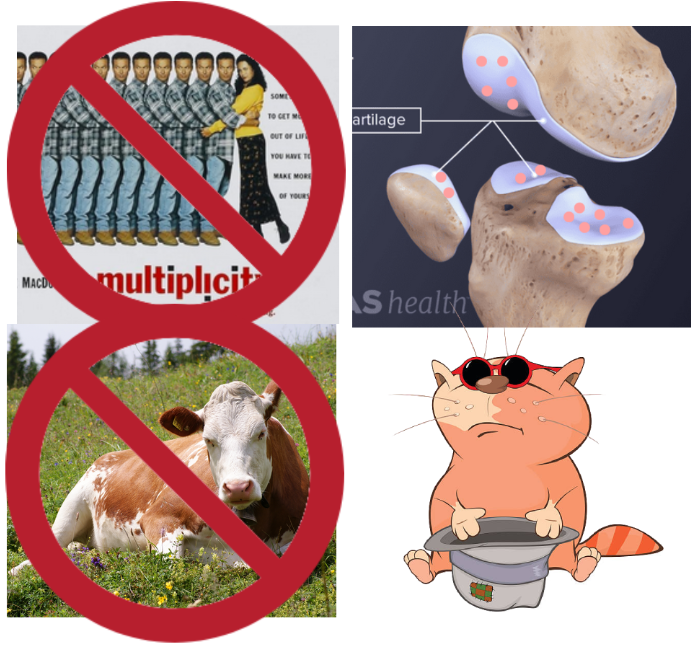
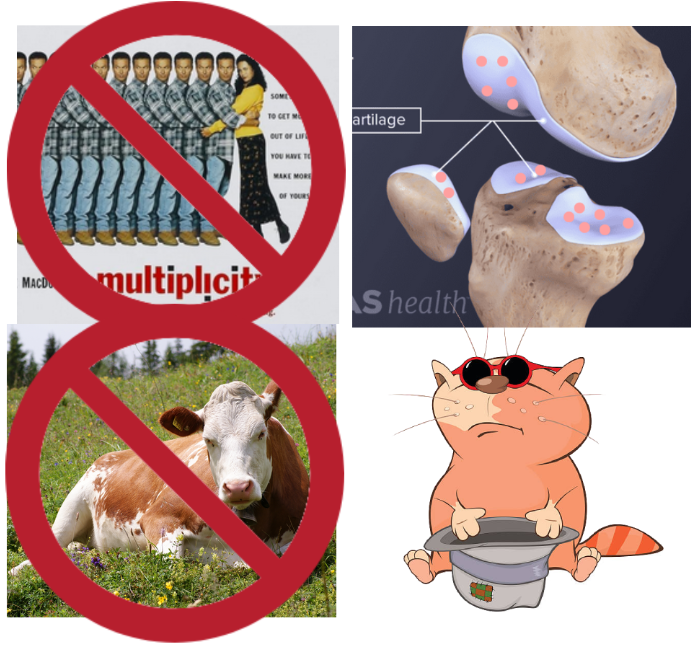
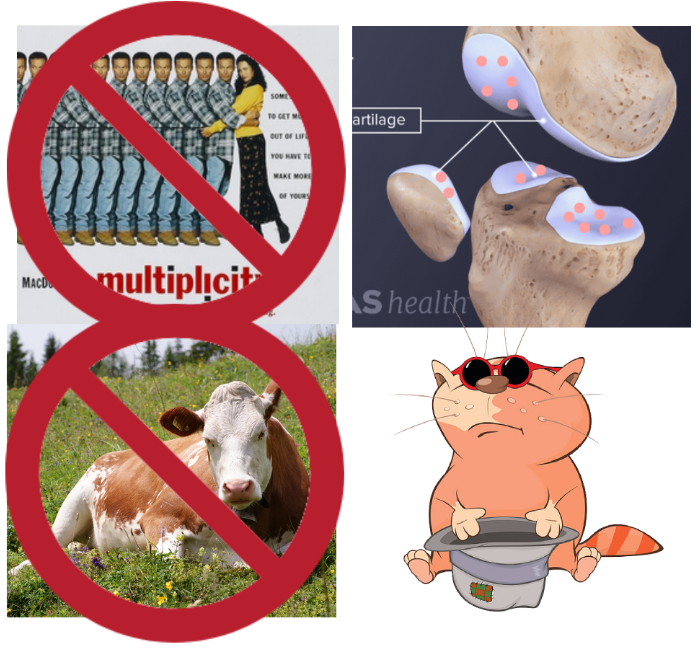
Why should fluoroquinolones not be used in young animals?
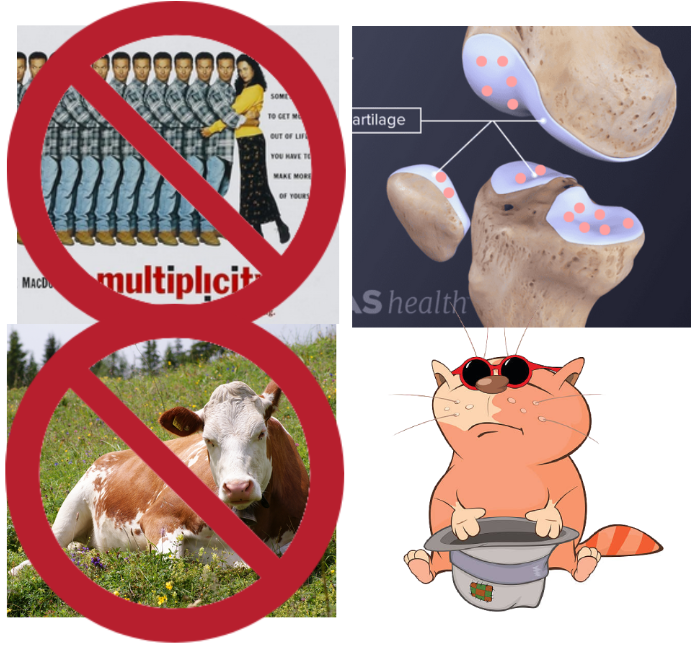
They can damage developing cartilage.
What serious effect can enrofloxacin cause in cats?
Retinal degeneration and blindness.
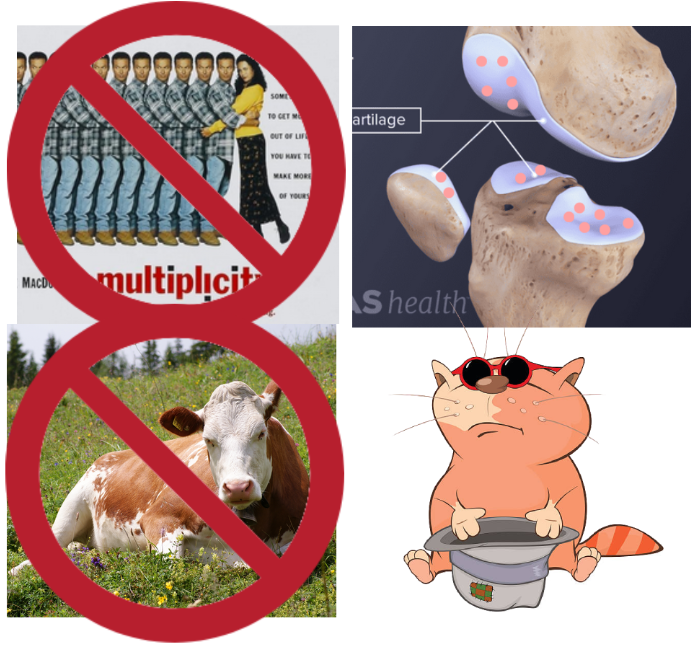
Why are fluoroquinolones restricted in food animals?
Extra-label use is illegal due to resistance concerns.
examples of Chloramphenicol
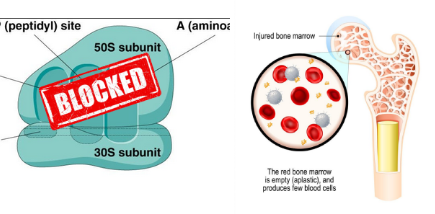
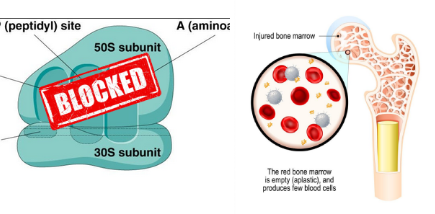
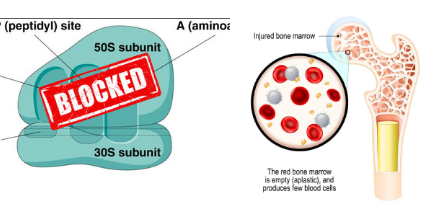
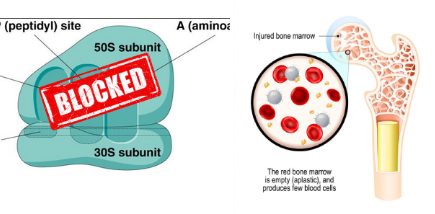
Florphenicol - newer drug used in cattle, Only given IM to treat difficult respiratory pathogens. Doesn’t cause aplastic anemia
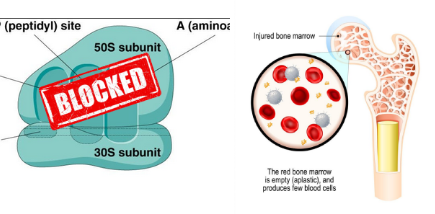
How does chloramphenicol work?
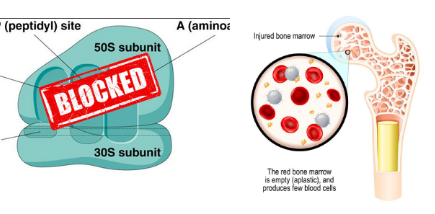
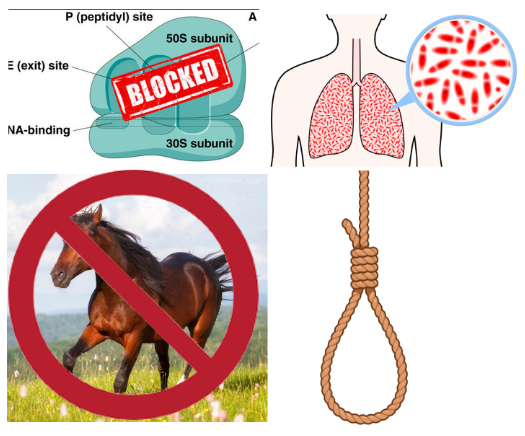
It inhibits protein synthesis by binding ribosomes.This action prevents bacteria from growing and reproducing.
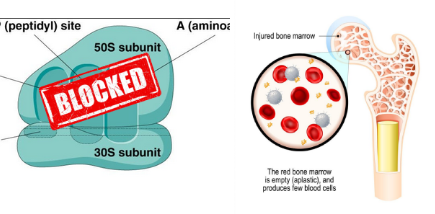
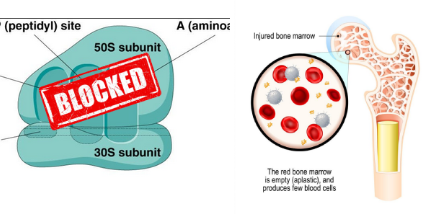
Why must gloves be worn when handling chloramphenicol?
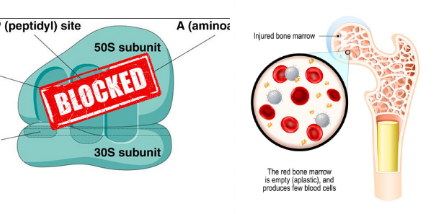
It can cause fatal aplastic anemia in humans.This risk is due to its potential for bone marrow suppression.
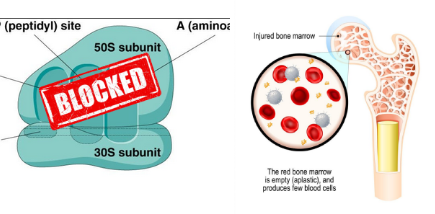
Why is chloramphenicol banned in food animals?
It can cause fatal aplastic anemia in humans.
What infections can chloramphenicol treat?
Respiratory infections, UTIs, enteritis, and conjunctivitis.
examples of Macrolides
Erythromycin
Azithromycin
Clarithromycin
Tylosin
Micotil/Tilmicosin (suicide drug. very dangerous if accidentally injected into humans)
What infections are macrolides commonly used for?
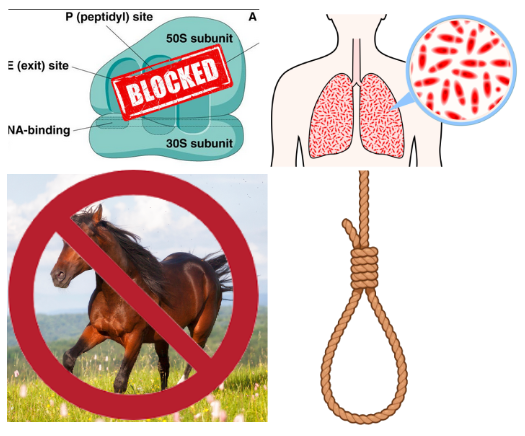
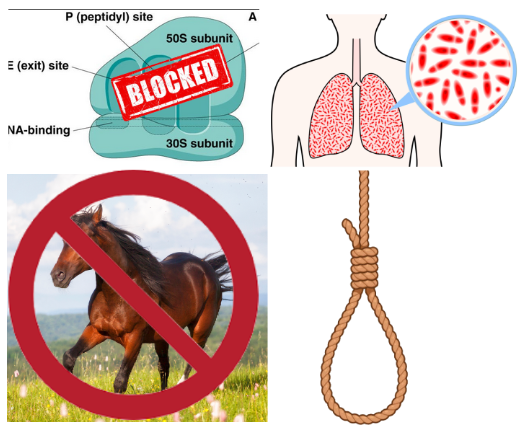
Respiratory infections, mastitis, metritis, and foot rot.
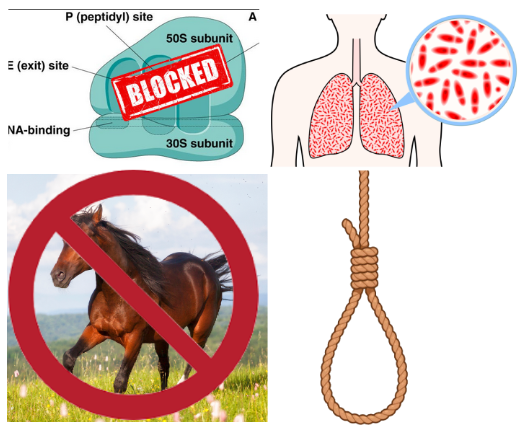
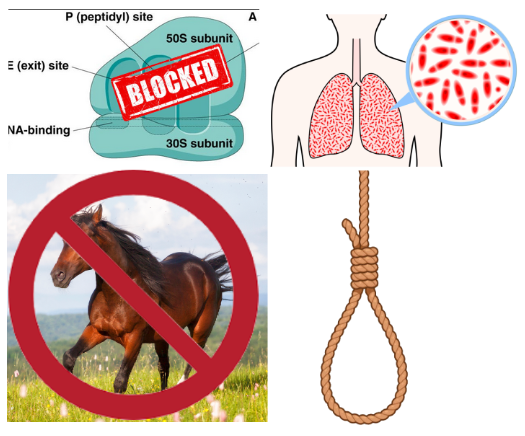
What serious effect can Macrolides/erythromycin cause in hindgut fermenters?
Severe diarrhea in hind gut fermenters. Erythromycin can cause fatal diarrhea in horses due to disruption of gut flora.
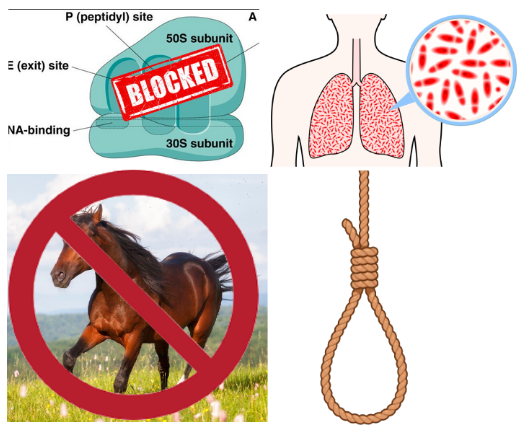
examples of Lincosamides
Clindamycin (most common)
Lincomycin
Pirlimycin
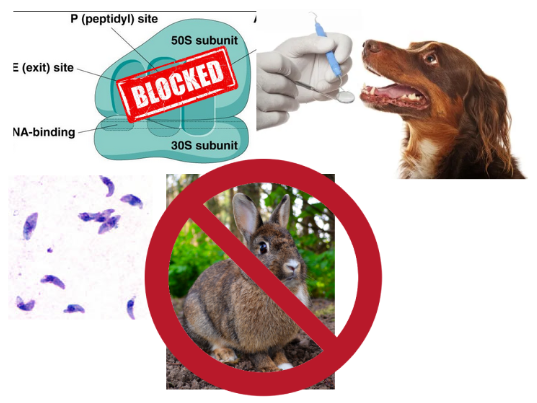
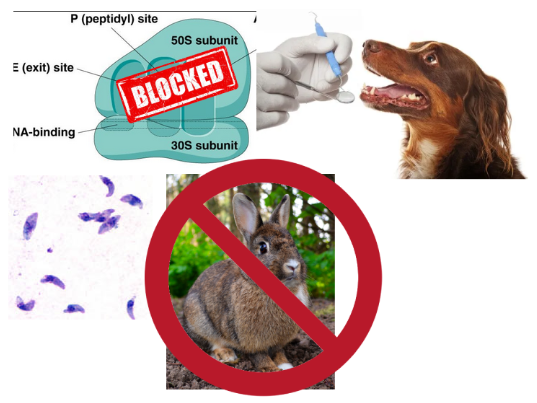
How do lincosamides work?
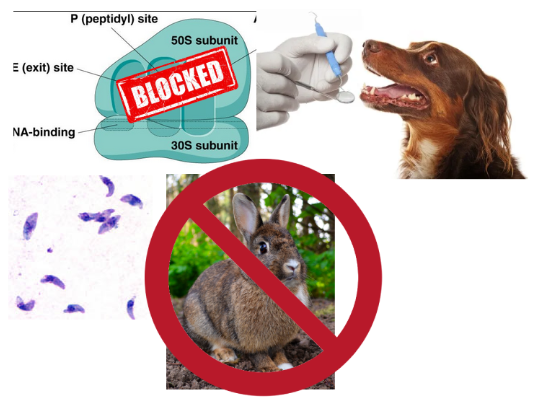
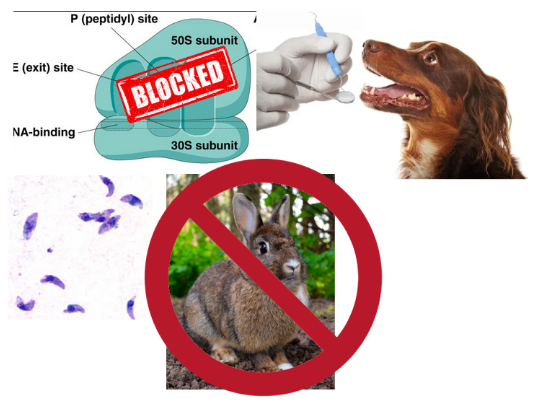
Lincosamides work by inhibiting bacterial protein synthesis, thereby preventing bacterial growth and replication. They bind to the 50S ribosomal subunit
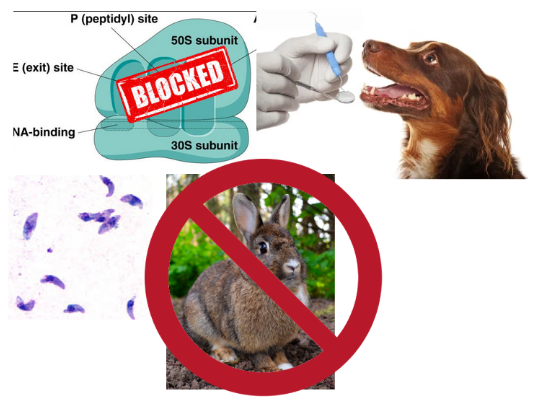
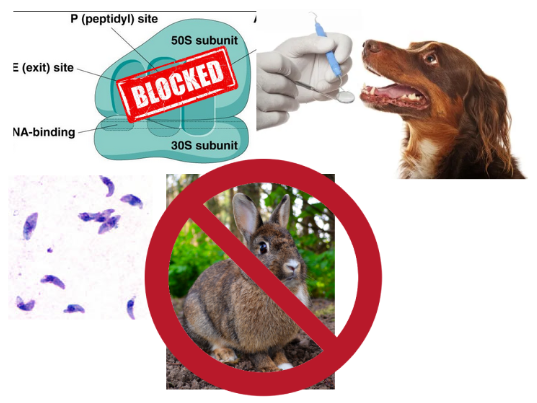
What infections are treated with the Lincosamide/clindamycin?
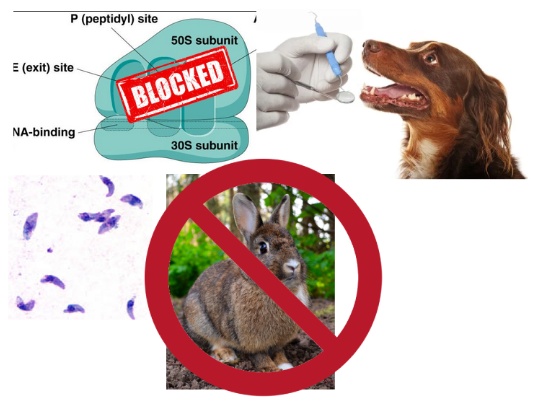
Deep skin infections, abscesses, dental infections, and toxoplasmosis.
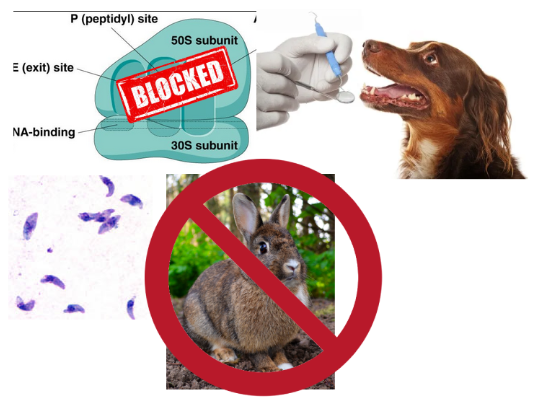
Why are lincosamides dangerous in hindgut fermenters?
They disrupt gut flora causing fatal GI disease.
example of Sulfonamides
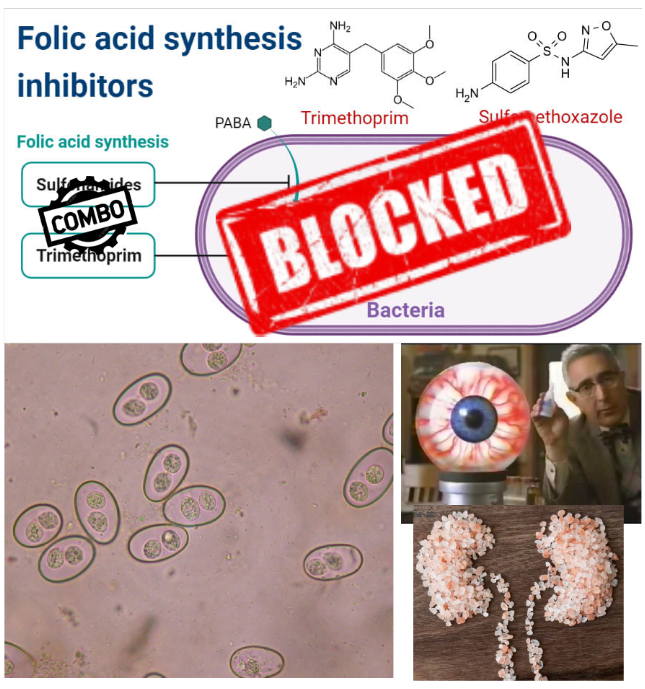
Sulfadiazine
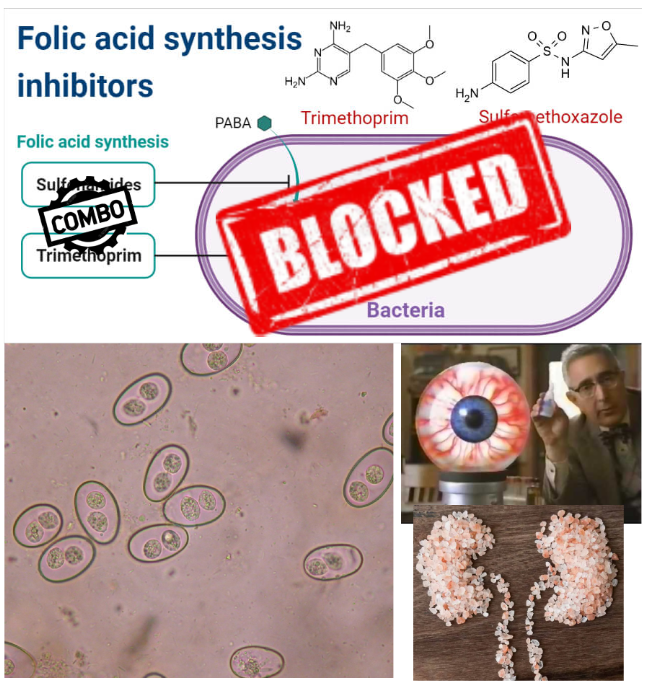
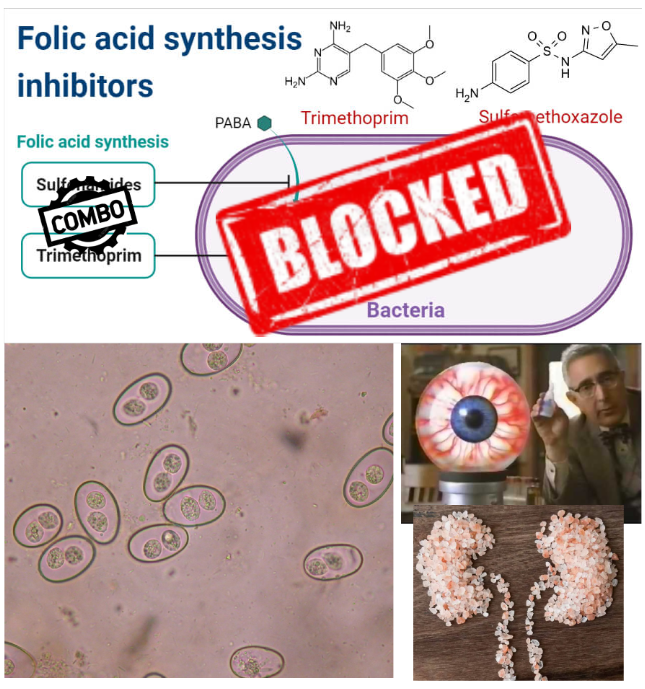
Sulfadimethoxine – commonly used for coccidia infections in dogs and cats
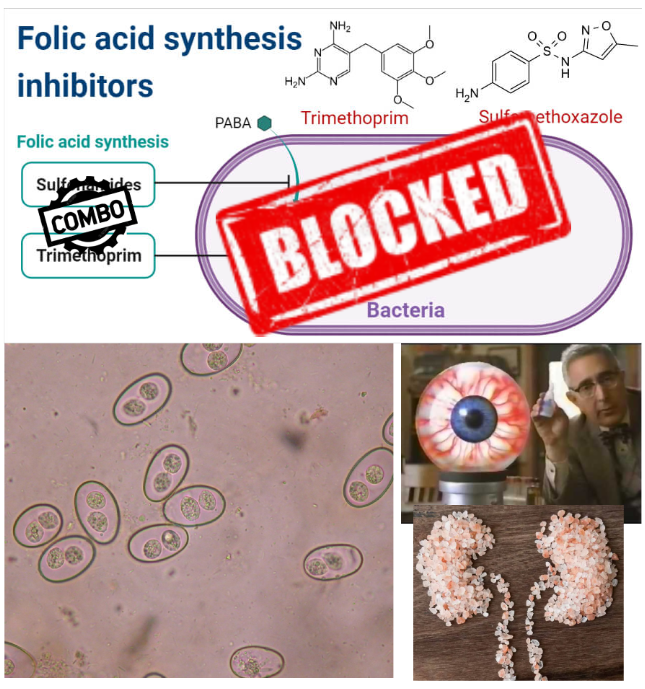
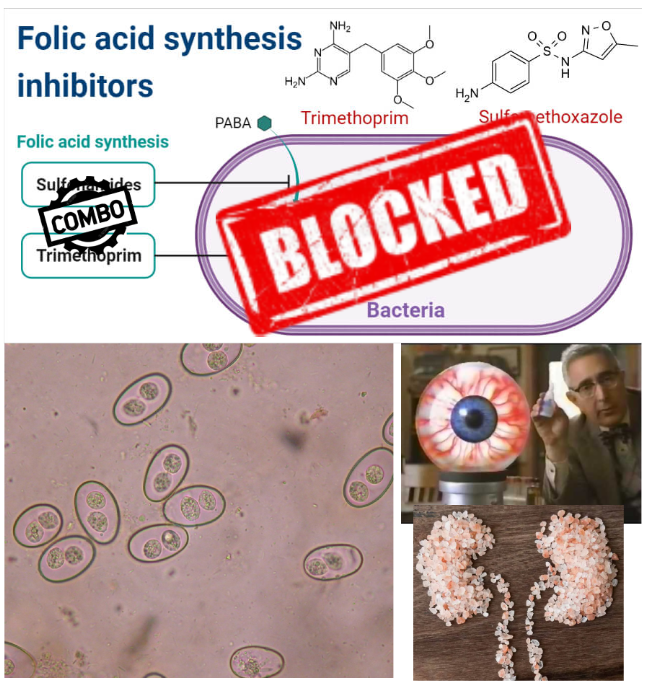
Trimethoprim-sulfamethoxazole – broad-spectrum antibiotic used for UTIs, respiratory infections, and skin infections
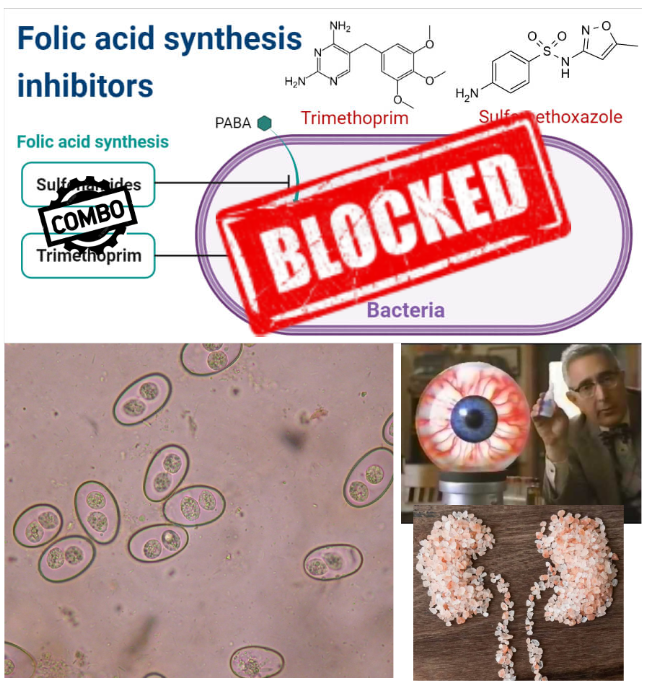
What happens when sulfonamides are combined with trimethoprim?
they go from being Bacteriostatic to bactericidal
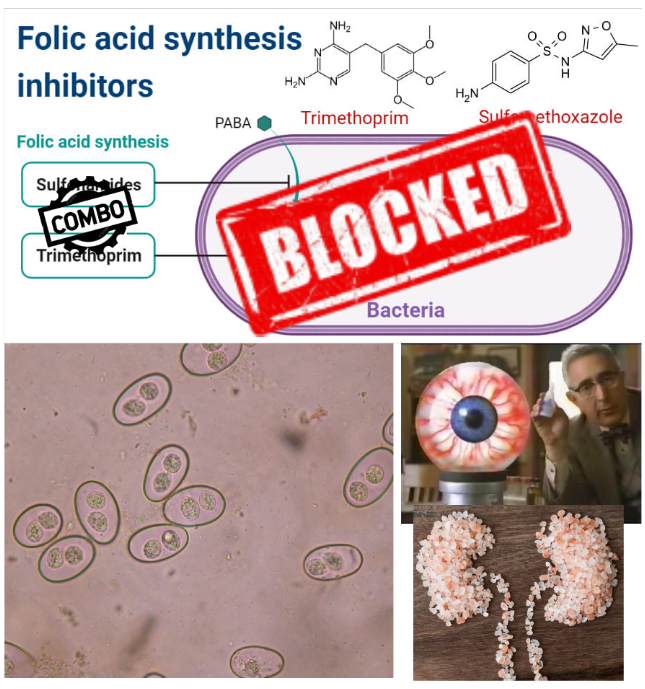
What infections are sulfonamides used for?
UTIs, respiratory infections, coccidiosis, and wounds.
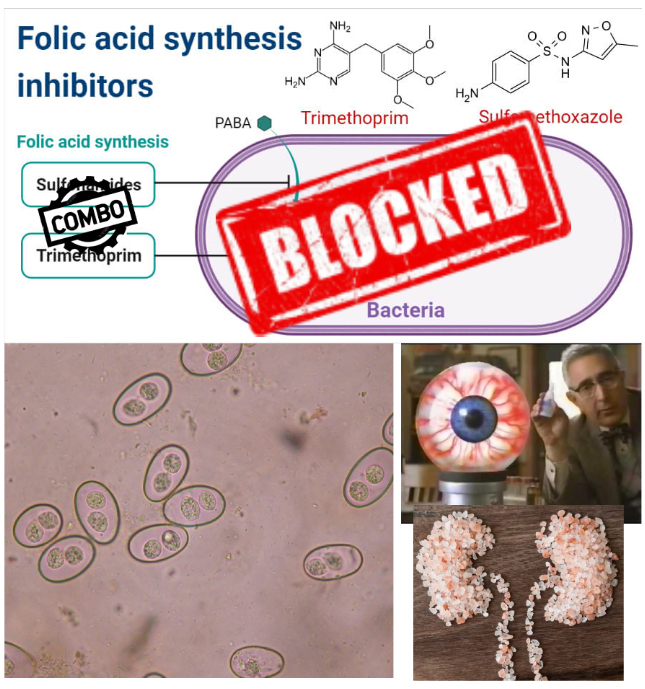
What serious conditions can sulfonamides cause?
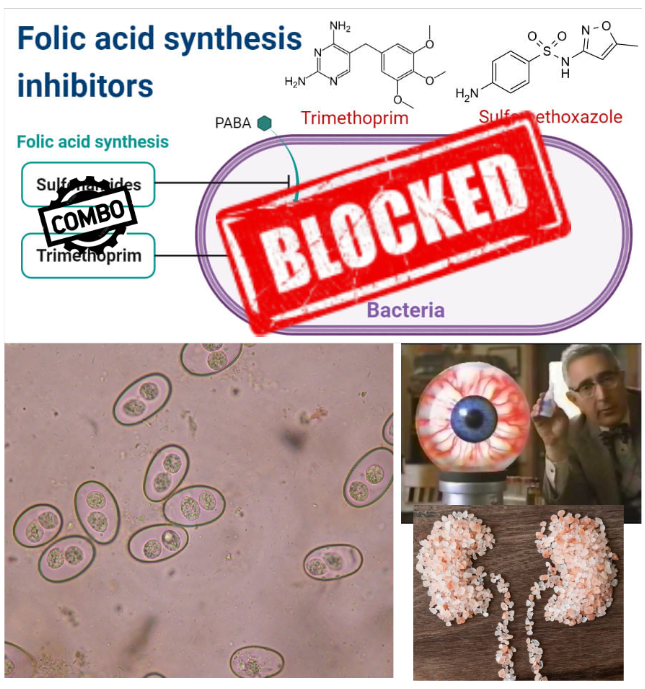
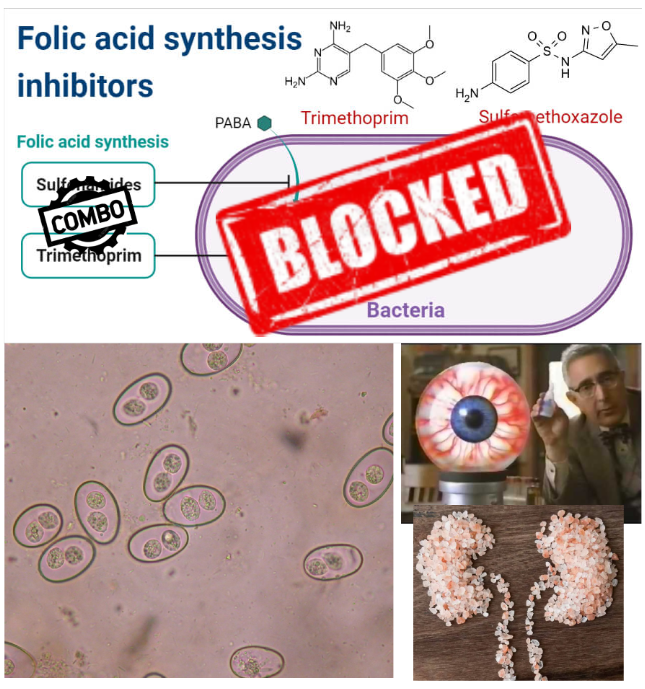
Keratoconjunctivitis sicca (KCS). Dry eyes caused by sulfa drugs some cases will not be reversed and will need Optimmune (cyclosporine) for the rest of their lives
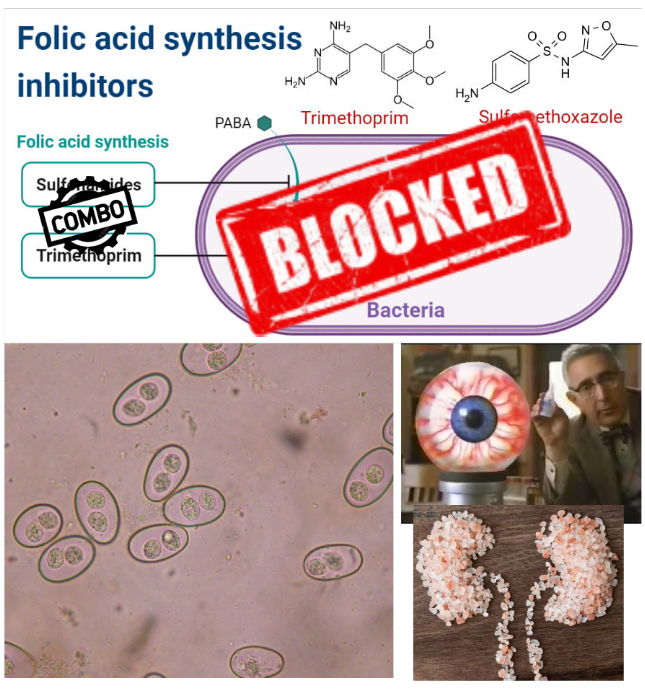
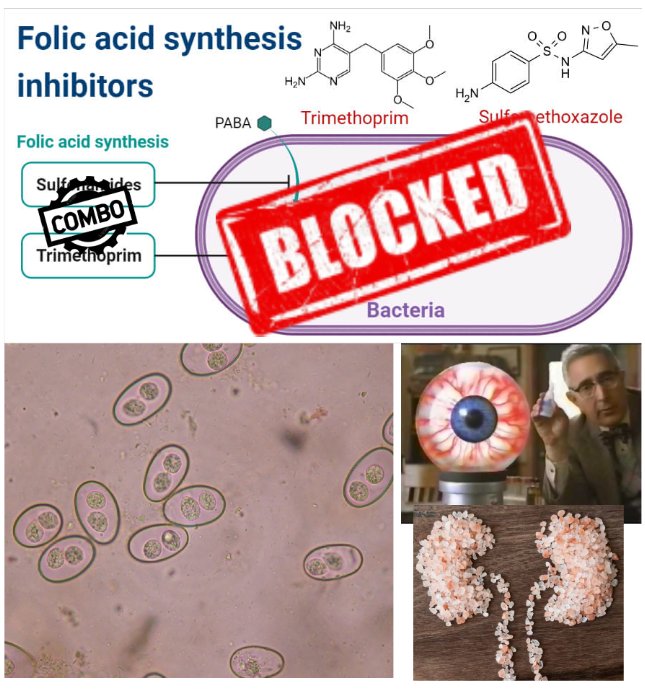
Crystals can precipitate in the kidneys and can lead to kidney damage (increased risk in dehydrated patients)
Other adverse side effect of Sulfonamides
Anaphylaxis-hives, swelling of the face, Liver dysfunction, Thrombocytopenia and leukopenia in small animals. Caution used in cats
what prefix is associated with Sulfonamides
Sulfa -
examples of Metronidazole
Flagyl – the most well-known brand name of metronidazole
MetroGel – topical form used for skin conditions
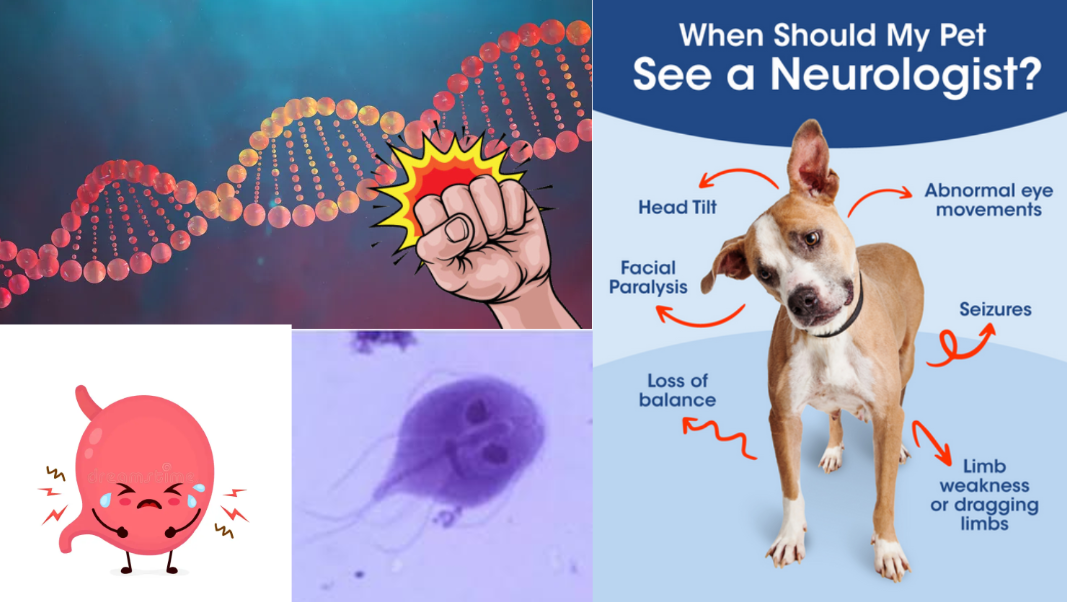
How does metronidazole work?
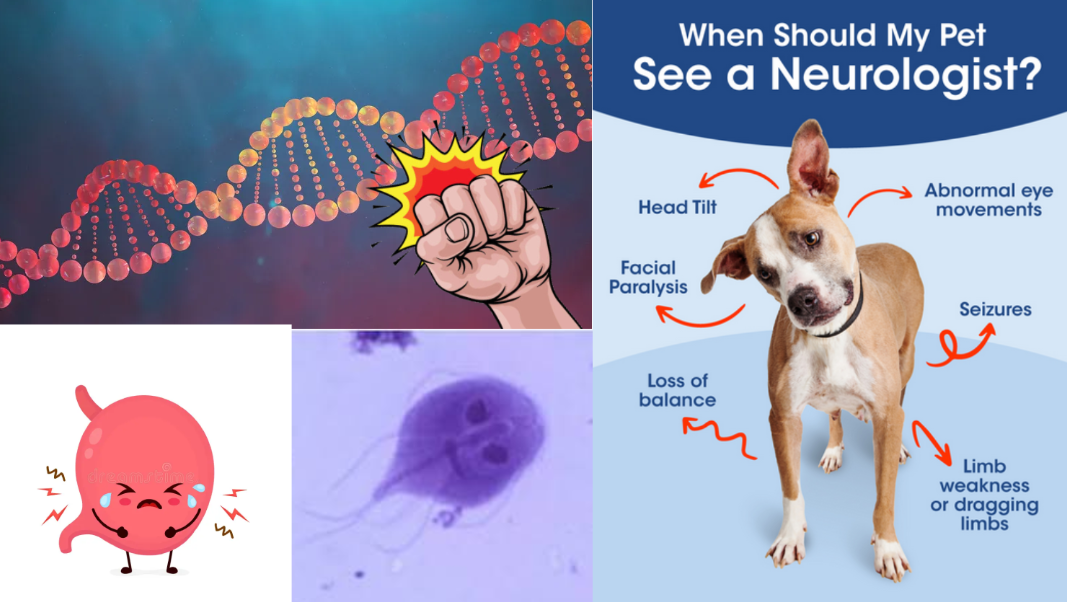
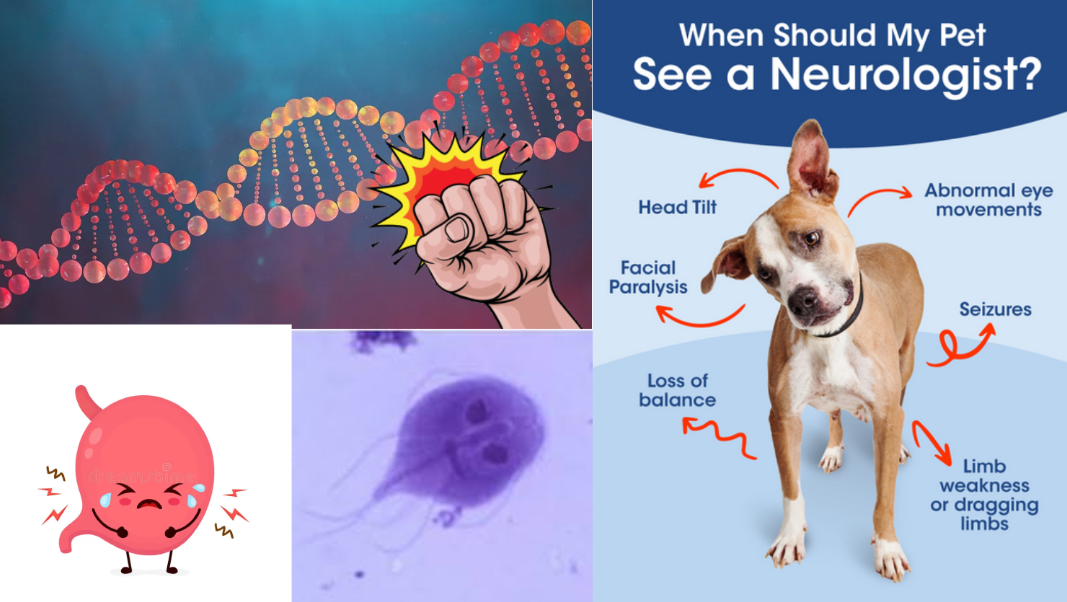
t inhibits DNA synthesis in anaerobic bacteria and protozoa. Good for anaerobes and certain protozoal infections.
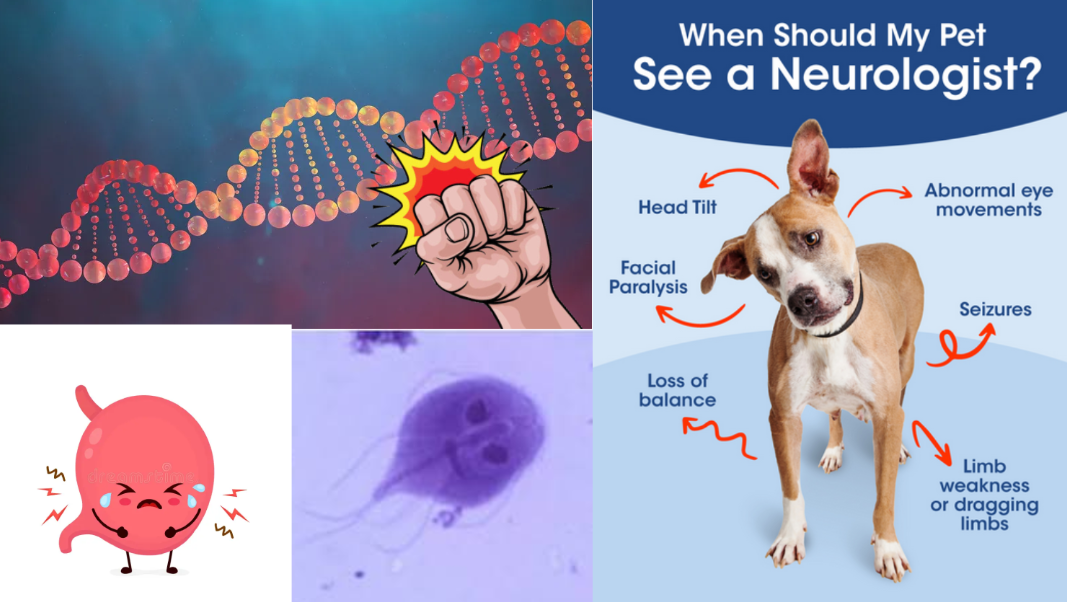
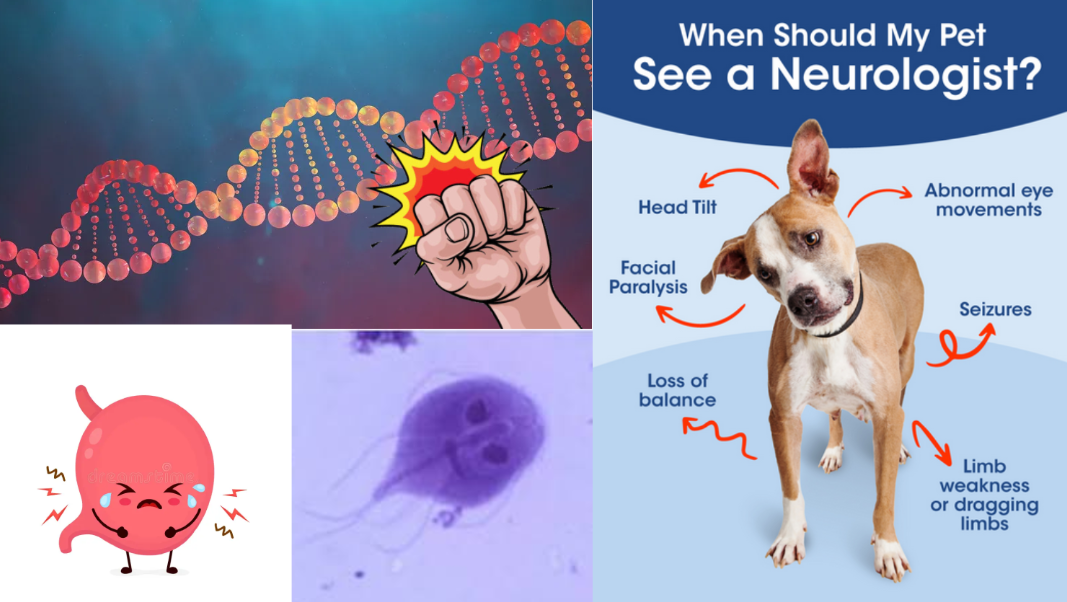
What infections is metronidazole used for?
GI infections, Giardia, Tritrichomonas, and inflammatory bowel disease.
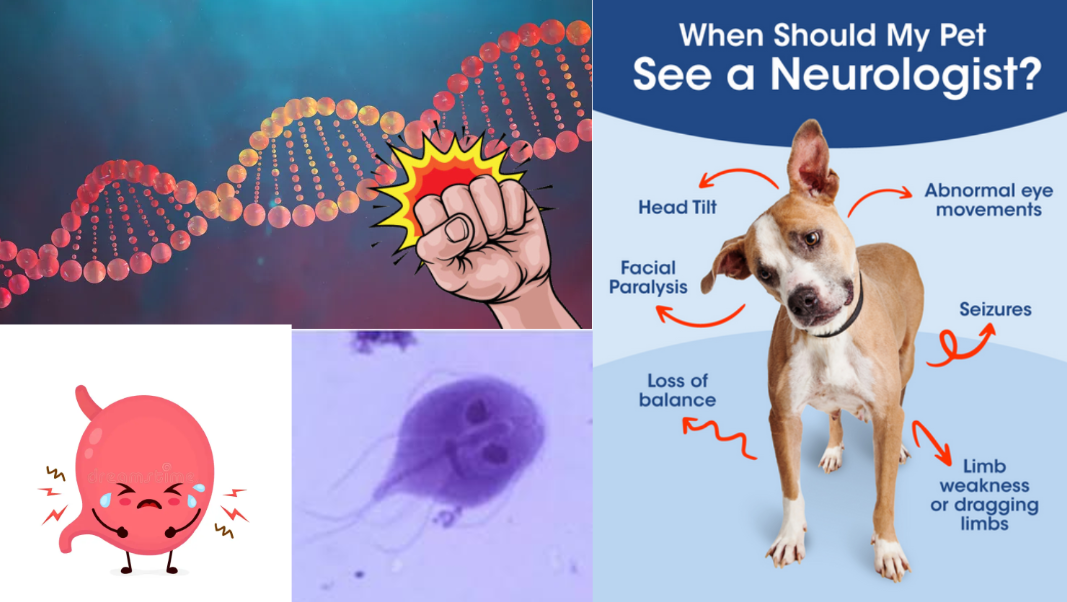
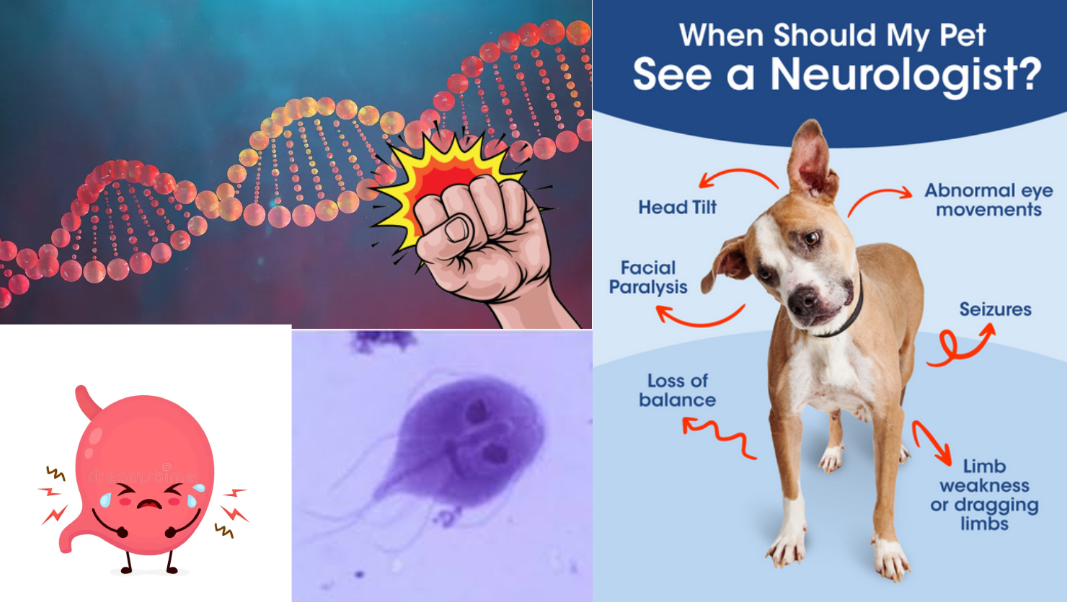
What neurologic signs indicate metronidazole toxicity?
Ataxia, head tilt, seizures, and nystagmus. Should not be used in food animals
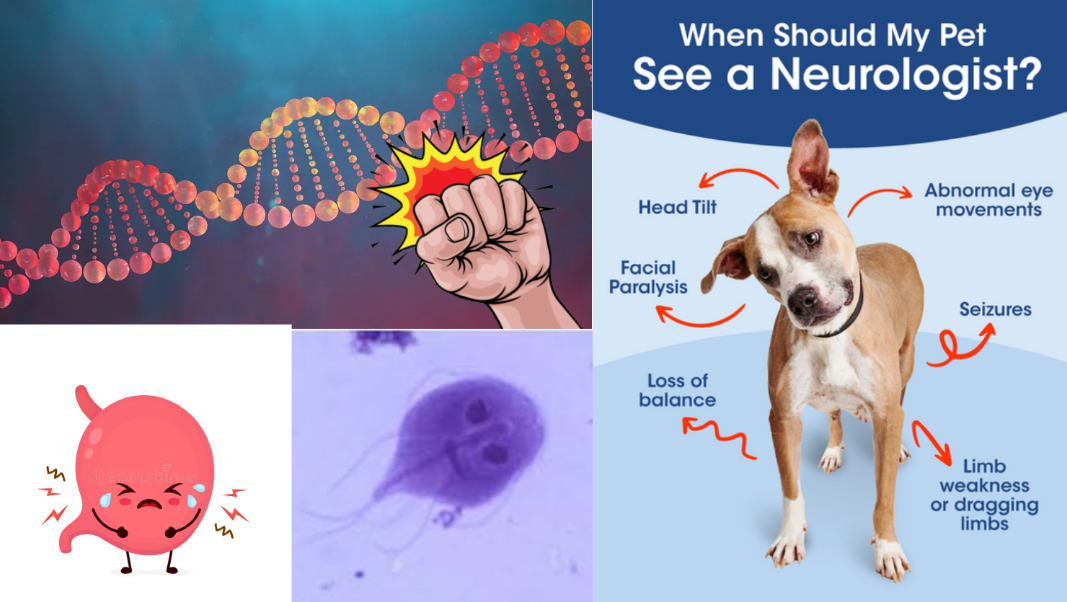
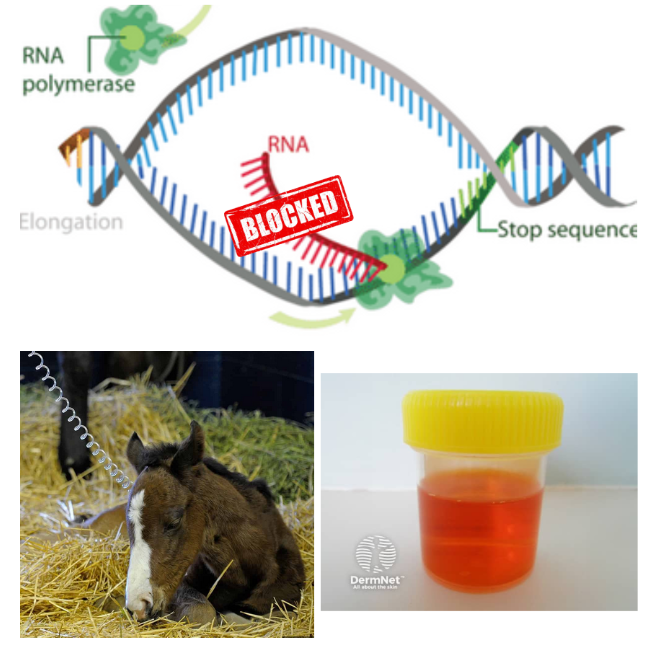
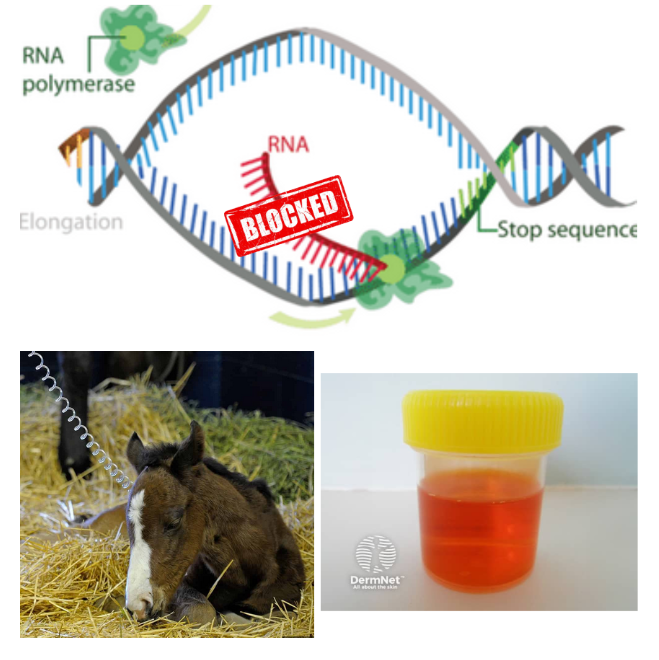
how does Rifampin work
by blocking bacterial RNA synthesis. It inhibits DNA-dependent RNA polymerase, preventing transcription in bacteria.
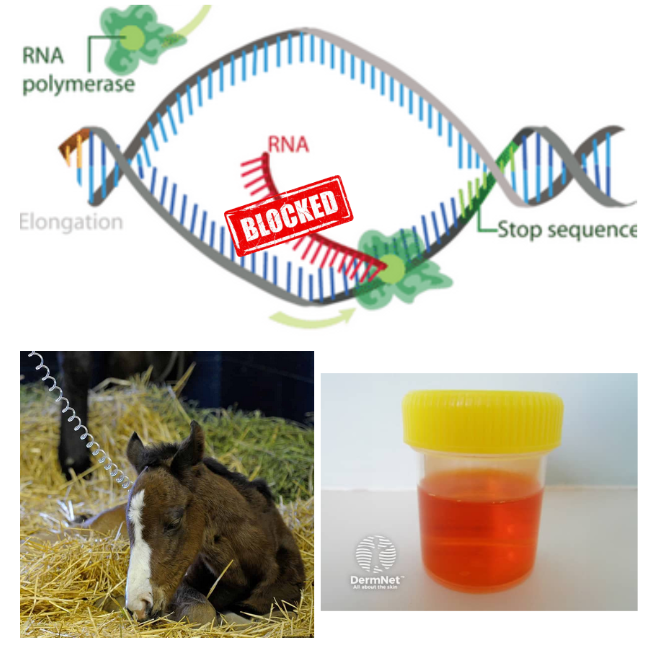
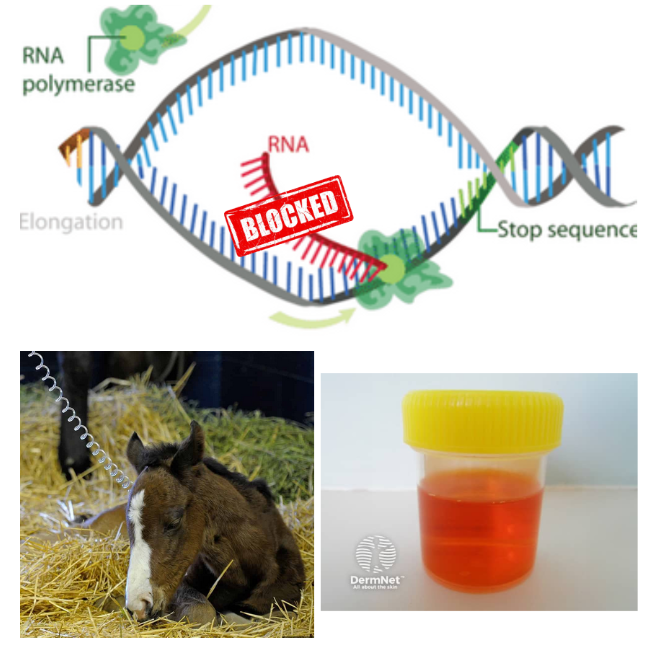
What is rifampin used to treat in foals?
Rhodococcus equi infections.
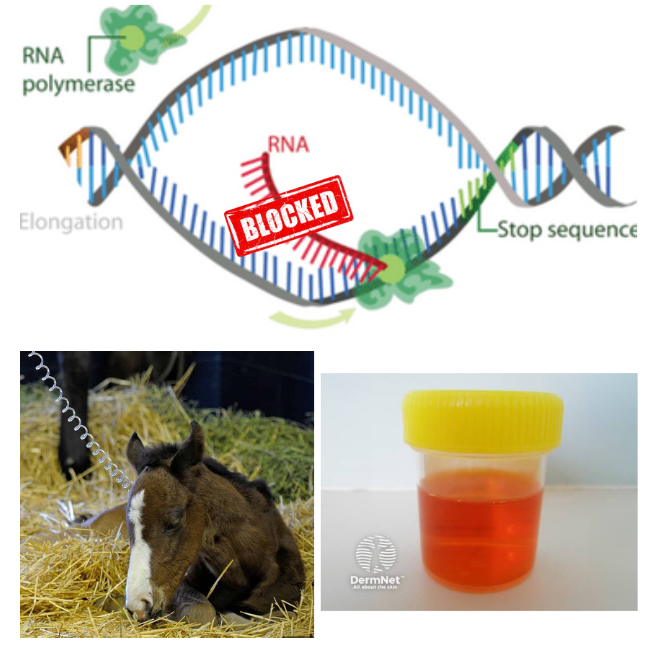
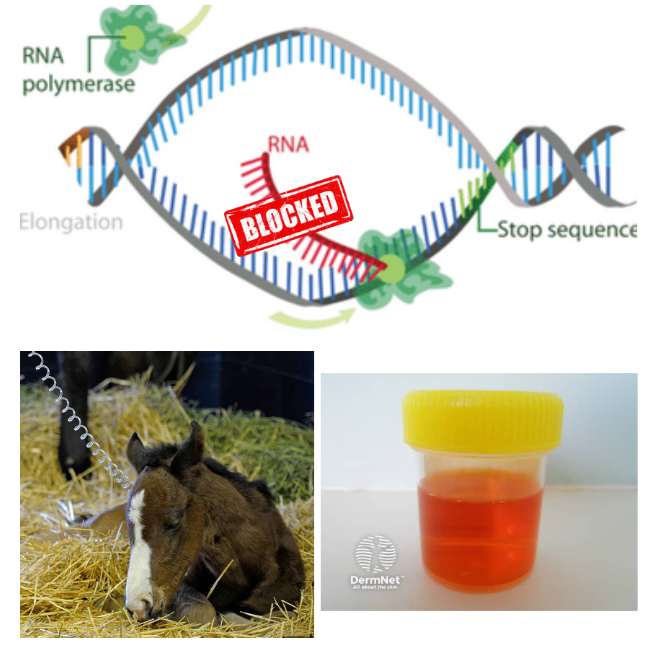
Why should clients be warned about rifampin?
It can turn urine, tears, and saliva orange/red
Explore top notes

