management midterm 1 study guide
 Studied by 13 people
 Call with Kai
 Learn
Learn Practice Test
 Spaced Repetition
 Match
Match Flashcards
 Knowt Play
1/33

There's no tags or description
Looks like no tags are added yet.
Name | Mastery | Learn | Test | Matching | Spaced | Call with Kai |
|---|
No study sessions yet.
34 Terms
what is the “purpose” of management?
right work, done well
core elements of “right work”
vision, mission, goals, strategy, and plans
doing what’s right:
legal compliance
ethical decision making
core values
CSR (Corporate Social Responsibility)
managing growth, innovation, and entrepreneurship
managing a global business
core elements of “done well”
organization design
human resources management
employee engagement
performance management
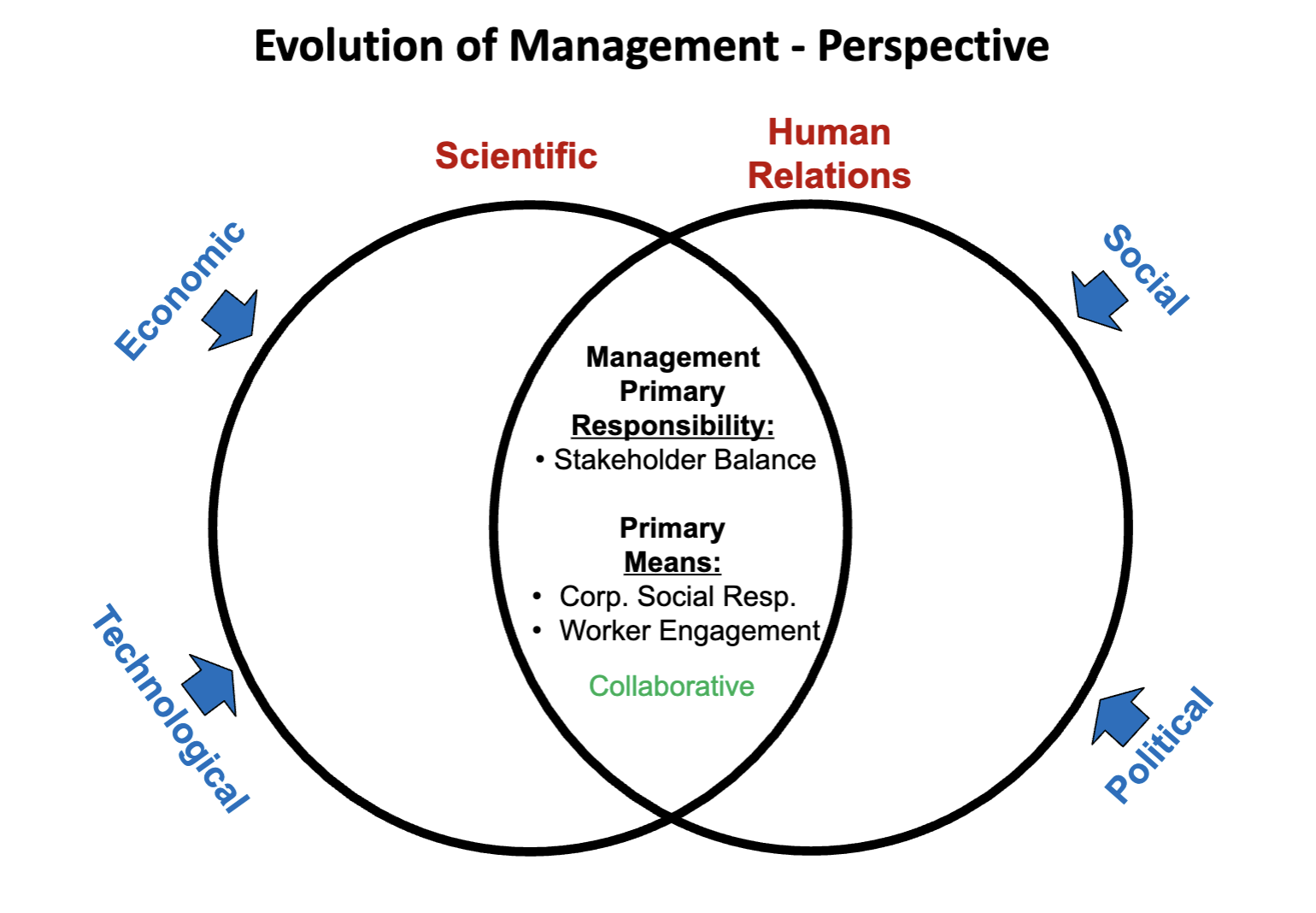
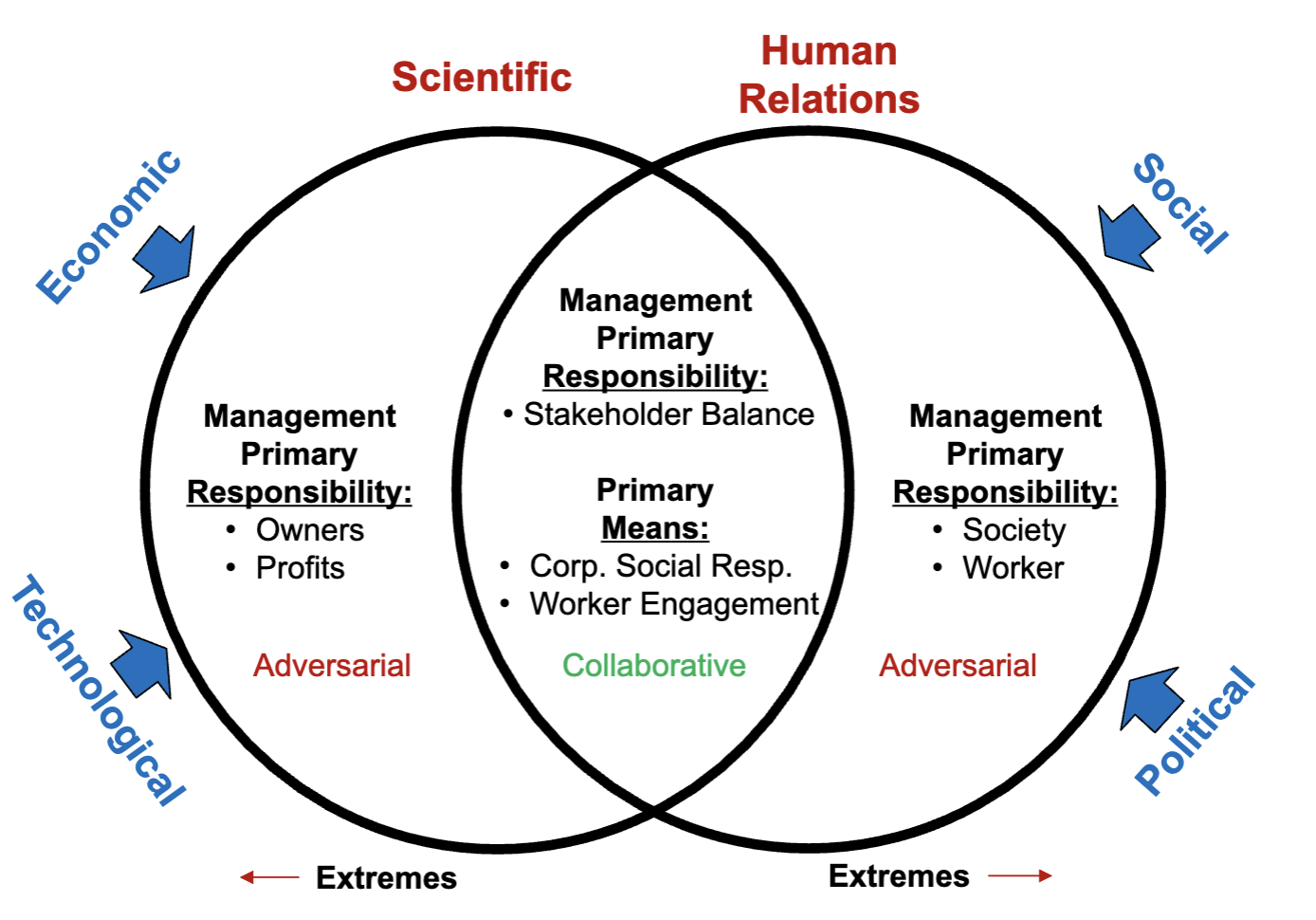
four facets influence management practices
economic
social
political
technological
(constantly changing)
how is the study of management history controversial?
historian bias: data can include biases from the people who write it
data limitations: may not represent the best practices
what is the best way to study management history?
study “stages” or “time periods”
study “schools of thought”
study “organizations”
study “biographies”
categories of management practices
specialization of labor
systematic management
scientific management
administrative management
human relations management
categories of management practices: specialization of labor
Adam Smith in the 1700s
Laborer focus on single component of production
increase experience and productivity
categories of management practices: systematic management
early industrial revolution
engineers and economists had major roles in managing factories
most of those roles migrated to other specialists over time
categories of management practices: scientific management
focus on productivity
Frederick Taylor (late 1800s)
record steps in task
analyze worker interaction with machines
Frank and Lillian Gilbreth (early 1900s)
time and motion studies
Henry Gantt (early 1900s)
sequential illustrations of workflows
Statistical Process Control and JIT (mid to late 1900s)
Deming, Juran, Ishikawa, Ohno
Foundations for Lean and Big Data
categories of management practices: administrative management
Henri Fayol (early 1900s)
14 Principles
Management Process
Max Weber (late 1800s-1900s)
Bureaucratic management
six doctrines
categories of management practices: human relations management
increasing power of unions
advent of employee welfare → personnel departments
Hawthorne studies
Mary P. Follett (early 1900s)
1930s:
National Labor Relations Act
Coalition of labor unions (CIO)
Maslow Hierarchy (1940s)
H. Simon - bounded rationality
Roots of Organization Theory/Organization Behavior studies
Four strategy options
differentiation
low-cost
combo
focus (serve the needs of the market better than competitors)
segments include geographic, demographic, etc.
External analysis tools
Porter’s five forces
Industry life cycle
macroenvironmental
porter’s five forces analysis
threat of new entrants
intensity of rivalry
bargaining power of buyers
bargaining power of suppliers
threat of substitutes
industry life cycle analysis
embryonic
growth
shakeout
mature
decline
macroenvironmental analysis
macroeconomic
global
technology
demographics
social values
political/legal forces
five attributes of an organization that are evaluated in doing Internal Analysis
product/service quality
efficiency
innovation
customer responsiveness
distinctive competencies: the ability to differentiate products/services and/or to achieve lower costs
3 key elements for implementing strategy
organization structure
monitoring and control
culture
why plans are revised or abandoned
competitor’s actions/reactions
limited resources or capabilities
lack of support from employees
ineffective
competing priorities
new information/unexpected events
four elements for doing what’s “right”
business law
labor laws, uniform commercial code, environmental protection, industry specific regulationns
ethical decision choices
ethical decision making: why? what does happen? what should happen?
core values
underlying norms of behavior and actions expected of all employees (reinforced by example and action)
corporate social responsibility
actions that recognize and proactively respond to the needs of stakeholders
act as a role model, use empathy, and create a broader vision
drivers of economic value of a business
profitability (ROIC = NIAT/Equity + LT Debt)
growth
options for creating growth
existing products/services to current customers
gaining new customers while retaining current customers
new products/services to current and new customers
selling existing products/ services into new markets
entering completely new markets with new products/services
what is innovation
executing an idea which addresses a specific challenge and creates value for both the developer and user
mechanisms for successful innovation
use of AI
use of technology platforms
use of collaborative ecosystems
what is entrepreneurship?
bring forth ideas and concepts that create value. entrepreneurs act with urgency in unorthodox ways to address immediate challenges
how do large businesses create successful new ventures?
top leadership commitment
creating limited target areas aligned to core competencies of the business
overcome the typical obstacles that stifle internal new ventures
create separately funded business development organizations
use innovation tools
learn from prior ventures
terminate successful ventures
factors driving globalization
declining trade barriers (less tariffs → free-trade policies)
technology enablement (air travel, advanced comms, internet commerce)
rise of Multinational Enterprises (MNEs) (more international trade experience)
formation of global institutions (WTO and World Bank)
key elements of political economy
political climate
economic conditions
legal system
culture
many countries are multi-cultural
some cultures are not receptive to foreign businesses
cultural differences need to be understood and considered
core strategies for conducting international business
global standard (common product sold with minimal variation; optimizes production)
local customization (products are customized to meet unique needs)
combination (customized in some countries)
strategies for entering a foreign market
export
license
franchise
joint venture
strategic alliance
DIY
how do you decide which strategy to use for entering a foreign market?
management preferences regarding direct control
availability of suitable business partners/acquisition targets
legal factors favoring or disfavoring a particular option
nature of the products/services
time required and risks involved
 Note
Note  Flashcards (66)