Film and Photography Terms Quiz
 Studied by 0 people
 Call Kai
 Learn
Learn Practice Test
 Spaced Repetition
 Match
Match Flashcards
 Knowt Play
1/39

There's no tags or description
Looks like no tags are added yet.
Name | Mastery | Learn | Test | Matching | Spaced | Call with Kai |
|---|
No analytics yet
Send a link to your students to track their progress
40 Terms
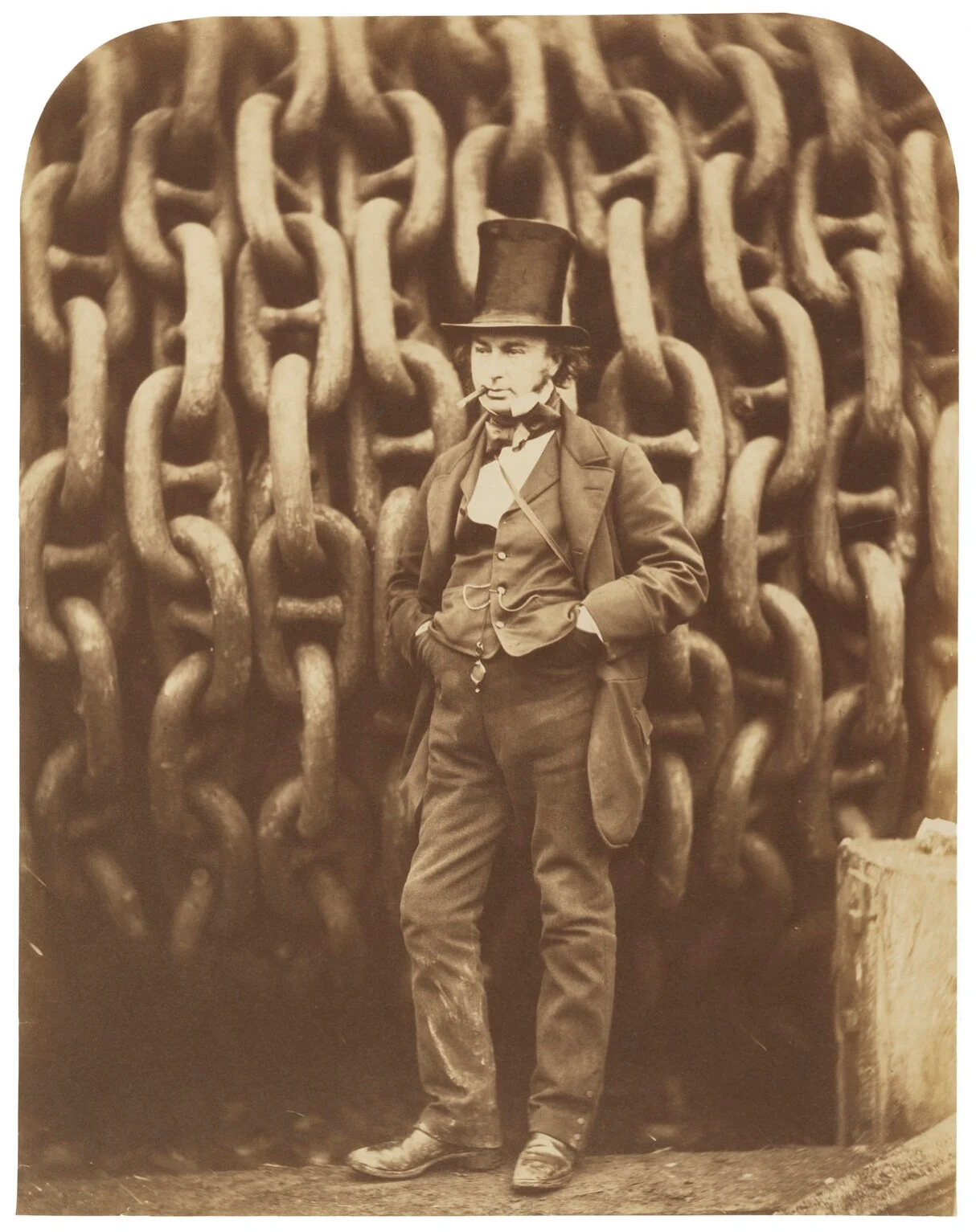
Albumen print
A print made using albumen paper, popular for photographic printing between 1850 and 1900. Thin paper was coated with a layer of egg-white (albumen) containing salt and sensitized with a silver nitrate solution, then printed using daylight under a negative. The resulting paper had a smooth surface with a fine sheen. Albumen prints could be toned with a gold solution which gave a rich purplish-brown colour to the image and reduced the risk of fading
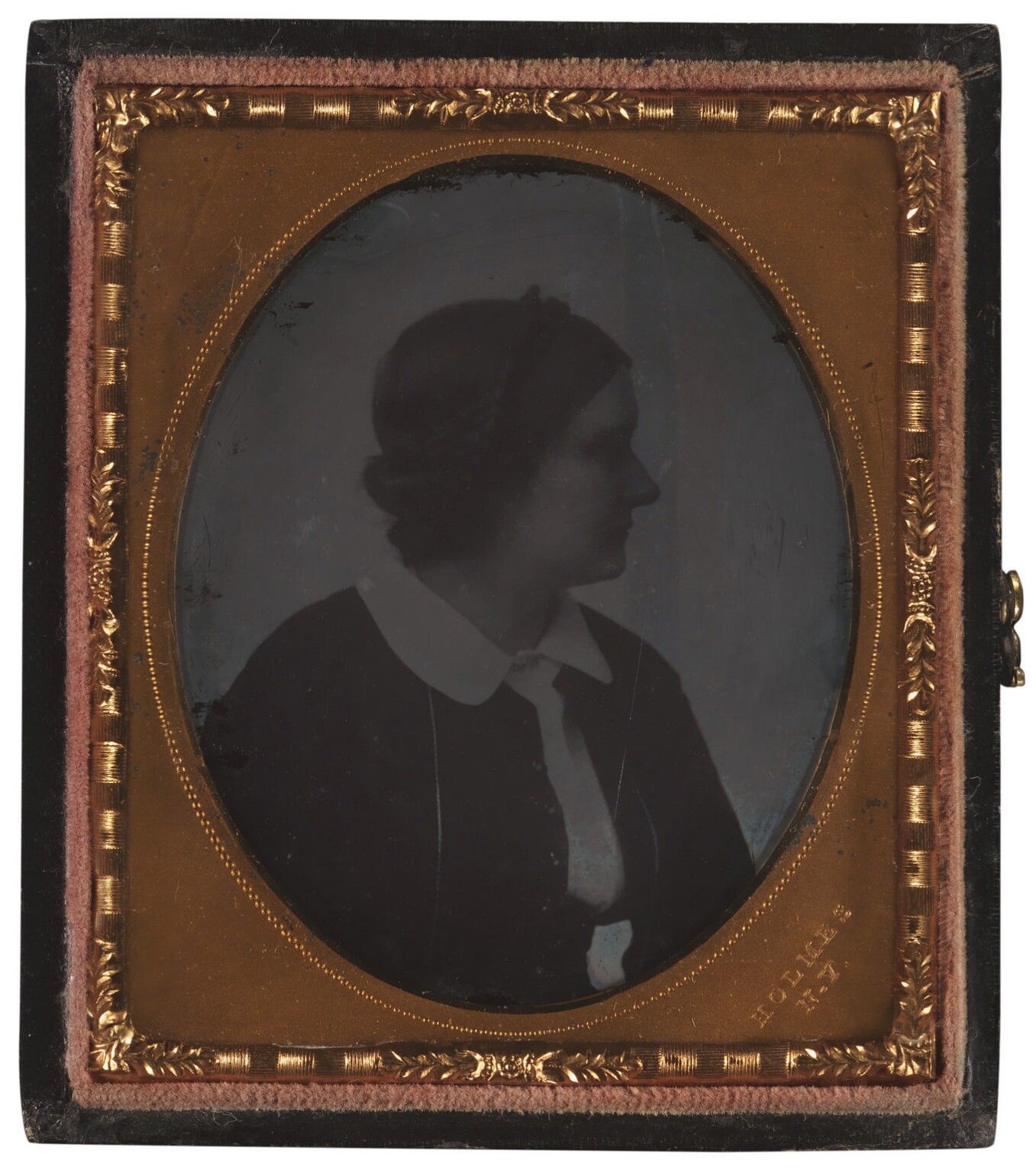
Ambrotype
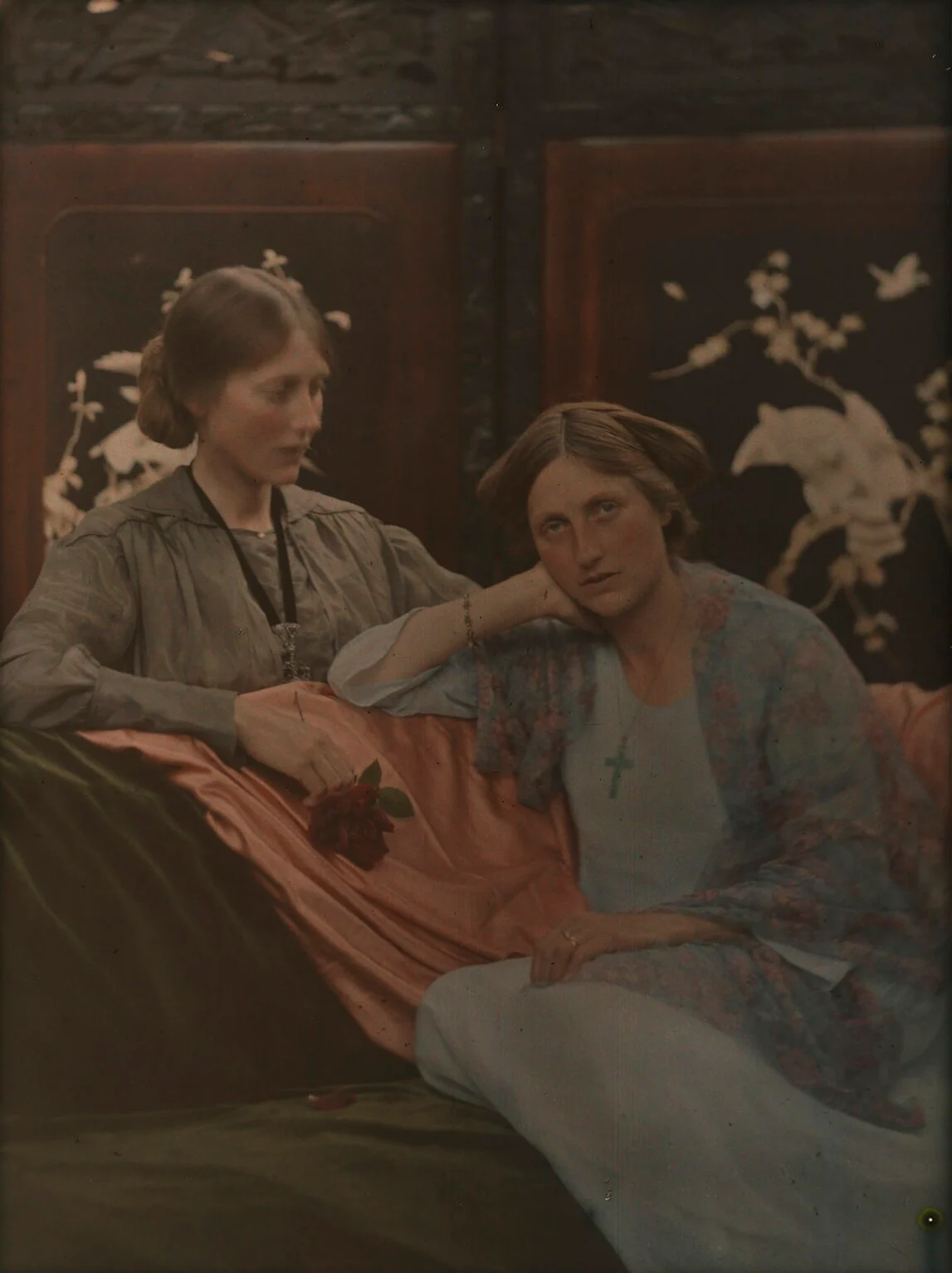
Autochrome
The first commercially available colour photographic process developed by the Lumiere brothers in France and patented in 1904. Autochromes are coloured transparent images on glass, similar to a slide, with deeply luminous colours and soft image outlines. They are viewed by being held up to the light or projected onto a surface. They were the most advanced form of colour photography until the development of the Kodachrome in the 1930s.
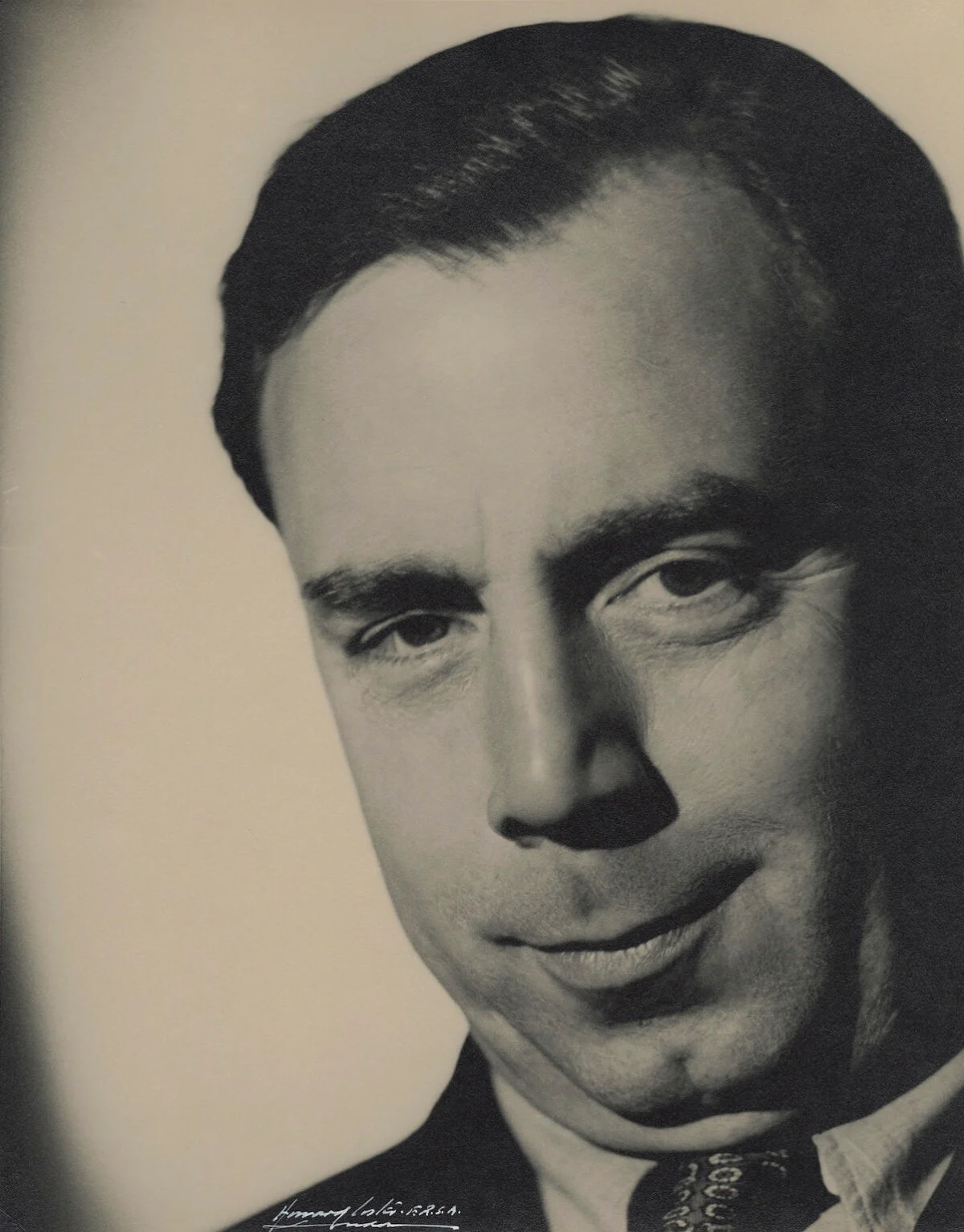
Bromesco
Made exclusively by Kodak, Bromesco is a type of paper popularly and traditionally used for black and white print photography giving a good print quality with the option of a matt or silk finish.
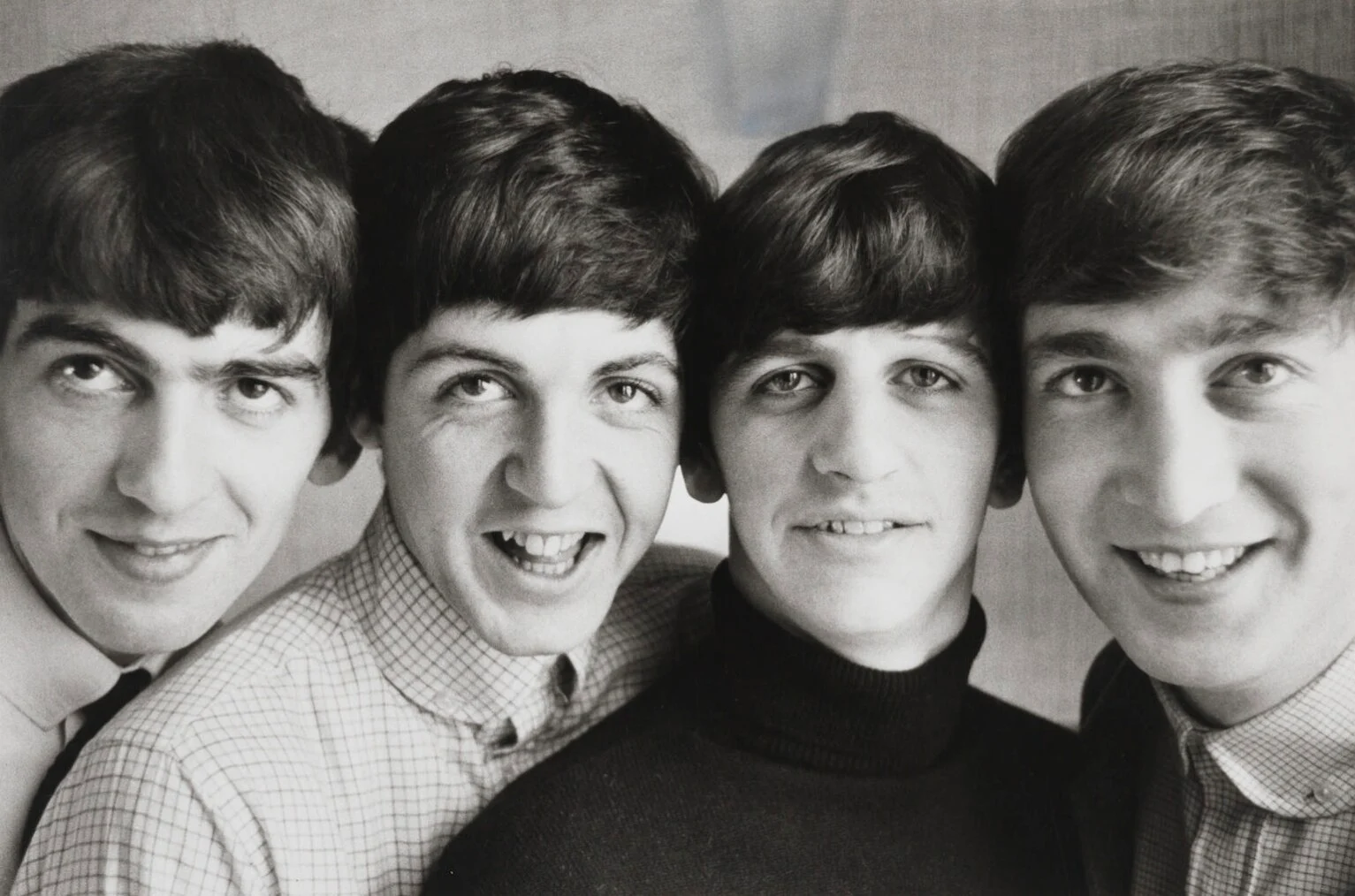
Bromide print
A print made using paper containing silver bromide that was sufficiently sensitive to light to be used for enlargements. Bromide papers came into general use around 1880 and became the most popular and widely used paper for black and white photography in the twentieth century. It is produced in a range of finishes: matt, glossy and semi-matt.

C-type colour print
A colour print, one of three main types of chromogenic print material, made from a negative, on print material containing at least three emulsion layers of silver salts, each sensitized to one of the three primary colours of light. Dyes are added after initial monochromatic development to form the colours in the emulsion layers. A chromogenic print contains no silver in the final image and is not as stable as a dye destruction print.
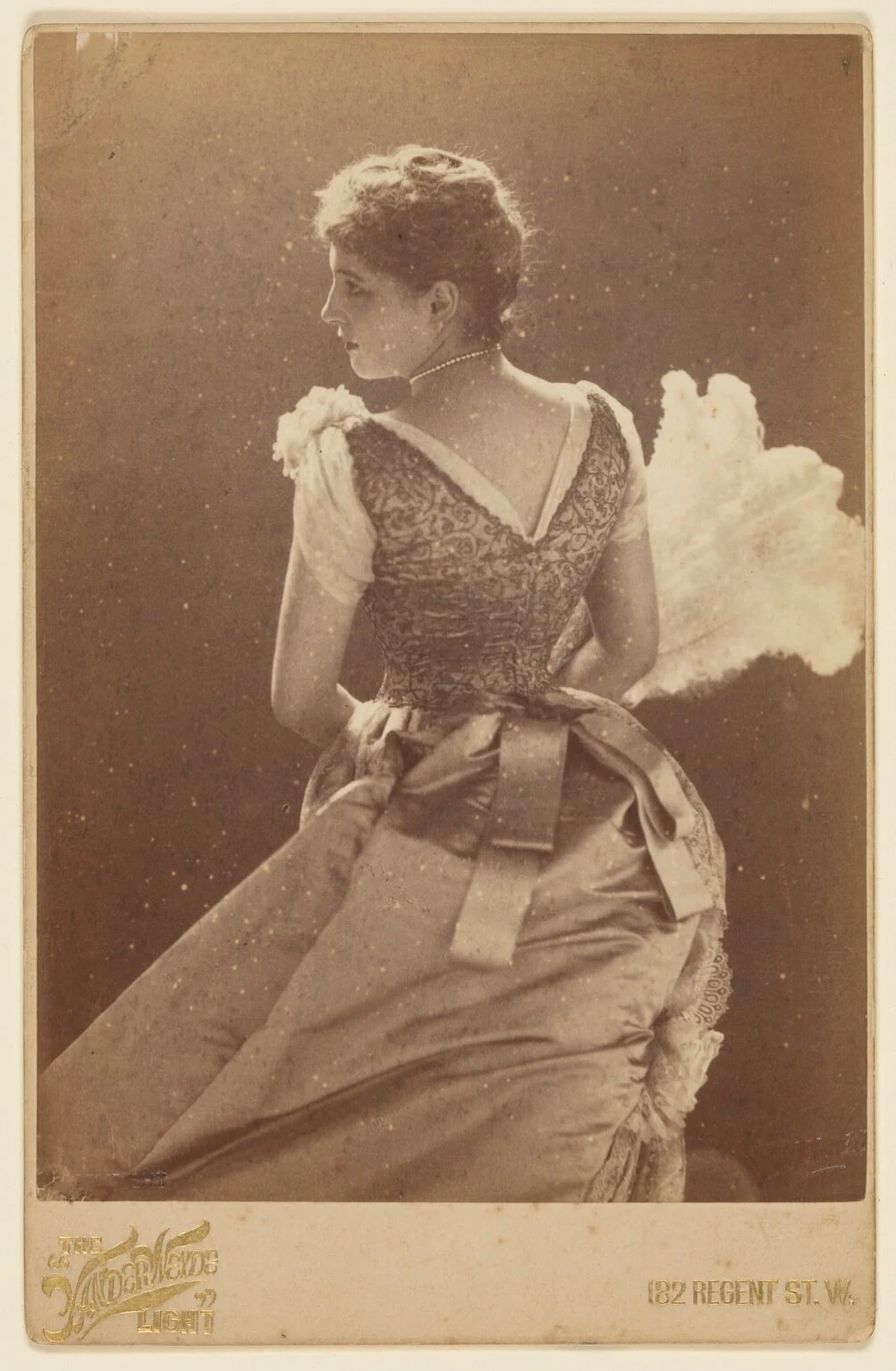
Cabinet print
Cabinet prints were mounted on cards of about 6 1/4 x 4 1/4 inches (15.9 x 10.8 cm). They replaced the carte-de-visite as the standard portrait studio studio format in the 1870s.
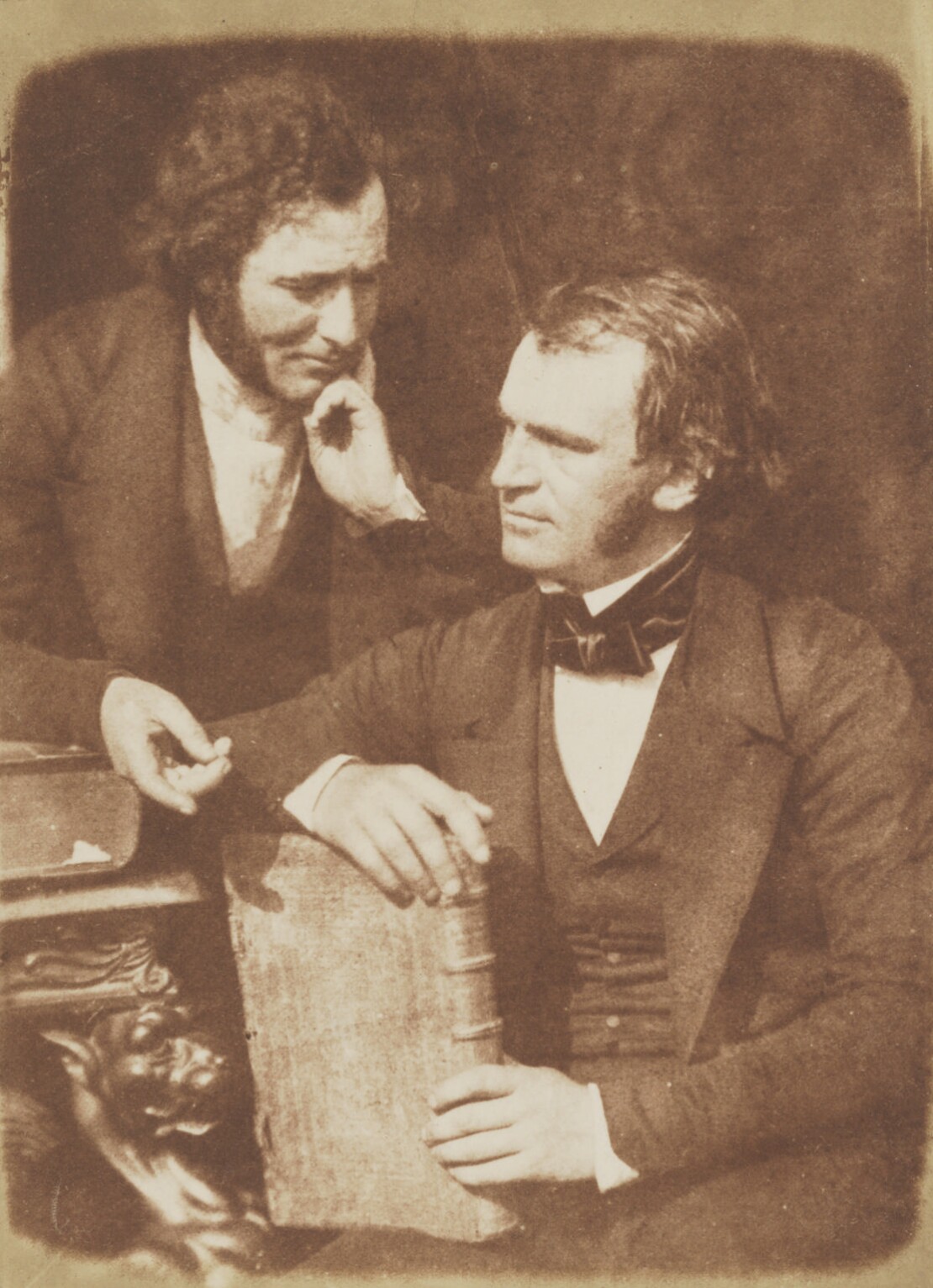
Calotype
A process for making paper negatives discovered in 1840 by W.H. Fox Talbot. As the first process that involved both a negative and a positive, it was the forerunner of today's photographic processes. High quality writing paper was sensitized with potassium iodide and silver nitrate solutions and exposed in the camera. The paper negative was processed, then printed onto salted paper. A feature of prints made from calotype negatives is the lack of clarity in the details and a mottling of tones, caused by the fibres in the paper showing through.
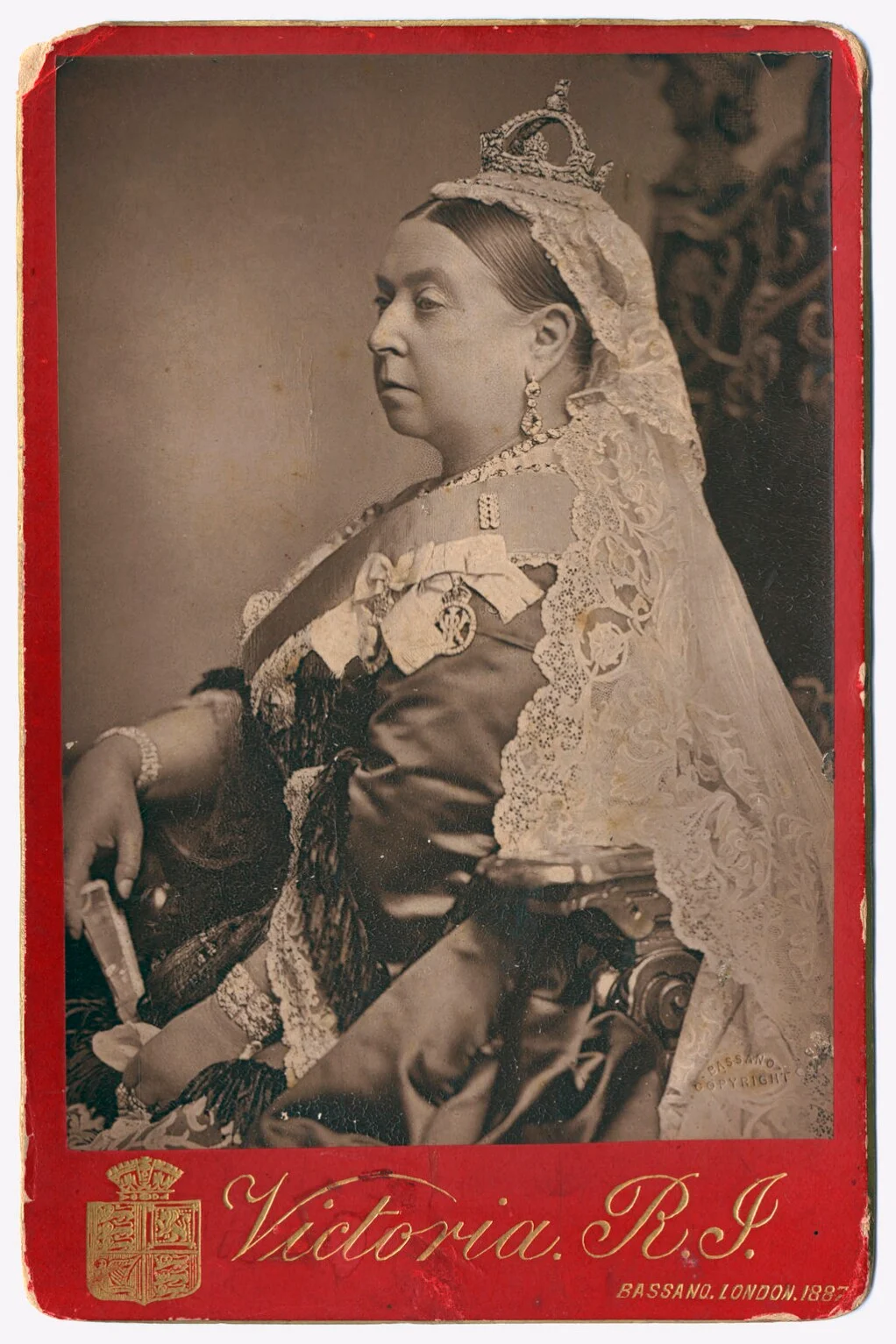
Carbon print
Discovered in 1855 by A.L. Poitevin, the carbon process was the first to produce photographic prints that were permanent as they contained no silver impurities that would deteriorate over time. Paper coated with a gelatin containing a carbon black pigment was exposed under a negative in daylight. The paper was then washed to remove the soluble gelatin leaving the residue carbon image. The process was popular between 1870-1900 and produced either black or deep rich brown glossy dark prints.
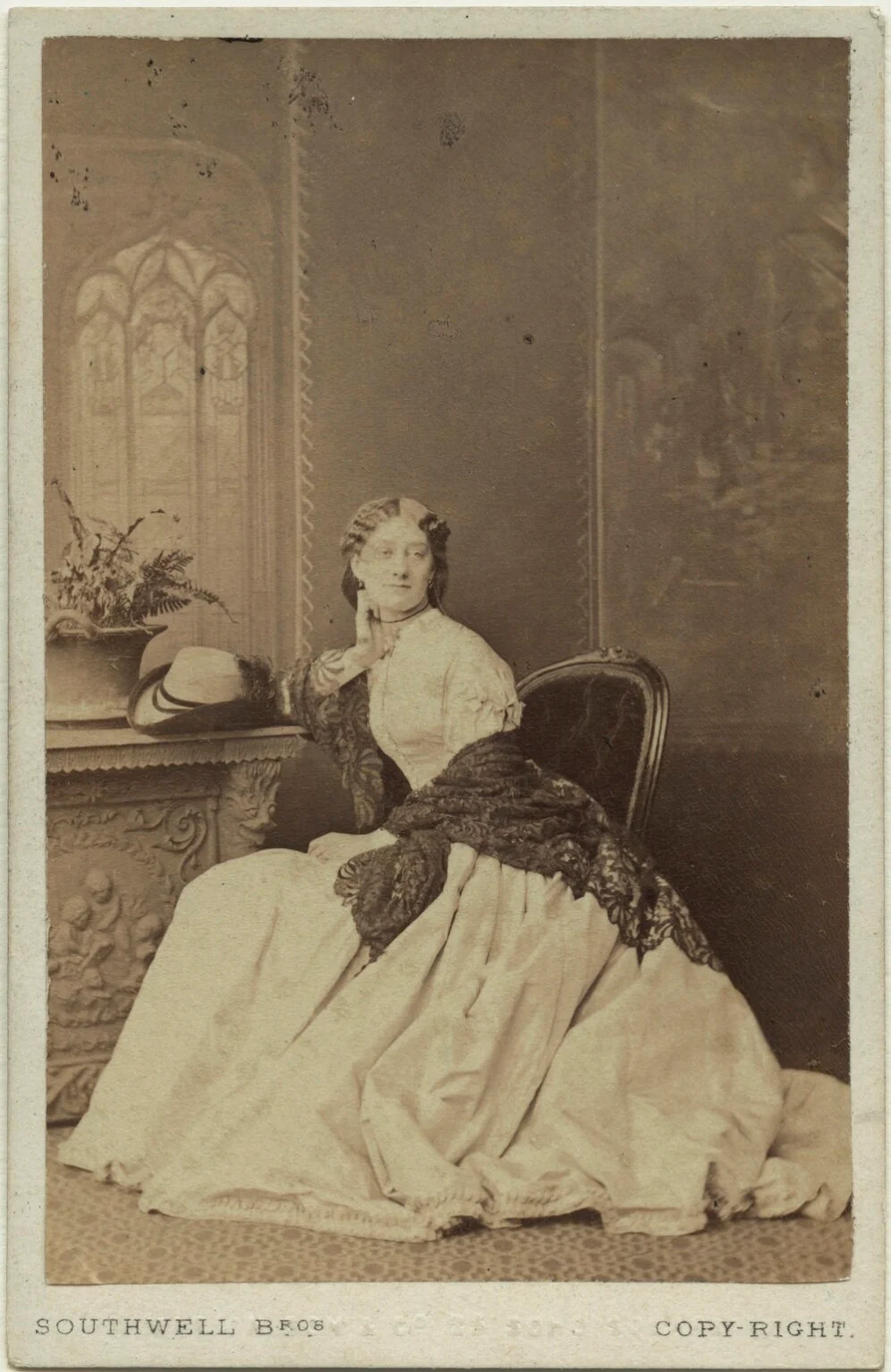
Carte-de-visite
These were small cards, the size of a formal visiting card about 4 1/2 x 2 1/2 inches (11.4 x 6.3 cm), with a black-and-white photograph attached, often of a celebrity. They were invented in 1854 by A.A.E. Disderi and were hugely popular in the 1860s and often collected in Victorian portrait albums. The backs of the cards were normally printed with the photographer's name, address and insignia.
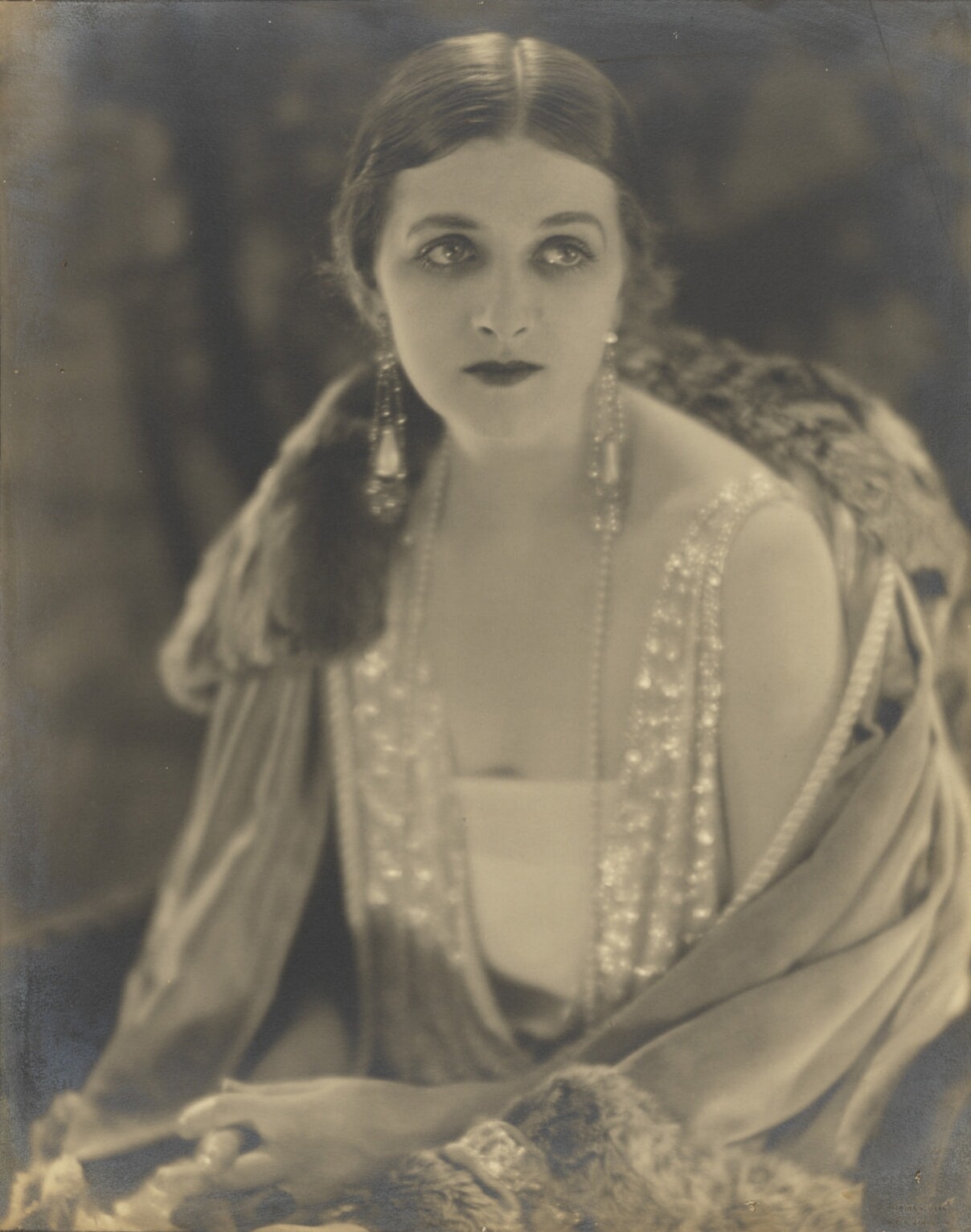
Chlorobromide print
A black-and-white print with a warm, brownish black tone tone, made from paper coated with a mixture of silver chloride and silver bromides. Along with silver-bromide papers, they came into general use in the 1880s and are still in use today.
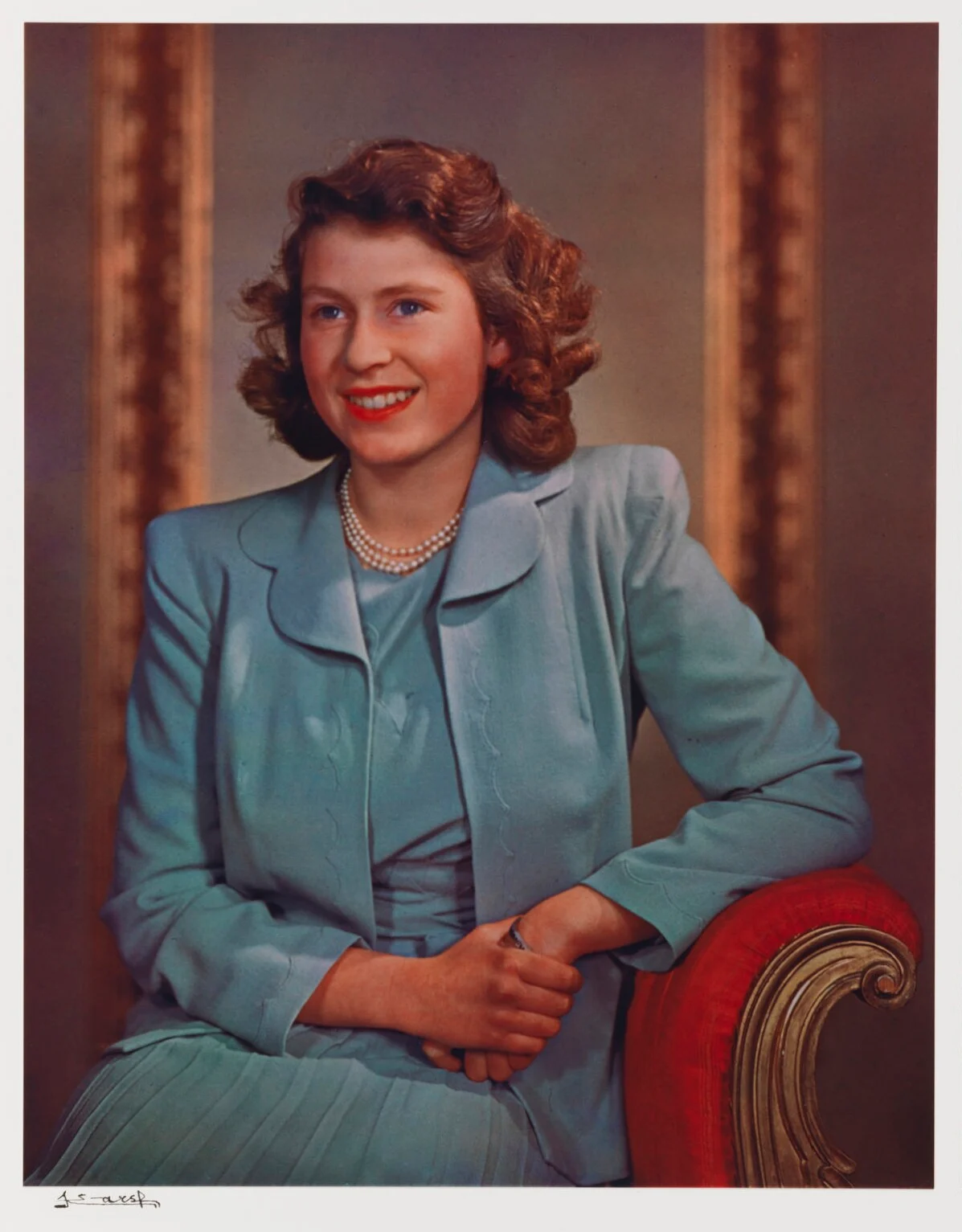
Cibachrome print
A high quality colour print made from a colour transparency enlarged directly onto reversal colour paper. The paper is unique in that dyes are incorporated into the emulsion on the paper instead of being formed chemically. This gives exceptional colour image brilliance. The paper is exposed to a transparency and the colours are recorded by complementary layers in the paper. A dye destruction print made in this way is more permanent than a chromogenic print.
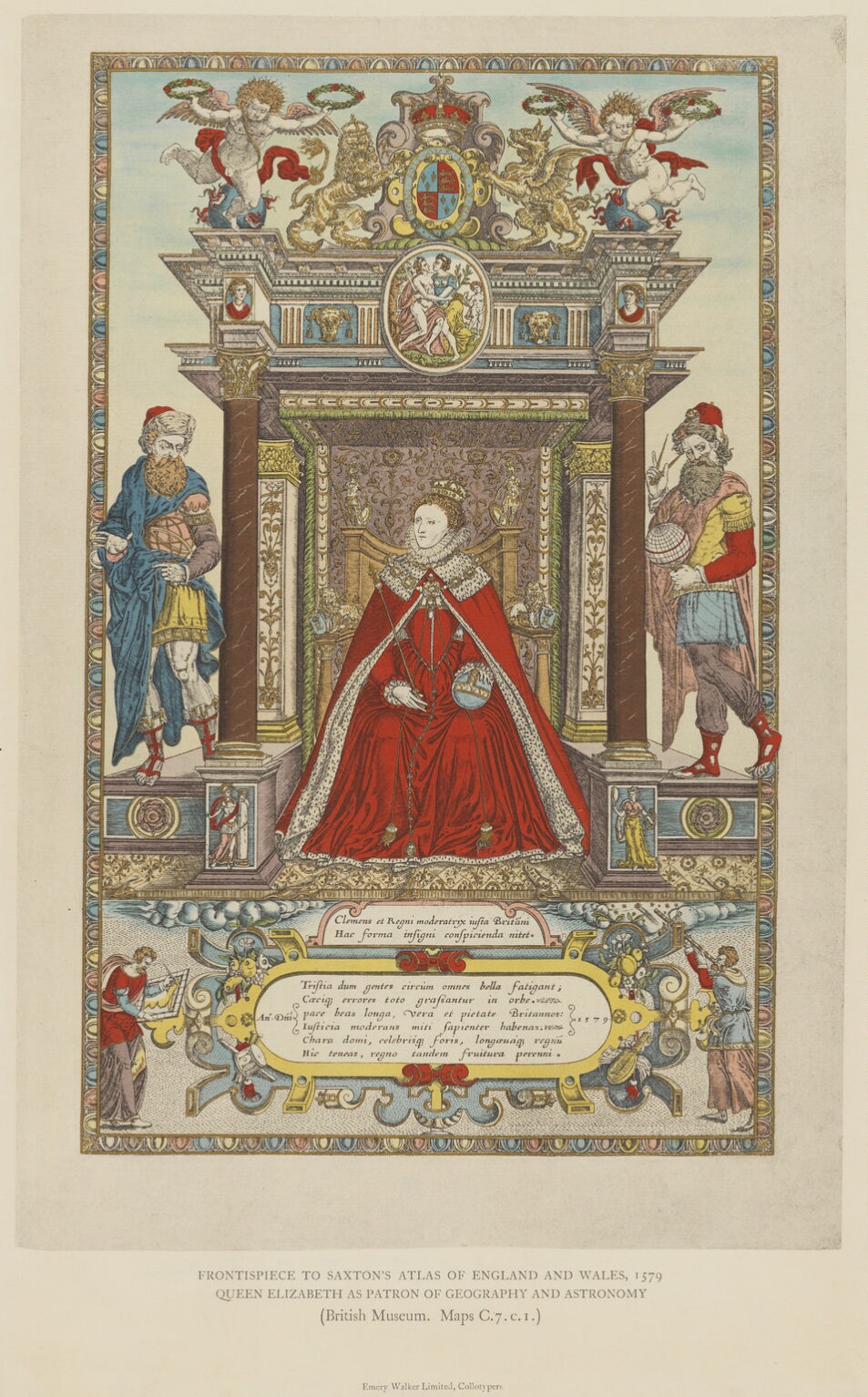
Collotype
A photomechanical produced image made from a photographic image, with similarities to the lithographic printing process. The process evolved gradually from the work of A.L. Poitevin in the 1850s and is still in occasional use. It produces prints which can be of very high quality with finely detailed images and the appearance of having continuous tone. A finished collotype, especially if varnished, is often difficult to distinguish from a true photograph.
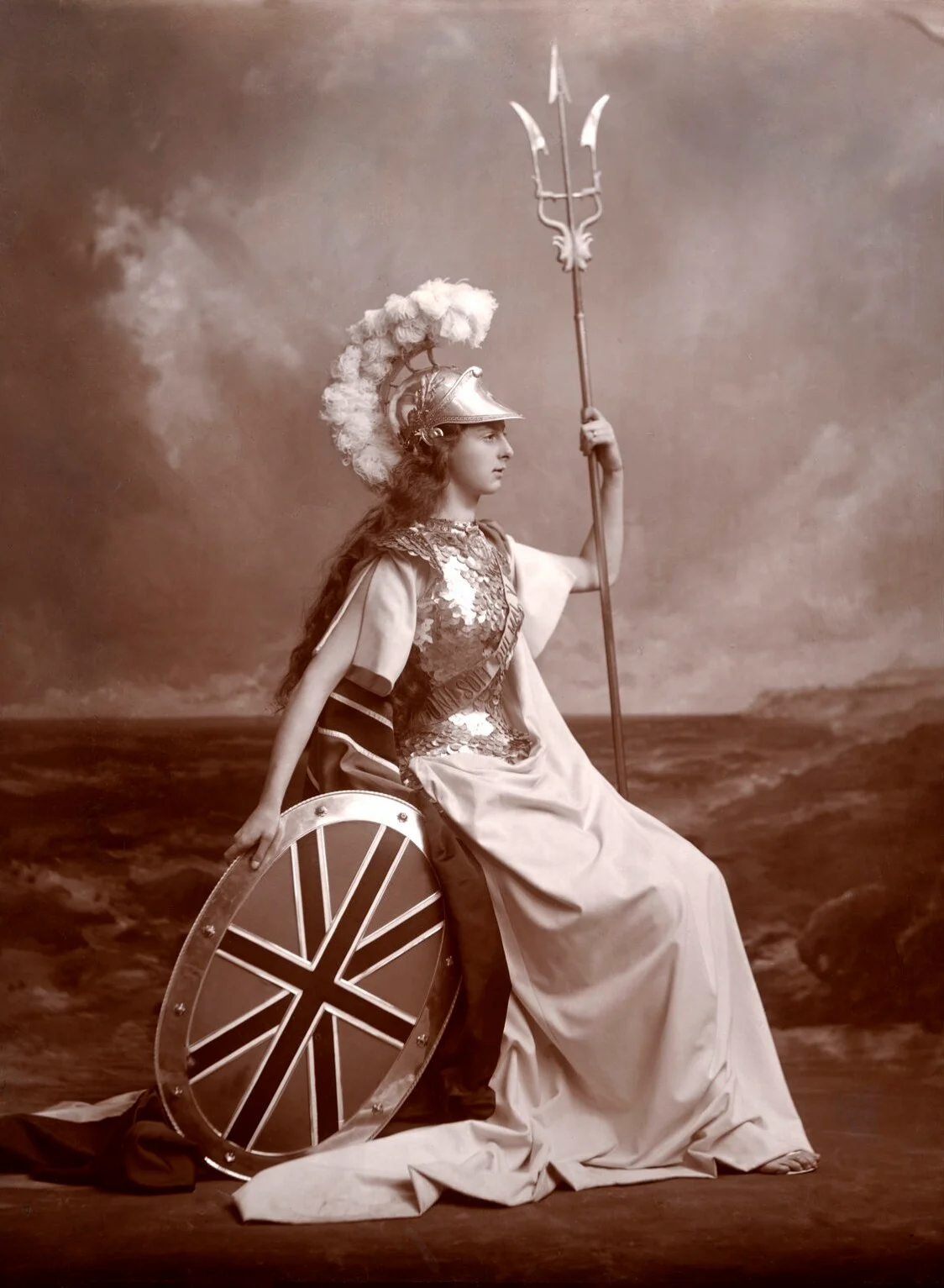
Contact Print
A contact print is a photographic image produced from a film, usually a negative, The defining characteristic of a contact print is that the photographic result is made by exposing through the film original onto a light sensitive material pressed tightly to the film. Since this process produces neither enlargement nor reduction, the image on the paper print is exactly the same size as the image on the negative meaning a whole 35mm film can be viewed as one contact sheet if needed. Useful as an aid in the selection of images for further enlargement, cataloguing and identification.
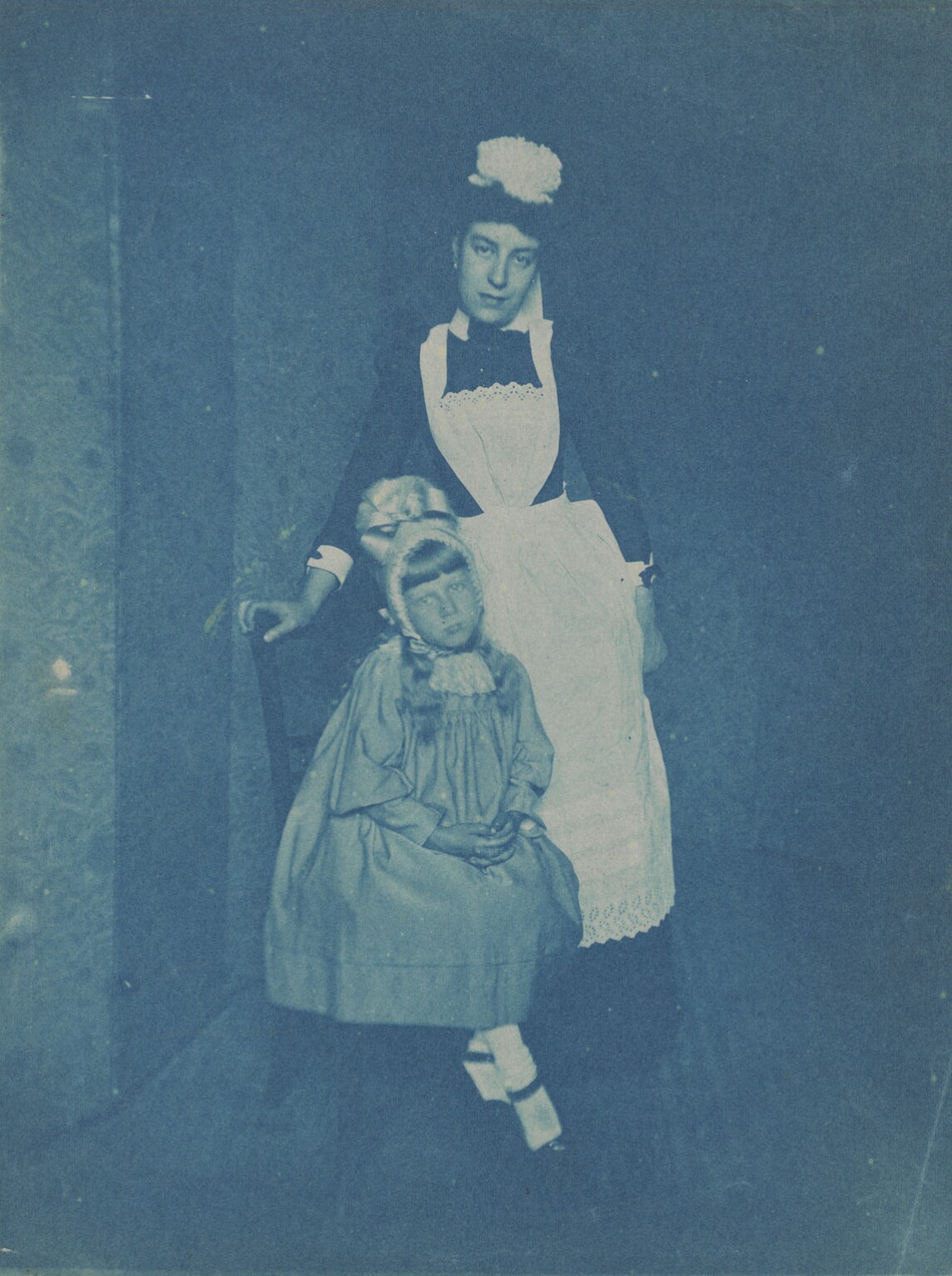
Cyanotype
Invented by Sir John Herschel in 1842, the cyanotype process requires Potassium ferricyanide and Ferric ammonium citrate to be mixed with water. The two solutions are then blended together in equal parts. Any naturally absorbent material (paper or textile) is coated with the solution and dried in the dark. Objects or negatives are placed on the material to make a print. The cyanotype is printed using UV light, such as the sun, a light box or a UV lamp. After exposure the material is processed by simply rinsing it in water, producing a white print on a blue background.
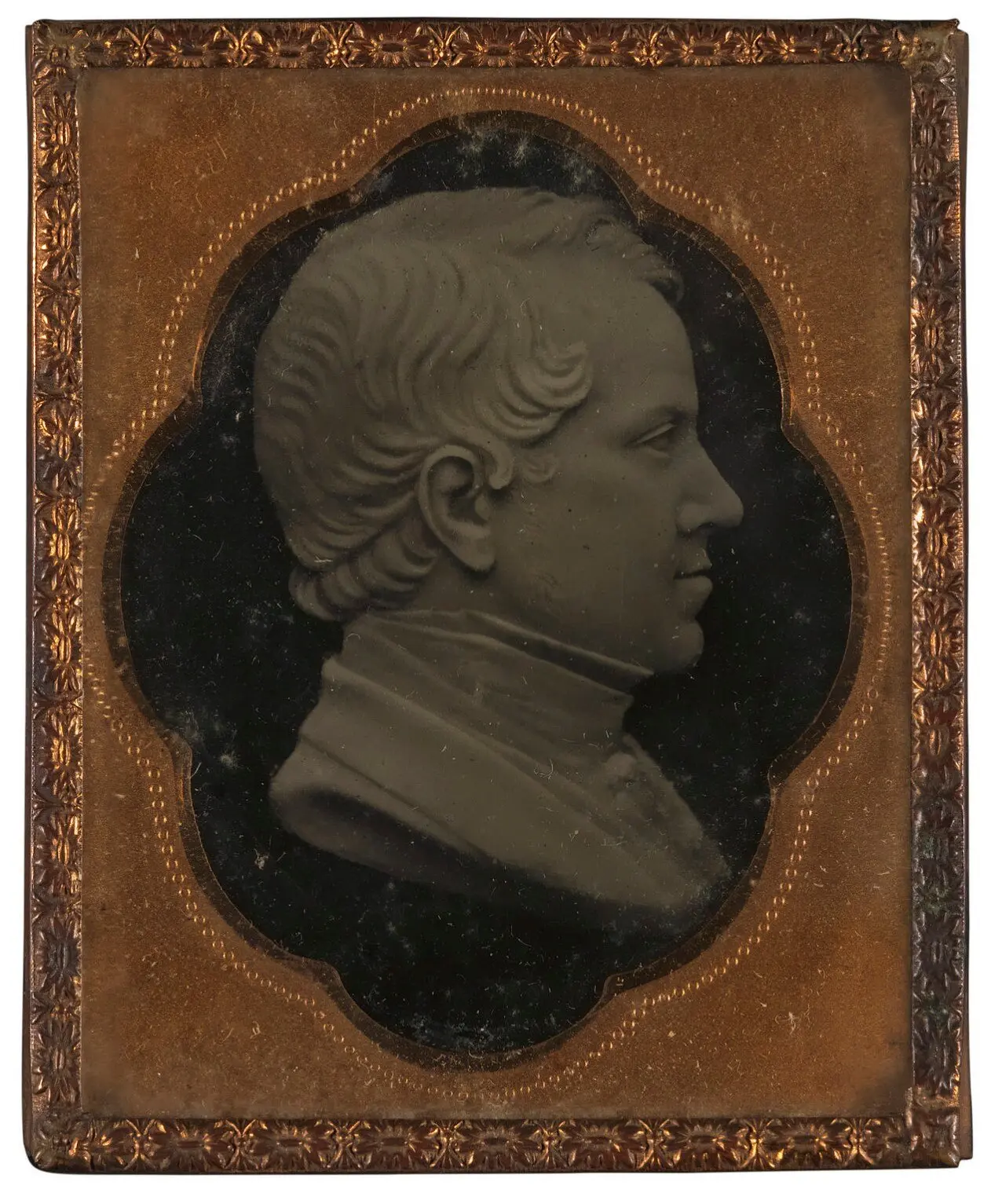
Daguerreotype
Invented in Paris by L.J.M. Daguerre in 1839, it was the first commercial photographic process. It used a copper plate with a polished silver surface sensitized by iodine fumes which was exposed in a camera, and the image developed over heated mercury vapour. There is no negative but a reversed plate mounted behind protective glass in a decorative case. It became a widely popular process for portraiture as refinements in technique were made and exposure times considerably reduced.
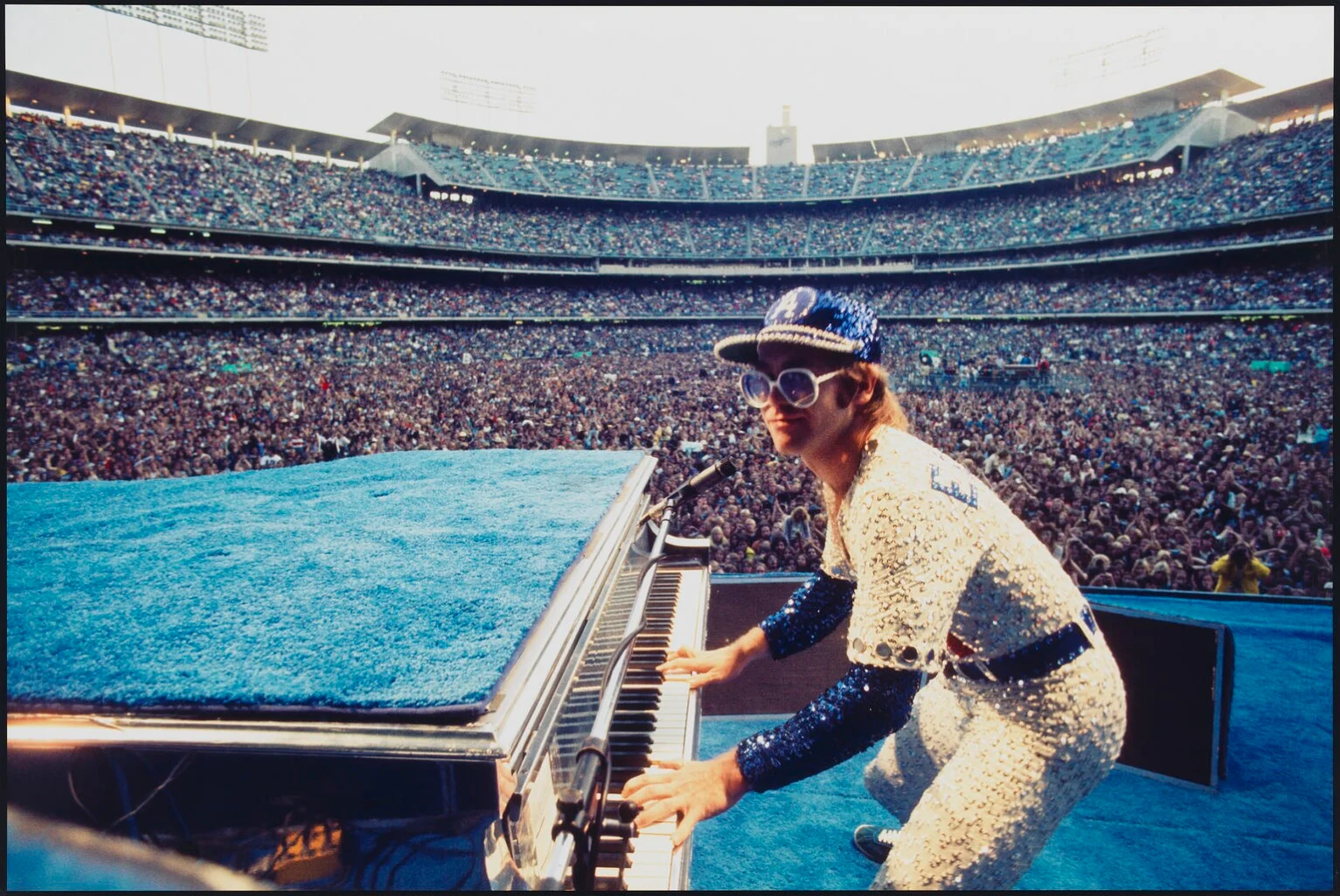
Digital imaging
Developed in the 1970s, digital imaging is the conversion of images into binary language to be stored on a computer's memory. Images can be captured by scanning or by a digital camera - video images can also be digitized. In digital cameras film is replaced by a small chip (CCD) which reacts to light like film, but instead of storing an image chemically, converts it into digital form. The data that makes up this image can be viewed on a computer screen as a pattern of tiny squares called pixels. Through the use of various kinds of software it can be stored, transferred into a multimedia programme, manipulated, enhanced, or simply printed out.
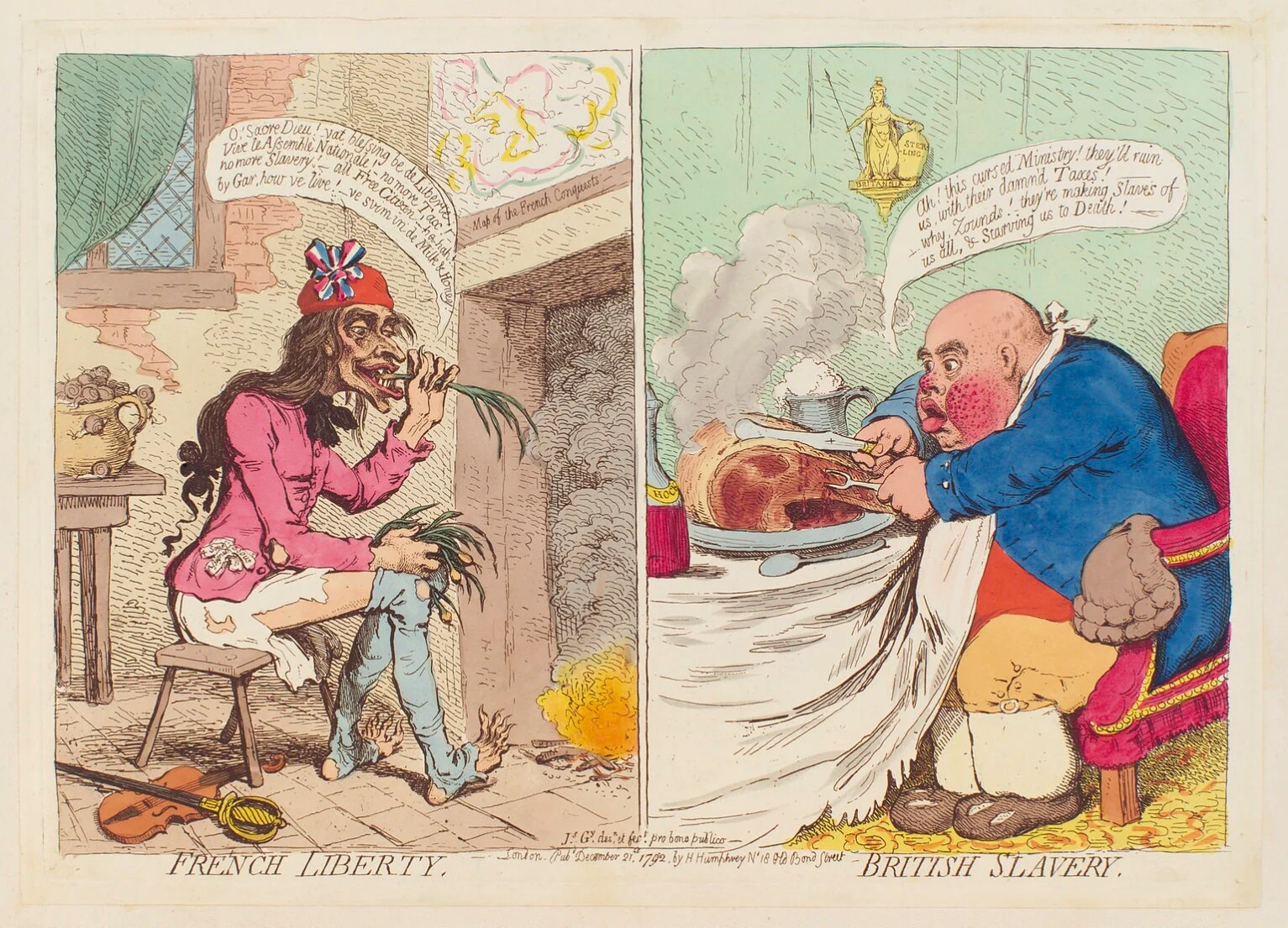
Diptych
In it's most basic form, a diptych is any object with two flat plates usually attached at a hinge. In ancient times a diptych was also a type of icon whereby two panels are joined together with a hinge, so that they may fold together for protection when travelling, and then be unfolded for veneration when one's destination has been reached. Today a diptych can also loosely refer to a work made up of two matching or co-ordinating parts and is used by artists in panel paintings and photography for example.
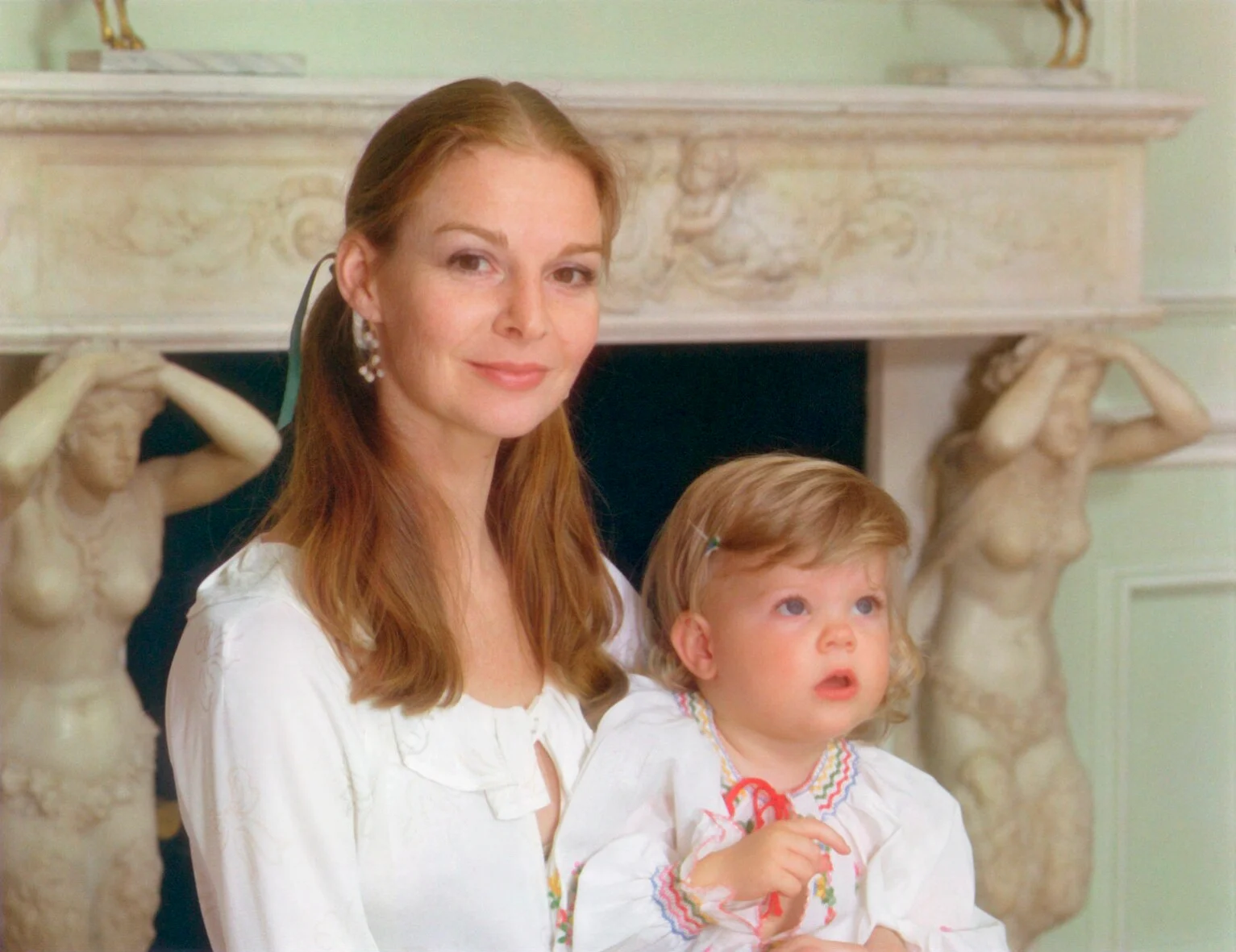
Dye-transfer print
A type of colour print made by a series of related processes in which three carefully superimposed layers of dye are transferred to a gelatin-coated base. The dye-transfer process, which has come a long way since its origins in the 1870s, is time-consuming but permits a lot of control of results and produces a relatively permanent print that does not contain silver.
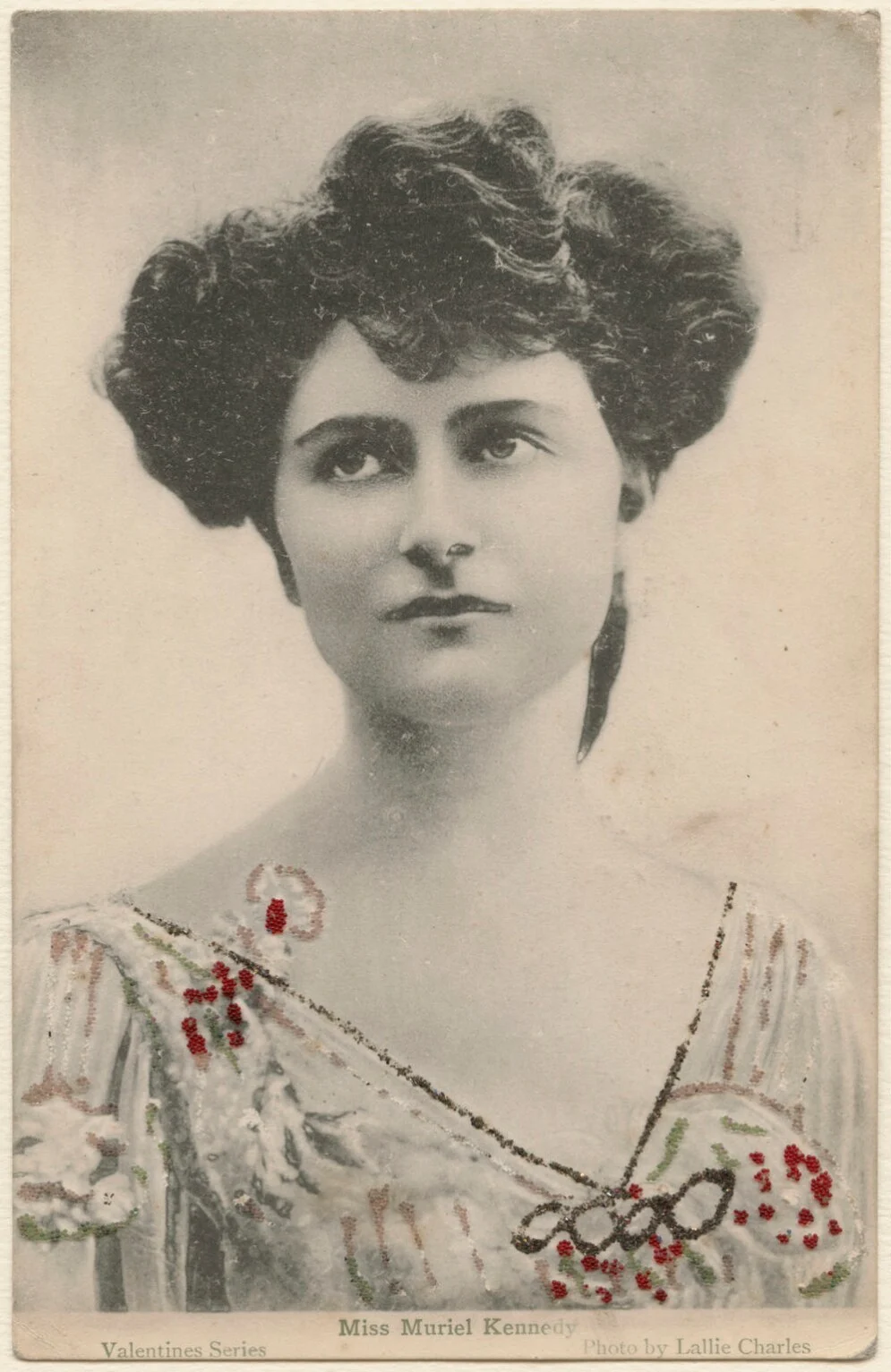
Embellishment
Embellishment is often associated with a final finishing touch but can also be a major part of the composition of a work of art. In photography, final photographs can be embellished with colour, glitter or gold or silver paint usually used to frame and edge the photograph. Popular embellishments in mixed media include gold and silver leaf, crystals and anything else that will enhance the work of art.

Glass magic lantern / slide
The Magic Lantern was the forerunner of the modern slide projector. The slide a transparent positive image of a photograph in the form of a glass slide that could be projected onto a wall or screen using a Magic Lantern. The practice of using Magic Lanterns to project images on glass plates was in operation as early as the 17th century. Projected lantern slides quickly became the favourite technology of the lecturing art historian and remained in use for the next several decades.
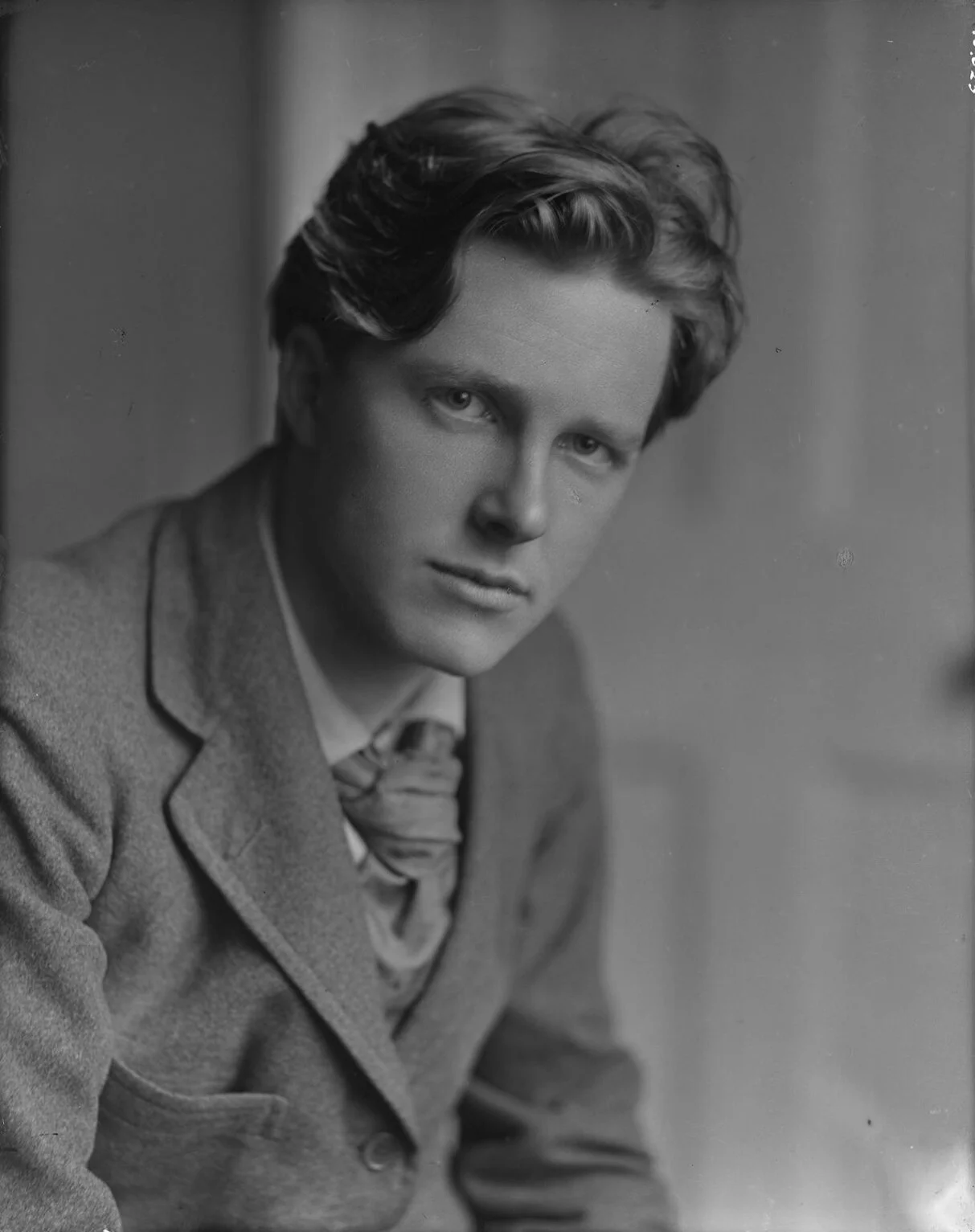
Glass positive
From 1850 onwards flat sheets of glass were used as supports for light-sensitive materials used in photography. They were used for positives, like the ambrotype, or more frequently, for photographic negatives. Albumen, collodion, and gelatin carrying light-sensitive silver salts have all been successfully used for coating glass plates to use in the camera. The term 'glass plate' most often applies to the collodion process.
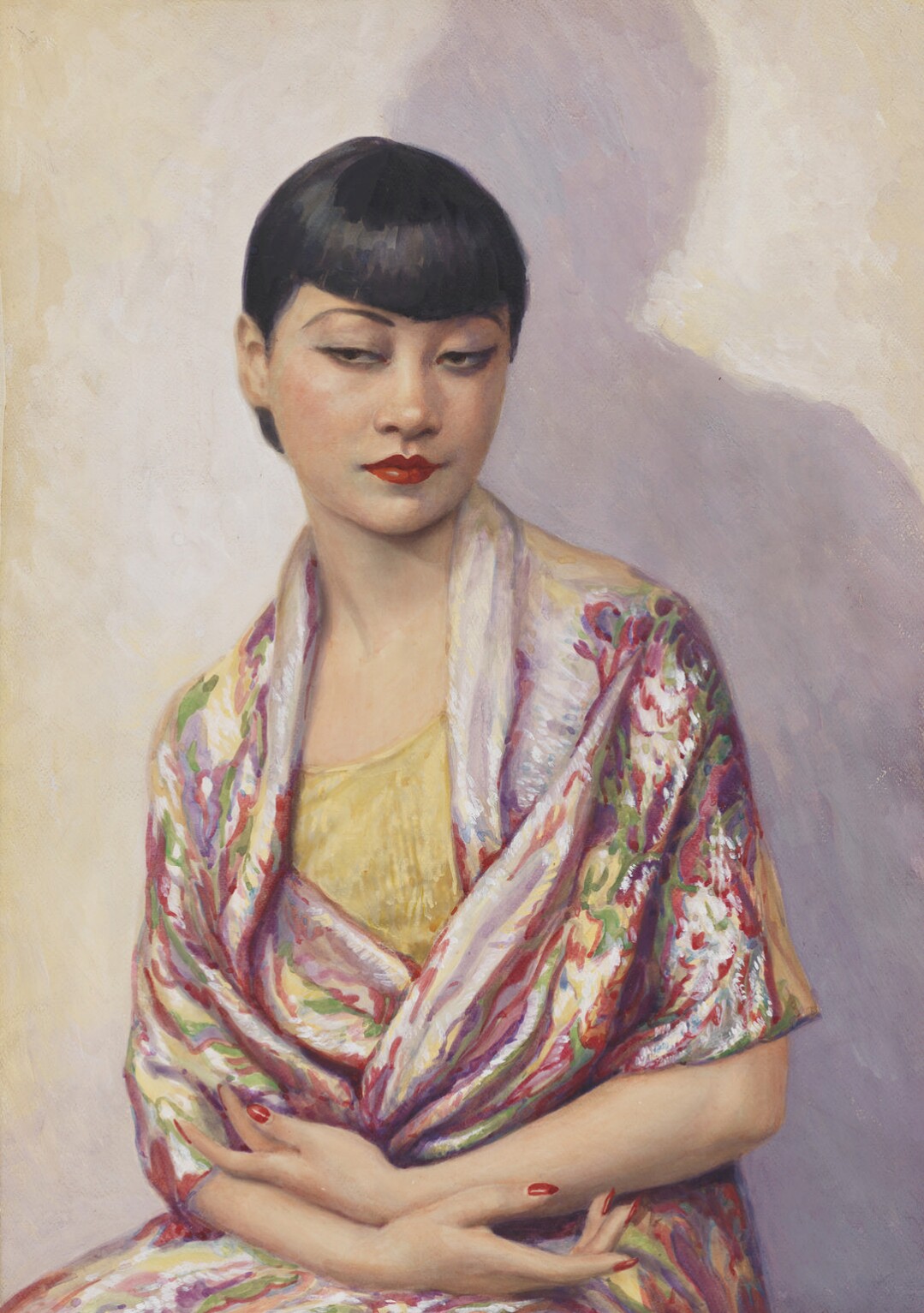
Hand-coloured
Coloured dyes, usually applied with a brush, to black-and-white photographs. Colouring a portrait or postcard by hand has been popular since Victorian times. It was common practice to add a touch of gilding on jewellery or a faint flush to the cheeks by hand to daguerreotypes. In a method used in 1842 colours were mixed with alcohol which dried to a transparent tint. Today watercolour, photographic dyes, oil colour, air brushing and bleaching back are techniques which might be used.
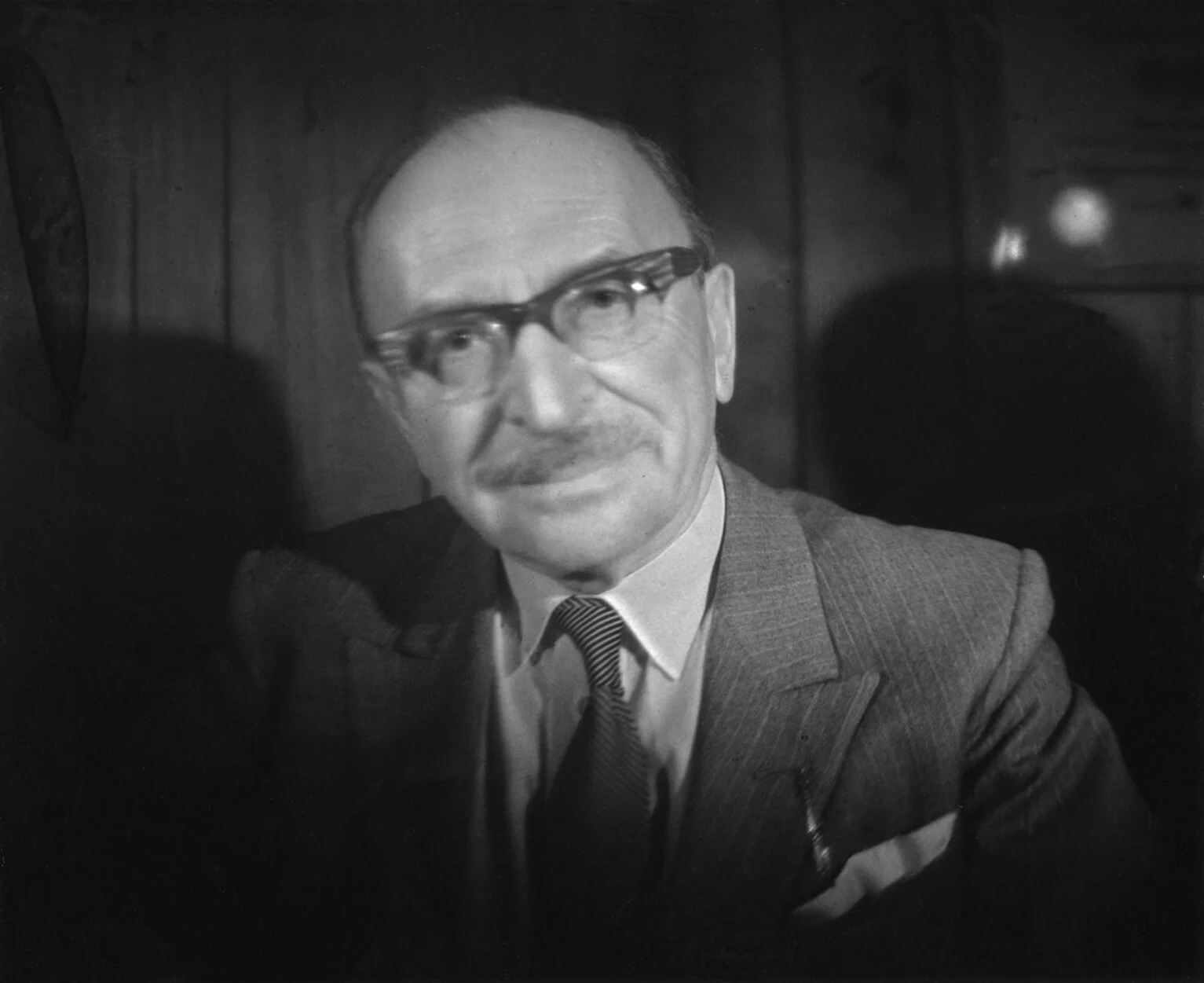
Hologram
Image made on a photographic plate which, when viewed under the appropriate conditions, gives a three-dimensional image. A light-sensitive film is used but it is not a conventional photographic technique. Pictures are viewed either by reflected light, such as a hologram on a credit card, or by projected laser-generated beams of light.

Kodalith
A type of photographic printing paper coated with an orthochromatic emulsion which gives a high contrast print with very dense blacks when processed in Kodalith developer. It is a material normally used for graphic art work which, however, can be used to give a range of unusual effects if development is controlled. A brown or yellow appearance can result if a print is given less development time and over-exposed.

LCD screen
A liquid crystal display (LCD) is a thin, flat panel used for electronically displaying information such as text, images, and moving pictures. Among its appealing features are its lightweight construction, its portability, and its ability to be produced in much larger screen sizes than are practical for the construction of cathode ray tube (CRT) display technology. LCD screens provide a valuable display opportunity for moving images or for other digital works.
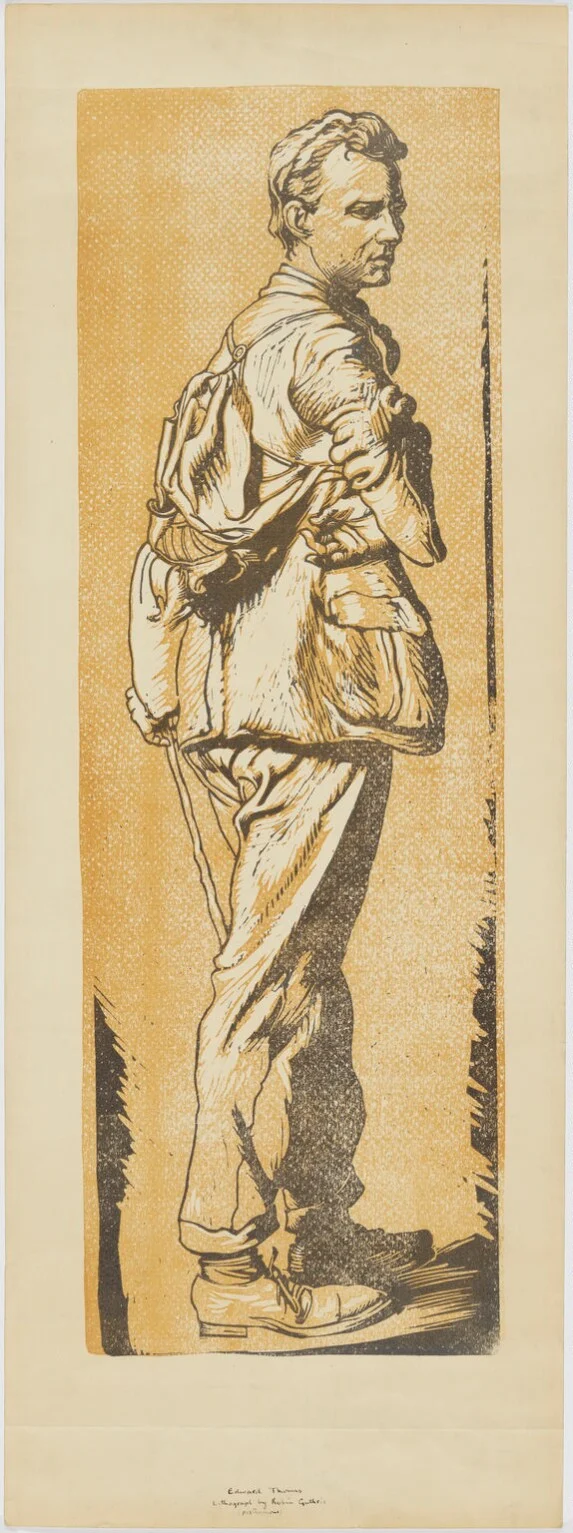
Monochrome
Monochrome denotes one colour and in art and film photography traditionally refers to black and white. In the use of ink for drawings, monochrome can also refer to combinations containing only tones of a single colour, such as blue or shades of brown. Monochrome can also refer to sepia where works can be made up from a number of tones of a specific colour depending on the the intensity (dark) and lucidity (light) in the image. In early photography monochromatic images were produced by methods such as ambrotype and daguerreotype.
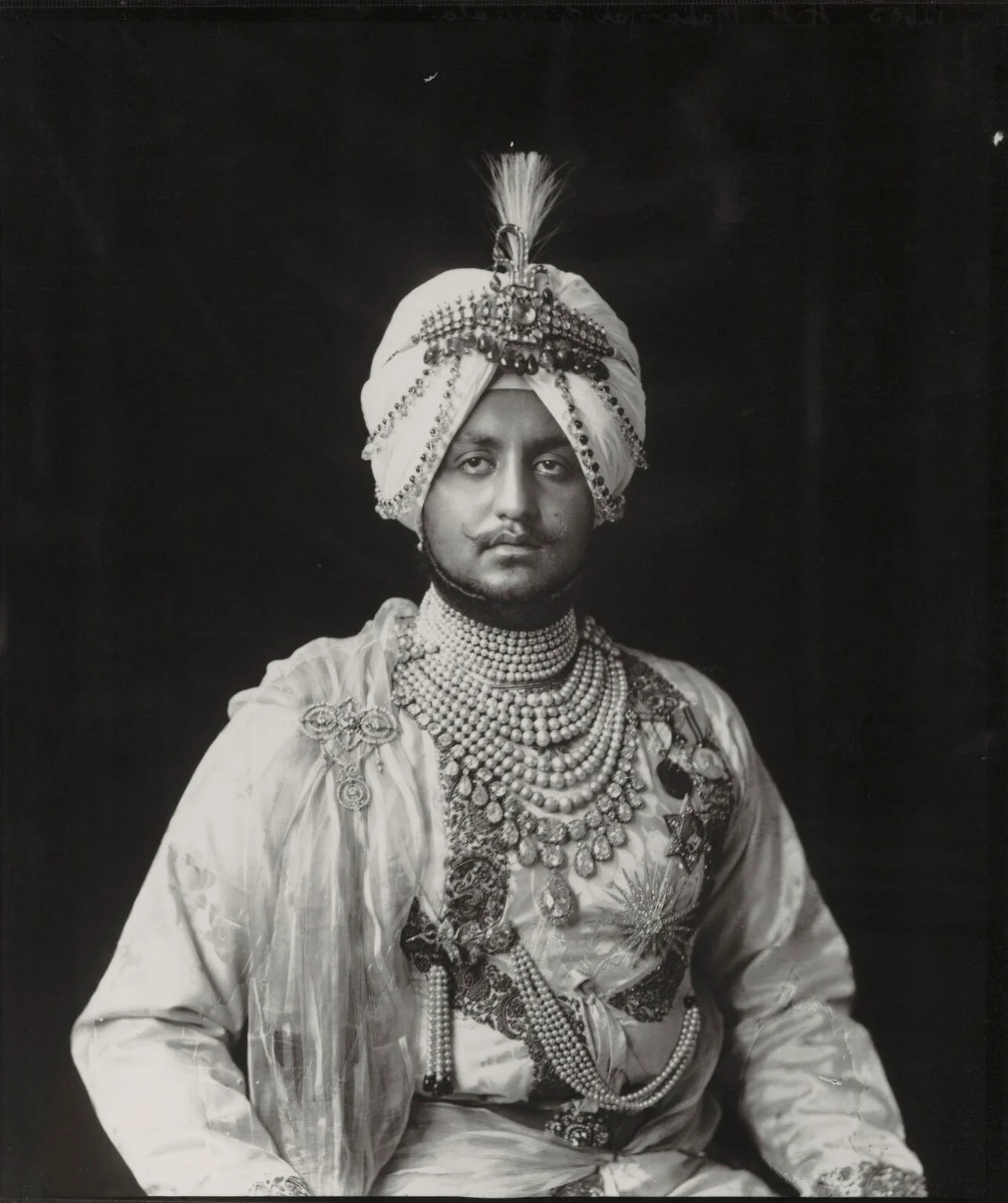
Negative
In many photographic processes a negative is considered a master image from which other prints are produced. Negatives have been produced on glass and chemical coated plastic. In 35mm photography, the image is captured onto unexposed film which produces the negatives. A negative image is a tonal inversion of a positive image, in which light areas appear dark and vice versa. A negative colour image is additionally colour reversed, with red areas appearing cyan, greens appearing magenta and blues appearing yellow.
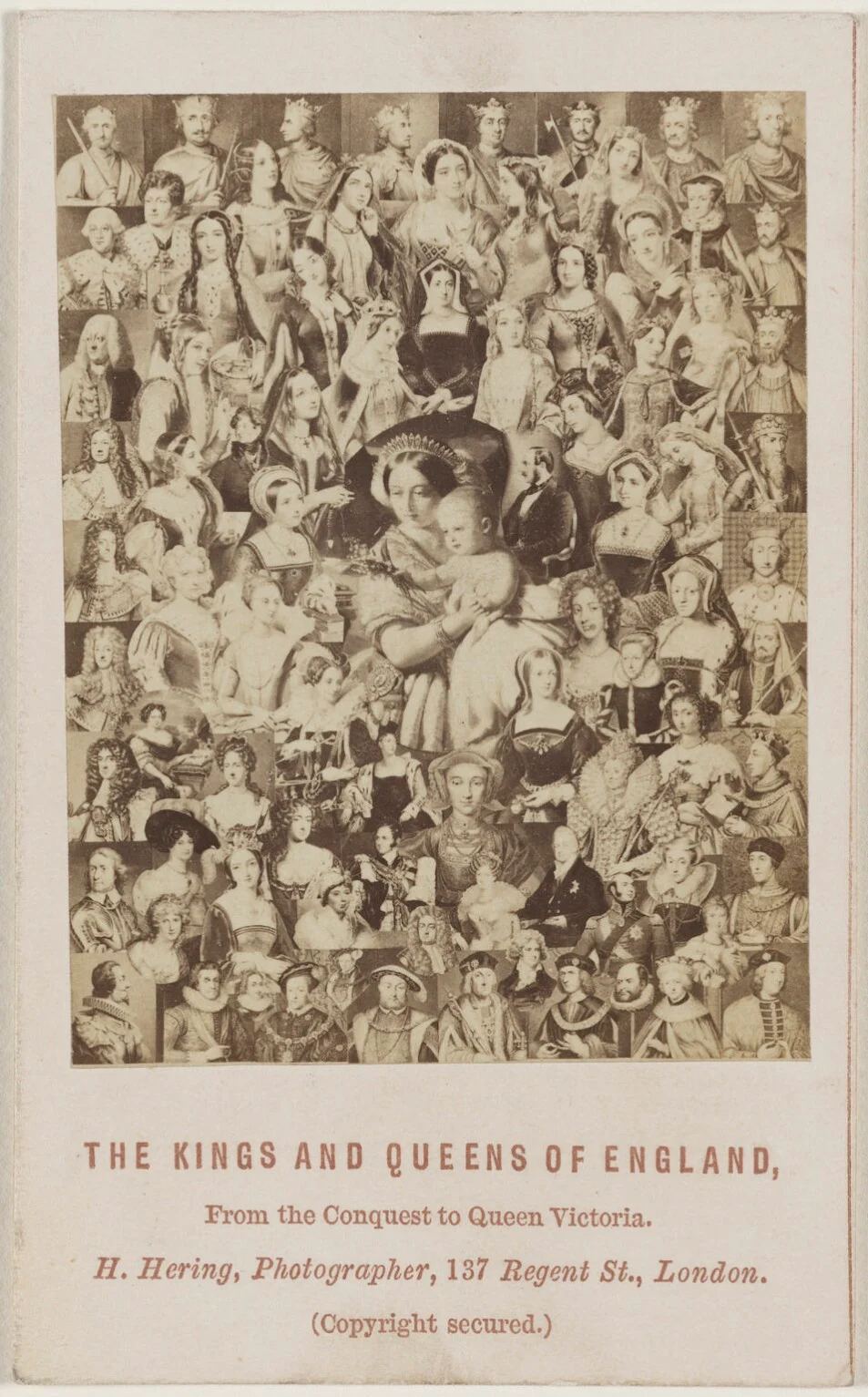
Photo collage
Fragments of photographs, with or without specific image content, torn or cut and stuck down onto a flat surface to make a new picture. Handwork in pencil, pen, or brush can be added to the surface and the resulting image is often abstract. In photomontage a combination of photographs or images are turned into a new image, sometimes by re-photographing the mounted elements, multiple exposure techniques or using digital technology to create a new image on screen allowing infinite variations and edits.
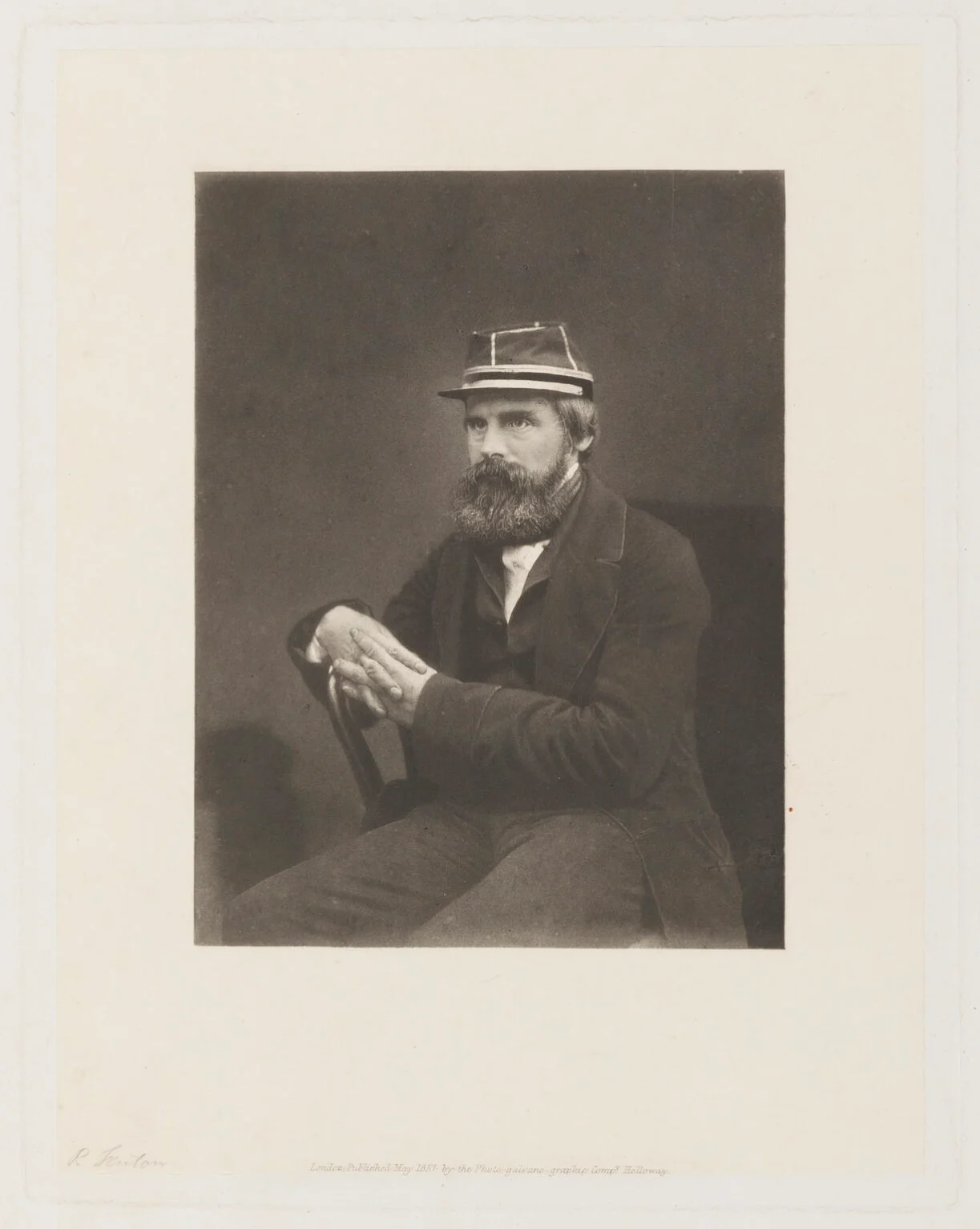
Photogalvanograph
An electro-engraving printing process invented in 1854 by Paul Pretsch, which was beginning of a new era in the history of photography and printing, that of photo-engraving, which saw the publication of photographs in printing ink. It followed on from hand engraving methods, being more accurate and cheaper. Preparation of the plate took about six weeks from which 400-500 copies could be taken using a printing press.
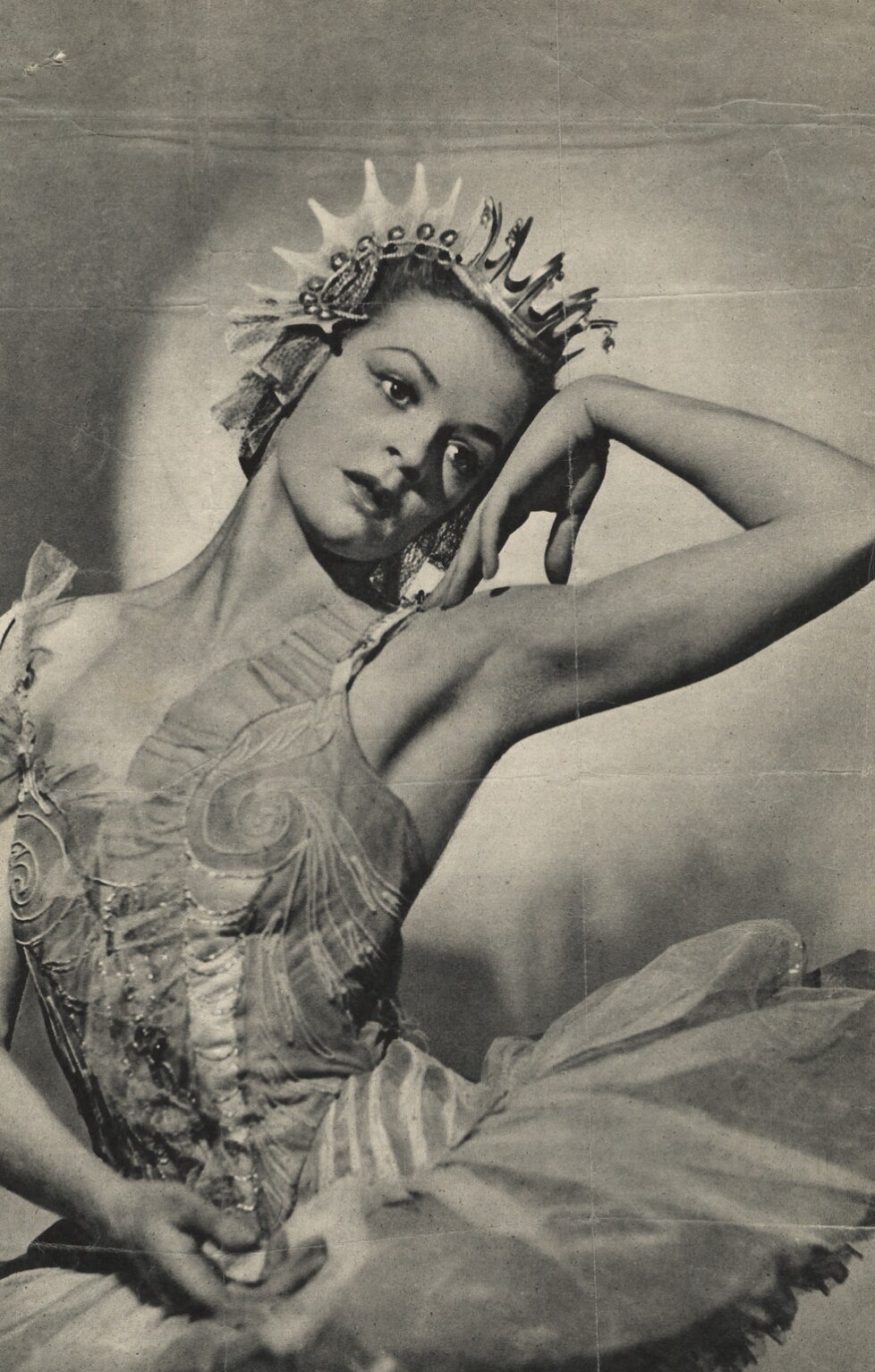
Photogravure
A photomechanical printing process for reproducing photographs in large editions invented in 1879 by Karl Klic of Vienna. Similar to an etching process, it uses a polished copper plate upon which a fine resin dust is adhered by heat. The plate is etched with acid in differing depths in proportion to the tones of the picture, the shadows being the deepest and holding the most ink. The technique was used for reproductions of the work of many of the best-known pictorial photographers in the 1890s and 1900s.
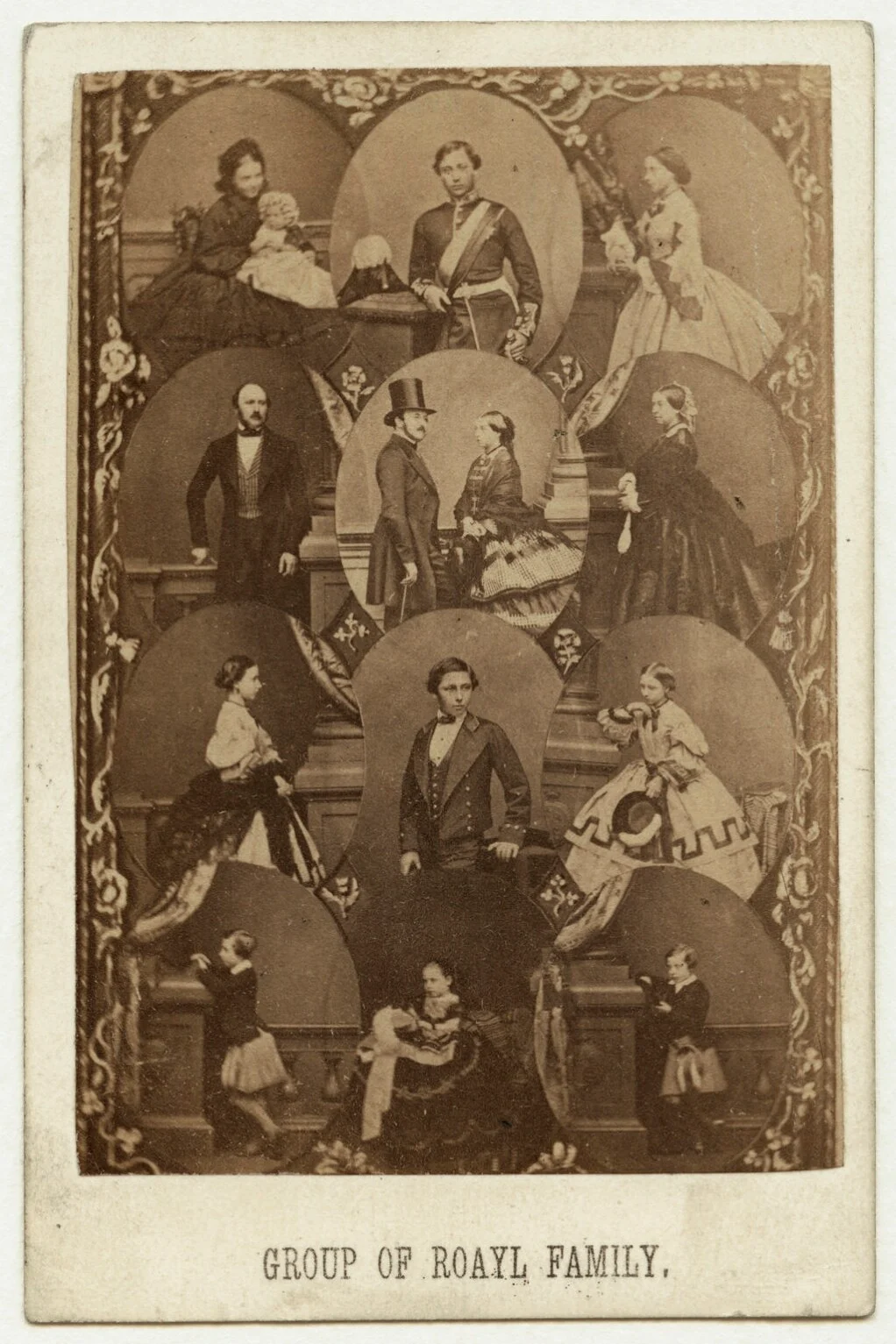
Photomontage
Photomontage is the process (and result) of making a composite photograph by cutting and joining a number of other photographs. The composite picture is sometimes photographed so that the final image is converted back into a seamless photographic print. Today, image-editing software, although not using film, produces similar results. This latter technique is referred to by professionals as "compositing", and in casual usage is often called "photoshopping".
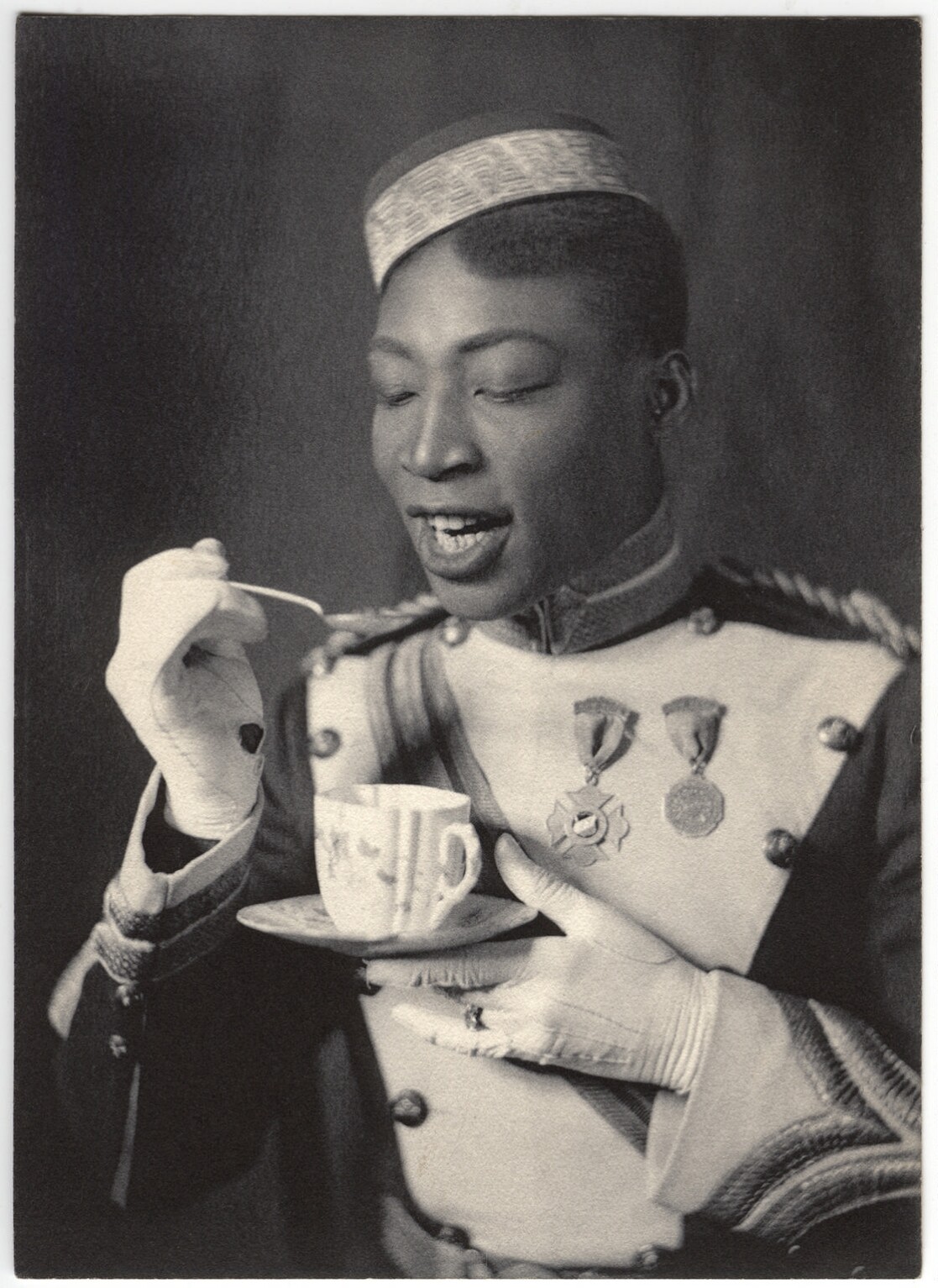
Platinotype
Made by a monochrome printing process, Platinum prints, also called platinotypes, are photographic prints that provide the greatest tonal range of any printing method using chemical development. Dissimilar from the silver print process, platinum lies on the paper surface, while silver lies in a gelatin or albumen emulsion that coats the paper. As a result, since no gelatin emulsion is used, the final platinum image is absolutely matte with a deposit of platinum (and/or palladium, its sister element which is also used in most platinum photographs) absorbed slightly into the paper. Most platinum printing ended around 1914, as the platinum was needed to manufacture high explosives for World War I.
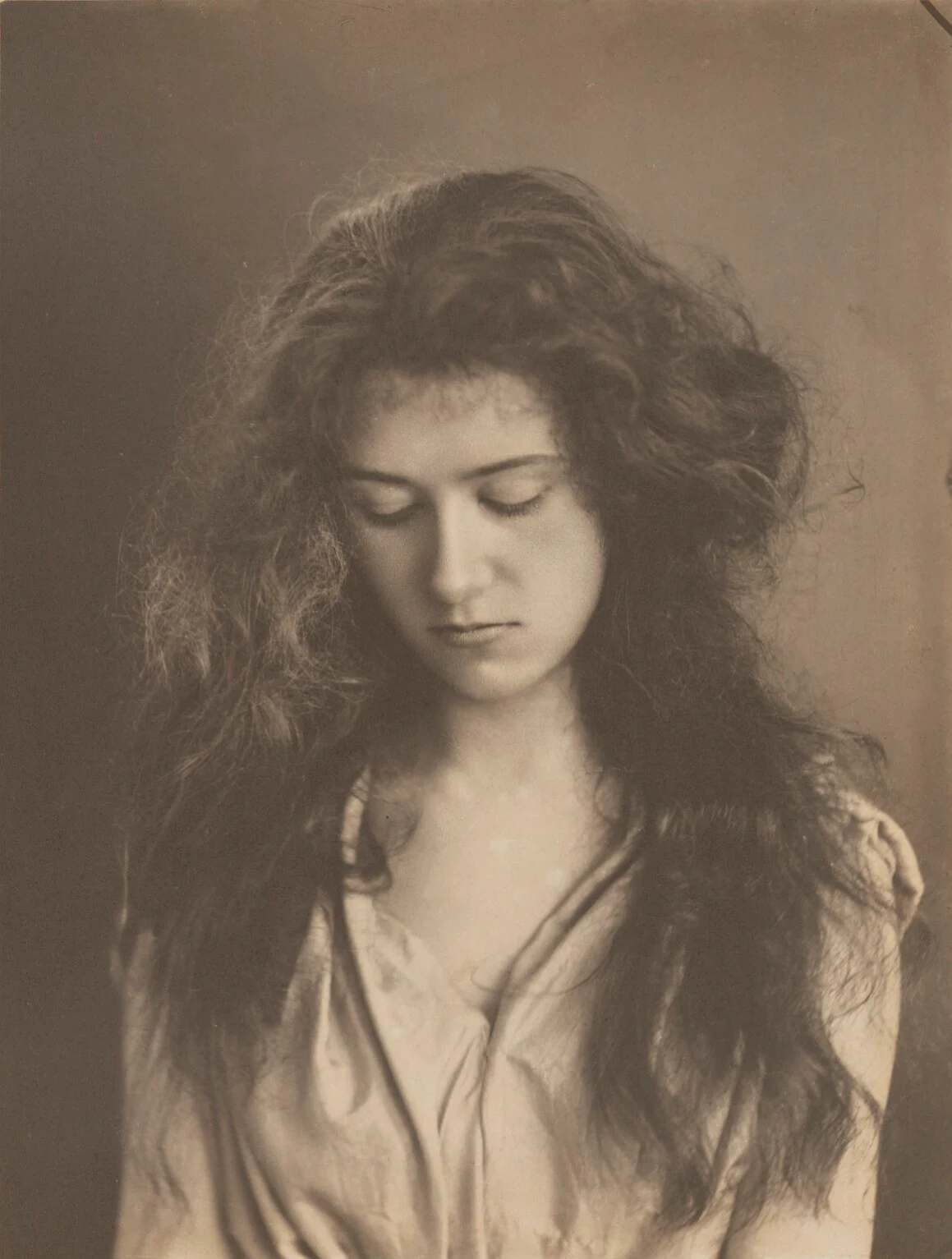
Platinum print, Palladium print
A platinum print is made with paper containing light sensitive iron salts and a platinum compound, rather than the conventional silver salts, exposed in daylight in contact with a negative. The process was invented in 1873 by William Willis and made commercially available in 1879. A dramatic rise in the price of platinum after the 1914-18 war led to the decline of the process. They were in part replaced by cheaper palladium prints, the process for which was almost the same, but where a compound of the less expensive metal palladium was used for sensitizing the paper. These processes were valued for their range of subtle tonal effects and their permanence.
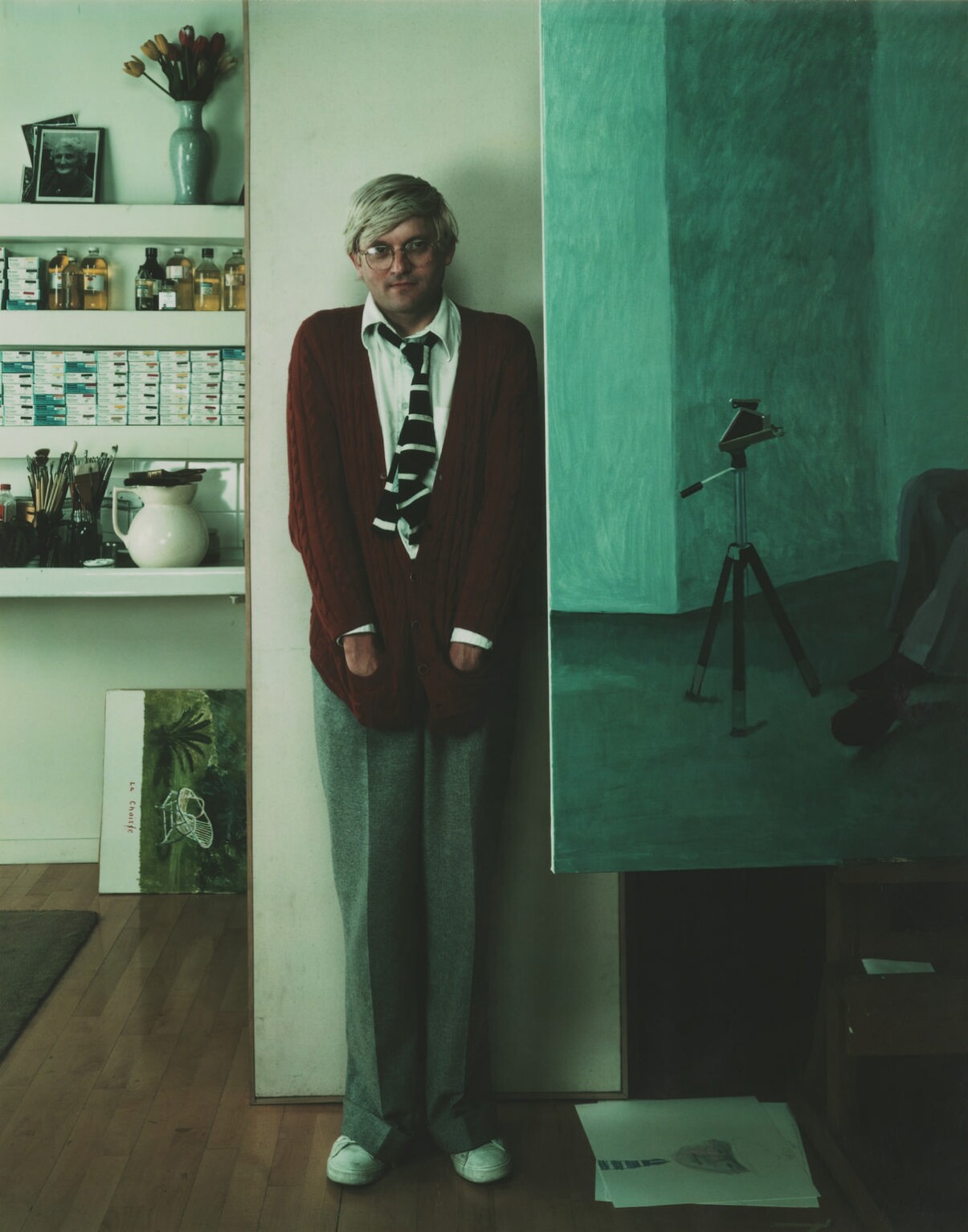
Polaroid
A print produced by the first instantaneous one-step photographic process, first developed by the American E.H. Land in 1947. Initially black-and-white film was used, with Polacolour being introduced in 1962. There are two types: the integral system where the photograph develops directly on to the print, and the peel apart system where the print is separated from a negative backing after exposure. Many of the areas it has been important in, such as studio or scientific photography, are now using digital photography.
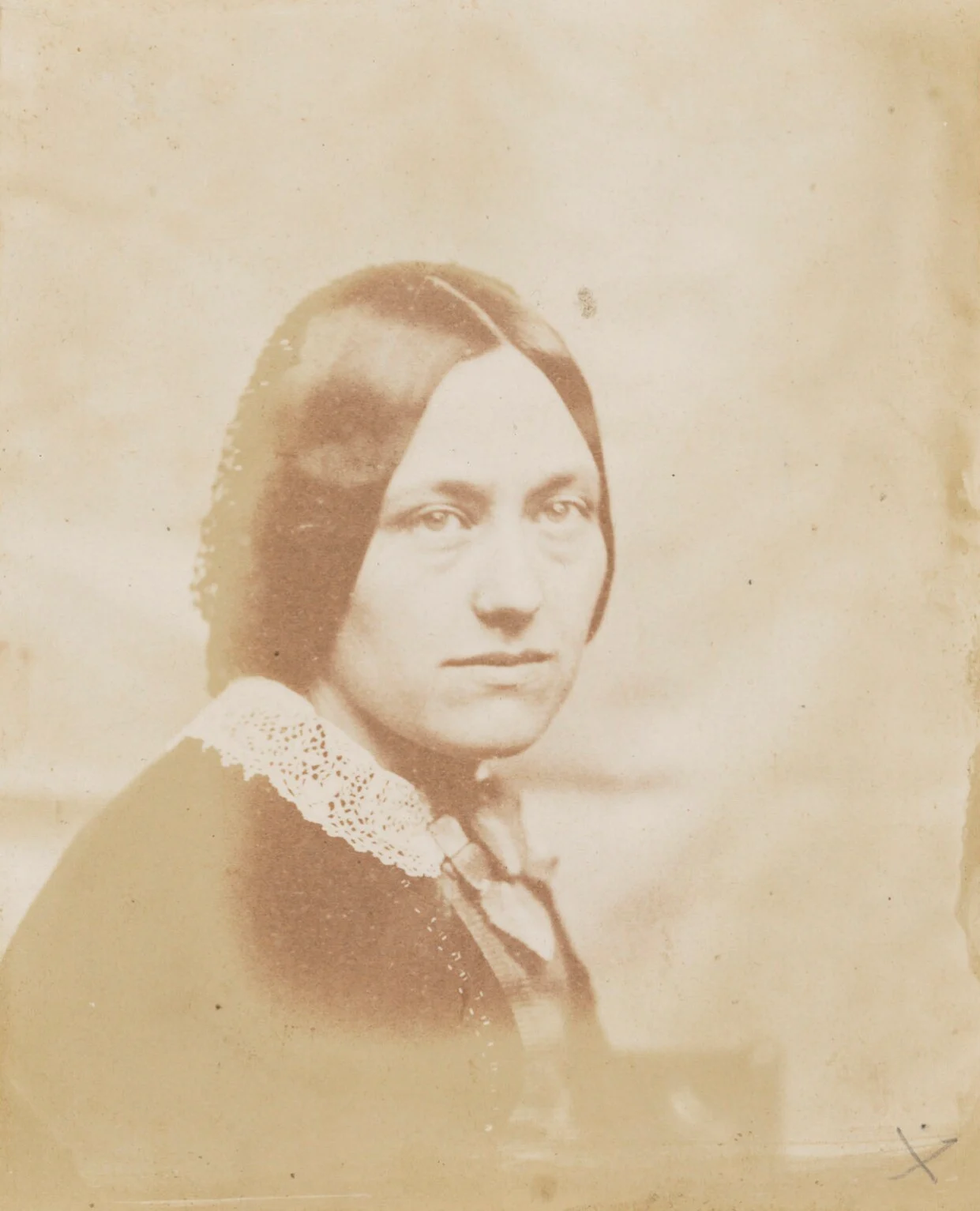
Salt paper process
The earliest photographic process for making positive prints, invented by William Henry Fox Talbot in 1840. The print was made on high quality writing paper that had been immersed in a solution of common salt and then floated in a bath of silver nitrate. A finished salt print is matt in finish, reddish brown in colour, and has no surface gloss. It could be toned with a gold chloride for a richer, purplish tone and greater permanence. Salt prints were superceded by albumen prints in the 1850s.

Silver print or gelatin silver print
Print produced on the most common form of photographic paper up to the present day, introduced into general use in the 1880s. These prints are made with silver halides suspended in a layer of gelatin on fibre based paper. They are developed using the three-bath chemistry of developer, stop, and fixer, and can be chemically toned to alter the finished look of the print.
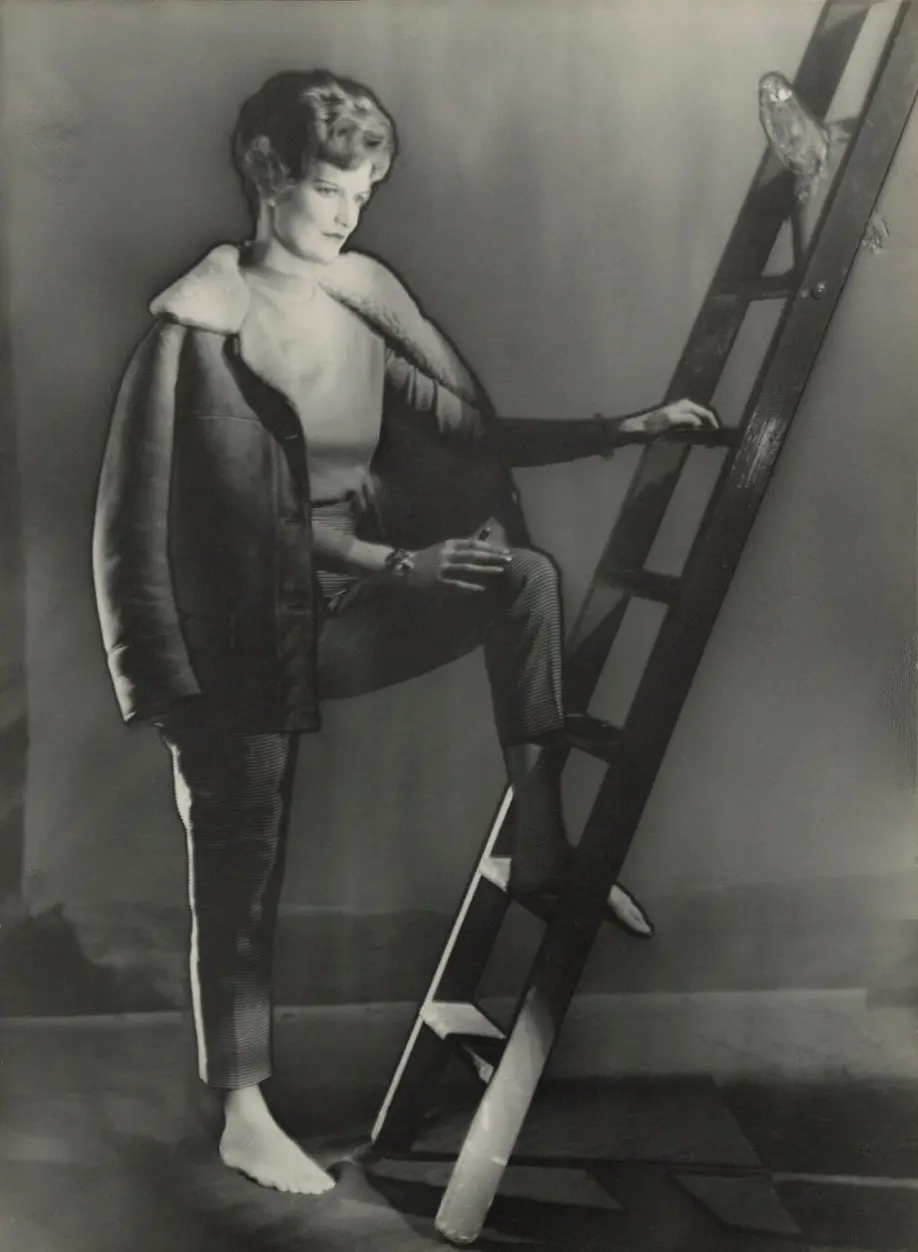
Solarized print process
Solarized print process: Solarization is a phenomenon in photography in which the image recorded on a negative or on a photographic print is wholly or partially reversed in tone. Dark areas appear light or light areas appear dark.
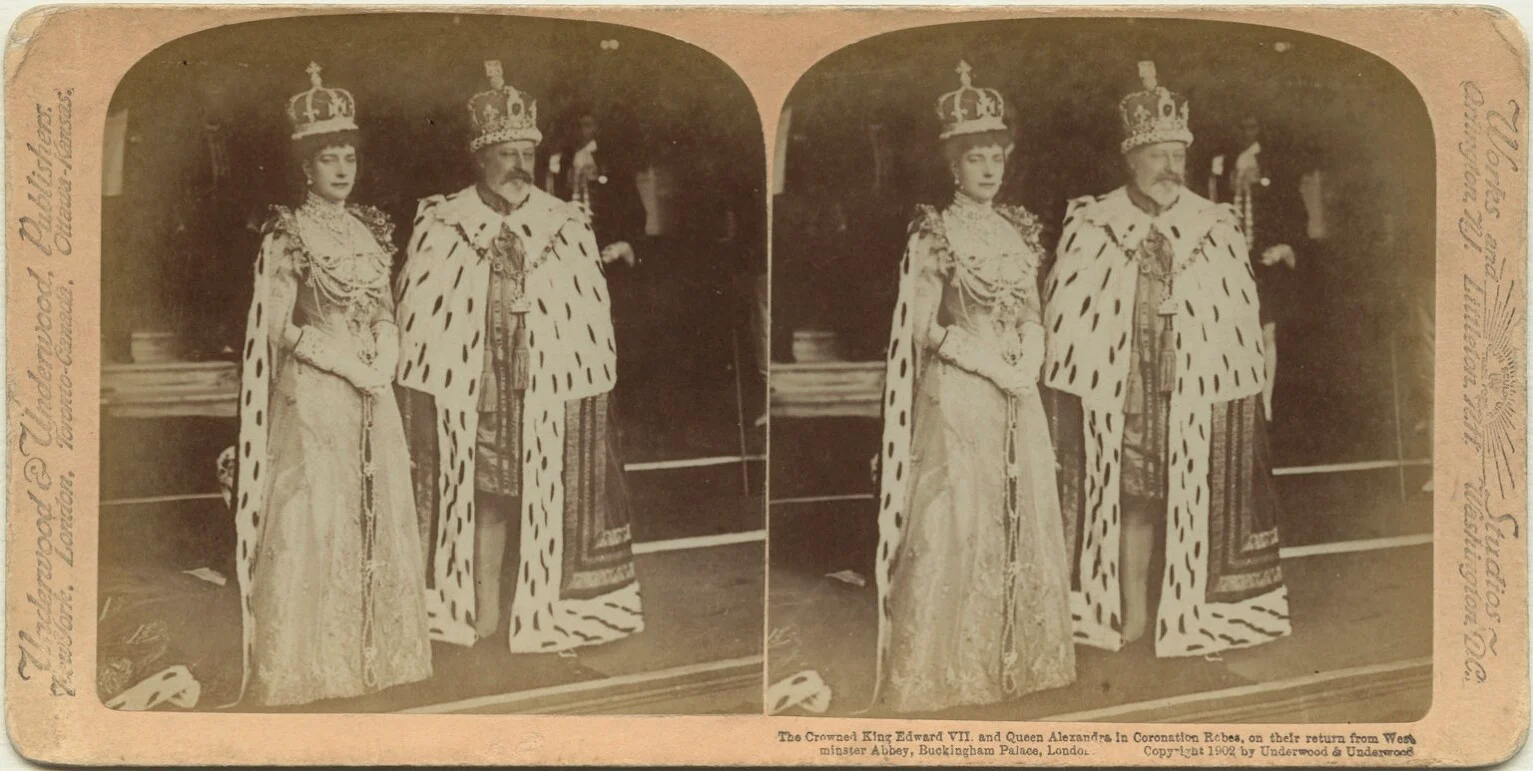
Stereograph
A pair of photographic images on a single support of stiff card. When viewed through a specially designed stereoscope, a stereograph gives the appearance of a single three-dimensional image. The photographs are not identical but have a slight lateral shift having been made with a dual lens camera, each photograph being what the human eye would see.

Vintage print
Although there is no uniform definition of a Vintage print, it is considered that a vintage print is a print made close to the time at which the negative was first exposed or a print made immediately after developing a negative Vintage prints often have a premium attached because they are considered the original piece of art, as it is possible to arbitrarily obtain many copies from the same negative. This means that many photographers therefore choose to sign their vintage prints.
 Note
Note  Flashcards (33)