Genetics - Lecture 26: Cancer Genetics
 Studied by 0 people
 Call with Kai
 Learn
Learn Practice Test
 Spaced Repetition
 Match
Match Flashcards
 Knowt Play
1/38

There's no tags or description
Looks like no tags are added yet.
Name | Mastery | Learn | Test | Matching | Spaced | Call with Kai |
|---|
No analytics yet
Send a link to your students to track their progress
39 Terms
Post-mitotic cells
Mature nerve and muscle cells which do not replicate after maturation
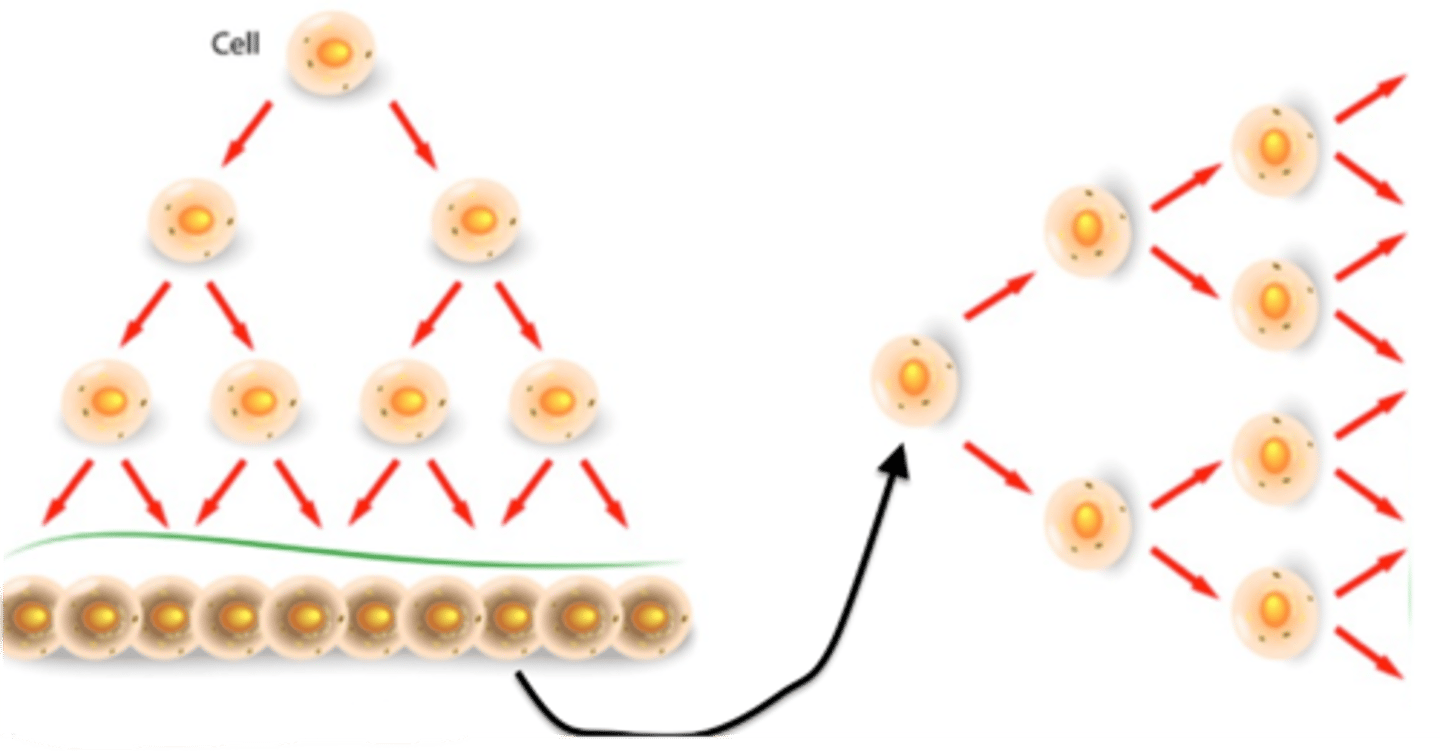
Cancer cells
escape controls on the cell cycle and divide uncontrollably
What is the cell cycle driven by?
protein synthesis and degradation of cyclin proteins present at different stages of the cell cycle
Anchorage dependence
The requirement that to divide, a cell must be attached to the substratum.
Density-dependent inhibition
crowded cells stop dividing
Cyclin dependent kinase (CDK)
encoded by CDC28, control multiple cell cycle steps, and depend on cyclin proteins for their function.
How do Cyclin-CDK kinase complexes work?
they phosphorylate proteins involved in particular cell cycle steps, either activating or inactivating them
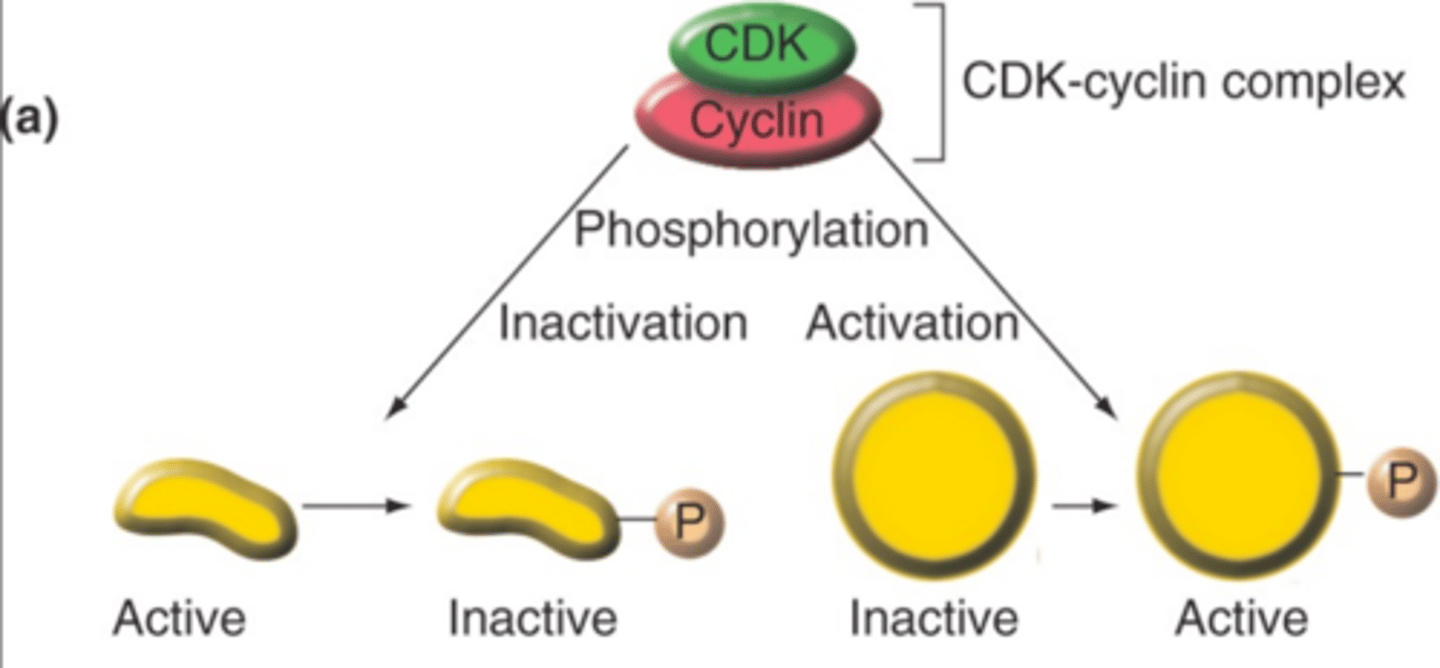
How do cyclin-CDKs regulate their own activities?
activating enzymes that destry themselves
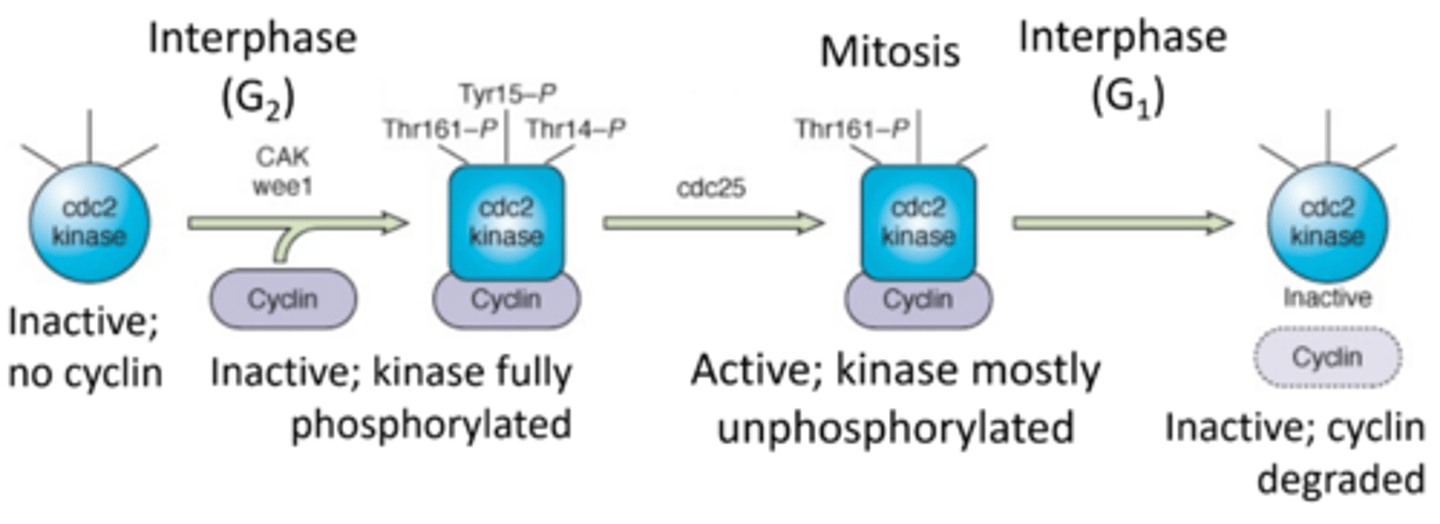
CDK activity is controlled by:
- positive regulation by cyclin protein levels
- inhibitory phosphorylation of the kinase subunit
G1 to S transition
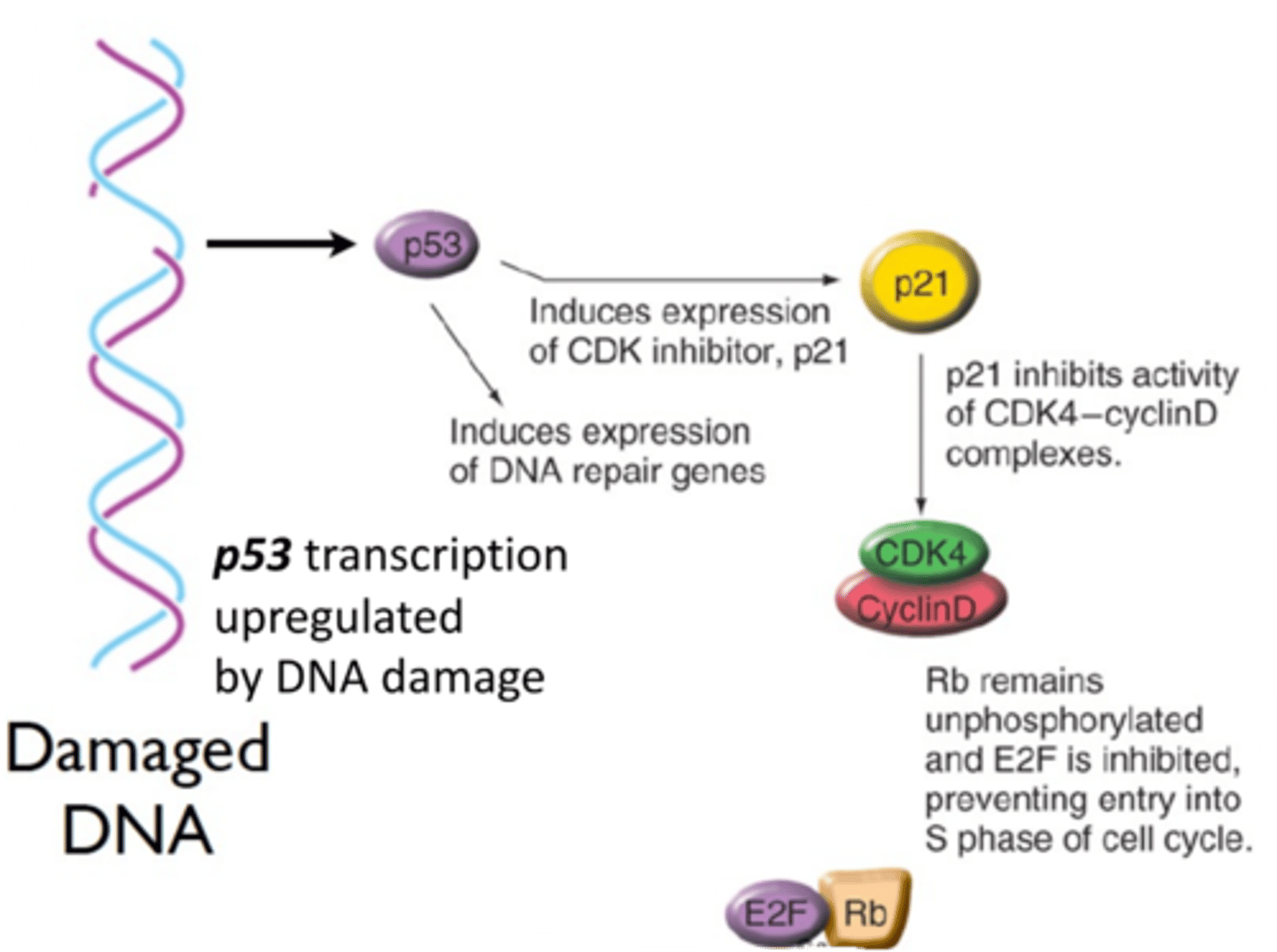
inhibited by DNA damage due to p53 expression
p53
This tumor suppressor gene causes cell cycle arrest in G1, providing time for DNA repair. If repair is successful, cells re-enter the cycle. If unsuccessful, apoptosis
How does p53 stop the cell cycle at G1?
Induces expression of CDK inhibitor p21, which inhibits activity of CDK4-cyclinD complexes
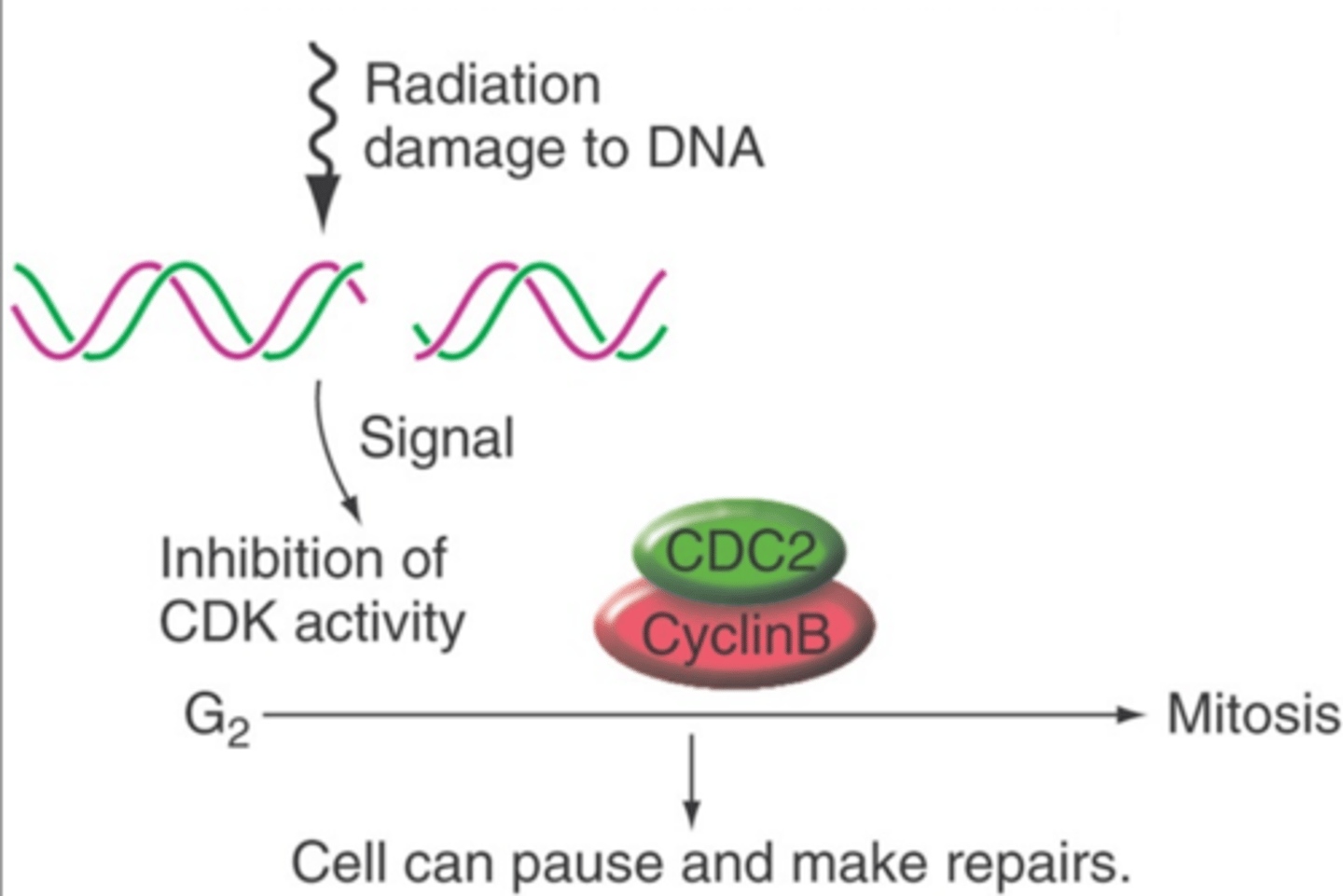
G2 to M transition
inhibited by DNA damage
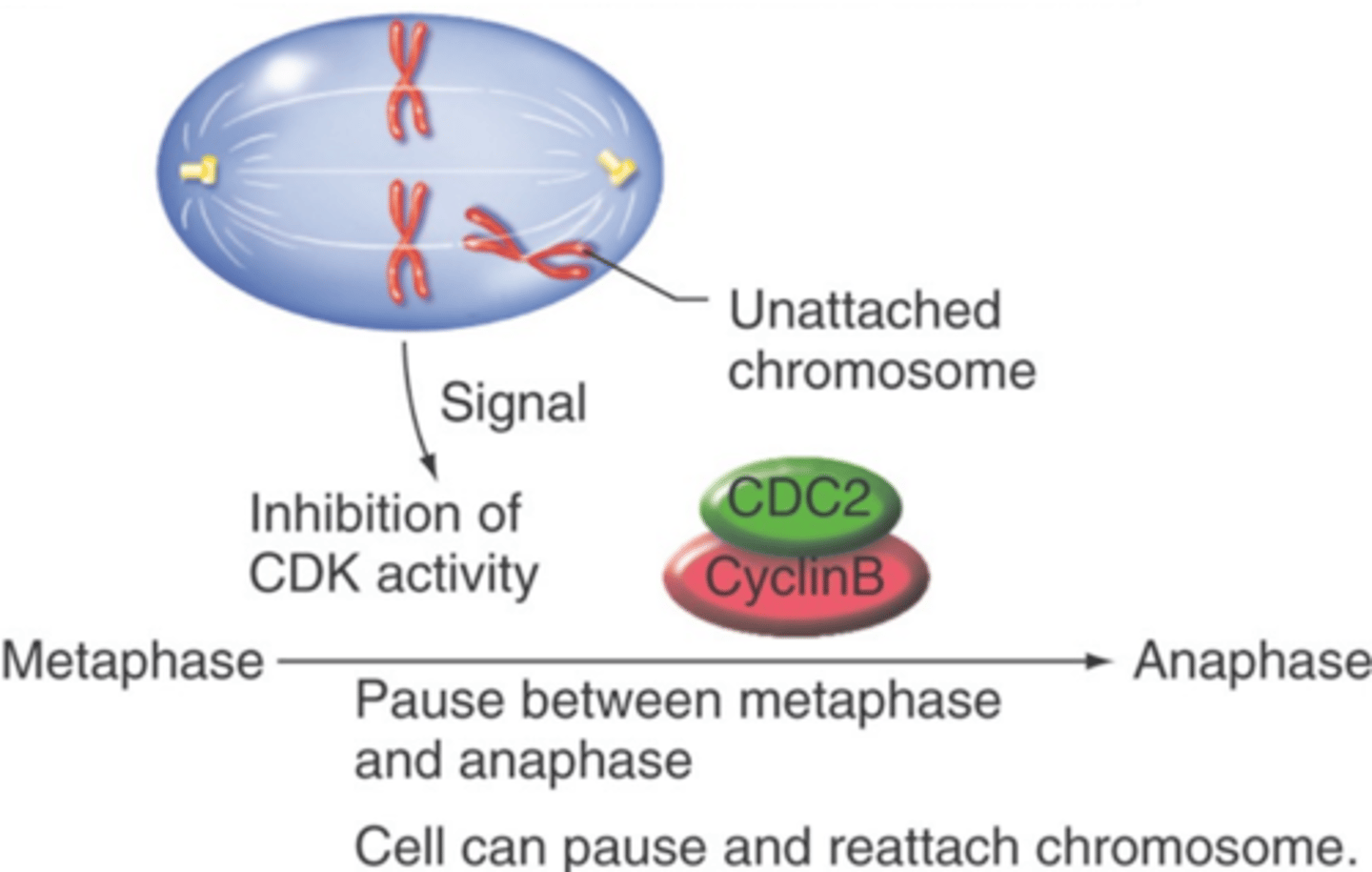
Metaphase to anaphase transition
inhibited when chromosomes fail to attach to the spindle
What is often active in cancer cells that is inactive in normal cells, that allows cancer cells to keep dividing?
telomerase
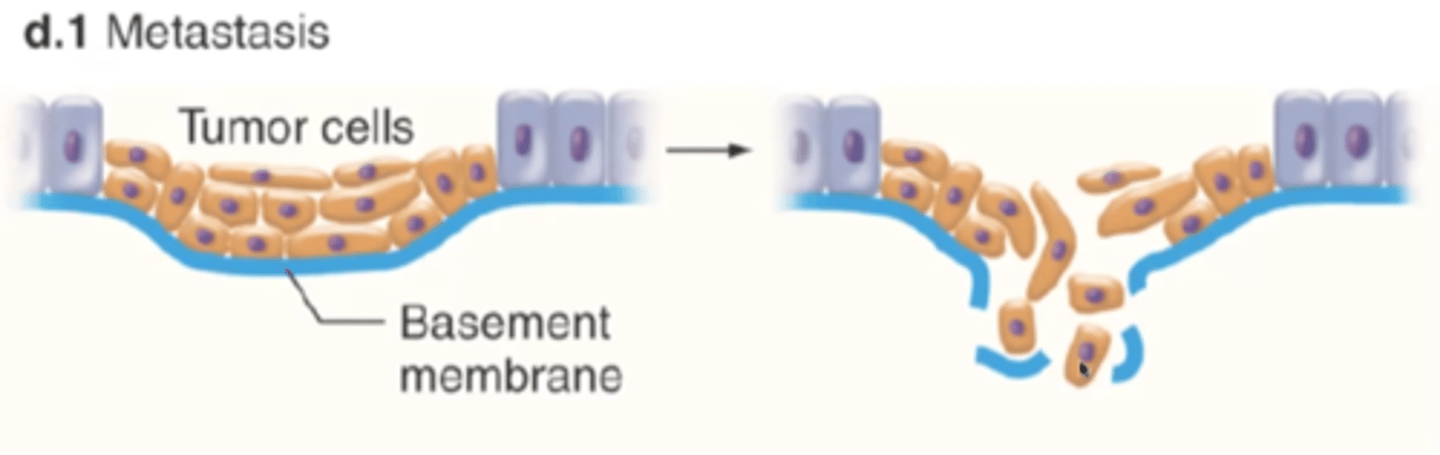
Metastasis
spread of cancer cells beyond their original site in the body
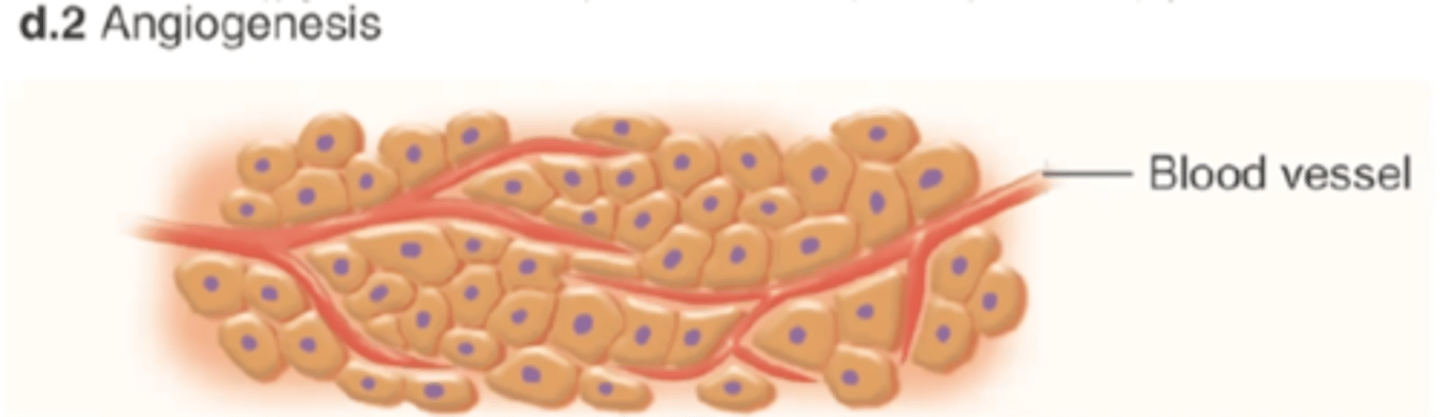
Angiogenesis by cancer cells
secretion of growth factors to promote blood vessel development to the tumor
Transformation
process by which a normal cell is transformed into a cancerous cell
Genome instability
The driving force that allows cells to acquire the characteristics of cancer cells.
Tumor suppressor genes
normally prevent genome instability
Rb protein
A tumor-suppressor protein that helps regulate progression of a cell from the G1 phase to the S phase of the cell cycle. Defects in Rb protein are found in many types of cancer.
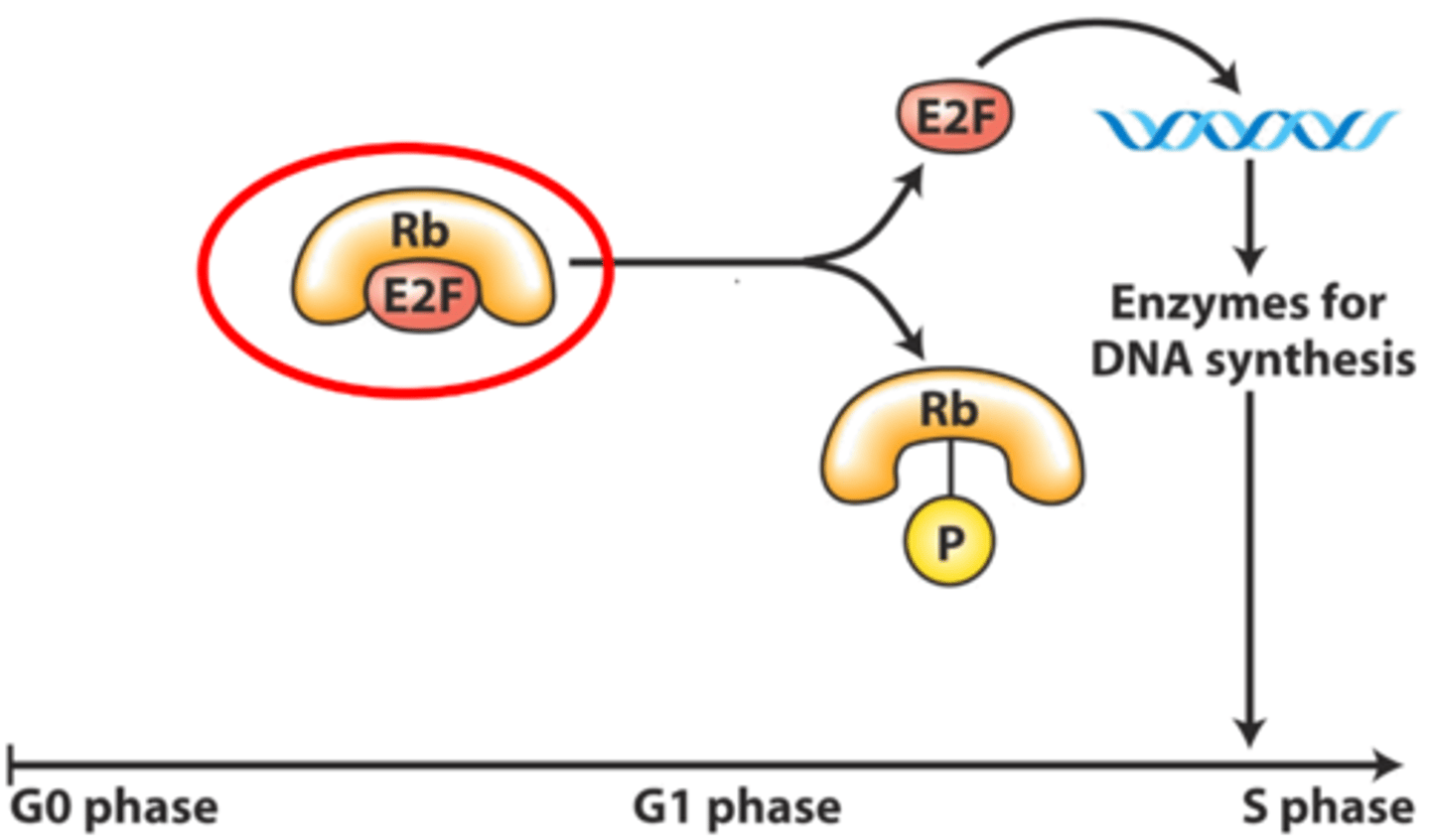
Which gene is mutated in >50% of all cancer?
p53
Oncogenes
gain of function mutation in a gene that can cause cancer
Proto-oncogenes
the corresponding normal cellular genes that are responsible for normal cell growth and division
Tumor suppressor los-of-function (LOF) mutations
cause cancer because the loss of tumor suppressor function leads to mutations in oncogenes
Genetic changes that can turn proto-oncogenes into oncogenes
- translocation
- gene amplification (multiple copies of gene)
- point mutation in control element
- point mutation within the gene
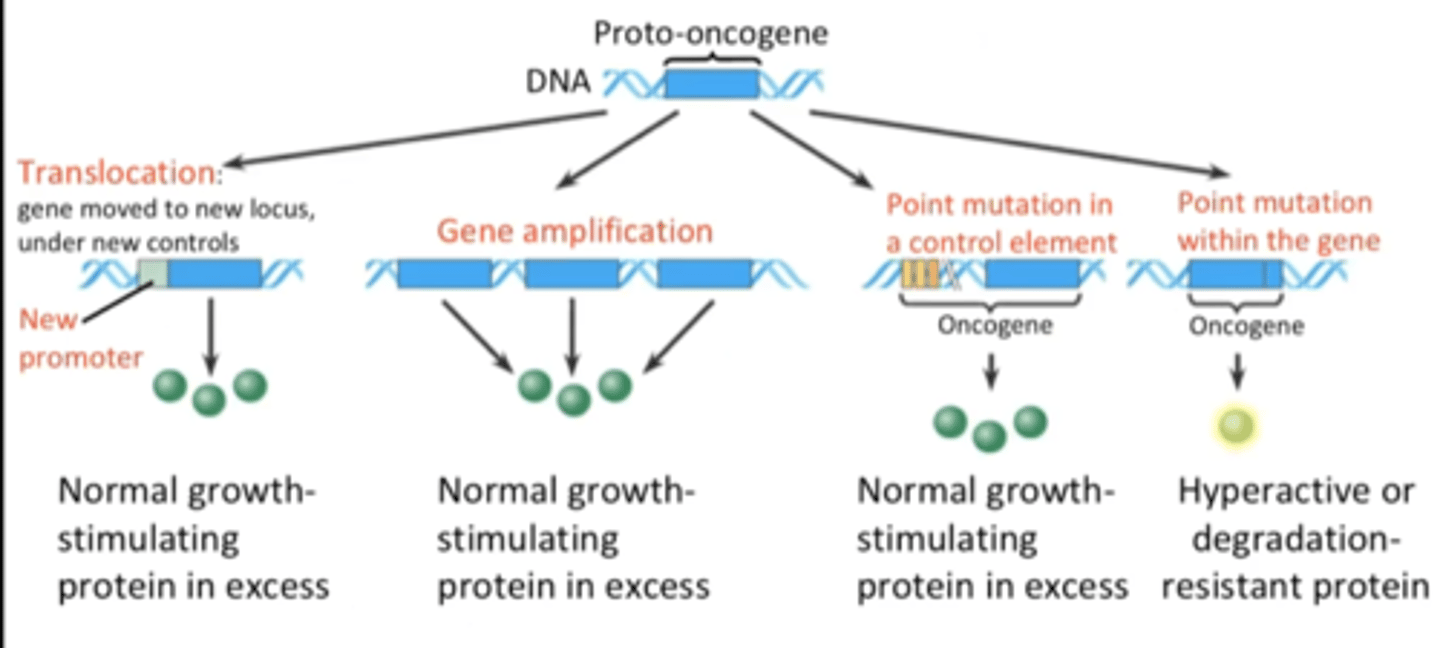
What do oncogeneic mutations often mimic?
stimulation by growth factors
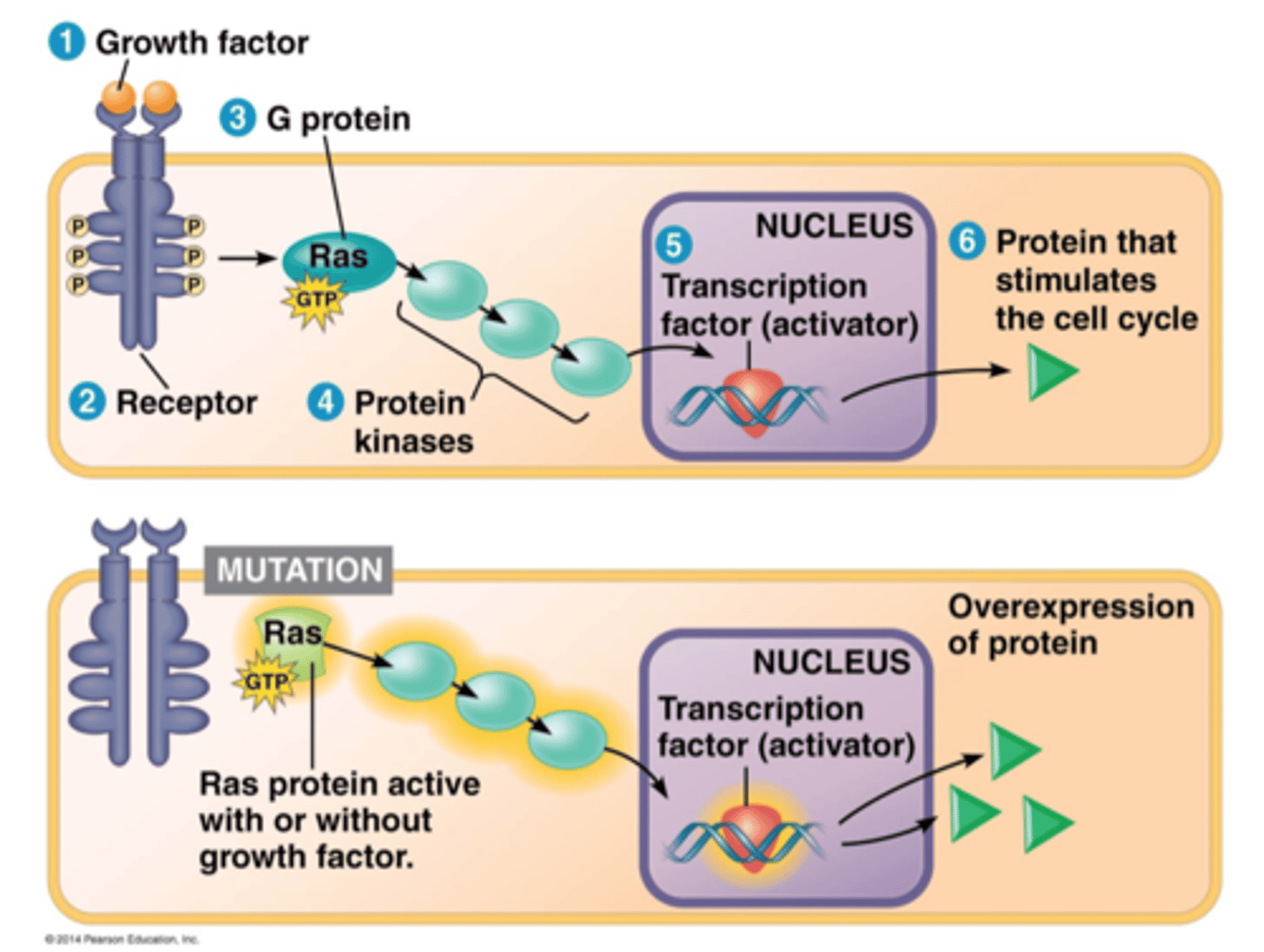
Ras proto-oncogene
This gene normally transfers signals from the plasma membrane to the nucleus to initiate cell division and when it is inactive cell division is inhibited. However when these genes are mutated they can be continually active, thus generating tumors
abl kinase transloaction
translocation puts abl under control of the bcr promoter (another gene that is highly expressed in blood cells)
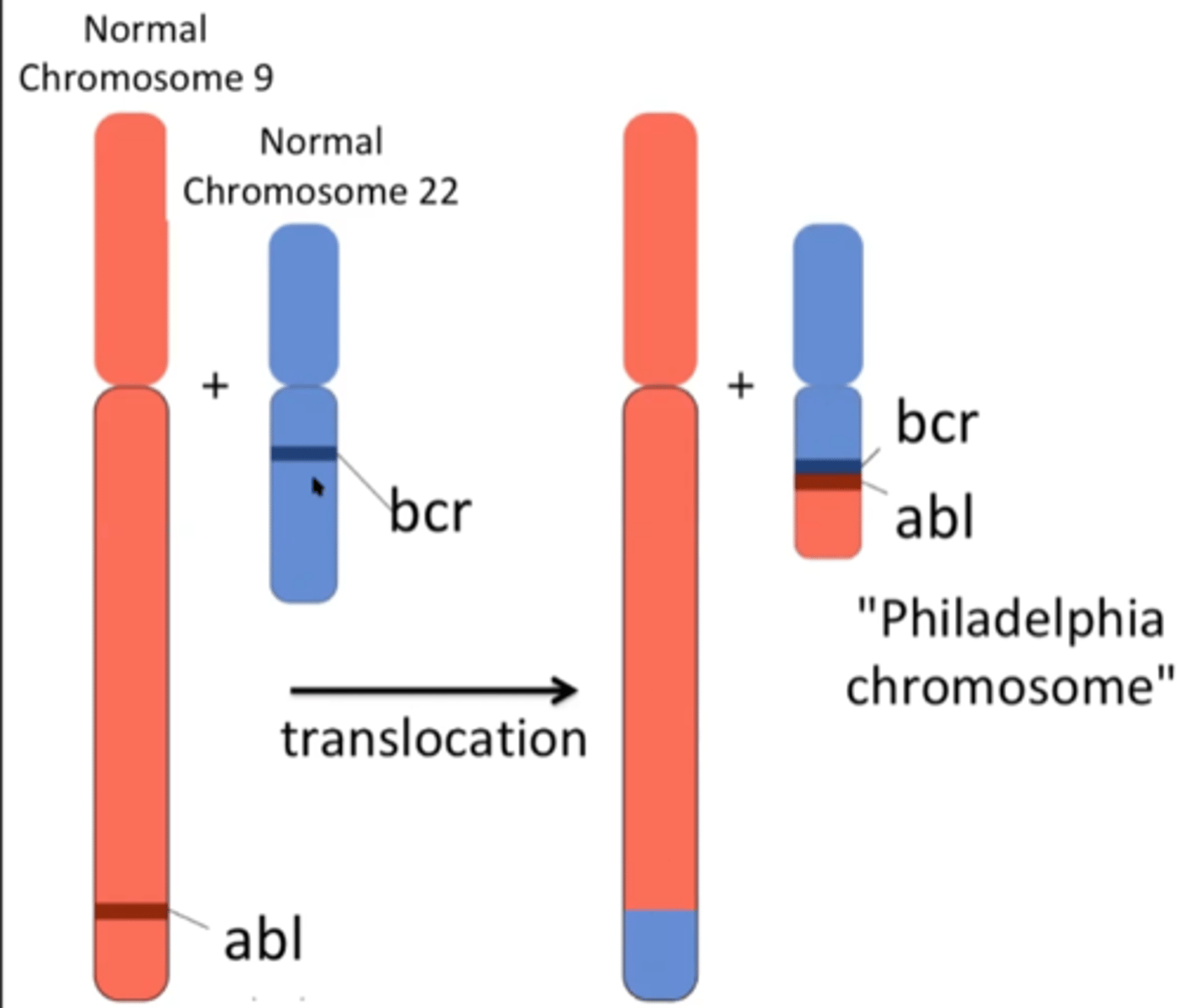
What does the abl kinase translocation cause?
Chronic myelogenous leukemia (CML)
bcl protein
prevents apoptosis
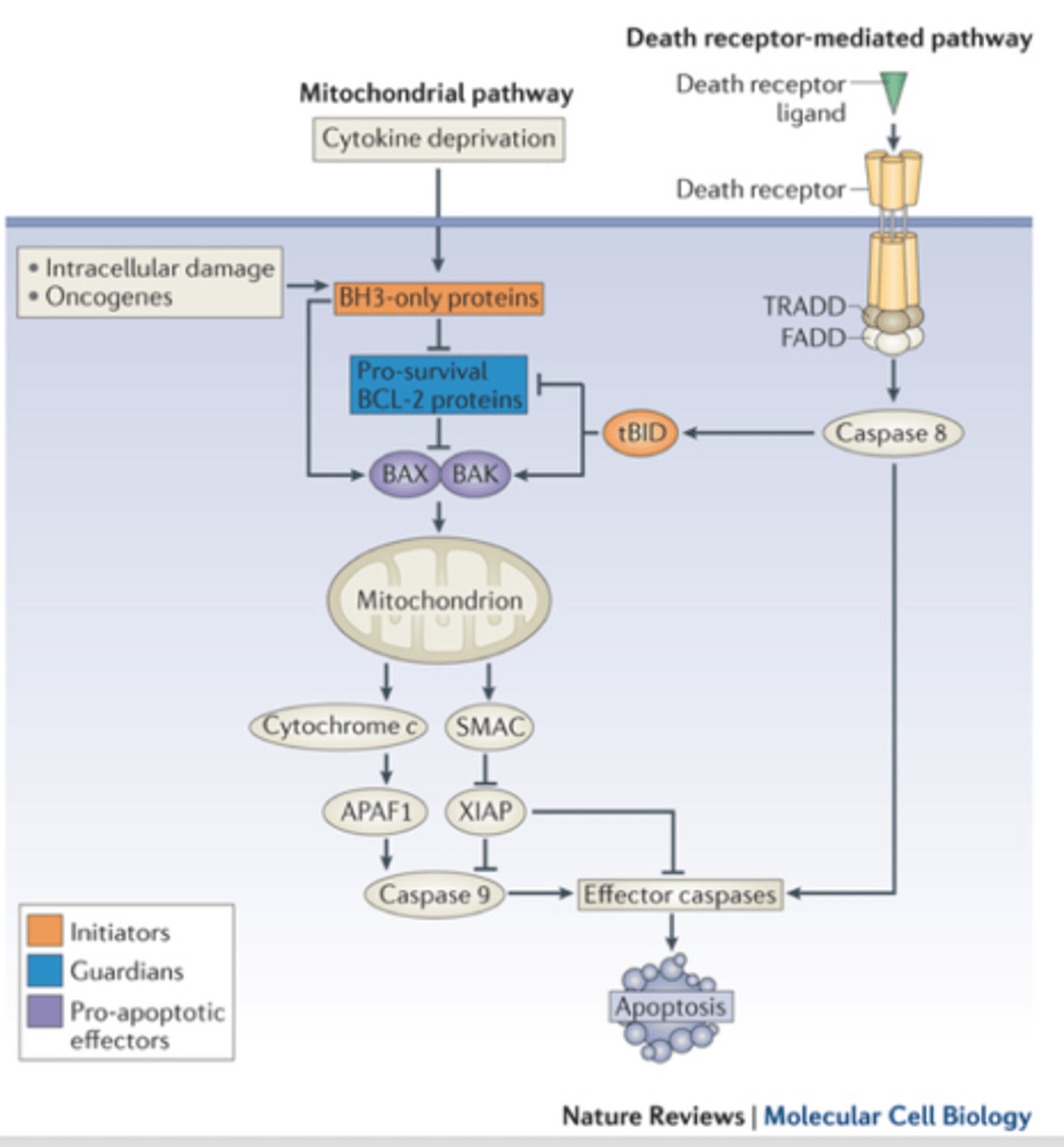
Translocation with bcl protein
puts bcl gene near antibody heavy chain promoter in B-cells, which prevents B-cells from undergoing apoptosis, resulting in B-cell lymphoma
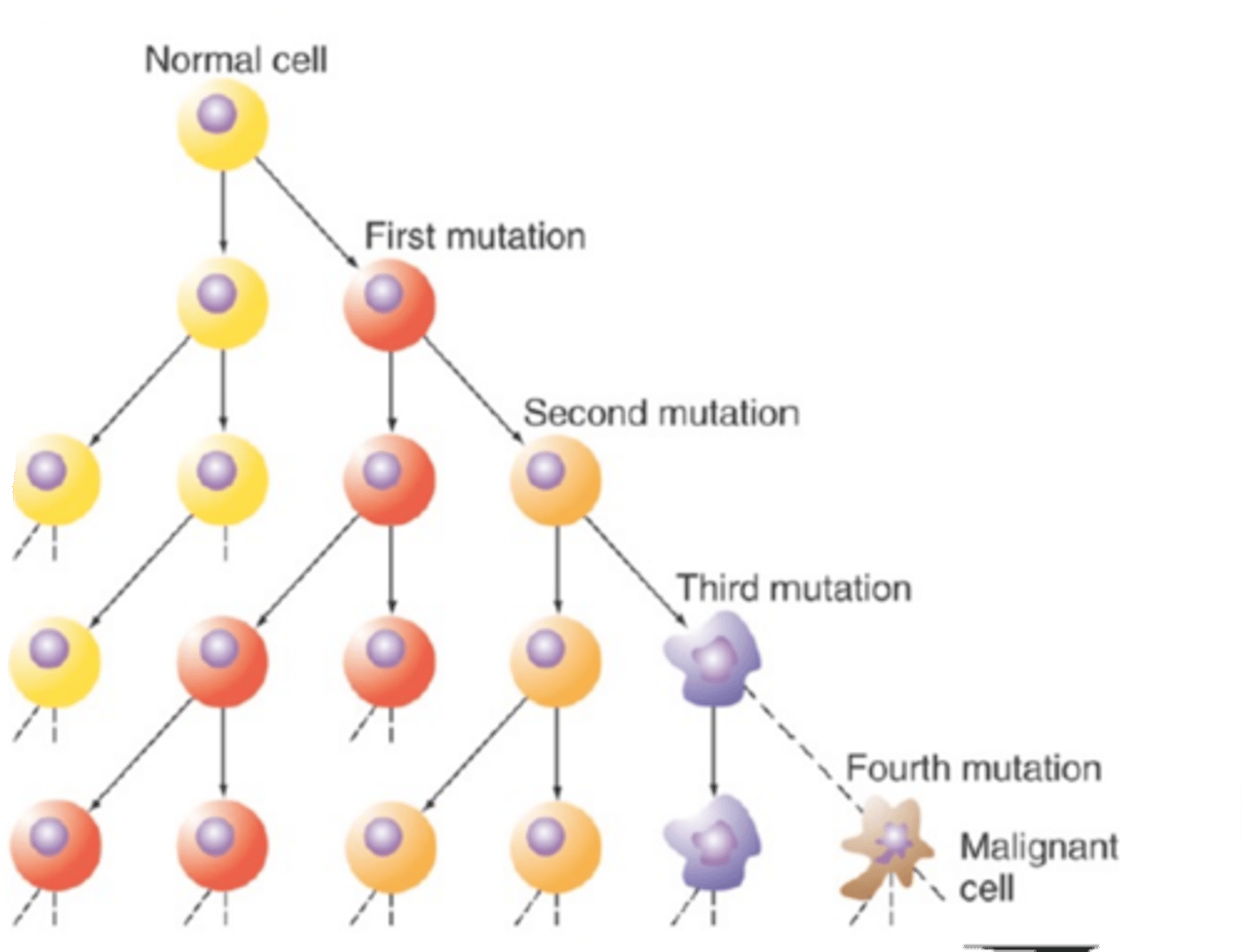
Development of a malignant phenotype requires...
the aquisition of multiple mutations
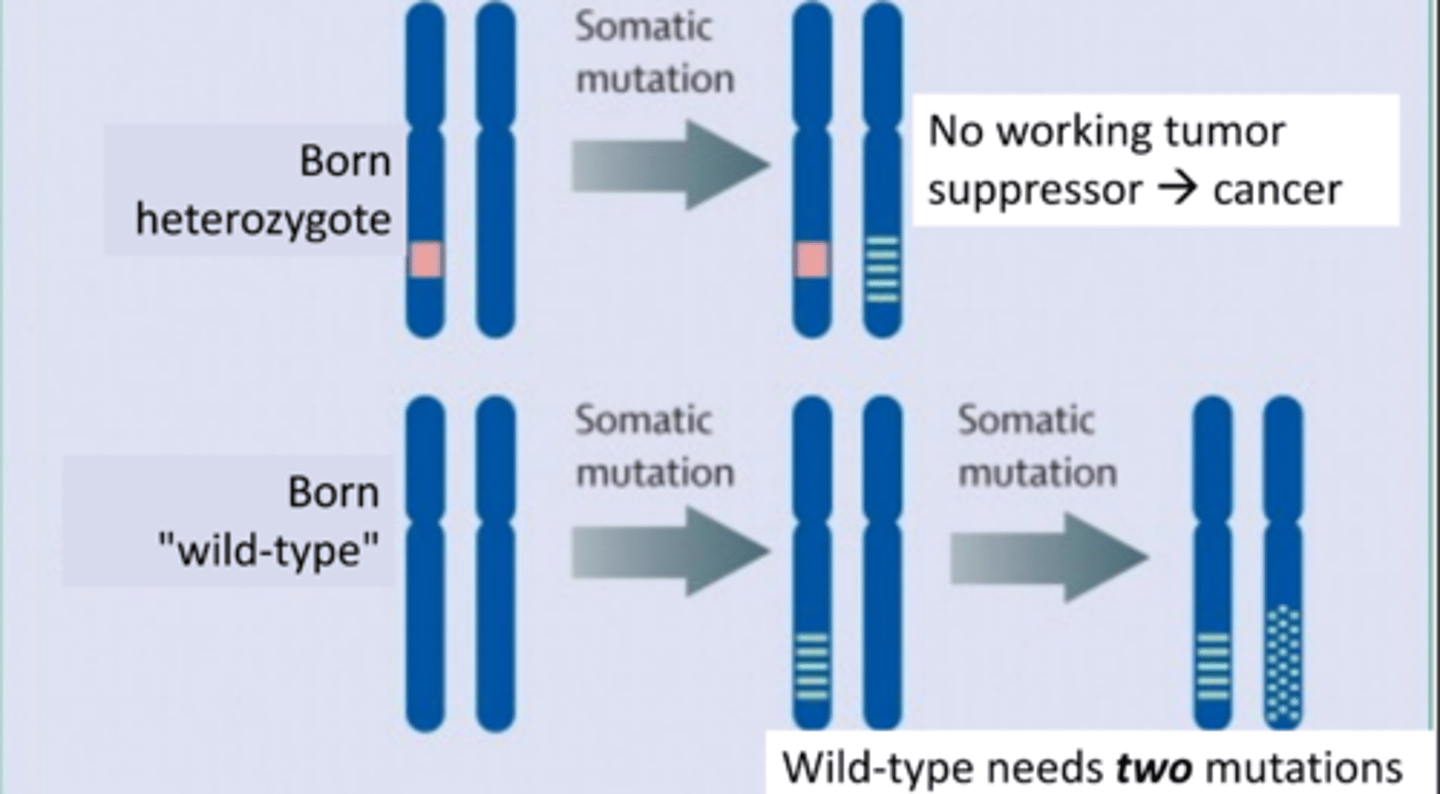
"Two-hit" model for tumor suppressors
Hets are just one mutation away from losing their only working tumor suppressor gene - wild type needs "two hits"
Peto's Paradox
larger animals have more cells, but don't get cancer more frequently
Cause of Peto's paradox
multiple copies of p53 tumor suppressor genes
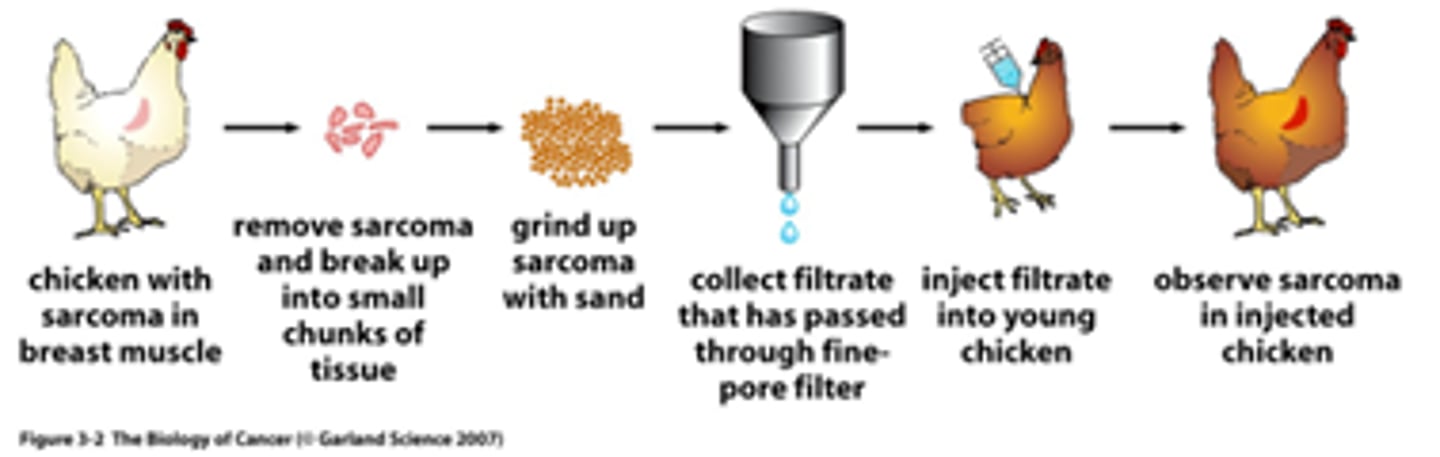
Rous's sarcoma virus
injectable cancer in chickens - it is caused by a virus that transforms cells in vitro - it is a retrovirus
Which viruses often carry oncogene?
retroviruses
Cervical cancer is caused by which virus?
HPV (human papilloma virus)
 Note
Note  Flashcards (74)