Psyc 1 Brain and neurons
 Studied by 0 people
 Call Kai
 Learn
Learn Practice Test
 Spaced Repetition
 Match
Match Flashcards
 Knowt Play
1/67

There's no tags or description
Looks like no tags are added yet.
Name | Mastery | Learn | Test | Matching | Spaced | Call with Kai |
|---|
No analytics yet
Send a link to your students to track their progress
68 Terms
Frontal Lobe
planning, making judgements, speaking, body movements
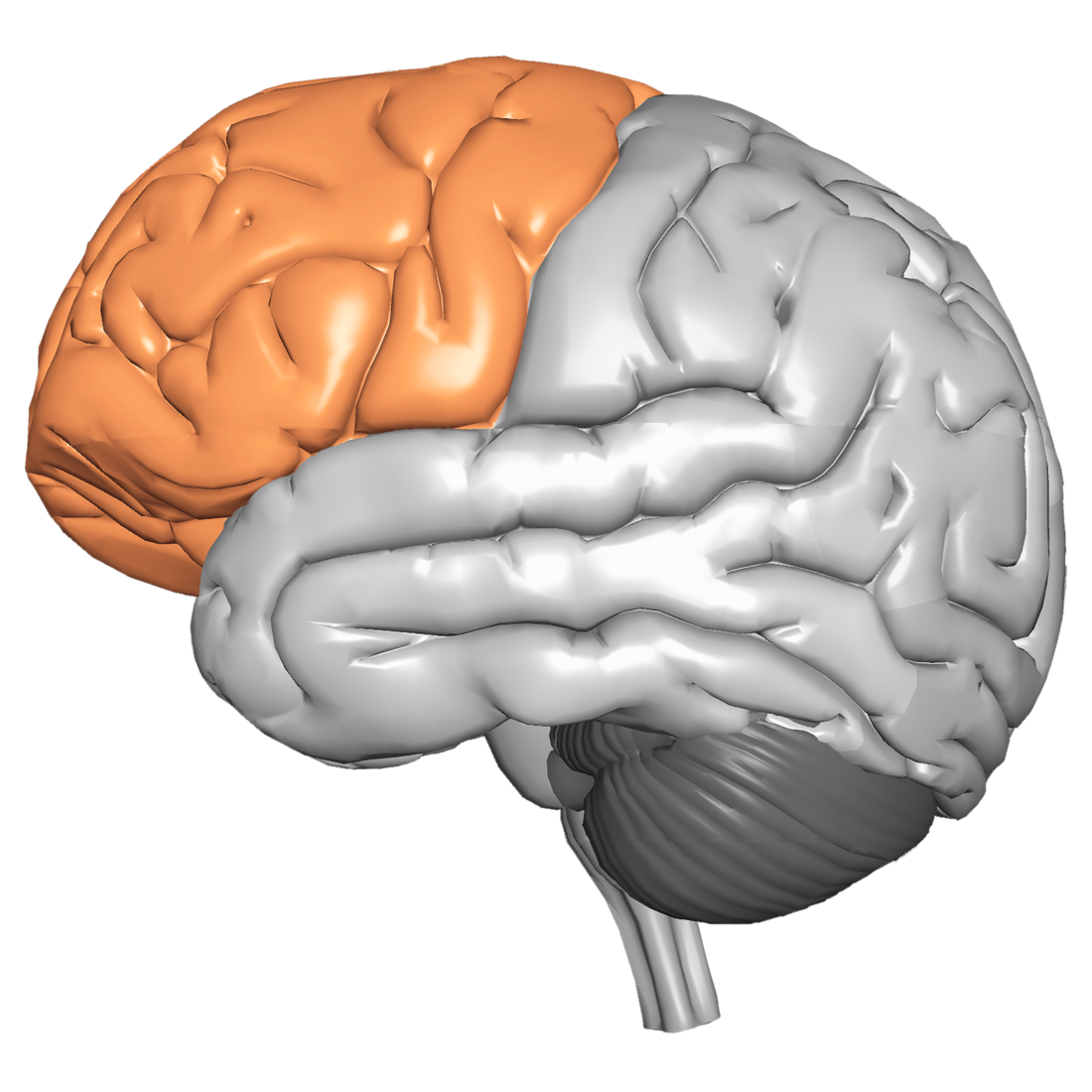
frontal lobe
parietal lobe
processes bodily sensations of touch visual, and spatial reasoning
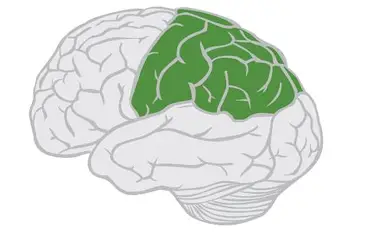
parietal lobe
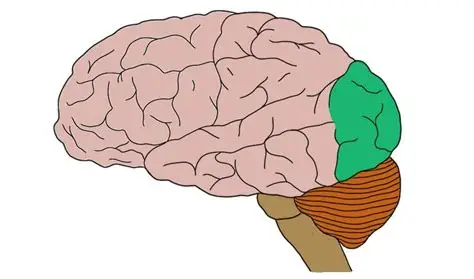
occipital lobe
occipital lobe
processes vision
temporal lobe
processes hearing
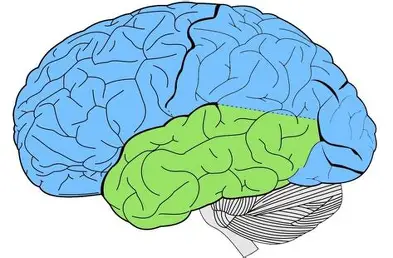
temporal lobe
corpus callosum
connection between two hemispheres, allowing communication
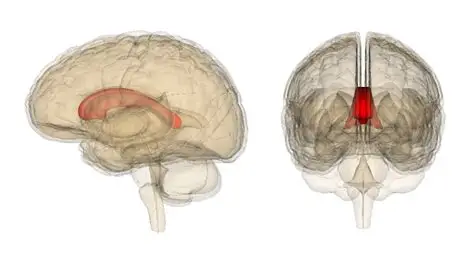
corpus callosum
pons
influential to dreams and sleep
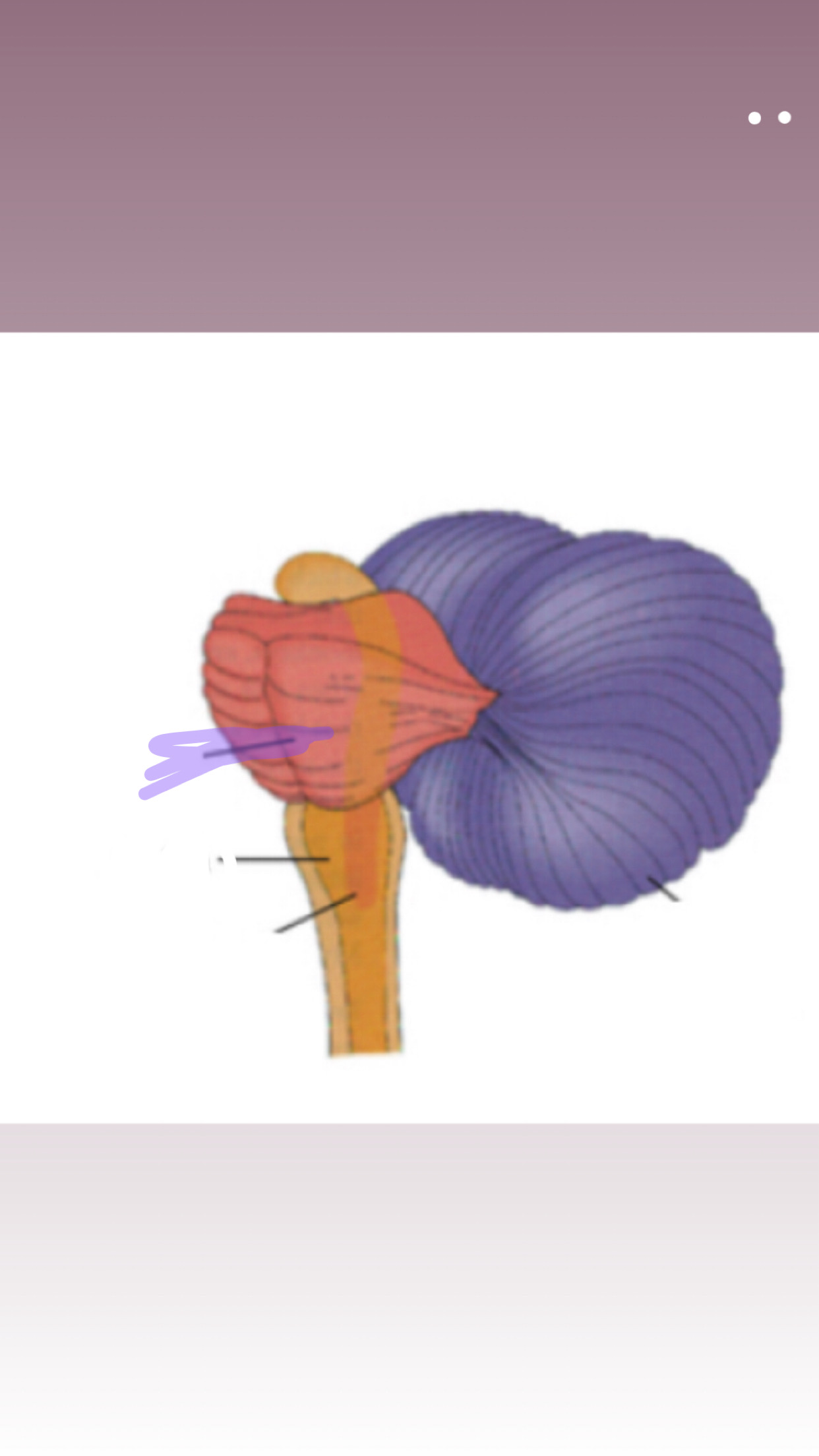
pons
medulla
controls heartbeat and breath
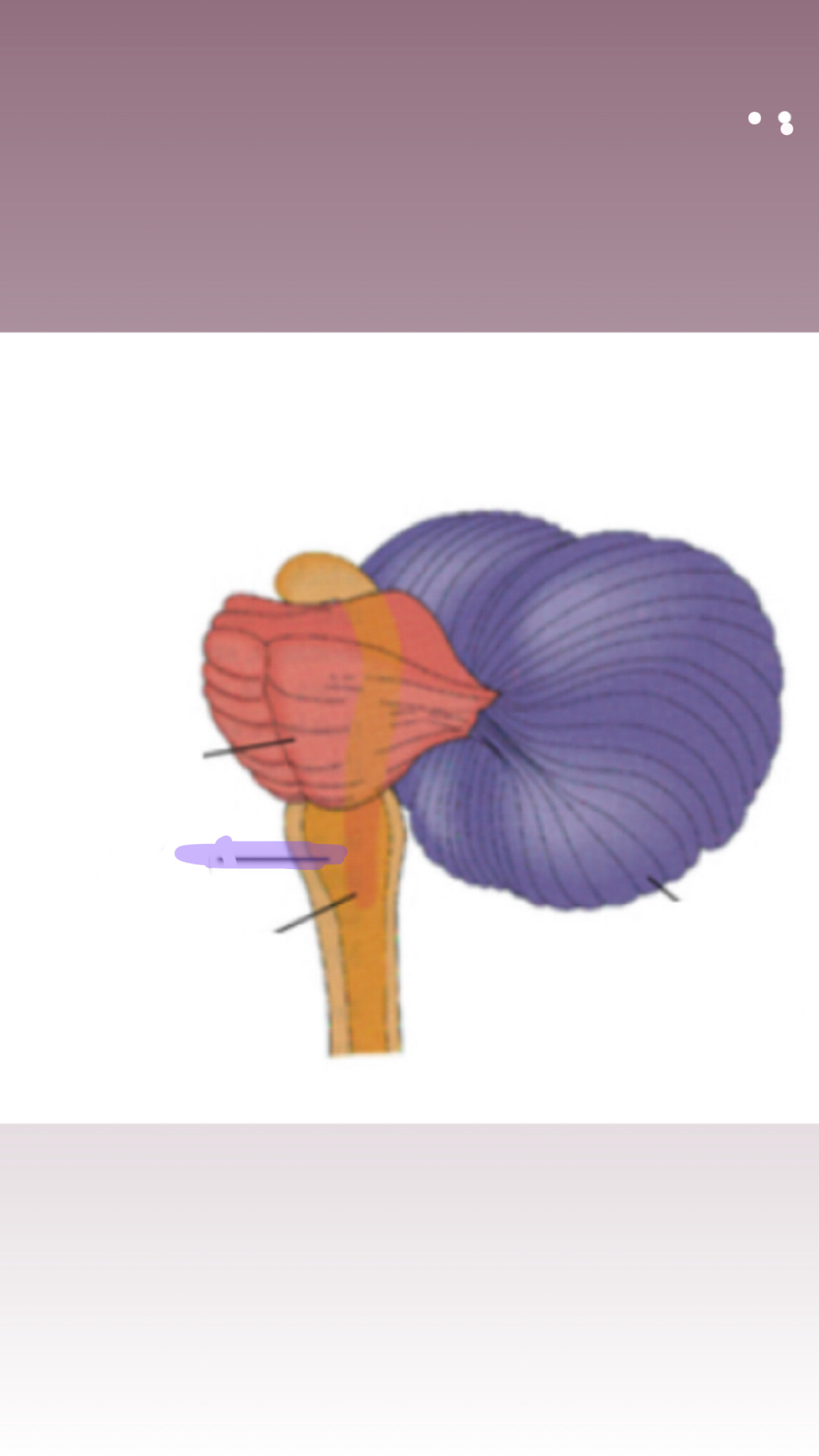
medulla
reticular formation
controls awakeness and alertness
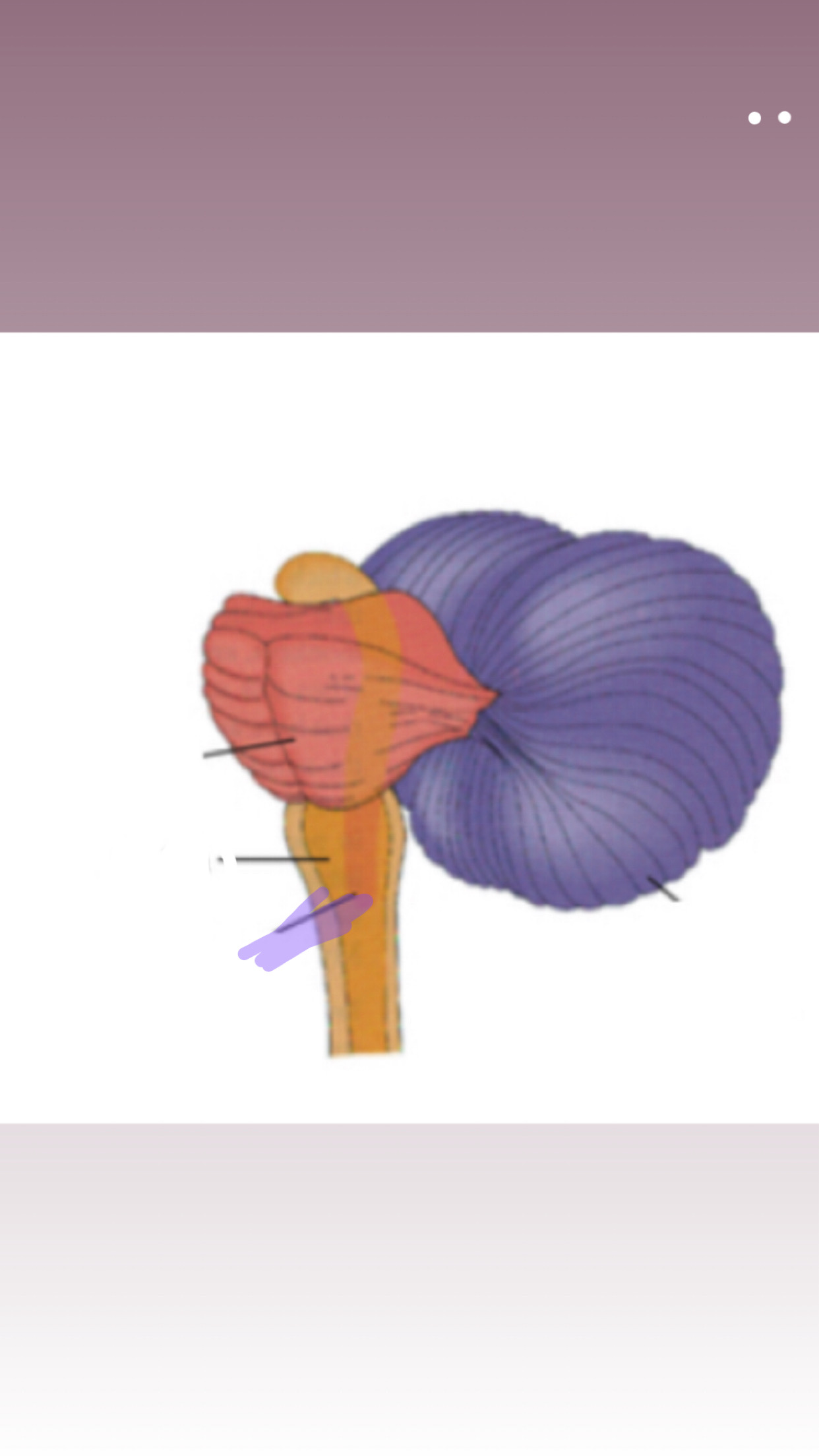
reticular formation
cerebellum
controls balence, coordination, and nonverbal learning
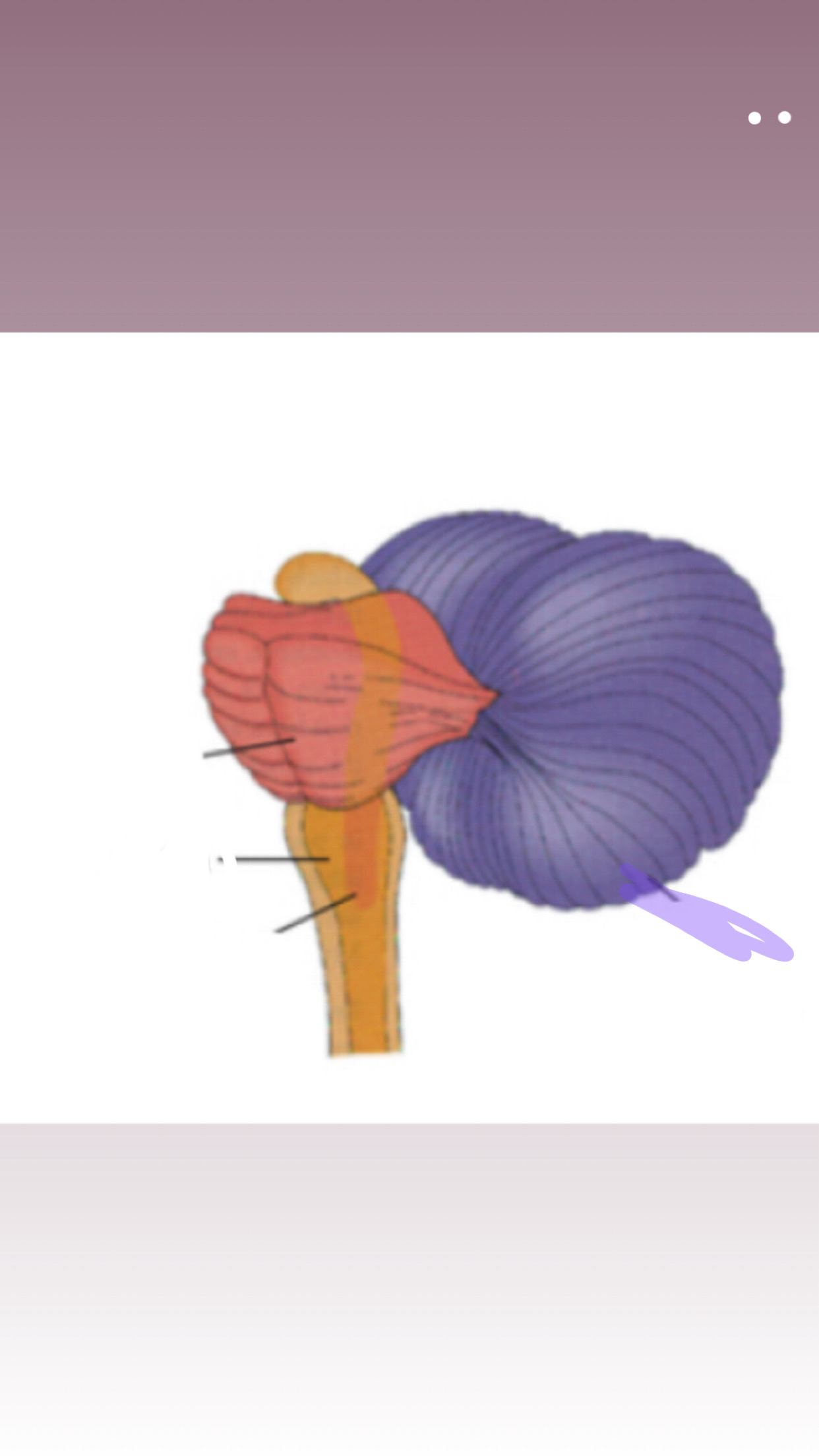
cerebellum
thalamus
relays sensory info to higher brain structures (not smell)
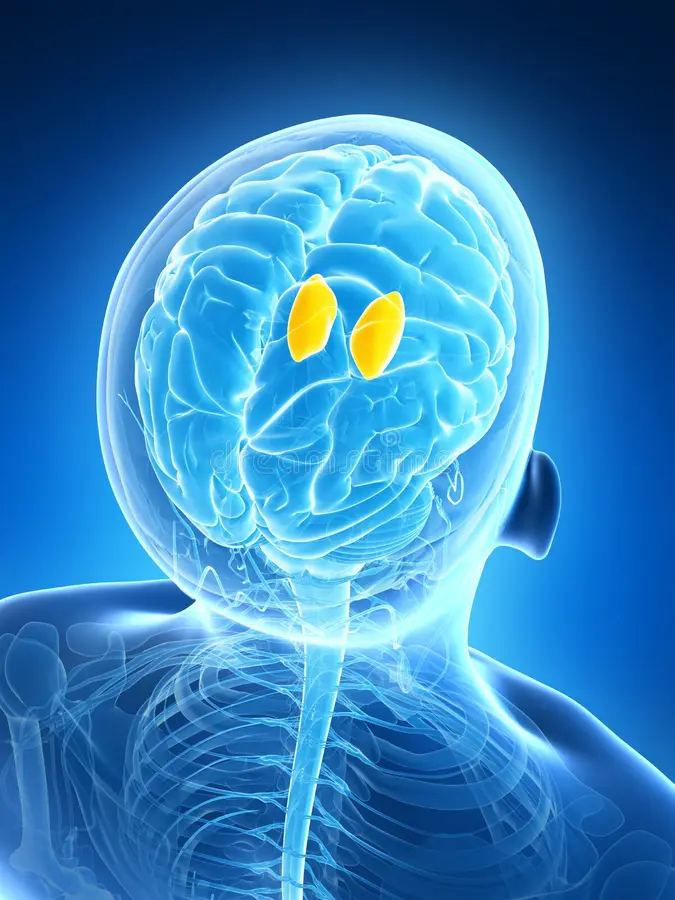
thalamus
hypothalamus
keeps body in balance (homeostasis)
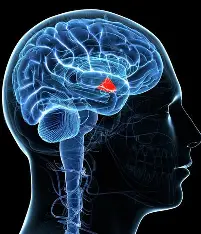
hypothalamus
hippocampus
creates new memories
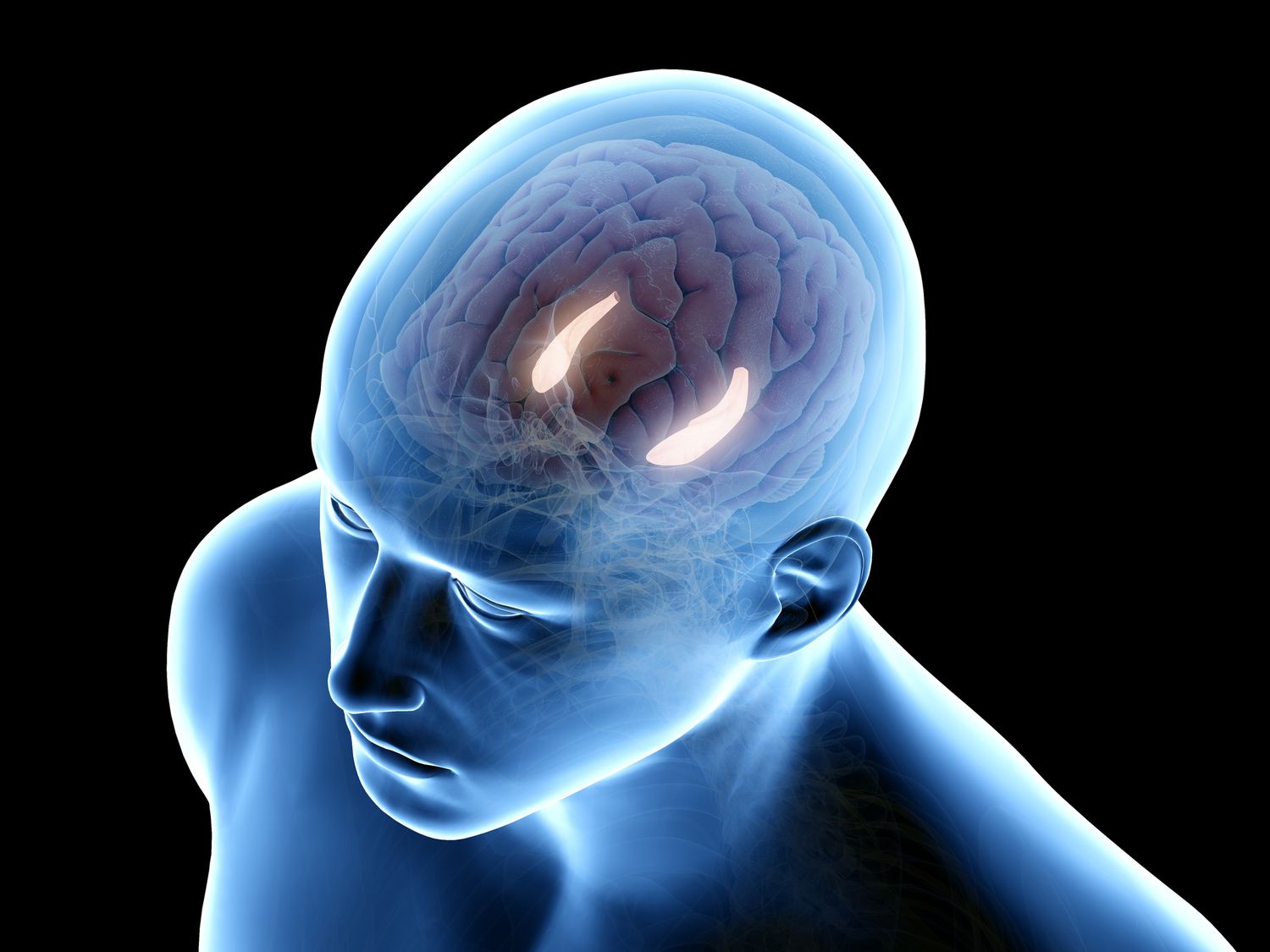
hippocampus
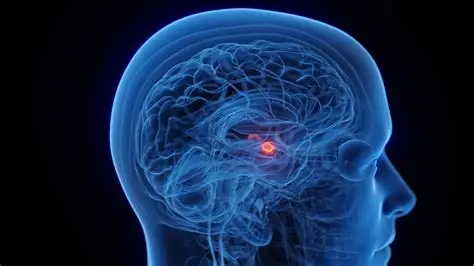
amygdala
influential with emotions, fear and anger primarily
amygdala
insomnia
repeated troubles of sleeping
night terrors
paralytic state that normally occurs when dreaming does not occur and causes them to thrash around and evem sleep walk
sleep apnea
occurs when sleeping, stops them from breathing. 10/20 seconds or longer
narcolepsy
sleep attacks
sleep walking
acts out dreams while sleeping: Jumping out of windows
NREM1
alpha waves
overall muscle tension and core body temp decreases
heartbeat slows
NREM2
theta waves
body goes into deep relaxation
NREM3
slow-wave sleep
delta waves
respiration and heart beat slows down further
REM
dreaming. you dream every REM session
paralysis of voluntary muscles
waves simliar to be awake
CNS
central nervous system
PNS
peripheral nervous system
Central Nervous System
Brain and spinal cord
Peripheral Nervous System
Nerves to and from CNS
Somatic
(skeleton) hearing touch, etc. muscles that move body
Autonomic
Internal senses for gut etc.
sympathetic nervous system
emergency (flight/flight)
Parasympathetic nervous system
“housingkeeping”
brings you back down
encocrine system
hormones through bloodstream
nervous system
nerves
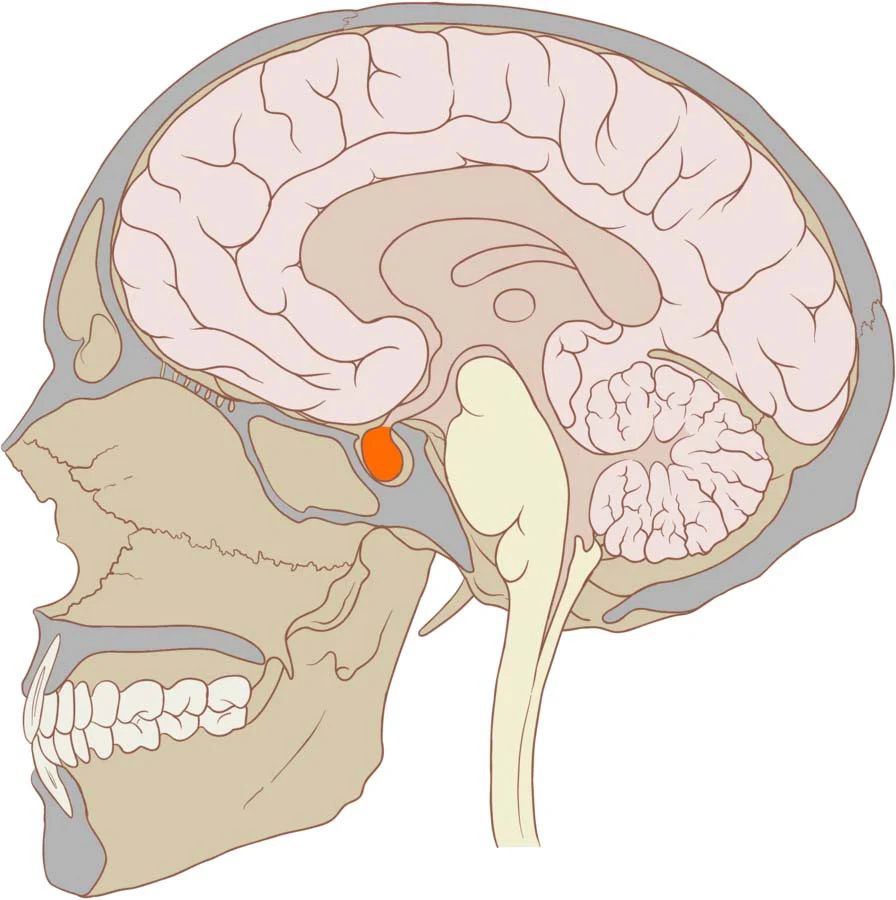
pituitary gland
“master gland” controls secretions of other glands
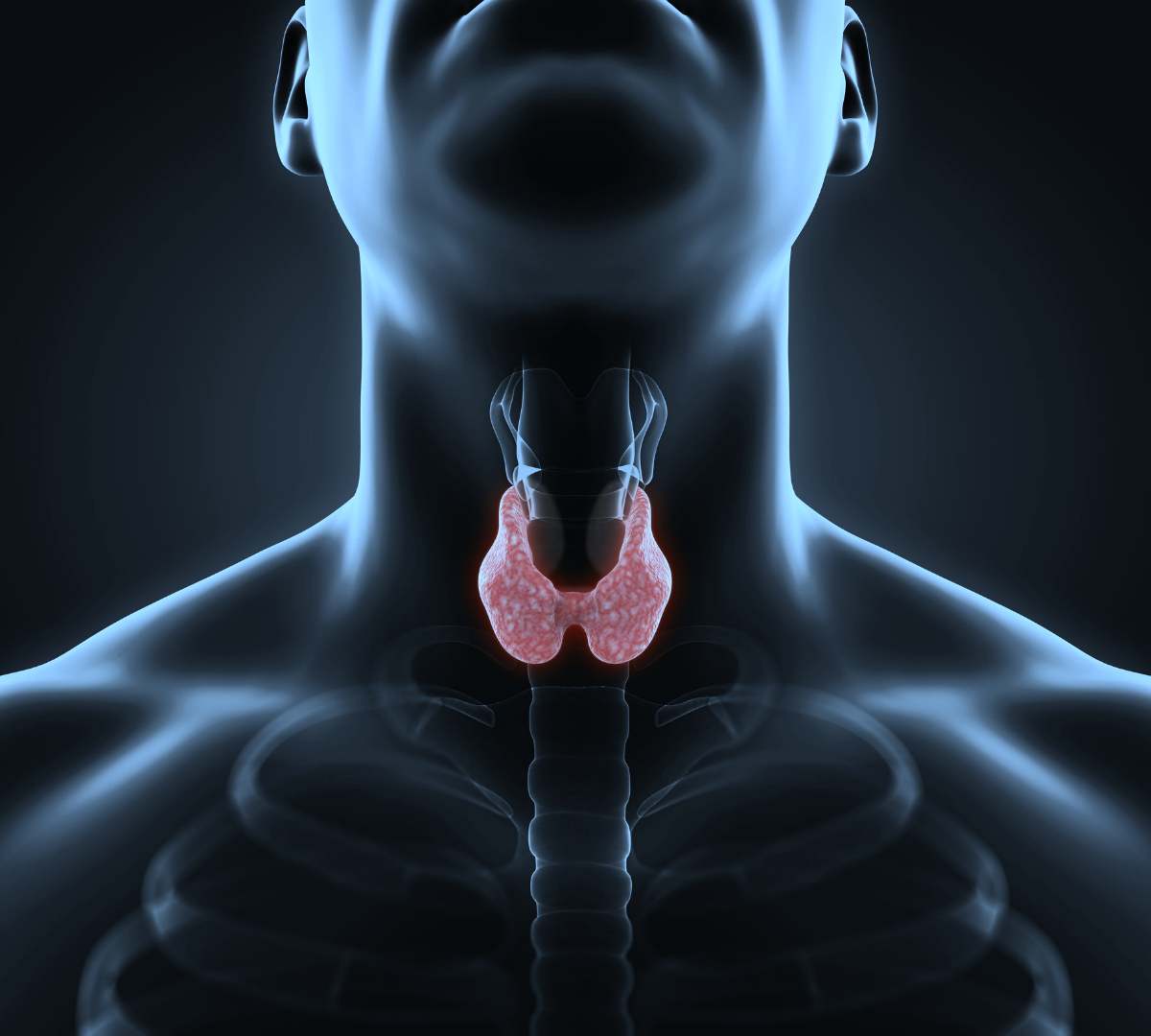
thyroid
secretes thyroxine, regulates growth, metabolism, appetite
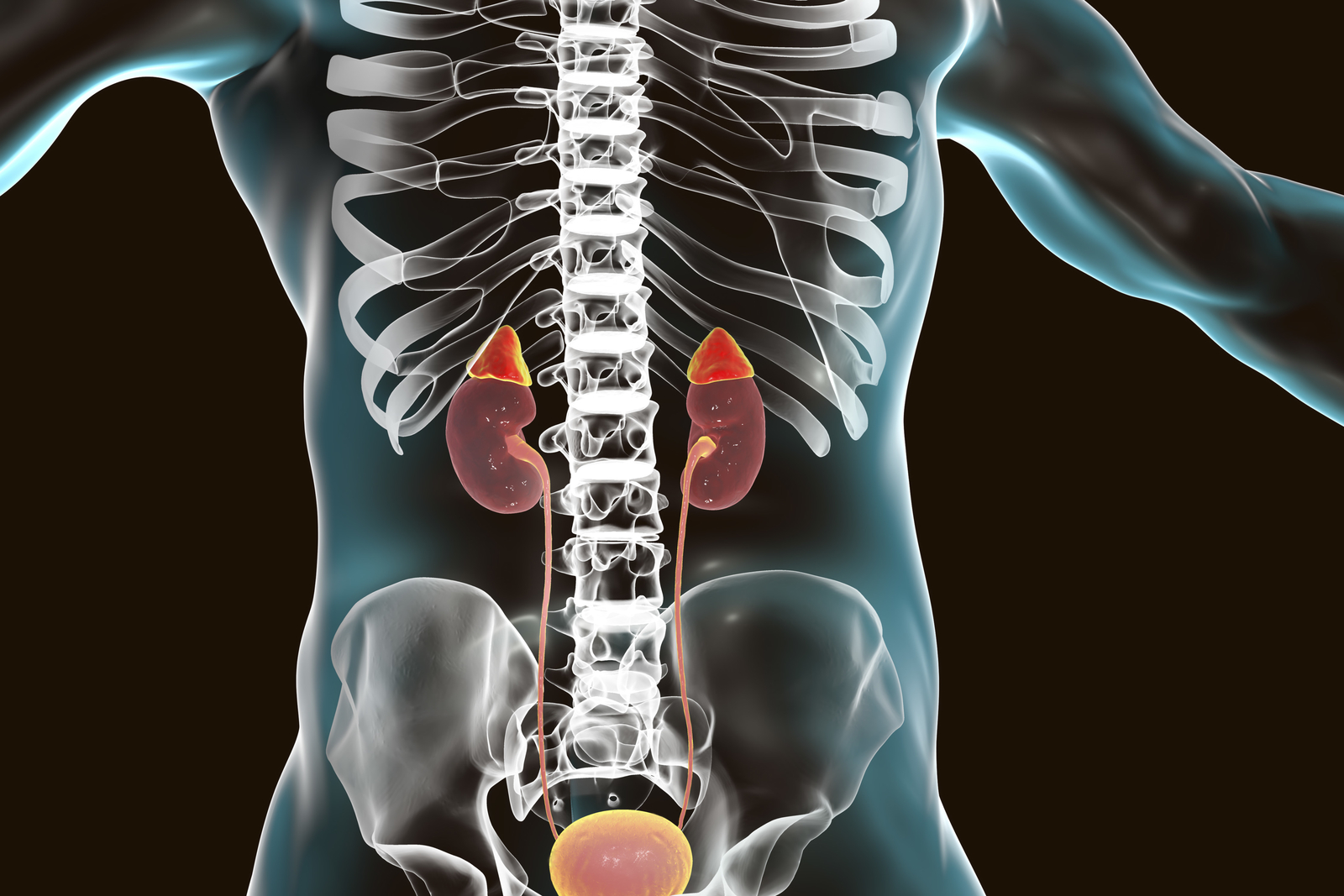
adrenal gland
adrenaline, stress response
gonad
secretes sex hormones, sexual motivation, repoduction etc.
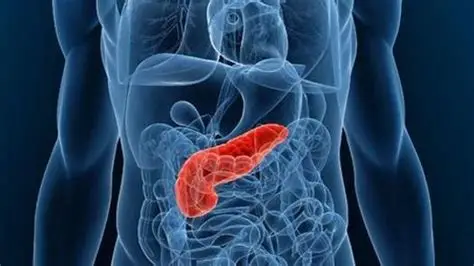
pancreas
blood sugar
neuron
smallest unit of the nervous system
receives chemical messages and delivers chemical messages
Wilhelm Wundt
Founder of psych
1st step in scientific method
develop a TESTABLE hypothesis
“if______ then____”
2nd step in scientific method
design the study
subjects how many?
3rd step of scientific method
collect the data
4th step scientific method
analyze data and draw conclusions
5th step of scientific method
report the findings
publish it
psychodynamic
behavior guided by hidden motives
unconscious desires
childhood: how you grew up
Humanistic
importance of human connections and self awareness
free will
relationships
behaviorism
watching other people
copying their actions
reward/punishment
cognative
behaviors are linked to way we think and process
“mental issues are caused by illogical thinking”
biological
genetics
“depression is genetics”
genetic makeup
sociocultural
behaviors are from the group influences and cultural lessons
“sports” “religion”
evolutionary
survival of the fittest causes behaviors and traits
eclectic
combo of everything
broca’s area
unable to speak (frontal lobe)
Werneke’s area
cannot understand hearing (temporal lobe)
motor cortex
frontal lobe (trouble moving)
 Note
Note  Flashcards (20)