BIO III First Exam: Supermodels and Mangrove ecology
 Call Kai
 Learn
Learn Practice Test
 Spaced Repetition
 Match
Match Flashcards
 Knowt Play
1/27

There's no tags or description
Looks like no tags are added yet.
Name | Mastery | Learn | Test | Matching | Spaced | Call with Kai |
|---|
No analytics yet
Send a link to your students to track their progress
28 Terms
What are Supermodel organisms
Non-human species used in experiements to help us learn more about processes, procedures, treatments, we cannot study
easy to grow in the laboratory or greenhouse
closely resemble other organisms genetically
have short generation times and we understand their life cycles well
produce large numbers of offspring
easy to manipulate genetically
-mutants can be speciic for certain traits or diseases
-genetic maps can be built to visualize loci on chromosomes or within genome
What have we learned used model organisms
Heredity, development, physiology, underlying cellular and molecular processes have been studied using model organisms
Gregor Mendel, “father of genetics” is considered to be the first ro select an organism to study heredity, using the Pea Plant
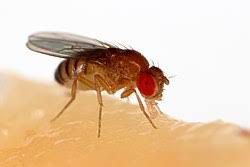
D. Melanogaster, Fruit Fly
Wild tyoe: yellow-brown, red eyes, addominal rings
sexually dimorphic ( distinct physical or behavioral differences between males and females of the same species)
50- day life span egg to adult- 7 days, females lay 400 eggs
8 chromosomes, 60% genes conserved within humans, 75% human diseases match fly genome
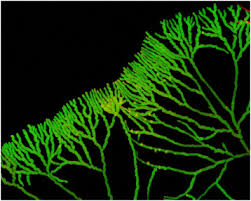
N. Crassa, Sac Fungus
George Beagle and Edward Tatum selected for genetic analysis because it was easy to grow , less complex from fruit fly, and haploid life cycle
studied for phenomena like DNA repair, genome defense, photobiology, circadian rhythms, differentiation, and development
X- rays cause mutations
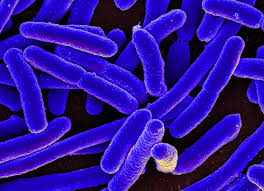
E. coli
Prokaryote, bacillus or rod-shaped bacterium, not affected by penicillin
First DNA polymerase was isolated from it
recombiant DNA activities
grows rapidly, is easy to culture and genetically manipulate, and has simple, well-understood cellular processes that reveal fundamental biological principles.
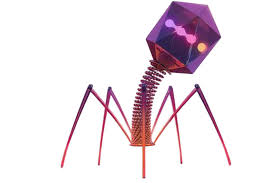
Bacteriopages
viruses infecting bacteria
Phage therapy is experimental, used to teat multi-drug resistant bacteria
Simple and genetically tractable
Fast-replicating
Inexpensive and ethical
Foundational to understanding gene function and regulation
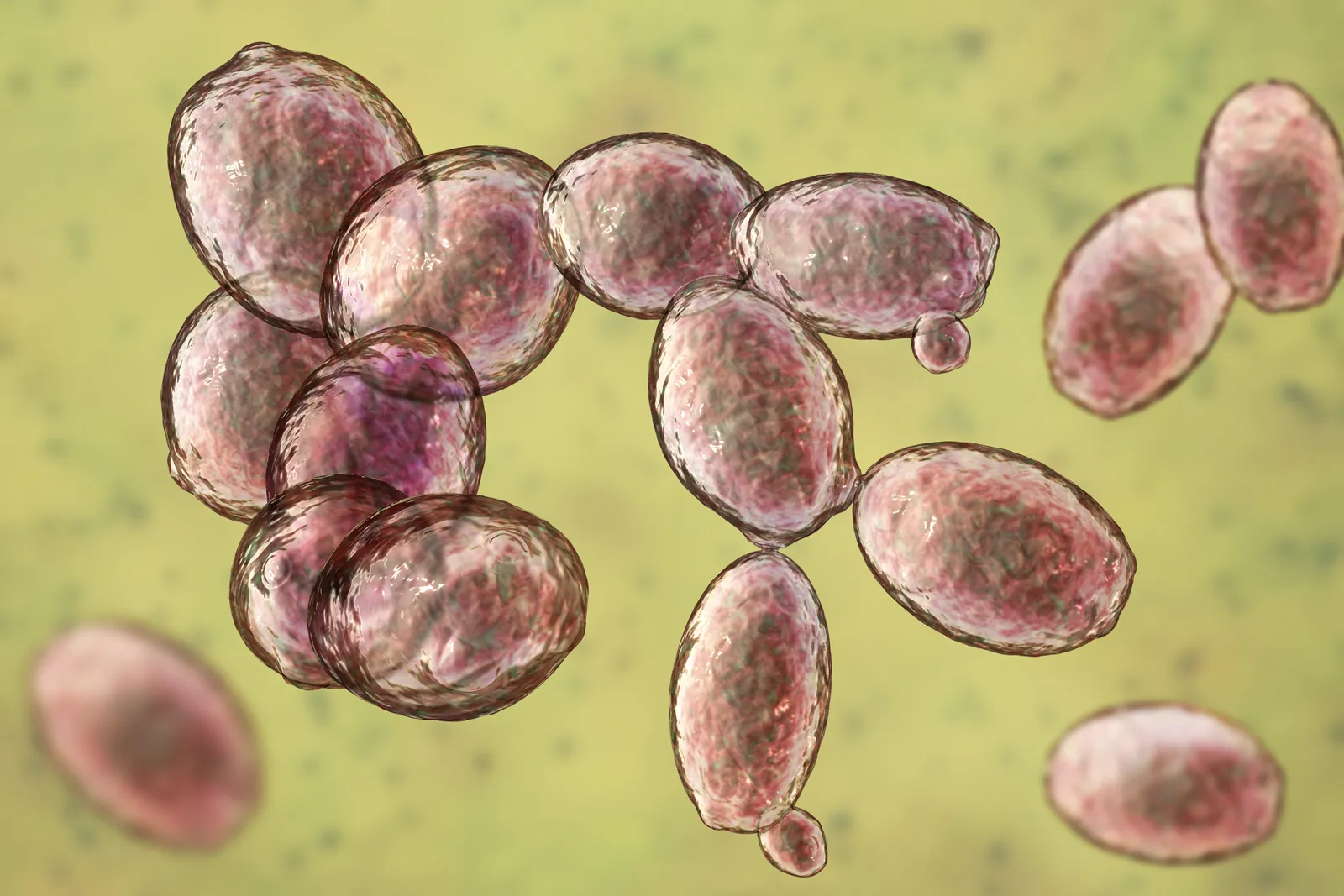
S. cerevisiae, Baker’s yeast
simple eukaryotic fungus
study of the cell cycle, checkpoints, genes involved in DNA synthesis, nuclear division, aging
Simple but eukaryotic
Fast-growing and inexpensive
Genetically tractable
Biologically relevant to humans
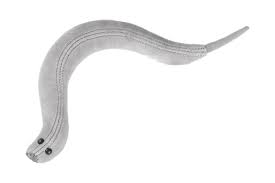
C. elegans, nematode
contains less than 1000 cells, 302 neurons
lineages or stages can be easily tacked
multicellular, eukaryote, organ systems
pseudocoelomate, round worm
programmed cell death, insulin signaling, aging, neurobiology
simple, transparent multicellular animal with a short life cycle, well-characterized genetics, and conserved biological pathways relevant to humans.
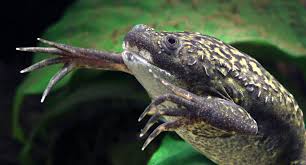
X. laevis , African clawed frog
vertebrate model
produce many, large embryo all year long
generic similarity to humans
used in human disease modeling
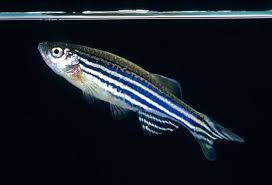
D. rerio, Zebrafish
Vertebrate model
forward and reverse genetic approaches
transparent body, external embyronic development
only geneticc accessible model for appendage and heart regeneration
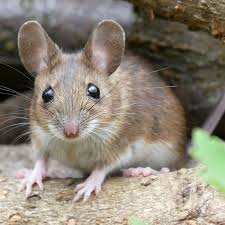
M. musculus, Mouse
Leading mammalian model
close human relative
similar developmental issues
prime model for stem cell biology and gene mapping
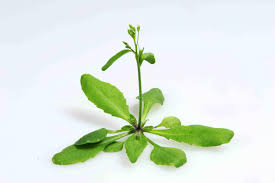
A. thaliana , Mustard plant
small and simple genome, short life cycle, and large number of seeds
organ development, plant- stem cell biology, patterns, immunity, variation, gravity and light responses, phytohormones
Proteome
The complete set of proteins in an organisms, cell, tissue, orgenome can express at a given time
Ortholog
genes in different species that evolved from a common ancestral gene through speciation.
M. musculus has the highest number of orthologs of human genes
E. coli has the smallest number of othologs of human genes
What is ecology
the study of organisms in relationship to their environment
what are ecosystems
communities of living (biotic) and non-living ( abiotic) factors
localized. Biomes are larger geographic regions which include many different ecosystems
coral reefs are the most diverese aquatic ecosystems
tropical rainforests are the most diverse terrestrial ecosystems
Estuaries in Florida
regions of brackish water, where salty ocean waters and freshwater rivers Meer, partially enclosed
buffering landscape to prevent erosion from waves
tidal influences can be challenging landscapes
slows water down, amazing nurseries for animals
productive areas
high tide: flooding with varying ranges of saltwater
low tide: dry, hot, salty condition for plants and burrowing animals
Blue carbon sinks involved in reducing global warming by storing carbon from the atmosphere in its plants and soils
Halophytes
the dominant vegetation of the saltmars. plants adapted to growing in saline conditions
composed of salt marsh grasses
salt tolerant shrubs
salt tolerant succulent plants
no mature trees except at ecotones
-dynamic transiton zone or boundary between two distinct ecological communities
Zonation
the spatial arrangement of distinct biological communities or species into bands or zones acrosss a landscape, driven by environmental gradients like altitude, latitude, or tidal depth.
plants grow in zones based on how much physical stress they can take
Planr modiifcations to resist evaporation, and edure flooding, and saltwater intrusion
narrow like sheath like leave to protect stomata
aerenchyma tissue to store air or water
special membranes and salt glands to extrude salt
sequester salt then drop saturated leaves
Animals of the salt marsh are consumers
estuaries are nurseries for juveniles
protected, hard to access
many invertebrates: crabs, mussels, oysters, insects, polychaete worms
vertebrates: fish, birds, turtles, raccoons, crocodiles, sharks, manatees, dolphins
Flow of energy in estuaries
sun → producers
primary consumers
secondary consumers
tertiary consumers
Trophic levels
The distict hierarchial feeding position organisms occupy within a food chain or ecological pyramid classified by their primary energy source
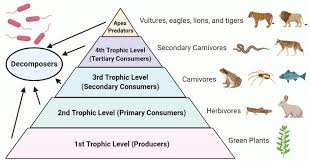
decrease in biomass
10% energy transfer of energy between trophic level
food chains are rarely more than 4 or 5 levels
never experience inverted pyramids of energy
Productivity
A measure of the amount at which plants are able to create new organic matter and biomass as they grow.
Rate of production (g/m²/ day)
measured by amount of carbon dioxide produced and biomass
total amount of organic material fixed or stored by organisms in the ecosystem
primary productivity - autotrophs (NPP and GPP)
-Net Primary Productivity = Gross Primary Productivity - Respiation
secondary productivity- consumers
-what consumers are able to use from the plants
Primary Productivity vs Secondary productivity
Primary Productivity
Rate at which producers (autotrophs) make organic matter
Converts sunlight (or chemical energy) into biomass
Performed by:
Plants
Algae
Phytoplankton
Cyanobacteria
Forms the base of the food web
Includes:
Gross Primary Productivity (GPP): total energy captured
Net Primary Productivity (NPP): energy left after respiration
NPP = GPP − respiration
Secondary Productivity
Rate at which consumers convert food into biomass
Uses energy already stored in organic matter
Performed by:
Herbivores
Carnivores
Omnivores
Occurs at higher trophic levels
Depends entirely on primary productivity
Mangrove ecosystems are found in coastal intertidal zones
Coastal intertidal zones occur where land and ocean meet
In florida, four species grow in specific zones
red mangrove - effected by daily high and low tide ( farther down)
black mangrove- effected by daily high tide
white mangrove- slighly effected by daily high tide
buttonwood mangrove- not effected by tides ( farther up)
Restricted by freezing temperatures ( freezing temps kill them)
distributed by hurricanes
encroachment or expansion is occurring
Magrove unique characteristics
exposed roots
angiosperms
thick waxy leaves
red mangrove propagules are viviparous (of a plant) reproducing from buds that form plantlets while still attached to the parent plant, or from seeds that germinate within the fruit.
-advantages: tougher that normal embryo and are ready to go immediately ( dont go through a period of dormancy)
-disadvantages: a lot need to be produced because its not a gurantee for success
prop roots ( red) form dense tangles
Pneumatophores ( black) are breathing roots in anoxic muddy soils- roots that extend up
salt gland on leaves ( white)
Typical Mangrove Distribution
~30 degrees N - 30 degrees south latitude
seem to be traveling north and south as we get fewer freezes that kill them off.

