research methods (psychology)
 Studied by 1 person
 Call Kai
 Learn
Learn Practice Test
 Spaced Repetition
 Match
Match Flashcards
 Knowt Play
1/81

There's no tags or description
Looks like no tags are added yet.
Name | Mastery | Learn | Test | Matching | Spaced |
|---|
No study sessions yet.
82 Terms
what are the ethical guidelines of research?
CARDUD
Consent
Anonymity
Right to withdraw
Deception
Undue stress or harm
Debriefing
what are the ethical guidelines of reporting results?
SCCAR
Social implications
Continued anonymity/confidentiality
Continued protection of participants
Avoidance of deception
Right to withdraw - ppt can withdraw their research results in a window of time
what are the 4 types of research methods/experiments?
lab
field
natural
quasi
define lab experiment
an experiment that takes place in a controlled environment the researcher manipulates the IV and records the effect on the DV
pros of lab experiments
- high level of control (easier to control extraneous variables, increases internal validity)
- standardised (easy to keep same procedure, which increases reliability and allows for replication)
- availability of specialist equipment
cons of lab experiments
Artificial environment
findings from the lab study can not be applied to a range of real world situations because they fail to represent everyday behaviours, meaning results might not be generalisable
Aware of study
Demand characteristics: pp's may also alter their behaviour to match the aim of the study
Hawthorne effect: aware of being studied and change their behaviour
Social desirability bias: ppt respond to task in a way they believe the experimenter expects them to or in a way that'll make them look good
define field experiment
an experiment that takes place in a natural setting to avoid artificiality. the researcher manipulates the IV and records the effect on the DV. there's much less control over the experiment
pros of field experiments
more genersalisable - pp's behave more naturally in their normal environment, making it more likely any behaviour observed can be applied to other natural settings
ecological validity is high, reducing demand characteristics
cons of field experiments
- extraneous variables hard to control
- hard to standardise procedures
- internal validity is low
- reliability is lower, harder to repeat experiment consistently
define natural experiment
a study that uses a naturally occurring IV and the researcher measures the change in the DV
pros of natural experiments (in field settings)
examples of real behaviour occurring in the real world, free of demand characteristics + higher ecological validity
pros of natural experiments (in lab settings)
- can do natural experiment instead if it's impossible/unethical to control IV
- increased confidence that only IV is affecting DV
- increased internal validity
- higher standardisation, can be replicated
- easier to control EV
cons of natural experiments
- lacks replicability
- difficult to control extraneous variables
- expensive/time consuming
- only possible when differences arise naturally
define quasi experiment
Aims to establish a cause-and-effect relationship between an independent and dependent variable. However, the experiment does not rely on random assignment. Instead, participants are assigned to groups based on non-random criteria, e.g. gender or age.
pros of quasi experiments
- realistic, high generalisability as they take place in natural settings
- behave naturally, increasing the validity & replicability of the findings.
- ecological validity is high - findings are more generalisable to real life settings.
cons of quasi experiments
- low internal validity - there may be variables influencing both the dependent variable and independent variable (e.g. difference between groups before experiment even begins) making it difficult to establish cause and effect relationship
researcher could be biased
- The lack of control over the pre-existing variables means that researchers can't be quite certain in determining cause-and-effect relationships.
- Reliability is lower, harder to repeat the procedure consistently.
define an observation
researcher watches and record behaviour of pp's
define a correlation
the relationship between two or more variables
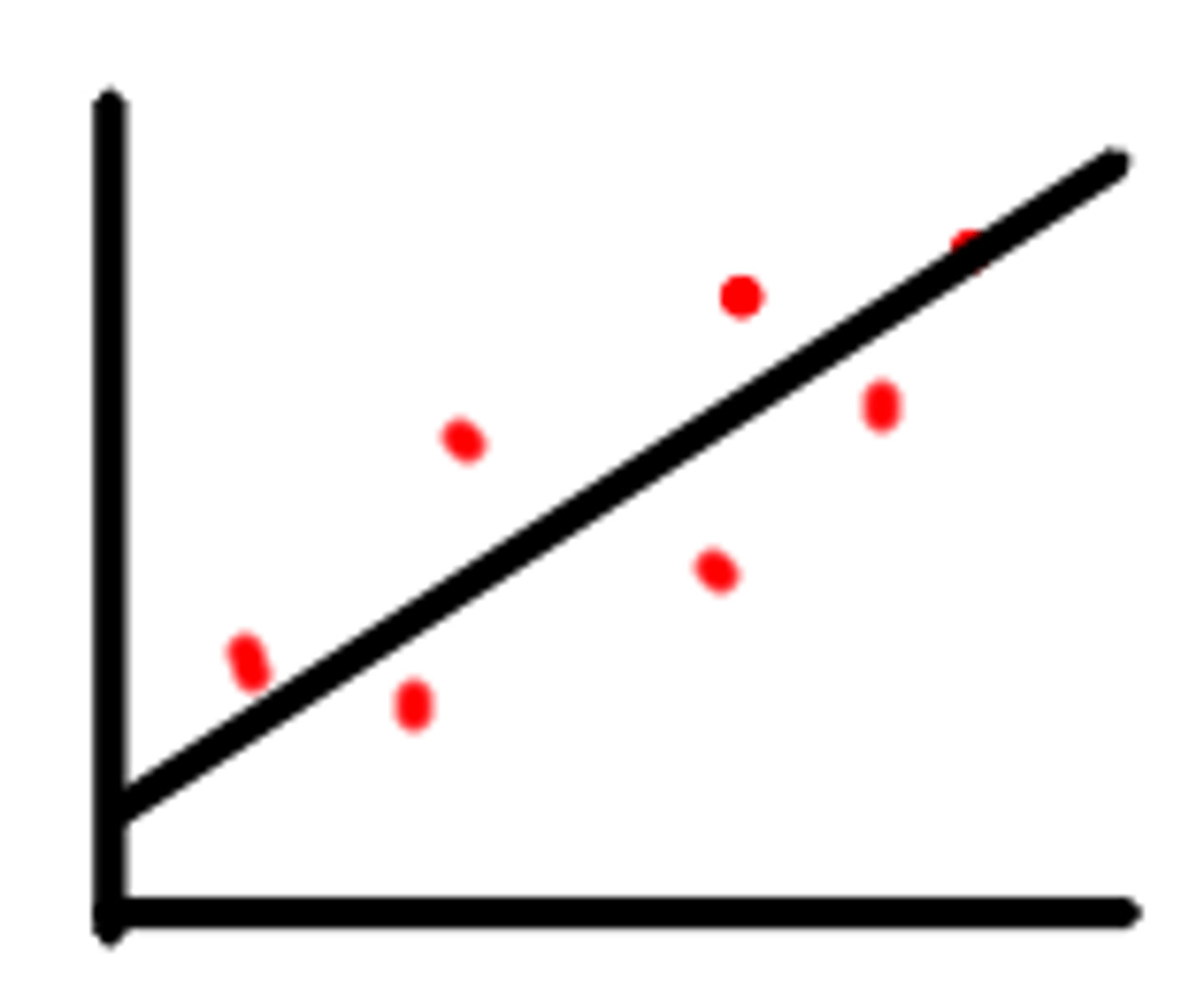
explain the difference between a correlation and an experiment
experiments involve the manipulation of an IV and a measurement of the DV upon the change. whereas a correlation, no variables are manipulated, they're just measured to look for a relationship. correlations can't establish. a cause-and-effect relationship.
criteria for variables when conducting a correlation
variables must:
- exist over a range
- be able to be measured numerically
reliability of correlation depends on whether methods used were reliable. objective measures are more reliable than subjective.
what are the two type of errors
systematic error - happening consistently, probably due to fault equipment, method etc
random error - unpredictable factors e.g. participant, environment, tools
evaluation of correlations
correlations only highlight the relationship/strength of a relationship between two variables. but they don't explain whether one change in variable is the direct cause of the other variable, they only show there's an ASSOCIATION between the variables.
what does a correlation show?
1 of 4 things:
1) the 1st variable may be affecting the second one
2) the 2nd variable may be affecting the first one
3) the correlation may be random
4) there is a hidden 3rd variable affecting both of the correlated variables (aka ALTERNATIVE EXPLANATION)
define theory
An attempt to explain why something exists or occur
what are the key components of a theory?
1) summarise different outcomes
2) provide the simplest account of outcomes
3) provide ideas for future research
4) falsifiable
criteria of a theory
T - Testable
E - Evidence based
A - Applicable
C - Construct validity (concepts clearly defined)
U - Unbiased
P - Predict behaviour
define population
a group sharing one or more characteristics, from which a sample is drawn
define target population
group that we want to research and generalise findings for
define sample
a small group of the target population
define an aim
tells the purpose of the research
define a hypothesis
a testable statement predicting the difference between levels of the IV and DV
define a null hypothesis
when there is 0 difference between the DV and change in IV
define an alternative hypothesis
there is a relationship between a change in IV and DV
define a directional / one tailed hypothesis
states there is a difference and says the direction the results will go
define a non directional / two tailed hypothesis
states there is a difference but doesn't say the direction the results will go
define standardisation
keeping the research procedure for each ppt the same to ensure any differences between ppt condition are due to the variable invesitgated
how do pyschologist achieve standardised procedures?
1) standardised instructions
2) standardised manipulation of IV/controls
3) standardised equipment/tests --> means that measure change of variables same way each time
list the 5 types of sampling in psychological research
random
opportunity
volunteer
purposive
snowball
define random sampling
each member of the target population has an equal chance of being picked for the sample
explain how to conduct a random sample
researcher needs a full list of the target population
all names are put into a container
all number of names are equal to the sample required
the computer randomly pulls out the names
pros of random sampling
- Removes experimenter bias because the researcher cant choose the ppt's they want for the sample, they avoid picking ppt's they want for a desired result (unbiased)
- More likely to be representative - give every member of a population an equal opportunity to be chosen
- Easy(ish)
cons of random sampling
- ppt's could be picked that produce an unrepresentative sample, thus not reflecting the population eg, not enough boys (biased)
- time-consuming to identify all population members
define opportunity sample
researcher asks available members of the target population to take part
pros of opportunity sampling
- Quick and done based on availability, reduce time it takes to select sample
- Convenient for researcher
- Economical (Saves time + money)
cons of opportunity sampling
- Researcher decides who takes part, they may select ppt's who they feel are likely to give the desired result (BIASED)
- Ppt's may feel forced into participation
- Unlikely to be representative as ppt's could have many similarities (e.g. if researcher asks people who come from the same place)
define volunteer sampling
participants are invited to participate in a study, and those who accept select themselves to become to sample
pros of volunteer sampling
- quick and easy as ppt comes to researcher
- as a result there's also no researcher bias
- ethical as ppt want to be part of the study, no pressure
- good for unusual target population
cons of volunteer sampling
- those who respond to the call for volunteers may all display similar characteristics, reducing generalizability (BIAS)
- therefore unlikely to be representative
- expensive to place adverts and pay participants
- only certain people see the advert
define purposive sampling
Participants are chosen because they possess characteristics that are relevant to a given research study
pros of purposive sampling
- sample is filled quickly
- effective method when target population is limited
- highly representative sample of characteristics researcher wants
cons of purposive sampling
- over-represents sub-groups in the population that happen to be more available
- some bias
define snowball sampling
participants who are already in a study help the researcher recruit more participants. Researchers start with just one or two people and then grow their "snowball" sample by adding more and more participants to the initial sampling.
pros of snowball sampling
good for finding populations that are rare to find
cons of snowball sampling
- anonymity is lost (as it's pass on a friend)
- unlikely to yield a representative sample
- may not be able to recruit participants
what are the 3 types of experimental design
independent groups design
matched pairs design
repeated measures design
define independent groups design
different participants are used in each condition of the experiment. they should be randomly allocated to avoid researcher bias
define repeated measures design
the same participants take part in all conditions
define matched pairs design
A research design where participants are paired based on specific characteristics, ensuring each pair has one member assigned to each condition of the experiment, with one person in each pair getting the treatment and the other the control. This aims to control for variables and reduce individual differences.
define independent variable
variable that is manipulated to test the effect on the DV
define dependant variable
variable that is measured
define extraneous variables
different factors that could affect the DV but are not ones being tested
define confounding variables
undesired variables that influence the relationship between the independent and dependent variables
why must variables be operationalised
being clearly defined allows for manipulation of the independent variable and also means the dependent variable can be precisely measured
define participant variables
individual differences between participants that may affect the DV. eg, age, sex
define situational variables
uncontrolled features of an environment that affect the DV
what are 2 ways to control participant variables
random allocation- removes potential bias and limit the influence of participant variables
matched pairs - reduces participant variability because participants in each condition are matched on key characteristics, so any differences in results are more likely due to the manipulation of the independent variable rather than individual differences between participants.
how to control extraneous variables
counter balancing- half the pp's complete condition a first and b second, the other half does b first and a second. this helps to reduce order effects (e.g. fatigue, boredom).
how to control situational variables
standardised procedures and instructions are used to ensure that conditions are the same for all participants so all pp's have the same experience
how to remove demand characteristics? (cues in study that make ppt guess the aim and change their behaviour)
1) changing sample - ppt’s with less psychological knowledge may not be able to guess the aim
2) deceiving the ppt, then debriefing them - makes it difficult for ppt to guess the aim altogether
how to remove social desirability bias?
1) getting someone else to do it on that person's behalf - removes the participant’s motivation to present themselves in a socially acceptable way.
2) asking the same question in the opposite way - detects and discourages patterned, socially acceptable responding.
3) observing ppt instead
what are the main ethical considerations in research
informed consent
debriefing
right to withdraw
confidentiality
protection from harm
explain informed consent
participants should have detailed information about the research to be able to make a informed decision about taking part
if participants are below the age of 16, parental consent needs to be gained
explain debriefing
all relevant information should be explained to participants both before and after the study takes place
explain right to withdraw
participants should be aware they have the right to withdraw from the study at any time, even after it has finished
explain confidentiality
pp's personal data should be kept securely by the researcher. their identities should not be revealed
explain protection from harm
participants must leave the research in the same physical and mental state they started and be protected from both physical and mental harm
how to get around informed consent
prior general consent- pp's agree to potential features of a study
retroactive consent- researcher asks for consent after the study
define reliability
consistency of results. eg, if the researchers replicate the study, they'll get the same results
what are the 2 types of validity
internal validity: the extent to which a test measures or predicts what it is supposed to
external validity: the extent the study can be applied beyond the research settings
methods to test reliability
test-retest - gives the same test to the same participant's twice on different occasions. measures external reliability.
inter-observer (type of internal reliability) - when all observers have the same observations and come to the same conclusions
what are the different types of external validity
Ecological validity: Reflects the behaviour in the real world
Historical validity: Can be applied over different periods of time
Population validity: Can be applied to other people in other places and cultures
whats the difference between the null and alternate hypothesis
the null suggests no casual relationship exists between the IV and DV, whereas the alternate hypothesis suggests a casual relationship
Explore top notes
 Note
Note Explore top flashcards
 Flashcards (25)