Cardiac Tumors: Types, Features, and Clinical Implications
 Studied by 0 people
 Call Kai
 Learn
Learn Practice Test
 Spaced Repetition
 Match
Match Flashcards
 Knowt Play
1/23

There's no tags or description
Looks like no tags are added yet.
Name | Mastery | Learn | Test | Matching | Spaced | Call with Kai |
|---|
No analytics yet
Send a link to your students to track their progress
24 Terms
What are the two main categories of cardiac tumors?
Benign and malignant cardiac tumors.
What is the most common type of primary cardiac tumor?
Myxomas, which account for 50% of primary tumors.
Where are primary cardiac tumors typically located?
Most commonly in the left atrium of the heart.
What percentage of primary heart tumors are benign?
Approximately 90%.
What are the common benign cardiac tumors?
Myxomas, fibromas, lipomas, papillary fibroelastomas, and rhabdomyomas.
What is a characteristic feature of myxomas?
They can present with signs of mitral valve stenosis or insufficiency.
What syndrome is associated with myxomas?
Carney's syndrome, which includes myxomas and other abnormalities.
What is the gross appearance of myxomas?
Soft, polypoid, pale lobulated masses, often with a stalk.
What is a papillary fibroelastoma?
A small, sea-anemone-shaped endocardial tumor that can embolize.
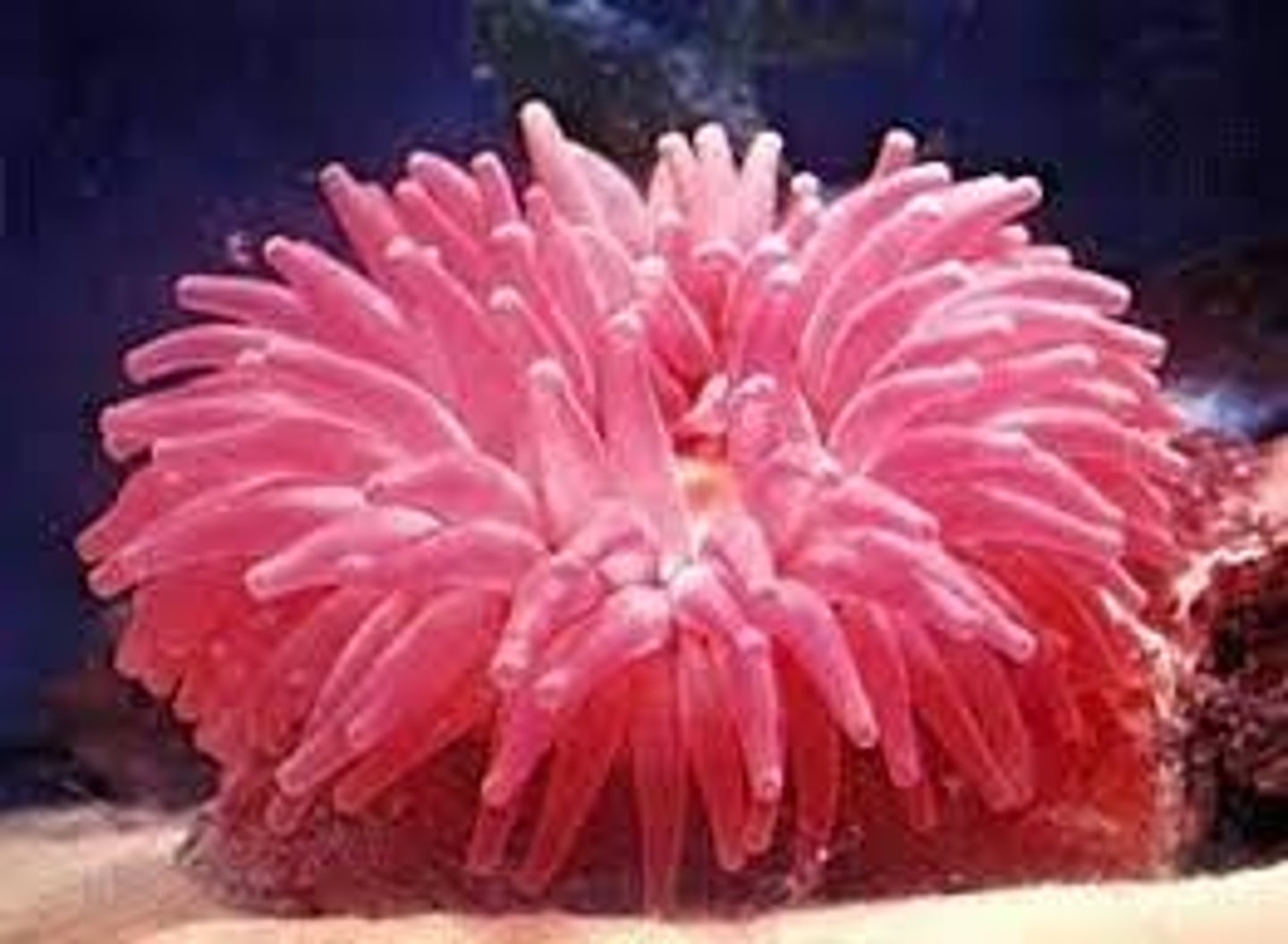
What is the most frequent primary tumor in the pediatric population?
Rhabdomyomas.
What are the microscopic features of rhabdomyomas?
Bizarre, enlarged myocytes with large collections of glycogen, known as 'spider cells'.

What is the typical presentation of a rhabdomyoma?
Firm, well-circumscribed nodules, often discovered in early childhood.
What is a cystic tumor of the atrioventricular nodal region?
A developmental abnormality that may cause complete heart block.
What is the most common type of malignant cardiac tumor?
Angiosarcoma.
What are the common subtypes of sarcomas found in the heart?
Kaposi sarcoma, leiomyosarcoma, rhabdomyosarcoma, and osteosarcoma.
What symptoms do patients with cardiac sarcomas often present with?
Congestive heart failure (CHF) and arrhythmias.
How do metastatic tumors generally reach the heart?
Through mediastinal lymph nodes or hematogenous spread.
What types of primary tumors are commonly associated with metastatic cardiac tumors?
Melanoma, kidney cancer, breast cancer, and choriocarcinomas.
What is the typical clinical significance of papillary fibroelastomas?
They are often incidental findings but can become clinically important if they embolize.
What is the histological appearance of papillary fibroelastomas?
Covered by endothelium with a core of myxoid connective tissue.
What are the common symptoms of left-sided myxomas?
Signs of mitral valve stenosis or insufficiency.
What is the typical gross morphology of rhabdomyomas?
Gray-white myocardial masses that may protrude into the lumen.
What can happen if the conduction system of the heart is involved by metastatic tumors?
It can result in heart block and subsequent death.
What is the prognosis for surgical excision of myxomas?
Surgical excision is often curative, but some may recur.
 Note
Note  Flashcards (96)