Countries (locations)
 Studied by 2 people
 Call Kai
 Learn
Learn Practice Test
 Spaced Repetition
 Match
Match Flashcards
 Knowt Play
1/202

Earn XP
Description and Tags
Name | Mastery | Learn | Test | Matching | Spaced | Call with Kai |
|---|
No analytics yet
Send a link to your students to track their progress
203 Terms
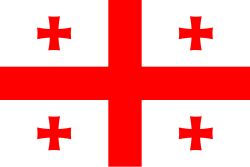
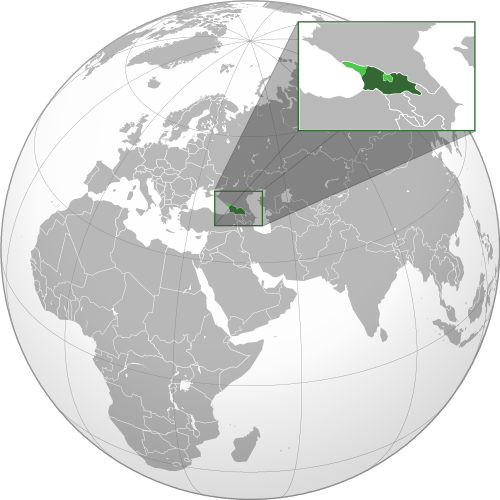
Sakartvelo (Georgia)
(“land of Kartvelians”, derived from the core central region of Kartli)
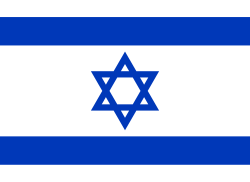
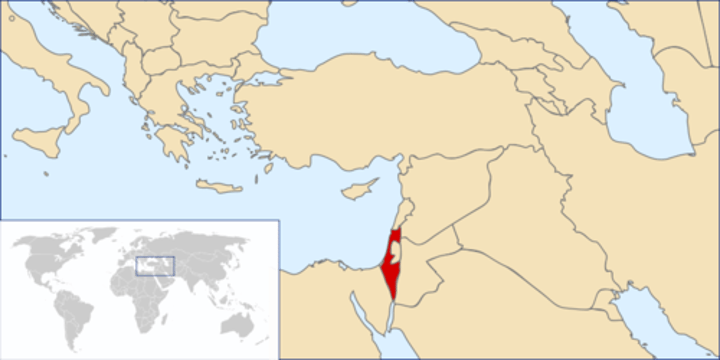
mְdִynat yִshְׂraaֵl (“State of Israel,” Israel-occupied Palestine)
(“El (God) persists/rules”/”struggle with God”, referring to Jacob who successfully wrestled with the angel of the Lord)
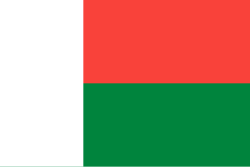
Repoblikan ny Madagasikara, République de Madagascar (Republic of Madagascar)
(unknown origin and meaning)
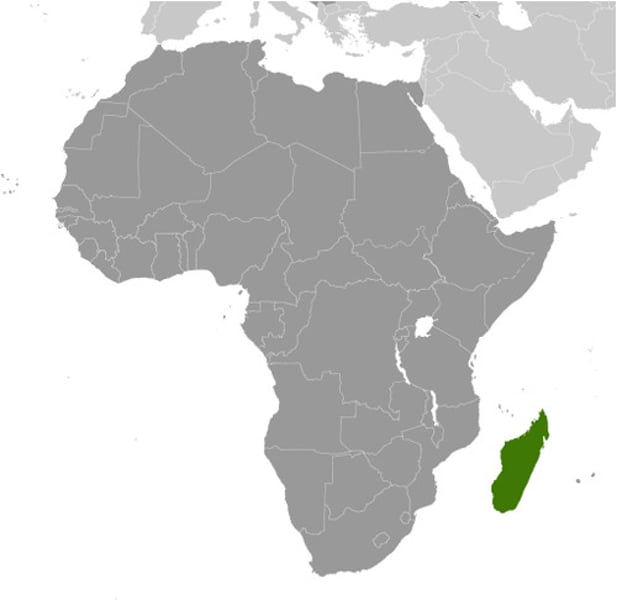
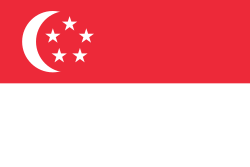
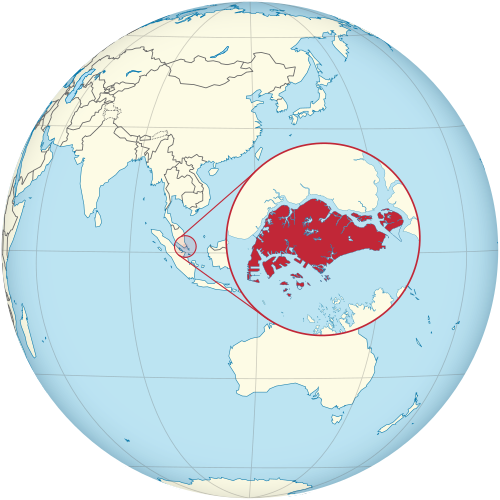
Republik Singapura, Xīnjiāpō Gònghéguó, Ciṅkappūr Kuṭiyaracu, Republic of Singapore
(Siṃhapura = "lion city," as lions were associated with power and protection in Hindu–Buddhist culture; )
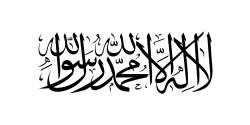
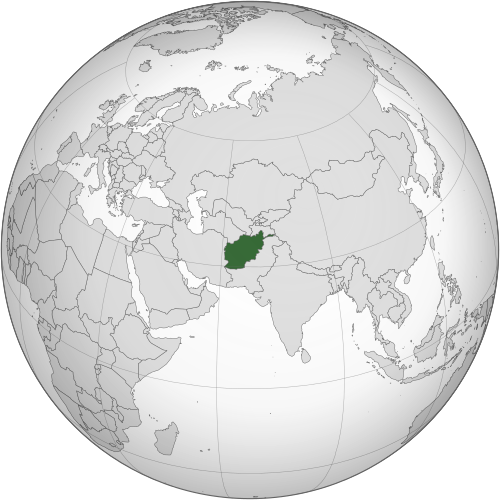
Imārat-i Islāmī-yi Afğānistān (Islamic Emirate of Afghanistan)
(“land of the Afghans / Pashtuns”; Afghān derived from the Sanskrit word Aśvakan, the name used for ancient inhabitants of the Hindu Kush; literally meaning "horsemen," "horse breeders," or "cavalrymen")
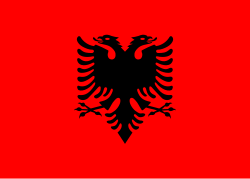
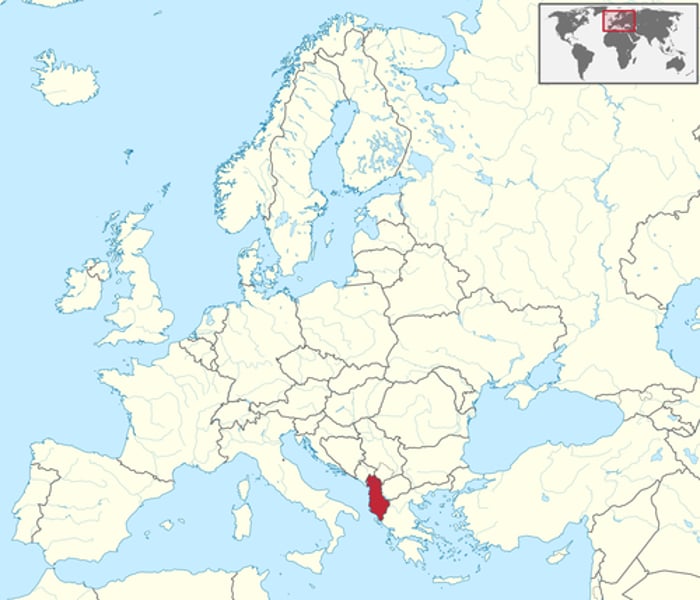
Republika e Shqipërisë (Republic of Albania)
("Land of the Eagles")
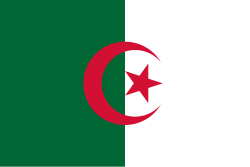
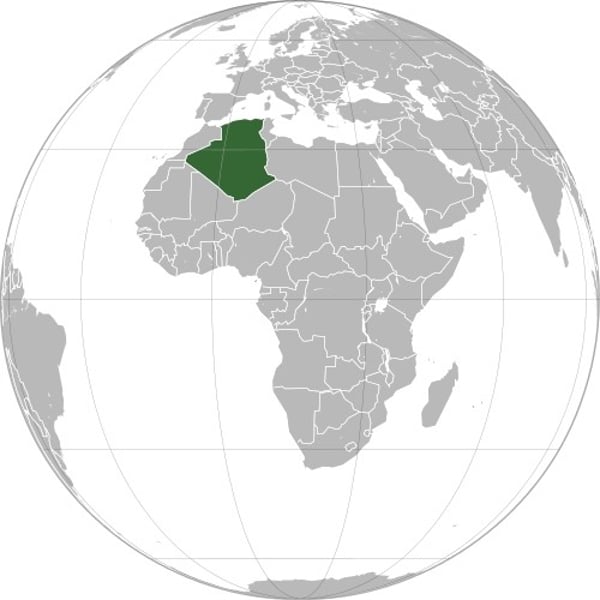
al-Jumhūriyah al-Jazāʾiriyah ad-Dīmuqrāṭiyah ash‑Shaʿbiyah (People's Democratic Republic of Algeria)
(from the city of Algiers, which in turn derives from the Arabic al-Jazāʾir (الجزائر, 'the islands'), referring to four small islands off its coast)
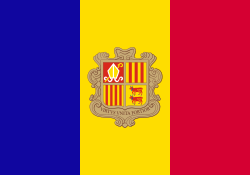
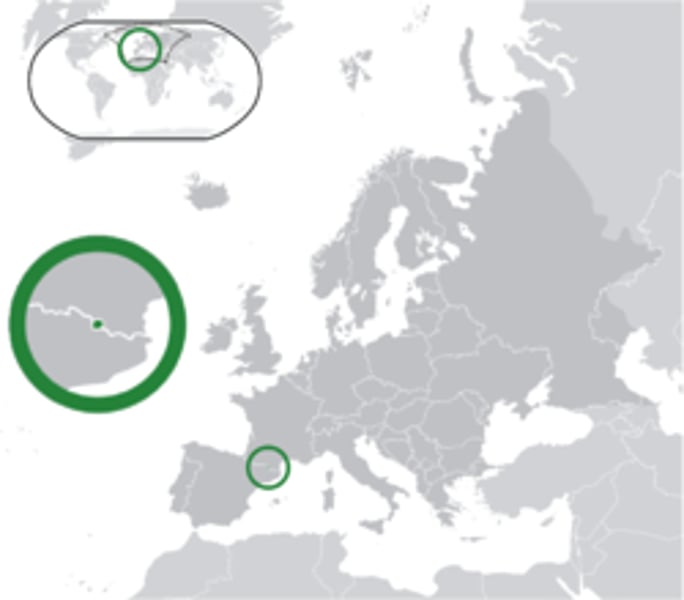
Principat d'Andorra (Principality of Andorra)
(unknown origin/meaning, possibly “big”/”giant”, a vast land which is located among mountains or a thickly wooded place, or "land covered with bushes"/"scrubland"; folk etymology holds that Charlemagne had named the region as a reference to the Biblical Canaanite valley of Endor or Andor (where the Midianites had been defeated))
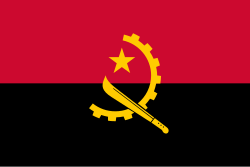
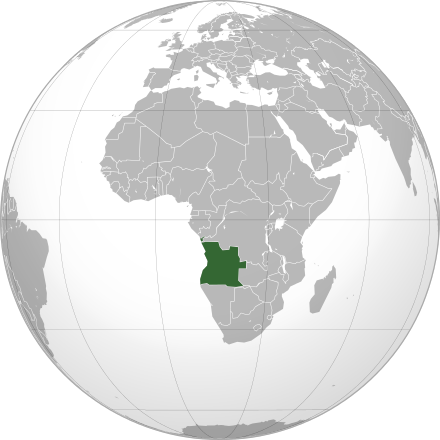
República de Angola (Republic of Angola)
(derived by the Portuguese from the title ngola held by the kings of Ndongo and Matamba)
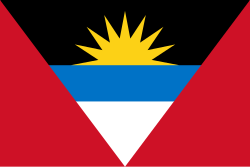
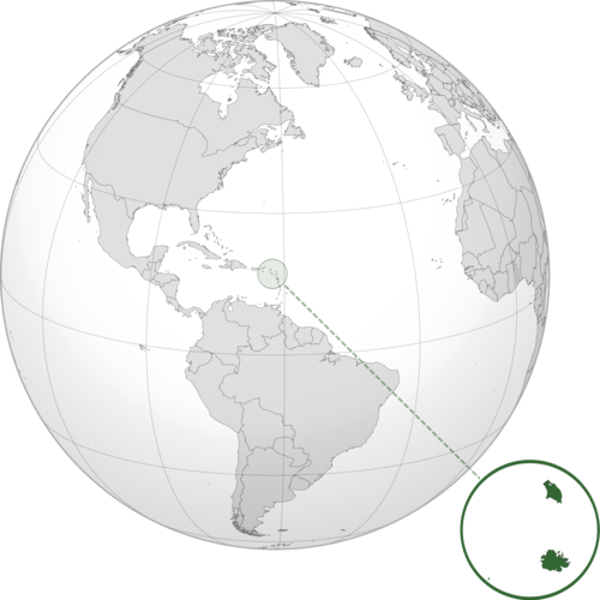
Antigua and Barbuda, Aanteega an' Baabyuuda
Antigua was originally called Waladli by the Arawaks, and the Caribs possibly called Barbuda Wa'omoni
(Antigua: “ancient,” possibly from Santa Maria la Antigua, an icon in the Spanish Seville Cathedral; Barbuda = “bearded,” referring either to the male inhabitants of the island, or the bearded fig trees)
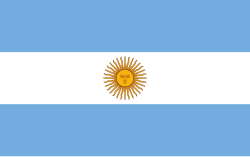
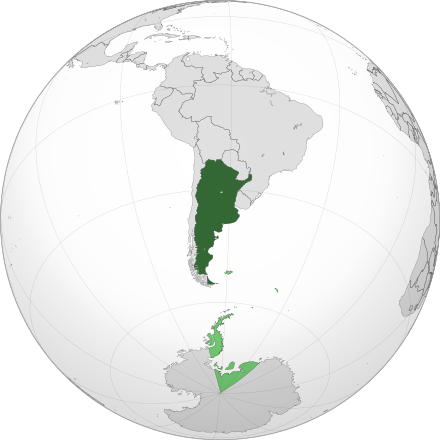
República Argentina (Argentine Republic)
(“(made) of silver, silver colored," from the legend of the Sierra de la Plata ("Mountain of Silver"), a mythical source of silver in the interior of South America)
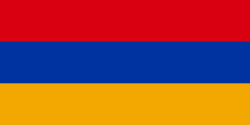
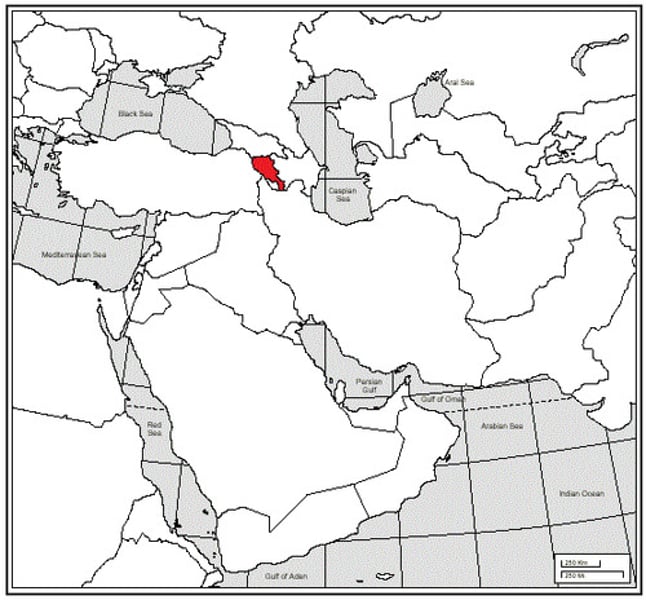
Hayastani Hanrapetut'yun (Republic of Armenia)
(derived from Hayk (Հայկ), the legendary patriarch of the Armenians and a great-great-grandson of Noah, who defeated the Babylonian king Bel in 2492 BC and established his nation in the Ararat region)
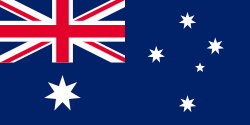
Commonwealth of Australia
(Terra Australis = "southern land")
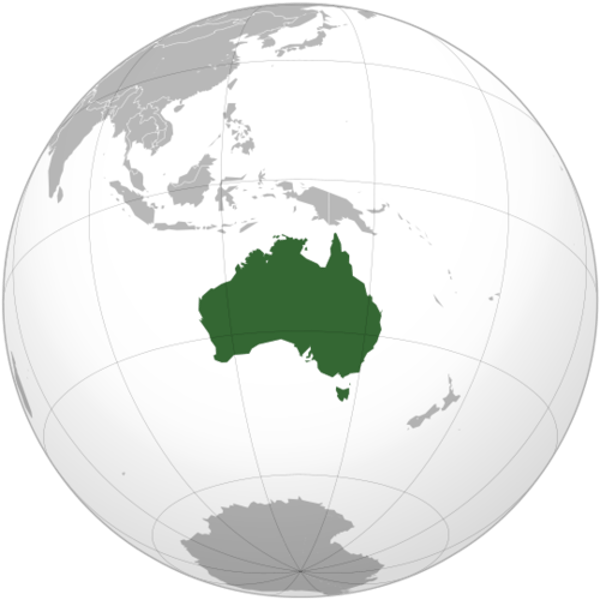
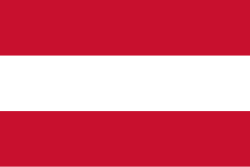
Republik Österreich (Republic of Austria)
("eastern realm")
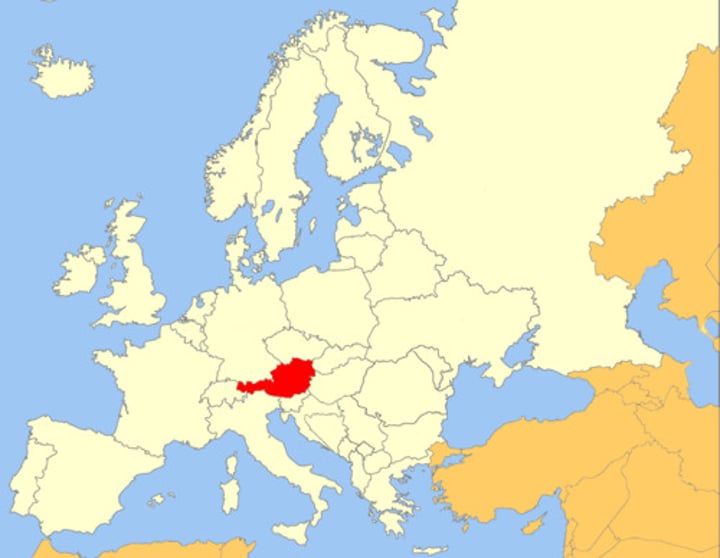
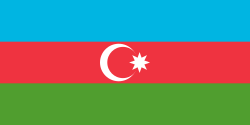
Azərbaycan Respublikası (Republic of Azerbaijan)
(from Atropates, a Persian satrap/governor under the Achaemenid Empire, meaning "Protected by the (Holy) Fire" or "The Land of the (Holy) Fire")
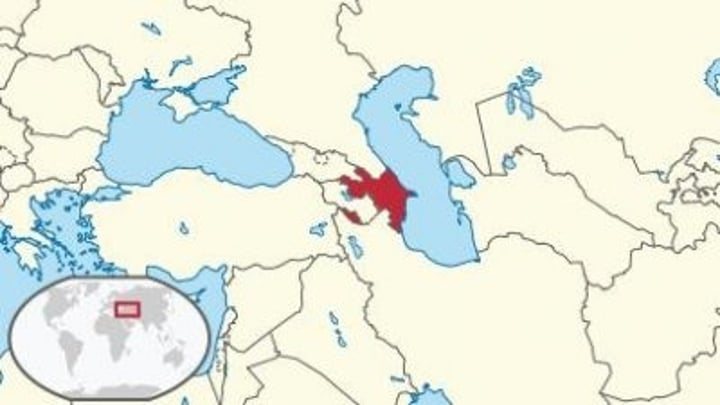
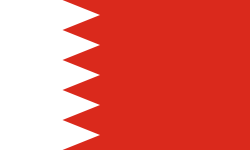
Mamlakat al-Baḥrayn (Kingdom of Bahrain)
("the two seas," although it remains disputed which two seas the name originally refers to)
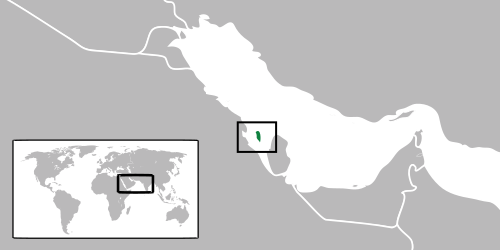
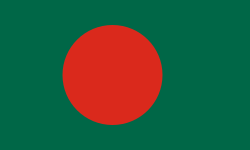
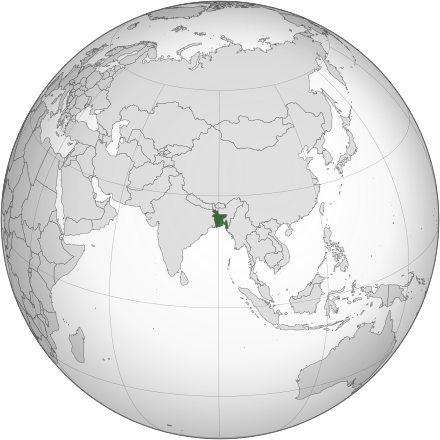
Gôṇoprojātôntrī Bāṅglādesh (People's Republic of Bangladesh)
("Bengali country", "Land of Bengal", or "Country of Bengal")
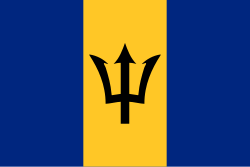
Barbados, Ichirouganaim
(Barbados = "the bearded ones", referring either to 1. the long, hanging roots of the bearded fig tree, 2. to the allegedly bearded Kalinago (Island Caribs) who once inhabited the island, or 3. to a visual impression of a beard formed by the sea foam that sprays over the outlying coral reefs; Ichirouganaim = “redstone island with white teeth (reefs)”)
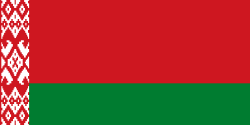
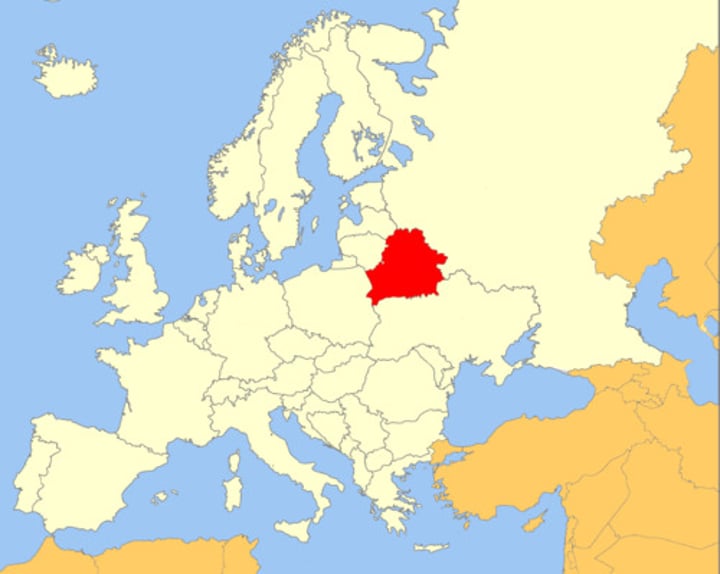
Respublika Bielaruś (Republic of Belarus)
(“White Russia” or “White Ruthenia”, with “white” referring to either 1. the Christianized Slavs, as opposed to the pagan “Black” Ruthenia; 2. the white clothing the local Slavic population wears; 3. the old Rus' lands that were not conquered by the Tatars; or 4. the color white was associated with the west, and Belarus was the western part of Rus' in the 9th to 13th centuries)
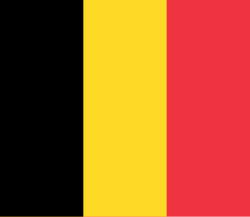
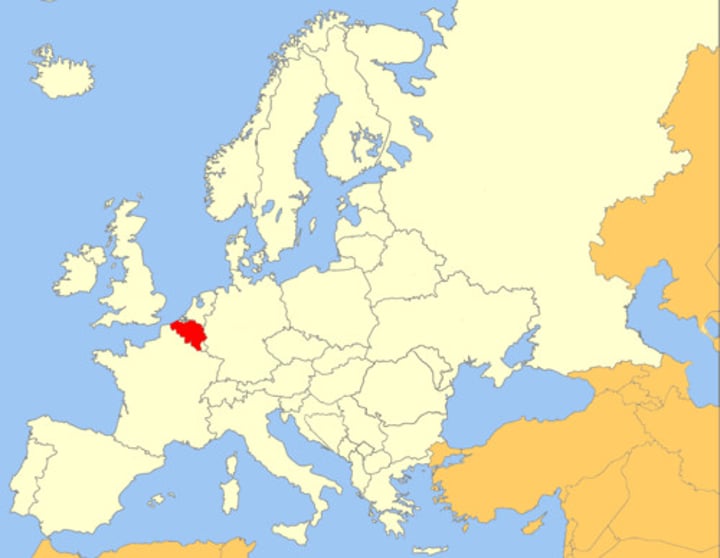
Koninkrijk België, Royaume de Belgique (Kingdom of Belgium)
(originally a Latin term used by Julius Caesar, referring to an area now mostly in Northern France, where the tribes ruling the military alliance of the Belgae lived)
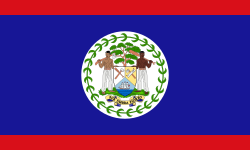
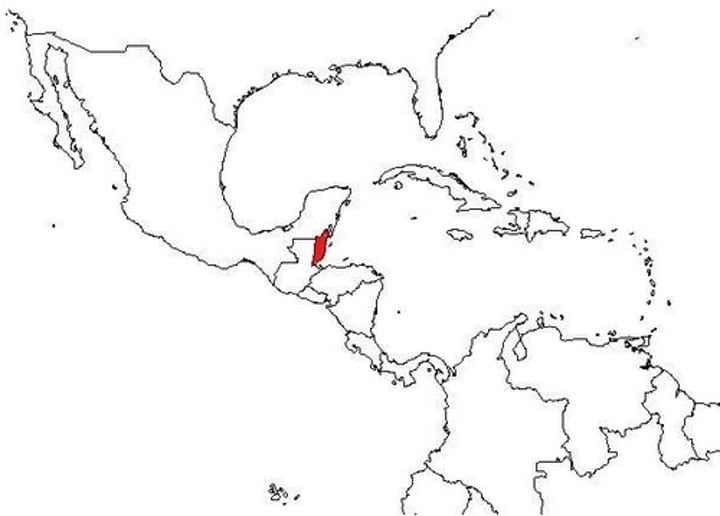
Belize, Belice, Bileez
(from the river Rio Balis, possibly from the Mayan phrase "bel Itza", meaning "the way to Itza")
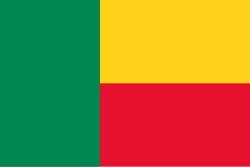
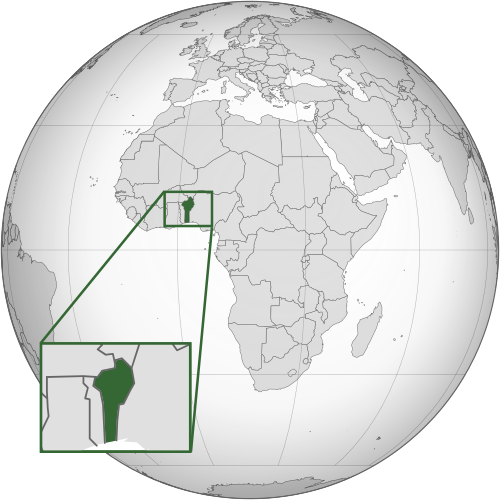
République du Bénin (Republic of Benin)
(after a Marxist–Leninist military coup, the country was renamed after the Bight of Benin, since the name Dahomey is exclusively associated with the Fon who inhabited the southern half of the country. The bight takes its name from the Kingdom of Benin, located in present-day Nigeria.)
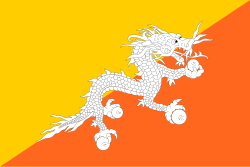
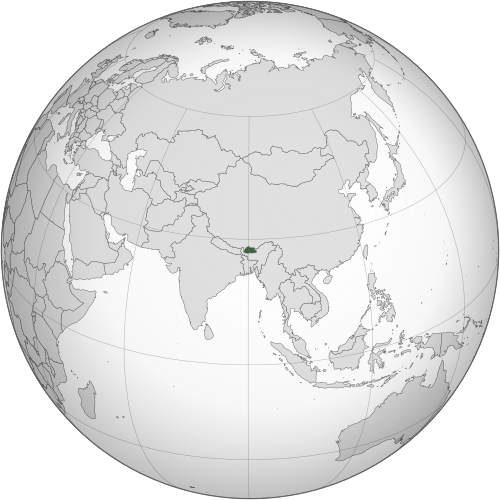
Druk Gyal Khap (Kingdom of Bhutan)
("country of the Drukpa Lineage" or "the Land of the Thunder Dragon," a reference to the country's dominant Buddhist sect)
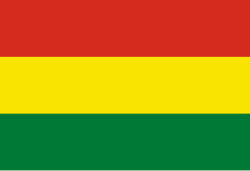
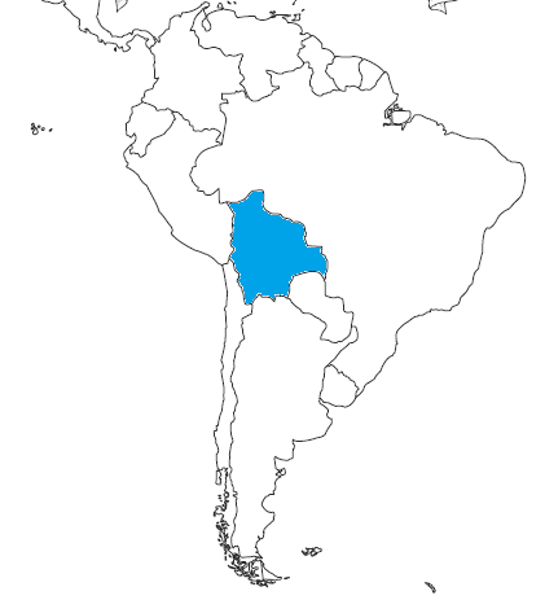
Estado Plurinacional de Bolivia, Puliwya Achka Aylluska Mamallaqta, Wuliwya Walja Ayllunakana Marka, Tetã Hetate'ýigua Volívia (Plurinational State of Bolivia)
(after Simón Bolívar, a Venezuelan leader in the Spanish American wars of independence)
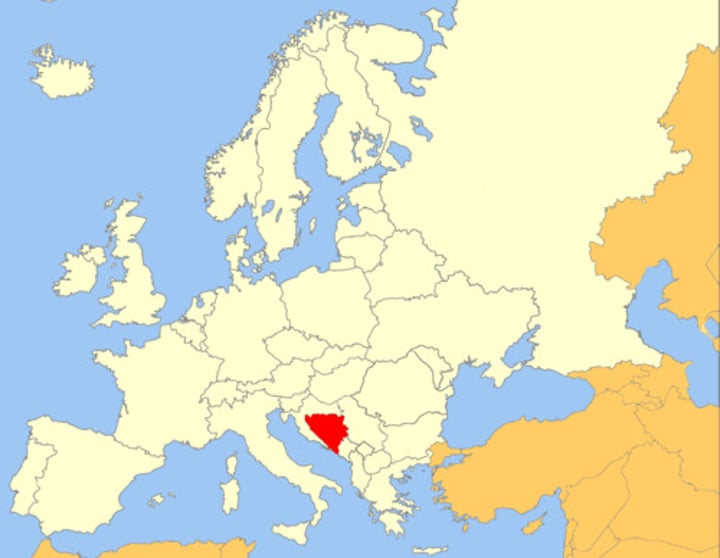
![<p>Bosna i Hercegovina (Bosnia and Herzegovina)</p><p>(Bosnia = "the running water" (from the river Bosna) and Herzegovina = “herzog’s/duke’s [land]”)</p>](https://knowt-user-attachments.s3.amazonaws.com/3c04af74-4b8e-4e3c-b04a-a6270f68c85a.webp)
Bosna i Hercegovina (Bosnia and Herzegovina)
(Bosnia = "the running water" (from the river Bosna) and Herzegovina = “herzog’s/duke’s [land]”)
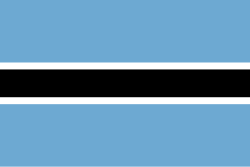
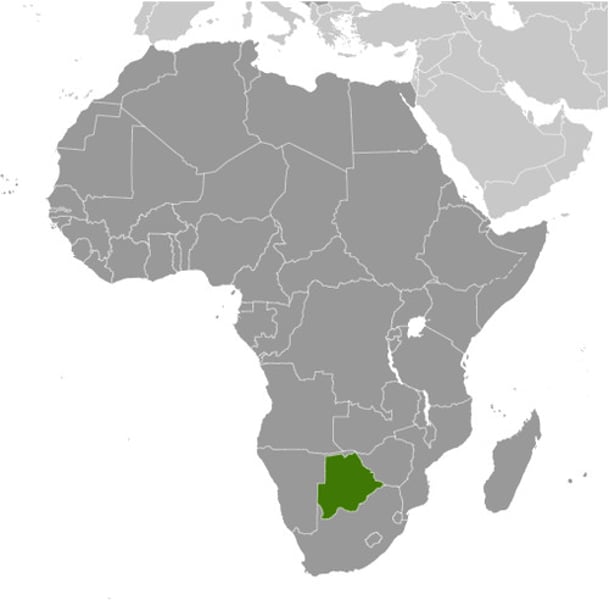
Republic of Botswana, Lefatshe la Botswana
(“Land of the Tswana”, the dominant ethnic group)
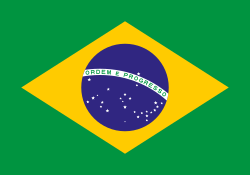
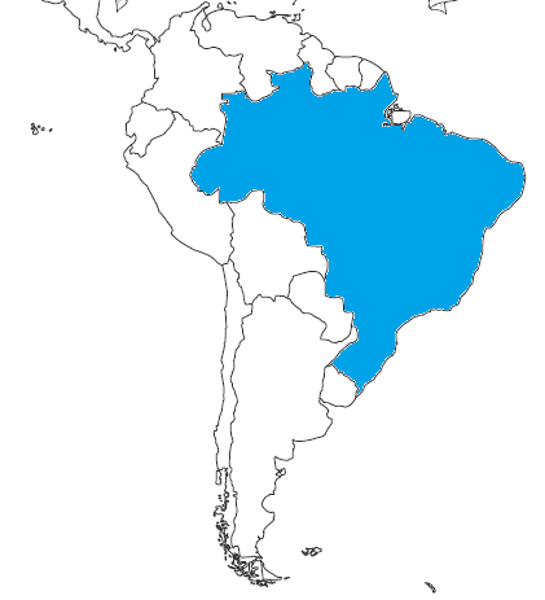
República Federativa do Brasil (Federative Republic of Brazil)
(from brazilwood, brasil = "red like an ember")
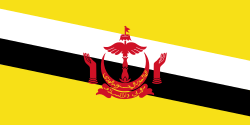
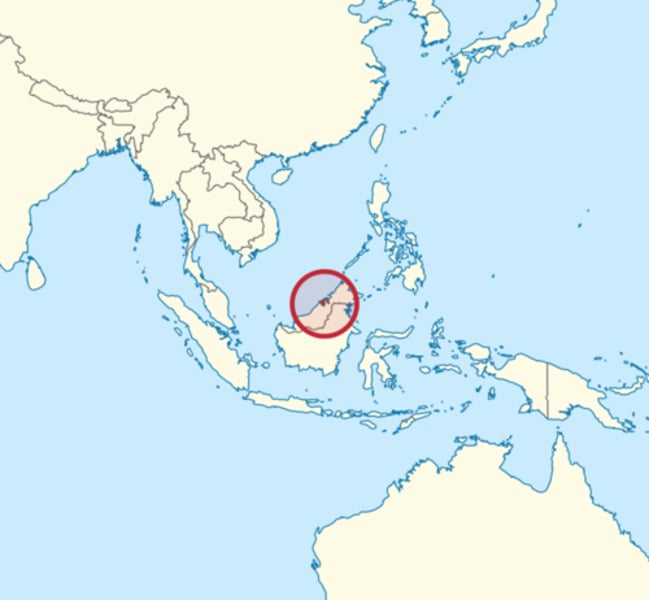
Negara Brunei Darussalam ("Nation of Brunei, the Abode of Peace")
(legend: when Awang Alak Betatar, later to be Sultan Muhammad Shah, landed in Brunei he exclaimed, "Baru nah!" (loosely translated as "that's it!" or "there!"), from which the name "Brunei" was derived. Renamed Barunai in the 14th century, possibly influenced by the Sanskrit varuṇ (वरुण), meaning "seafarers")
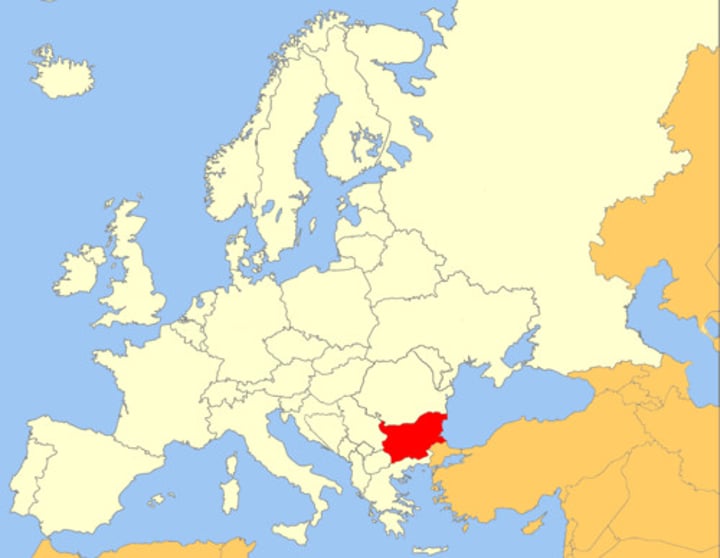
Republika Bŭlgariya (Republic of Bulgaria)
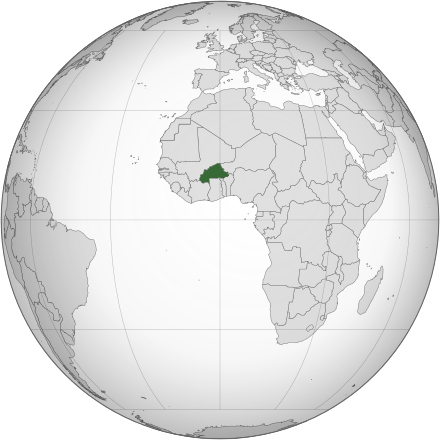
Burkĩna Faso
("land of the honest (incorruptible) men")
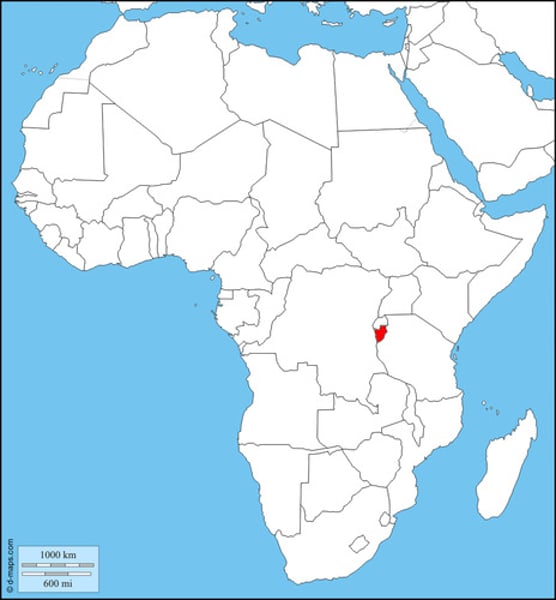
Republika y'Uburundi, Republic of Burundi
(named after the King of Urundi (= "Another one" in Kurundi), + B added by Belgium)
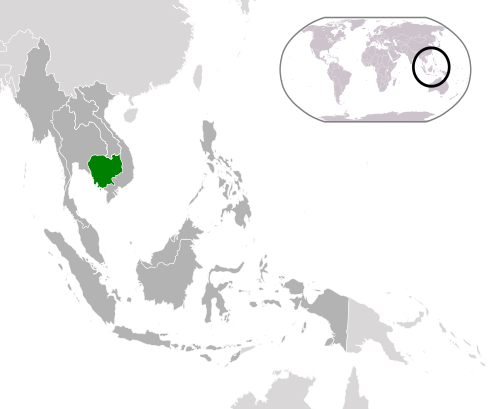
Preăh Réachéanachâkr Kâmpŭchéa (Kingdom of Cambodia)
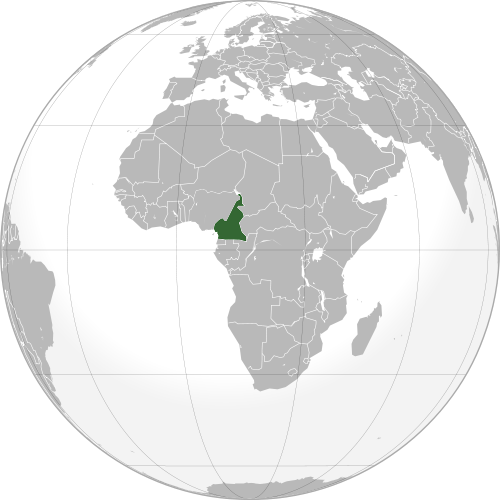
République du Cameroun, Republic of Cameroon
(after Portuguese name for Wouri River, Rio dos Camarões = "river of shrimps")
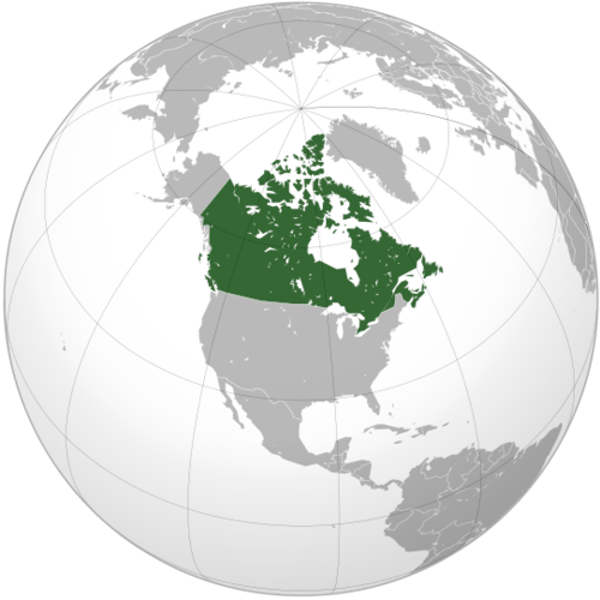
Canada
(from the St. Lawrence Iroquoian word kanata = "village" or "settlement")
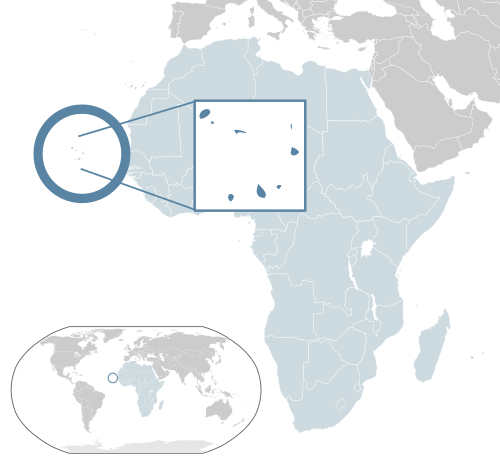
República de Cabo Verde, Repúblika di Kabu Verdi (Republic of Cabo Verde)
(“green cape”)
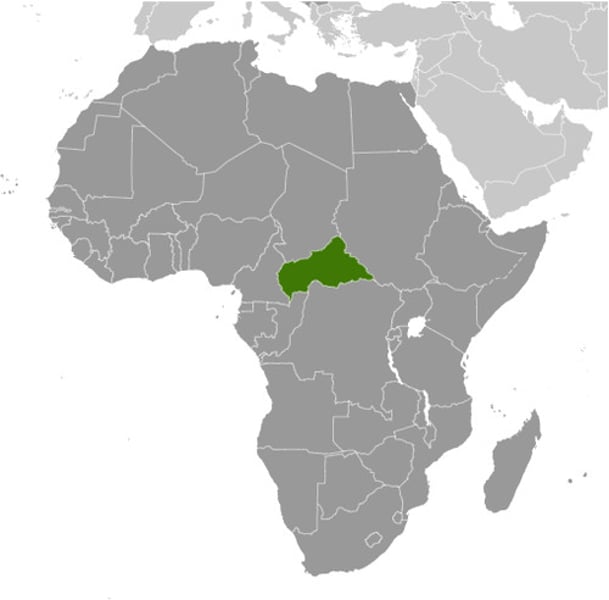
Ködörösêse tî Bêafrîka, République centrafricaine (Central African Republic)
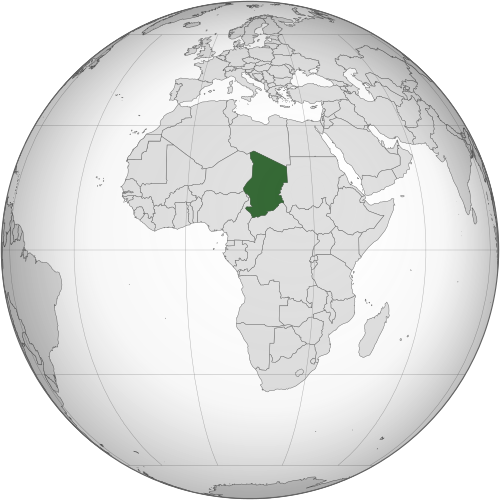
Jumhūriyyat Tshād, République du Tchad (Republic of Chad)
(after Lake Chad, which itself is from the Kanuri word for "lake")
República de Chile (Republic of Chile)
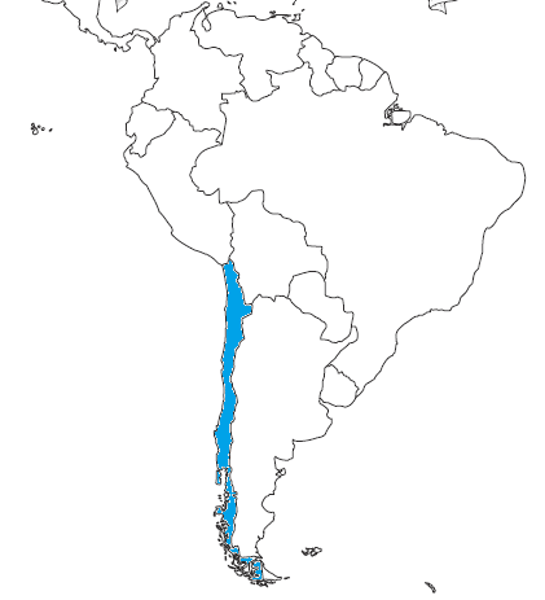
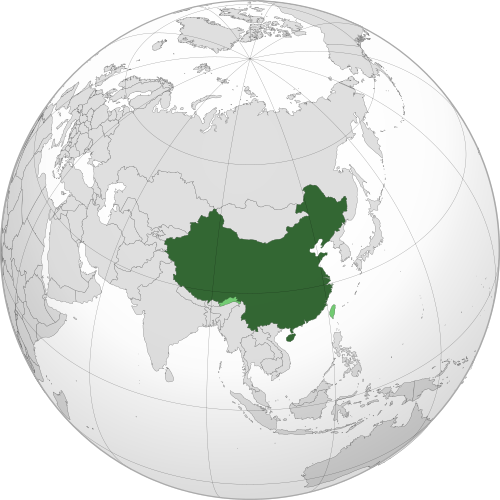
Zhōnghuá Rénmín Gònghéguó (People's Republic of China)
(Zhongguo = “central state” or “Middle Kingdom”)
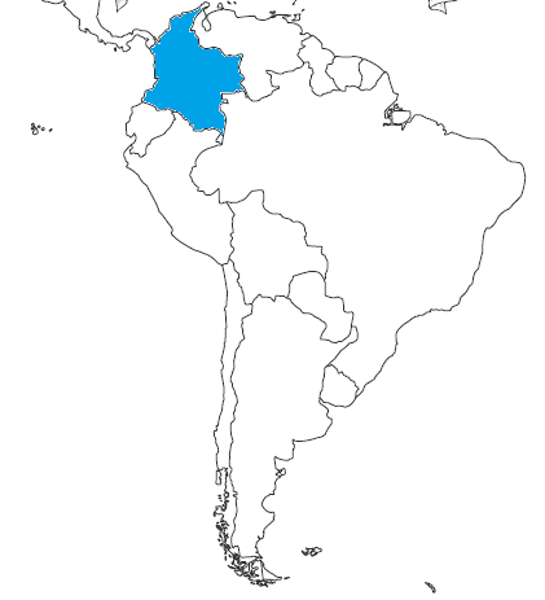
República de Colombia (Republic of Colombia)
(after Christopher Columbus)
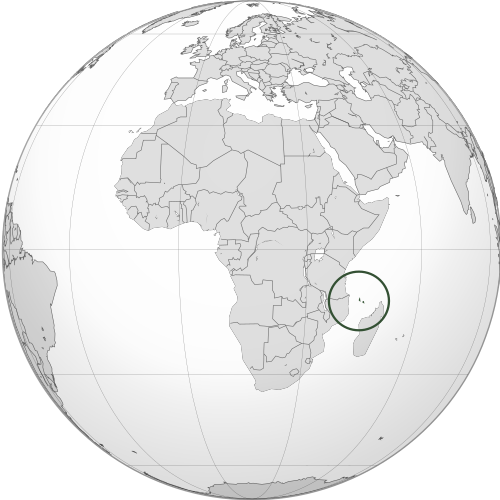
Udzima wa Komori, Union des Comores (Union of the Comoros)
(from the Arabic word قمر qamar = "moon")
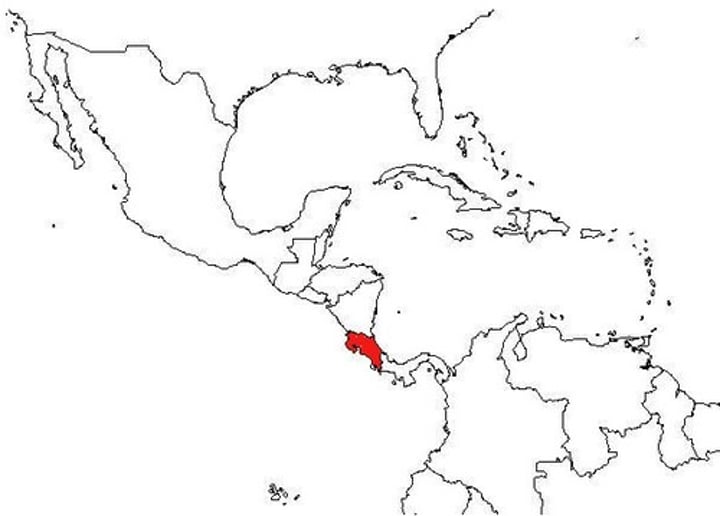
República de Costa Rica (Republic of Costa Rica)
(“Rich Coast,” referencing its richness of gold)
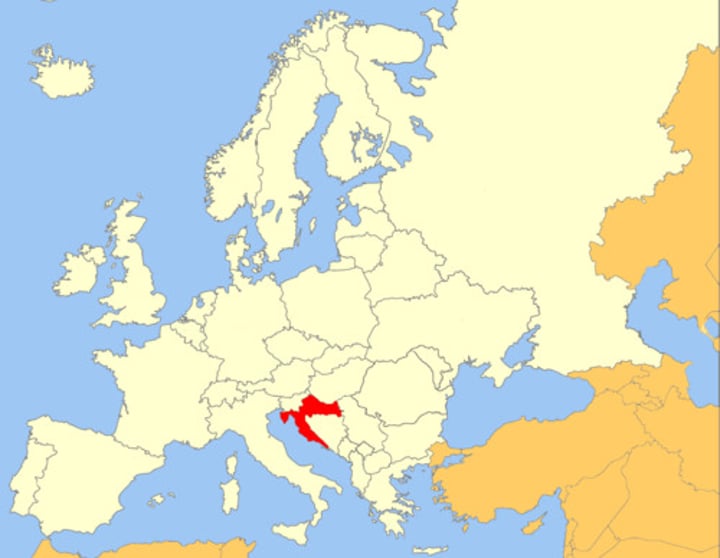
Republika Hrvatska (Republic of Croatia)
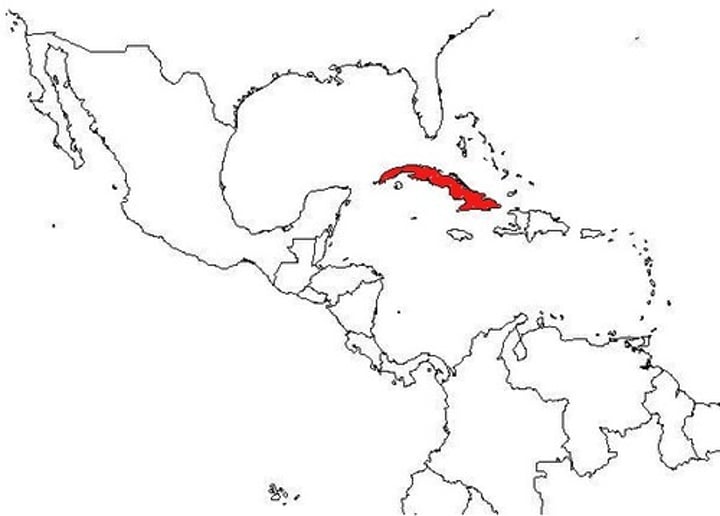
República de Cuba (Republic of Cuba)
(either 'where fertile land is abundant' (cubao), or 'great place' (coabana))
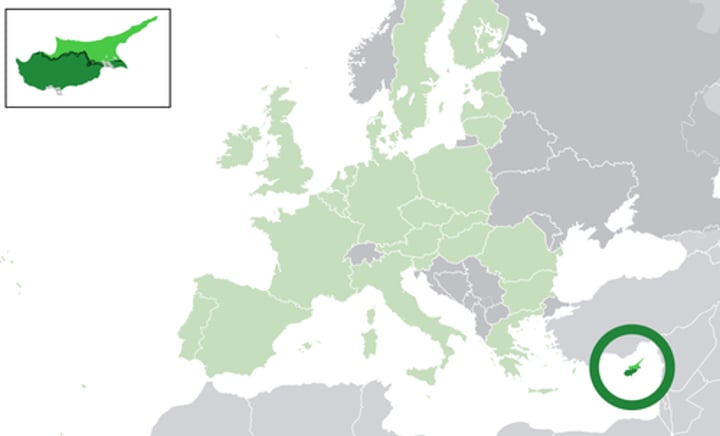
Kypriakí Dimokratía, Kıbrıs Cumhuriyeti (Republic of Cyprus)
(after either the Mediterranean cypress tree, henna tree, or copper)
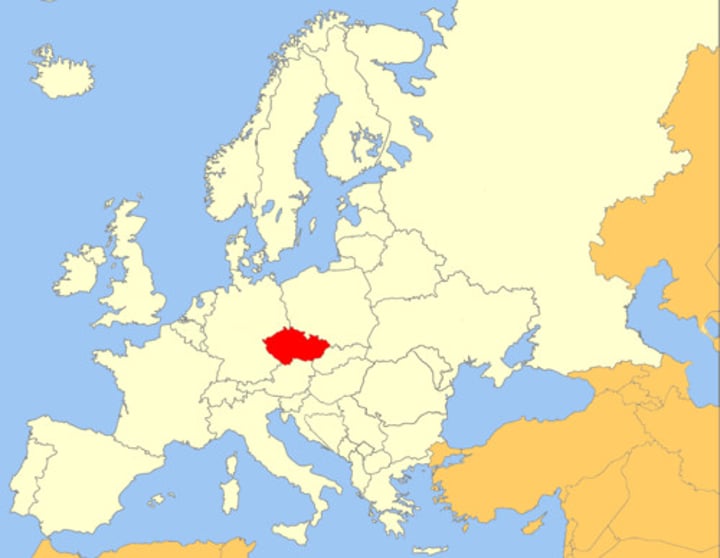
Česká republika (Czech Republic)
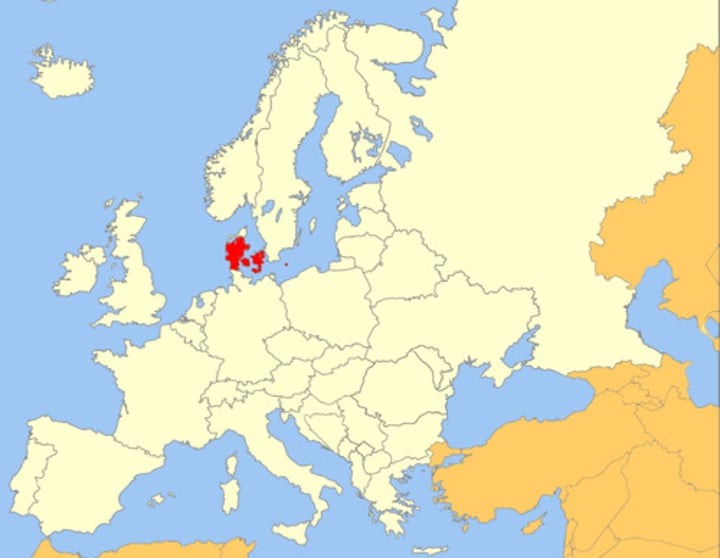
Kongeriget Danmark (Kingdom of Denmark)
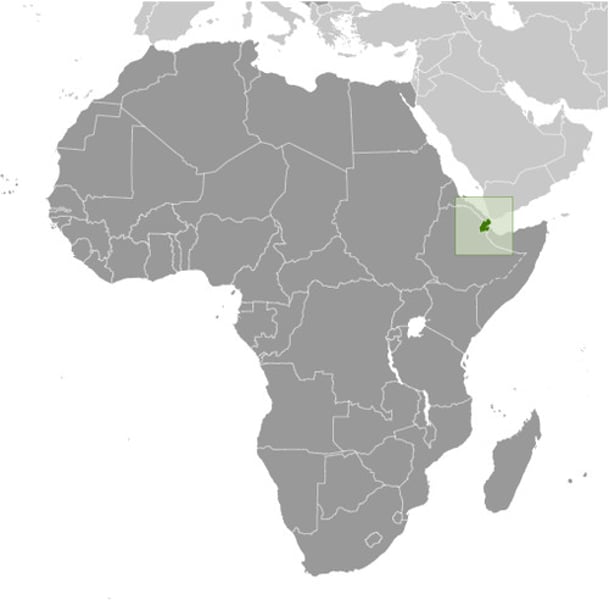
République de Djibouti, Jamhuuriyadda Jabuuti (Republic of Djibouti)
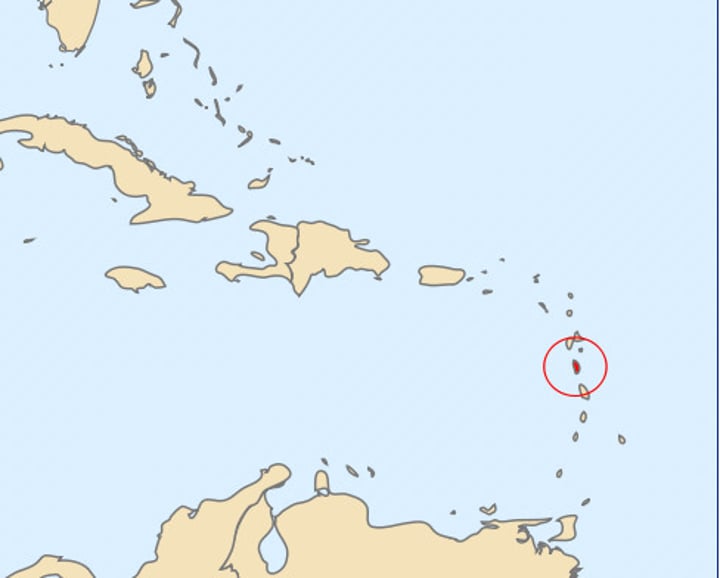
Commonwealth of Dominica, Commonwealth de Dominique
(after the Latin term dies Dominica = “Sunday”, the day Columbus first saw the island)
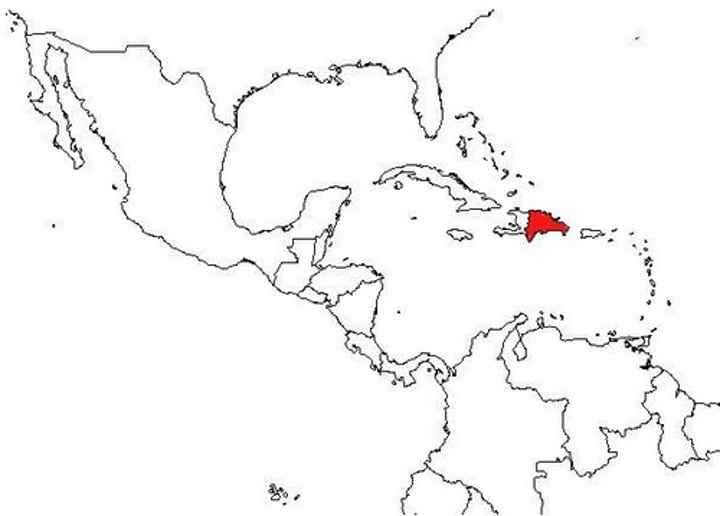
República Dominicana (Dominican Republic)
(from Saint Dominic, its patron saint)
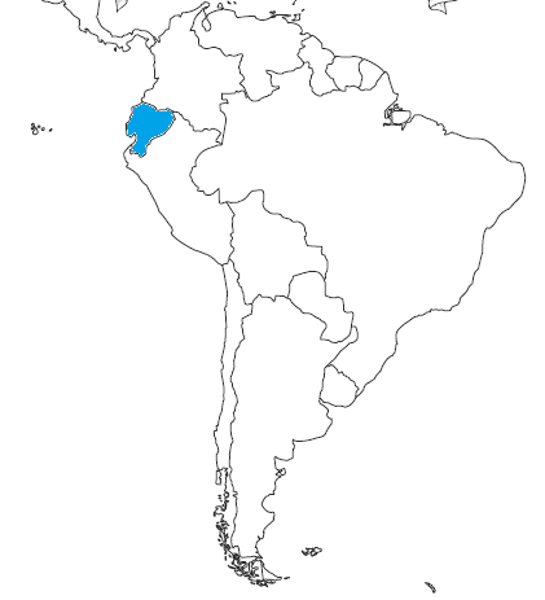
República del Ecuador (Republic of Ecuador)
("Republic of the Equator")
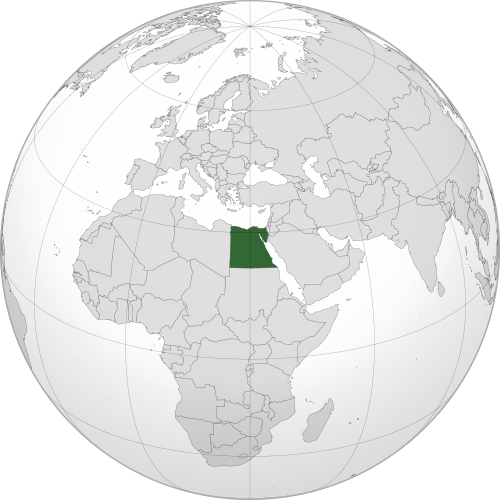
Jumhūrīyat Miṣr al-ʻArabīyah (Arab Republic of Egypt)
("border" or "frontier")
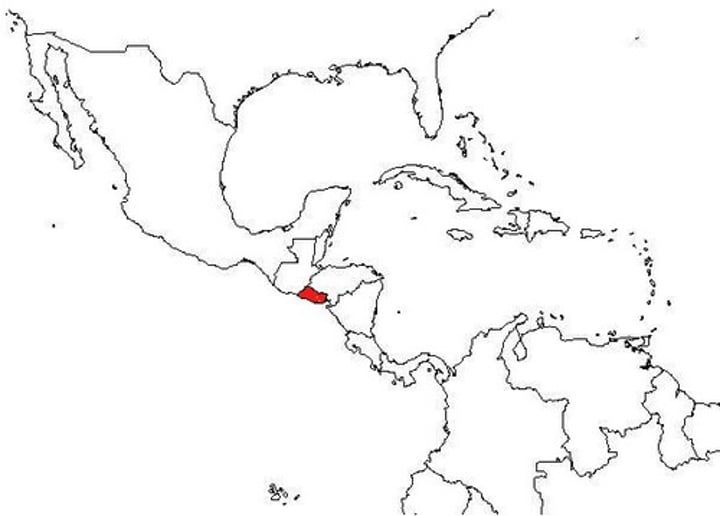
República de El Salvador (Republic of El Salvador)
("The Savior", in honor of Jesus Christ)
República de Guinea Ecuatorial (Republic of Equatorial Guinea)
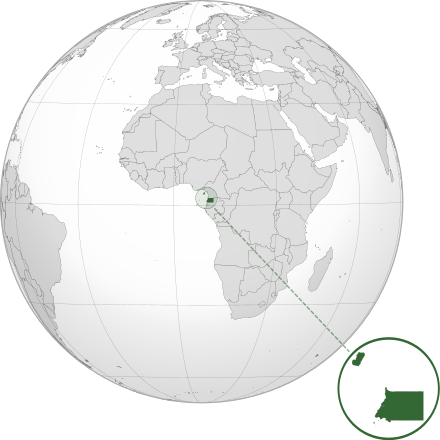
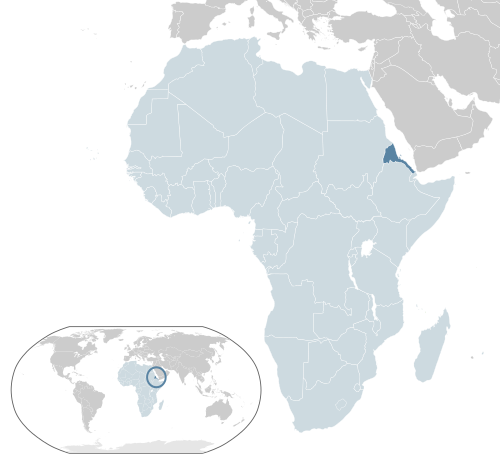
nāye ʼéretarā manegeseti (State of Eritrea)
(from the ancient Greek name for the Red Sea (Ἐρυθρὰ Θάλασσα, Erythra Thalassa))
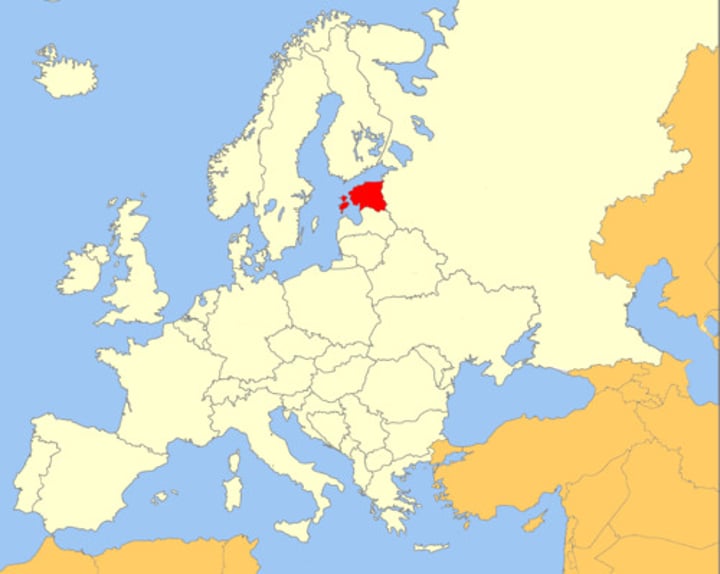
Eesti Vabariik (Republic of Estonia)
(connected to Aesti, referring to either the Baltic peoples or the whole eastern Baltic Sea region)
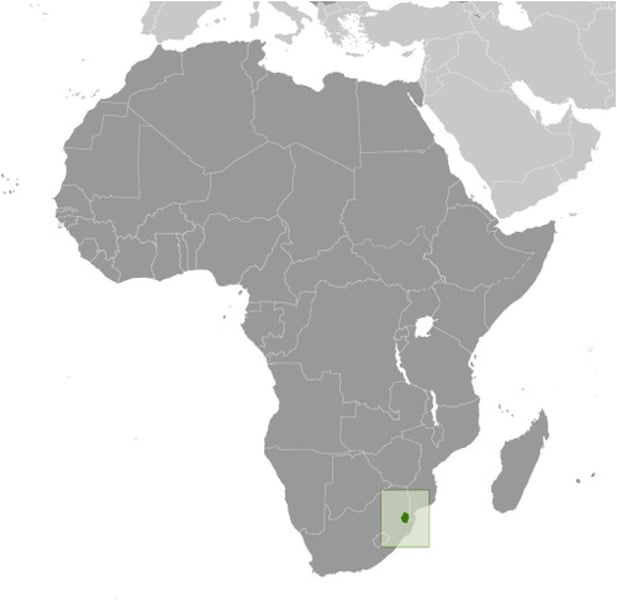
Umbuso weSwatini, Kingdom of Eswatini
(from Mswati II, the 19th-century king who expanded and unified the country)
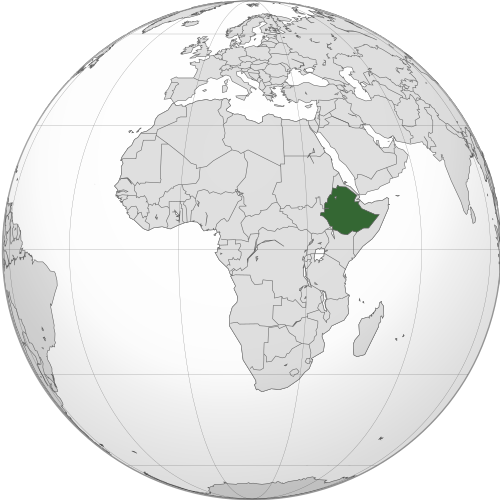
Rippabliikii Federaalawaa Dimokraatawaa Itiyoophiyaa (Federal Democratic Republic of Ethiopia)
(from Ethiopis, a name of the Ethiopian king, believed to be the twelfth direct descendant of Adam)
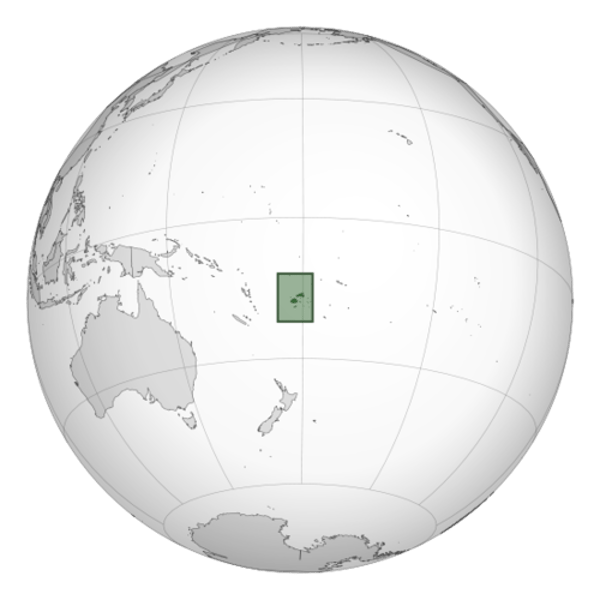
Matanitu Tugalala o Viti, Fijī Gaṇarājya, Republic of Fiji
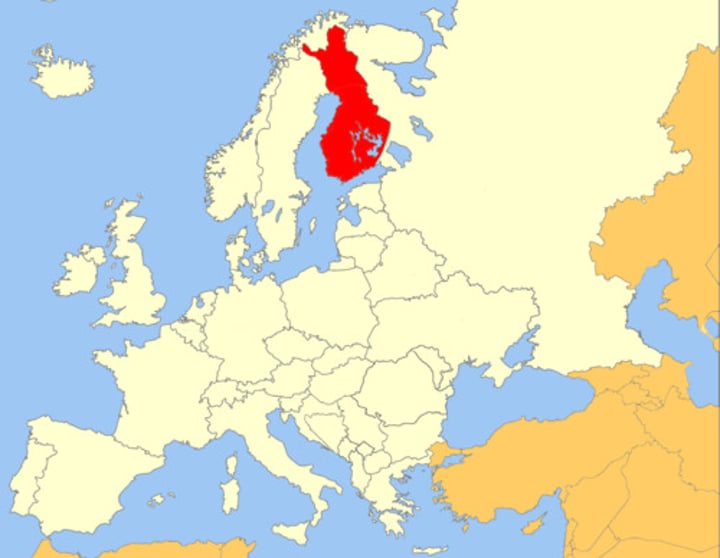
Suomen tasavalta, Republiken Finland (Republic of Finland)
(uncertain origins, common etymology with saame (the Sami))
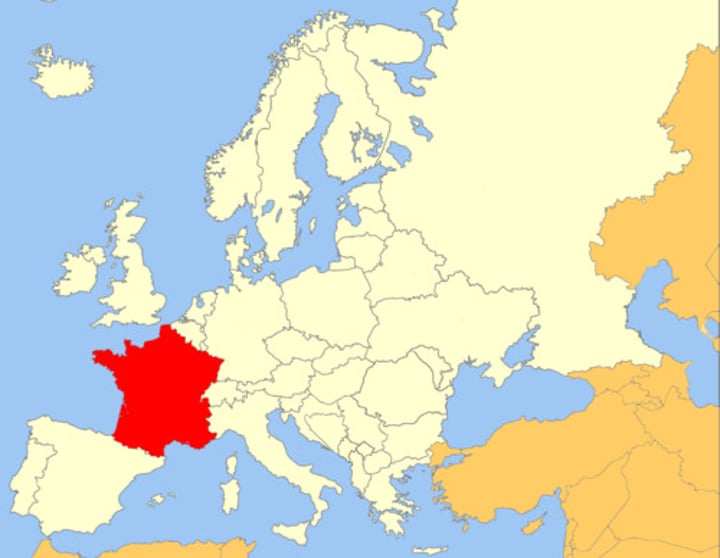
République française (French Republic)
("realm of the Franks/freemen")
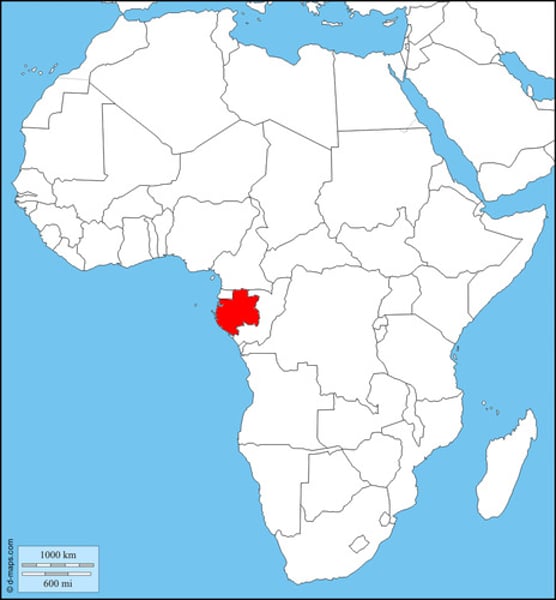
République Gabonaise (Gabonese Republic)
(after the Portuguese word gabão = a coat with sleeve and hood resembling the shape of the Komo River estuary)
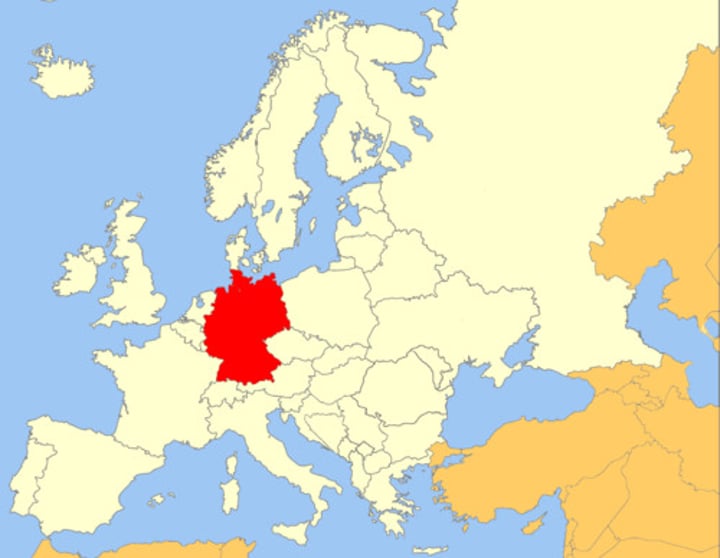
Bundesrepublik Deutschland (Federal Republic of Germany)
(“country of the people”)
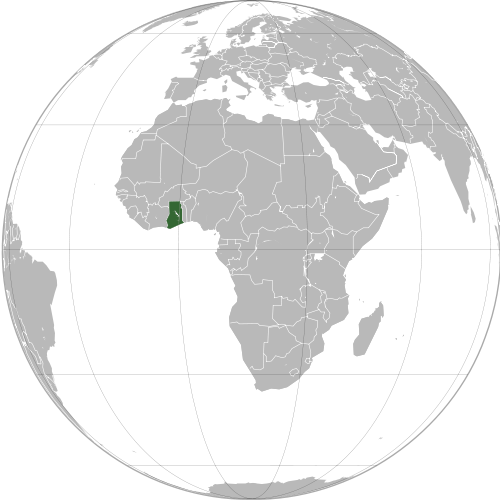
Republic of Ghana
(“Warrior King,” title of the emperor, a position which no longer exists)
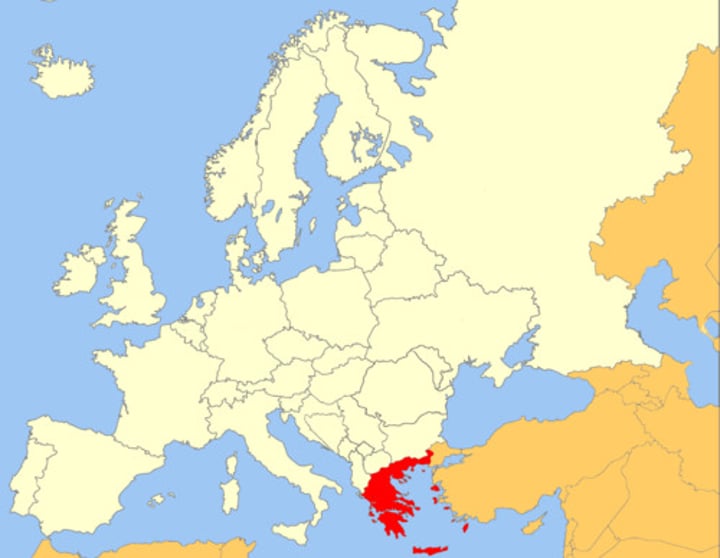
Ellinikí Dimokratía (Hellenic Republic)
(from the mythological figure Hellen, founding father to all Greek tribes)
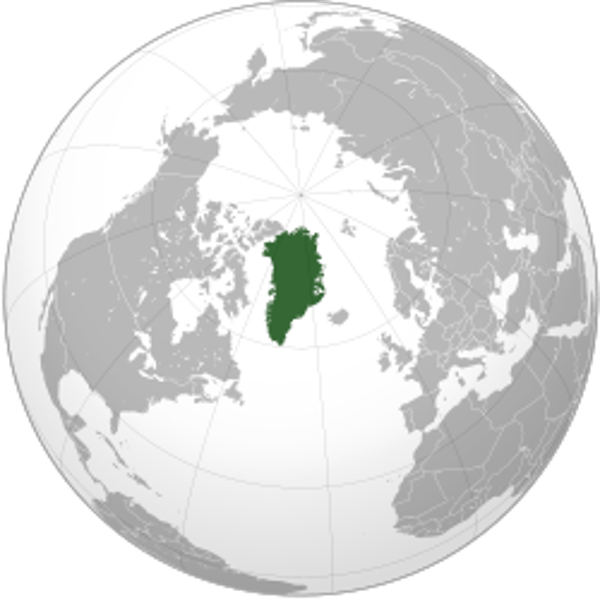
Kalaallit Nunaat (Greenland, autonomous territory of the Kingdom of Denmark)
(“land of the Kalaallit”, the Greenlandic Inuit who inhabit the territory's western region)
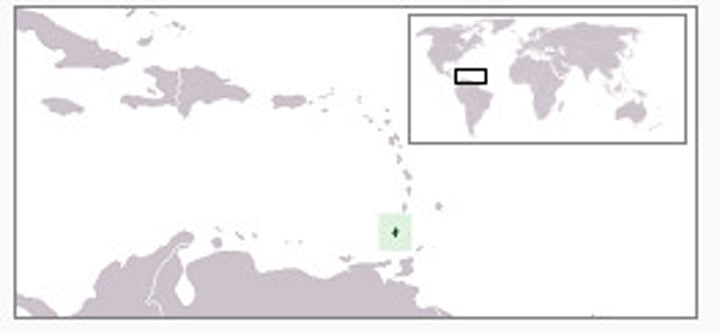
Grenada, Gwenad
(likely after the Andalusian city of Granada)
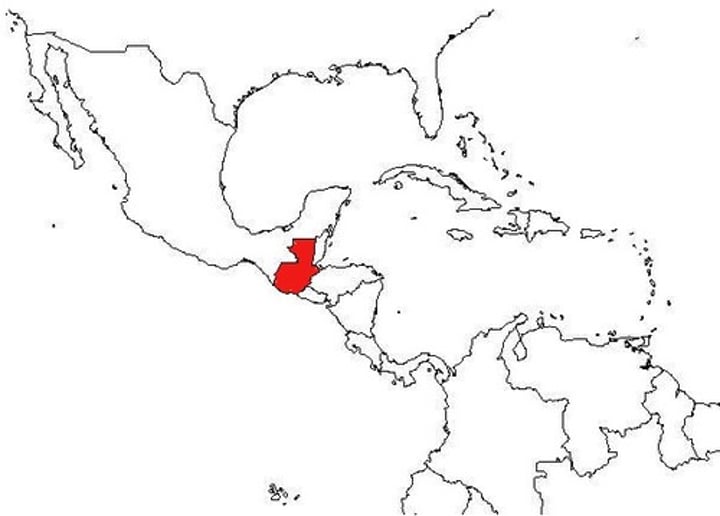
República de Guatemala (Republic of Guatemala)
(from the Nahuatl word Cuauhtēmallān = "place of many trees")
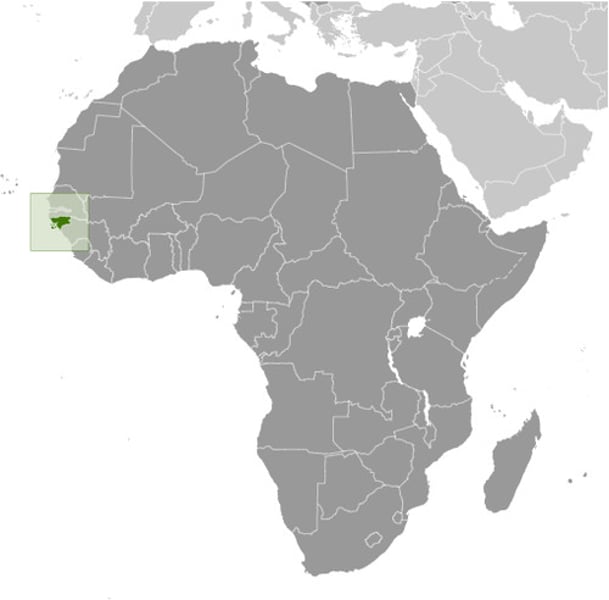
República da Guiné-Bissau (Republic of Guinea-Bissau)
(after independence, the name of its capital (Bissau) was added to the country's name to prevent confusion with Guinea)
République de Guinée, hawtaandi Gine (Republic of Guinea)
(from the Portuguese word Guiné, the lands inhabited by the Guineus, a generic term for the black African peoples south of the Senegal River, in contrast to the "tawny" Zenaga Berbers/Azengues/Moors)
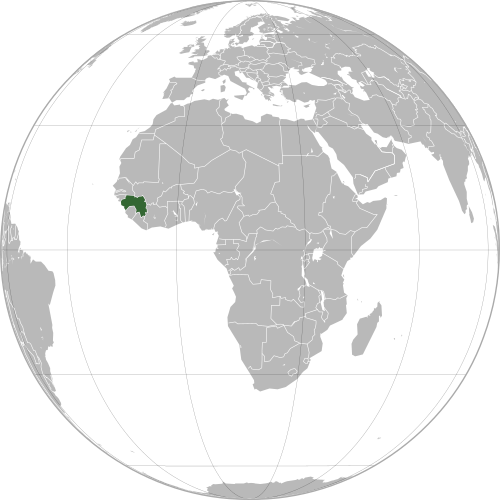
The Co-operative Republic of Guyana
("land of many waters")
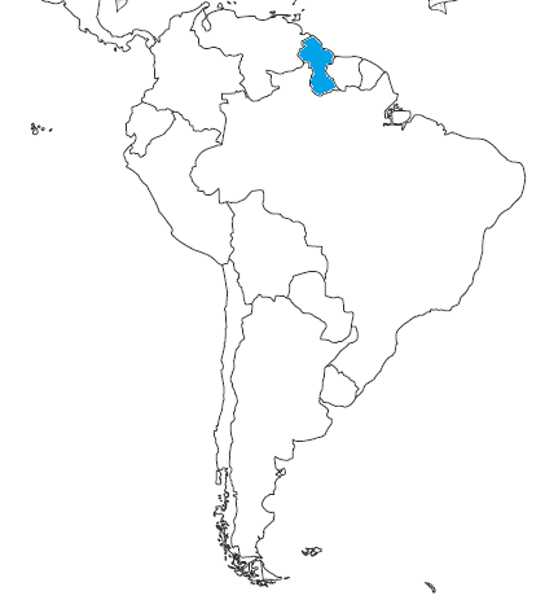
République d'Haïti, Repiblik d Ayiti (Republic of Haiti)
("land of high mountains", from the Taíno language)
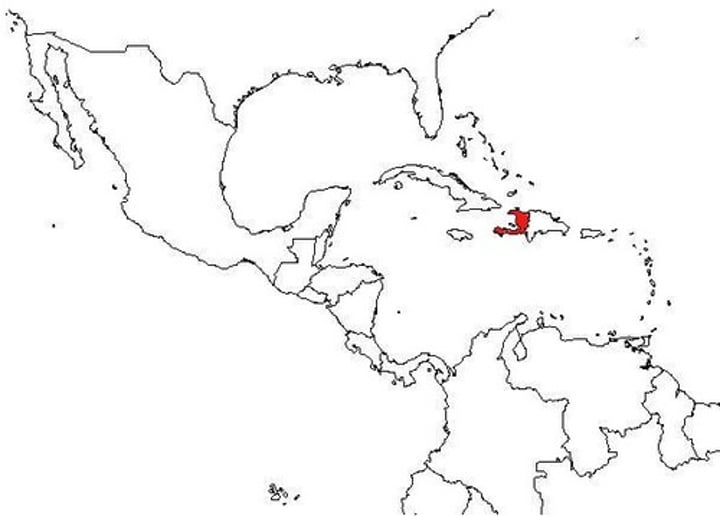
República de Honduras (Republic of Honduras)
(“depths”, referring to the bay of Trujillo (fondura) or to Columbus's alleged quote that "Gracias a Dios que hemos salido de esas honduras" ("Thank God we have departed from those depths"))
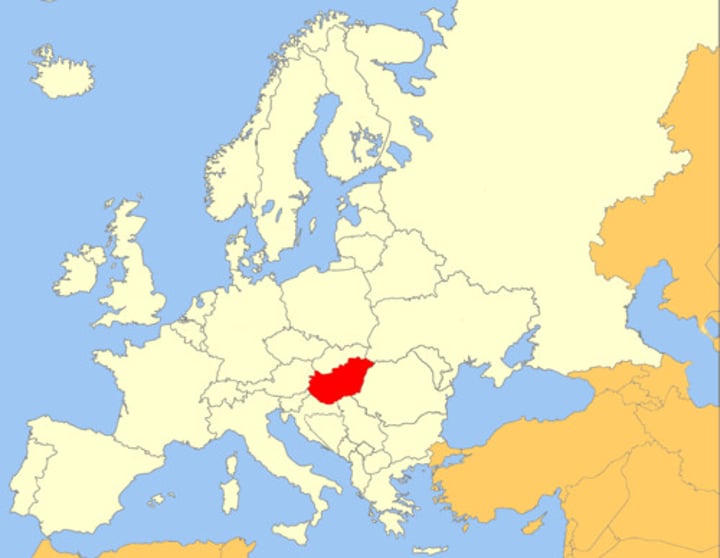
Magyarország (Hungary)
(“Land of Magyars”, one of the seven major semi-nomadic Hungarian tribes)
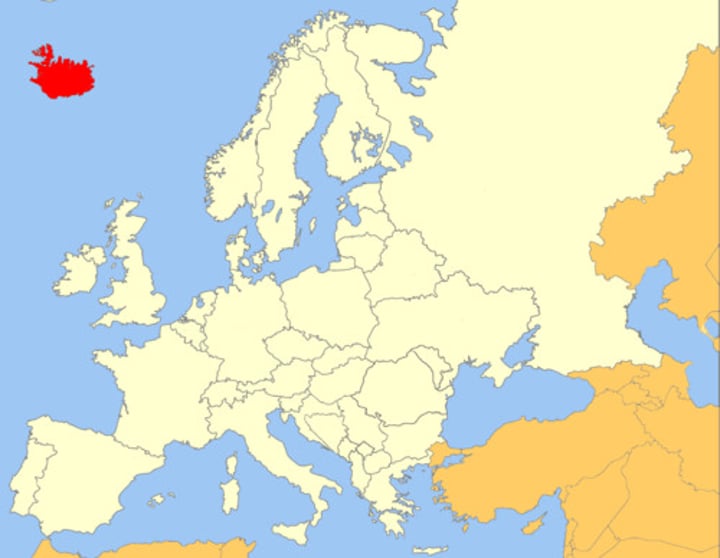
Ísland (Iceland)
(a Viking named Flóki Vilgerðarson climbed a mountain and saw a fjord (Arnarfjörður) full of icebergs)
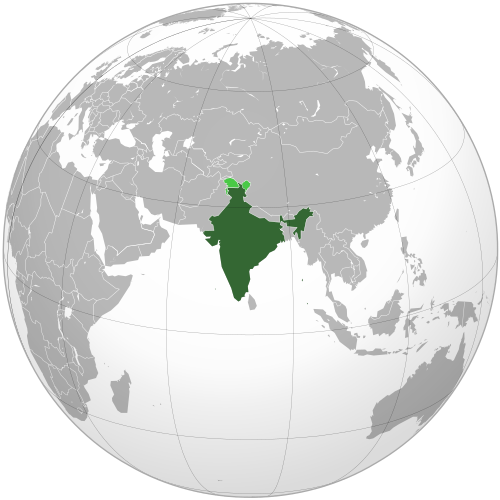
Bhārat Gaṇarājya, Republic of India
(from the name of an early Vedic tribe, the Bharatas)
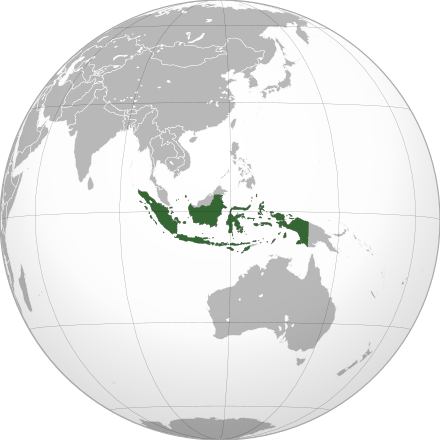
Republik Indonesia (Republic of Indonesia)
("Indian islands")
Jomhuri-ye Eslâmi-ye Irân (Islamic Republic of Iran)
("the land of the Aryans/Iranians", *ar-yo- = "one who assembles (skillfully)", which according to Iranian mythology, comes from Iraj, a legendary king)
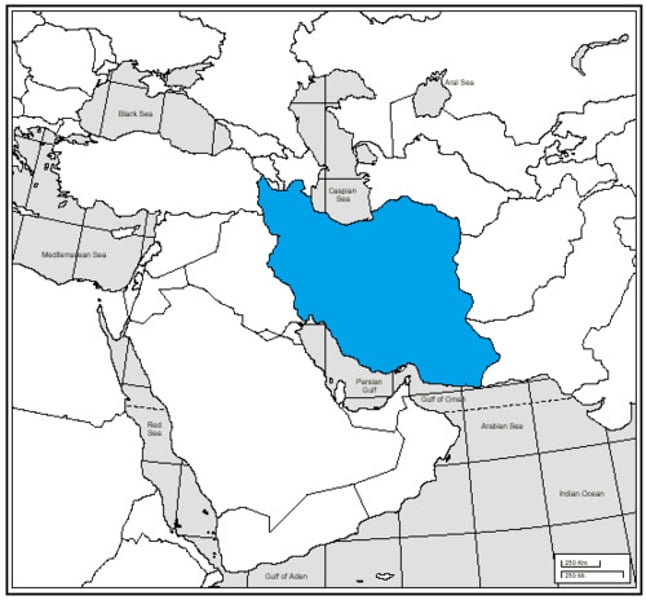
Jumhūriyyat al-ʿIrāq (Republic of Iraq)
(possibly "lowlands" or "deeply rooted, well-watered; fertile")
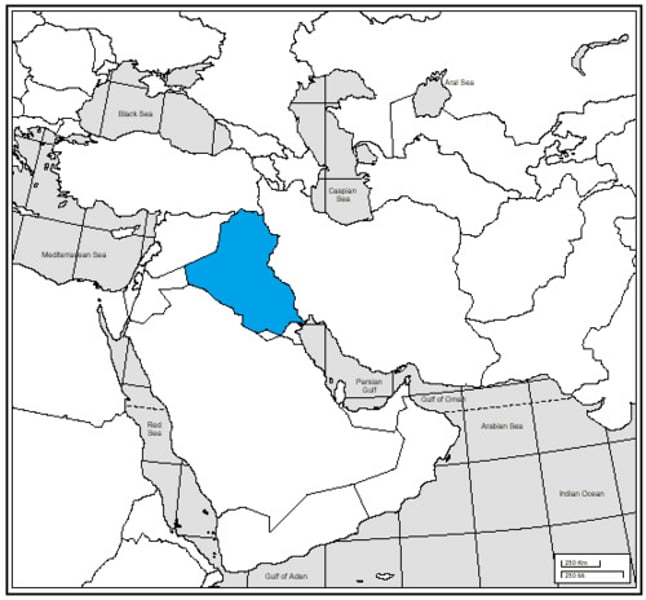
Poblacht na hÉireann, Republic of Ireland
(from Ériu, the matron goddess of Ireland)
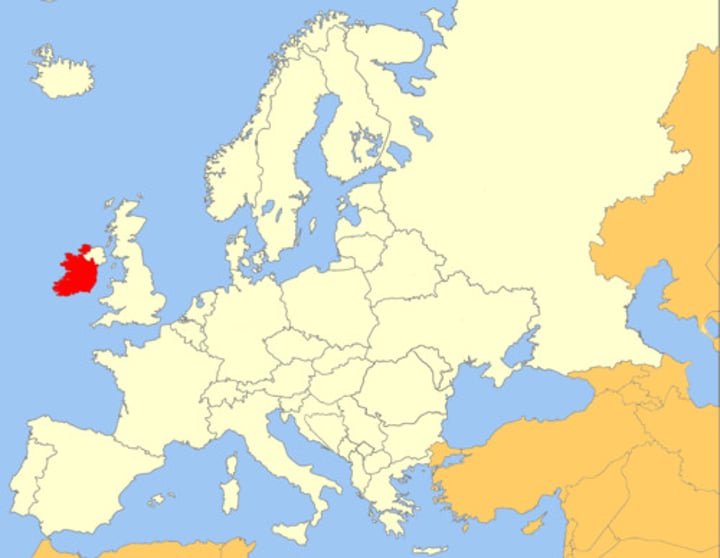
Northern Ireland
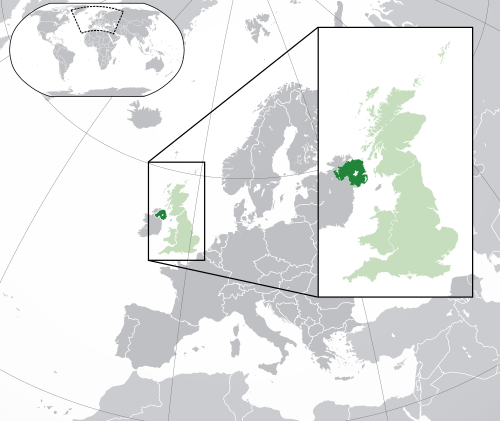
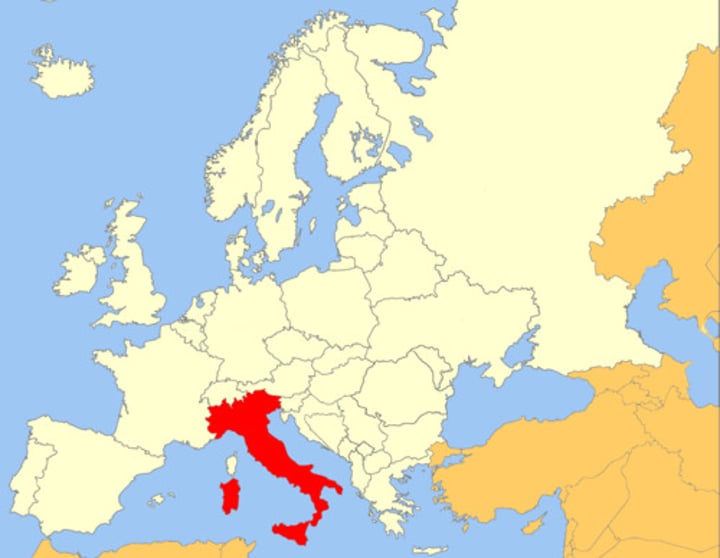
Repubblica Italiana (Italian Republic)
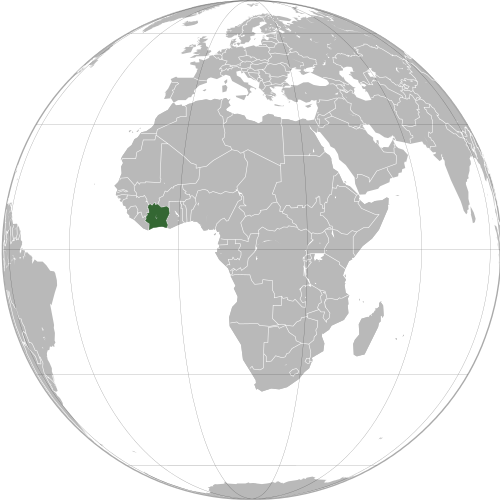
République de Côte d'Ivoire (Republic of Côte d'Ivoire)
("Coast of Ivory", referencing the ivory trade)
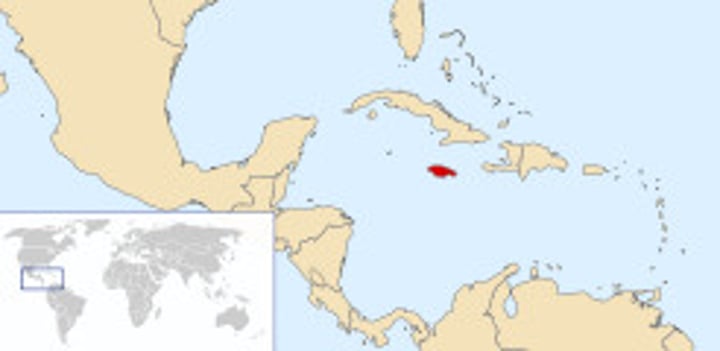
Jamaica, Jumieka
(from the Taíno name for the island, Xaymaca = "Land of Wood and Water" or "Land of Springs")
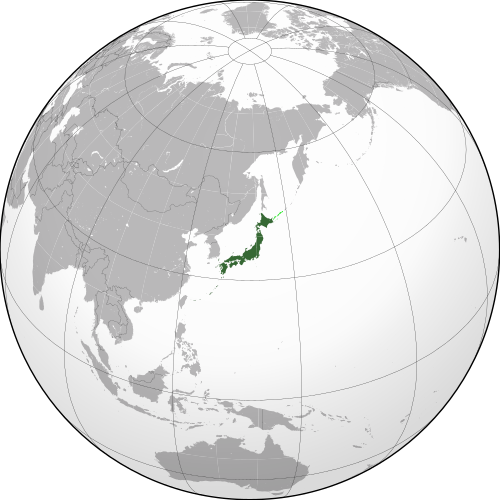
Nippon-koku, Nihon-koku (Japan)
("sun origin")
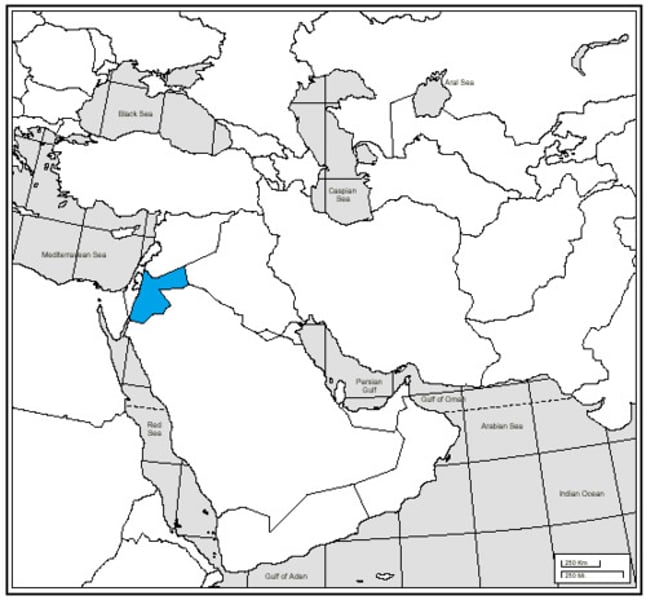
Al-Mamlaka al-Urduniyya al-Hāshimiyya (Hashemite Kingdom of Jordan)
(from the Jordan River, which forms much of the country's northwestern border)
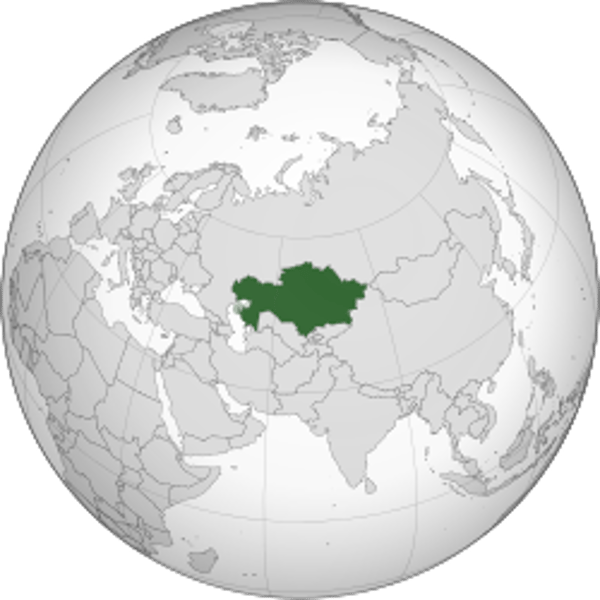
Qazaqstan Respublikasy, Respublika Kazakhstan (Republic of Kazakhstan)
(possibly from the Turkic word qaz-, 'to wander', reflecting the Kazakhs' nomadic culture)
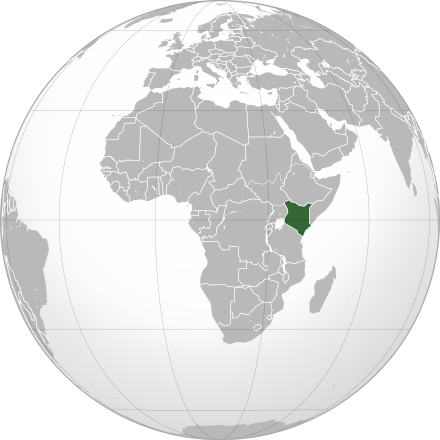
Jamhuri ya Kenya, Republic of Kenya
(after Mount Kenya)
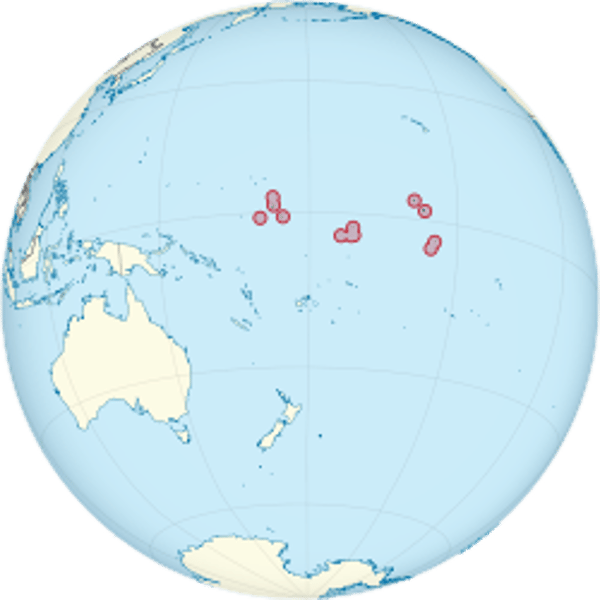
Ribaberiki Kiribati, Republic of Kiribati (Kiribass)
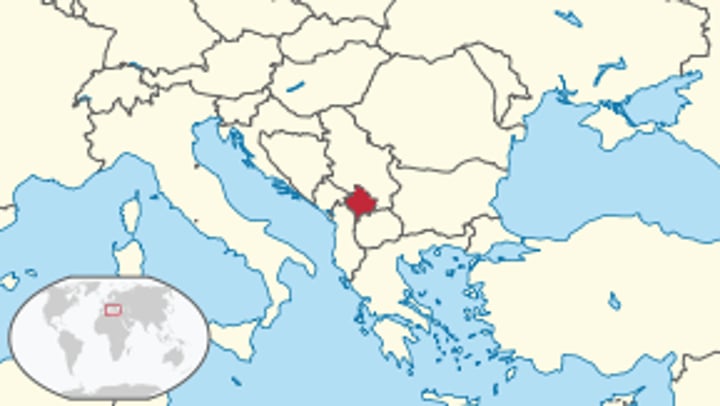
Republika e Kosovës (Republic of Kosovo)
(“Blackbird Field”, a karst field in the eastern half of the country)
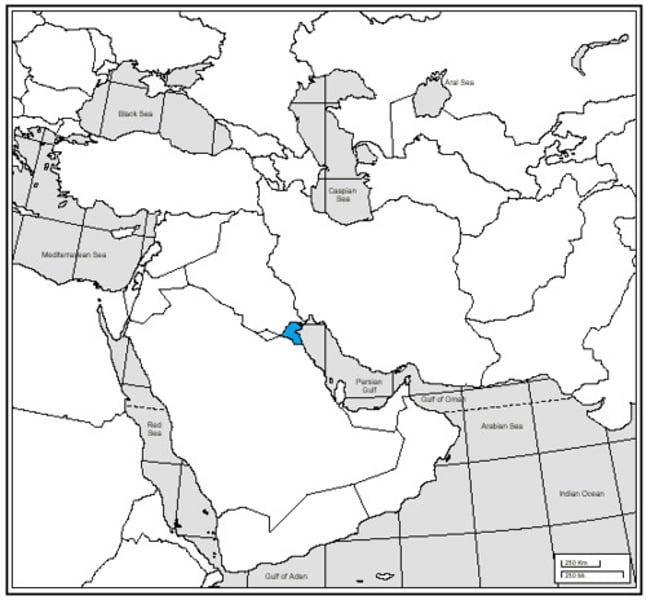
Dawlat al-Kuwayt (State of Kuwait)
(from كوت Kut or Kout = "fortress built near water")
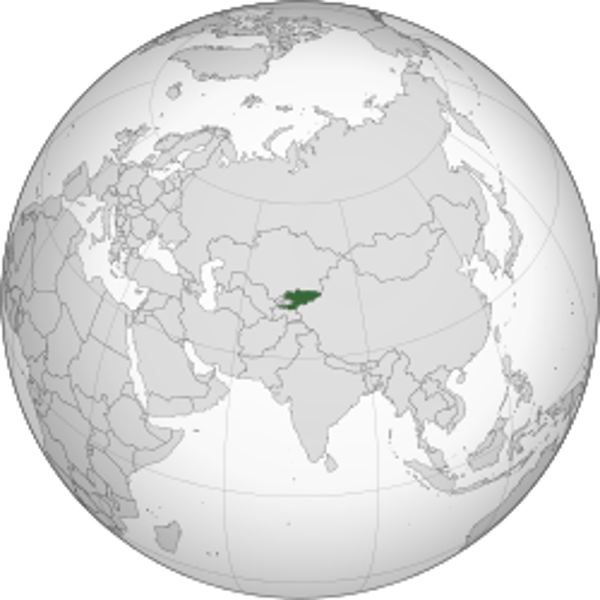
Kırğız Respublikası, Kyrgyzskaya Respublika (Kyrgyz Republic)
("We are forty", believed to refer to the forty clans united by Manas, a legendary hero)
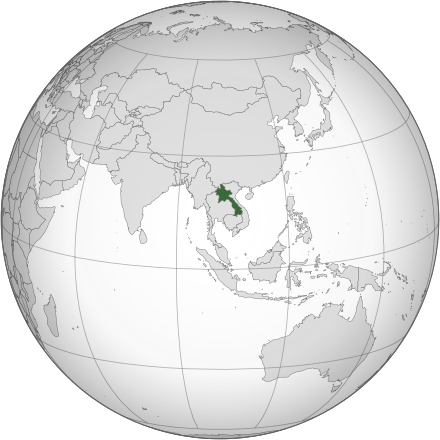
Sathalanalat Paxathipatai Paxaxon Lao (Lao People's Democratic Republic)
(after the most common ethnic group, the Lao people)
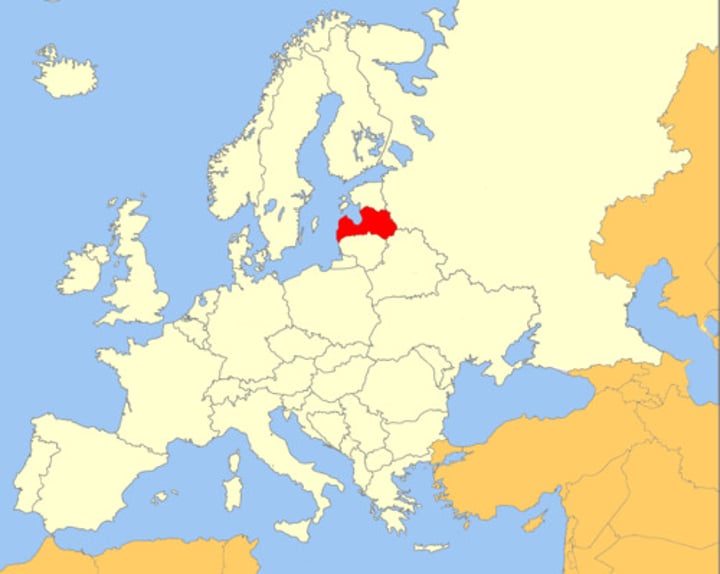
Latvijas Republika (Republic of Latvia)
(from the ancient Latgalians, one of four Indo-European Baltic tribes)
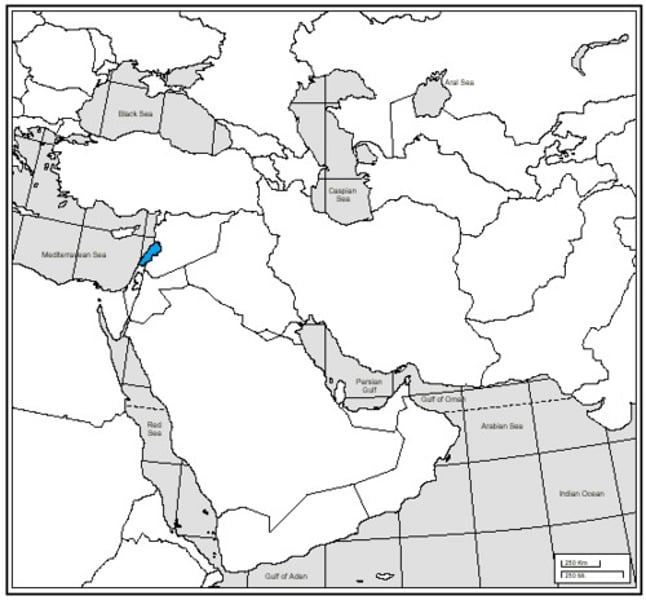
al-Jumhūrīyah al-Lubnānīyah (Republic of Lebanon)
(from Mount Lebanon, in turn from the Phoenician root lbn (𐤋𐤁𐤍) meaning "white", referring to its snow-capped peaks)
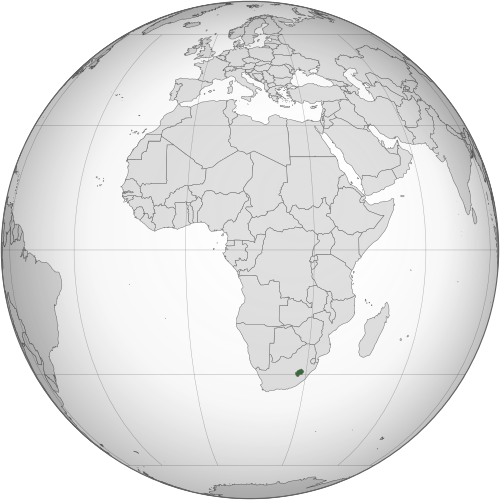
Naha ea Lesotho (Kingdom of Lesotho)
("land of the Sesotho speakers")
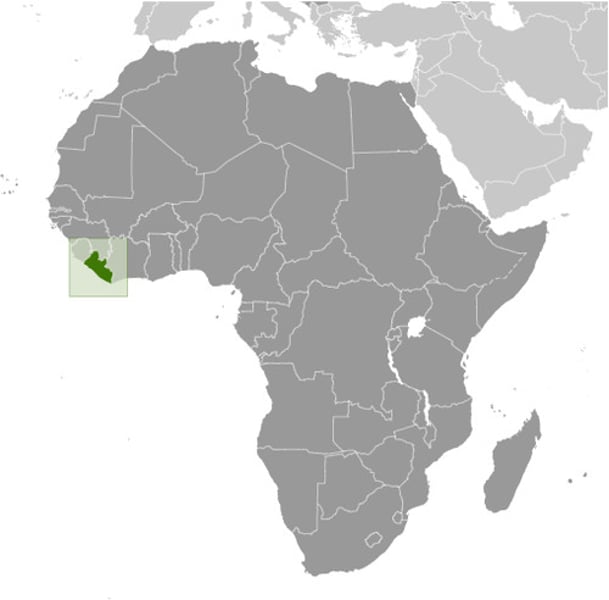
Republic of Liberia
(from the Latin word liber = "free")
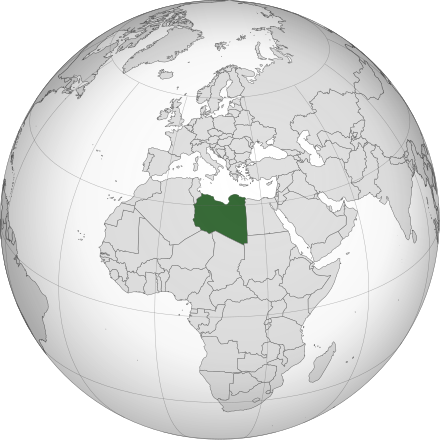
Dawlat Lībiyā (State of Libya)
(from a generalized identity given to a large confederacy of ancient east "Libyan" berbers, African people(s), and tribes who lived around the regions of Cyrenaica and Marmarica)
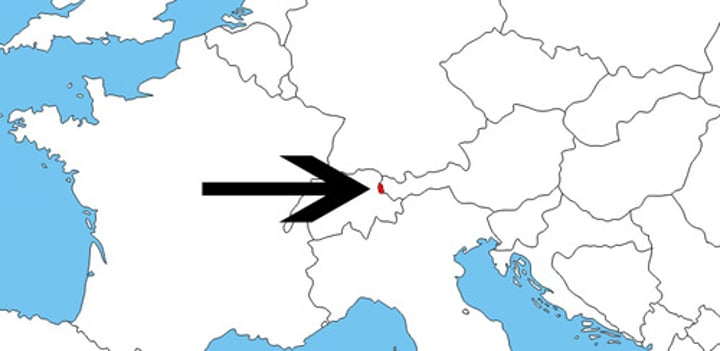
Fürstentum Liechtenstein (Principality of Liechtenstein)
(from the Liechtenstein family, which takes its name from Liechtenstein Castle in Lower Austria)
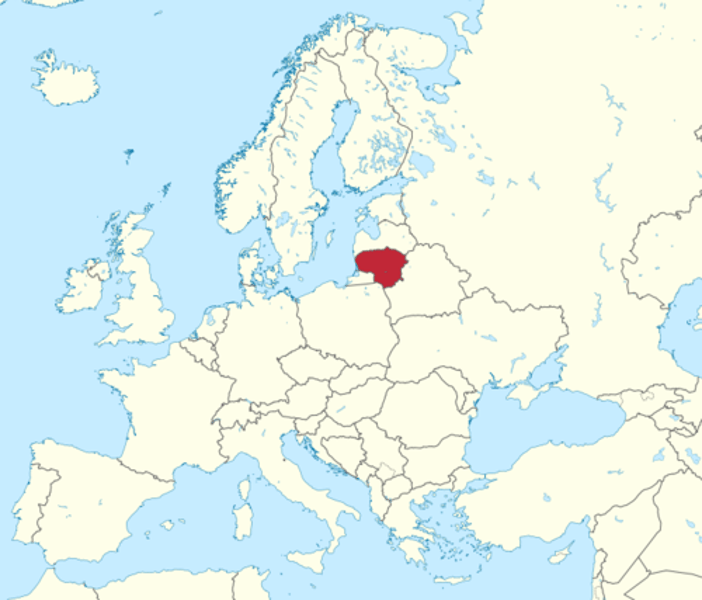
Lietuvos Respublika (Republic of Lithuania)
 Note
Note  Flashcards (106)