(2) Islamic World: Military History and Notable Events
 Call Kai
 Learn
Learn Practice Test
 Spaced Repetition
 Match
Match Flashcards
 Knowt Play
1/100

There's no tags or description
Looks like no tags are added yet.
Name | Mastery | Learn | Test | Matching | Spaced | Call with Kai | Chat |
|---|
No analytics yet
Send a link to your students to track their progress
101 Terms
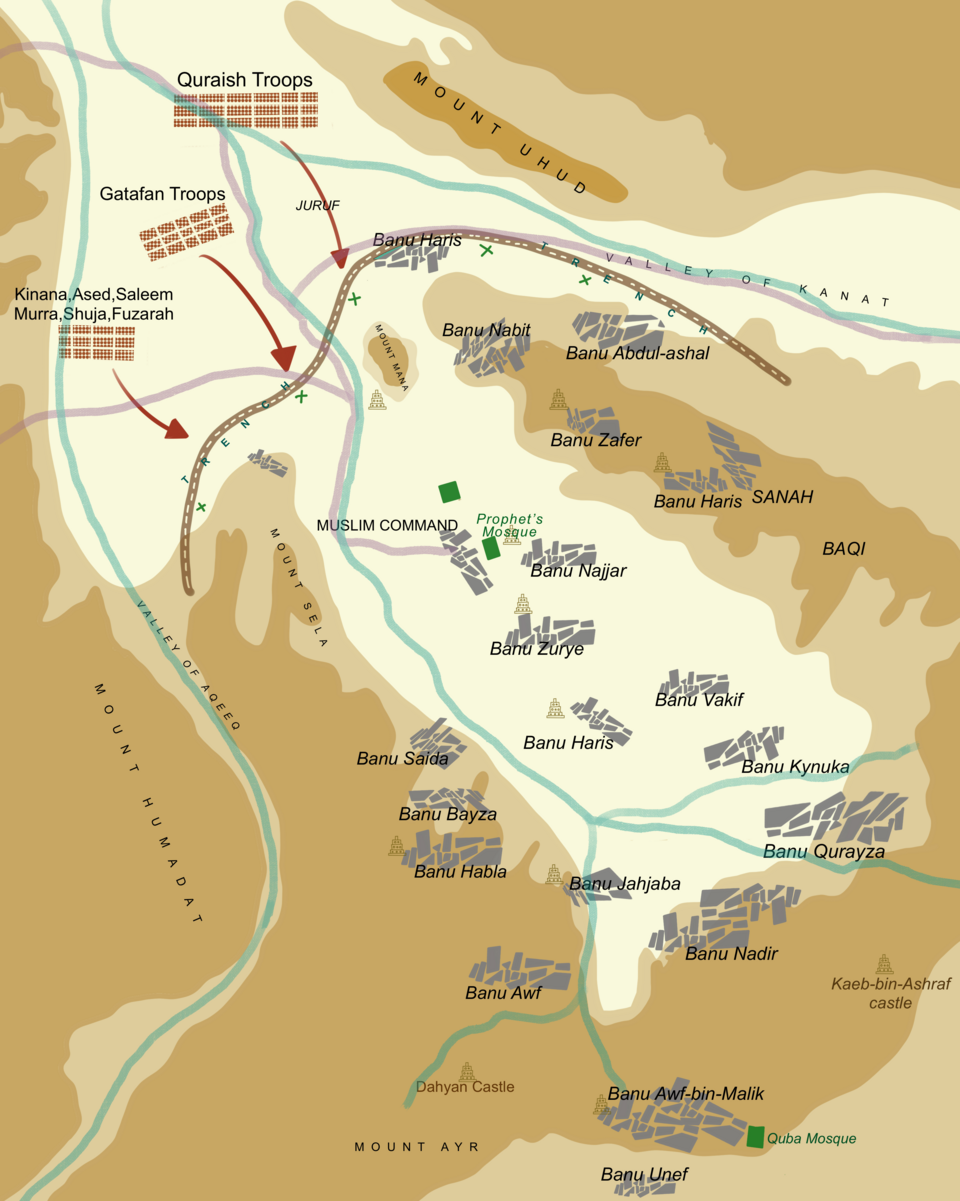
627 - Battle of the Trench (All Facts)
Battle in which the Muslims defeated the Quraysh in Medina by digging a trench around their settlement and successfully defending themselves as a result
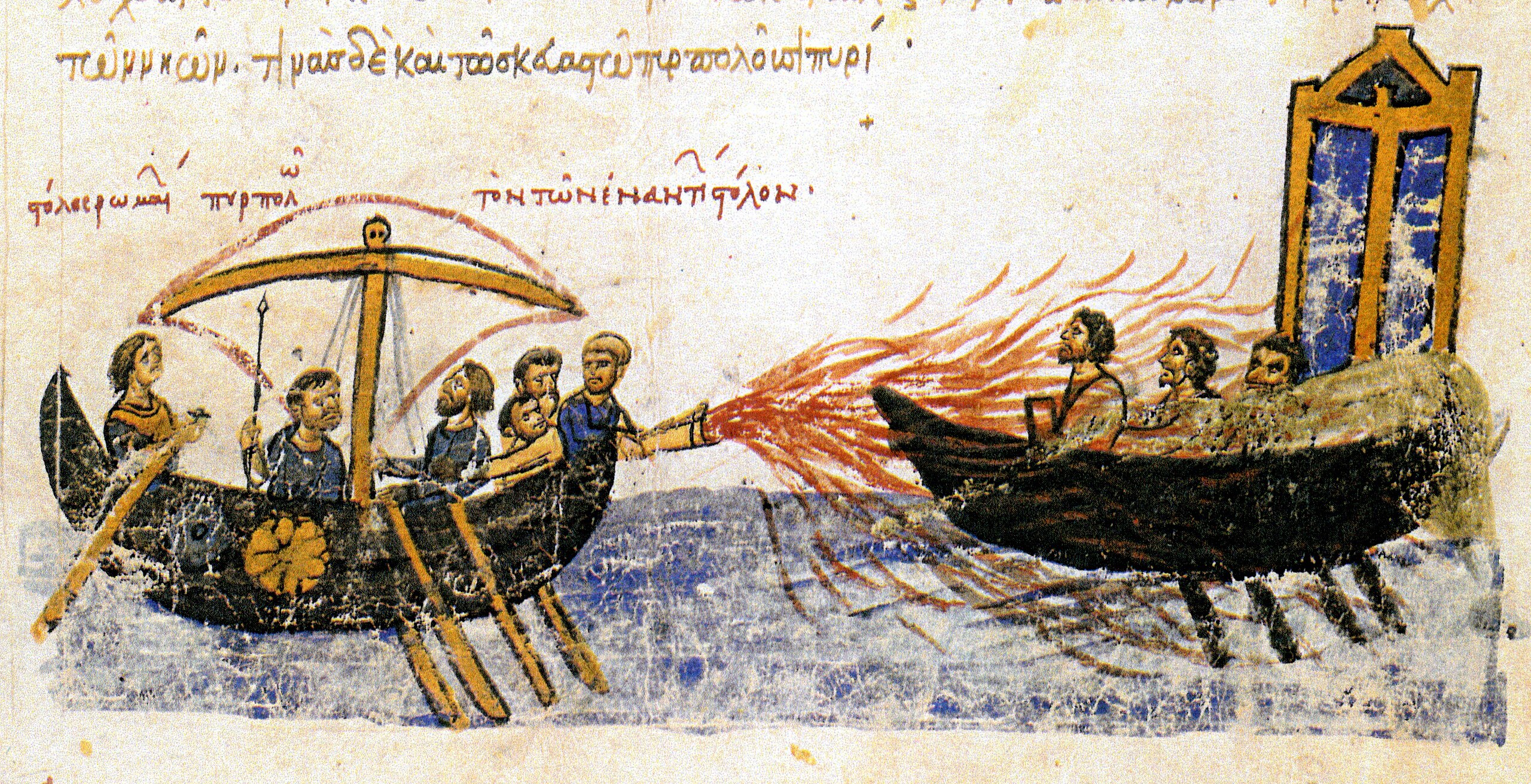
629 - 1050s - Arab-Byzantine Wars (All Facts)
Series of wars between multiple Arab dynasties and the Byzantine Empire
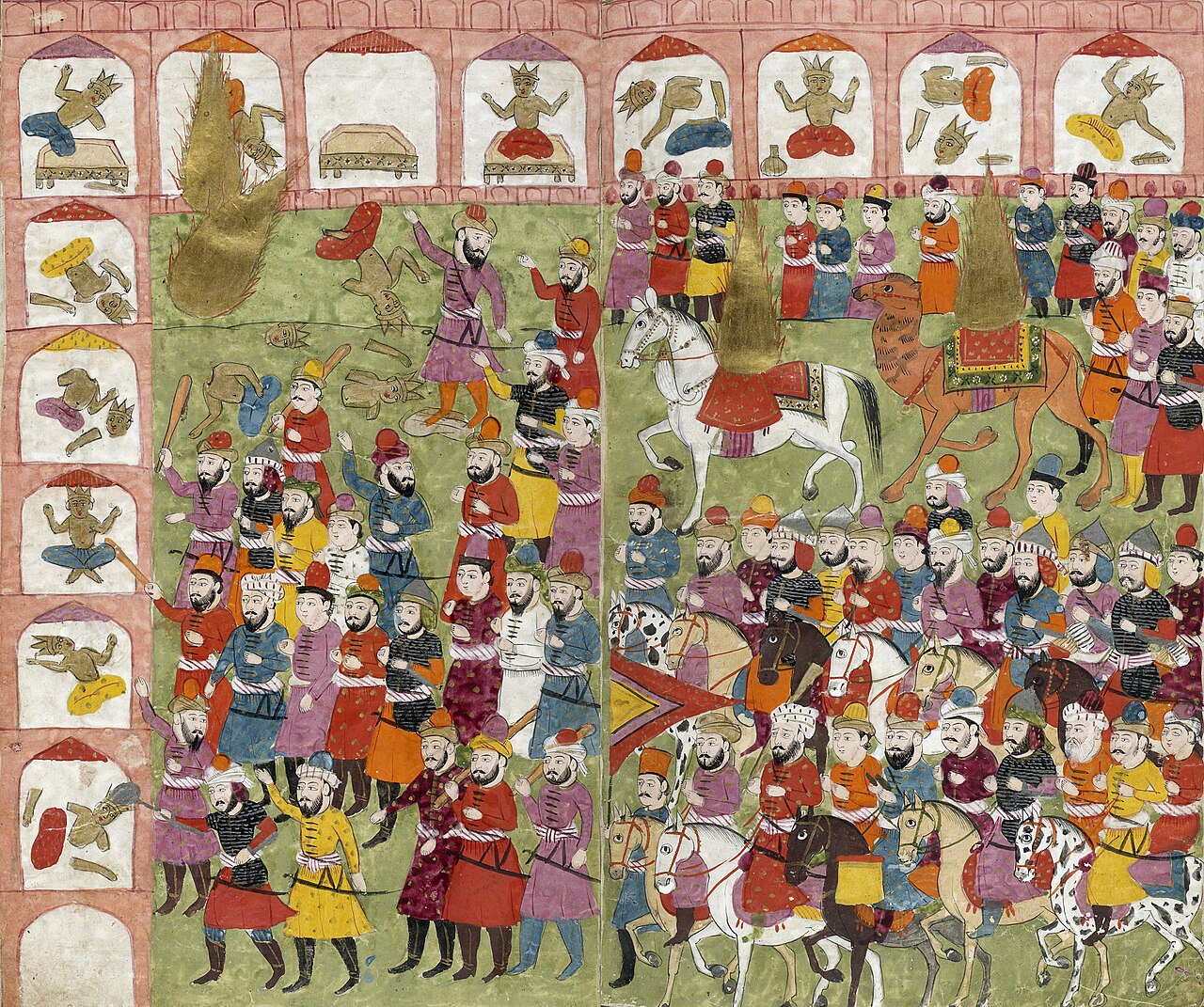
630 - Conquest of Mecca (All Facts)
Event in which Mohammed and his followers took control of the namesake city
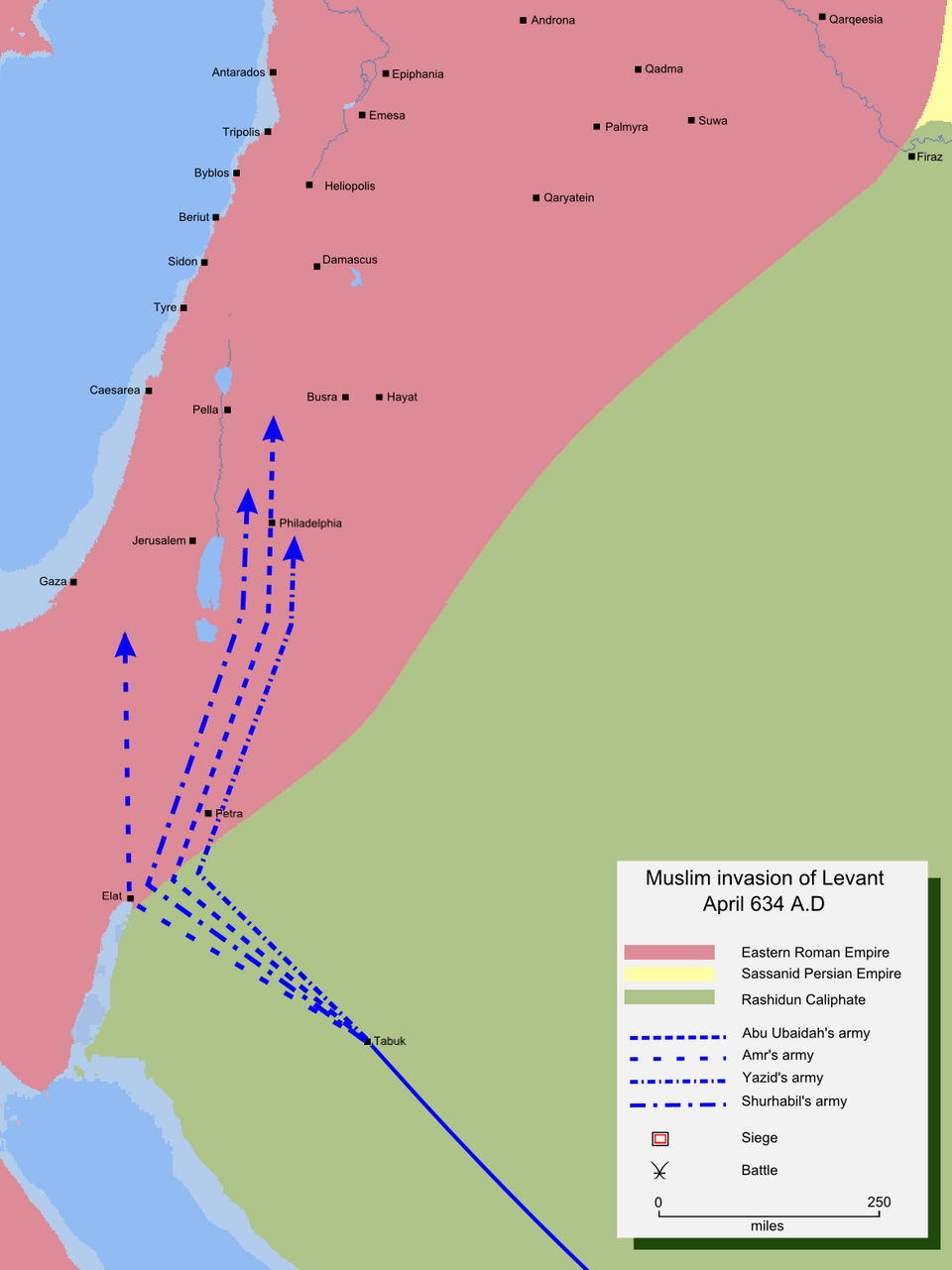
634 - Siege of Damascus (All Facts)
Battle in which Khalid ibn-al Walid and the Rashidun Caliphate defeated and took control of the namesake city in Syria, the first major city in Byzantine Syria to fall to the Arab Muslims
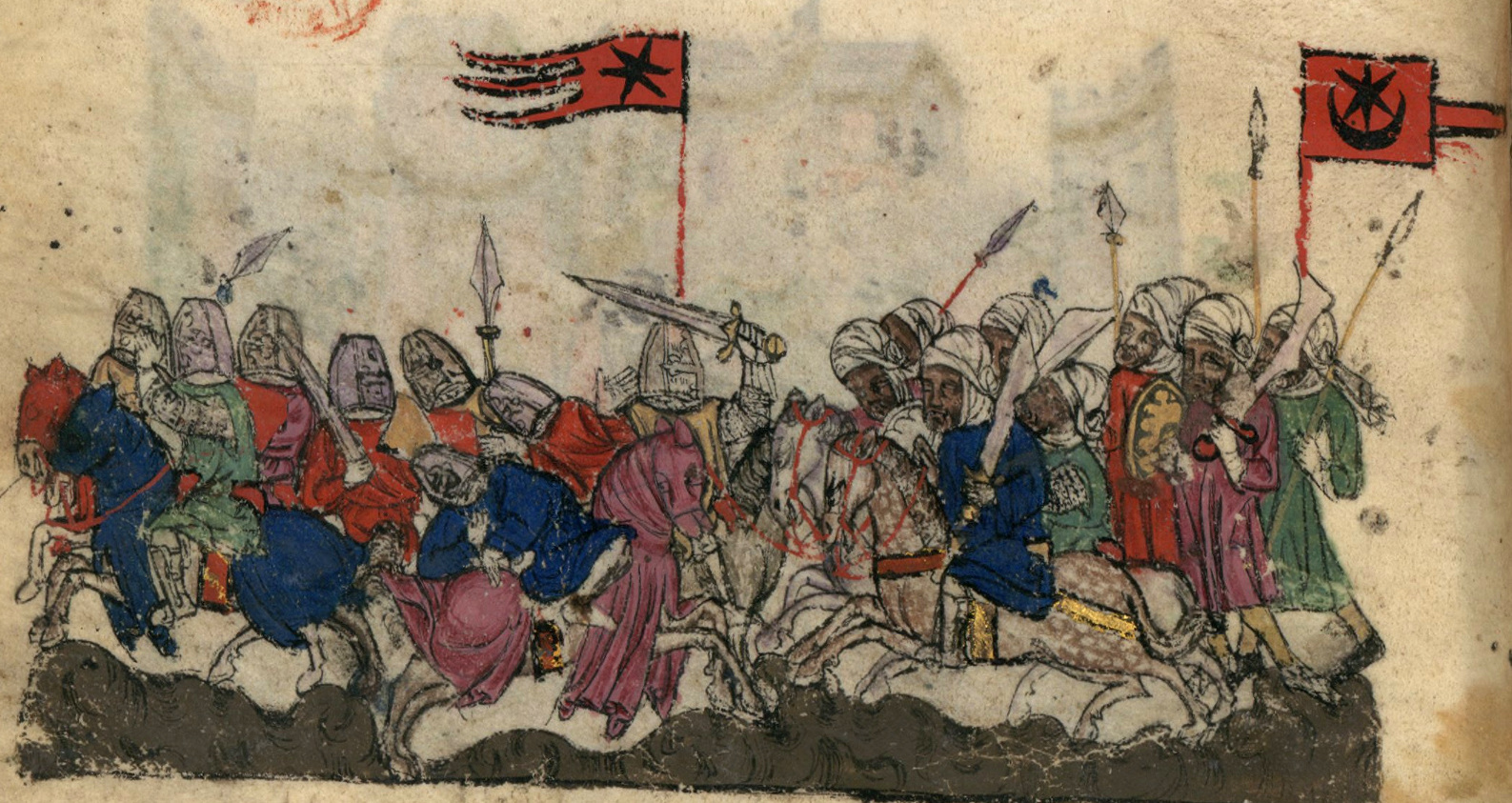
636 - Battle of the Yarmuk (All Facts)
Battle in which Khalid ibn-al Walid and the Rashidun Caliphate defeated the Byzantines decisively, taking Damascus and eventually all of Syria
Battle which decisively ended the 700+ year Roman / Byzantine rule over and occupation of Syria
Battle which heralded the rapid spread of Islam into Christian Syria
Battle which took place on the namesake river east of the sea of Galilee
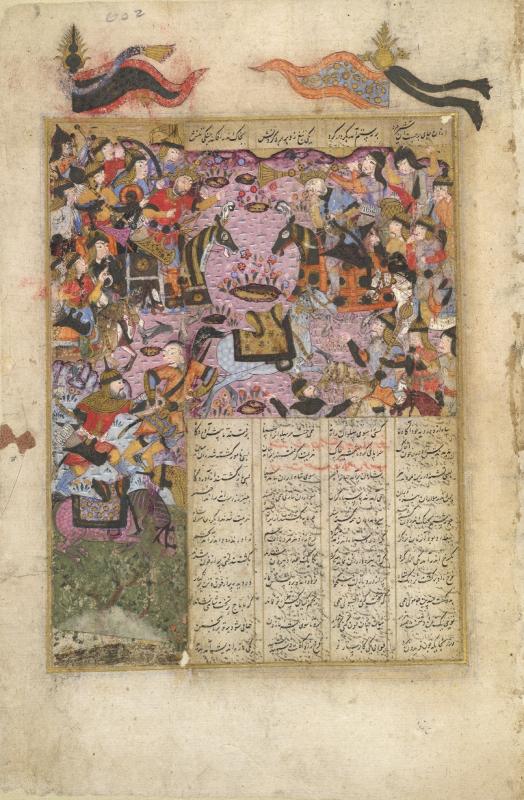
637 - Battle of al-Qadisiyyah (All Facts)
Battle in which Khalid ibn-al Walid and the Rashidun Caliphate defeated the Sassanids
637 - Siege of Ctesiphon (All Facts)
Battle in which Khalid ibn-al Walid and the Rashidun Caliphate captured the namesake Sassanid city, upon which, after putting the Sassanid armies to flight
Took its sumptuous royal palace
Pillaged its treasures
Cut up its famous jeweled carpets
Adorned it so that each of the Bedouin victors could be given a share
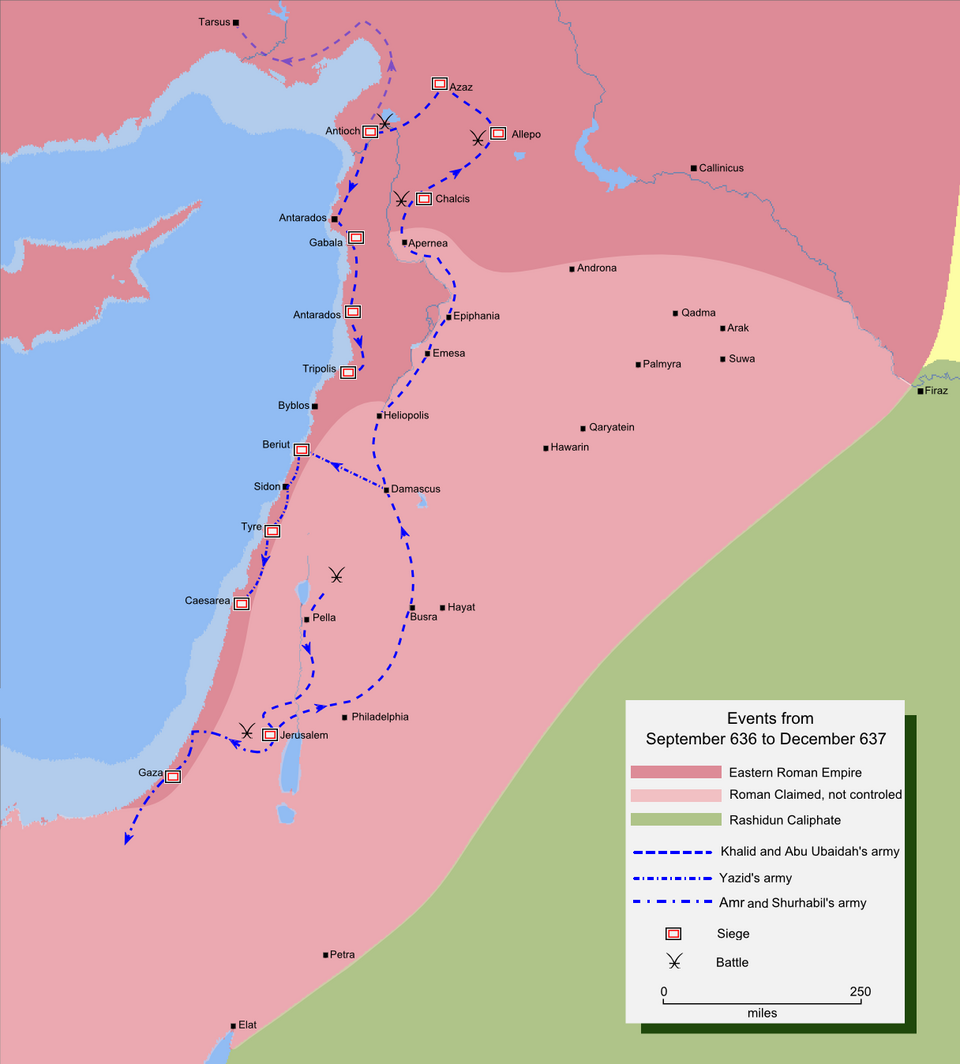
636 - 638 - First Muslim Conquest of Jerusalem (All Facts)
Event in which Abu Ubayda and the Rashidun Caliphate defeated and took control of the namesake city during the reign of Umar
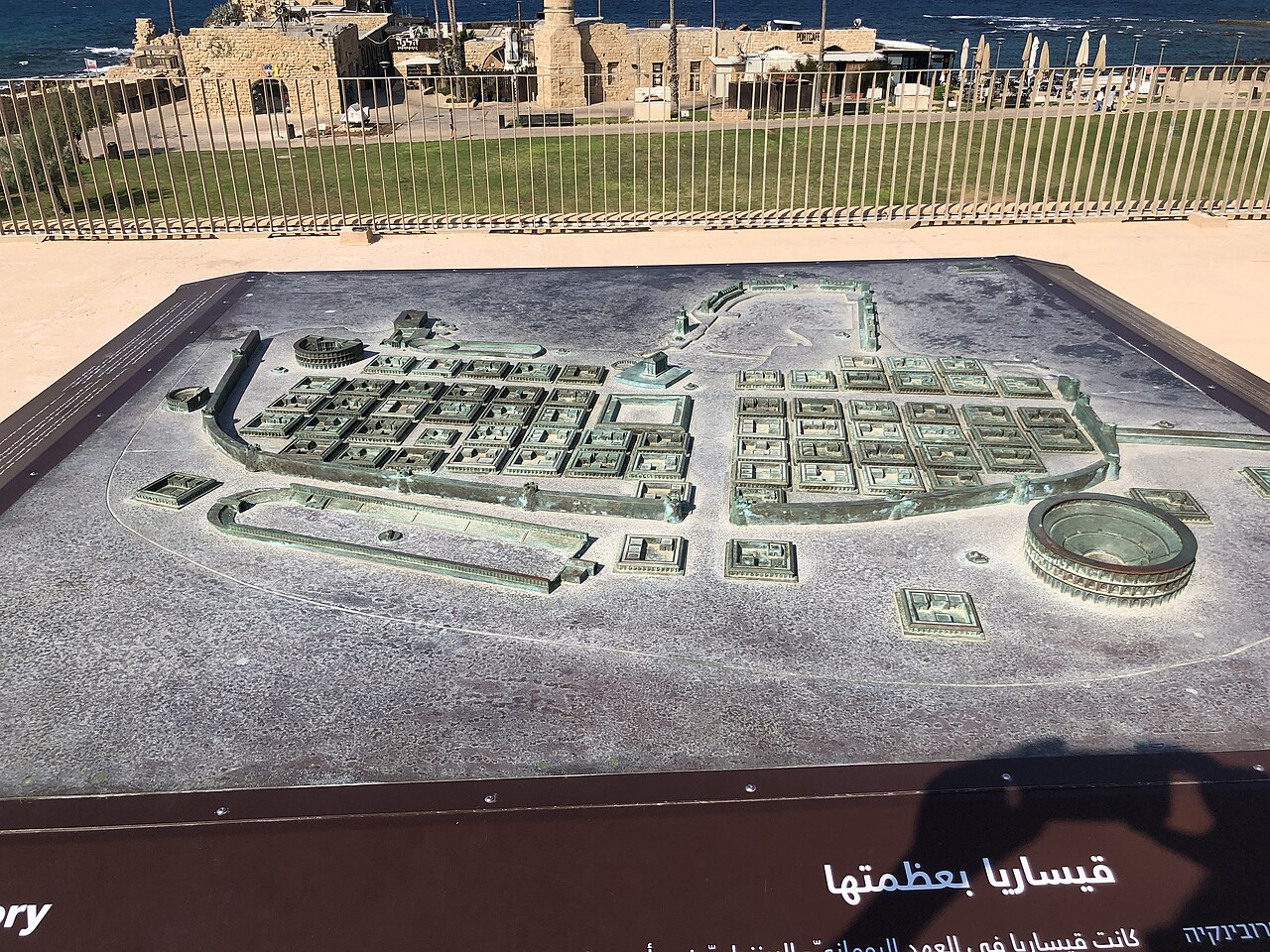
634–641 - Conquest of Caesarea Maritima (All Facts)
Event in which the Muslim Arabs of the Rashidun Caliphate under Umar defeated the Byzantines and took control of the namesake coastal city
Event in which, after it, all resistance to the Muslim invaders in Syria and Palestine ceased
641 - First Battle of Dongola (All Facts)
Battle in which the Rashidun Caliphate was defeated by the Nubian-Christian Kingdom of Makuria, the first defeat of the Rashidun Caliphate despite outnumbering their Makurian opponents
641 - Siege of Alexandria (All Facts)
Battle in which the Muslims Arabs of the Rashidun Caliphate under Umar defeated the Byzantines and took control of the namesake Byzantine Egyptian city - the great metropolis of Byzantine Egypt and center of Greek culture, thus marking the claim of the Muslim conquests after Mohammed’s death
Battle which contributing to the eventual end of Byzantine maritime control and economic dominance of the Eastern Mediterranean, thus it continued to shift geopolitical power further in favor of the Rashidun Caliphate
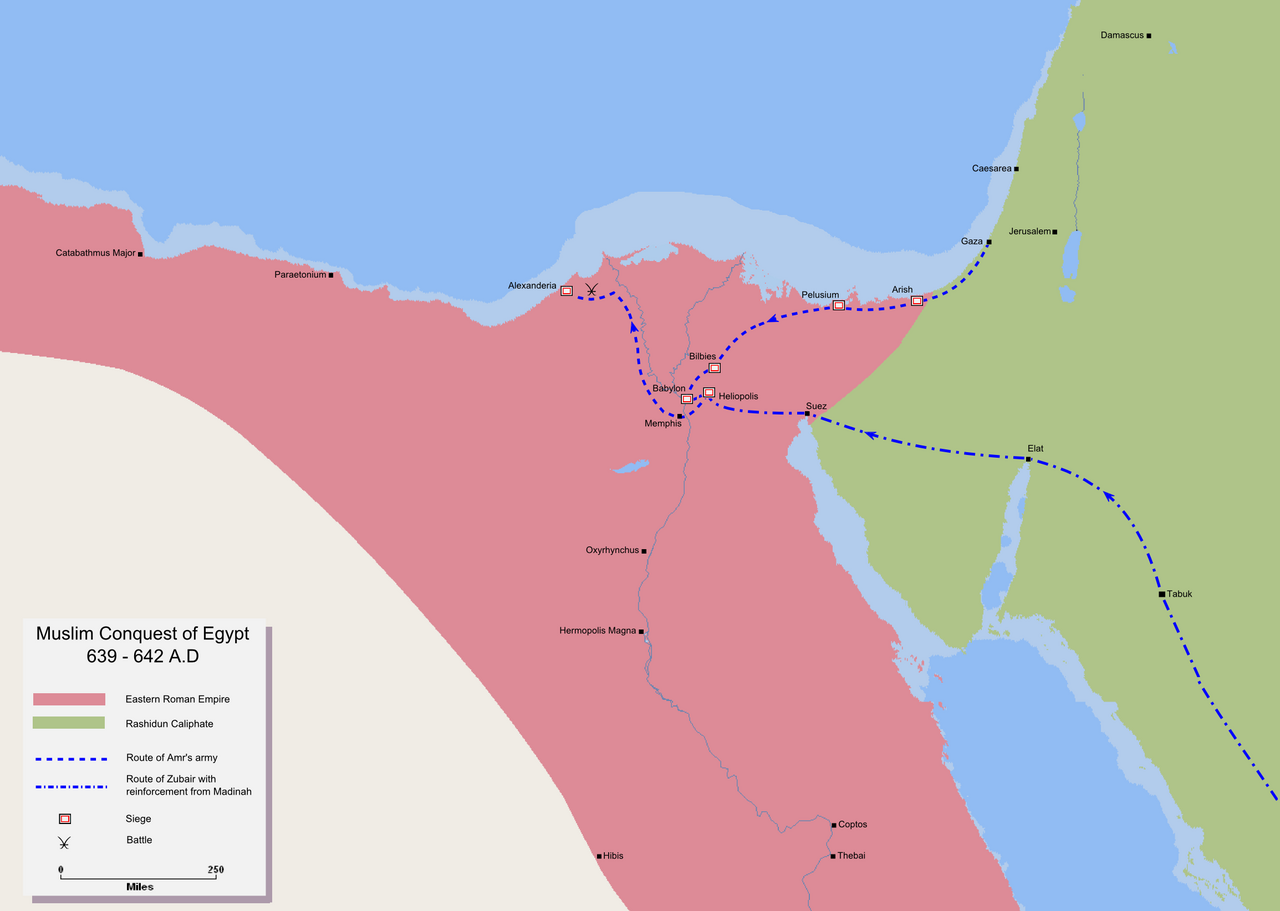
639 - 642 - Muslim Conquest of Egypt (All Facts)
Event in which Amr ibn al-As and the Rashidun Caliphate defeated and took control of the namesake Byzantine region during the reign of Umar
Event which decisively ended the 700+ year Roman / Byzantine rule over and occupation of the namesake region
Event which had gone through despite the opposition to it by Umar
Along with Alexandria, the fortress of Babylon was also taken
Event in which the locals in the namesake region saw the Muslim conquerors as liberators from Byzantine persecution of the Coptic Church in the region
While not actively assisting the Muslims, they offered the Byzantines little support
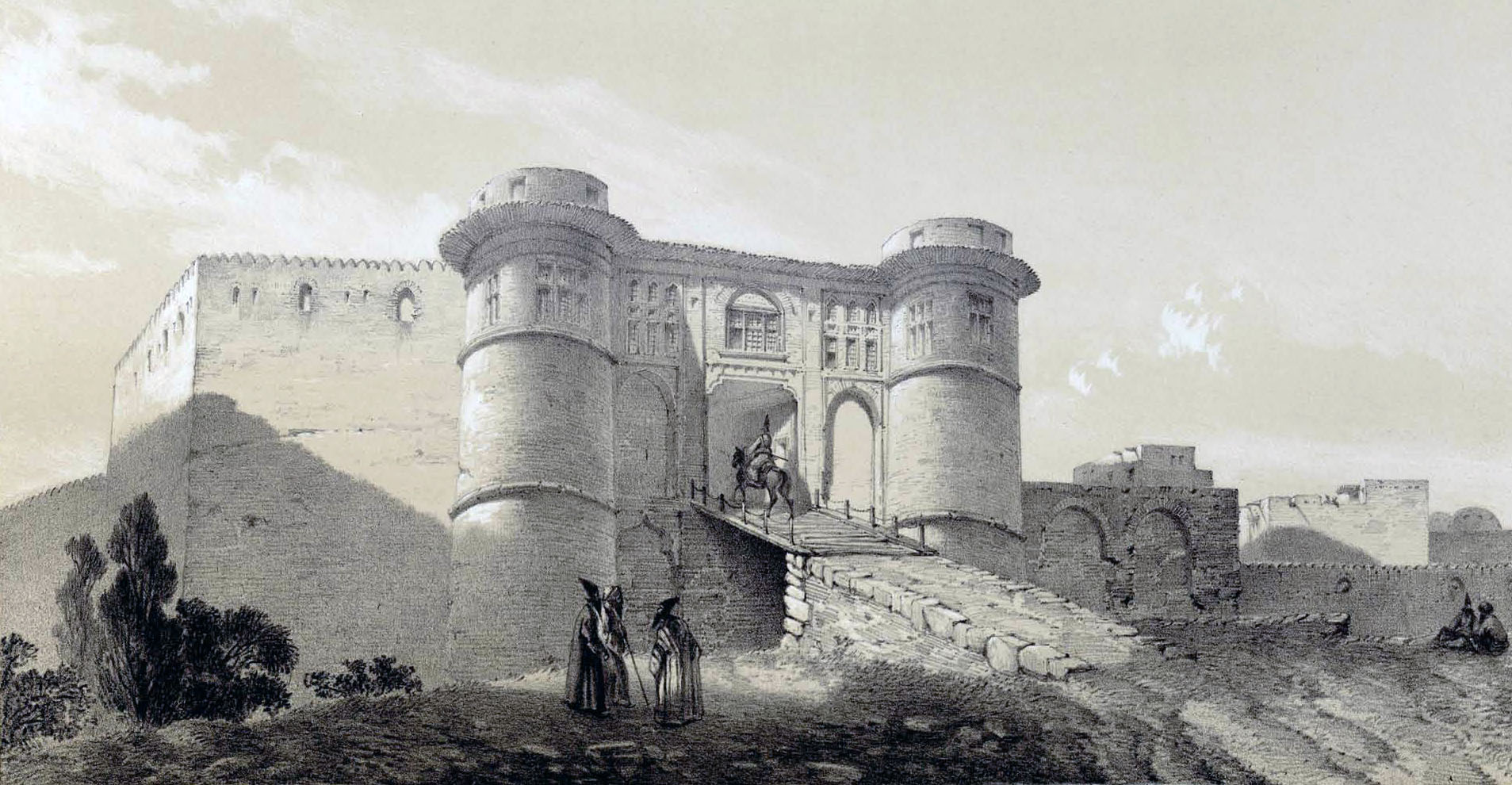
642 - Battle of Nahavand (All Facts)
Battle in which Khalid ibn al-Walid and the Islamic Rashidun Caliphate defeated Yazdegerd III and the Sassanids during the reign of Umar
Battle which marked the end of the Sassanid Empire and its territory being controlled by the Arab Muslims
652 - Second Battle of Dongola (All Facts)
Battle in which the Rashidun Caliphate was defeated by the Nubian-Christian Kingdom of Makuria, ending Arab Muslim expansion into Nubia and establishing trade and historic peace between Muslims and Christians in the region, allowing Makuria to grow into a dominant regional power until the 1100s
Despite their victory, after the battle, the Makurians were forced to pay an annual tribute of 400 slaves to the Rashidun Caliphate
639 - 709 - Muslim Conquest of the Maghreb (All Facts)
Series of conquests in which the Arab Muslims of the Rashidun and Umayyad Caliphates invaded, defeated, and took control of North Africa from the Byzantine Empire
639 - Amr ibn al-As and the Rashidun Caliphate invaded, defeated, and controlled Alexandria and Egypt
642 - The Arab Muslims conquered the former Byzantine province of Cyrenaica, west of Egypt and the city of Tripoli
647 - Launched a raid into the Byzantine province of Africa (Tunisia), killing their usurper Gregory and effectively ending the African rebellion against Constans II of the Byzantine Empire
The Byzantines offered the Arabs a ransom not to continue with their invasion of North Africa and they accepted knowing they had little knowledge of the land
665 - Carried out a reconnaissance raid against the towns of northern Tunisia in order to get a better knowledge of the land which they had by that point and used it to organize a proper conquest of North Africa
670 - By this point, the Arab Muslims had completed their conquest of the region they called “Ifriqiyah,” which roughly covered the coast of North Africa from Egypt to Eastern Algeria
By this point, the Islamic Empire stretched from Kairouan in the Tunisian desert to Kabul in Afghanistan
678 - Uqba ibn Nafi and his Arab Muslim armies swept across North Africa to the Atlantic, in which Nafi spurred his horse into the ocean’s waves
698 - The Umayyad Caliphate took Carthage, ending Byzantine rule in North Africa
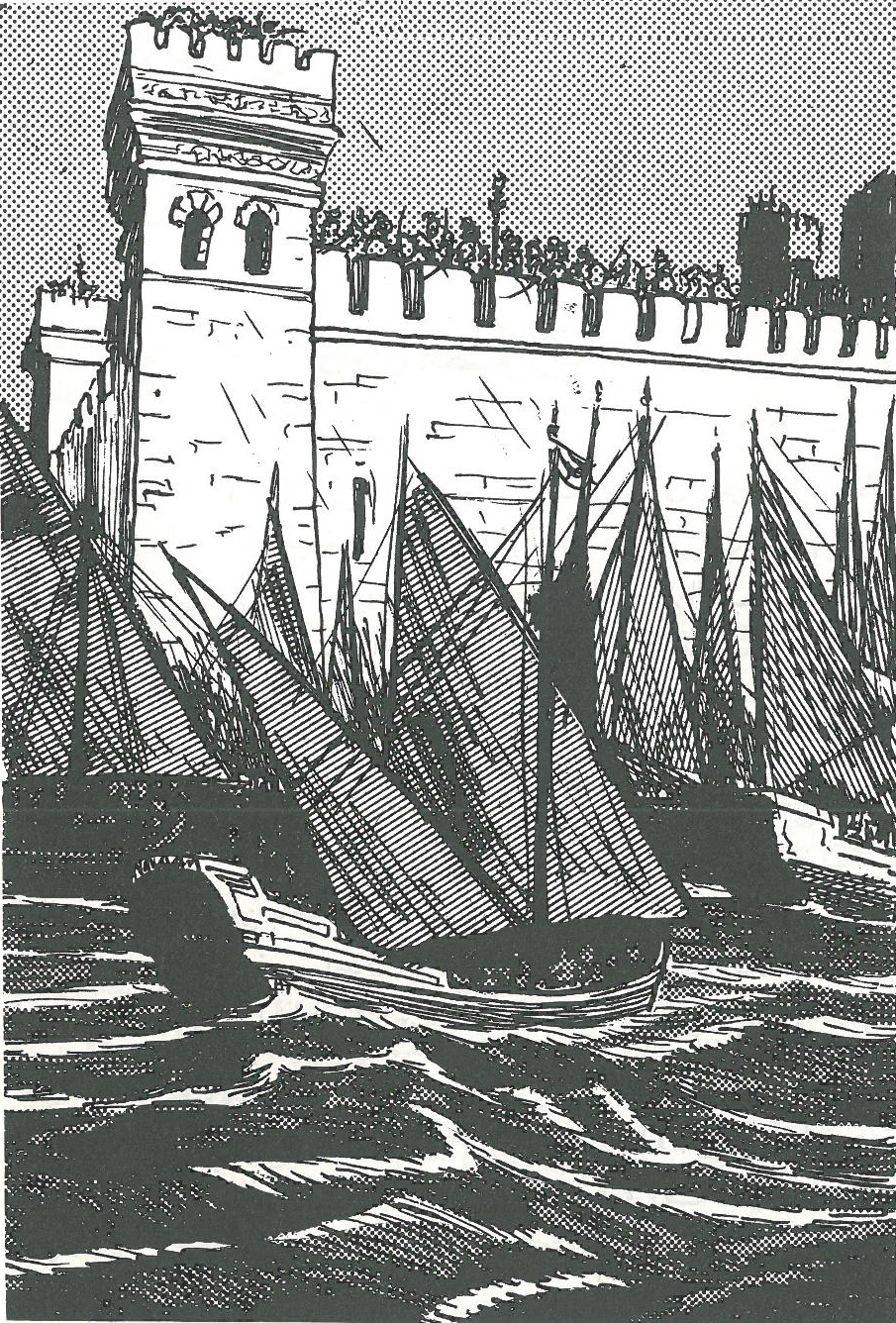
655 - Battle of the Masts (All Facts)
Battle in which Abu al-Awar and the Rashidun Caliphate, under the direction of Muawiya, defeated Constans II and the Byzantines which solidified the Arab Muslim control and command by sea of the Eastern Mediterranean
Battle which took place off the coast of Lycia
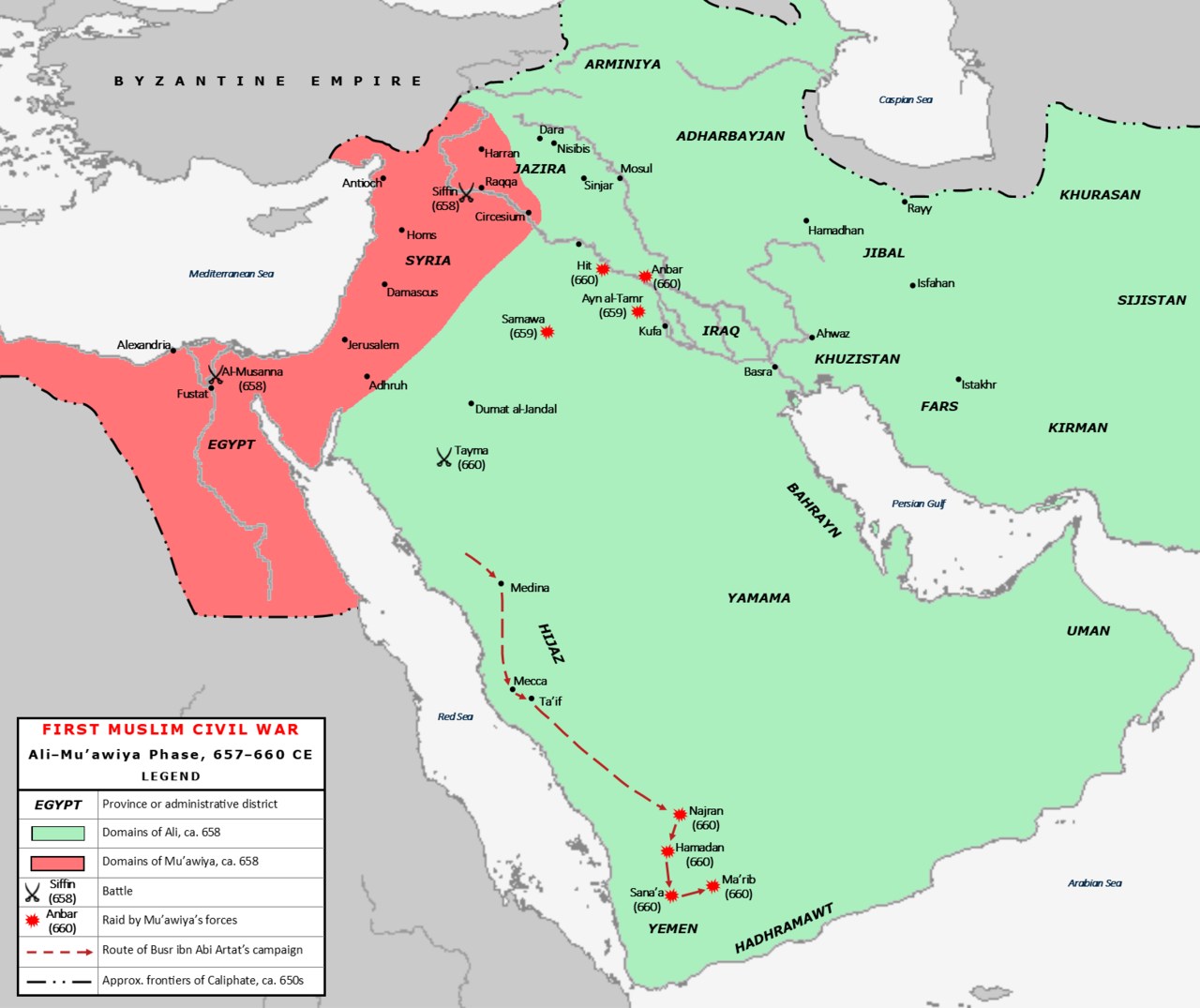
656 - 661 - First Fitna (All Facts)
First Islamic Civil War fought between the Rashidun Caliphate and its major political rivals at the time including the up and coming Umayyad Caliphate (which won the war) and the Kharijites
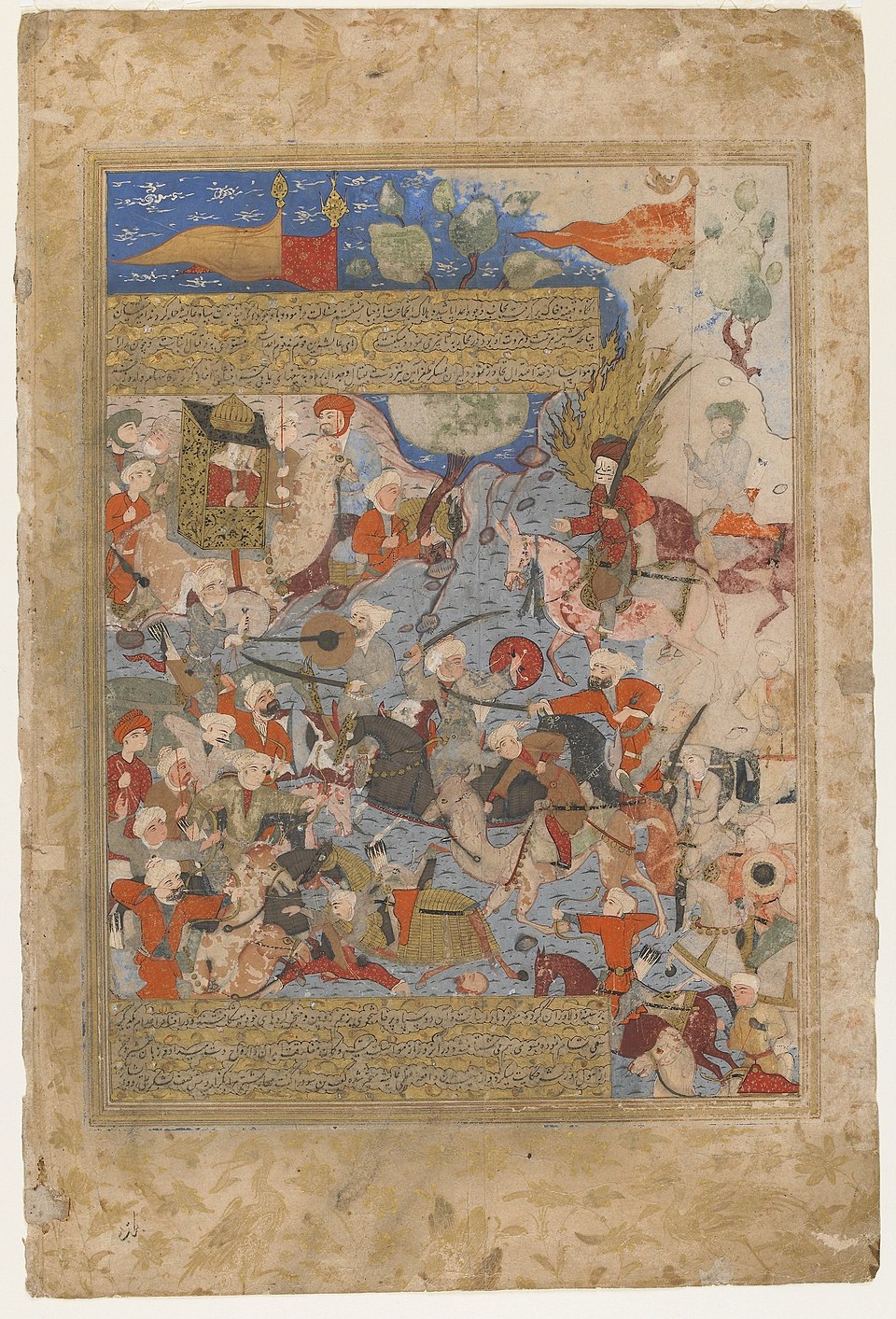
656 - Battle of Basra / Battle of the Camel (All Facts)
Battle in which Ali’s forces defeated rebels against him who disputed his succession as caliph
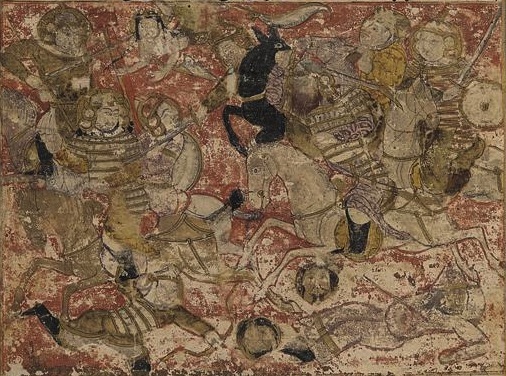
657 - Battle of Siffin (All Facts)
Battle in which Muawiya and his Umayyad Muslim factions defeated Ali and his Rashidun Muslim factions, ending in a truce
Battle which saw Muawiya’s Syrian troops attack copies of the Quran to the ends of their spears in a reluctant and symbolic attack on Ali and his forces
Battle which began because of Muawiya’s insistence that Ali hand over the assassins of Caliph Uthman, but after which both sides agreed to arbitration instead
Battle which thus ended the long stalemate between the two Muslim factions led by Muawiya and Caliph Ali
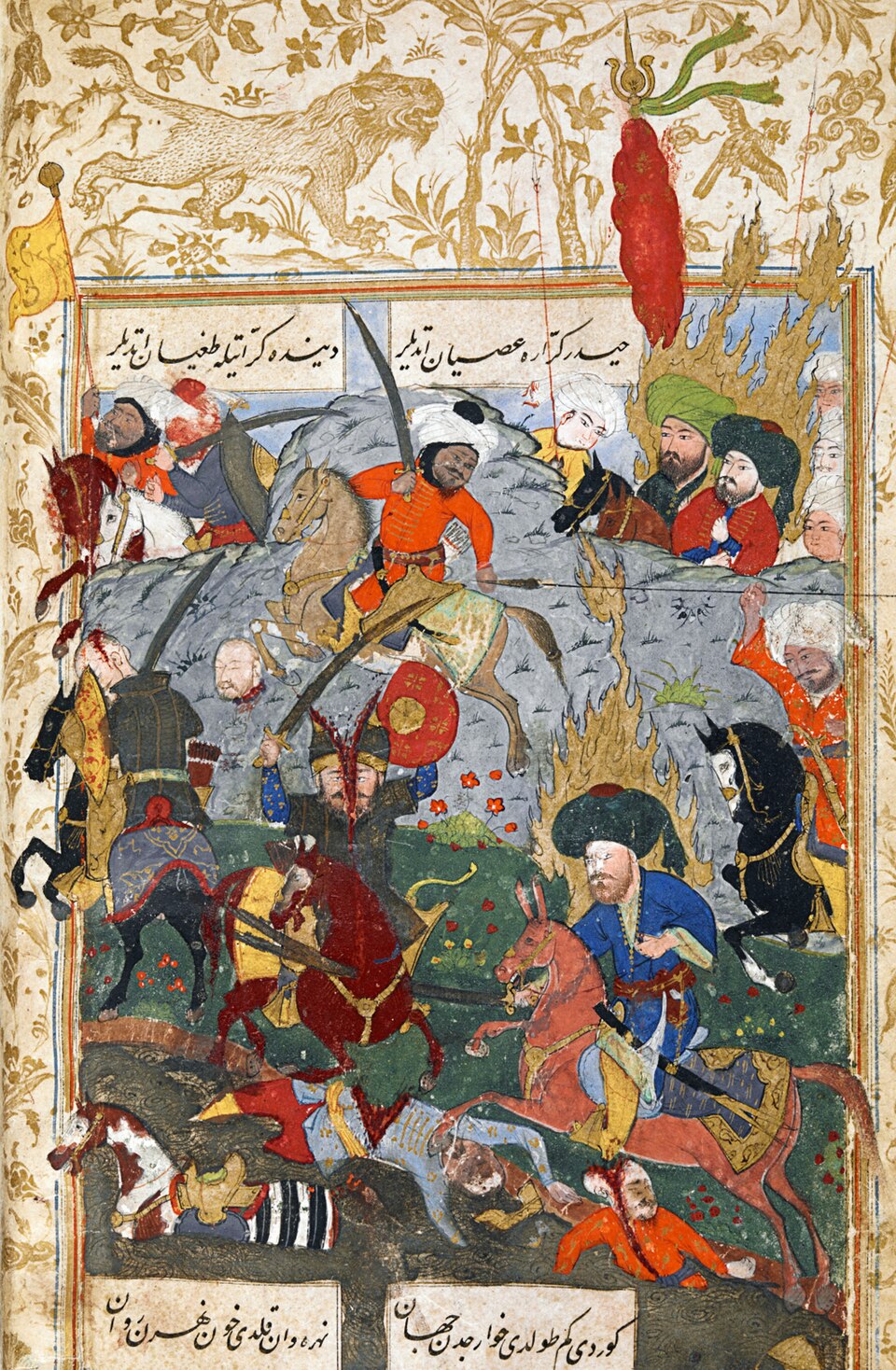
658 - Battle of Nahrawan (All Facts)
Battle in which the Kharijites rebelled against Caliph Ali after his un-Quranic decision, according to the Kharijites, of negotiating with rather than continuing to fight against Muawiya in the Battle of Siffin
Battle in which Ali attacked them, which triggered their desire to assassinate him in return in Kufa
Battle which has been Ali’s attempt to punish the Kharijites for the way they had turned against him
They had turned against him because he had chosen arbitration in preference to fighting on against Muawiya
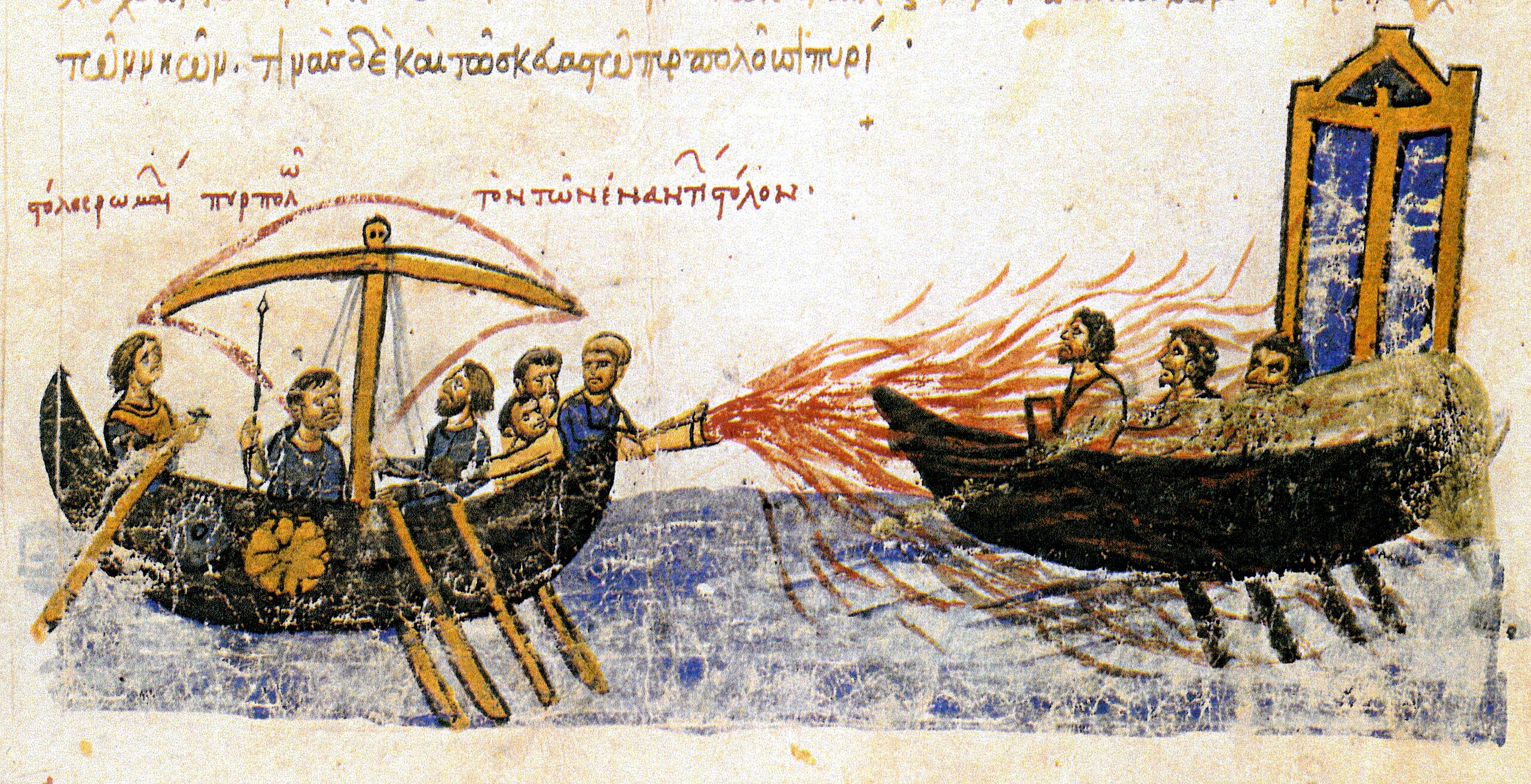
674 - 678 - Siege of Constantinople (All Facts)
Series of battles in which the Muslim Arabs of the Umayyad Caliphate failed to defeat the Byzantines in their empire’s namesake capital city due to a violent storm which destroyed the Arab fleet and put an end to their harassment of the city
Series of battles which culminated in a peace treaty between the Muslims Arabs of the Umayyad Caliphate and the Byzantines, which lasted 30 years after this failure for the Umayyad Caliphate to blockade the Byzantine Empire
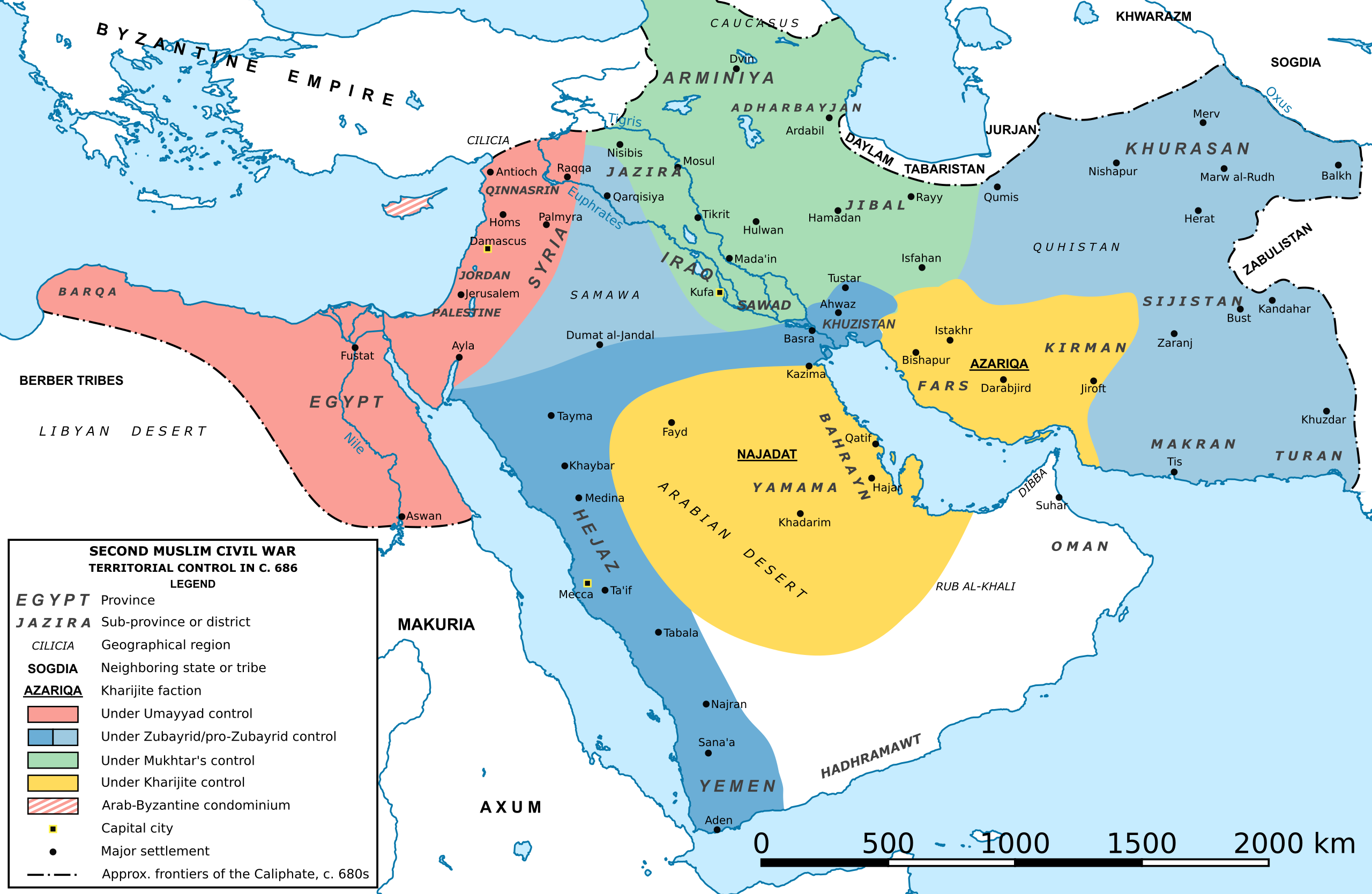
680 - 692 - Second Fitna (All Facts)
Second Islamic Civil War fought between the Umayyad Caliphate and its three major political rivals including Husayn ibn-Ali and the Shia, Abdullah ibn-Zubayr and his Zubayrid Caliphate and the Qais tribe of Syria, and the Kharijites in which it worked to defeat all three rivals over the course of the war
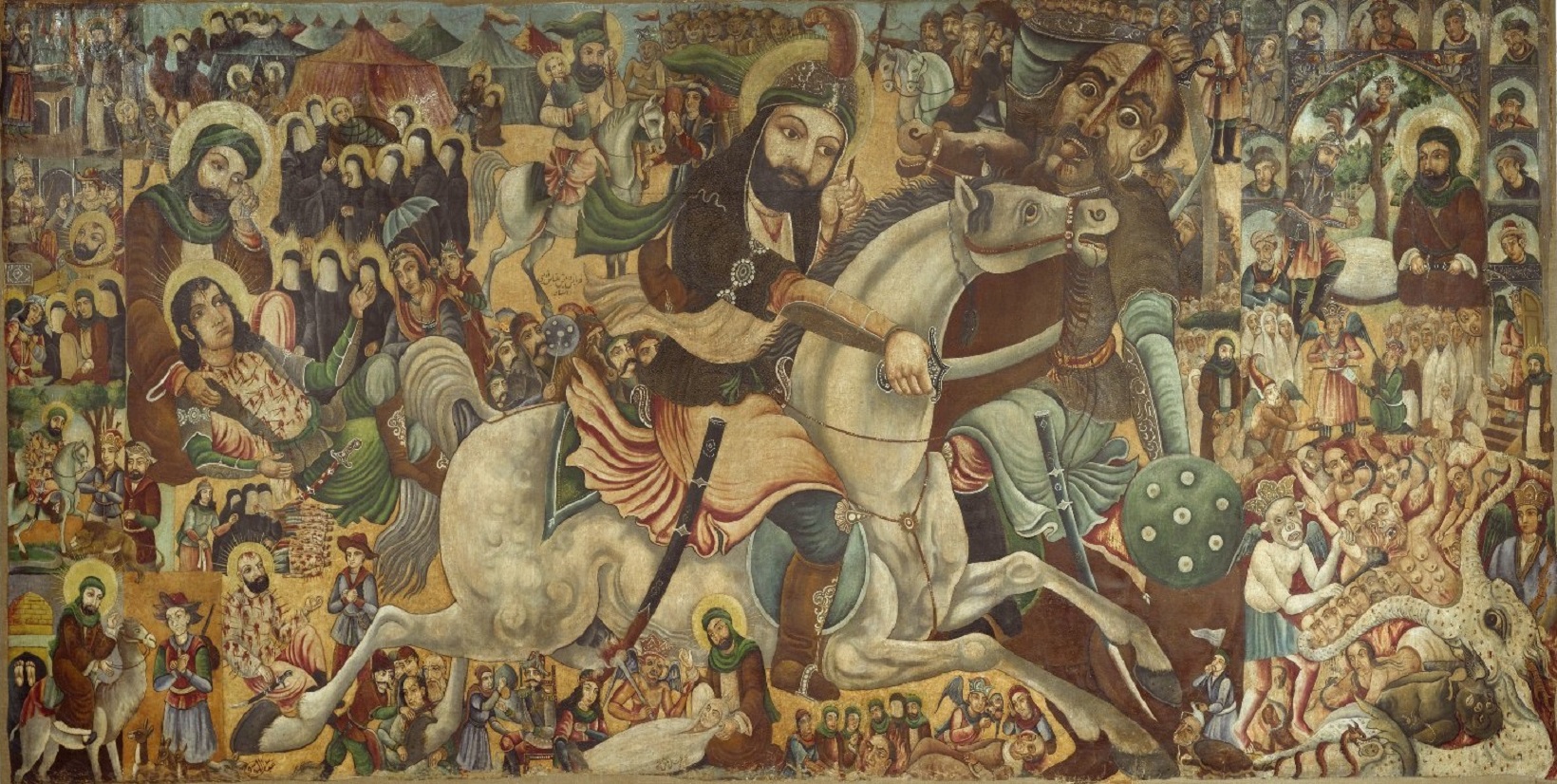
680 - Battle of Karbala (All Facts)
Battle in which Yazid and the (Sunni) Umayyad Caliphate defeated Husayn ibn-Ali and his 70 Shia forces
Battle in which the Sunni-Shia divide within Islam emerged
Battle in which Husayn ibn-Ali is killed and became a martyr for Shia Islam
Before he could reach Kufa, ibn-Ali was killed after having been confronted by its governor ibn-Ziyad who defeated him with a large force
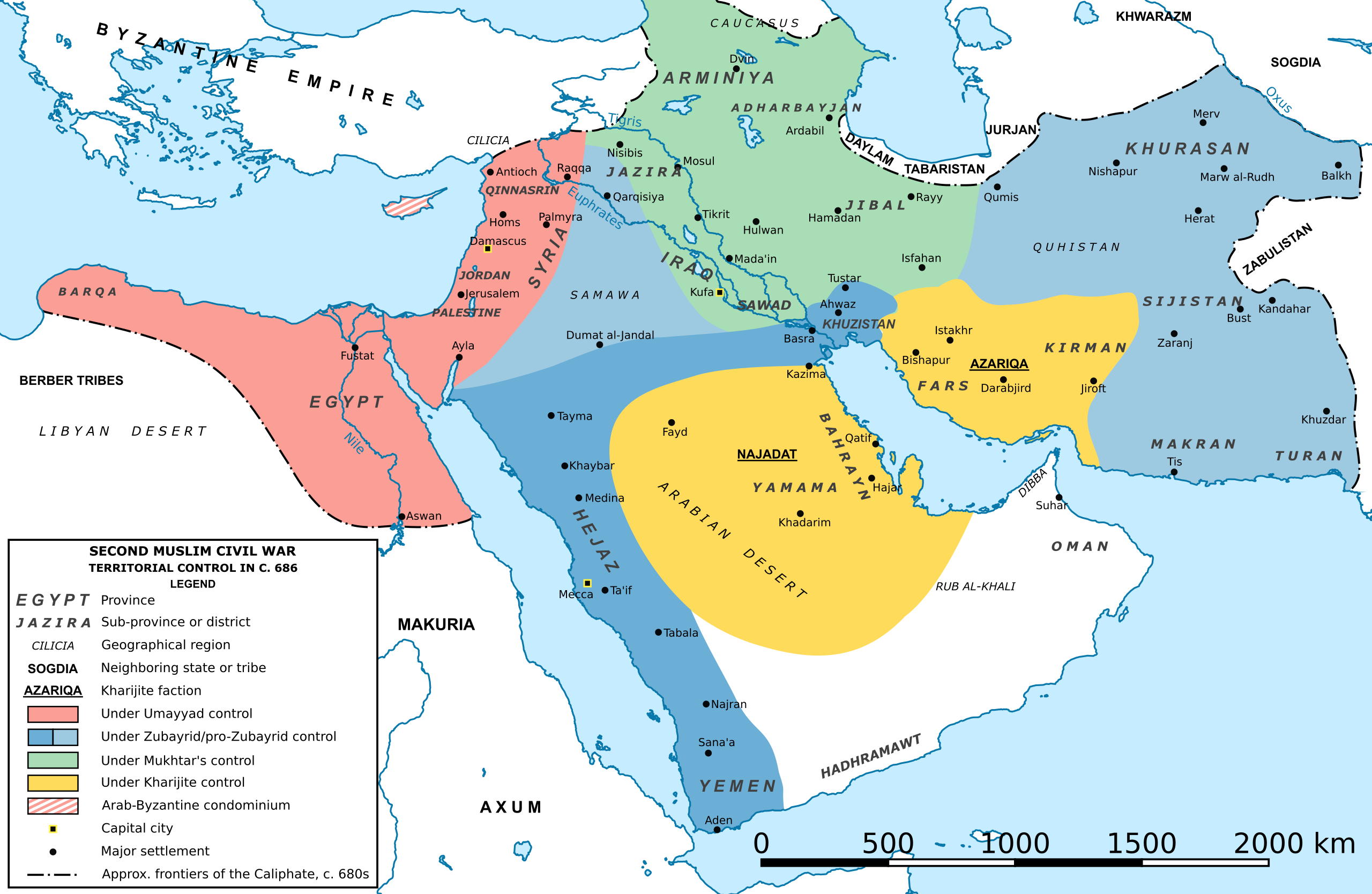
684 - Battle of Marj Rahit (All Facts)
Battle in which the Umayyad Caliphate ultimately defeated the usurper Abdullah ibn al-Zubayr and his Zubayrid Caliphate during the Second Fitna
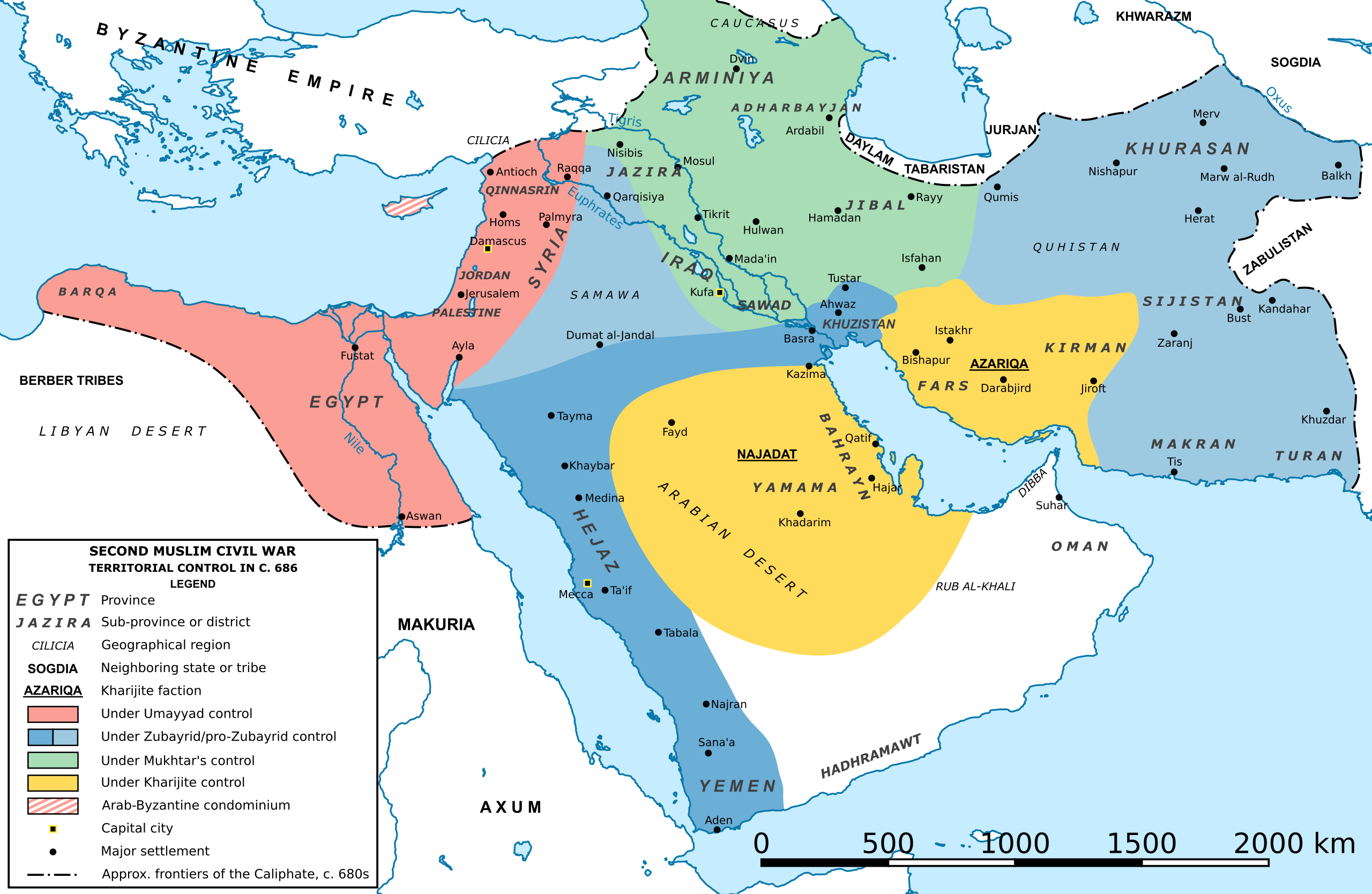
690 - 691 - Battle of Maskin (All Facts)
Battle in which Abd al-Malik and the Umayyad Caliphate defeated Mus'ab ibn al-Zubayr and the Zubayrid Caliphate during the Second Fitna
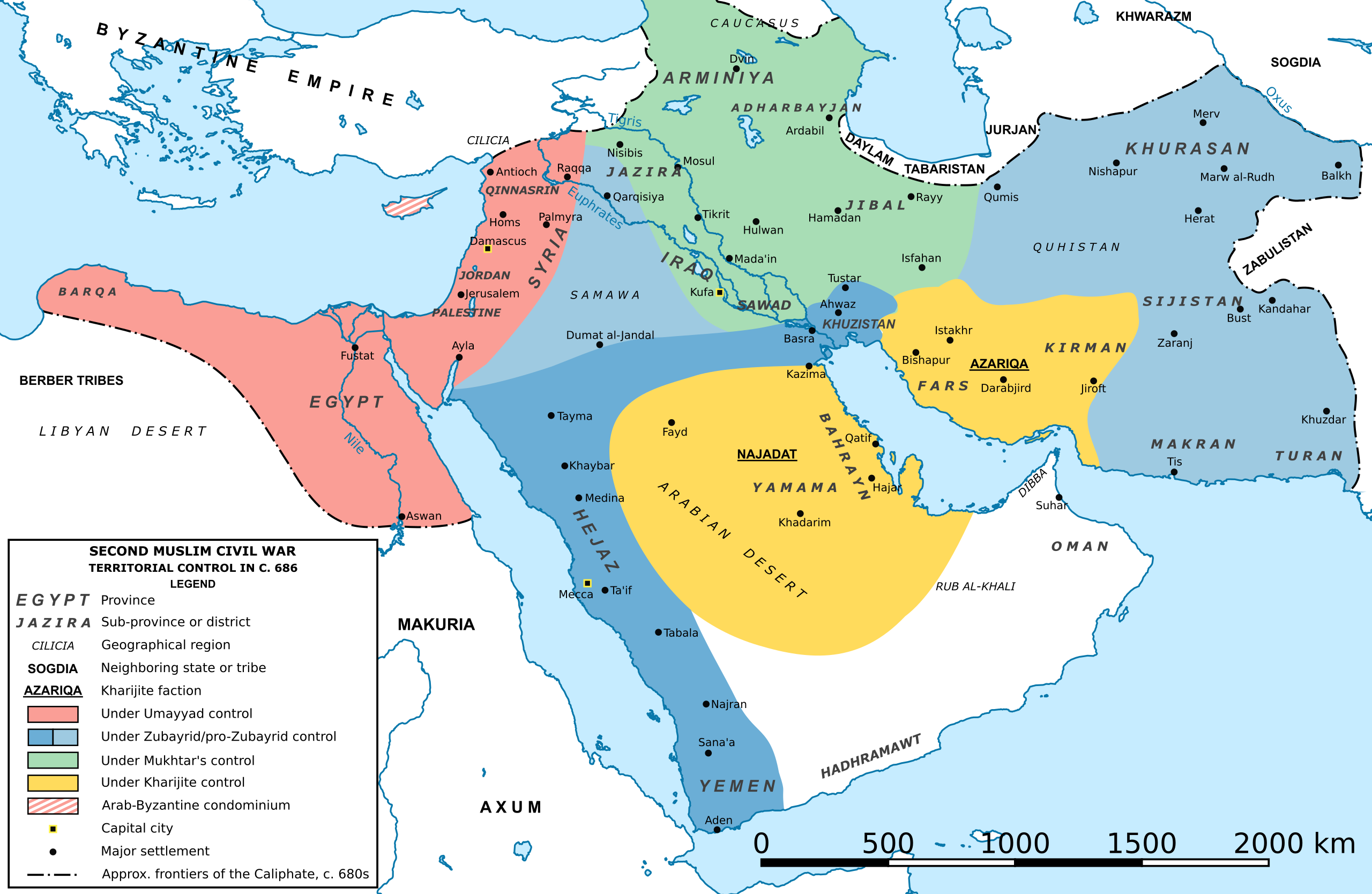
692 - Siege of Mecca (All Facts)
Battle in which Abd al-Malik via his general Al-Hajjaj ibn-Yusuf and his Umayyad Caliphate forces definitively defeated Abdullah ibn al-Zubayr and his Zubayrid Caliphate forces, thus ending the Second Fitna
Battle in which the namesake city is defeated and captured, allowing Abd al-Malik to once again become sole master caliph of the Umayyad Empire
693 - Battle of Sebastopolis (All Facts)
Battle in which the Umayyad Caliphate defeated the Byzantines after they broke their previous treaty with the Caliphate
Battle in which the Umayyad Caliphate took control of Armenia from the Byzantine Empire
698 - Battle of Carthage (All Facts)
Battle in which the Umayyad Caliphate captures the namesake North African city, ending Byzantine rule in North Africa
698 - Battle of Meskiana (All Facts)
Battle in which Hassan ibn al-Nu'man and the Umayyad Caliphate were defeated by Al-Kahina and the Berbers in retaliation of the Umayyad Caliphate’s invasion of North Africa
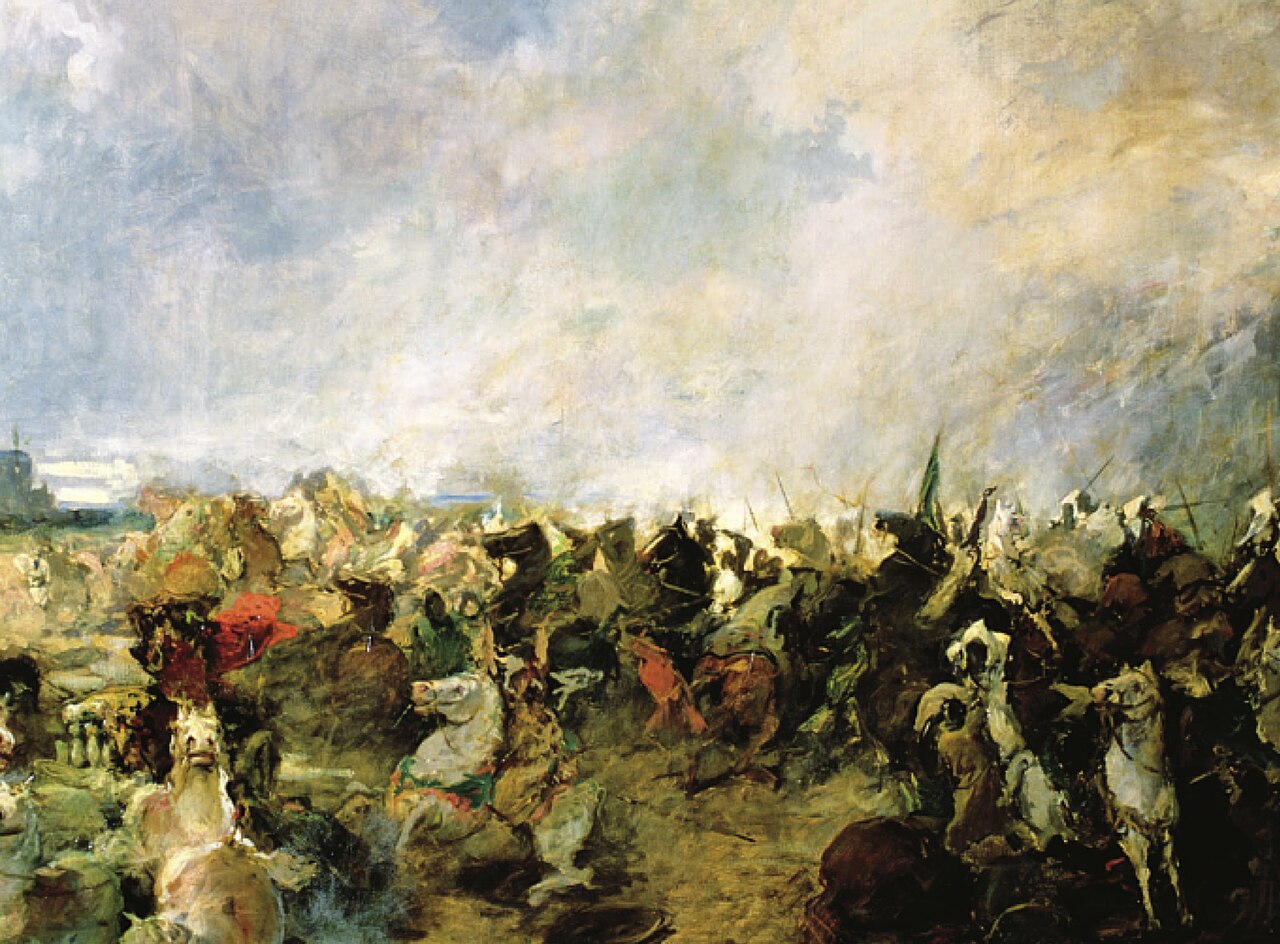
711 - Battle of Guadalete (All Facts)
Battle in which Tariq ibn Ziyad and a small expeditionary force of the Umayyad Caliphate crossed the Straits of Gibraltar and defeated Roderic and the Visigoths on the namesake river
Battle in which much of Spain was given over to the Umayyad Caliphate as a result
718 - 1492 - Reconquista (All Facts)
Period in the history of Spain that involved the taking back of the Iberian Peninsula lands by the Christians from the Muslims
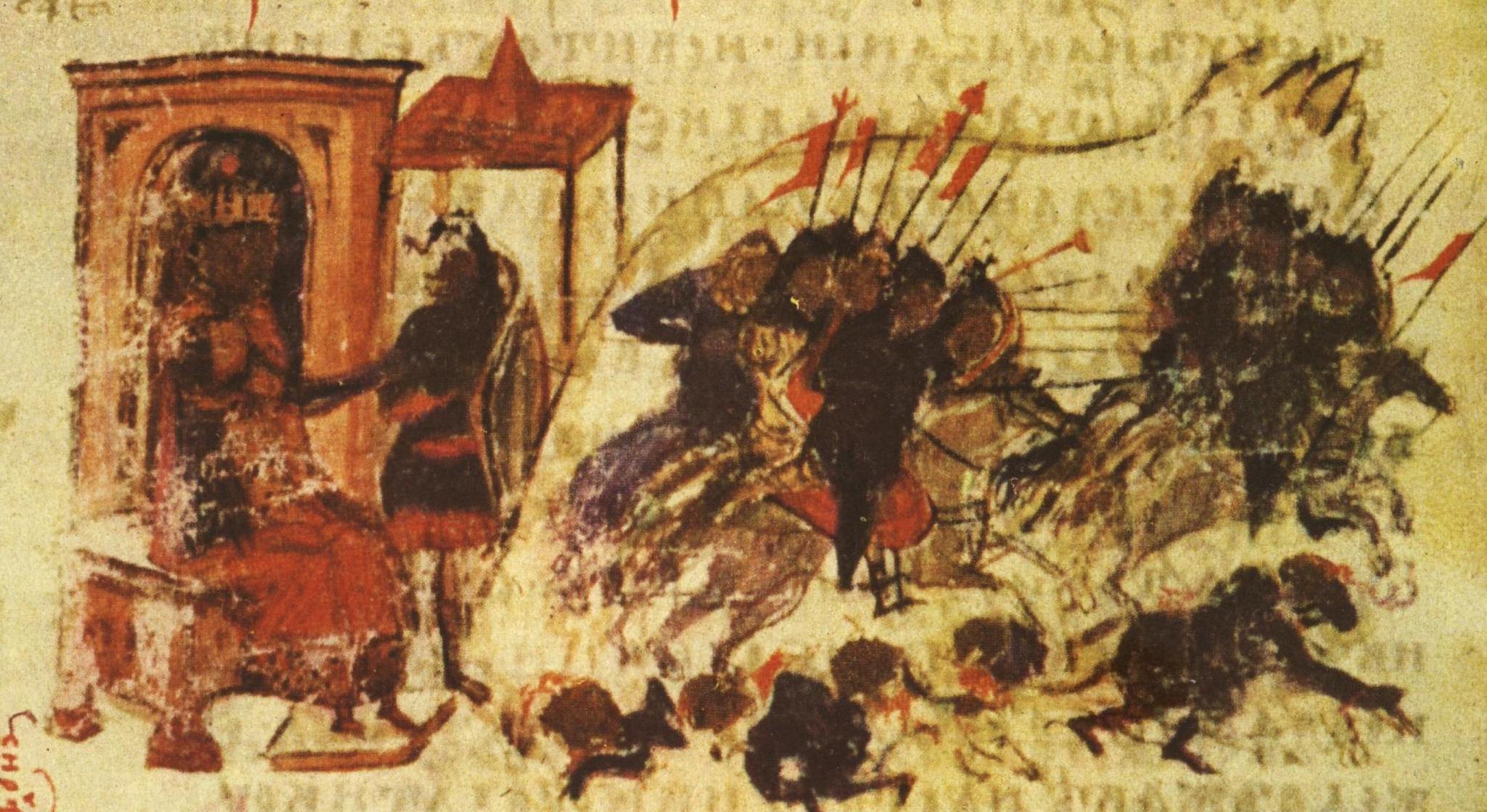
718 - 719 - Siege of Constantinople (All Facts)
Battle in which the Arab Muslims were defeated by Leo III and the Byzantine Empire due to the naval superiority of the Byzantines
Battle which blocked further Arab Muslim expansion into the Byzantine Empire
Battle in which an Arab Muslim army of 80K men and fleet of 1,800 ships besieged the namesake capital of the Byzantine Empire after moving into Syria and Anatolia
12 miles of the namesake city’s walls helped foil the Arab Muslim’s intent on seizing the “city of the world’s desire”
721 - Battle of Toulouse (All Facts)
Battle in which al-Sanh ibn Malik and the Umayyad Caliphate were defeated by Duke Odo the Great and the Franks, preventing an Arab Muslim invasion of Gaul
722 - Battle of Covadonga (All Facts)
Battle in which the Arab Muslims of the Umayyad Caliphate were defeated by Pelagius and the Visigoths, who had rebelled against them, in Visigothic Spain, marking the start of the Spanish Reconquest of Spain from the Umayyad Caliphate and the founding of the tiny independent Christian kingdom of the Asturias in northern Spain by Pelagius
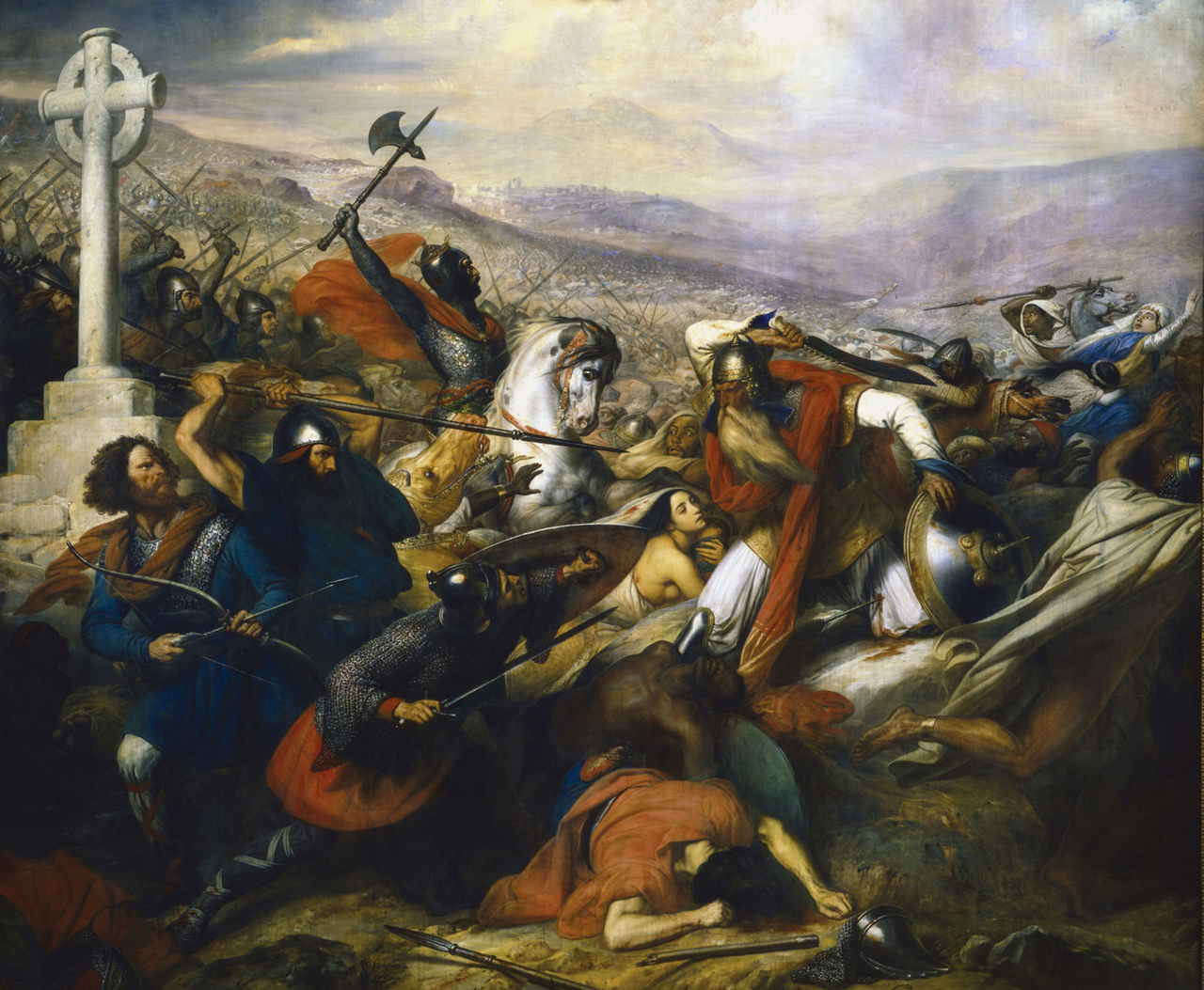
722 - Battle of Tours (All Facts)
Battle in which Abd al-Rahman and the Umayyad Caliphate were defeated by Charles Martel and the Franks, essentially preventing further Arab Muslim invasions into Europe
Battle which represented a rare defeat for the Islamic armies of the time, which marked the limit of rapid Islamic expansion into Western Europe, which was dominated by Christianity thereafter
Battle in which the Arab Muslims cried “paradise lies in the shadow of the sword”
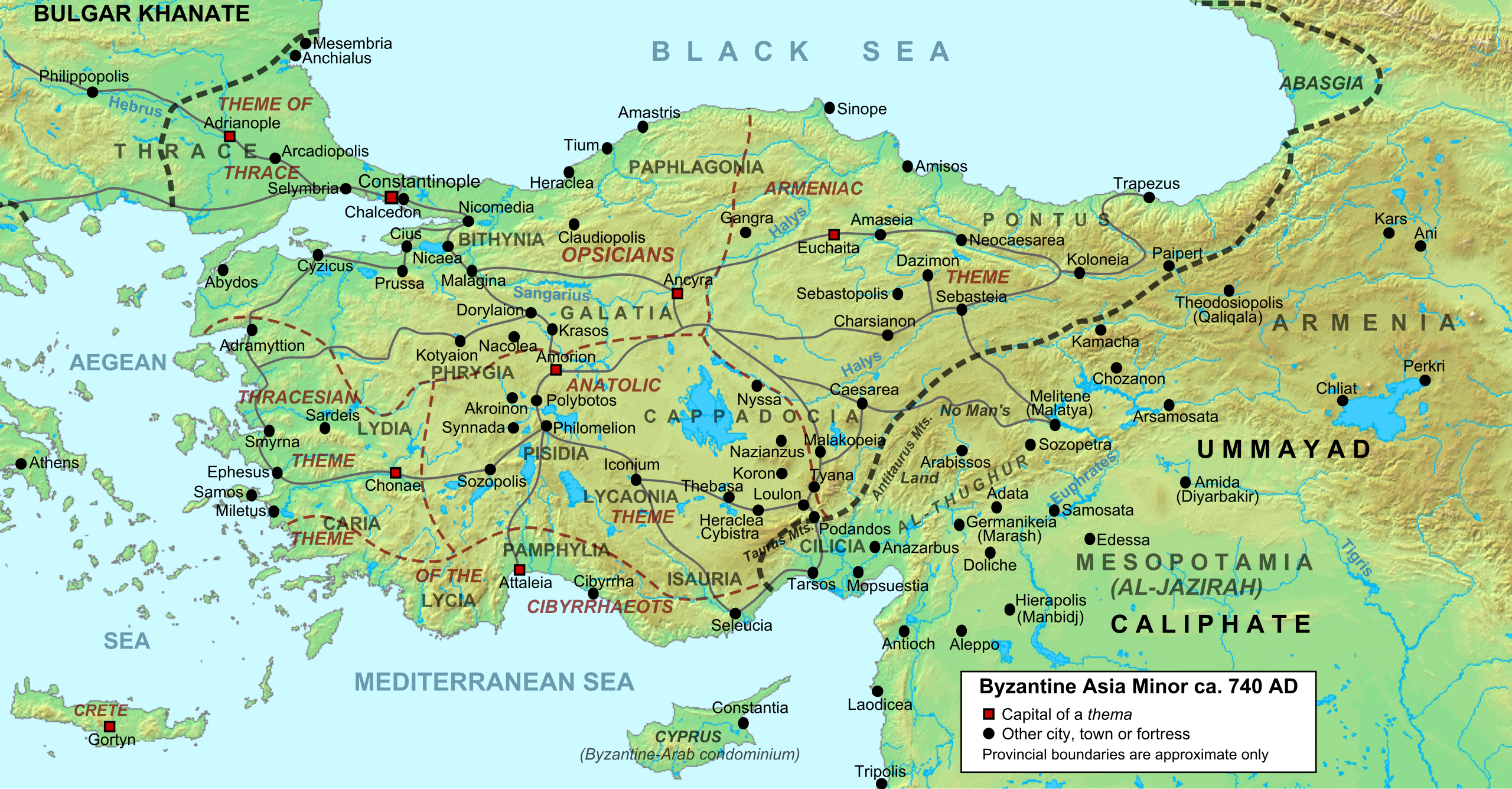
740 - Battle of Akroinon (All Facts)
Battle in which the Umayyad Caliphate was defeated by the Byzantines, successfully defending Anatolia from the Arab Muslims
740 - 743 - Zaydi Revolts (All Facts)
Series of failed revolts initially led by Zayd ibn Ali and later his son and successor Yahya ibn Zayd against the Umayyad Caliphate in attempt to restore the Rashidun Caliphate of his ibn-Ali’s great grandfather Caliph Ali of the Rashidun Caliphate
Members of the Alids, they tried and failed to topple Umayyad power
740 - 743 - Berber Revolt / Kharijite Revolt (All Facts)
Series of suppressed revolts by the two namesake groups against the Umayyad Caliphate
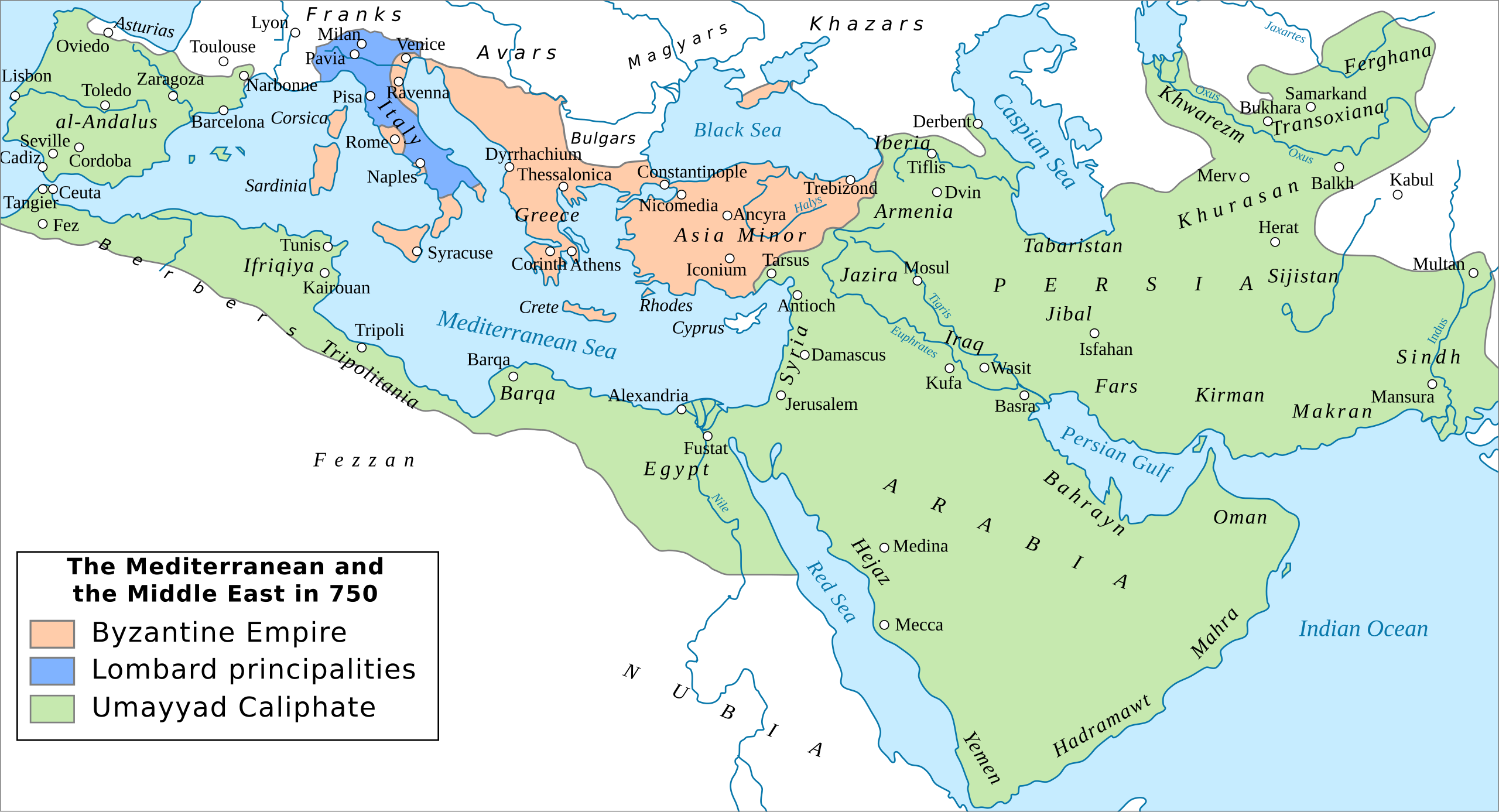
744 - 750 - Third Fitna (All Facts)
Series of civil wars and uprisings against the Umayyad Caliphate including
The Abbasid Revolution
747 - 750 - Abbasid Revolution (All Facts)
Overthrow of the Umayyad Caliphate, the second of the four major caliphates in Islamic history, by the namesake Caliphate, the third of the four major caliphates in Islamic history
The namesake armies overran Mesopotamia and defeated the Umayyad Caliphate, killing the last Umayyad Caliph
Although they appealed to the Shia Alids for support, their leader, al-Saffah announced it was the namesake branch of the Great Prophet Mohammed’s family, descended from the Great Prophet Mohammed’s namesake uncle, that would rule the Islamic World thereafter
This duping of the Shia Alids would come to be a source of trouble for the namesake caliphate later on when the Shia Fatimid Dynasty was established which would rival the Abbasid Caliphate
Revolution which saw Al-Saffah and his armies having
Swept west, obliterating members of the Umayyad family wherever they had found them
Dug up the bodies of the Umayyad caliphs and publicly flogged their remains before scattering their bones back into the earth
Gruesomely invited the remaining male members of the Umayyad families that survived to a dinner party, where he had them massacred and then feasted over their corpses
Originated in the eastern province of Khorasan, in Persia (in modern-day Iran) fueled by widespread discontent with Umayyad rule in which the namesake Caliphate capitalized on various grievances against the Umayyads including
Discrimination against non-Arabs
Heavy taxation
Perceived impiety of Umayyad rulers
Revolt which began because many had felt that true Islam could only be restored when the family of the Great Prophet Mohammed held the reins of power again
After all, the Umayyad’s ancestors were the most bitter enemies of the Great Prophet Mohammed
Revolt in which Abu Muslim and the namesake group urged the people of Khorasan to march west and overthrow the Umayyad caliphs
Cleverly, the namesake group urged the people of Khorasan to do this in the name of the “Family of the [Great] Prophet” in order to win support from the Alids
750 - Battle of the Zab (All Facts)
Battle in which Al-Saffah and the Abbasids defeated Marwan II and the Umayyads
Battle in which the Umayyad Caliphate ended and the Abbasid Caliphate begun
Battle which took place in Syria
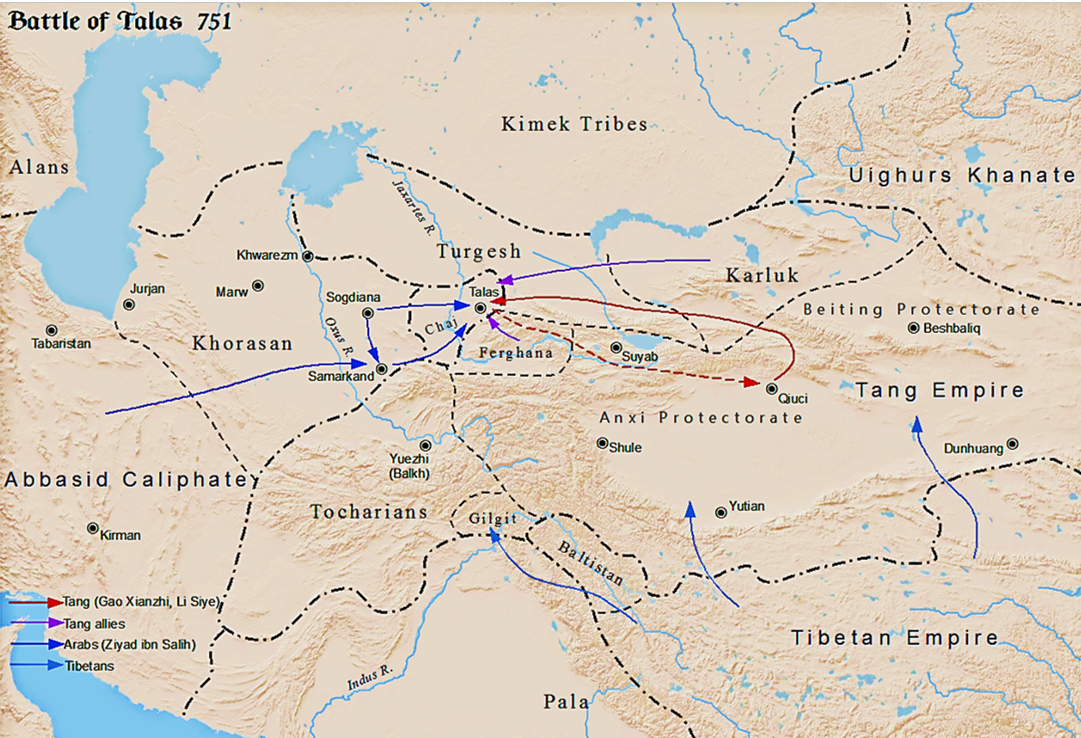
751 - Battle of Talas (All Facts)
Battle in which the Abbasid Caliphate defeated the Tang Chinese on the namesake river
Battle which allowed the Abbasid Caliphate to expand Islamic influence into Central Asia
Battle over the city of Samarkand
Battle which occurred after the Tang Chinese occupied Tashkent, Samarkand, and Bokhara
Battle in which, famously, two Tang Chinese POWs revealed to their Arab captors how to make paper, which contributed to the Islamic Golden Age experienced during the Abbasid Caliphate as a result of this battle
752 - 759 - Siege of Narbonne (All Facts)
7-year Battle in which the Umayyad Caliphate was defeated by Pepin the Short and the Franks, who defended the namesake city from being taken by the Arab Muslims
Following the battle, they retook control of Septimania from the Umayyad Caliphate as well
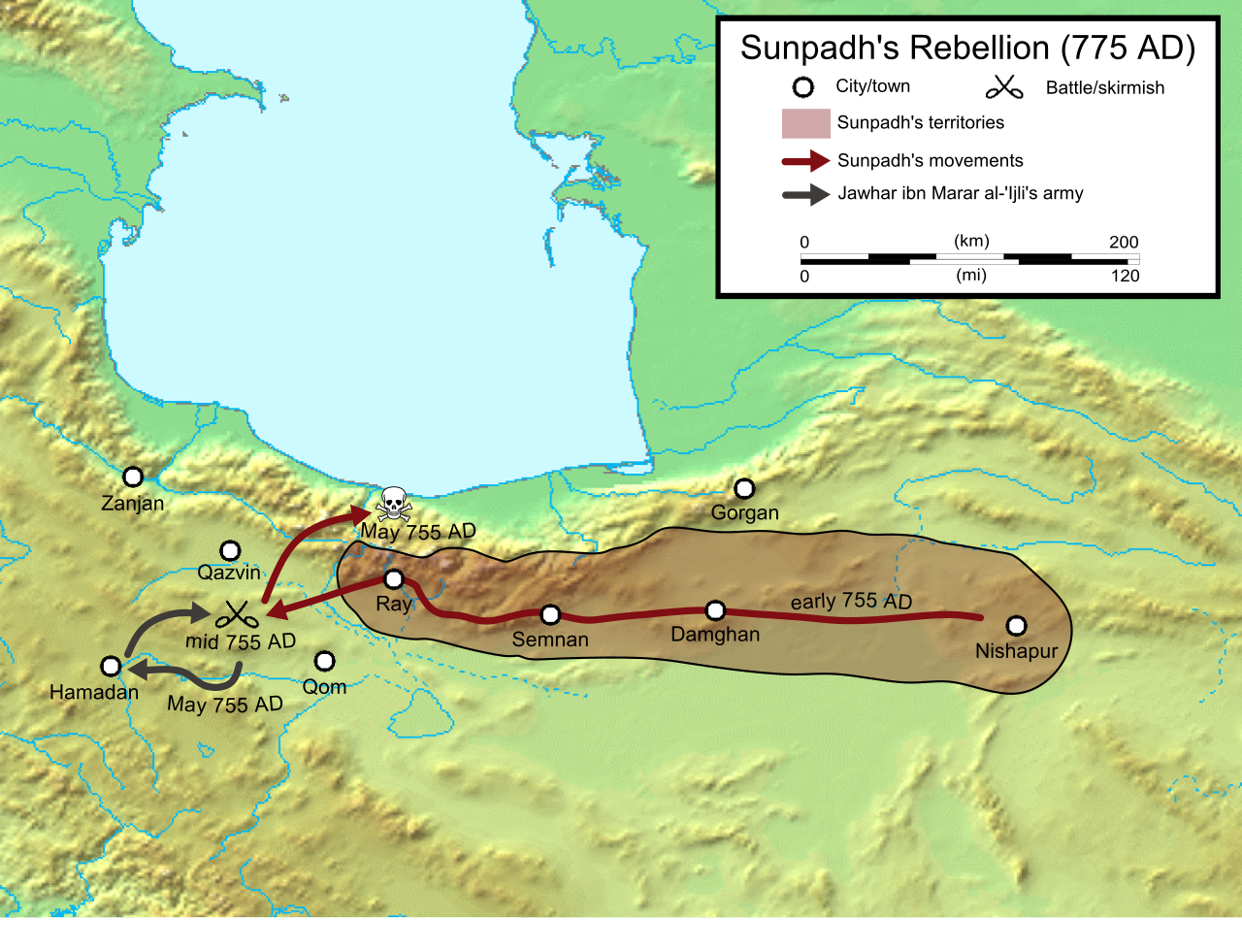
755 - Sunpadh Rebellion (All Facts)
Failed revolt by the Zoroastrians in Khorasan against the Abbasid Caliphate for their assassination of Abu Muslim
Revolt in which the Abbasids defeated Abu Muslim’s supporters following his assassination by the Abbasid Caliphate
762 - 763 - Alid Revolt / Revolt of Mohammed the Pure Soul (All Facts)
Revolt of the Shia against the Abbasid Caliphate in Mesopotamia and at Medina in Arabia
778 - Siege of Zaragoza (All Facts)
Battle in which Umayyad Emirate of Cordoba defeated Charlemagne and the Carolingian Empire
786 - 1258 - Islamic Golden Age (All Facts)
Period of scientific, economic, and cultural flourishing in the Islamic World during the Abbasid Caliphate
Period during which Islamic scholars
learned from many cultures and carried on the work of earlier thinkers
translated Greek literary classics into Arabic, saving the works of Aristotle and other Greek thinkers from oblivion
studied mathematical tests from India and transferred the knowledge to Europeans
adopted techniques for paper-making from China, transferring such knowledge to Europeans
made many of their own achievements
Period during which
Medical advances and hospital care improved in cities like Cairo
Doctors and pharmacists studied for exams for licenses that would allow them to practice
Period whose contributions, like the development of papermaking techniques, laid the groundwork for the Renaissance and Scientific Revolution in Europe
Period during which Arab astronomers and mathematicians added to the body of knowledge begun by their Indian counterparts
Period during which Islamic scholars translated Indian developments in algebra and geometry into Arabic and spread them throughout the Islamic World
Period during which Islamic scholars followed the advice of Muhammed who once famously said to “go in quest of knowledge even unto China”
Period during which Islamic Scholars (under the Abbasid Caliphate) adopted Indian numerals and made them into their own, which distinguished itself from Roman numerals
786 - Battle of Fakhkh (All Facts)
Battle in which the Abbasid Caliphate defeated the Alids, who revolted against them
Idris was a part of this battle, but after it failed, he fled in disguise to Egypt and further on to Morocco
811 - 837 - Fourth Fitna (All Facts)
Series of conflicts involving the succession crisis that involved the brothers al-Amin and al-Mamun who vied for the throne
812 - 813 - Siege of Baghdad (All Facts)
Battle in which al-Mamun and his forces defeated al-Amin and his forces during the Fourth Fitna
Al-Amin fled from the namesake city and died while fleeing, allowing his brother al-Mamun to become the next caliph
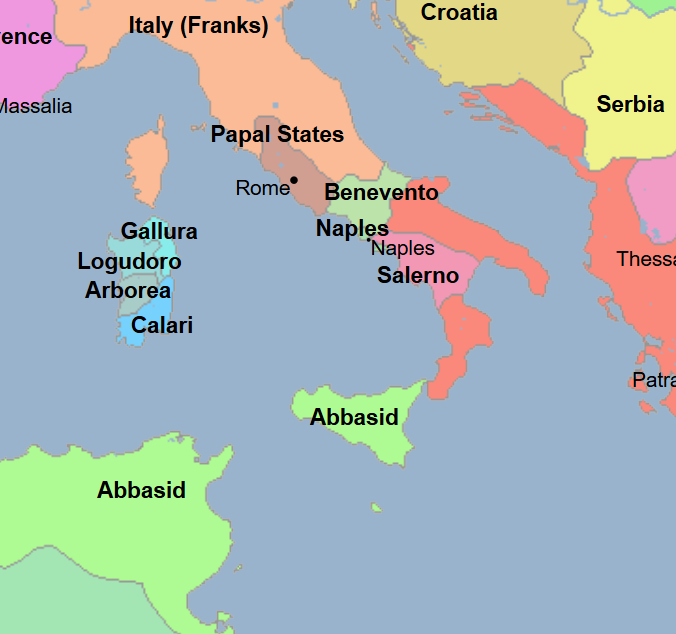
827 - 902 - Muslim Conquest of Sicily (All Facts)
Series of conflicts in which the Arab Muslims eventually took control of the namesake region in the Mediterranean from the Byzantine Empire
831 - Arab Muslims captured Palermo, which dealt a major blow to Byzantine prestige
902 - Aghlabids of Ifriqiyah captured Taormina and complete their conquest of Sicily from the Byzantine Empire
Once conquered, it provided a base from which the Arab Muslims could spread through to rest of the Mediterranean
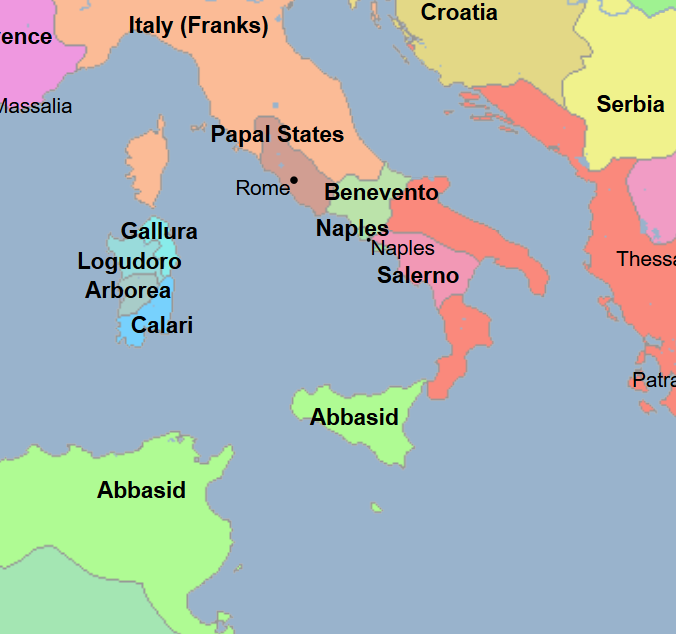
827 - 828 - Siege of Syracuse (All Facts)
Battle in which Asad ibn al-Furat and the Aghlabids try and fail to take the namesake province in Sicily from the Byzantine Empire during the reign of Ziyadat Allah
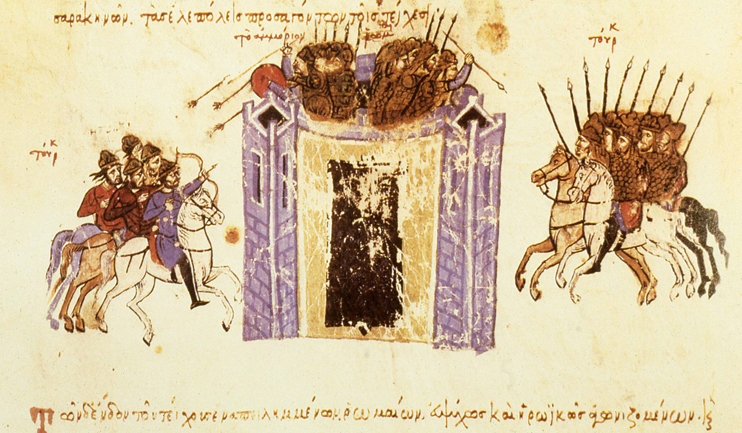
838 - Siege of Amorium (All Facts)
Battle in which Al-Mutasim and the Abbasid Caliphate defeated Theophilos and the Byzantine Empire, in which the namesake city in Anatolia was taken by the Arab Muslims from the Byzantines
The Arab Muslims celebrated their victory in this battle in poetry and stories
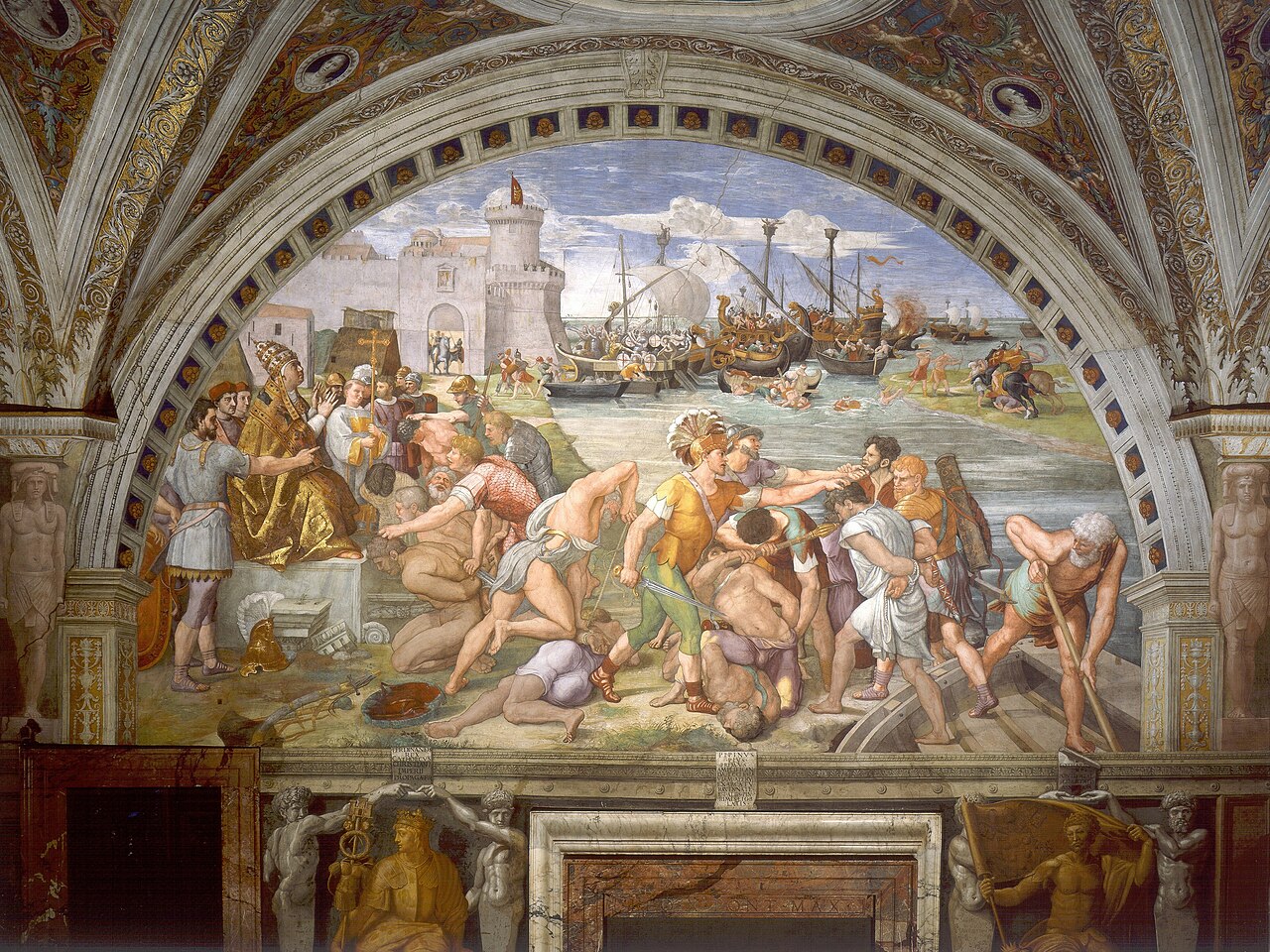
849 - Battle of Ostia (All Facts)
Battle in which the Arab Muslims were defeated by a fleet of Italian ships, some of which were papal (a part of the Papal States)
869 - 883 - Zanj Rebellion (All Facts)
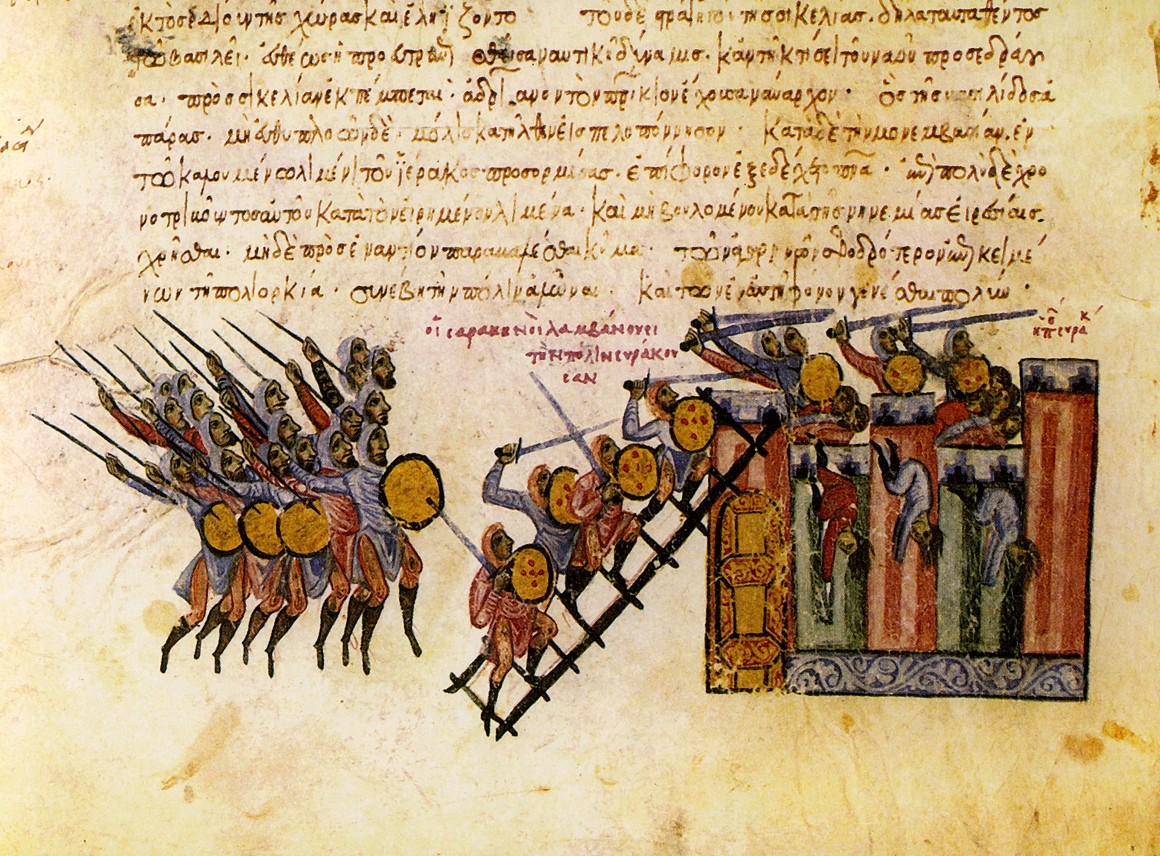
902 - Siege of Taormina (All Facts)
Battle in which the Aghlabids of Ifriqiyah (Tunisia) completed the Arab Muslim conquest of Sicily from the Byzantine Empire
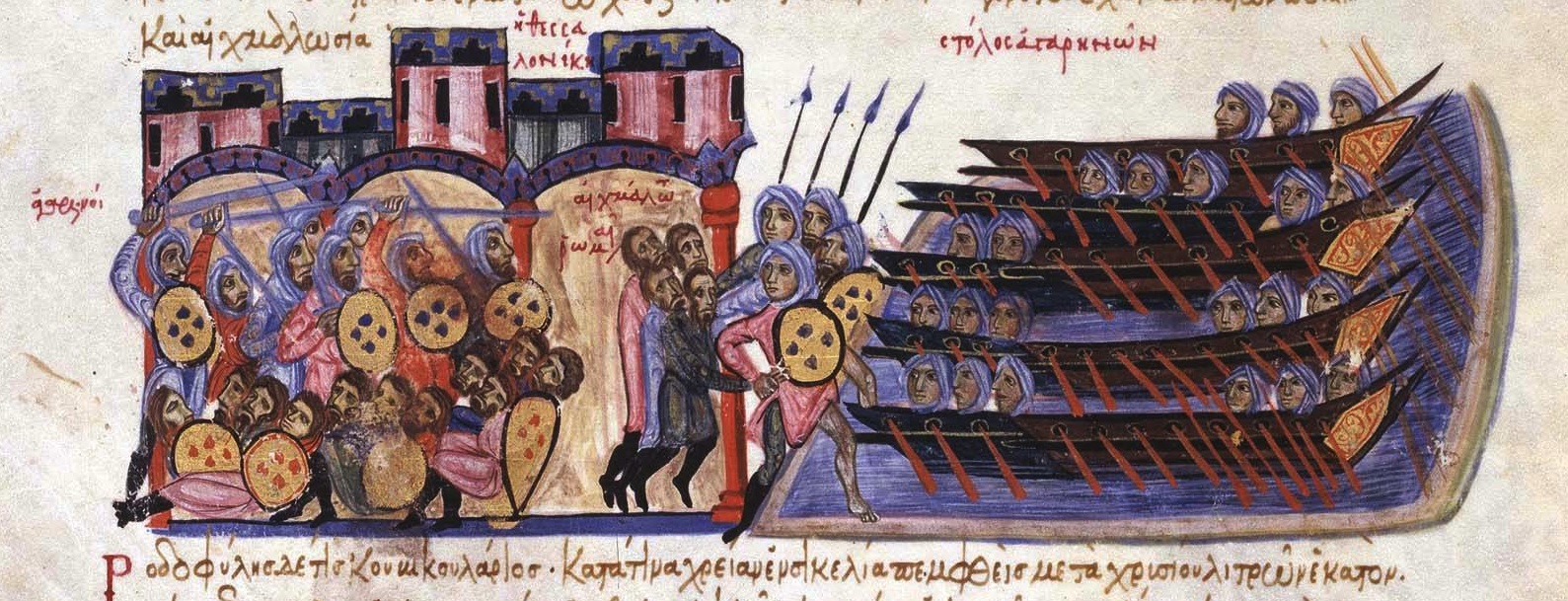
904 - Siege of Thessalonica (All Facts)
Battle in which the Abbasid Caliphate defeated the Byzantine Empire and took the namesake city for themselves, ravaging it before withdrawing
930 - Sack of Mecca (All Facts)
Battle in which Hamdan Qarmat and the Qarmatians sacked the namesake city amidst the rituals of the Hajj pilgrimage at the heartland of the Abbasid Caliphate
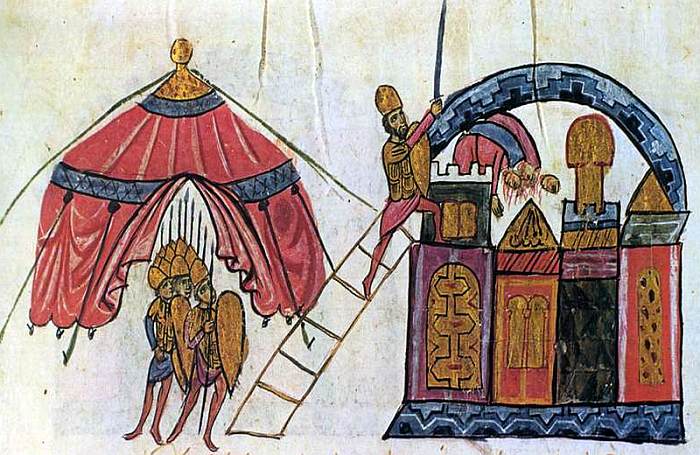
968 - 969 - Siege of Antioch (All Facts)
Battle in which the Byzantine Empire took back the namesake city of northern Syria from the Arabs, ending 300 years of Arab rule over the city and reincorporating it under Christian rule
982 - Battle of Stilo (All Facts)
Battle in which Fatimid Caliphate, who had called a Holy War against the Germans, defeated Otto II and the Germans
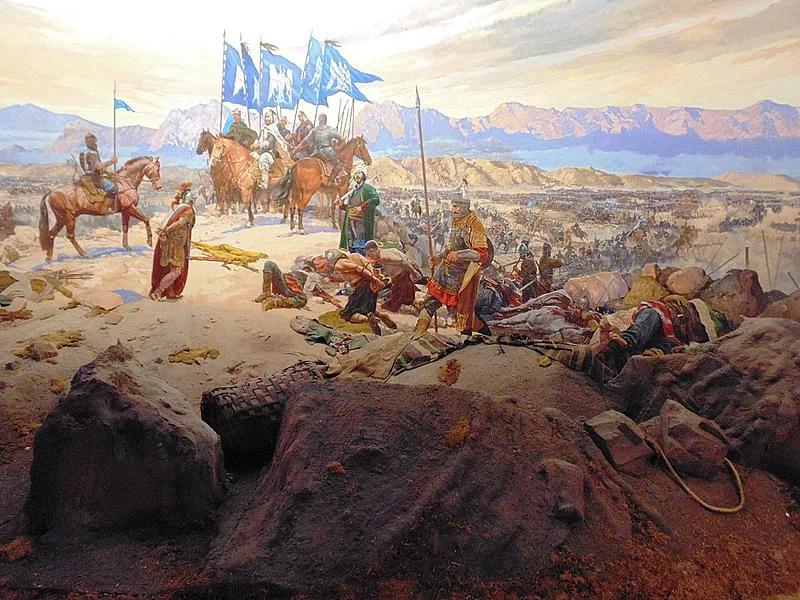
1071 - Battle of Manzikert (All Facts)
Battle in which Alp Arslan and the Seljuk Empire defeated Romanos IV Diogenes and the Byzantine Empire
Battle in which Romanos IV Diogenes was captured
Battle which marks the beginning of the Turkification of Anatolia
Battle in which the Turks captured Anatolia from the Byzantines
Battle which was the result of years of tension between the Armenian and Greek-speaking people of Anatolia and the Turkish nomads that infiltrated from the east with their flocks
Battle in which the enormous distances involved made it almost impossible for the Byzantine government to take effective punitive action against these nomadic bands, in which the indigenous population there was gradually forced westwards
Battle which began when Romanos IV Diogenes resolved to drive the Turks out, raising a large army in order to do so
Battle in which, in response, the Turks appealed to Alp Arslan, who came in person, with his own army
Battle in which the Byzantines were greatly undermined by internal squabbles and treachery due to the Doukas family’s opposition to Romanos IV Diogenes
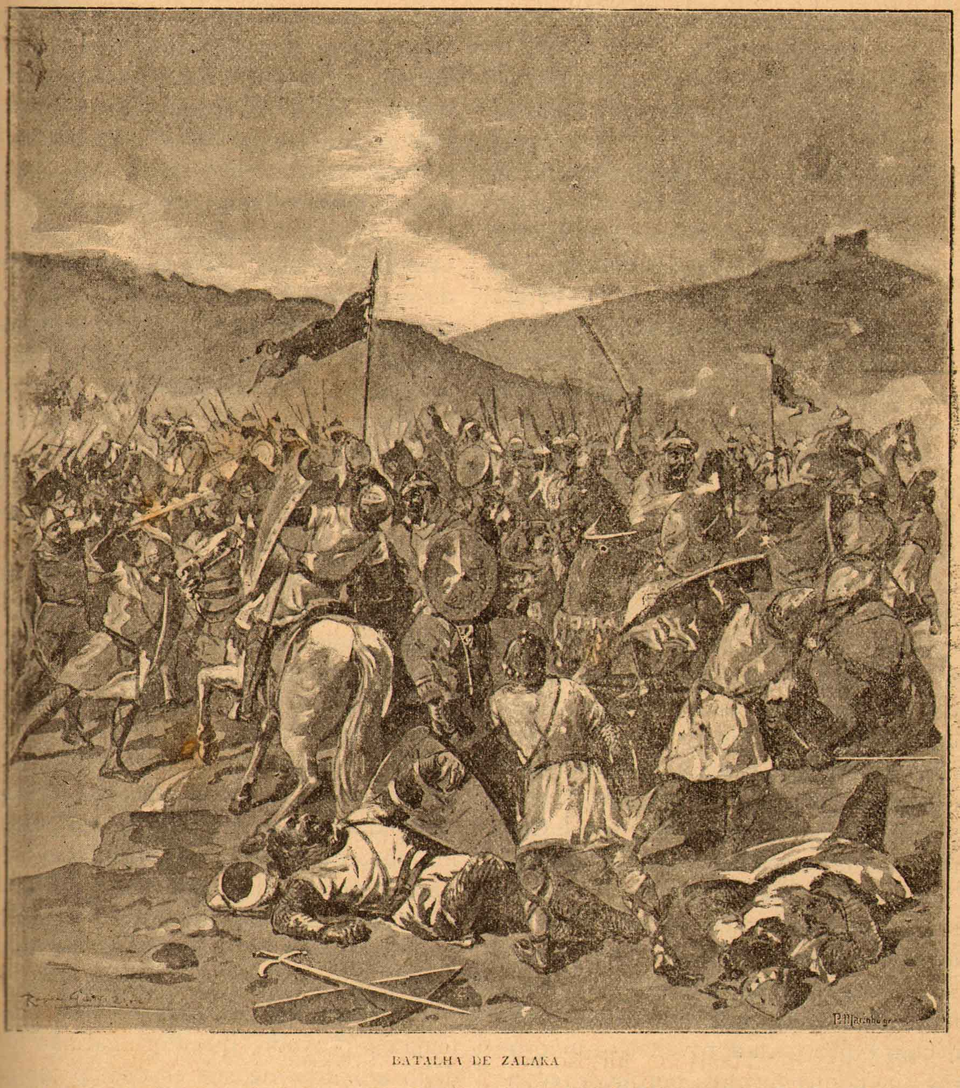
1086 - Battle of Sagrajas (All Facts)
Battle in which Yusuf ibn-Tashfin and the Almoravids defeated Alfonso VI and his forces near Badajoz
Battle after which ibn-Tashfin decided to reunite Islamic Spain, taking Valencia back after the death of El Cid and the city of Zaragoza shortly after that
Battle after which carts loaded with Christian heads were sent to the chief cities of Spain and the Maghreb to show them that the Christians were longer to be feared by the Almoravids
1092 - 1094 - Siege of Valencia (All Facts)
Battle in which El Cid besieged the namesake city after their inhabitants had rebelled against their Arab Muslim leader al-Kadir with support from the Almoravids
1096 - 1099 - First Crusade (All Facts)
Conflict in which the Crusaders retook Jerusalem and the Holy land from the Muslims, restoring Christendom
Conflict which saw massacres of Muslims and Jews
Conflict in which the Crusaders went to the church of the holy Sepulchre to give thanks to God and to decide who shall rule Jerusalem
Conflict in which the Crusaders were supposed to be helping Alexios Komnenos and the Byzantine Empire regain territory seized by the Seljuk Turks, but ended up keeping the land for themselves instead
Frankish and Norman knights marched across Europe to join up with a motley band of Germans, Flamands, and other groups led by Peter the Hermit
These groups crossed the Anatolian plateau in high summer and reached Antioch by October
They besieged Antioch for five months and then installed Bohemond of Taranto as Prince of Antioch
Conflict in which, after capturing Antioch, the Crusaders moved on from Jerusalem and passed through Syria and Lebanon,
The Crusaders sometimes made deals with local Arab rulers who were pleased at the prospect of Turkish power being curbed
While all this was happening, the Fatimids in Egypt sought their chance to retake Jerusalem from the Seljuk Turks
Conflict in which, when the Crusaders returned, they found the Fatimids from Egypt behind Jerusalem’s heavily fortified walls
In response, they built siege towers and, after six weeks, they scaled the walls of Jerusalem under a storm of fire
Conflict in which the Byzantine Empire retook Smyrna, Ephesus, and Sardis
Conflict during which Genova, Venice, and Pisa; whose fleets had helped the Crusaders to capture ports south of Beirut, were rewarded with trading privileges
Conflict in which the Crusaders successfully retook Jerusalem from the Fatimids
In its hour of victory, the Crusaders numbered no more than 12K foot soldiers and 1.2K knights, a small force which garrisoned vast tracts of territory in Anatolia, Syria, and the Holy Land
1097 - Battle of Dorylaeum (All Facts)
Battle in which the Seljuk Turks were defeated by the Crusaders during the First Crusade
Battle which opened the way to Anatolia for the Crusaders
1098 - Siege of Antioch (All Facts)
Battle in which the Crusaders defeated the Seljuk Turks during the First Crusade, making it a Christian city again
Battle in which Prince Bohemond of Taranto made a secret deal with a captain inside the city named Firoz, who opened the windows in a tower and let the Frankish and Norman knights who led the siege in after scaling the walls by ladder
The namesake fortress city in southern Turkey was captured and not a single Muslim was left alive in the city
This came after five months of cold and starvation, which dashed the enthusiasm aroused at the Council of Clermont by Pope Urban II’s call for Europe to unite to deliver the Holy Land from the possession of the Muslim Turks
During this time, desertions increased as reports multiplied that Turkish reinforcements were near
Battle after which Bohemond of Taranto made himself the city’s namesake prince
1099 - Battle of Ascalon (All Facts)
Battle in which Al-Afdal and the Fatimids were defeated by Godfrey de Bouillon and the Crusaders during the First Crusade
Battle which essentially prevented the Fatimids from retaking Jerusalem
1101 - 1102 - Siege of Valencia (All Facts)
Battle in which the Almoravids were defeated by Alfonso VI and his forces
Battle in which Alfonso VI evacuated and burned the namesake city
1104 - Battle of Harran (All Facts)
Battle in which the Seljuk Turks defeated the Crusaders
Battle which allowed the Byzantine forces to advance unopposed into the lands controlled by the Crusader state of the Principality of Antioch
Battle in which the Crusaders lose Laodicea and the Tripoli coast to the Seljuk Turks
Battle in which, in response, the Crusaders demanded another crusade against Constantinople
1110 - Siege of Beirut (All Facts)
Battle in which the Fatimids were defeated by the Crusaders
1114 - Battle of Martorell (All Facts)
Battle in which the governor of Zaragoza and the Almoravids were defeated by the Barcelonians and withstood by Toledo
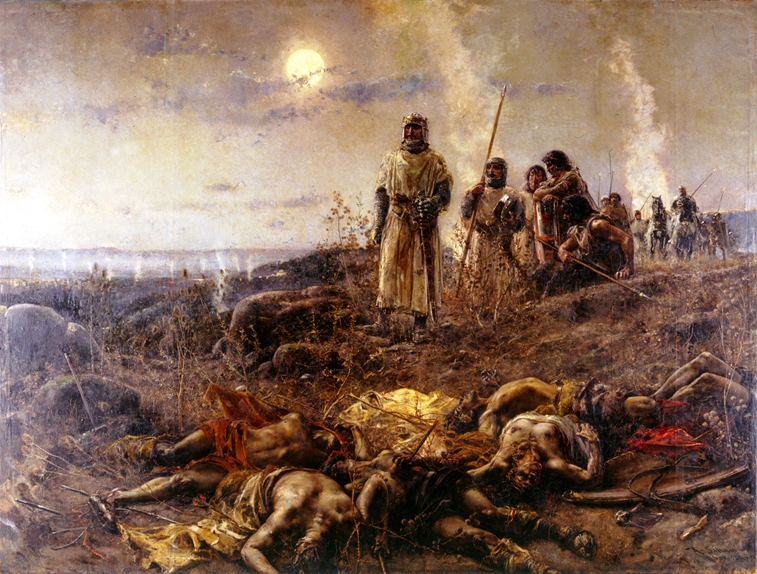
1114 - 1118 - Conquest of Zaragoza (All Facts)
Battle in which Ali ibn-Yusuf and the Almoravids were defeated by Alfonso “The Battler” and his forces
Battle which represents the first serious reversal in the fortunes of the Almoravids
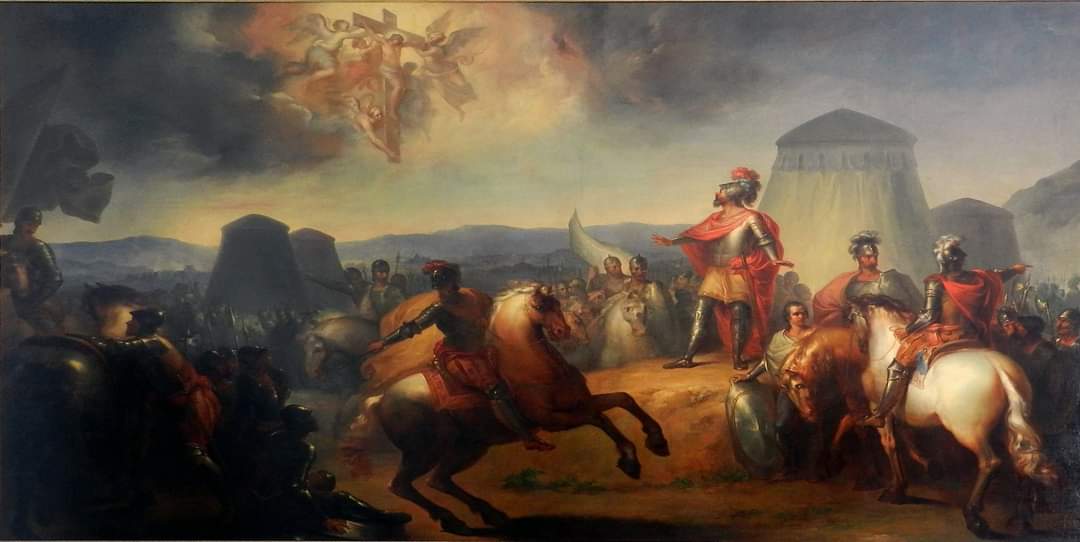
1139 - Battle of Ourique (All Facts)
Battle in which (Dom) Afonso Henriques and his forces defeated the Almoravids
Battle after which (Dom) Afonso Henriques assumed the title of King of Portugal
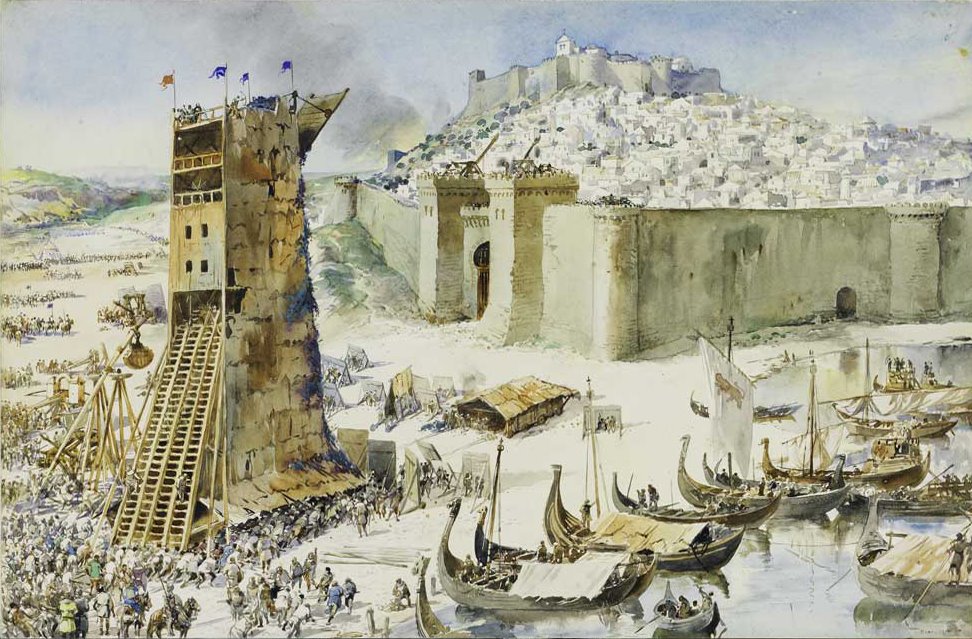
1147 - Siege of Lisbon (All Facts)
Battle in which Dom Afonso and the Kingdom of Portugal defeated the Almoravids, taking the namesake city
Battle which ended with a peaceful mass evacuation of its Muslim inhabitants after they surrendered to an allied Christian force under Afonso and Portugal
1176 - Battle of Myriocephalum (All Facts)
Battle in which the Seljuk Turks defeated Manuel Komnenos and the Byzantines during the Byzantine-Seljuk Wars, securing their dominance over Anatolia
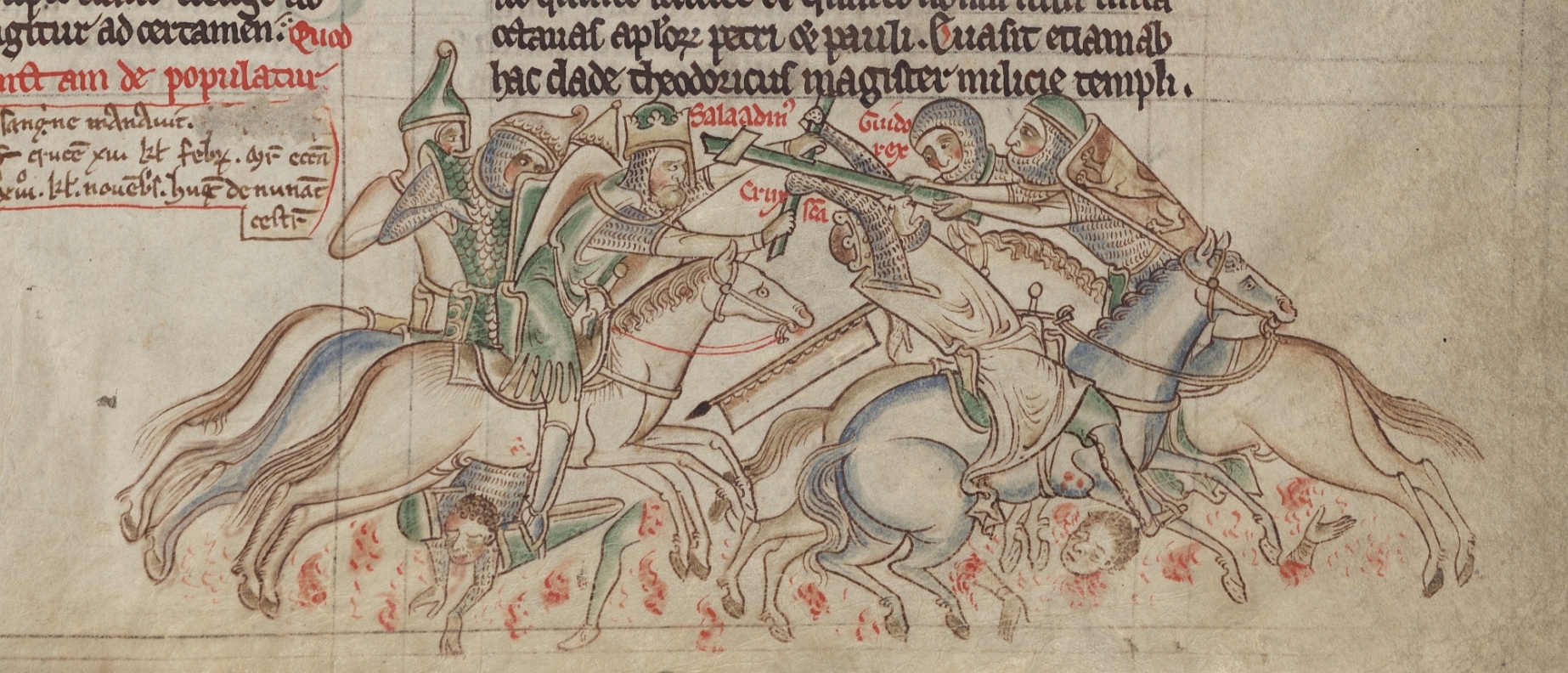
1187 - Battle of Hattin (All Facts)
Battle in which Saladin and the Ayyubid Sultanate defeated and conquered the territories that comprised the Crusader state of the Kingdom of Jerusalem
Battle which began as a grand gesture intended to free a beleaguered queen, causing an entire Christian army to be risked on an impossible march across the waterless rocky heights of the namesake region, an expedition that was doomed, surrounded, and chopped to pieces by Saladin and his army
Battle in which the Christians fell victim to heat exhaustion as Saladin set fire to dry scrub and grass surrounding them, especially torturous to the Christian men in chain armor
1189 - 1192 - The Third Crusade (All Facts)
Crusade in which Saladin and the Ayyubid Sultanate defeated Henry II and Richard Lionheart of England, Philip II / Philip Augustus of France, and Frederick Barbarossa of the Holy Roman Empire and thus retained control of Jerusalem and the Holy Land
Crusade organized by Frederick Barbarossa of the Holy Roman after it was declared by Pope Gregory VIII
Crusade whose troops were assembled by Frederick Barbarossa of the Holy Roman Empire along with Philip Augustus of France and Henry II of England
Crusade in which Frederick Barbarossa and his Holy Roman forces
Left the Dardanelles straits only to be constantly harried by Turkish tribesmen and whom suffered badly from hunger and intense heat
Crusade in which Frederick Barbarossa of the Holy Roman Empire died, and upon his death, his forces, demoralized, turned back
Crusade in which Philip II / Philip Augustus of France
fell ill and abandoned his forces, being replaced by Hugh of Burgundy until he himself died by the end of the conflict
Crusade during which Richard Lionheart of England and his forces
Raised money for an expedition to Palestine to crusade there
Seized Cyprus
Seized Acre, with the help of Philip II / Philip Augustus of France
Defeated Saladin and the Ayyubid Sultanate in the Battle of Arsuf
Seized Jaffa
Were defeated at Jerusalem in the Battle of Jerusalem
Were defeated by Saladin and the Ayyubid Sultanate, thus ending the conflict
Made a truce with Saladin and the Ayyubid Sultanate in which they
Were able to keep a few coast towns
Were able to make it so that Christians were promised free access to the Church of the Holy Sepulchre in Jerusalem
1195 - Battle of Alarcos (All Facts)
Battle in which Yaqub al-Mansur and the Almohad Caliphate defeated Alfonso VIII of Castile and his forces
Battle in which Yaqub al-Mansur and the Almohad Caliphate reconquered Trujillo, Montánchez, and Talavera
1212 - Battle of Las Navas de Tolosa / Battle of Al-Uqab (All Facts)
Battle in which Mohammed al-Nasir and the Almohad Caliphate were defeated by Alfonso VIII of Castile and his forces
Battle in which the two armies met near the Guadalquivir River between Toledo and Granada
Battle in which the Christian force which advanced from Toledo to meet the caliph al-Nasir included troops from all the Spanish kingdoms and contingents from France as well
Battle which laid the foundations for the final phase of the “Reconquista” of Al-Andalus
Battle which proved fatal to the Almohad Caliphate in Spain
1217 - 1221 - The Fifth Crusade (All Facts)
Crusade called by Pope Honorius III
Crusade in which Al-Kamil offered to surrender Palestine to the Crusaders if they gave them back control of the Port of Damietta in Egypt
Crusade in which the Crusaders were trapped in the marshes of the Nile River Delta and were forced to buy retreat by conceding the Port of Damietta
1218 - 1219 - Siege of Damietta (All Facts)
Battle in which Al-Kamil and the Ayyubid Sultanate were defeated by the Crusaders and lost the namesake Egyptian port
1229 - Treaty of Jaffa (All Facts)
Treaty signed between Frederick II of the Holy Roman Empire and Al-Kamil of the Ayyubid Sultanate which ended the Sixth Crusade
Treaty in which Frederick II of the Holy Roman Empire forced Al-Kamil of the Ayyubid Sultanate to concede Bethlehem, Nazareth, and a corridor of Jerusalem to the Crusaders / Holy Roman Empire; effectively making Jerusalem and nearby territories under the control of Frederick II and the Holy Roman Empire
1229 - 1231 - Conquest of Majorca (All Facts)
Conflict in which James of Aragon conquered and defeated the Arab Muslims on the namesake island
After the capture of Palma, James of Aragon overcame the continued Muslim resistance on the namesake island
1243 - Battle of Kose Dag (All Facts)
Battle in which the Seljuk Turks and the Sultanate of Rum were defeated and overtaken by Baiju Noyan and the Mongols
Battle in which the Mongols advanced from Eruzurum to Sivas, having sacked Sivas ruthlessly in punishment for the resistance that they met
Battle prompted by internal troubles in the Seljuk state, in which the Mongols took advantage to take Eruzurum and managed, largely through treachery, to avoid a siege, which would have been unwise at 3,000 feet in the winter
Battle prior to which the Seljuks were well aware of the dangers of Mongol attacks, and thus desperately rallied all possible support around Sivas, where the sultan went
Battle in which the Seljuk Turks were let down on several sides, including their Armenian allies who were already trying to make peace with the Mongols
Battle in which Baiju Noyan and the Mongols adopted the old strategy of a feigned retreat followed by a sudden advance
Battle after which the sultan and his mother fled from the victorious Mongols
1244 - Battle of Forbie (All Facts)
Battle in which the Egyptian Ayyubid Sultanate, with help from Khorezmian Turk mercenaries, defeated the Latin Crusaders near Gaza
Battle whose Islamic victory prompted the call for the Seventh Crusade
1247 - 1248 - Siege of Seville (All Facts)
Battle in which the Arab Muslims were defeated by Ferdinand III and the Castilians in the namesake city, having fled to Granada
Battle which marked the penultimate city controlled by the Muslims, it was the penultimate conflict of the Reconquista
1248 - 1254 - Seventh Crusade (All Facts)
Crusade called by Pope Innocent IV
Achieved very little in taking back the Holy Land from the Turks

1258 - Siege of Baghdad (All Facts)
Event in which Hulegu and the Mongols defeated Al-Mustasim and the Abbasid Caliphate
Event which marked the end of the Abbasid Caliphate and the so-called “Islamic Golden Age”
Event in which the Mongols committed the most appalling massacres, having left the Islamic World trembling with shock
Event in which a thick cloud of dust engulfed the city, accompanied by a mighty rumbling, and when the dust cleared, people had climbed onto roofs and minarets and saw the invading Mongol hordes in their city below them
Event in which the invading Mongols attacked with little to no Arab Muslim resistance
Event in which the Arab Muslims in garrisons who tried to escape were divided among the Mongols to be killed
Event n which, when Hulegu asked Al-Mustasim to surrender and order his people out of the city and lay down their arms, and they obeyed, he put all of them to the sword and killed them
Event in which Hulegu and his army killed all those that remained and set fire to the namesake city for 17 days
Event in which Hulegu sewed Al-Mustasim to a bad and had him trampled to death by horses
Event in which up to 2M people were killed
Event in which a few escaped to warn the rest of the Islamic World about the Mongols’ savagery
1260 - Siege of Aleppo (All Facts)
Event in which Hulegu and the Persians slaughtered the Muslim and Jewish populations of the namesake city during their invasion of the Levant
1260 - Capture of Damascus (All Facts)
Event in which the namesake city was taken by the Mongols but spared their brutality for not putting up any resistance against them
Event prior to which Christian underdogs cheered foolishly and converted a mosque into a church
1260 - Battle of Ain Jalut (All Facts)
Battle in which Baybars and the Mamluks defeated Hulegu and the Mongols, preventing the Mongols from conquering Egypt and Syria
Battle in which the namesake location was Arabic for “Goliath’s Eye” or “Goliath’s Spring”

1289 - Siege of Tripoli (All Facts)
Conflict in which Qalawun and the Mamelukes retook the namesake city from the Christians in the Holy Land

1291 - Siege of Acre (All Facts)
Conflict in which the Al-Ashraf Khalil and the Mamelukes retook the namesake city from the Christians in the Holy Land
Conflict in which, when the namesake city fell, Christians permanently lost their stronghold on the Holy Land thereafter and did not attempt to crusade again for it during the era of the Crusades
Conflict which was prompted by the fact that a year prior to it, drunken Italian Crusaders ran wild in the namesake city, dishonoring a truce which protected everyone there, including local Muslims, as they murdered everyone who even resembled a non-Christian
Conflict in which
Al-Ashraf Khalil besieged the port with tens of thousands of troops and huge catapults to lob bombs over the walls
Up to 1,000 engineers were assigned to a single strongpoint to undermine it with gunpowder
Clouds of arrows fell continuously as did their victims
Conflict in which
The namesake city’s defenders, including 1,000 knights and their soldiers, were steadily worn down until they could no longer man the walls and retreated, setting fire to their own towers as 300 Muslim drummers signaled the final onslaught
On the seaward side of the fortress there was a desperate struggle for places aboard galleys escaping to the island of Cyprus
1340 - Battle of Rio Salado (All Facts)
Battle in which the Moors, with support from the Marinids, were defeated by Alonso XI of Castile and Leon and his forces

1398 - Sack of Delhi (All Facts)
Event in which Tamerlane and the Timurids crossed the Indus River and, with the pretext of the toleration of the namesake Sultanate’s Muslim rulers’ toleration of Hindu idolatry, invaded and ravaged the namesake city and Sultanate, leading to its collapse
Event in which Tamerlane scattered Mahmud Shah’s forces which included 10K cavalry, 40K infantry, and 120 war elephants; which Tamerlane “drove off like cows”
1417 - 1419 - Bahmani–Vijayanagar War (All Facts)
War in which the Hindu Vijayanagara Empire defeated Sultan Firuz Bahman Shah and the Muslim Bahmani Sultanate
1485 - 1491 - Ottoman-Mamluk War (All Facts)
Ended with a peace agreement in which Cilicia was placed under control of the Egyptian Mamelukes

1482 - 1492 - Granada War / Fall of Granada (All Facts)
Conflict in which the namesake Andalusian (Muslim) state in then-unified Spain was defeated by King Ferdinand and Queen Isabella of Spain and their forces
Conflict which ended the Reconquista of Spain that began more than 700 years prior
Conflict after which the surrender of the namesake city was hailed by Christians as “the most signal and blessed day there had ever been in Spain whereas Muslims described it as one of the most terrible catastrophes to ever befall Islam
War directed by King Ferdinand and Queen Isabella of Spain, with months of continual skirmishing by the Christian armies eventually having worn down the beleaguered Muslims
Conflict after which the Christian victors were considered to have been extremely generous, virtually granting all the Muslims their petitions in which they allowed Muslims to
emigrate freely
keep all arms except firearms
continue to enjoy their own communal life and maintain their own judicial system and local officials
continue to enjoy their own religion, free of interference
Conflict after which bullfights were being held in celebration and people had rejoiced throughout Spain and in papal Rome while states such as Venice were sending more or less sincere congratulatory messages
1516 - 1517 - Ottoman-Mamluk War (All Facts)
War in which the Ottomans invaded, captured, and destroyed Mameluke Egypt
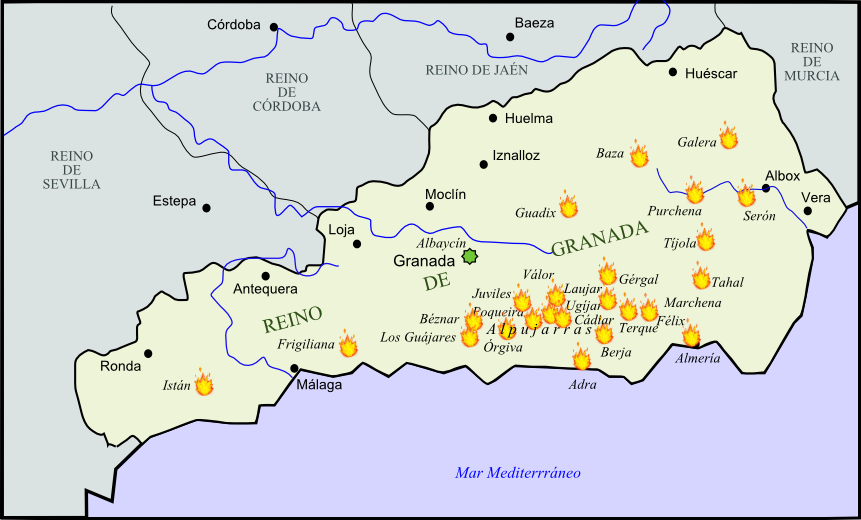
1568 - 1571 - Morisco Revolt (All Facts)
Revolt of the namesake group led by Aben Humeya and Aben Aboo against King Philip II of Spain and his administration’s campaign of intolerance and persecution towards the namesake Spanish Muslims
Revolt in which King Philip II’s system of government was directly responsible for the outbreak of the revolt
Revolt that occurred due to King Philip II of Spain’s issuing a decree which forbade the namesake group in Spain from speaking Arabic and wearing their traditional dress
Revolt prompted by the namesake group being second-class subjects throughout Spain and having been exploited, hated, and feared, and plagued by bandits of their own race
Revolt in which the defeated and sullen namesake population was dispersed throughout Castile while 50K settlers were brought to Andalucía to fill the gap