Reptiles part 2 + birds Lecture 20

0.0(0)
Studied by 0 people
call kaiCall Kai
learnLearn
examPractice Test
spaced repetitionSpaced Repetition
heart puzzleMatch
flashcardsFlashcards
GameKnowt Play
Card Sorting

1/34

encourage image

There's no tags or description

Looks like no tags are added yet.

Last updated 2:05 AM on 4/2/26
Name
Mastery
Learn
Test
Matching
Spaced
Call with Kai

No analytics yet

Send a link to your students to track their progress

35 Terms

1
New cards

Superorder Dinosauria

  • Primarily WHAT reptiles, some of them of large size, some of the largest animals in the history of life on Earth.

  • Rarely readapted to the WHAT environments.

  • The dominant group of terrestrial organisms almost throughout the WHAT.

  • WHAT (Carnian) – WHAT.

  • Became extinct at the WHAT/WHAT boundary event, during one of the most significant mass extinction event in the history of life on Earth.

Superorder Dinosauria

  • Primarily TERRESTRIAL reptiles, some of them of large size, some of the largest animals in the history of life on Earth.

  • Rarely readapted to the AQUATIC environments.

  • The dominant group of terrestrial organisms almost throughout the MESOZOIC.

  • UPPER TRIASSIC (Carnian) – CRETACOUS.

  • Became extinct at the CRETACEOUS/PALEOGENE boundary event, during one of the most significant mass extinction event in the history of life on Earth.

2
New cards

Dinosaur classification

  • Superorder Dinosauria is subdivided into two orders based on the position of the WHAT of the pelvic girdle.
    – Order WHAT (resembles the position known from the
    WHAT)
    – Order
    WHAT (resembles the position encountered in WHAT).

Dinosaur classification

  • Superorder Dinosauria is subdivided into two orders based on the position of the PUBIS BONE of the pelvic girdle.
    – Order SAURISCHIA (resembles the position known from the LIZARDS)
    – Order ORNITISCHIA (resembles the position encountered in BIRDS).
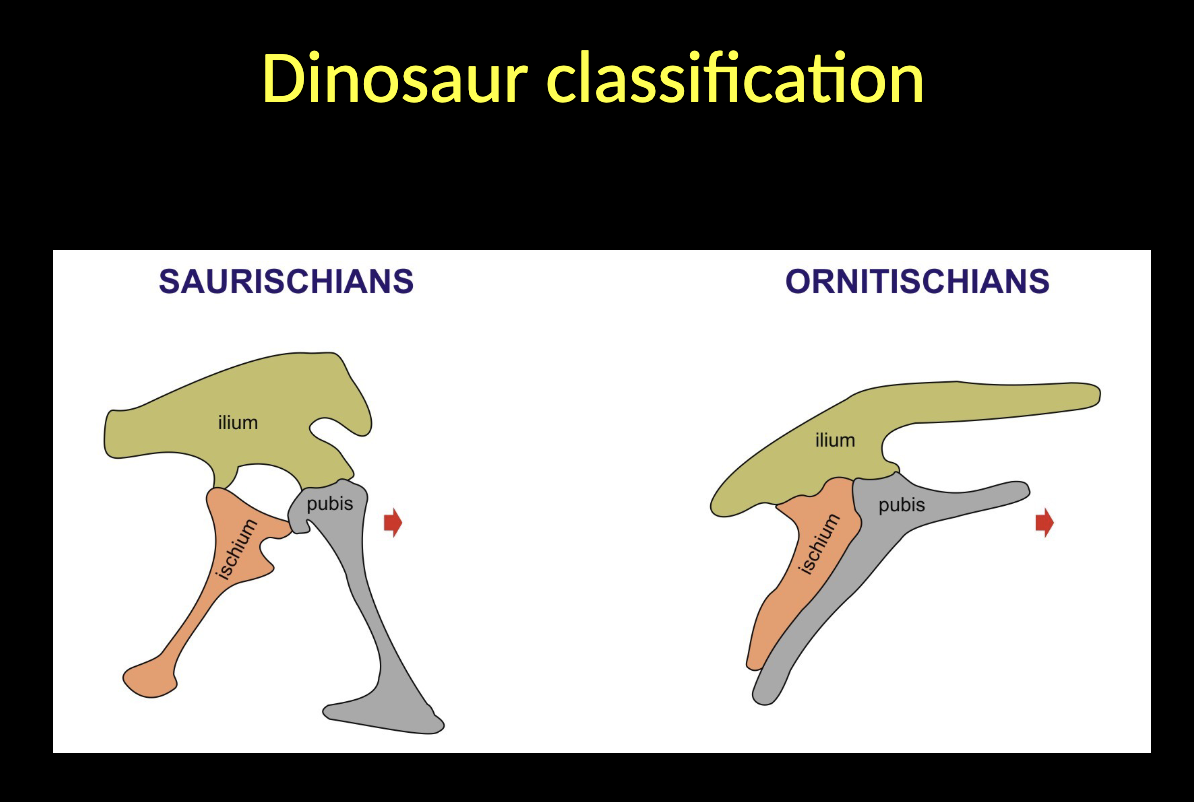
<p><span style="color: rgb(255, 251, 251);">Dinosaur classification</span></p><ul><li><p><span style="color: rgb(255, 251, 251);">Superorder Dinosauria is subdivided into two orders based on the position of the PUBIS BONE of the pelvic girdle.<br>– Order SAURISCHIA (resembles the position known from the LIZARDS)<br>– Order ORNITISCHIA  (resembles the position encountered in BIRDS).</span></p></li></ul><p></p>
3
New cards

Order Saurischia

  • The earliest dinosaurs were WHAT.

  • Primarily, they were WHAT and subsequently became WHAT.

  • Earliest saurischians occur in the WHAT Hemisphere; most of the occurrences are in WHAT (Argentina and Brazil), less frequently in WHAT (Zimbabwe).

  • Stratigraphical range: WHAT (Carnian) – WHAT.

Order Saurischia

  • The earliest dinosaurs were SAURISCHIANS.

  • Primarily, they were BIPEDAL and subsequently became QUADRUPEDAL.

  • Earliest saurischians occur in the SOUTHERN Hemisphere; most of the occurrences are in SOUTH AMERICA (Argentina and Brazil), less frequently in SOUTH AFRICA (Zimbabwe).

  • Stratigraphical range: UPPER TRIASSIC (Carnian) – CRETACEOUS.
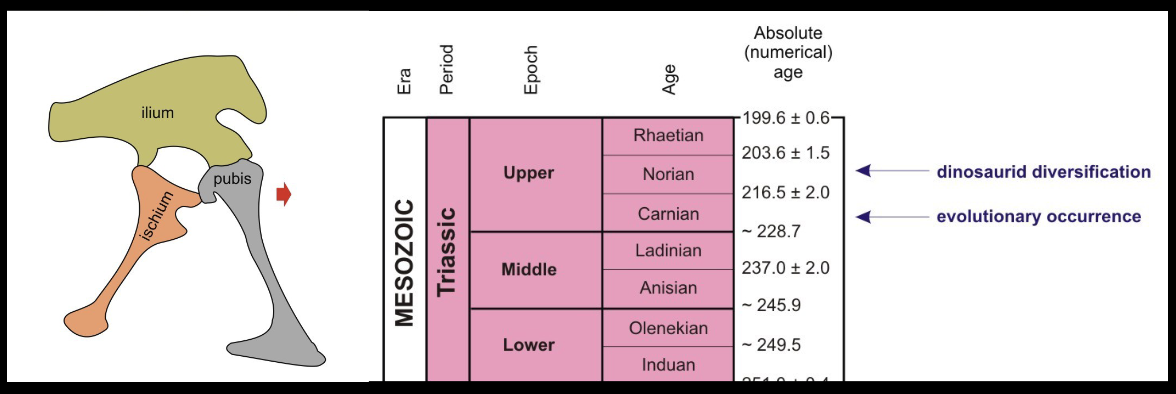
<p><span style="color: rgb(255, 255, 255);">Order Saurischia</span></p><ul><li><p><span style="color: rgb(255, 255, 255);">The earliest dinosaurs were SAURISCHIANS.</span></p></li><li><p><span style="color: rgb(255, 255, 255);">Primarily, they were BIPEDAL and subsequently became QUADRUPEDAL.</span></p></li><li><p><span style="color: rgb(255, 255, 255);">Earliest saurischians occur in the SOUTHERN Hemisphere; most of the occurrences are in SOUTH AMERICA (Argentina and Brazil), less frequently in SOUTH AFRICA (Zimbabwe).</span></p></li><li><p><span style="color: rgb(255, 255, 255);">Stratigraphical range: UPPER TRIASSIC (Carnian) – CRETACEOUS.</span></p></li></ul><p></p>
4
New cards

Order Saurischia

  • The earliest saurischian dinosaurs were insectivores and rapidly adopted a WHAT diet.

  • Order Saurischia is subdivided into two suborders:
    – WHAT
    – WHAT

Order Saurischia

  • The earliest saurischian dinosaurs were insectivores and rapidly adopted a CARNIVOROUS diet.

  • Order Saurischia is subdivided into two suborders:
    – TEROPODA
    – SAUROPODOMORPHA

5
New cards

Suborder Theropoda

  • The representatives of this suborder present a wide variability in size, from a few tens of centimeters to ten meters in length.

  • Some of them were WHAT throughout the group’s history.

  • Stratigraphical range: WHAT (Carnian) – WHAT.

Suborder Theropoda

  • The representatives of this suborder present a wide variability in size, from a few tens of centimeters to ten meters in length.

  • Some of them were APEX PREDATORS throughout the group’s history.

  • Stratigraphical range: UPPER TRIASSIC (Carnian) – CRETACEOUS.
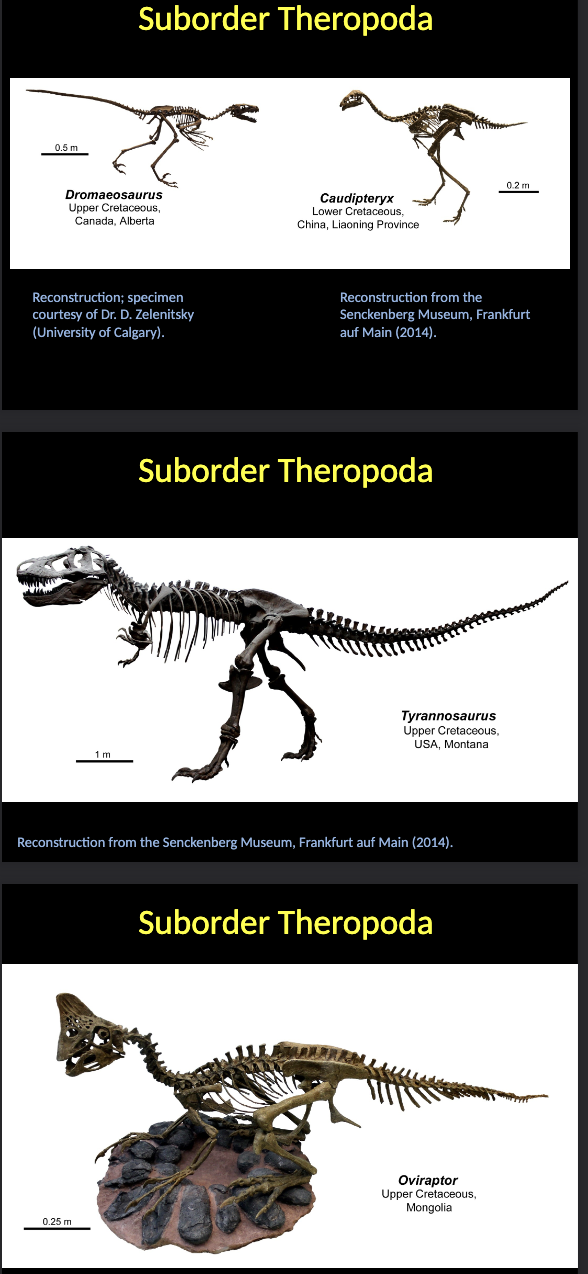
<p><span style="color: rgb(255, 255, 255);">Suborder Theropoda</span></p><ul><li><p><span style="color: rgb(255, 255, 255);">The representatives of this suborder present a wide variability in size, from a few tens of centimeters to ten meters in length.</span></p></li><li><p><span style="color: rgb(255, 255, 255);">Some of them were APEX PREDATORS throughout the group’s history.</span></p></li><li><p><span style="color: rgb(255, 255, 255);">Stratigraphical range: UPPER TRIASSIC (Carnian) – CRETACEOUS.</span></p></li></ul><p></p>
6
New cards

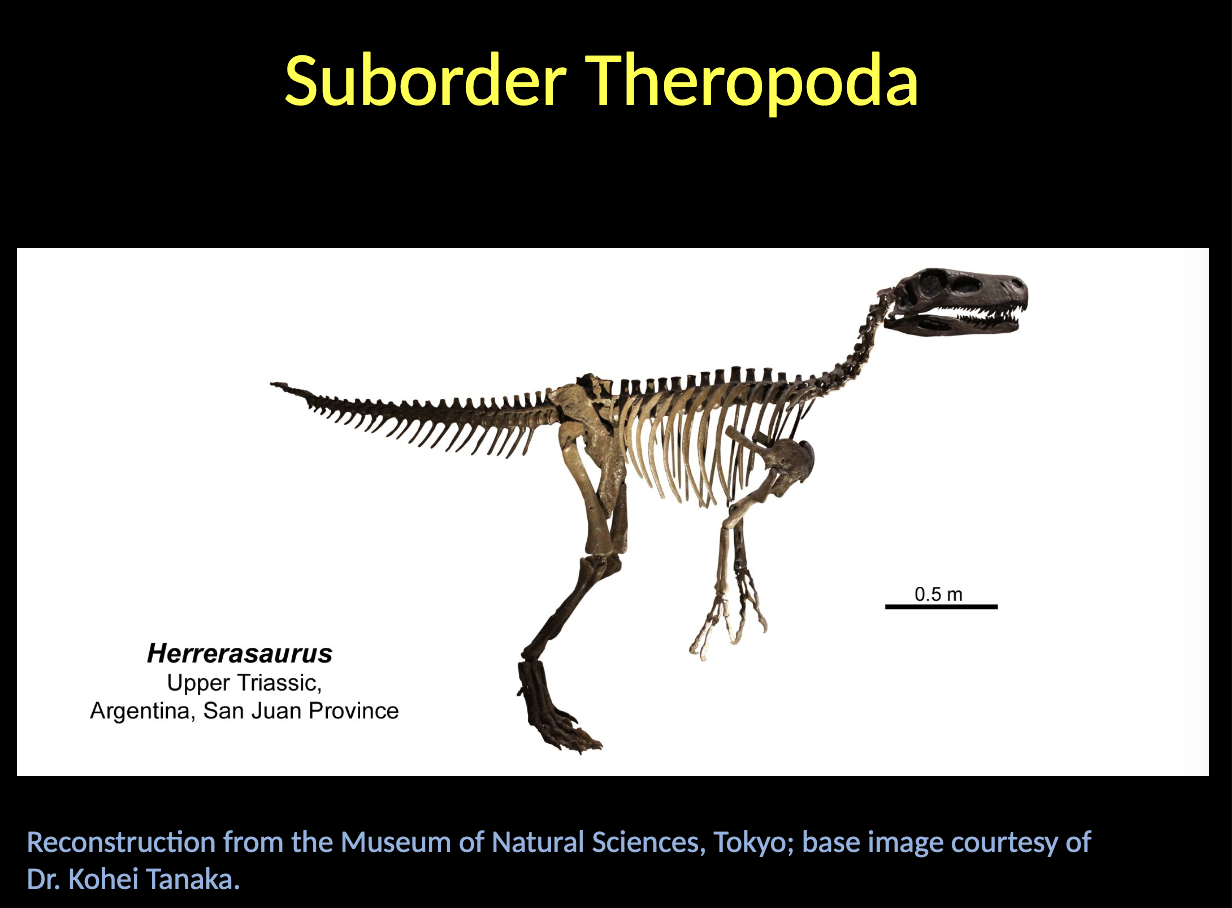
Theropoda - Herrerasaurus

  • Upper WHAT

  • WHERE

  • First large sized WHAT

Theropoda - Herrerasaurus

  • Upper TRIASSIC

  • Argentina

  • First large sized PREDATORS

<p>Theropoda - Herrerasaurus</p><ul><li><p>Upper TRIASSIC</p></li><li><p>Argentina</p></li><li><p>First large sized PREDATORS </p></li></ul><p></p>
7
New cards

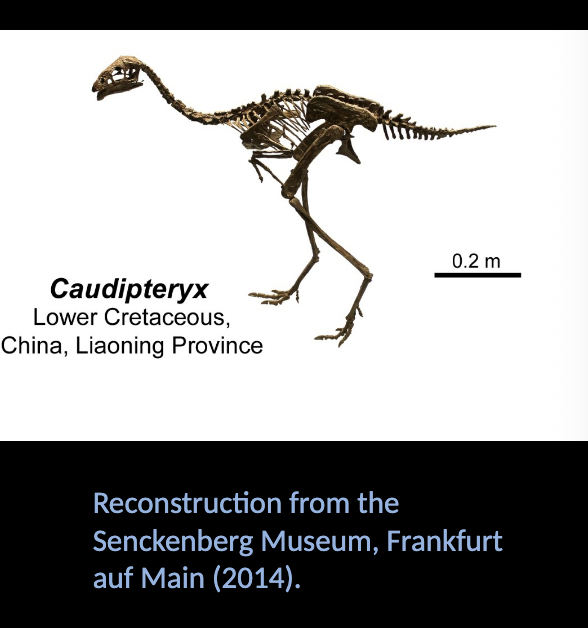
Therapoda - Caudipteryx

  • Lower WHAT

  • WHERE

Therapoda - Caudipteryx

  • Lower CRETACEOUS

  • CHINA

<p>Therapoda - Caudipteryx </p><ul><li><p>Lower CRETACEOUS  </p></li><li><p>CHINA</p></li></ul><p></p>
8
New cards

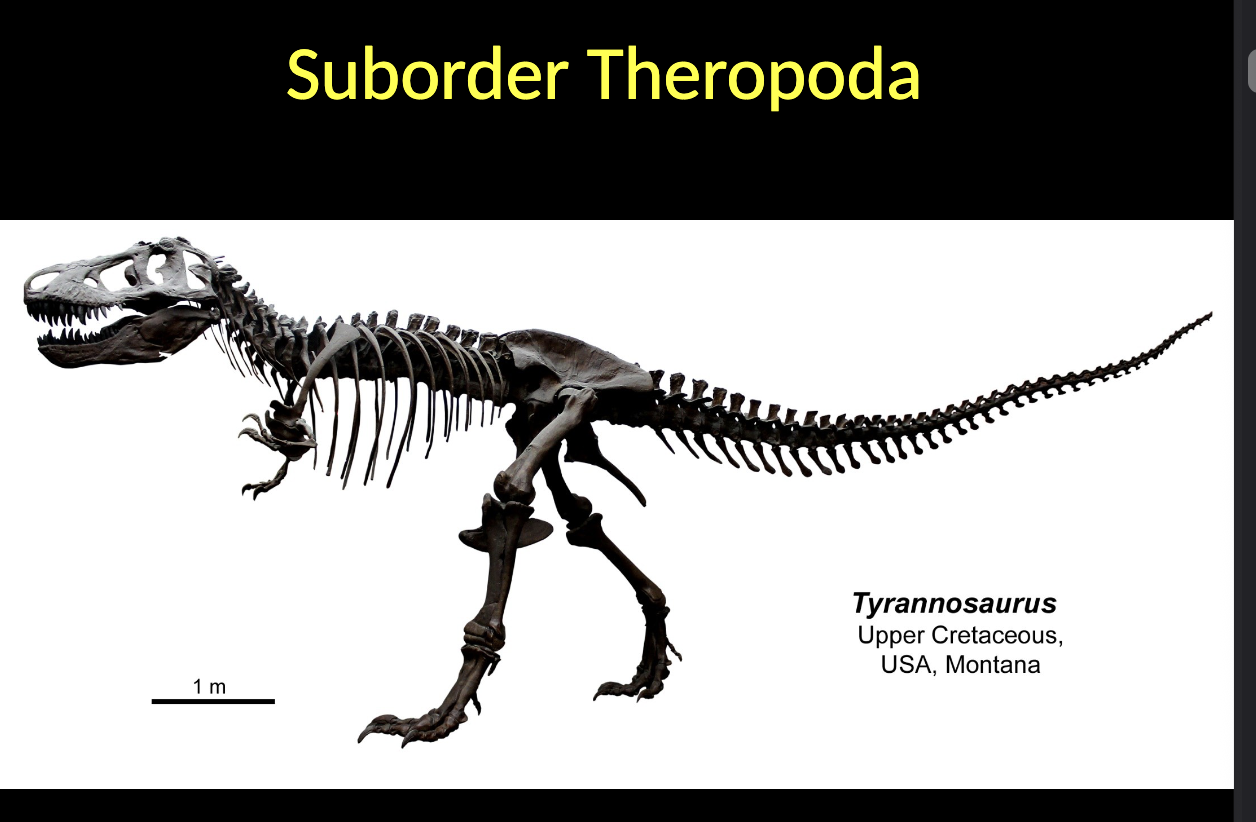
Theropoda - Tyrannosaurus

  • Upper WHAT

  • WHERE

Theropoda - Tyrannosaurus

  • Upper CRETACEOUS

  • USA (montana)

<p>Theropoda - Tyrannosaurus </p><ul><li><p>Upper CRETACEOUS </p></li><li><p>USA (montana)</p></li></ul><p></p>
9
New cards

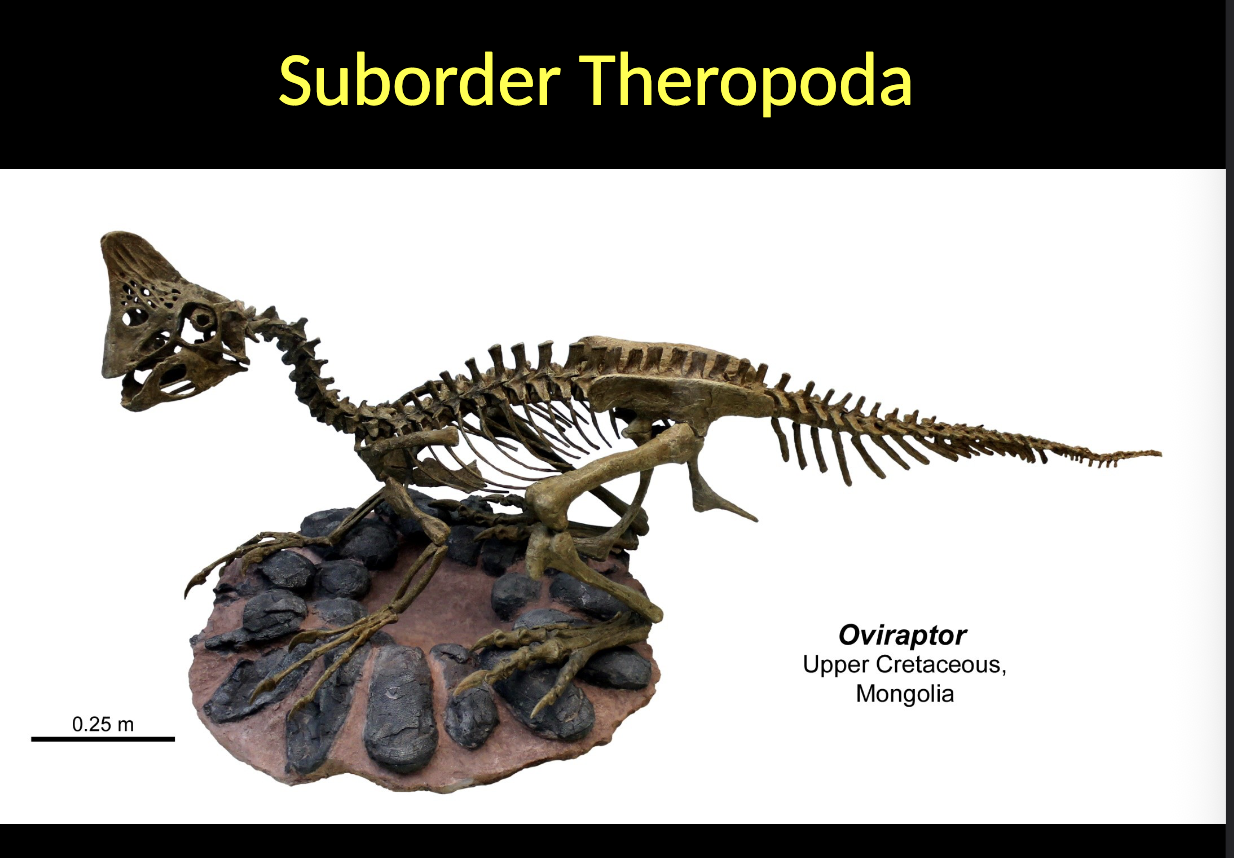
Therapoda - Oviraptor

  • Shows WHAT

  • Upper WHAT

  • WHERE

Therapoda - Oviraptor

  • Shows NESTS

  • Upper CRETACEOUS

  • Mongolia

<p>Therapoda - Oviraptor</p><ul><li><p>Shows NESTS </p></li><li><p>Upper CRETACEOUS </p></li><li><p>Mongolia </p></li></ul><p></p>
10
New cards

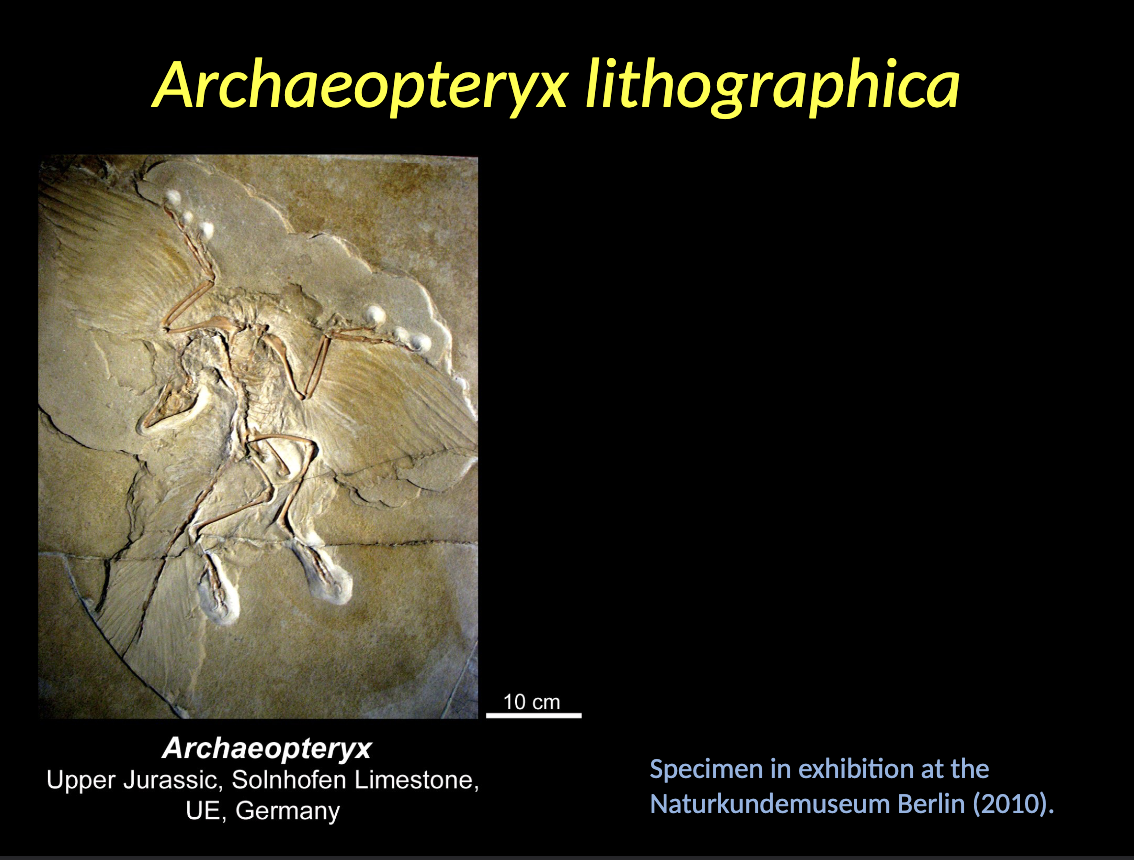
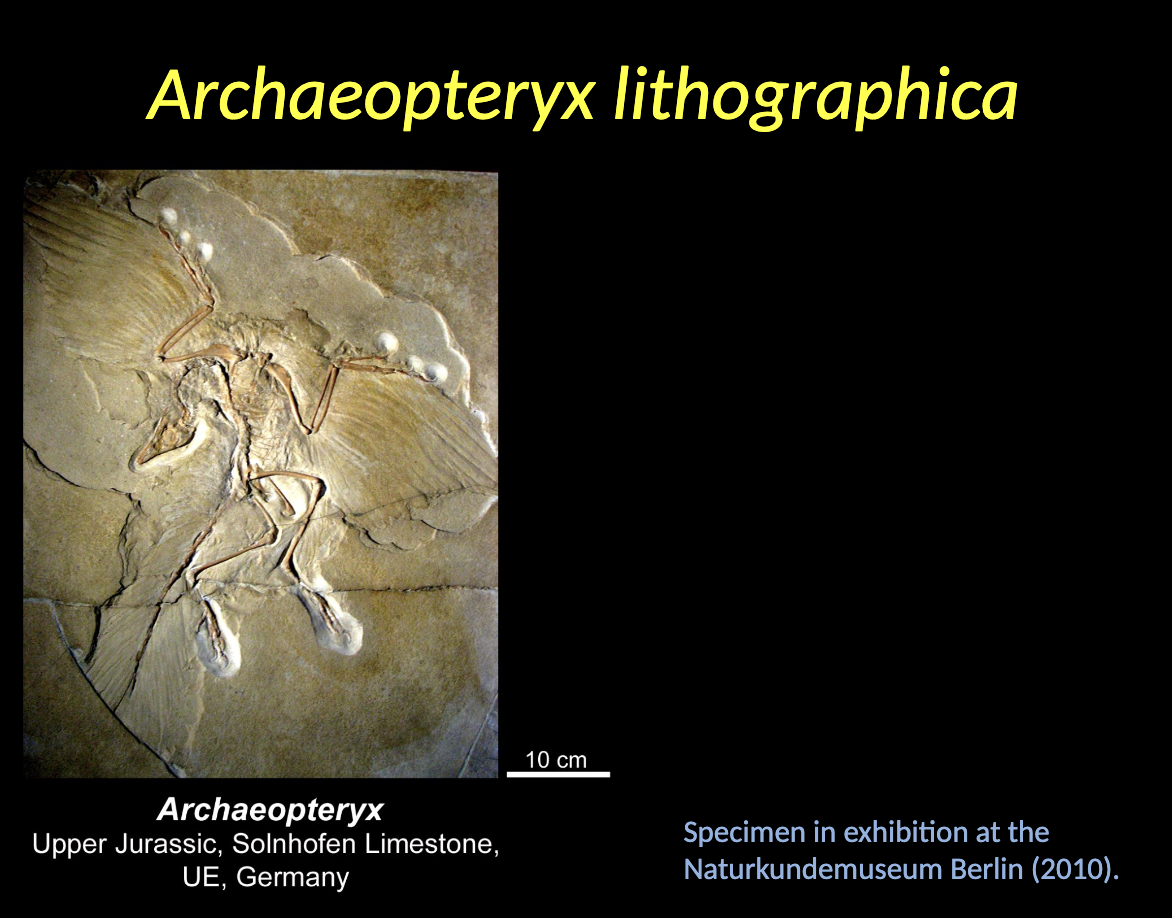
Evolution of flight

  • An interesting evolutionary trend within the theropod group started in the LATE JURASSIC times - CRETACEOUS.

  • Some of the small-sized theropods started to develop features resembling those of the birds (PREAVIAN theropods).

  • It all began with ARCHAROPTERYX LITHOGRAPHICA

Evolution of flight

  • An interesting evolutionary trend within the theropod group started in the WHAT times - WHAT.

  • Some of the small-sized theropods started to develop features resembling those of the birds (WHAT theropods).

  • It all began with WHAT

<p><span style="color: rgb(249, 241, 241);">Evolution of flight</span></p><ul><li><p><span style="color: rgb(249, 241, 241);">An interesting evolutionary trend within the theropod group started in the WHAT times - WHAT.</span></p></li><li><p><span style="color: rgb(249, 241, 241);">Some of the small-sized theropods started to develop features resembling those of the birds (WHAT theropods).</span></p></li><li><p><span style="color: rgb(249, 241, 241);">It all began with WHAT </span></p></li></ul><p></p>
11
New cards
  • WHAT was the first representative of birds (not a bird)

  • Upper WHAT

  • WHERE

  • Archaeopteryx lithographica was the first representative of birds (not a bird)

  • Upper JURASSIC

  • Germany

<ul><li><p>Archaeopteryx lithographica was the first representative of birds (not a bird) </p></li><li><p>Upper JURASSIC </p></li><li><p>Germany </p></li></ul><p></p>
12
New cards

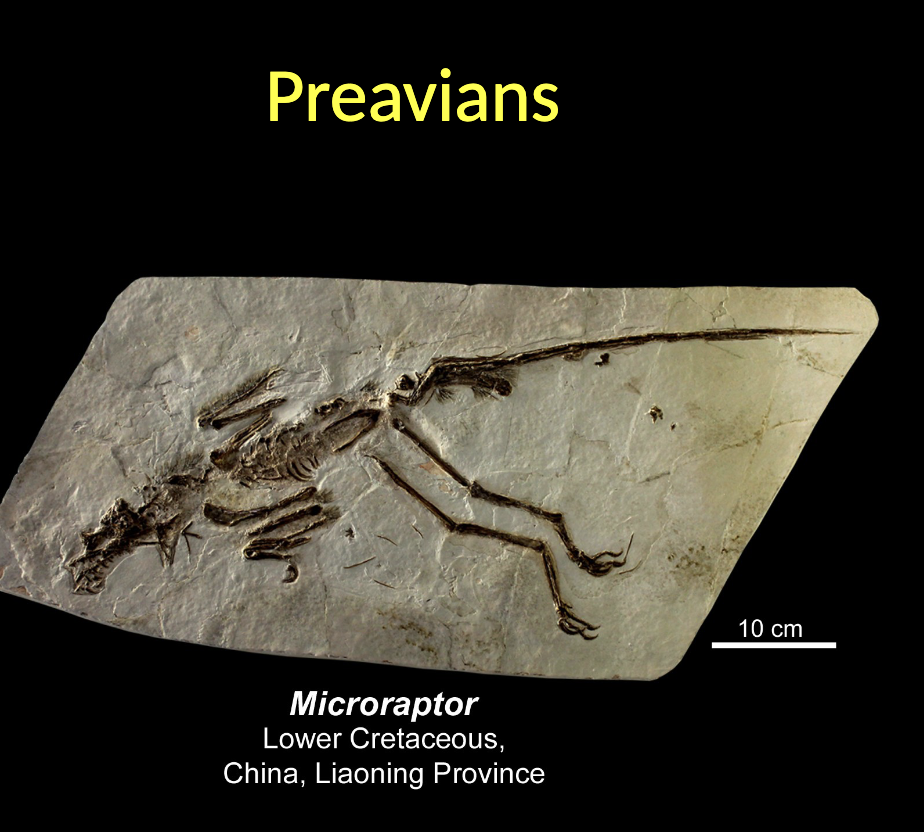
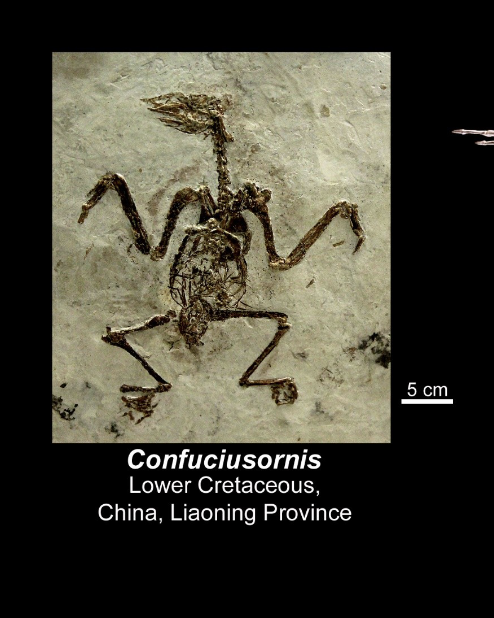
Preavians

  • Starting in the WHAT times, new taxa with more evident WHAT morphological features evolved (preavians).

  • They were still reptiles, but with a strongly modified morphology when compared with that of the main theropod nexus.
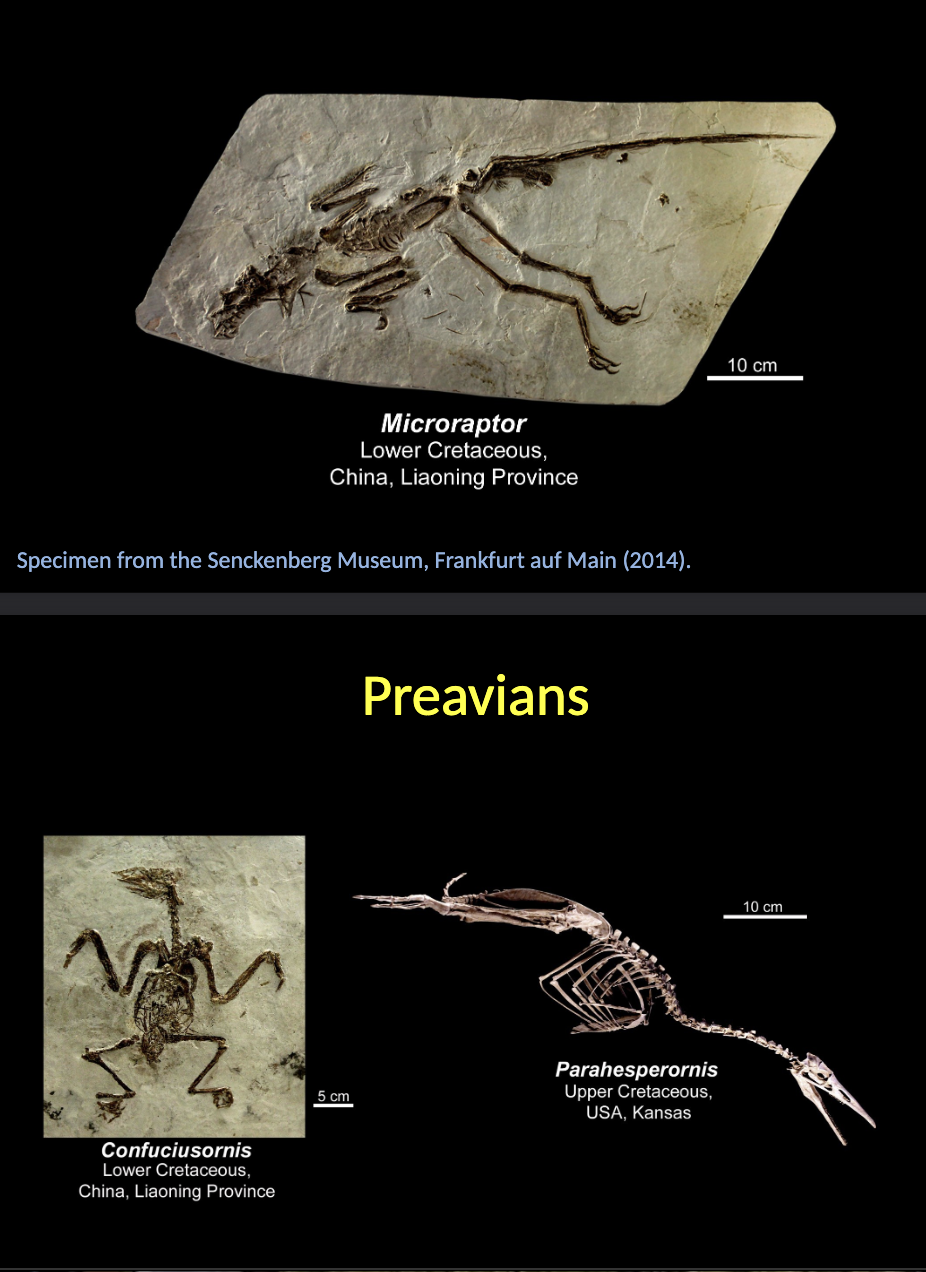
Preavians

  • Starting in the CRETACEOUS times, new taxa with more evident BIRD morphological features evolved (preavians).

  • They were still reptiles, but with a strongly modified morphology when compared with that of the main theropod nexus.

<p><span style="color: rgb(246, 246, 246);">Preavians</span></p><ul><li><p><span style="color: rgb(246, 246, 246);">Starting in the CRETACEOUS times, new taxa with more evident BIRD morphological features evolved (preavians).</span></p></li><li><p><span style="color: rgb(246, 246, 246);">They were still reptiles, but with a strongly modified morphology when compared with that of the main theropod nexus.</span></p></li></ul><p></p>
13
New cards

Preavians - Microraptor

  • Lower WHAT

  • WHERE

Preavians - Microraptor

  • Lower CRETACEOUS

  • CHINA

<p>Preavians - Microraptor </p><ul><li><p>Lower CRETACEOUS  </p></li><li><p>CHINA</p></li></ul><p></p>
14
New cards

Preavians - Confuciusornis

  • Lower WHAT

  • WHERE

Preavians - Confuciusornis

  • Lower CRETACEOUS

  • China

<p>Preavians - Confuciusornis </p><ul><li><p>Lower CRETACEOUS  </p></li><li><p>China  </p></li></ul><p></p>
15
New cards

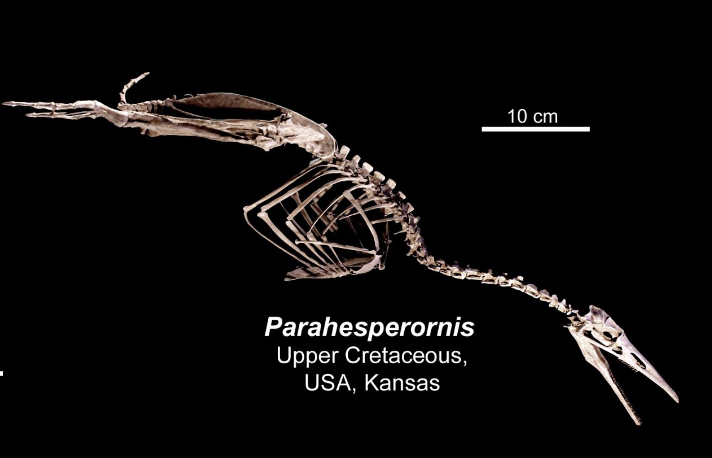
Preavians - Parahesperornis

  • Upper WHAT

  • WHERE

Preavians - Parahesperornis

  • Upper CRETACEOUS

  • USA (kansas)

<p>Preavians - Parahesperornis </p><ul><li><p>Upper CRETACEOUS </p></li><li><p>USA (kansas)  </p></li></ul><p></p>
16
New cards

Class Aves

  • The true birds evolved after the WHAT/WHAT mass extinction event.

  • Features: disappearance of WHAT; toe rearrangement (WHAT to the front, one situated backwards and WHAT of the fifth toe); evolution of WHAT bones; keeled downward projected WHAT; feathers cover most of the body surface.

Class Aves

  • The true birds evolved after the CRETACEOUS/PALEOGENE mass extinction event.

  • Features: disappearance of TEETH; toe rearrangement (THREE to the front, one situated backwards and LOSS of the fifth toe); evolution of PNEUMATIC bones; keeled downward projected STERNUM; feathers cover most of the body surface.
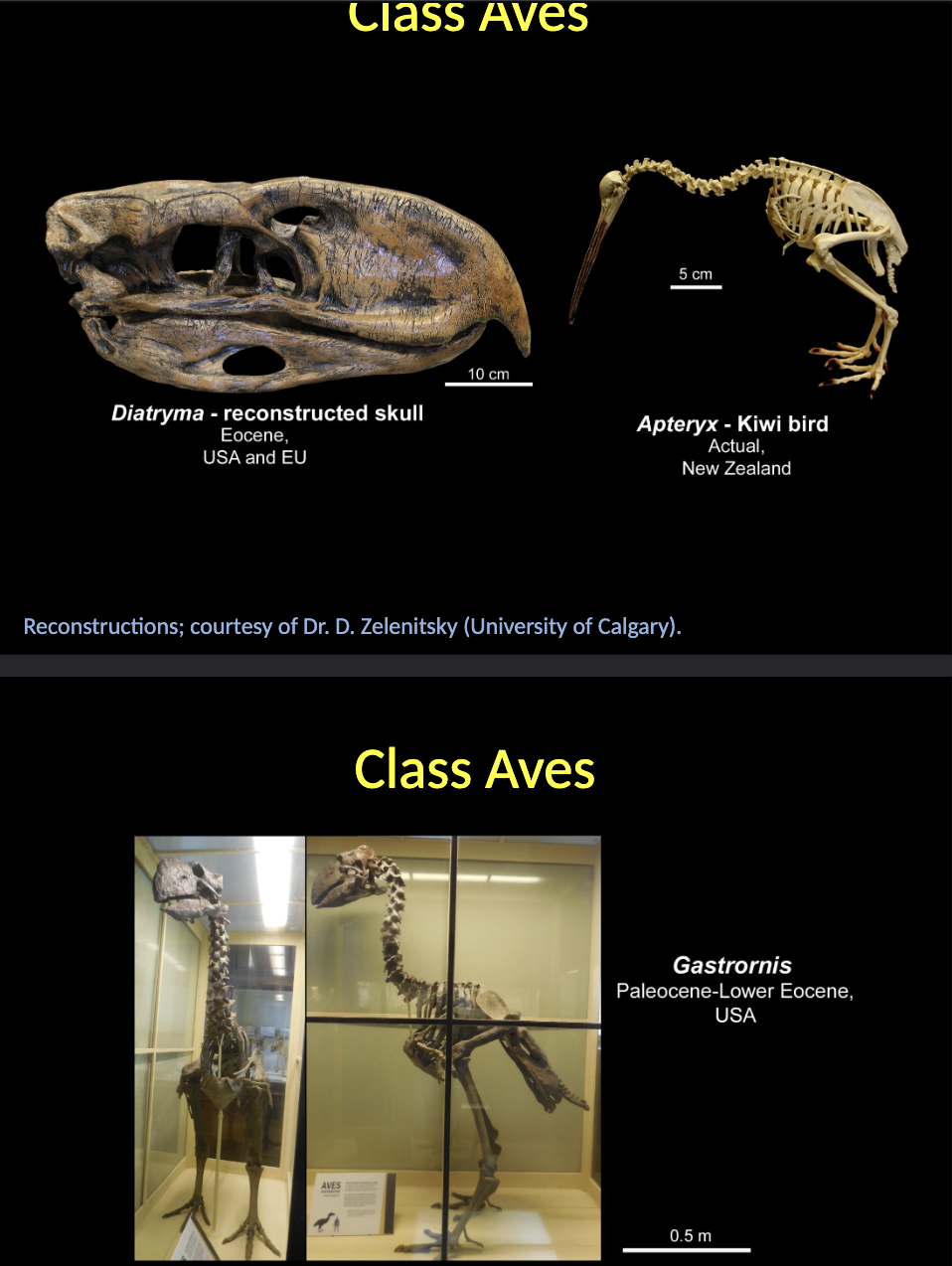
<p><span style="color: rgb(246, 244, 244);">Class Aves</span></p><ul><li><p><span style="color: rgb(246, 244, 244);">The true birds evolved after the CRETACEOUS/PALEOGENE mass extinction event.</span></p></li><li><p><span style="color: rgb(246, 244, 244);">Features: disappearance of TEETH; toe rearrangement (THREE to the front, one situated backwards and LOSS of the fifth toe); evolution of PNEUMATIC bones; keeled downward projected STERNUM; feathers cover most of the body surface.</span></p></li></ul><p></p>
17
New cards

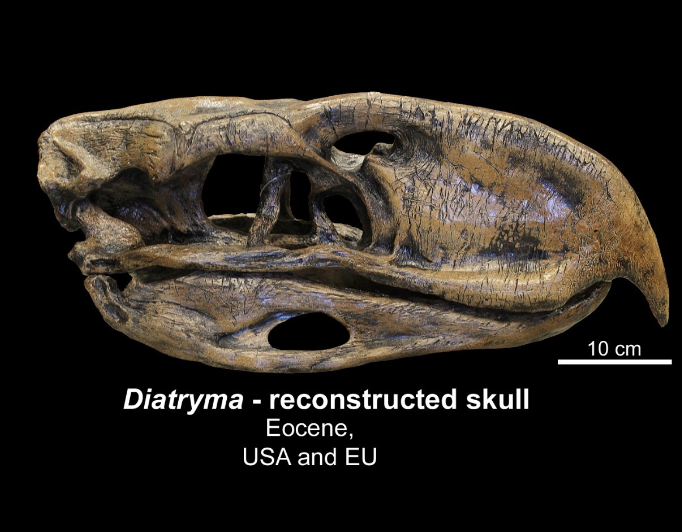
Aves - Diatryma

  • WHAT

  • WHERE

Aves - Diatryma

  • Eocene

  • USA

<p>Aves - Diatryma </p><ul><li><p>Eocene  </p></li><li><p>USA</p></li></ul><p></p>
18
New cards

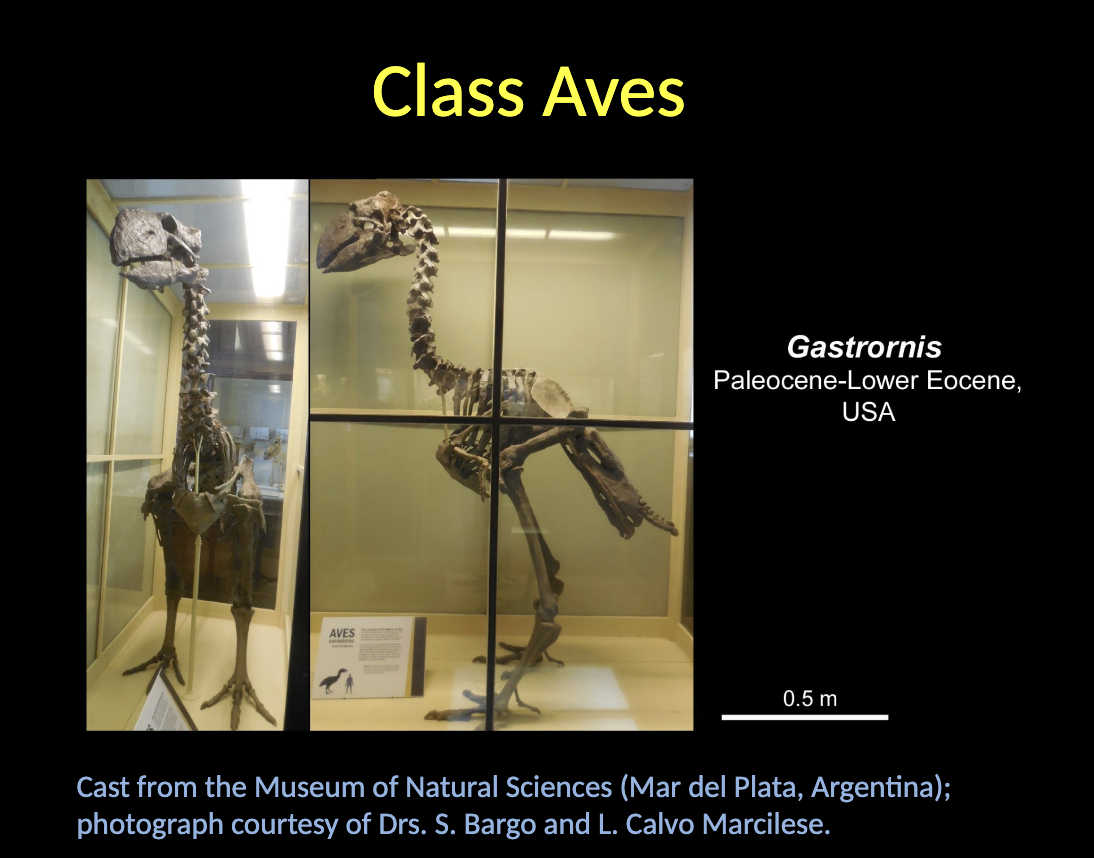
Aves - Gastrornis

  • Lower WHAT

  • WHERE

Aves - Gastrornis

  • Lower EOCENE

  • USA

<p>Aves - Gastrornis </p><ul><li><p>Lower EOCENE </p></li><li><p>USA </p></li></ul><p></p>
19
New cards

Suborder Sauropodomorpha

  • Massive WHAT reptiles, some weighting over 50 tons.

  • WHAT, but some of the earlier representatives were WHAT.

  • Stratigraphical range: WHAT – WHAT.

Suborder Sauropodomorpha

  • Massive QUADRUPEDAL reptiles, some weighting over 50 tons.

  • VEGETARIANS, but some of the earlier representatives were OMNIVORES.

  • Stratigraphical range: UPPER TRIASSIC – CRETACEOUS.
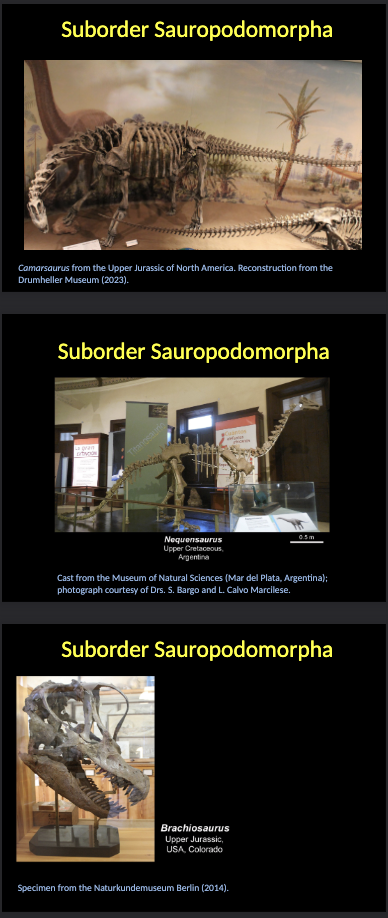
<p><span style="color: rgb(255, 255, 255);">Suborder Sauropodomorpha</span></p><ul><li><p><span style="color: rgb(255, 255, 255);">Massive QUADRUPEDAL reptiles, some weighting over 50 tons.</span></p></li><li><p><span style="color: rgb(255, 255, 255);">VEGETARIANS, but some of the earlier representatives were OMNIVORES.</span></p></li><li><p><span style="color: rgb(255, 255, 255);">Stratigraphical range: UPPER TRIASSIC  – CRETACEOUS.</span></p></li></ul><p></p>
20
New cards

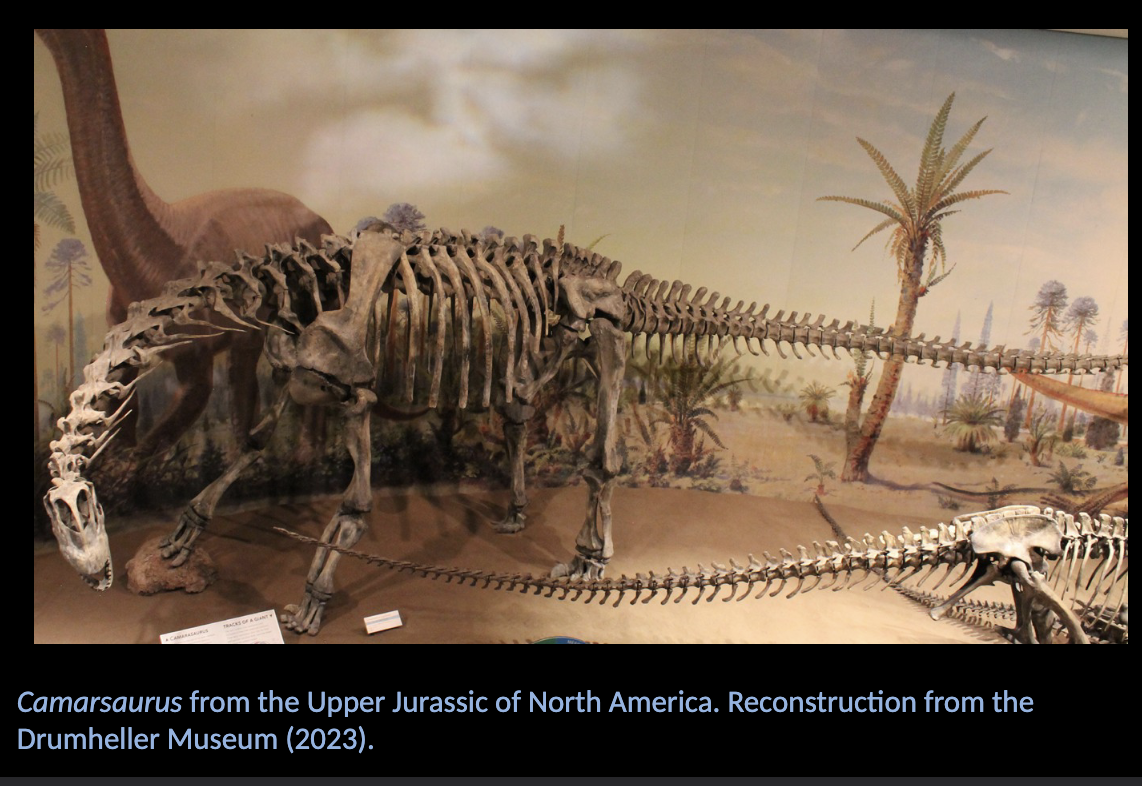
Sauropodomorpha - Camarasaurus

  • Upper WHAT

  • WHAT

Sauropodomorpha - Camarasaurus

  • Upper JURASSIC

  • North America

<p>Sauropodomorpha - Camarasaurus </p><ul><li><p>Upper JURASSIC </p></li><li><p>North America  </p></li></ul><p></p>
21
New cards

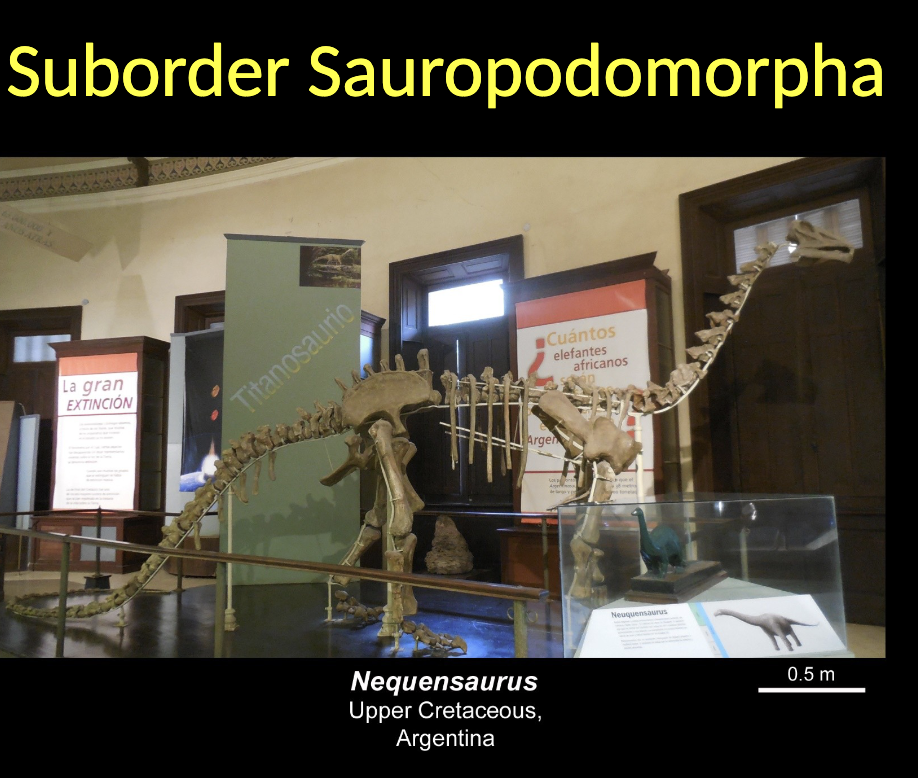
Sauropodomorpha - Nequensaurus

  • Upper WHAT

  • WHERE

Sauropodomorpha - Nequensaurus

  • Upper CRETACEOUS

  • Argentina

<p>Sauropodomorpha - Nequensaurus  </p><ul><li><p>Upper CRETACEOUS </p></li><li><p>Argentina  </p></li></ul><p></p>
22
New cards

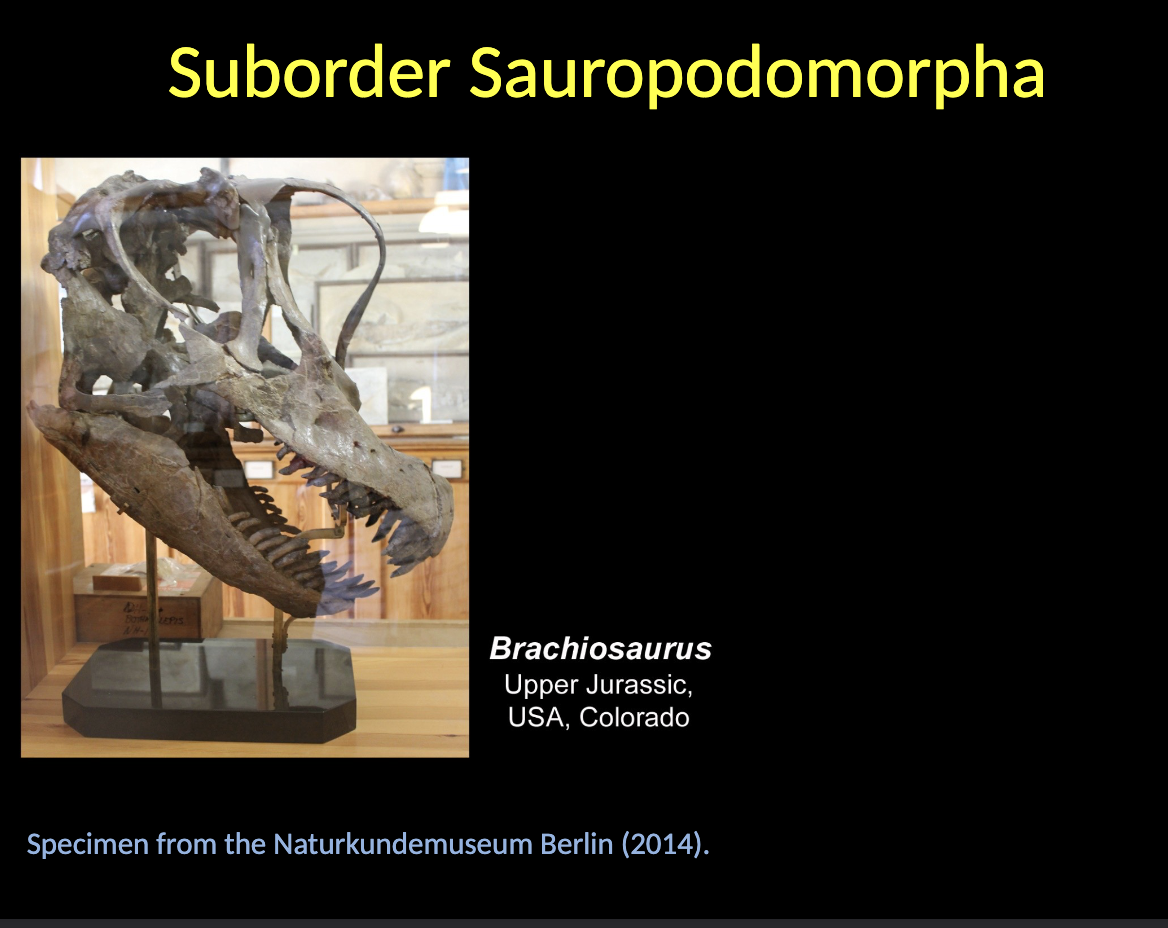
Sauropodomorpha - Brachiosaurus

  • Upper WHAT

  • WHERE

Sauropodomorpha - Brachiosaurus

  • Upper JURASSIC

  • USA (colorado)

<p>Sauropodomorpha - Brachiosaurus   </p><ul><li><p>Upper JURASSIC </p></li><li><p>USA (colorado)  </p></li></ul><p></p>
23
New cards
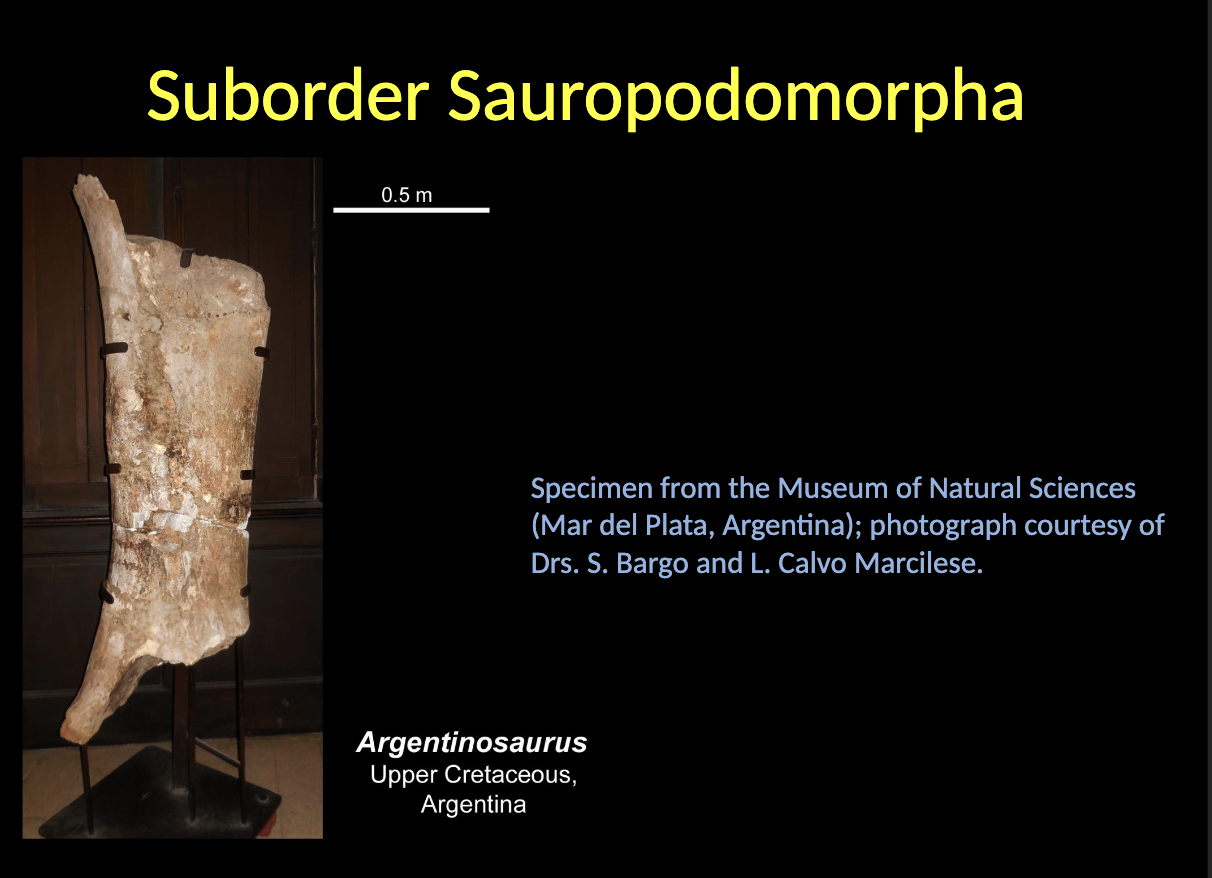
  • WHAT is the largest sauropodomorpha

  • Upper WHAT

  • WHERE

  • ARGENTINOSAURUS is the largest sauropodomorpha

  • Upper CRETACEOUS

  • Argentina

<ul><li><p>ARGENTINOSAURUS is the largest sauropodomorpha </p></li><li><p>Upper CRETACEOUS </p></li><li><p>Argentina </p></li></ul><p></p>
24
New cards

Order Ornithischia

  • The representatives of this order were WHAT. WHAT, less frequently bipedal.

  • The order is subdivided into five suborders:
    – WHAT
    WHAT
    WHAT
    WHAT
    WHAT

Order Ornithischia

  • The representatives of this order were VEGETARIAN. QUADRUPEDAL, less frequently bipedal.

  • The order is subdivided into five suborders:
    – ORNITHOPEDA
    – STEGOSAURIA
    – PACHYCEPHALOSAURIA
    – ANKYLOSAURIA
    – CERATOPSIDA

25
New cards

Order Ornithischia

  • Stratigraphical range: WHAT (Norian) – WHAT.

Order Ornithischia

  • Stratigraphical range: UPPER TRAISSIC (Norian) – CRETACEOUS.
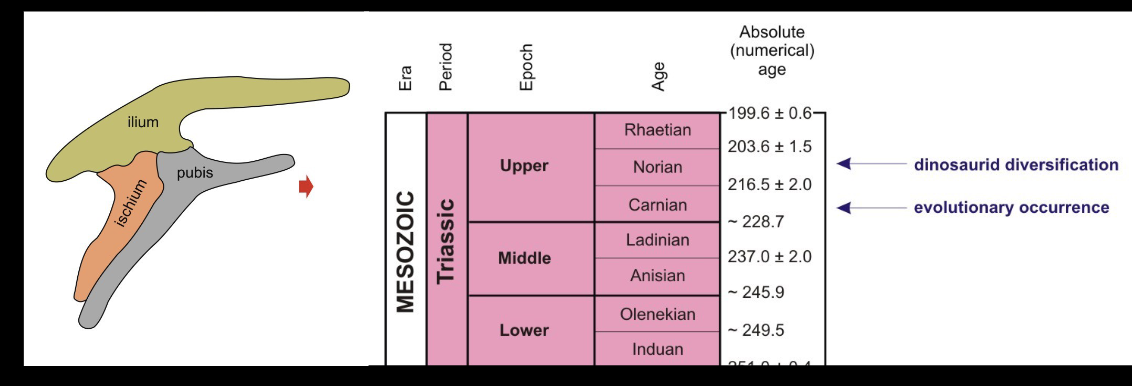
<p><span style="color: rgb(255, 255, 255);">Order Ornithischia</span></p><ul><li><p><span style="color: rgb(255, 255, 255);">Stratigraphical range: UPPER TRAISSIC (Norian) – CRETACEOUS.</span></p></li></ul><p></p>
26
New cards
<p><span style="color: rgb(255, 255, 255);">Suborder Ornithopoda</span></p><ul><li><p><span style="color: rgb(255, 255, 255);">The early ornithopods were relatively small, but in the later part of their evolution reached a size of up to WHAT meters.</span></p></li><li><p><span style="color: rgb(255, 255, 255);">Both WHAT and WHAT.</span></p></li><li><p><span style="color: rgb(255, 255, 255);">Stratigraphical range: Upper Triassic (WHAT) – Cretaceous.</span></p></li></ul><p></p>

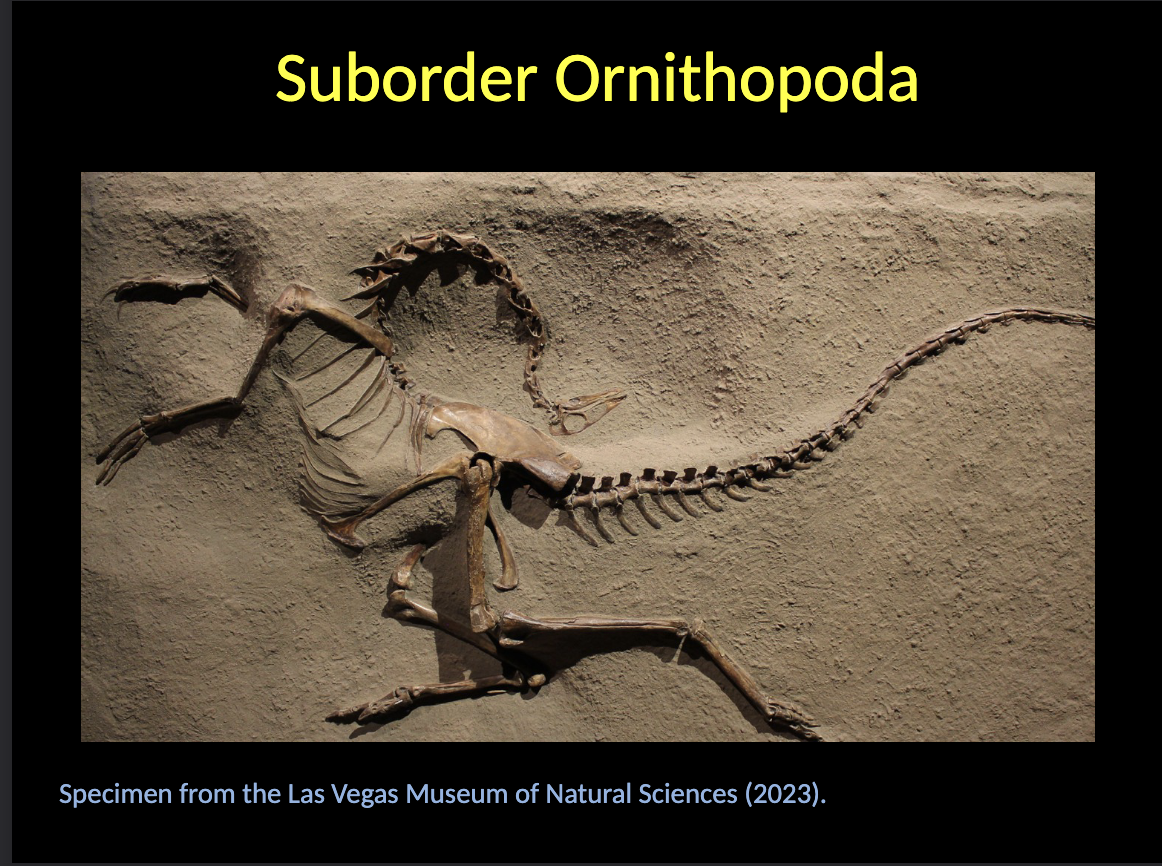
Suborder Ornithopoda

  • The early ornithopods were relatively small, but in the later part of their evolution reached a size of up to WHAT meters.

  • Both WHAT and WHAT.

  • Stratigraphical range: Upper Triassic (WHAT) – Cretaceous.

Suborder Ornithopoda

  • The early ornithopods were relatively small, but in the later part of their evolution reached a size of up to EIGHT meters.

  • Both BIPEDAL and QUADRUPEDAL.

  • Stratigraphical range: Upper Triassic (NORIAN) – Cretaceous.

27
New cards

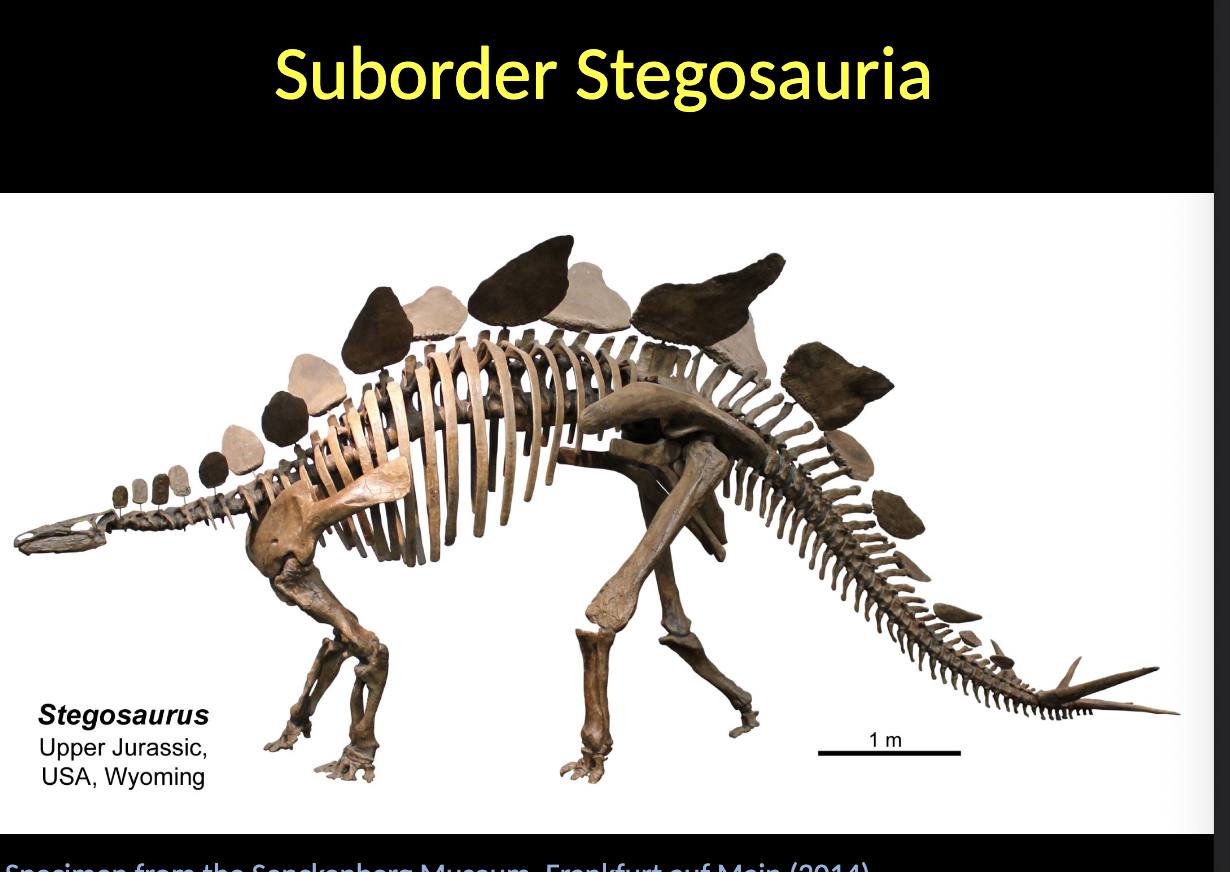
Suborder Stegosauria

  • Quadrupedal dinosaurs with a WHAT body.

  • WHAT when running

  • They present osteoderms on the WHAT side.

  • The tail can present WHAT used for defense.

  • Stratigraphical range: WHAT – WHAT

Suborder Stegosauria

  • Quadrupedal dinosaurs with a MASSIVE body.

  • DIPEDAL when running

  • They present osteoderms on the DORSAL side.

  • The tail can present SPIKES used for defense.

  • Stratigraphical range: JURASSIC – LOWER CRETACEOUS.
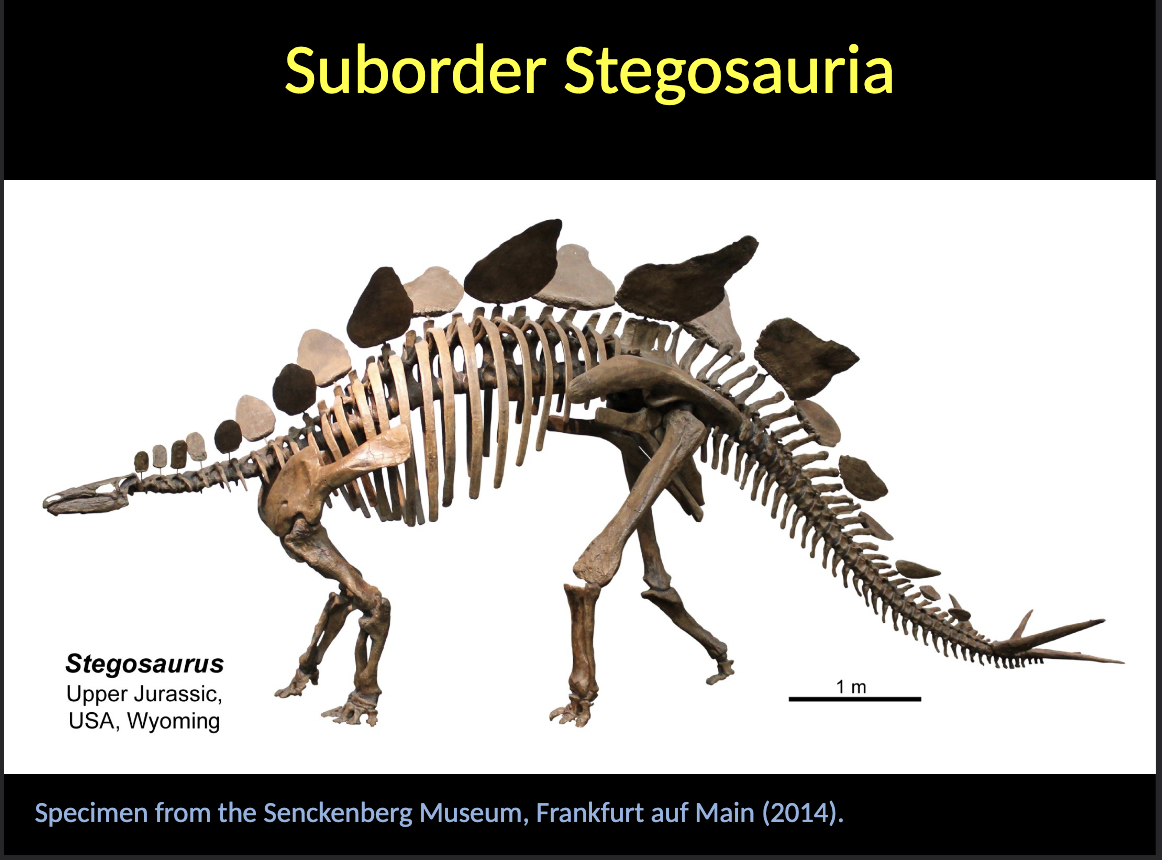
<p><span style="color: rgb(243, 243, 243);">Suborder Stegosauria</span></p><ul><li><p><span style="color: rgb(243, 243, 243);">Quadrupedal dinosaurs with a MASSIVE body.</span></p></li><li><p><span style="color: rgb(243, 243, 243);">DIPEDAL when running </span></p></li><li><p><span style="color: rgb(243, 243, 243);">They present osteoderms on the DORSAL side.</span></p></li><li><p><span style="color: rgb(243, 243, 243);">The tail can present SPIKES used for defense.</span></p></li><li><p><span style="color: rgb(243, 243, 243);">Stratigraphical range: JURASSIC – LOWER CRETACEOUS.</span></p></li></ul><p></p>
28
New cards

Stegosauria - Stegosaurus

  • Upper WHAT

  • WHERE

Stegosauria - Stegosaurus

  • Upper JURASSIC

  • USA

<p>Stegosauria - Stegosaurus </p><ul><li><p>Upper JURASSIC </p></li><li><p>USA</p></li></ul><p></p>
29
New cards

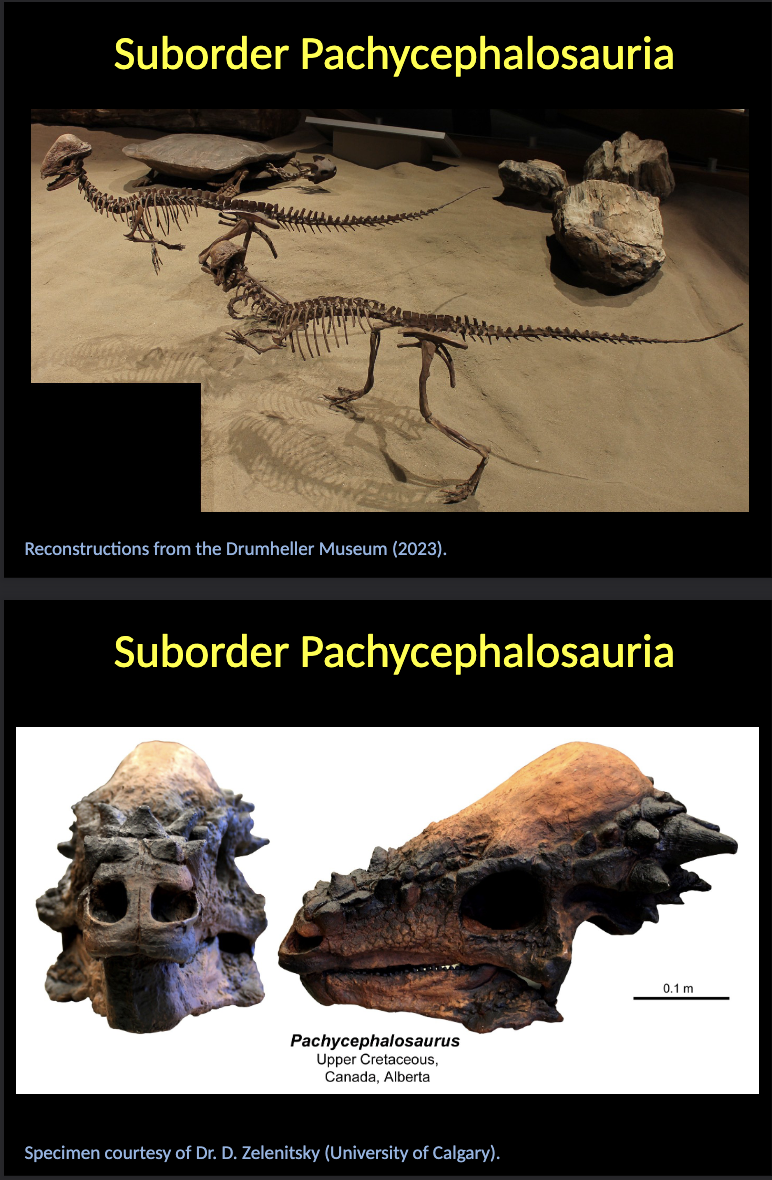
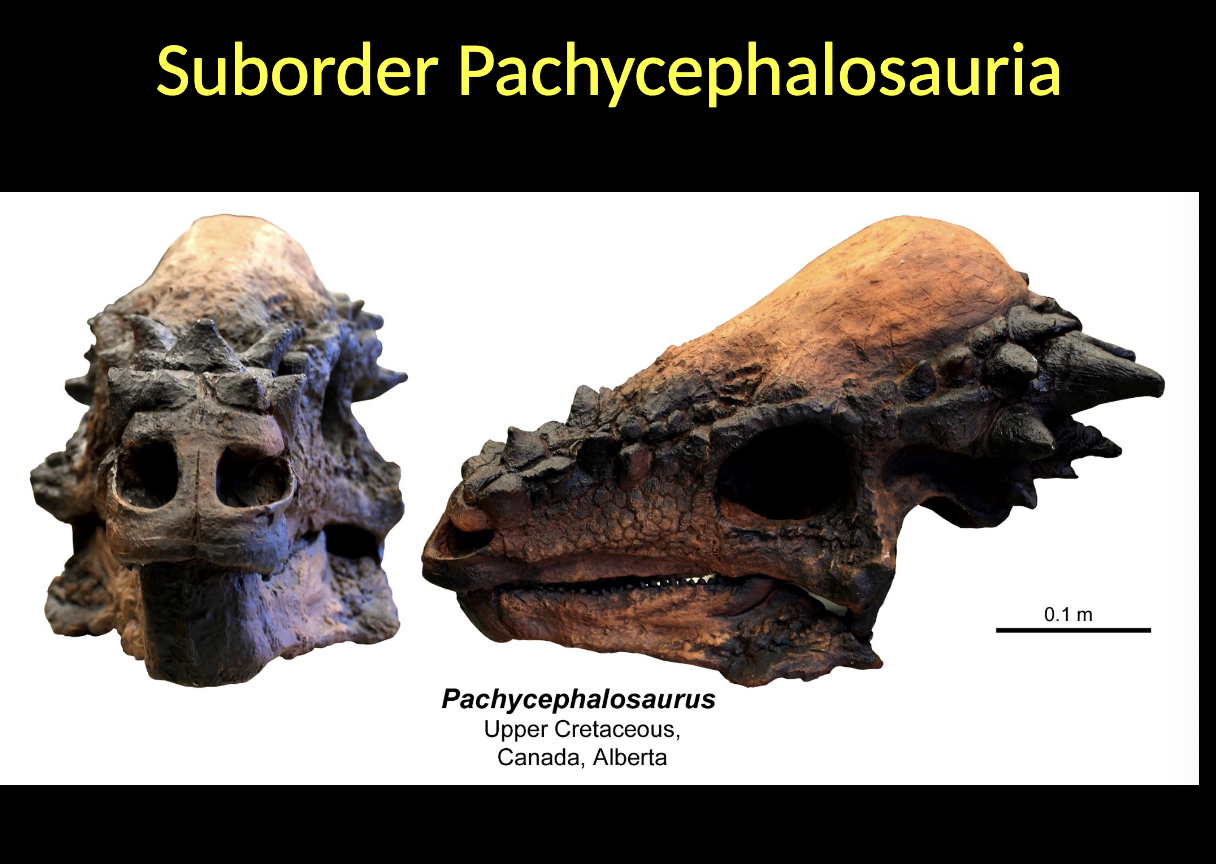
Suborder Pachycephalosauria

  • WHAT dinosaurs with a rather small body; occur only in the WHAT Hemisphere.

  • They present a characteristic thickening of the WHAT

  • Stratigraphical range: WHAT.

  • Only WHAT hemisphere

Suborder Pachycephalosauria

  • BIPEDAL dinosaurs with a rather small body; occur only in the NORTHERN Hemisphere.

  • They present a characteristic thickening of the SKULL ROOF.

  • Stratigraphical range: CRETACEOUS.

  • Only NORTHERN hemisphere

<p><span style="color: rgb(255, 255, 255);">Suborder Pachycephalosauria</span></p><ul><li><p><span style="color: rgb(255, 255, 255);">BIPEDAL dinosaurs with a rather small body; occur only in the NORTHERN Hemisphere.</span></p></li><li><p><span style="color: rgb(255, 255, 255);">They present a characteristic thickening of the SKULL ROOF.</span></p></li><li><p><span style="color: rgb(255, 255, 255);">Stratigraphical range: CRETACEOUS.</span></p></li><li><p><span style="color: rgb(255, 255, 255);">Only NORTHERN hemisphere </span></p></li></ul><p></p>
30
New cards

Pachycephalosauria - Pachycephalosaurus

  • Upper WHAT

  • WHERE

Pachycephalosauria - Pachycephalosaurus

  • Upper CRETACEOUS

  • Canada

<p>Pachycephalosauria - Pachycephalosaurus </p><ul><li><p>Upper CRETACEOUS </p></li><li><p>Canada</p></li></ul><p></p>
31
New cards

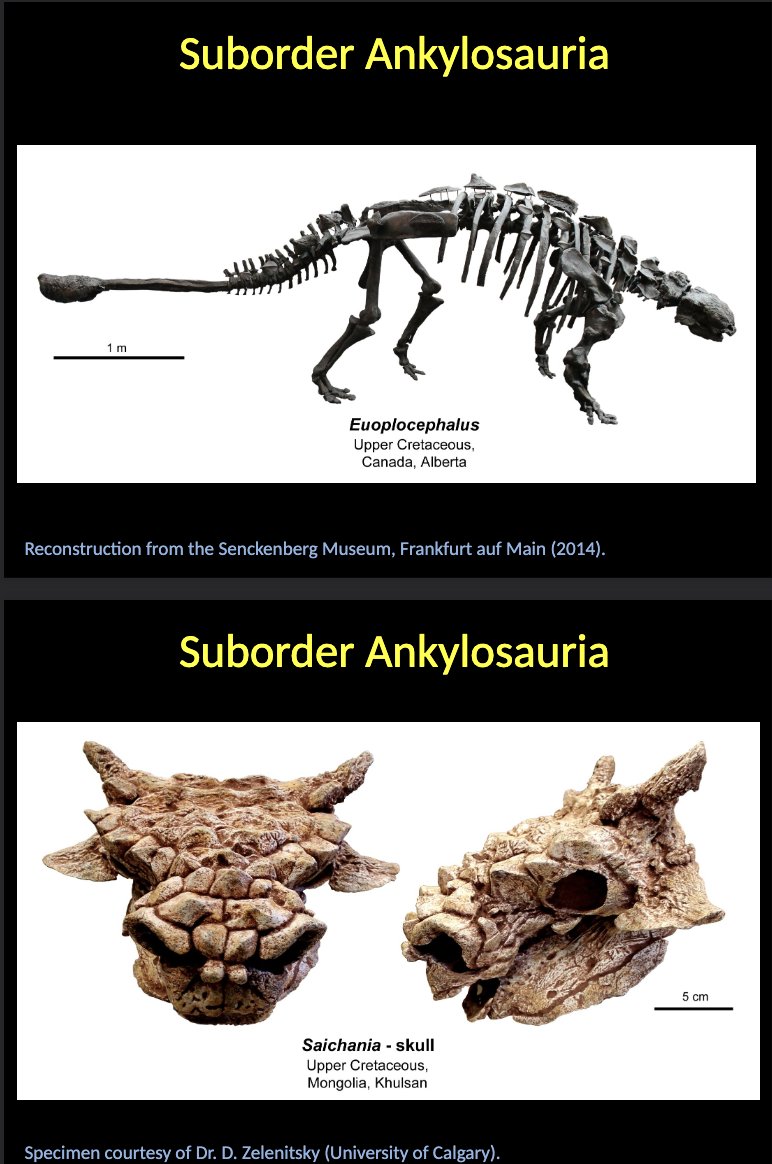
Suborder Ankylosauria

  • WHAT dinosaurs that evolved WHAT that form a dorsal shield.

  • They present a characteristic thickening of the WHAT, which can have a club-like aspect, and was used for defense.

  • Stratigraphical range: WHAT.

Suborder Ankylosauria

  • QUADRUPEDAL dinosaurs that evolved BONY PLATES that form a dorsal shield.

  • They present a characteristic thickening of the TAIL END, which can have a club-like aspect, and was used for defense.

  • Stratigraphical range: CRETACEOUS.

<p><span style="color: rgb(255, 255, 255);">Suborder Ankylosauria</span></p><ul><li><p><span>QUADRUPEDAL</span><span style="color: rgb(255, 255, 255);"> dinosaurs that evolved BONY PLATES that form a dorsal shield.</span></p></li><li><p><span style="color: rgb(255, 255, 255);">They present a characteristic thickening of the TAIL END, which can have a club-like aspect, and was used for defense.</span></p></li><li><p><span style="color: rgb(255, 255, 255);">Stratigraphical range: CRETACEOUS.</span></p></li></ul><p></p>
32
New cards

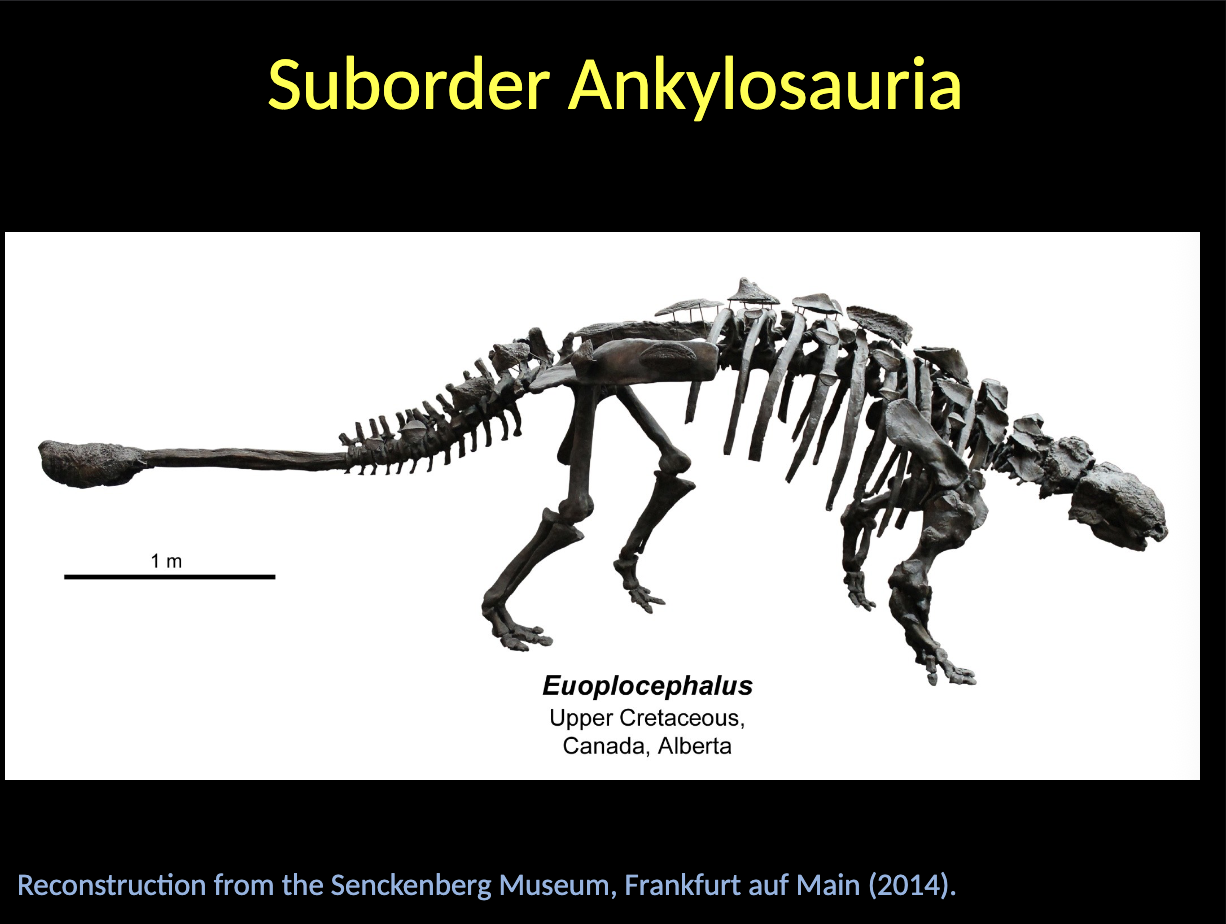
Ankylosauria - Euoplocephalus

  • Upper WHAT

  • WHERE

Ankylosauria - Euoplocephalus

  • Upper CREATCEOUS

  • CANADA

<p>Ankylosauria - Euoplocephalus </p><ul><li><p>Upper CREATCEOUS </p></li><li><p>CANADA</p></li></ul><p></p>
33
New cards

Suborder Ceratopsida

  • WHAT dinosaurs that present a gradual development of a WHAT shield with WHAT used for defense.

  • The earlier representatives lack WHAT.

  • Stratigraphical range: WHAT.

Suborder Ceratopsida

  • QUADRUPEDAL dinosaurs that present a gradual development of a CEPHALIC shield with HORNS used for defense.

  • The earlier representatives lack HORNS.

  • Stratigraphical range: UPPER CRETACEOUS.
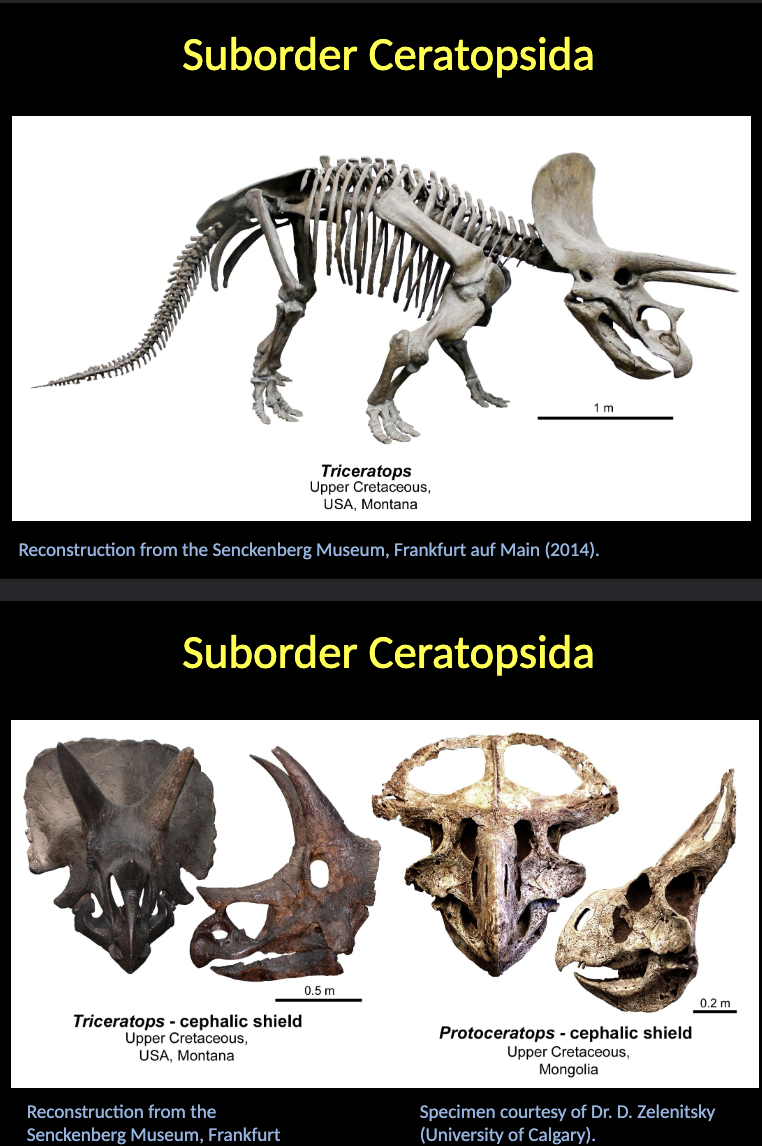
<p><span style="color: rgb(255, 249, 249);">Suborder Ceratopsida</span></p><ul><li><p><span style="color: rgb(255, 249, 249);">QUADRUPEDAL dinosaurs that present a gradual development of a CEPHALIC shield with HORNS used for defense.</span></p></li><li><p><span style="color: rgb(255, 249, 249);">The earlier representatives lack HORNS.</span></p></li><li><p><span style="color: rgb(255, 249, 249);">Stratigraphical range: UPPER CRETACEOUS.</span></p></li></ul><p></p>
34
New cards

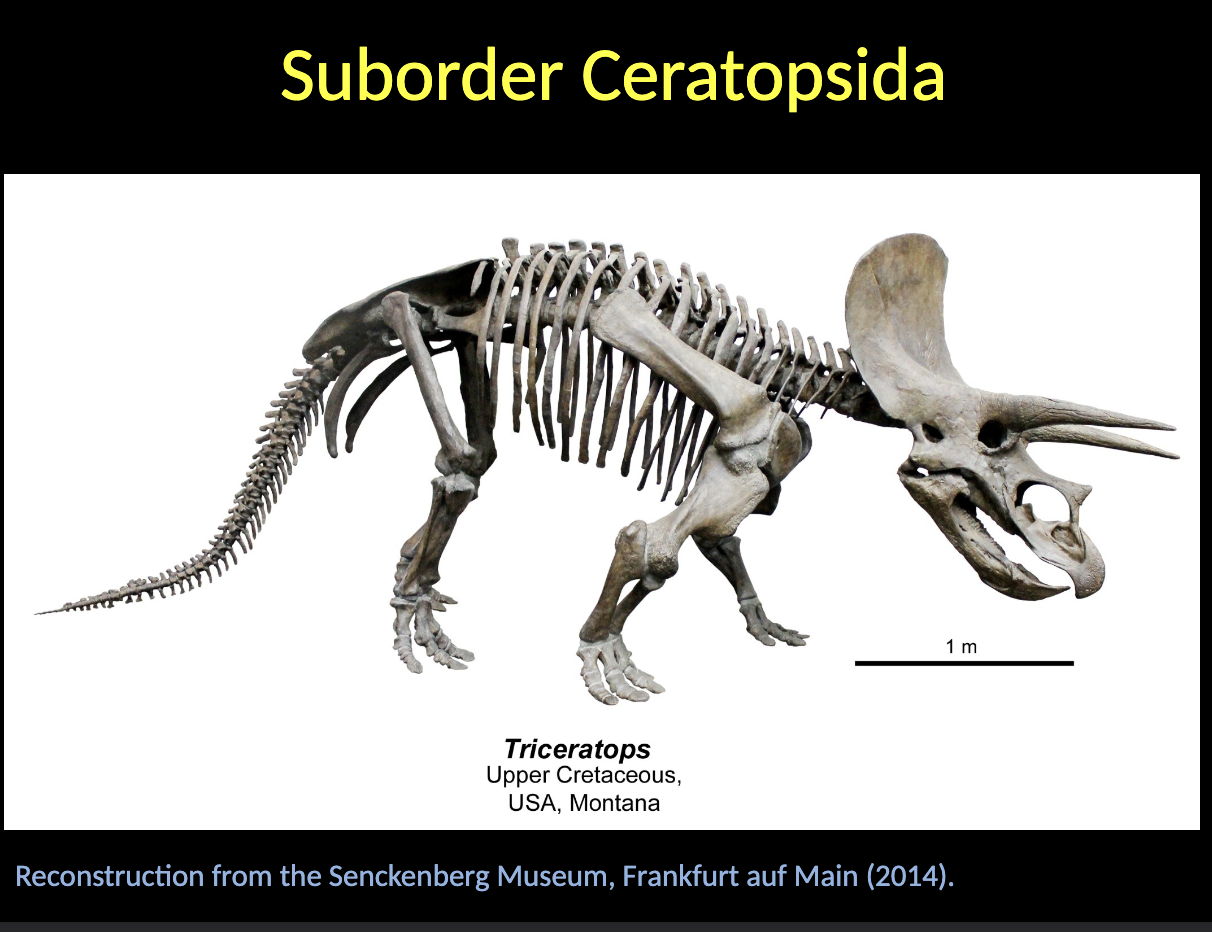
Ceratopsida - Triceratops

  • Upper WHAT

  • WHERE

  • Cephalic shield with WHAT

Ceratopsida - Triceratops

  • Upper CRETACEOUS

  • USA

  • Cephalic shield with HORNS

<p>Ceratopsida - Triceratops</p><ul><li><p>Upper CRETACEOUS</p></li><li><p>USA</p></li><li><p>Cephalic shield with HORNS </p></li></ul><p></p>
35
New cards

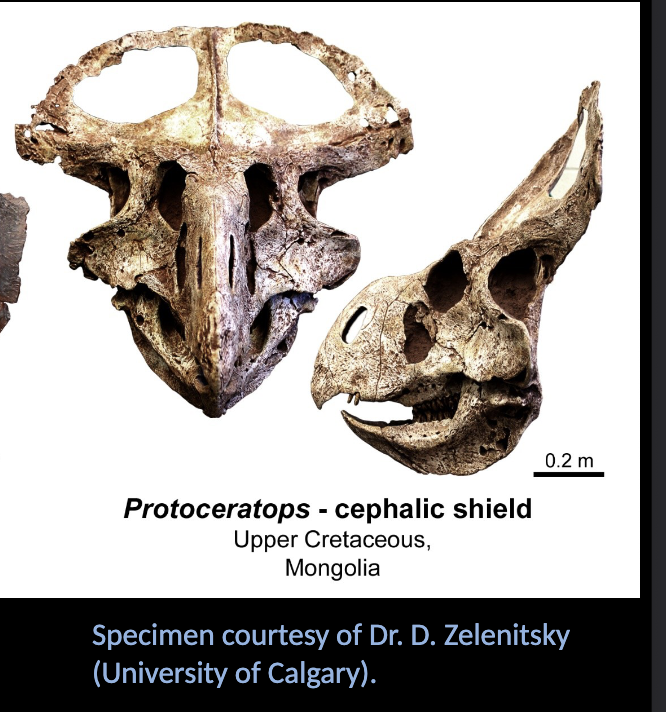
Certopsida - Protoceratops

  • Cephalic shield without WHAT

  • Upper WHAT

  • WHERE

Certopsida - Protoceratops

  • Cephalic shield without HORNS

  • Upper CRETACEOUS

  • Mongolia

<p>Certopsida - Protoceratops </p><ul><li><p>Cephalic shield without HORNS </p></li><li><p>Upper CRETACEOUS </p></li><li><p>Mongolia </p></li></ul><p></p>

Explore top notes

note
Chapter 13: Acids and Bases
Updated 1090d ago
0.0(0)
note
Rocks
Updated 1040d ago
0.0(0)
note
Synaptic Transfer
Updated 1318d ago
0.0(0)
note
Property Recap
Updated 699d ago
0.0(0)
note
BI206L Lab Exam #2 Study Guide
Updated 592d ago
0.0(0)
note
Chapter 13: Acids and Bases
Updated 1090d ago
0.0(0)
note
Rocks
Updated 1040d ago
0.0(0)
note
Synaptic Transfer
Updated 1318d ago
0.0(0)
note
Property Recap
Updated 699d ago
0.0(0)
note
BI206L Lab Exam #2 Study Guide
Updated 592d ago
0.0(0)

Explore top flashcards

flashcards
Unit 4 vocabulary
55
Updated 1155d ago
0.0(0)
flashcards
NUR-111: Unit 1
90
Updated 440d ago
0.0(0)
flashcards
LOTF Vocabulary List #2
20
Updated 154d ago
0.0(0)
flashcards
Biosci 221 Exam 3
68
Updated 1064d ago
0.0(0)
flashcards
Wijsbegeerte begrippen deel III
40
Updated 823d ago
0.0(0)
flashcards
biology review: test 1
67
Updated 951d ago
0.0(0)
flashcards
William Billiam exam 4
22
Updated 206d ago
0.0(0)
flashcards
Unit 4 vocabulary
55
Updated 1155d ago
0.0(0)
flashcards
NUR-111: Unit 1
90
Updated 440d ago
0.0(0)
flashcards
LOTF Vocabulary List #2
20
Updated 154d ago
0.0(0)
flashcards
Biosci 221 Exam 3
68
Updated 1064d ago
0.0(0)
flashcards
Wijsbegeerte begrippen deel III
40
Updated 823d ago
0.0(0)
flashcards
biology review: test 1
67
Updated 951d ago
0.0(0)
flashcards
William Billiam exam 4
22
Updated 206d ago
0.0(0)