Biology 2.8 Disease, Defence and Treatment
 Call Kai
 Learn
Learn Practice Test
 Spaced Repetition
 Match
Match Flashcards
1/46

Earn XP
Description and Tags
Name | Mastery | Learn | Test | Matching | Spaced | Call with Kai | Chat |
|---|

47 Terms
What is a pathogen?
A microorganism that causes disease
What is a non-pathogenic microorganism?
Any microorganism that does not cause
disease
Give an example of a non-pathogenic microorganism
Gut bacteria help to digest food
Skin flora help to prevent infection by competing with pathogens for resources
Give 4 types of pathogen
Bacteria
Viruses
Protists
Fungi
Give 5 features of bacteria cells
Cell membrane
Cell wall
Cytoplasm
Plasmid loops of DNA
No nucleus but large DNA loop instead
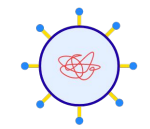
Describe the structure of a virus
They contain some genetic material
surrounded by a protein shell
Give 6 ways diseases can be spread
Droplet infection
Eating contaminated food
Drinking contaminated water
Direct contact
Vectors like insects
Contact with infected bodily fluids
What is the name of the pathogen that causes AIDS?
Human immunodeficiency virus (HIV)
What are the symptoms of AIDS
HIV weakens the immune system
Fever
Flu-like symptoms
Rash
How can the spread of HIV be prevented
HIV is spread through bodily fluids
Don’t share needles
Wear condoms during sex
What is the name of the pathogen that causes chlamydia?
Chlamydia trachomatis bacteria
What are the symptoms of chlamydia
Pain when urinating
Painful discharge from the penis or vagina
Bleeding between periods for women
How can the spread of chlamydia be prevented
Wear condoms during sex
What is the name of the pathogen that causes malaria?
Plasmodium falciparum
What are the symptoms of malaria
Fever
Vomiting and diarrhoea
Headaches
Muscle and or abdominal pain
How can the spread of malaria be prevented
Wearing long clothing
Wearing mosquito repellent
Sleeping with mosquito nets
Use malaria prevention tablets
Give 5 non-specific human defences to disease
The skin acts as a barrier
Stomach acid kills ingested pathogens
Mucus traps pathogens
Sweat contains antimicrobial chemicals
Blood clots prevent pathogen entry into wounds
Give 2 ways that lymphocytes can respond to detecting a pathogen
Produce antibodies that are specific to antigens and activate phagocytes
Produce antitoxins to neutralise toxins released by pathogens
How do phagocytes respond to detecting a pathogen
Phagocytes engulf and break down pathogens
in a process known as phagocytosis
What are antigens
Molecules on the surface of cells that are recognised by the immune system
and trigger an immune response
What do antibodies do
Bind to antigens and help the immune system
to neutralise infection
Give 2 types of pathogen that vaccines can protect against
Bacteria
Viruses
Why might parents choose to have their child vaccinated
Vaccines save lives and prevent disease
Treatment may be unaffordable in countries without free healthcare
Why might parents choose not to have their child vaccinated
Concern about side effects
Unaware of vaccine contents
Religious or cultural objections
Belief vaccines are linked to other diseases
What negative impacts could arise from not vaccinating children
Can lead to disease outbreaks
Epidemics or pandemics
Strain on healthcare systems
How do vaccines work (Higher)
Dead or inactive pathogens or antigens are injected
Lymphocytes produce antibodies
Memory cells are created for long term immunity
Why is the secondary immune response faster than the primary response (Higher)
Memory cells remain in the blood
They produce antibodies much more quickly
What type of pathogen do antibiotics kill
Bacteria
What was the first ever antibiotic discovered
Penicillin discovered by Alexander Fleming in 1928
Outline how antibiotics work
Stop bacteria from growing or kill them
without damaging host cells
What type of microorganism produces penicillin
A fungus called penicillium
What is semisynthetic penicillin
Penicillin that has been modified chemically
What is synthetic penicillin
Penicillin produced chemically from scratch
Give one example of an antibiotic resistant bacterium
MRSA
Methicillin resistant Staphylococcus aureus
State 3 ways of controlling the spread of MRSA
Cover wounds with sterile dressings
Wash hands surfaces and equipment thoroughly
Treatment and screening programmes
Give 3 ways diseases can be prevented
Washing hands
Balanced and healthy diet
Drinking clean water
What are the stages in the development of new medicines
Research and testing on lab grown cells
Animal testing
Testing on healthy volunteers
Testing on people with the disease
What are preclinical trials
Testing drugs on lab grown cells and tissues
Using computer modelling to understand effects
What is a placebo
A substance that looks like the drug
but has no effect
What are placebos used for
To test the effectiveness of a new drug
by providing a comparison
What is a blind trial
Patients do not know which drug is real
and which is the placebo
What is a double blind trial
Neither patients nor researchers know
which drug is real or placebo to avoid bias
How do lymphocytes produce monoclonal antibodies (Higher)
Lymphocytes are activated by antigens
They divide to produce large quantities of identical antibodies
How are monoclonal antibodies produced in a lab (Higher)
Antigens injected into a mouse
Mouse produces lymphocytes
Lymphocytes fused with myeloma cells
Hybridoma produces antibodies rapidly
How can monoclonal antibodies be used to detect diseases (Higher)
Monoclonal antibodies attached to fluorescent dyes
They fluoresce if the pathogen is present
How are monoclonal antibodies used in tissue and organ transplants (Higher)
Used to deactivate T cells
so there is no immune response
How are monoclonal antibodies used to help chemotherapy (Higher)
They target cancer cells
and deliver drugs directly to them