AP World History Unit 5.1 The Enlightenment
 Studied by 5 people
 Call Kai
 Learn
Learn Practice Test
 Spaced Repetition
 Match
Match Flashcards
 Knowt Play
1/17

There's no tags or description
Looks like no tags are added yet.
Name | Mastery | Learn | Test | Matching | Spaced | Call with Kai |
|---|
No analytics yet
Send a link to your students to track their progress
18 Terms
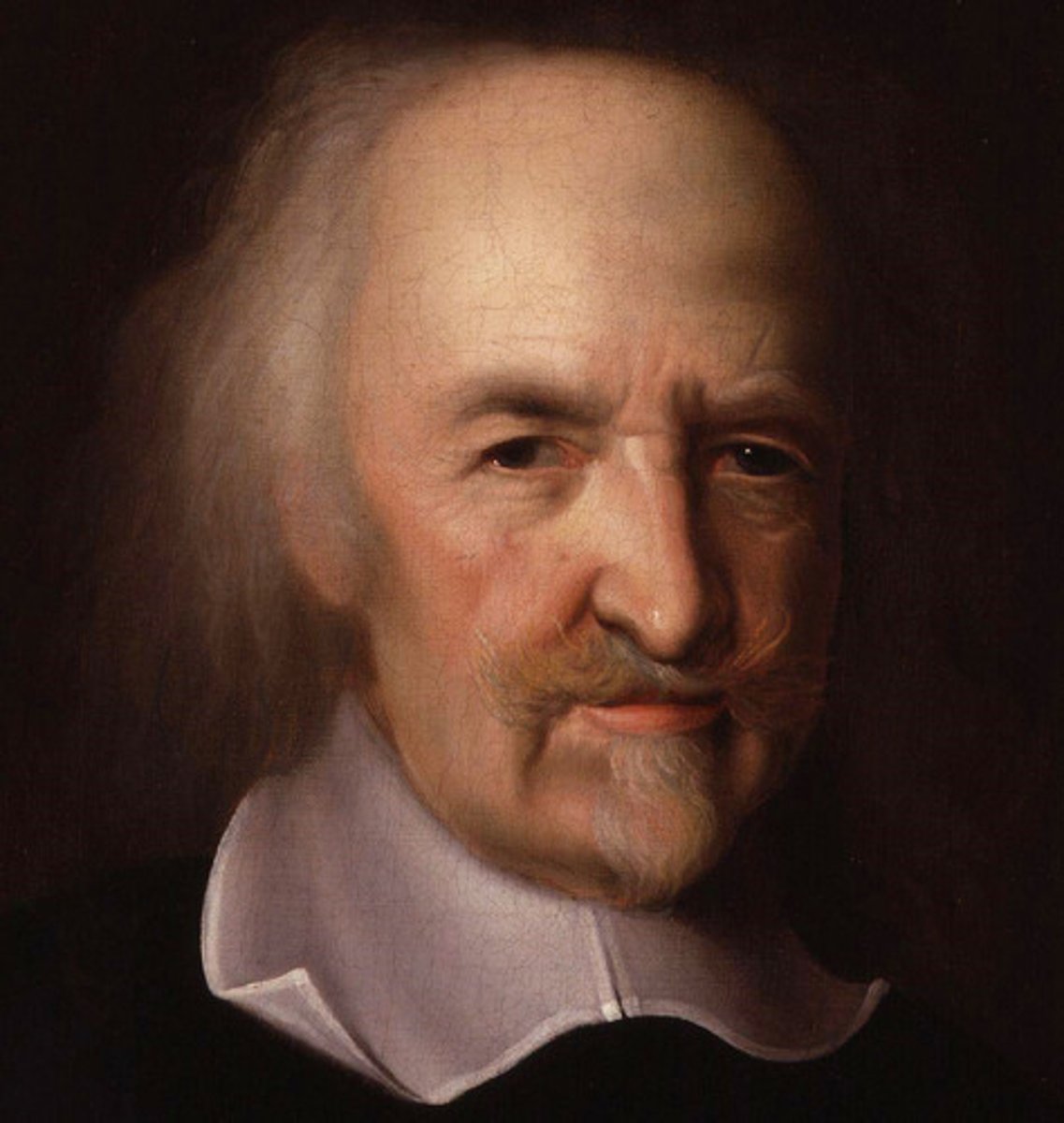
Thomas Hobbes
Social contract
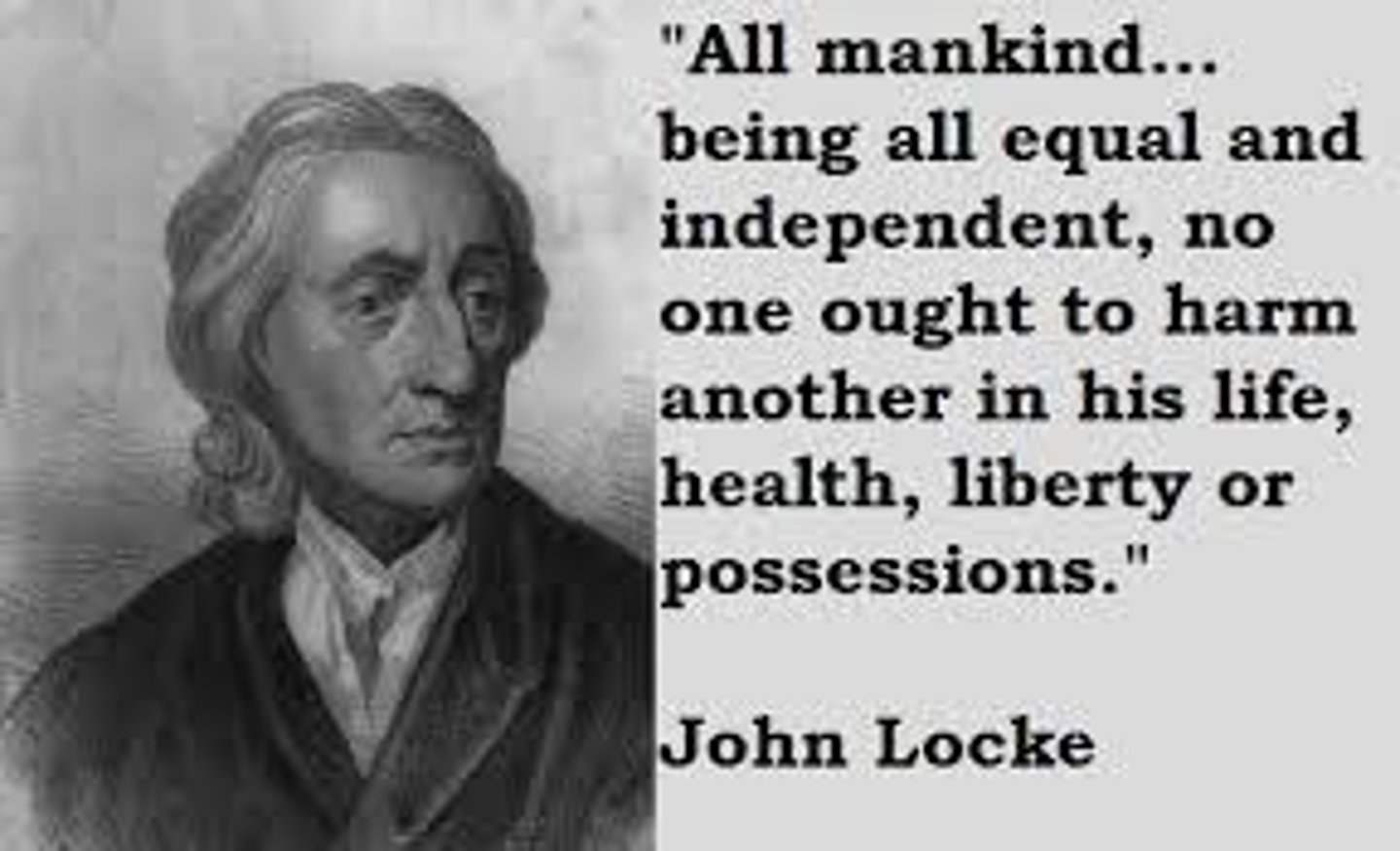
John Locke
natural rights: life, liberty, property. He also said that you can overthrow the government if it abuses its power.
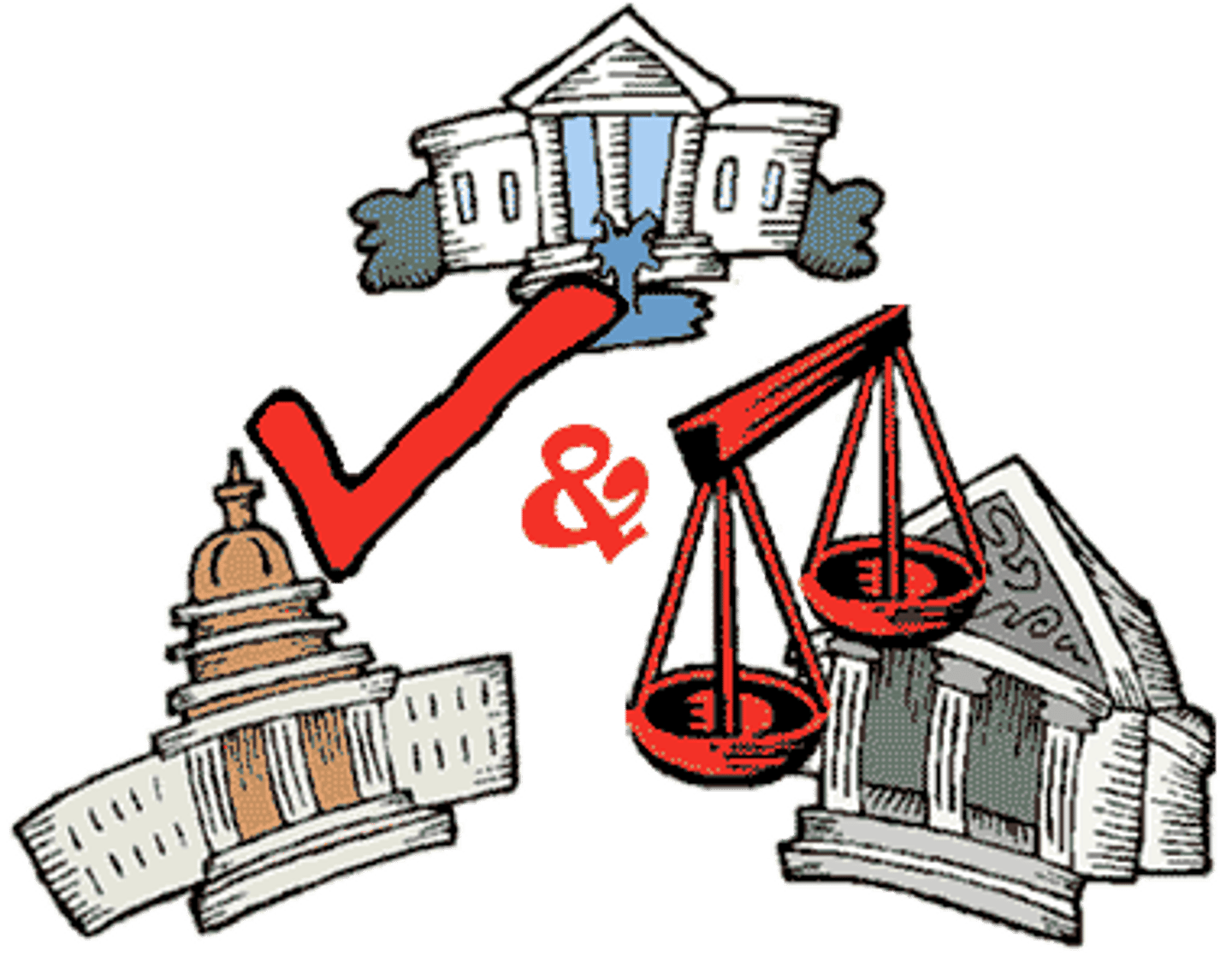
Baron Montesquieu
checks and balances AKA separation of powers
Voltaire
Religious freedom or tolerance
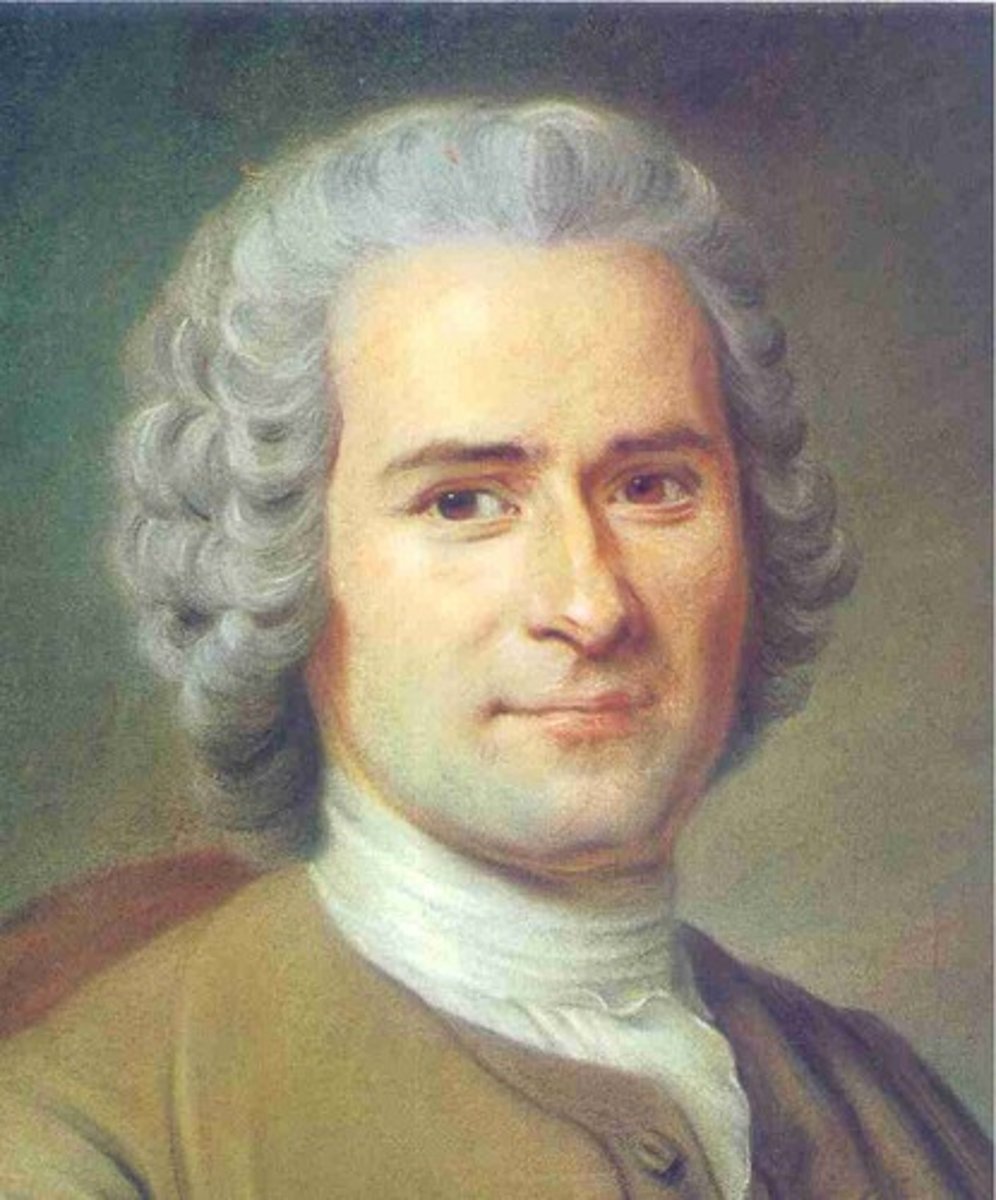
Jean-Jacques Rousseau
expanded social contract/ will of the people
Adam Smith
founder of capitalism, free market, laissez faire economics

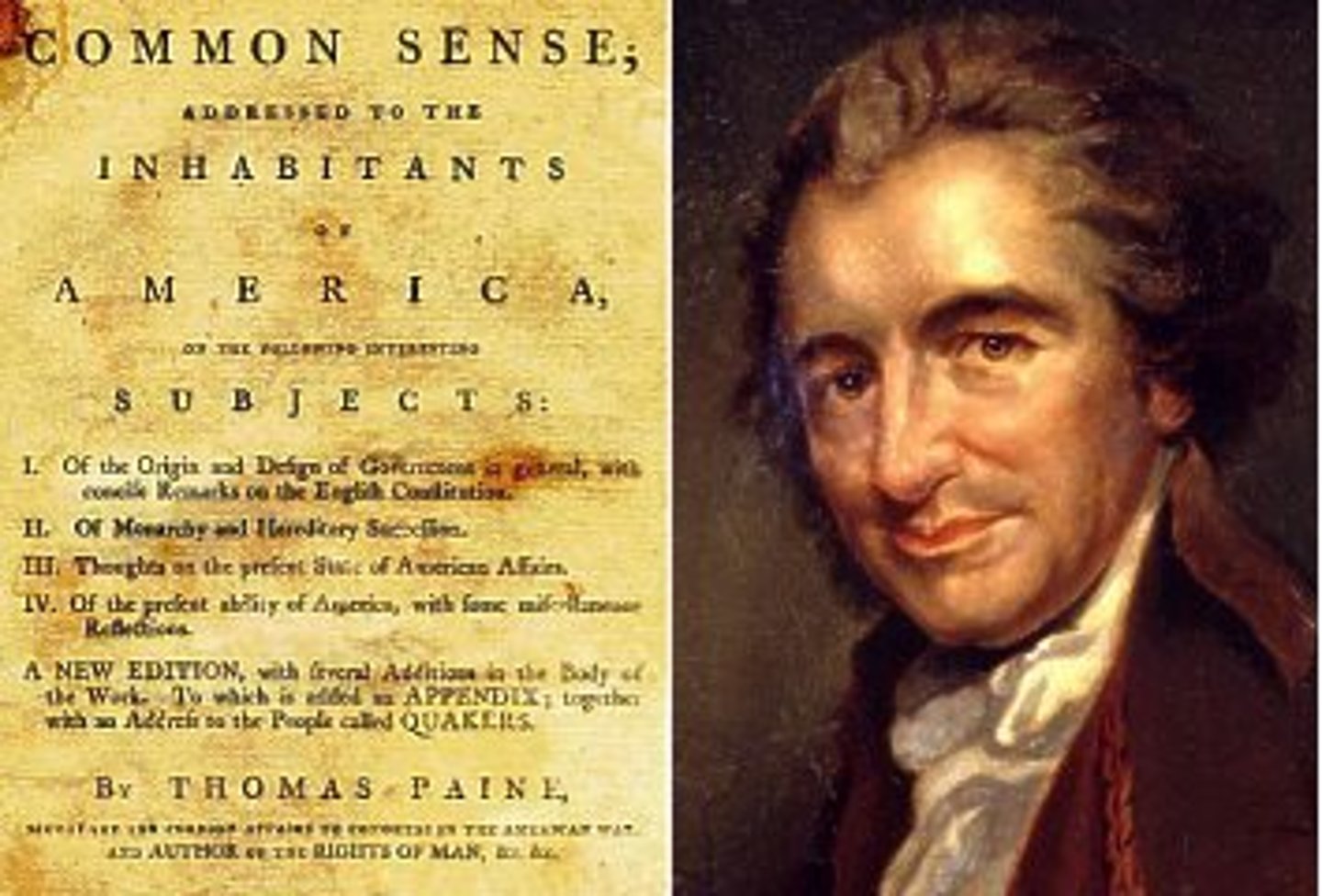
Thomas Paine
advocated for US freedom from Britain
empricism
knowledge from observation and experiments rather than religious.

socialism
the workers/the public should own the means of production
classical liberalism
reflected enlightenment ideas pushing back on traditional politics, society, and economics.
classical conservatism
natural social order, belief in traditional monarchies and nobility, unapolegetically elitist
nationalism
intense loyalty to your nation
Utopian Socialism
ideal socialist society were everything works in harmony.
feminism
belief that womens rights are human rights
abolitionism
Movement to end slavery
zionism
desire for Jewish homeland in middle east
anti-semitism
Hostility towards Jews
EXTRA NOTES
-The Enlightenment emphasized individualism and to think rationally instead of spiritually.
- Revolutions started during this time period because of the blending of new ideas and old ideas.
- Philosophers questioned religion, Deism merged and it characterized divinity and reason.
 Note
Note  Flashcards (77)