Week 1 - Building Blocks of Relationships
 Studied by 0 people
 Call Kai
 Learn
Learn Practice Test
 Spaced Repetition
 Match
Match Flashcards
 Knowt Play
1/18

There's no tags or description
Looks like no tags are added yet.
Name | Mastery | Learn | Test | Matching | Spaced | Call with Kai |
|---|
No analytics yet
Send a link to your students to track their progress
19 Terms
Baumeister and Leary (1995)
identified human beings’ '“need to belong”
“human beings have a fundamental need to form and maintain a minimum quantity of lasting, positive and significant interpersonal relationships”
evolutionary perspective on the need to belong (Hare, 2017)
early humans lived in small groups in a difficult environment
adaptions to be social and caring led to increases in survival likelihood allowing maturation and reproduction
overarching evidence for the need to belong
relationships are easy to form and difficult to break
without close connections, we suffer
our need to belong can be satiated
the need to belong is universal
evidence for relationships being easy to form and difficult to break
babies instantly form attachments (Bowlby)
we experience great difficulty in ending relationships
evidence for a lack of close connections causing suffering
rejection hurts: pain, reduced wellbeing, intellectual functioning
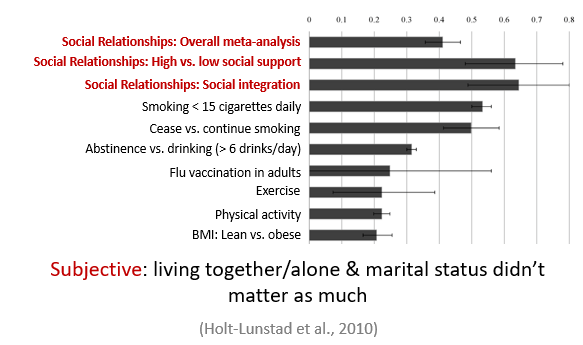
lack of social network is a strong predictor of illness and mortality
social connection can be a matter of life or death
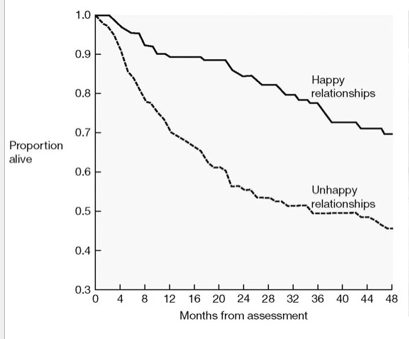
it is particularly important that relationships are high quality/satisfying
relationships and mortality
people in happy relationships were more likely to survive 48 months after experiencing a heart attack
evidence for the satiation of the need to belong
we have a limited number of friends (approx. 6 friends in college - Wheeler & Nezlek, 1977)
people spend less time with friends when in a romantic relationship
connection with a new romantic partner reduces attachment to a previous partner
evidence for the need to belong being universal
reviewed evidence does not seem to be culture specific
who are our attachment figures?
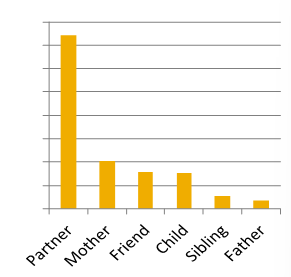
people are most likely to say that their romantic partner is their primary attachment figure and least likely to say their father
what is attachment?
an intimate emotional bond to particular individual who is seen as providing protection, comfort, and support
attachment system - form bonds with others, become distressed if they are unavailable
evolutionary function of attachment system - keep caregivers close to infants
normative (secure) attachment processes
proximity maintenance - staying near and resisting separations
secure base - using attachment figure as a base from which to engage in non-attachment behaviour
safe haven - turning to an attachment figure for comfort, support, and reassurance
individual differences in attachment
learn in early childhood what to expect from others
develop beliefs and expectations about others (whether they will be responsive to needs) and the self (whether we are worthy of love
these beliefs influence thoughts feelings and behaviour in relationships
attachment in adulthood
similarities in primary attachment functions (proximity-seking, safe haven, secure base)
differences in infant and adult attachment (mutuality in care, psychological proximity, sexuality)
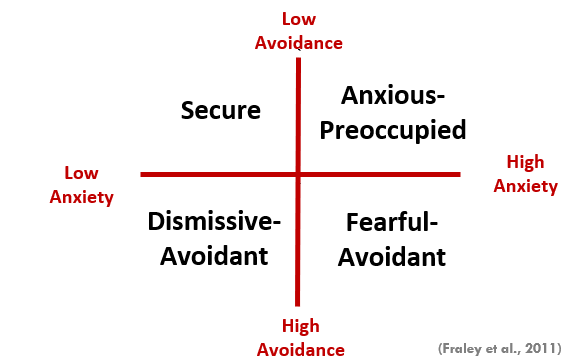
attachment orientations (Fraley et al., 2011)
low vs high anxiety
low vs high avoidance
describe secure attachment
low anxiety and low avoidance
learned that proximity seeking leads to support, protection and relied of distress
turn to others when distressed
believe distress is manageable
more stable and satisfying relationships
describe dismissive-avoidant attachment
low anxiety and high avoidance
value self-reliance and independence
avoid seeking support when distressed
expect relationship failure/aversion to commitment
lack of intimacy
higher levels of attraction when interacting with potential partners
report feeling a sense of relief after break-ups
describe anxious-preoccupied attachment
high anxiety and low avoidance
hypervigilant about loss and rejection
excessive reliance on others when distressed
demanding of closeness, attention, and approval
intrusive, demanding and overly disclosing
hard time getting over break ups
describe fearful-avoidant attachment
high anxiety and high avoidance
hypersensitive to potential hurt and rejection
withdraws when upset; avoids coping
relatively poor personal and social adjustment
difficulty expressing feelings
stability of attachment style
early researchers claimed attachment style originates in early life and shapes relationships from “cradle to grave”
evidence shows stability of attachment style over time
but new experiences matter (break-ups vs new, good relationships)
become more secure with age (Chopik et al., 2019)
 Note
Note  Flashcards (77)