Forest & Wildlife Ecology 306 Mammals
 Studied by 0 people
 Call Kai
 Learn
Learn Practice Test
 Spaced Repetition
 Match
Match Flashcards
 Knowt Play
1/74

Earn XP
Description and Tags
Berkelman
Name | Mastery | Learn | Test | Matching | Spaced | Call with Kai |
|---|
No analytics yet
Send a link to your students to track their progress
75 Terms
Order Monotremata
egg-laying mammals with cloaca; no functional teeth on adults; epipubic bones present
includes echidnas and platypi
Family Tachyglossidae
echidnas/spiny anteaters
Family Ornithorhynchidae
duck-billed platypus
Order Notoryctemorphia
marsupial moles
Order Peramelemorphia
bandicoots and bilbies
Order Dasyuromorphia
marsupial carnivores (Tasmanian devil, spotted-tailed quoll, numbat, etc.)
Order Diprotodontia
Australian marsupials (kangaroos, possums, gliders, wombats, koalas, etc.)
Order Paucituberculata
shrew opossums
Order Microbiotheria
monito del monte
Order Didelphimorphia
American opossums
opposable hallux (big toe) on hind feet; prehensile tail
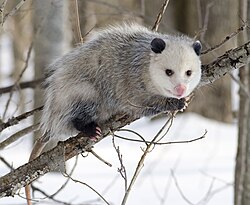
Didelphis virginiana
Virginia opossum
sharp sagittal crest, tiny brain case; opposable hallux
Placentalia (aka Eutheria)
placental mammals
19 orders, 6,350 species (~94% of living mammals)
Order Cingulata
armadillos
simple, peg-like teeth (homodont); most species fossorial
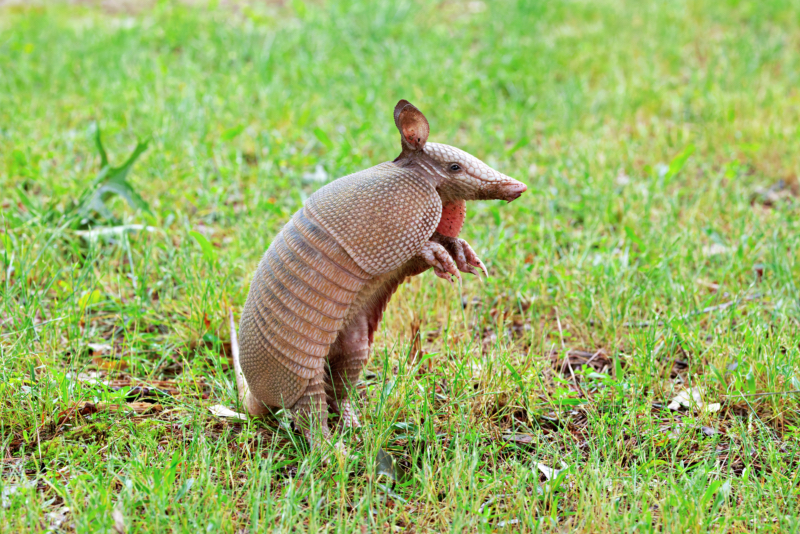
Dasypus mexicanus
Mexican long-nosed armadillo
body armor with 9 central bands
Order Eulipotyphla
shrews, moles, and hedgehogs
Family Soricidae
shrews
no zygomatic arches or auditory bullae on skull; small, long narrow snout, small eyes and ears
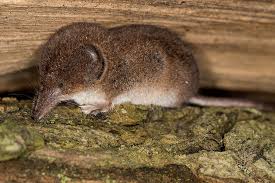
Sorex cinereus
masked shrew
total length = 3-4in; grayish-brown fur, long tail
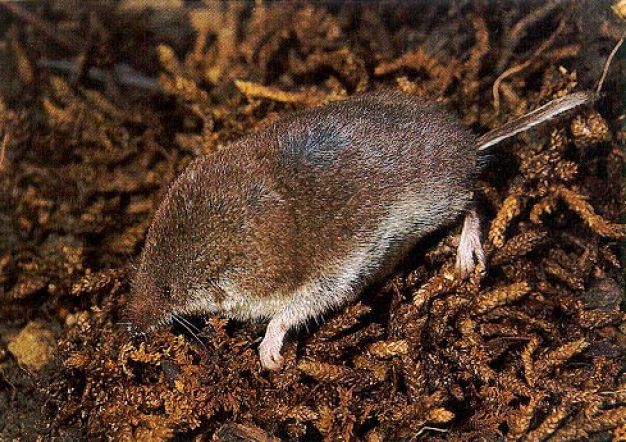
Sorex hoyi
pygmy shrew
total length = 3.1-3.6in (smallest N. American mammal); unicuspid teeth
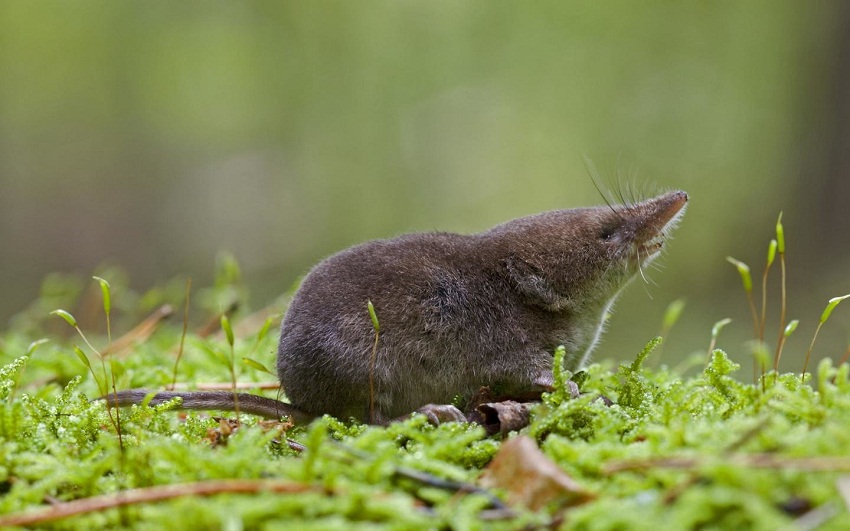
Sorex arcticus
arctic shrew
total length = 4-5in; tricolored fur pattern
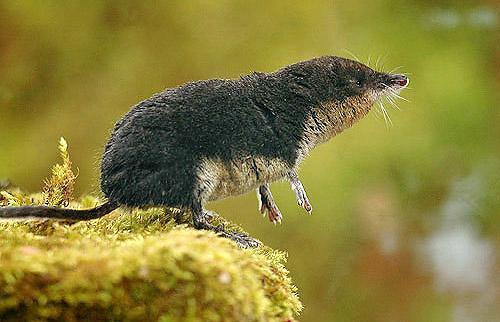
Sorex palustris
water shrew
total length = 5.4-6.5in; large feet with fringe of stiff hairs for swimming
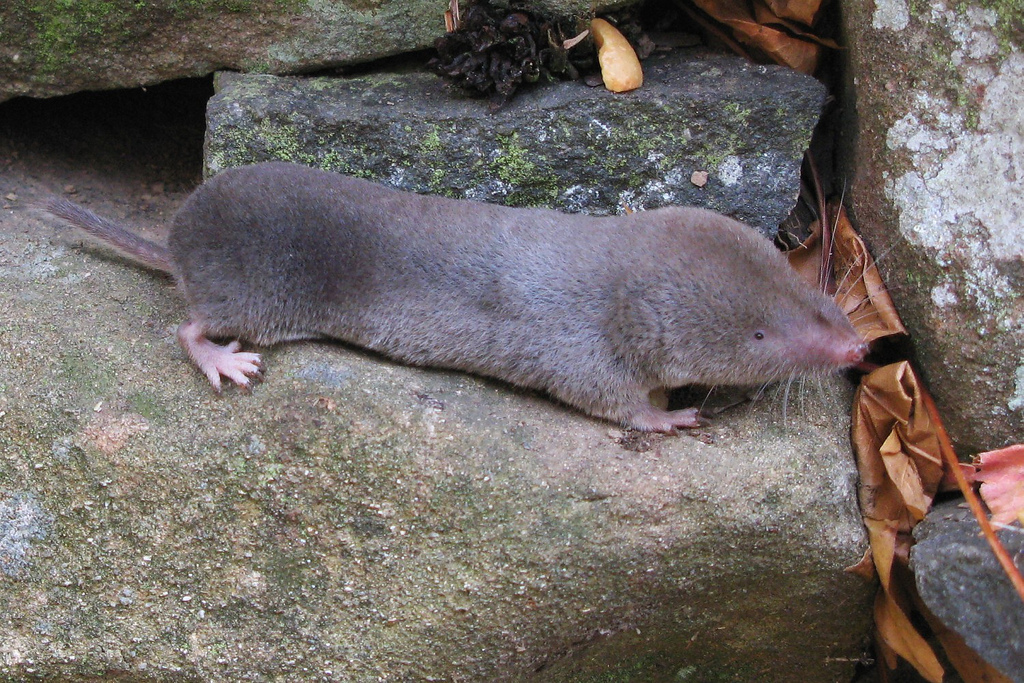
Blarina brevicauda
short-tailed shrew
total length = 4.3-5.5in; dark fur, large body, short tail; venemous saliva
Family Talpidae
moles and desmans
most moles fossorial, desmans semi-aquatic; skull flattened, zygomatic arch and auditory bullae present
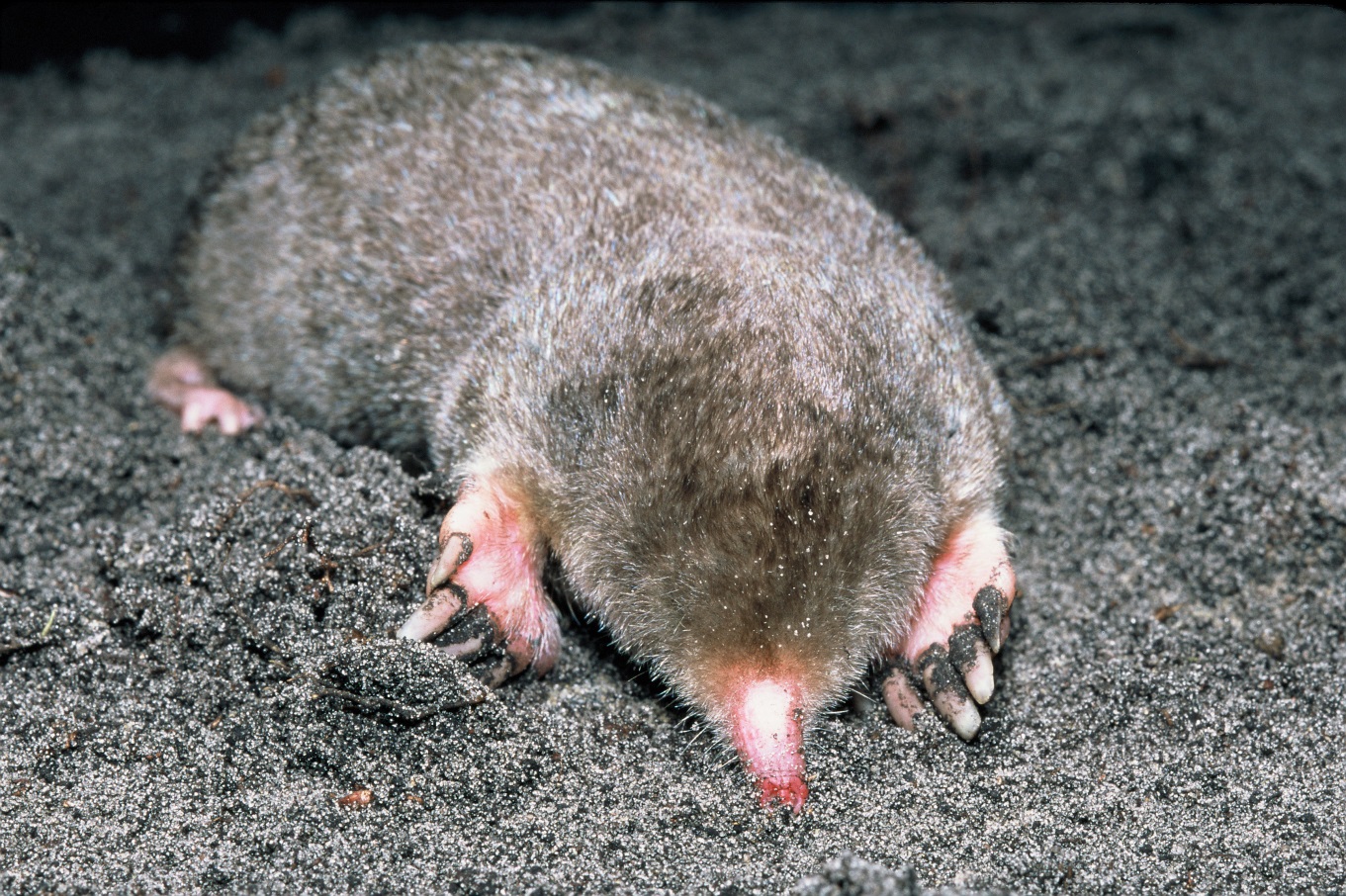
Scalopus aquaticus
eastern mole
total length = 5.9-7.9in; gray-brown fur, plump body, short tail, large forelegs and claws
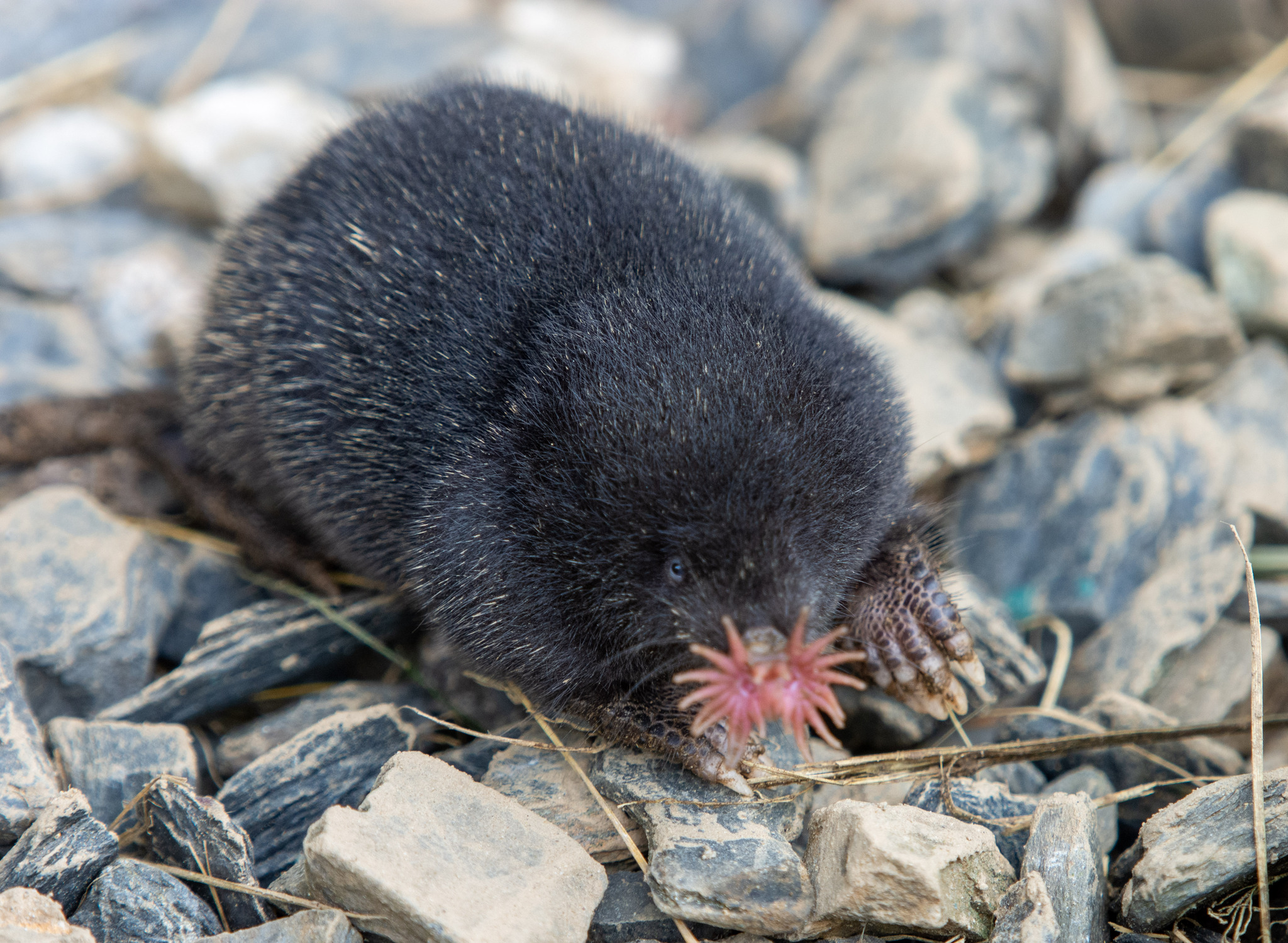
Condylura cristata
star-nosed mole
tentacles at tip of snout act as sensory organ
Metatheria
marsupials
Order Chiroptera
bats
~22% of all living mammal species
Family Vespertilionidae
“evening bats” or “plain-nosed bats”; largest bat family, includes all 8 WI bat species
prominent tragus, well-developed calcar, long tail enclosed by uropatagium, lack nose leaf, and nasal branches of premaxilla unfused
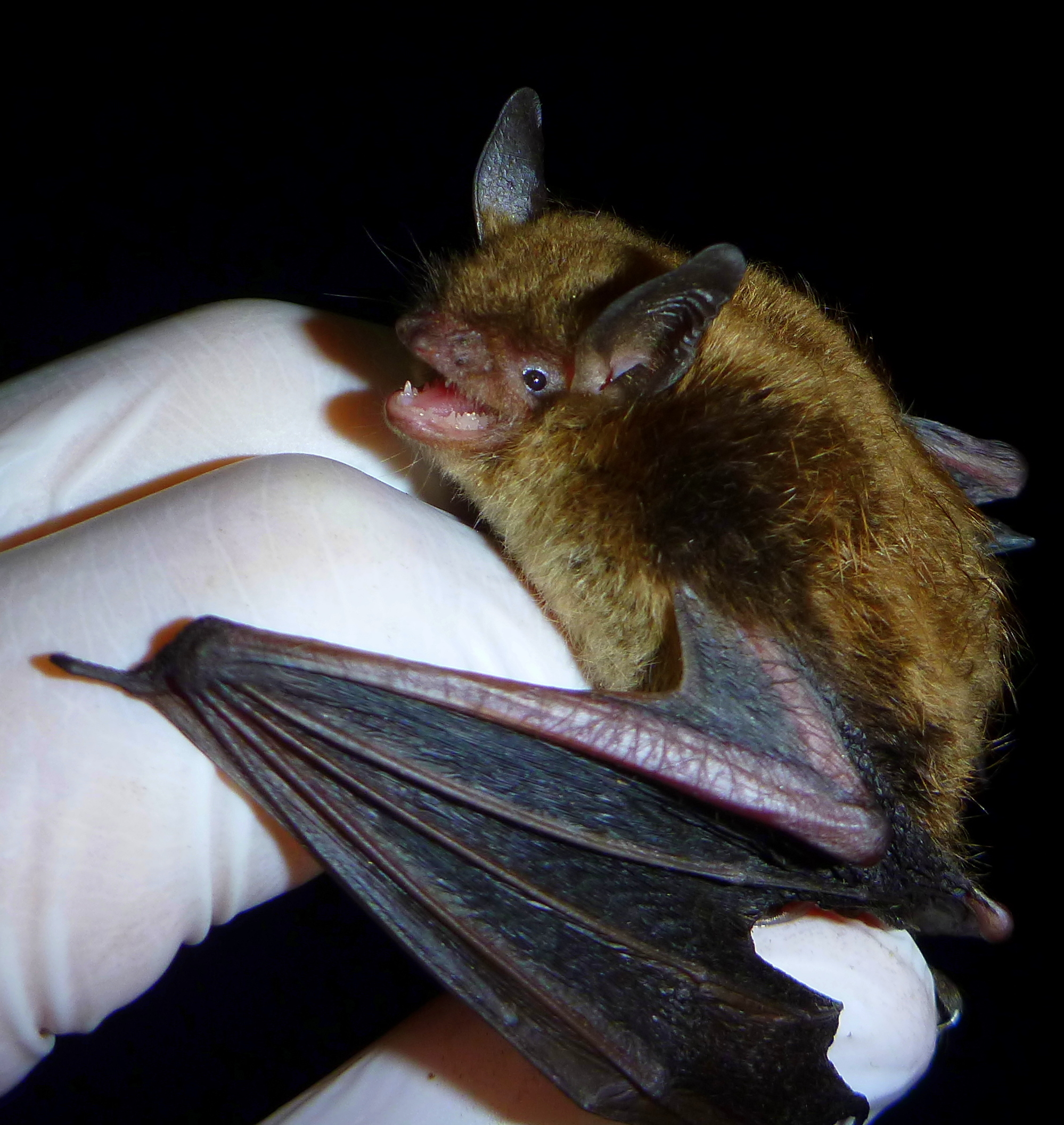
Myotis lucifugus
little brown bat
weight: 7-10g, relatively short ears and tragus, naked uropatagium; cave bat
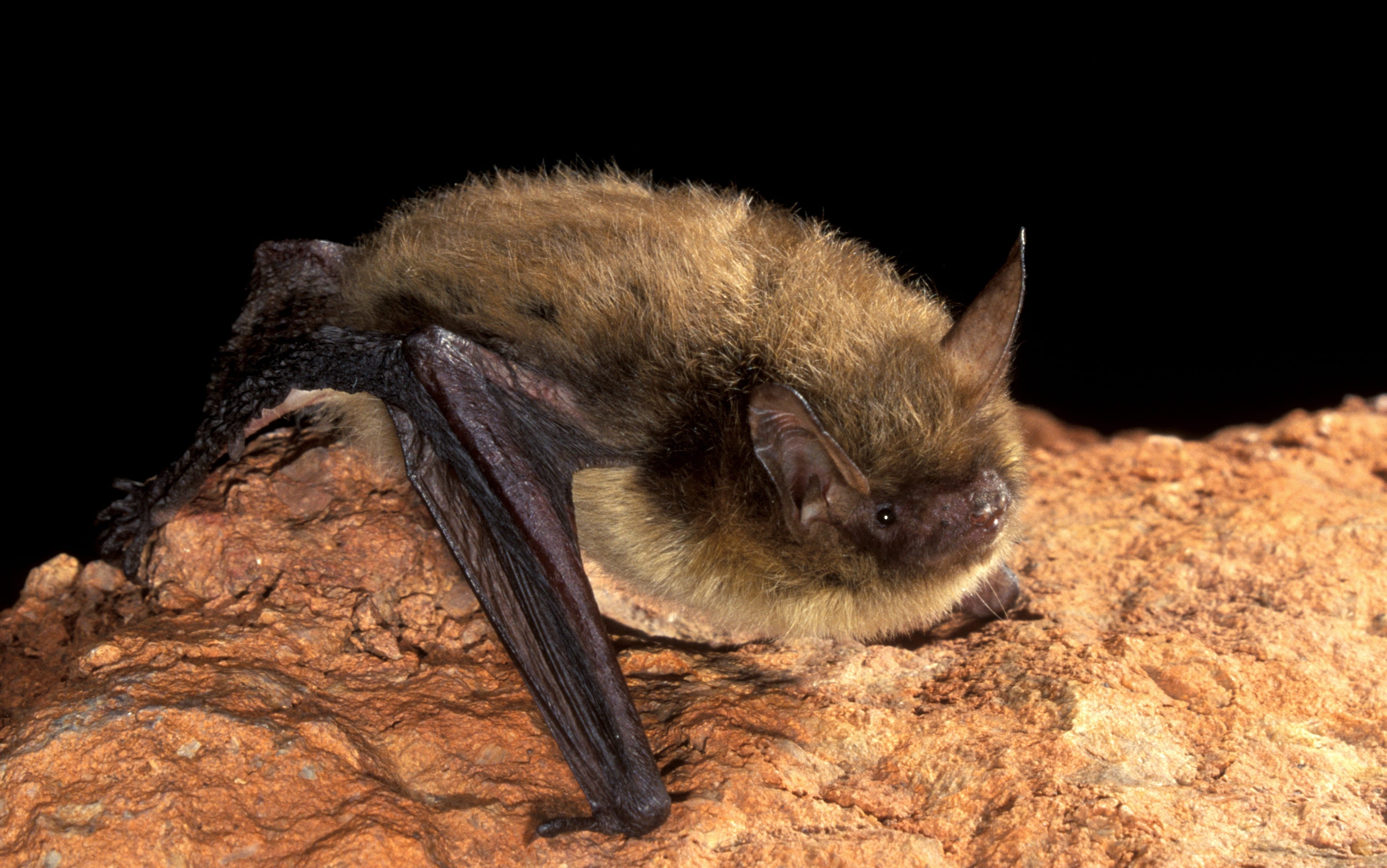
Myotis septentrionalis
northern long-eared bat
weight: 5-8g, long ears and tragus; cave bat
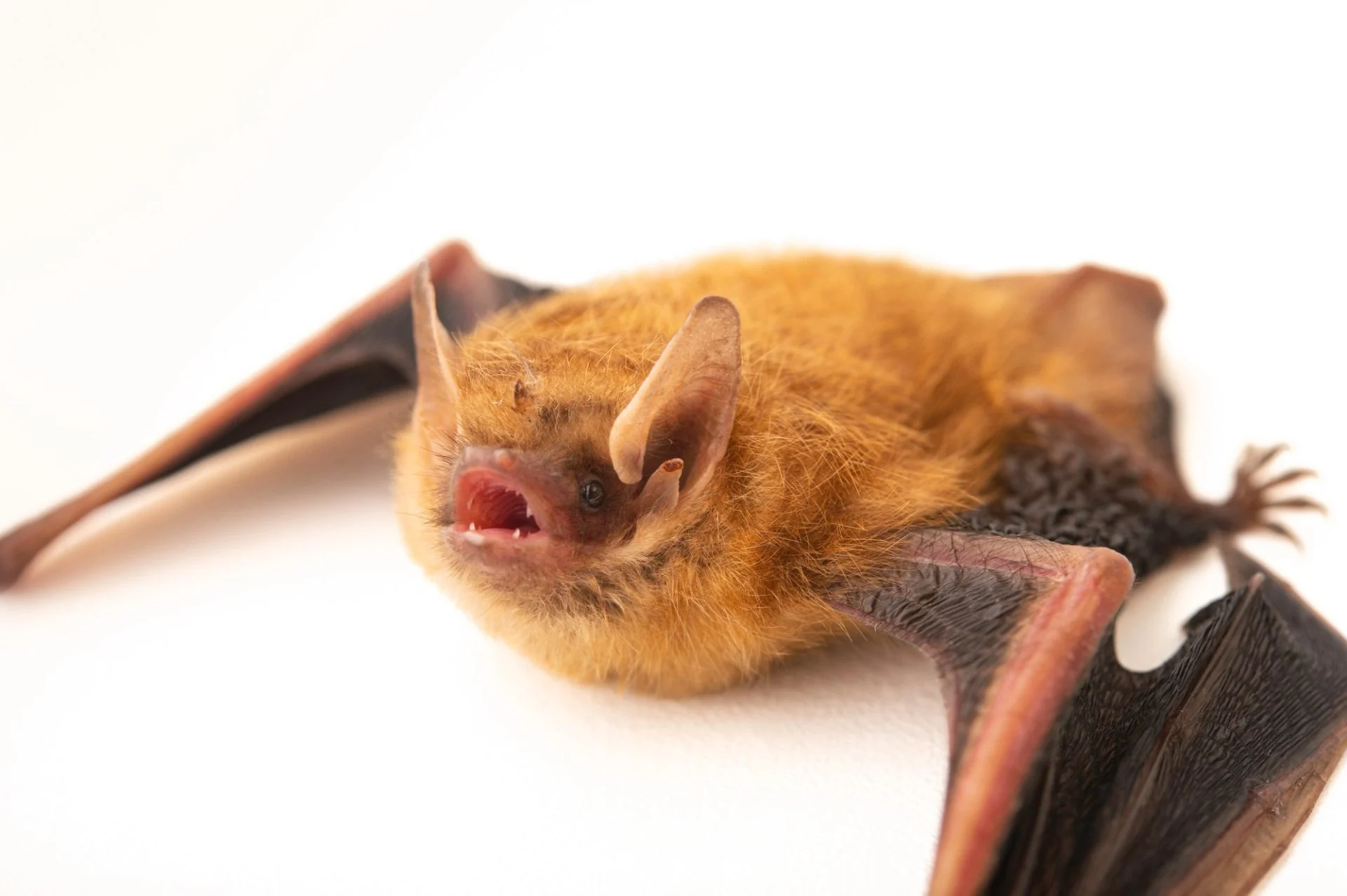
Perimyotis subflavus
tricolored bat
weight: 4-7g, black-yellow-brown hairs; cave bat
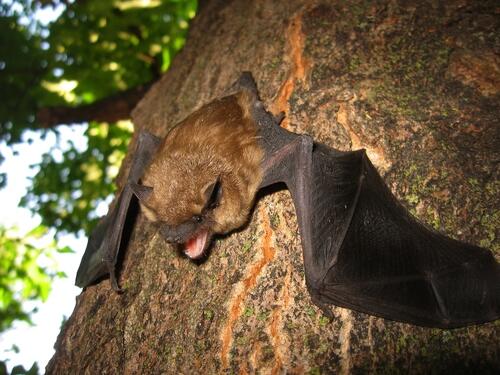
Eptesicus fuscus
big brown bat
weight: 15-24g, dark brown fur, large; cave bat
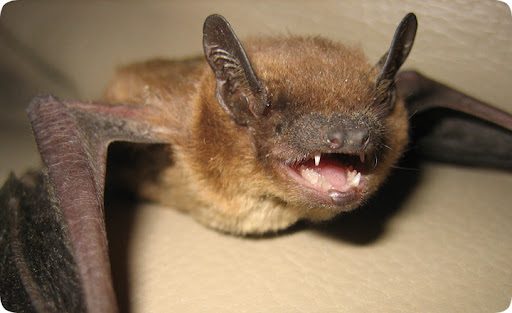
Nycticeius humeralis
evening bat
weight: 6-12g, short tragus, single incisor; tree bat
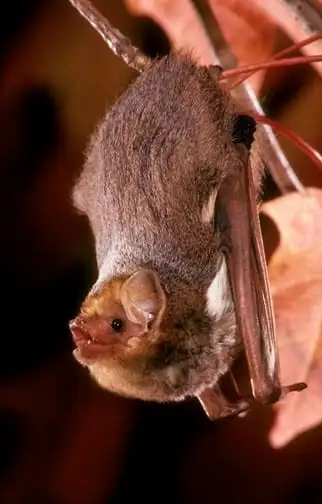
Lasiurus borealis
eastern red bat
weight: 7-13g, reddish fur, furred uropatagium, sexually dimorphic (females are lighter); tree bat
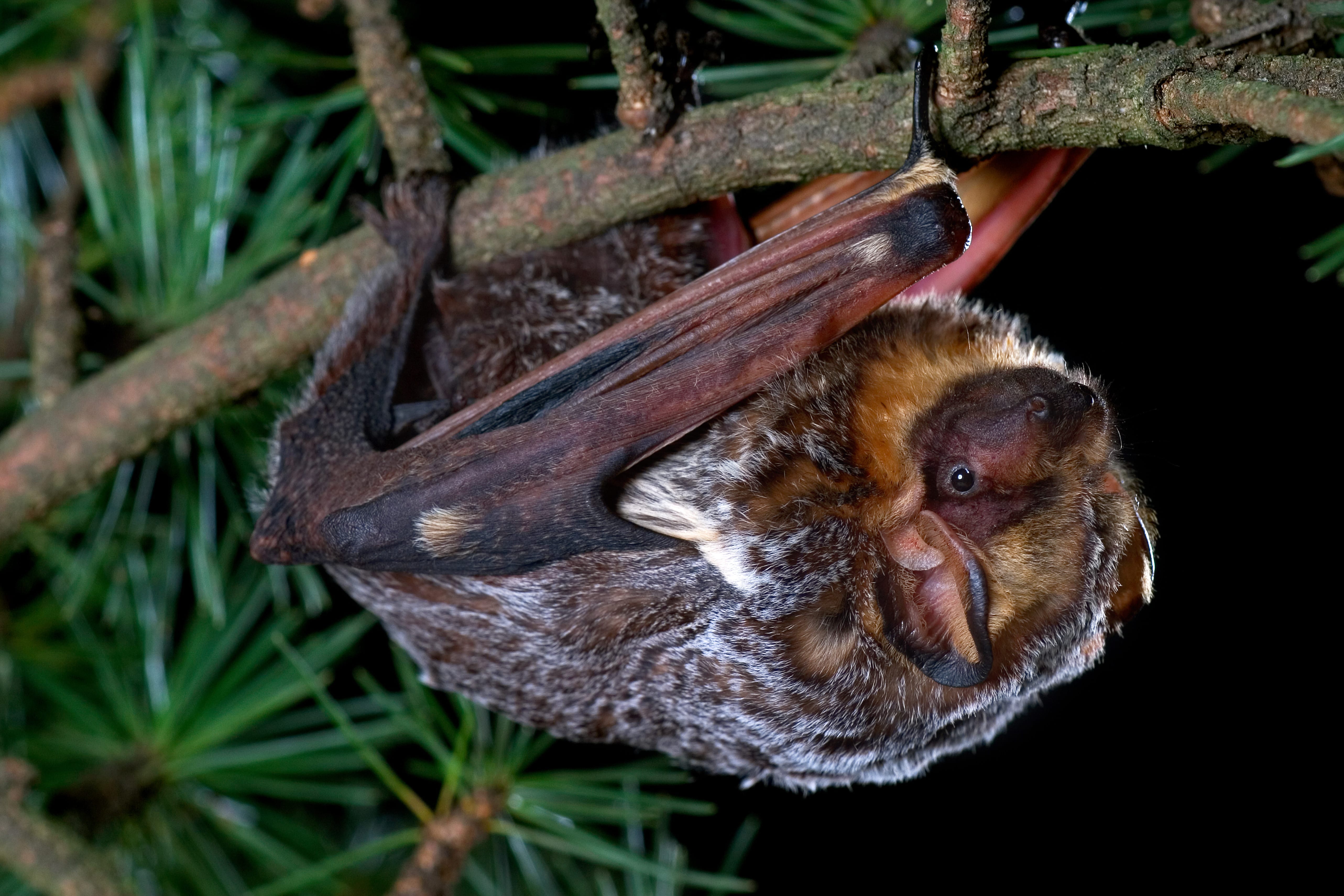
Lasiurus cinereus
hoary bat
weight: 25-35g, gray fur tipped with white, furred uropatagium; tree bat
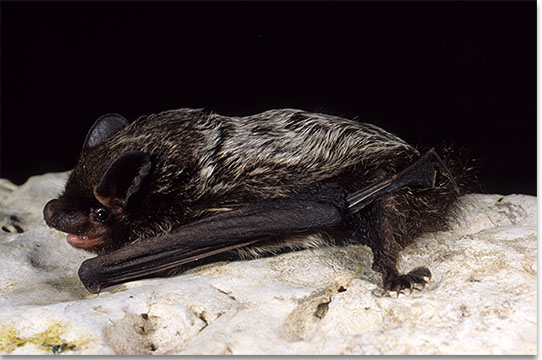
Lasionyteris noctivagans
silver-haired bat
weight: 8-12g, mostly unfurred uropatagium, dark, silver-tipped fur; tree bat
WI Cave Bats
overwinter in WI, hibernate ~6month/year, raise young in colony, usually single young
WI Tree Bats
migrate south in fall, may hibernate for short periods, solitary while raising young, bear 1-3 young
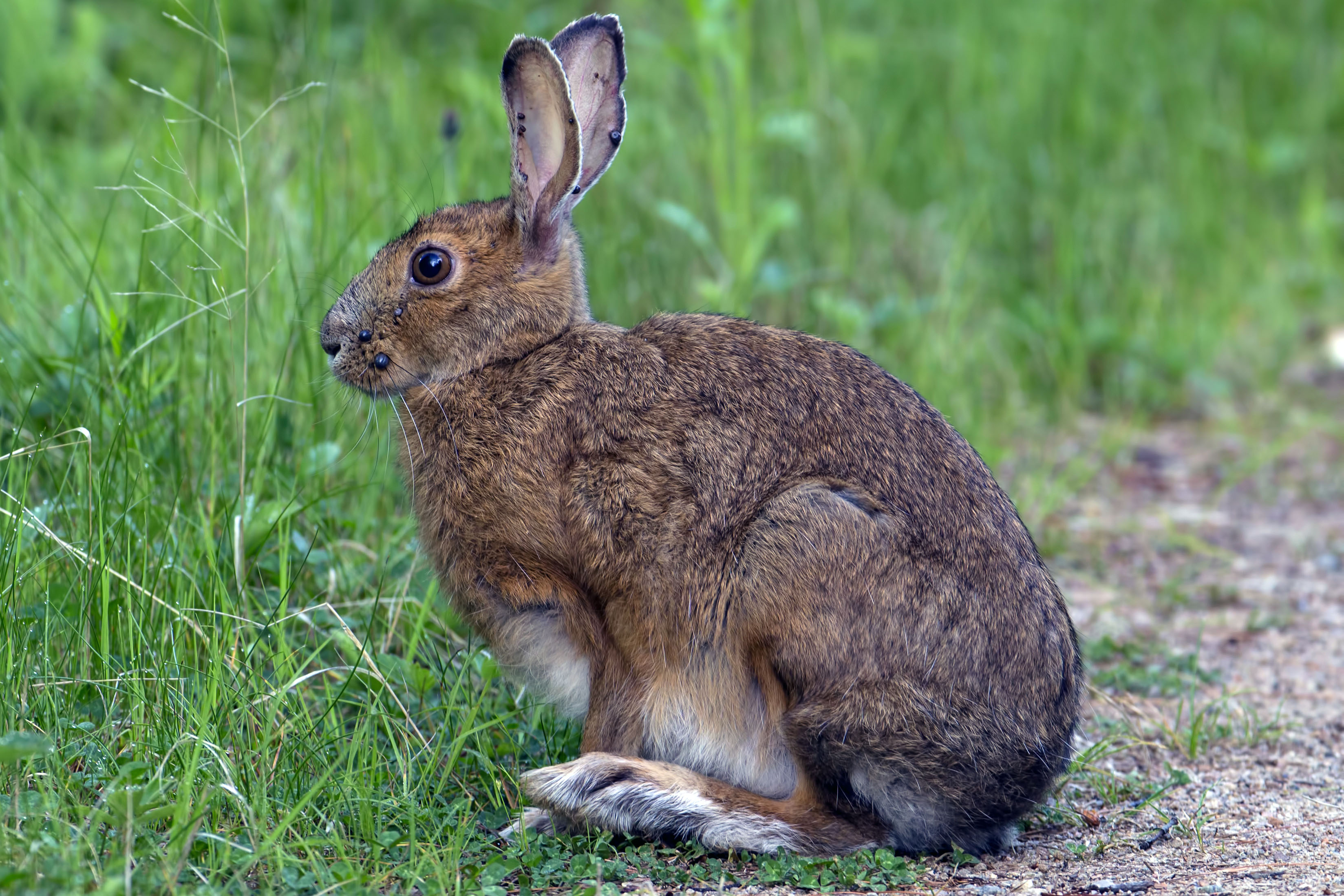
Lepus americanus
snowshoe hare
weight: 3-5lbs; brown fur, lacks rusty nape, turns white in winter
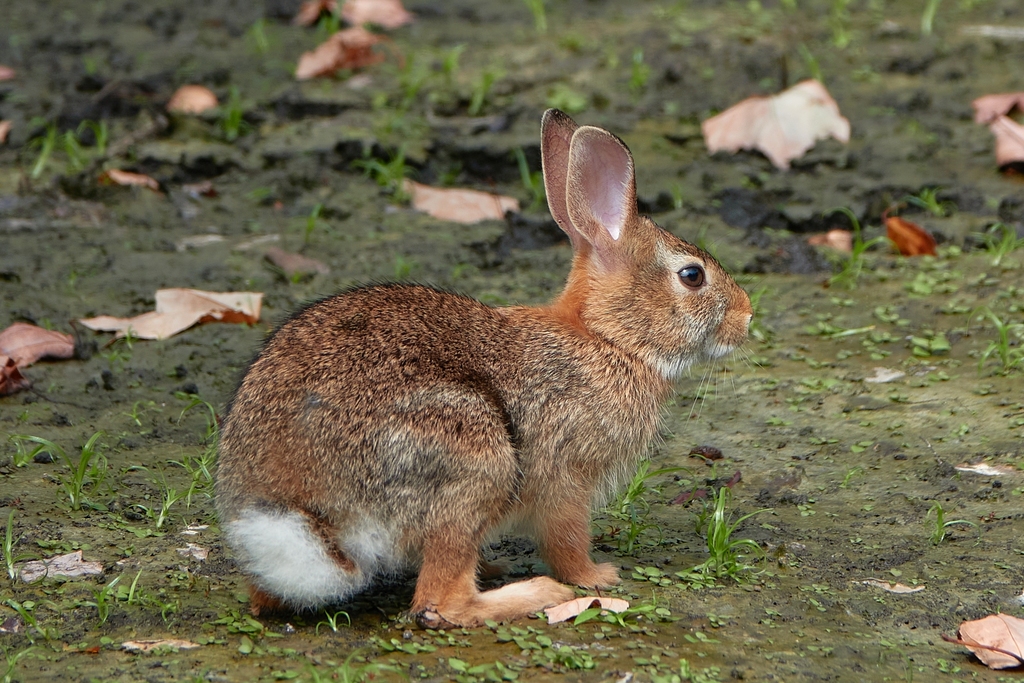
Sylvilagus floridanus
eastern cottontail
weight: 2-4lbs; buffy brown fur, white belly, rusty nape
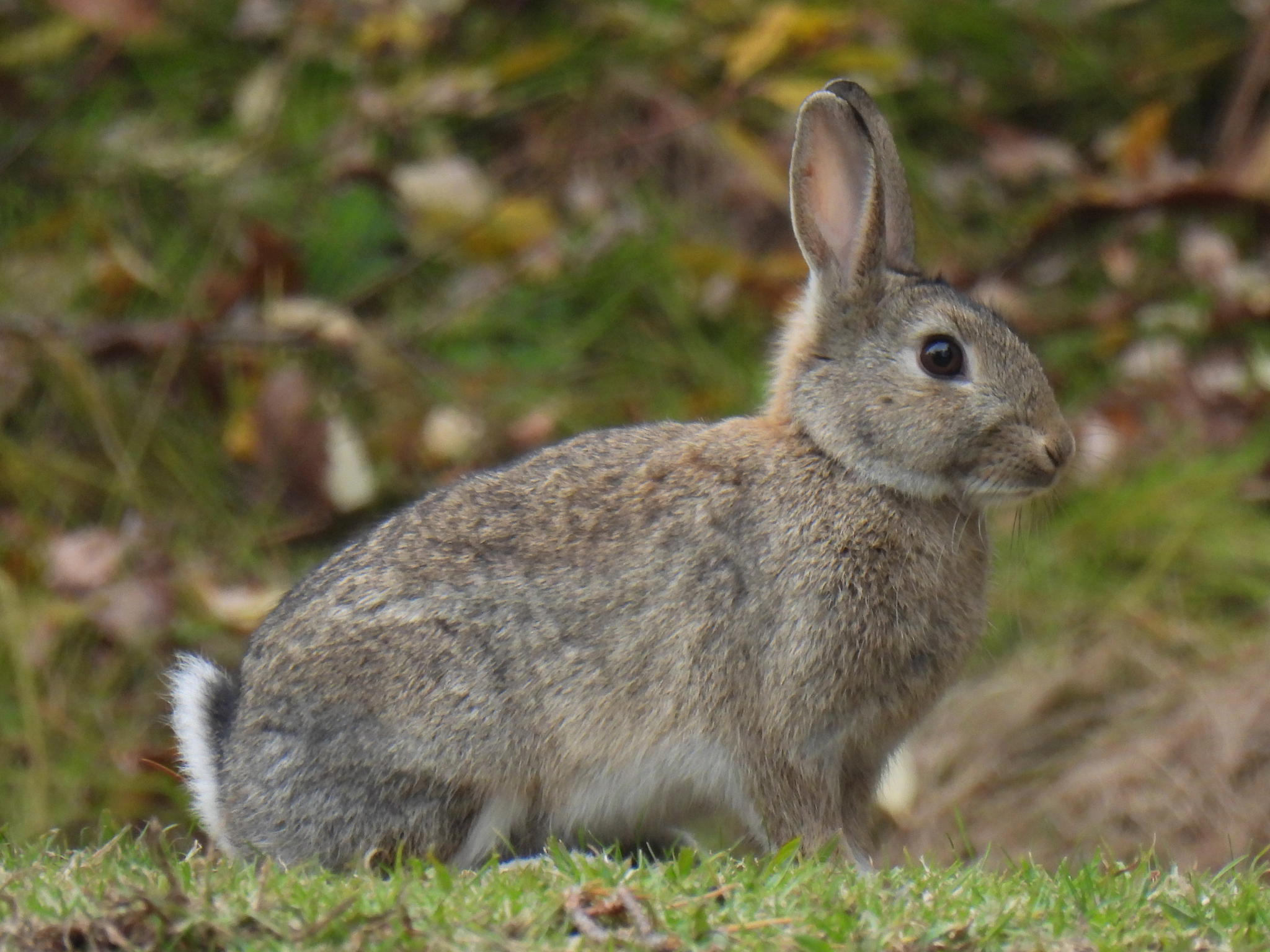
Oryctolagus cuniculus
european rabbit
weight: 3-5.5lbs; grayish fur, rusty nape, black on top of tail, perforation on top and back of skull
Family Leporidae
rabbits and hares
Family Sciuridae
squirrels
long, well-furred tail, 4 digits on forefeet, 5 digits on hindfeet, prominent postorbital process, very small infraorbital canal
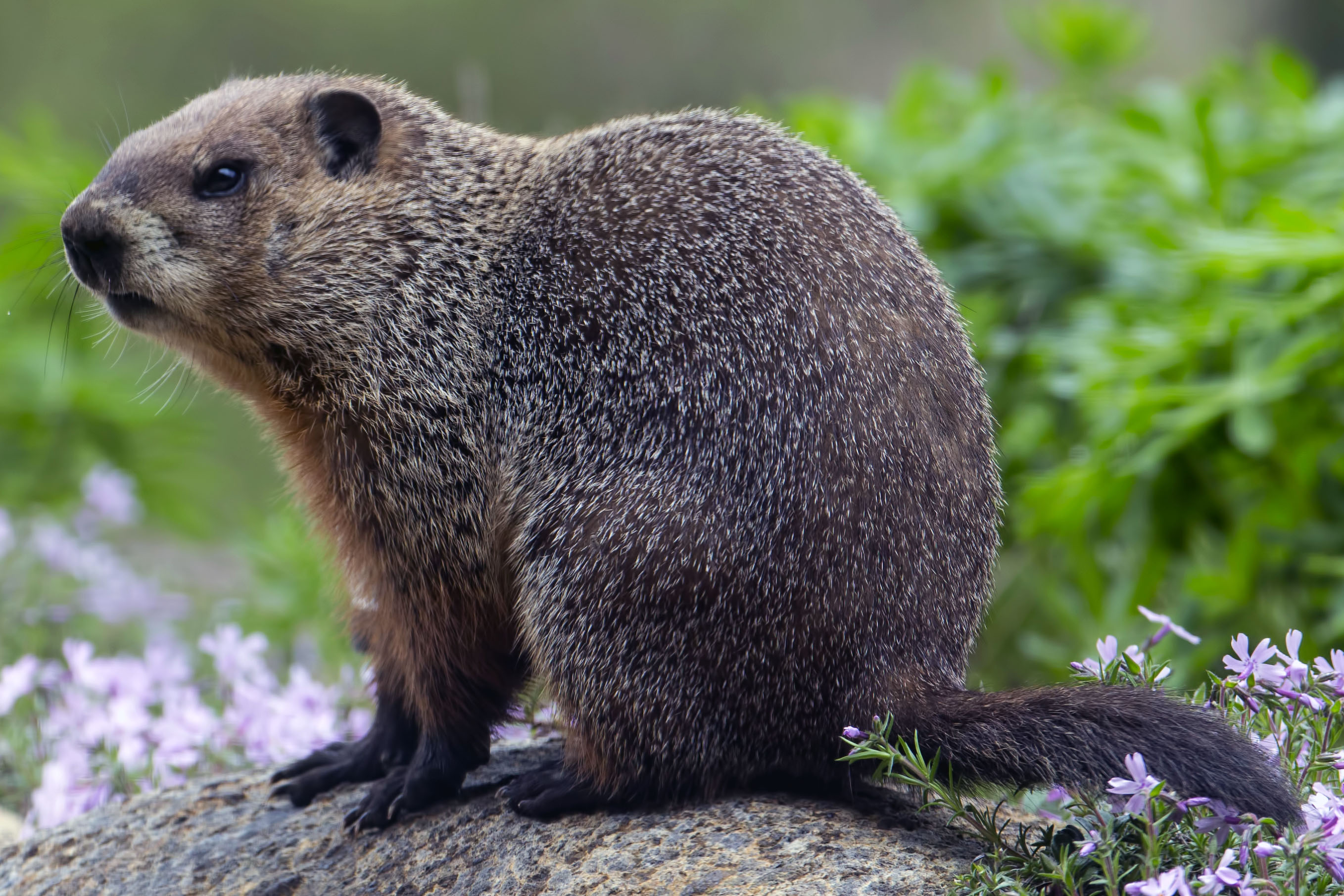
Marmota monax
woodchuck or groundhog
cat-sized with stout body, short legs, bushy tail, and rounded ears; diurnal, herbivorous, solitary; lives in burrows, hibernates
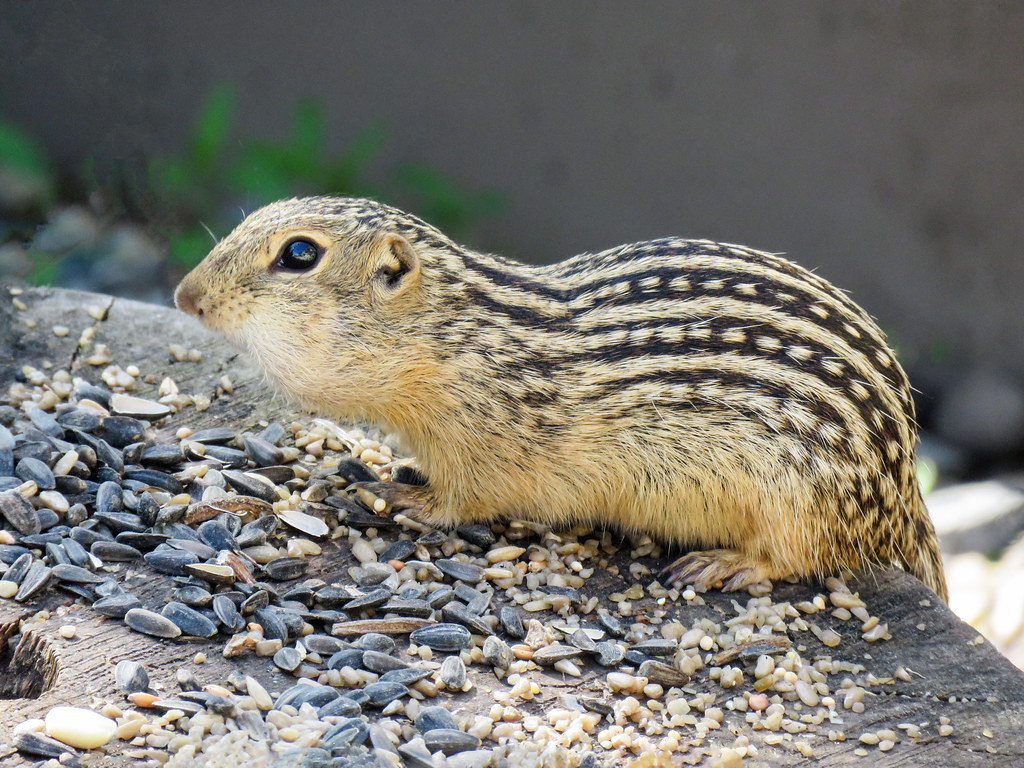
Ictidomys tridecemlineatus
thirteen-lined ground squirrel
thin tail, small ears; diurnal, omnivorous; lives in burrows, semi-colonial, hibernates
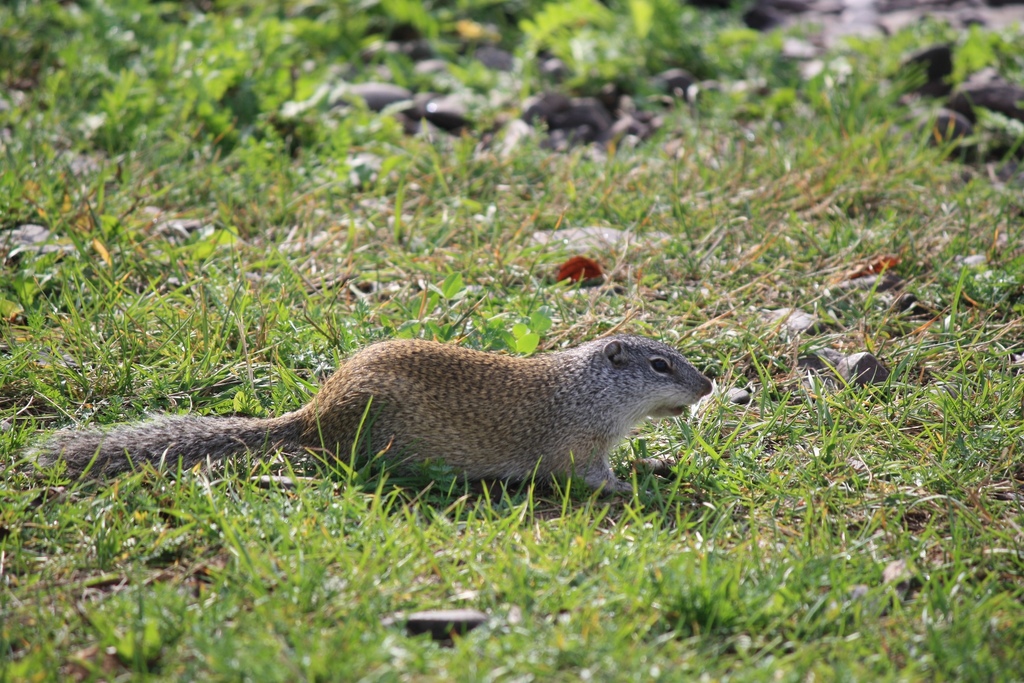
Poliocitellus franklinii
Franklin’s ground squirrel
brownish gray fur with flecking, small ears, moderately bushy tail; diurnal, omnivorous; lives in burrows, semi-colonial, hibernates
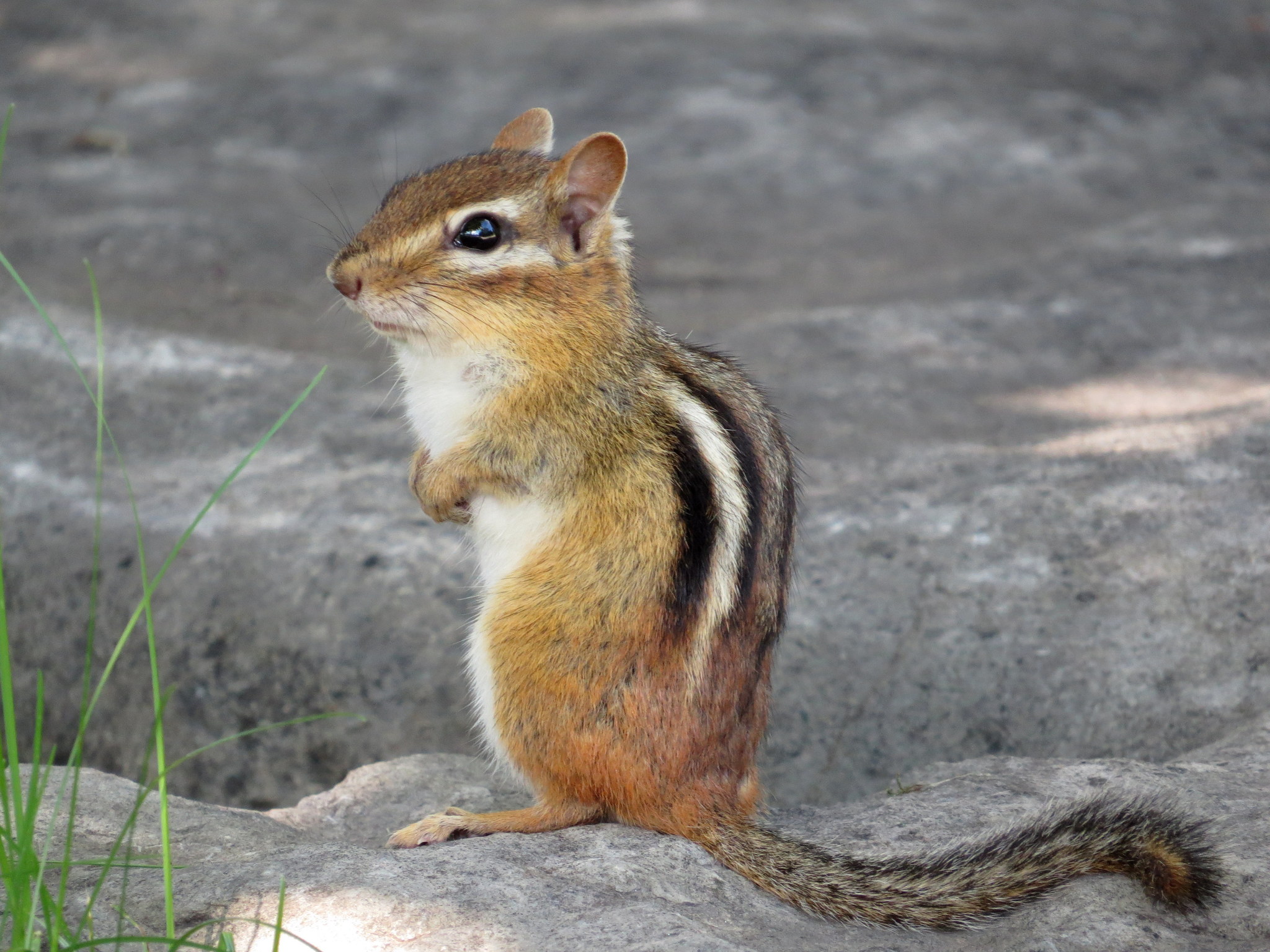
Tamias striatus
eastern chipmunk
stripes do not extend to tail, reddish rump, 4 upper cheek teeth, distensible cheek pouches; diurnal, solitary, territorial; omnivorous, caches food, hibernates but emerges in mild weather
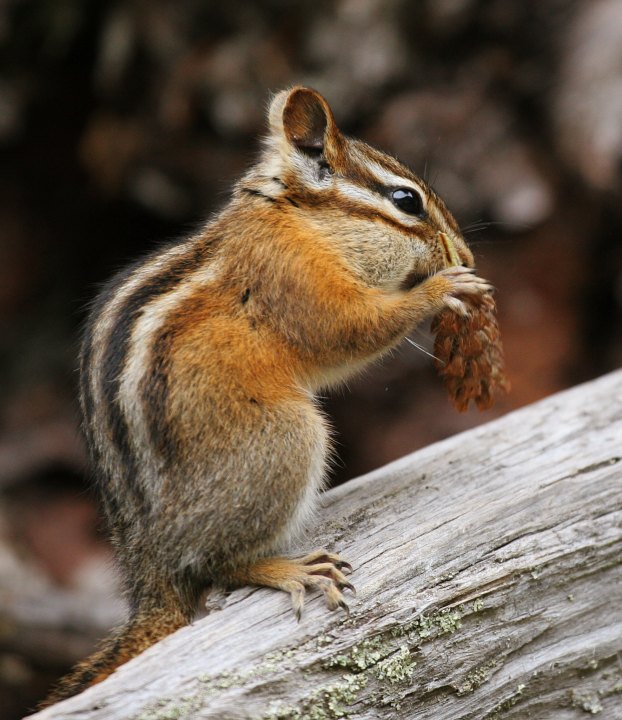
Neotamias minimus
least chipmunk
small, stripes extend to base of tail, 5 upper cheek teeth; diurnal, solitary, territorial; omnivorous, caches food, hibernates
Tamiasciurus hudsonicus
red squirrel
red back and tail, gray sides, white belly, white eye ring, small; diurnal, territorial, extremely vocal; omnivorous, active all year
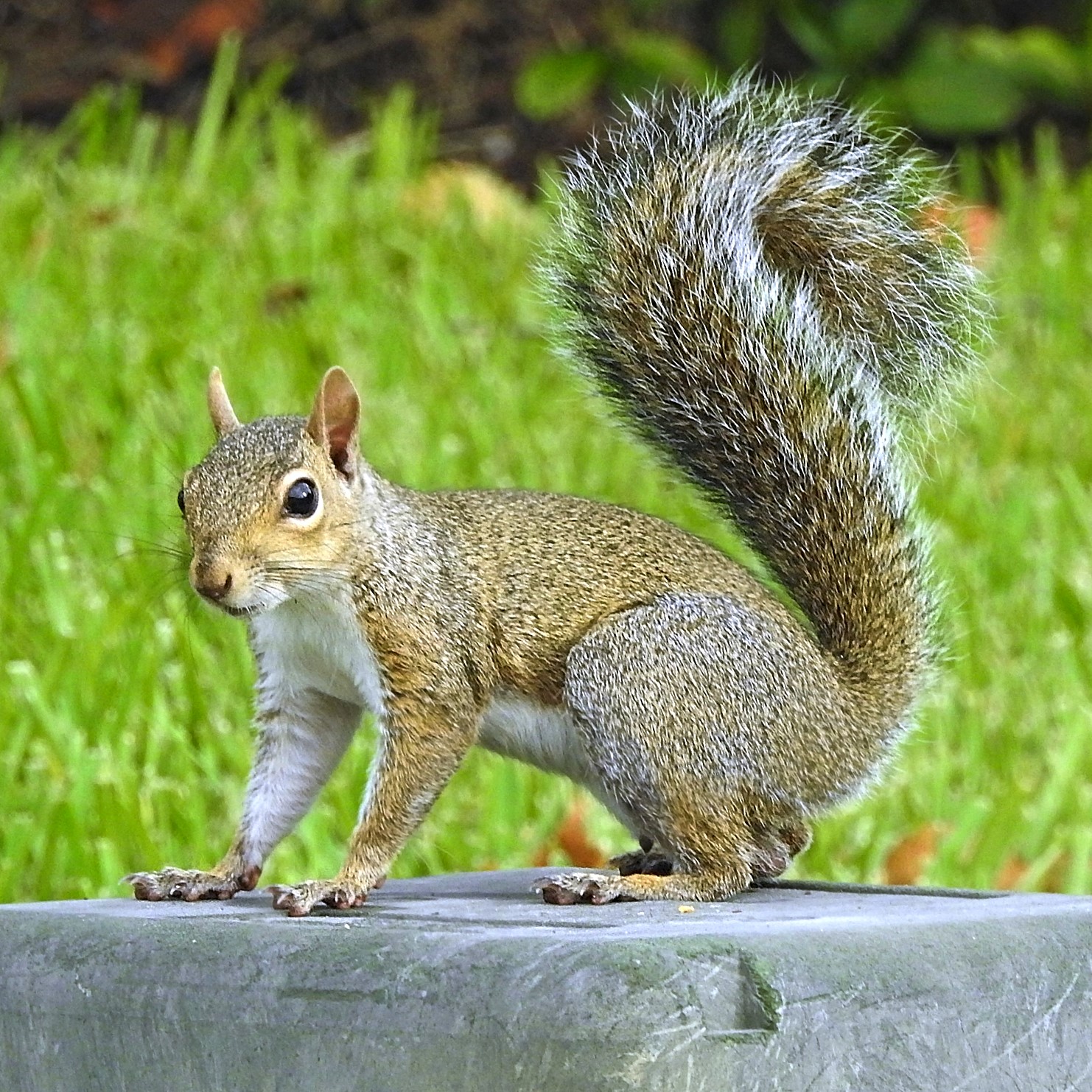
Sciurus carolinensis
eastern gray squirrel
mostly gray, white belly, white behind ears, white-tipped hairs on tail; diurnal, solitary, tree-dwelling; omnivorous, scatter hoarder, active all year
Sciurus niger
eastern fox squirrel
large, brown fur mixed with black, dull orange belly and tail; diurnal, tree-dwelling, omnivorous; scatter hoarder, active all year
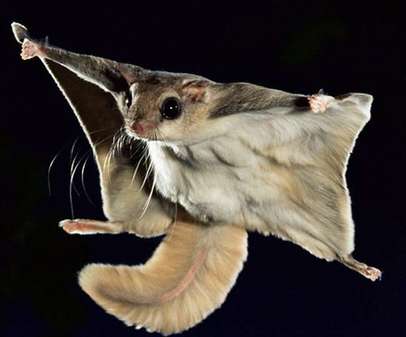
Glaucomys volans
southern flying squirrel
patagium, large eyes, flattened tail, belly hairs all white; nocturnal, omnivorous, nests in tree cavities
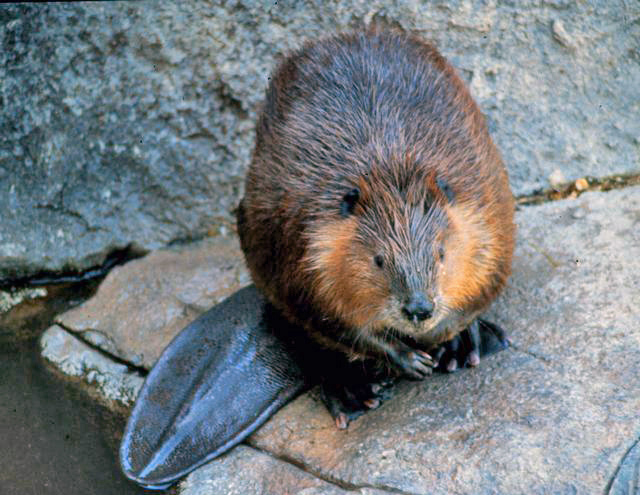
Castor canadensis
American beaver
large body, naked flat tail, webbed hind feet; semi-aquatic, builds dams and lodges, eats bark, leaves, twigs; diurnal, active all year; monogamous
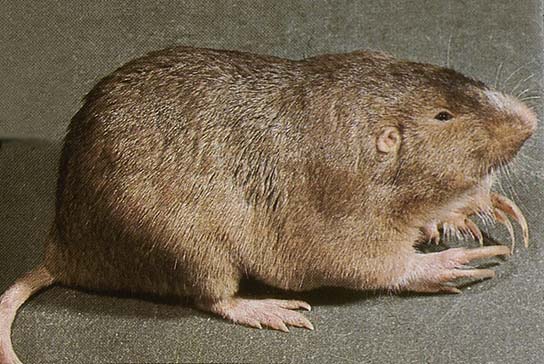
Geomys bursarius
Plains pocket gopher
cheek pouches, tiny eyes and ears, long claws on forefeet, short bare tail; highly fossorial, solitary, strictly herbivorous; active all year, day and night
Family Cricetidae
New World rats and mice, voles, and lemmings
generally nocturnal and active year-round; large litters, short lifespans
Subfamily Neotominae
New World rats and mice
long tails, large, scantily haired ears, distinct neck between head and body; 2 rows of cusps on cheek teeth (vs. 3 in Muridae)
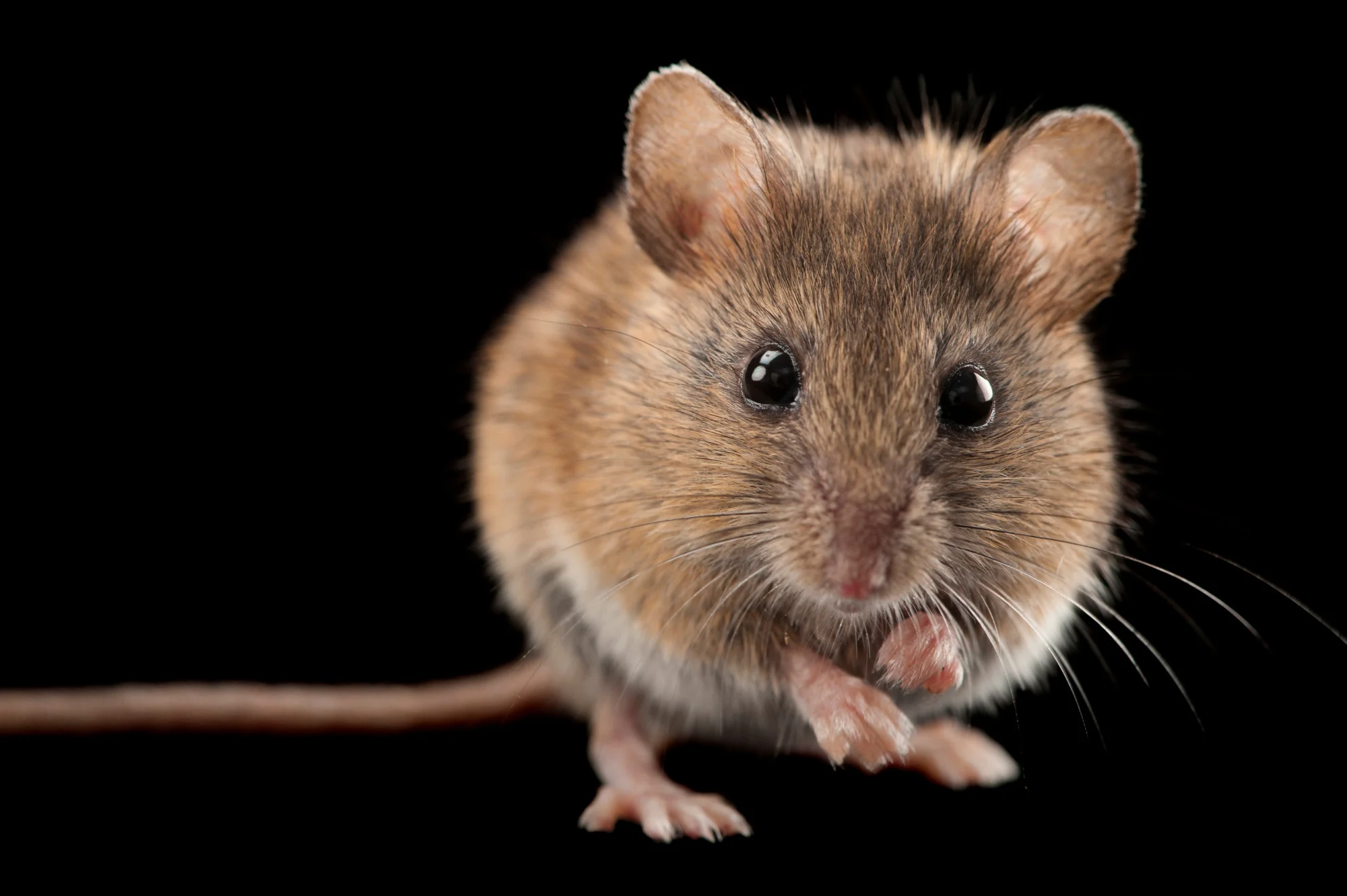
Reithrodontomys megalotis
western harvest mouse
thinly haired tail slightly shorter than body, white feet; grooved upper incisors; sedentary, non-territorial, eats seeds and insects
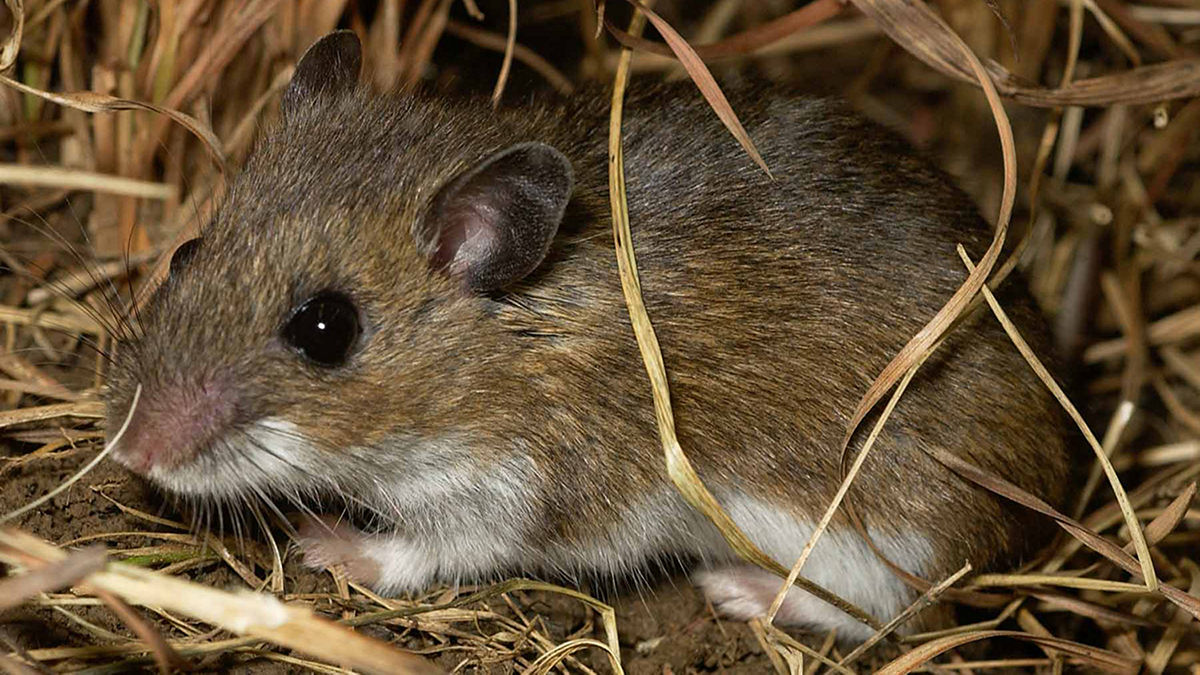
Peromyscus maniculatus
deer mouse
subspecies: P.m. gracilis (northern WI forests), P.m. bairdii (southern WI prairies); eats seeds, insects, etc.; solitary in summer, social in winter
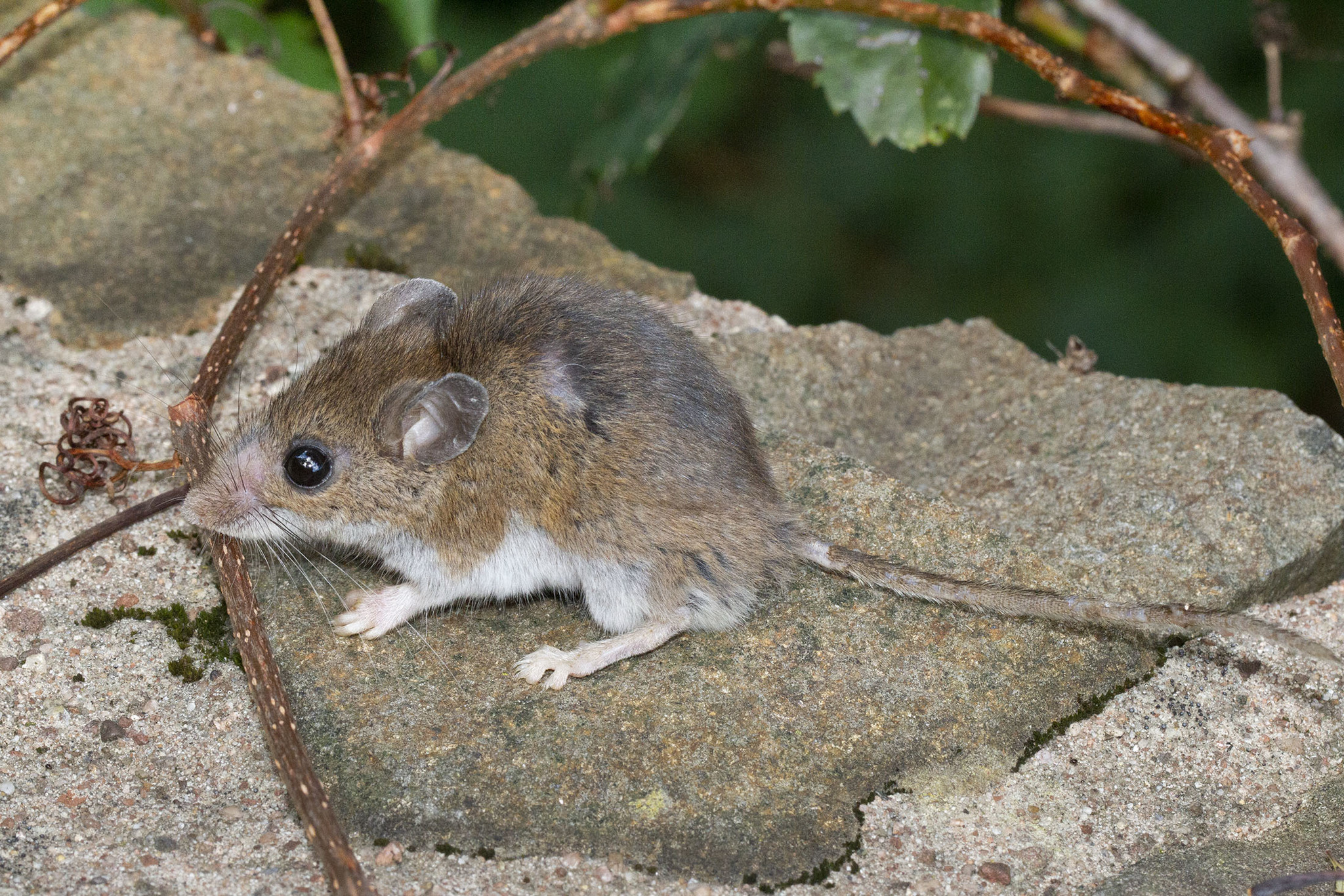
Peromyscus leucopus
white-footed mouse
deciduous forests, eats seeds, nuts, larvae, etc.; active climber, semi-arboreal
Subfamily Arvicolinae
voles and lemmings
short, fully furred tails, short ears mostly hidden by fur, no distinct neck; flat-topped zigzagging cheek teeth (vs. rounded with cusps in Neotominae and Muridae)
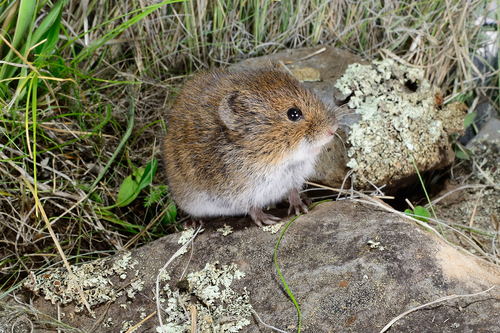
Synaptomys cooperi
southern bog lemming
brownish grizzled fur, tail roughly the same length as hind feet; outer edge of upper incisor grooved; eats grasses, rushes, sedges
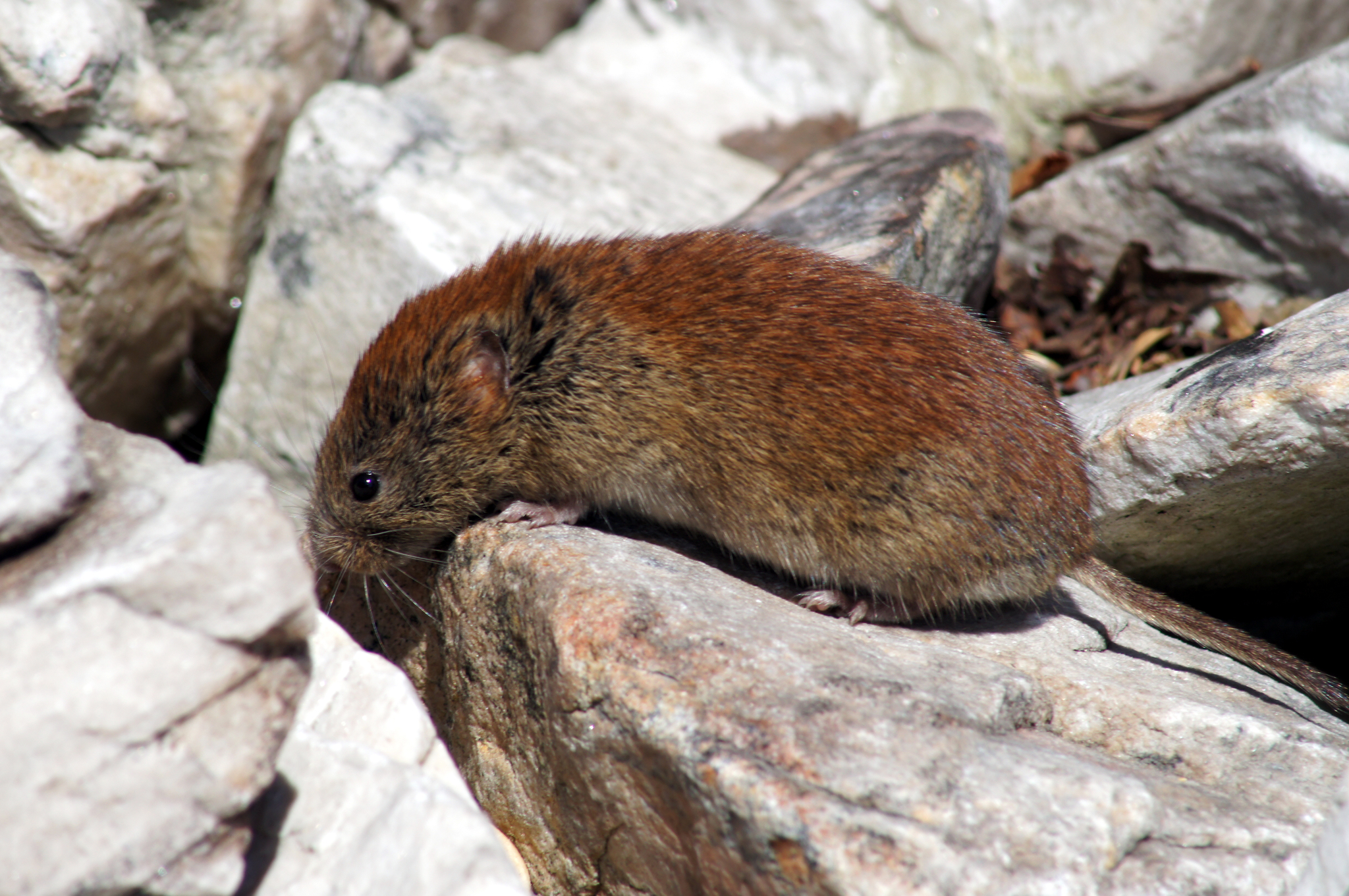
Clethrionomys gapperi
southern red-backed vole
broad rusty stripe down the center back, tail ~33% of total length; shelf-like poster border of the palate; mostly herbivorous, some insetcs
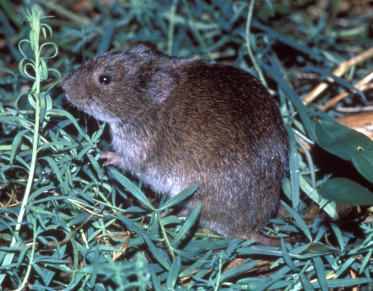
Microtus ochrogaster
prairie vole
tannish belly, grizzled fur on back; 4 loops on second molar (M2); mostly herbivorous, monogamous
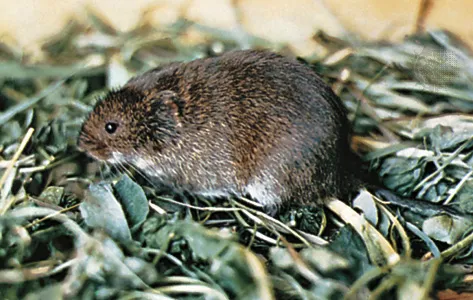
Microtus pennsylvanicus
meadow vole
silvery gray belly, ungrizzled back; 5 loops on second molar; eats mostly grasses and sedges
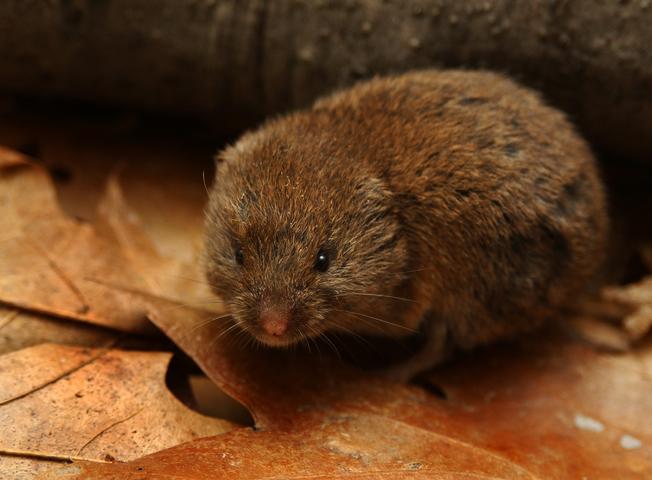
Microtus pinetorum
woodland vole
reddish fur, short tail; eats roots, tubers, rhizomes, etc.; semi-fossorial, monogamous
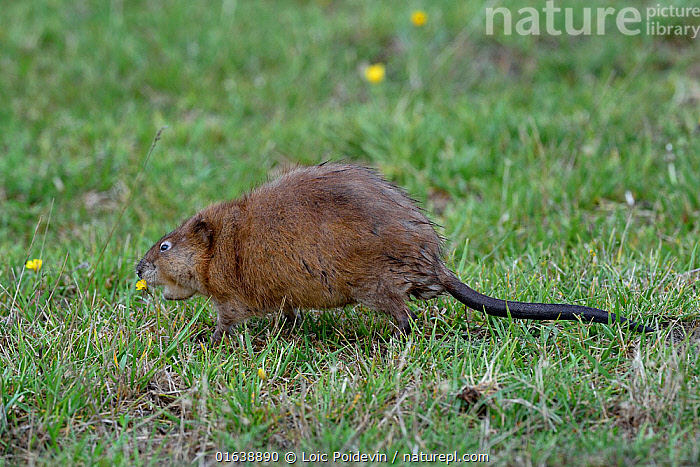
Ondatra zibethicus
muskrat
large with naked, laterally flat tail; eats aquatic vegetation and animal prey; active day or night, year-round; burrows into banks or builds lodges
 Note
Note  Flashcards (20)