Constitution, Presidents & Vice Presidents, and the United States of America
 Call Kai
 Learn
Learn Practice Test
 Spaced Repetition
 Match
Match Flashcards
 Knowt Play
1/52

Earn XP
Description and Tags
This set of flashcards covers key concepts from the lecture on the Constitution, Presidents & Vice Presidents, and various amendments to the U.S. Constitution.
Name | Mastery | Learn | Test | Matching | Spaced | Call with Kai |
|---|
No analytics yet
Send a link to your students to track their progress
53 Terms

What are the three main parts of the Constitution?
The Preamble, Articles, and Amendments.

What does the Preamble establish?
It sets forth the purposes of the Constitution, stating 'We the people' as the source of power.

How many amendments are there on the Constitution?
There are 27 amendments.


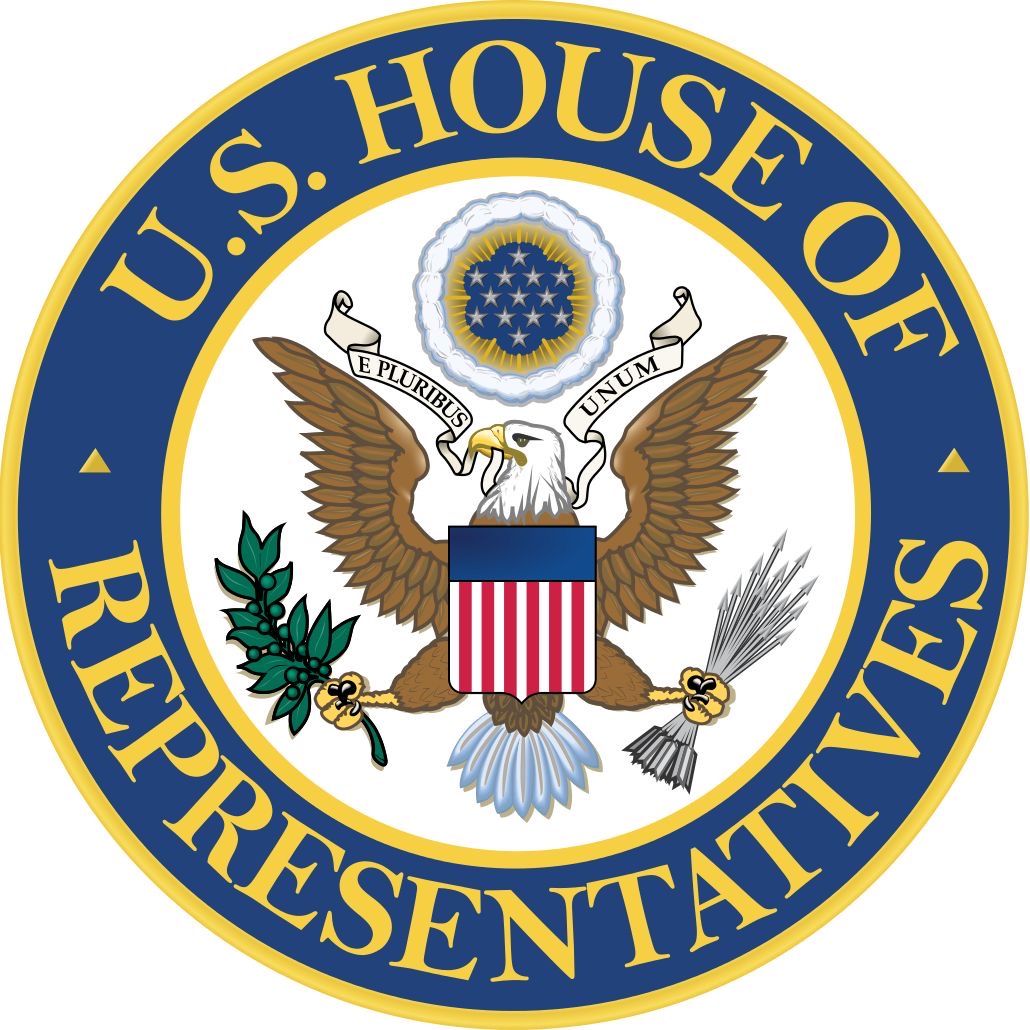
What are the two houses of Congress?
The Senate and the House of Representatives.


What are the age and citizenship requirements for members of the House of Representatives?
Members must be at least 25 years old and citizens for 7 years.
What is the term length for Senators and what are the requirements?
Senators serve 6-year terms. (1 out of three compete for their seats every two years)
Must be 31 years old, a citizen for 9 years, & an inhabitant of the
state they were chosen in.
What unique role does the Vice President have in the Senate?
The Vice President is the President of the Senate and only votes in case of a tie.

What is required for a bill to become law?
It must pass both Houses of Congress and be signed by the President.
What is a 'pocket veto'?
If the President does not return the bill in 10 days and Congress is adjourned, the bill does not become law.
What powers does Congress have?
To lay and collect taxes, declare war, regulate commerce, and establish naturalization rules, among others.
What is the Federal Government?
The federal government is the national government that makes and enforces laws for the entire country.

What do state governments do?
Fill in gaps where the federal government does not act. State government is the government that runs an individual state and handles issues that affect people locally or regionally.

How many articles are in the Constitution and what are they?
I. Legislative Branch
II. Executive Branch
III. Judicial Branch
IV. States, Citizenship, New States
V. Amendment Process
VI. Debts, Supremacy, Oaths, Religious Tests
VII. Ratification

What is the name of Article 1 of the Constitution and what is it primarily concerned with?
It is called the Legislative Branch. It establishes the structure, powers, and responsibilities of the Legislative Branch, primarily outlining the roles of the Senate and House of Representatives.

Money Bills must start where and be approved by who?
Money bills MUST start in the House & approved by the Senate

What is Article 2 called and concerned with?
The Executive Branch. It is concerned with outlining the powers and responsibilities of the President.

What are the powers of the President?
The President is commander in chief of the army & navy and of the state militia when called into the service of the United States
The President may pardon persons punished for offenses against the United States
The President can make treaties, but two-thirds of the Senators must agree to them
The President appoints public officials, ambassadors, Supreme Court judges, etc.
The President can call both Houses together on very special occasions
The President is to carry out the laws of the United States faithfully

What is needed for the removal of civil officials (this includes the president.)
The House of Representatives must impeach the official, and then the Senate conducts a trial to remove them, requiring a two-thirds vote.

What is Article 3 called and what is it concerning?
Judicial Branch. It is concerned with establishing the Supreme Court and defining its jurisdiction. Article 3 also outlines the powers and responsibilities of lower federal courts.
What are the powers of the Judicial Branch?
Judges shall hold office “during good behavior”, meaning they cannot be dismissed unless they do wrong
U.S. courts can hear suits between states, between a state and a citizen of another state, between citizens of different states, and between a state or citizen and a foreign state or a foreign citizen (& on the high seas)
All crimes shall be tried by jury (except impeachment of officeholders)
Treason against the U.S. shall consist of making war or joining the enemies of the U.S. or “giving them aid and comfort”
No person shall be convicted of treason unless two witnesses saw that person commit the act, or unless he or she confesses in court


What is the name of Article 4 and what is it concerning?
States, Citizenships, New States. It deals with the relationship between states and the federal government, addressing state powers, responsibilities, and the rights of citizens across state lines.
Article 4: The constitution forbids the states from doing what?
To make a treaty or alliance with a foreign country
To issue paper money
To keep contracts from being carried out
To grant titles of nobility (Congress also is not allowed to do this)
To levy taxes on imports or exports
To keep troops or ships of war in times of peace
To go to war without the consent of Congress


What is the name of Article 5 and what does it concern?
Amendment Process. It outlines the process for amending the Constitution, allowing for changes to be made either by congressional proposal or through a convention called by the states.
Article 5: What is the Amendment process?
To change or amend the Constitution 2 ways are provided:
Congress by a 2/3s vote can propose an amendment
A Convention can be called by 2/3s of the states to propose amendments
In both cases, 3/4s of the state legislatures must approve the change before it becomes a part of the Constitution

What are the concerns of Article 6? What is it’s name?
Debts, Supremacy, Oaths, Religious Tests. It addresses the supremacy of the Constitution, stating that it is the highest law of the land, and mandates an oath of office for government officials to support it.

What is the name, and what are the concerns of Article 7?
Ratification. It deals with the ratification process of the Constitution, specifying that it would take effect once nine states had ratified it.

How are the first ten amendments to the Constitution known?
They are known as the Bill of Rights.

What does the 1st Amendment protect?
Freedom of religion, speech, press, assembly, and petition.


What does the 2nd Amendment safeguard?
The right of the people to keep and bear arms.


What is prohibited by the 3rd Amendment?
The quartering of soldiers in private homes without consent in peacetime.
What protection does the 4th Amendment provide?
Protection against unreasonable searches and seizures.

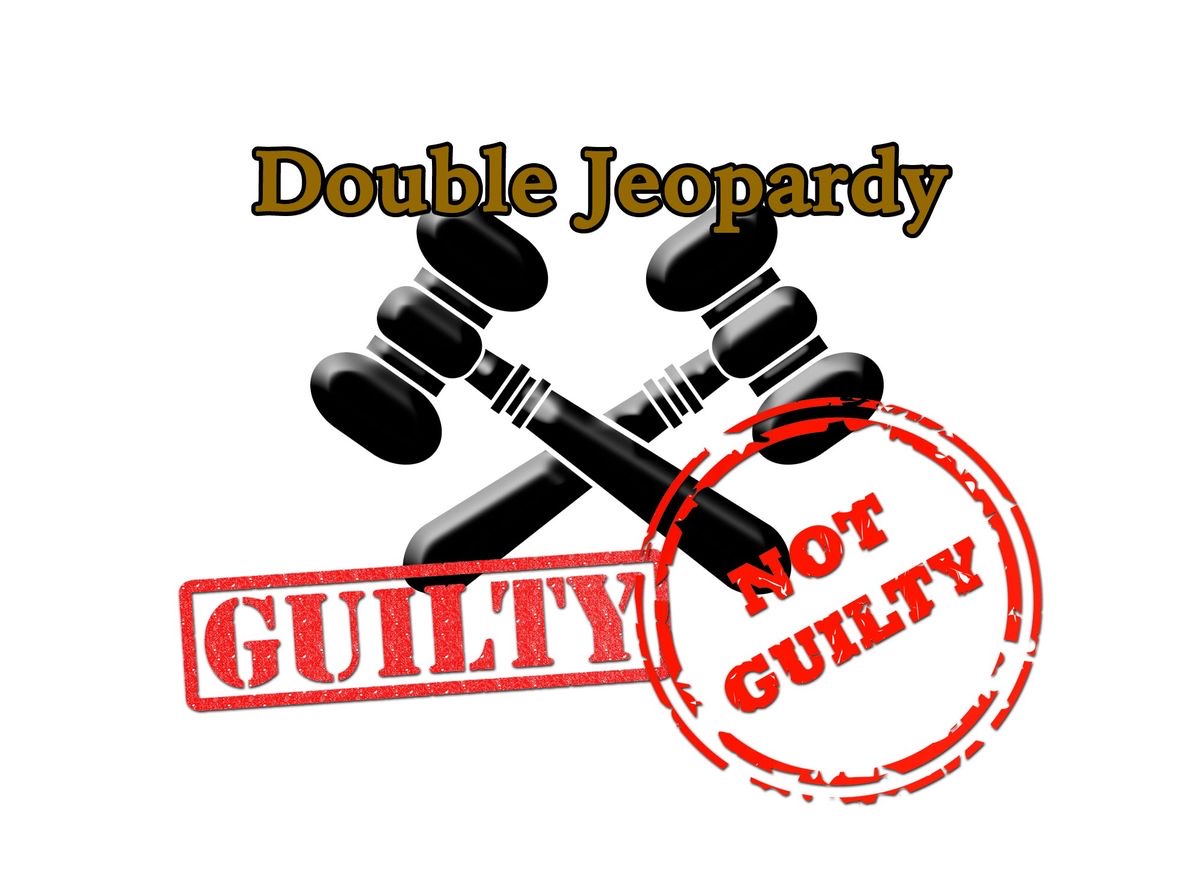
What rights does the 5th Amendment ensure?
Rights related to grand juries, double jeopardy, self-incrimination, and due process.
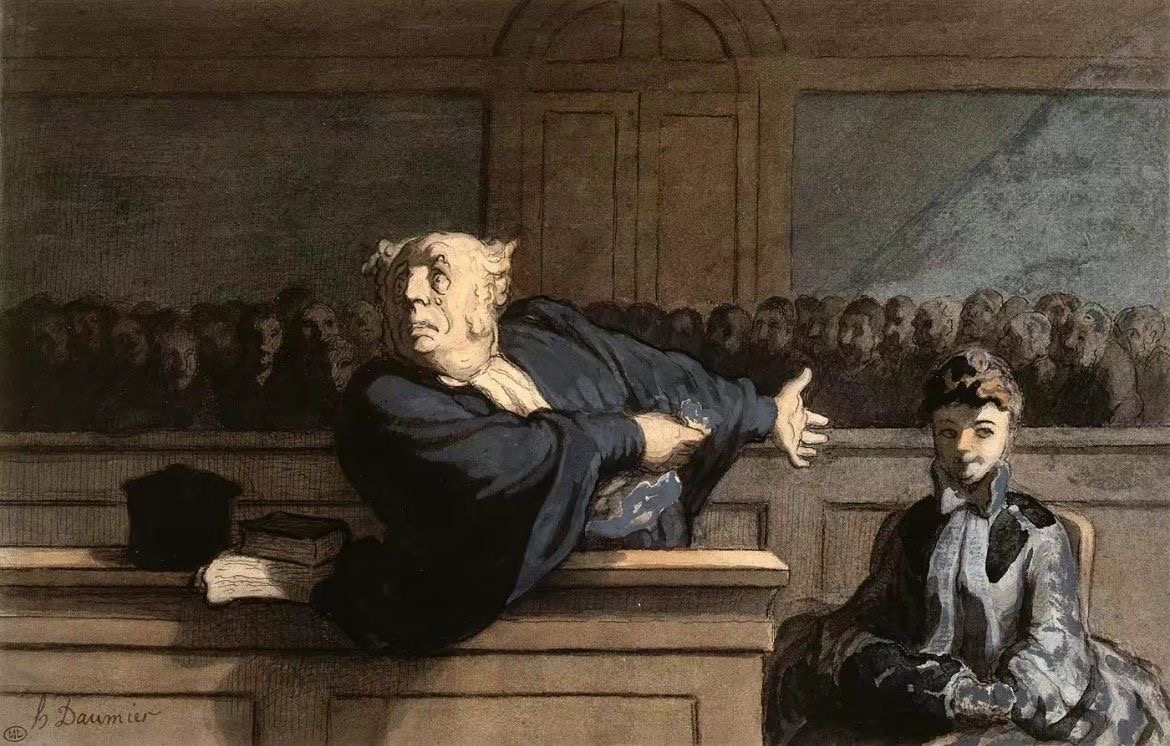
What does the 6th Amendment guarantee?
The right to a speedy and public trial, an impartial jury, and legal counsel.


What type of cases does the 7th Amendment pertain to?
Civil lawsuits involving a jury trial.
What is a civil lawsuit.
A court case to resolve disputes between people or organizations (not criminal).

What does the 8th Amendment prohibit?
Excessive bail, fines, and cruel and unusual punishments.

What concern does the 9th Amendment address?
The people retain rights beyond those listed.

What does the 10th Amendment affirm?
Powers not given to the federal government stay with the states or the people.
What does the 11th Amendment restrict?
It restricts the judiciary's jurisdiction over states and immunizes states from certain lawsuits.

What change did the 12th Amendment bring to presidential elections?
It established the process of electors voting separately for President and Vice President.
What is the significance of the 13th Amendment?
It abolished slavery and involuntary servitude in the United States.


What rights does the 14th Amendment protect?
It grants citizenship rights and equal protection under the law to all persons born or naturalized in the U.S.


What does the 15th Amendment ensure?
It prohibits denying the right to vote on account of race or previous condition of servitude.


What was the purpose of the 18th Amendment?
To prohibit the manufacture, sale, and transportation of intoxicating liquors.


What did the 19th Amendment accomplish?
It granted women the right to vote.


What does the 20th amendment specify?
The 20th amendment specifies the terms of the President and Vice President shall end at noon on January 20th, and the terms of Senators and Representatives at noon on January 3rd. It also addresses presidential succession and congressional assembly.

What amendment does the 21st amendment repeal?
The 21st amendment repeals the 18th amendment, thus ending Prohibition and allowing the production and sale of alcoholic beverages.

What change does the 22nd Amendment make regarding the presidency?
It limits the President to two terms in office.


What did the 23rd Amendment accomplish?
The 23rd Amendment granted residents of Washington, D.C. the right to vote in presidential elections by allocating them electors in the Electoral College.


What does the 24th Amendment eliminate?
It prohibits poll taxes in federal elections.


What is the purpose of the 25th Amendment?
It clarifies the procedures for presidential succession and filling a vice presidential vacancy.


What does the 26th Amendment establish?
It grants the right to vote to citizens who are 18 years of age or older.


What does the 27th Amendment prevent?
It prevents Congress from giving itself a pay raise without waiting for the next election. This is meant to reduce corruption in the legislative branch by requiring an election before a congressperson’s salary increase takes effect