Appendicular Skeleton Identification
 Studied by 0 people
 Call Kai
 Learn
Learn Practice Test
 Spaced Repetition
 Match
Match Flashcards
 Knowt Play
1/48

There's no tags or description
Looks like no tags are added yet.
Name | Mastery | Learn | Test | Matching | Spaced | Call with Kai |
|---|
No analytics yet
Send a link to your students to track their progress
49 Terms
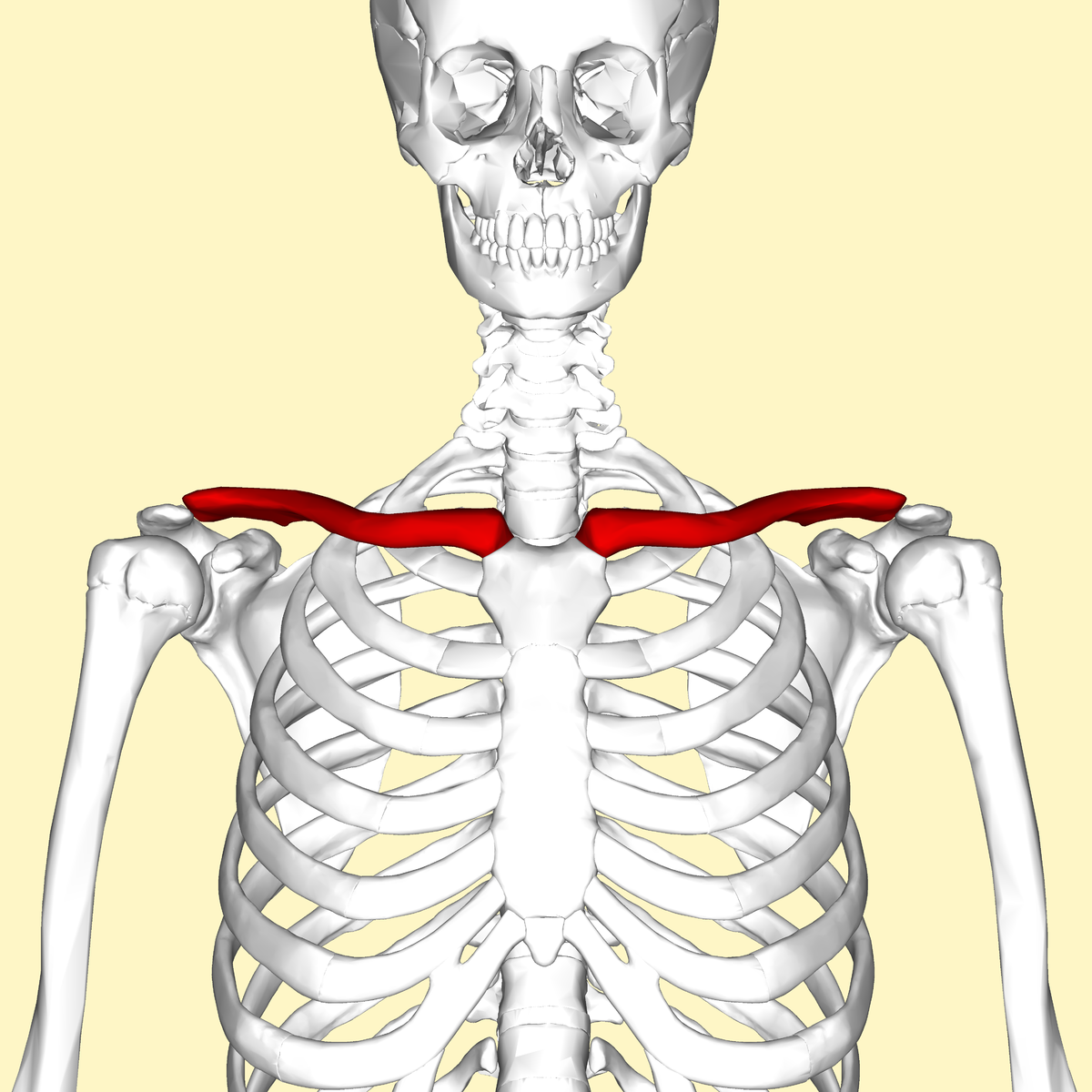
Clavicle
Slender, doubly curved bone
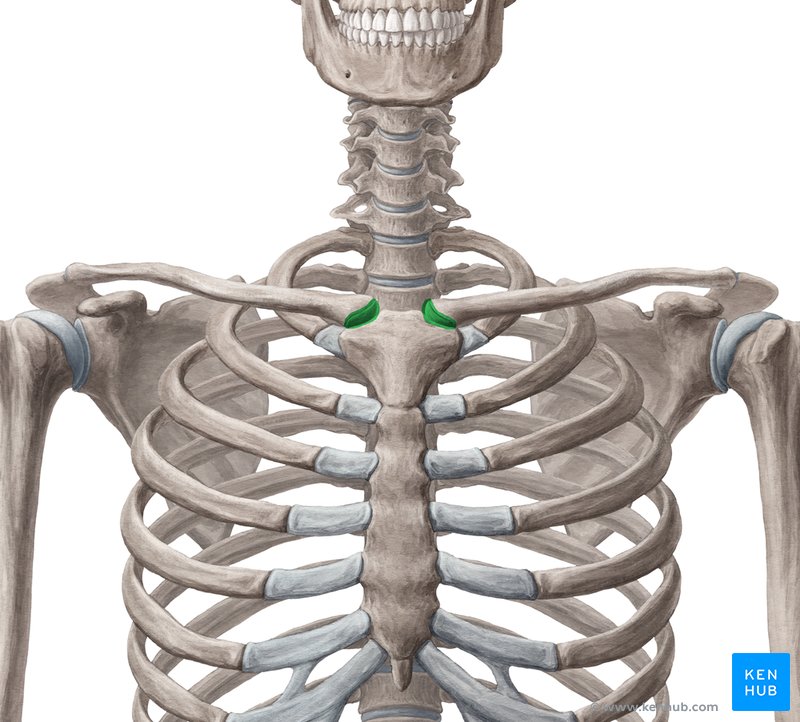
Sternoclavicular joint
Where the clavicle articulates with sternum
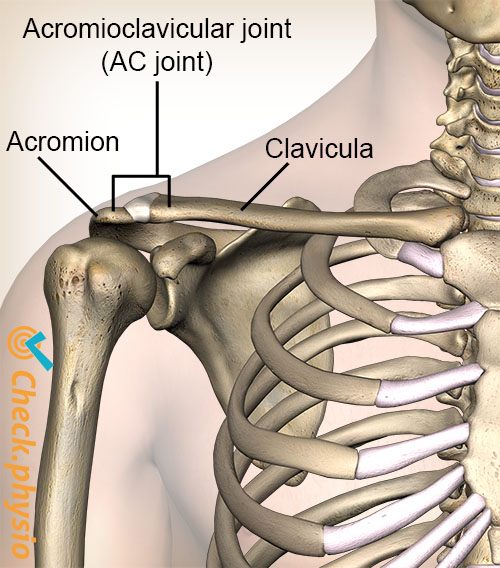
Acromioclavicular joint
Where the clavicle articulates with the shoulder
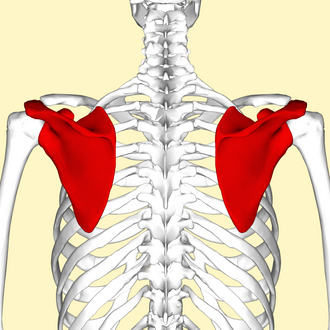
Scapula
Triangular and flattened body
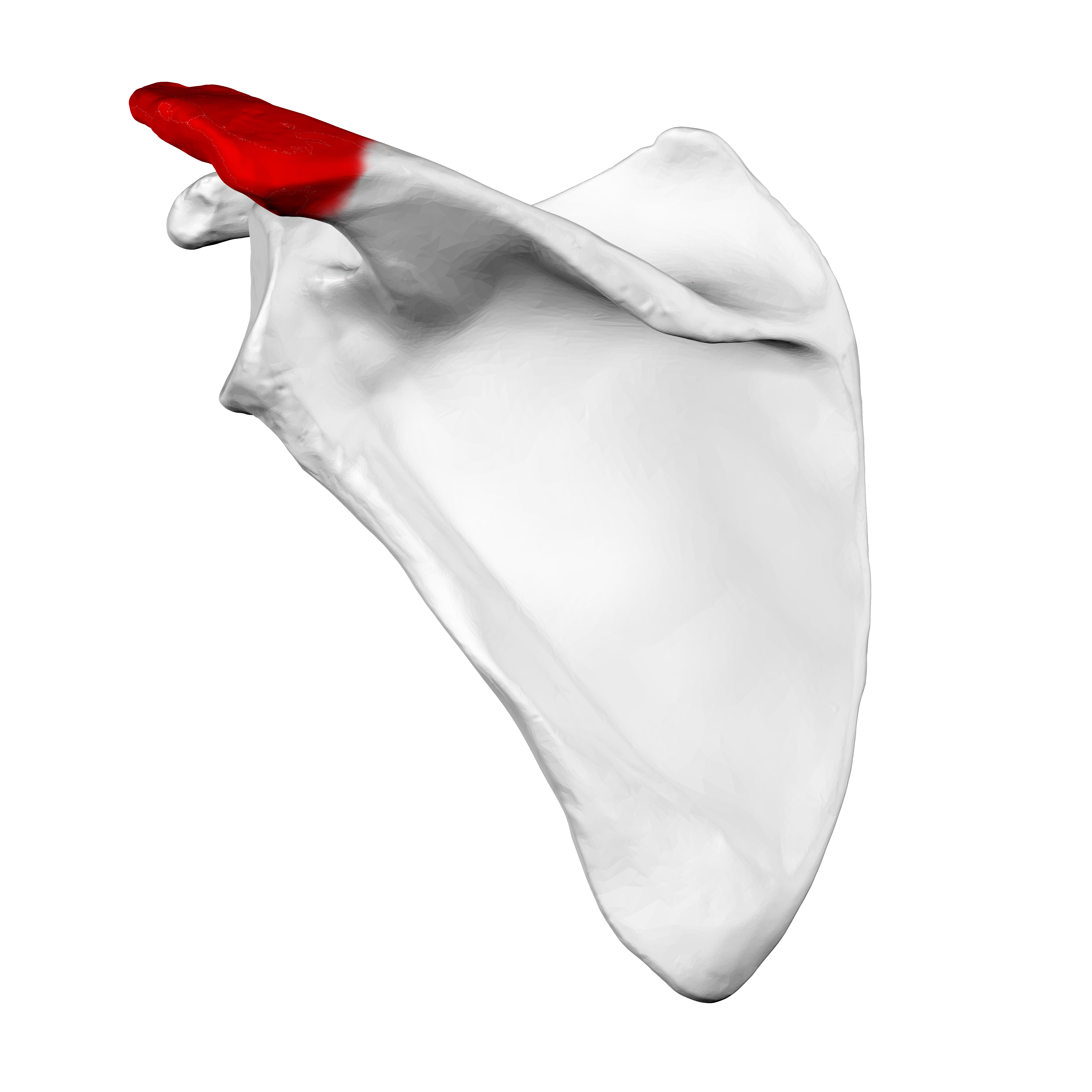
Acromion
Enlarged end of the spine of scapula
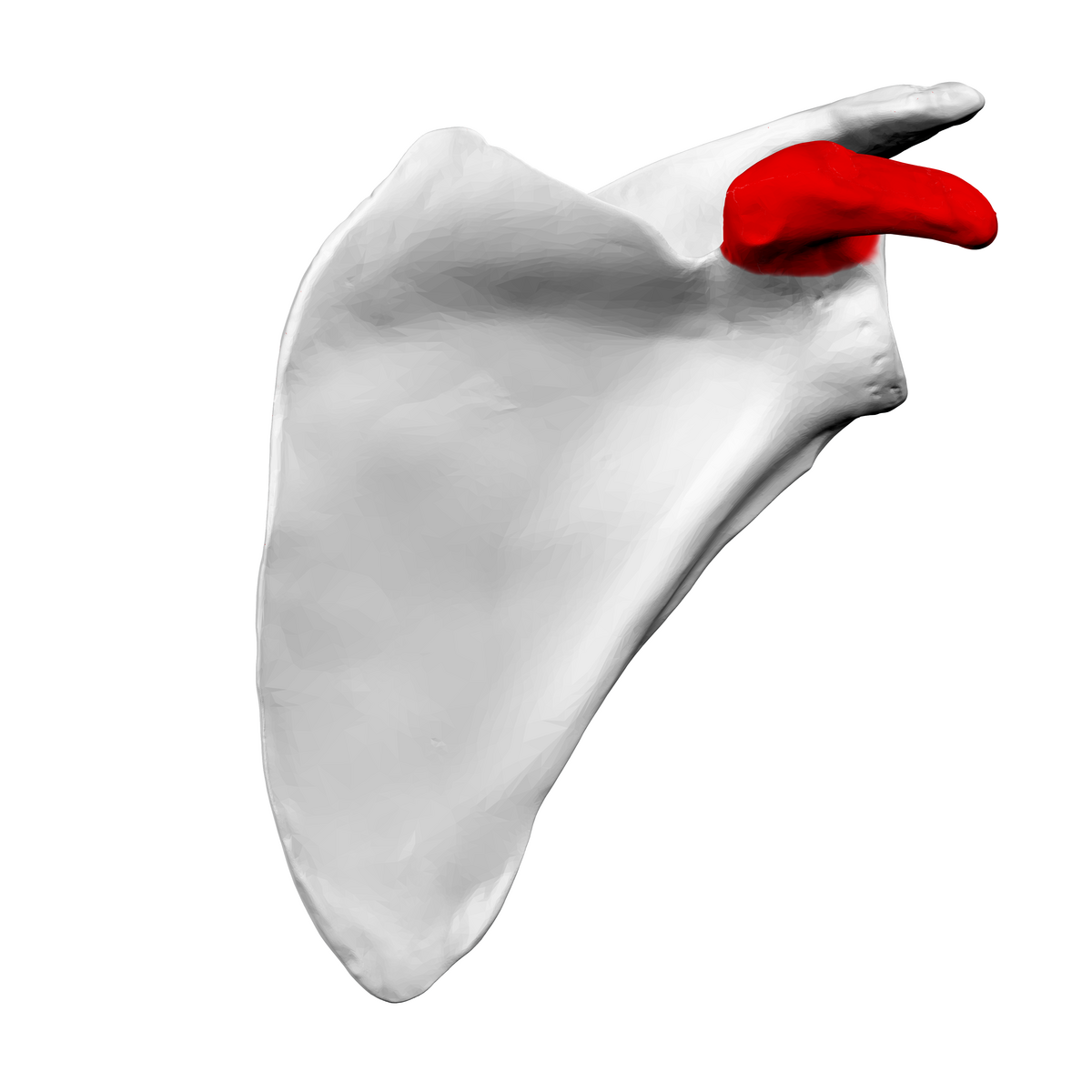
Coracoid process
Beaklike protusion on scapula
Site for muscle and ligament attachment
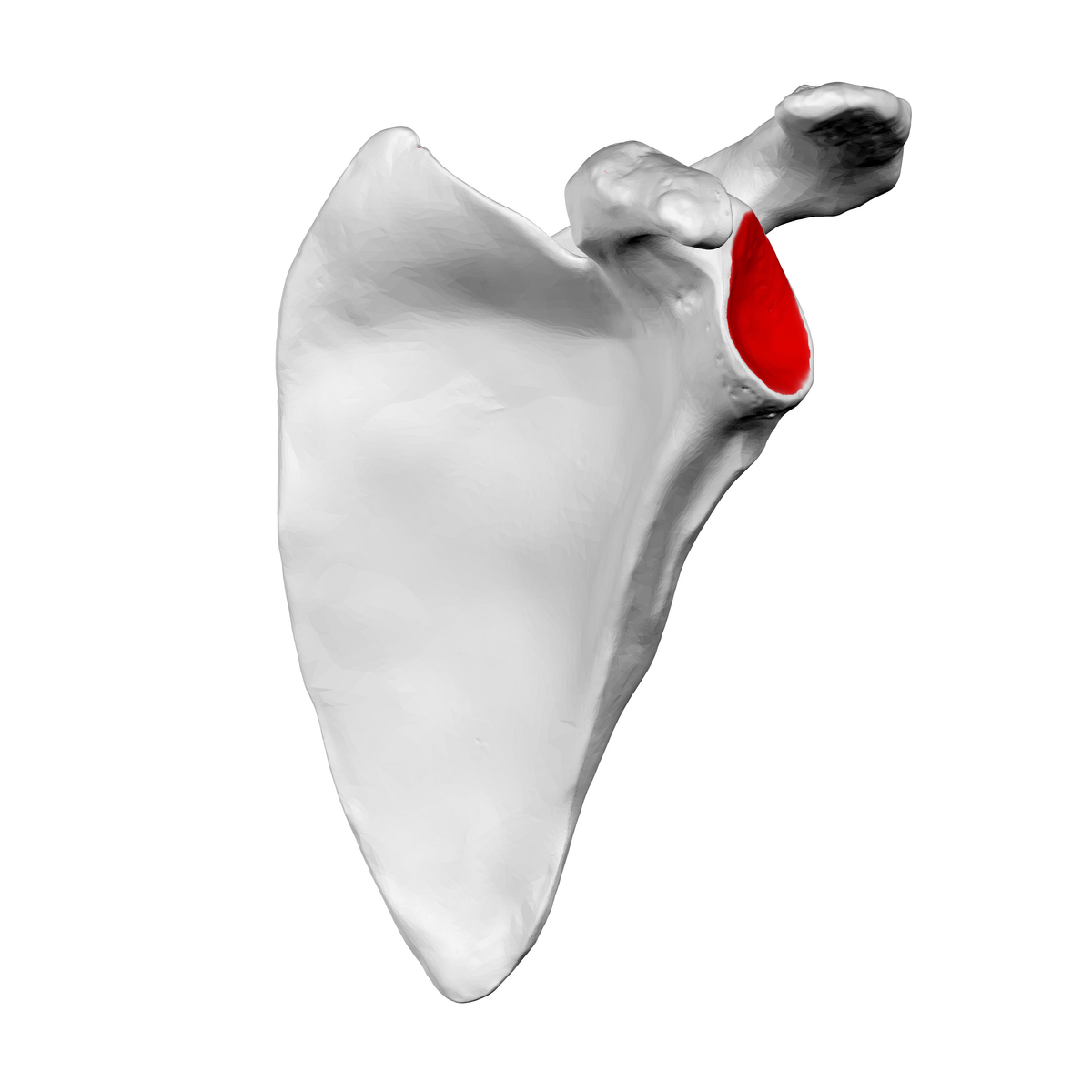
Glenoid cavity
Shallow socket hat receives head of humerus
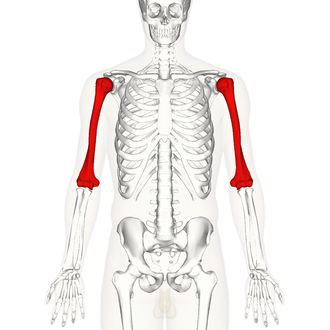
Humerus
Long bone of the arm
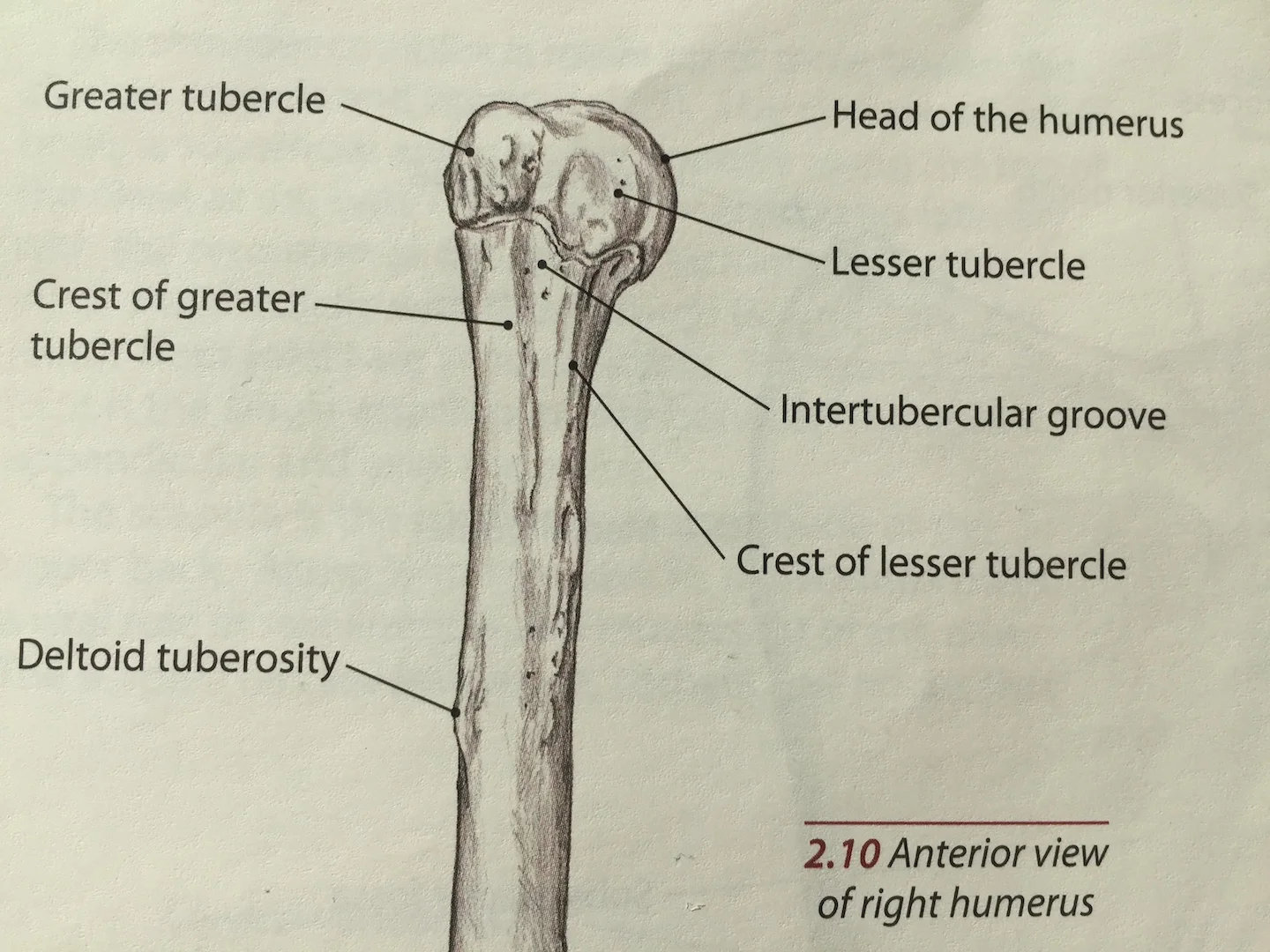
Greater/lesser tubercles
Two prominences near the head of humerus
Separated by line called intertubercular sulcus
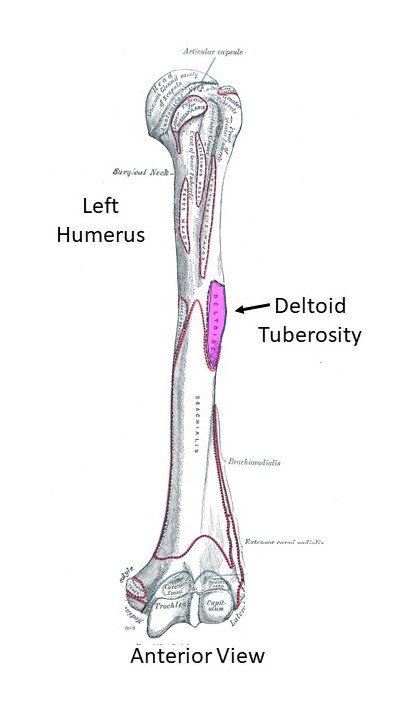
Deltoid tuberosity
Part on midshaft of humerus where deltoid attaches
Trochlea
Place on humerus where it articulates with ulna
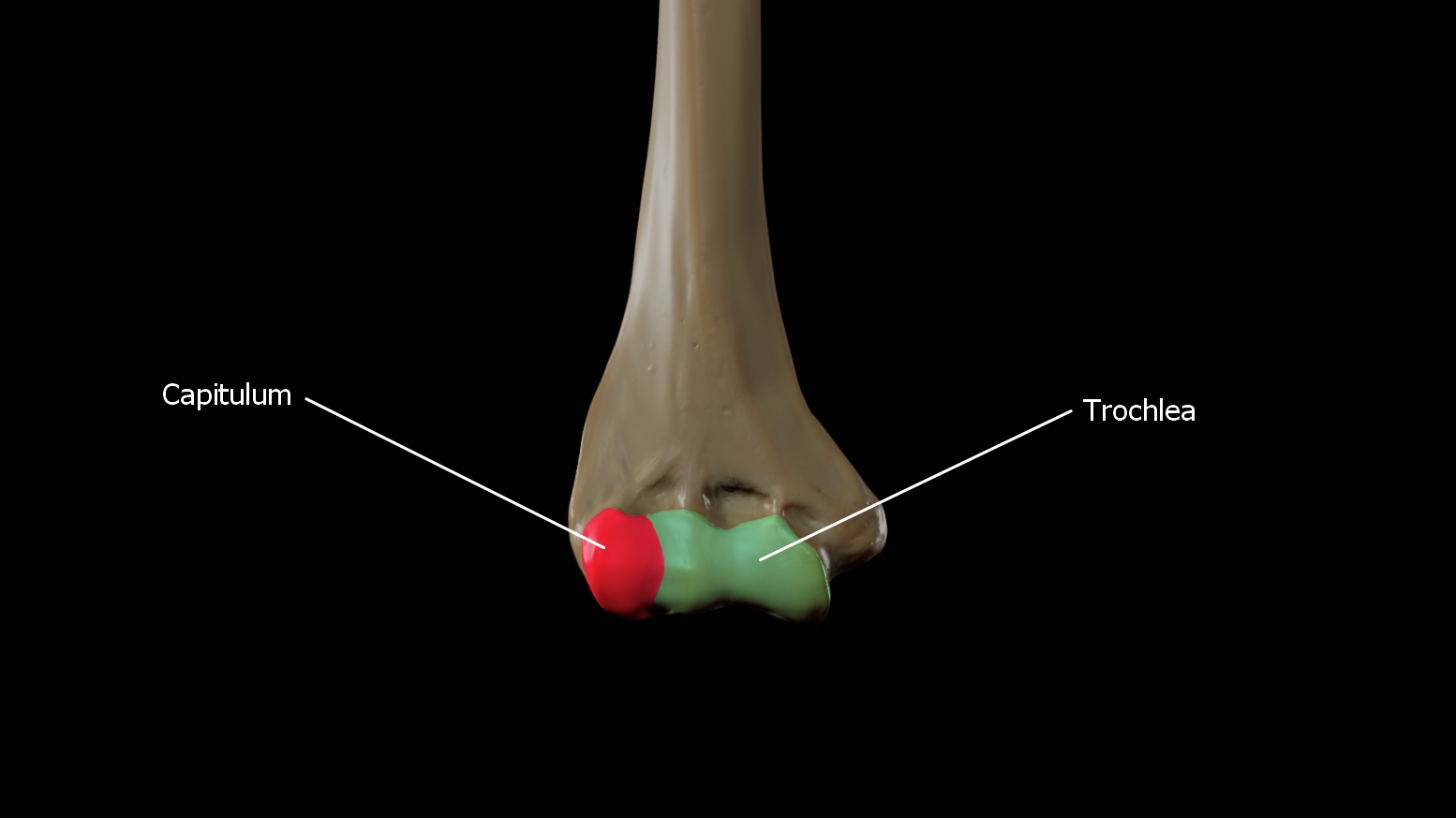
Capitulum
Place on humerus where it articulates with radius
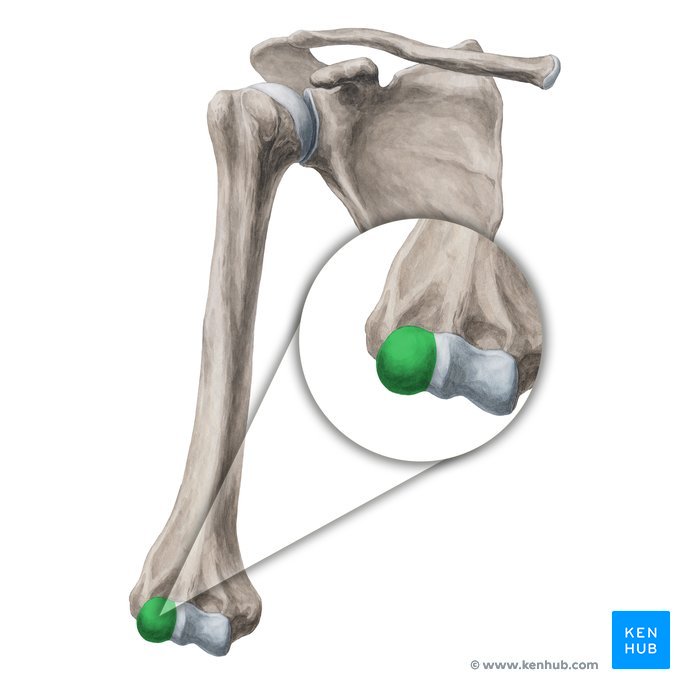
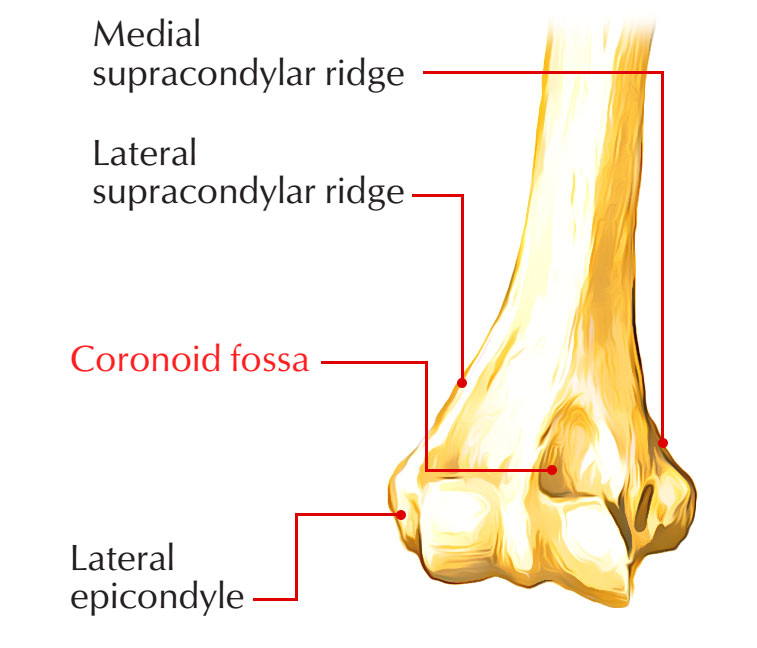
Coronoid fossa
Accomodates the coronoid process of the ulna when bending arm
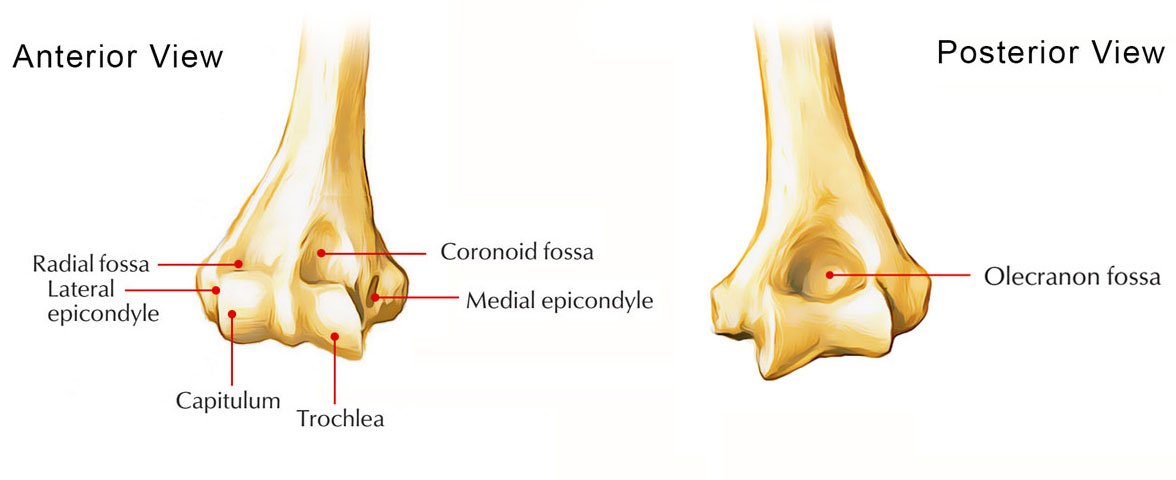
Olecranon fossa
Accomodates the olecranon of ulna when bending the arm
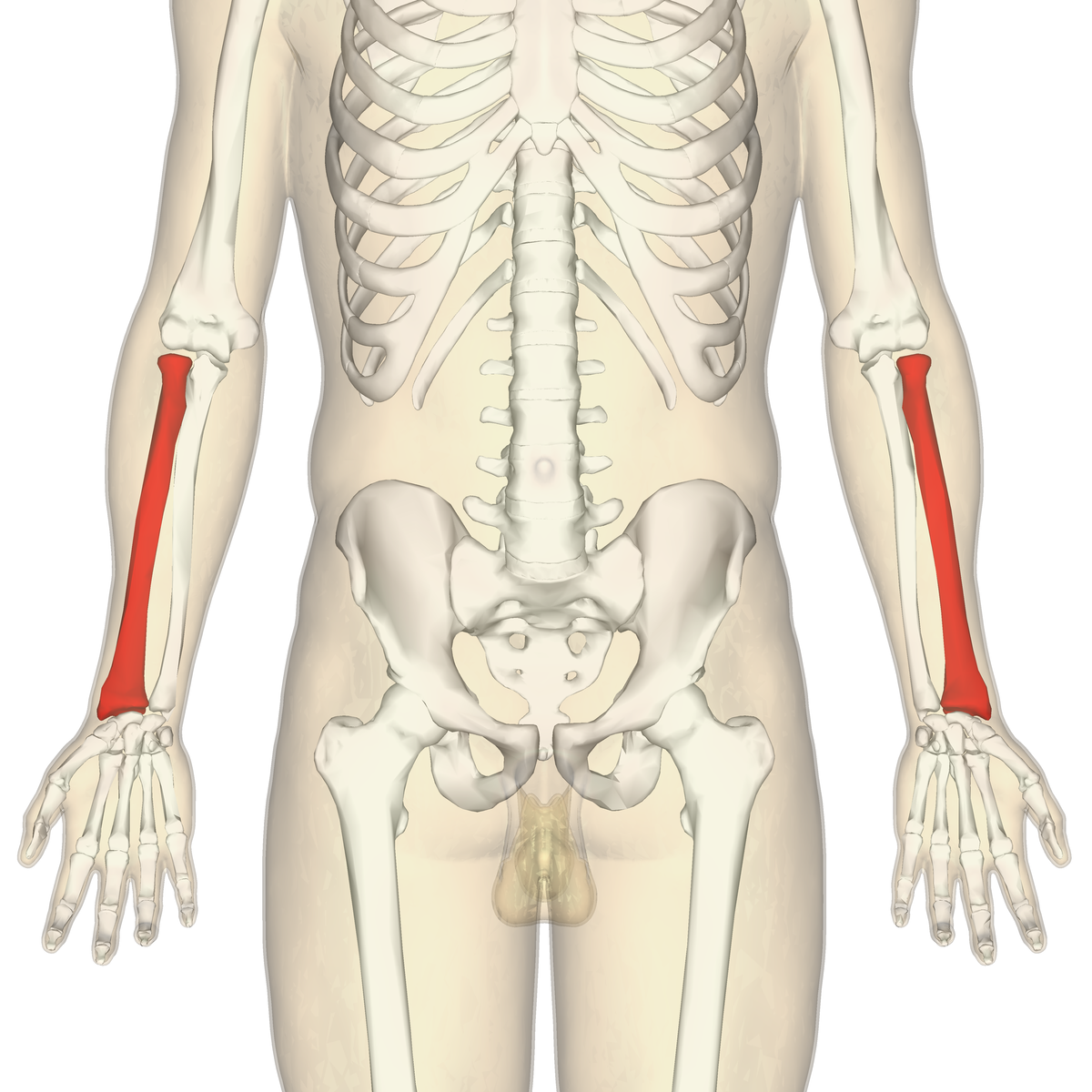
Radius
Lateral bone of the forearm
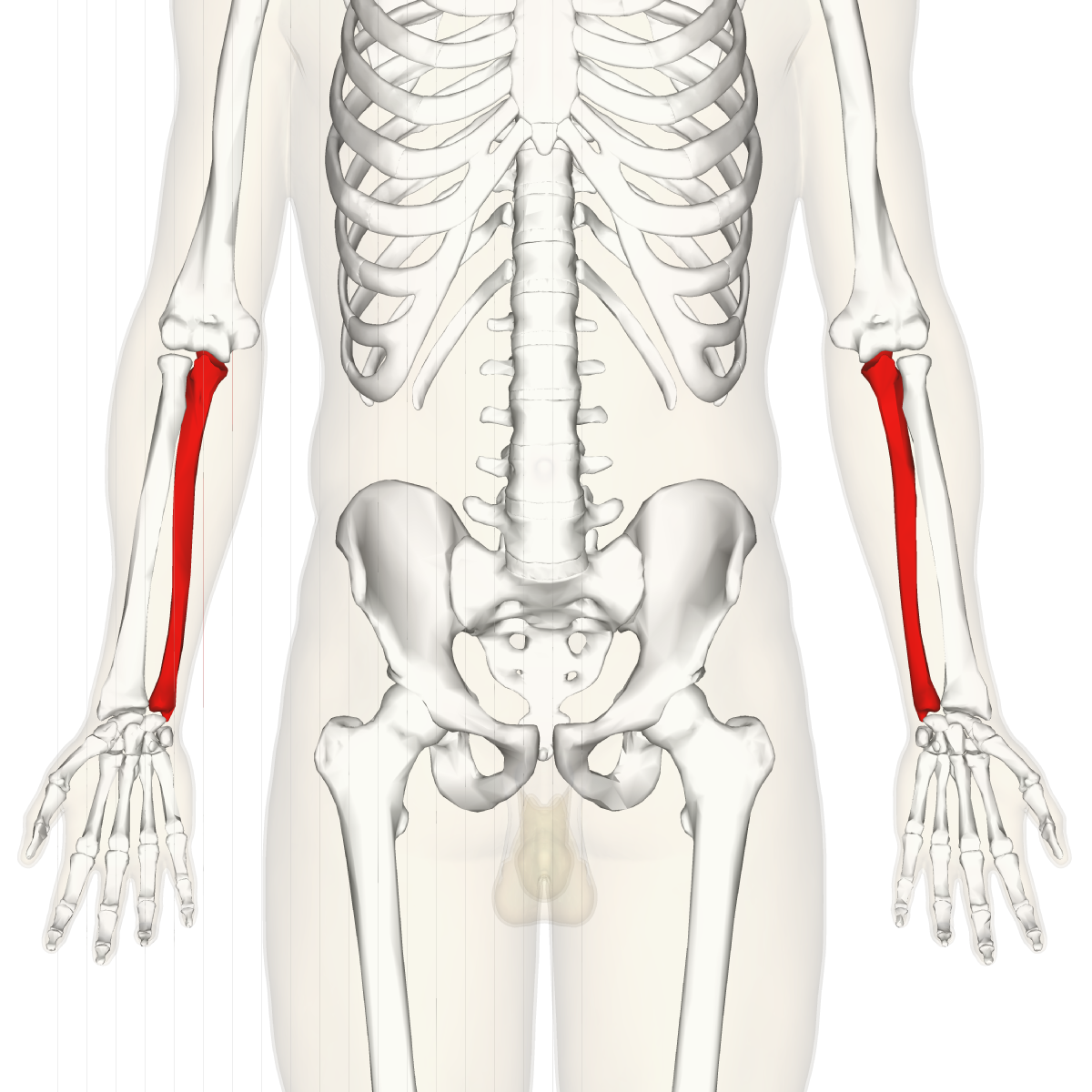
Ulna
Medial bone of the forearm
Interosseous membrane
Membrane that connects the radius and ulna together
Also connects tibia and fibula together
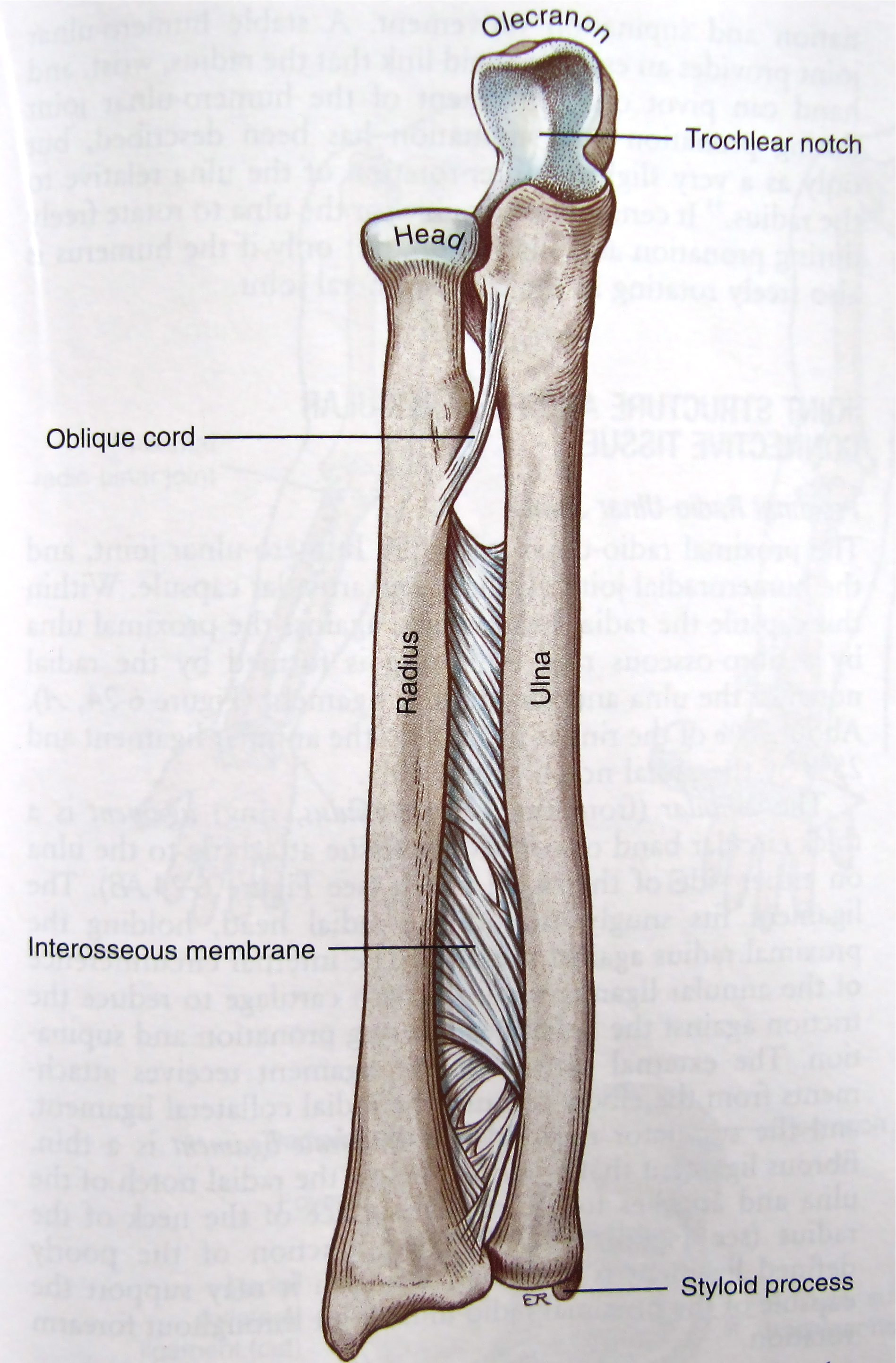
Radial tuberosity
Where bicep muscle of the arm attaches to the radius
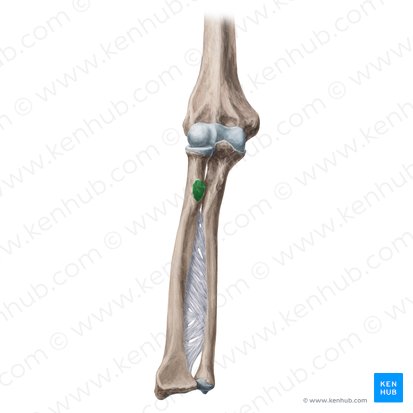
Radial styloid process
Fits the carpals to the radius

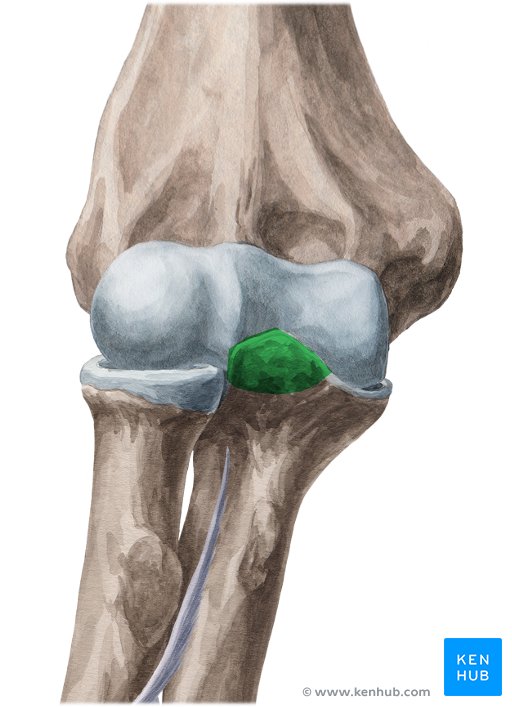
Coronoid process
Proximal structure on the ulna that articulates with coronoid fossa
Olecranon process
Posterior structure on ulna that articulates with olecranon fossa
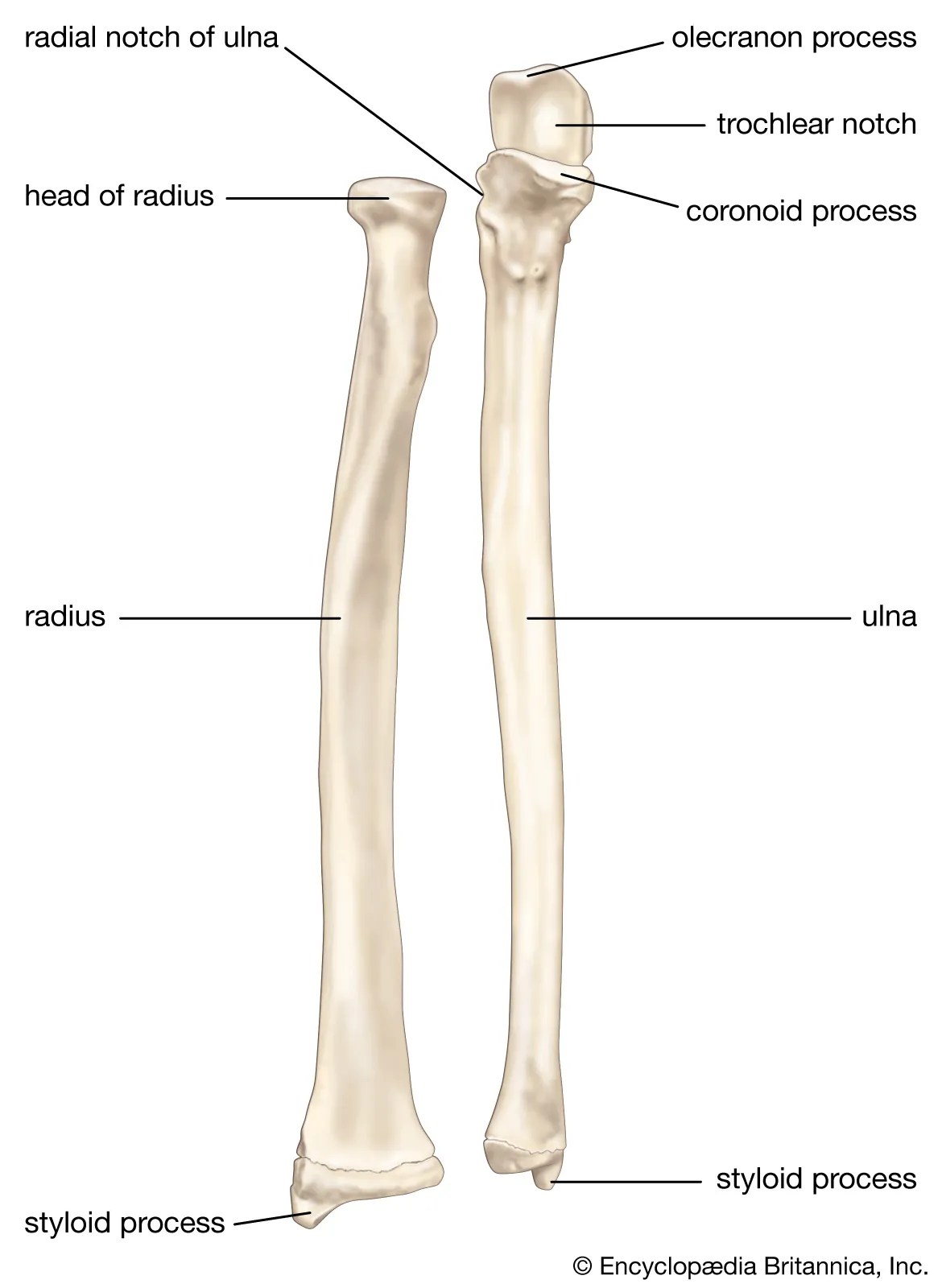
Ulnar styloid process
Anchors ligaments of the wrist
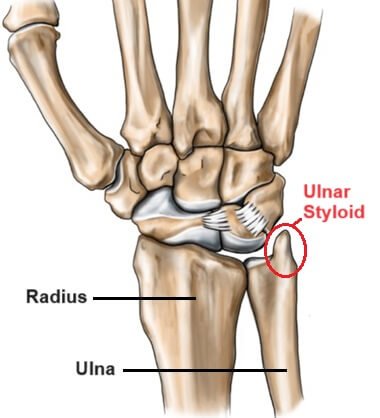
Carpals
Eight bones of the wrist
Arranged in two irregular rows of four bones each
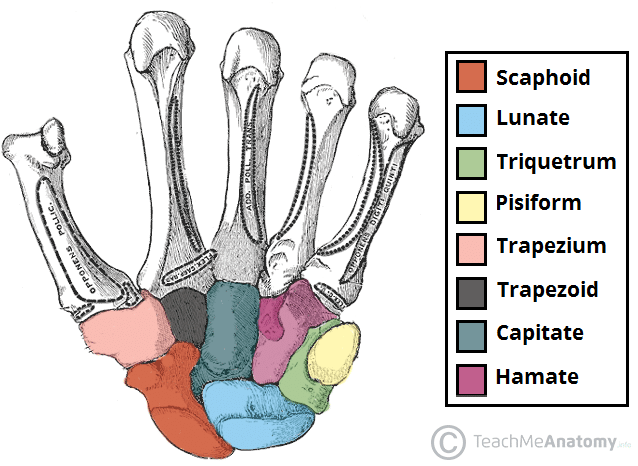
Metacarpals
5 finger bones of the hand
Base articulate with carpals while heads articulate with phalanges
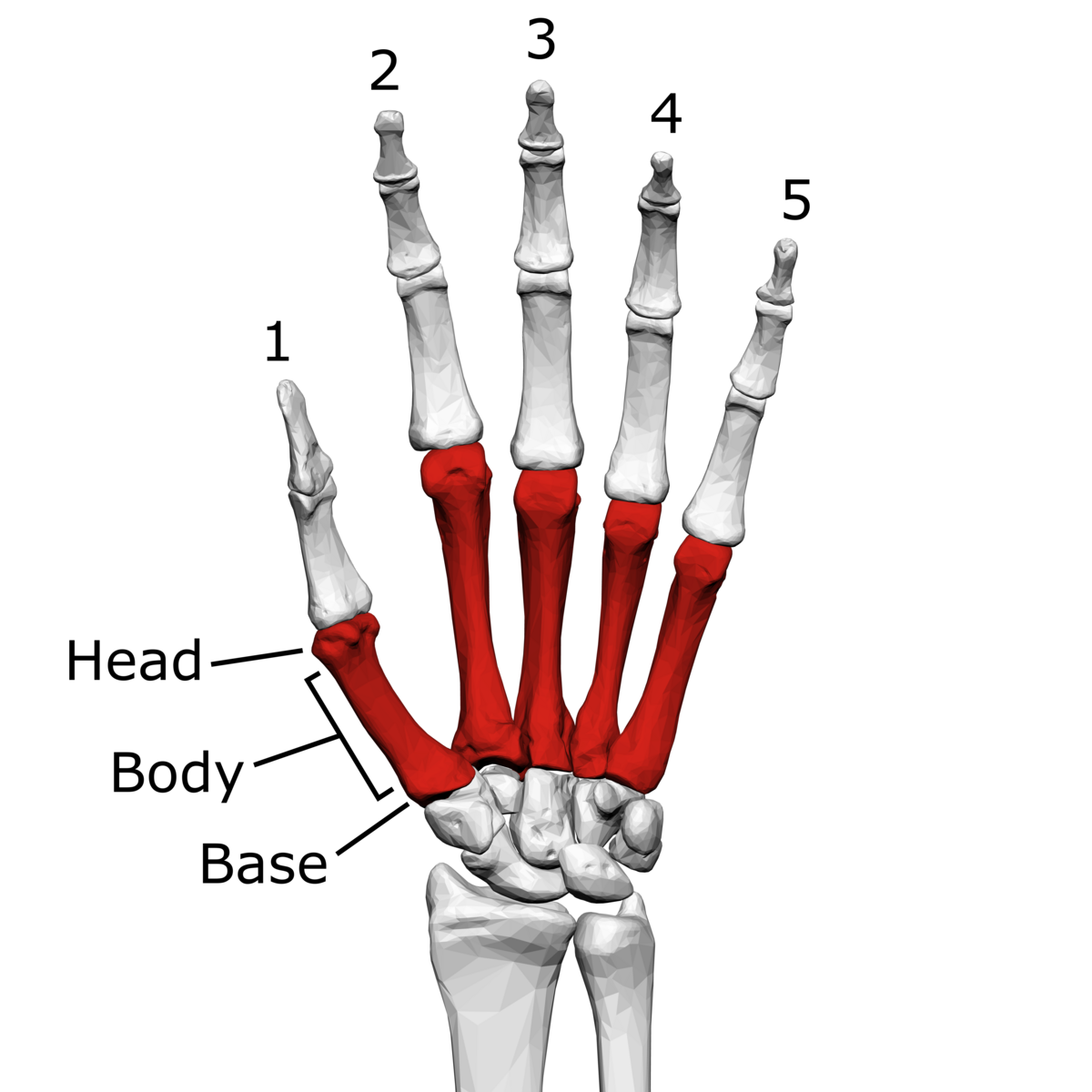
Phalanges
Each finger has 3 phalanges except for the thumb, which only has 2
Coxal bone
We have 2 in our pelvic girdle\
Each contains an ilium, pubis, and ischium
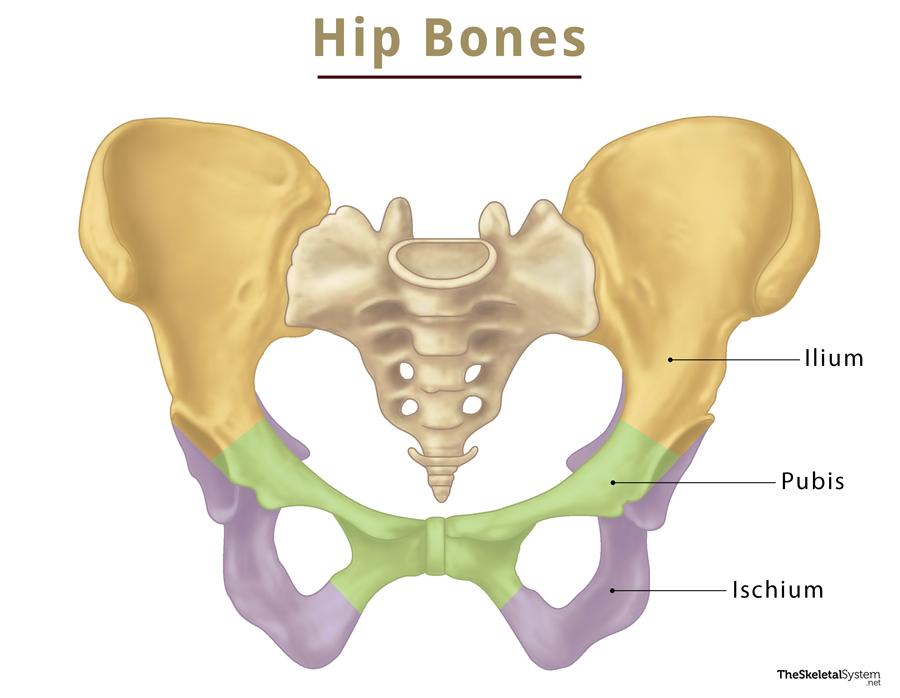
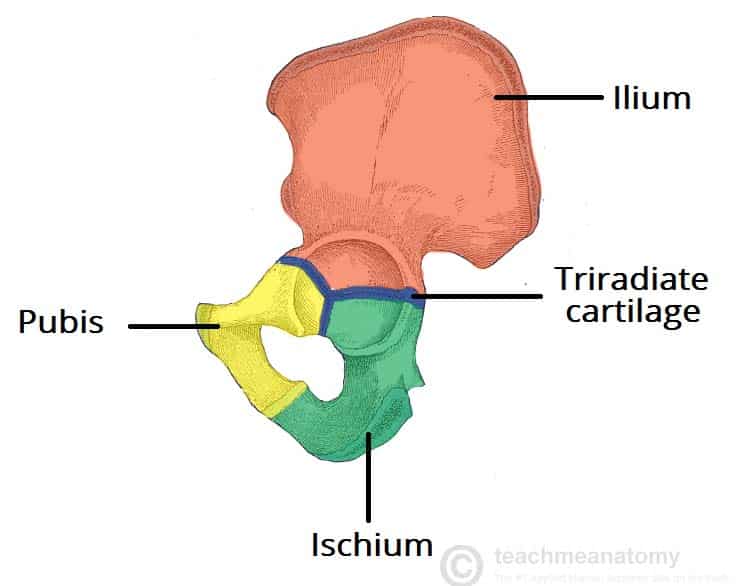
Ilium
Large flaring bone (top bone of coxal)
Makes up most of coxal bone
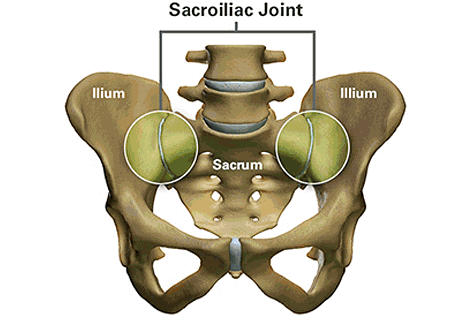
Sacroiliac joint
Where ilium and sacrum joins
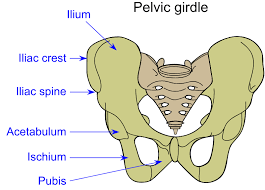
Iliac crest
Superior margin of iliac bone
Ischium
Inferior portion of coxal bone
It is the “sit-down” bone
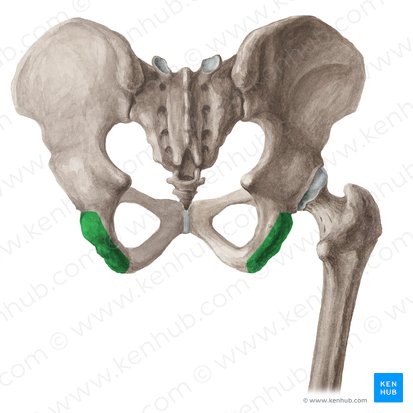
Ischial tuberosity
Portion on ischium that receives most of the weight when we sit down
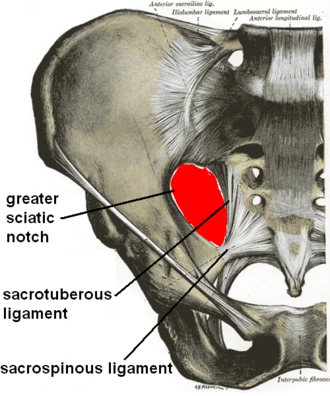
Greater sciatic notch
Allows the sciatic nerve to pass to and from the thigh
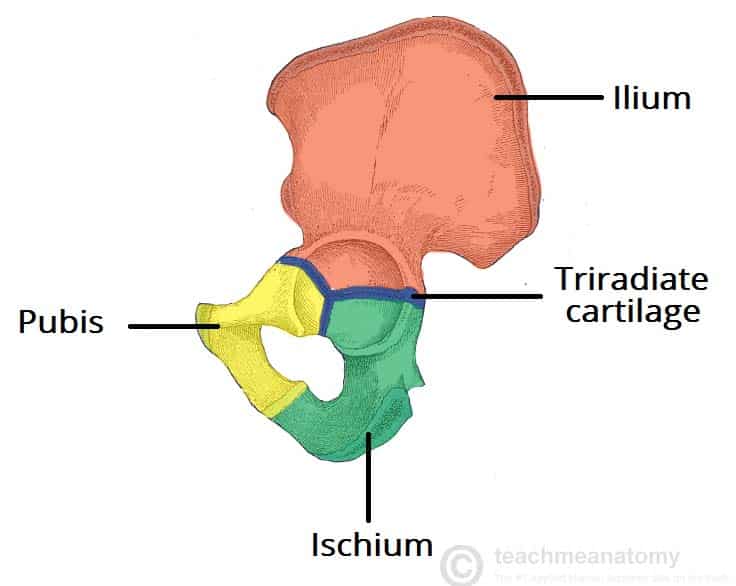
Pubis
Most anterior part of the coxal bone
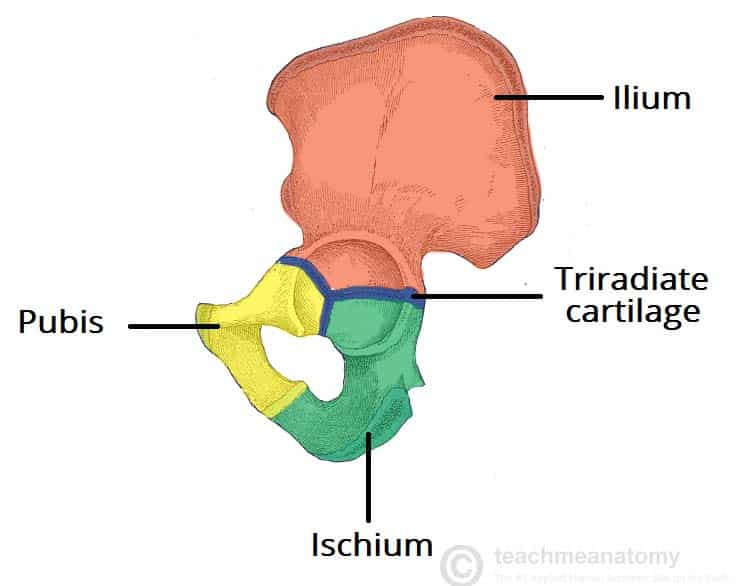
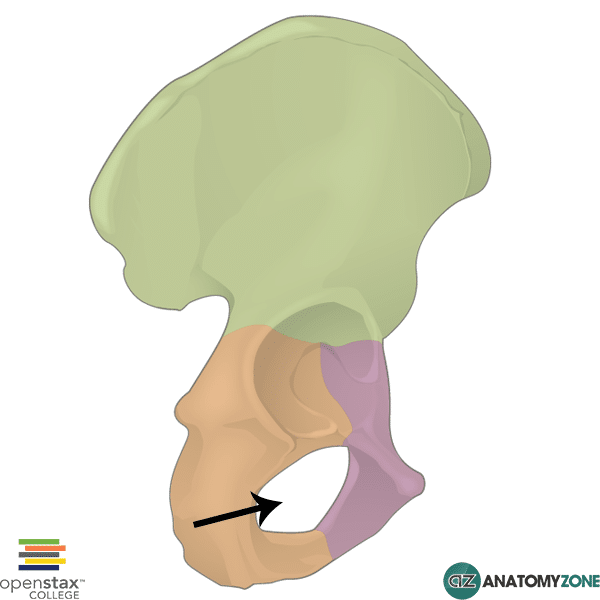
Obturator foramen
Hole near the ischium and pubis that allows blood vessels and nerves to run from pelvic cavity to thigh
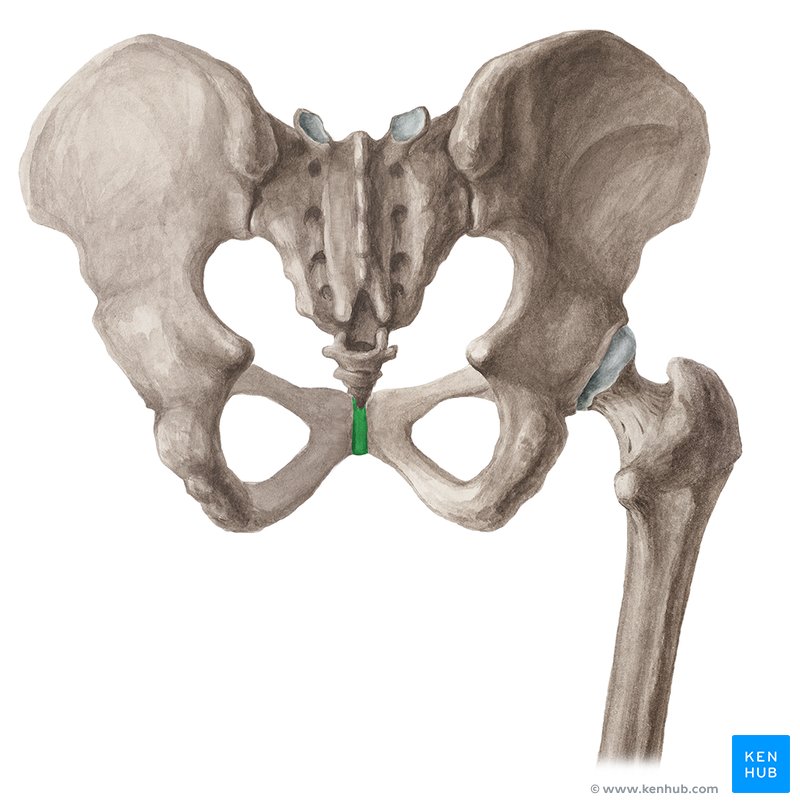
Pubic symphysis
Where the two pubic bones meet anteriorly
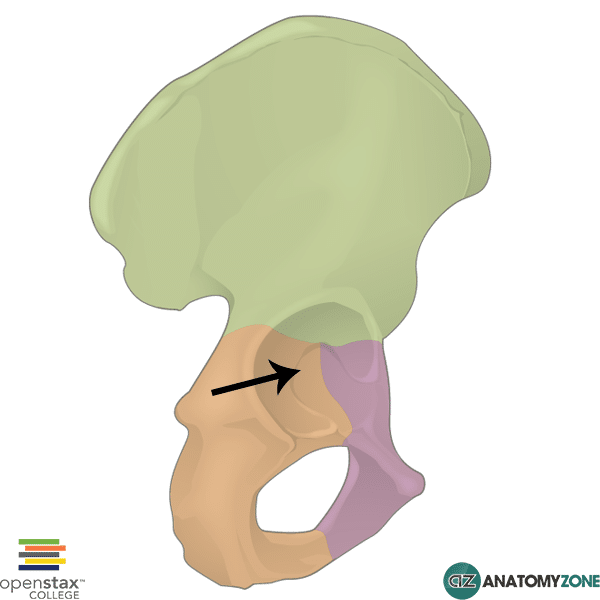
Acetabulum
Where the ilium, ischium, and pubis unite
Deep socket that receives head of femur
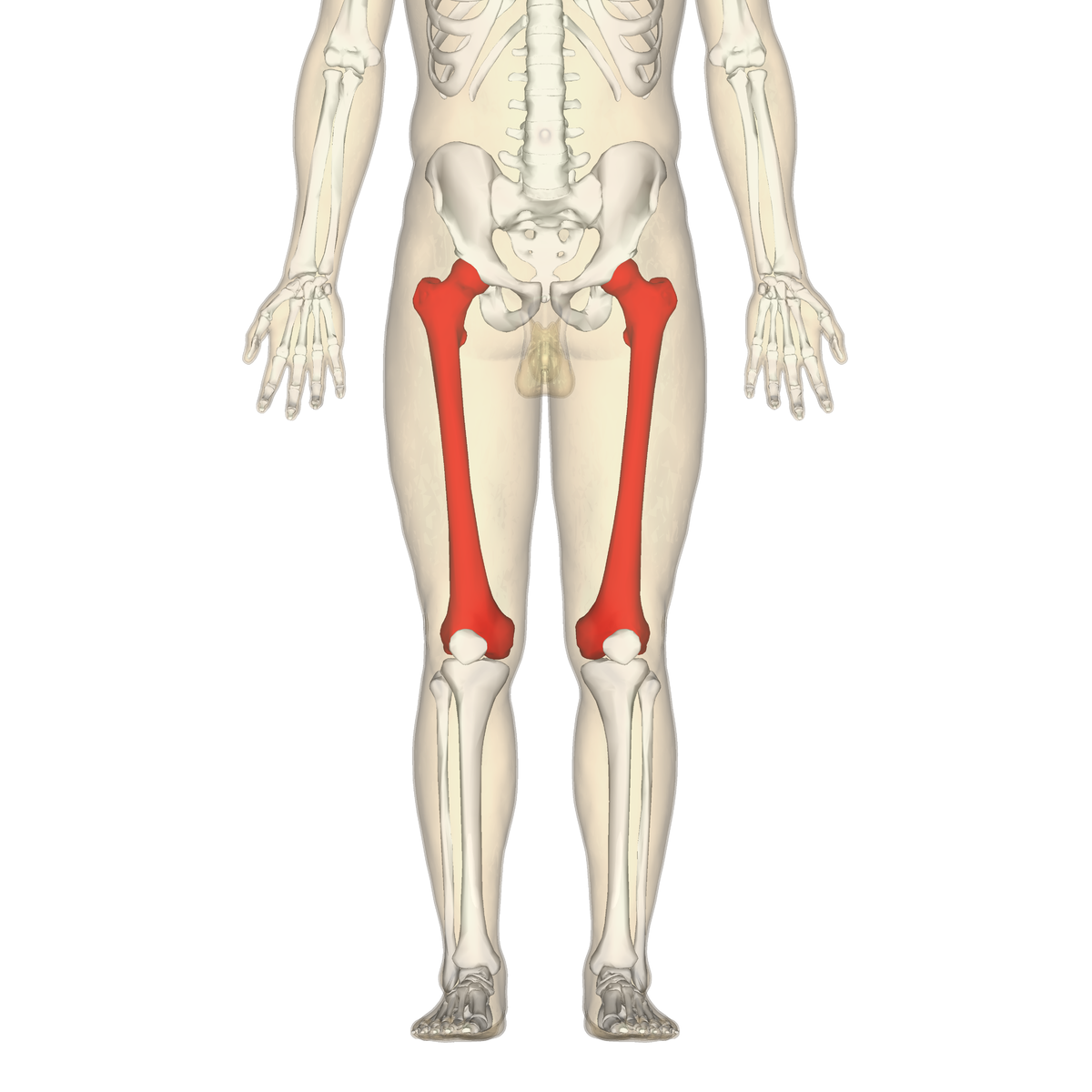
Femur
Only bone of the thigh
Heaviest, strongest, biggest bone in the body
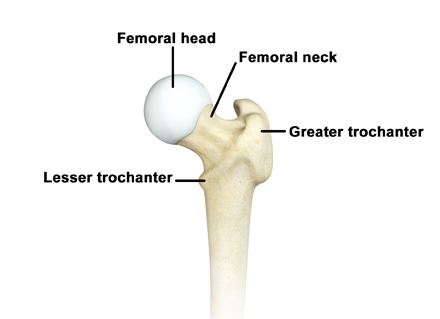
Greater/lesser trochanter
Located at the juntion of the femur neck and head
Separated by intertrochanteris crest
Gluteal tuberosity
Located on the shaft of femur
Site of muscle attachment

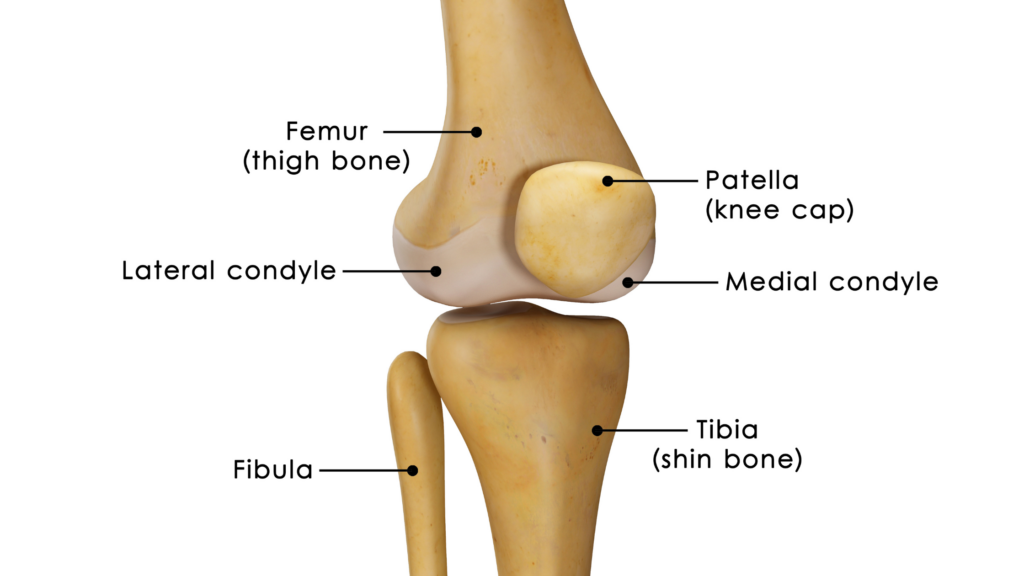
Lateral condyle
Where the femur terminates laterally
Articulates with tibia
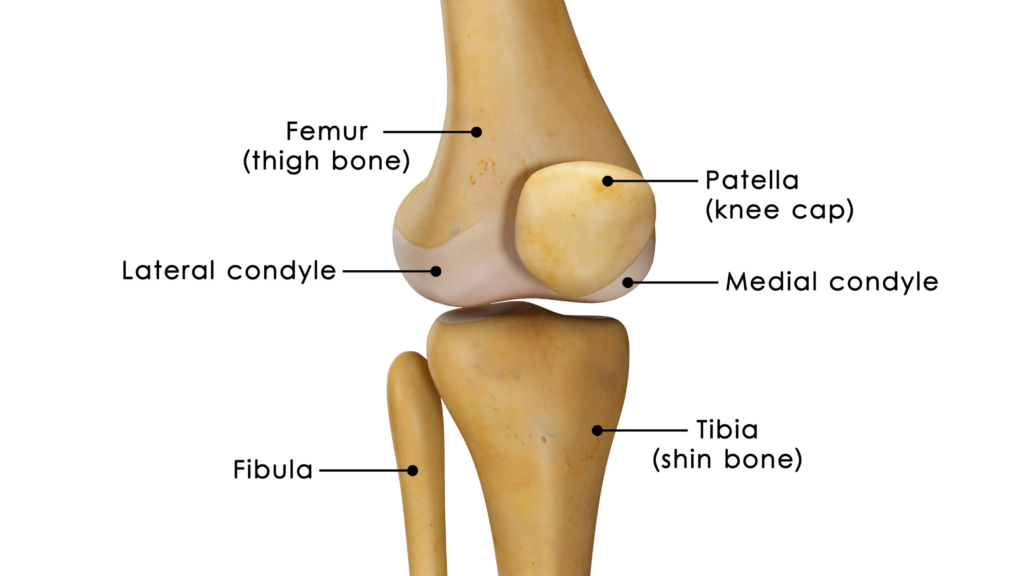
Medial condyle
Where the femur terminates medially
Articulates with tibia
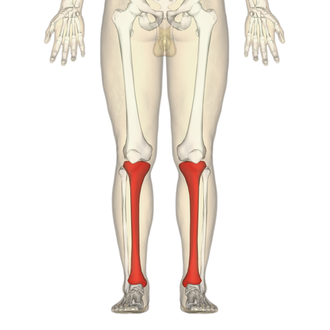
Tibia
Shinbone, more larger and medial bone of leg
Tibial tuberosity
Roughened protusion on tibia, site of muscle attachment
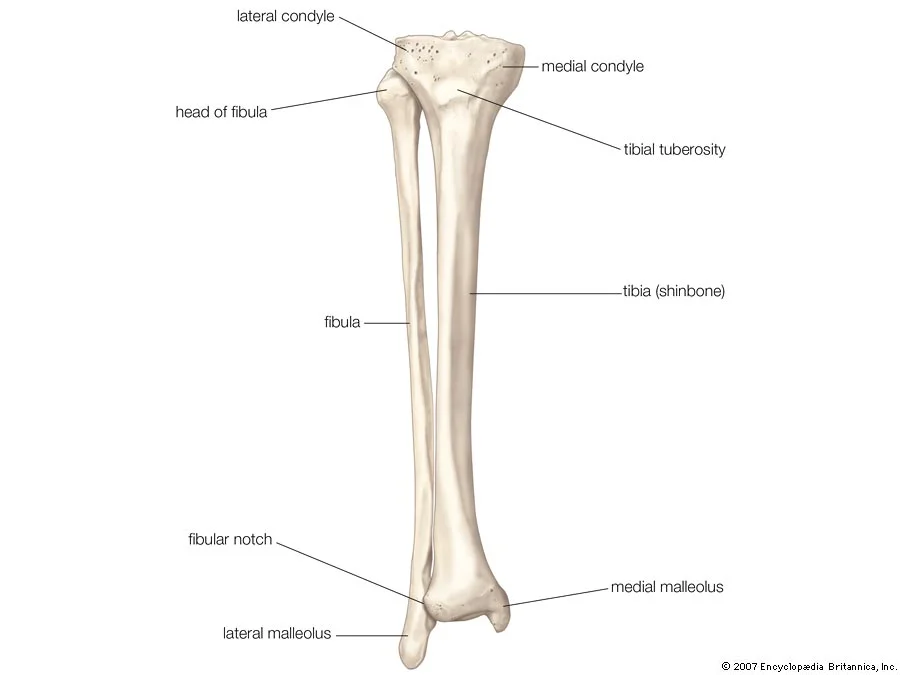
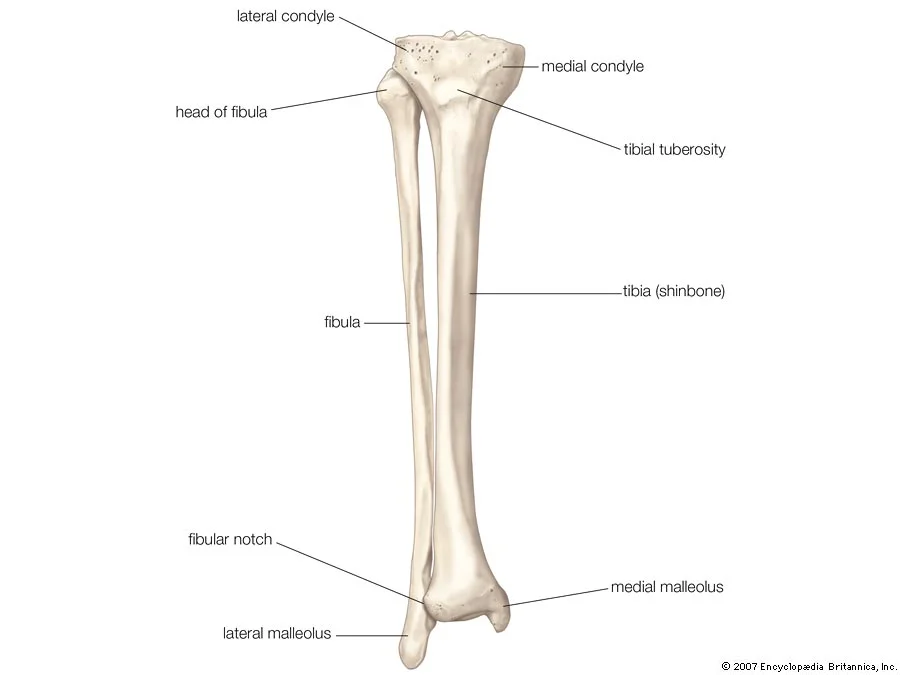
Fibula
Sticklike bone lying parallel to tibia
Takes no part in forming knee joint
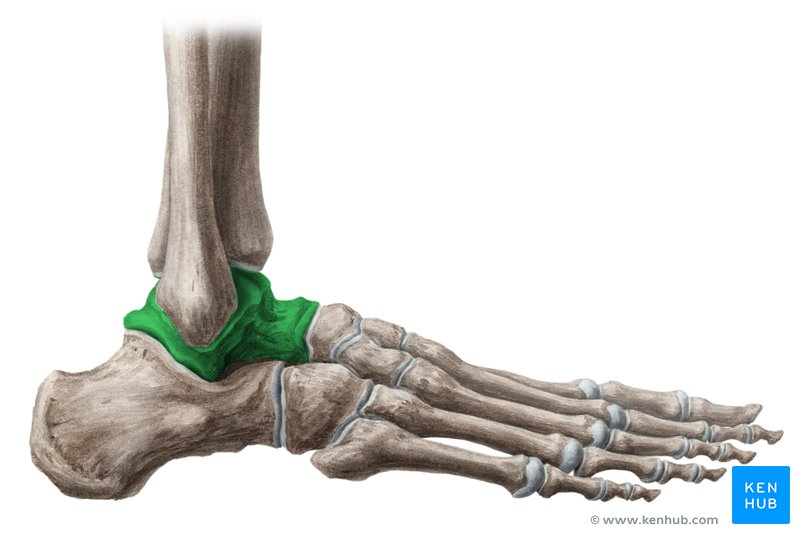
Tarsal
7 bones in the feet that forms the ankle
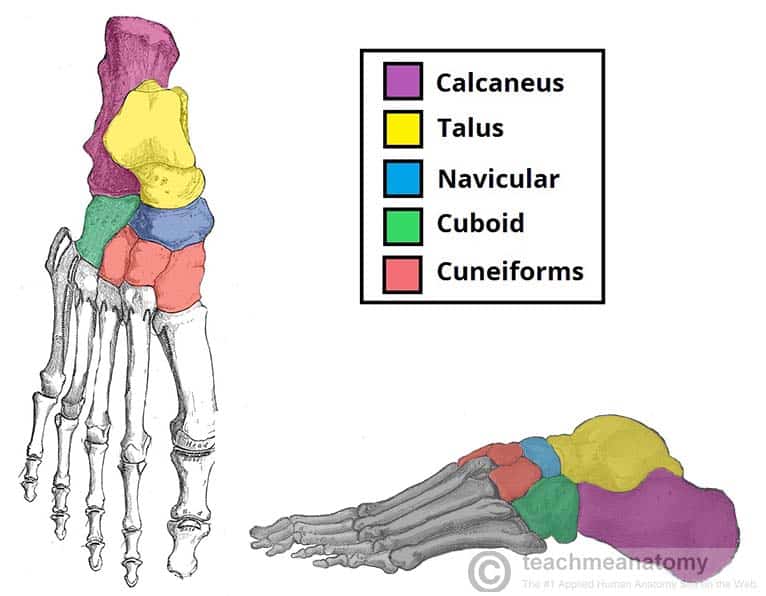
Calcaneus
Tarsal bone that forms the heel
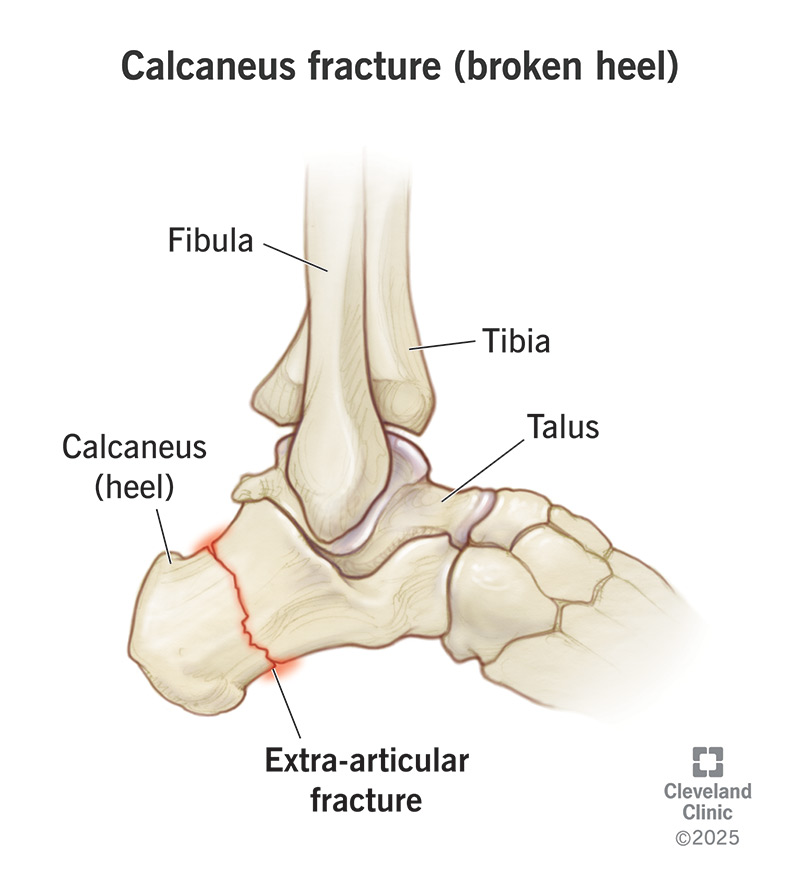
Talus
Tarsal bone that articulates with tibia of leg
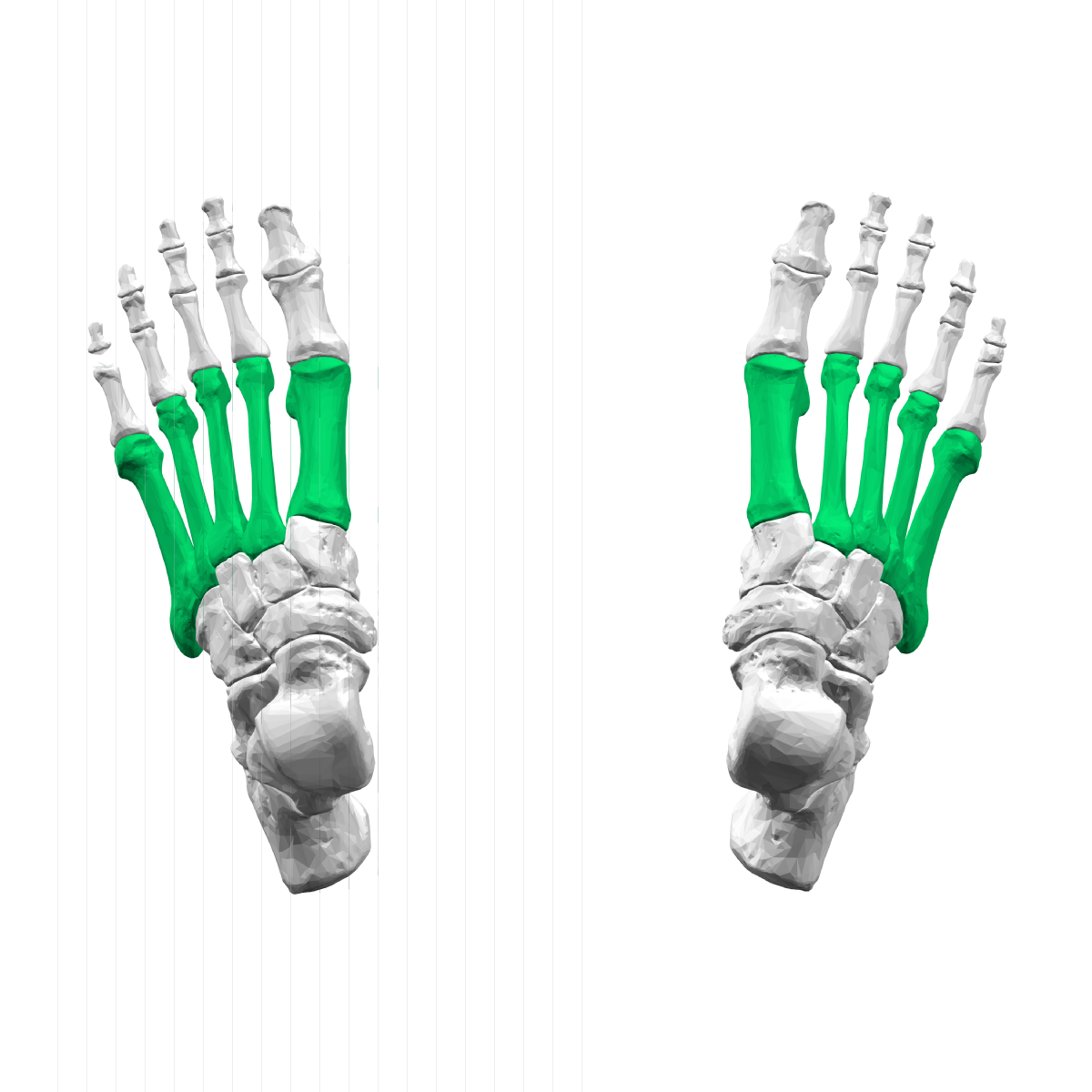
Metatarsals
5 bones in the feet that form the sole
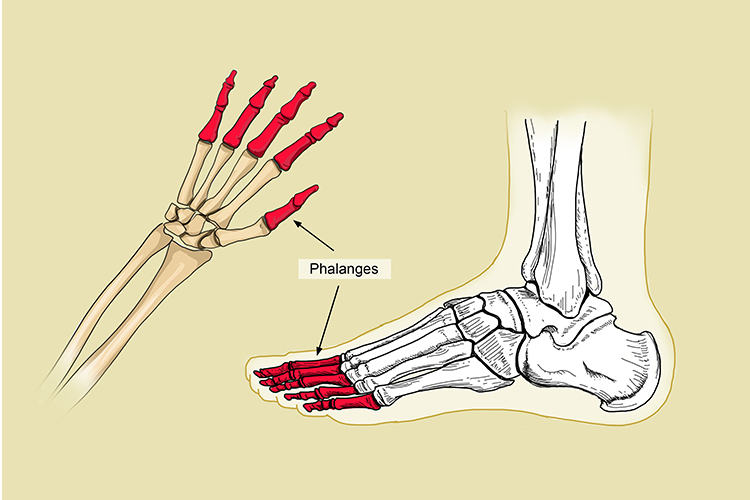
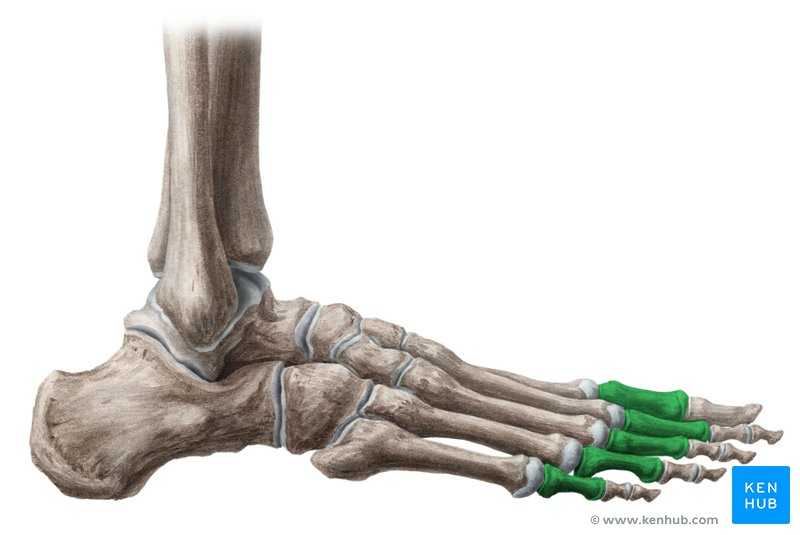
Phalanges
14 bones in the feet that form the bone
Each toe has 3 phalanges except for big toe, which has two
 Note
Note  Flashcards (84)