Module 15: Sacred Landscapes of East and Southeast Asia
 Studied by 0 people
 Call Kai
 Learn
Learn Practice Test
 Spaced Repetition
 Match
Match Flashcards
 Knowt Play
1/30

There's no tags or description
Looks like no tags are added yet.
Name | Mastery | Learn | Test | Matching | Spaced | Call with Kai |
|---|
No analytics yet
Send a link to your students to track their progress
31 Terms
Mandala
A diagram composed of a circle within a square used as a meditative device
What is the first of the noble truths
Life is suffering
What is the second of the noble truths?
The cause of suffering is desire and ignorance
What is the third of the noble truths?
There is an end to suffering
What is the fourth of the noble truths?
Theres a path to free yourself from suffering
Shintoism
Indigenous animistic religion of Japan based on the worship of the spirits who resided in all the aspects of the natural world
Wabi-Sabi
a Japanese aesthetic philosophy that embraces simple rustic forms, age, and imperfections
What is the translation of Wabi?
Simplicity, simplified forms, and rusticity
What is the translation of Sabi?
An appreciation for the patina of age and imperfection
Mahayana Buddhism
The “greater vehicle” of Buddhism in which it is believed many people have the power to reach enlightenment
Bodhisattva
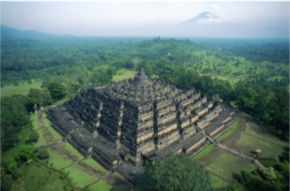
someone who has reached enlightenment but chosen to remain in this world and help others along the path; featured in the niches at the Temple of Borobudur
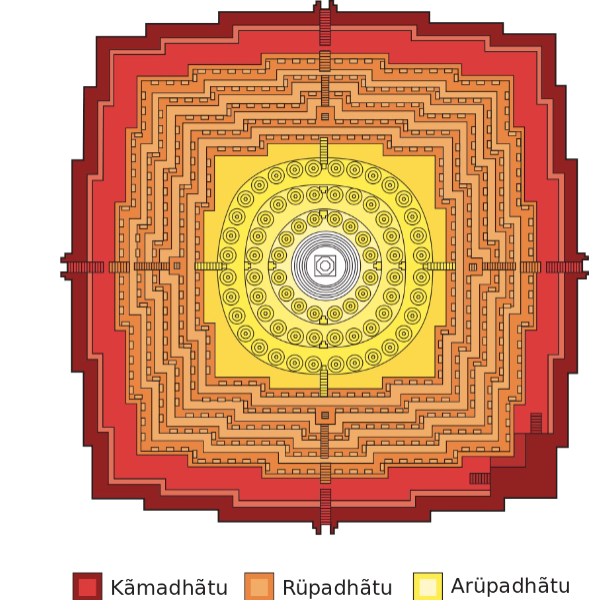
Kamadhatu
The sphere of desire
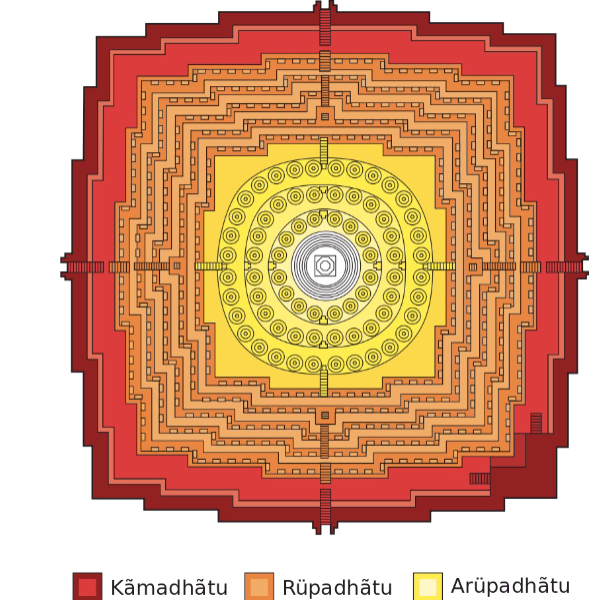
Rupadhatu
The sphere of forms
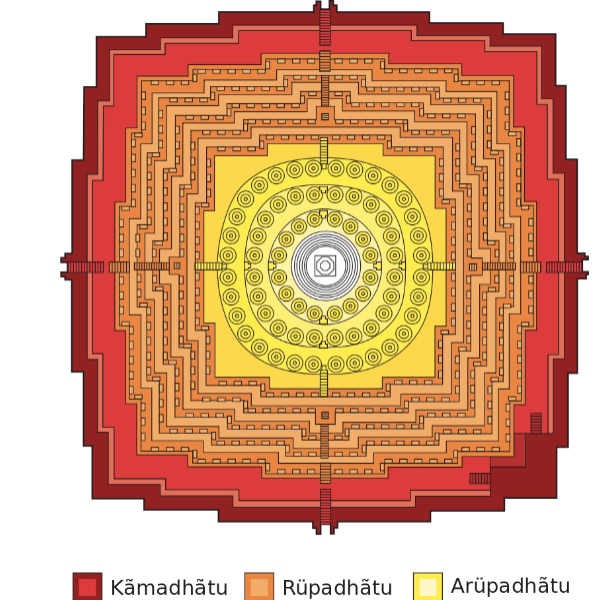
Arupadhatu
The sphere of formless
Stupa
Mounds erupted over bodies of deceased leaders
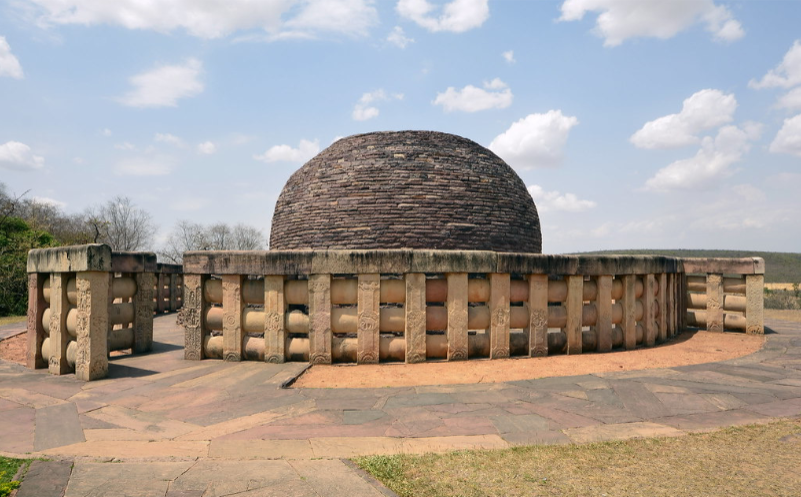
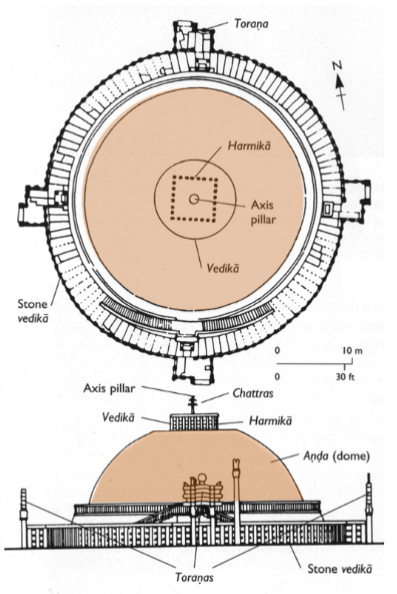
Anda
A hemispherical dome erected on the platform and symbolizing the universe; the mound of a stupa
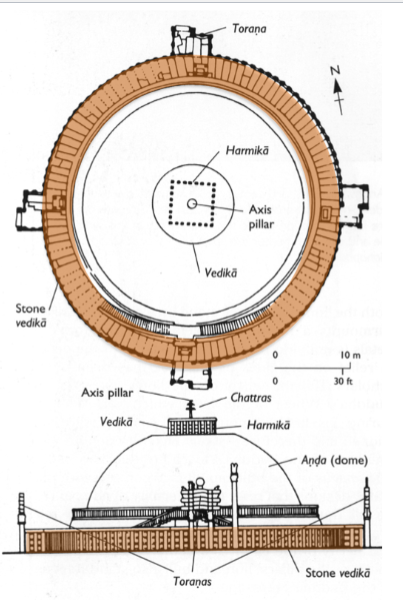
Pradakshina Path
A raised path for procession around the Anda
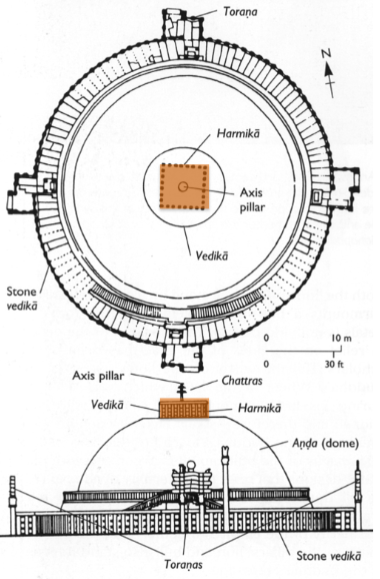
Harmika
a cubic receptacle at the top of the dome, originally holding a relic of the Buddha
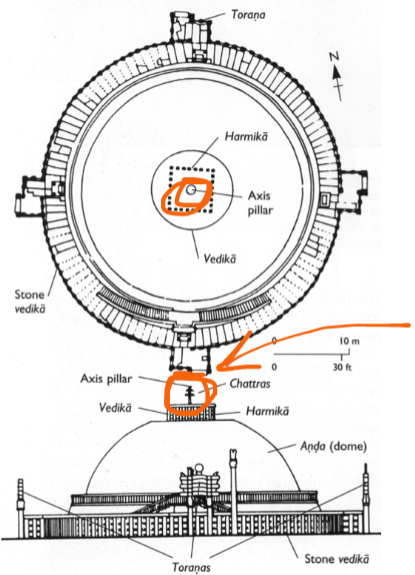
Chattra
Umbrella like form often multi tiered, was placed on top of the mast; the ancient Indian emblem of royalty
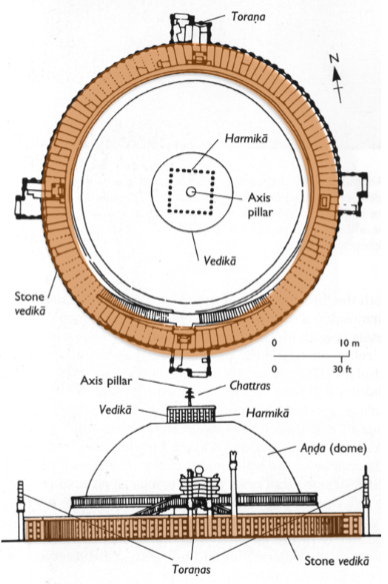
Vedika
the stone railing around the path of the pradakshina path symbolizing the wooden fences of the ancient Arayans
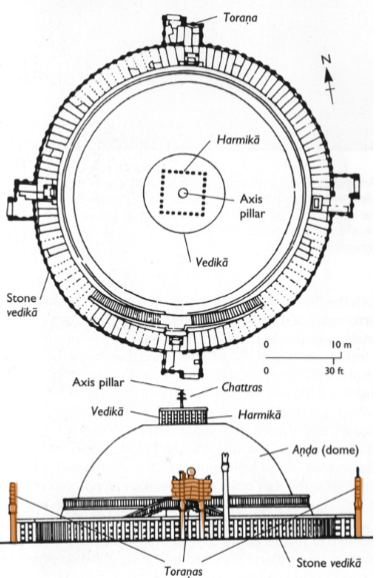
Torana gates
provided access to the sacred path at the cardinal points, modeled on wooden prototypes and covered with relics depicting scenes in the life of the Buddha and symbols of his doctrine
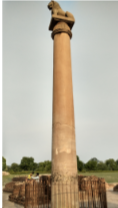
Ashokan Pillar
Sarnath, India, 250 BCE
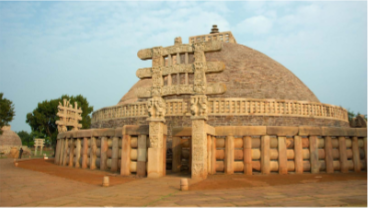
Great Stupa
Sanchi, India, 100 CE
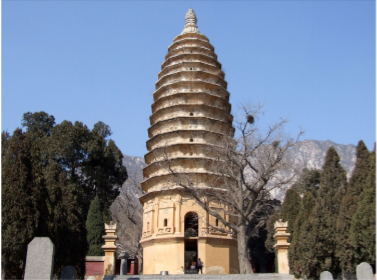
Songyue Pagoda
Dengfeng, China, 525 CE
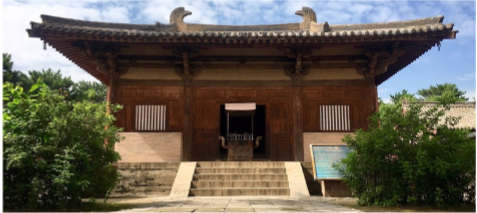
Nanchan Temple
Shanxi, China, 780 CE
Temple of Borobudue
Central Java, Indonesia, 800 CE
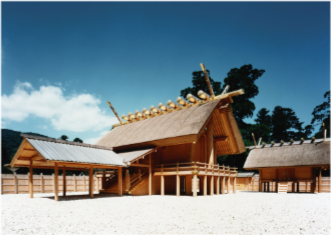
Ise Shrine
Ise, Japan, 690 CE
Siddhartha Gautama
A prince who was born in the 6th century BCE in a small Nepalese town at the foot of the Himalayas, later known as THE BUDDHA or the Enlightened One
Ashoka
extended the Mauryan empire to include all of northern India during the middle of the 3rd century BC; converts to Buddhism in 263 BCE and is instrumental to its spread
T/F: A stupa is a dome, you can walk into it
False
The Songyue pagoda combines elements of what two forms?
the stupa and the Han Dynasty watchtowers
 Note
Note  Flashcards (77)