edes week 1-9
 Studied by 11 people
 Call Kai
 Learn
Learn Practice Test
 Spaced Repetition
 Match
Match Flashcards
 Knowt Play
1/212

There's no tags or description
Looks like no tags are added yet.
Name | Mastery | Learn | Test | Matching | Spaced | Call with Kai |
|---|
No analytics yet
Send a link to your students to track their progress
213 Terms
CAFO stands for
Concentrated Animal Feeding Operation
The action or process of removing carbon (often in the form of CO2) from the air and holding it in sinks (often oceans, vegetation or soil) is known as: ____________________ ____________________.
Carbon sequestration
out of NITROUS OXIDE, METHANE AND CARBON which is the most and least potent
most is nitrous oxide, least is carbon
the top three sources of methane in the atmosphere are
fossil fuels, animal agriculture and landfills
how to increase soil carbon
1. reduce synthetic chemical applications
2. cover crops
3. crop rotations
4. no till
5. agroforestry
6. composting
7. sustainable grazing
what is monoculture
the cultivation of a single crop in a given area
example of monoculture
golf courses
corn
the botany of desire
plants control us more than we control them
the dangers of monoculture
no biodiversity, so it's not stable, disease wipes out entire crop
what happened in Ireland from 1845 to 1852 that caused so many Irish t o die or emigrate to America
famine
they only grew one type of potato so we saw a famine
What was the new kind of potato developed by Monsanto and why was there debate about it?
new leaf potato
it was genetically modified which received pushback
Which of William McDonough's three basic principles of eco-effectiveness is the segment on Potatoes principally concerned with? Explain.
celebrate diversity
Three different methods of growing potatoes were shown in the film. What are they?
Polyculture, monoculture, and genetic modification
watershed
it is a land area that channels rainfall and other water sources to the same place and then outflows it to other places
According to the Pacific Institute, of the human water use in California, approximately 80% is for _______________________ use and 20% is for urban needs.
agricultural
importance of watershed
this term to understand where surface water flows, how to collect surface water from the regional scale, to the local scale.
sources of watershed
rai water, snow, streams
water footprint
estimate the amount of water consumed in the production of goods and services
privatization of water
Privatized water is often used for private profit in industrial activities such as agribusiness, gas drilling and manufacturing - or it is bottled and sold back to the public - to whom it belonged in the first place
commodification of water
publicly shared good becomes private thing that can be bought and sold
precautionary principle
test things before you use them and before they are put on the market to make sure they are safe (do this in Europe)
Halliburton loophole
use water in extraction of oil, the water when it is done being used, it doesn't need to be regulated
big oil loophole
Big oil
The water that oil uses (injects in the ground ftor fracking) does not have to meet water quality regulations
It doenst have to be tested
It can return wherever in the water system
surface water
Water above the surface of the land, including lakes, rivers, streams, ponds, floodwater, and runoff.
ground water
underground water that is held in the soil and in pervious rocks
aquifer
A body of rock or sediment that stores groundwater and allows the flow of groundwater.
impervious
not affected or hurt by; admitting of no passage or entrance
non-point source pollution
water pollution that does not have a specific point of origin
water in terms of the 3 pillars of sustainability
1. economic value
2. human rights
3. most important natural system
Although the land surface of earth is approximately 70% covered by water, only __________ percent of the earth's water is fresh and of that amount a little over ___________ percent is surface water. This final number makes available, fresh water a precious and valuable resource.
3%, 1%
The process of transforming water, particularly freshwater, from a public resource into a tradable equity for economic gain is known as the __________________________ of water.
the commodification of water
Peter gleiks 6 problems/issues about humans use of water
1. accessibility
2. natural environment
3. contamination
4. politics
5. climate change
6. institutions
Peter gleiks solutions
rethink supply/ demand. smart economics, new institutions
how is water broken up
80% for agriculture
20% for urban needs
riparian rights
all owners of property adjacent to water body have right to reasonable use of water
appropriative rights
right to use water by putting it to beneficial use, regardless of location
Identify an individual and government organization associated with the ideas of conservation AND the ideas of preservation. In terms of our environment and environmental resources, conservation can be thought of as __________________________________ AND preservation can be thought of as ______________________________.
US Forest Service
sustainable use and management of natural resources
maintaining present conditions of the earth
What is the 'Land Ethic'?
seeing the land as a COMMUNITY to which we belong rather than a COMMODITY
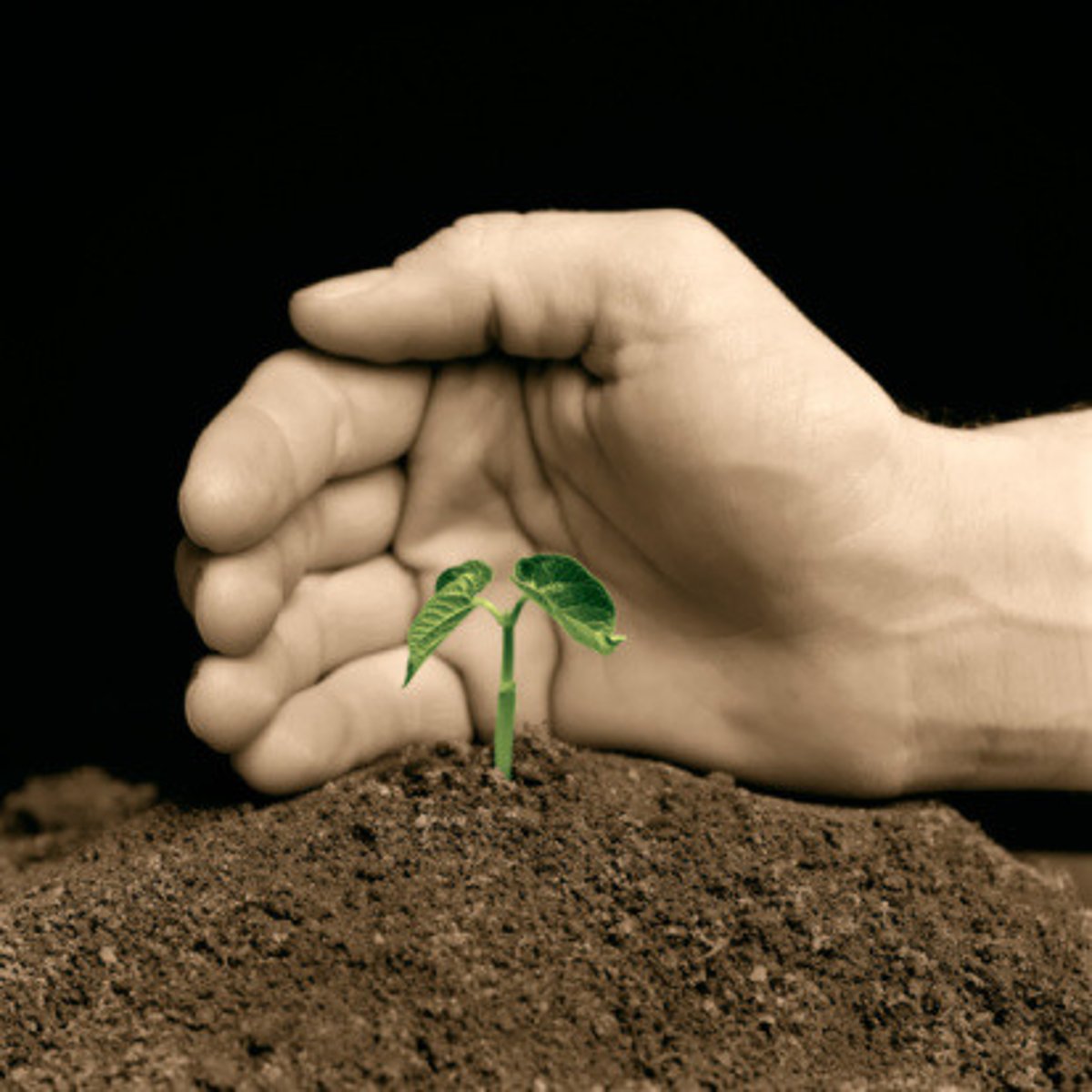
Is it important for the government to hold onto and protect our national (natural) resources?
yes
What are Commoner's 4 Rules of Ecology?
1. Everything is connected to everything else
2. Everything must go somewhere. (There is no "away.")
3. Nature knows best.
4. There is no such thing as a free lunch.
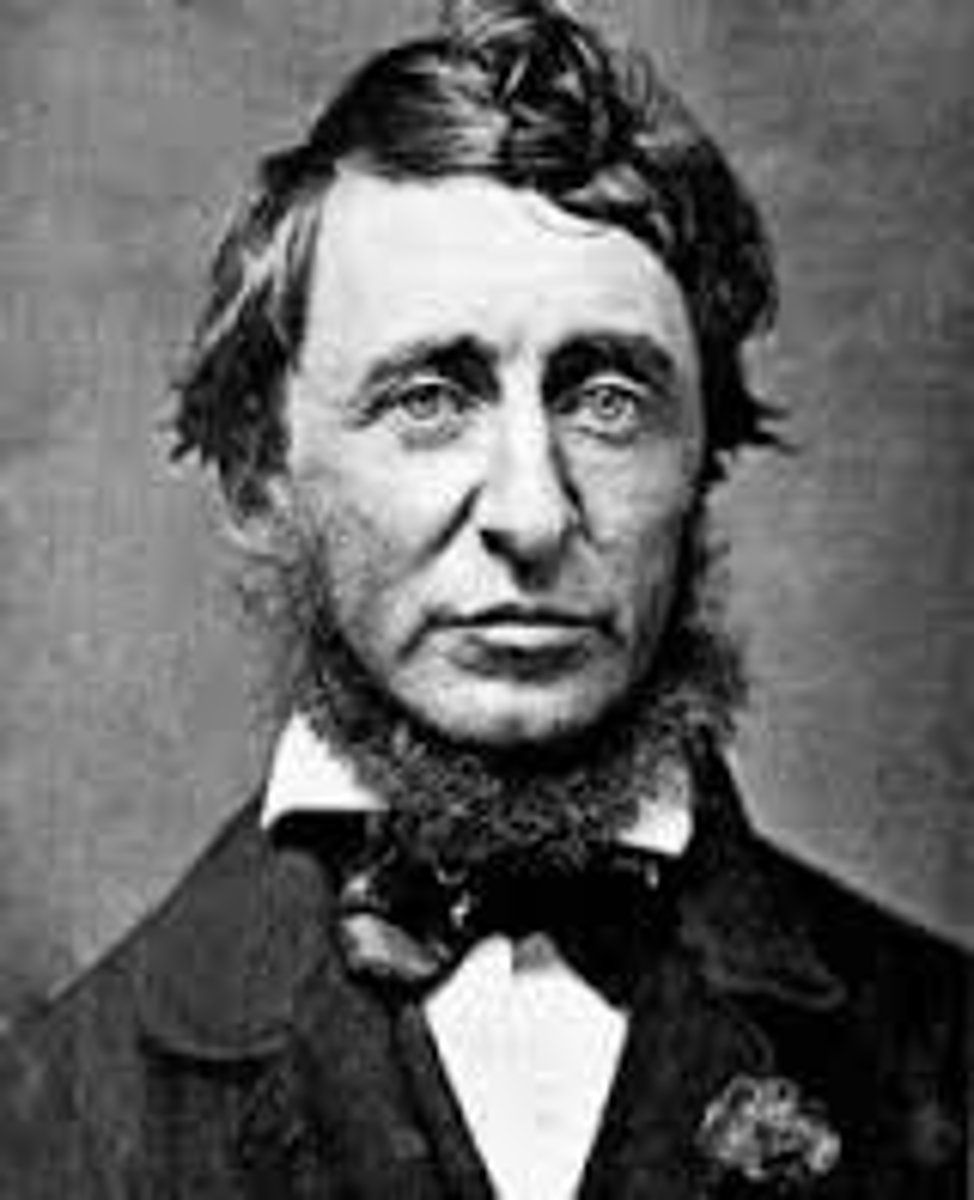
Henry David Thoreau
author, naturalist, transcendentalist, tax resister, development critic
at Walden Pond 1845-47
advocate for recreation, conservation on private land, preservation of public land
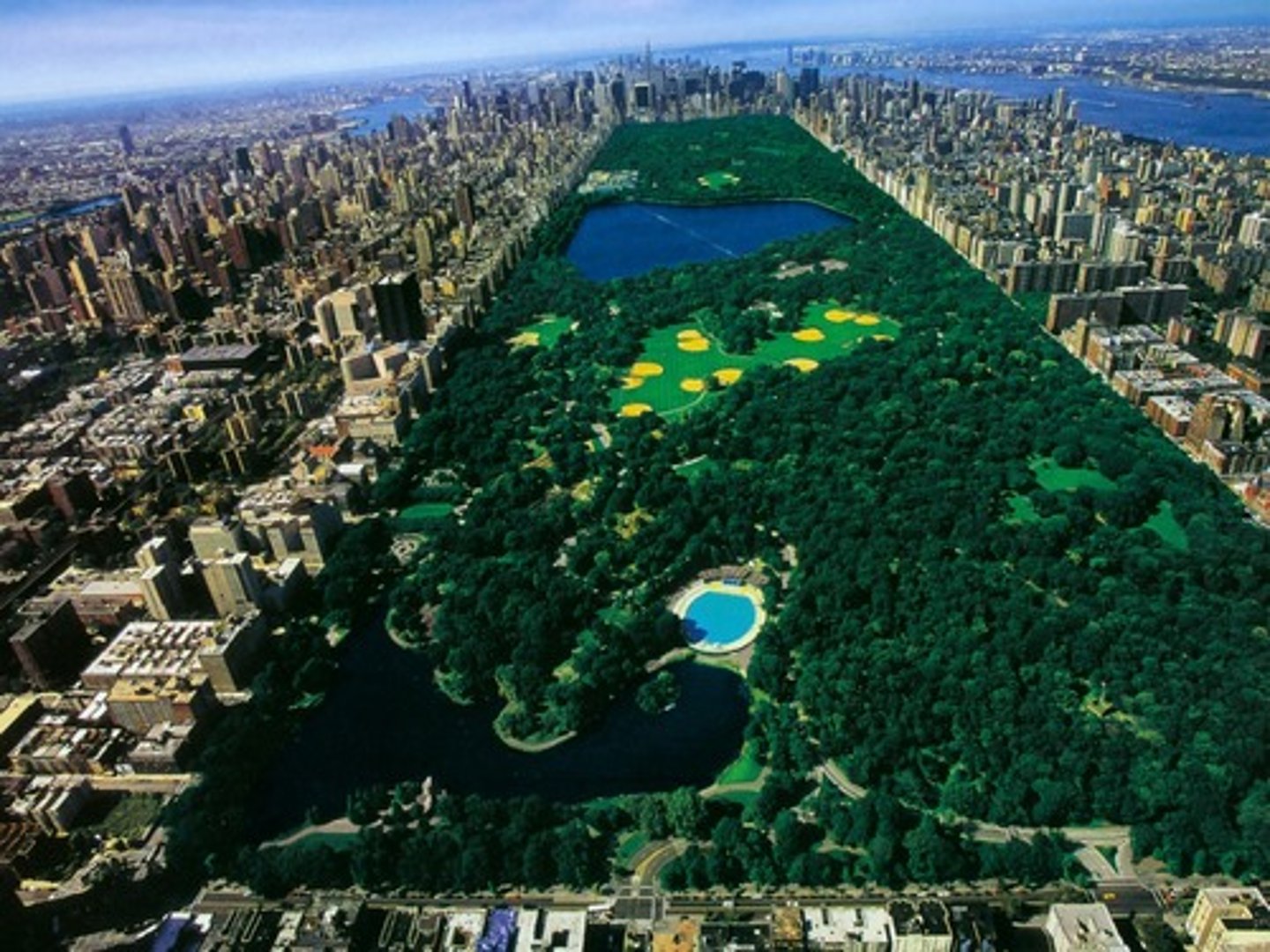
Frederick Law Olmsted
seaman, merchant, journalist, landscape architect
coined the term Landscape architect with Calvert Vaux- Central Park, 1857
park, park systems, green infrastructure to estate properties
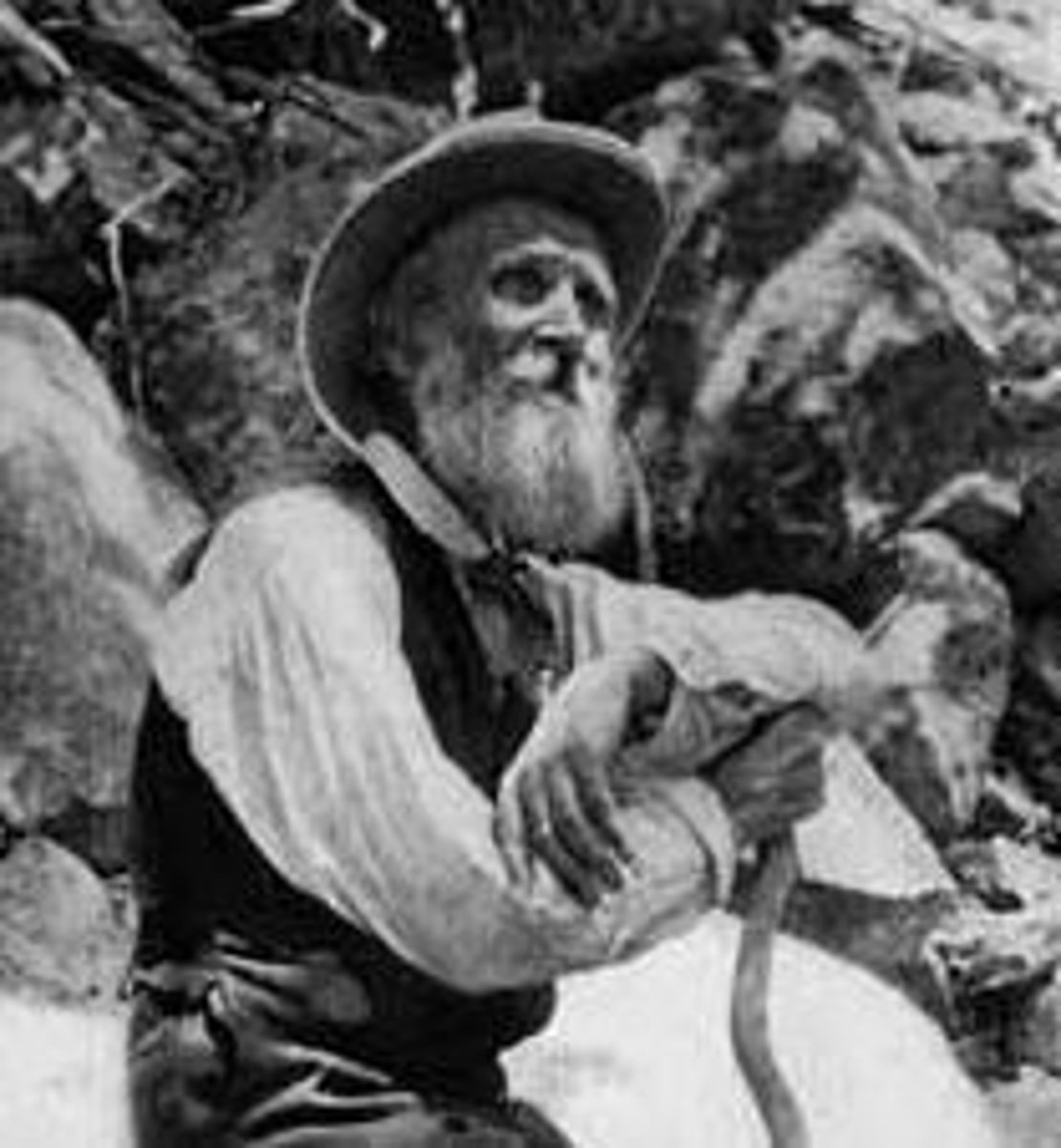
John Muir
naturalist
preservationist
1892- Sierra Club
1901- Our National Parks
1901-1913- Battle for Hetch Hetchy
Aldo Leopold
1949- wrote "A Sand County Almanac"
"the land ethic" = we ABUSE THE LAND because we regard it as a COMMODITY belonging to us -- when we see the LAND AS A COMMUNITY to which we belong, we may begin to use it with love and respect"
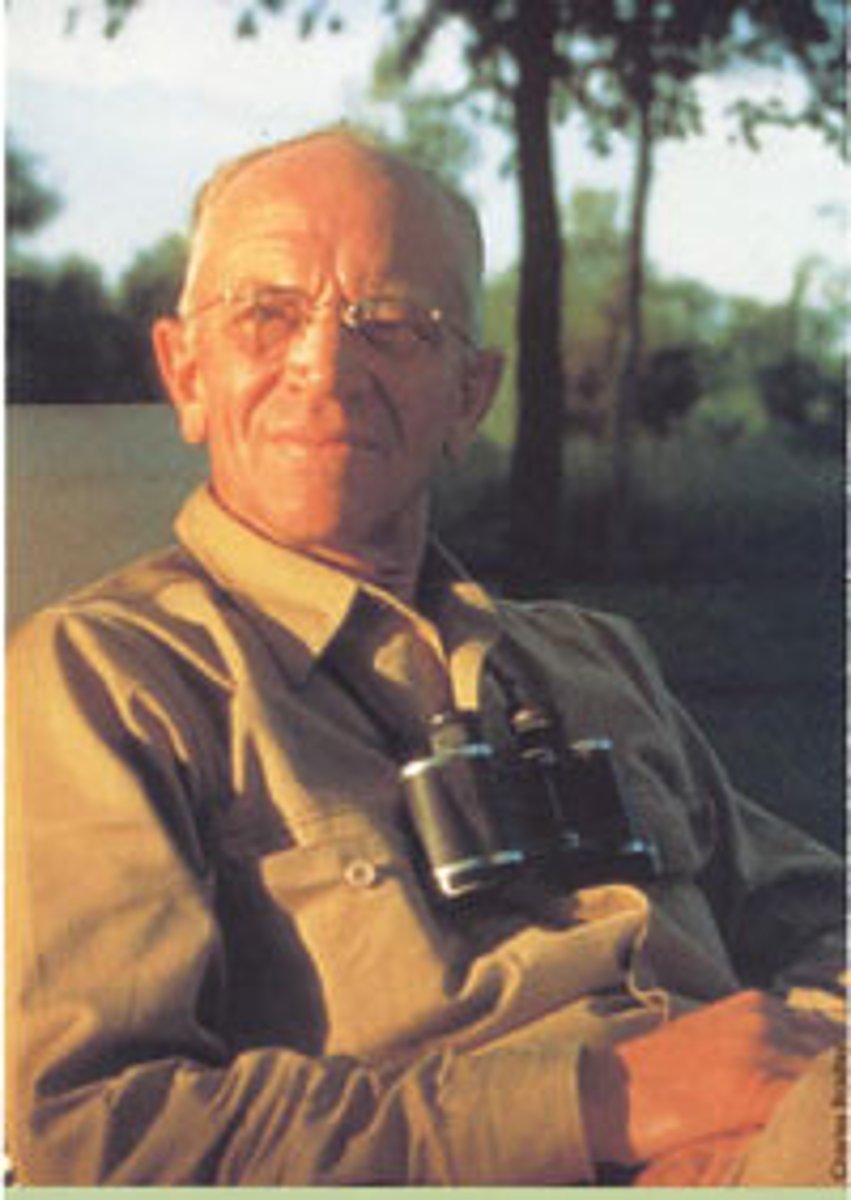
Rachel Carson
one of the first people to realize the global dangers of pesticide abuse (DDT).
1962- wrote Silent Spring
- a warning about the power of science
-introduction of the word "ecosystem"
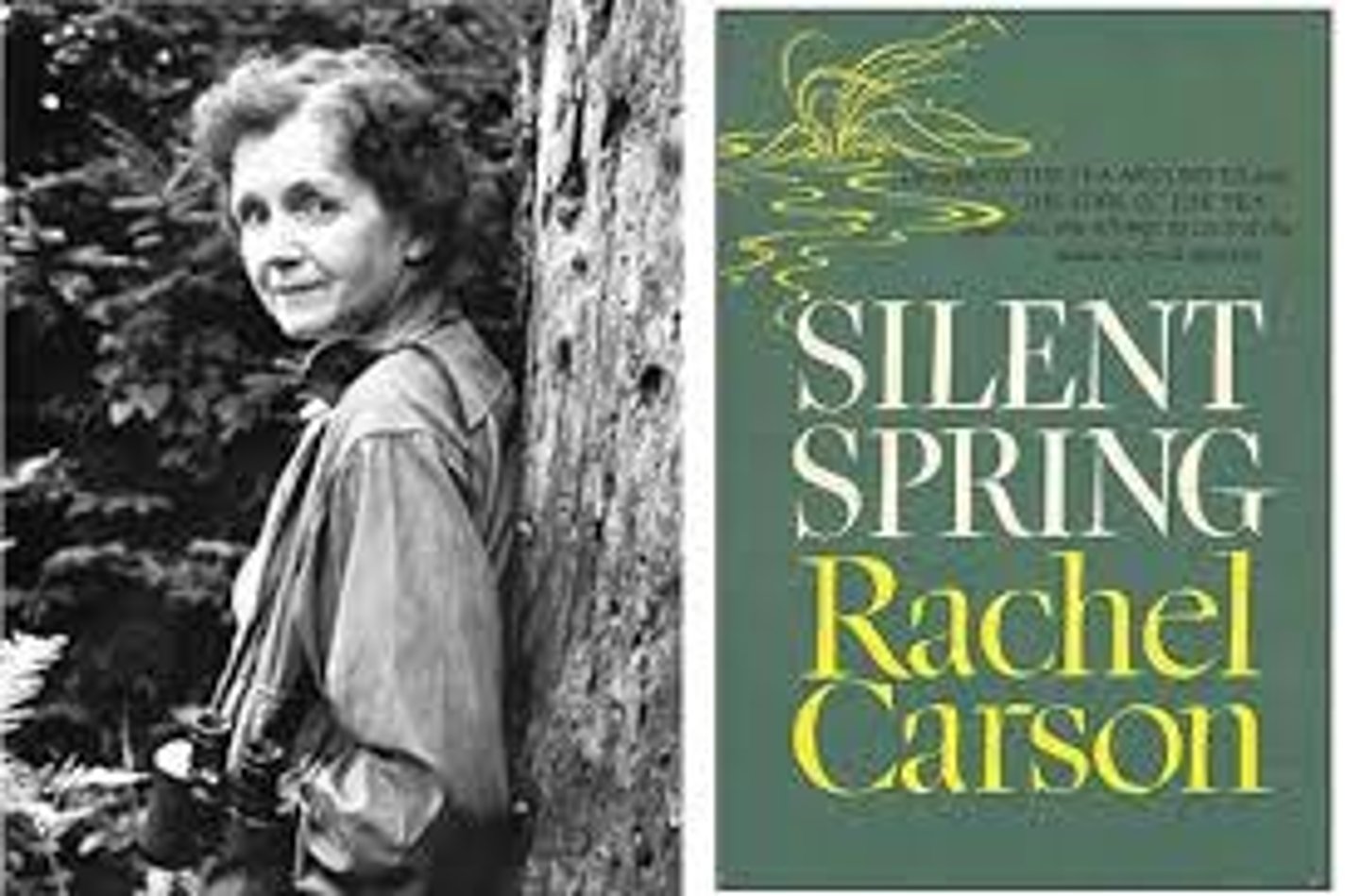
Lynn White
"The Historic Roots of Our Ecologic Crisis"
Garritt Hardin
an American ecologist who warned of the dangers of human overpopulation. He is most famous for his exposition of the tragedy of the commons, in a 1968 paper of the same title in Science, which called attention to "the damage that innocent actions by individuals can inflict on the environment"
Buckminster Fuller
He created the Dymaxion House, "the first machine for living".
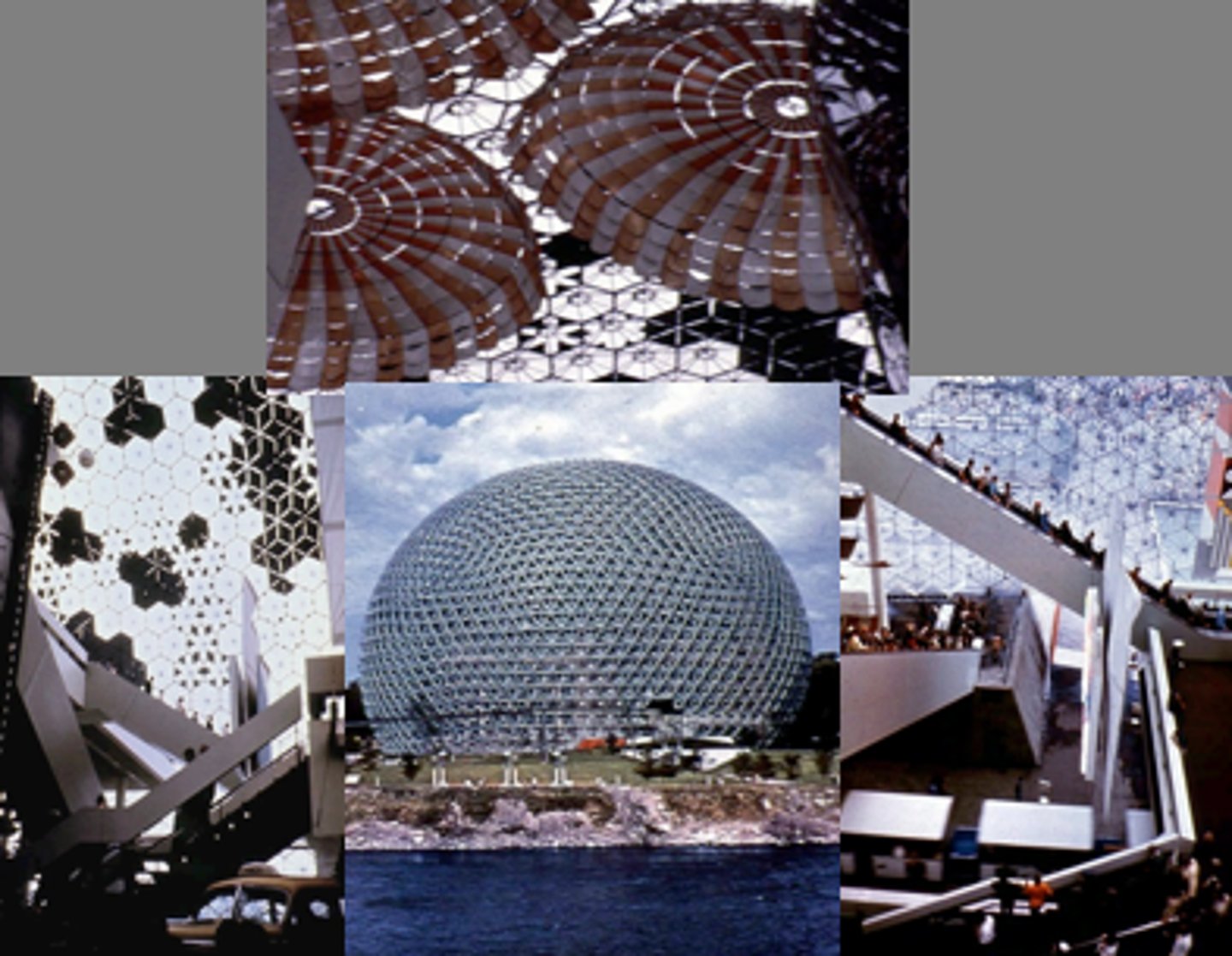
Ian McHarg
1969-book "Design w/Nature"
-rational approach to planning
-overlay system of maps (predecessor to GIS)
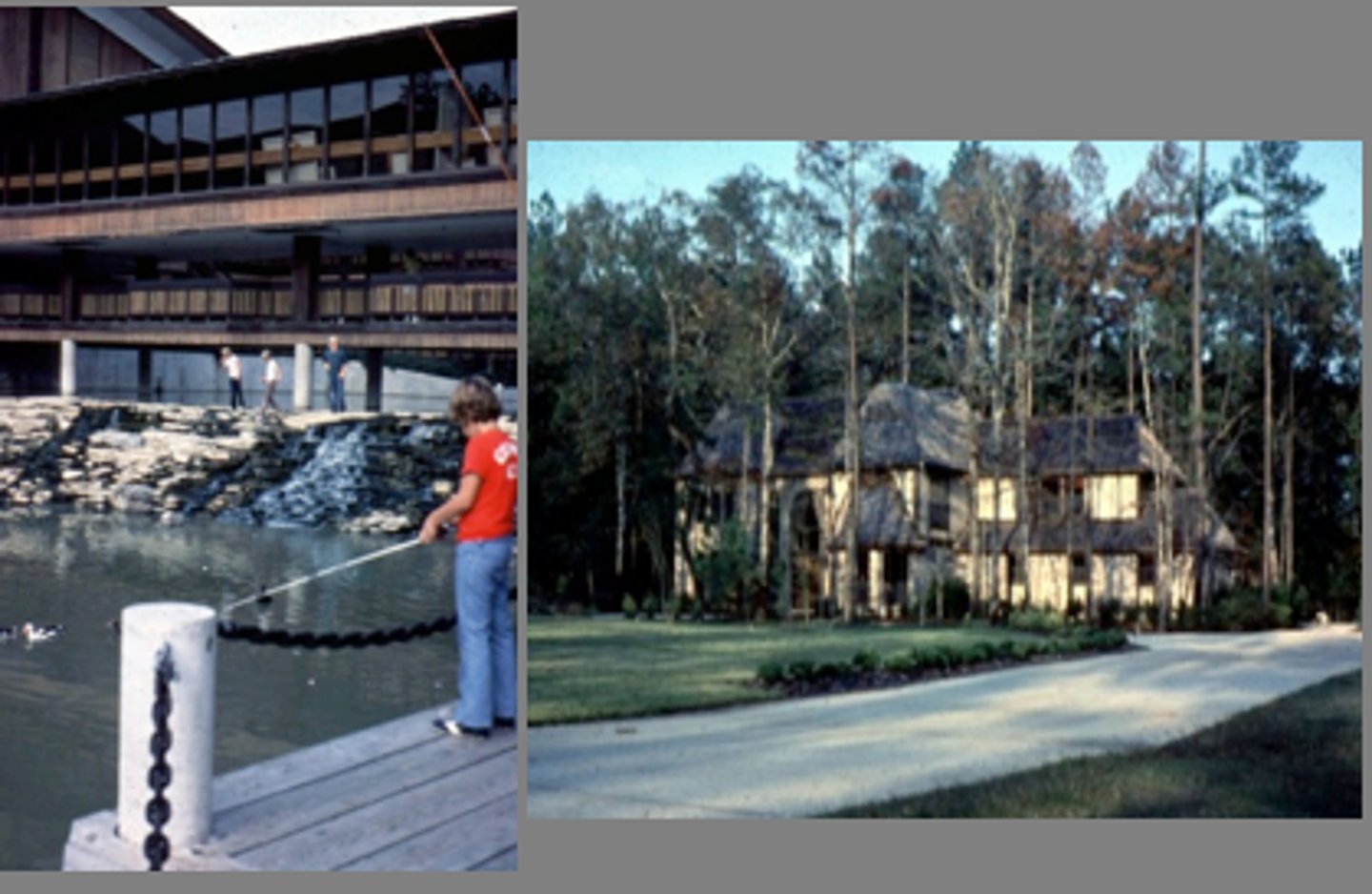
David Brower
modern day John-Muir; Executive director of the Sierra Club 1952-1962; changed it from being hiking club to advocacy group for saving and preserving land across U.S., founded Friends of the Earth and the Earth Island Institute; Helped the passage of the Wilderness Act in 1964
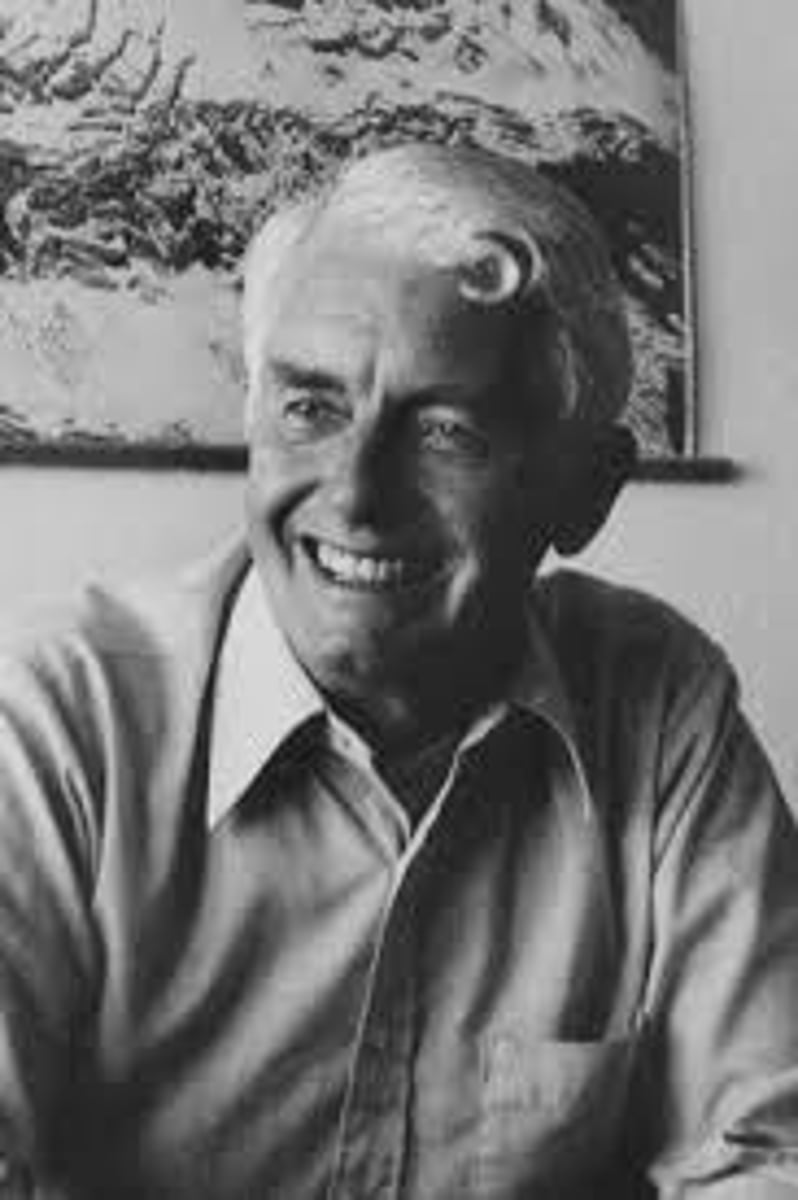
Dennis Hayes/Gaylord Nelson
first earth day
-environmental teach-in
Mathias Wackernagel
-ecological footprint
-a Swiss-born sustainability advocate. He is President of Global Footprint Network, an international sustainability think tank with offices in Oakland, California; Brussels, Belgium, and Geneva, Switzerland. Wikipedia
Amory & Hunter Lovins
Natural Capitalism (not too important)
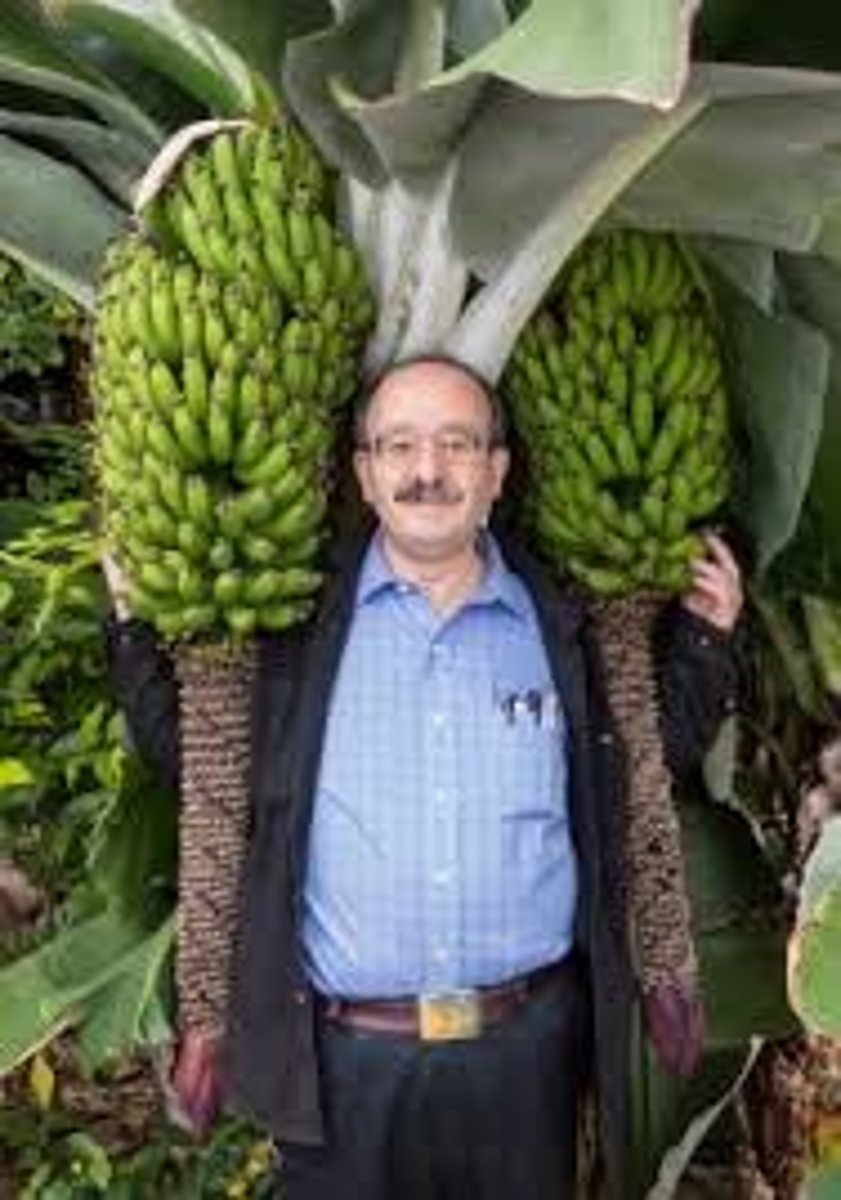
William McDonough
an American architect, designer
co-author of Cradle to Cradle: Remaking the Way We Make Things
The Three Eco-Effective Design Principles:
1. food=waste
2. use sun energy
3. celebrate diversity

John Todd
Who wrote "Education, Our Own Work"? ( not too importnat)

Michael Braungart
co-author of Cradle to Cradle: Remaking the Way We Make Things
part of Green Peace
partners with McDonough

Gifford Pinchot
1st Chief of the Forest Service, 1905-1910
father of American CONSERVATION movement
"to provide the greatest amount of good for the greatest amount of people"-
the idea of having federal protected land to exploit for timber and etc.
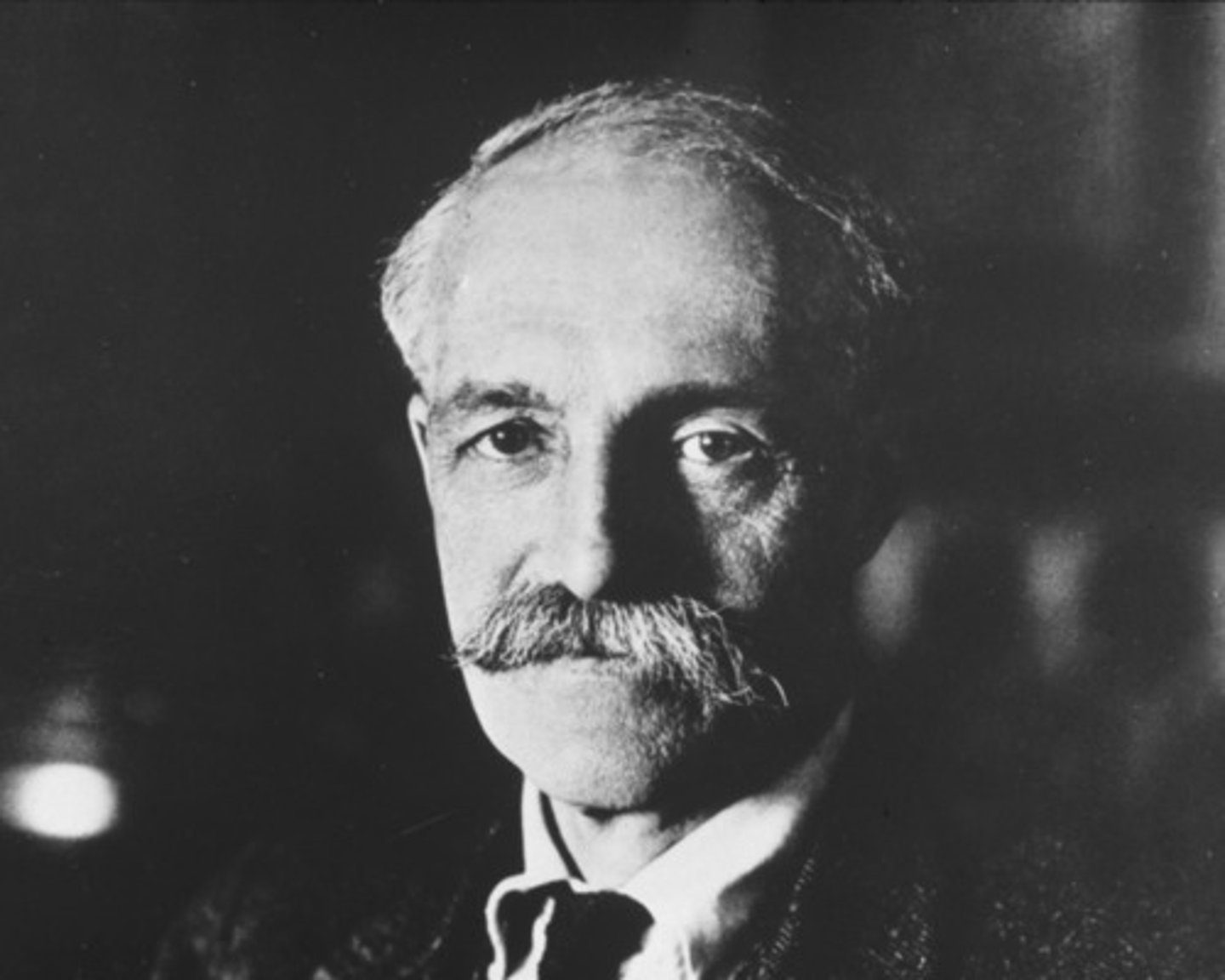
Gro Harlem Bruntland
Norwegian politician
came up with term ecological development
inequity is instability
is also known for having chaired the Brundtland Commission which presented the Brundtland Report on sustainable development - countries combined
WHO (world health org) director
"A world in which poverty is endemic
will always be prone to ecological and other
catastrophes.""

Peter Gleick
from the Pacific Institute for Studies in Development, Environment, and Security, in 2009 developed a chronology of water conflict events beginning in 3500 B.C.E. and updated regularly
Annie Leonard
The Story of Stuff
FEC vs Citizens United
Story of Bottled Water

Wendell Berry
The Peace of Wild Things
"without local economies the people have no power and the land has no voice"
David Orr
Orr takes a broad view of ecological design:
Six Myths of High Education
• Instrumental in developing the Lewis Center for
Environmental Studies at Oberlin College.
Michael Pollan
The Botany of Desire
something about potatoes
interviews in Cowspiracy
Frances Moore Lappe
Diet for a Small Planet
Believes that development will cause families to lower their population size
Chelsea Sexton
an electric car advocate and advisor. they are most notable for their role in the documentary Who Killed the Electric Car?.

Chris Paine
an American filmmaker and environmental activist. their notable works as director include the documentaries Who Killed the Electric Car?
(not too important)

Barry Commoner
Wrote the Four Laws Of Ecology. An American biologist and eco-socialist. The Closing Circle.
Bill McKibben
described climate change not just as an environmental justice issue as "the greatest social justice issue of all time" they argue that more than any other issue in history, climate change has the most inequitable distribution of benefits(the use of fossil fuels by a small but very wealthy percentage of the worlds population) and risks (the adverse effects of climate change on a large but very poor percentage of the worlds population.)
350.org
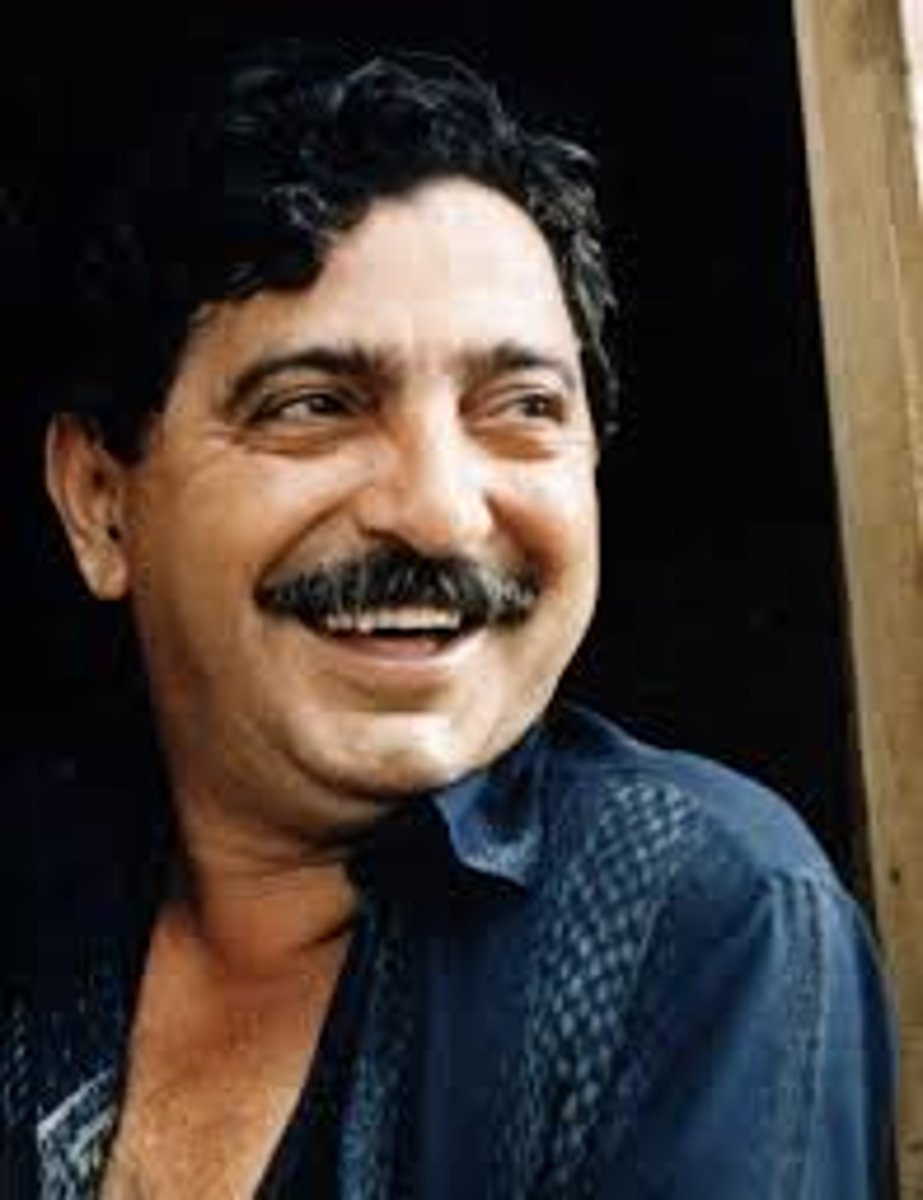
Chico Mendes
Started world's first tropical rainforest conservation, fought deforestation, killed
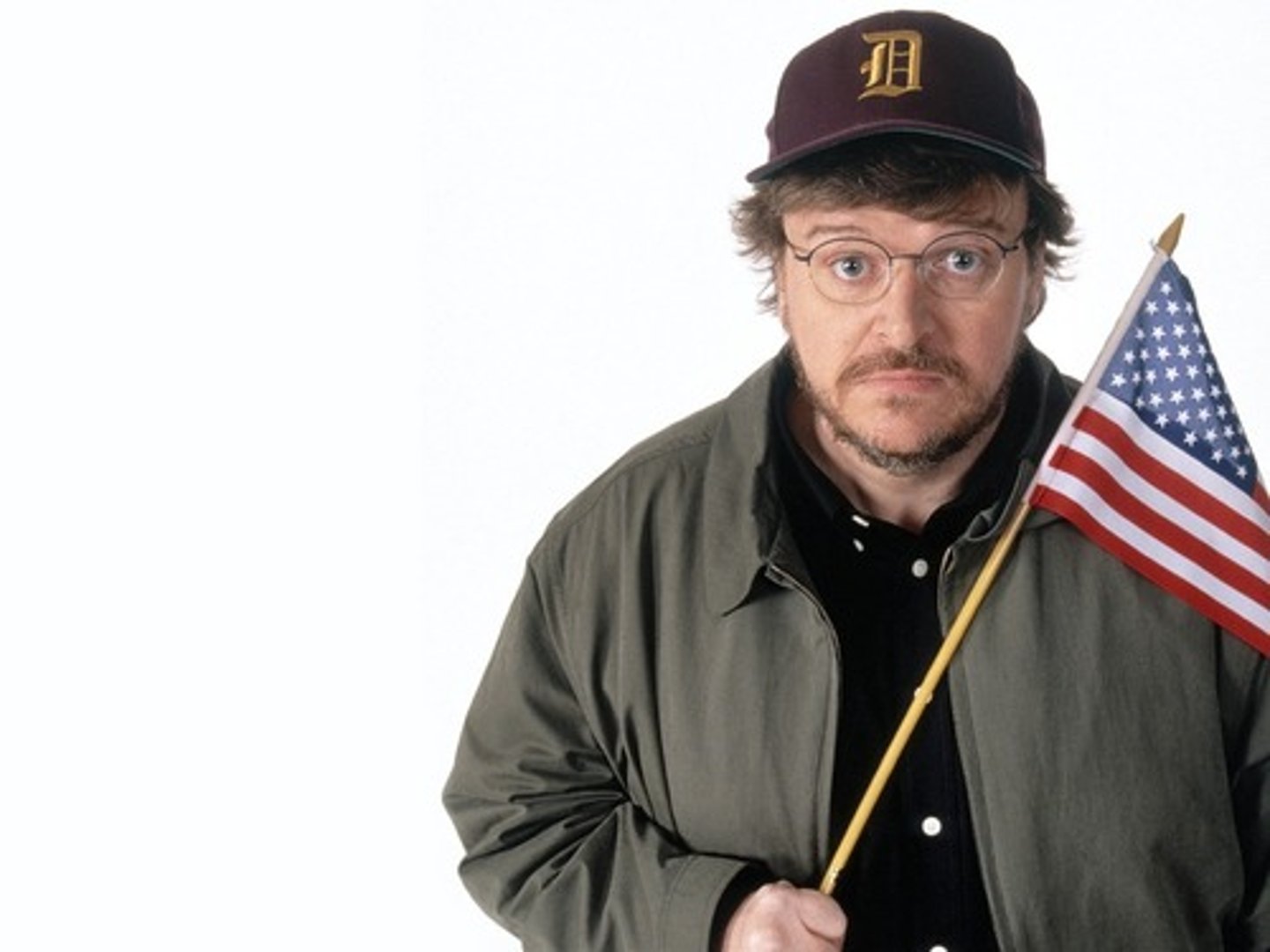
Michael Moore
A social activist and filmmaker- Capitalism: a Love Story
Naomi Oreskes
Merchants of Doubt: How a Handful of Scientists Obscured the Truth on Issues from Tobacco Smoke to Global
co-author

Erik Conway
Merchants of Doubt: How a Handful of Scientists Obscured the Truth on Issues from Tobacco Smoke to Global
co-author
Kip Andersen
Cowspiracy
Alexandria Ocasio-Cortez
Green New Deal
National Park Service
In 1916, President Woodrow Wilson created this as a part of the executive branch with a mission to manage the nation's national parks and monuments.
U.S. Forest Service
this organization created by Teddy Roosevelt in 1905 brought the federal government to regulate the natural environment
nation's forests and grasslands
193 million acres (8.5%)
Bureau of Land Management
management and conservation of resources for economic benefits to the nation.
grazing, mining, timber harvesting, and recreation
U.S. Fish + Wildlife Service
"working with others to conserve, protect, and enhance fish, wildlife, plants, and their habitats for the continuing benefit of the american people"
flora + fauna
90 million acres (4%)
Environmental Protection Agency (EPA)
an independent federal agency established to coordinate programs aimed at reducing pollution and protecting the environment
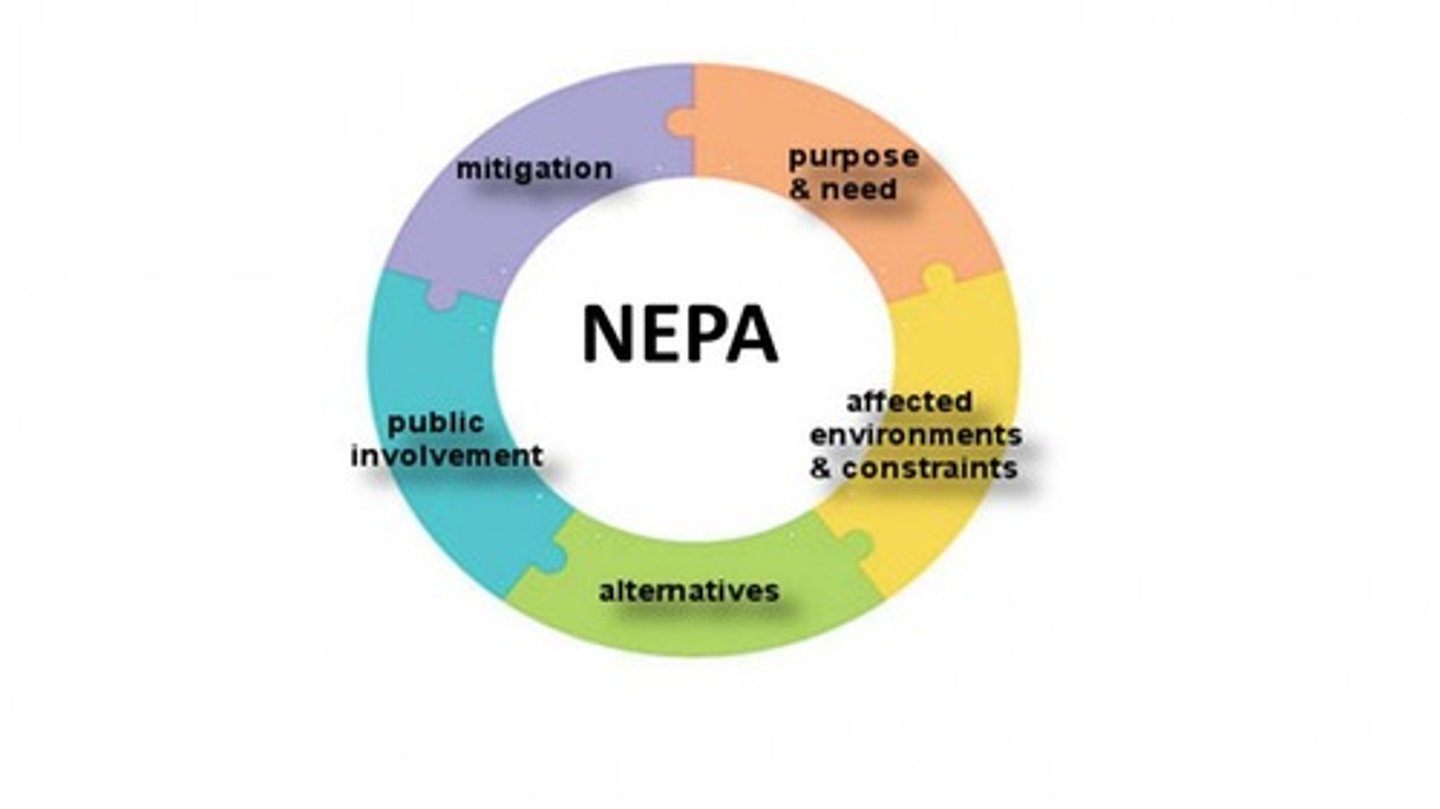
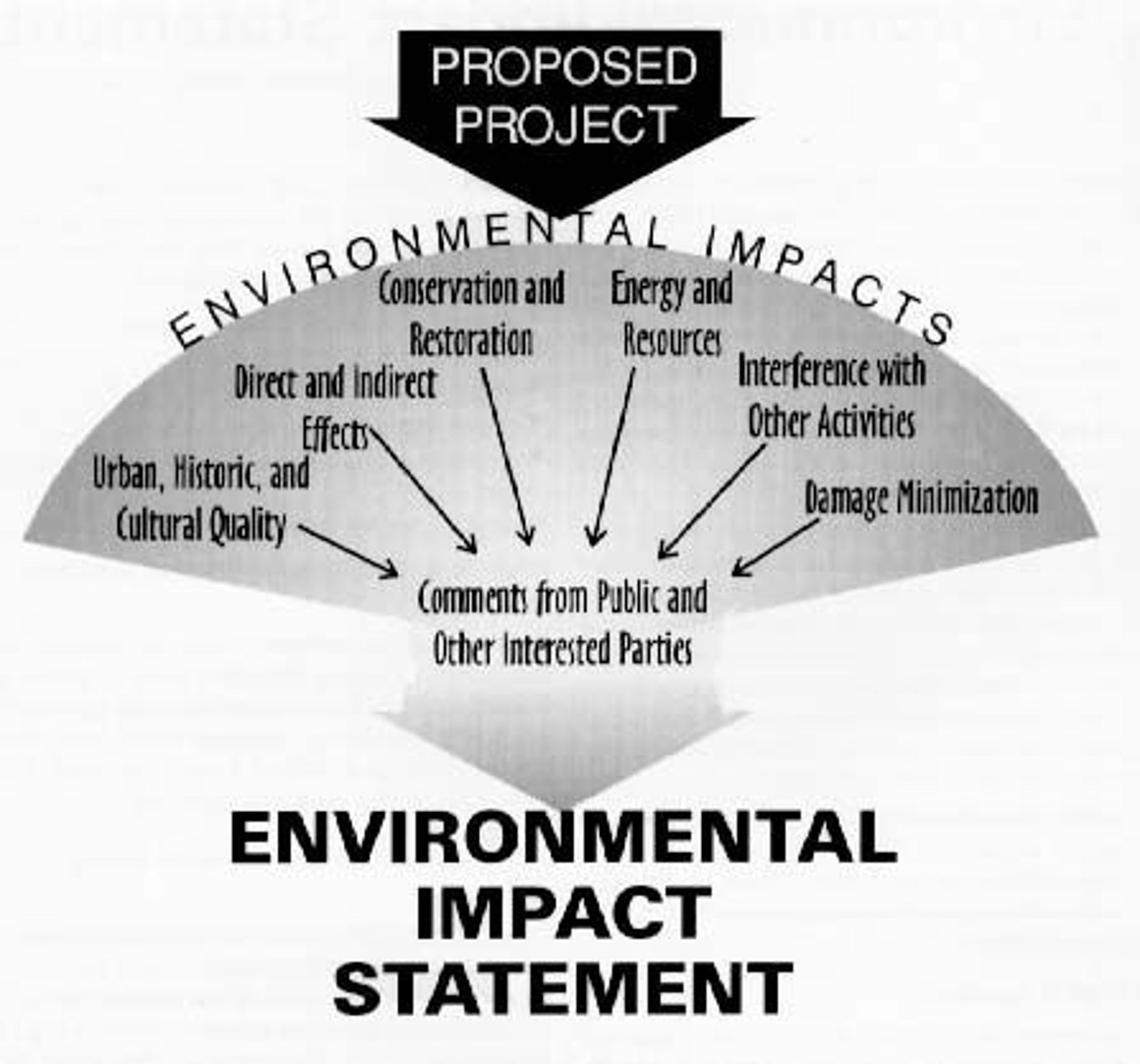
National Environmental Policy Act (NEPA)
A 1969 U.S. federal act that mandates an environmental assessment of all projects involving federal money or federal permits
Environmental Impact Statement (EIS)
prepared on all projects dealing with federally funded activities
California Environmental Quality Act (CEQA)
requires state and local public entities to identify the environmental impacts of proposed discretionary activities or projects, and identify alternatives or mitigation measures
Define a system
an entity of parts that together make a whole, and in turn produces some kind of output or effect.
systems thinking
how physical parts relate, how events unfold over time, and an understanding that multiple events or actions contribute to an output
consumerism
the theory that increasing consumption of goods is economically desirable and good for humanity?
consumer sovereignty
The absolute individual power to purchase a product or service, or not, thereby possibly affecting the market
affleunza
A desire for more things
-the condition of overload, debt, anxiety, and waste resulting from the dogged pursuit of more
GDP
gross domestic product
-How we are measuring our productivity- both purchasing and manufacturing
We are buying into this affluenza that in order to be successful in capitalism, we have to make more
GPI
Genuine product indicator
Measures wellbeing
Indicators that add and detract from it
What are the outcomes: how are people education, what is the healthcare, how to people take care of themselves
what are some measures of GPI
resource depleation
income distribution
housework and non market transactions
changes in leisure time
unemployment and underemployment
pollution
Considering the GPI method, has the overall health of our economy steadily improved or declined since the 1970's?
declined- look at the environmental degradation, few social improvements across the world. import rate high.
Provide several example indicators that represent the alternative GPI measure of an economy
1. changes in leisure time2. unemployment and underemployment3. pollution4. Resource Depletion5. Income Distribution6. Housework and Nonmarket Transactions
the U.S. has __% of the world's population but consumes __% of the world's resources & creates __% of the world's waste.
5% of the worlds population but consume 30% of the worlds resources and creating 30% of the worlds waste
Our "stuff" moves along 5 stages
extraction ---> production ---> distribution ---> to consumption ---> to disposal
All together, this is called the "_________ ____________."
the materials economy
what is wrong with this system
it is a linear system and you cannot run a linear system on a finite planet indefinitely
he "engine that drives this system" and the part that we're most familiar with is called _______________?
consumption
What percentage of total material flow through this system is still in product or use 6 months after their sale in North America? A) 50% B) 20% C) 10% D) 1%
1%
This is a problem" because this is a _________ system and we live on a finite planet and you cannot run a ________ system on a finite planet indefinitely."
infinite system
finite system
ccording to Annie Leonard, the $4.99 cost of the radio she bought was not the true cost. What was the true cost and who paid it?
the metal was mined in South Africa, petroleum probably drilled in Iraq, the plastics were probs predicted in china
4.99 wouldn't even pay the rent of the shelf space it occupies let alone the ocean cruises and truck rides to transport
 Note
Note  Flashcards (84)