4.5.4 - ME policies in a global context
 Call Kai
 Learn
Learn Practice Test
 Spaced Repetition
 Match
Match Flashcards
 Knowt Play
1/8

There's no tags or description
Looks like no tags are added yet.
Name | Mastery | Learn | Test | Matching | Spaced | Call with Kai |
|---|
No analytics yet
Send a link to your students to track their progress
9 Terms
different approaches used to solve the same problem (2008 crisis)
UK
keynesian approach of bailing out banks
contractionary monetary + fiscal policy (austerity)
USA
keynesian approach of bailing out banks
expansionary monetary + fiscal policy
ME policies to reduce fiscal deficits + national debts
and their downsides
QE, but inflation bc more money in economy
austerity, but inequality bc less gov spending
ME policies to reduce poverty + inequality
and their downsides
progressive tax, but lack of incentives (potentially)
state provision of services, but waiting lists etc
ME policies to increase international competitiveness
(no downsides bc it’s all seen earlier in the course)
protectionism
currency depreciation
supply side policy
two different views on the effect of the money supply on inflation
KEYNESIAN
inflation is the result of a change in output
MONETARIST
inflation is the result of an increase in the money supply
application on the monetarist view
between 2020 and 2021 the USA increased the money supply by 6.3 trillion
early 2022 there was lots of inflation so monetarists were feeling validated
factors affecting government’s ability to control global companies
how powerful the TNC is compared to the gov
corruption (gives TNC even more power)
infrastructure development (eg. legal system, financial system, media)
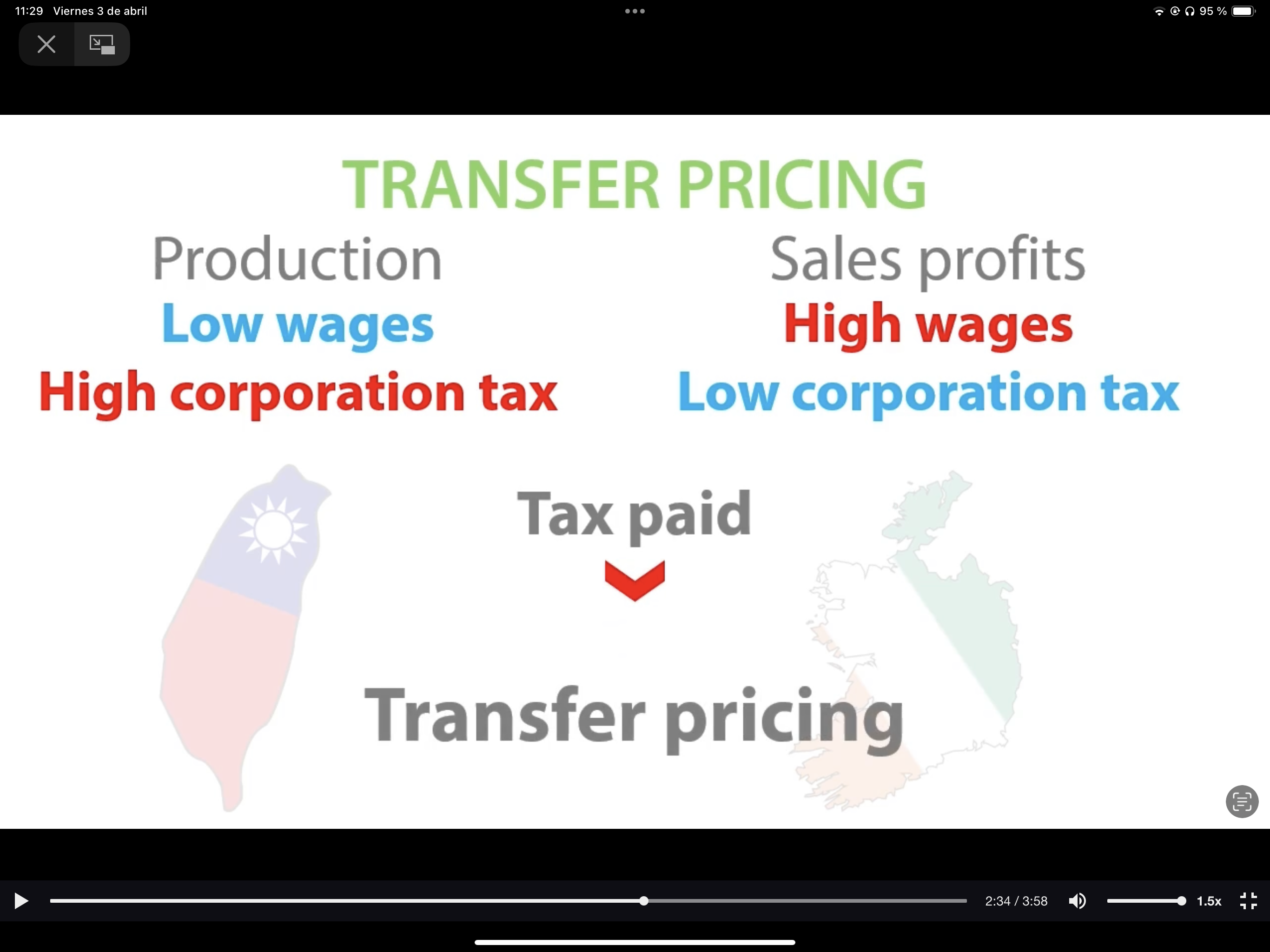
what is transfer pricing
when a company produces things in a daughter company with low wages high corp tax, then sells it at a low price (no profit to pay corp tax on) to another daughter company of theirs in a country with high wages low corp tax, so then the g/s can be sold in that country and the company maximises its profit
hard for developing countries to challenge this
3 problems facing policymakers
inaccurate information —> time lag of data on ME objectives
risks + uncertainties —> eg. during brexit lots of different impacts that weren’t necesarily considered (UK firms increased export costs led to them relocating for example)
inability to control external shocks

