URI BIO 221 practical 2
 Studied by 0 people
 Call with Kai
 Learn
Learn Practice Test
 Spaced Repetition
 Match
Match Flashcards
 Knowt Play
1/99

There's no tags or description
Looks like no tags are added yet.
Name | Mastery | Learn | Test | Matching | Spaced | Call with Kai |
|---|
No study sessions yet.
100 Terms
Humerus
upper arm bone
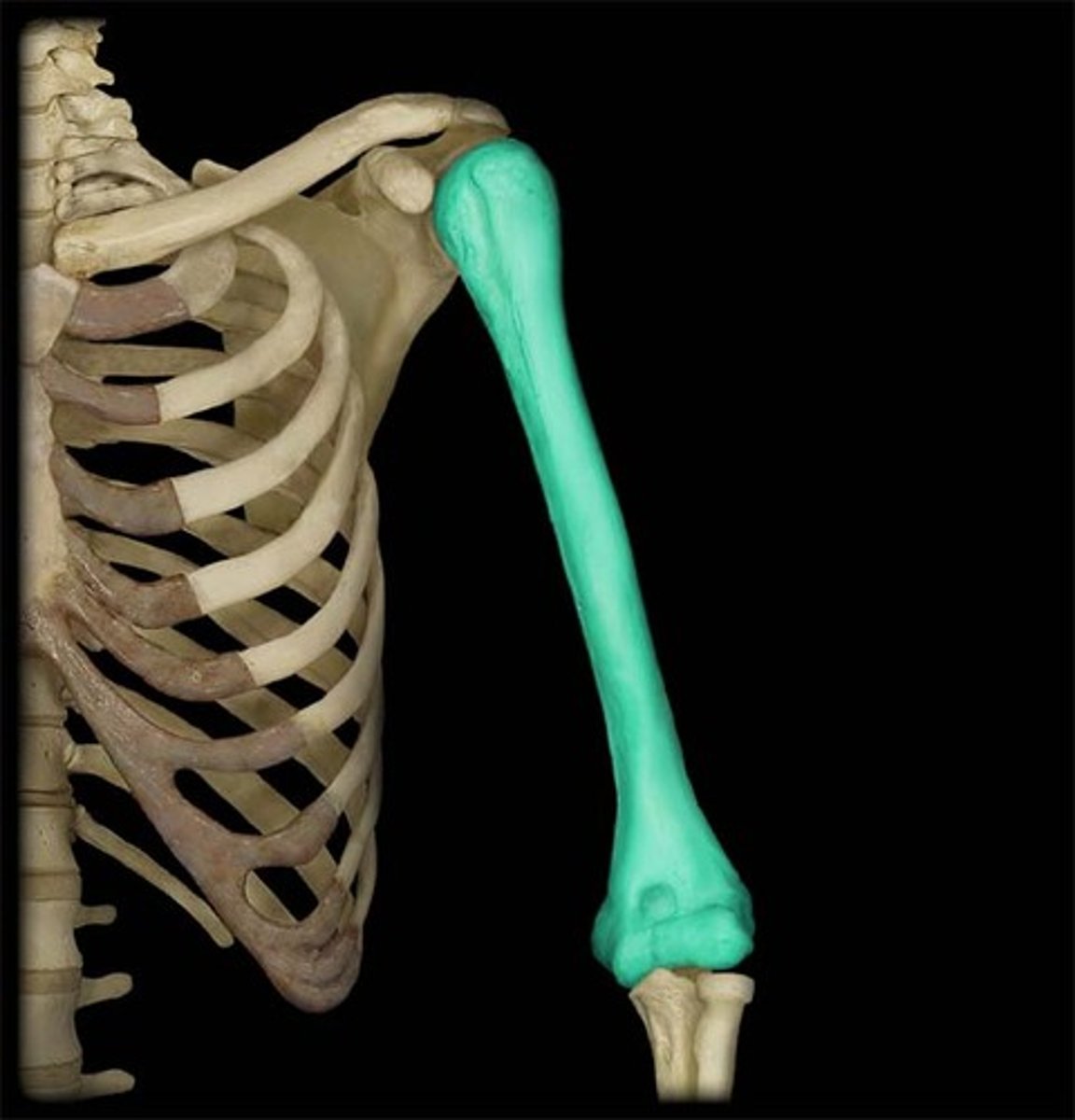
Head (Humerus)
Smooth rounded proximal portion
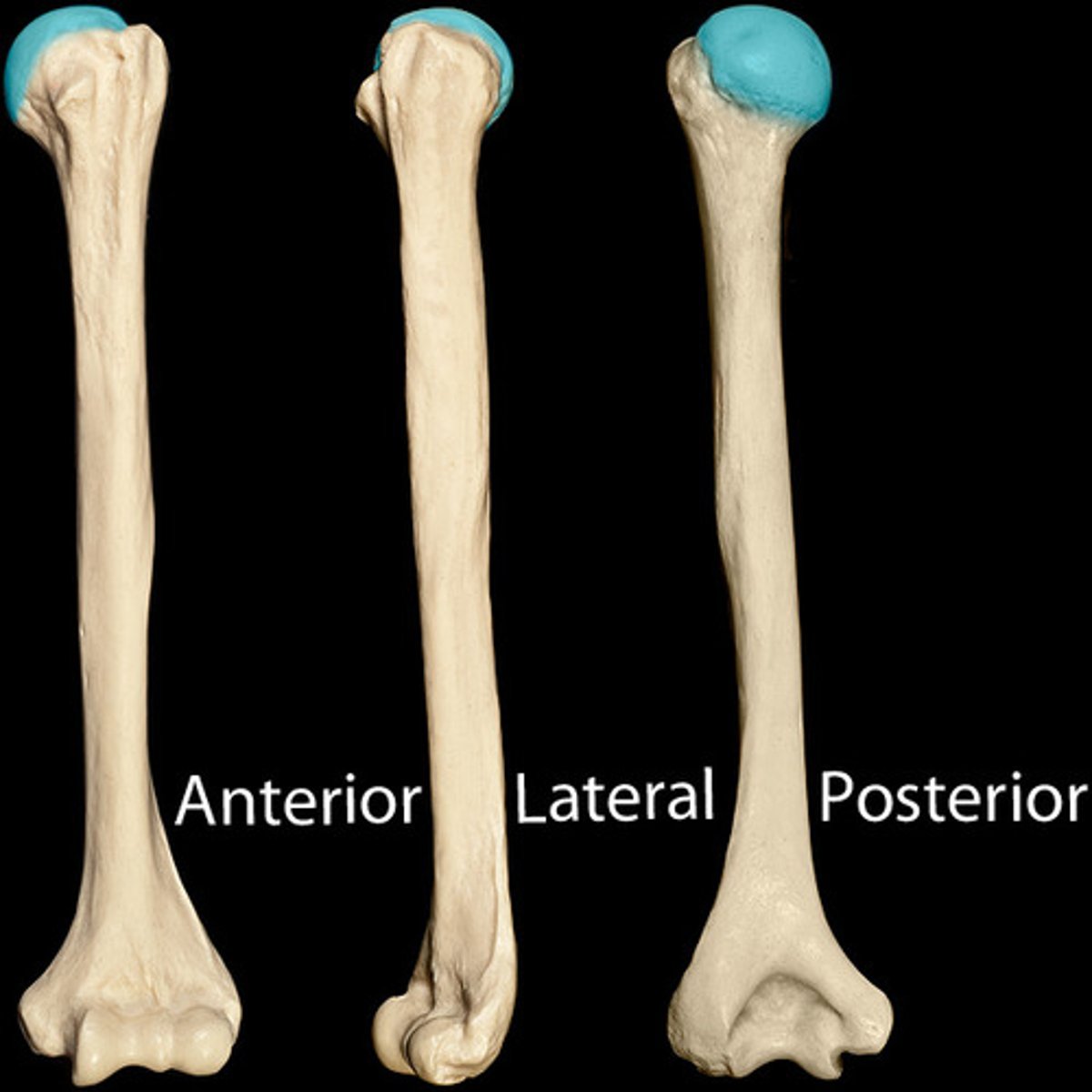
Anatomical neck
Narrowing distal to head
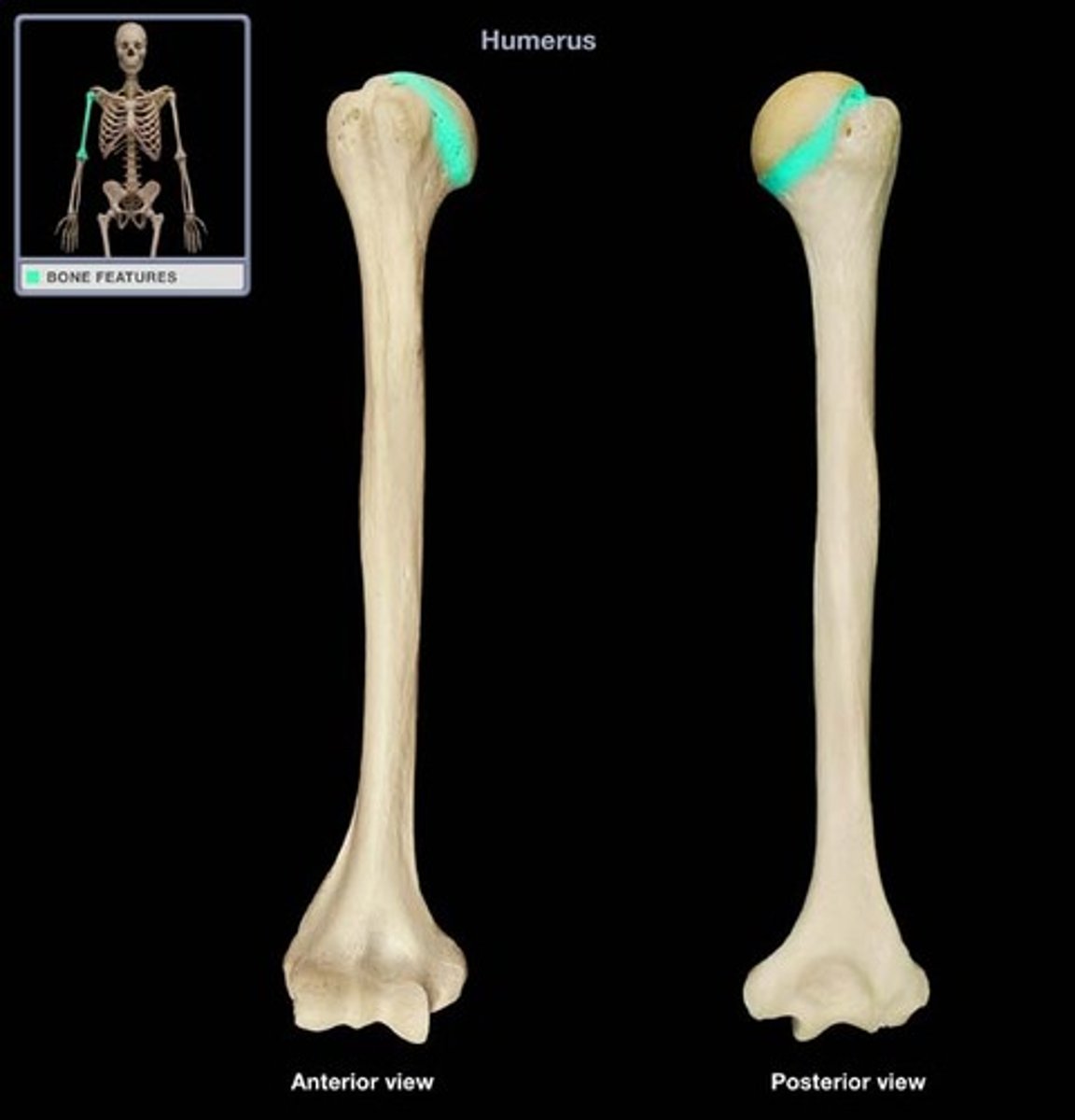
Greater tubercle
Proximal
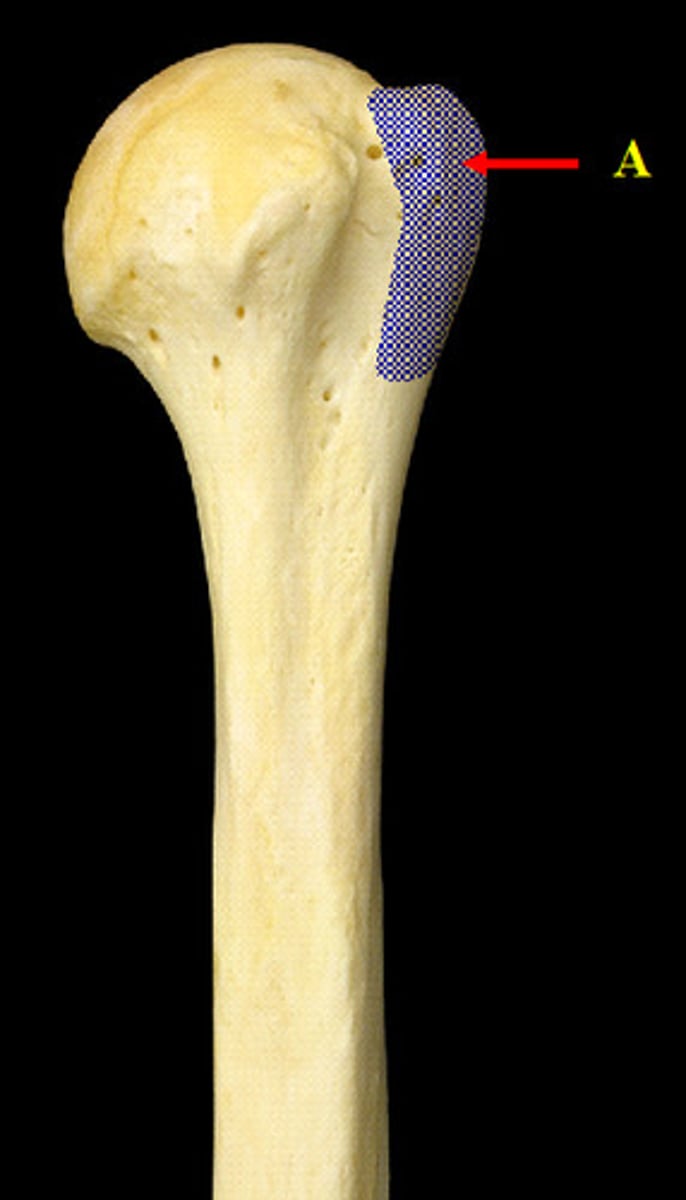
Lesser tubercle
Proximal
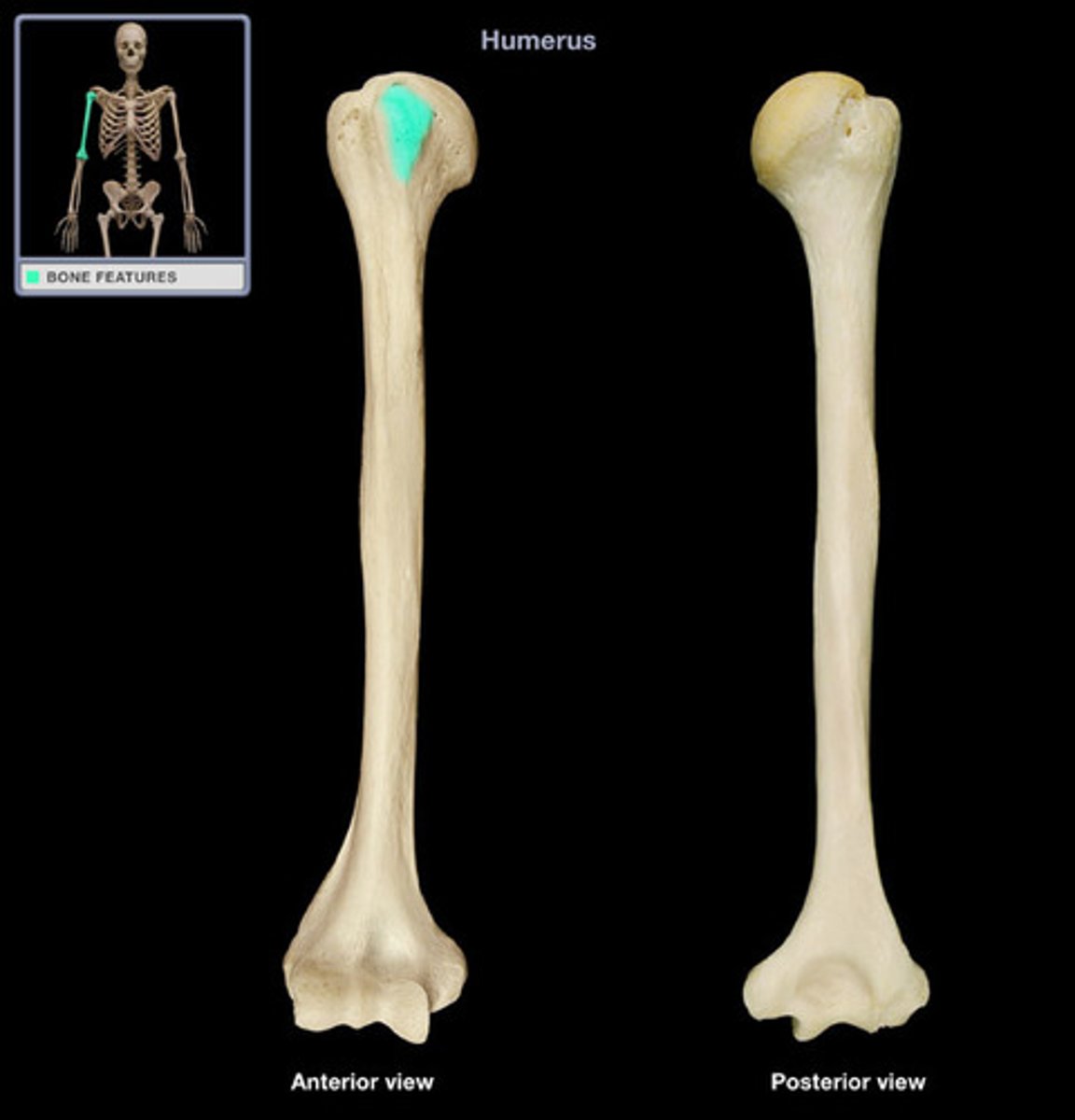
Intertubercular groove (bicipital)
Between 2 tubercles
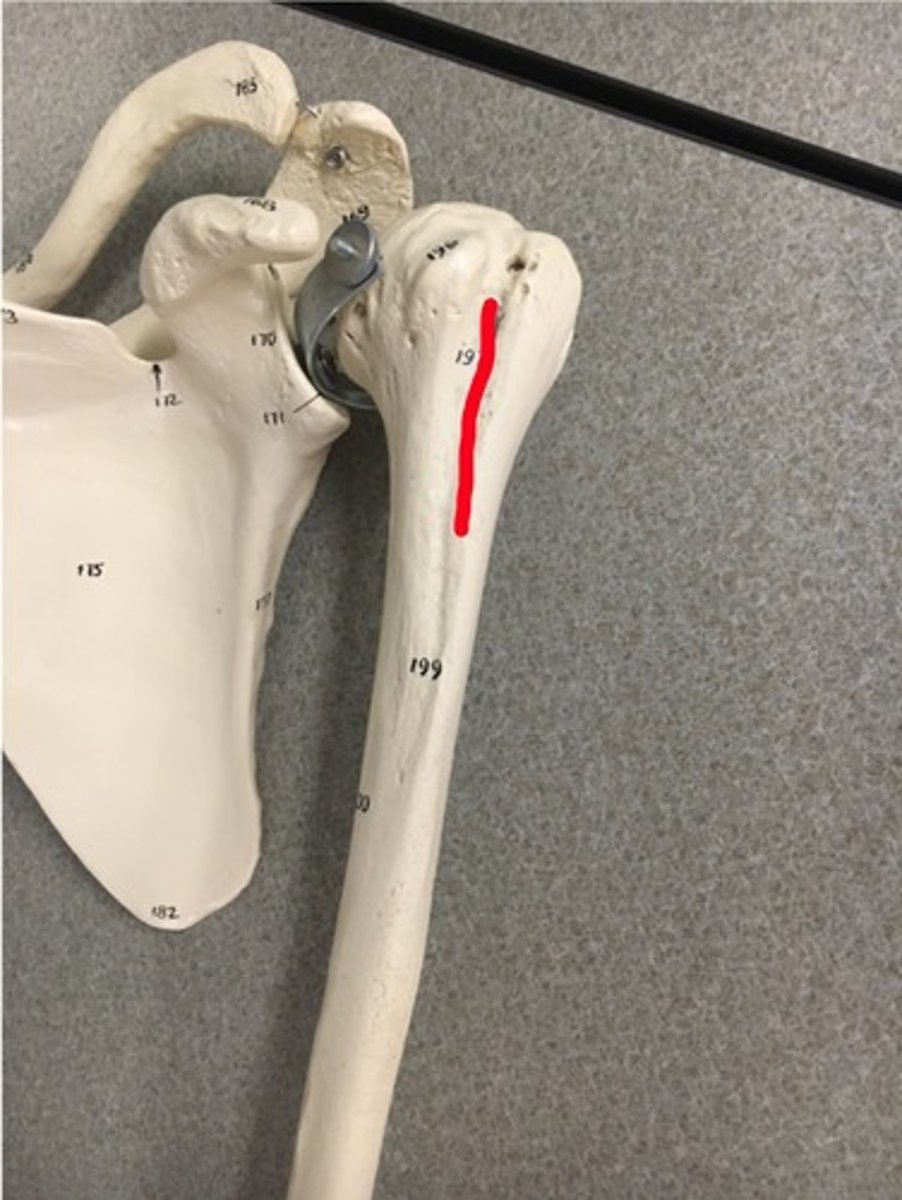
Deltoid tuberosity
raised area on lateral surface of humerus to which the deltoid muscle attaches
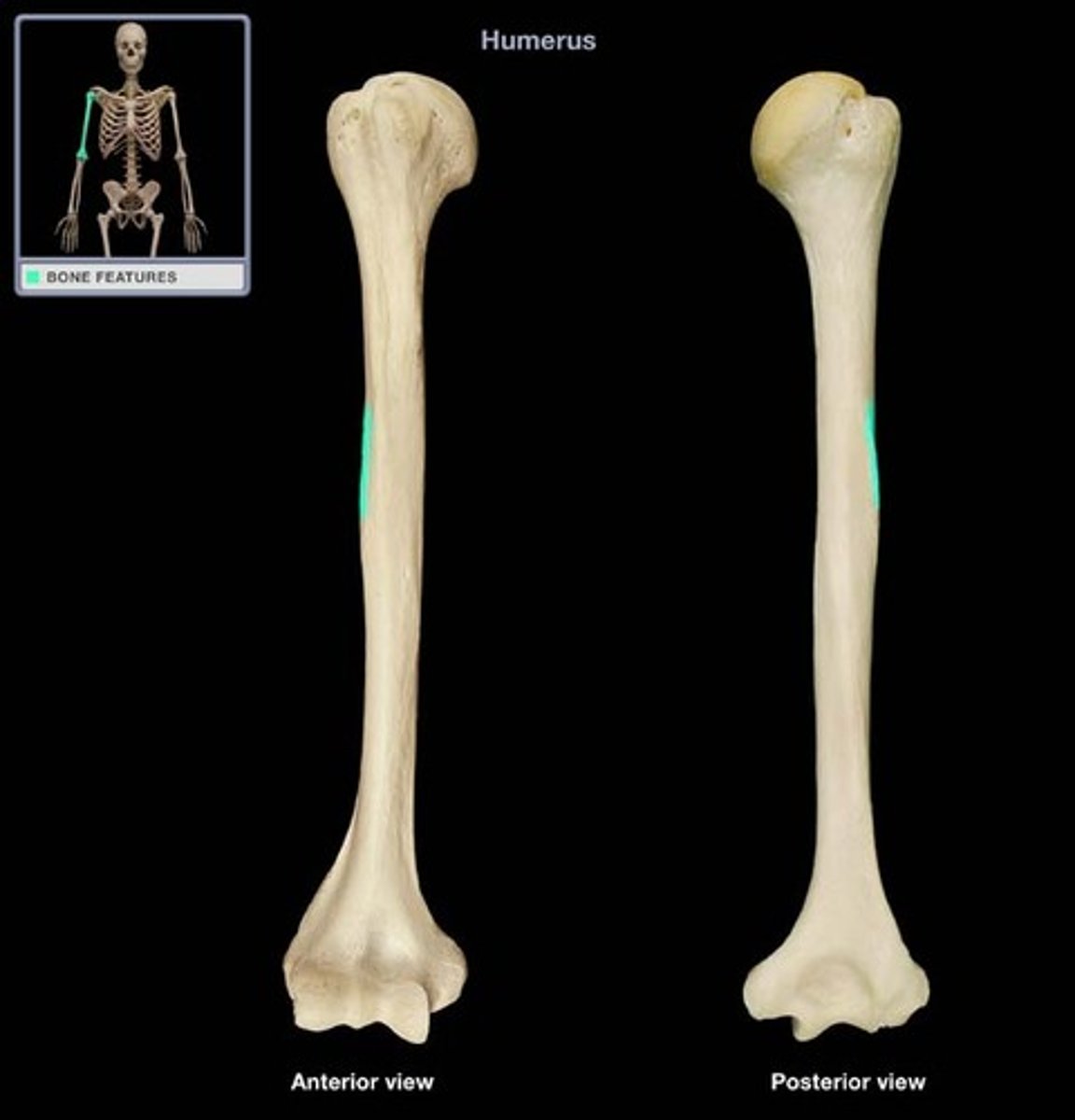
Olecranon fossa
Posterior, inferior
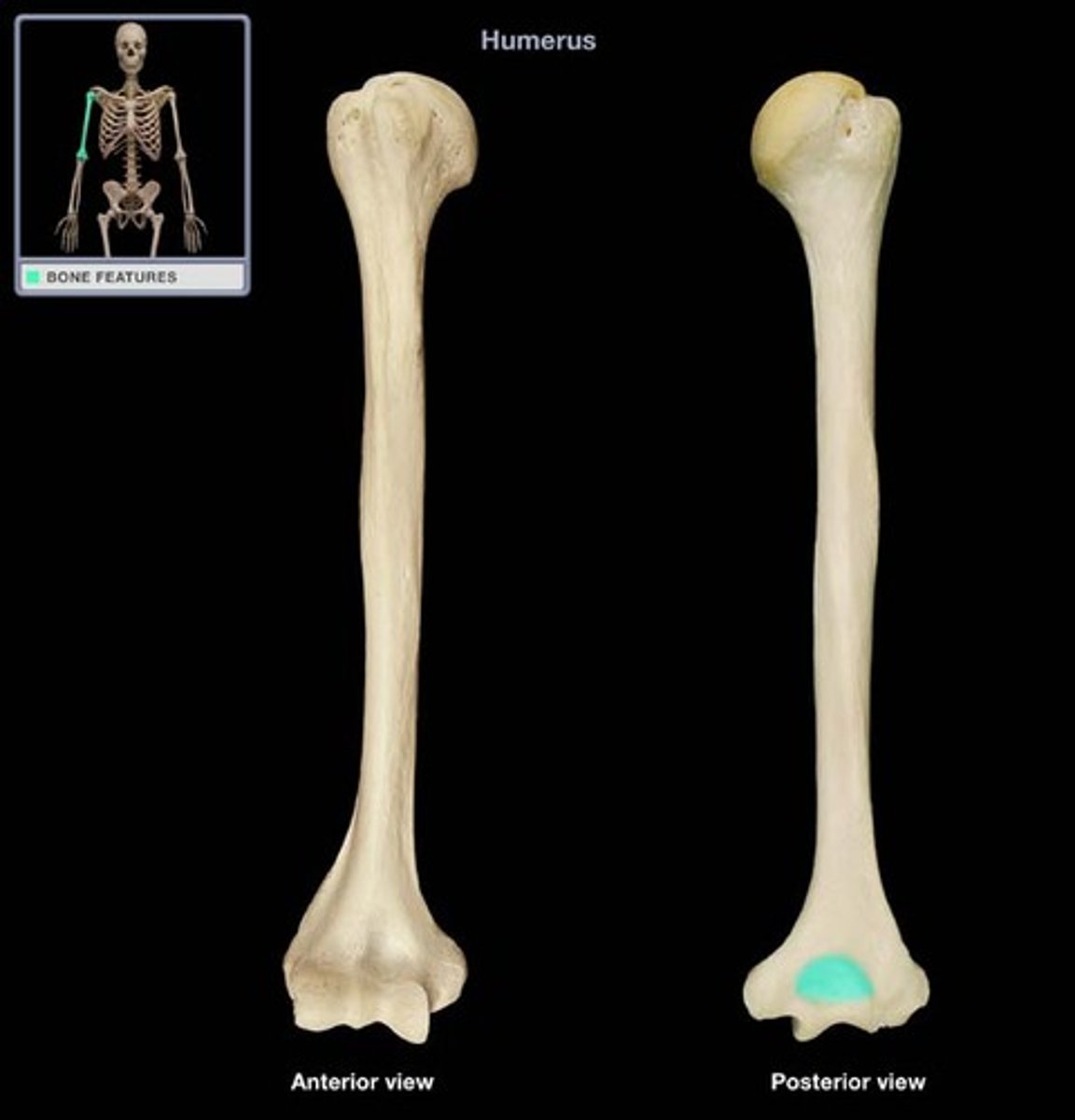
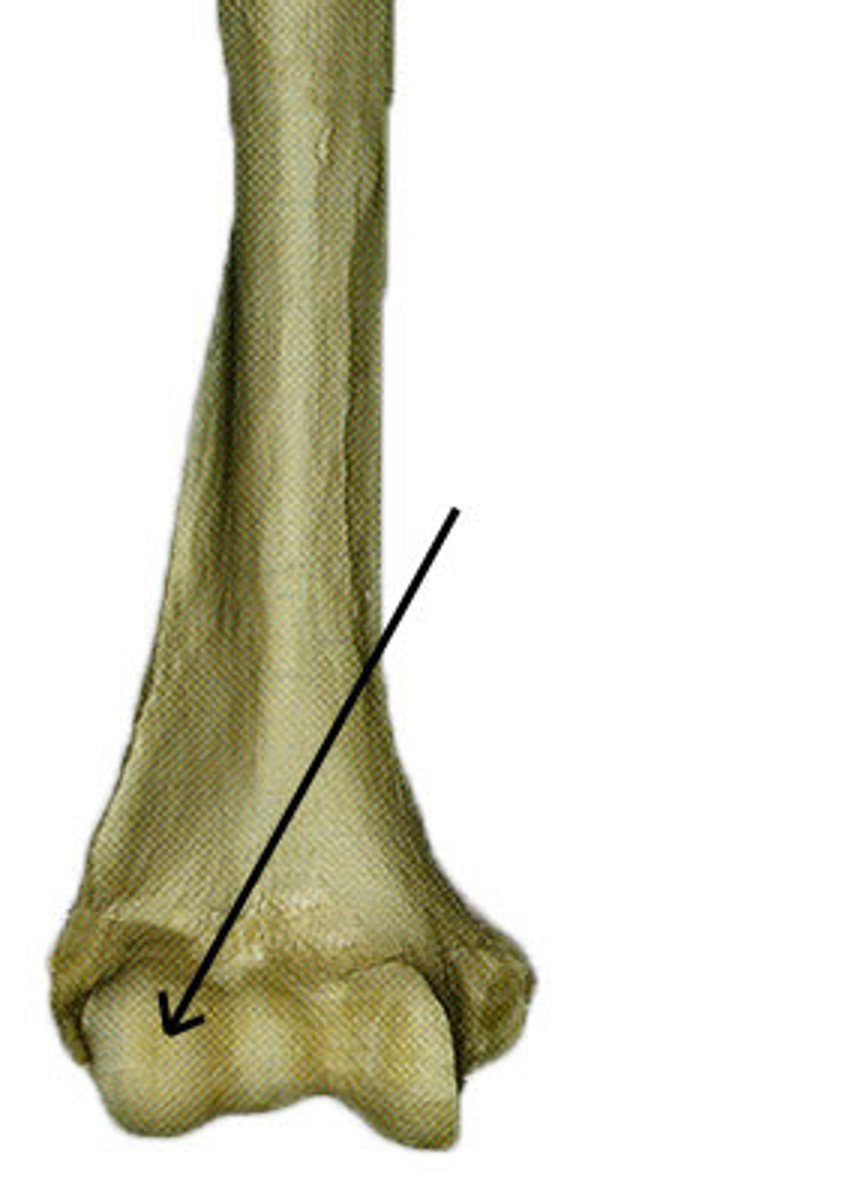
Capitulum
Distal, lateral smooth, rounded knuckle
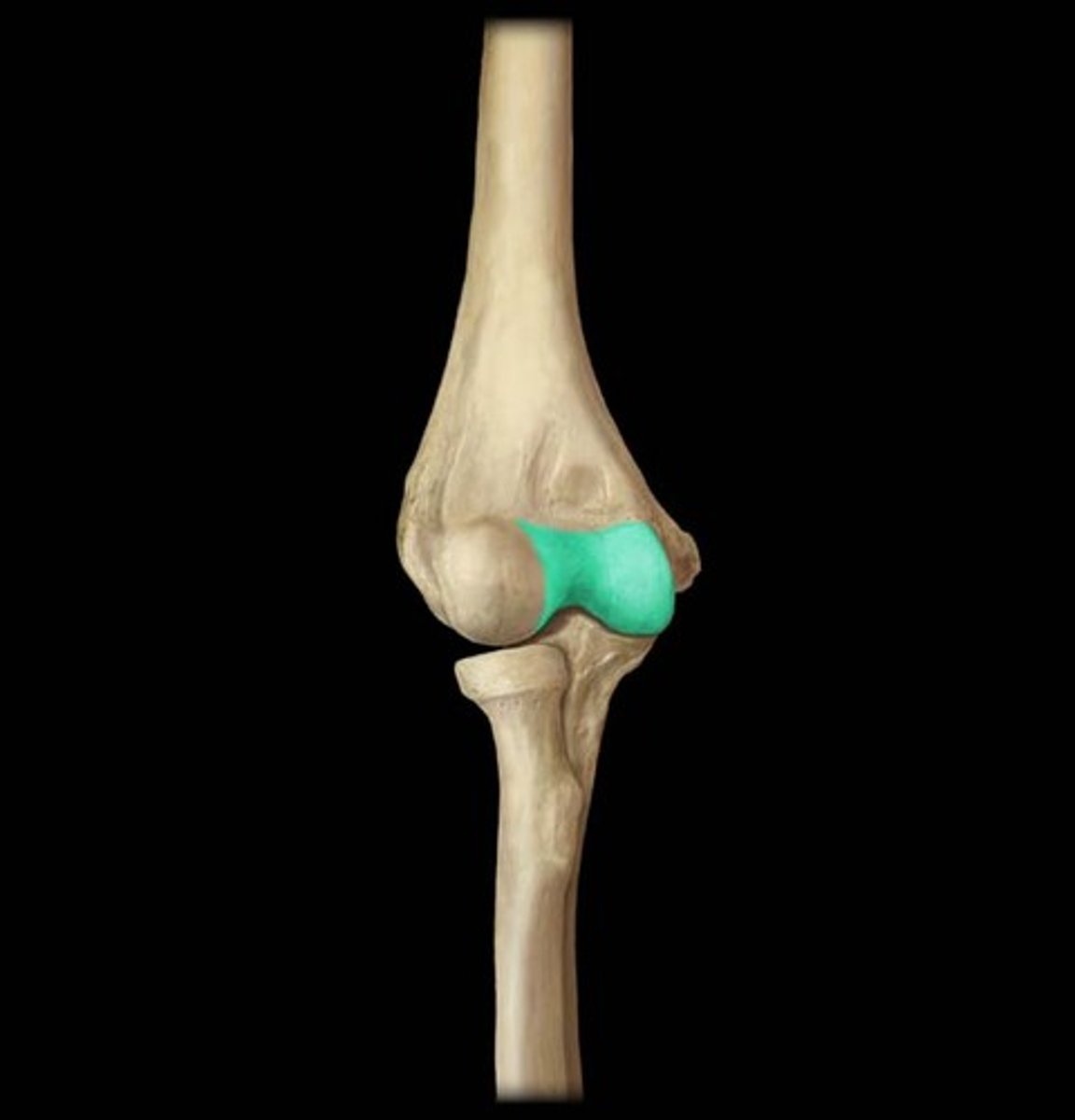
Trochlea
Distal, medial, pointed knuckle
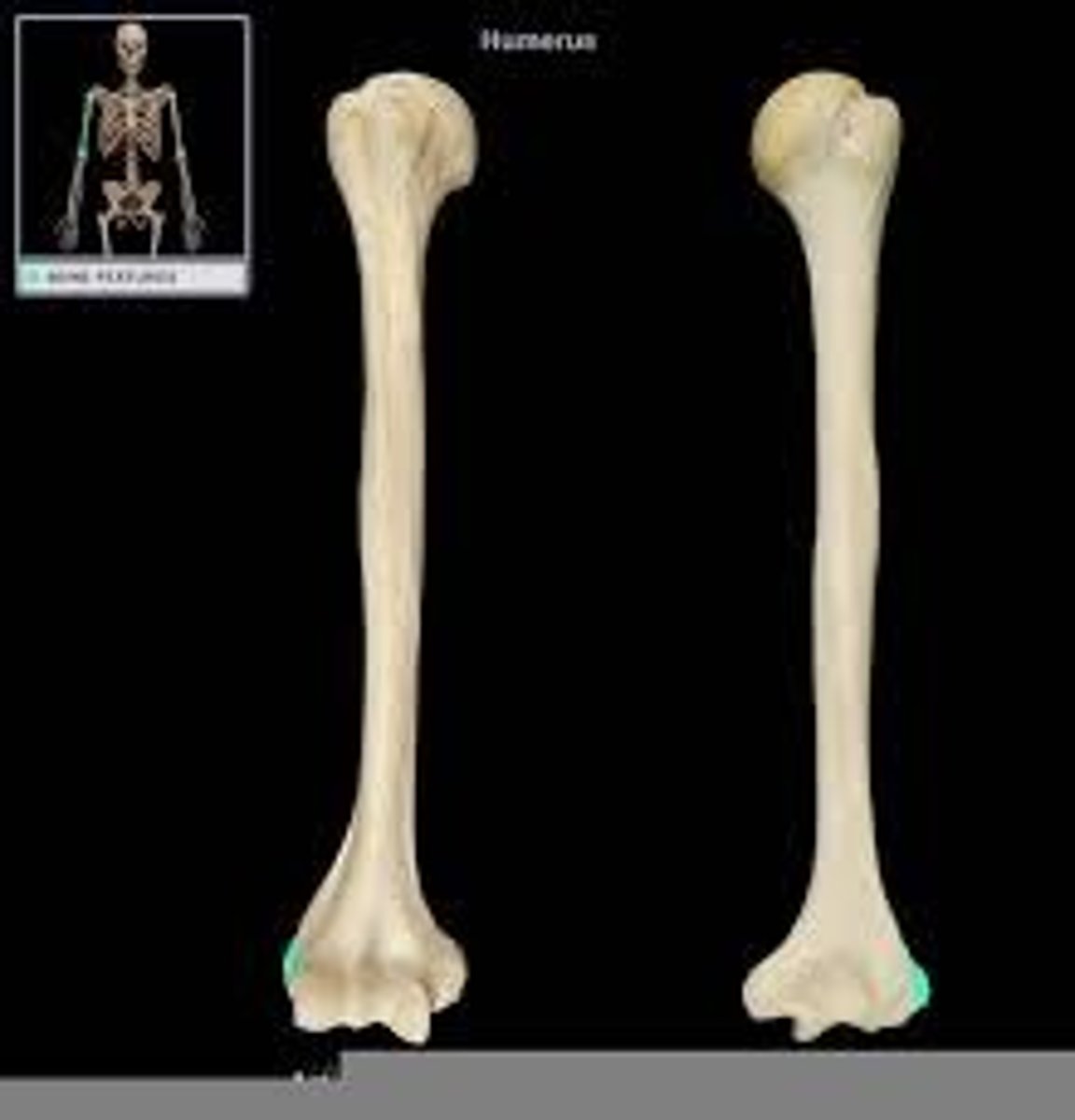
Medial and lateral epicondyle
Bony mass proximal to the capitulum and trochlea
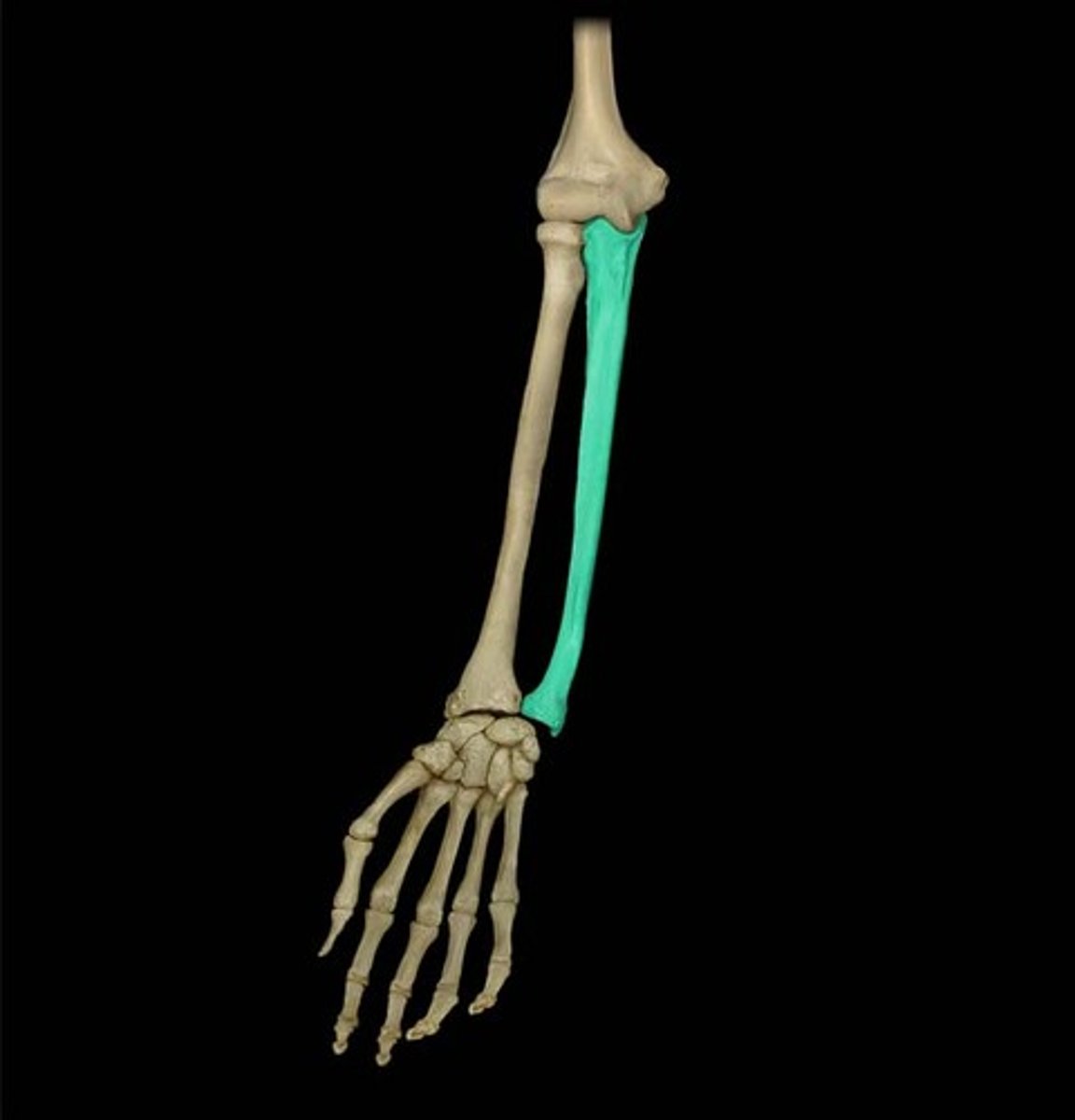
Ulna
Medial forearm bone
Olecranon process
bony projection of the ulna at the elbow
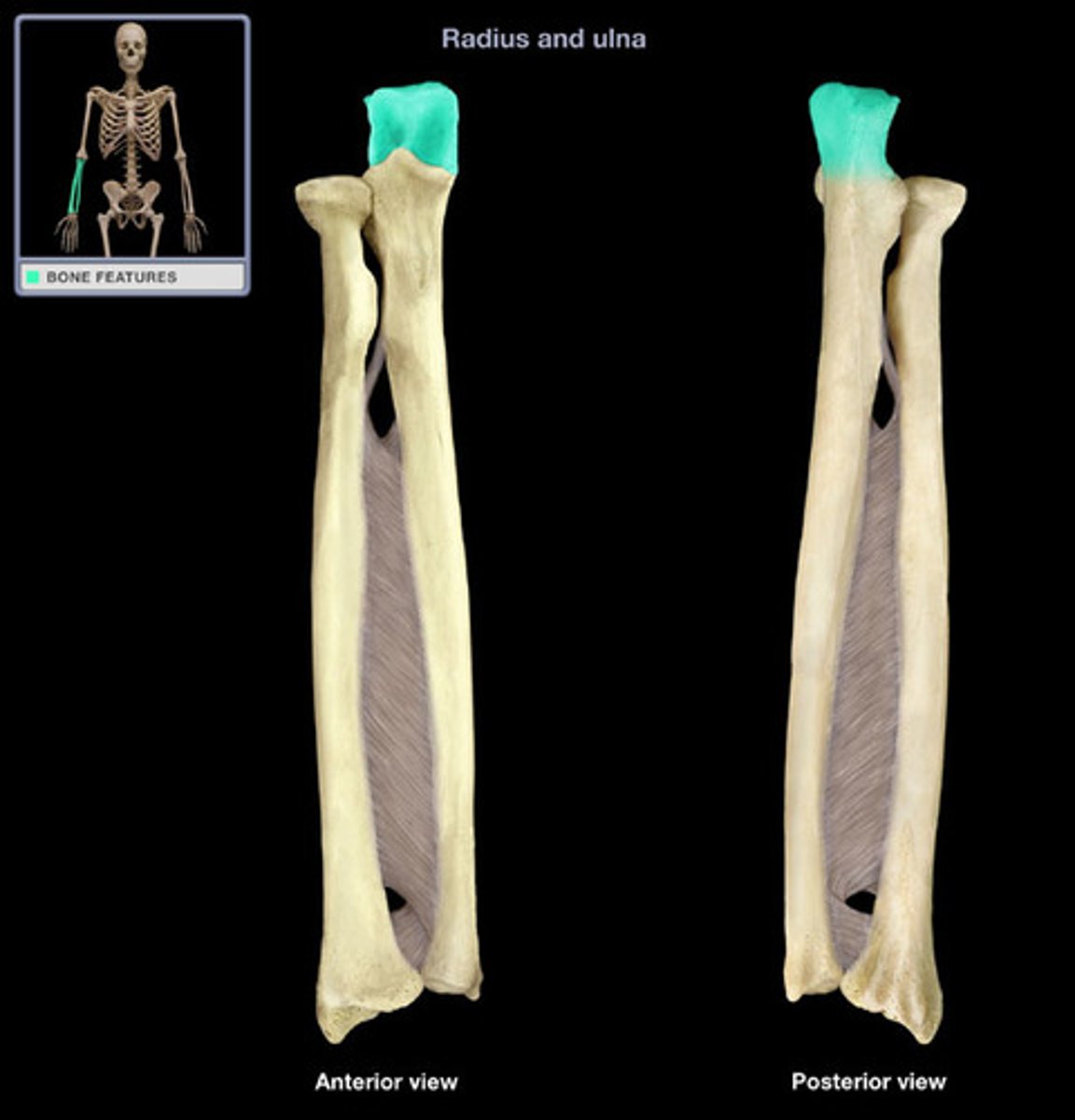
Radial notch
Articulates with head of radius
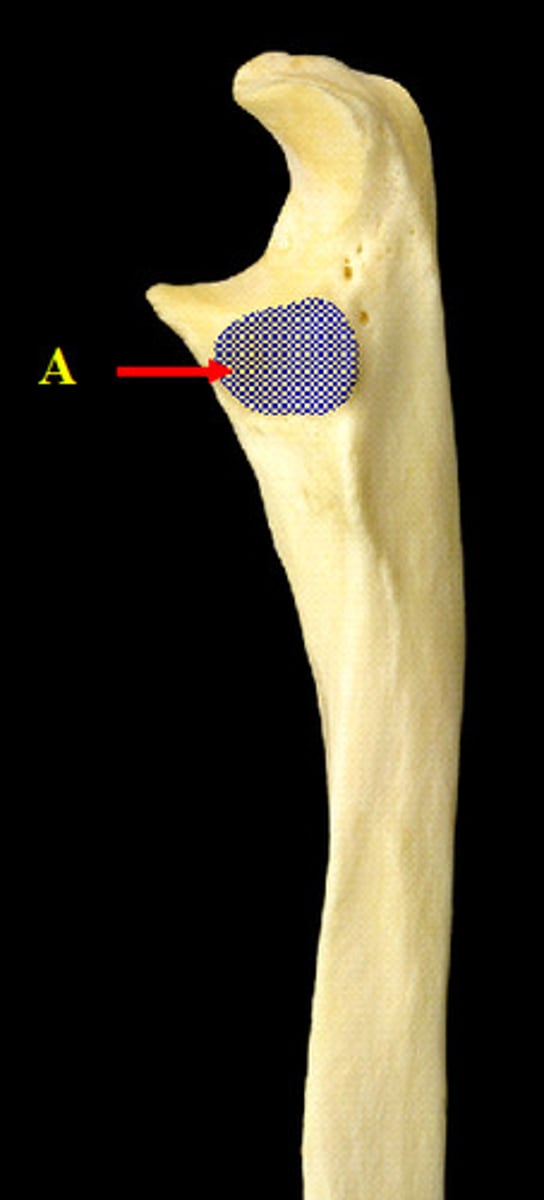
Trochlear notch
Articulates with the trochlea from the humerus
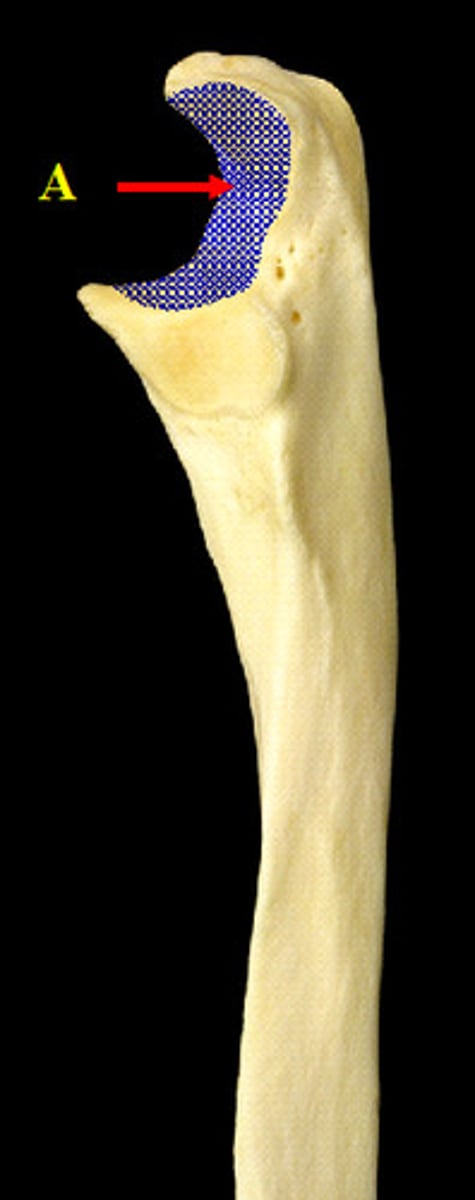
Radius
Lateral forearm bone
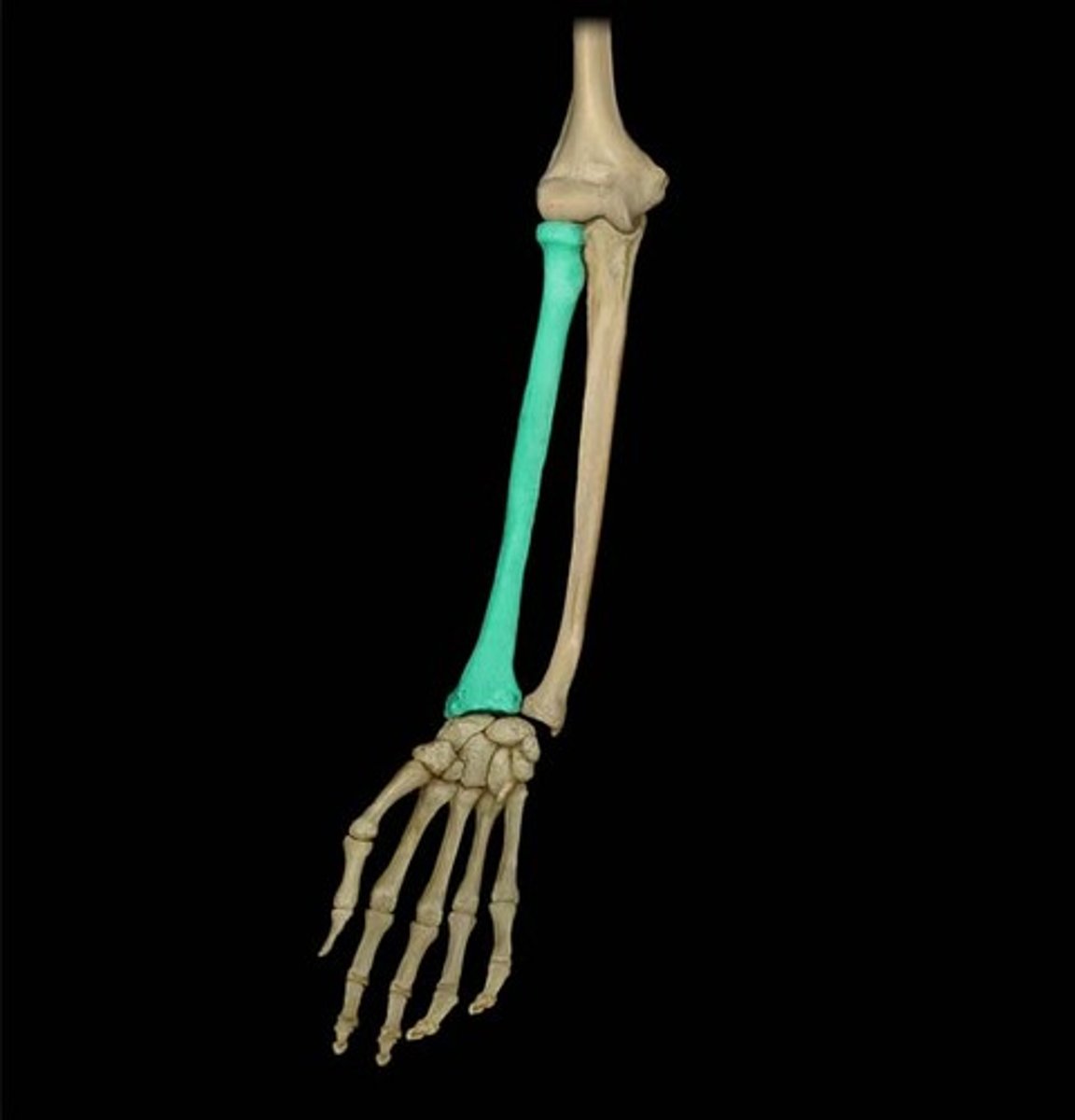
Head (Radius)
Proximal end, looks like spool
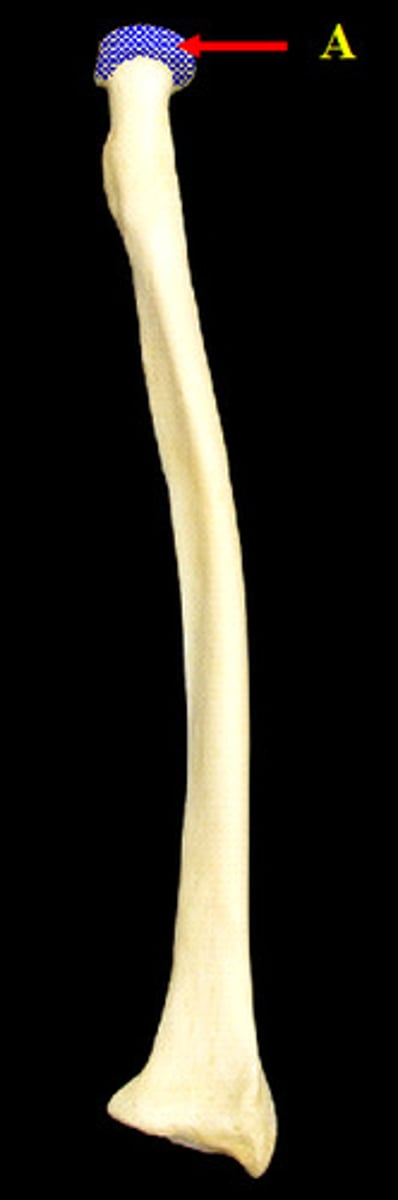
Radial tuberosity
Proximal end
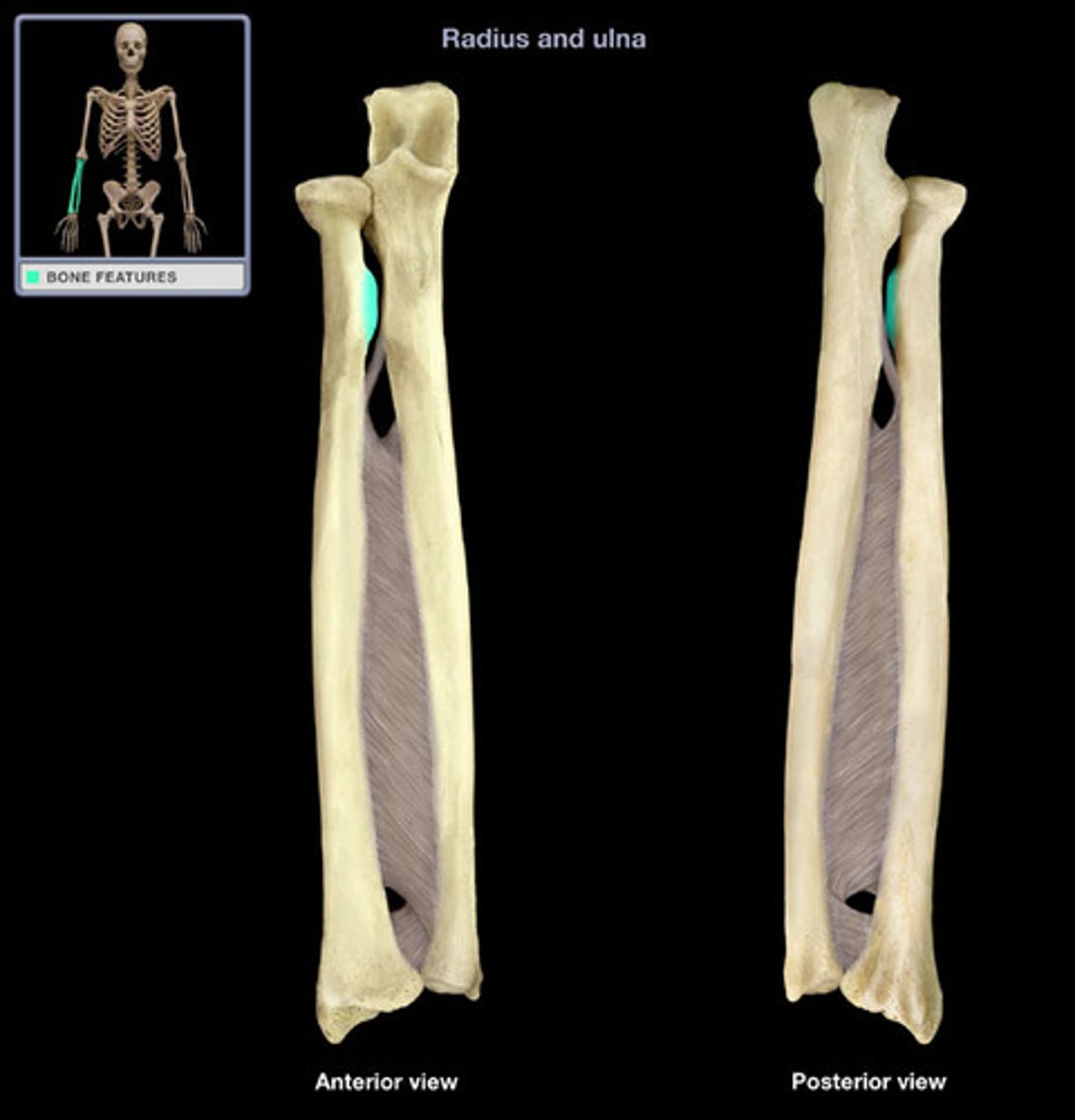
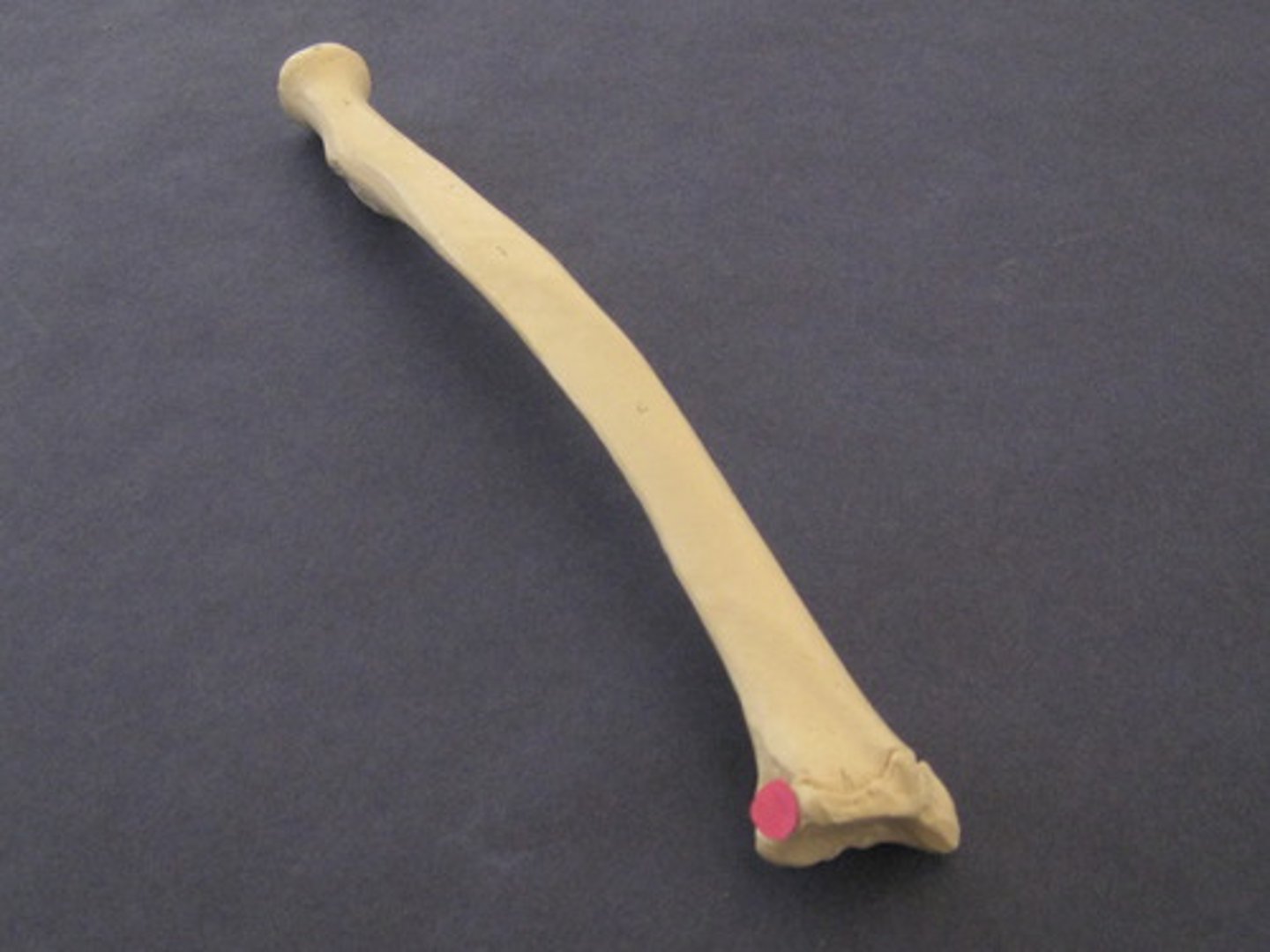
Ulnar notch
Distal end, articulates with ulna
Carpals
Two rows of 4. Some lovers try positions that they can't handle! Names lateral to medial, proximal row then distal row
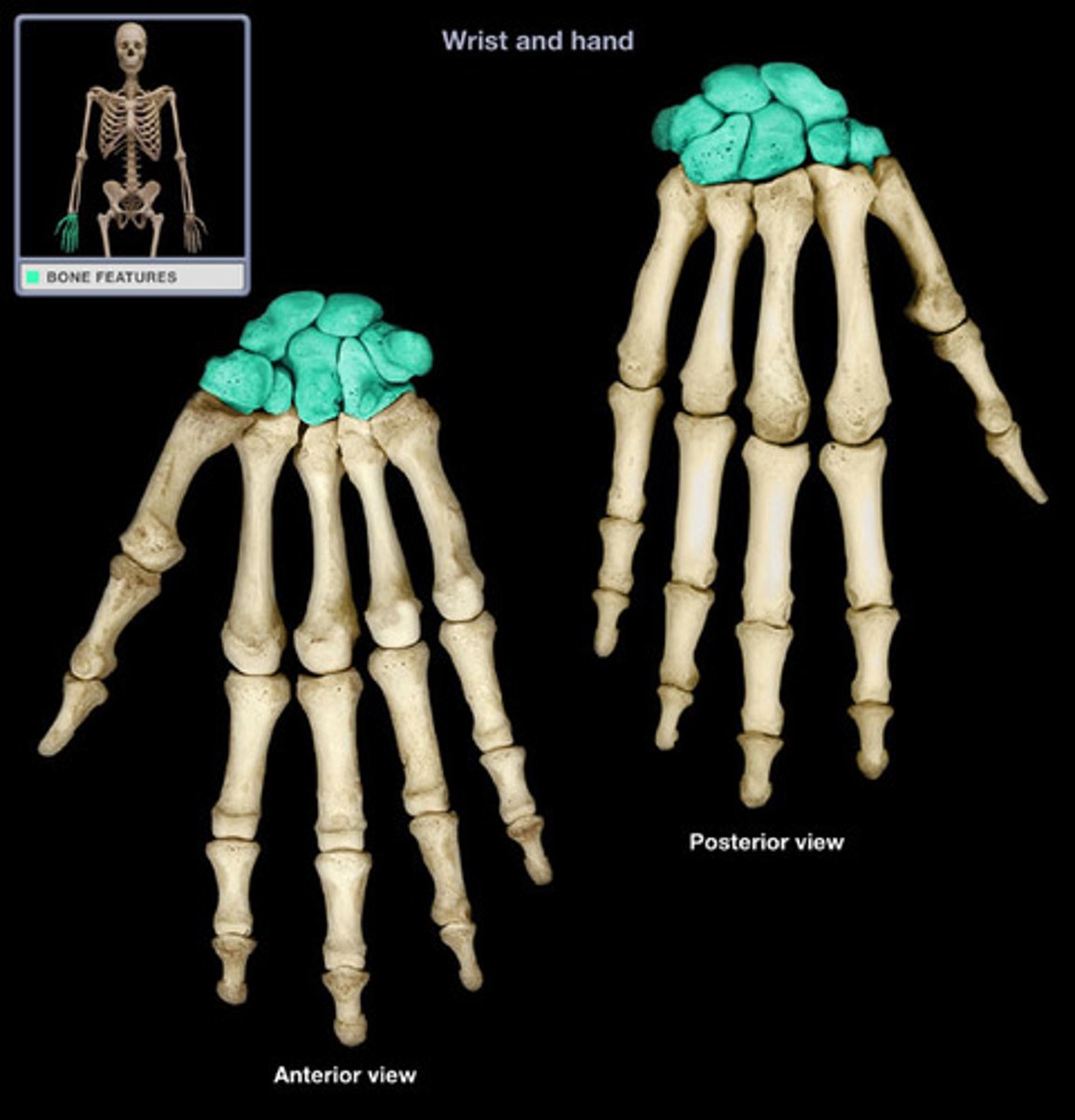
Scaphoid
Looks like a boat or spoon
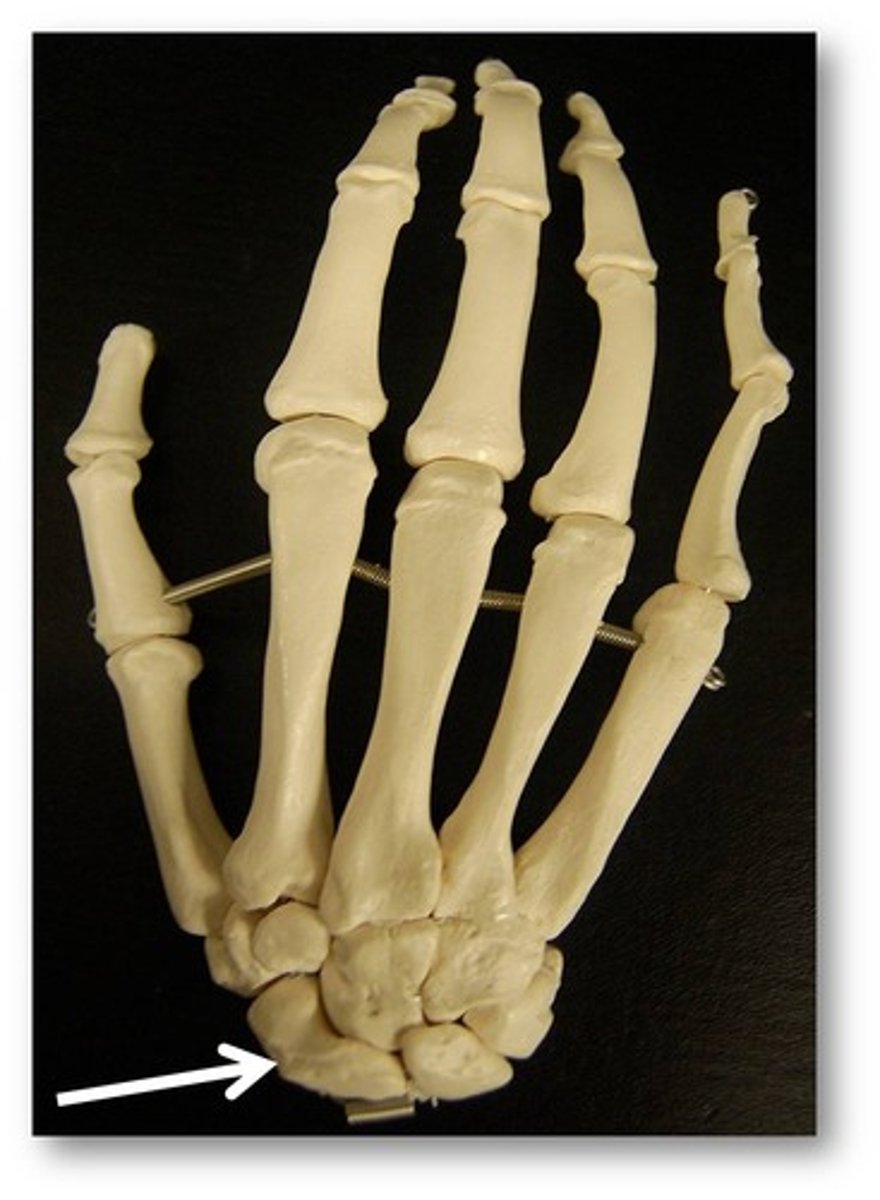
Lunate
Moon shaped
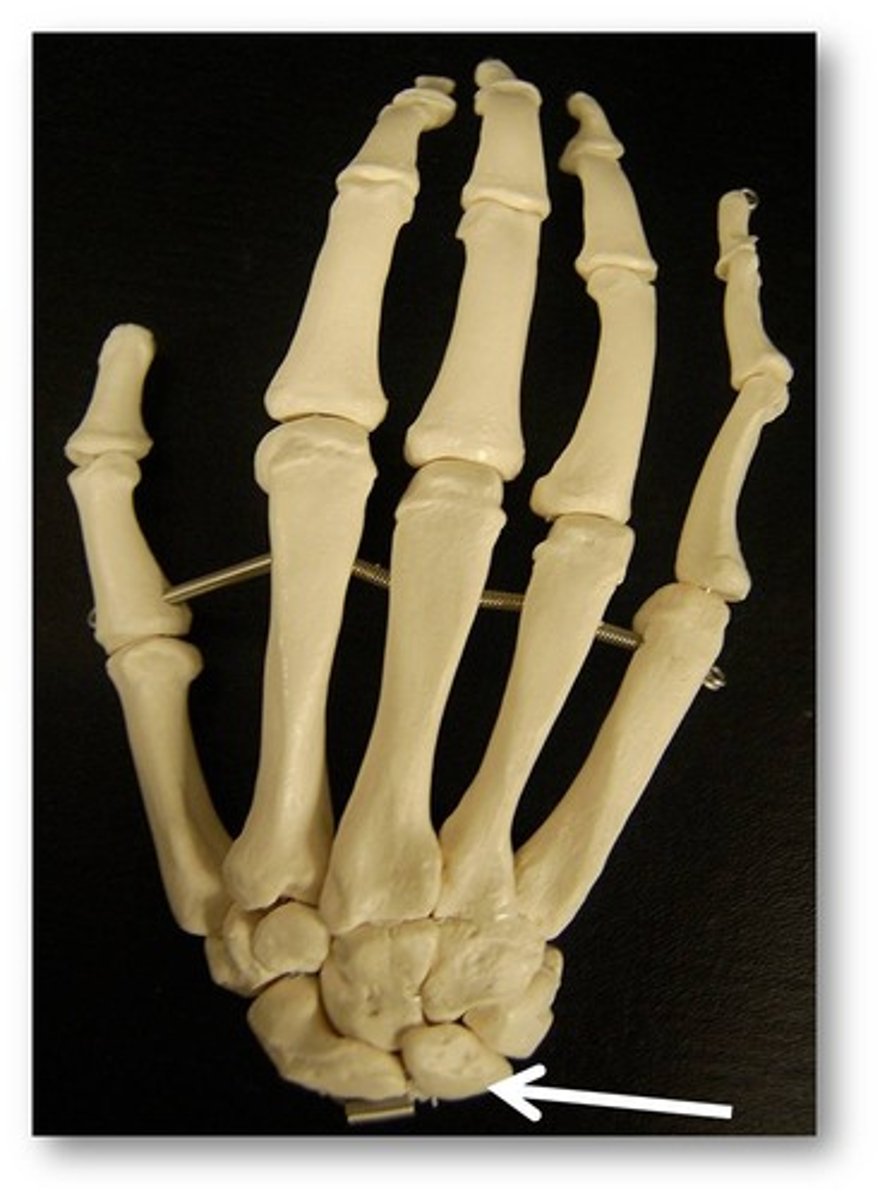
Triquetral
Triangular shaped, superman sign
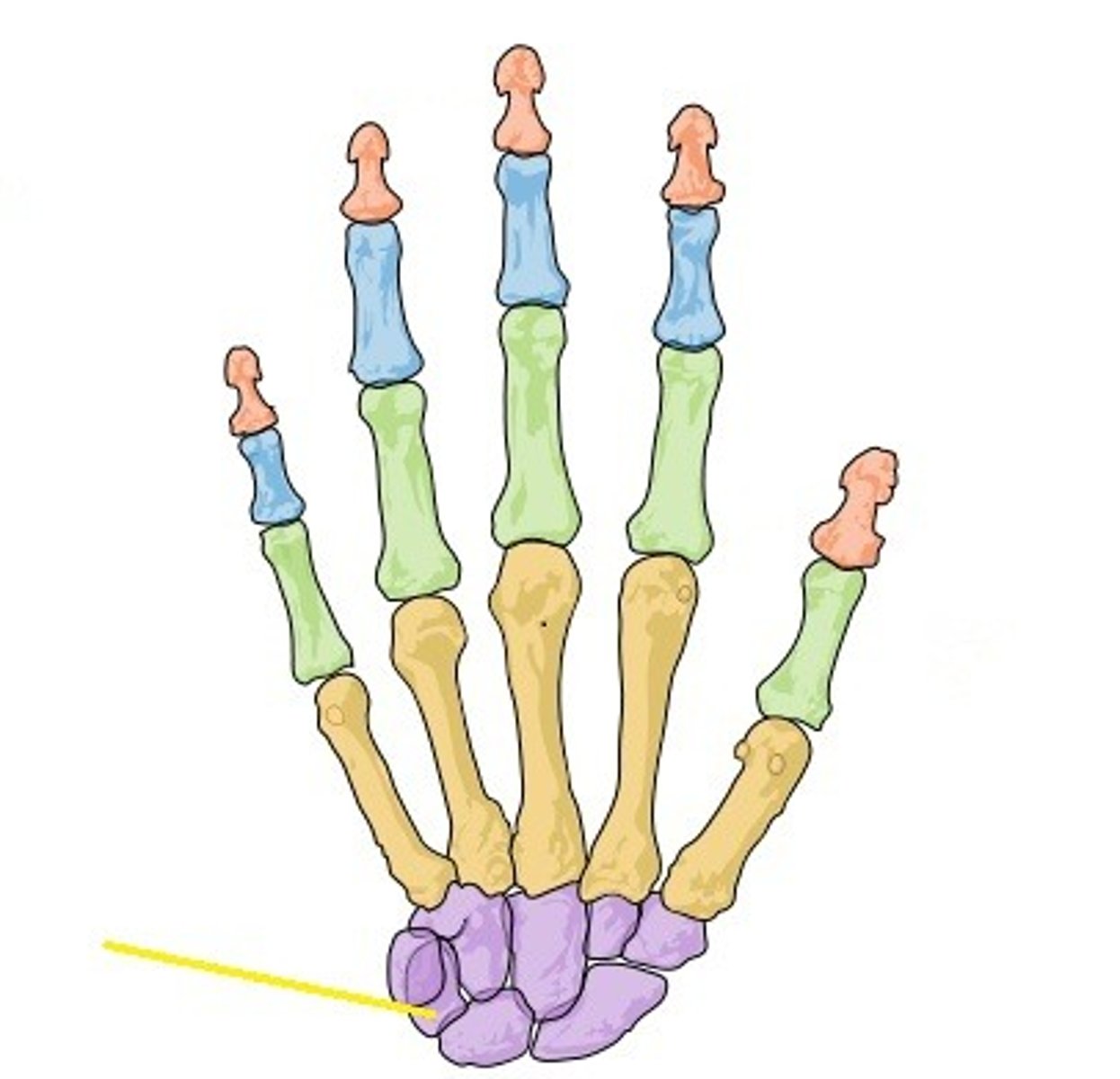
Pisiform
Pea shaped
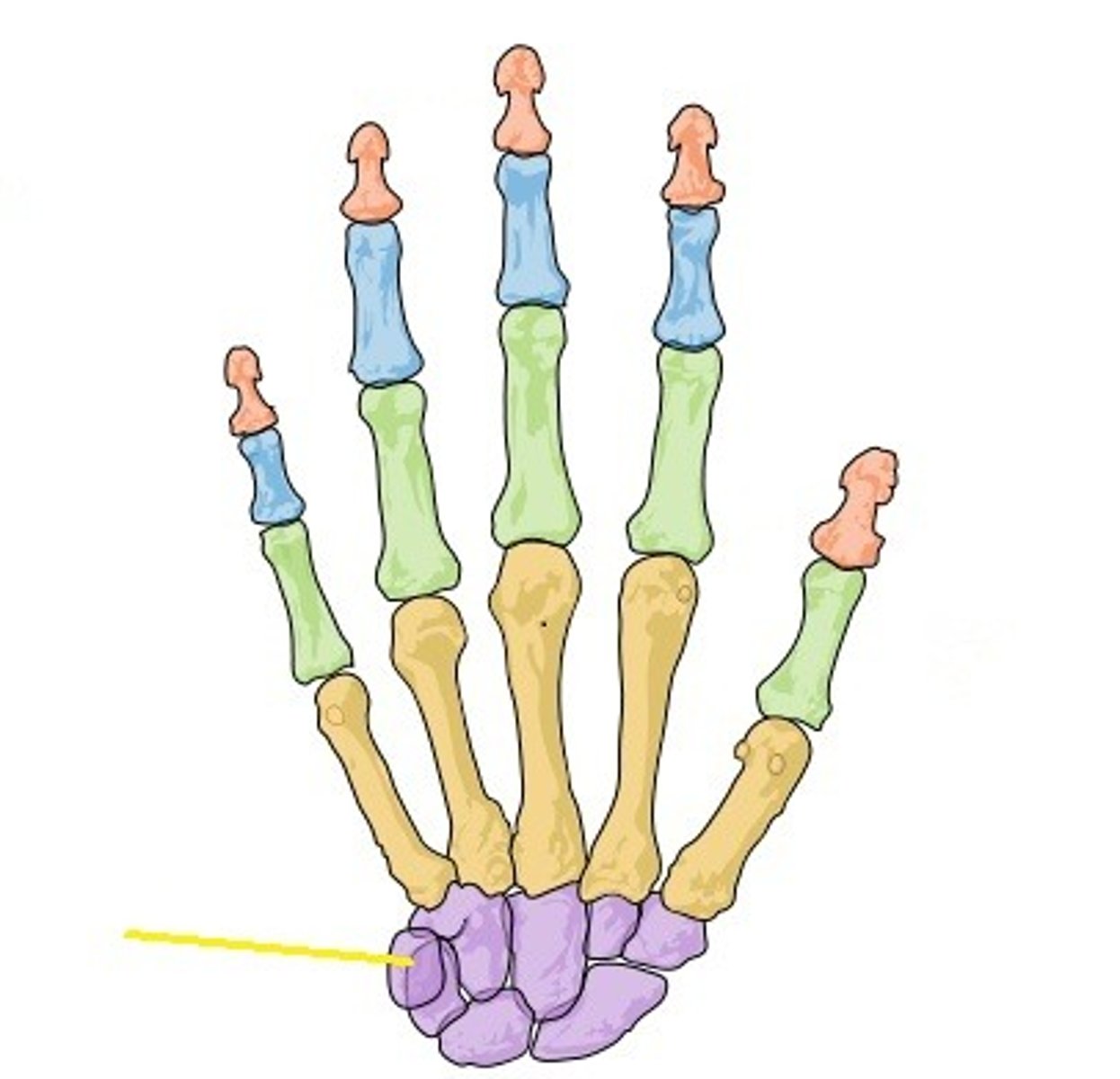
Femur
Longest bones in the body
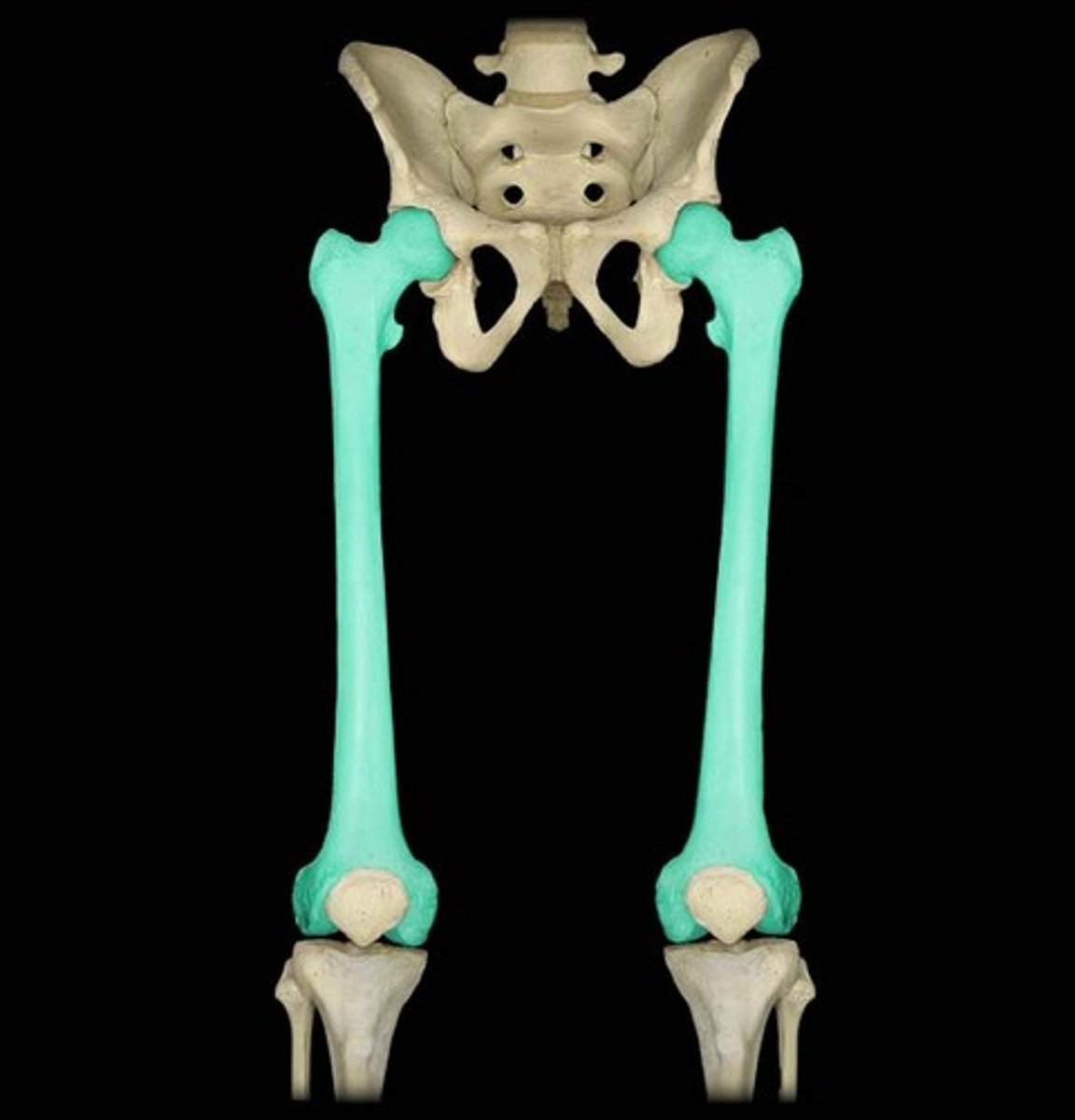
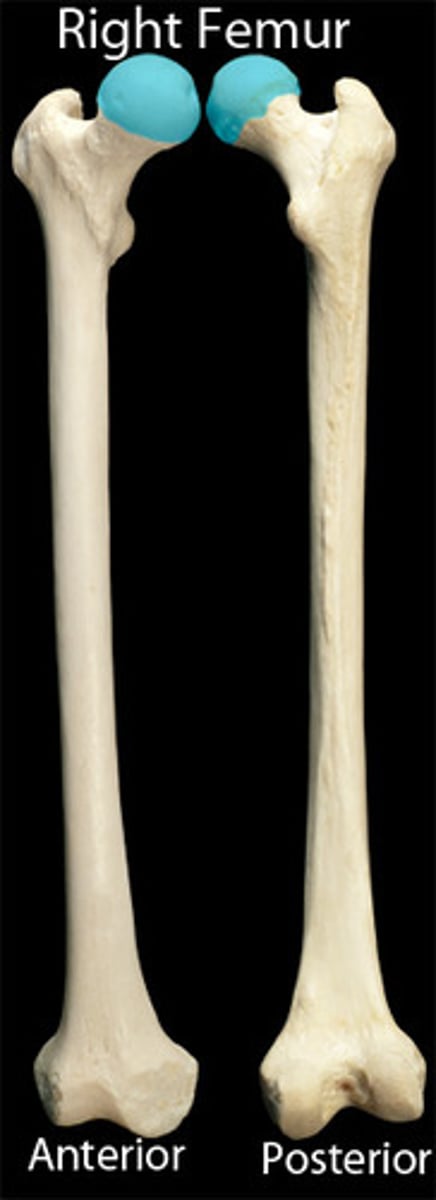
Head (Femur)
Medial ball like structure that fits into the acetabulum
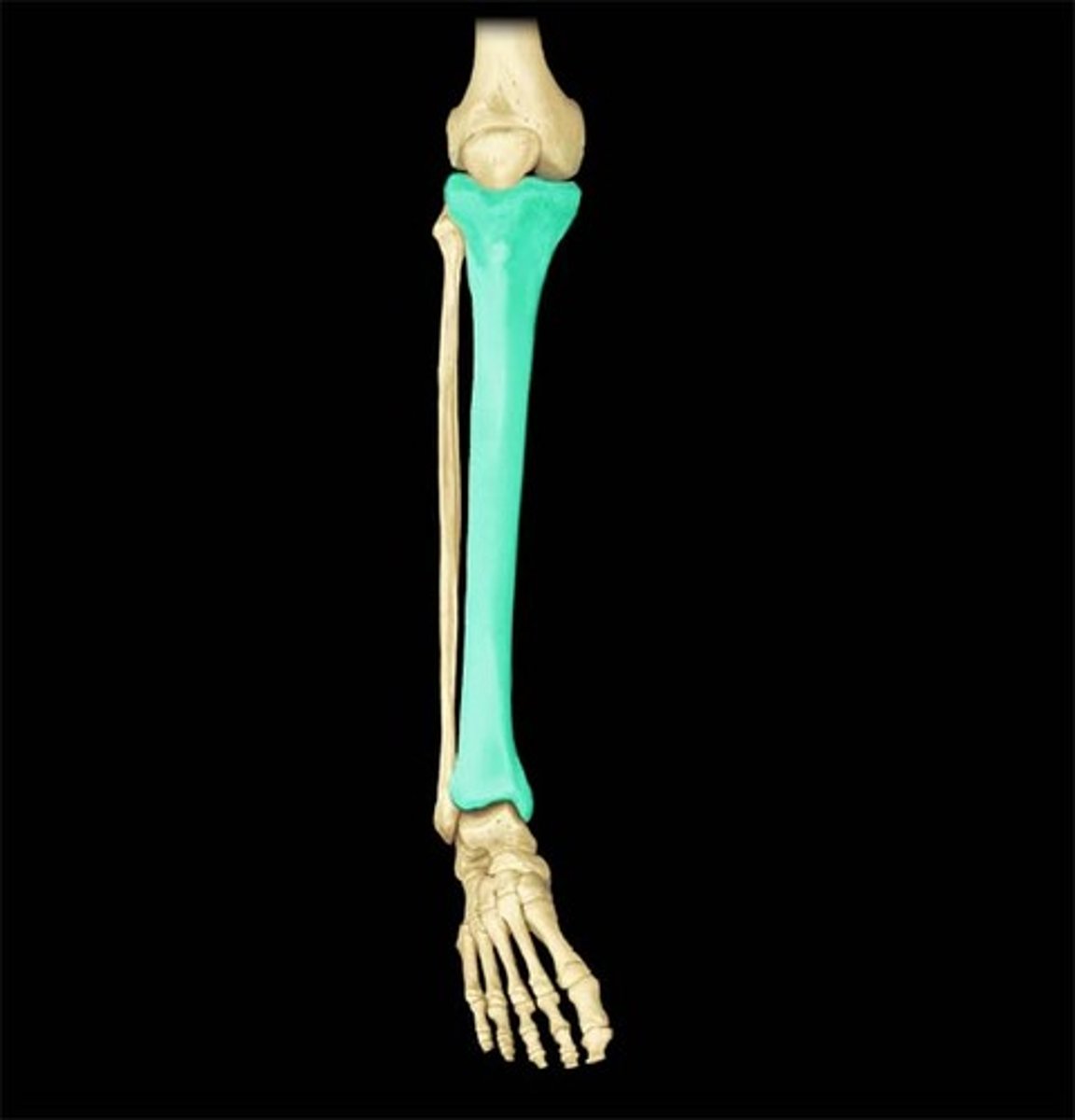
Tibia
Weight bearing bone on the medial side of the lower extremity
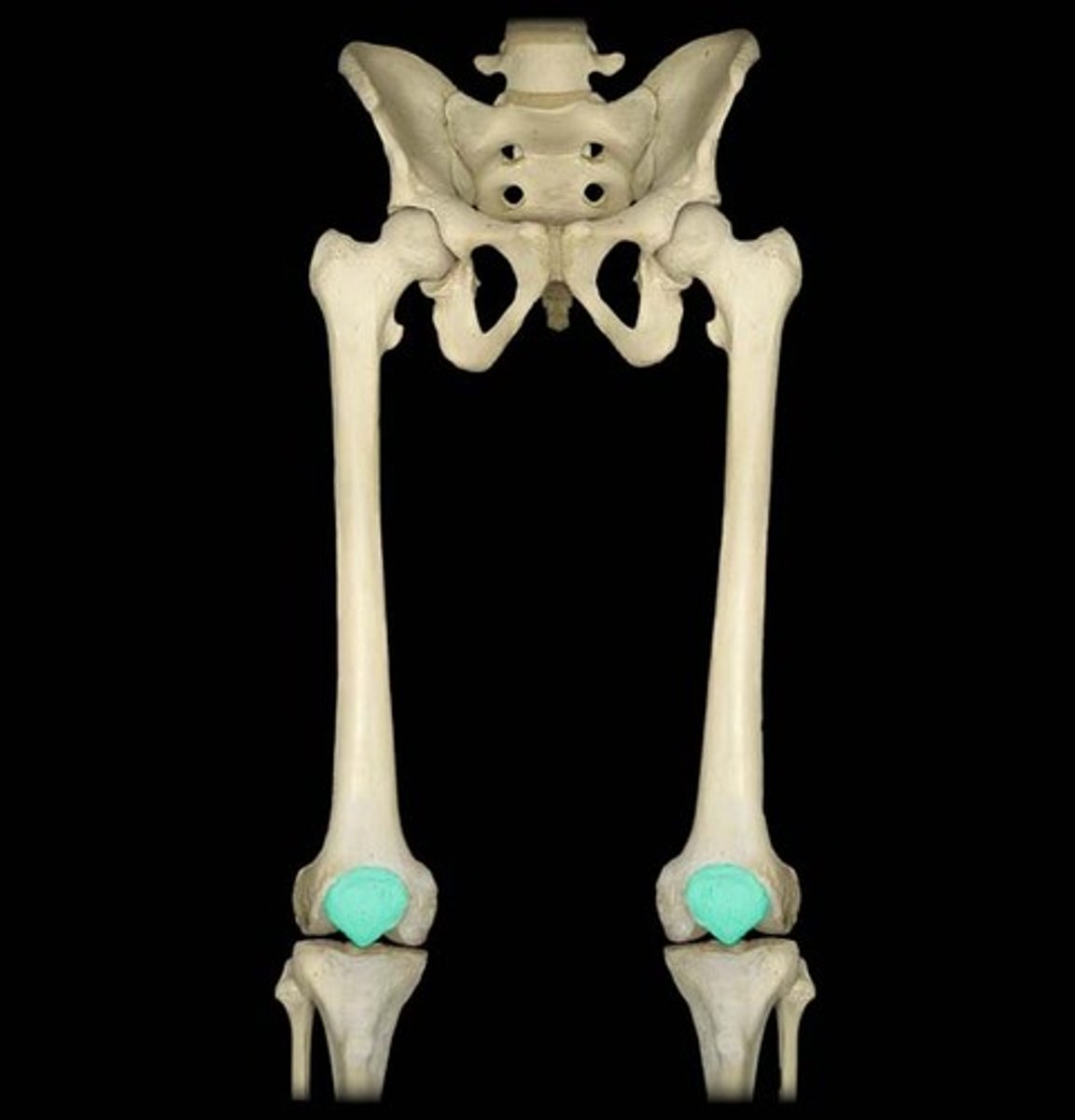
Patella
Knee caps, triangular in shape
Cervical vertebrae
7 bones numbered C1-C7
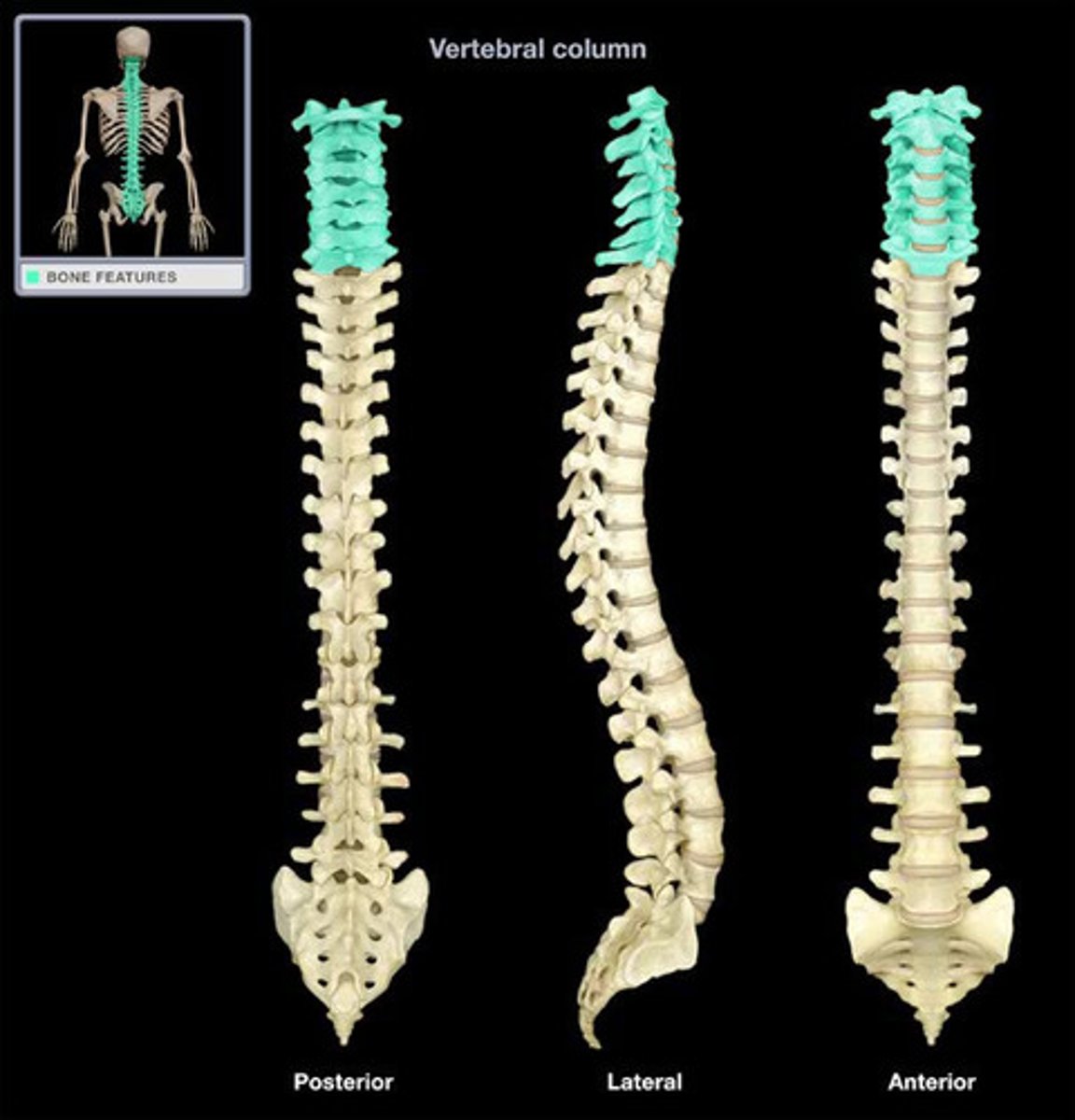
Atlas
C1, articulates occipital bone. No body & spinous process
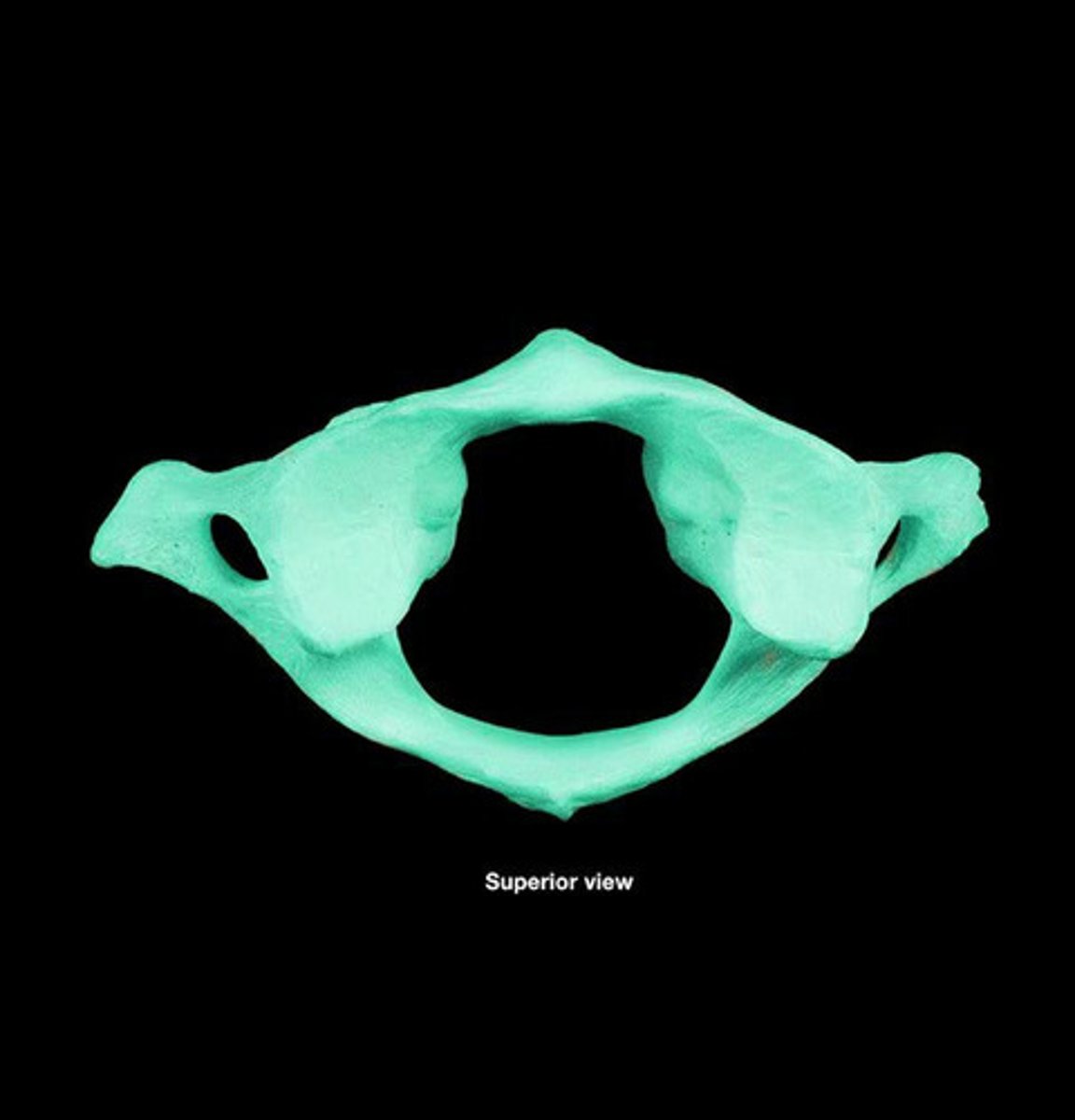
Superior articular surfaces
Articular surfaces located on the superior aspect of vertebrae
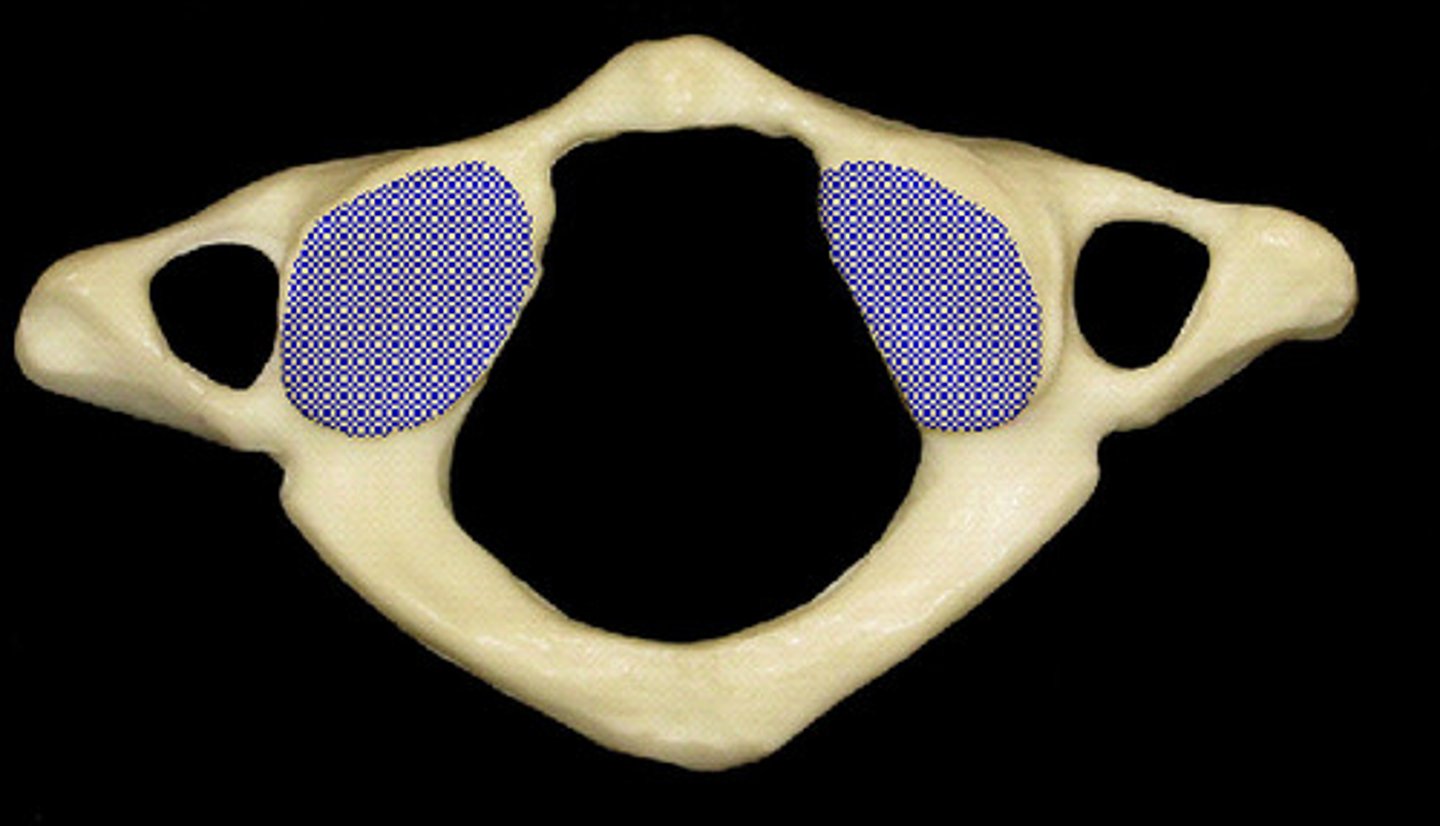
Inferior articular surfaces
Articular surfaces located on the inferior aspect of vertebrae
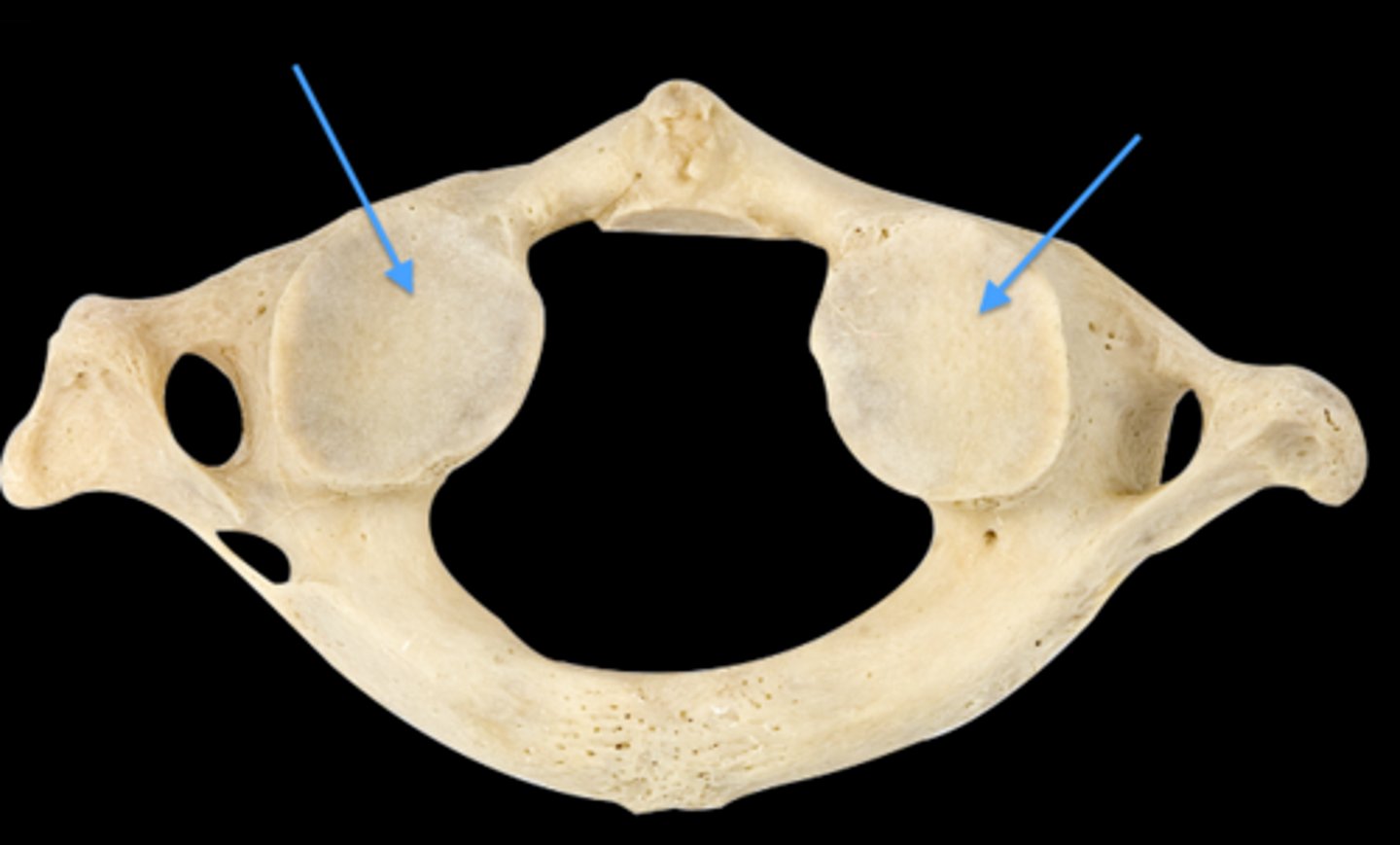
Facet for odontoid process
Structure on the atlas that articulates with the odontoid process of the axis
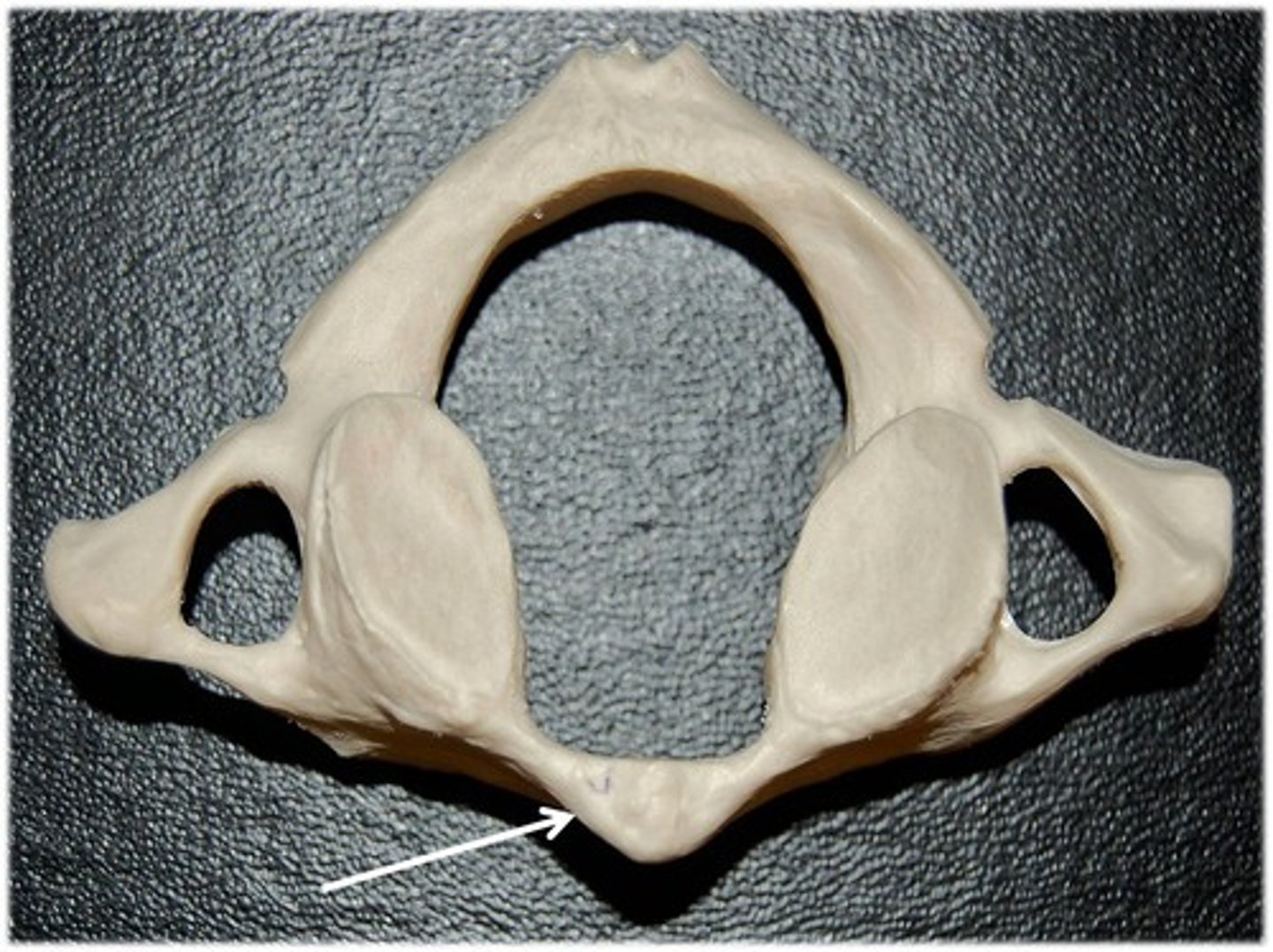
Transverse process
Lateral projections from the vertebrae
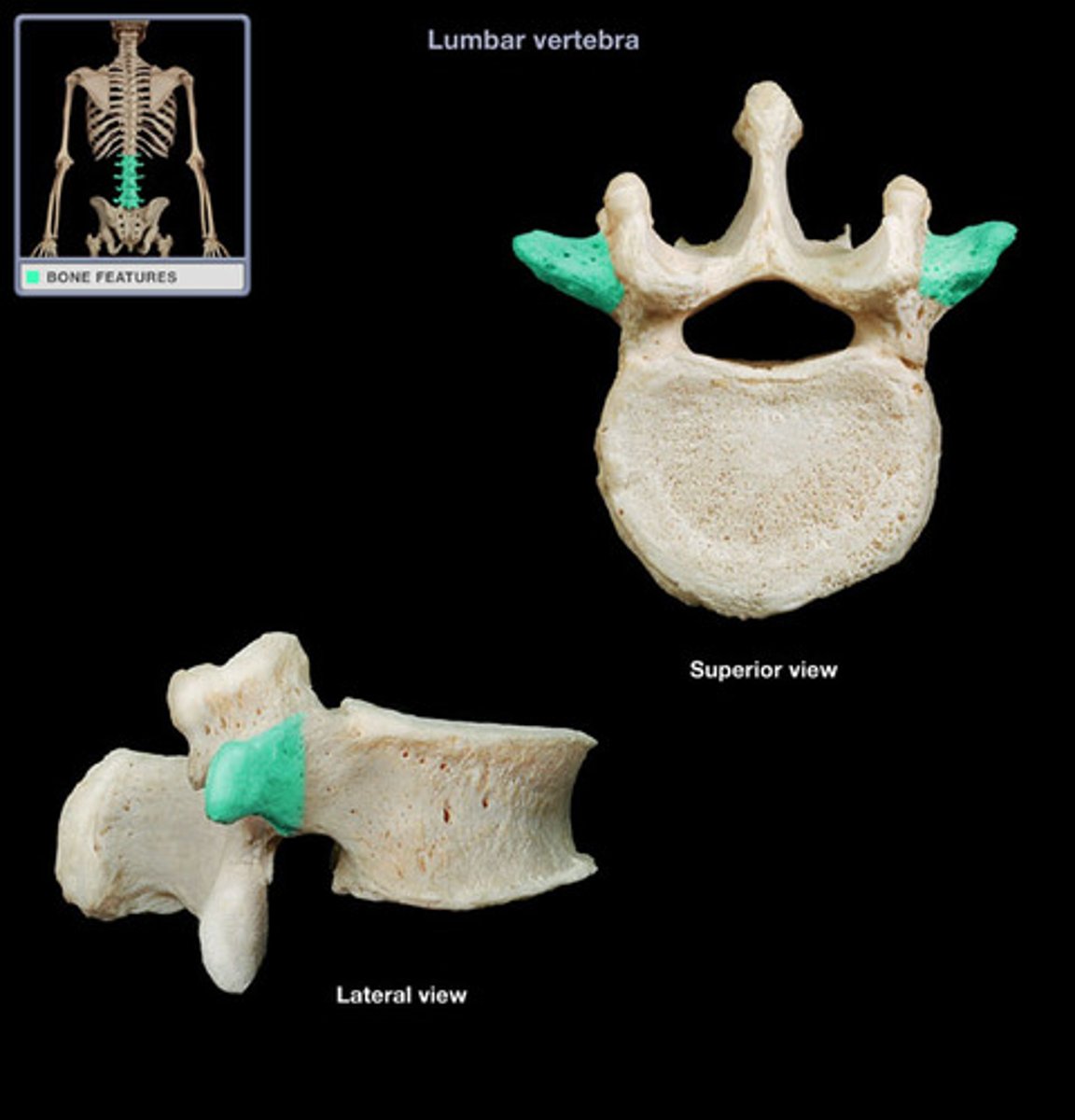
Transverse foramina
Hole in transverse process
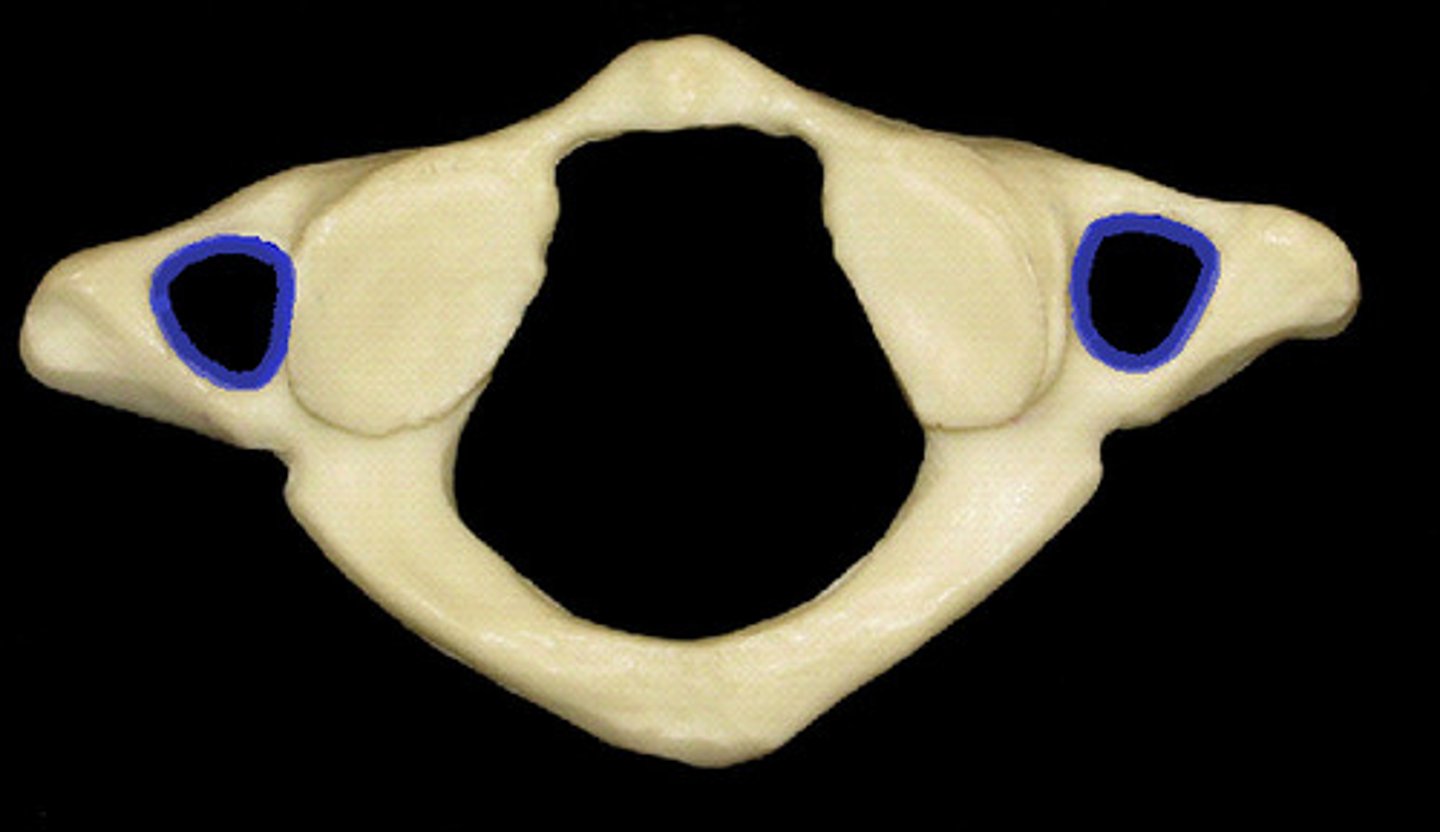
Vertebral foramen
Hole posterior to body
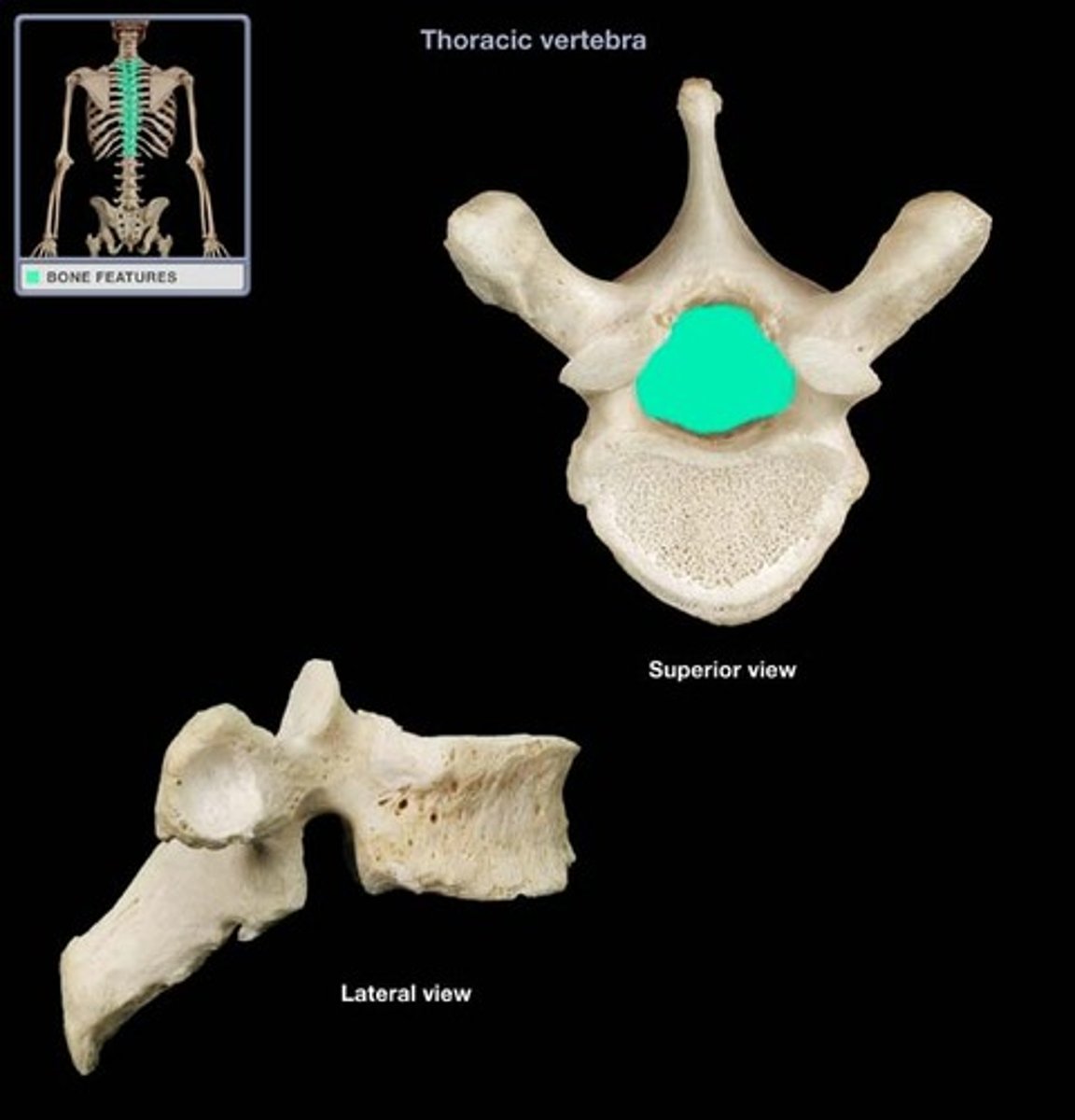
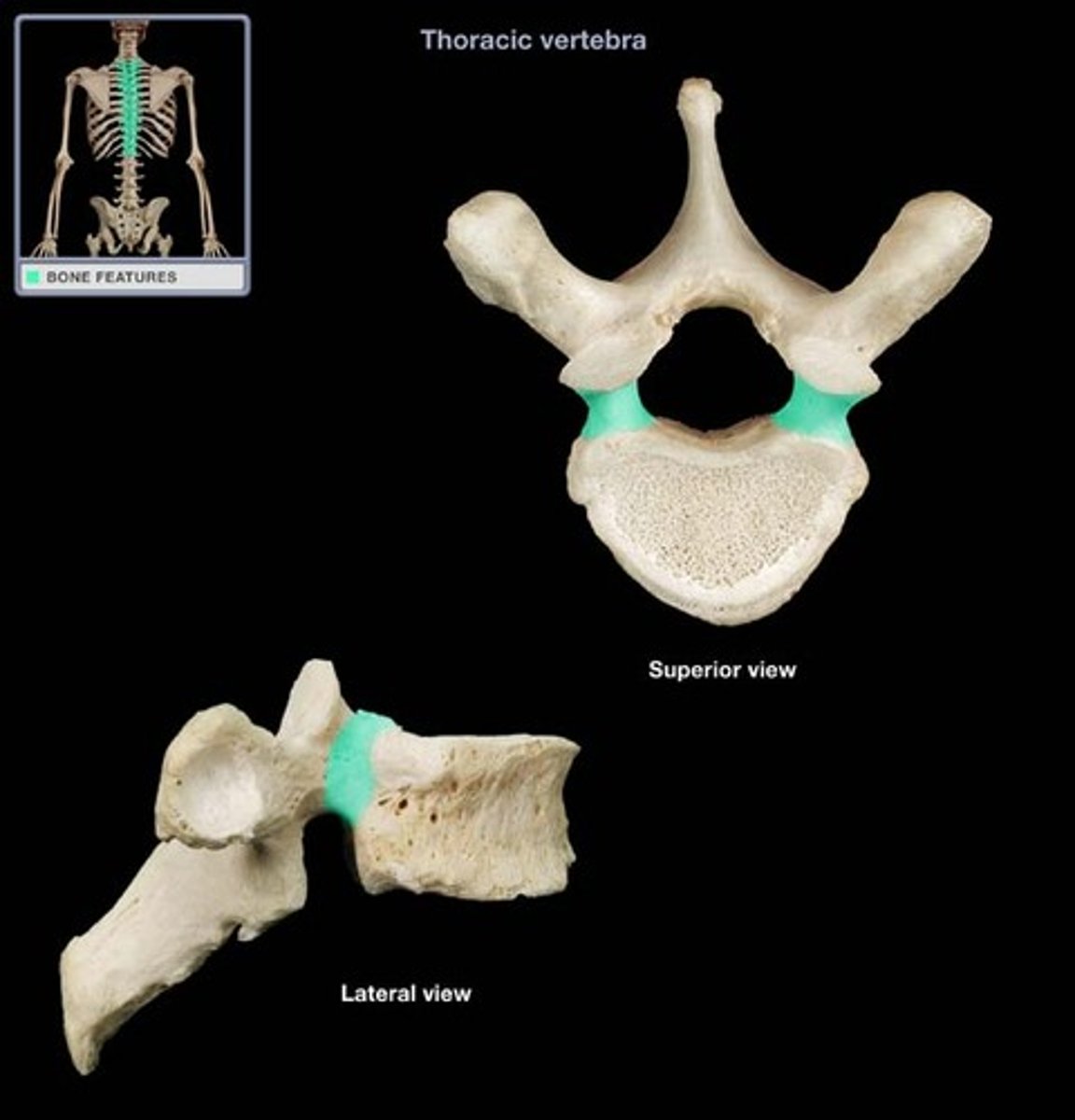
Pedicle
Connects body to transverse process
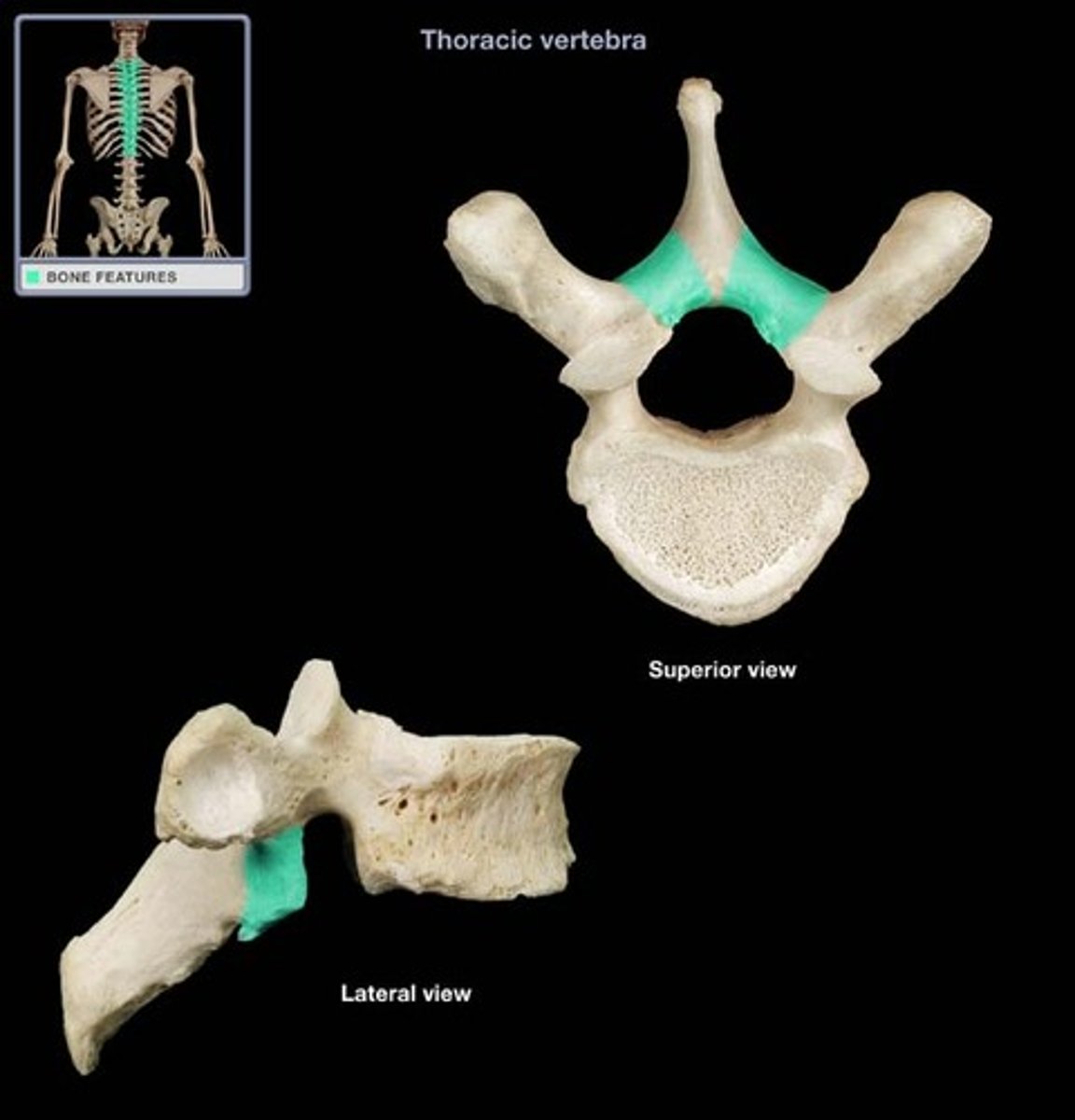
Lamina
Connect transverse process to spinous process
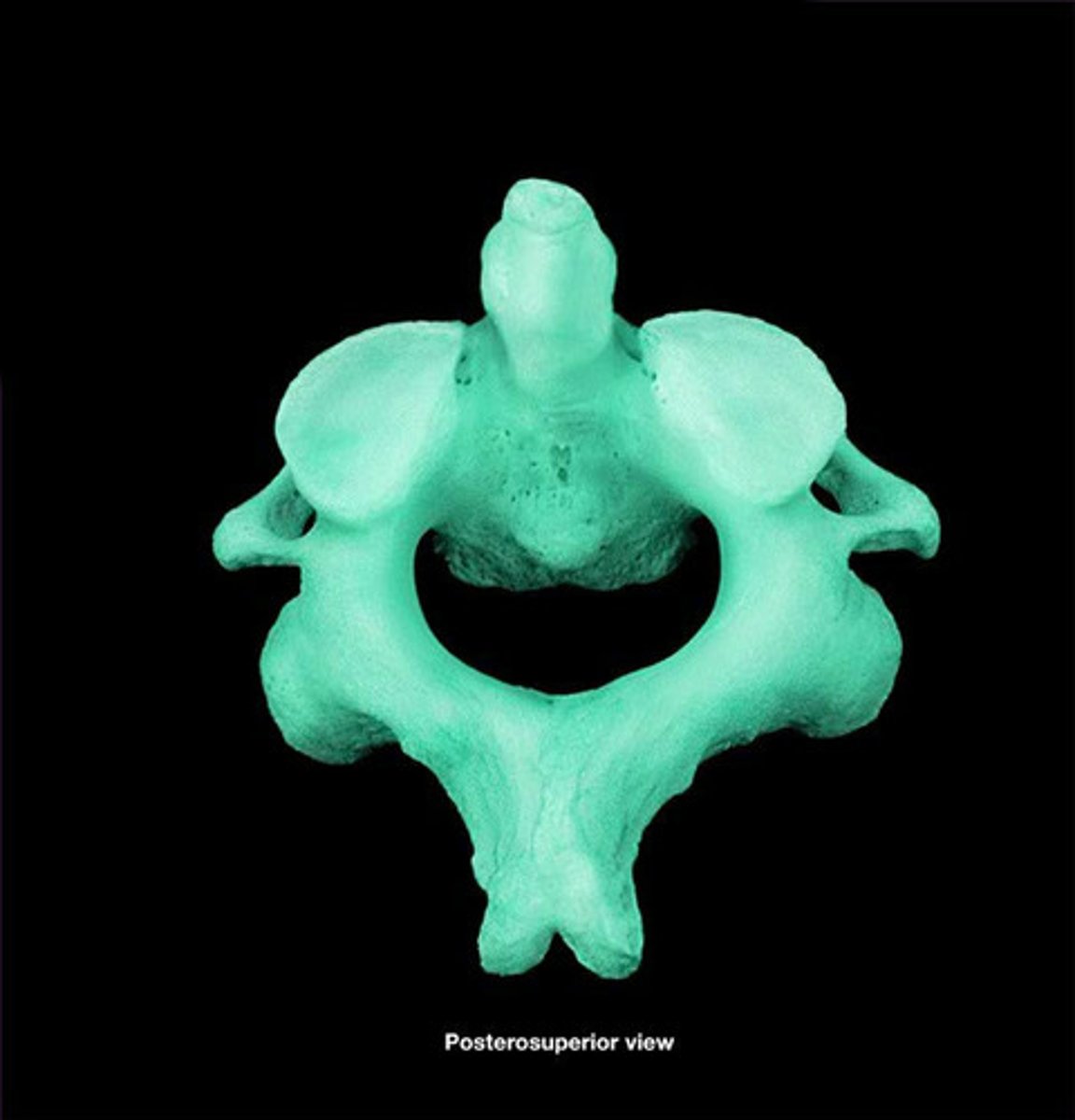
Axis
C2, inferior to atlas
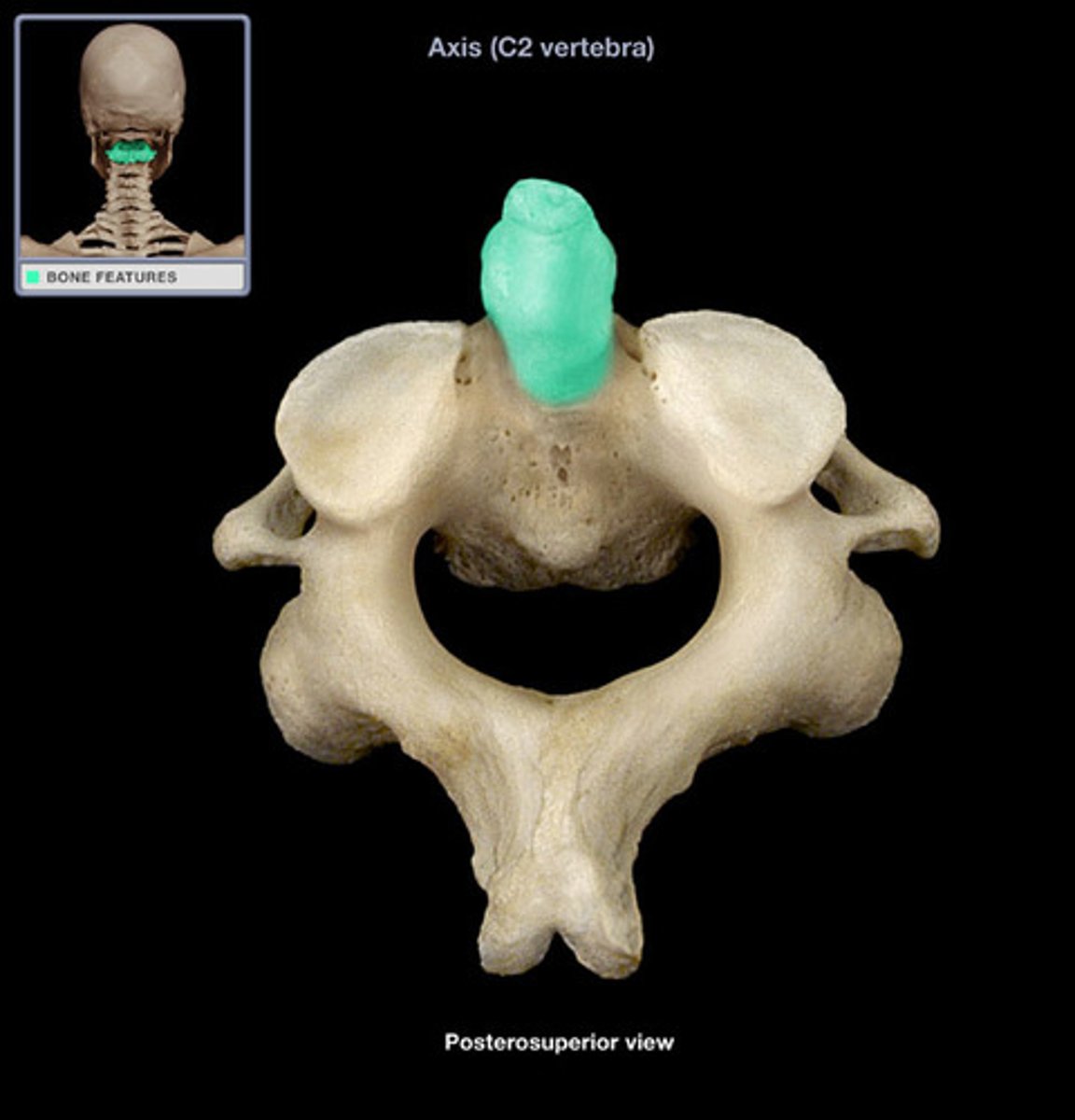
Odontoid process (Dens)
Knob like process on superior surface of the axis
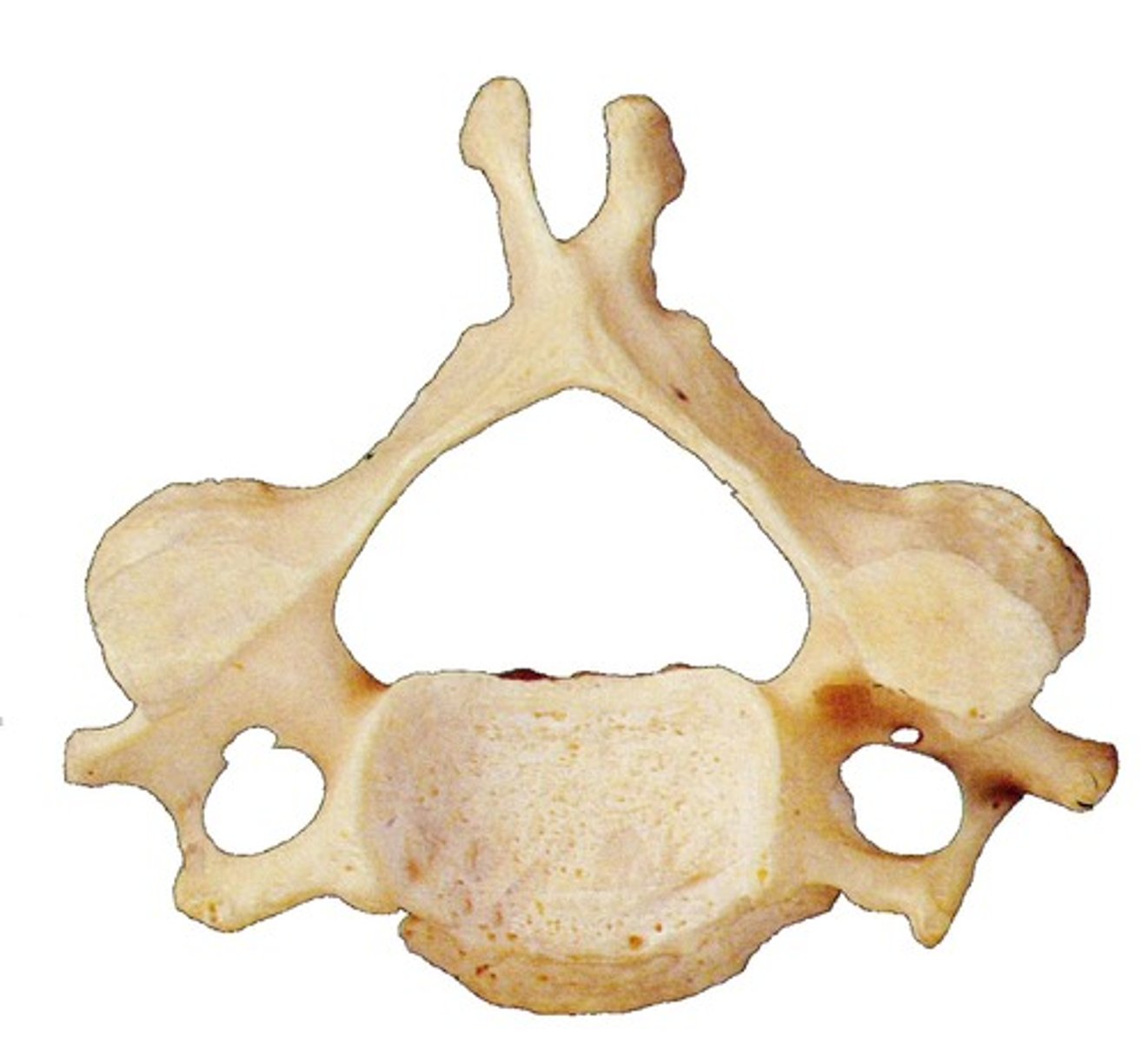
Spinous process
Most are bifid in cervical vertebrae
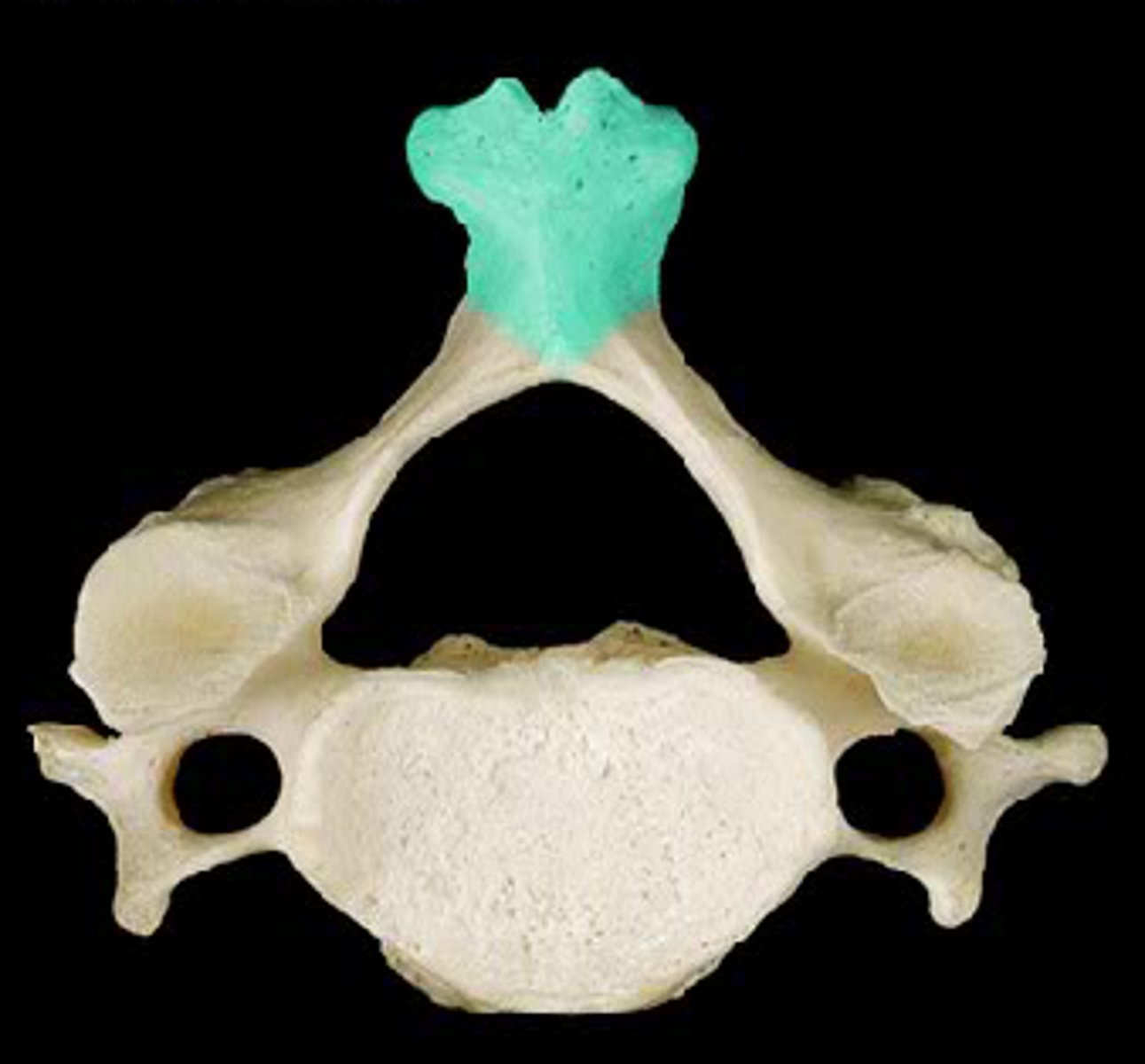
C3-C7
Cervical vertebrae with specific characteristics
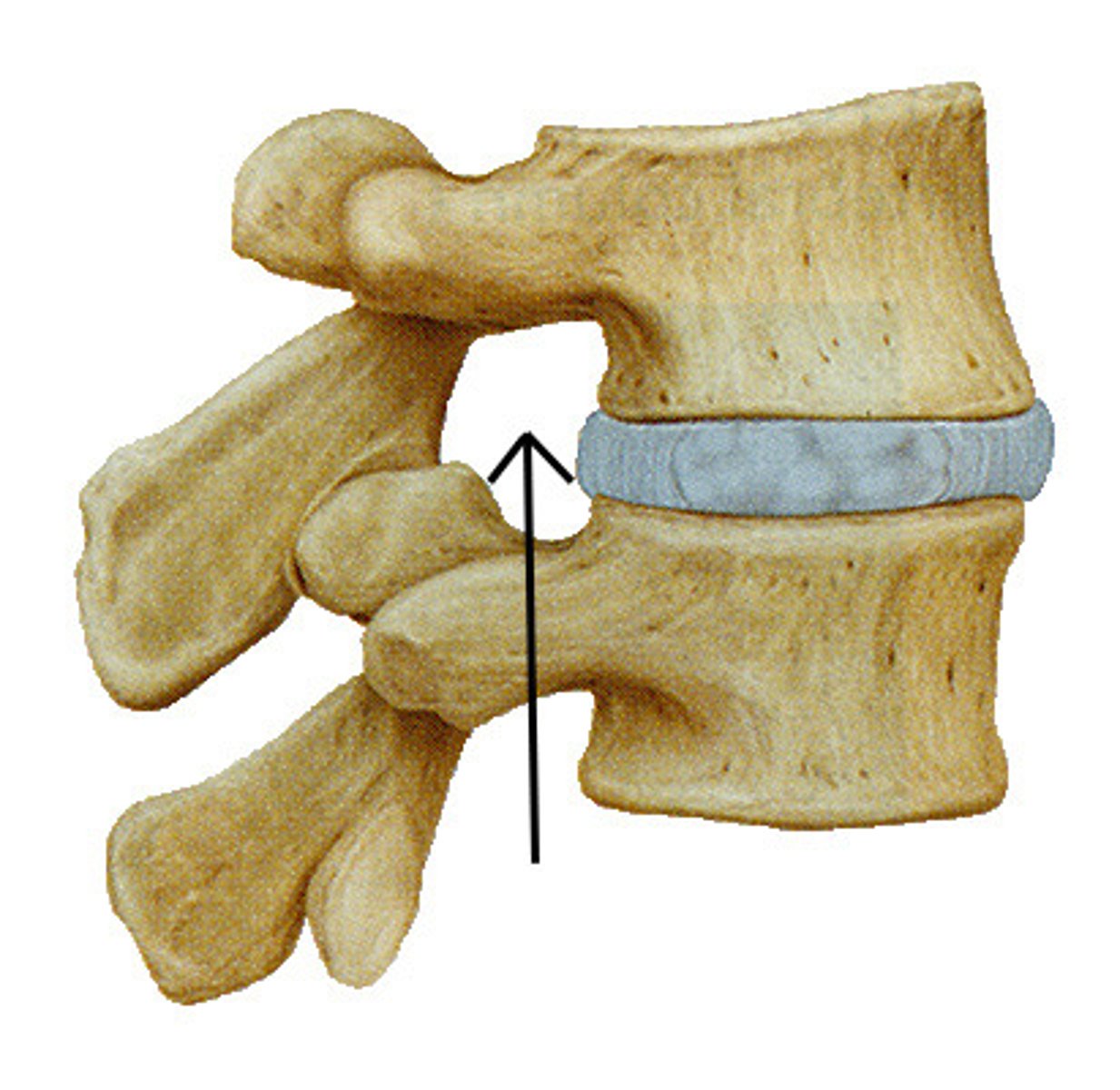
Intervertebral foramina
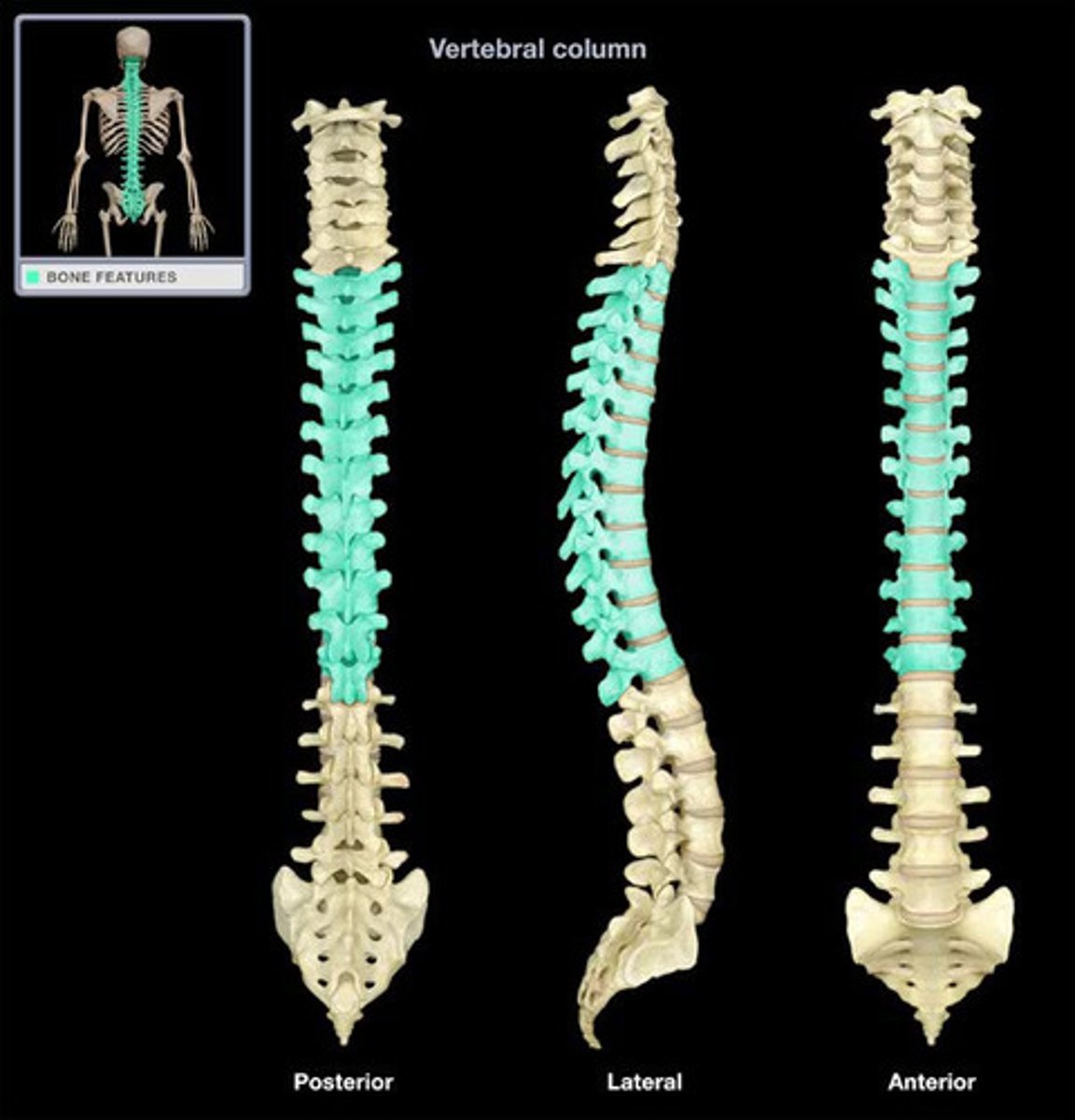
Thoracic vertebrae
12 bones named T1-T12
Facets for ribs
lateral border for ribs 1 and 2
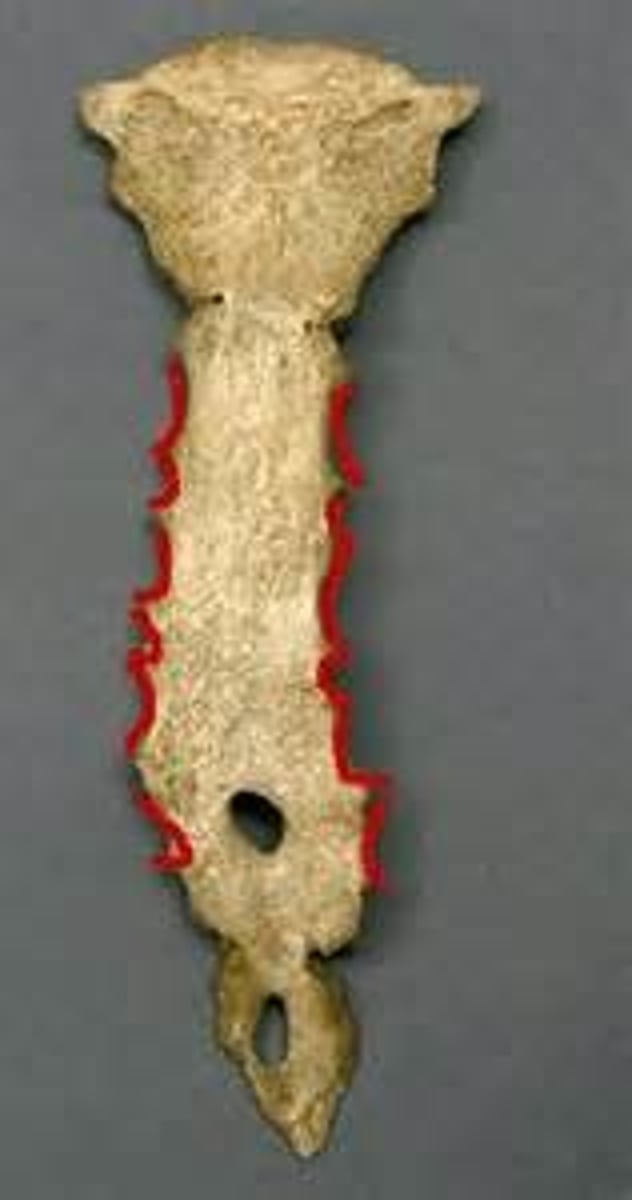
Articular facets for ribs (costal facets)
Located on the transverse processes of thoracic vertebrae
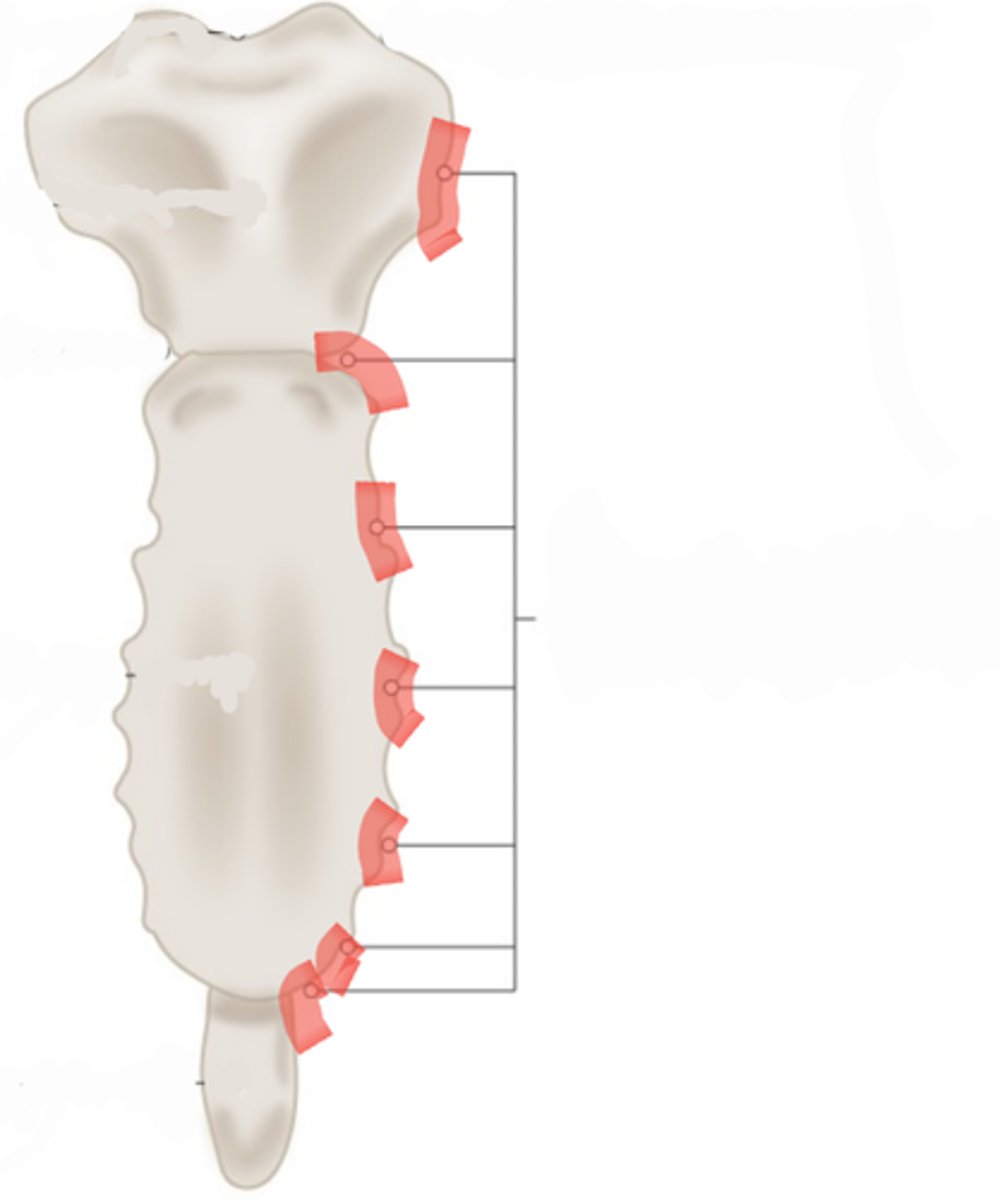
Lumbar vertebrae
5 bones, named L1-L5
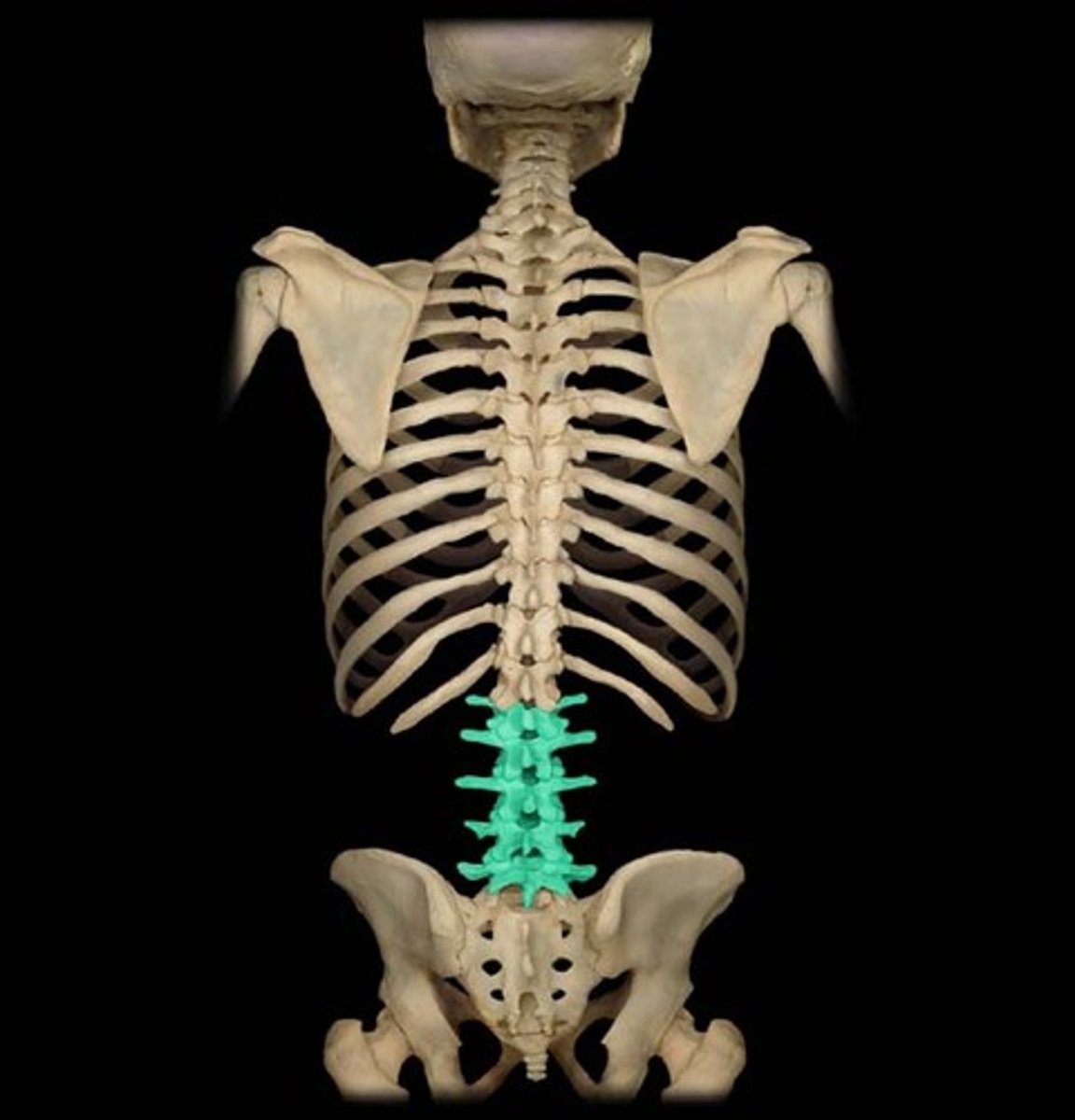
Body (Lumbar)
Larger body compared to other vertebrae
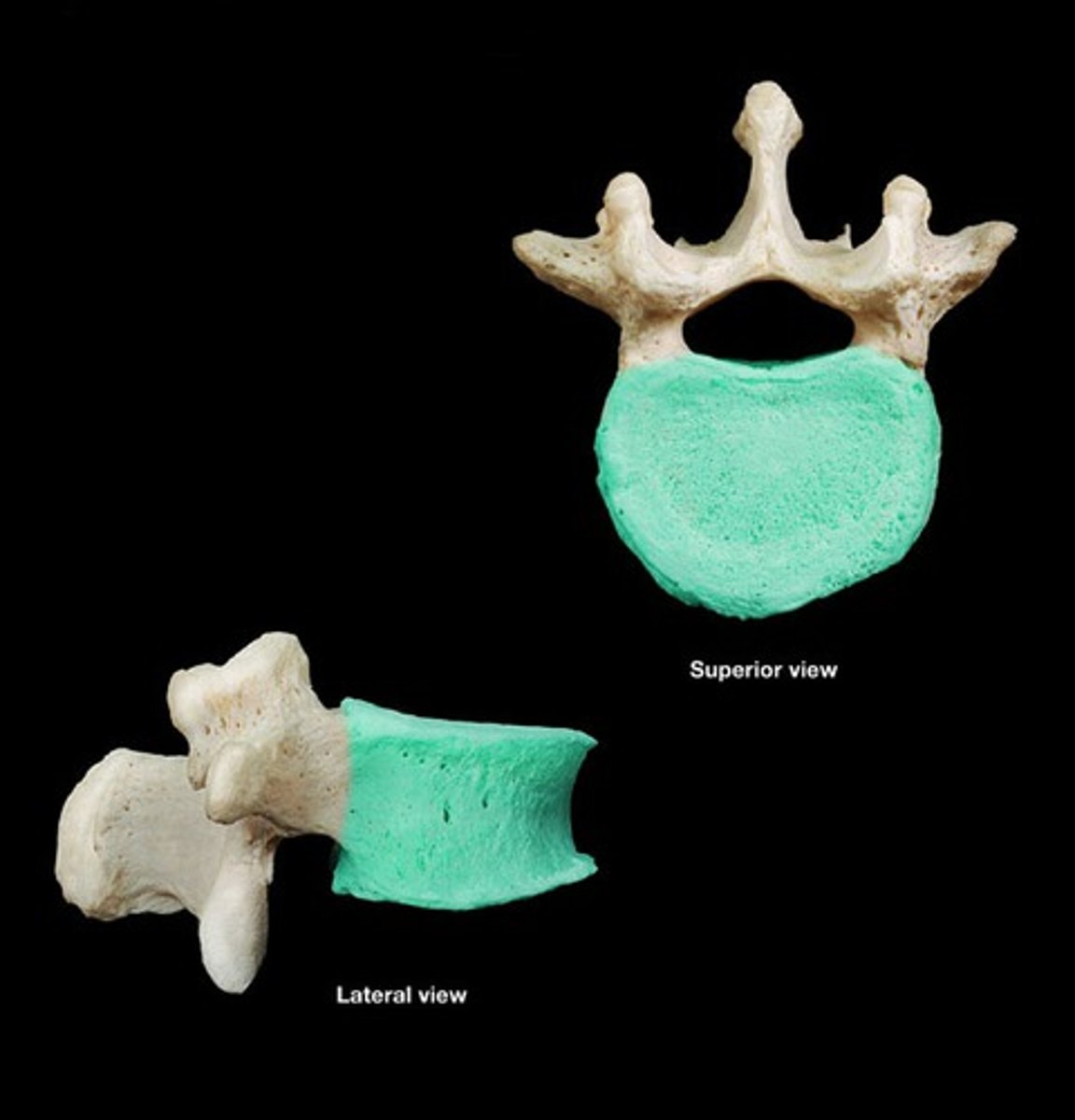
Spinous process (Lumbar)
Short and thick compared to other vertebrae
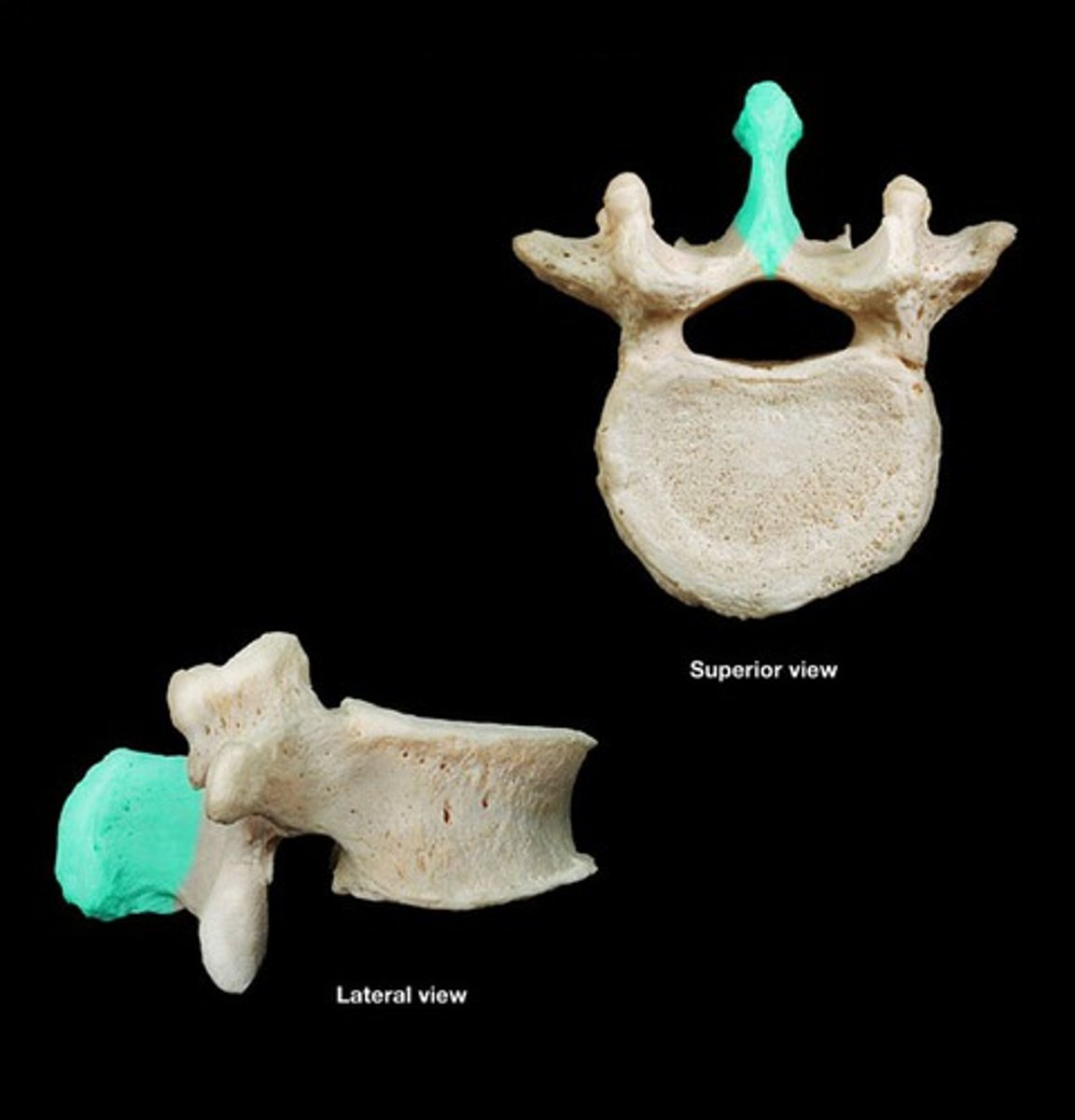
Sacrum
5 fused vertebrae in one bone, name S1-S5
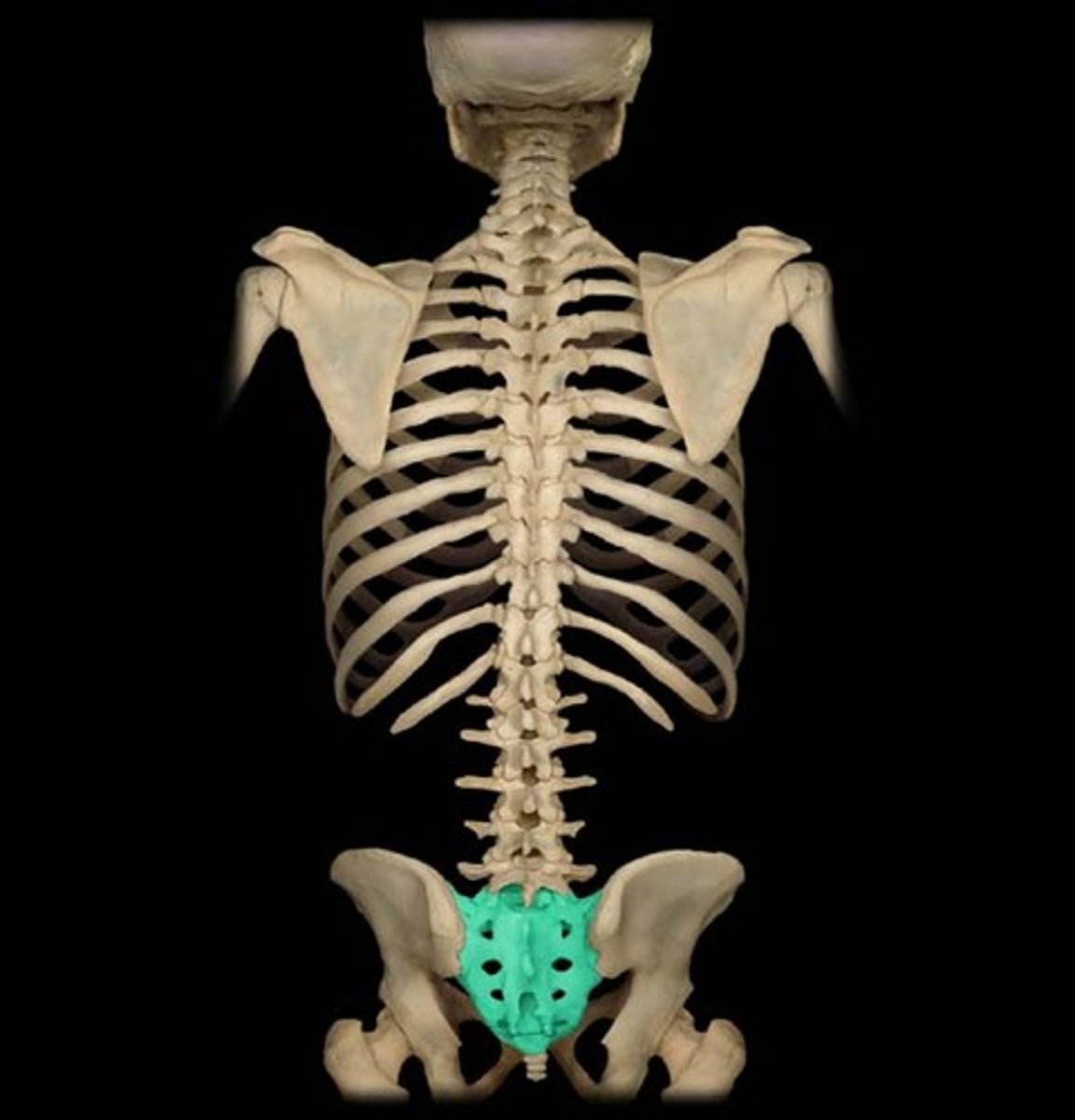
Ala
Wings, formed by fused transverse processes
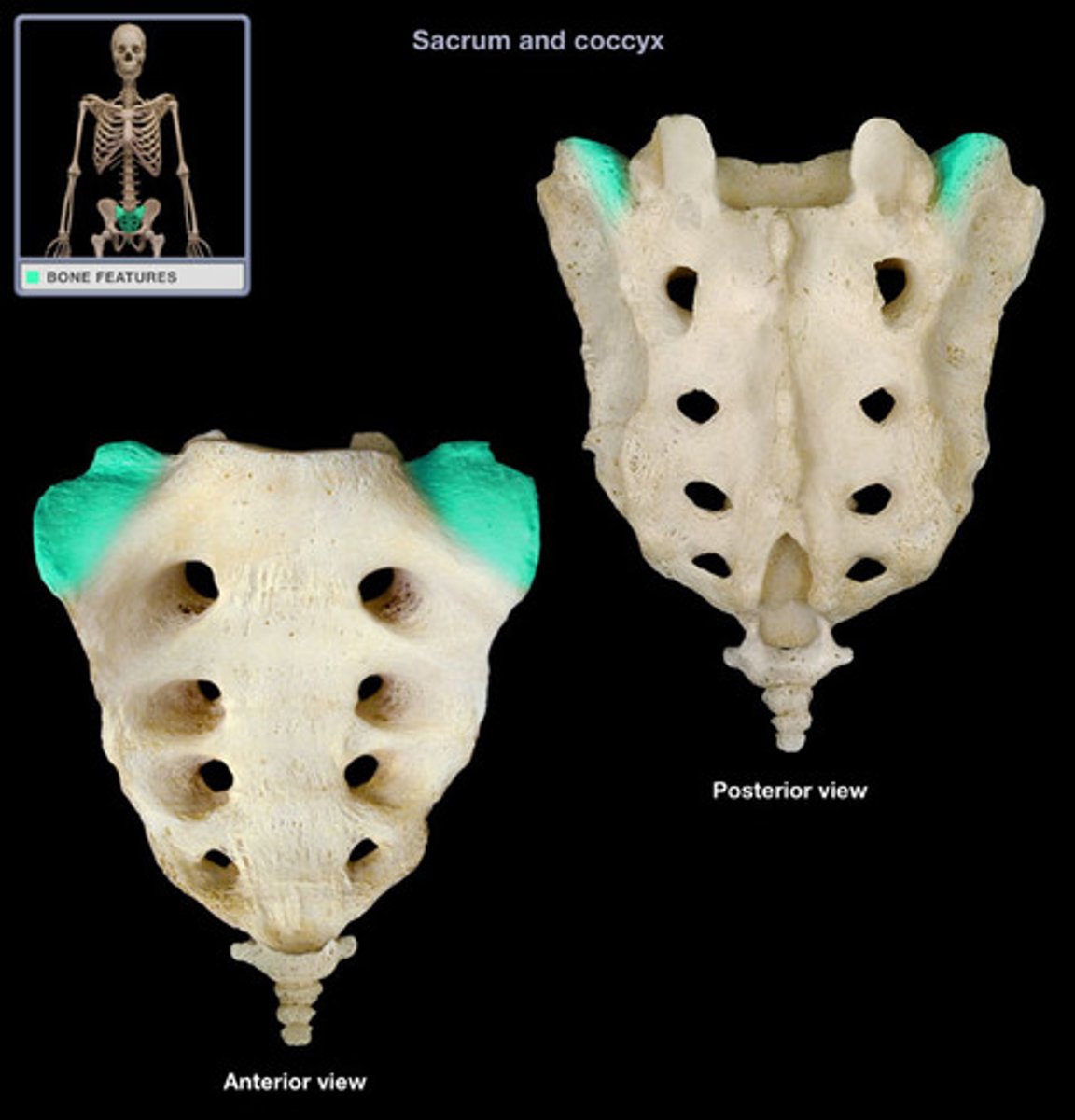
Sacral canal
Allows spinal nerve to pass
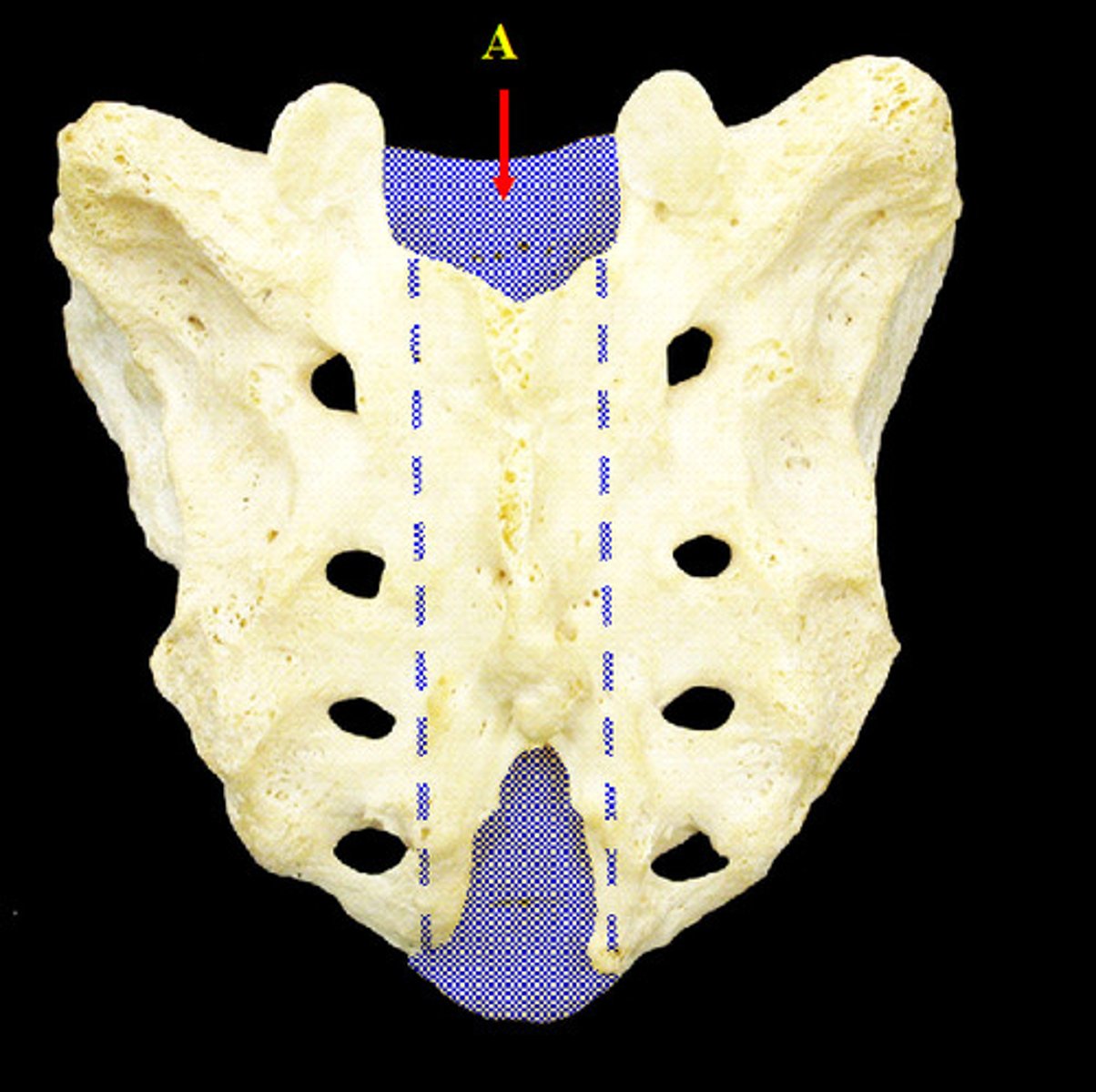
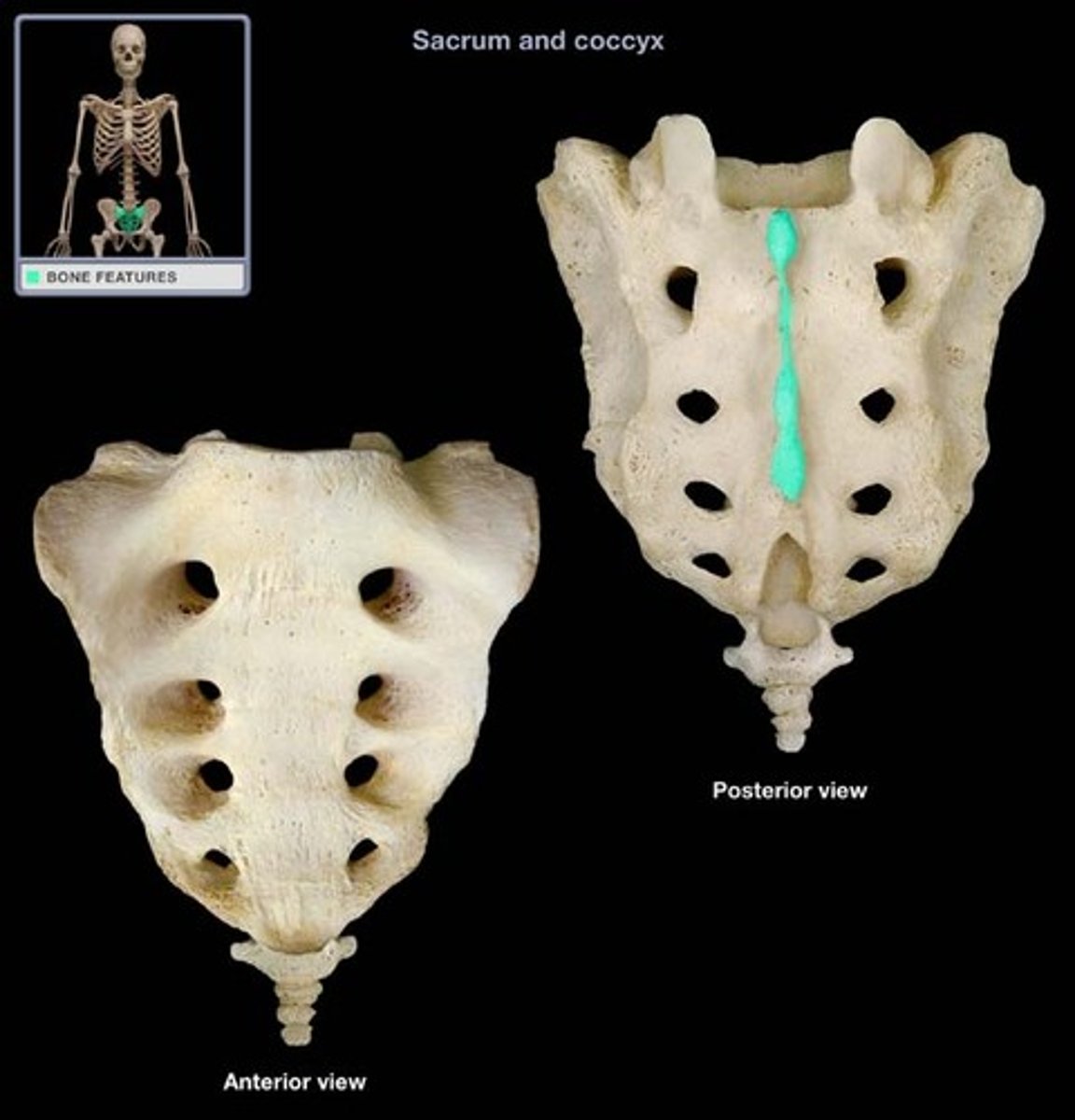
Medial sacral crest
Formed by fused spinous processes
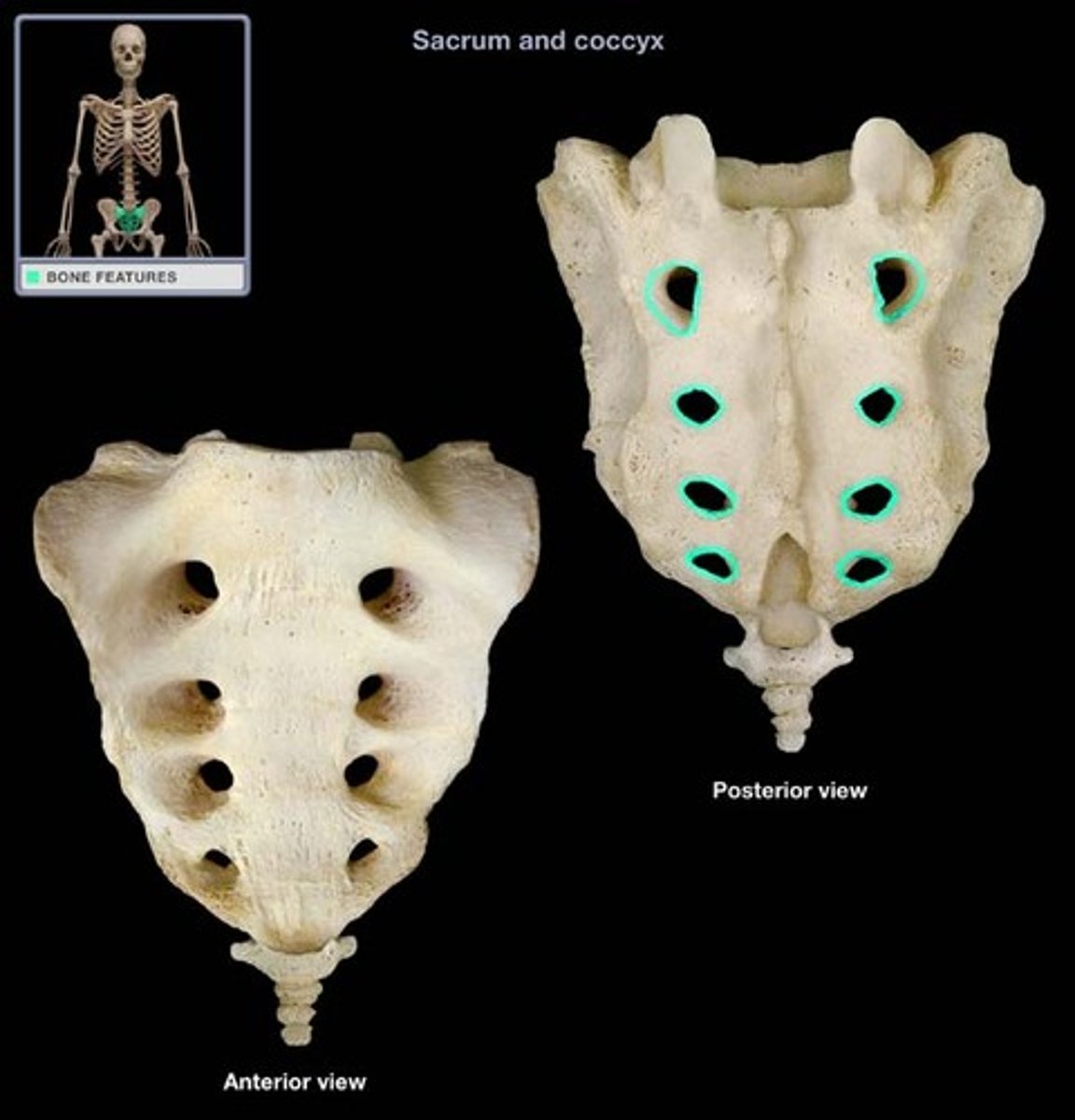
Sacral foramina
Similar to intervertebral foramina
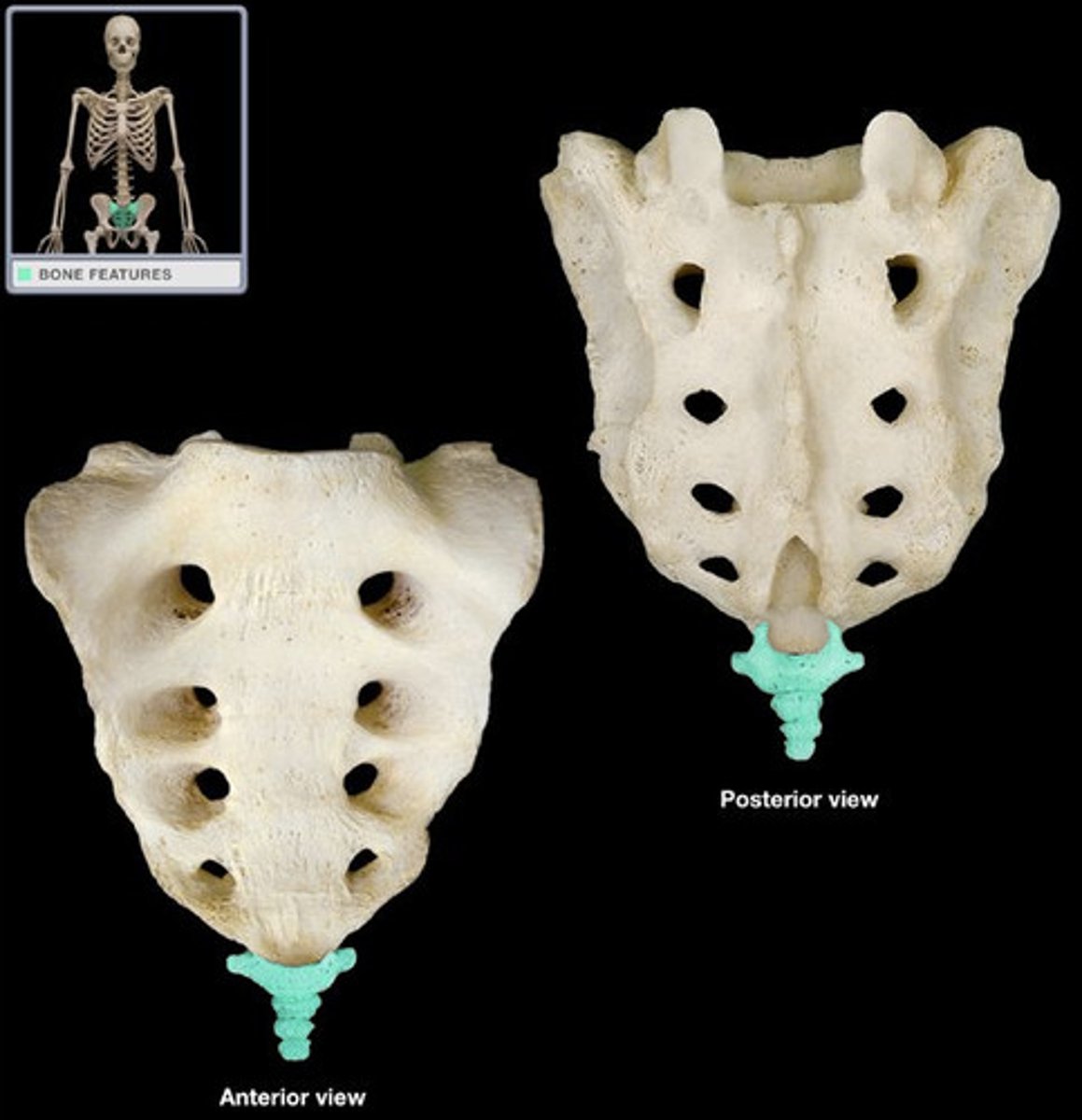
Coccyx
Often called the tailbone
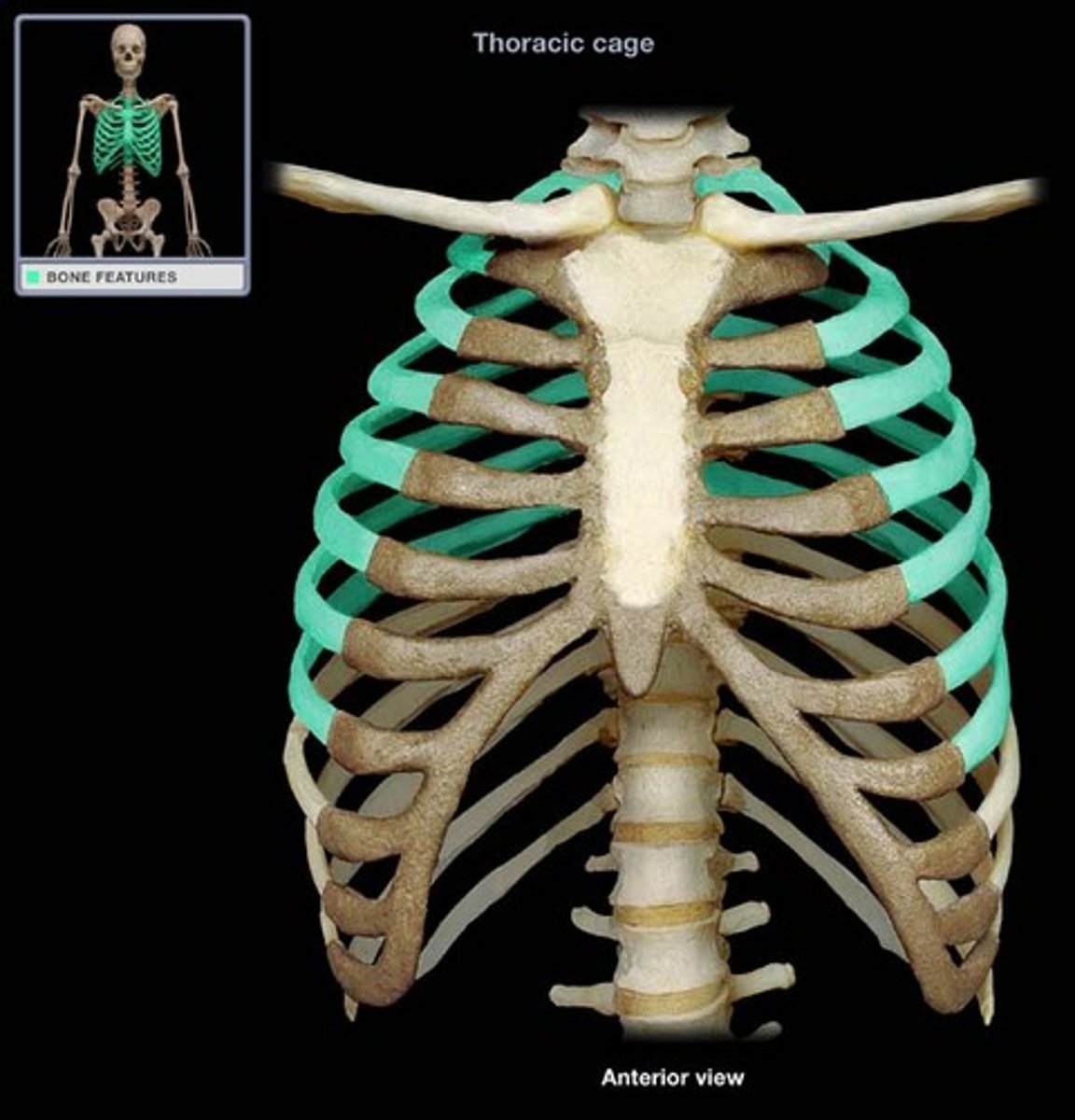
True ribs
Ribs 1-7 with individual costal cartilage
False ribs
Ribs 8-12 that do not have individual cartilages but may share common costal cartilage
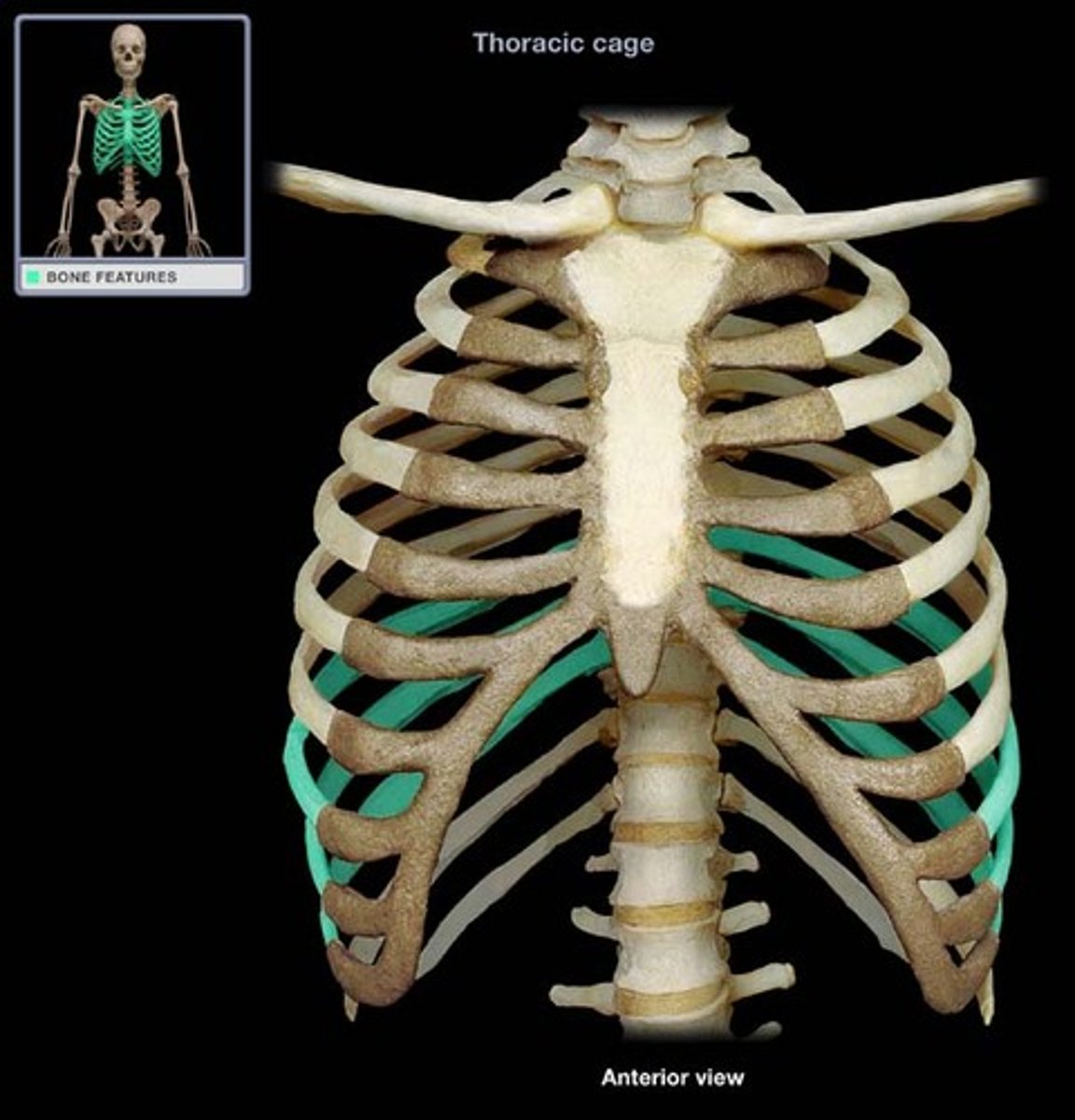
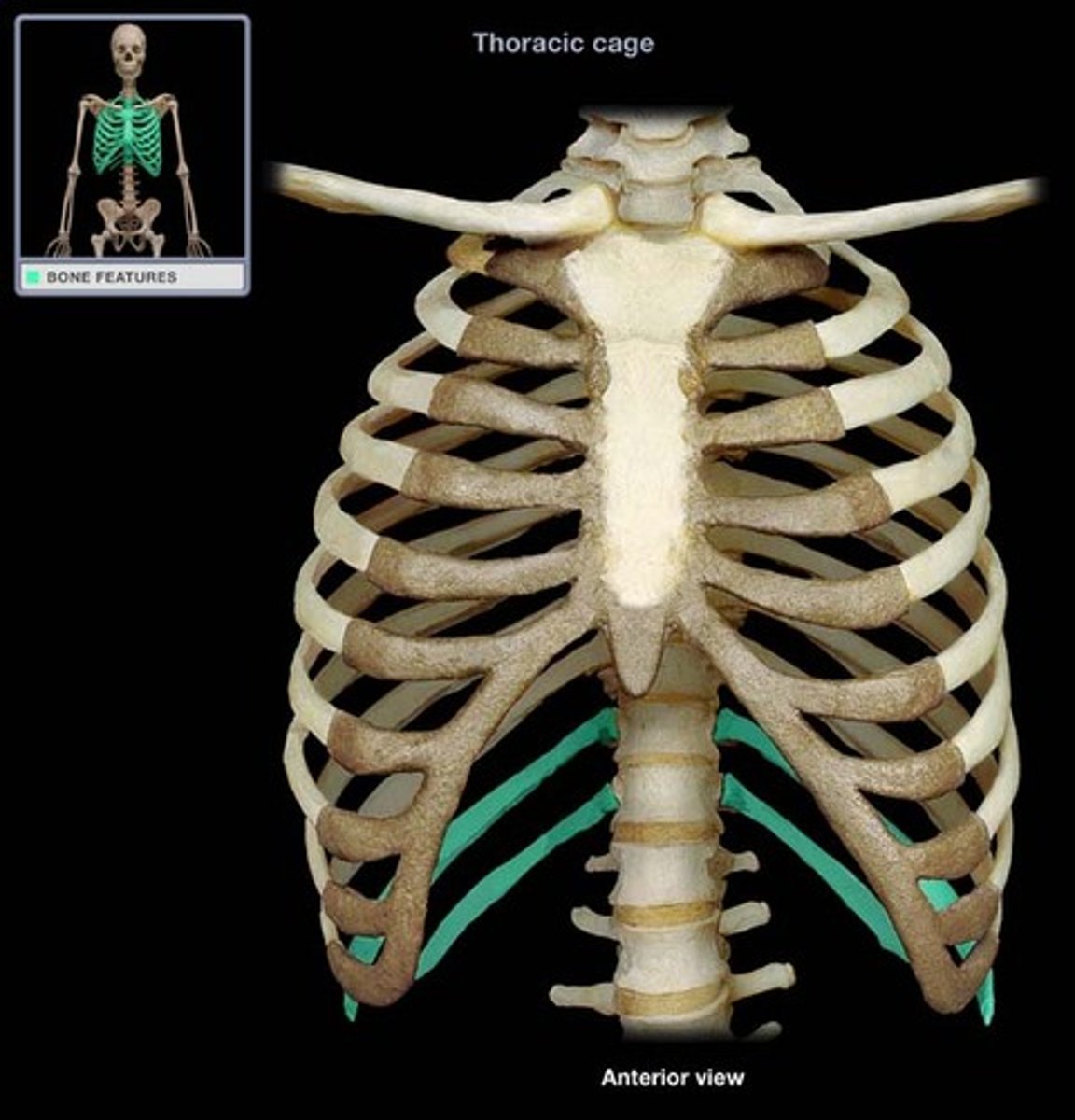
Floating ribs
Ribs 11-12 that do not attach to the sternum in any way
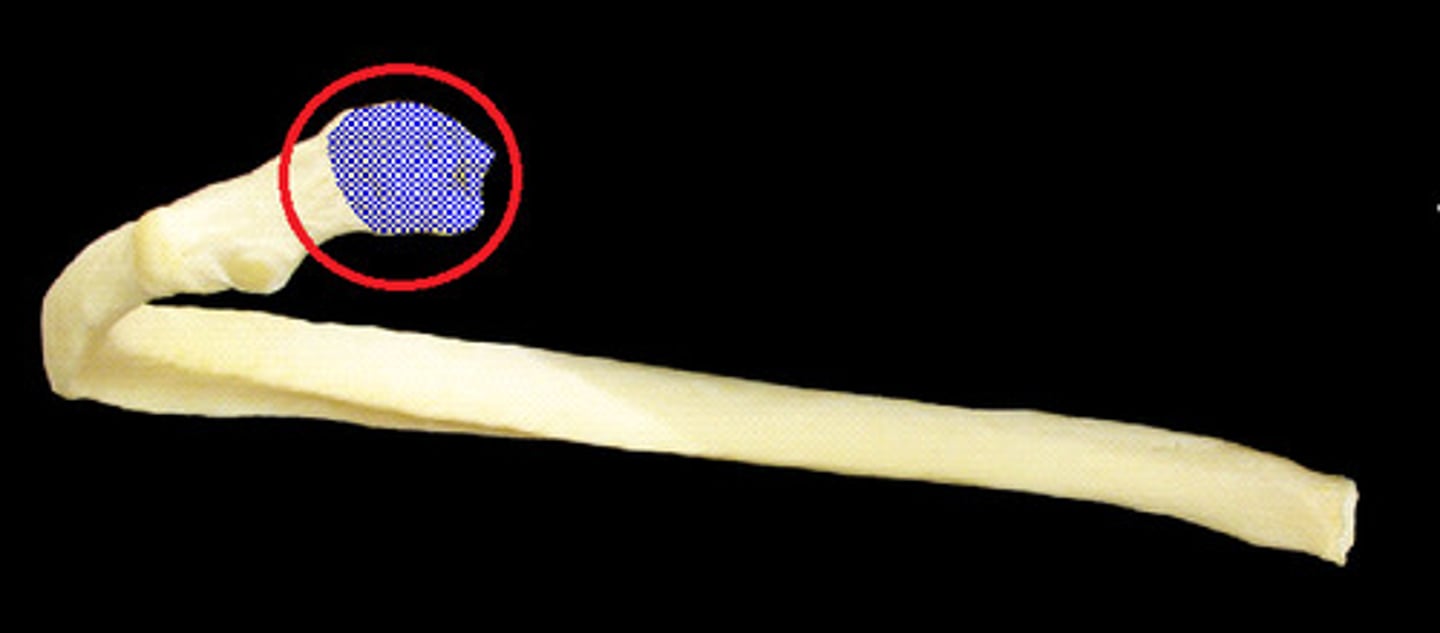
Head (superior and inferior articular facets)
Posterior portion that articulates with thoracic vertebrae
Neck
Just lateral to head
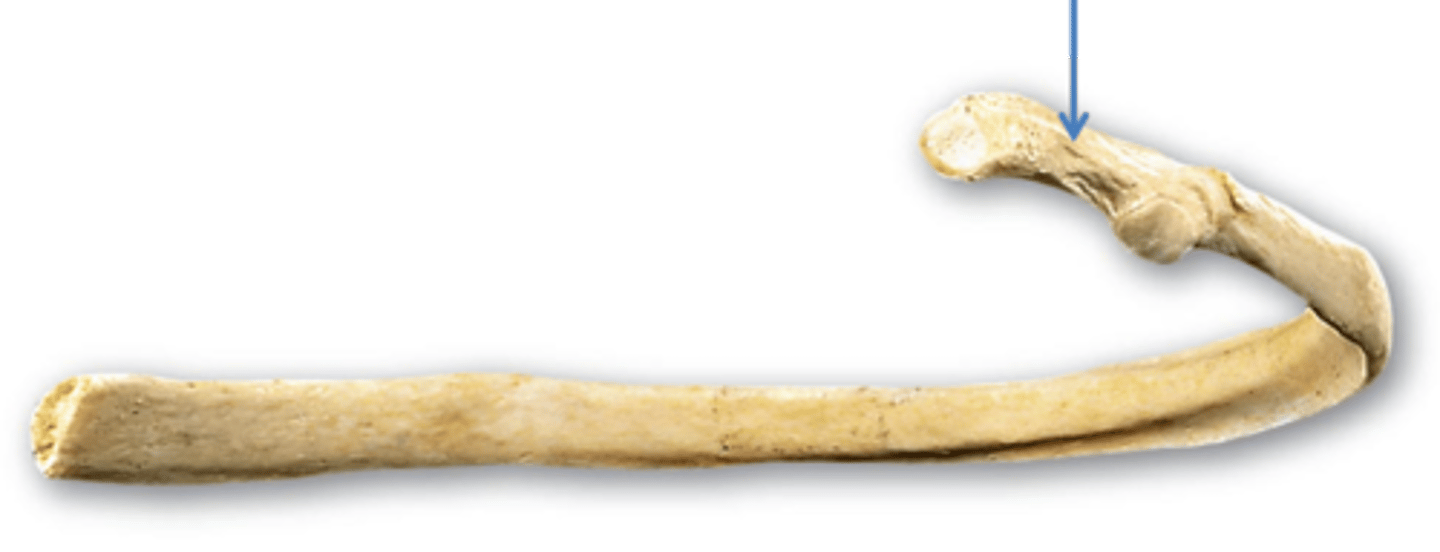
Tubercle
Articulates with transverse process of thoracic vertebrae
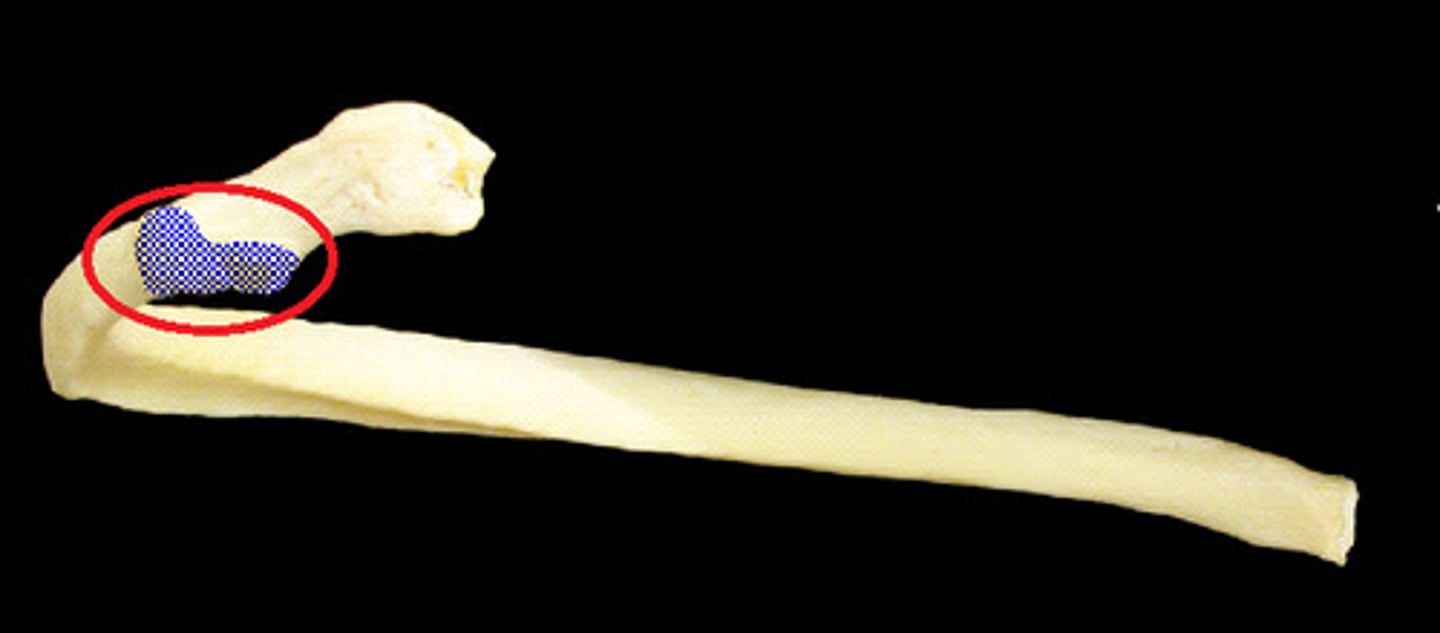
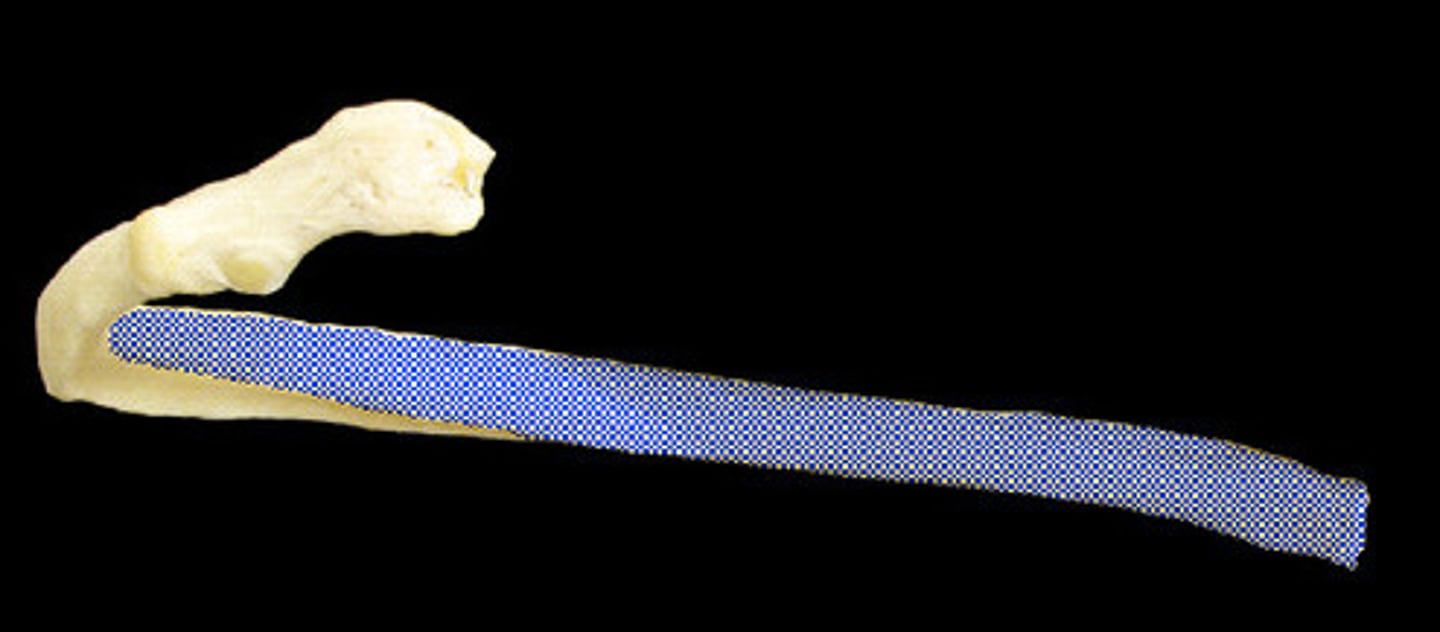
Body/Shaft
Curved main part of rib
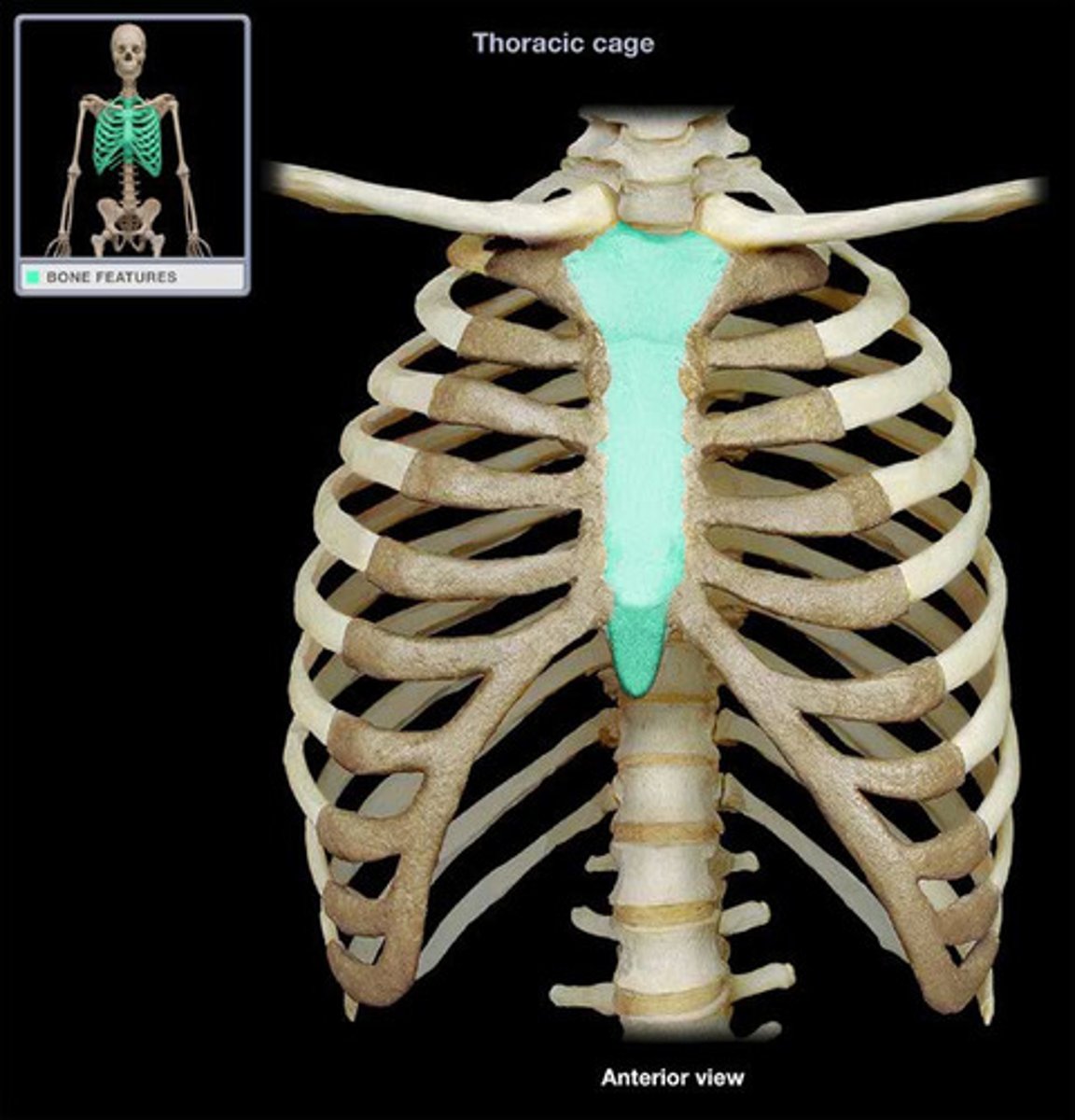
Sternum
Anterior in thorax and made of 3 parts
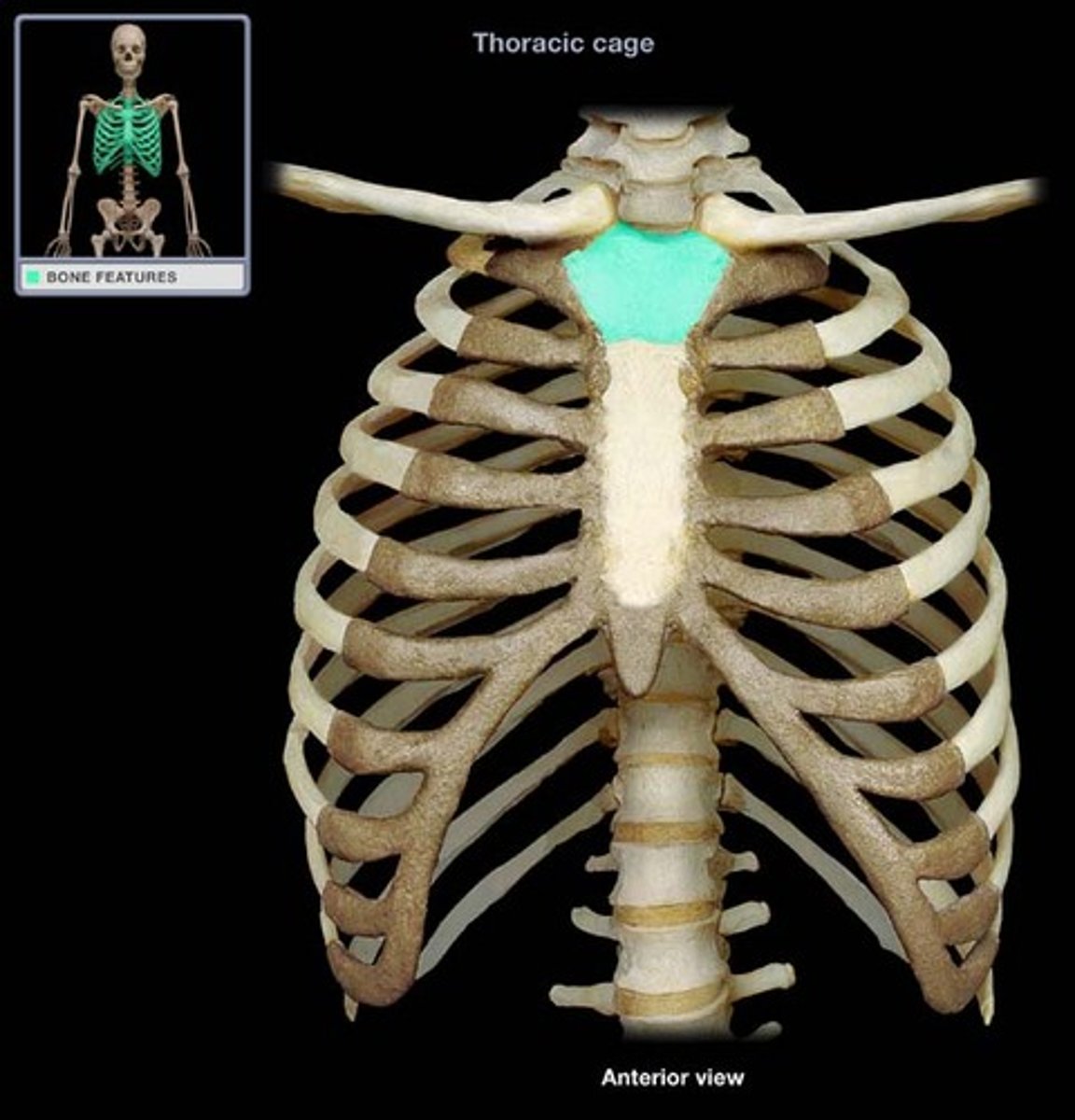
Manubrium
Superior portion of sternum
Jugular notch
Superior depression on the manubrium
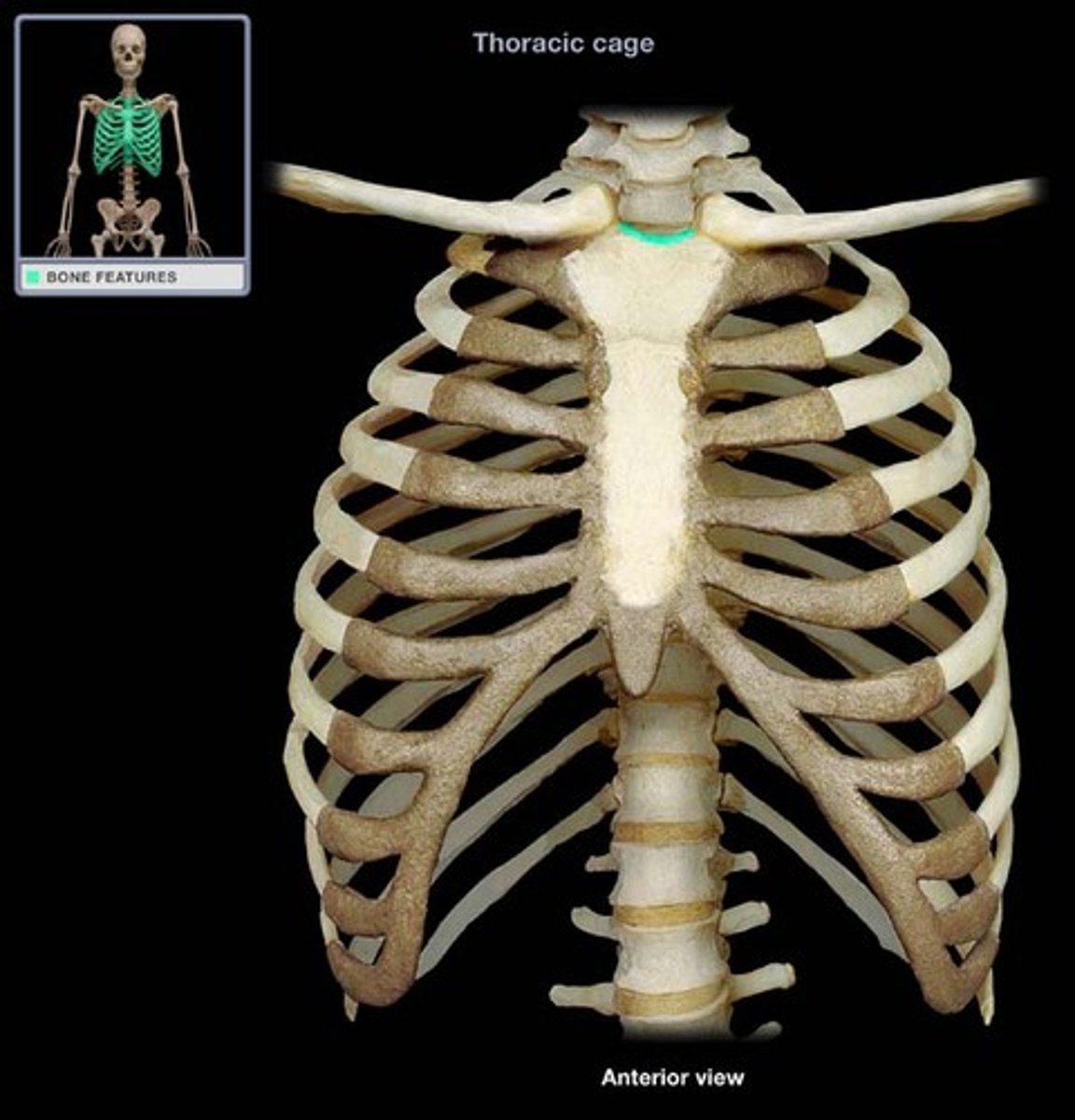
Clavicular notch
Superior/lateral depressions where clavicles articulate
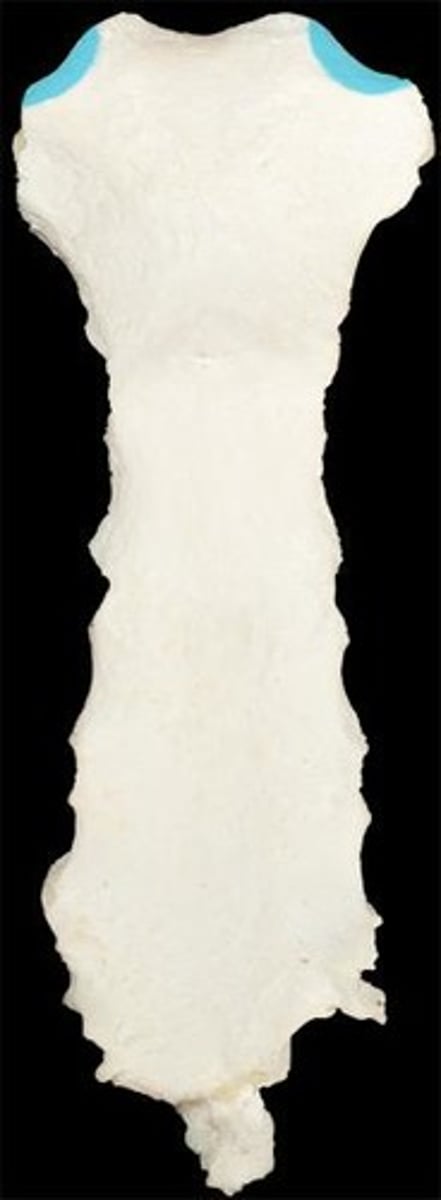
Sternal angle
Transverse ridge on the anterior surface of sternum
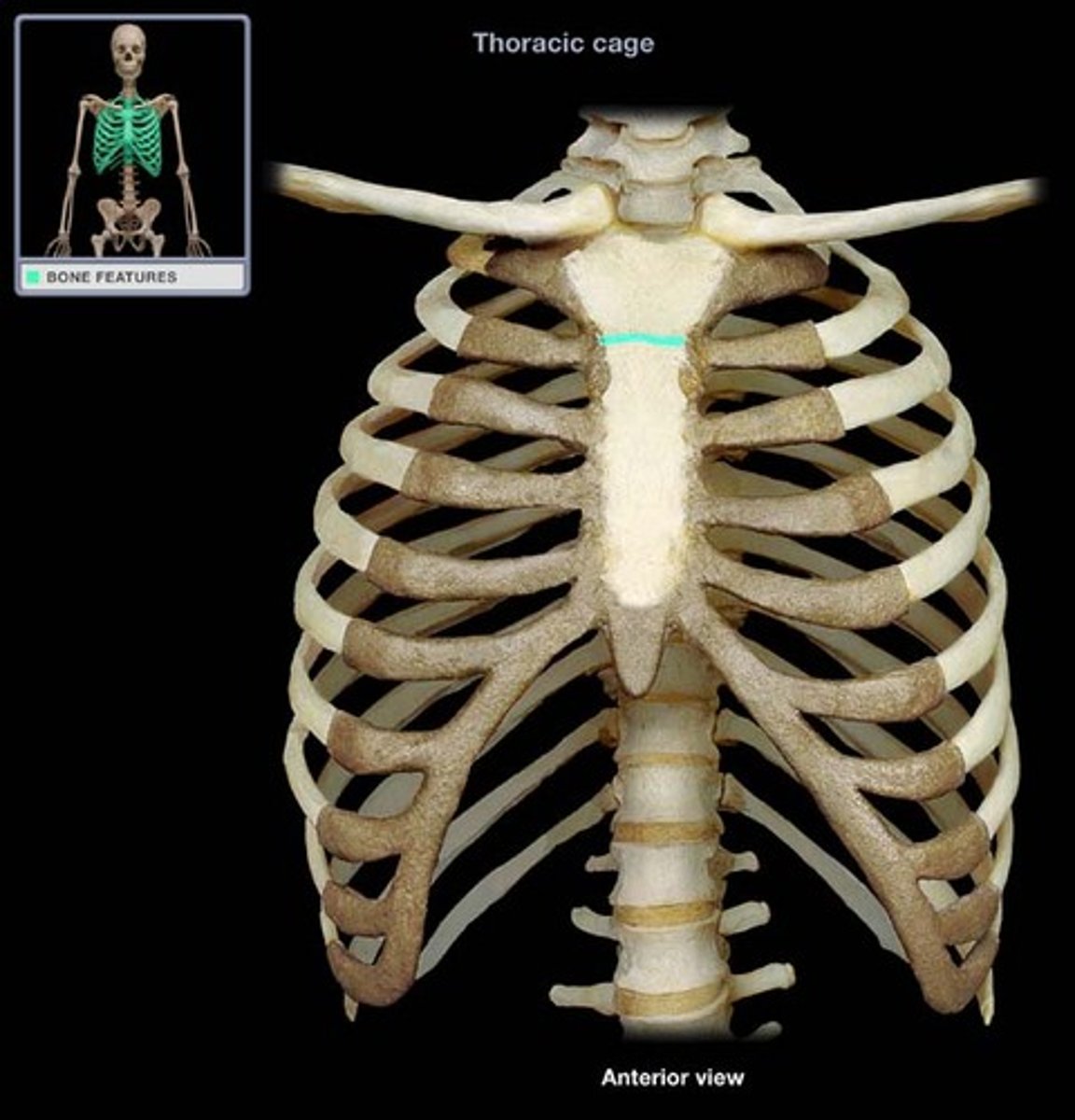
Body
Lower 2/3 of bone, below sternal angle
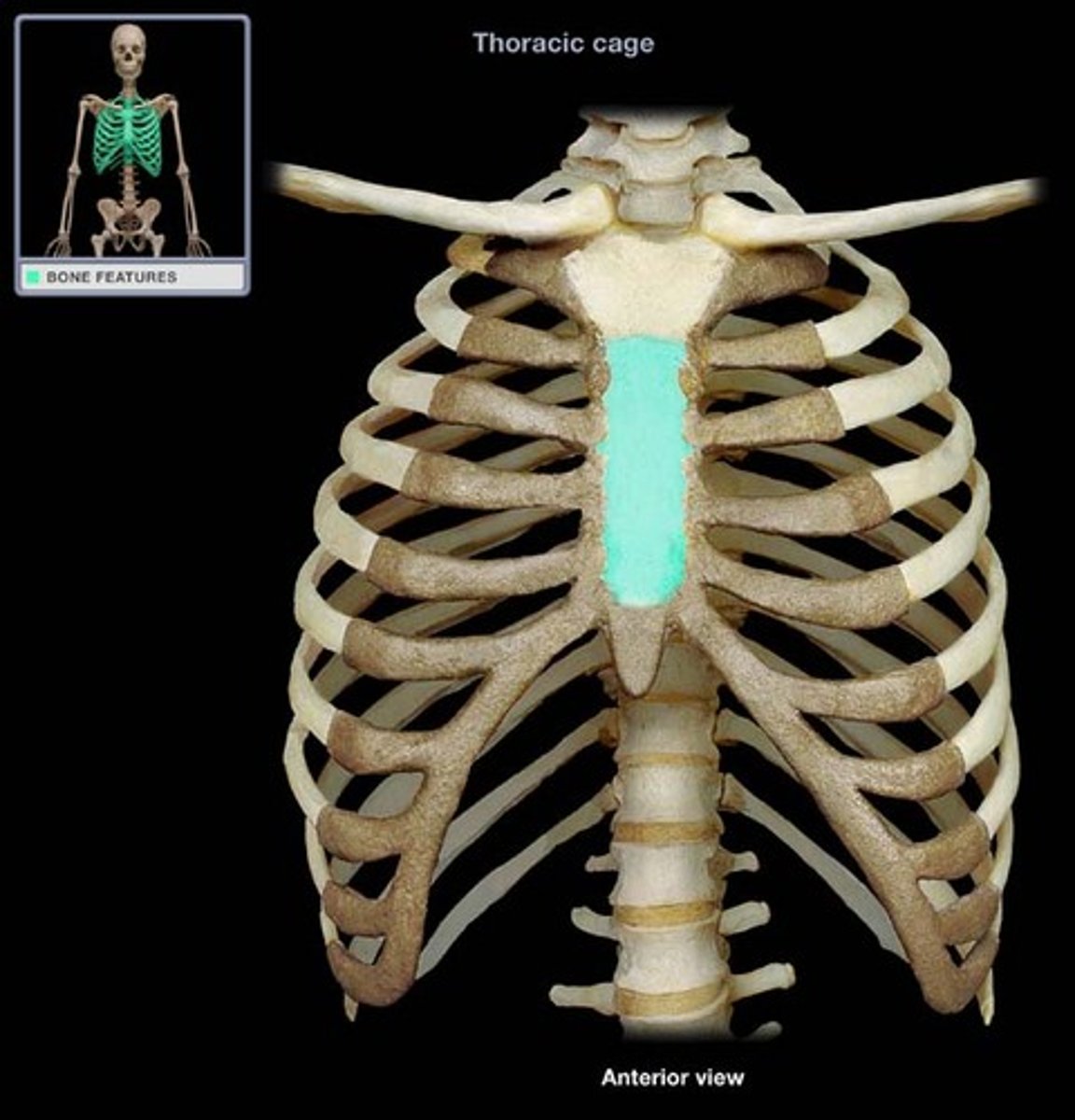
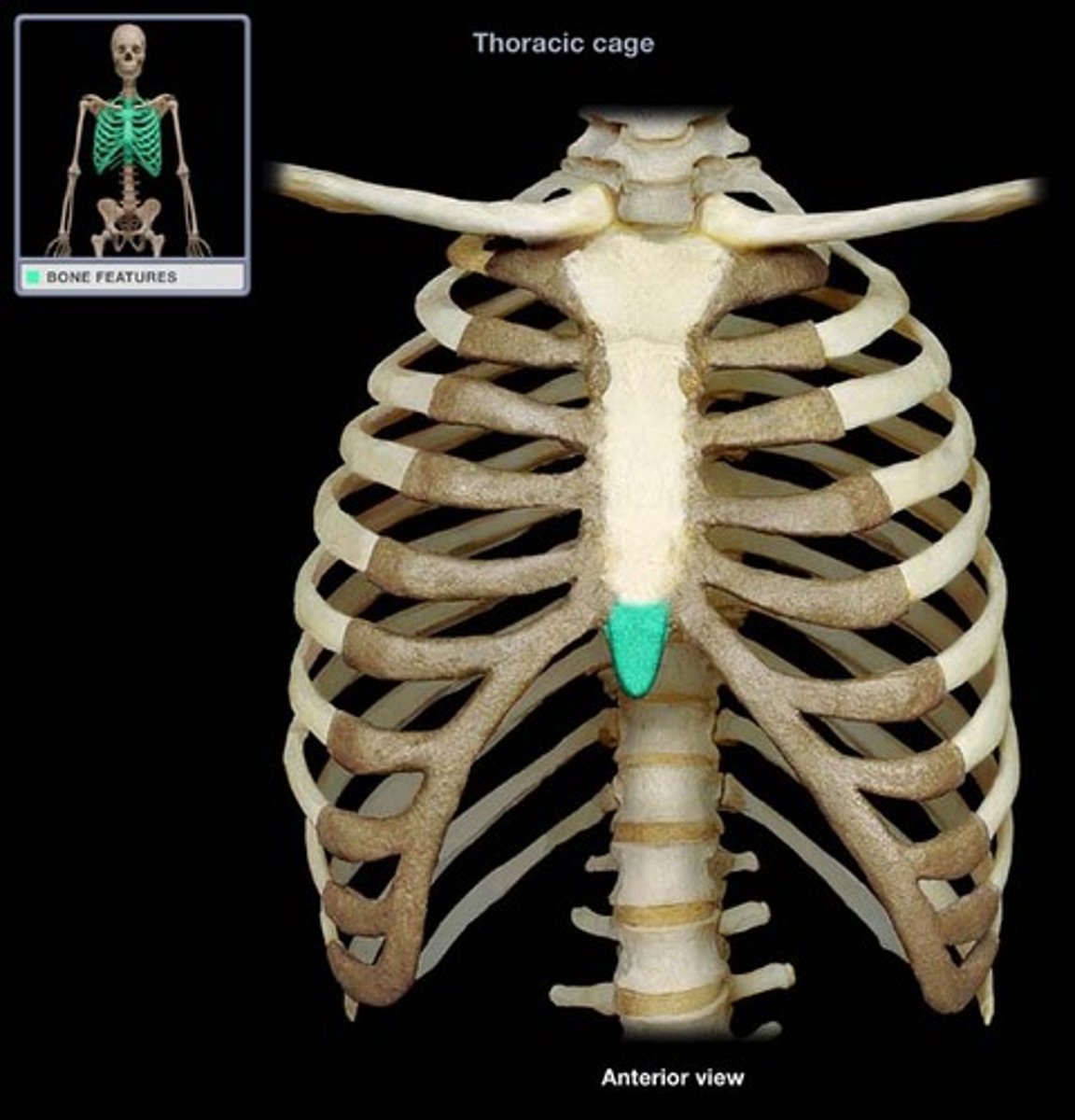
Xiphoid process
Inferior process of sternum
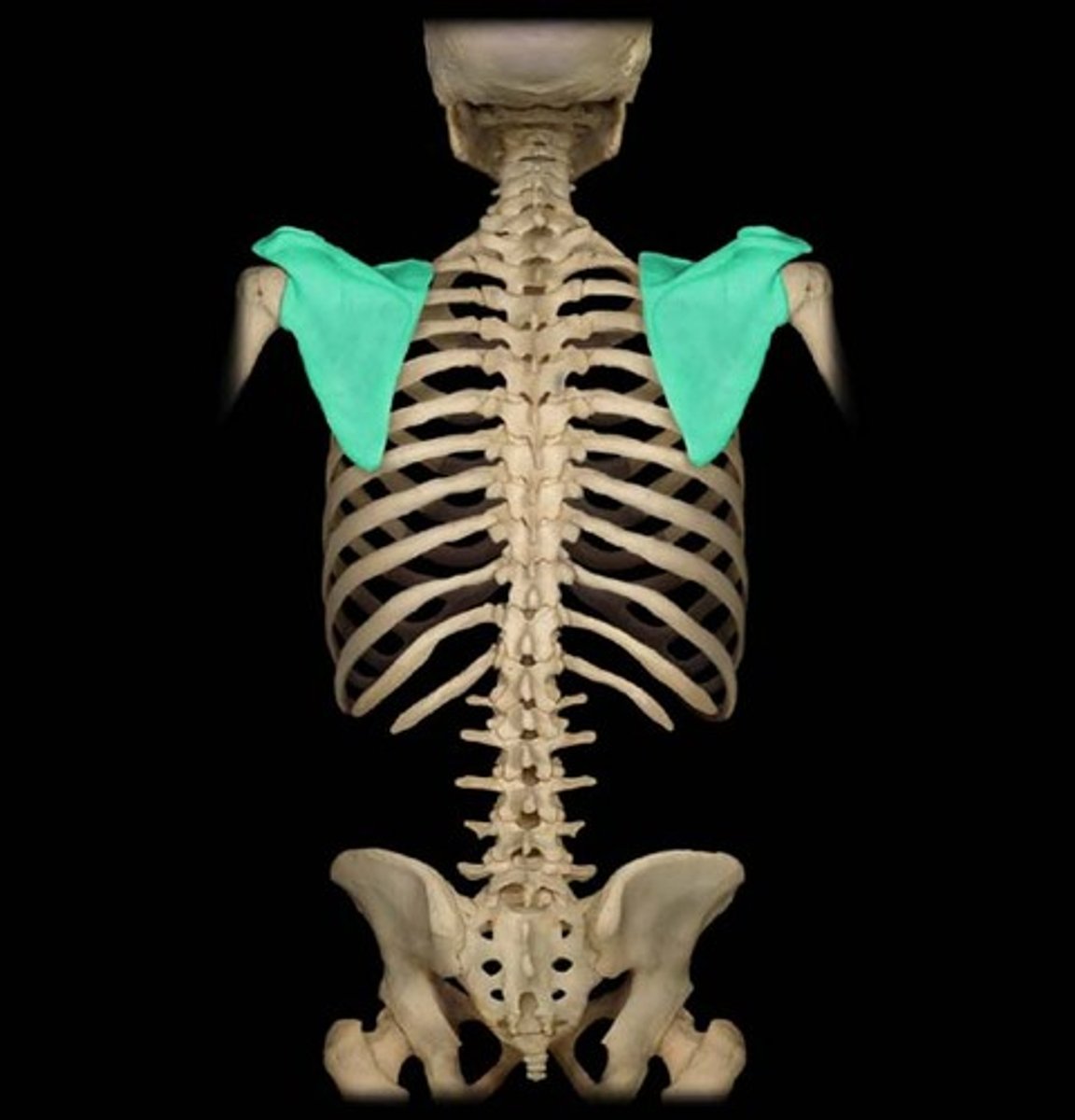
Scapula
Two bones often called the shoulder blades
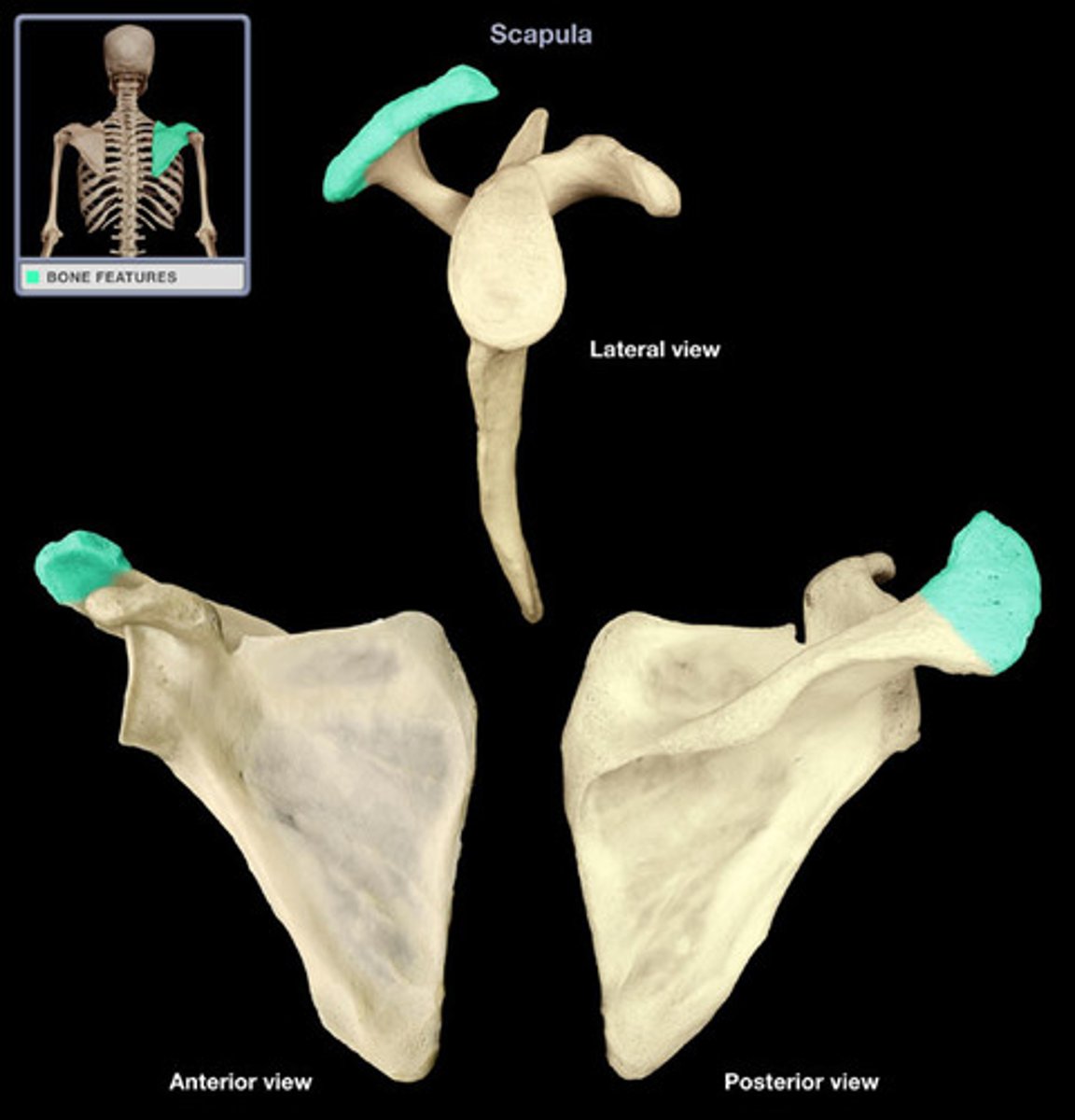
Acromion process
Lateral point of the shoulder, articulates with clavicle
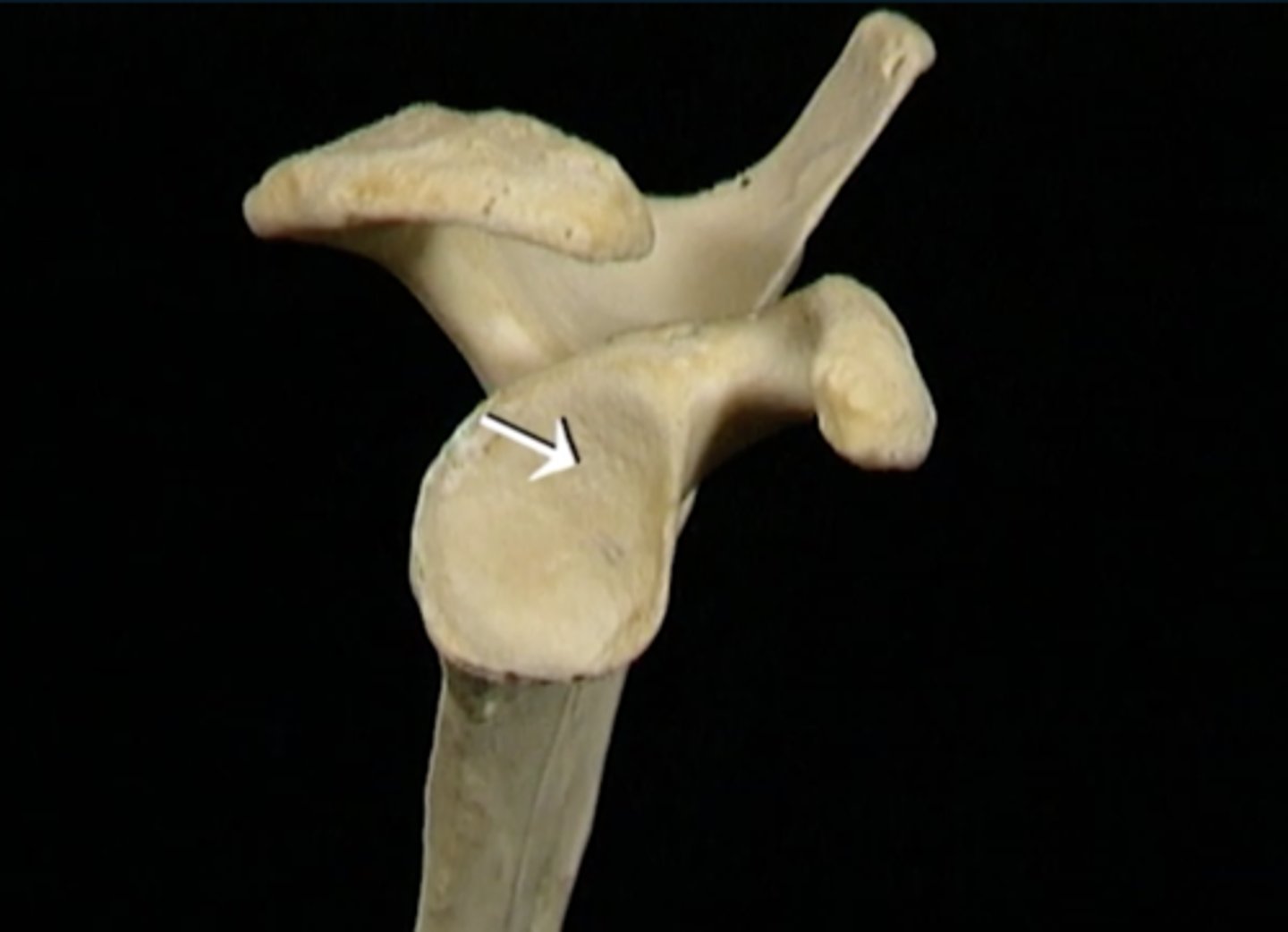
Glenoid fossa or cavity
Shoulder 'socket'
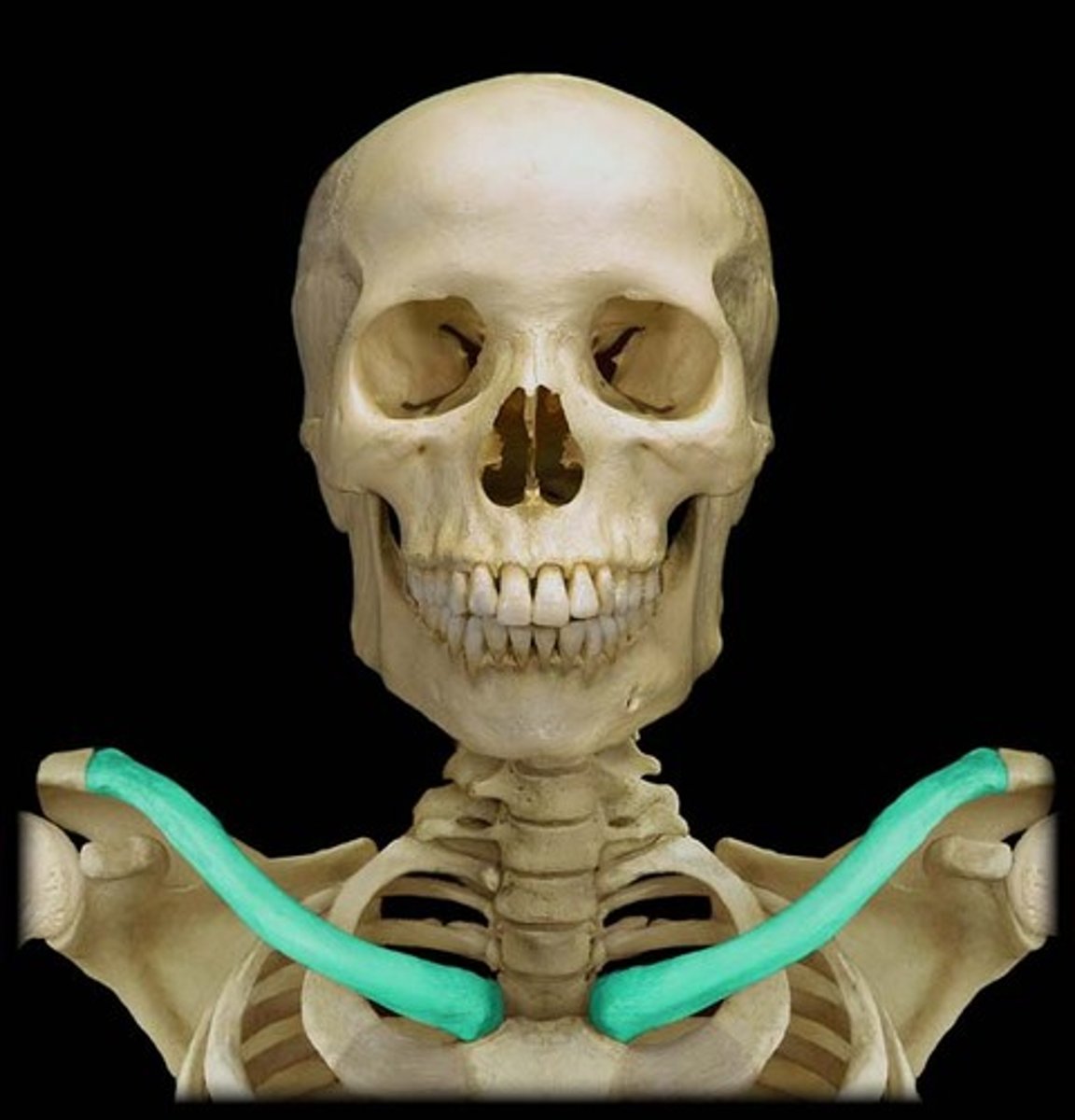
Clavicle
Two bones that connect to sternum on either side
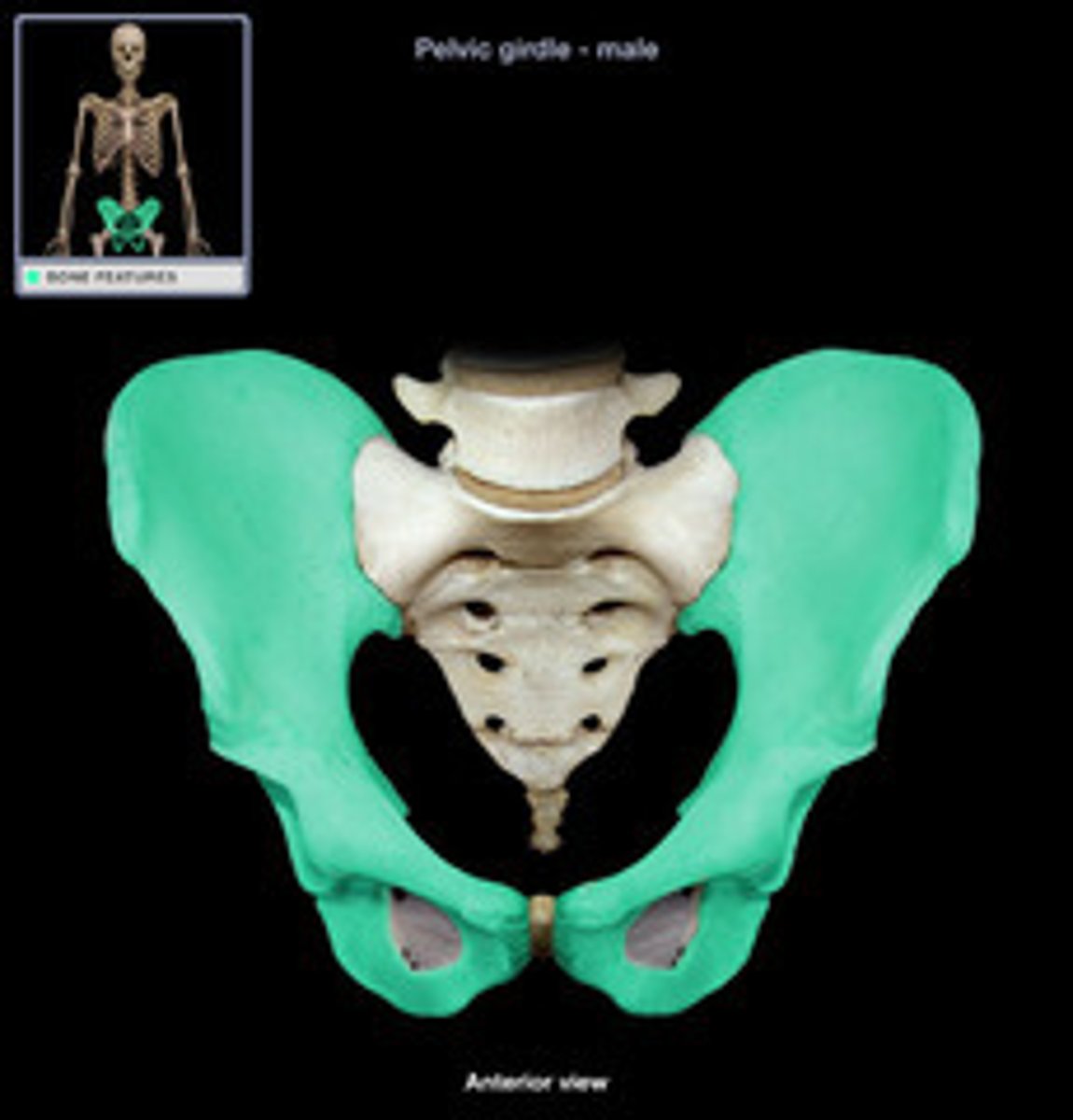
Os Coxa (innominate bone)
Hip bones that form anterior and lateral portions of girdle. 3 fused bones (ischium, ilium, pubis)
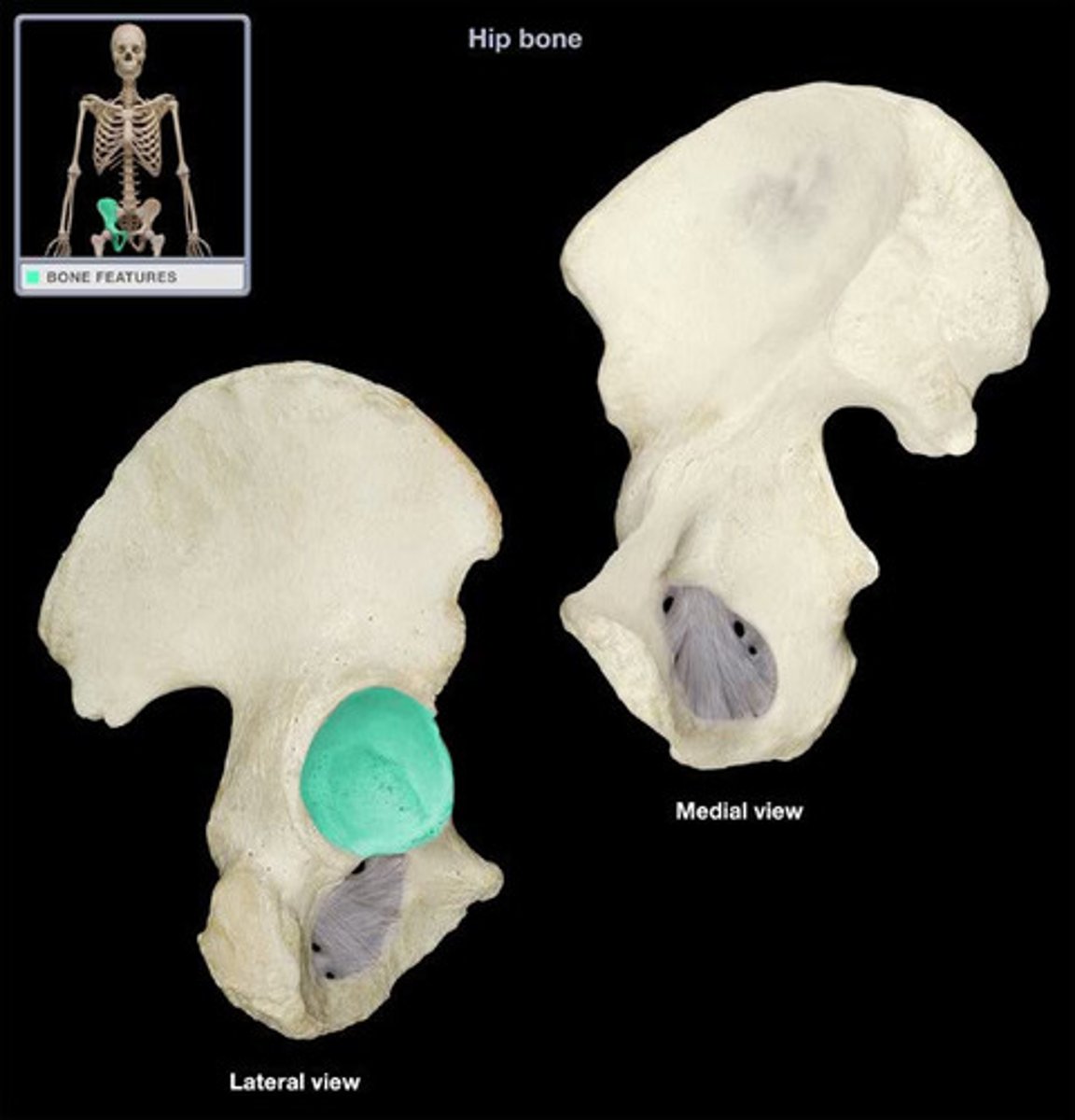
Acetabulum
Cup shaped cavity on lateral aspect of girdle, holds head of femur
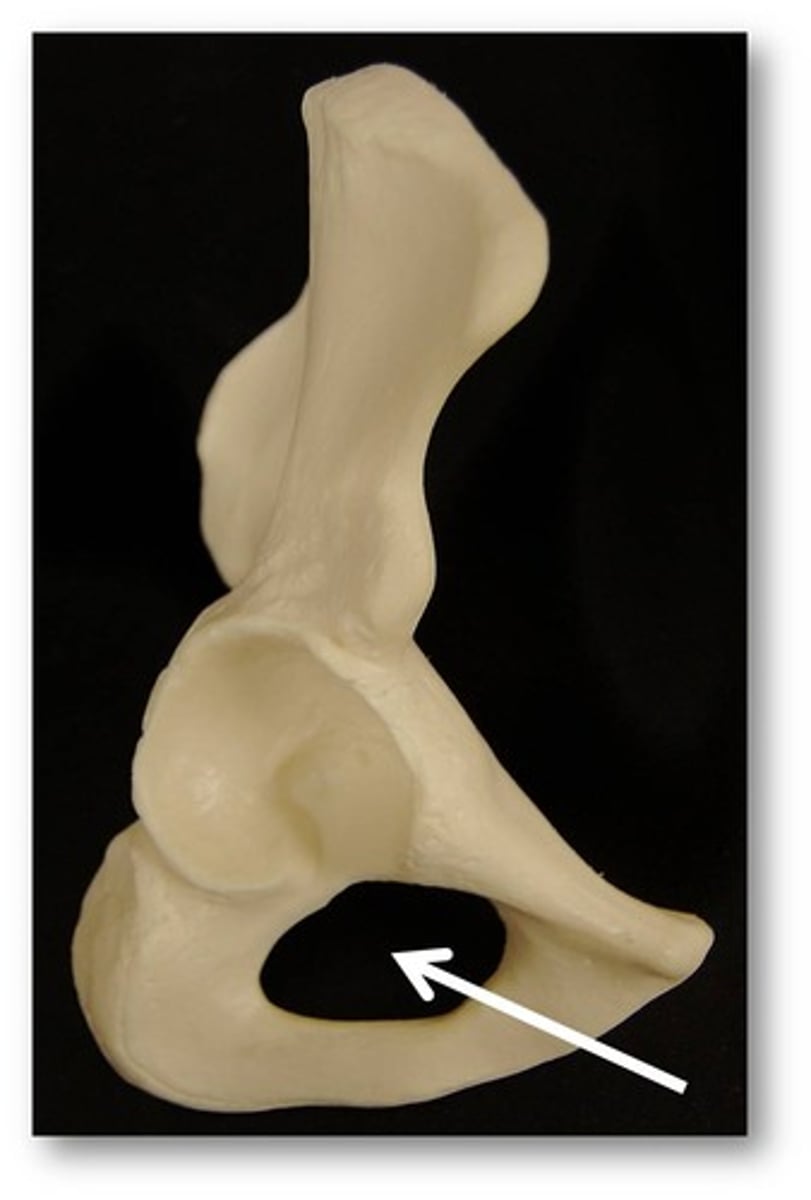
Obturator foramen
Largest foramen, between ischium and pubis
Ilium
Superior portion of hip bone
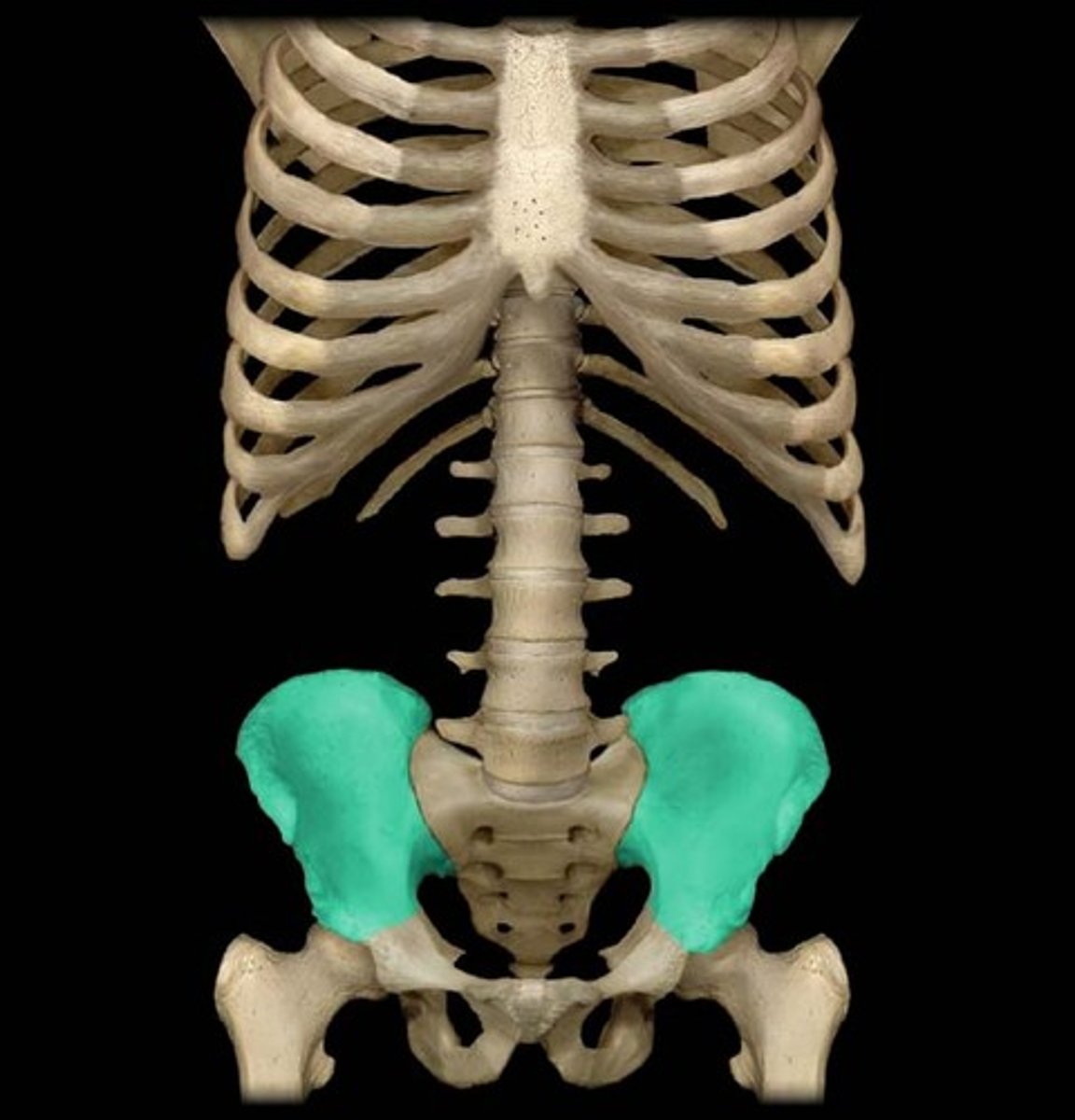
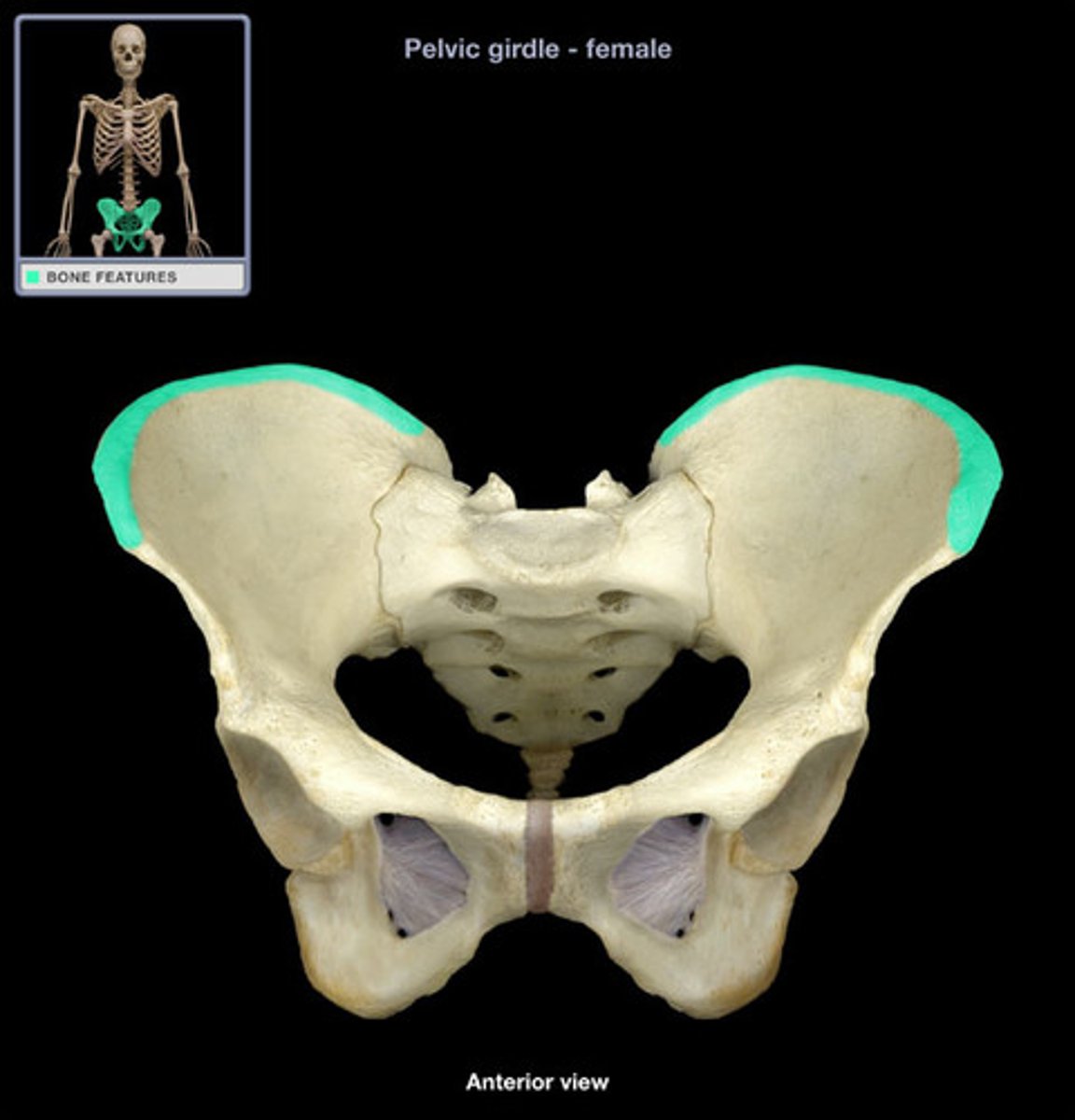
Iliac crest
Superior border of ilium
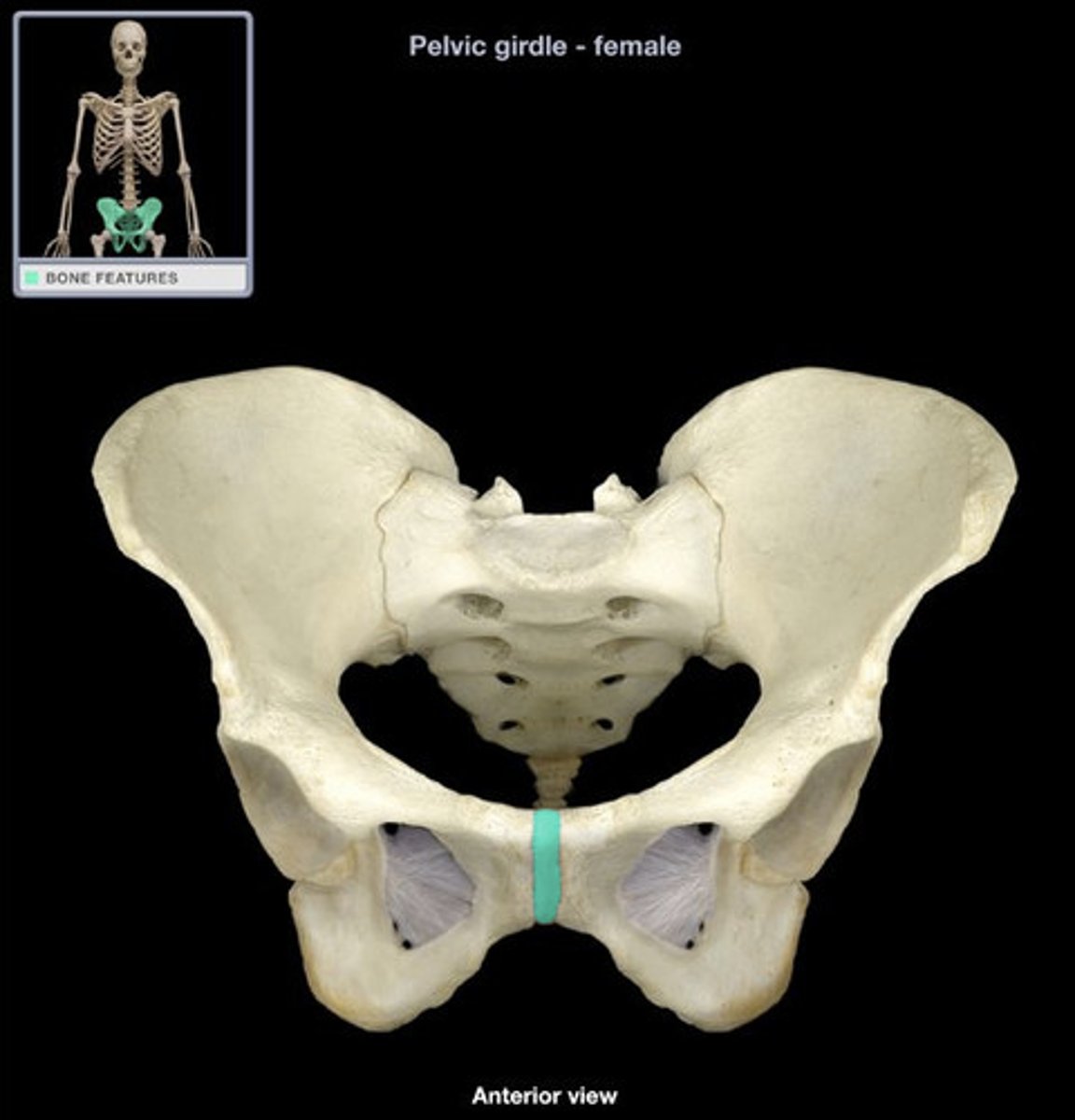
Pubic symphysis
Cartilage between symphaseal surfaces
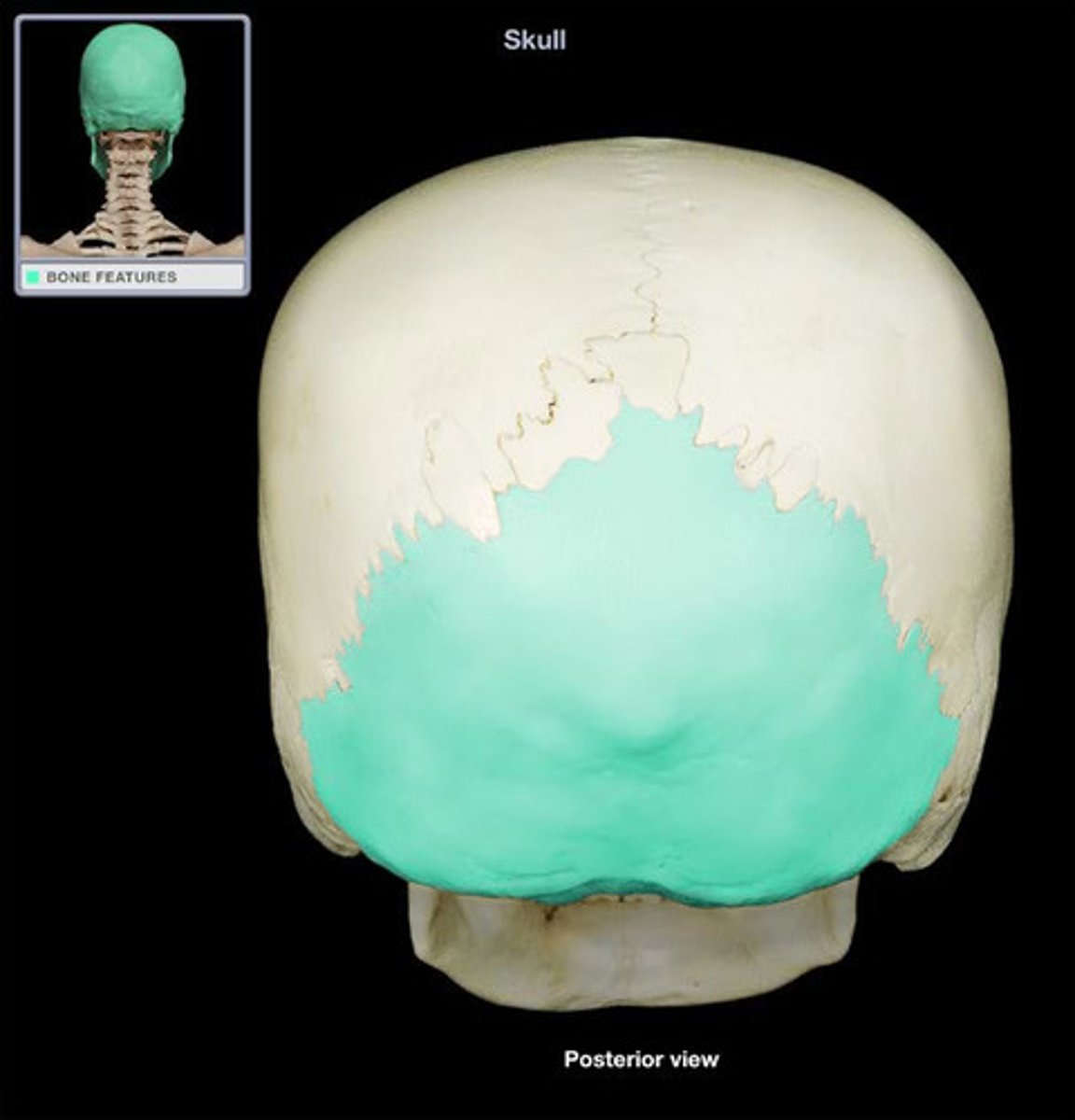
Occipital Bone
Posterior head, base of the skull
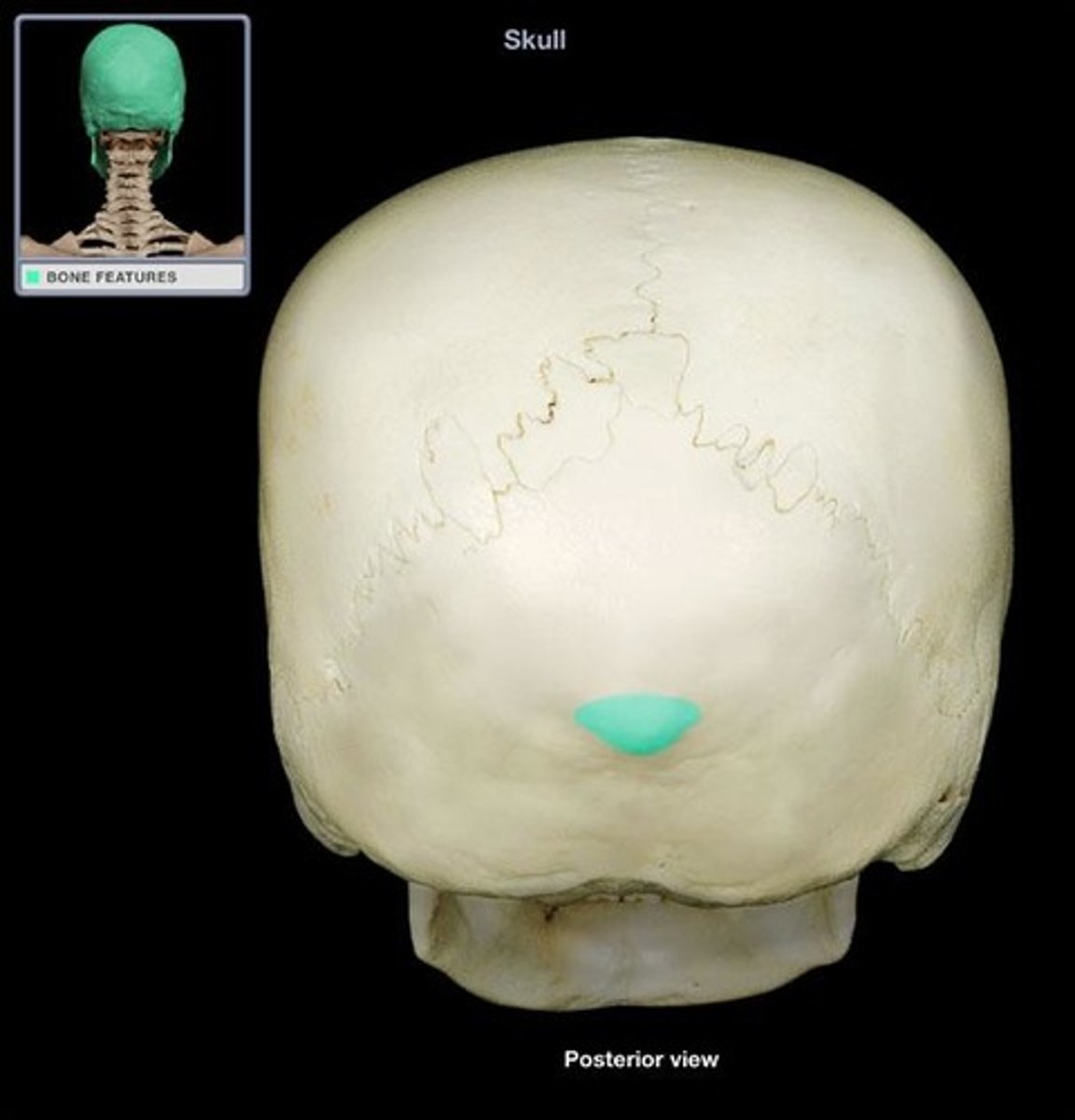
External occipital protuberance
The bump on the posterior side.
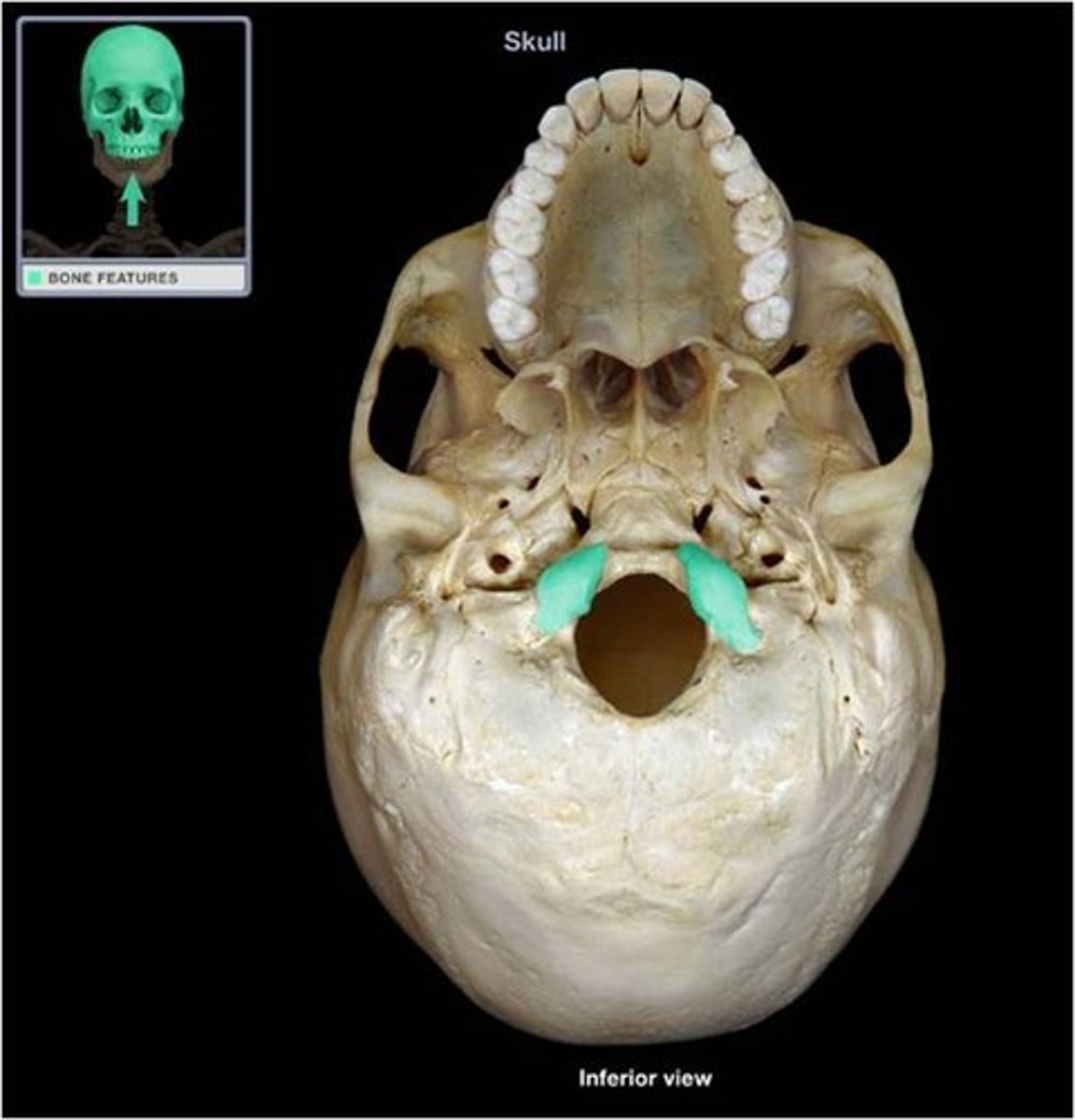
Occipital condyles
Articulate with the atlas
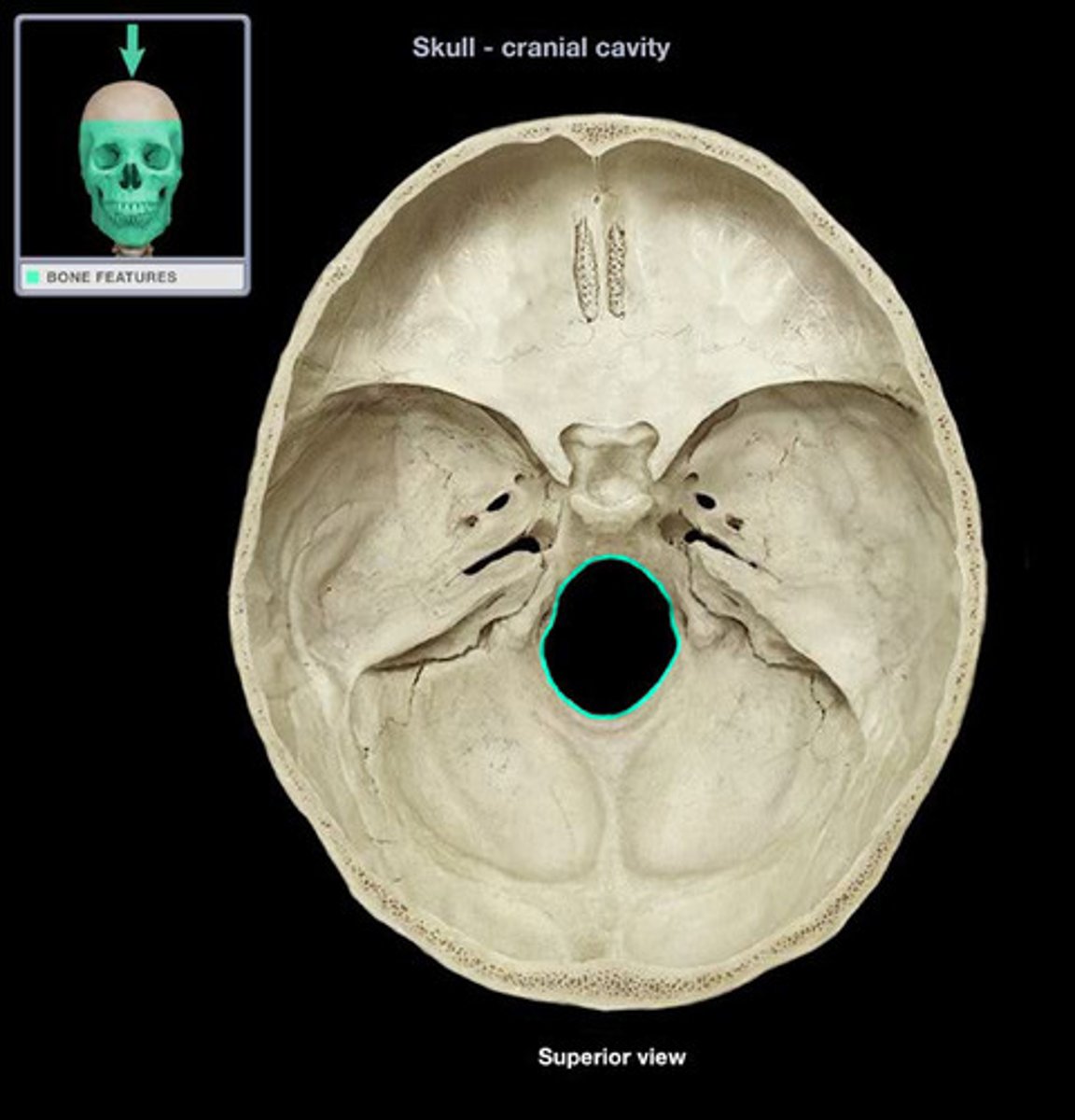
Foramen magnum
Large hole for the spinal cord to pass through
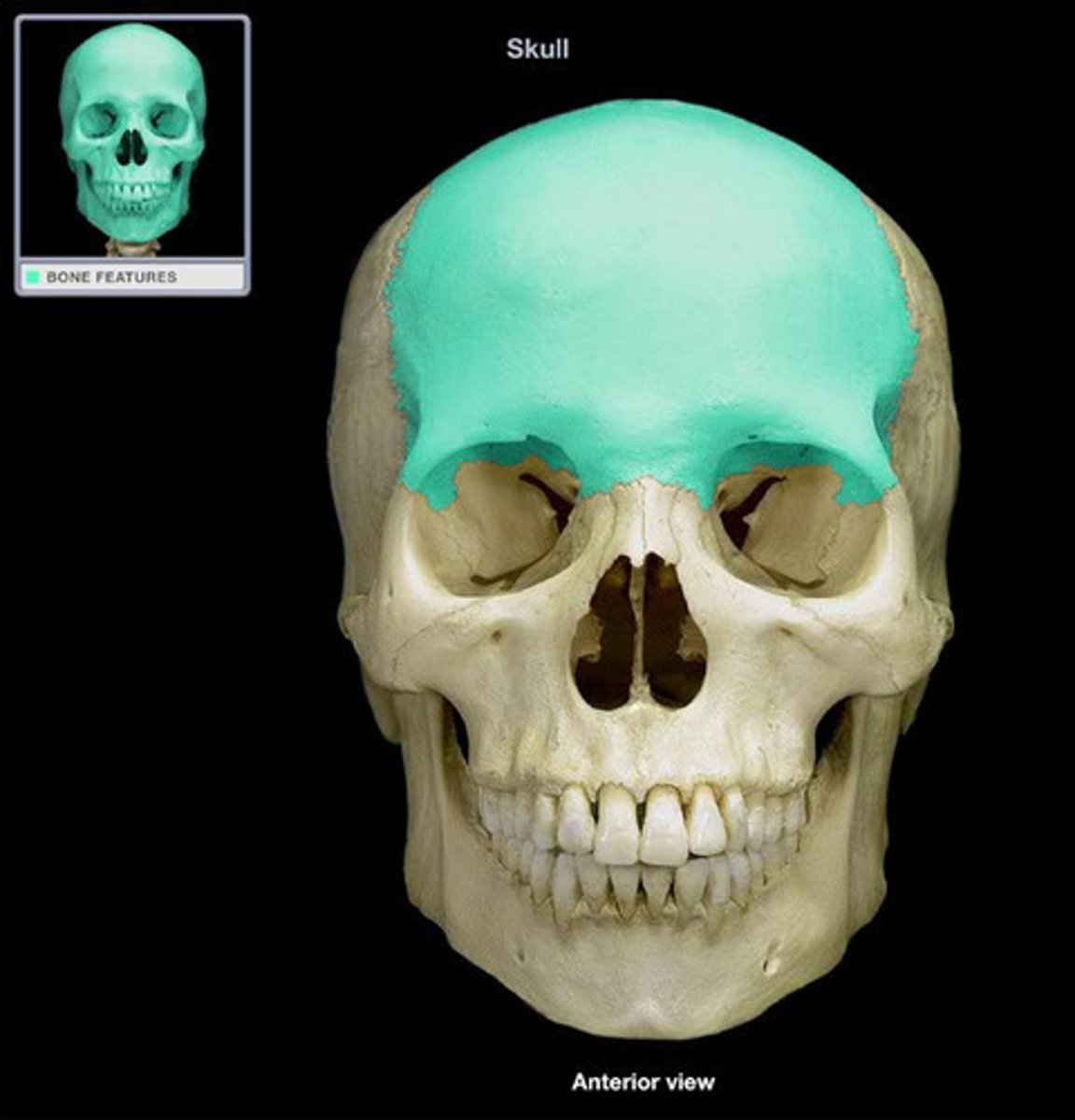
Frontal Bone
Forehead
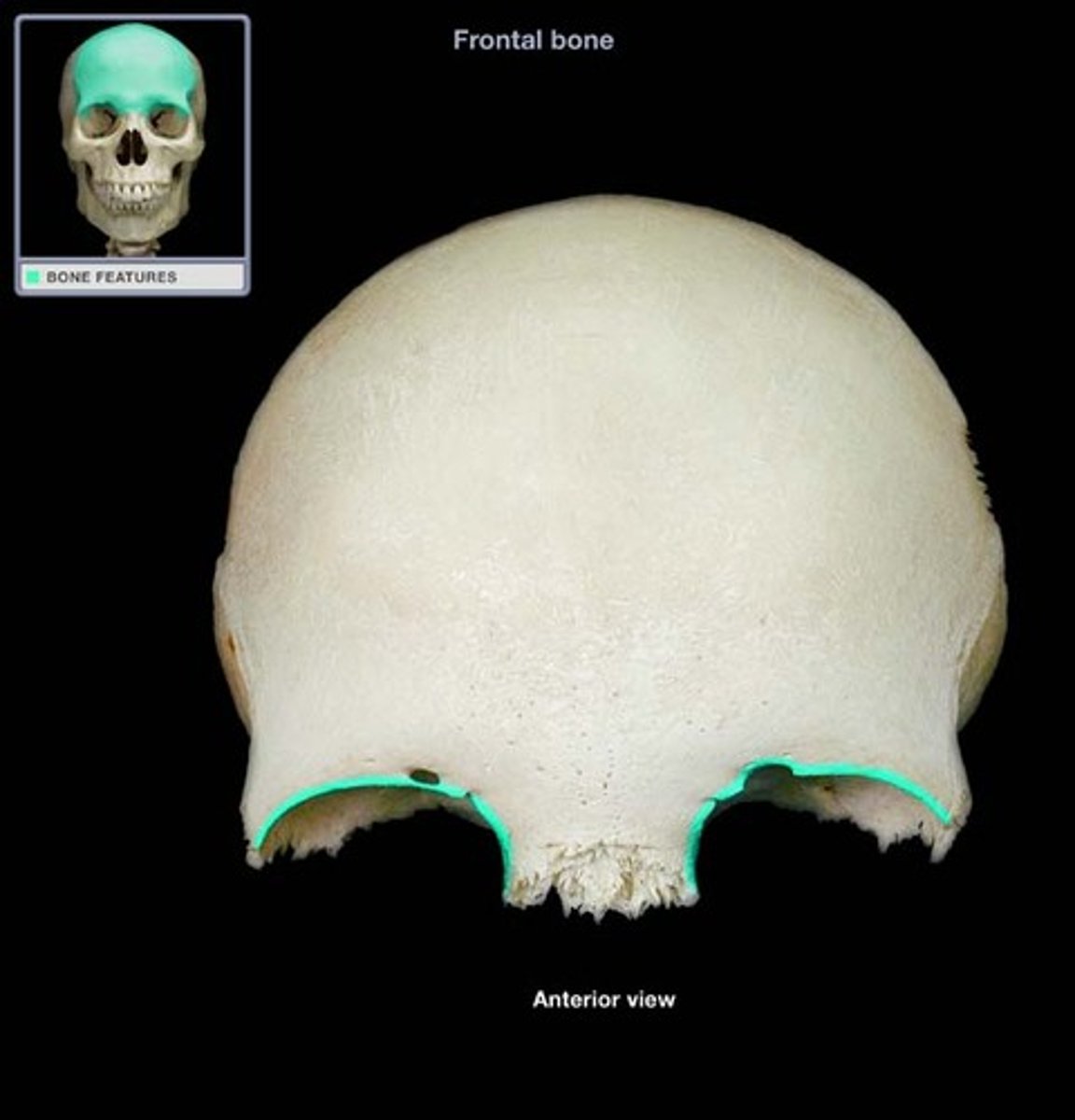
Supraorbital margin
Ridge of bone above each eye
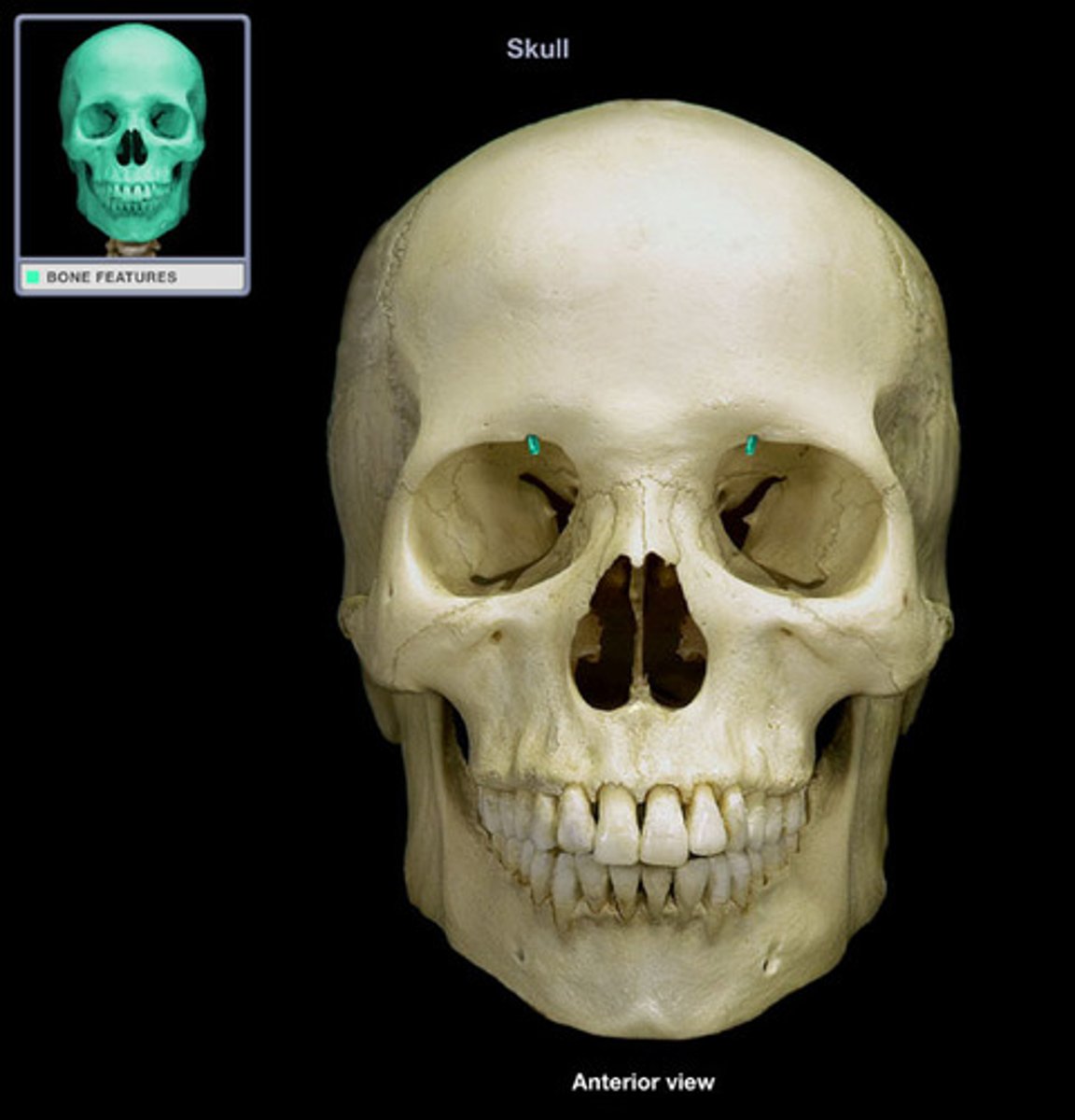
Supraorbital foramen
Hole above the supraorbital margin
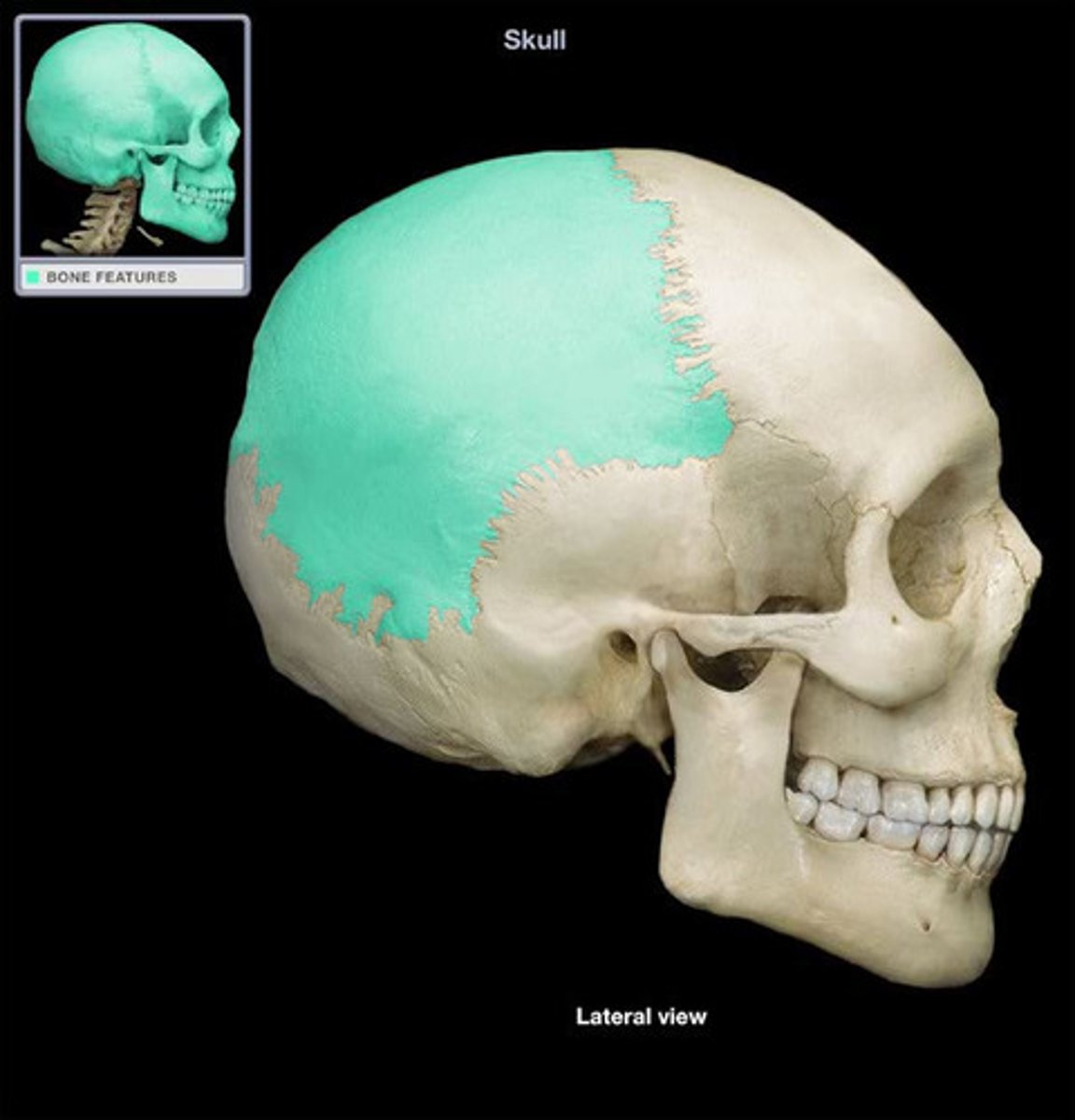
Parietal Bones
Form part of the sidewall and roof of the cranium
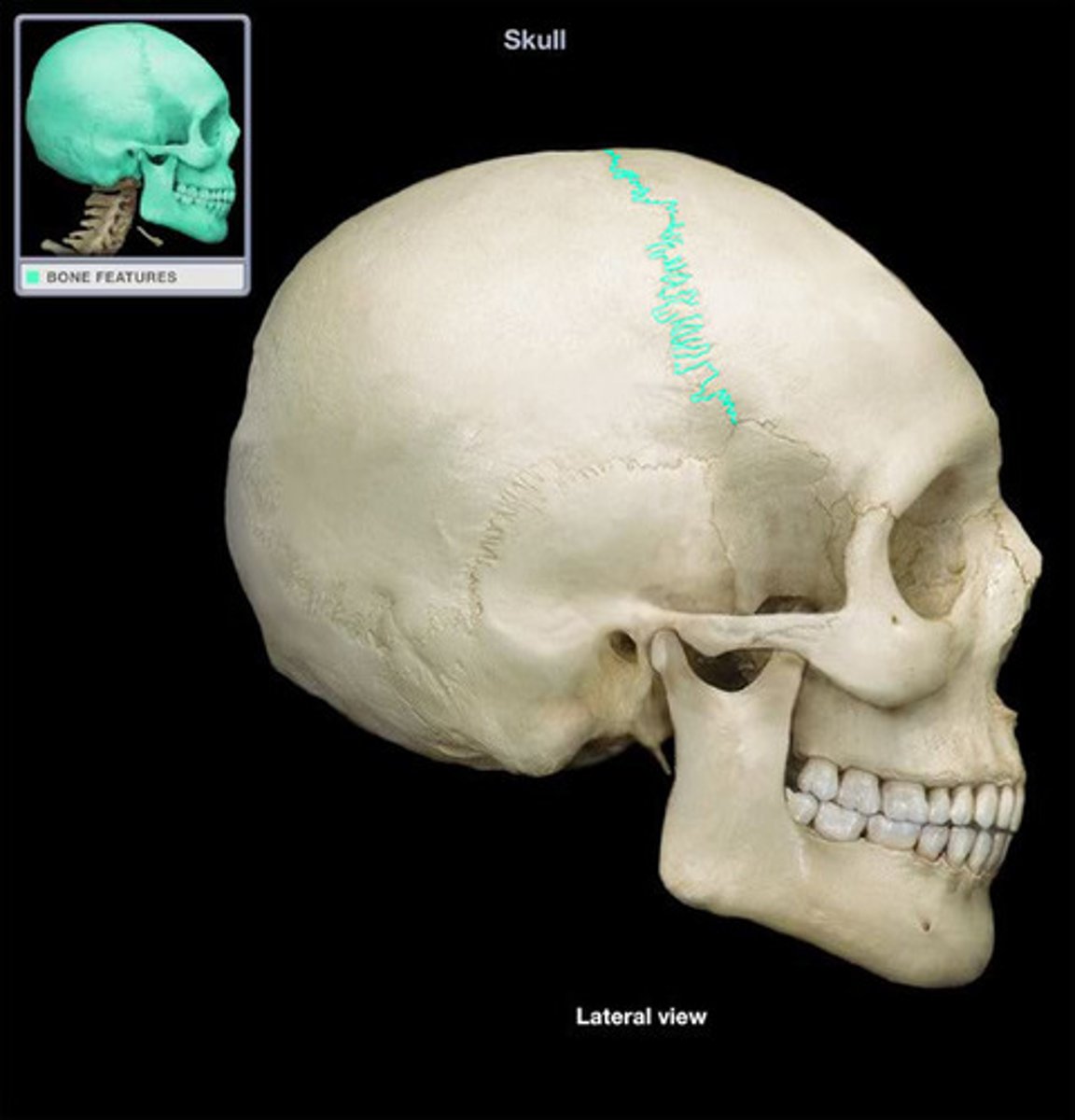
Coronal suture
Junction between frontal bone and 2 parietal bones
Sagittal suture
Junction between 2 parietal bones
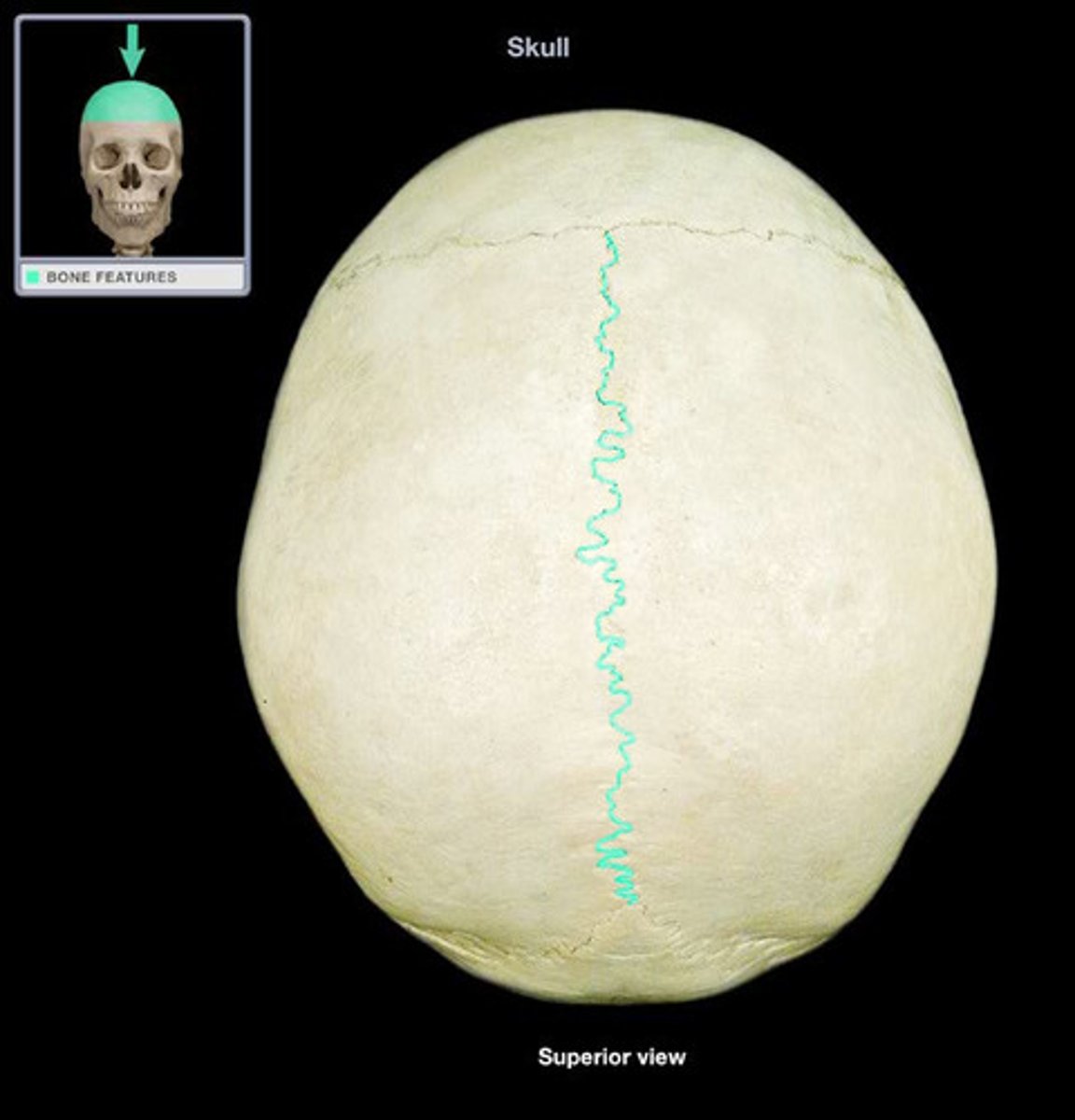
Squamous suture
Junction between temporal bone and parietal bones
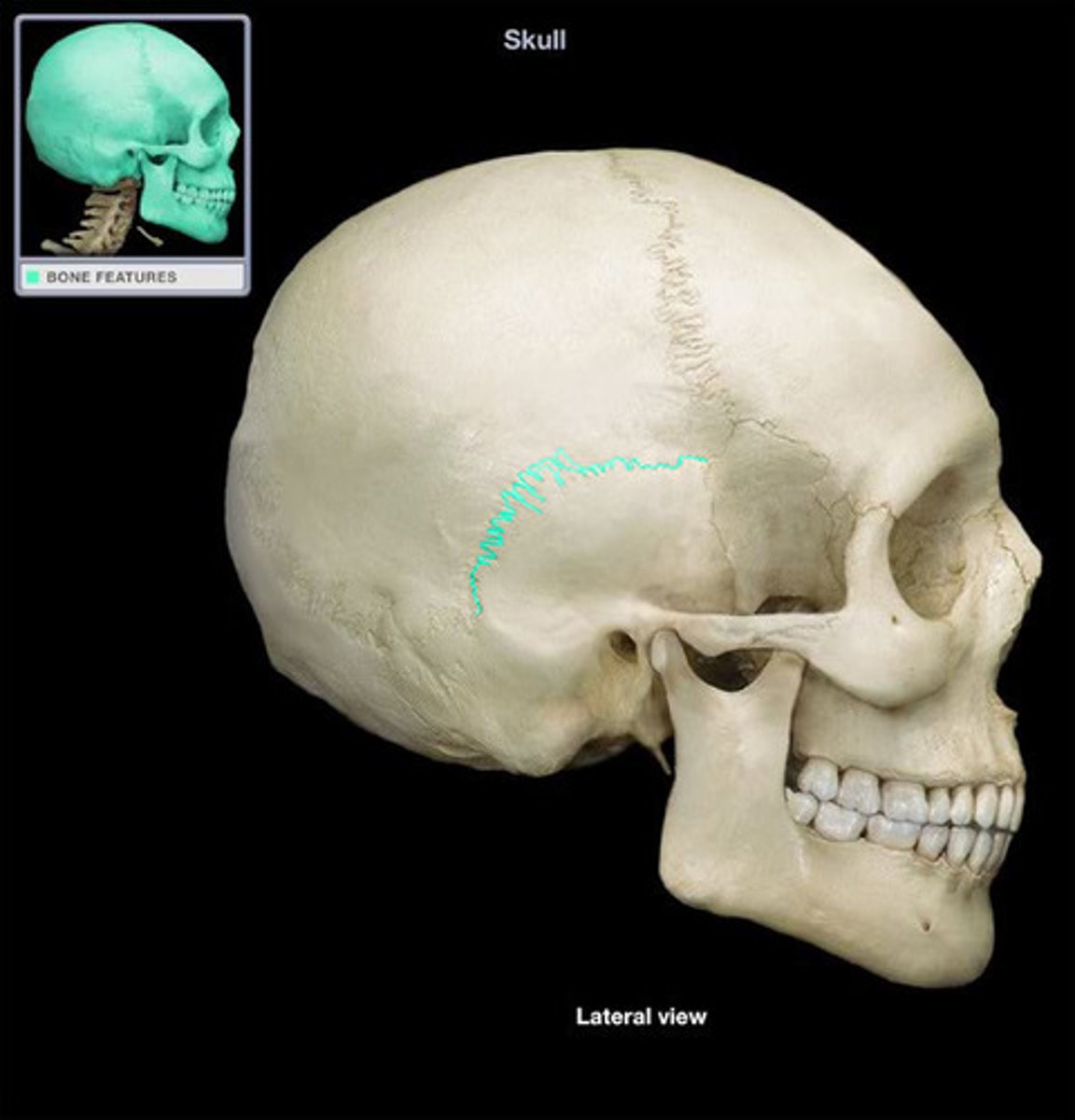
Lambdoidal suture
Junction between 2 parietal bones and the occipital bone
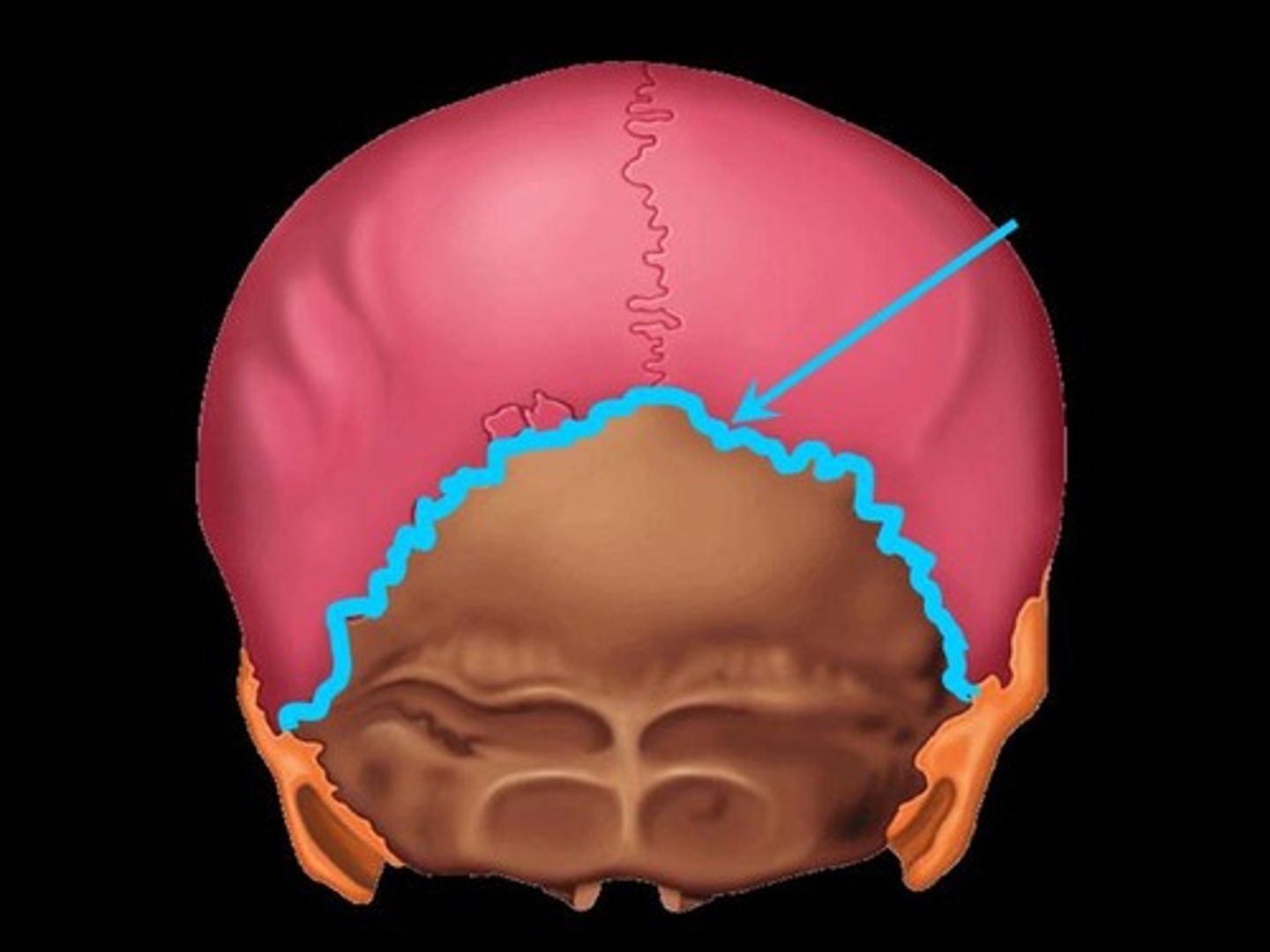
Temporal Bones
Form part of the sidewall of cranium, the temple
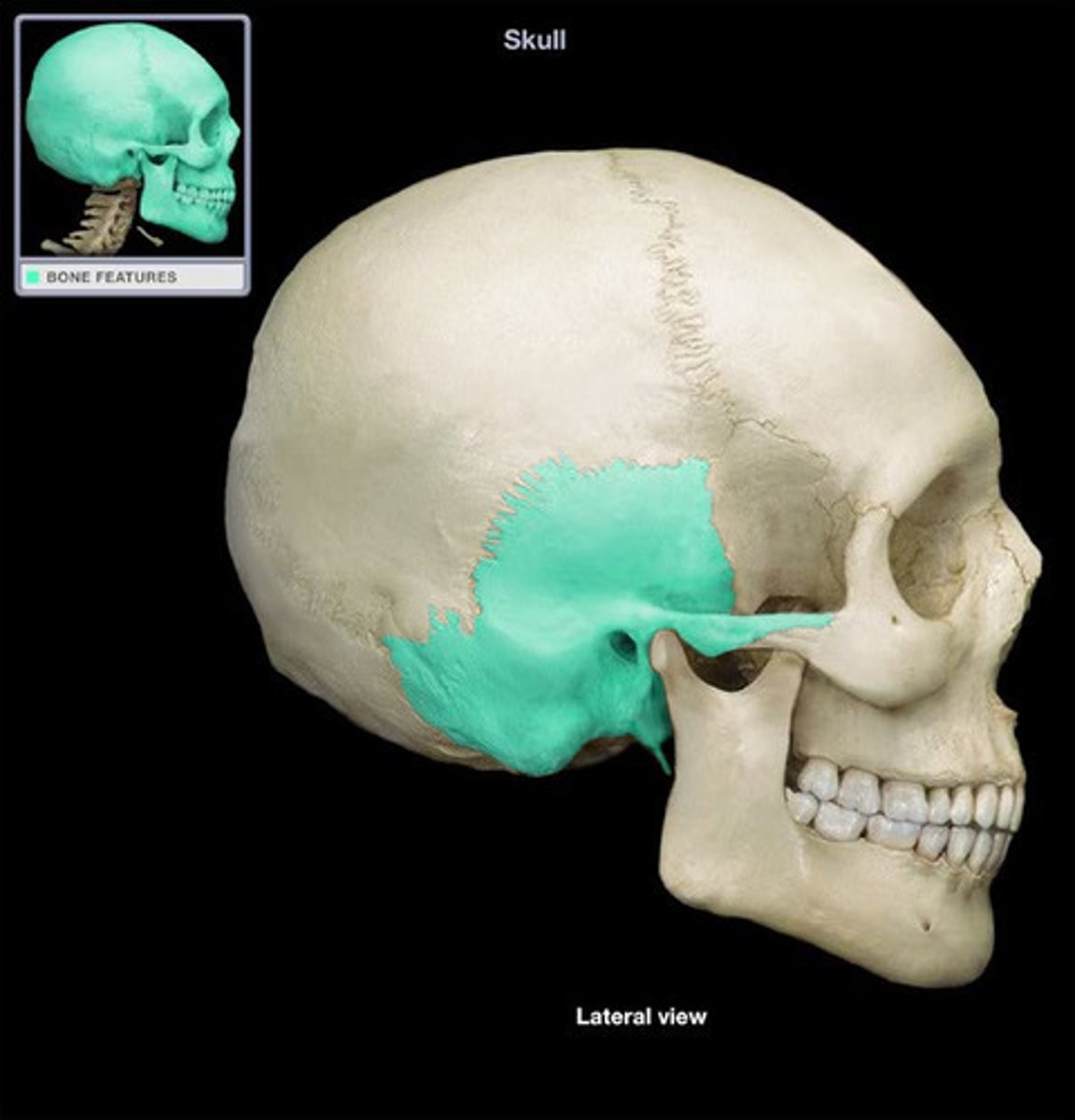
External auditory meatus
Ear canal
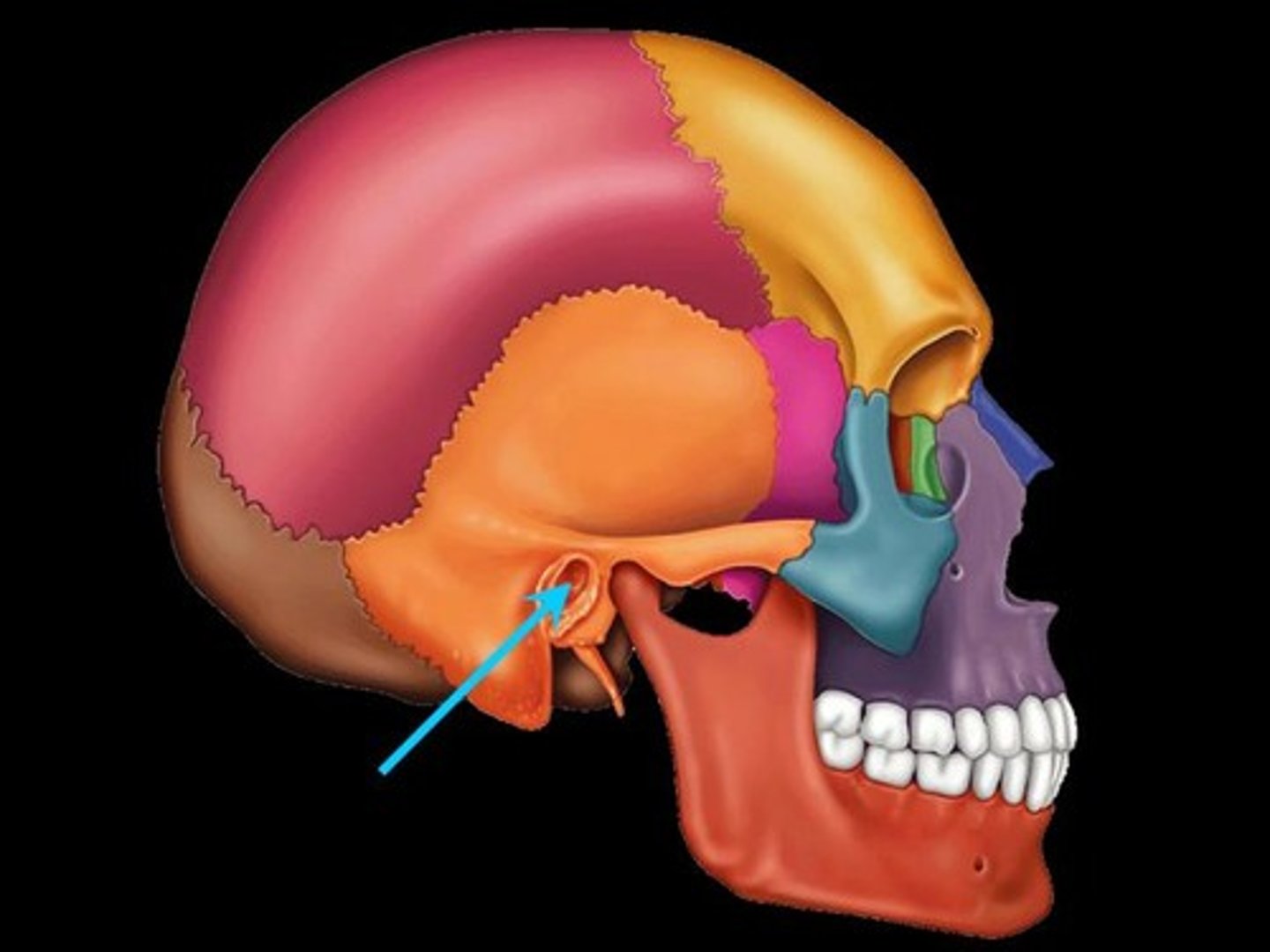
Styloid process
Elongated, pin-like process on inferior side
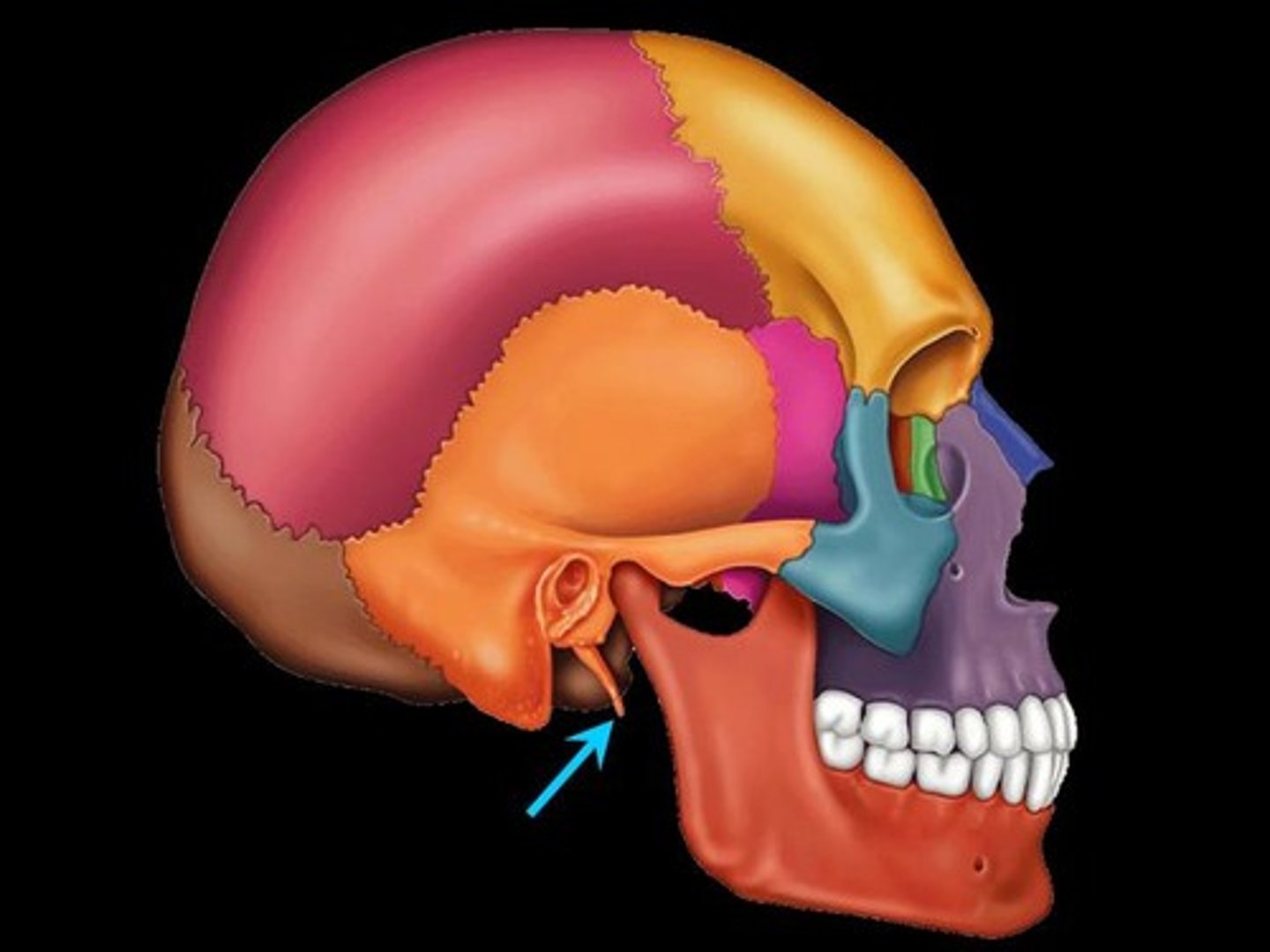
Mastoid process
Large bony mass inferior and posterior to ear
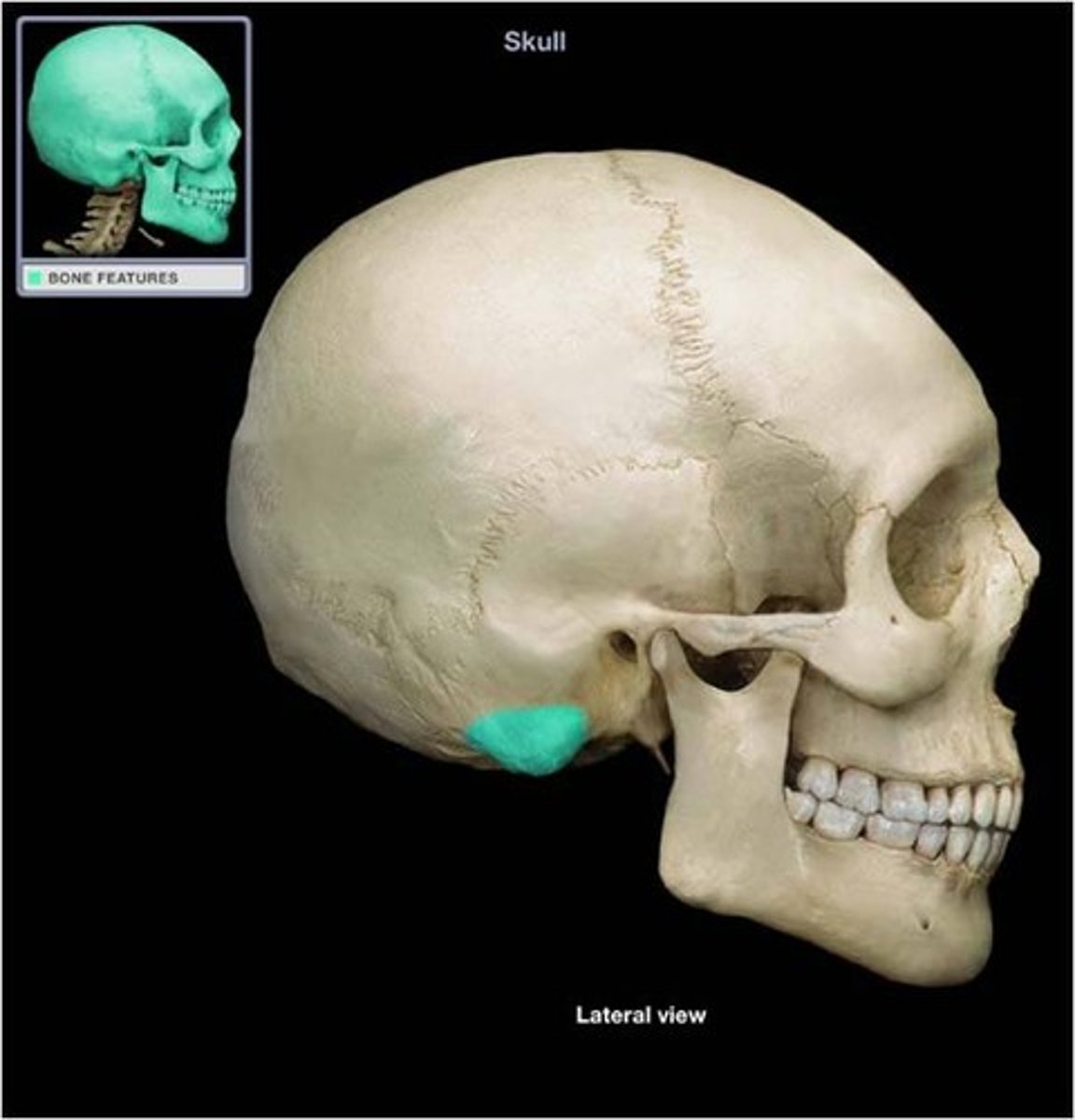
Mandibular fossa
Articulates with the mandibular condyles on mandible
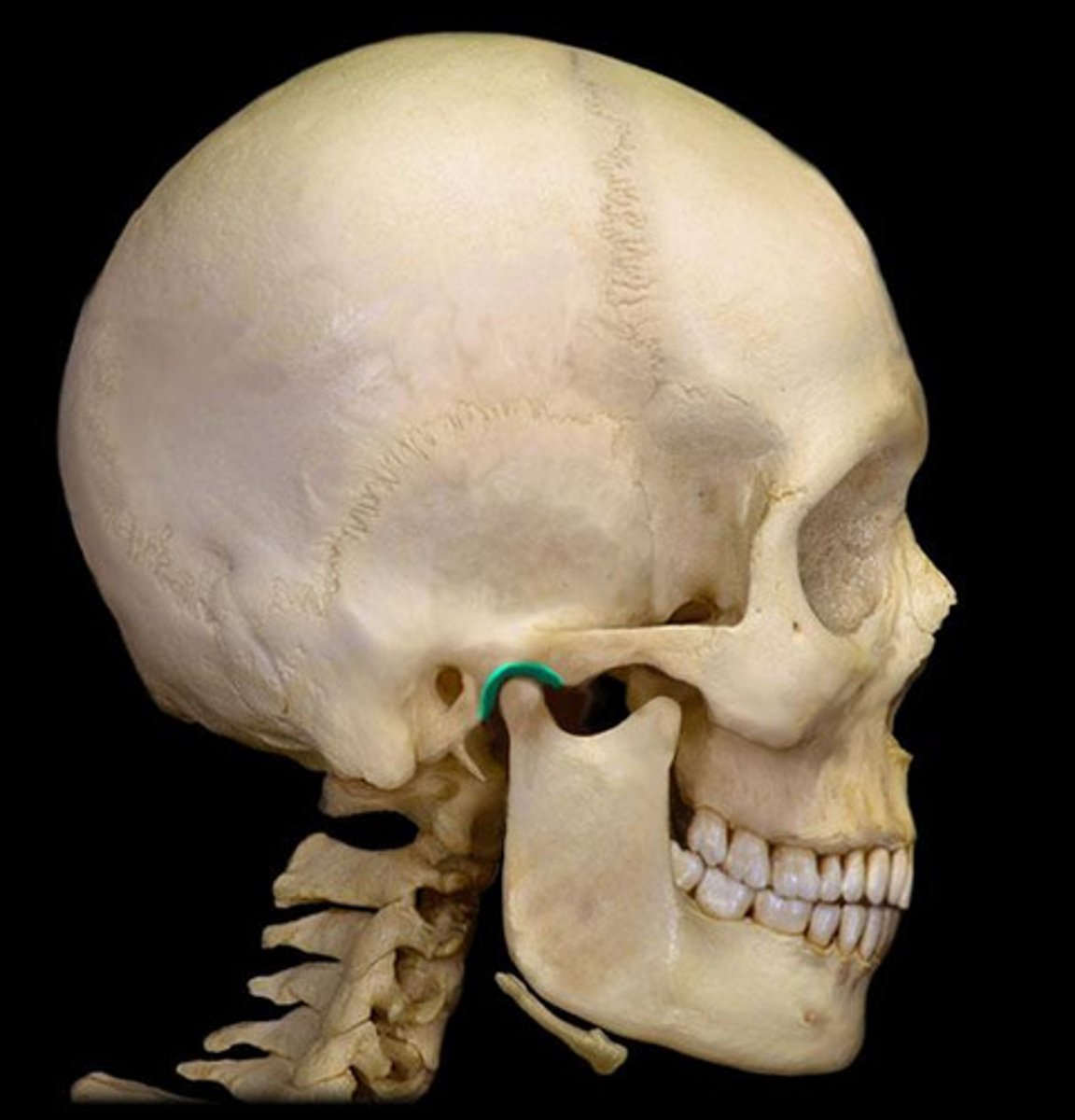
Zygomatic process
Projection of temporal bone
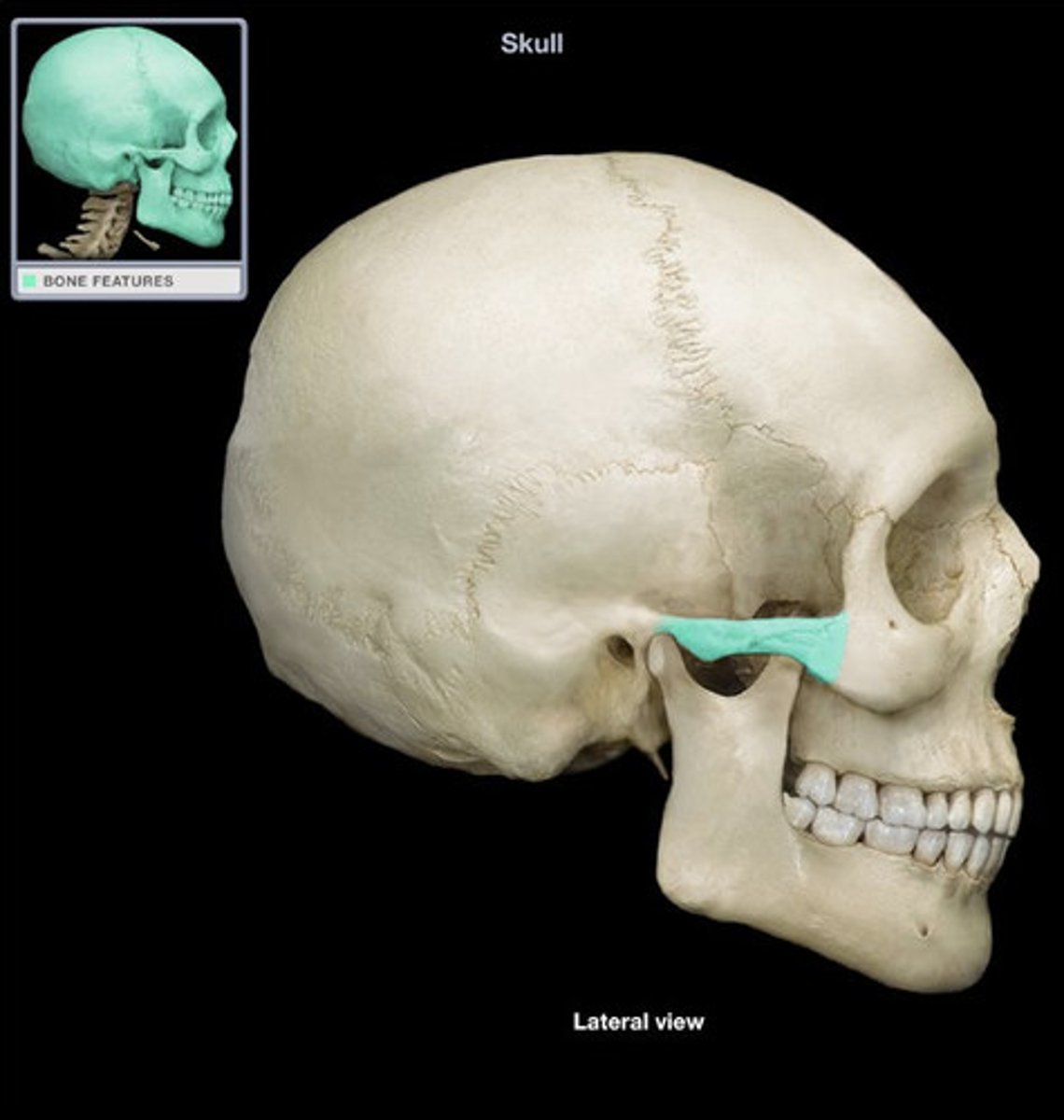
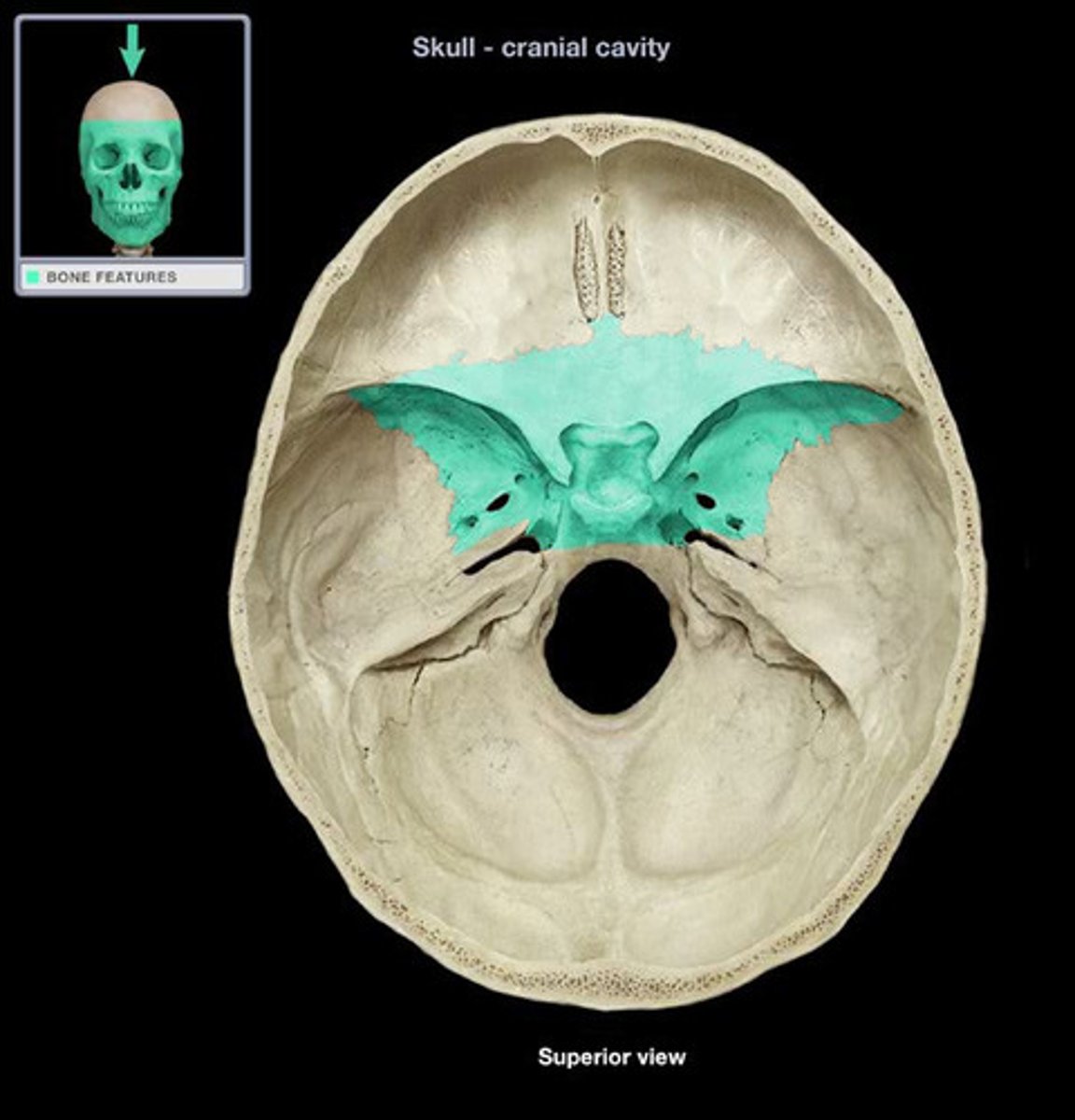
Sphenoid
Irregular bone on floor of cranium, looks like a 'bat'
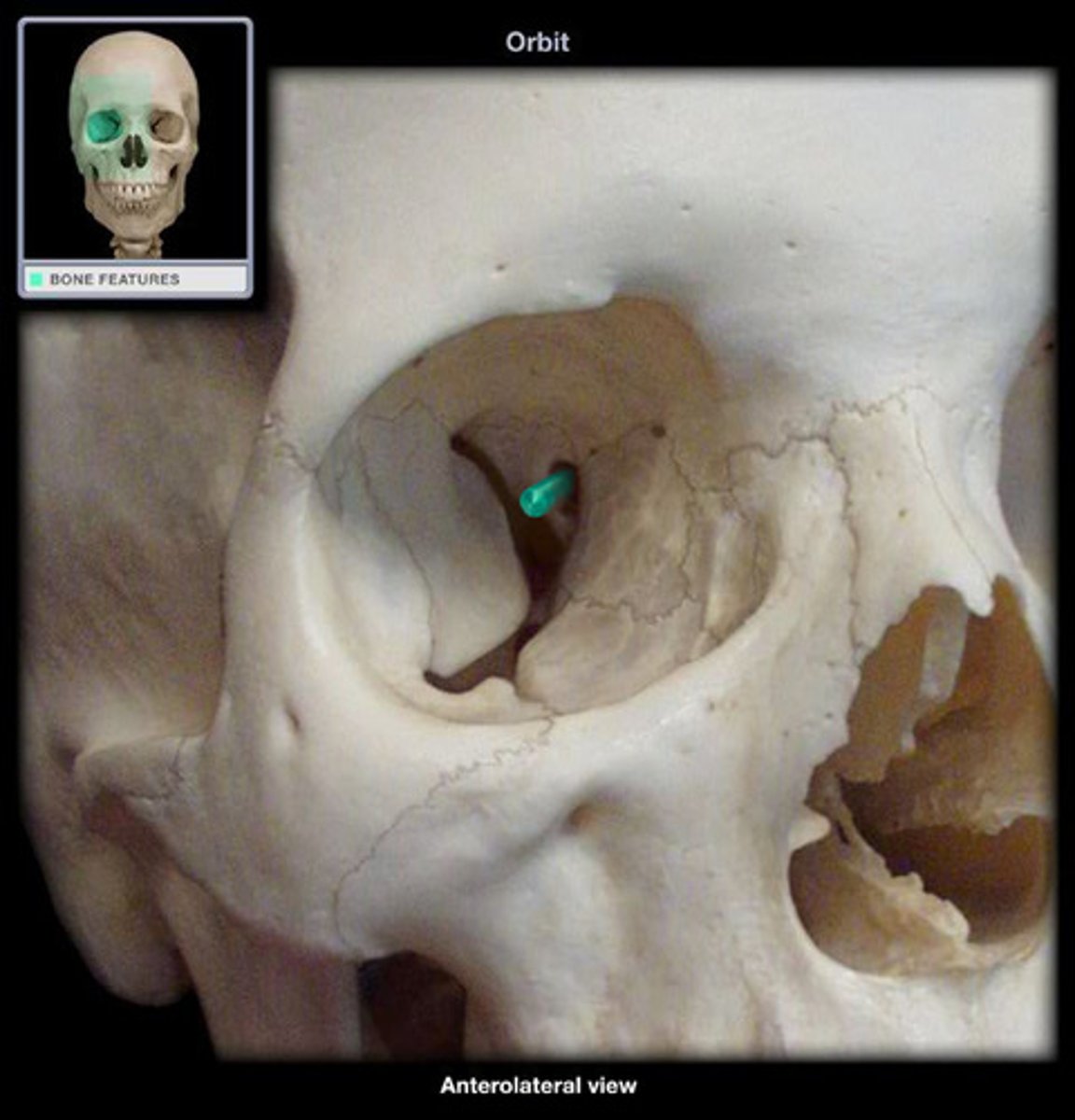
Optic foramen (canal)
Hole for the optic nerve to pass through towards each eye
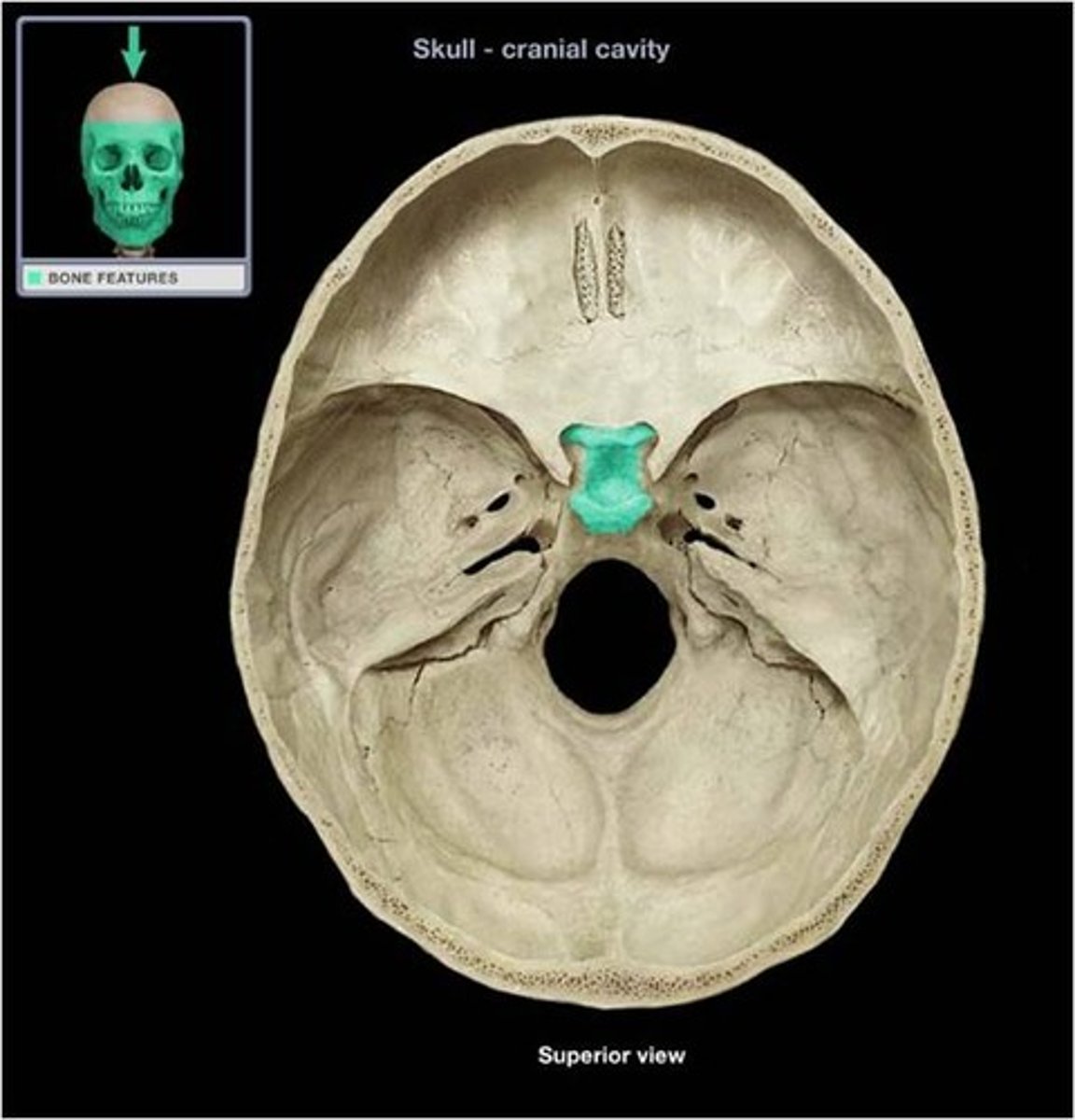
Sella turcica
Saddle like structure on superior surface (pituitary gland sits here)
 Note
Note  Flashcards (72)