Stravinsky Week 3
 Studied by 0 people
 Call Kai
 Learn
Learn Practice Test
 Spaced Repetition
 Match
Match Flashcards
 Knowt Play
1/13

There's no tags or description
Looks like no tags are added yet.
Name | Mastery | Learn | Test | Matching | Spaced | Call with Kai |
|---|
No analytics yet
Send a link to your students to track their progress
14 Terms
Le Sacre du Printemps
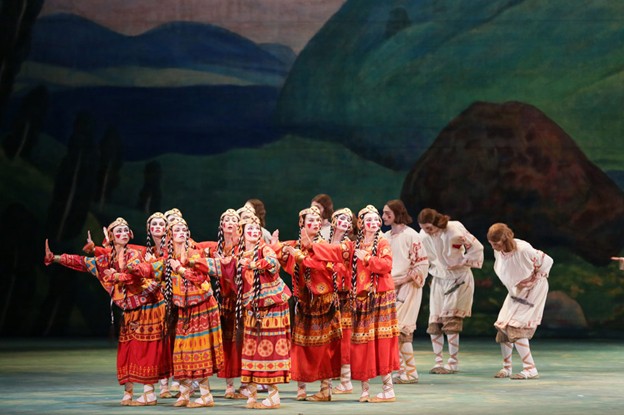
French name for Rite of Spring. This was the third ballet composed for Diaghilev (1913). Comes from primitive rituals celebrating the advent of spring; where a young girl is chosen as a sacrificial victim and dances herself to death. At its premiere, caused a riot and they set fire to the ballet house.
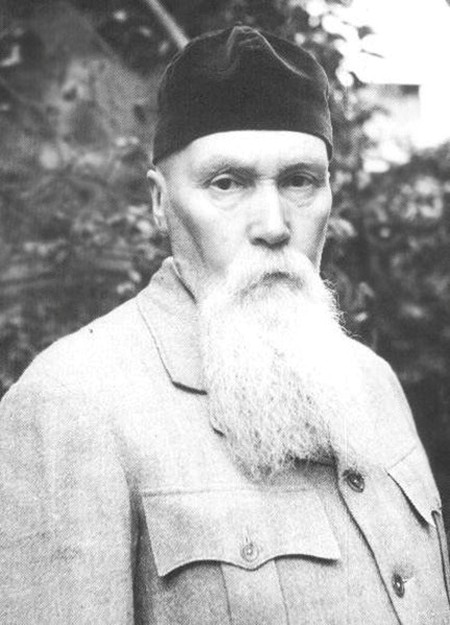
Nicholas Roerich
visionary who helped shape the idea and story of the Rite of Spring with Stravinsky
Pagan
a combination of multiple religious traditions that existed before major Christianity
Primitive
comes from the word meaning one, or singular. Means original, basic, archaic
Propitiate
to win favor to please someone
Le Roi des ètoiles
French name for a cantata by Stravinsky (1911). Also known as The Star-Faced One. The work is rarely performed because it has an extremely large orchestra. The piece was dedicated to Claude Debussy. Debussy thought the work was extraordinary as it was complex yet short
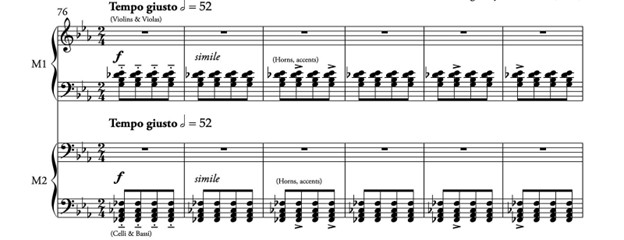
The Augurs of Spring
the famous section of the Rite of Spring that uses pounding, dissonant chords
Who did Stravinsky dedicate the Rite of Spring to?
Roerich
When and where was the Rite of Spring premiered?
1913, Paris in the Theatre des Champs-Elysées
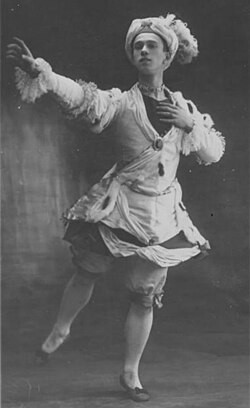
Vaslav Nijinsky
original choreographer for The Rite of Spring
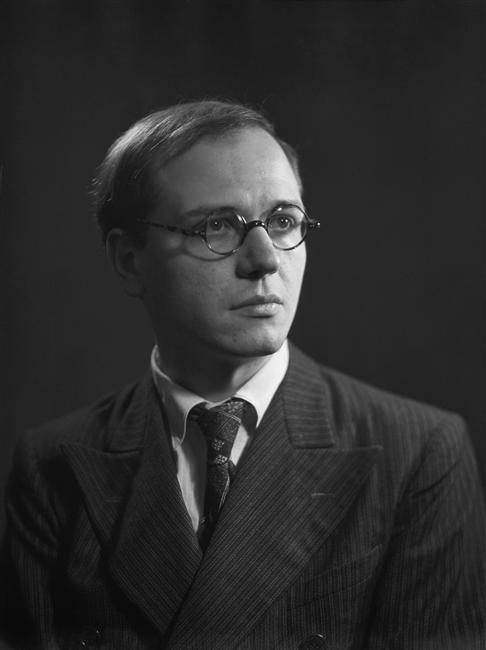
Olivier Messiaen
A French composer who was captured during WWII and placed in a concentration camp. While in the camp, he continued to compose and wrote The Quartet for the End of Time
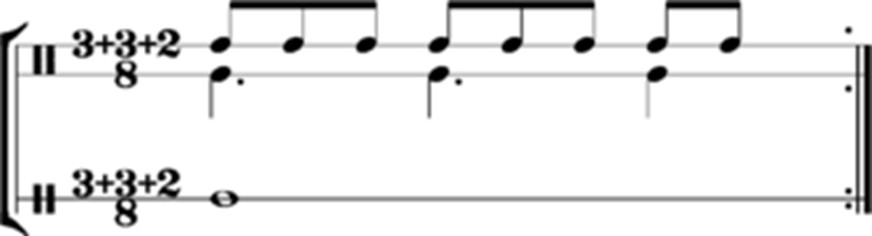
Additive Rhythm
used extensively by Messiaen, the idea comes from Indian music. Often uses asymmetrical meters that are broken into smaller units of uneven length.
Two Poems of Konstantin Balmont
A short song cycle by Stravinsky for voice and piano. It includes two songs: Forget-me-nots and The Dove.
What are the names of the two parts of the Rite of Spring?
Part 1: Adoration of the Earth; Part Two: The Sacrifice
 Note
Note  Flashcards (24)