BASIC MET (WINDS)
 Call Kai
 Learn
Learn Practice Test
 Spaced Repetition
 Match
Match Flashcards
 Knowt Play
1/99

There's no tags or description
Looks like no tags are added yet.
Name | Mastery | Learn | Test | Matching | Spaced | Call with Kai |
|---|
No analytics yet
Send a link to your students to track their progress
100 Terms
Sea Breeze
Comes from the sea, happens in the morning
Morning to afternoon
When does sea breeze usually happen?
Land breeze
Comes from land, happens in the evening, and goes to the sea
Evening
When does land breeze happen?
Valley Breeze
This follows from the valley to the mountain, usually happens in the morning
Morning to afternoon
When does valley breeze usually happen?
Mountain breeze
Happens in the evening, follows from the mountain going to the valley
Evening
When does mountain breeze happen?
decreases
The barometric pressure (increases/decreases) in a low pressure area
increases
The barometric pressure (increases/decreases) in a high pressure area
Pressure gradient force
“High pressure goes to low pressure”
Coriolis force
Force acting perpendicular to the direction of motion
Centrifugal force
Another name for coriolis force
In high pressure area, coriolis force & centrifugal force is greater than pressure gradient force
In low pressure area, pressure gradient force is greater than coriolis force
Explain the forces in high pressure & low pressure area
Friction force
This force happens below 2000 feet AGL
Water Vapor
Condensation Nuclei
Lifting Action
Drop in temperature
Requirements to form clouds
Clouds
These are visible aggregate of tiny water droplets or ice crystals suspended in the air
Surface heating and free convection
Uplift along topography
Widespread ascent due to convergence of surface air
Uplift along weather fronts
Cloud breakage
cloud formation
Sun heats up, air travels upward, which creates clouds (ITCZ)
Explain Surface heating and free convection
Sea breeze pushes the winds upward, hits the condensation level, which creates clouds
Explain Uplift along a topography
Air collides, when it hits, it create clouds
Explain Widespread ascent due to convergence of surface air
Air pushes itself upward, which creates clouds (hot air goes up to cold)
Explain Uplift along weather front
Cloud breaks, it separates itself, which creates clouds
Explain Cloud breakage
High clouds
Middle clouds
Low clouds
Clouds with vertical development
4 types of clouds
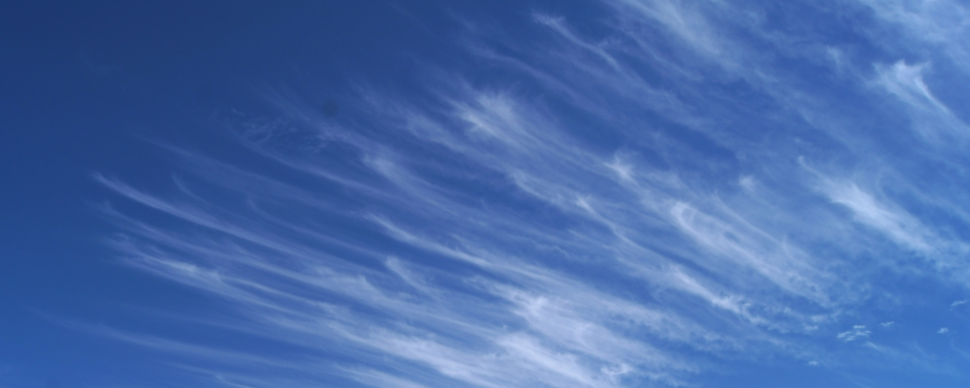
Cirrus Clouds (Ci)
it’s feathery
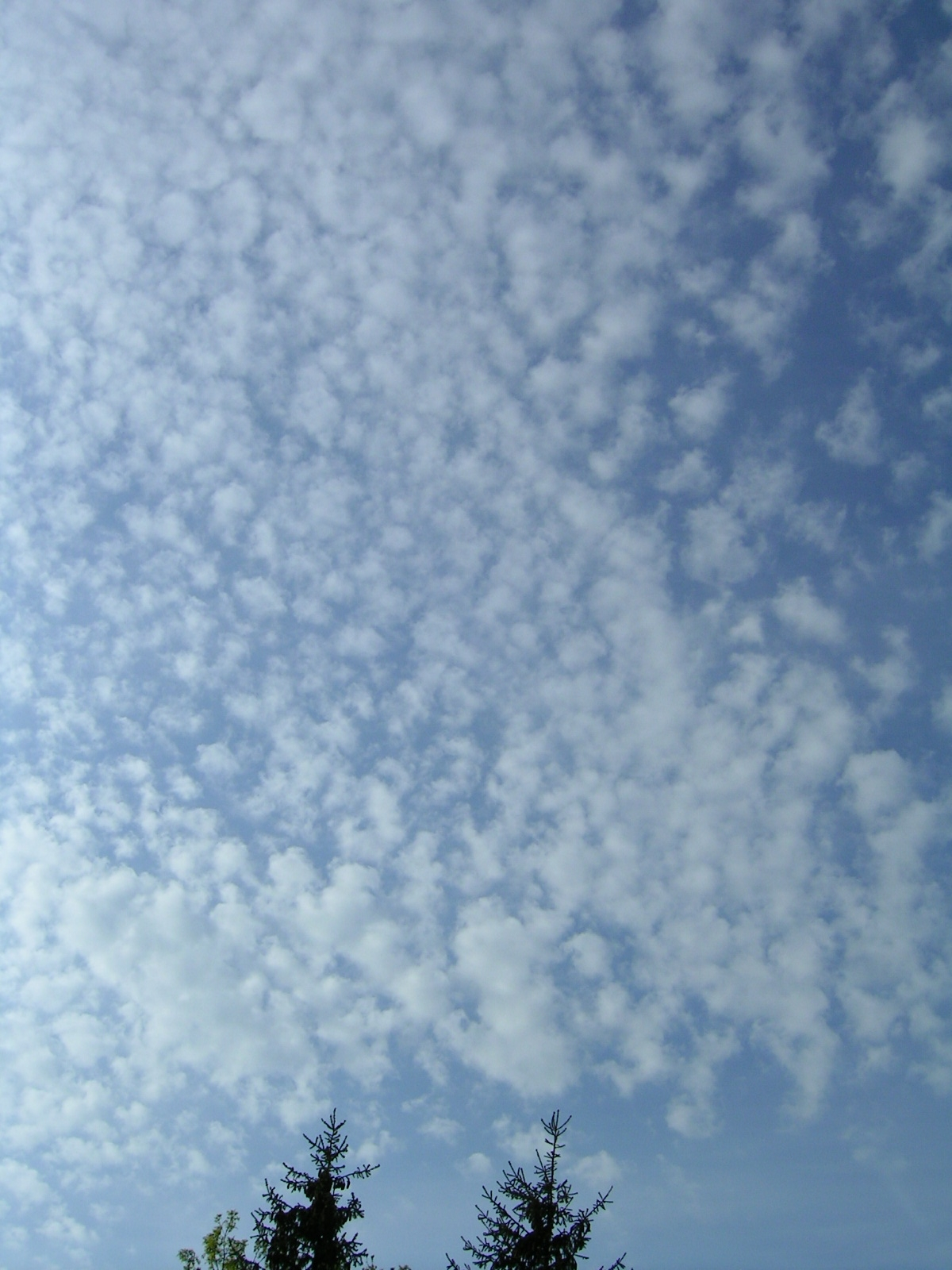
Cirrocumulus clouds (CC)
like cotton balls
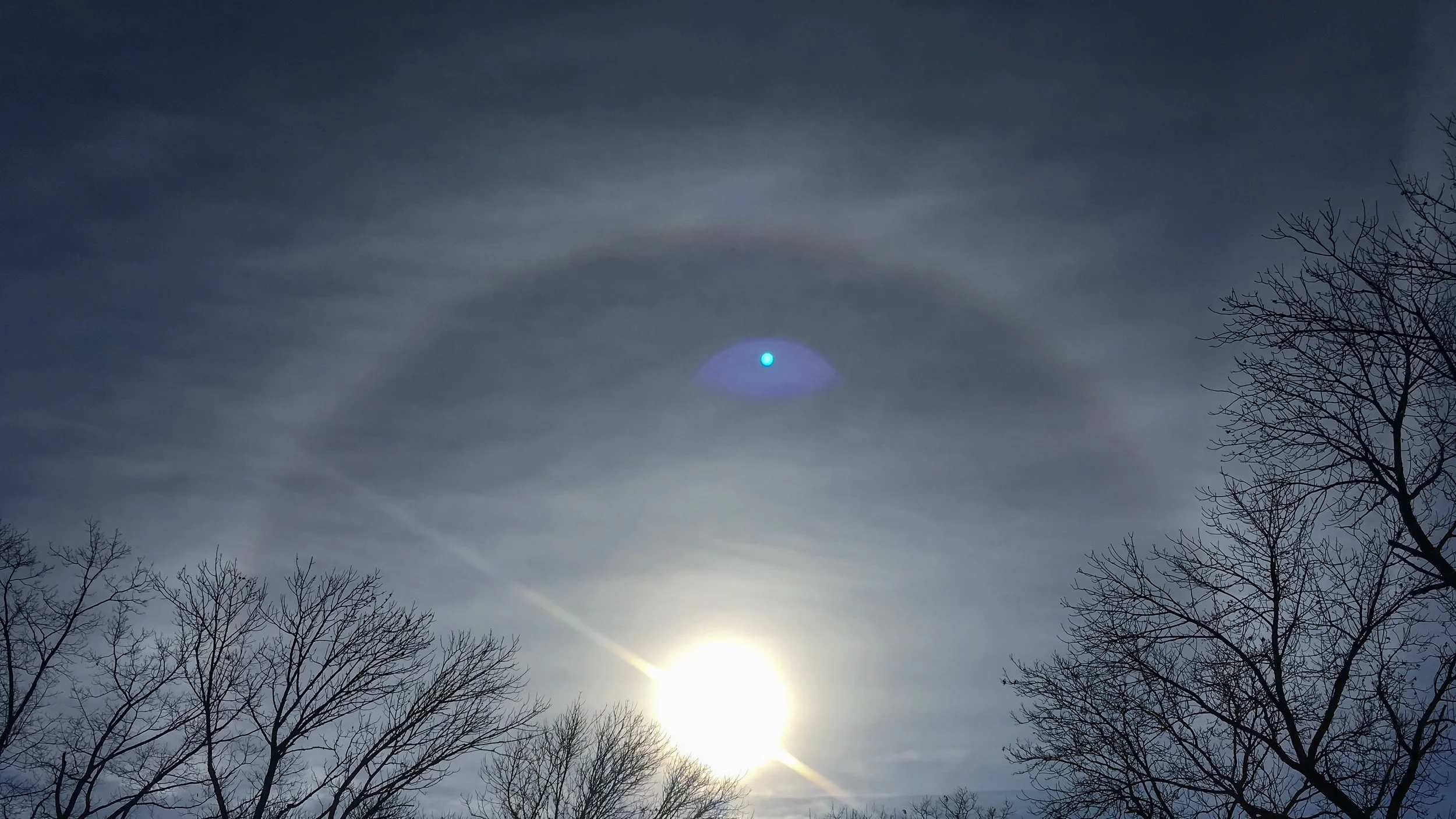
Cirrostratus Clouds (CS)
very thin covered layer of cloud (big area)
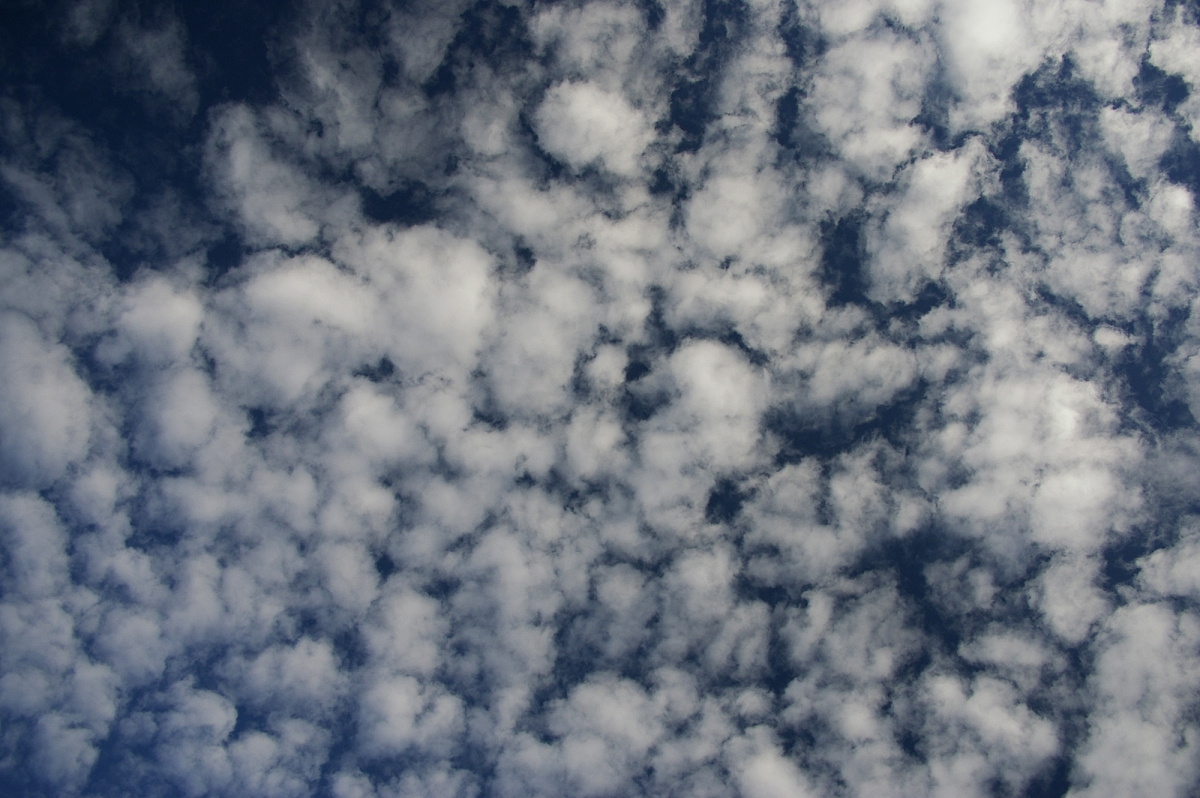
Altocumulus clouds (Ac)
Like cotton, but bigger
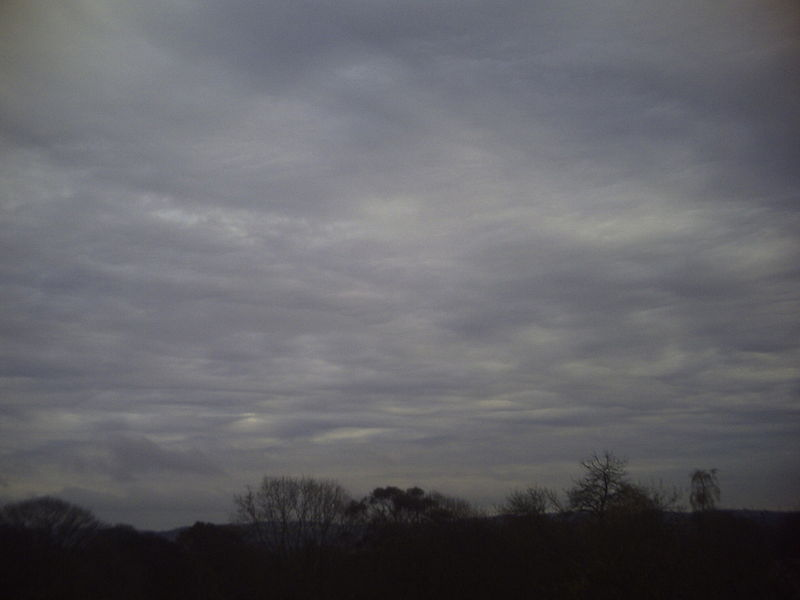
Altostratus clouds (As)
like cirrocumulus, but thicker
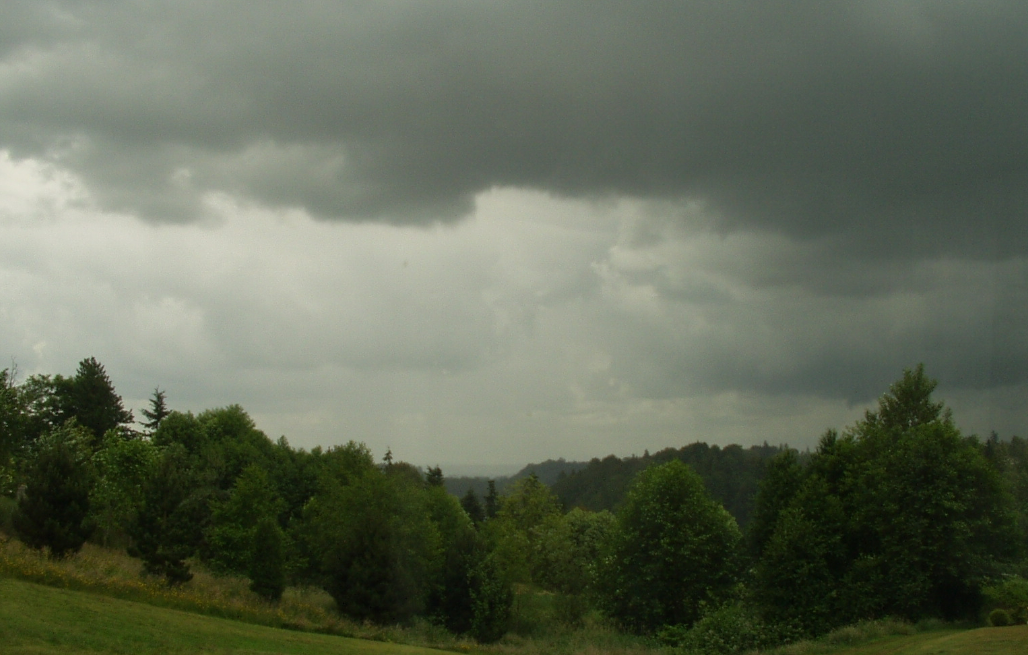
Nimbostratus clouds (Ns)
heavy clouds
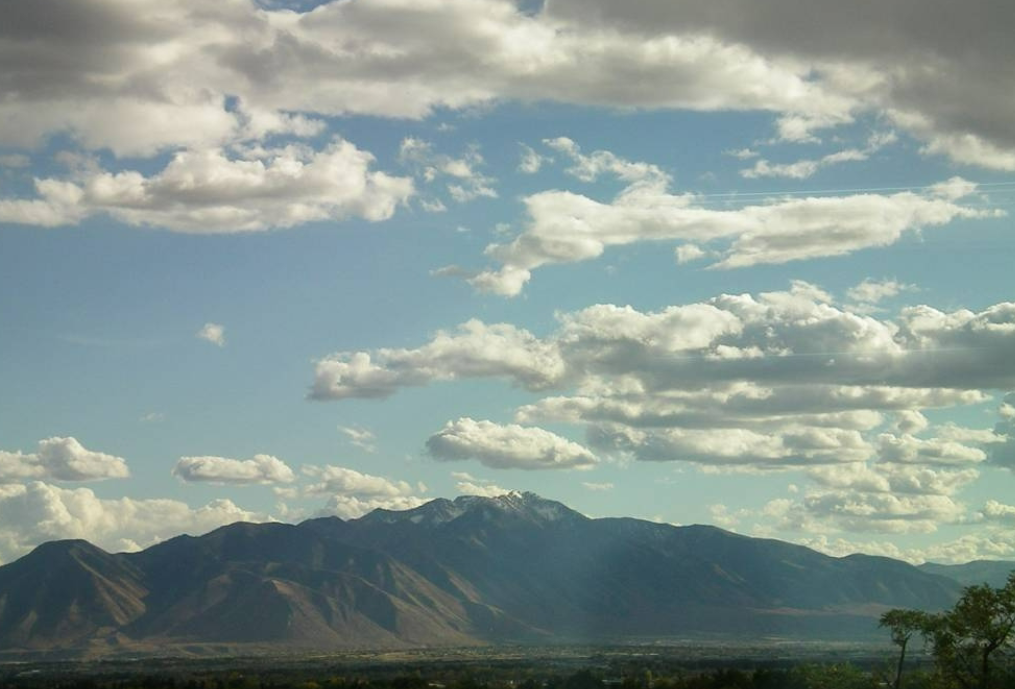
Stratocumulus clouds (SC)
like cumulus, but wider
Stratus clouds (ST)
wider, flatter, near surface
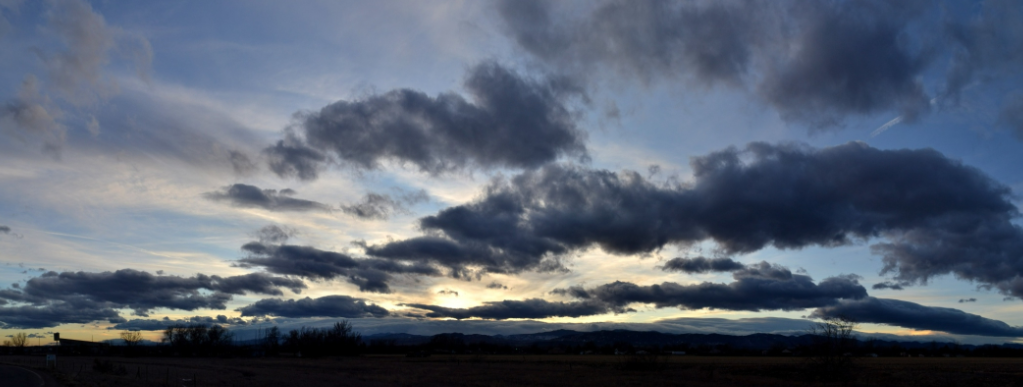
Cumulus Humilis
Cumulus Congestus
Cumulus Fractus
Cumulonimbus
Cumulus clouds (4 types)
Cumulus Humilis (CU HUM)
one we draw as a kid
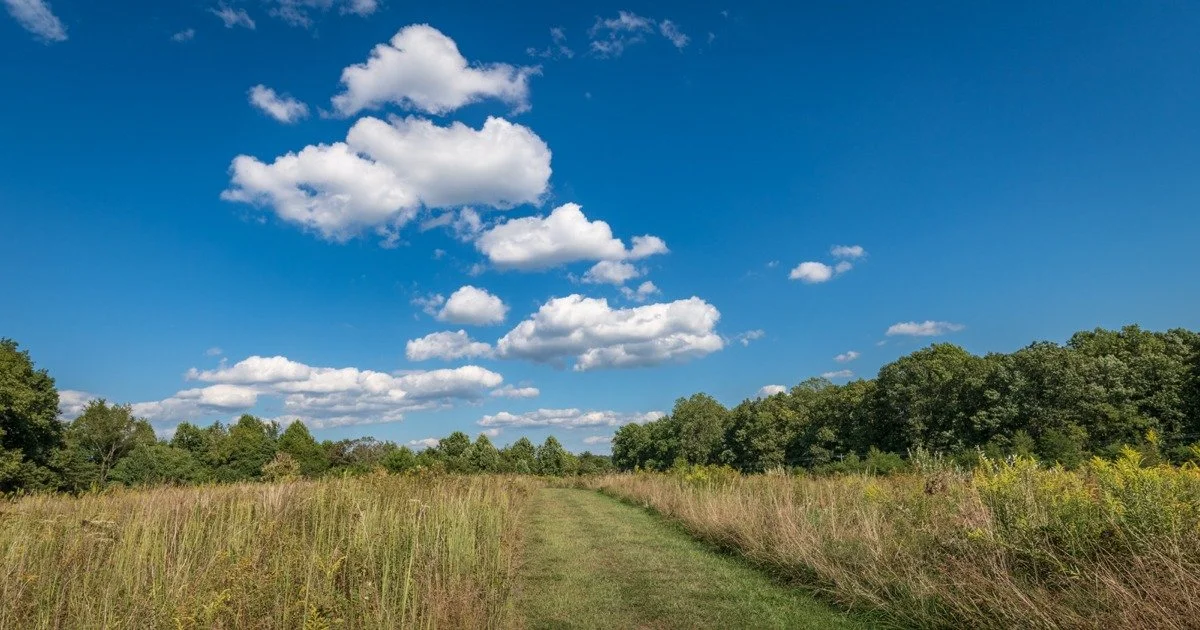
Cumulus Congestus (TCU)
like a cauliflower
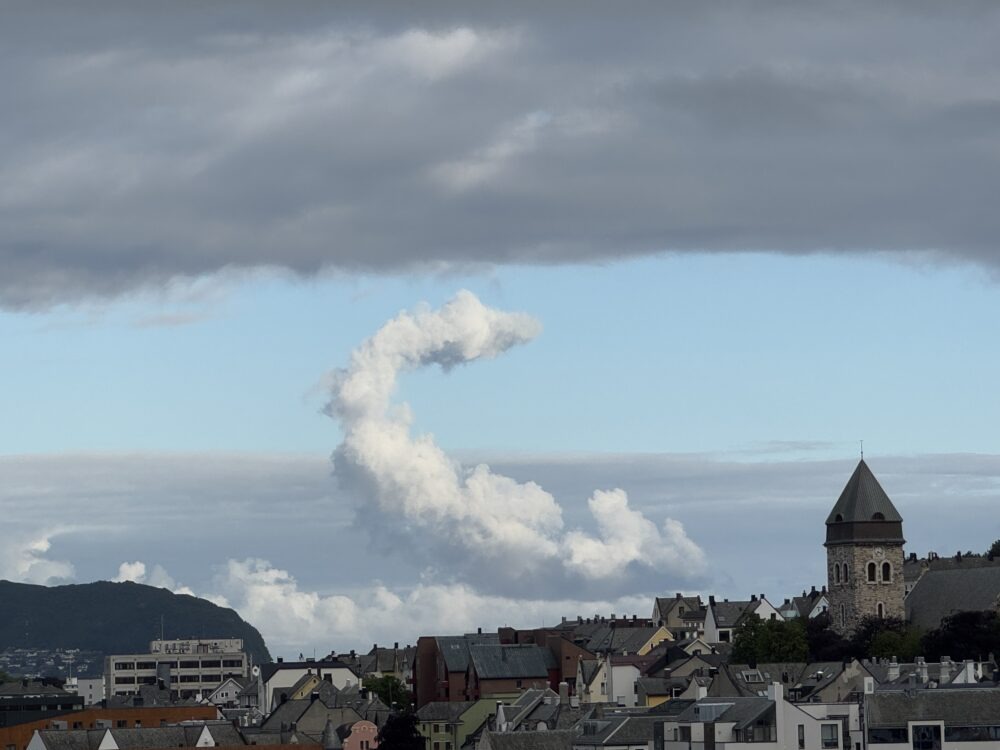
Cumulus Fractus (CUFRA)
cotton balls that you pinch
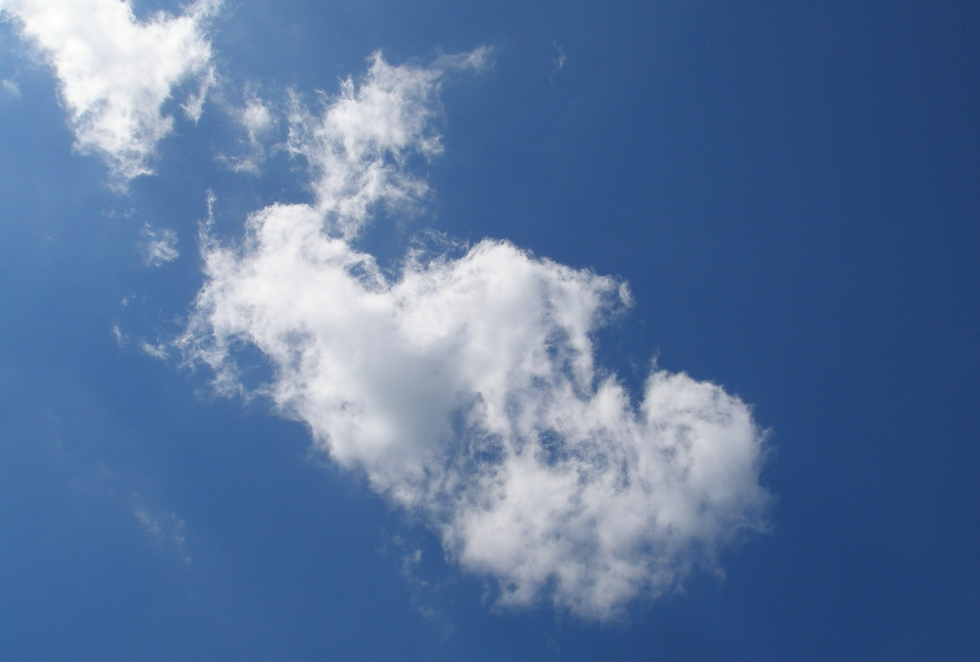
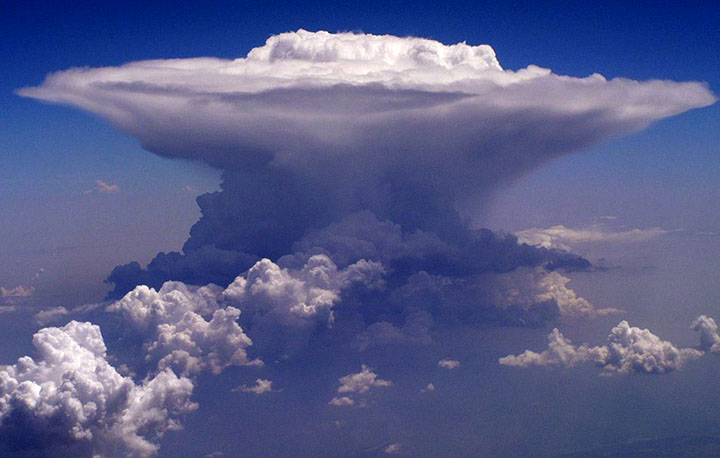
Cumulonimbus (CB)
like an anvil
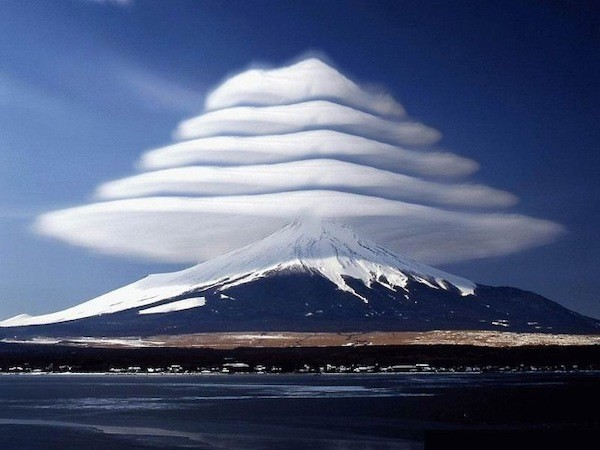
Lenticular clouds
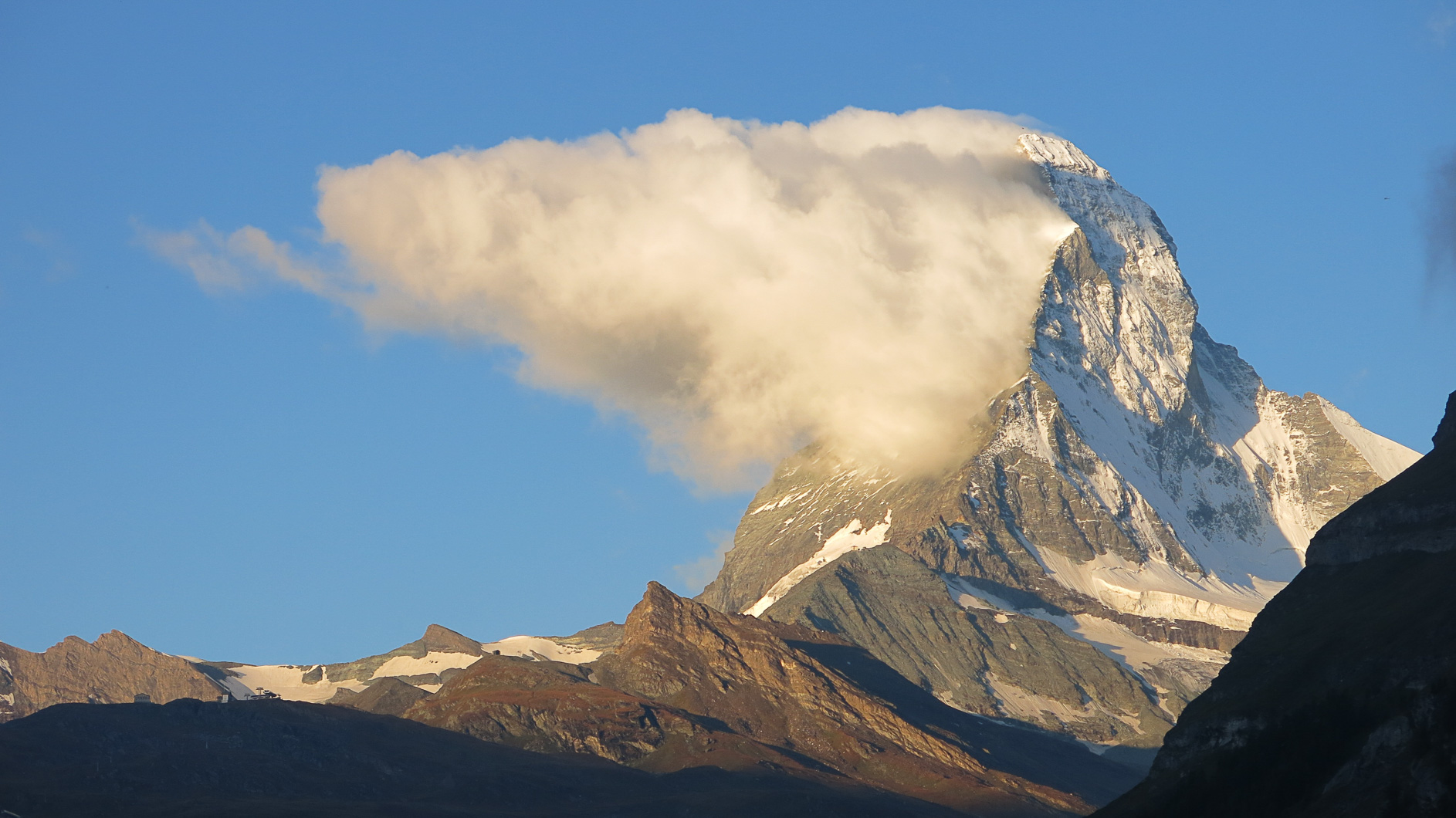
Banner clouds
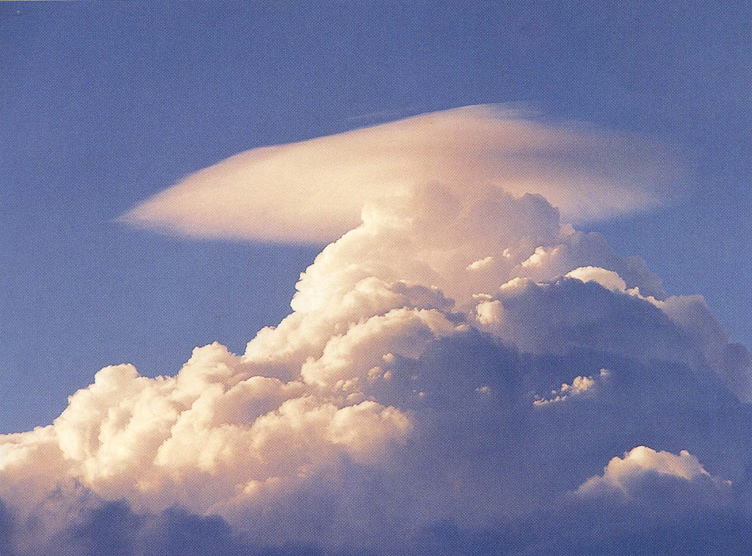
Pileus/Cap Cloud
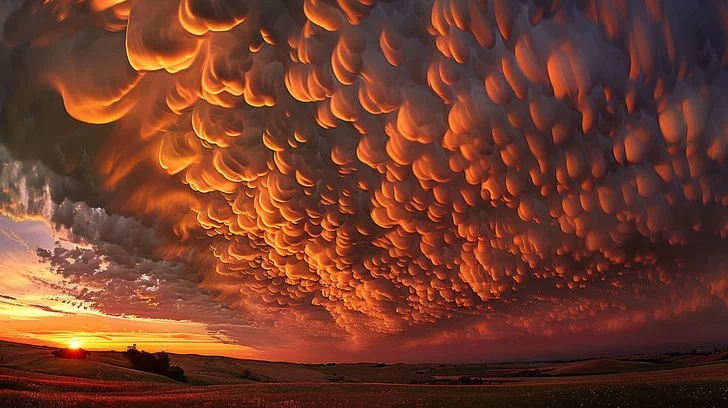
Mammatus clouds
circles
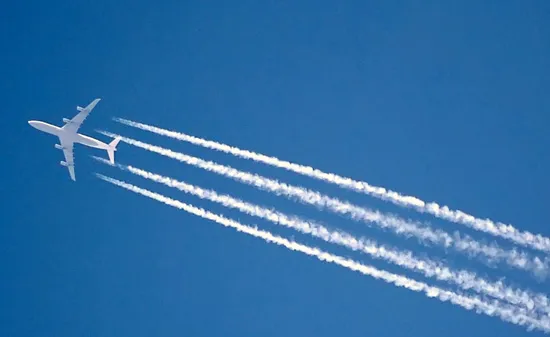
contrail clouds
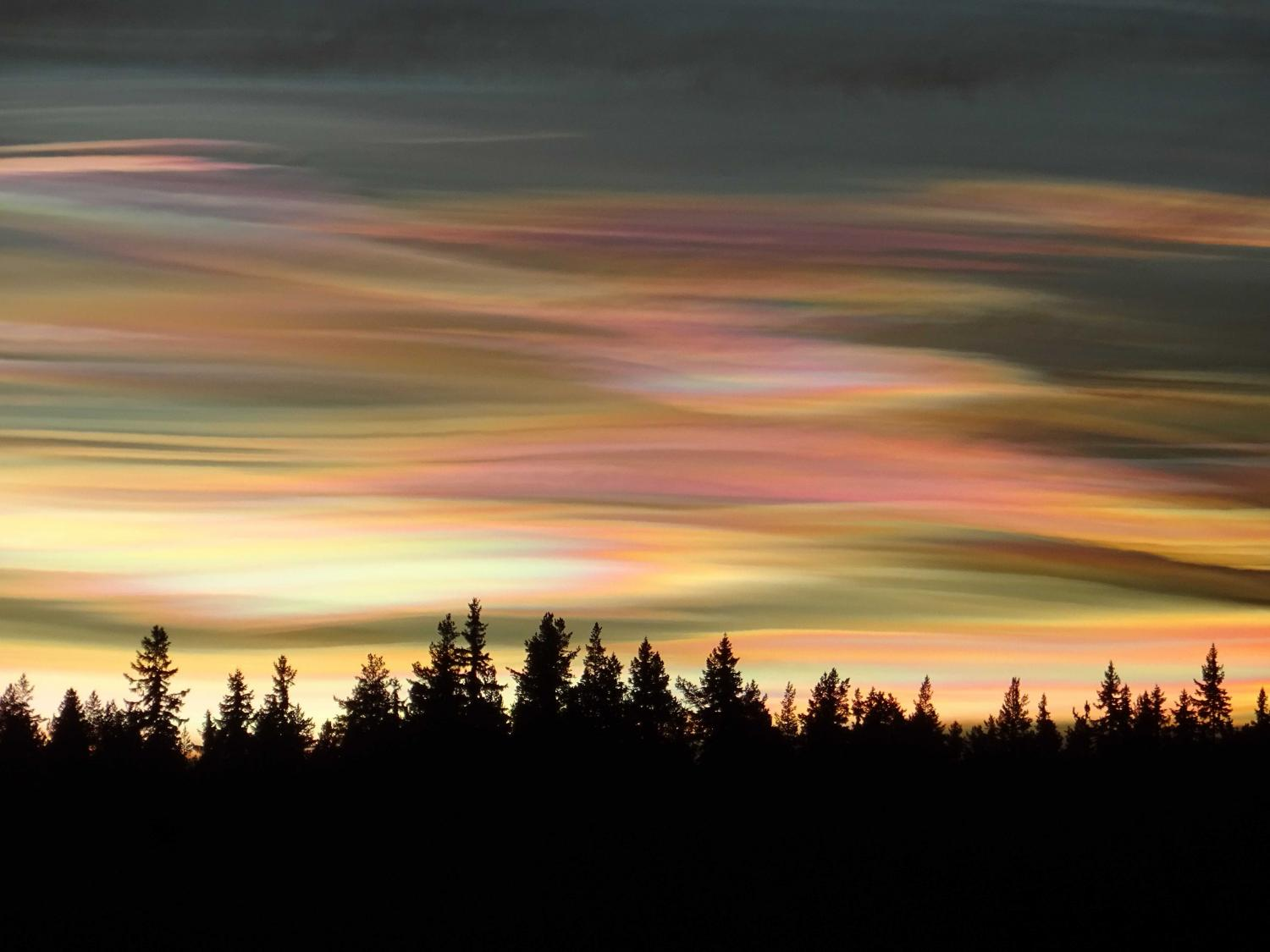
nacreous clouds
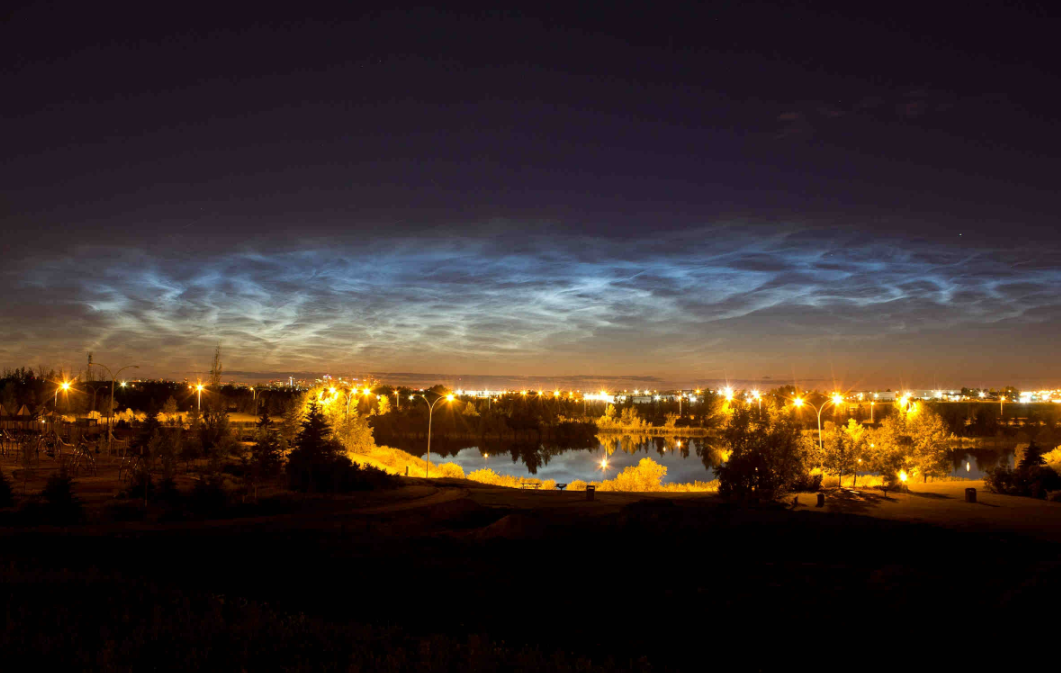
noctilucent clouds
Pressure gradient force
the force which results when there is a difference in pressure across a surface.
Coriolis force
effect whereby a mass moving in a rotating system experiences a force
3300 feet AGL
Clouds with vert dev altitude
tropical - surface to 6500 ft
middle - surface to 6500 ft
polar - surface to 6500 ft
Low clouds AGL altitude
tropical - 6500 to 26000
middle - 6500 to 23000
polar - 6500 to 13000
middle clouds altitude
tropical - 20000 to 60000
middle - 16000 to 43000
polar - 10000 to 26000
high clouds altitude
cirrus
cirrocumulus
cirrostratus
examples of high clouds
altocumulus
altostratus
example of middle clouds
nimbostratus
stratocumulus
stratus
example of low clouds
cumulus humilis
cumulus fractus
cumulus congestus
cumulonimbus
examples of clouds with vert dev.
Fog
A thich cloud of tiny water droplets suspended in the atmosphere or near the surface
Ground fog
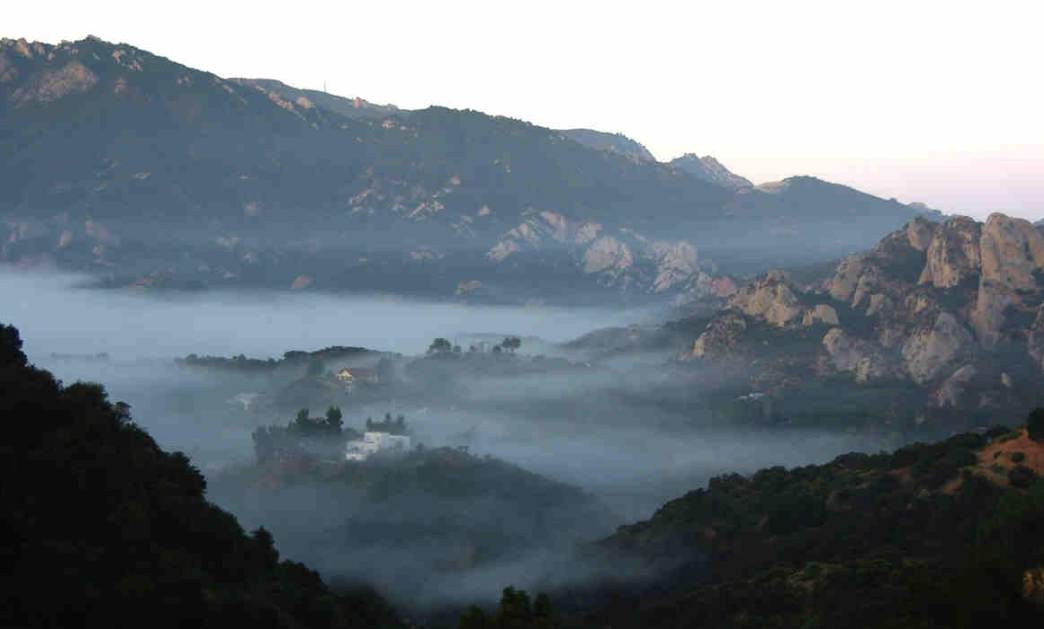
Ground fog
usually fog located in the morning, near the ground
Advection fog

Ice fog
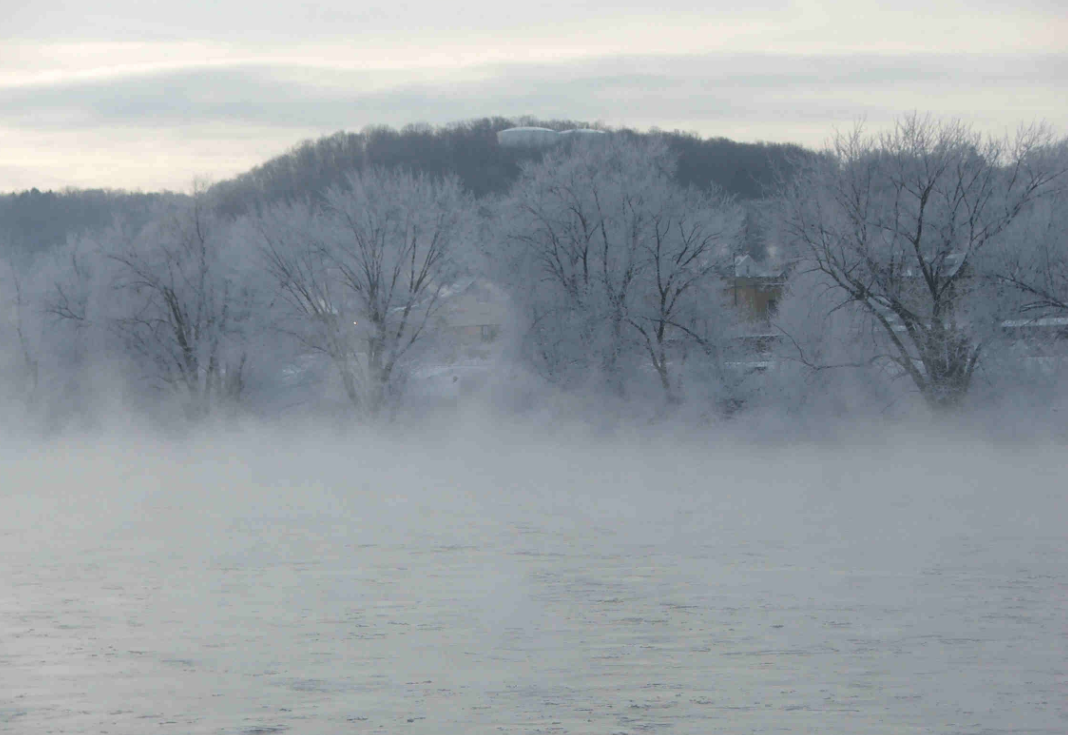
Upslope fog
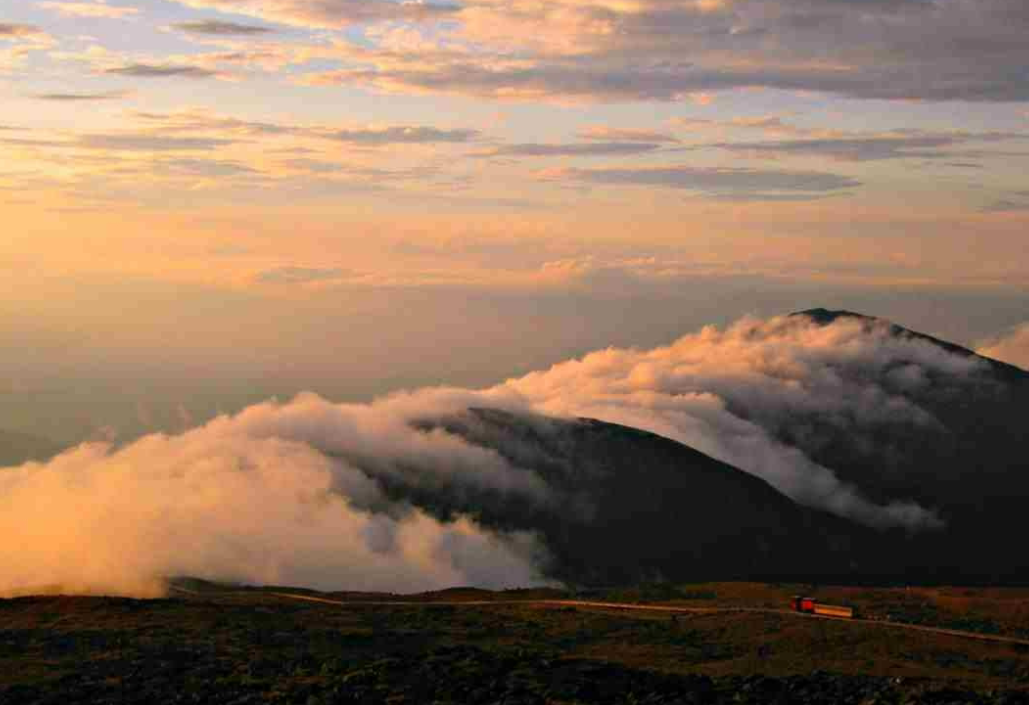
steam fog
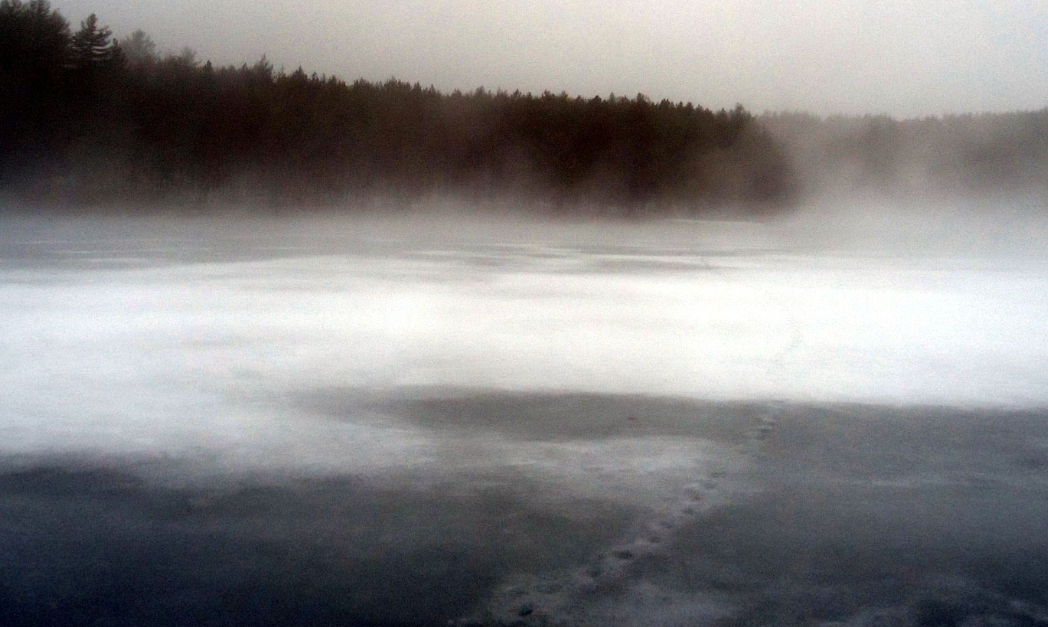
Precipitation fog
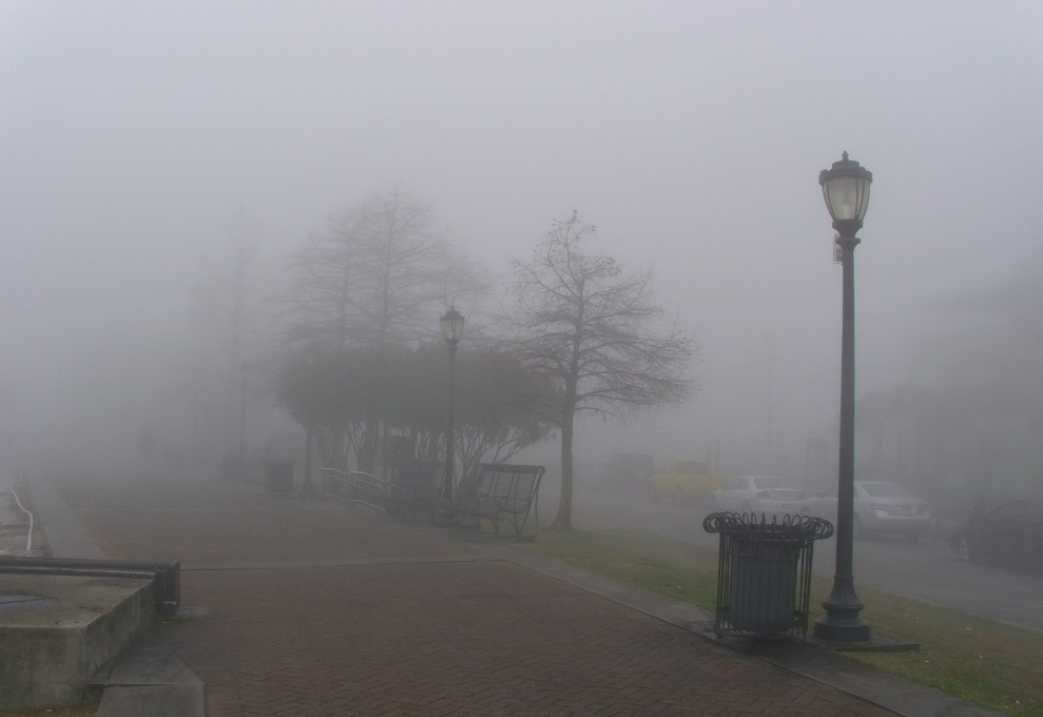
atmospheric stability
Measure if atmosphere tendency to encourage or deter vertical motion
Stable Atmosphere
Neutral Atmosphere
Unstable Atmosphere
3 types of atmospheric stability
Stable atmosphere
air rises, inside air is it sinks back down
Neutral atmosphere
air rises up, outside air is same to the inside, it doesnt fall down
Unstable atmosphere
hotter outside than inside, it keeps on rising up
relative humidity
amount of water vapor present in air expressed as a percentage of amount needed for saturation
actual vapor pressure (content)/saturation vapor pressure (capacity)*100
relative humidity formula
dew point temperature
temperature to which the air would have to cool to reach saturation
lesser
dew point far from each other, what happens to humidity?
humidity goes to 100%
dew point and temperature equal, what happens to humidity?
temperature inversion
reversal of the normal decrease of air temperature with altitude, or of water temperature with depth
Thermal inversion - air cools in the bottom, heavier, air stays in the bottom
Advection inversion - moving air goes to a certain direction, comes from the sides
Subsidence inversion - comes from the top, warm air trues to push itself down, but it doesn’t really go down
types of temperature inversion
ordinary cell thunderstorm
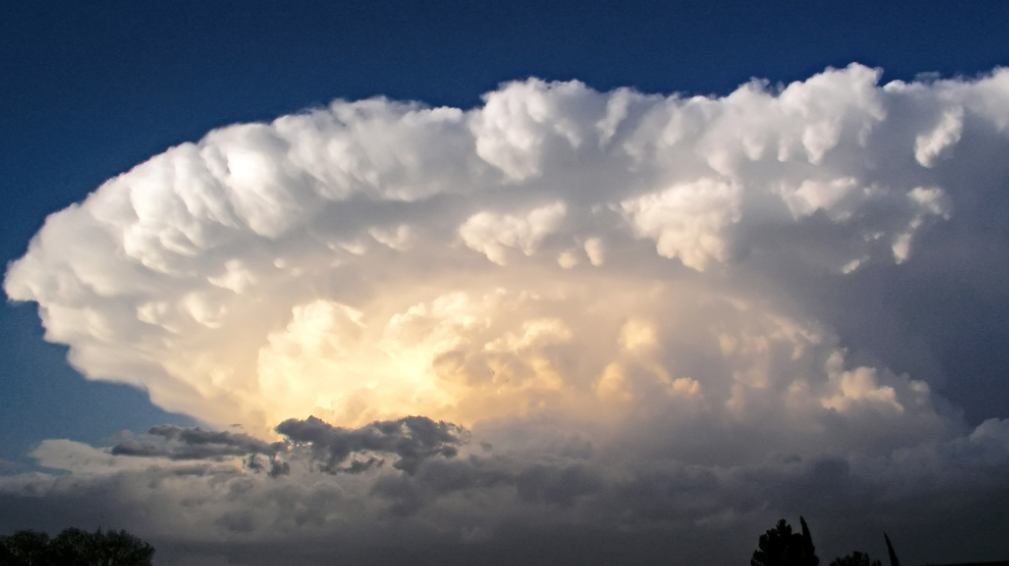
multi cell thunderstorm
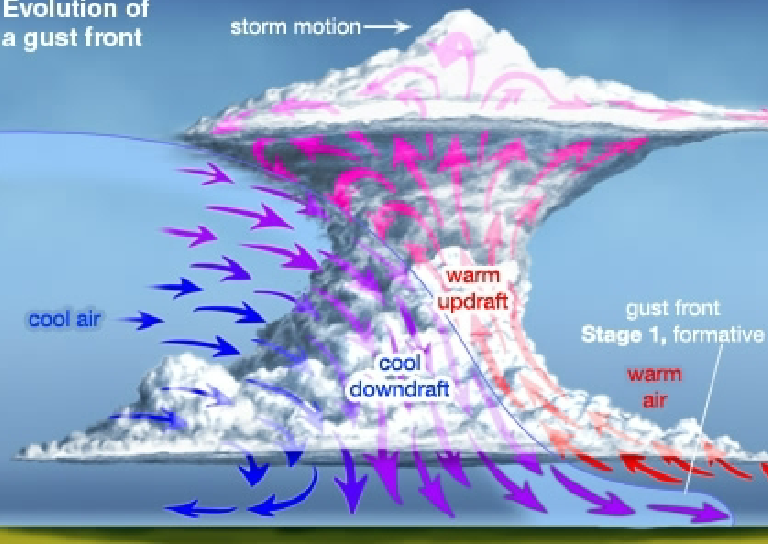
supercell thunderstorm
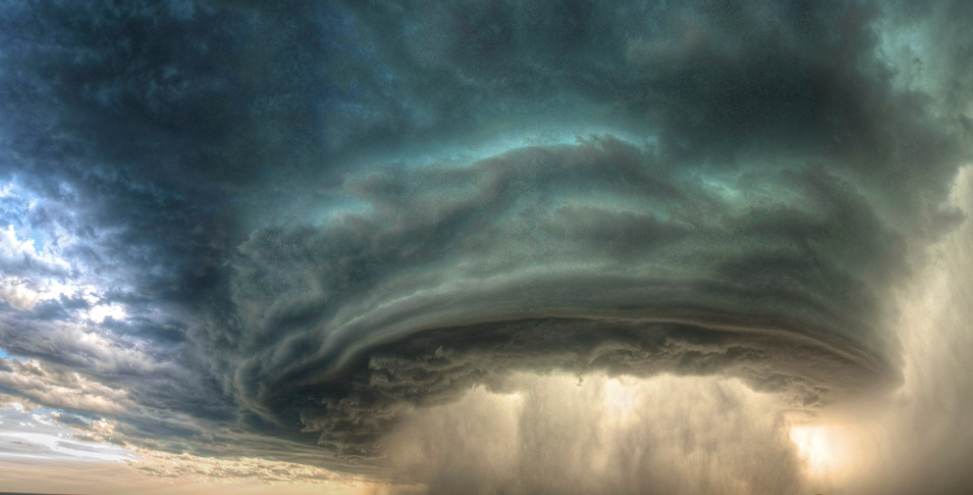
squall line
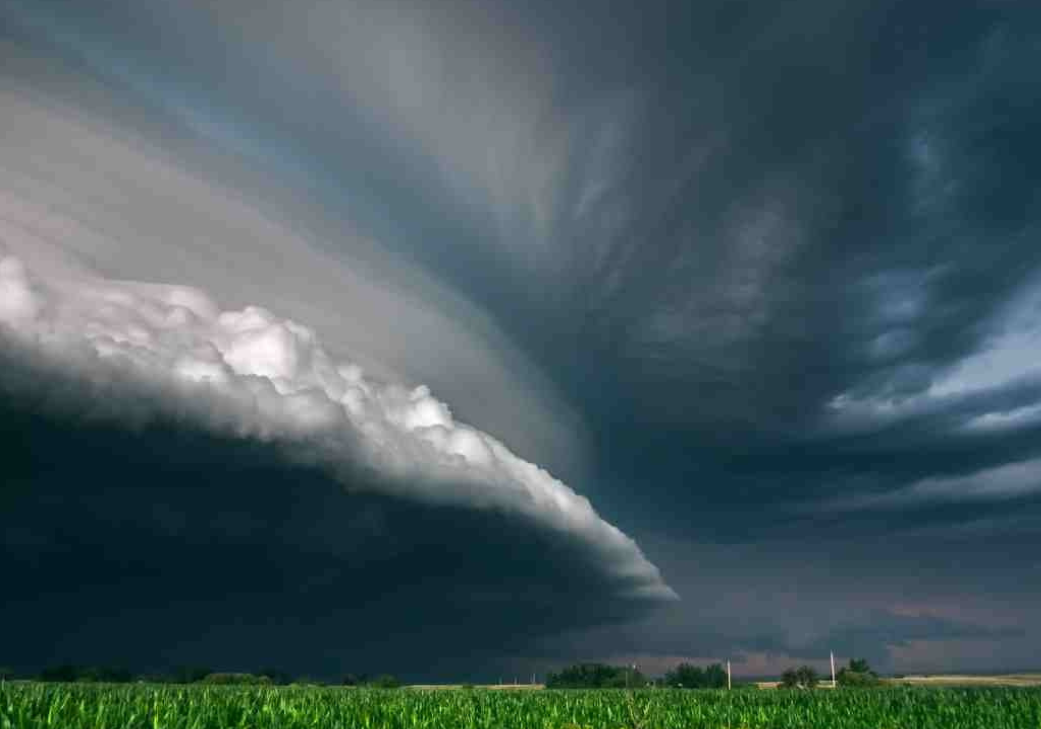
haze
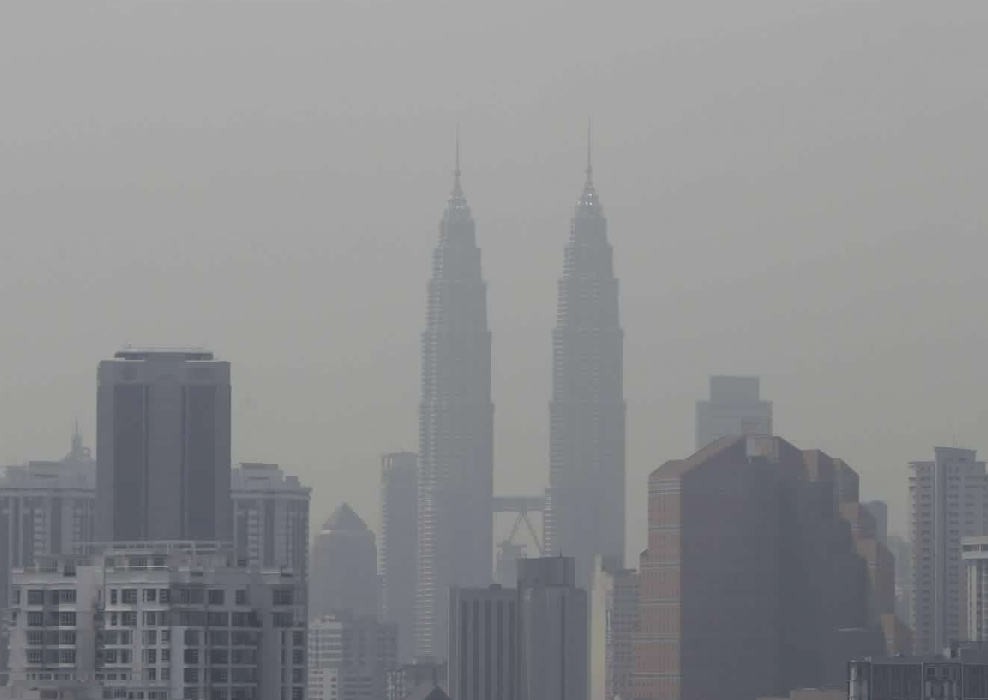
microbursts
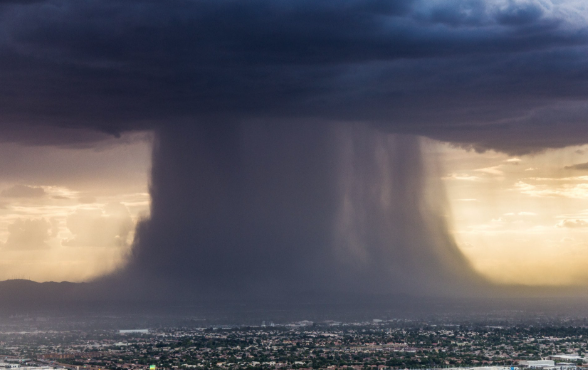
smoke
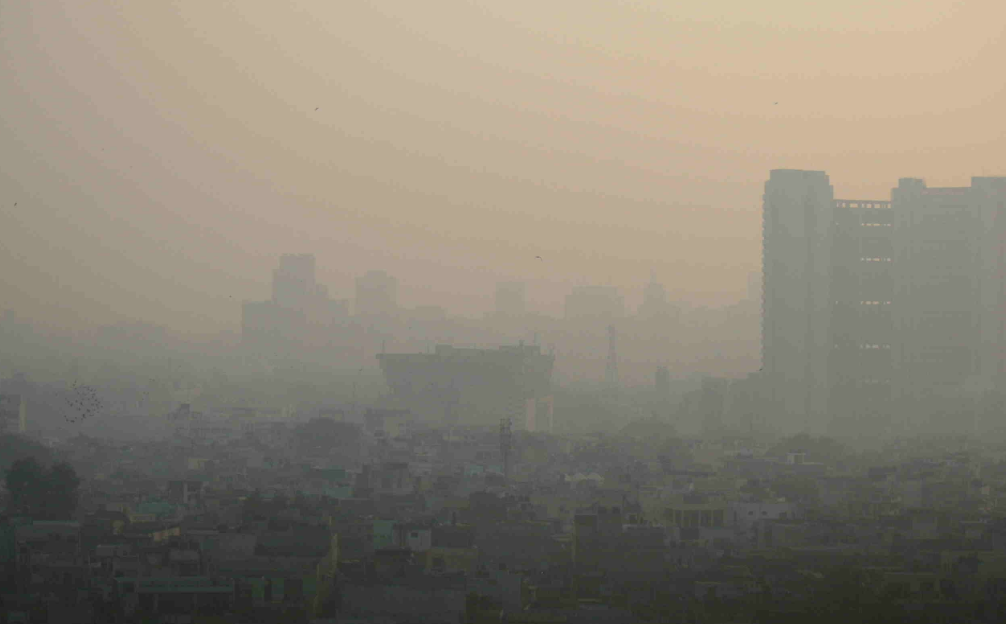
smog
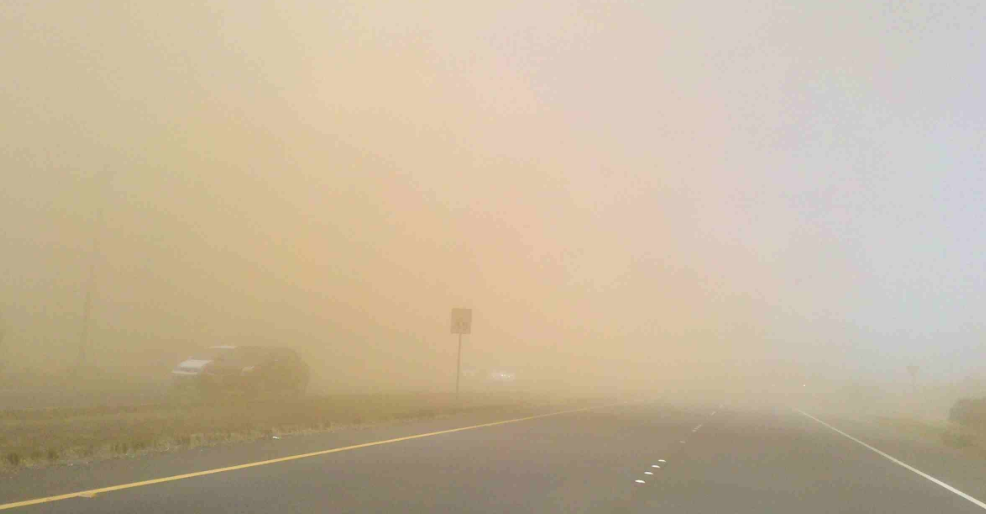
dust
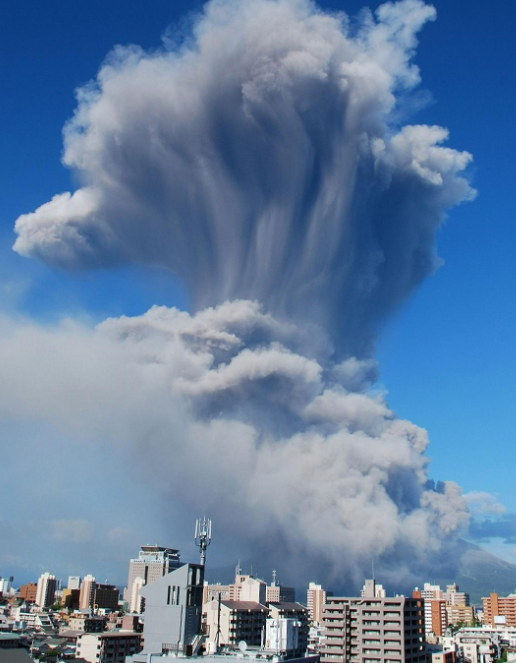
volcanic ash
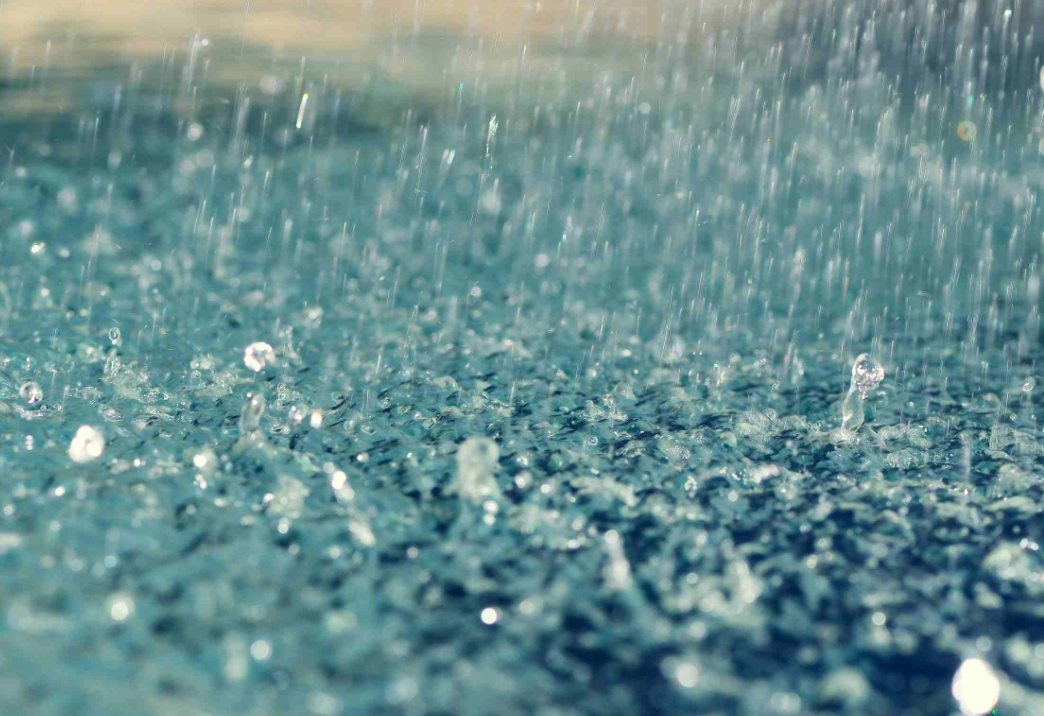
rain
drizzle
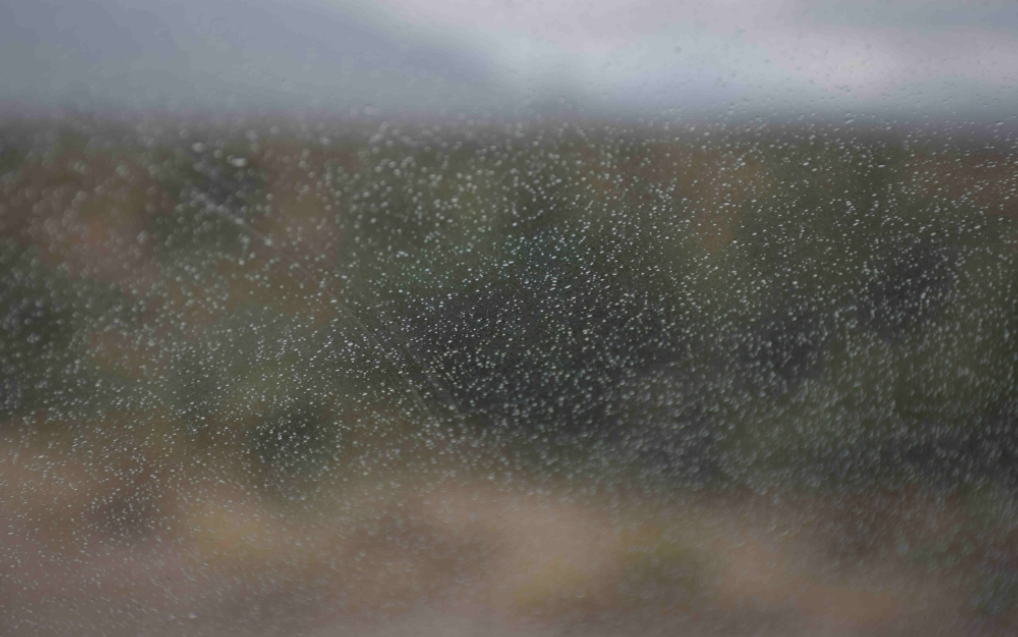
virga
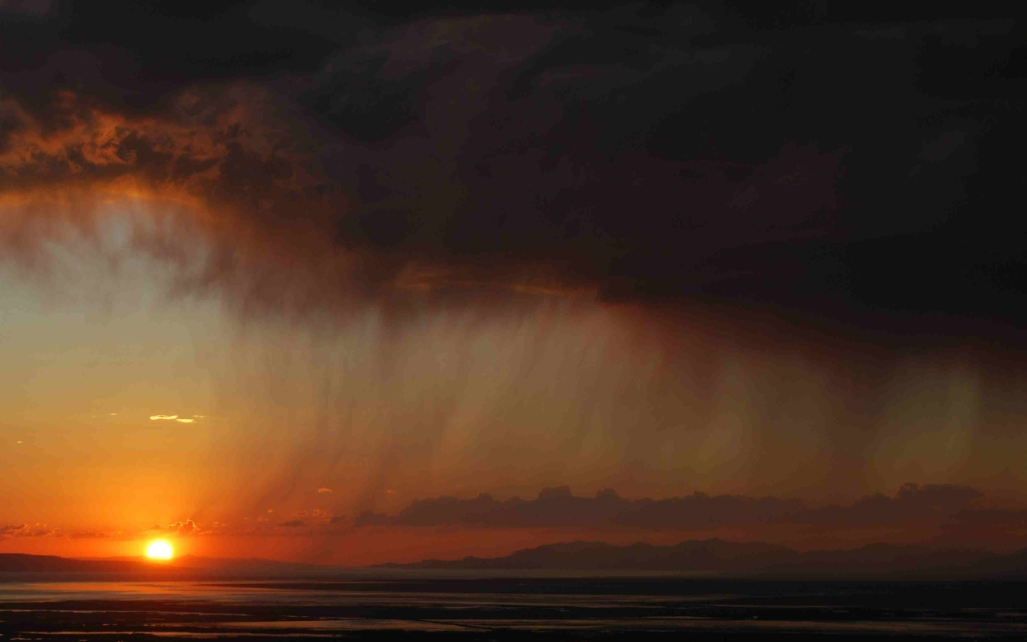
fallstreak
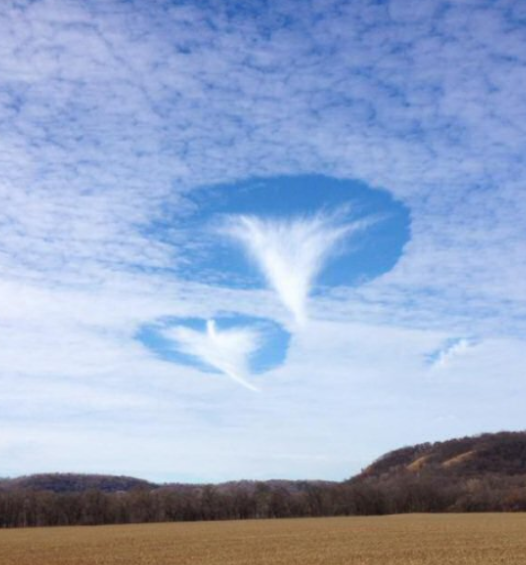
flurries
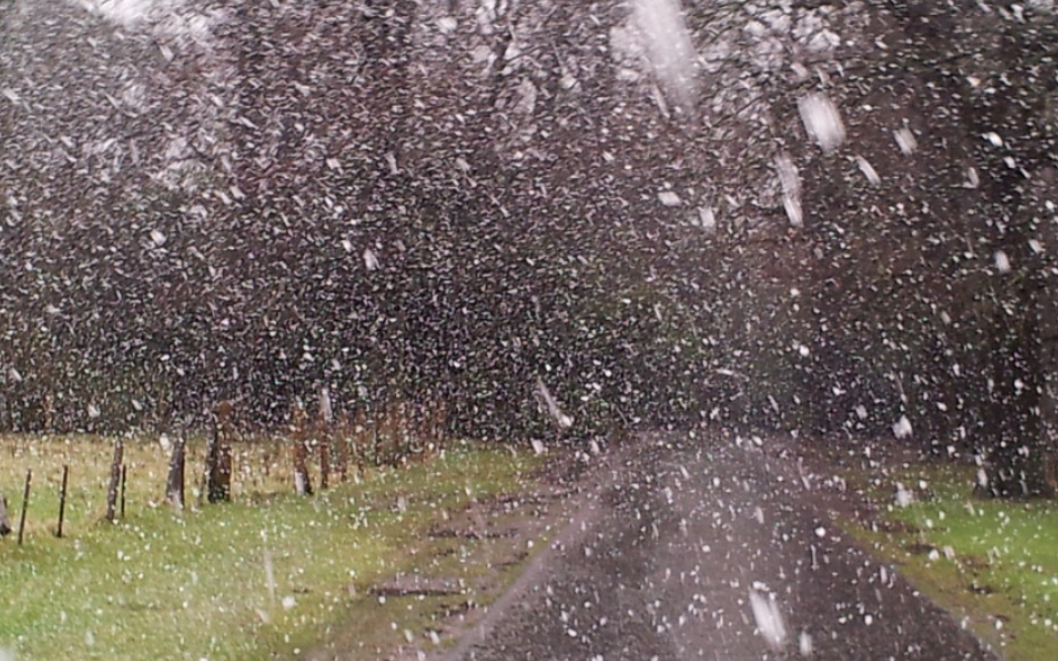
snowsquall
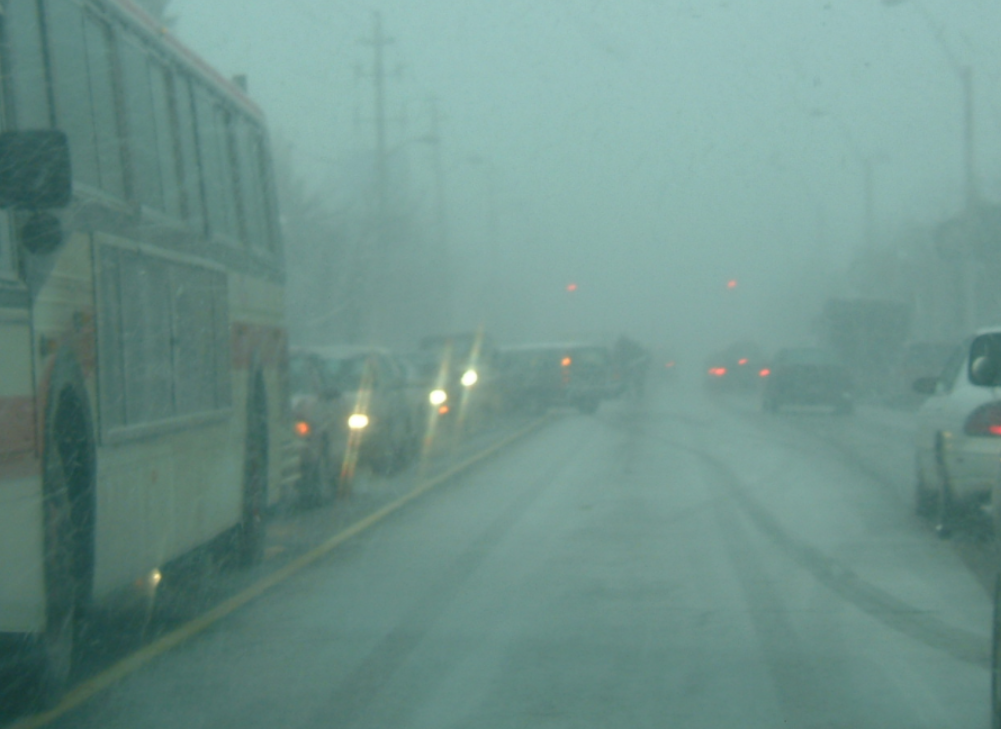
true blizzard
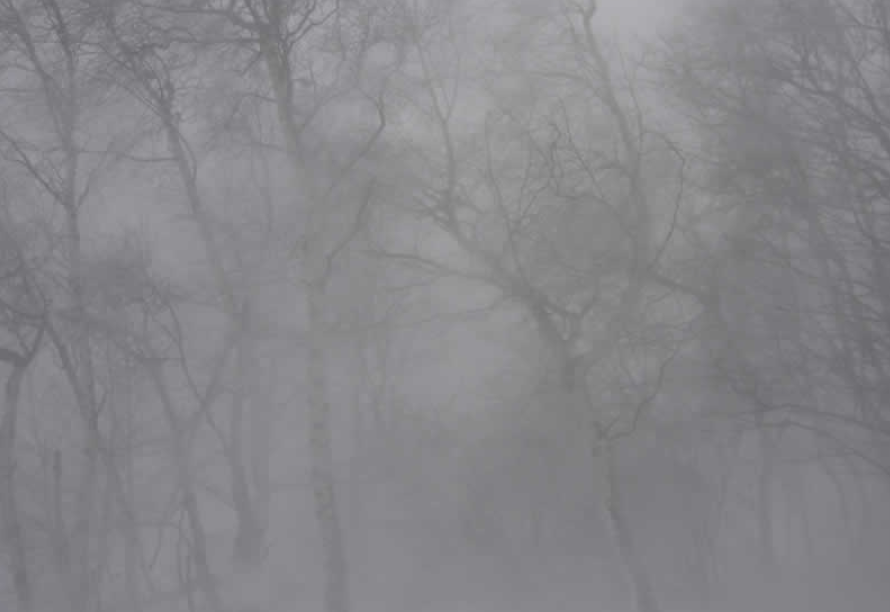
ground blizzard
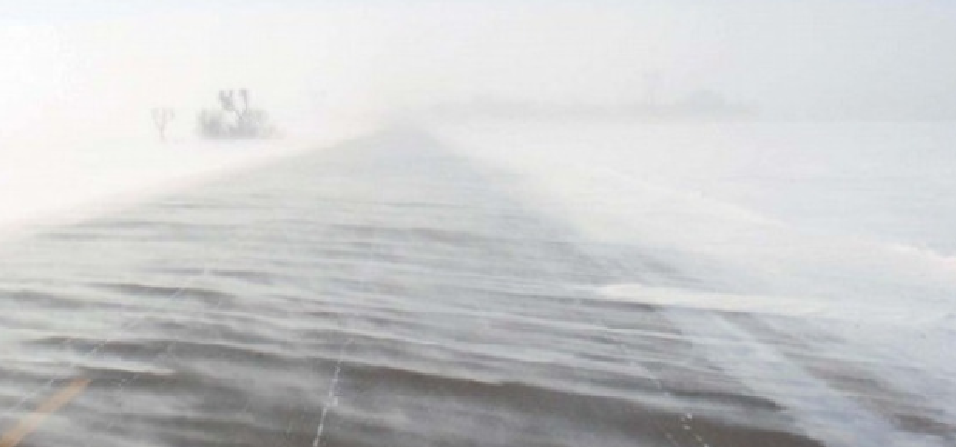
sleet
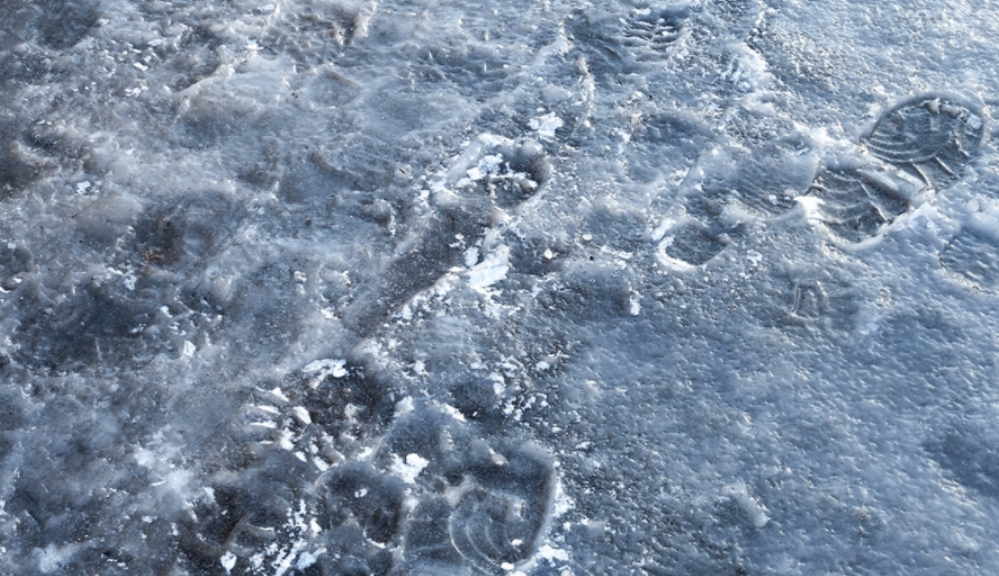
freezing rain
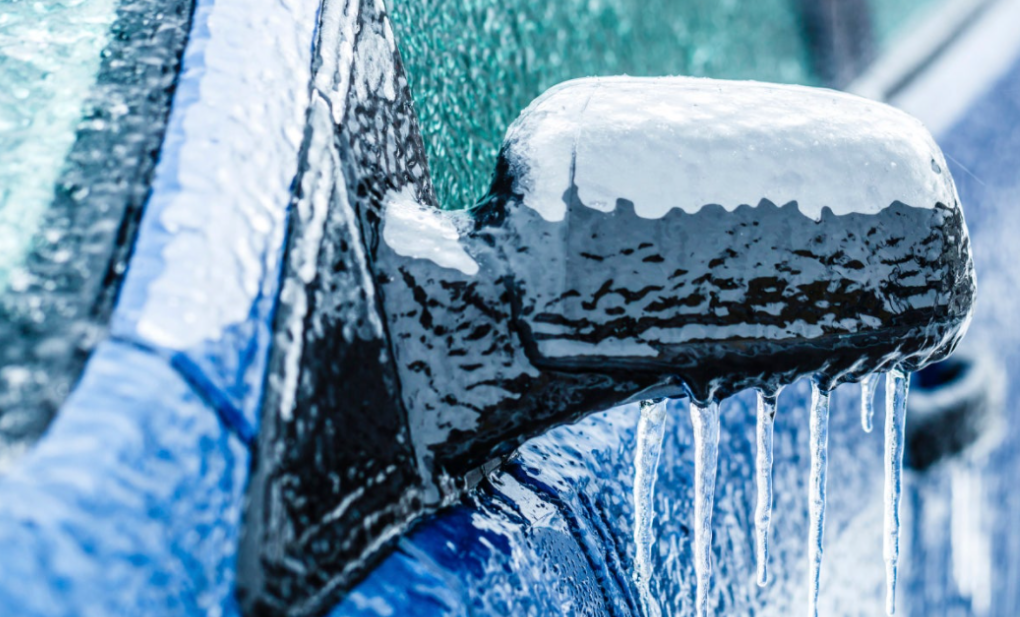
rime
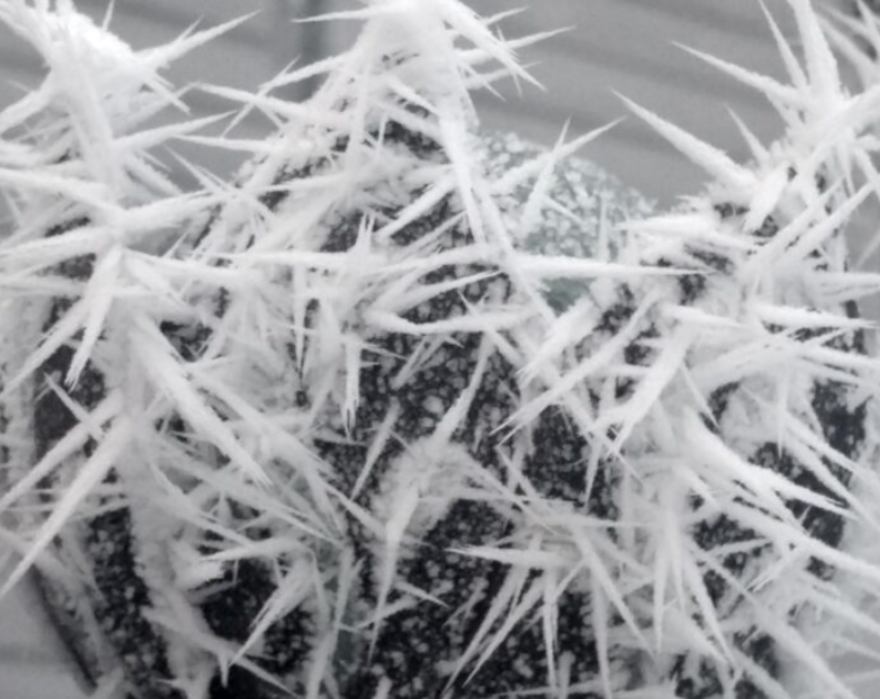
black ice
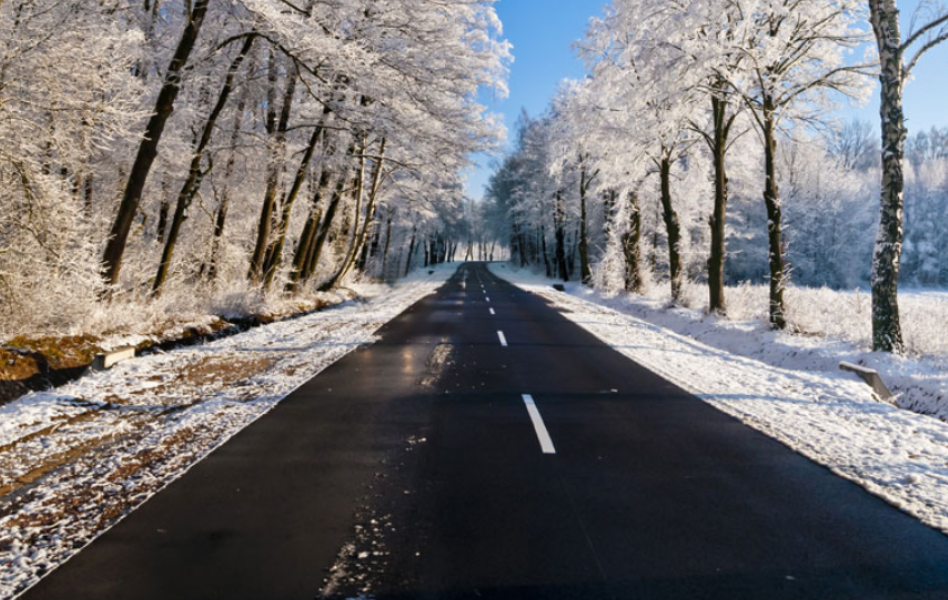
ice storms
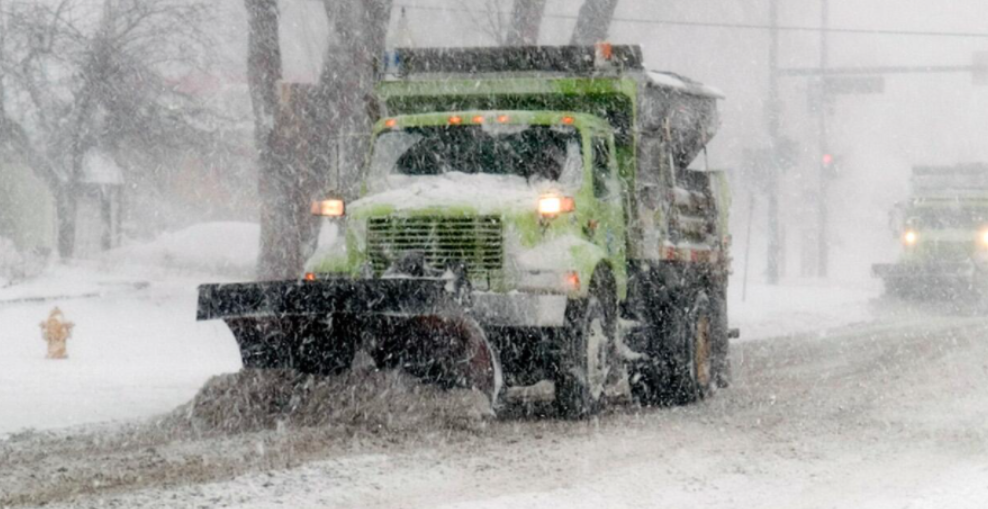
snow grains
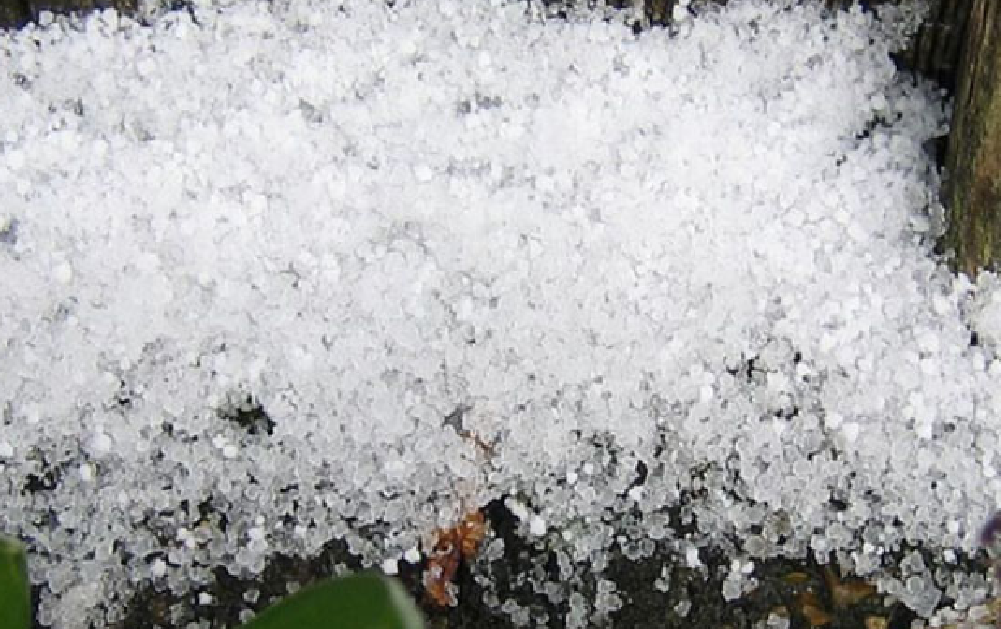
snow pellets
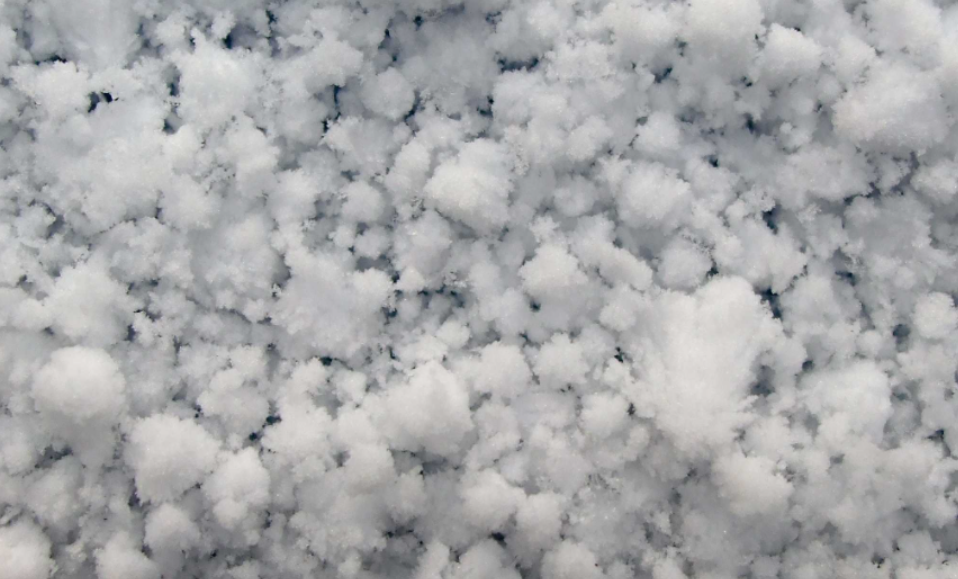
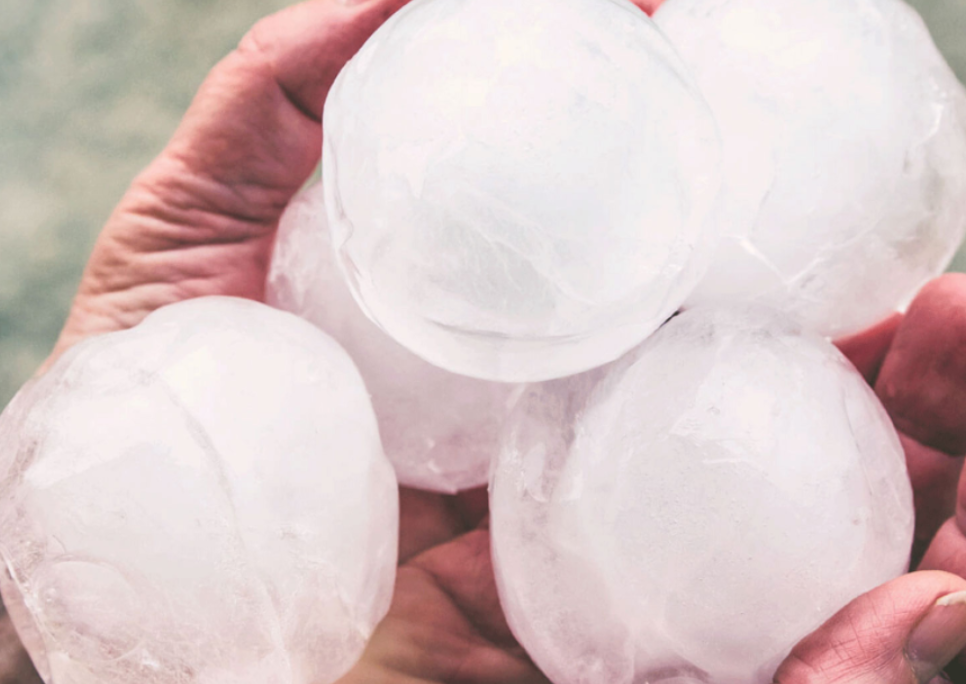
hailstones