Nutrition and Biochemistry ( Lecture by Jennifer Harmon)
 Call Kai
 Learn
Learn Practice Test
 Spaced Repetition
 Match
Match Flashcards
 Knowt Play
1/123

There's no tags or description
Looks like no tags are added yet.
Name | Mastery | Learn | Test | Matching | Spaced | Call with Kai |
|---|
No analytics yet
Send a link to your students to track their progress
124 Terms
Symptoms of hypoglycemia: Subjective experiences reported by the patient
1. - Lightheadedness
2. - irribility
3. - Sweating
4. - Palpitations
5. - Hunger
6. - Dizziness
7.- Headache
8. - Shakiness
Phenylketonuria (PKU)
A genetic disorder marked by the inability to metabolize the amino acid phenylalanine
Phenylalanine cannot be metabolized by the ________ into __________ a non essenesinal amino acid
Liver; tyrosine
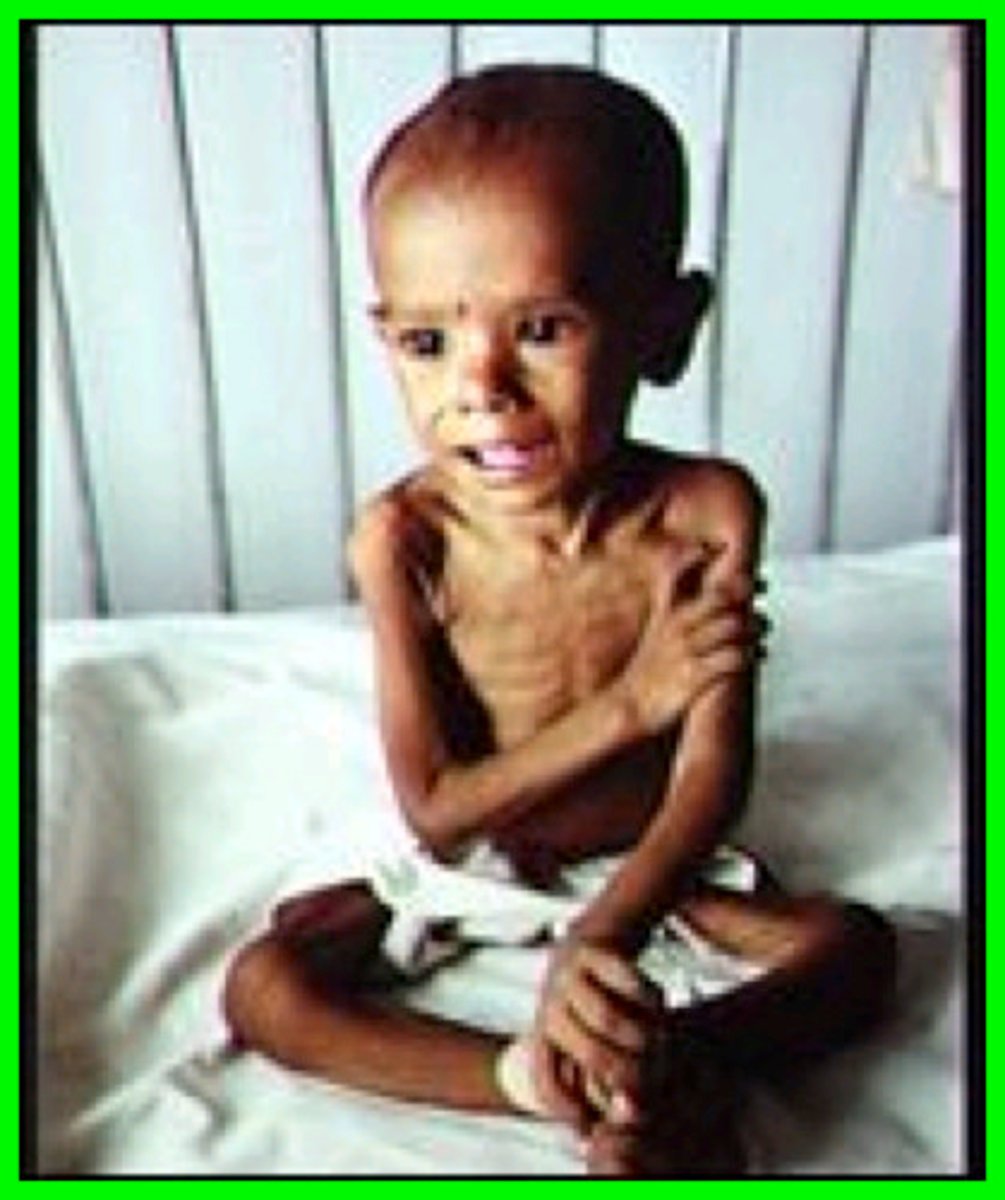
Marasmus
Occurs in infants
Stravation; inadequate protein and calories
seen in impoverished nations
Impairs brain development & learning
muscles waste away/weak. Poor growth
Kwashiorkor
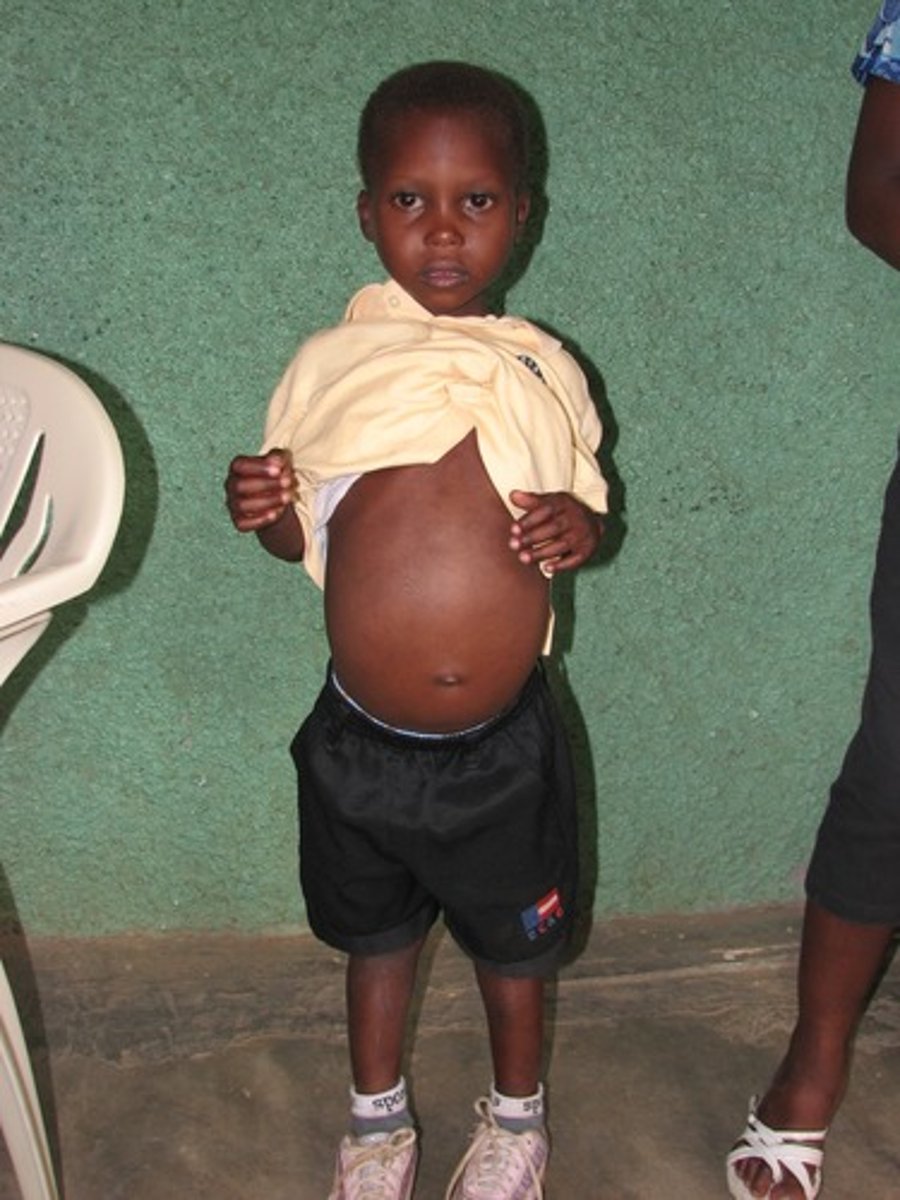
- Protein deficiency only
- Adequate calories
- Children 18 to 24 months
- Edema
- Fatty liver
- A hair color change and sparse hair
- Anemia
- Lethargy
- Cracked, peeling, infection-prone skin
- Opportunistic infections
Islets of Langerhans
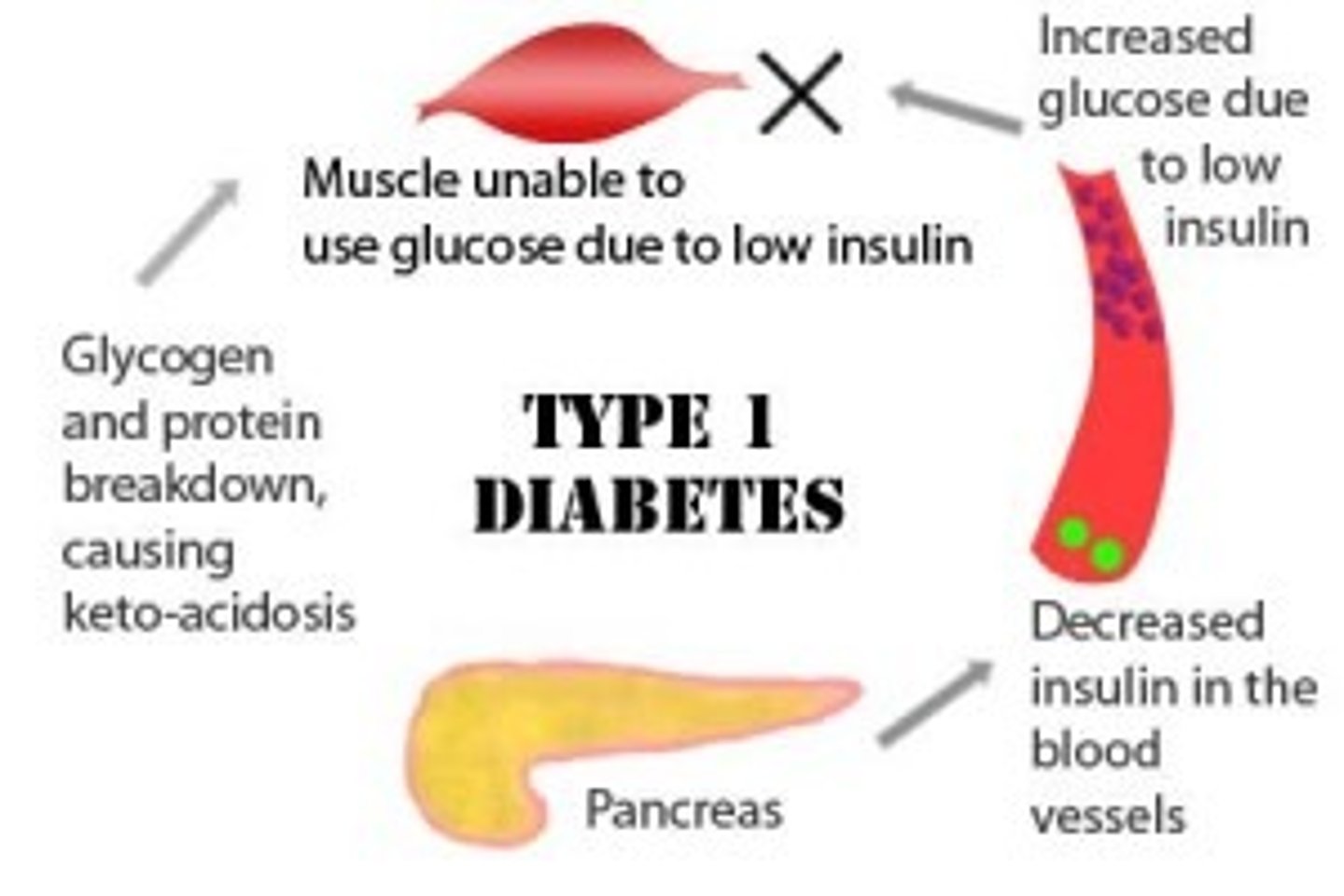
groups of pancreatic cells secreting insulin and glucagon, these cells make little to no insulin
Insulin-Dependent Diabetes Mellitus (IDDM) or Type I Diabetes
- Minority of Diabetes
- Occurs in children and young adults
- WBC attacks insulin-producing islets (viral infection) or hereditary factors
- insulin-dependent
- chartered weight loss with increased appetite
Non-insulin-dependent diabetes mellitus or Type II Diabetes
- Most common type of diabetes
- Usually develops at age 40 or older
- Insufficient insulin production
- Characterized by weight gain with increased appetite
The three Ds of hyperglycemia
- Polydipsia: Excessive thirst
- Polyuria: Frequent Urination
- Polyphagia: Excessive hunger
Symptoms of Hyperglycemia
- Blood glucose greater than 130 mg/dL before meals
- Greater 180 mg/dL - 2 after meals
- Ketone Breathe (fruity smelling)
- Ketonuria ( the excretion of abnormal, large amounts of ketone bodies in the urine
Complications of Diabetes
- Increased periodontal disease
- Xerstomia
- Blindness
- Poor Circulation
- Heart disease - Most frequent cause of diabetes- related death
- loss of kidney function
Bulimia Nervosa
More common than anorexia
Bullimia Nervosa Behavioral Profile
- Usually Female
- Onset usually teenage years and young adulthood
- Low self-esteem, guilt
- Food is comfort; turn toward food during a crisis or problem
- Characterized by binging and purging
- may show signs of malnutrition ( dry brittle hair, spoon-shaped nails, and cheliosis
- may present with abrasions/calluses on knuckles

Anorexia Nervosa
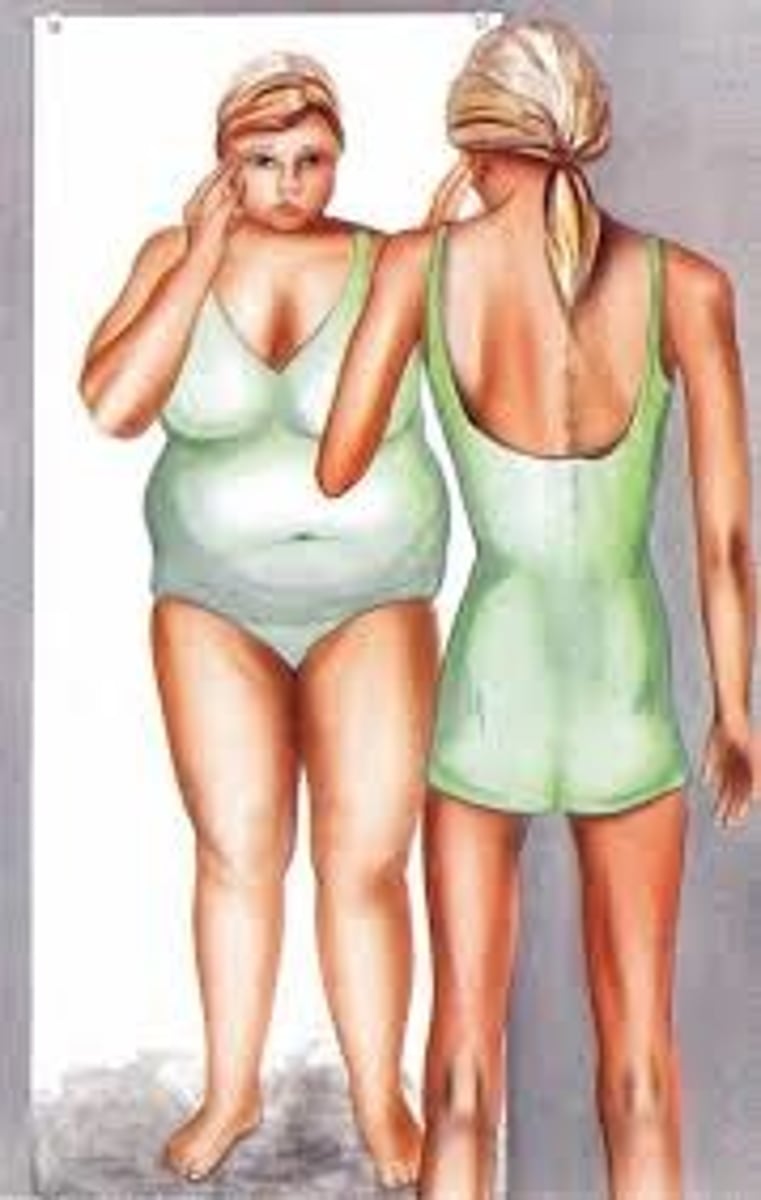
An eating disorder in which an irrational fear of weight gain leads people to starve themselves
Anorexia Nervosa Behavior Profile
- 10:1 ratio, more females than males
- The upper socioeconomic population is more affected
- Weight loss is viewed as evidence of self-control
- Seen more with teens and young adult
Varying characteristics of Anorexia Nervosa
- Compulsive exercise habits
- Amenohhera for at least 3 months in a row
-Lanugo
- Decrease heart rate
- Eats 300-600 kcal/day
Treatment of Anorexia Nervosa
- increase food intake to raise metabolic rate back to normal; restore normal eating habits with proper food intake
- Psychological needs (therapy, reha,b etc.)
A few days without water can be
fatal
What is the only liquid nutrient essential for the body's hydration
Water
Plain tap water
It is the most natural source of fluids
Who controls/ regulates the levels of contaminants allowed in drinking water in public water systems
Environmental Protection Agency (EPA)
Uses of bottled water have
Increased
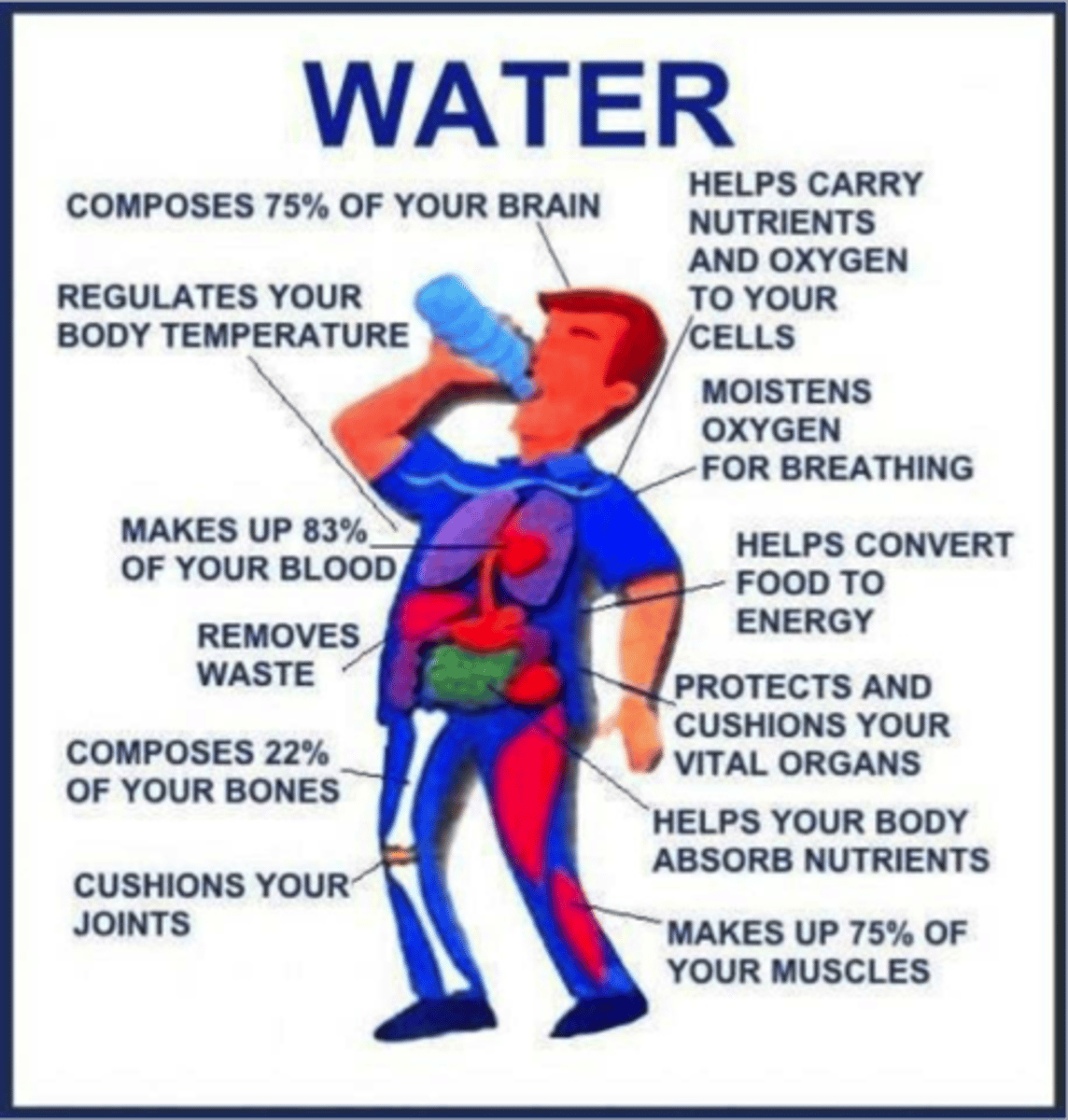
What is the most abundant component in the body
Water
Water is 75-70% of body weight at
Birth
Water is 50% to 60% of body weight
as an adult
Other sources of fluids?
coffee
teas
sift drinks
sport drinks
Functions of water
Repairs and builds cells
aid in cellular respiration
osmotic pressure
Boyd temperature
Acid and base balance
Minerals are
solid, naturally occurring, inorganic (not living) substances that are divided into trace elements (micronutrients) and major minerals
Major minerals
required in large amounts int he body functions adn processes
Trace minerals
Also known as micronutrients, they are required in small amounts for various functions in the human body
Calcium is the most
An abundant mineral in the human body
Where is 99% of the body's calcium found in the human body
Skeltons (bones) and teeth
Functions of Calcium in the Human Body
- Aids in blood coagulation
- transmit nerve impulses
- Muscles' contraction and relaxation
- Membrane permeability
- Activate certain enzymes
- Salivary calcium acts as a buffer to inhibit caries formation
Buffering action of calcium in saliva
ions in saliva help neutralize acids produced by bacteria, which raises the pH and reduces enamel demineralization.
Dietary Sources of Calcium
Milk
dairy products
fortified soy and rice milk
Calcium fortified drink (orange juice) supplements
Hypo/Hyper states of Calcium
Osteomalacia
Rickets
Hypocalcium
Hypercalcium
Hypercalcemia
Excess calcium levels in the blood
Hypoclalcima
Different levels of serum calcium
Rickets
Occurs in children, is a childhood bone disorder caused by a deficiency of vitamin D, Calcium, or phosphate, leading to soft and weak bones.
Osteomalacia
It's the adult form of rickets — it’s caused by a vitamin D deficiency, and Calcium that leads to softening of the bones due to poor mineralization.
Phosphorus Function
- formation of bones and teeth
- Muscle and nerve activity
- Components of phospholipids in cell membranes, DNA, and RNA
- Energy metabolism (ADP)
- Helps regulate the acid-ase balance in the body
Dietary source of phosphorus
- Animal protein
- Milk products
- Food additive in baked goods, cheese, processed meats, and soft drinks
Deficiency in Phosphorus
Rare because it is abundant in foods, but it can happen.
Hyperphohstemia
Hypoposphemia
It can also result in tooth problems
Hyperphophatemia
Serum levels above 2.6 mg/dL may occur in patients who have hypoparathyroidism or suffer from renal insufficiency
Hypoposphemia can result from
- long-term ingestion of aluminum hydroxide antacids, which binds to phosphorus
- stress
- intestinal conditions ( Celiac Sprue)
During tooth development, phosphorus deficiency results in
- incomplete calcification of teeth
- Failure of dentin formation
- increased susceptibility to caries
Magnesium is found where in the body
2/3 in bones and the 3rd most prevalent mineral in teeth
Function of Magnesium
- maintain calcium homeostasis
- prevent skeletal abnormalities
- cofactor for more than 300 enzymes
- necessary for DNARNA synthesis
- regulate transmission of nerve impulses and muscle contractions, especially the heart
- blood pressure regulation and preventing stroke
Dietary source of magnesium
Dark green, leafy vegetables like spinach, whole grains, nuts, chocolate, and bananas
Although toxicity or deficiency is rare, who can it be seen in if it does occur?
Chronic alcoholics; symptoms include fragility of alveolar bone, gingival hypertrophy, cardiac arrhythmias, neuromuscular dysfunction
kidney regulates
magnesium
Sodiums function
- Body water balance
- Regulate AICD base balance
- Facilitate impulse transmission in nerves and muscle fibers
Dietary Sources of Sodium
table salt, meat, seafood, cheese, milk, bread, and vegetables
Hypernatremia
elevated serum sodium levels; signs include extreme thirst, dry sticky tongue and oral mucous membranes, fever, and convulsions
Hyponatremia
water intoxication; early symptoms, nausea and abdominal cramps, headache, confusion, and lethargy
Function of iron
- A part of hemoglobin and enzymes involved in energy metabolism
- conversion of beta-carotene to vitamin A
- removal of lipids from the blood
- synthesis of collagen
What is one of the most difficult minerals to obtain in adequate amounts in the American
Iron
Sources of iron
Egg yolk, meats, liver, dark green vegetables and dried fruits
Deficiency syndrome
Anemia, pallor of lips and oral mucosa, angular cheilitis, patchy tongue, glossitis, increased risk of candidiasis, and fatigue
Function of Iodine
Production of thyroxine, which regulates the basal metabolic rate
Sources of iodine
- Seafood, plants that grow near the ocean, yogurt, milk, and iodized salt
Hyperstates of Iodine
thyroiditis, hyperthyroidism, hypothyroidism, and sensitivity reactions
Deficiency of iodine (hypo)
- Goiter
- Delayed eruption of primary and secondary teeth
enlarged tongue
- Endemic cretinism
Endemic cretinism
Fatal iodine deficiency
Function of Zinc in the Human Body
- An important component of over 300 enzymes that perform functions affecting cell growth and replication (DNA/RN)
- bone growth and mineral metabolism
- Taste semll and apipitie
Dietary sources for Zinc
lamb, beedm, crustaceans, eggs, and whole grains
Oral signs of Zinc deficiency
- Change in epithelium of the tongue increases susceptibility to periodontal disease, flattened filiform papillae, loss of taste and smell, poor appetite, and impaired wound healing
What is considered/recognized as the most important trace minerals for humans
Zinc
Macrominerals include
Calcium (Ca)
Phosphorus (P)
Magnesium (Mg)
Sodium (Na)
Potassium (K)
Chloride (Cl)
Sulfur (S)
Trace minerals include
Iron (Fe)
Zinc (Zn)
Iodine (I)
Fluoride (F)
Copper (Cu)
Manganese (Mn)
Selenium (Se)
Chromium (Cr)
Molybdenum (Mo)
Potassium functions in the human body
- Maintenance of fluid electrolyte balance
- nerve impulses
- muscle contraction, including heart muscles, and the electrical conductivity of the heart
- Carbohydrate and protein metabolism.
- Reduce the adverse effects of sodium on blood pressure
- reduces the risk of kidney stones and possible prevents bone loss
Dietary sources of potassium
Bannang, fresh fruits, vegetables, yams, milk, meat, whole grains, dried beans, beans, potassium supplements
Causes of Hyperkalemia
swetaing too much, dibeteic acidosis, vomiting, diarrhea, diuretics, leads to muscle weakness in the legs, leg cramps, electrocardiographic changes
Cuases of hyperkalemia
impaired renal excretion, increased shift of potassium out of the cell increased potassium intake
Classes of vitamin A
retinoids: in animal products
carotenoids: in fruits/vegetables
Function of Vitamin A
Vision, Cancer prevention, Growth, Integrity of skin, mucosa membranes, maintenance of immune function, helps remodel bone, and protein synthesis
Dietary sources of Vitamin A
Retinol: beef liver, fish, egg yolk, fortified foods
Beta-carotene: yellow, orange, green leafy vegetables, melons, spinach, broccoli, carrots, turnip greens
Deficiency of Vitamin A
Night blindness, growth failure, dry skin, keratomalacia, enamel hypoplasia, and defective dentin formation in developing teeth.
Vitamin D is also called
Calciferol
Vitamin D function
Helps absorb calcium and phosphorus, mineralization of bones and teeth
Vitamin D Dietary sources
Sunlight, fortified foods
Vitamin D deficiency
Rickets
Osteomalacia
Vitamin E function
Protects the integrity of normal cell membranes and effectively prevents hemolysis of blood cells.
Acts as an anticoagulant.
Preserves fats (antioxidant)
Vitamin E sources
Vegetable seed oils, some fruits (apples, apricots, peaches
Vitamin E Considerations
Supplements may be a concern for pateint with vitamin K deficiency or for patients receiving anticoagulant therapy, which interferes with vitamin K activity, because it can increase the risk for hemorrhaging
Vitamin K function
Aid in the formation of blood clotting factor prothrombin, and helps increase bone density
Vitamin K Dietary source
Green leafy vegetables and soybeans, meats, and beef liver
Vitamin K deficiency
Disease or drug therapy could cause deficiency conditions like celiac disease, a sprue,
- defective blood clotting
- No toxicity symptoms have been documented
-Newborns are given a vitamin K shot immediately after birth
What are the water-soluble vitamins
all the B vitamins and C vitamins
Thiamin
B1
Riboflavin
B2
Niacin
B3
Pantothenic Acid
B5
Pyridoxine
B6
Biotin
B7
Folic acid/folate
B9
Cobalamin
B12
Ascorbic Acid
Vitmain C
Nemonic for remembering all B Vitamins
The
Rain
Never
Paints
Pretty
Bunnies
Foxes
Cats
Thiamin function
provide energy to the brain, CNS, and heart
Explore top notes

