06 - Drugs and the Mind
 Call Kai
 Learn
Learn Practice Test
 Spaced Repetition
 Match
Match Flashcards
 Knowt Play
1/66

There's no tags or description
Looks like no tags are added yet.
Name | Mastery | Learn | Test | Matching | Spaced | Call with Kai |
|---|
No analytics yet
Send a link to your students to track their progress
67 Terms
Two major divisions of the nervous system
Central nervous system (CNS)
Peripheral nervous system (PNS)
Central nervous system (CNS)
▪ Consists of the brain and spinal cord
▪ Integrates incoming information and coordinates all voluntary and involuntary nervous functions
Peripheral nervous system (PNS)
▪ Consists of ganglia and the nerves that branch from the CNS
▪ Keeps the CNS in contact with the rest of the body
cns vs pns: protection
cns: brain and spinal chord is protected by bones
pns: nerves + cells of peripheral sre not protected by bones thus more susceptible to damge
structure of a neuron
cell body, dendrite, axon
What is a neuron? (or nerve cell)
▪ Fundamental unit of the nervous system
• responsible for receiving sensory input from the external world
• sending motor commands to our muscles
• transforming and relaying the electrical signals at every step in between
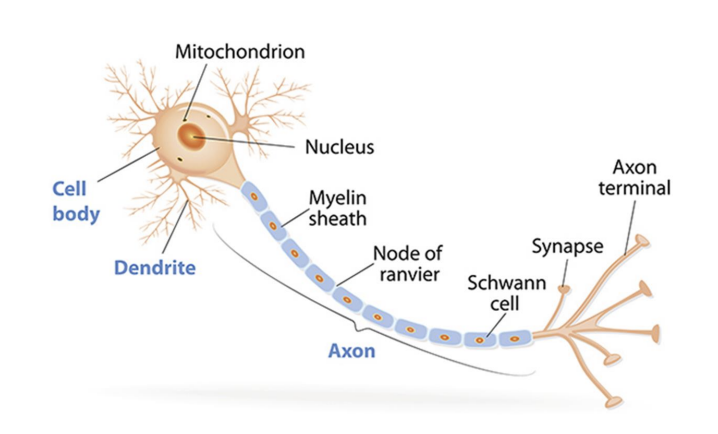
cell body
The main part of a neuron that contains the nucleus and organelles; it integrates signals and keeps the neuron alive.
dendrite
Branch-like extensions from the cell body that receive signals from other neurons and transmit them toward the cell body.
myeline sheath
A fatty layer that wraps around the axon, acting as insulation to speed up the transmission of electrical signals.
axon
A long, thin projection that carries electrical impulses away from the cell body to other neurons or muscles.
synapse
The junction between two neurons where chemical or electrical signals are transmitted from one neuron to another.
axon terminal
The endpoint of an axon where neurotransmitters are released to communicate with the next neuron or target cell.
How do neurons communicate?
▪ communicate with each other via electrical events called ‘action potentials’ and chemical neurotransmitters
▪ At the junction between two neurons (synapse or synaptic cleft), an action potential causes neuron A to release a chemical neurotransmitter.
▪ The neurotransmitter can either help (excite) or hinder (inhibit) neuron B from firing its own action potential.
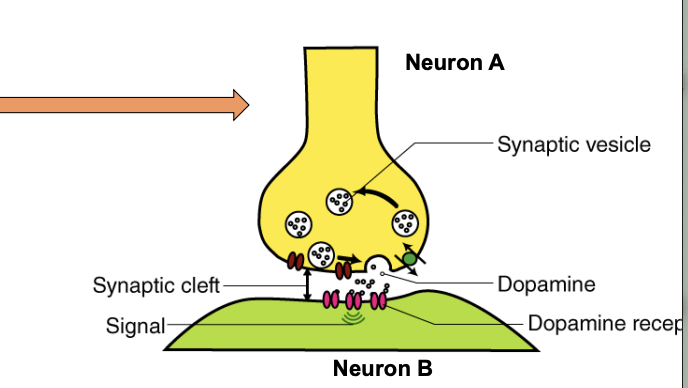
How Neurotransmission Works
Signal Starts at the Neuron:
A neuron receives a signal through its dendrites from another neuron or sensory input. This signal is an electrical impulse.Electrical Impulse Travels Along the Axon:
The impulse moves down the axon, sometimes sped up by the myelin sheath, which acts like insulation.Reaches the Axon Terminal:
When the impulse reaches the axon terminal, it triggers tiny sacs called vesicles to release neurotransmitters (chemical messengers).Crosses the Synapse:
The neurotransmitters travel across the synapse, the small gap between neurons.Binds to the Next Neuron:
The neurotransmitters attach to receptors on the dendrites of the next neuron, passing along the signal.Signal Continues or Stops:
Depending on the type of neurotransmitter and receptor, the signal can either excite the next neuron to fire its own impulse or inhibit it from firing.Neurotransmitters Cleared:
After transmitting the message, neurotransmitters are either broken down by enzymes or reabsorbed by the sending neuron (reuptake) to reset the system for the next signal.
Psychoactive Drugs
Drugs/substances that affects how the brain works and causes changes in mood, awareness, thoughts, feelings, or behavior
Ways in which psychoactive drugs alter communication between neurons
• Stimulate release of neurotransmitter
• Inhibit release of neurotransmitter
• Prolong effects of the neurotransmitter
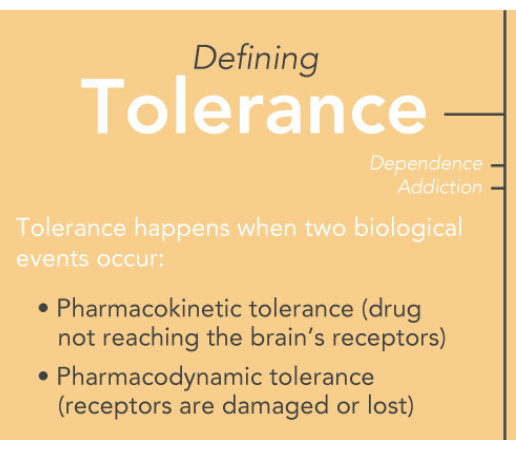
Tolerance
• Occurs when higher and higher doses of a drug are needed to generate a response
• Develops because the body steps up production of enzymes that break down the drug
Tolerance happens when two biological events occur:
Cross-tolerance
• Occurs when tolerance to one drug results in a lessened response to another, usually similar, drug
eg. morphine → tolerance to codeine
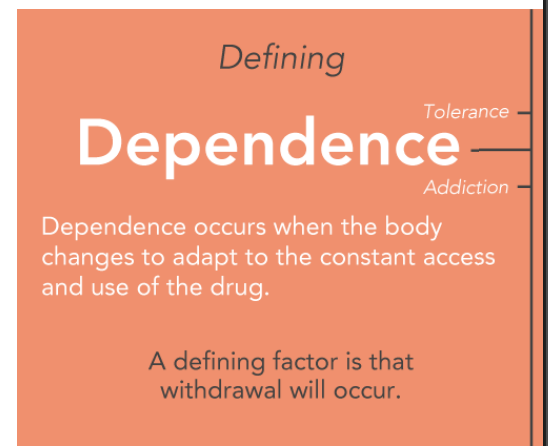
dependance
▪ Occurs when someone can no longer function normally without the drug
▪ The drug is needed for physical or psychological wellbeing
▪ Certain drugs stimulate the “pleasure centers” in the brain and encourage continued use
addiction
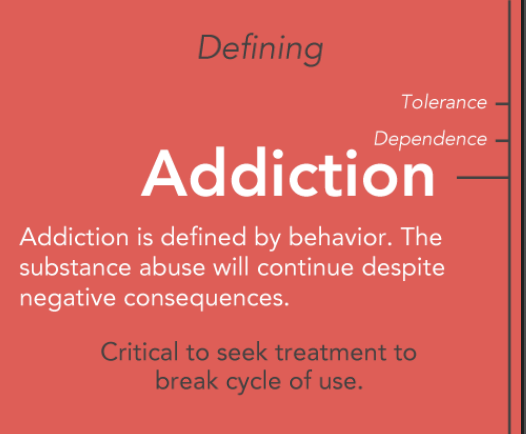
▪ Different than tolerance, dependence
▪ “Behaviour”
▪ Certain drugs stimulate the “pleasure centers” in the brain and encourage continued use
Substance Use Spectrum
non use
beneficial use
lower risk use
higher risk use
addiction (substance use disorder )
a person may move back and forth between the stages over time
non use
avoiding use of substances (abstinence)
eg: no drugs, tobacco or alcohol
beneficial use
use that can have positive health, social, or spiritual effects
example: taking meds as prescribed, ceremonial/religous use of tobacco (such as smudging )
lower risk use
use that has minimal impact to a person, their family, friends and other
example: drinking following the low-risk alcohol drinking guidelines, cannabis use according to the lower risk cannabis use guidleines
higher risk use
use that has a harmful and negative impact to a person, their family, friends and other
example: use of illegal drugs, impaired driving, binge drinking, combining multiple substances, increasing frquency, increasing quantity
addiction (substance use disorder )
a treatable medical condition that affects the brain and involves compulsive and continous use despite negative impacts to a person their family, friends and others
example: when somoene can not stop using drugs, tobacco, or even alcohol even if they want to
classes of drugs
▪ Alcohol
▪ Marijuana
▪ Stimulants
▪ Hallucinogens
▪ Opiates
types of Stimulants
• Cocaine
• Amphetamines
• Nicotine
types of Opiates
• Prescription painkillers
• Heroin
The effects of alcohol on a person’s behavior depend on the
blood alcohol level
• Grams of alcohol per 100 ml of blood
• Example: 1 g alcohol/100 ml blood = blood alcohol level of 1%
The blood alcohol level is affected by
• How much alcohol is consumed
• How quickly it is consumed
• The rates of absorption, distribution, and metabolism of the consumed alcohol
Alcohol: Absorption and distribution
• The intoxicating effects of alcohol begin when it is absorbed from the digestive system into the blood and reaches the brain
• 20% of alcohol is absorbed at the stomach
this is related ro negative effects
The effects of alcohol are felt in about
15 minute
_____ in the stomach slows alcohol absorption
Food
thats why its told to eat food if you are gunna drink
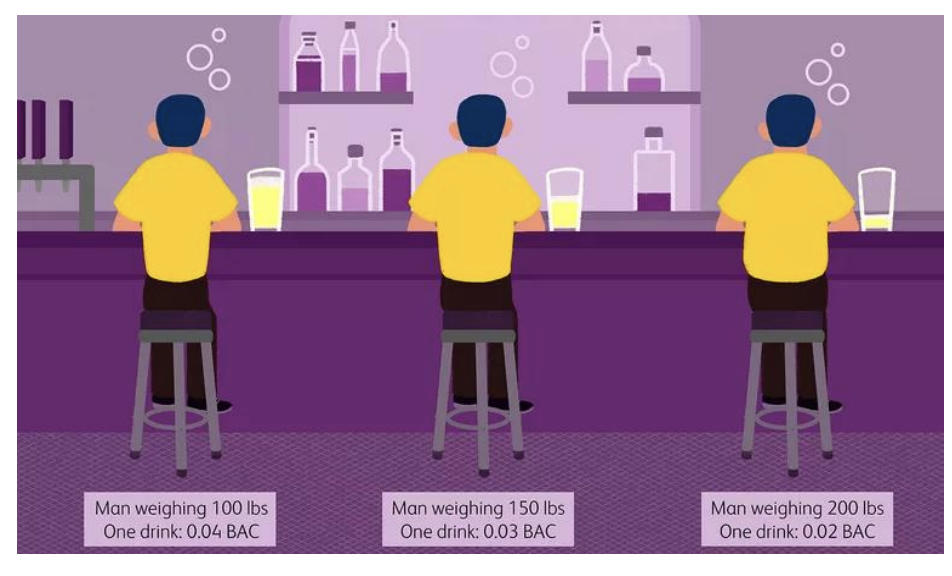
Does one’s overall body size affect one’s blood alcohol level and degree of intoxication?
yes, but not the only factor, multiple factors
eg. biological sex (women → high be than men cuz they have less of a certain enzyme hormone levels too)
Effects of Alcohol on the Body
Nervous system
Alcohol is a depressant and slows neurons’ activity
Excessive amounts of alcohol can cause unconsciousness, coma, and death from respiratory failure
Effects of Alcohol: Areas of the brain are affected in sequence
▪ Higher cortical (“thinking”) centers
▪ Balance and coordination centers
▪ Regions responsible for consciousness
Factors that Affect Intoxication
▪ Food
▪ Strength of Drink
▪ Mood
ppl who are depressed before drinking, this can worsen effects, even stress can change how an process alchohol
▪ Rate of consumption
faster = quicker rise
▪ Medications
drug interactions can have effect with certain meds
Marijuana
Principal psychoactive ingredient in the leaves, flowers, and stems is delta-9- tetrahydrocannabinol (THC)
▪ Binds to receptors in brain regions involved in thinking, memory, and motor control
▪ May regulate mood, memory, pain, appetite, and movement
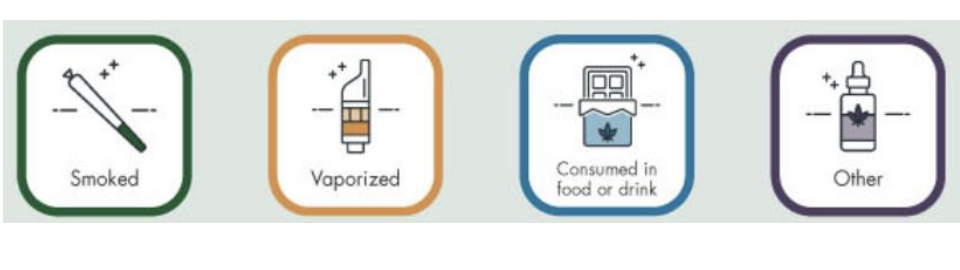
ways you can use Marijuana
Marijuana: Health-related effects of long-term use:Respiratory system
▪ Experiences the most harmful effects
▪ Caused by residual material in the smoke; not caused by THC
• Carbon monoxide prevents red blood cells from carrying oxygen
Marijuana": Health-related effects of long-term use: Circulatory system
• Causes an increase in heart rate and blood pressure
Marijuana:Health-related effects of long-term use: Reproductive systems
• THC is structurally similar to estrogen
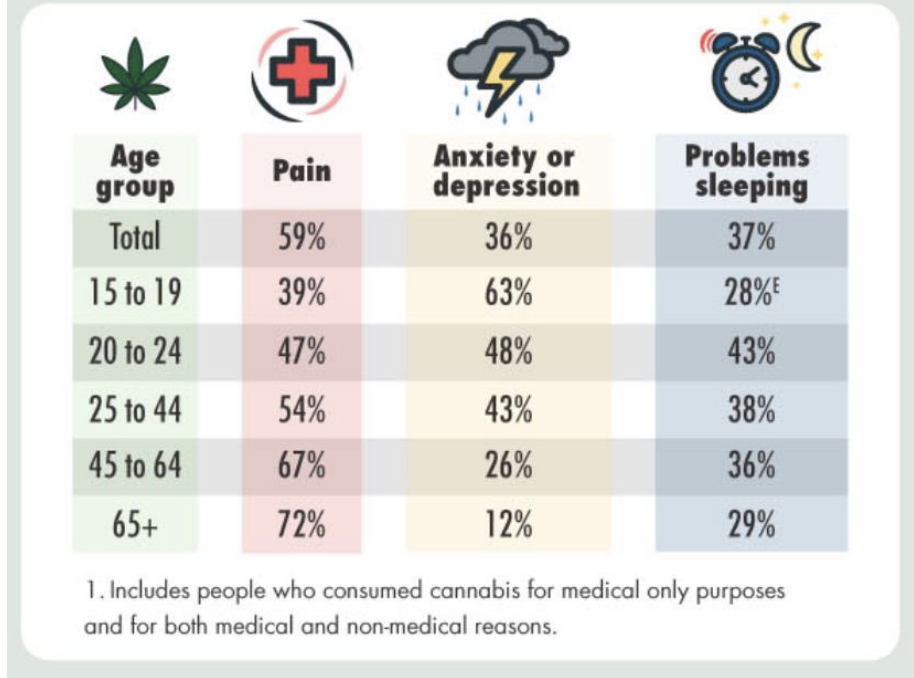
Marijuana Use in Canada (2013-2017)
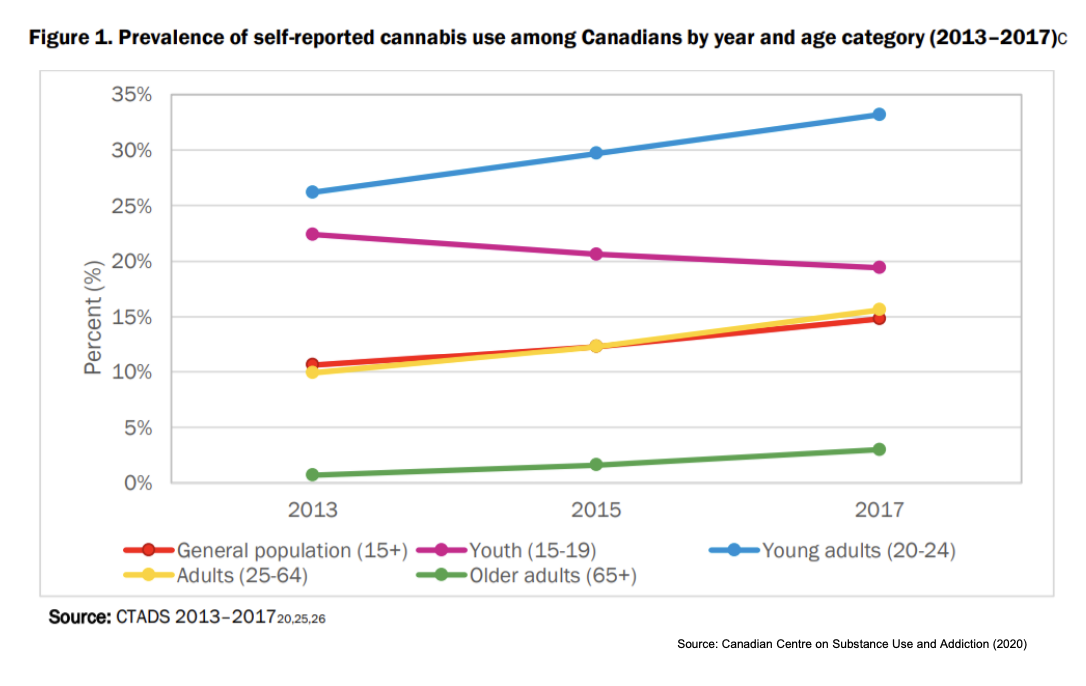
Data from the 2019/2020 Canadian Community Health Survey
Cocaine (stimulant)
• Extracted from leaves of the coca plant
Cocaine Methods of intake
▪ Inhalation into nasal cavity (powder)
▪ Smoking (freebase and crack)
Cocaine Interferes with
the reuptake of dopamine
▪ Causes a rush of intense pleasure, a sense of self-confidence and power
Cocaine Increases the effects of
norepinephrine
▪ Prepares the body systems for emergency
Amphetamines (stimulant)
Synthetically produced; closely resemble dopamine and norepinephrine
Amphetamines Example
• Example: methamphetamine (“crystal meth”)
Amphetamines Effects
▪ Cause user to feel exhilarated and confident
▪ Suppress appetite and need for sleep
▪ Last longer than those produced by cocaine
Nicotine (stimulant)
• Psychoactive ingredient in tobacco products
• Highly addictive
Nicotine Activates ____ receptors
Activates acetylcholine receptors
▪ facilitates release of dopamine and serotonin, which creates pleasurable feelings of relaxation
Nicotine health effects
• CVD risk: Increases heart rate and stickiness of platelets, constricts blood vessels
Hallucinogens
▪ Act by augmenting the action of serotonin, norepinephrine, or acetylcholine
Hallucinogens effects
• Alter sensory perception
• Produce unusual changes in thought and emotions
Hallucinogens examples
• Natural: mescaline and psilocybin
• Synthetic: LSD and MDMA, ecstasy
Opiates
▪ Natural or synthetic drugs that are medically important but have high potential for abuse
• Reduce pain and anxiety; produce a sense of euphoria
Opiates: examples
• Morphine and codeine (from the opium poppy)
• Heroin (synthetic derivative of morphine)
Opiates mode of action
opiates bind to the receptors of the body’s natural opiates
• E.g. Endorphins and other natural chemicals
Opiates health effects
▪ Slow the breathing rate
• Overdose may cause coma or death
▪ If injected, inflame the veins and promote the spread of pathogens that cause diseases such as AIDS, hepatitis, and syphilis
What led to the opioid crisis
1995: introduced as a breakthrough for chronic pain
2000: reports of OxyContin abuse surfaced
“smooth and sustained pain control all day and all night.
Opioid Epidemic in the Media

Fentanyl
▪ A synthetic opioid that is 50-100 times stronger than morphine.
▪ Originally developed for pain management treatment of cancer
patients, applied in a patch on the skin
Narcan
(naloxone) is a drug that can reverse effects by binding to receptors and displacing the opioid
Naloxone is a medicine that rapidly reverses an opioid overdose
• It is an opioid antagonist

