Ethics: Moral Responsibility, Reward & Punishment
 Studied by 0 people
 Call with Kai
 Learn
Learn Practice Test
 Spaced Repetition
 Match
Match Flashcards
 Knowt Play
1/11

There's no tags or description
Looks like no tags are added yet.
Name | Mastery | Learn | Test | Matching | Spaced | Call with Kai |
|---|
No analytics yet
Send a link to your students to track their progress
12 Terms
Two approaches to treatment of crime
- Reform
- Retribution

Reform
Identifying what led the offender to commit the crime, taking responsibility & leading to changed attitude.

Retribution
Giving a punishment the offender deserves for what they did; enabling reparation to be made.
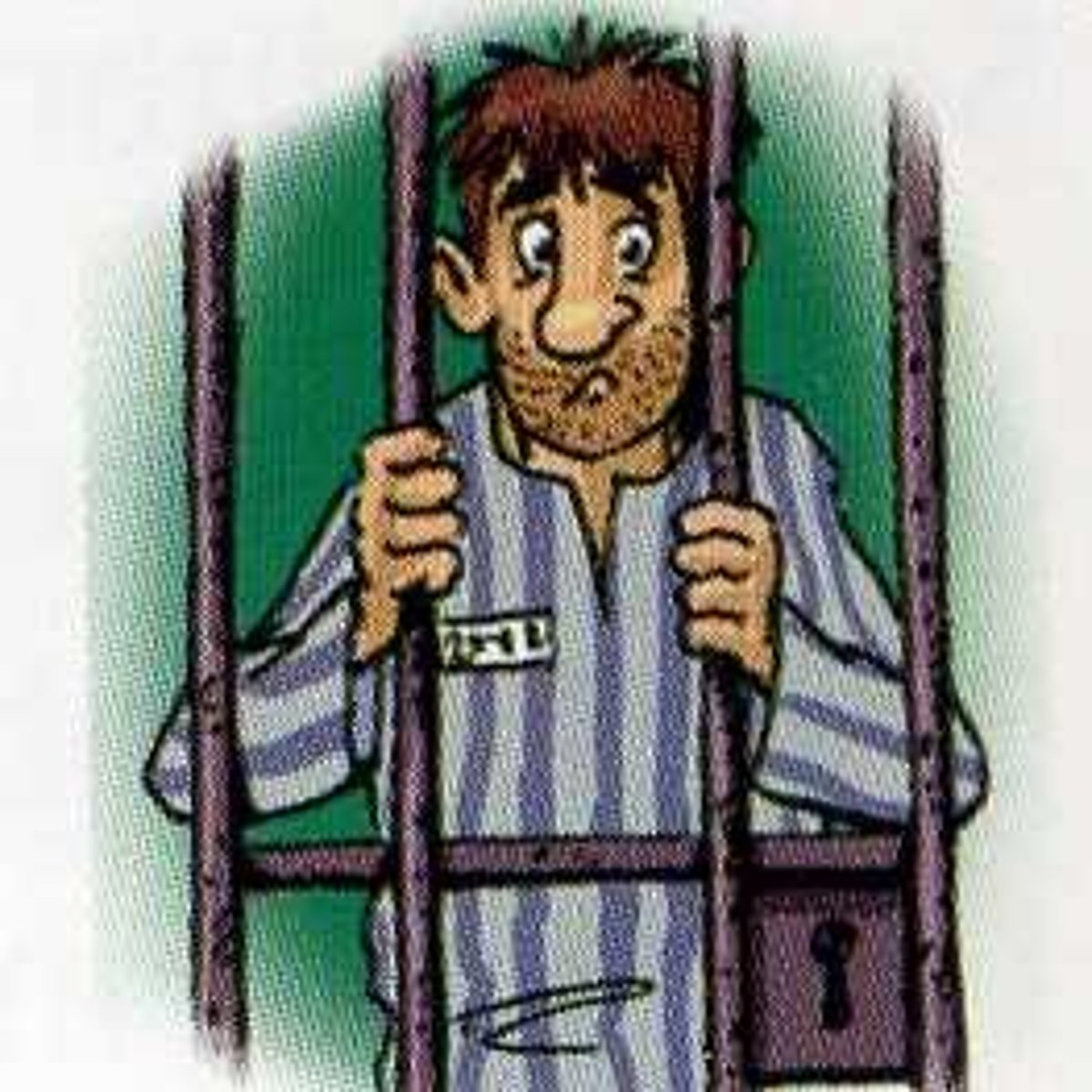
Hard Determinist view of reward and punishment
Meaningless - Person who broke law didn't choose to do so.

Example reason for Hard Determinist view
Religious doctrine of predestination
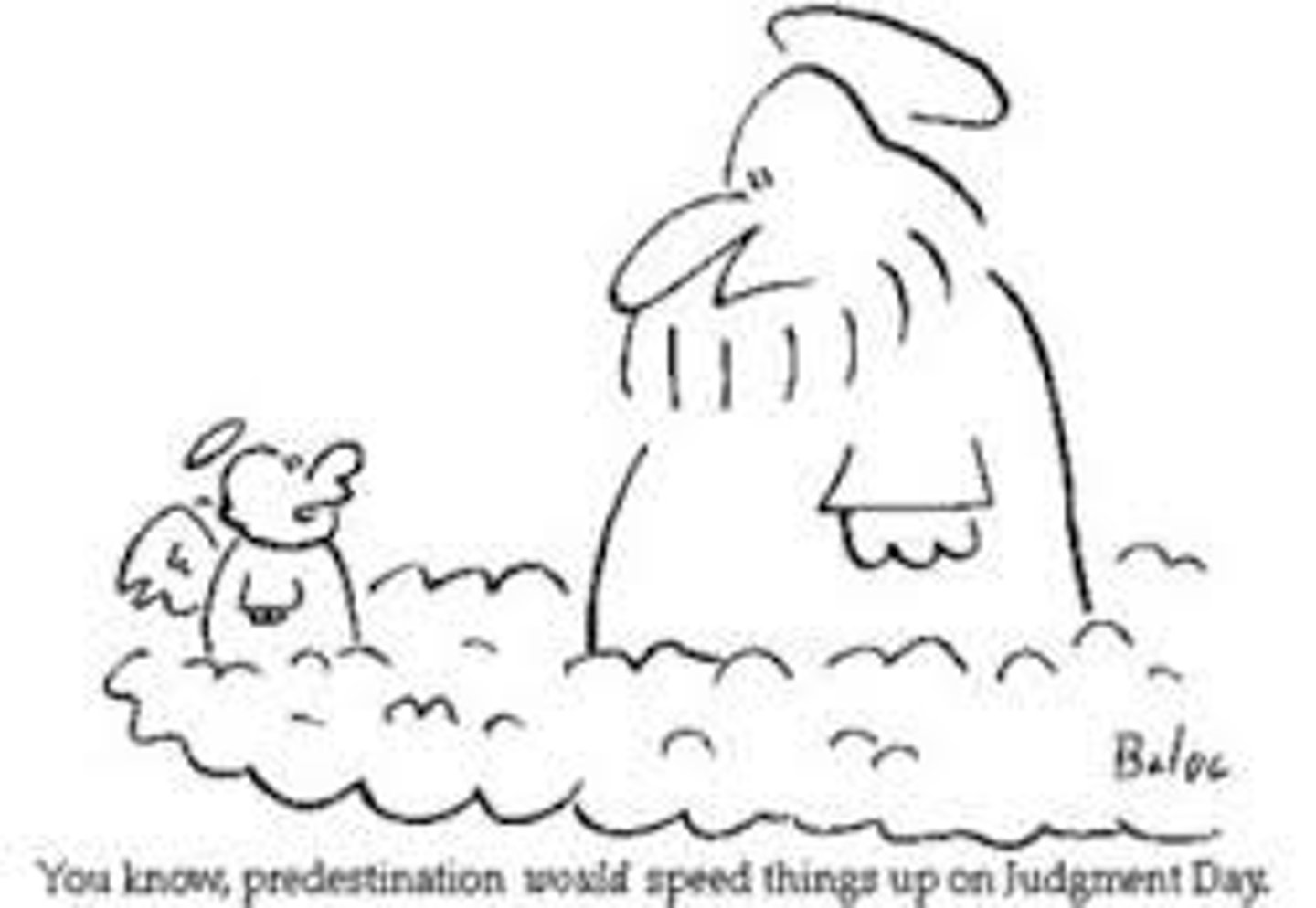
Hard Determinism treatment for offender
Skinner suggested psychological conditioning as a way of reforming an offender's character.

Why do some Libertarians believe in retribution?
- Kant's "ought implies can" points to freedom of choice
- So retribution should be used for those whose moral responsibility was NOT diminished

Why do some Libertarians believe in reform?
Helps offenders make a conscious and freely-chosen decision to behave differently in the future

Compatibilist view of reward & punishment
Hume said actions should be judged praiseworthy/blameworthy only where "...they are indications of the internal character, passions, and affections."

Why do Compatibilists believe in reform?
- Adopts Watson & Skinners "carrot and stick" theory to manipulate behaviour
- Hume rejected (on moral grounds) any eternal punishment, as he believed it to be disproportionate to "the short-term offences of a frail creature like man."

Which theories support reformation?
Hard Determinism & Compatiblism
Which theory supports both reformation & retribution?
Libertarianism
 Note
Note  Flashcards (74)