Beginning Readers & High-Frequency vs. Sight Words
 Studied by 0 people
 Call Kai
 Learn
Learn Practice Test
 Spaced Repetition
 Match
Match Flashcards
 Knowt Play
1/16

Earn XP
Description and Tags
note 8
Name | Mastery | Learn | Test | Matching | Spaced | Call with Kai |
|---|
No analytics yet
Send a link to your students to track their progress
17 Terms
What reader does this describe?
Word Recognition strategies
Sight words (CVC words)
Concept of Print
Consonant dominant
Partial Alphabetic principle
K-1st
Beginning Readers
T/F - Beginning readers have developed concept of print.
T. They know that words have meaning
Letter retains its own sound
(hear BOTH sounds)
Blends
Single sound
Digraph
Identify the blend and the digraph
Brush
Br - blend
Sh - digraph
You should teach ___ vowel patterns first. Why?
short
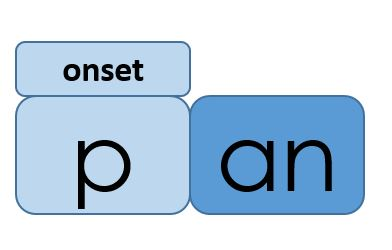
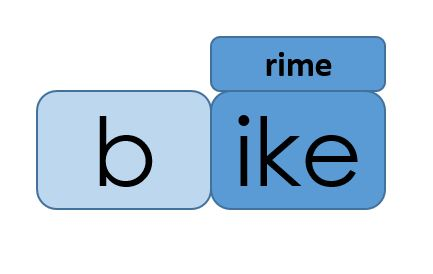
allows to focus on two chunks onset and rime
Onset
initial consonant
Rime
remaining sounds in the syllable
T/F - Bat, Hat, Cat are all word families but not short vowel patterns.
F, short a
If a student omits blends (brush) + short vowels (_ap), they have ____ phonemic awareness.
Partial
T/F - Short vowels and consonants must be known before sorting and identifying blends and digraphs.
T
blends and digraphs build on short vowels
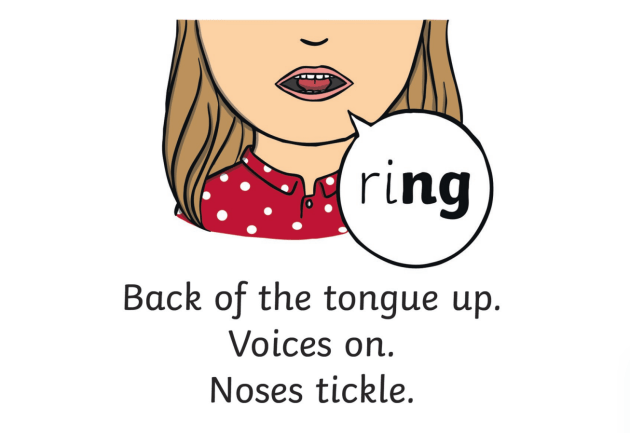
Letters that use nose instead of mouth
—> m, n
Nasals
What is the difference between sight words and high-frequency words?
hfw require instruction
You can turn ___ into ____.
— Word Bank —-
Hfw
Sight words
sight words
hfw
A word bank is a collection of known words. The steps are…
Write name
Write a list of words you know
Prompt them to see how many hfw they can write
Step number 3 focuses on what phonemic skills?
Segmenting and mapping
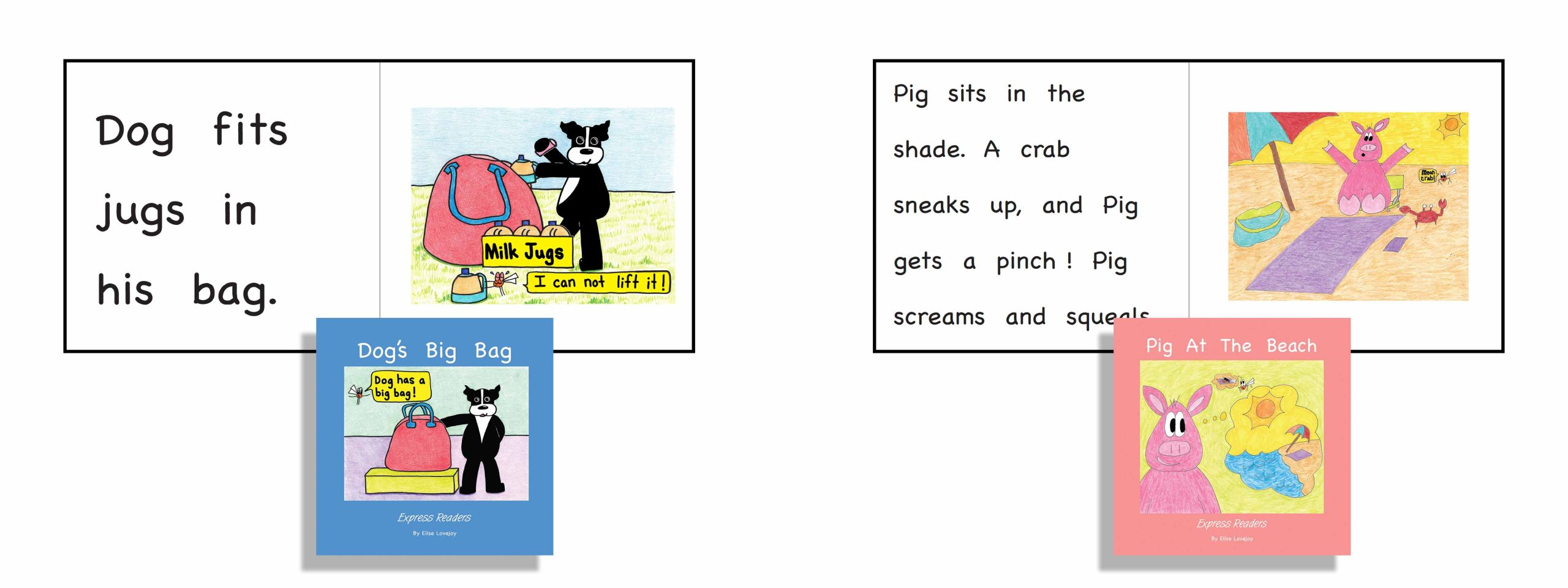
Decodable texts
books readers can sound out since they contain hfw and letter-sounds they’re familiar with
Sequenced to progressively harder words with consistent letter-sound relationships
Sled, Slip, Spin, Slop = S blend
Decodables