Edouard Manet
 Call Kai
 Learn
Learn Practice Test
 Spaced Repetition
 Match
Match Flashcards
 Knowt Play
1/15

There's no tags or description
Looks like no tags are added yet.
Name | Mastery | Learn | Test | Matching | Spaced | Call with Kai |
|---|
No analytics yet
Send a link to your students to track their progress
16 Terms
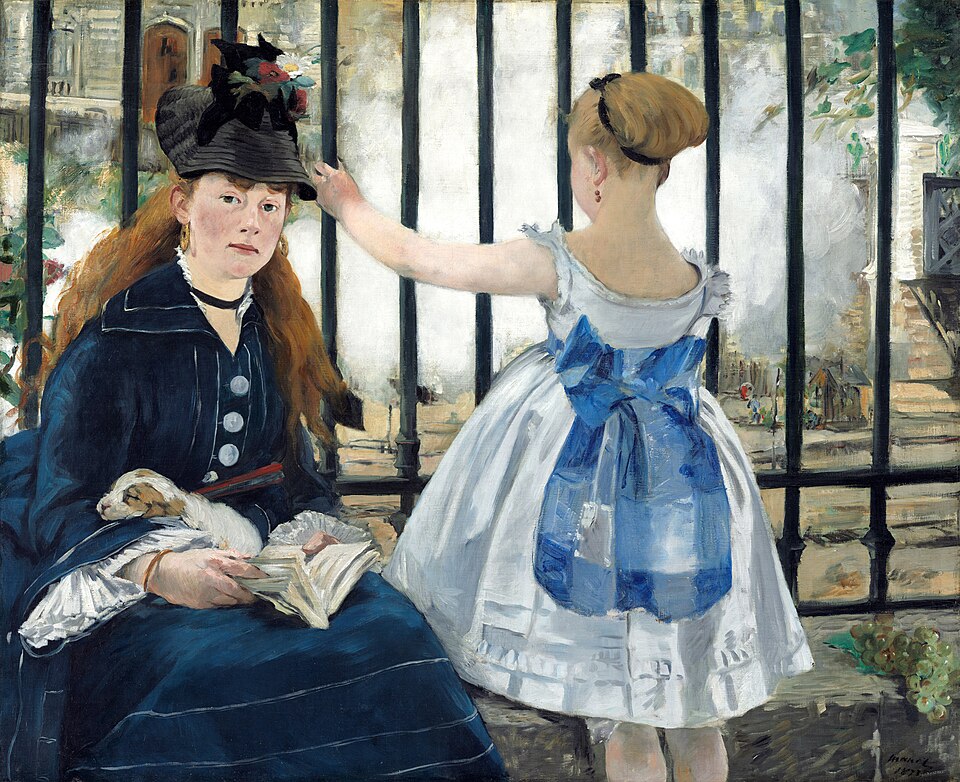
Name?
The Railway
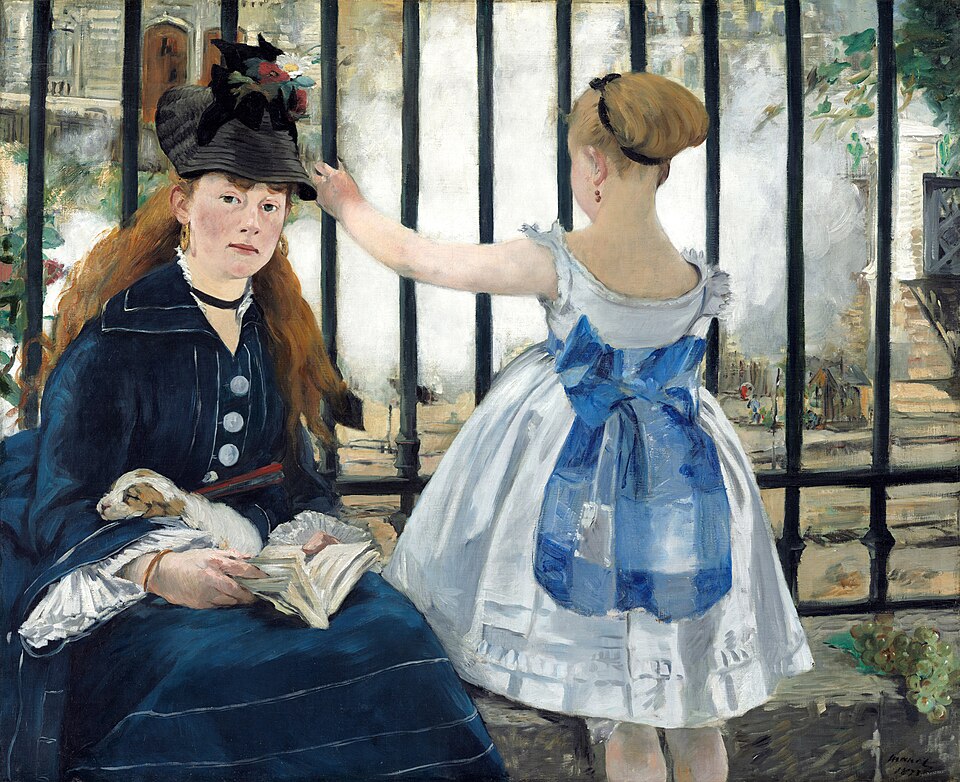
Made by?
Édouard Manet, Influenced by Baudelaire’s idea of the "painter of modern life," Manet focused on the materiality of the modern world, contemporary fashion, and the "condition of contemporary existence
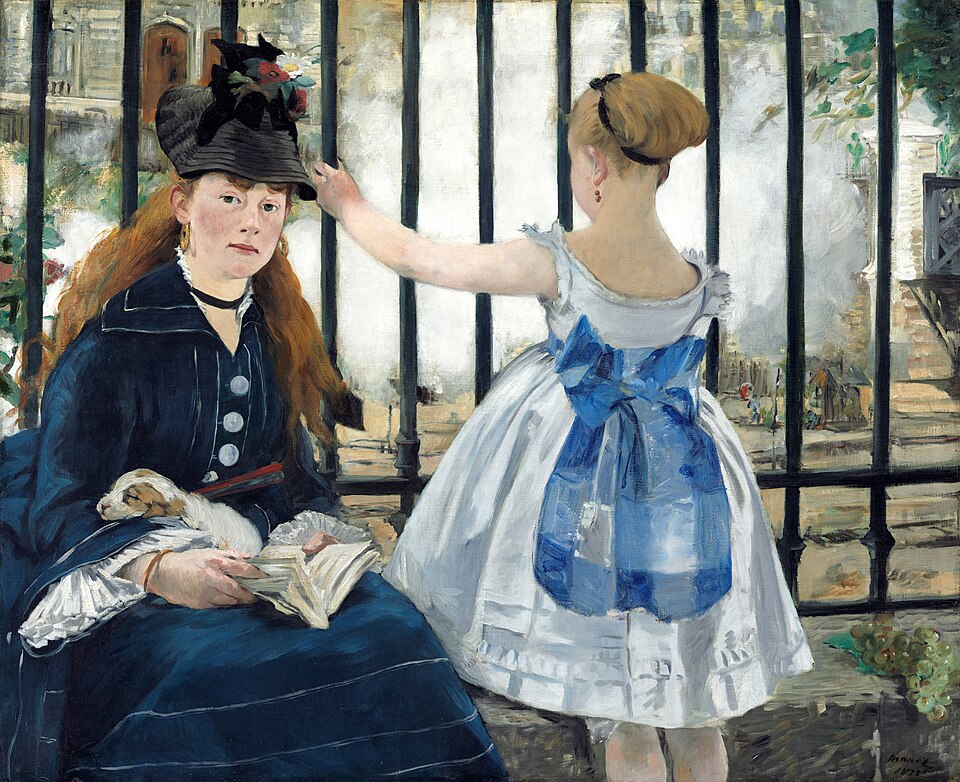
Year?
1873
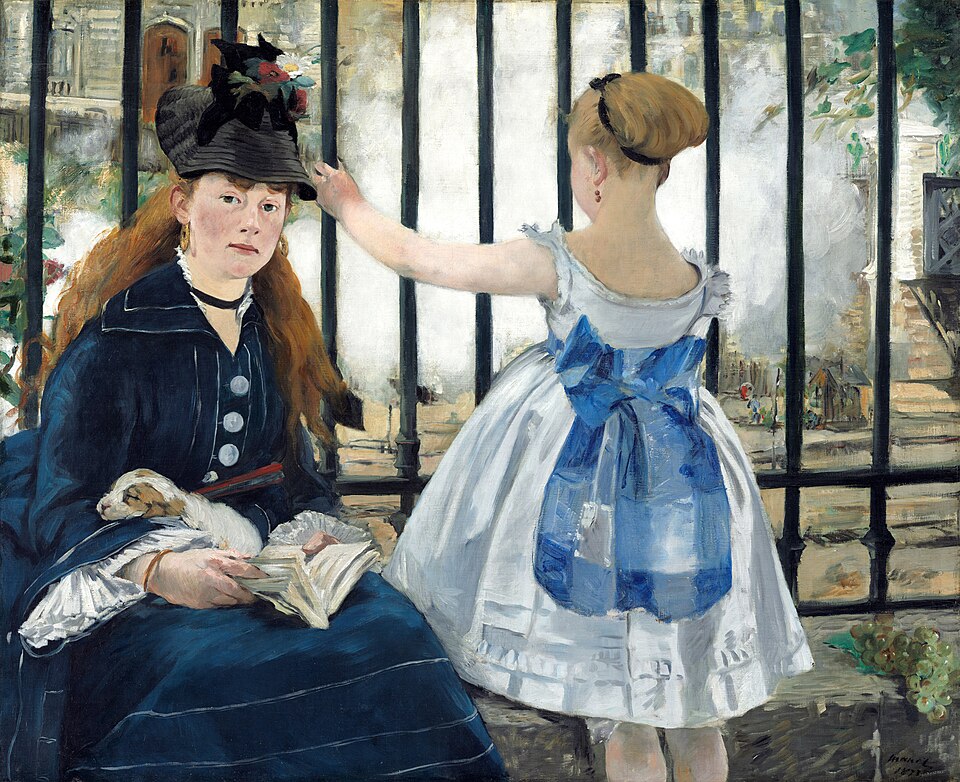
Meaning?
Embodies "modern life itself" by focusing on people and contemporary fashion rather than industrial machinery. Following Baudelaire’s philosophy, Manet uses details like the girl's satin bow and a puppy to capture the fleeting, "circumstantial" beauty of the era.
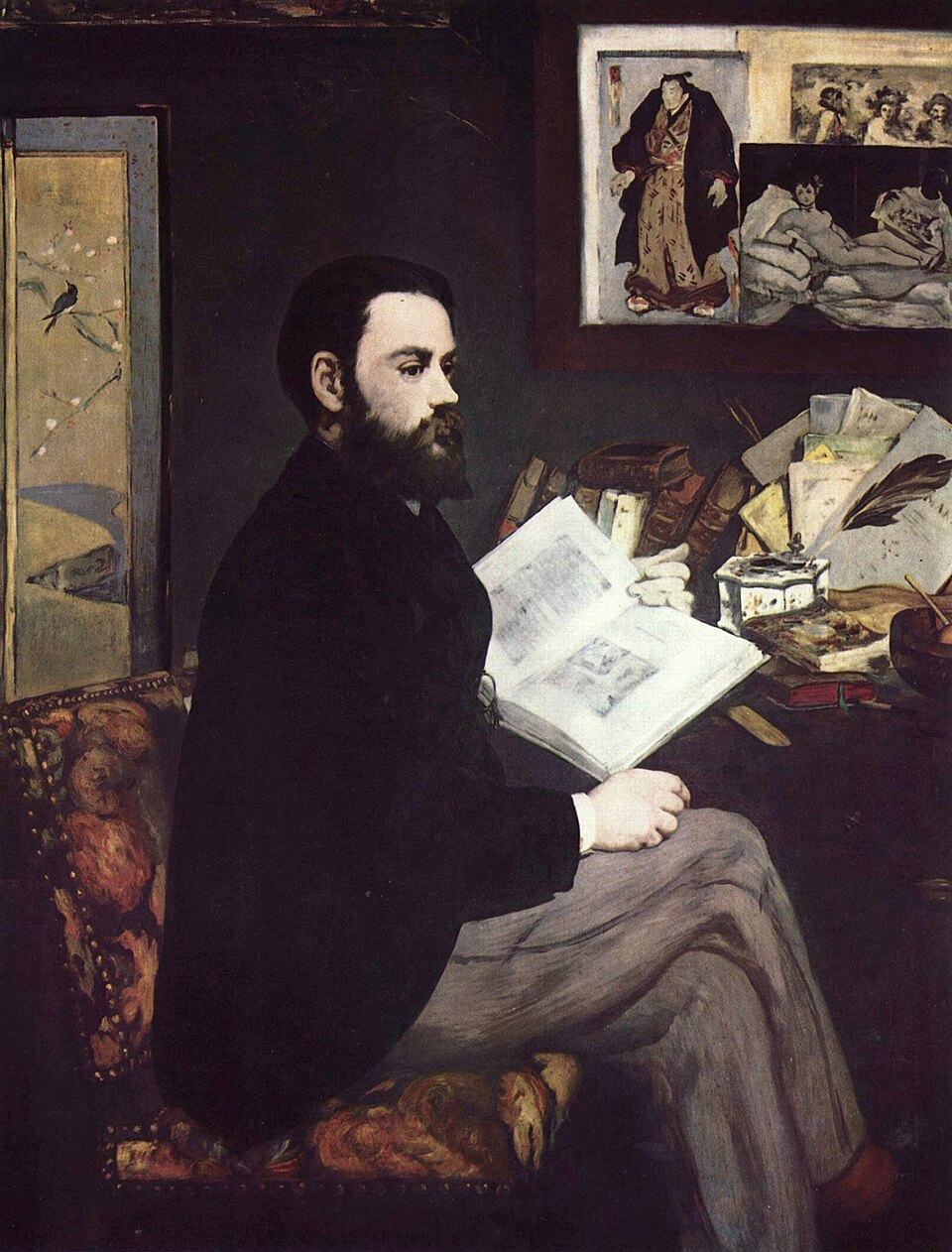
Name?
Emile Zola
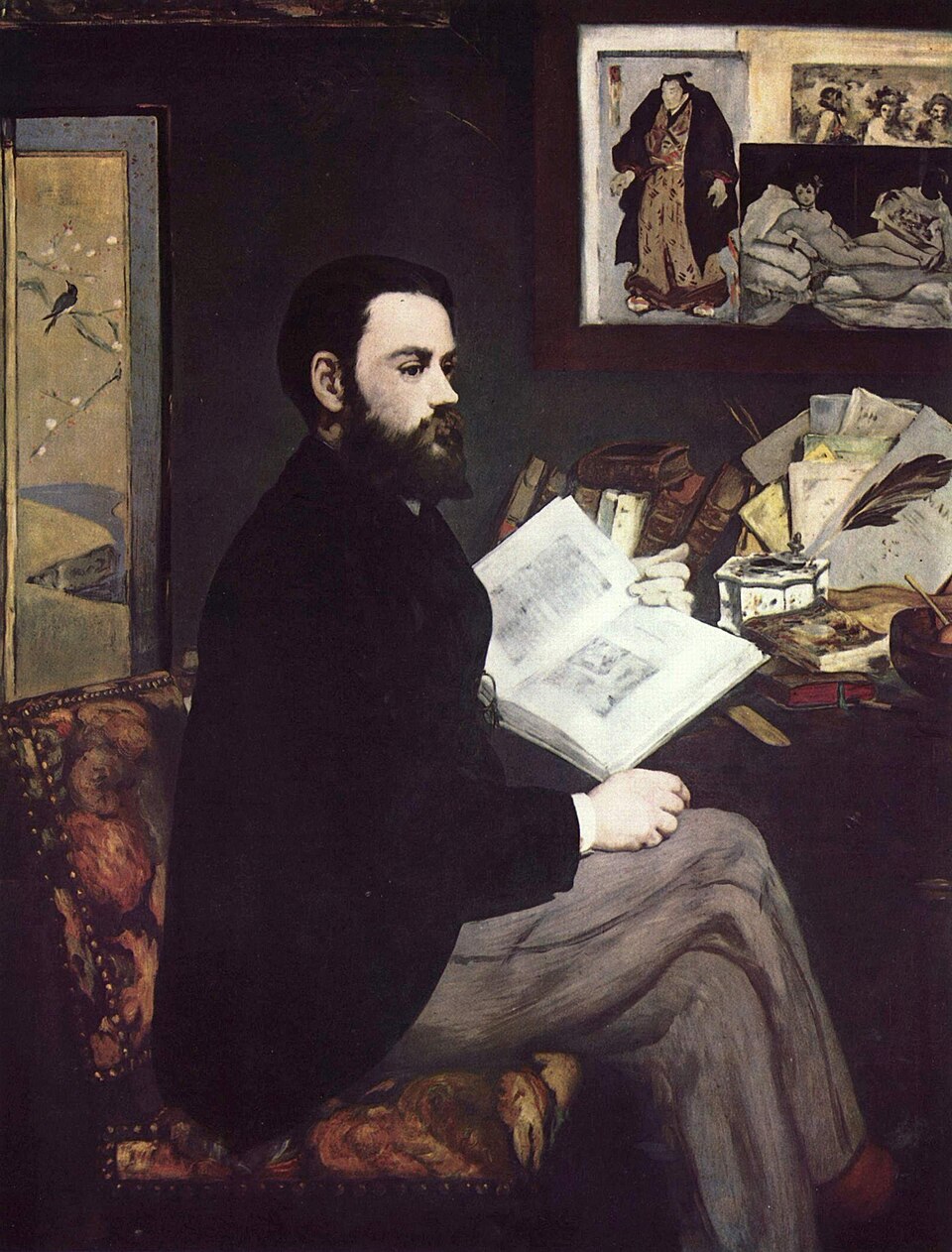
Year?
1867-1868
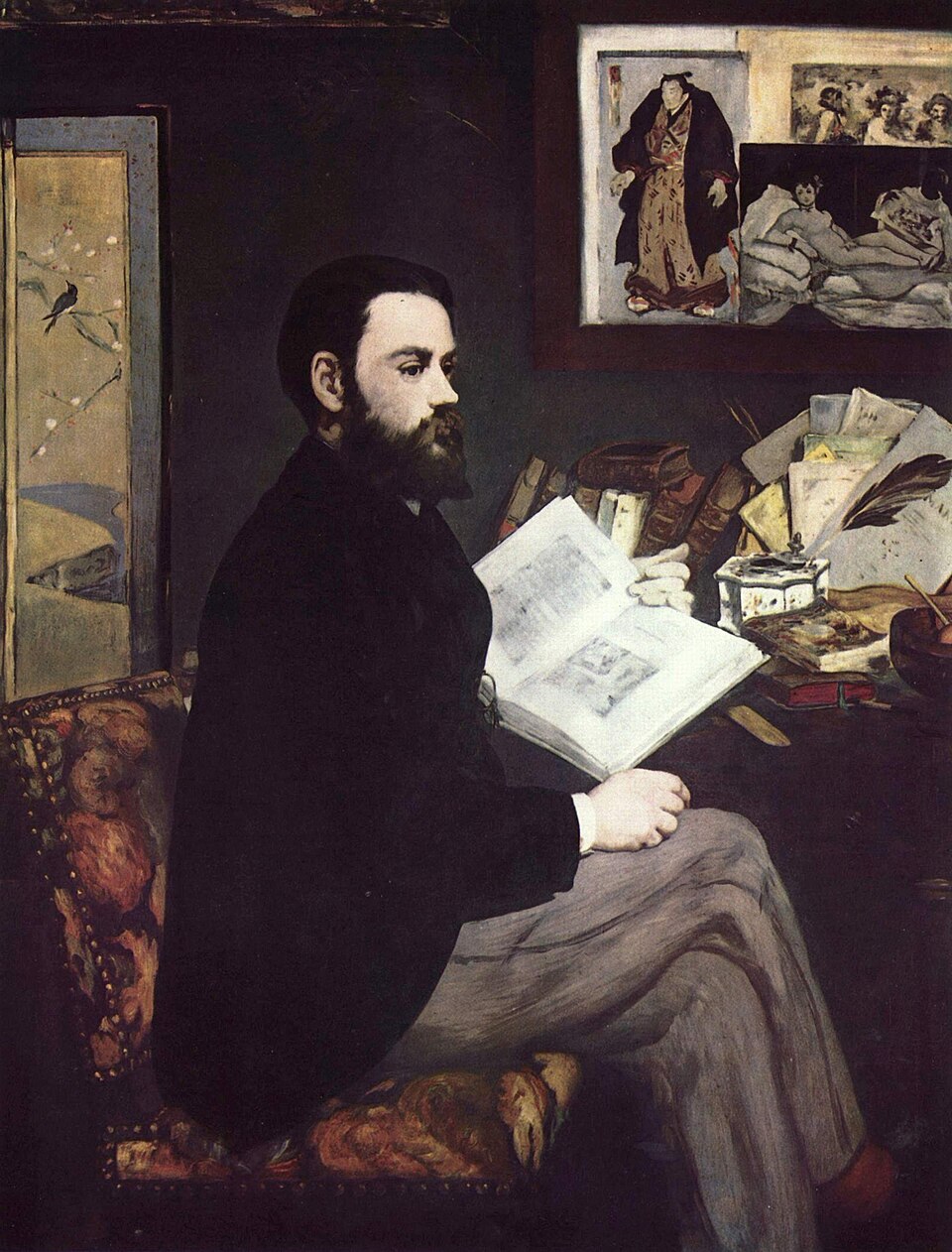
Meaning?
Manet’s portrait of Émile Zola is a statement on modernity and the "condition of contemporary existence". Rather than using Zola's personal belongings, Manet and Zola selected specific props from the artist's studio to signify the poet’s character and status as a contemporary figure
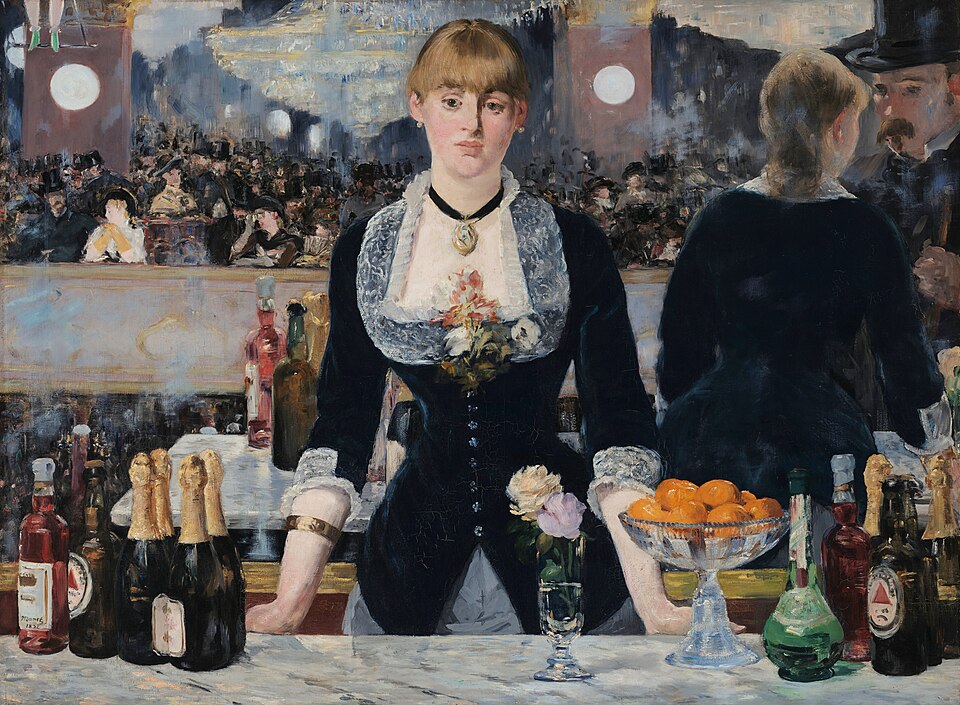
Name?
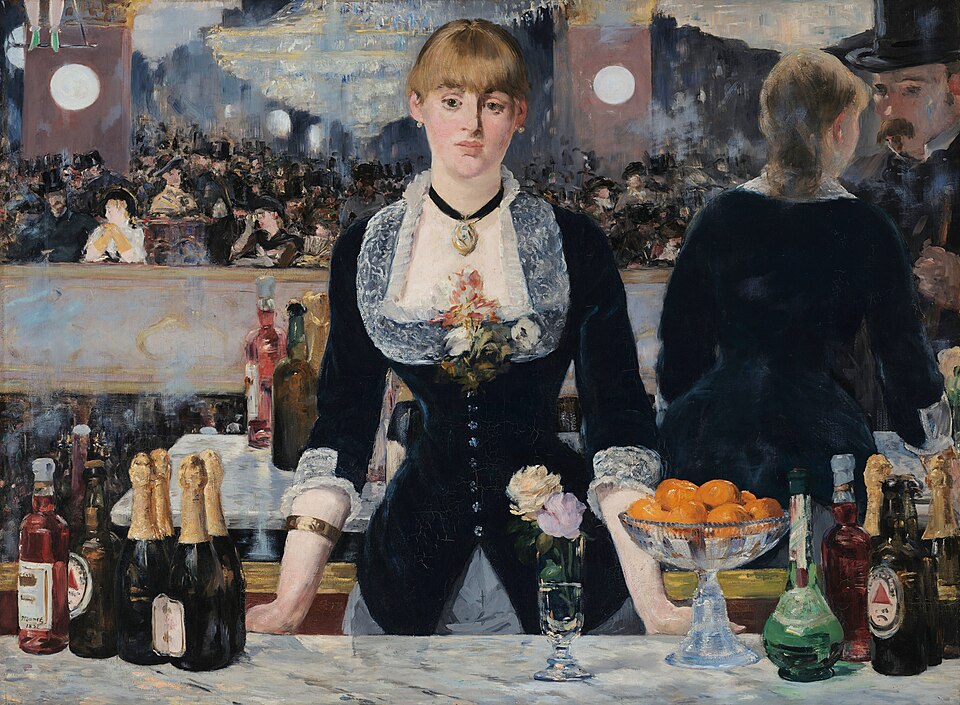
A Bar at the Folies-Bergère
Year?
1882
Meaning?
critiques modern consumption and the commodification of women. By forcing the viewer into the position of a male patron, Manet presents the barmaid as another object to be consumed alongside the liquor bottles. The work is a calculated "intellectual composition" that uses a real figure from the contemporary marketplace to reflect the materiality of modern life
Name?
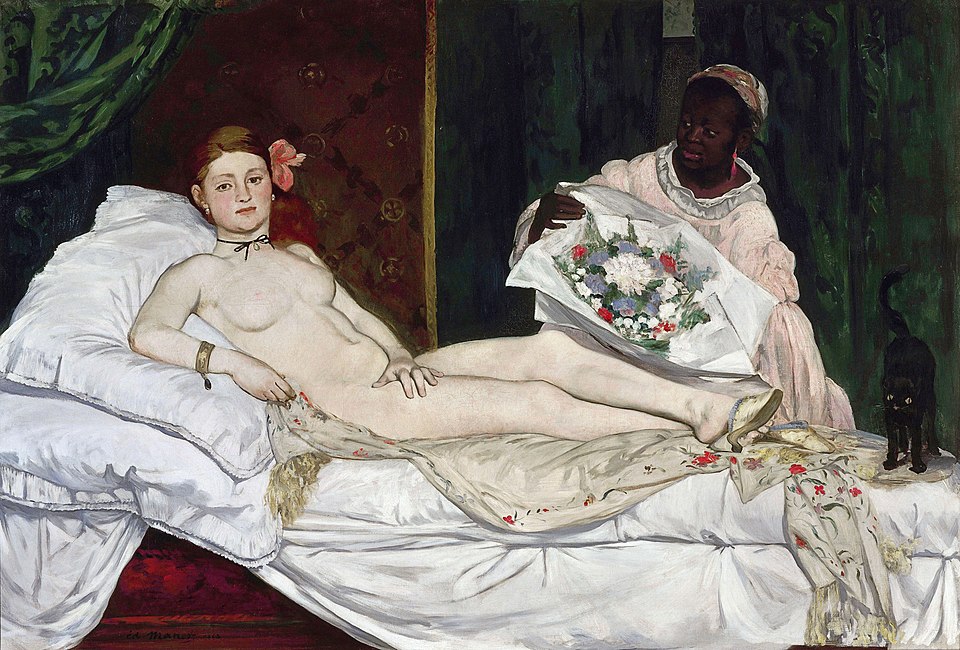
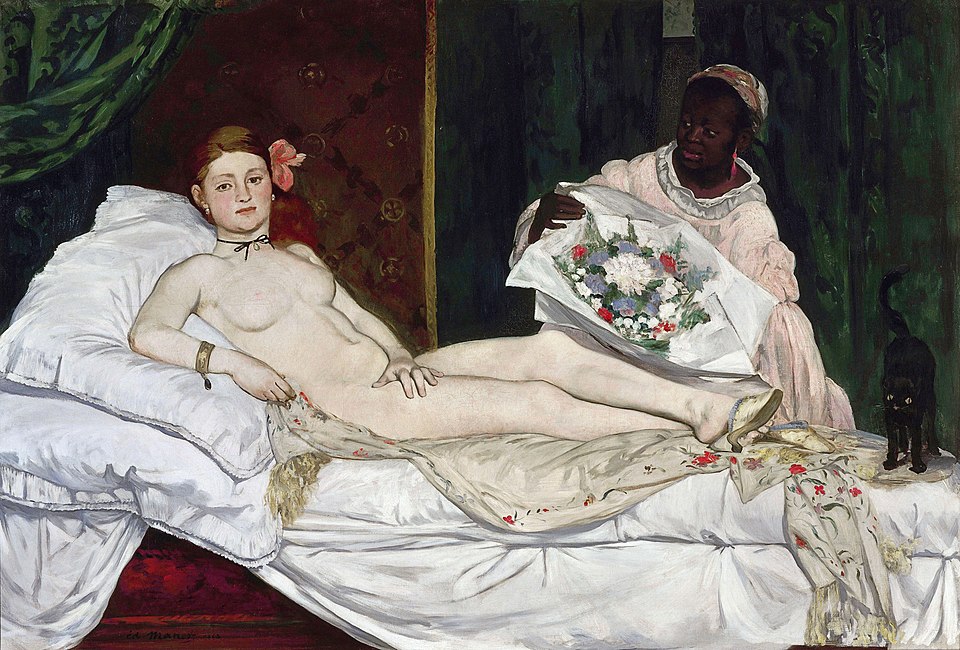
Olympia
Year?
1863-1865
Meaning?
Subverted traditional nudes by depicting a modern Parisian courtesan with agency and control. Her confrontational gaze and hand-as-barrier challenged objectification, asserting her status as a professional rather than a passive object for pleasure.
Following Baudelaire’s philosophy, Manet used contemporary details to capture the "circumstantial" beauty of the 1860s instead of a timeless, idealized form.
Name?
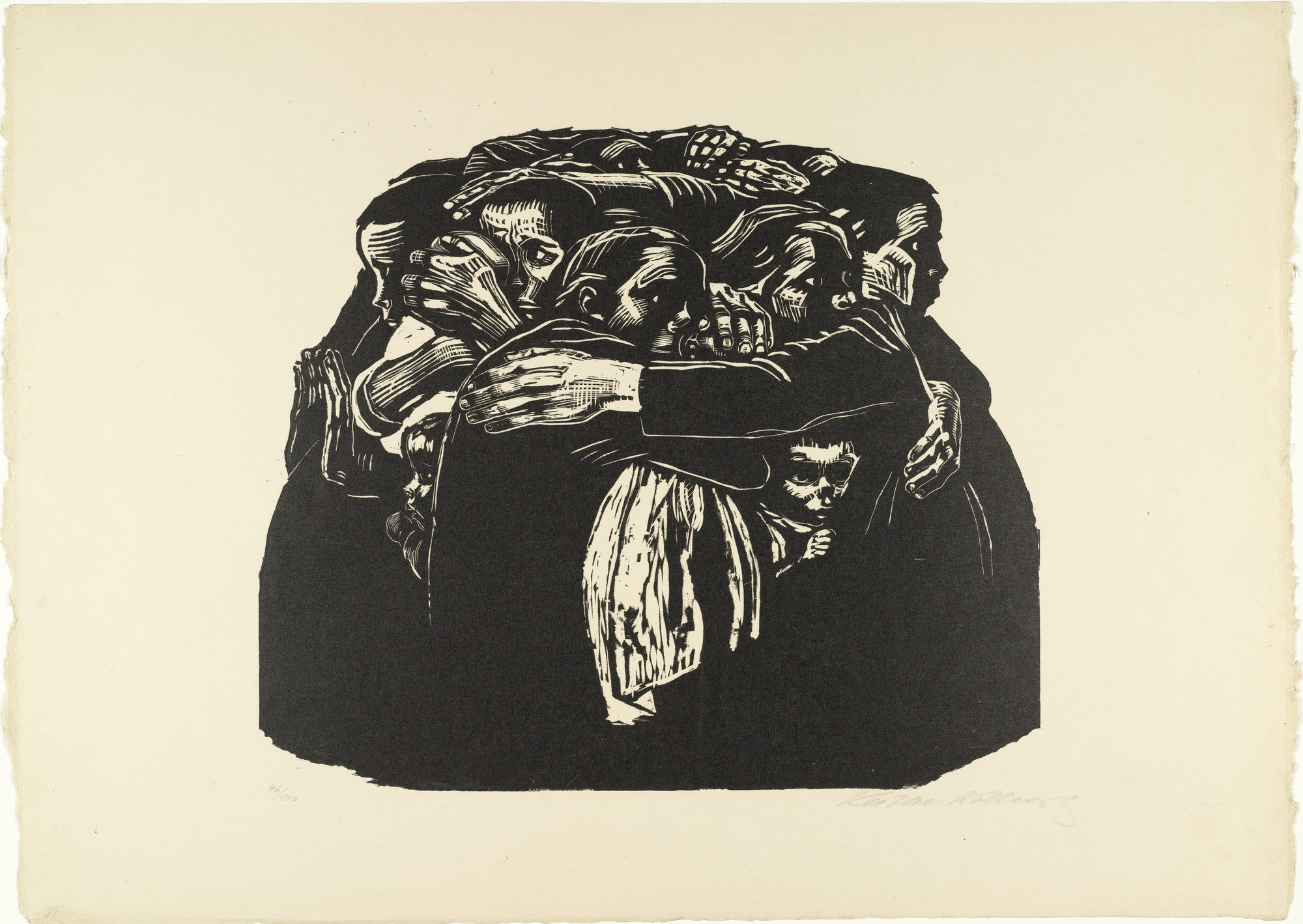
The Mothers
Year?
1867 - 1945
Made by?
Kollwitz, Käthe, a post-WWI figurative artist who used expressive woodcuts for social and political commentary, affected by her son’s death in the war, she became a pacifist and focused on depicting universal grief, She preferred printmaking over painting because its reproducibility made art accessible to a wider, non-elitist audience, Her style utilized an economical rendering of the human form to achieve the most direct and authentic emotional expression

