eutrophication
 Studied by 1 person
 Call Kai
 Learn
Learn Practice Test
 Spaced Repetition
 Match
Match Flashcards
 Knowt Play
1/9

There's no tags or description
Looks like no tags are added yet.
Name | Mastery | Learn | Test | Matching | Spaced |
|---|
No study sessions yet.
10 Terms
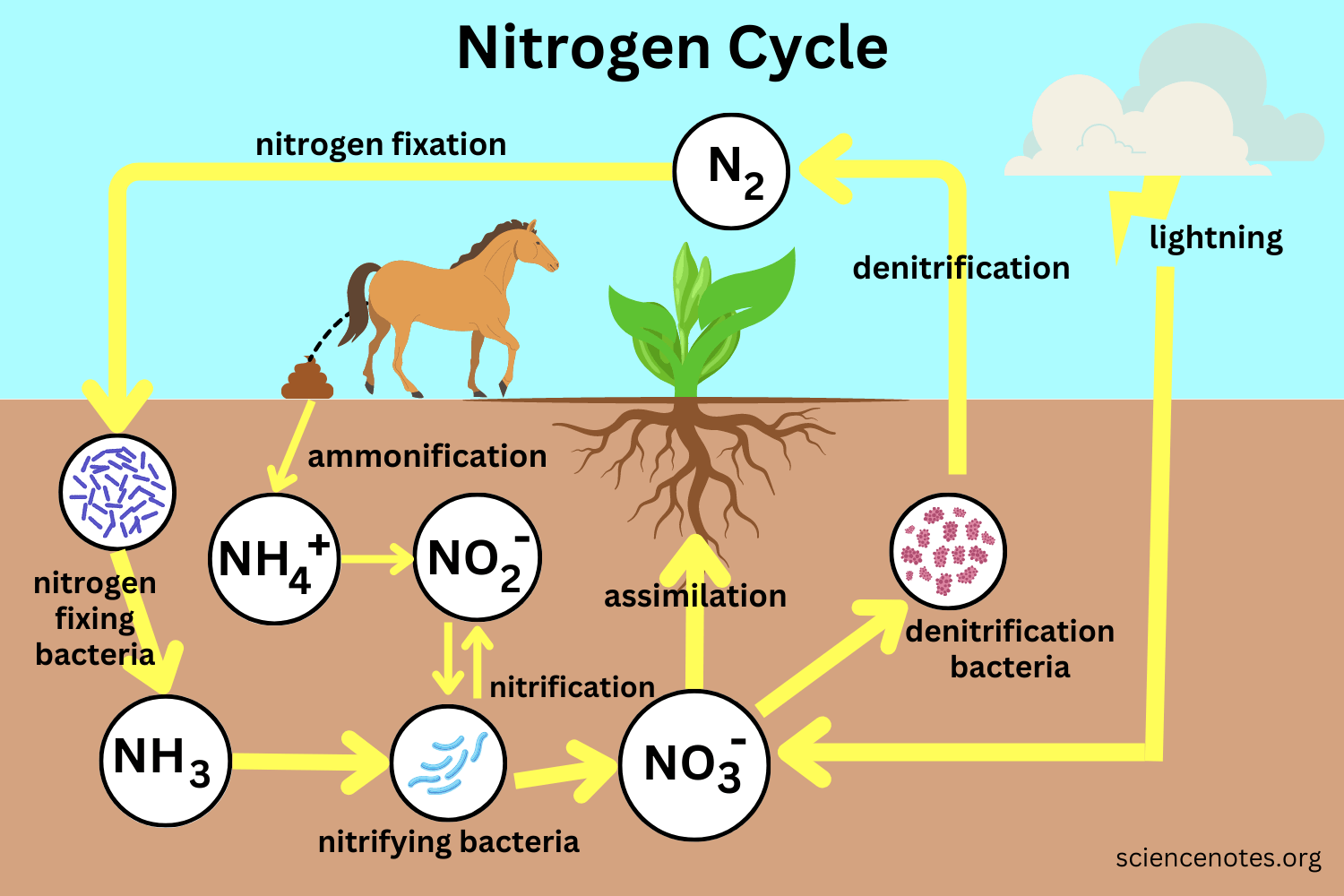
the nitrogen cycle
nitrogen fixation - N2 to NH4
ammonification - decomposer to NH4
nitrification - NO2 - NO3
assimilation - NO3 to autotroph
ammonium
(NH4) toxic to plants
nitrites
(NO2) toxic to plants
nitrates
(NO3) vital for growth and passed up through trophic levels, eventually absorbed by humans
eutrophication
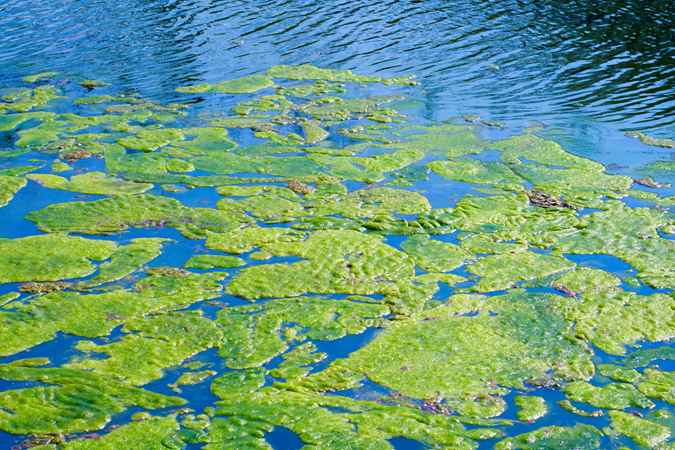
process where excess nutrients saturate the water near areas of terrestrial runoff, resulting in algae blooms
non-point source pollution
agricultural runoff is often linked to eutrophication
nitrogen (non point pollution)
synthetic fertilizer and animal waste runoff into streams and makes their way to larger bodies of water via watershed
phosphorus (non point source of pollution)
other fertilizers contain mineral phosphorus to further stimulate plant growth which can also run off into the watershed
deadzones
areas form in the water when aerobic bacteria decompose the dead plant matter
marine organisms die off due to decreased dissolved oxygen
algae blooms
surplus of nutrients cause rapid algae growth
produce toxins
deplete oxygen in water
blocking sunlight
disrupting food chains
 Note
Note  Flashcards (92)