PLS 006V Module 1
 Call Kai
 Learn
Learn Practice Test
 Spaced Repetition
 Match
Match Flashcards
 Knowt Play
1/33

There's no tags or description
Looks like no tags are added yet.
Name | Mastery | Learn | Test | Matching | Spaced | Call with Kai |
|---|
No analytics yet
Send a link to your students to track their progress
34 Terms
Flowers in society
Flowers have always represented a way to add
beauty and interest to our world
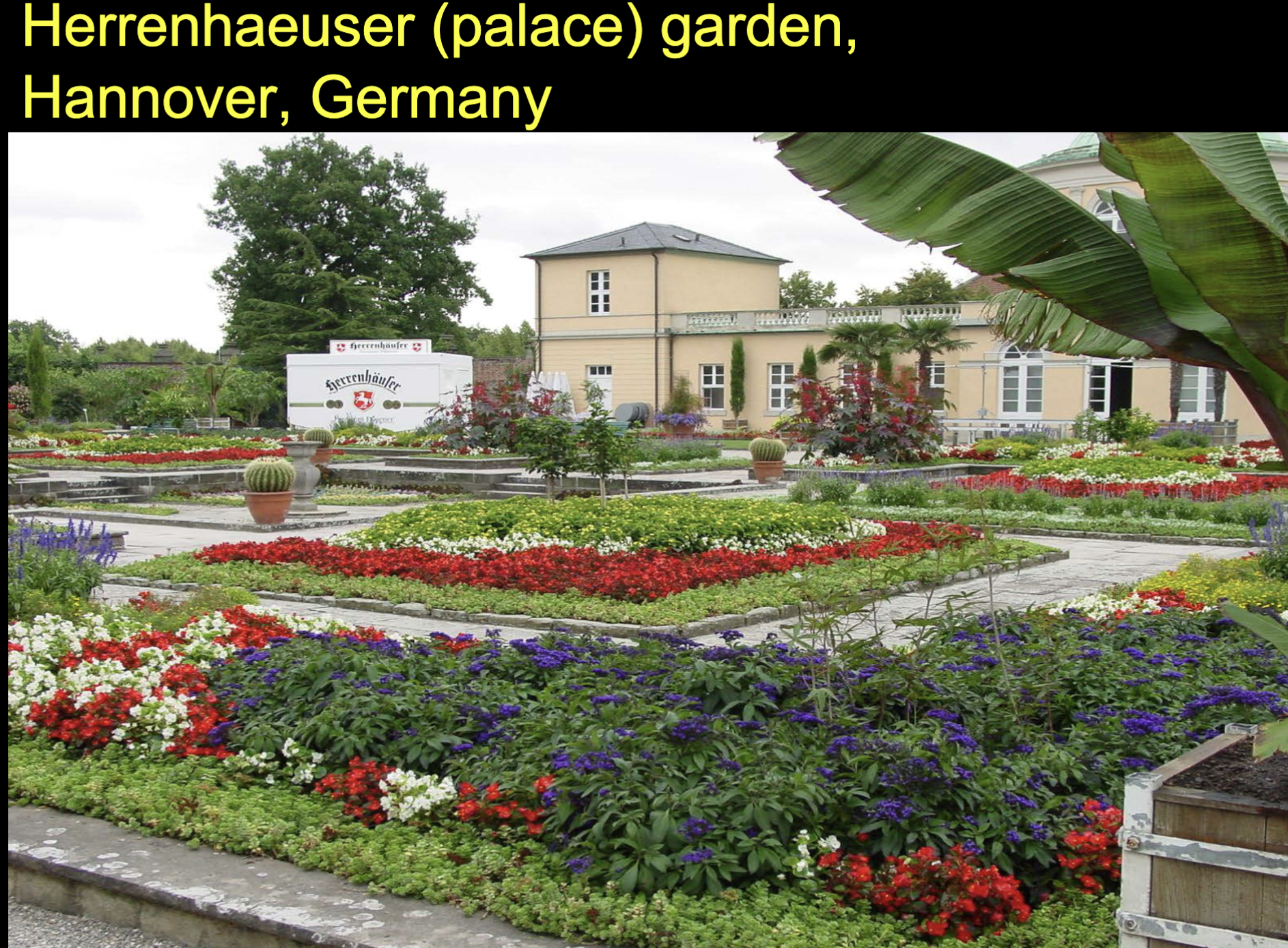
Gardens represented a major form of entertainment
for the wealthy
The flowering plant industry
Larger than most other agricultural commodities
Horticulture
Note: horticulture is part of agriculture
all sorts of protected cultivation including gardens, vegetable
production
Wherever man has to impose a lot of activities on the plants to
make them grow the way we want. (pinch them, etc)
Protect the plant from (excess tempt, water, ppl stealing it, or bugs eating it)
Floriculture
the production and use of ornamental plants. It includes:
Cut flowers
Bedding plants (garden and landscape plants)
Container-grown landscape plants (nursery products)
Flowering potted plants and foliage potted plants (florist products)
Greenhouse and nursery production (efficiency, water use, etc.)
Postharvest handling (making flowers last longer)
Using flowers (arrangements, decoration, etc.)
Amorphophallus titanum
a.k.a."Titan Arum" or "corpse flower"
▪ Very large flower (60 inches tall)
▪ We have some here on campus; this image
is from a few years ago.
▪ Note that central part is a stalk with
thousands of tiny flowers
▪ The flower as a whole stinks!
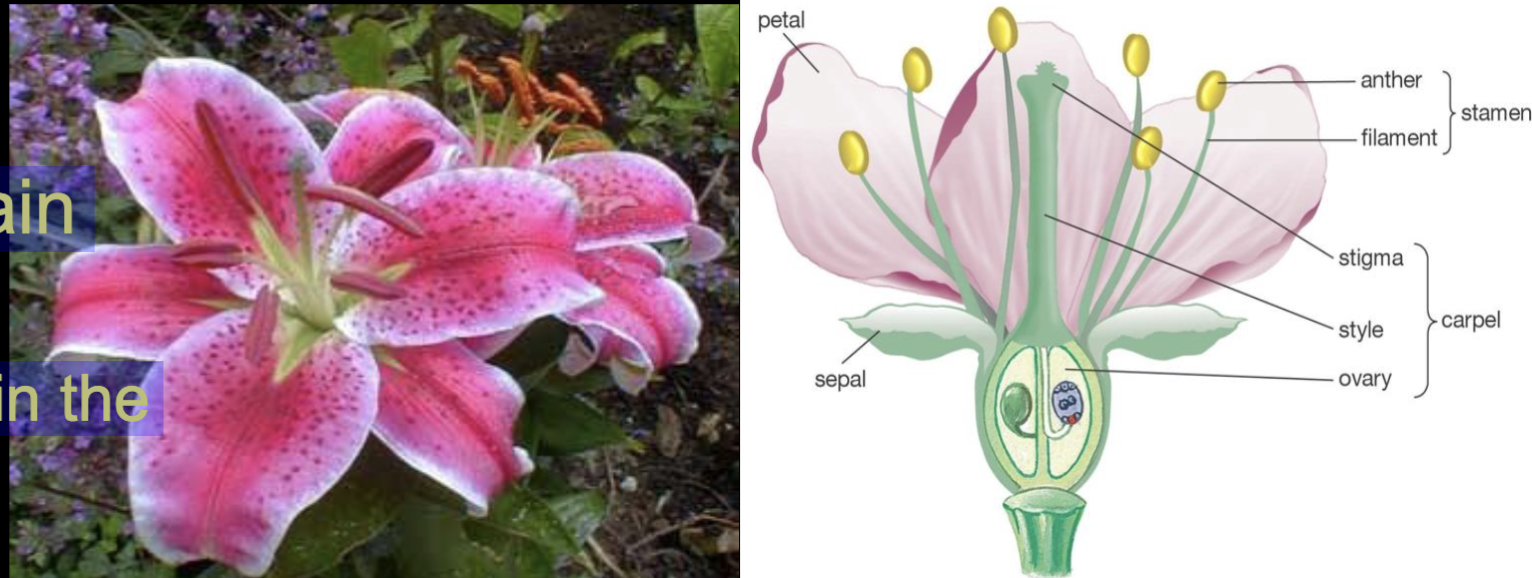
Flower Structure (generic flower)
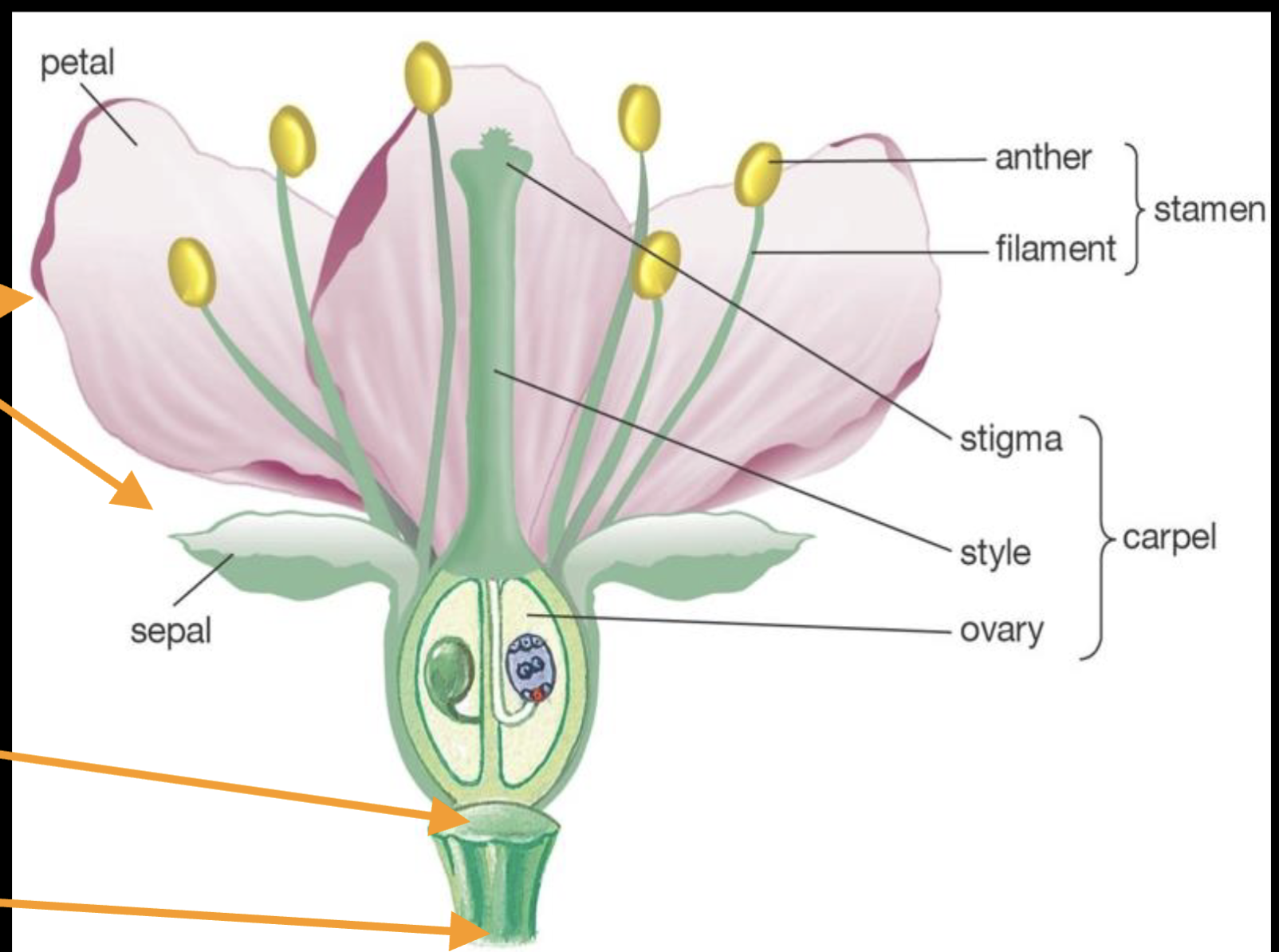
Sepals
Located at base of flower; surround and protect the bud.
Flower Structure (generic flower)
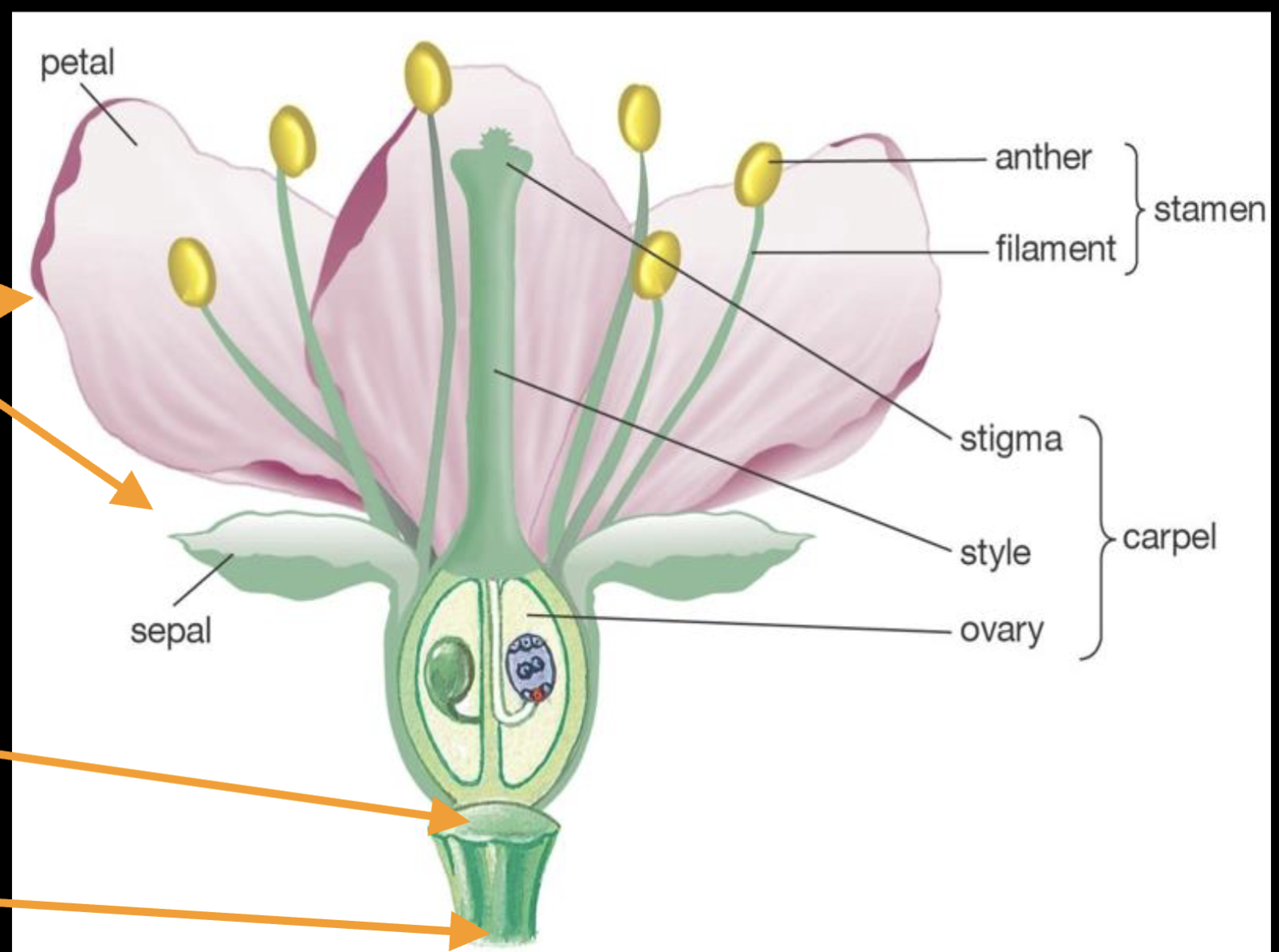
Petals
Located above sepals; frequently brightly colored (attracts pollinators).
Flower Structure (generic flower)
Receptacle
Holds it all together
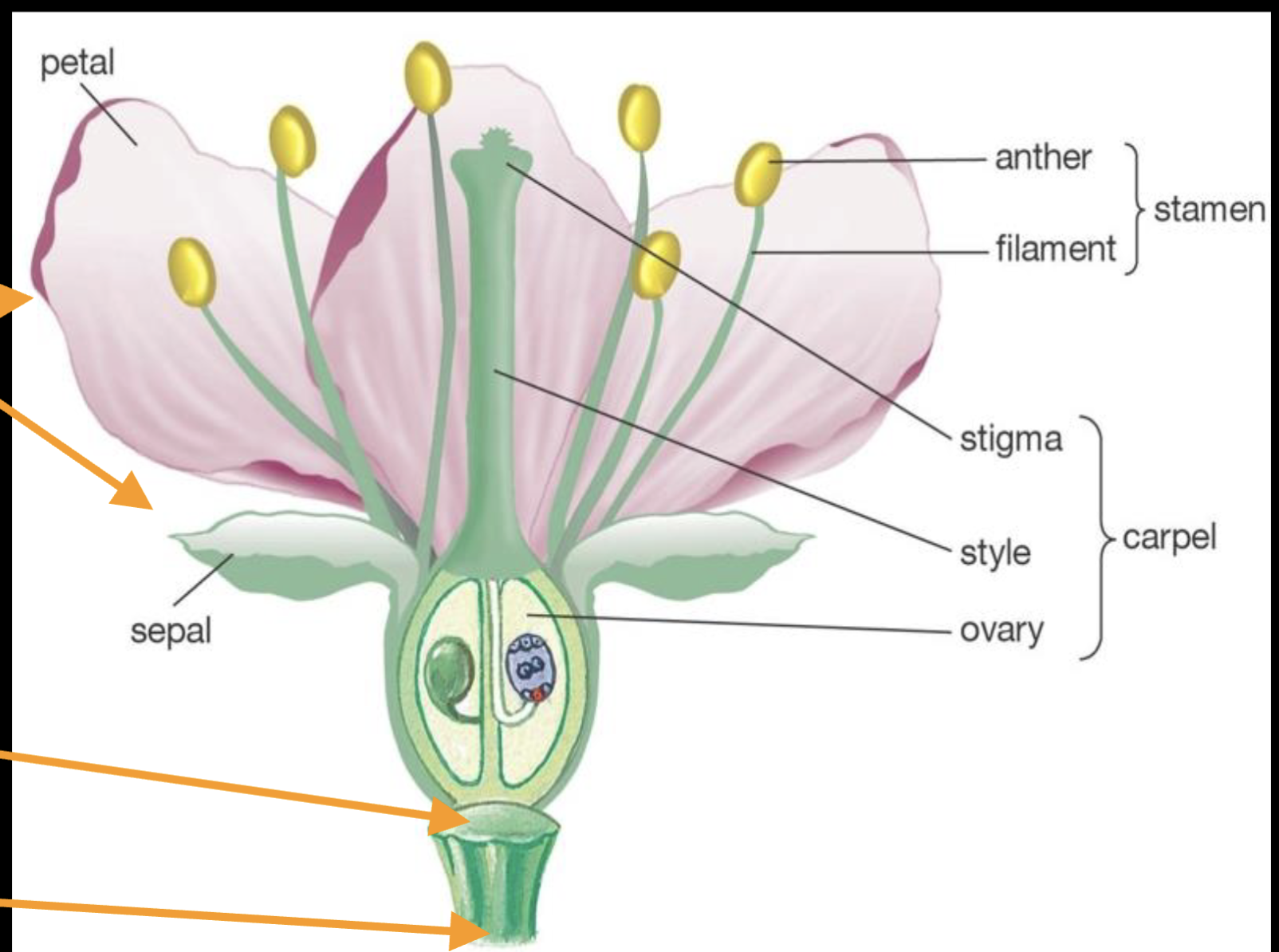
Flower Structure (generic flower)
Pedicel
The stem that supports a single flower in a flower cluster.
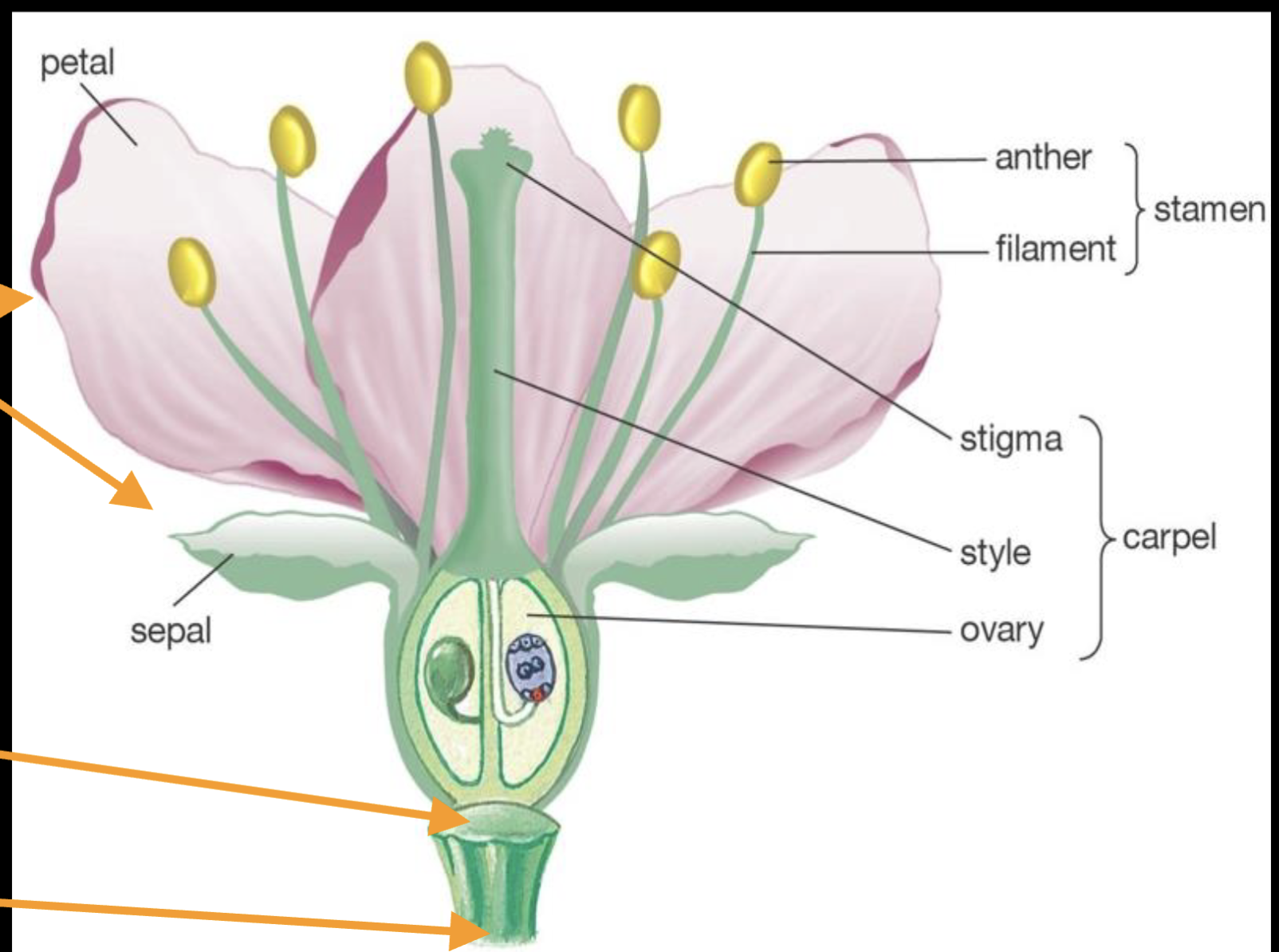
Flower Structure (generic flower)
Stamens
Male reproductive structures
Attached above petals
Each consists of a:
Filament (stalk)
Anther (produces pollen)
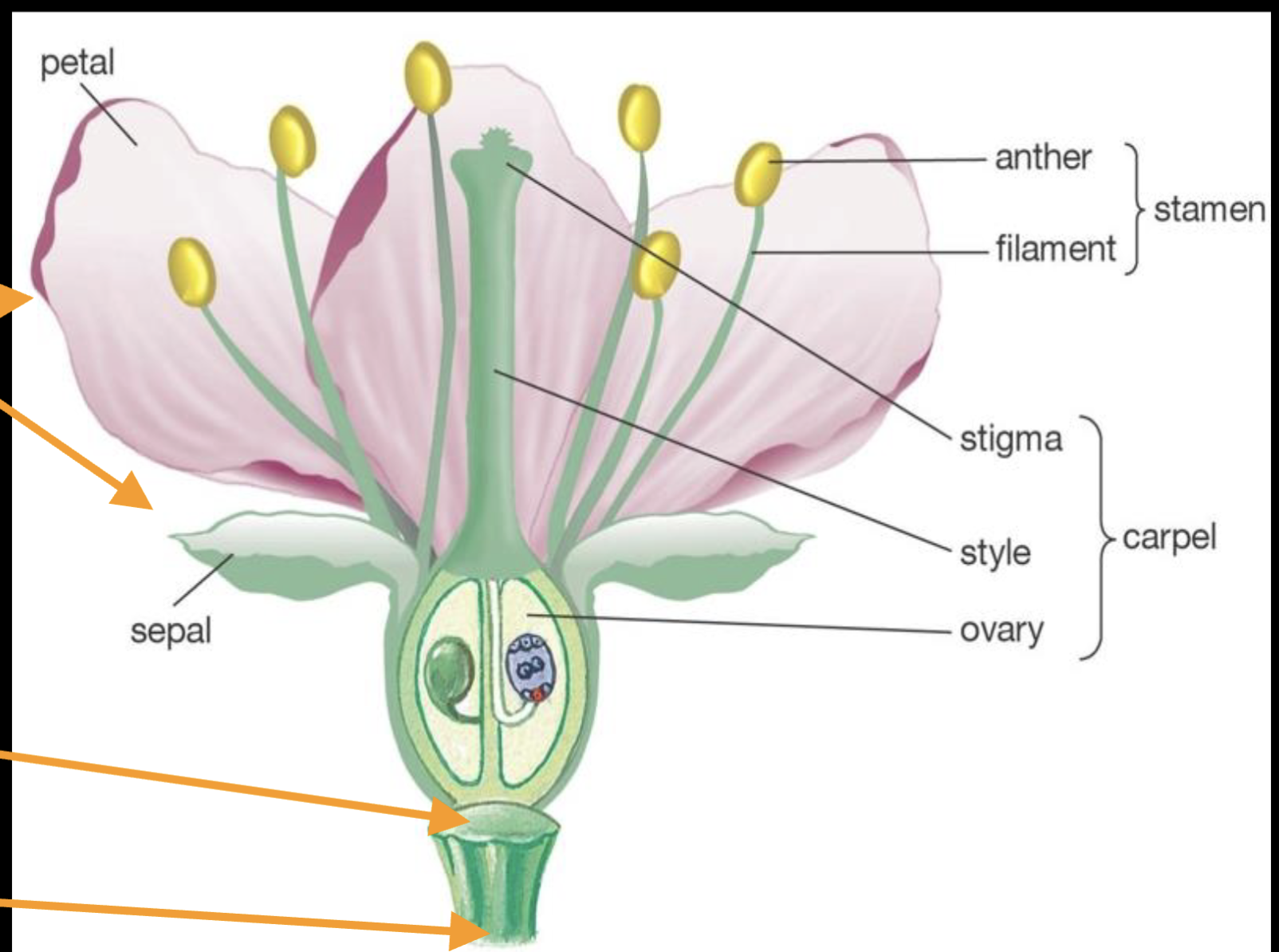
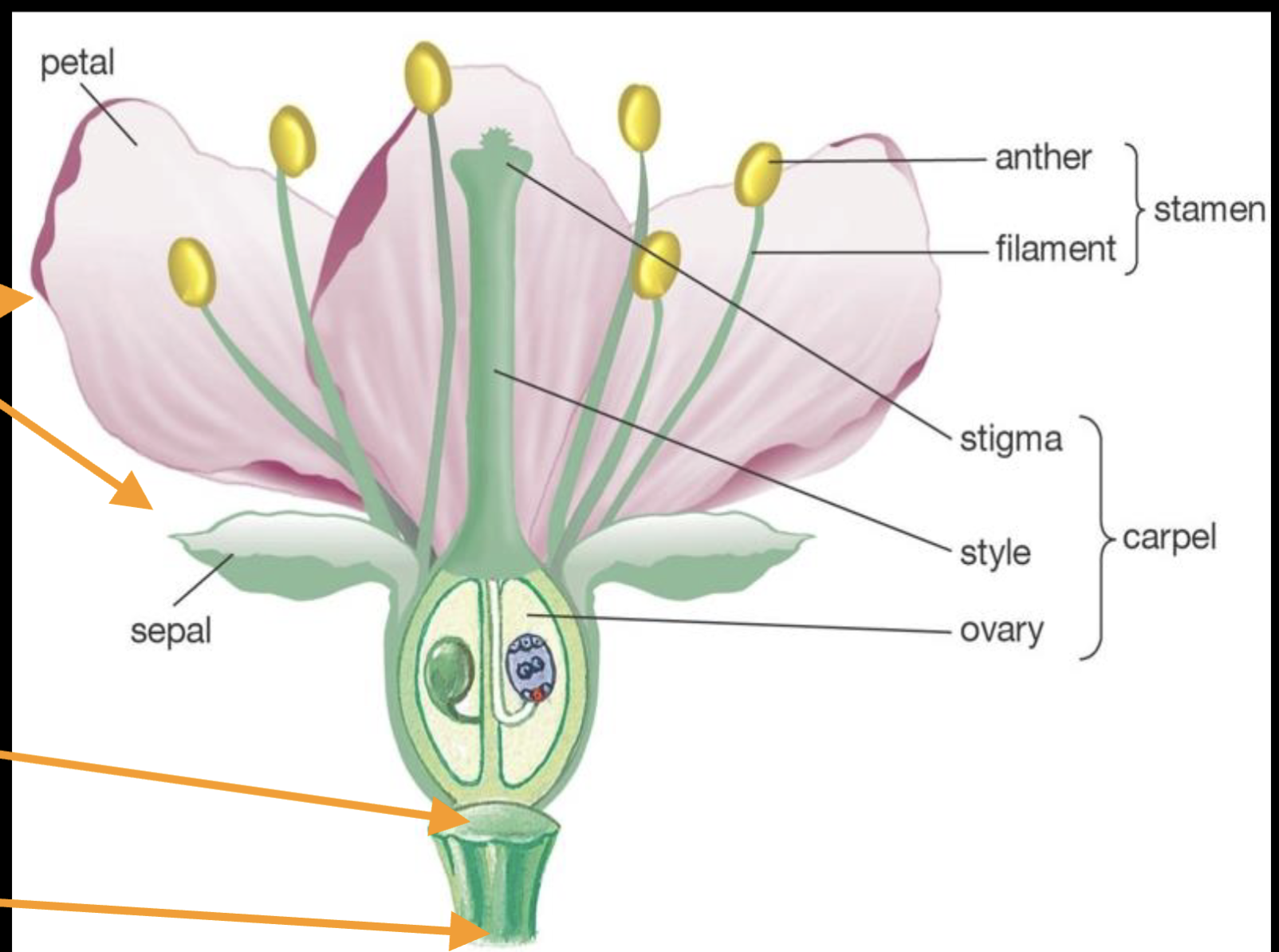
Flower Structure (generic flower)
Carpel (Pistil)
Female reproductive structure - centrally located
Each consists of a:
Stigma (catches pollen)
Style - tube
Ovary – contains one or more ovules
Ovules develop into seeds
Ovary develops into a fruit
Which are parts of a stamen?
a. Stigma and style
b. Petals and sepals
c. Anther and filament
d. Leaf and stem
c. Anther and filament
Which are parts of a Carpel?
a. Stigma and style
b. Petals and sepals
c. Anther and filament
d. Leaf and stem
a. Stigma and style
Which statement is correct?
a. A carpel can consist of multiple pistils
b. A pistil can consist of multiple carpels
b. A pistil can consist of multiple carpels
Perfect
Flower that contain both stamens and pistils
Both male and female parts in the same flower
Imperfect
Individual flower is either male or female
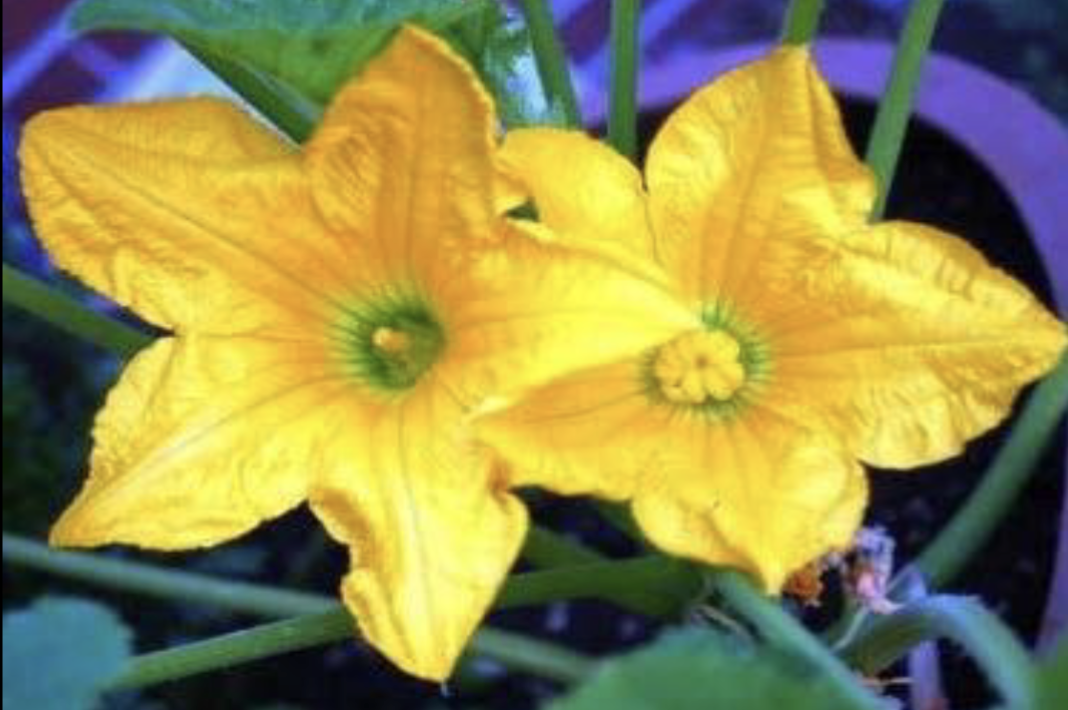
Monoecious
Dioecious
Monoecious
male and female flowers appear on the same plant (eg. Squash)
Dioecious
a specimen of the plant is either male or female (eg Ginko trees)
Complete
Has sepals, petals, stamens, and carpels (pistils)
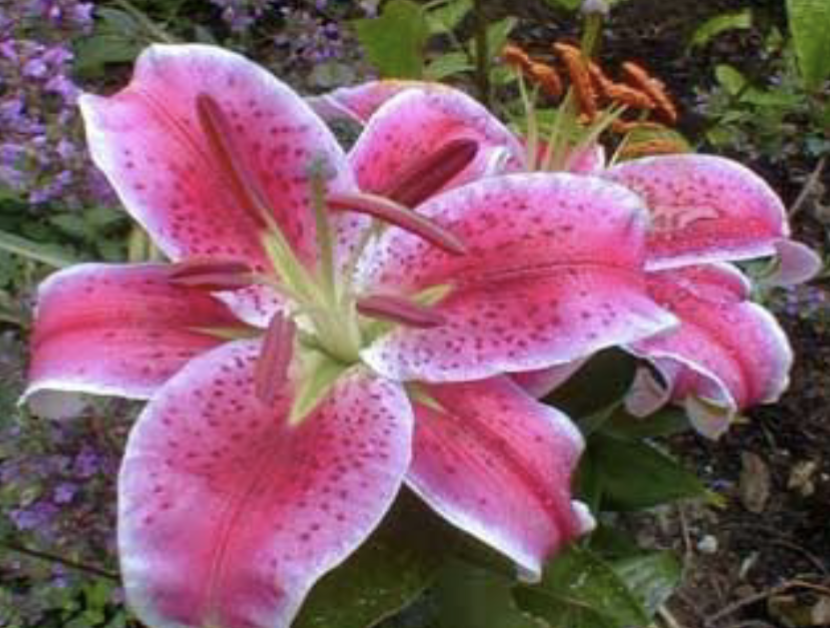
Incomplete
Lacks one or more of the above structures
All “imperfect” flowers are “incomplete”
Flower
Dictionary non-technical: “the blossom of a plant”
Dictionary technical: “the part of a seed plant comprising the reproductive organs
and their envelopes if any, especially when such envelopes are more or less
conspicuous in form and color”.
Blossom
not a technical term
Dictionary: “the flower of a plant”
Inflorescence
Dictionary technical: the arrangement of flowers on the axis, or the flowering part of a plant, or a flower cluster or a group of flowers collectively.
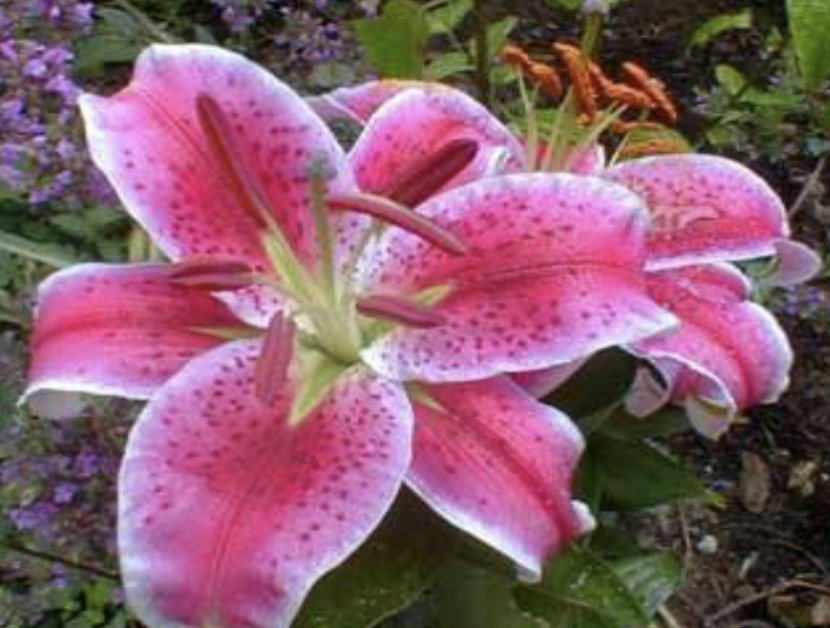
Simple
One single flower per stalk
“Compound” and “Composite”
Means more than one flower grouped together
Compound
inflorescence looks like many flowers
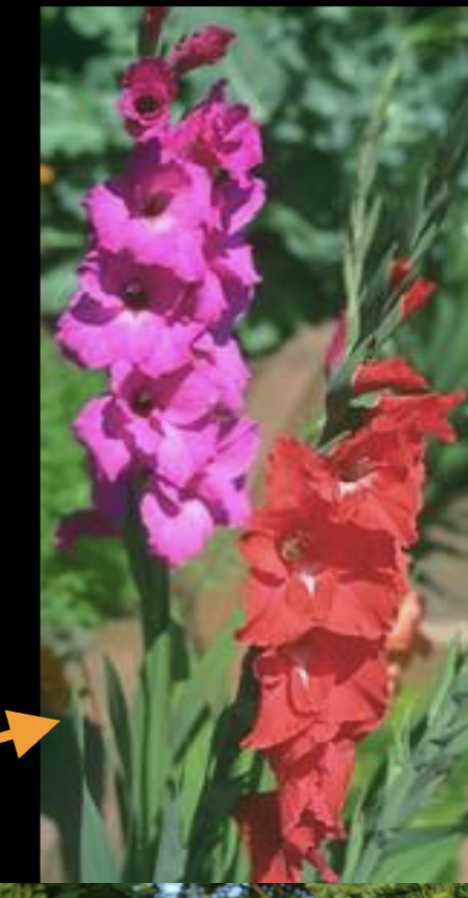
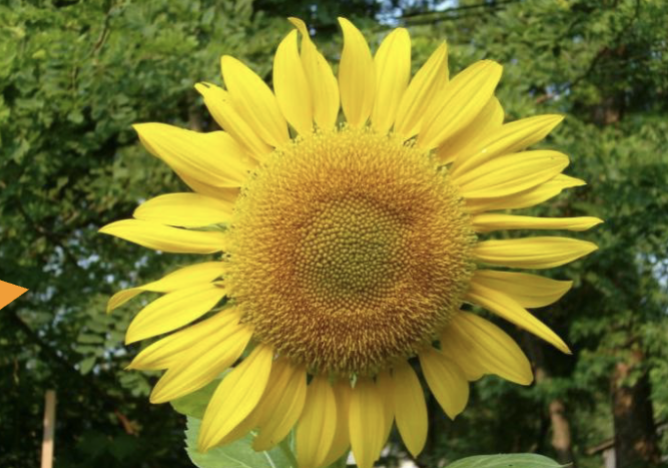
Composite
inflorescence looks like one blossom/flower
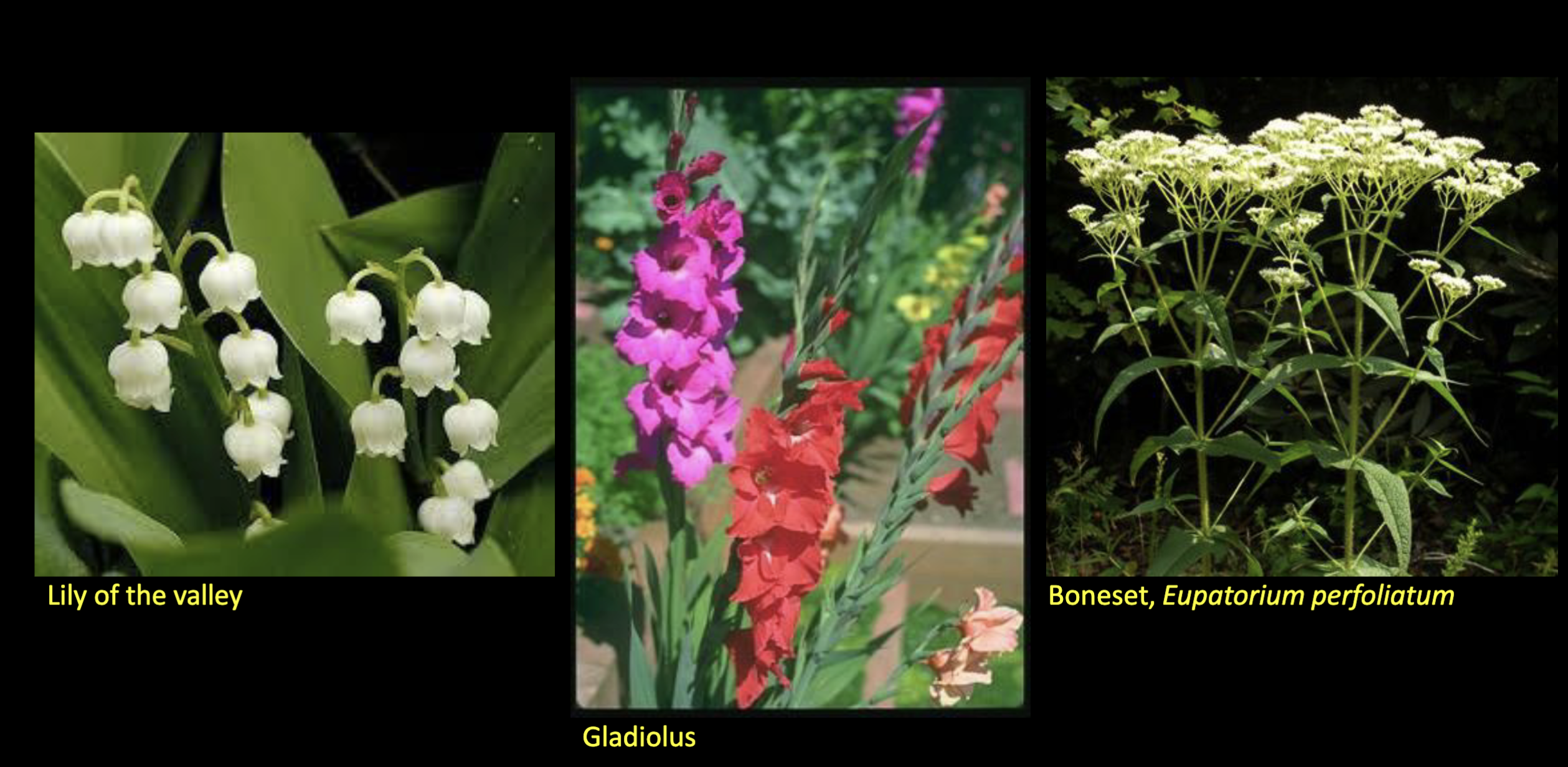
Compound flowers – various forms:
Raceme
Unbranched, indeterminate inflorescence with pedicellate (short floral stalks) flowers along the axis

Compound flowers – various forms:
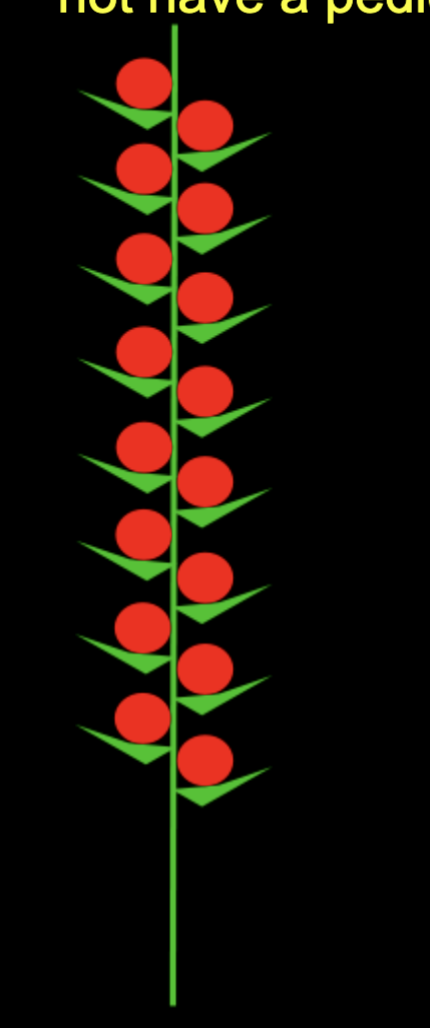
Spike
Type of raceme that do not have a pedicel
Compound flowers – various forms:
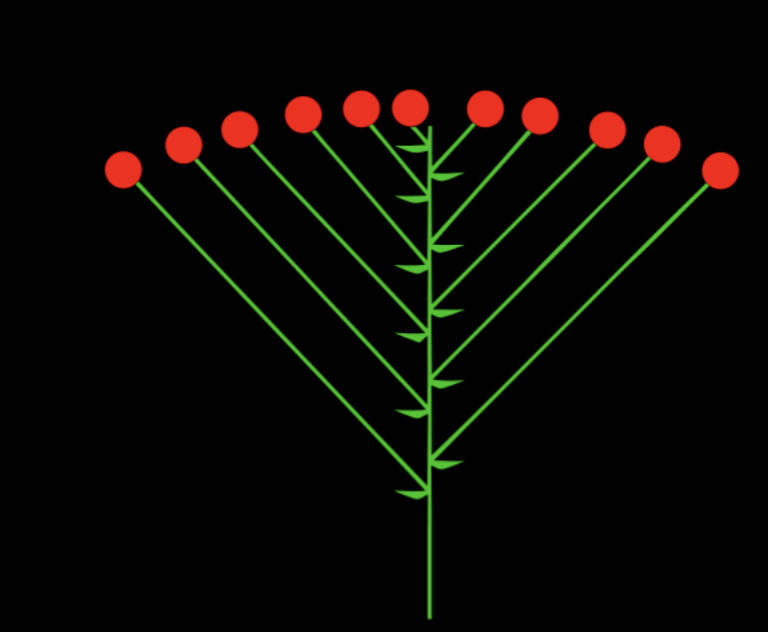
Corymb
Unbranched, indeterminate inflorescence that is flat topped or convex
Compound flower examples:
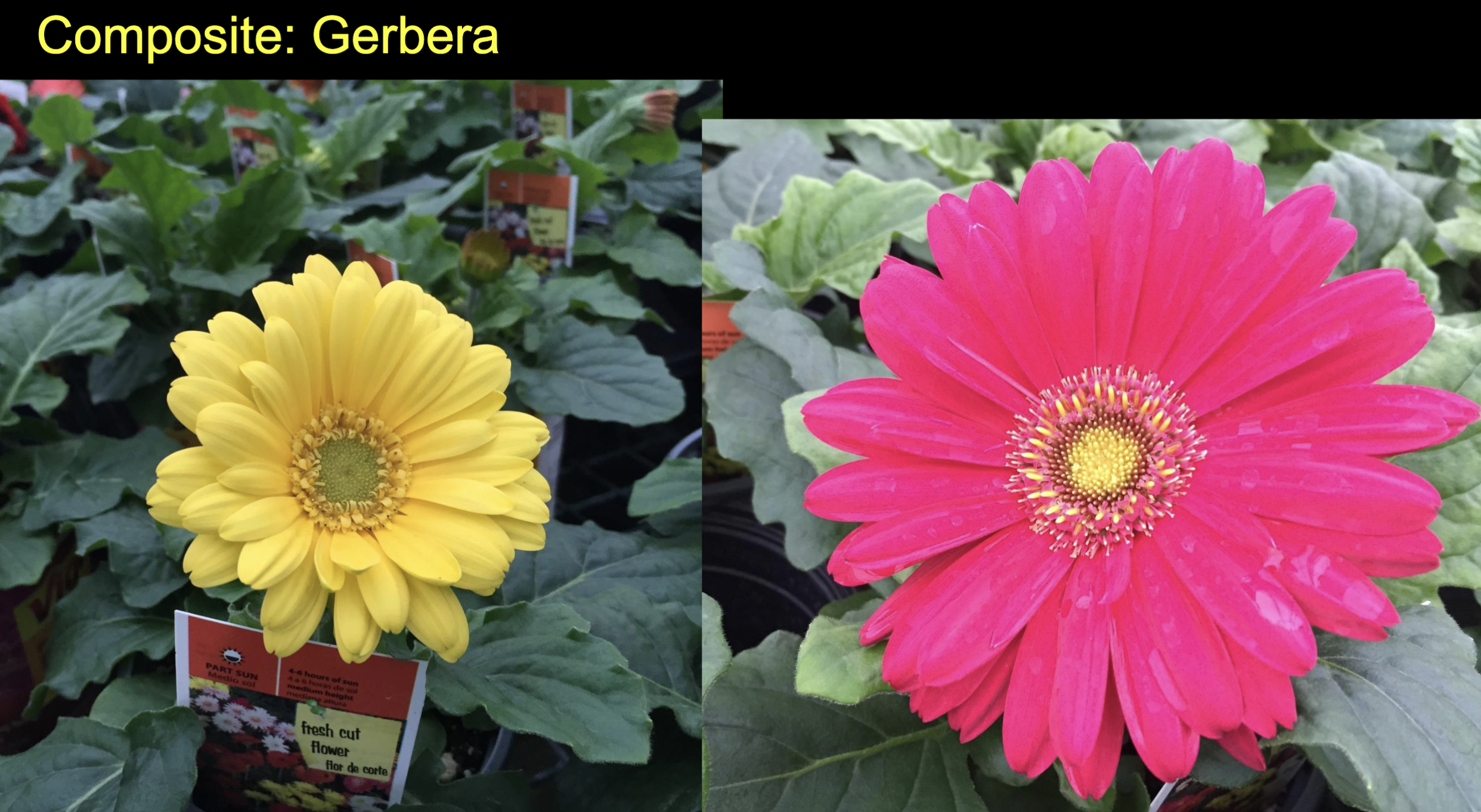
Composite flowers
▪ Multiple “florets” per receptacle
▪ Asteraceae family :
▪ Daisy family
▪ Sunflowers
▪ Chrysanthemums
▪ Dandelions
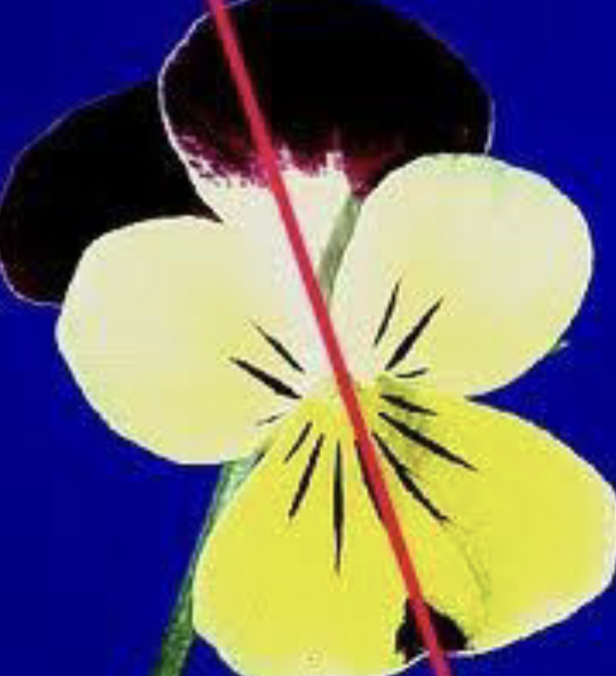
Flower Symmetry
Bilateral (Zygomorphic)
Divided by only a single plane into two mirror-image halves
Flower Symmetry
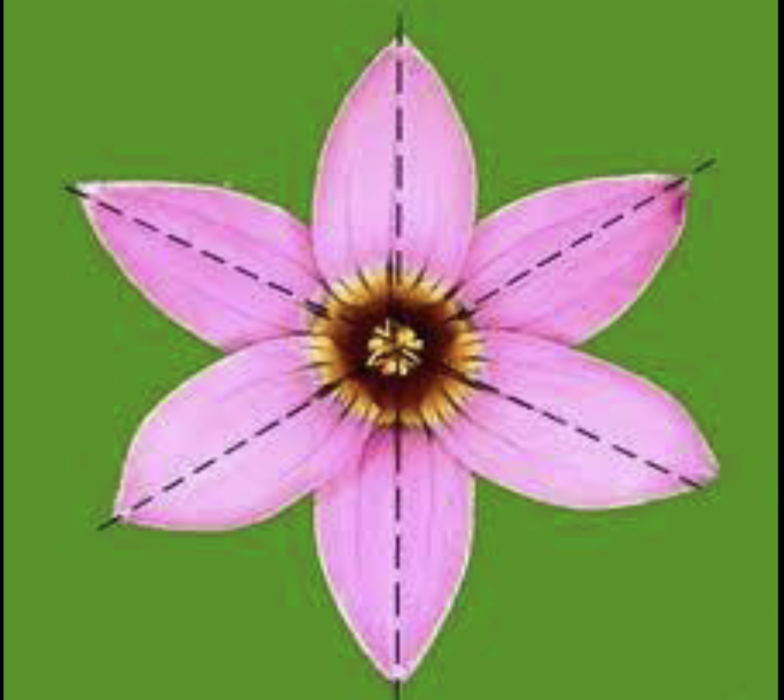
Radial (Actinomorphic)
Capable of being divided into equal halves along any diameter