WW1
 Call Kai
 Learn
Learn Practice Test
 Spaced Repetition
 Match
Match Flashcards
 Knowt Play
1/45

There's no tags or description
Looks like no tags are added yet.
Name | Mastery | Learn | Test | Matching | Spaced | Call with Kai |
|---|
No analytics yet
Send a link to your students to track their progress
46 Terms
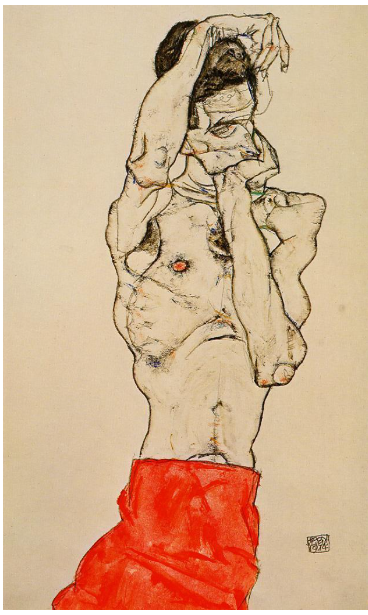
Standing Male Nude with Red Loincloth
Egon Schiele
1914
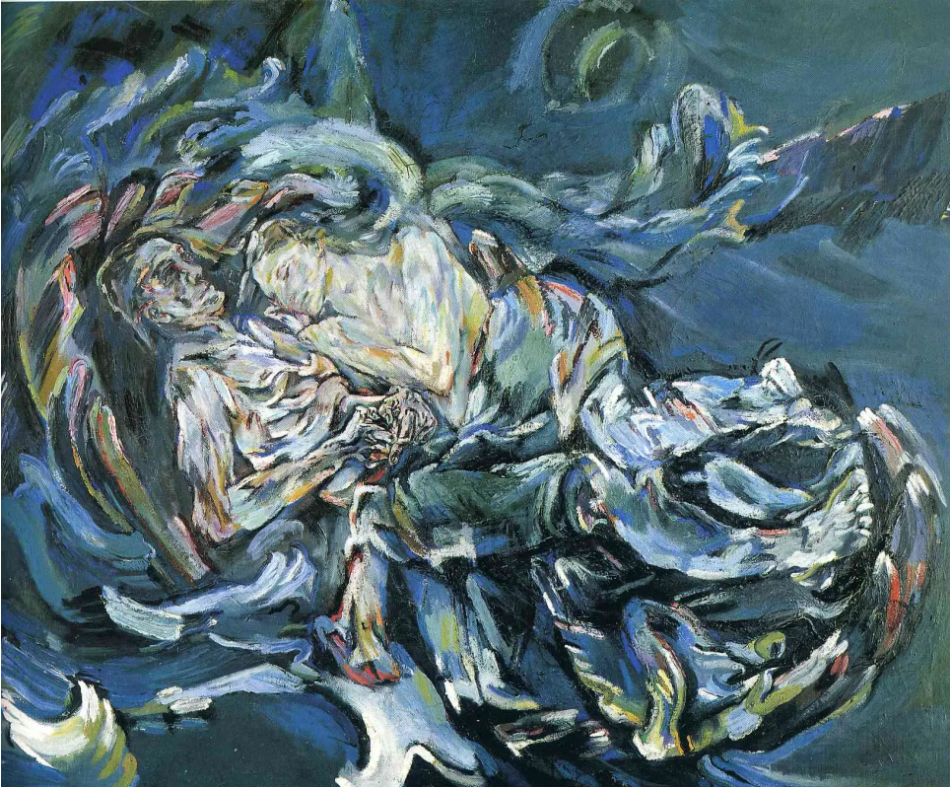
Wind Bride
Oskar Kokoschka
1914
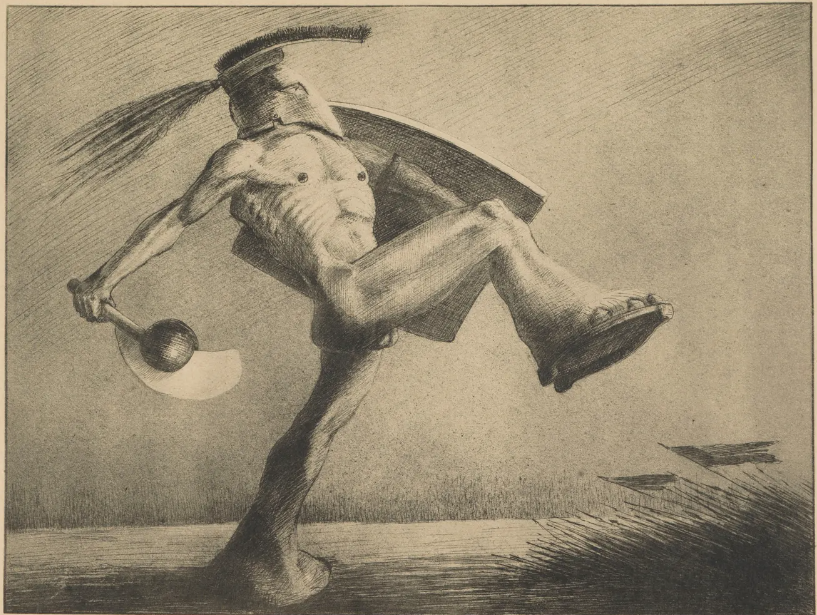
Alfred Kubin
Der Krieg (War)
1903
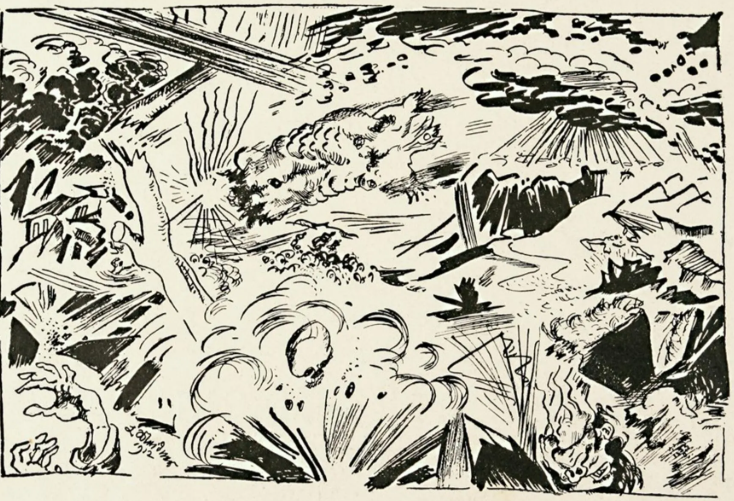
Apocalyptic Scene
Ludwig Meidner
1912
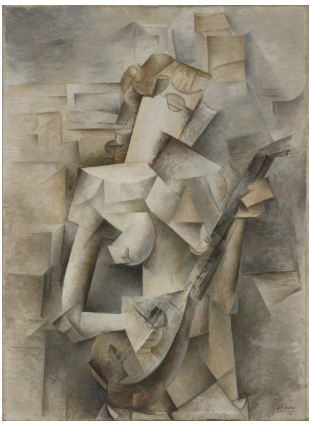
Pablo Picasso
Girl with a Mandolin (Fanny Tellier)
Paris, late spring 1910
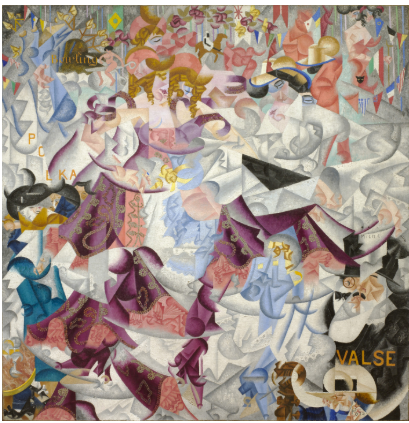
Gino Severini
Dynamic Hieroglyphic of the Bal Tabarin
1912
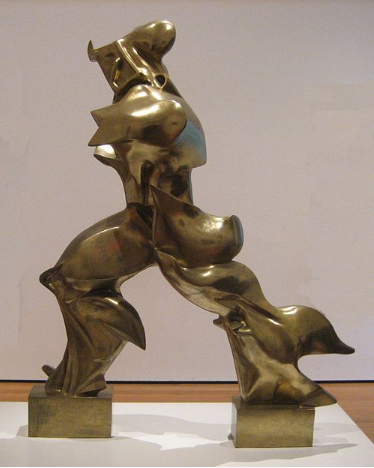
Unique Forms of Continuity in Space
Umberto Boccioni
1913
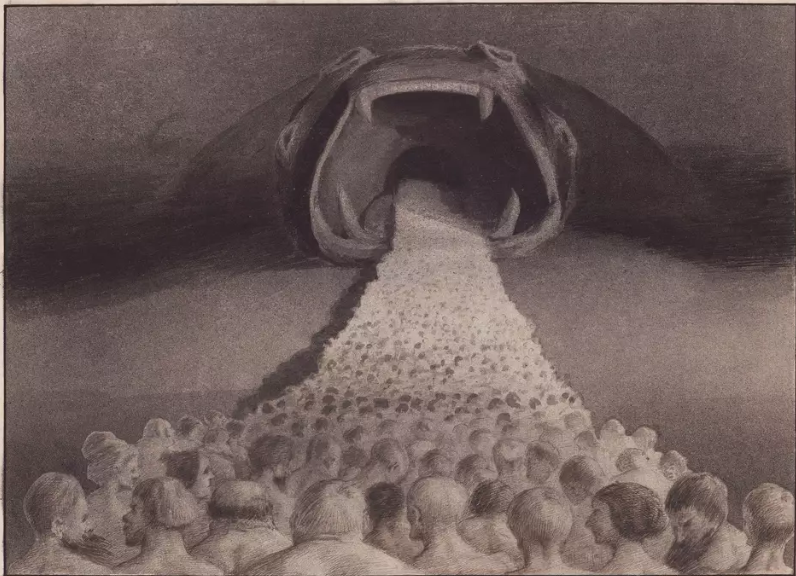
Into The Unknown
Alfred Kubin
1900
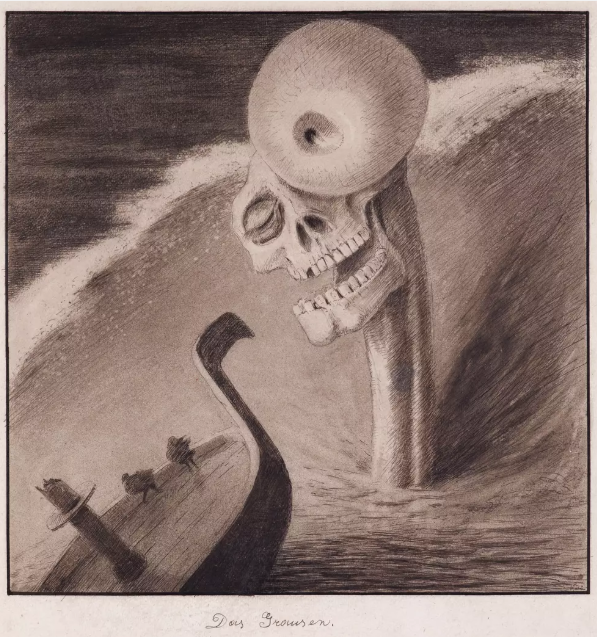
The Horror
Alfred Kubin
1902
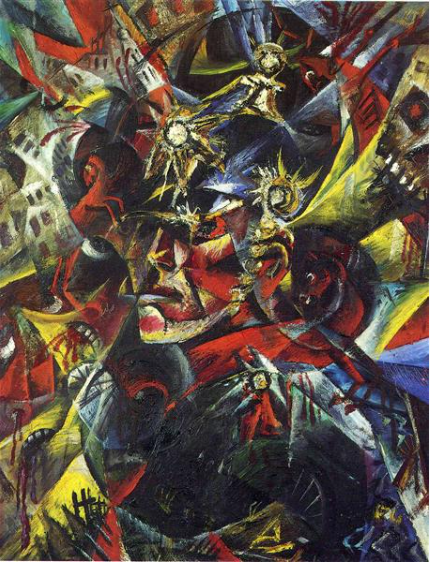
Self portreit as Mars
Otto Dix
1915
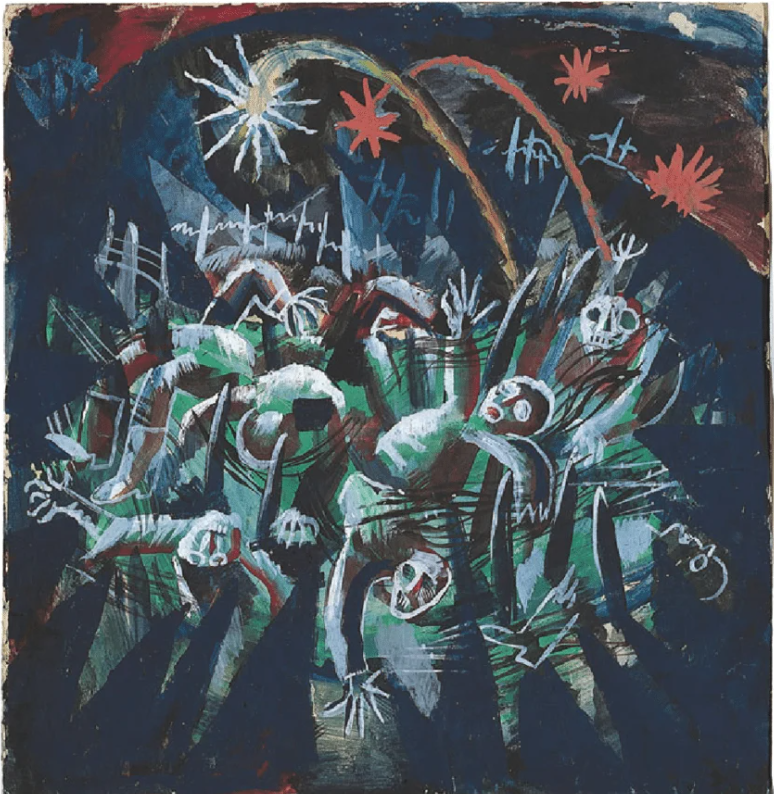
The Flare
Otto Dix
1917
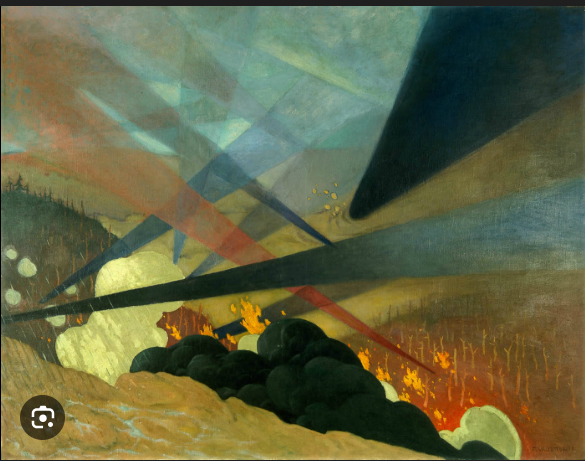
Verdun
Felix Vallotton
1917
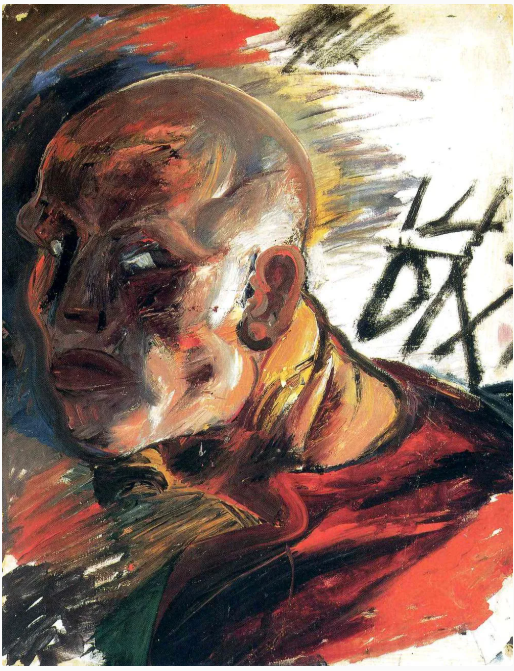
Self Portreit As Soldier
Otto Dix
1914
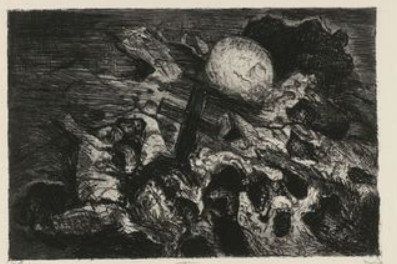
The War
Otto Dix
1924
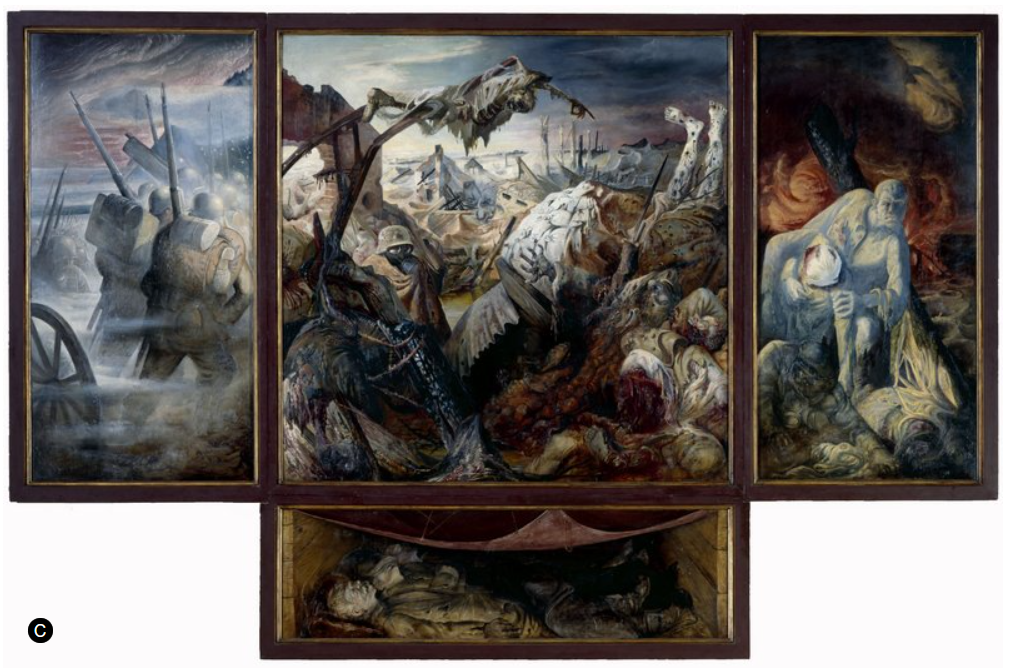
The War Triptych
Otto Dix
1931
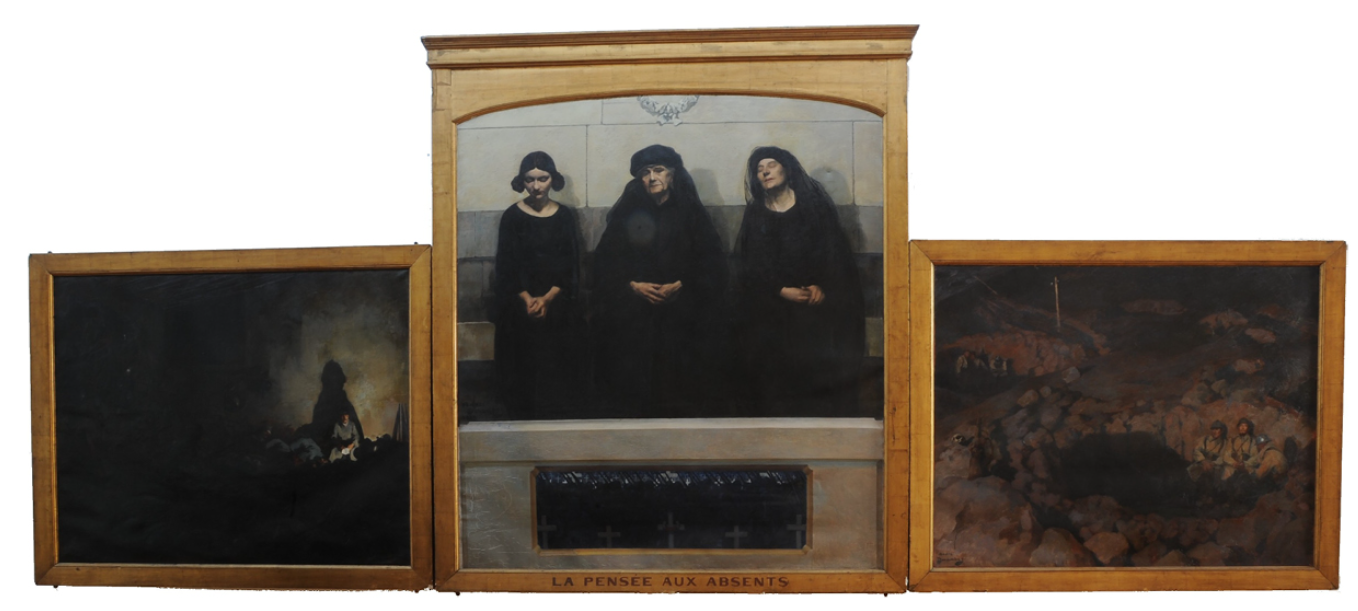
Thoughts For The Absent
Louvre Lens
1924
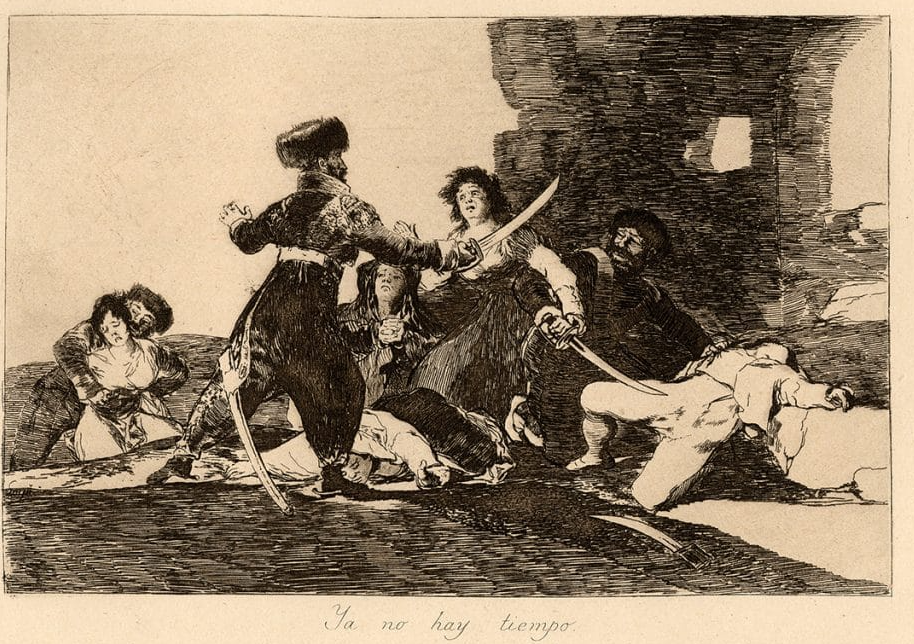
The Disasters Of War
Francisco Goya
1810
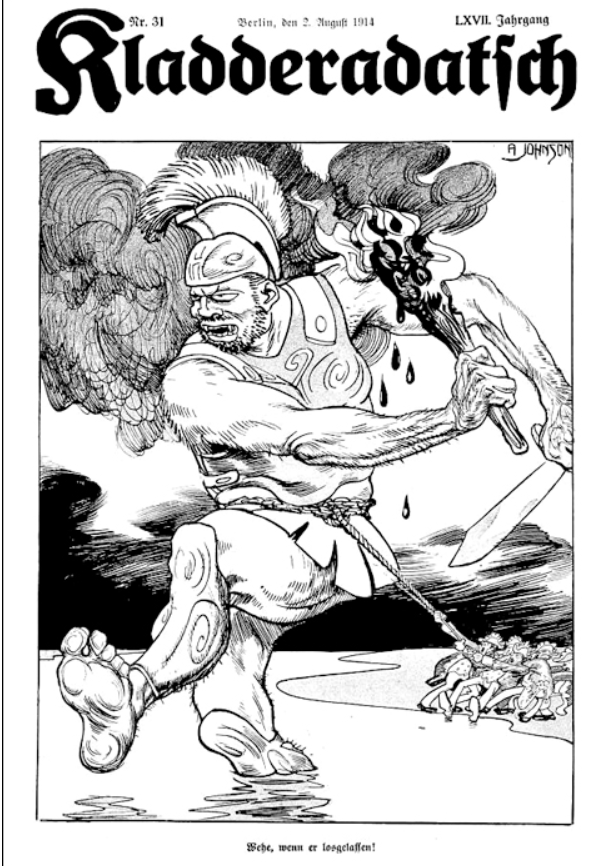
Woe, When He is Let Loose!
1914
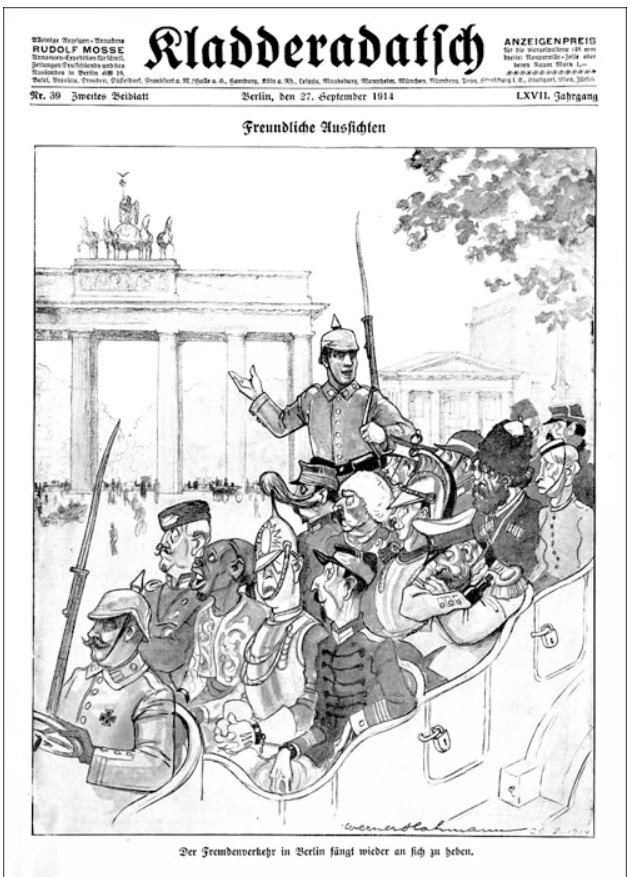
The Traffic in Foreigners Picking Up
1914
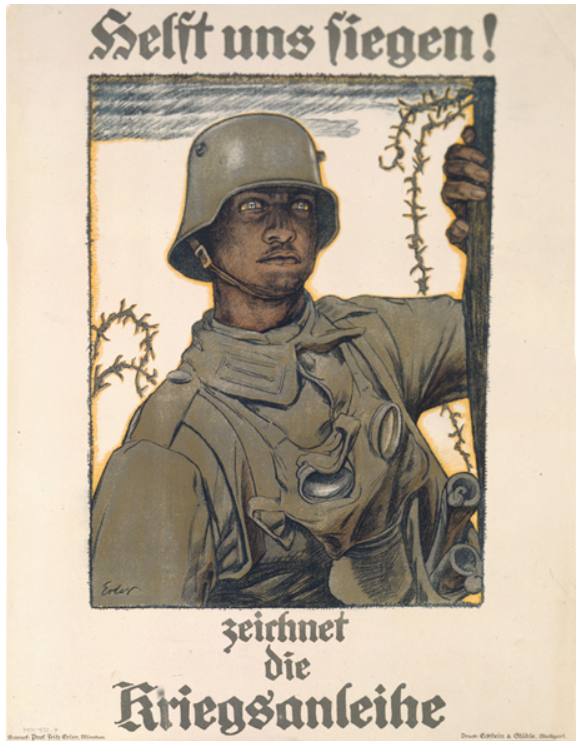
War Bonds
1917
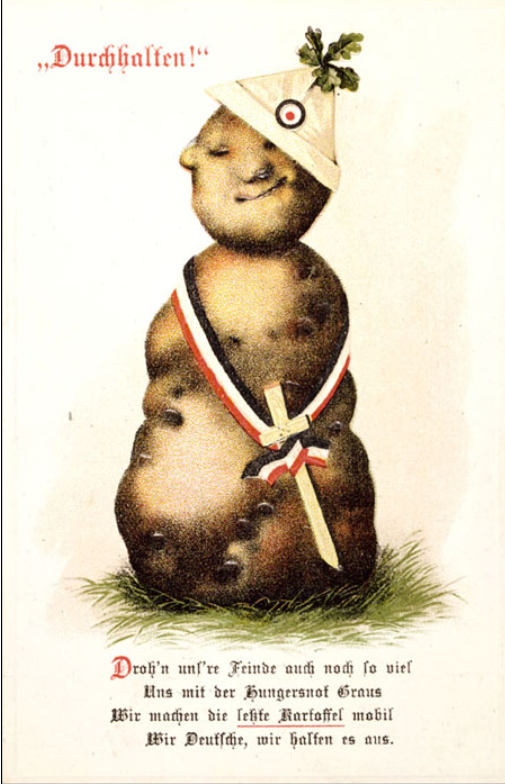
“Hold Out” Postcard
1915
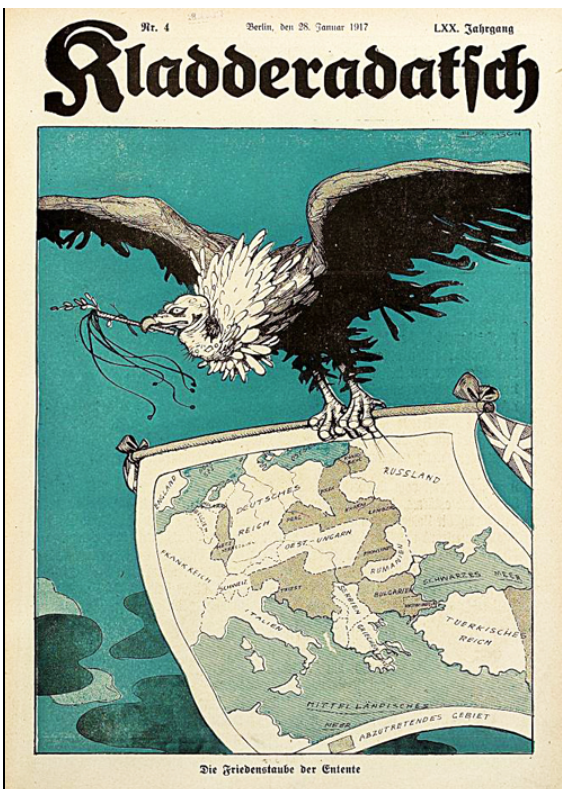
The “Peace Dove“ of the Entente
1917
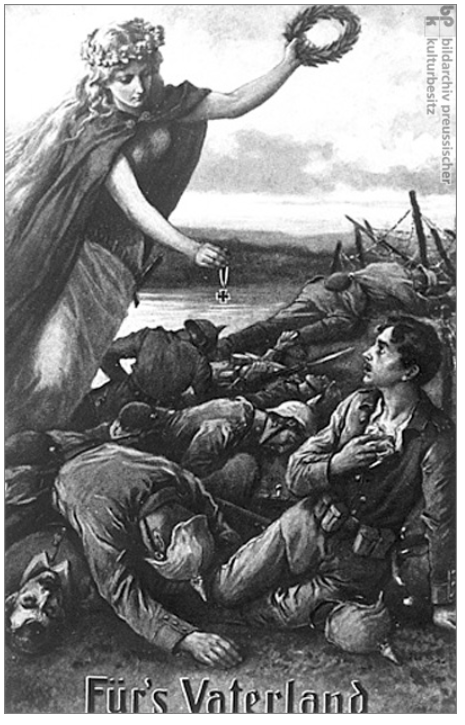
For The Fatherland
1918
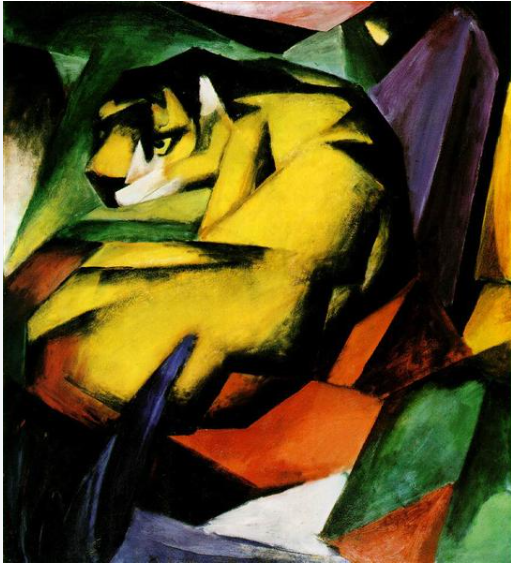
Tiger
Franz Marc
1912
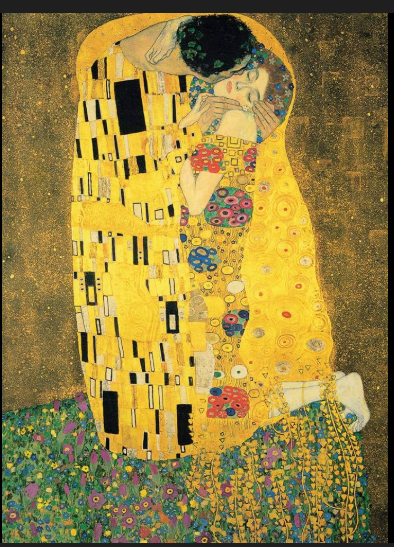
The Kiss
Gustav Klimt
1908
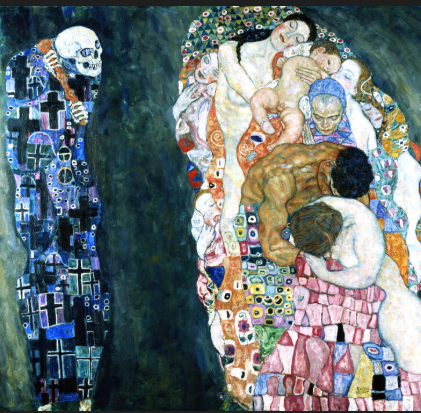
Death and Life
Gustav Klimt
1908
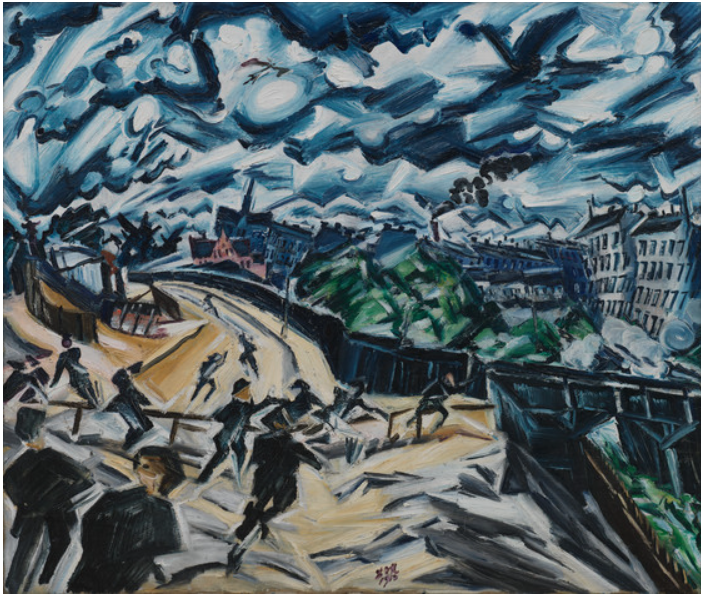
Apocalyptic Landscape
Ludwig Meidner
1913
Singing the War
“1. We want to sing the love of danger, the habit of energy and rashness.”
The Manifesto of Futurism - Filippo Tommaso Marinetti
"Fascination for the War."
soldiers marched out in a "drunken atmosphere of blood and roses." He framed the war as a necessary, transformative storm.
Ernst Jünger, Storm of Steel
paints this a year before the war starts, yet it looks like a bomb has already gone off. The perspective is violently distorted, and the buildings seem to be buckling and shattering under an unseen pressure. He uses dark, aggressive, jagged lines and explosive colors in the sky
Ludwig Meidner, Apocalyptic City
"We have become wild beasts. We do not fight, we defend ourselves against annihilation." This highlights the complete loss of individual agency and the dehumanization caused by the war machine.
Erich Maria Remarque, All Quiet on the Western Front (1928)
"My blood will be the red fountain... My destiny will be the flower." He connects the physical destruction of his body to the fertilization of the world, using poetry to reclaim some beauty from the horror.
personal loss and the fragility of life amidst the chaos. The poem reflects the psychological toll of the conflict, where the poet contemplates his own disappearance into the vast, indifferent landscape of the front.
"If I should die out there on the front of the army / You would weep for a day O Lou my great love"
Guillaume Apollinaire, “If I were to die over there” (1915)
poem captures the youthful excitement and desire for glory that many young men felt at the start of World War I. The "helmets of gold" and "flashing trumpets" represent the romanticized image of war, making the battlefield seem like a grand, heroic adventure.
Rainer Maria Rilke (1918)
THE BOY
reflects the weariness and despair felt toward the end of World War I, using the dying season to mirror the exhaustion of a world at war. The "slow dying-away" and the shift to "yellow and gray" symbolize the loss of life and hope as the conflict dragged into its final, bitter year.
Rainer Maria Rilke
End of Autumn
poet claims to be "everywhere" to witness the total scale of the global conflict. By listing everything from "barbed wire" to the "zenith," he highlights how the war shattered boundaries and consumed every aspect of human life and nature. The "unique ardor" of the battle suggests a strange, intense energy that connects the soldier to the entire universe, even in the face of imminent death.
captures the sublime and terrifying energy of modern combat, viewing the explosions as a strange kind of beauty. He feels connected to the entire universe through the "ardor" of the battle, highlighting the initial fascination with the scale of mechanized war.
"Who was in the war and knew how to be everywhere... In the unique ardor of this eve of battle."
Wonder of War Guillaume Apollinaire
By showing her bestowing an Iron Cross and a laurel wreath upon fallen soldiers, the image attempts to transform brutal battlefield deaths into a sacred sacrifice. This creates a powerful nationalist narrative that suggests even in defeat or death, the soldier’s service is eternally honored by the personification of the nation.
For the Fatherland
“There is no more time” strips away all traces of heroism to show the vicious reality of civilian suffering. The image focuses on the panic and helplessness of victims caught in a cycle of violence, where there are no divine wreaths or medals, only cold steel. By capturing this moment of immediate, chaotic cruelty, Goya highlights the human cost of war that propaganda intentionally hides.
Francisco Goya - Disasters of War
changing seasons to capture the anxiety and premonition of a world on the brink of collapse. The "slow dying-away" serves as a metaphor for the fading peace of the 19th century as a heavy, "earnest" darkness begins to fall.
"Something arises and acts / and kills and brings suffering."
Rainer Maria Rilke – "End of Autumn"
serves as a tool for state mobilization by framing the mass death of soldiers as a sacred, noble achievement. By showing Germania honoring the fallen with an Iron Cross, the government transformed the terrifying reality of the trenches into a meaningful civic duty.
For the Fatherland
portrays the battle as a mechanical and abstract force, stripping away human faces to focus on the geometric lines of fire and light. This reflects the artist's fascination with how war had become an inhuman, industrial process that overwhelmed the individual.
Félix Vallotton – "Verdun"
This work captures the spectral and eerie atmosphere of the front lines illuminated by artificial light. The flare creates a moment of intense, frozen visibility that emphasizes the "theatrical" yet deadly nature of the night-time battlefield.
Otto Dix – "Lichtsignale" (The Flare, 1917)
presents a raw and traumatized view of himself, showing the physical and mental aging caused by life in the trenches. His wide eyes and jagged lines represent the "disillusionment" of a soldier who has seen the literal face of horror.
Otto Dix – "Self Portrait as a Soldier"
category to represent the timeless, visceral agony of human suffering in conflict. His refusal to romanticize death serves as a direct ancestor to the anti-war art produced by soldiers at the end of WWI.
Francisco Goya – "Disasters of War"

